
Skip to content

Treasures From a Sunken City

Divers are working with archaeologists to help pull ancient Egyptian artifacts from the bottom of the Mediterranean Sea.

Five divers strike celebratory poses in a body of water as equipment is used to pull a large object out of the water.

© Khaled Desouiki—AFP/Getty Images

Divers celebrate as a crane pulls an artifact out of the waters off the coast of Alexandria, Egypt, in 2025.

About 1,200 years ago, earthquakes and rising sea levels caused part of an Egyptian city to sink beneath the Mediterranean Sea, carrying countless treasures with it below the waves. Scuba divers, archaeologists, and Egyptian officials are working together to bring some of these artifacts back to the surface. 

Statues, coins, pottery, and ship parts are among the treasures pulled from the Abu Qir Bay, off the coast of Alexandria, Egypt. The artifacts come from Canopus, which was a thriving coastal city thousands of years ago. One statue pulled from the water was of a sphinx—a mythical creature with the head of a man and the body of a lion—that dated back at least 3,000 years to the rule of Egyptian king Ramses II. Other statues depict Roman and Macedonian nobles, showing that several ancient dynasties influenced the city culture before it sank into the depths.
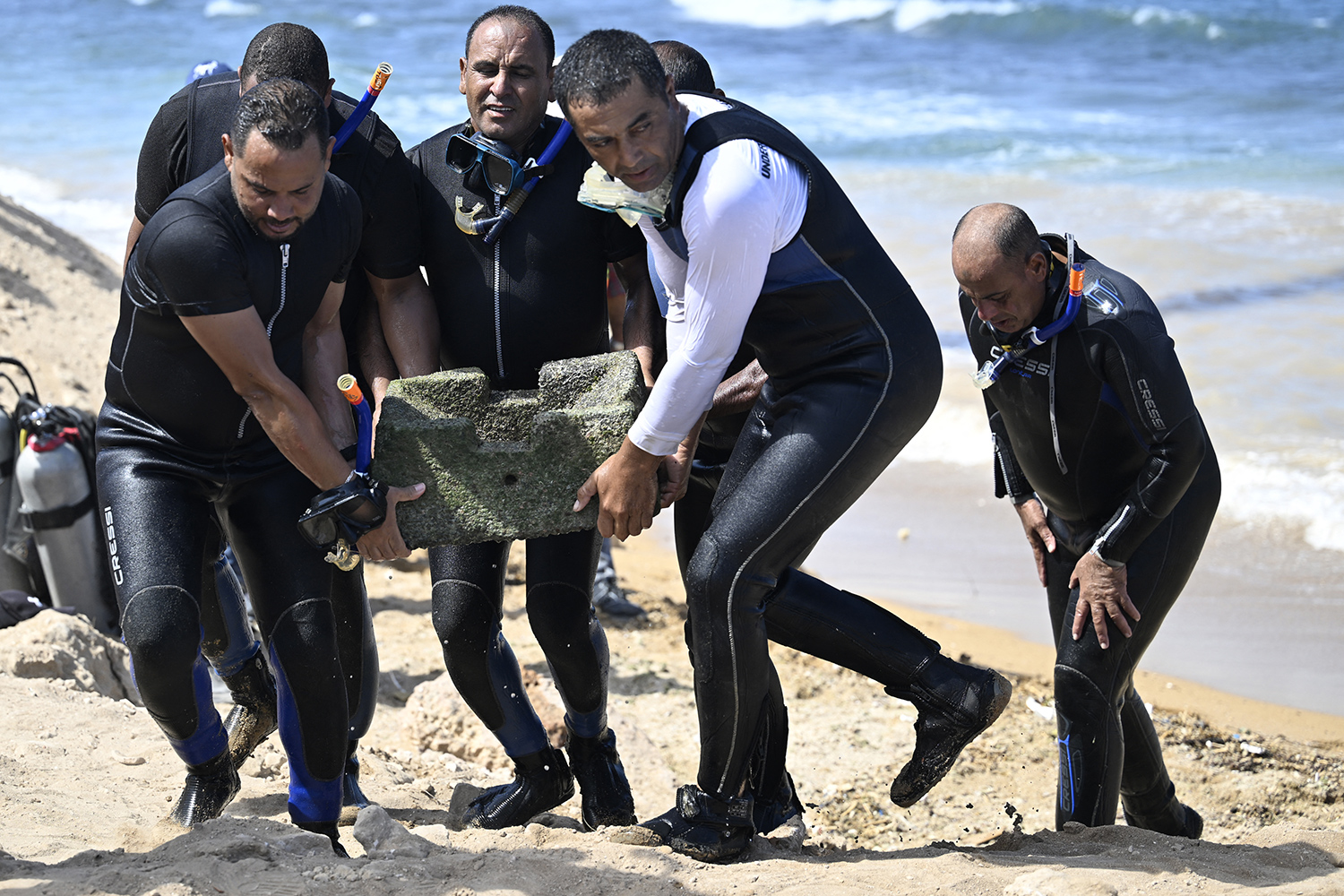
Six divers walk away from the water. Five of them are carrying a large object that resembles a block of cement.

© Khaled Desouiki—AFP/Getty Images

Divers carry an ancient artifact to land on the coast of Alexandria.

The coasts of Egypt are home to many sites of “underwater cultural heritage,” which is the term for places with shipwrecks and submerged artworks and other historic objects. While some items have been retrieved, many treasures will remain in the water that claimed them.

“There’s a lot underwater, but what we’re able to bring up is limited,” said Sherif Fathi, an Egyptian government official who spoke to the media at the Abu Qir Bay site. “The rest will remain part of our sunken heritage.”
Did You Know?

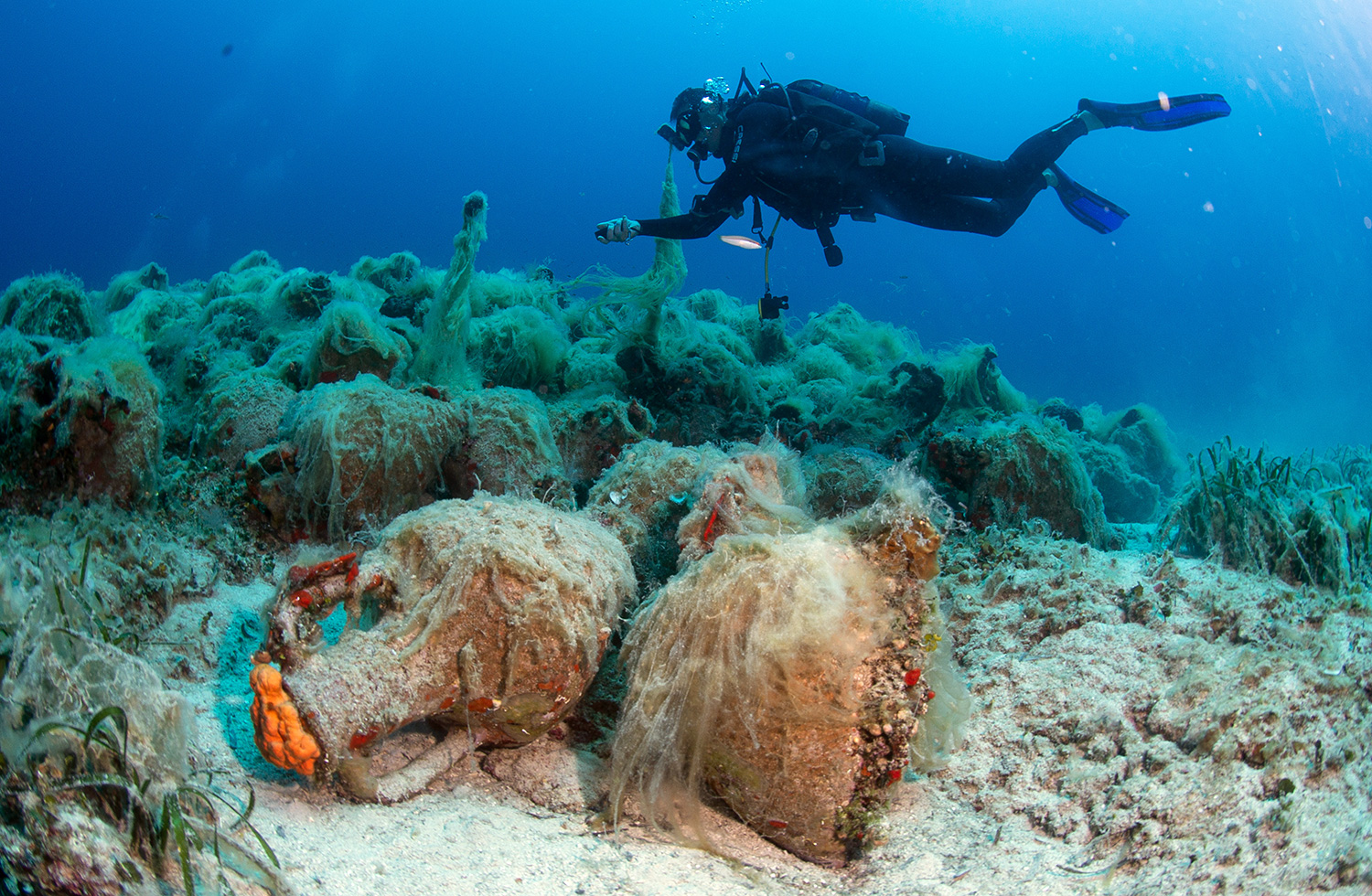
There are countless buried historical treasures around the world! Greece has so many that the nation opened the first underwater museum where divers can visit an ancient shipwreck.

A diver examines a large number of clay jugs sitting on the sea floor.

© Cristian Umili—Mondadori Portfolio/Getty Images

A diver explores pottery from an ancient shipwreck off the coast of Alonissos Island, Greece. This area is now the home of the Alonissos Underwater Museum.

Origami Rescue

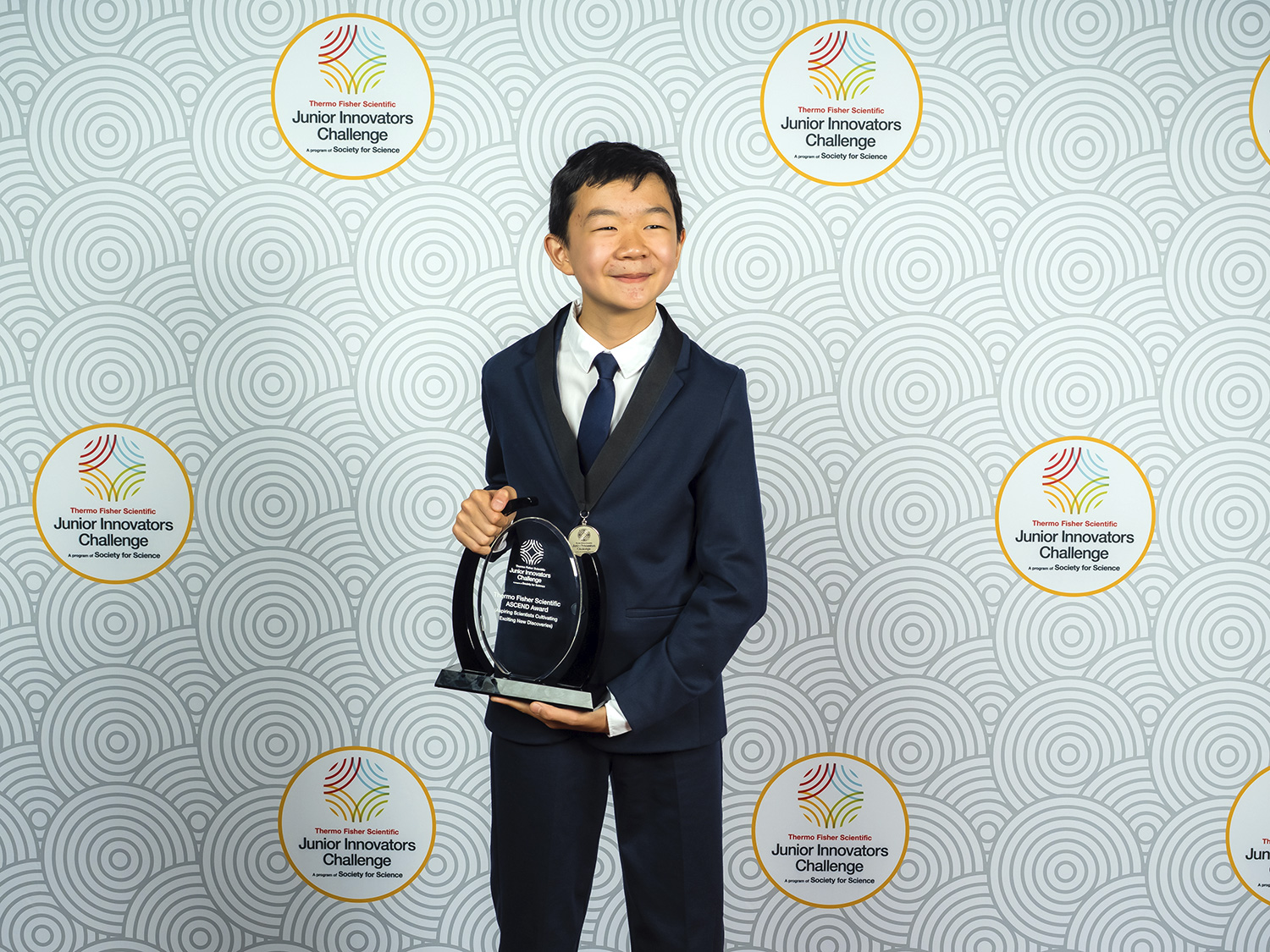
Miles Wu smiles and holds a trophy in front of a backdrop reading Junior Innovators Challenge

Jessica Yurinko Photography/Licensed by Society for Science

Fourteen-year-old Miles Wu poses after winning the Thermo Fisher Scientific Junior Innovators Challenge.

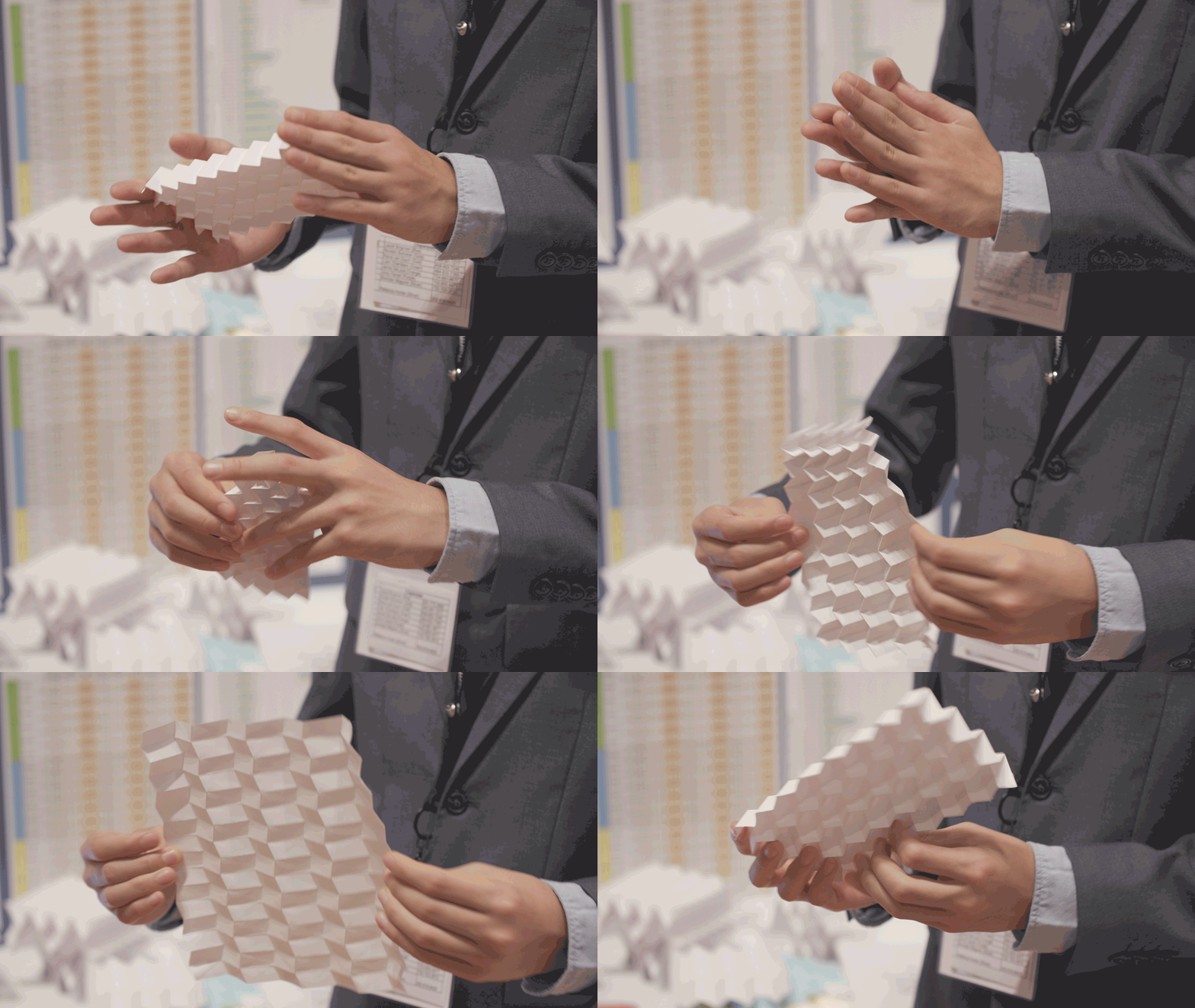
Could origami—the art of paper folding—help people needing shelter after a wildfire or a hurricane? 

This question inspired 14-year-old Miles Wu’s research project, which focused on origami-inspired engineering for disaster relief shelters. Miles, a longtime origami fan, studied the strength of the Miura-ori fold pattern as a design for a temporary structure. 

Miura-ori is the name of an origami fold created by Japanese astrophysicist Koryo Miura. When folded in this pattern, a material can be stored in a small space but can also be unfolded in a swift movement. Miura-ori has been used to make satellite solar panels that go to space. 

Miles’s research shows that variations of this pattern could work to create a lightweight, easy-to-store emergency shelter that, once unfolded, would be strong enough to protect people. 

“Miura-ori are really strong, lightweight, and compactable, meaning they could offer a better alternative as deployable structures in emergency situations,” said Miles in an interview with the Society for Science.

Two hands expand and contract a piece of paper that has been folded in the Miura-ori origami fold.

Courtesy of Lisa Fryklund/Licensed by Society for Science; Photo composite Encyclopædia Britannica, Inc.

Miles Wu demonstrates the Miura-ori origami fold.

Miles’s research project earned him the top prize and $25,000 in the Thermo Fisher Scientific Junior Innovators Challenge, the top science, technology, engineering, and math (STEM) competition for middle schoolers in the United States.

Miles is already looking ahead to applying the Miura-ori fold in the real world. 

“I would [like to] expand my project and prototype an actual origami shelter that could really be used in real life,” he said. He is also encouraging others to use their hobbies as a source of inspiration for research projects. “Follow your hobbies and your passions in STEM because you don’t know where it could lead you.”

The Search for Buried Treasure

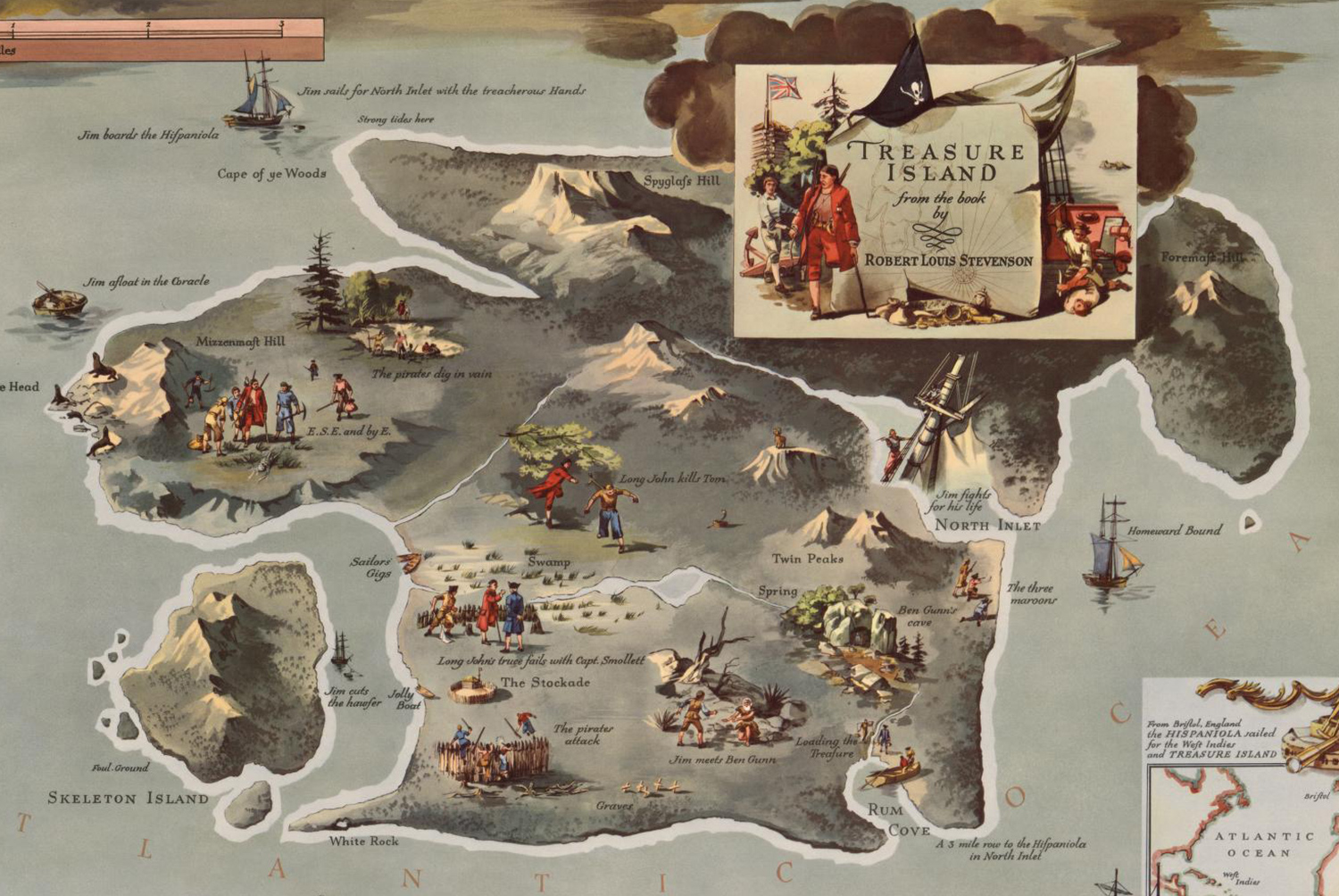
An illustrated treasure map is labeled Treasure Island and credited as having come from Robert Louis Stevenson’s book.

Geography and Map Division/Library of Congress, Washington, D.C. (G9930 1954 .H4)

This map was included in a 1954 edition of the novel Treasure Island by Robert Louis Stevenson. First published in 1883, the book is about an adventure in search of a buried treasure.

The excitement of buried and sunken treasure has inspired fictional and real-life adventurers to hunt for tombs and shipwrecks. 

Read more about famous treasure hunts at Britannica!

WORD OF THE DAY

submerge

PART OF SPEECH:

verb

Definition:

: to make (someone or something) go under the surface of water or some other liquid: to cover (someone or something) with a liquid

Definitions provided by
Merriam-Webster Logo

Crossword

Use the clues to solve the puzzle.

O
O
O
O
O
O

In Case You Missed It

Shorter snouts on city raccoons show they’re becoming tamer than forest raccoons.
January 4, 2026
Thanks to three-wheeled electric vehicles, women in Zimbabwe have the independence they need to make a living.
December 10, 2025
Syrian teen Bana Alabed has won an international peace award for her work helping children in war zones.
December 4, 2025
Archaeologists found valuable medieval artifacts in an unlikely place—vultures’ nests.
November 26, 2025