
Skip to content

Gyo Fujikawa’s Colorful World
Gyo Fujikawa’s illustrations show a world where children of all backgrounds laugh and play together.
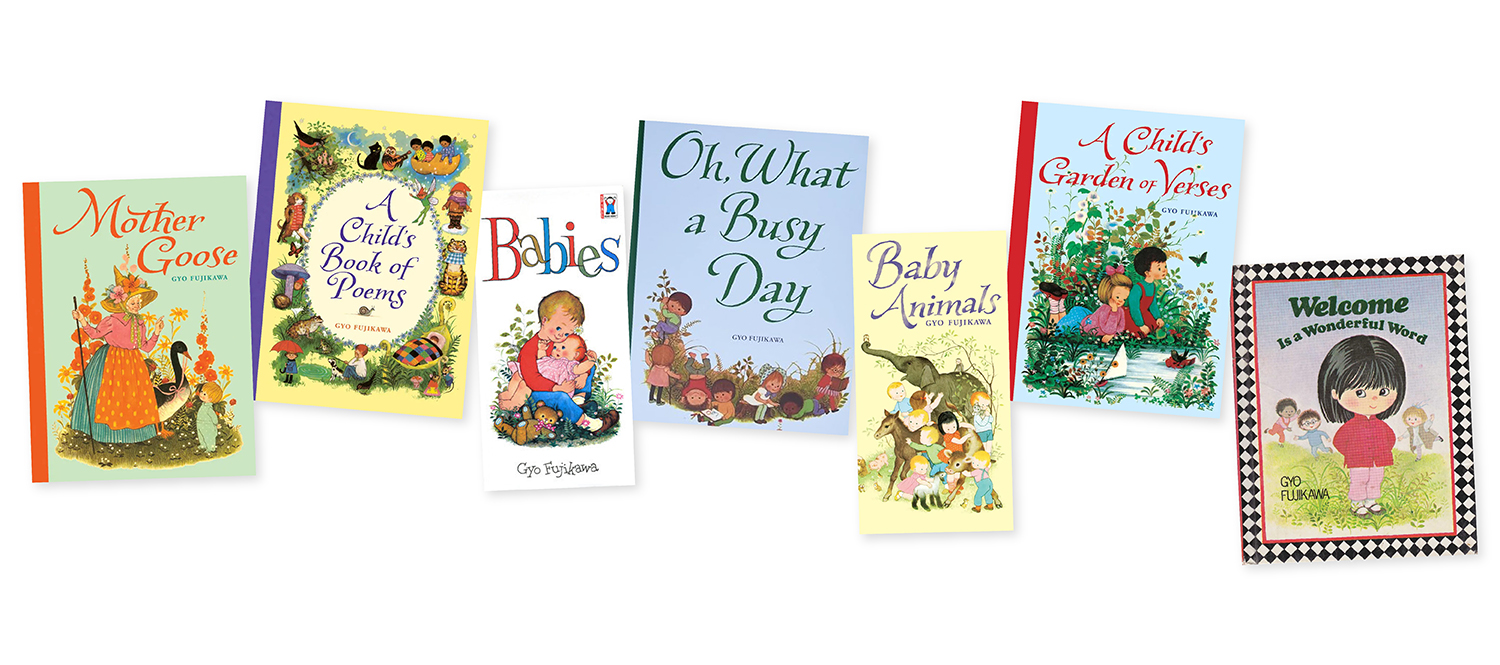
The covers of Gyo Fujikawa’s books Mother Goose; A Child’s Book of Poems; Oh, What a Busy Day; Baby Animals; A Child’s Garden of Verses; and Welcome Is a Wonderful Word are shown.

© Hachette Book Group, © Penguin Random House, Amazon, Inc.; Photo composite Encyclopædia Britannica, Inc.

Seven of the books illustrated by Gyo Fujikawa show her soft, colorful style.

As a Japanese American, Gyo Fujikawa didn’t always have an easy life. But she created a better world on the pages of her famous picture books. It was a colorful place where kids of all backgrounds laughed and played together.

Becoming an Artist

Fujikawa was born in Berkeley, California, in 1908. Her parents, both Japanese immigrants, were farmworkers. When Fujikawa was young, her teachers realized she had a great talent for art. They raised money to pay for her to go to art school. 

Fujikawa started her career as a commercial artist, which means she made art for advertisements or products for sale. In 1933, she got a job at Walt Disney Studios. One of her big tasks there was to help create a book to go along with an animated movie called Fantasia.

World War II (1939-1945) was a difficult time for Fujikawa. During this time, her parents and brother were forced to go to an internment camp simply because they were Japanese American. The experience deeply affected Fujikawa. You can read more about internment camps below this article.

Books for Everyone

In the 1950s, Fujikawa began illustrating other people’s children’s books. But she was frustrated because the children she was asked to draw were white. Other picture books also featured mostly white children. They didn’t look like Fujikawa or her family. 

Fujikawa began writing and illustrating her own books in 1963. Her soft, colorful illustrations showed children and animals with sweet expressions. Most distinctive of all, the children in Fujikawa’s books weren’t only white. They represented many races, including white, Black, and Asian. 

At the time, it was rare for children’s books to show a diverse group of children as friends. Fujikawa wasn’t just making pretty pictures. She was drawing a world she wanted to see in real life. She also believed that all children deserved to see themselves represented in books.

Fujikawa wrote and illustrated more than 40 books, many of which are still in print. Her books include Babies; Oh, What a Busy Day; and Welcome Is a Wonderful Word. She died in 1998.
Internment Camps
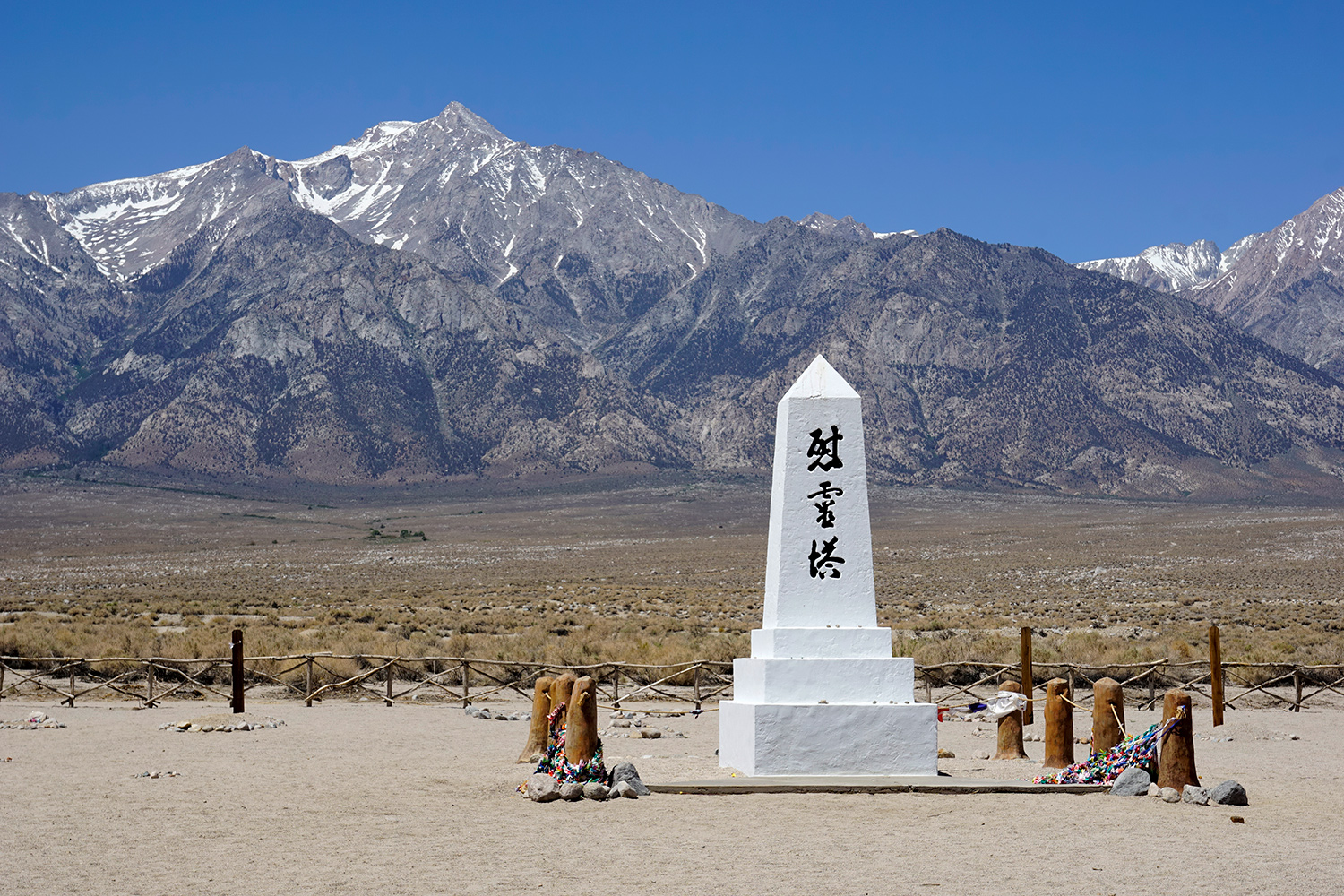
A white obelisk with Japanese characters is in front of a mountainous background.

© RiverNorthPhotography—iStock Unreleased/Getty Images

This monument is dedicated to the Japanese Americans who were forced to live at a California internment camp called the Manzanar War Relocation Center during World War II.

In the 1940s, the United States was involved in World War II. Because Japan was on the other side in this war, the U.S. government became suspicious of Japanese Americans. Sadly, Japanese Americans living in the western United States were forced into internment camps. People were held against their will in these camps for much of the war. They had to leave their homes and their jobs, and their rights as American citizens were ignored.

Gyo Fujikawa, who lived in the eastern United States, remained free. But her family did not. It was a painful experience for Fujikawa and all Japanese Americans.

Face Thinking Icon

Did You Know?

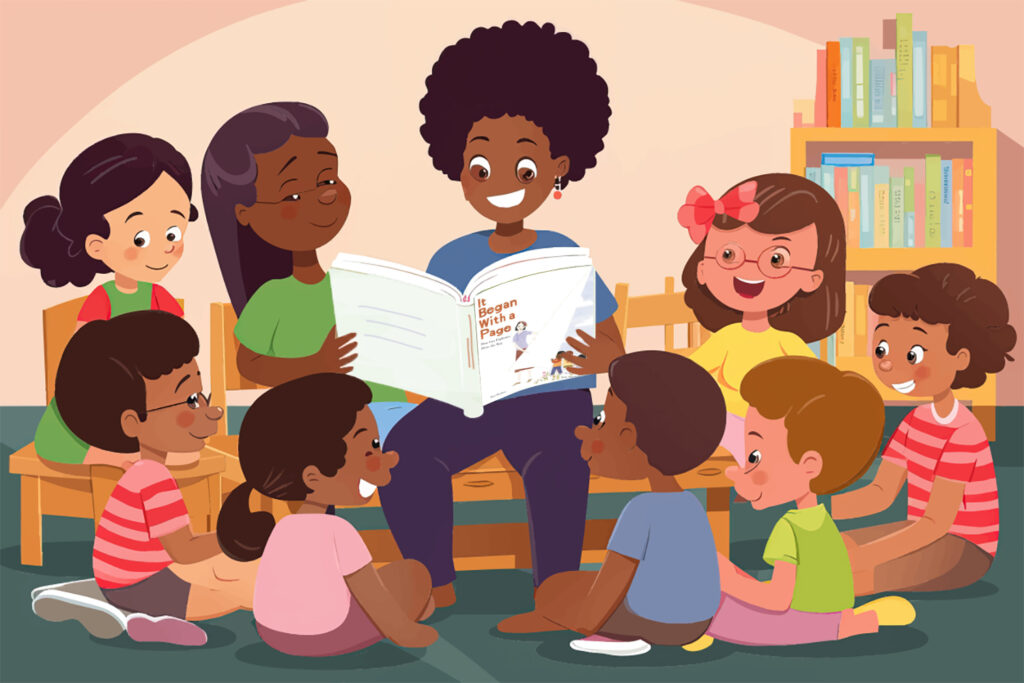
An adult reads It Began with a Page to a diverse group of children.

© HarperCollins, © zaschnaus/stock.adobe.com; Photo illustration Encyclopædia Britannica, Inc

The illustration shows kids enjoying It Began with a Page. It was not created by Fujikawa.

Gyo Fujikawa’s life inspired a book! Written by Kyo Maclear and illustrated by Julie Morstad, It Began with a Page tells the story of Fujikawa and her fight for racial equality in children’s books.

History Makers

May is Asian American and Pacific Islander Heritage Month in the United States and Asian Heritage Month in Canada. To celebrate, we’re featuring a few history makers from the past and present. 

Mary Tape (1857–1934)
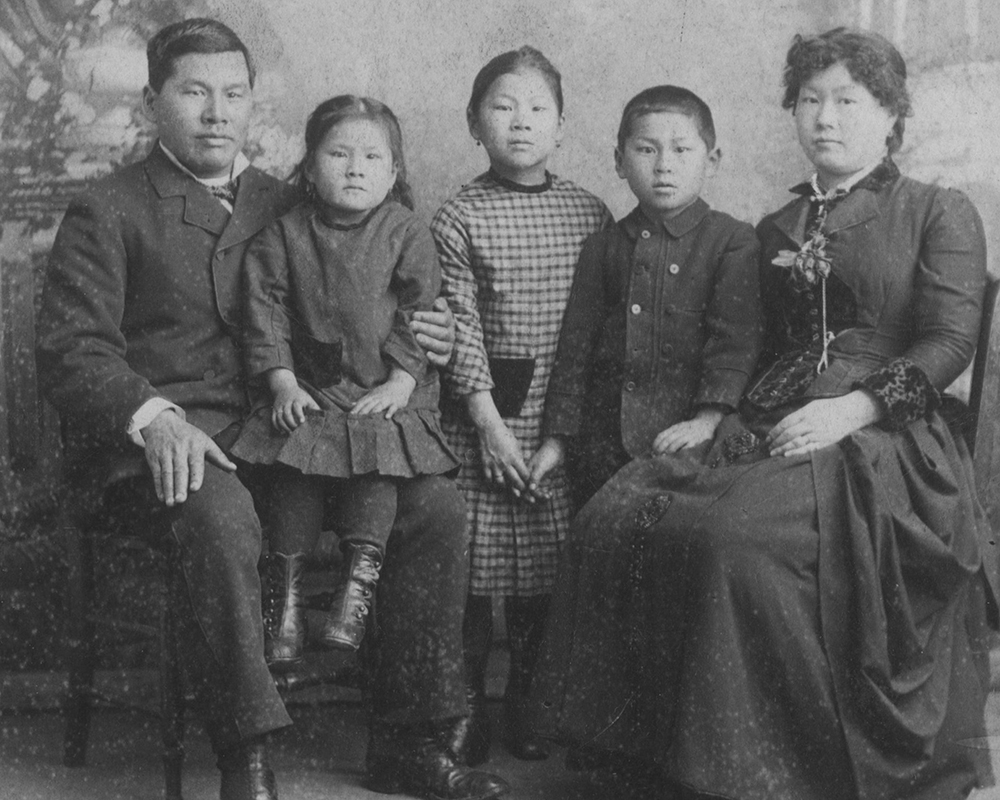
Mary Tape and her husband are in 19th century clothing and seated on either side of the two young daughters and son.
© Smith Collection—Gado Images/Alamy

Born in China, Mary Tape (shown in a photo with her husband and kids) arrived in the United States alone when she was just 11. In 1884, when her daughter was turned away from an all-white school, Tape took the school district to court. Although she lost the fight, she’s remembered as an early opponent of segregation, or separation by race.

Sammy Lee (1920–2016)
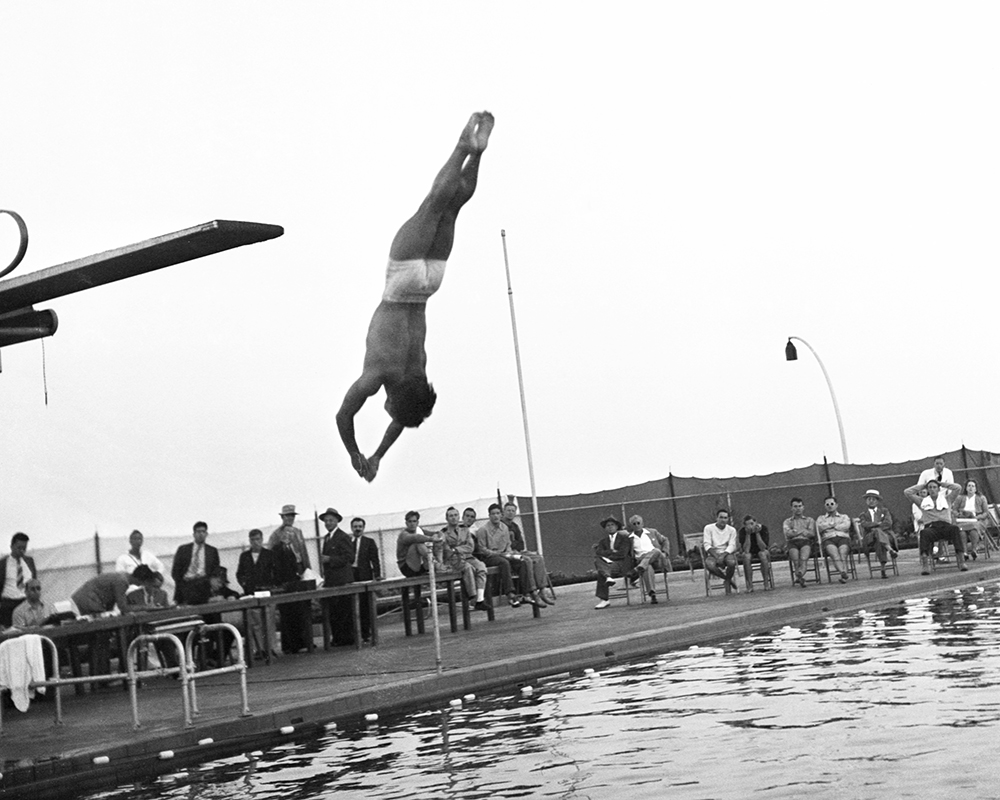
Sammy Lee is mid-dive over an outdoor pool as several people watch from the side.
© Bettmann Archive/Getty Images

In 1948, Korean American diver Sammy Lee was the first Asian American man to win an Olympic gold medal. He went on to become a diving coach and a doctor.

David Ho (1952–)
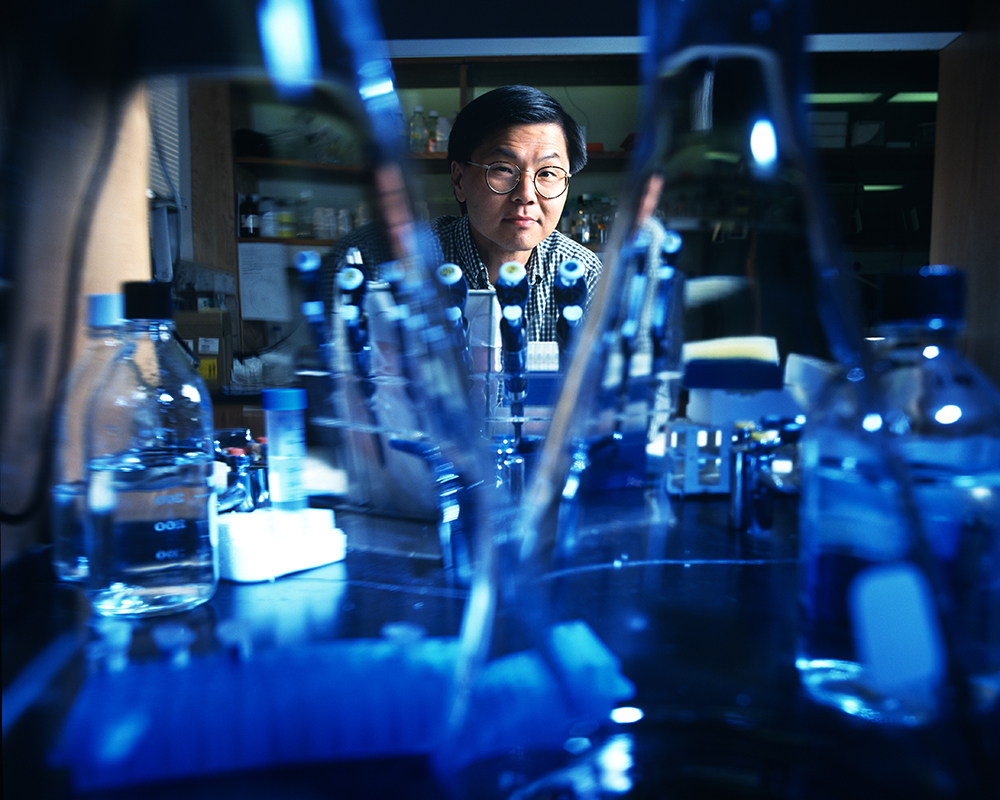
David Ho poses behind several pieces of glass laboratory equipment.
© Karjean Levine—Archive Photos/Getty Images

Taiwanese American doctor David Ho has done important research into the causes of two viruses: HIV and the virus that causes COVID-19. His work, which is ongoing, has led to the development of life-saving treatments for both viruses.

Kalpana Chawla (1962–2003)
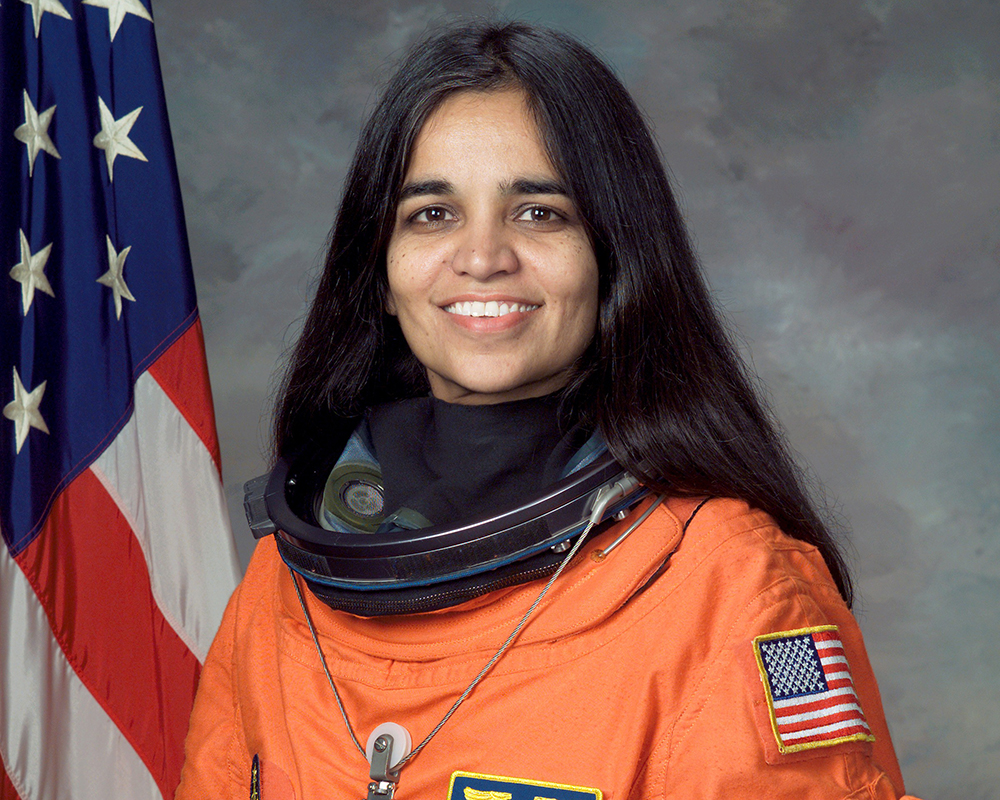
A portrait of Kalpana Chawla in her NASA uniform.
NASA

Kalpana Chawla was an aerospace engineer (a type of scientist who specializes in the development of aircraft). In 2003, she became the first Indian American astronaut to go to space, aboard the space shuttle Columbia. Sadly, Chawla and the rest of the Columbia crew were killed in an accident during the return from their mission.

Marty Chan (1965–)
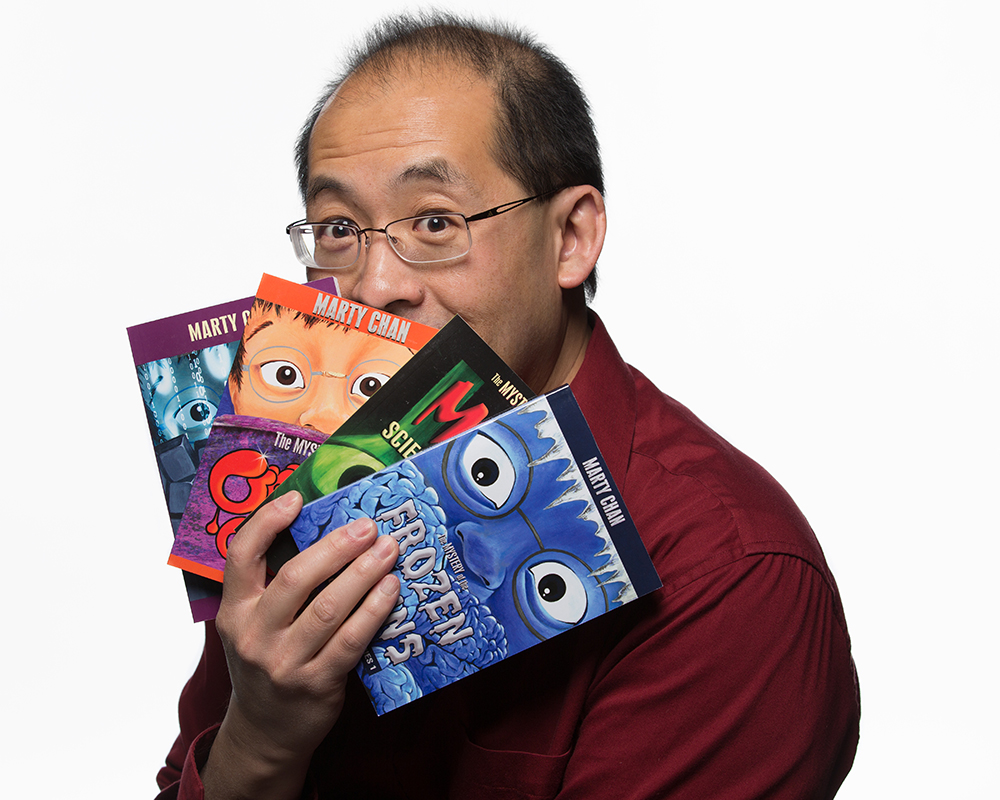
Marty Chan holds four of his books in a fan formation over his mouth.
Courtesy of Marty Chan

Chinese-Canadian author Marty Chan’s work delights readers of all ages with humor and heart. Born in Edmonton, Alberta, Canada, Chan writes books and plays for children and adults. His fiction includes The Marty Chan Mystery Series, The Bigfoot Series, and standalone books like Haunted Hospital and Kylie the Magnificent.

Auli‘i Cravalho (2000–)
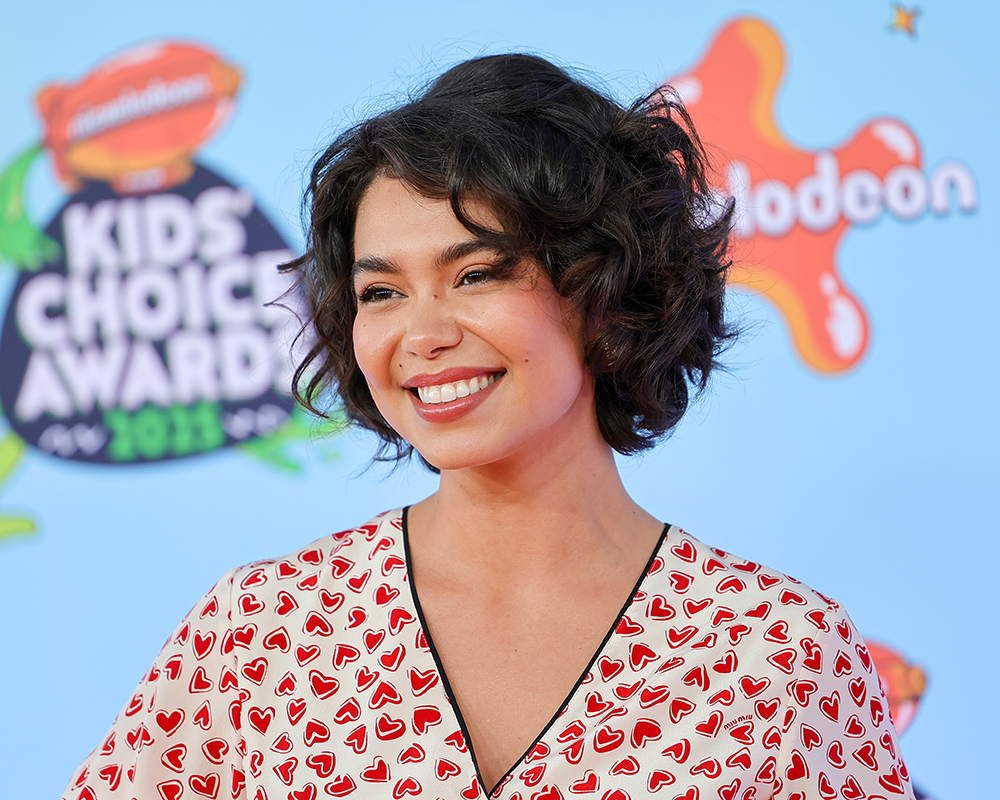
Auli’i Cravalho smiles in front of a background that shows she is at the Nickelodeon Kids’ Choice Awards.
© Maya Dehlin Spach/Getty Images

Native Hawaiian actress and singer Auli‘i Cravalho may be best known as the voice of Moana in the 2016 movie of the same name. Since then, she has appeared on the stage in New York City and London, performing in Evita, Mean Girls, and other musicals.

Celebrate Asian Heritage!

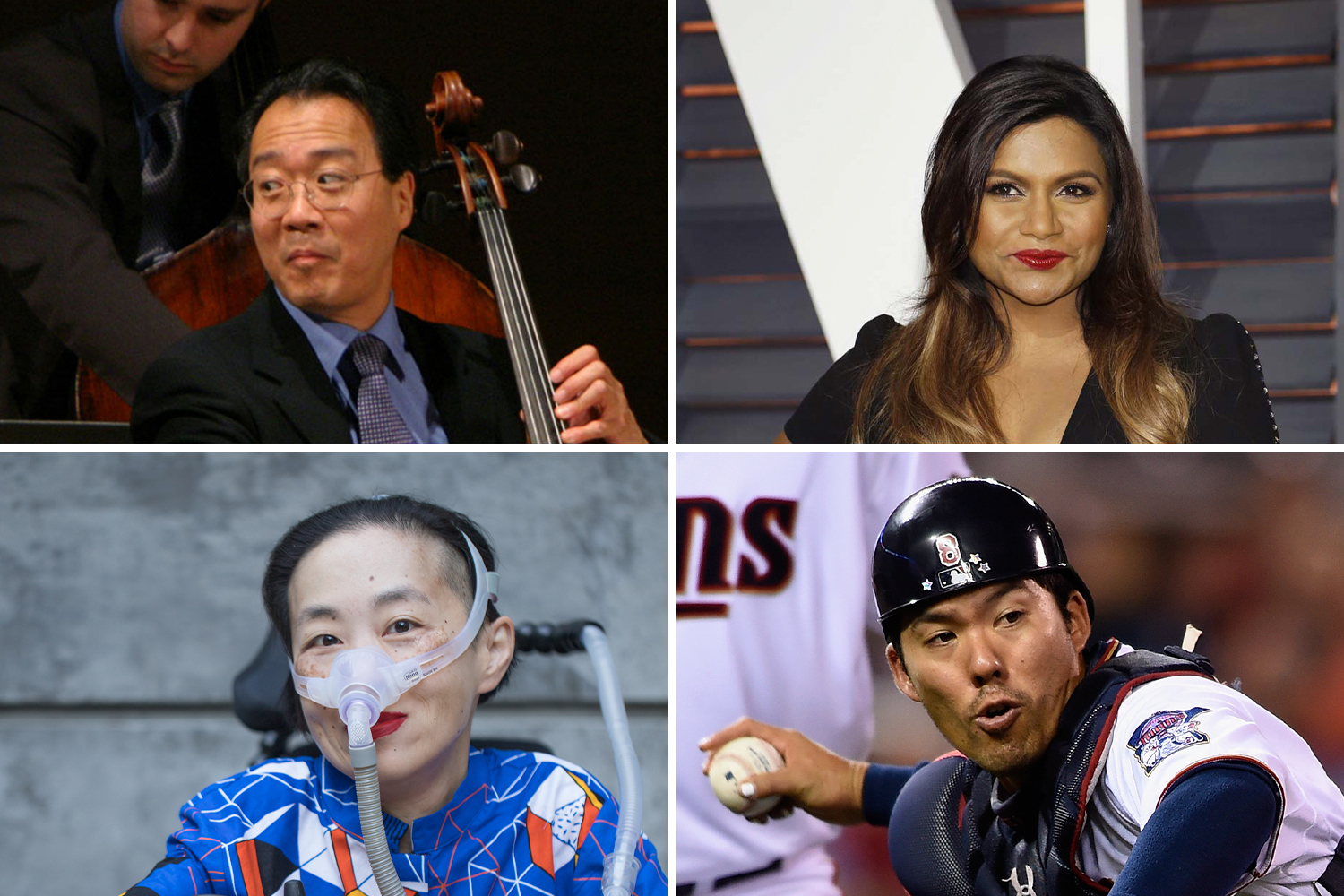
A composite shows Yo-Yo Ma, Mindy Kaling, Alice Wong, and Kurt Suzuki.

© Hiroyuki Ito—Hulton Archive/Getty Images, © Helga Esteb/Shutterstock.com, © Eddie Hernandez, © Hannah Foslien/Getty Images; Photo composite Encyclopædia Britannica, Inc.

(Clockwise from top left) Cello player Yo-Yo Ma, actor and writer Mindy Kaling, baseball player Kurt Suzuki, and disability rights activist Alice Wong.

Have you ever heard of Olympic gymnast Suni Lee? What about Margaret Chung, the first Chinese American female doctor in the United States? These are two of many Asian Americans to celebrate during Asian American and Pacific Islander Heritage Month, or any time!

Learn more at Britannica.

Word of the Day Icon

WHAT'S THE WORD?

achievement

Part of speech:

noun

Definition:
: something that has been done or achieved through effort : a result of hard work
Definitions provided by
Merriam-Webster Logo
Game Icon

Play

Crossword

Use the clues to fill in the puzzle.

.

In Case You Missed It

How can you tell whether photos and videos are real or made with AI? Here are a few tips.
April 28, 2026
A bug that walks on water inspired a frilly new robot design.
April 24, 2026
Scientists say hedgehogs can hear better than dogs. That could help save them.
April 21, 2026
Teens in the United Kingdom and the United States are doing their part for the planet.
April 9, 2026

How to Cite This Page

Here is how to cite this page using the MLA style. While every effort has been made to follow citation style rules, there may be some differences. Please refer to the appropriate style manual or other sources if you have any questions.

“In the News: Gyo Fujikawa’s Colorful World.” Britannica School, Encyclopaedia Britannica, 3 May 2026. https://news.eb.com/level1/gyo-fujikawas-colorful-world. Accessed 4 May 2026 [Replace this date with today’s date.]