
Skip to content

Four-Legged Firefighters
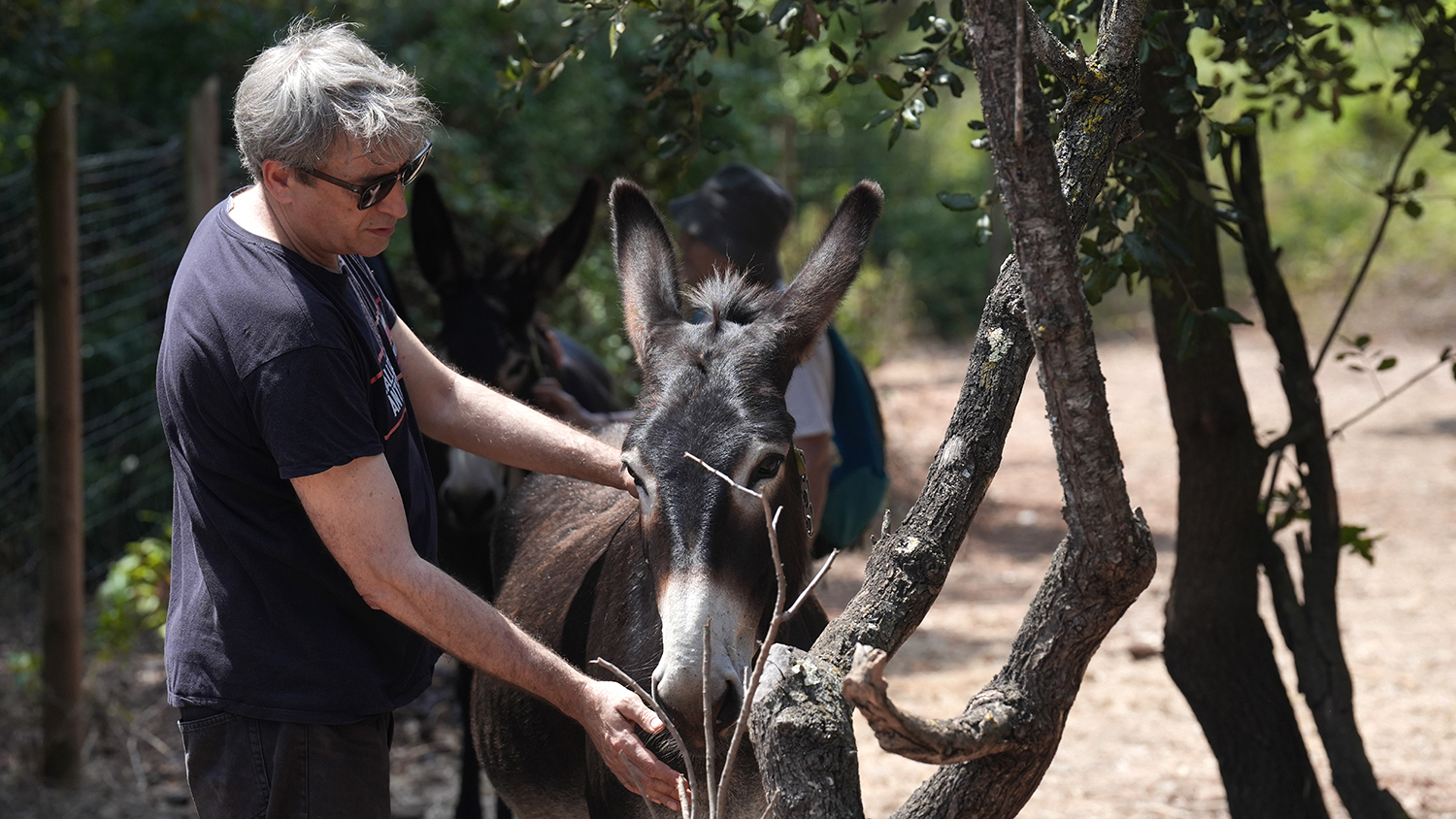
In Spain, donkeys are helping to keep wildfires from spreading, just by eating.
A person pets a donkey in an outdoor space near some trees.

© David Zorrakino—Europa Press/Getty Images

The Tivissa Donkeys Firefighters are used to clear vegetation in Spain. The donkey in this photo is part of another program called “Rucs al bosc,” or “Donkeys in the Forest.”

Wildfires can cause a massive amount of destruction. But in Spain, a group of four-legged firefighters are helping to keep the blazes under control.

An organization called Tivissa Donkeys Firefighters has been putting rescued donkeys to work since 2020. More than 30 of Tivissa’s donkeys eat dry grass in the Catalonia region of Spain, keeping it from getting overgrown. The donkeys also break up this vegetation just by walking on it, so wildfires don’t have a clear path. As a result, fires have less fuel and spread less easily.

It’s a job that could also be done by goats and sheep, which are herbivores (plant-eaters) like donkeys. But Joan Cedó Sans, who founded Tivissa, says donkeys are the most effective firefighters. 

“The work donkeys do, neither goats nor sheep can do,” Cedó told CNN. “[Donkeys] weigh more, so every time they tread [step on the ground], they tread harder, they eat more.” 

Tivissa isn’t just a firefighting organization. It’s also an animal rescue, taking in donkeys that have been mistreated in some way. Now the animals lead a peaceful life, doing what they would naturally do while unknowingly helping to prevent disasters. 
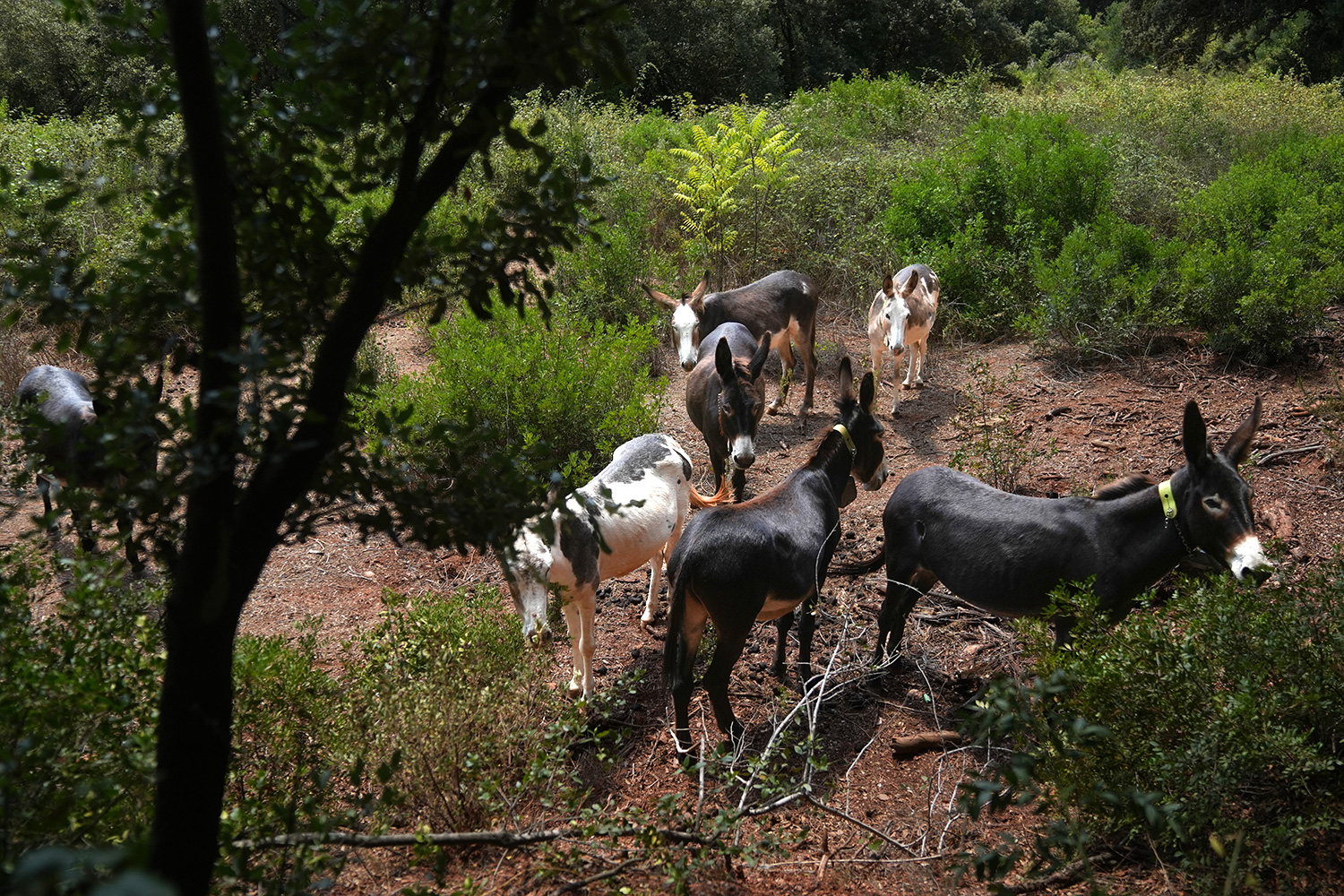
A group of donkeys grazes on vegetation in an open space.

© David Zorrakino—Europa Press/Getty Images

Donkeys from the “Rucs al bosc” program happily do their jobs.

The donkeys’ work is especially important right now. Many parts of Europe, including Spain, have been battling wildfires all through the hot, dry summer of 2026. Climate change has made the continent hotter and drier, so wildfires are more likely to break out and spread. The donkeys alone are not going to solve the problem, but they can help.

“It is difficult to guarantee that with livestock grazing there will be no fires,” Jordi Bartolomé Filella, a university professor who studies herbivores, told CNN. “But it can make them lower in intensity, and therefore easier to extinguish.” 

The donkeys are always willing to do their part.

Face Thinking Icon

Did You Know?

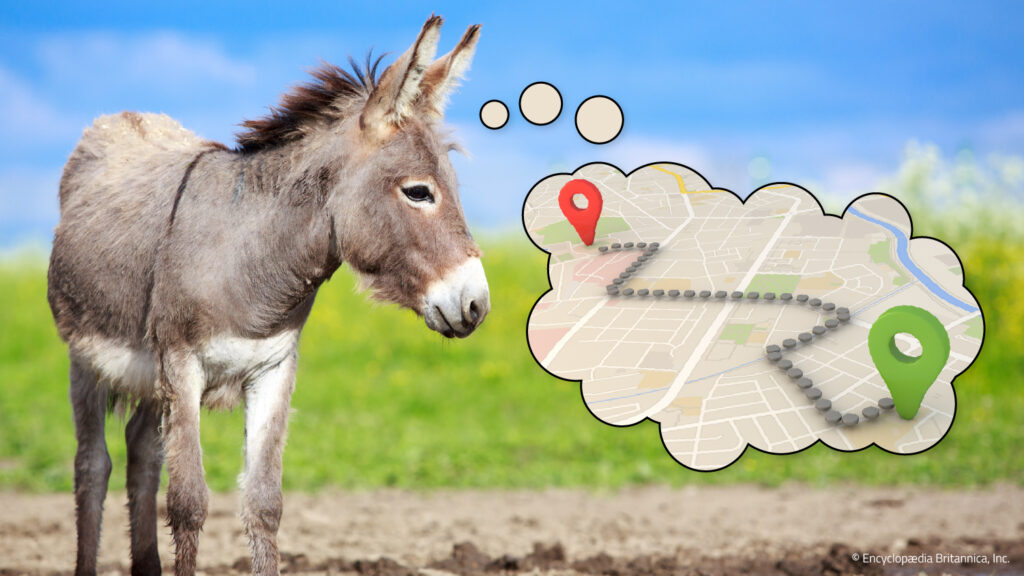
A thought bubble containing a route from one place to another appears as a donkey’s thought.

© DragoNika, style67/stock.adobe.com; Photo illustration Encyclopædia Britannica, Inc.

Donkeys have a good memory. They can remember how to get somewhere after one trip!

Wildfires 101

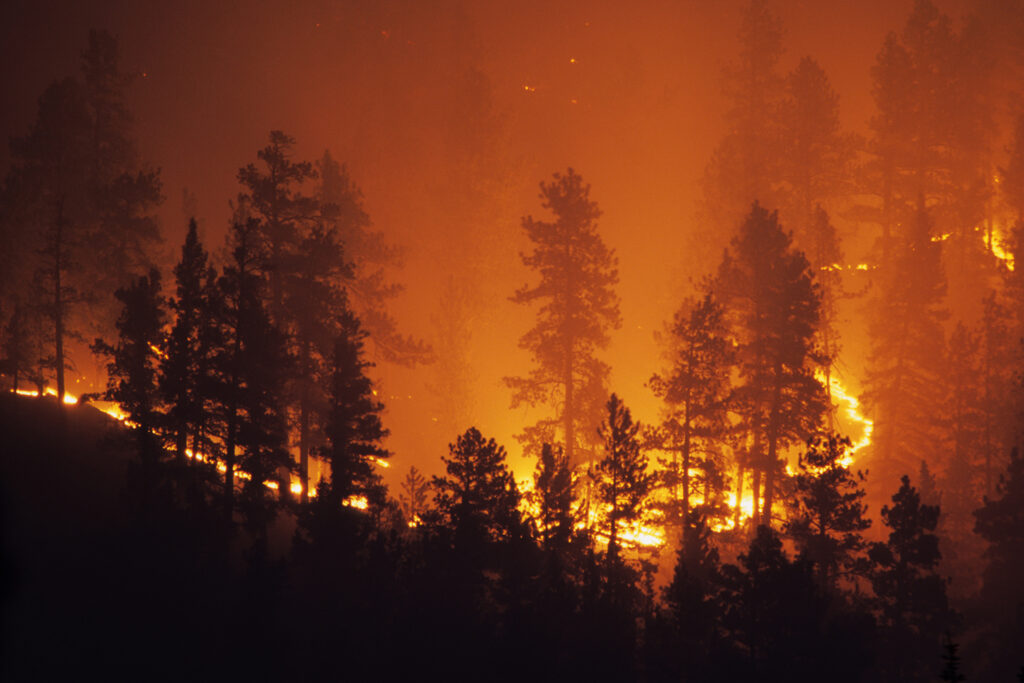
The silhouettes of evergreen trees on a slope are seen engulfed in the glow of a wildfire.

© milehightraveler—E+/Getty Images

You may have heard about wildfires in Europe, Australia, and North America. Wildfires are becoming more common. But why, and what can be done about it?

How Do Wildfires Start?

Wildfires are part of nature. They’re an important part of keeping forests healthy because they clear out old leaves and other vegetation and make way for new growth. Some wildfires have a natural cause, like when a bolt of lightning hits a tree. 

But most wildfires are started by people. For example, someone might leave a campfire without putting it out, or an engine that needs repair might produce sparks.

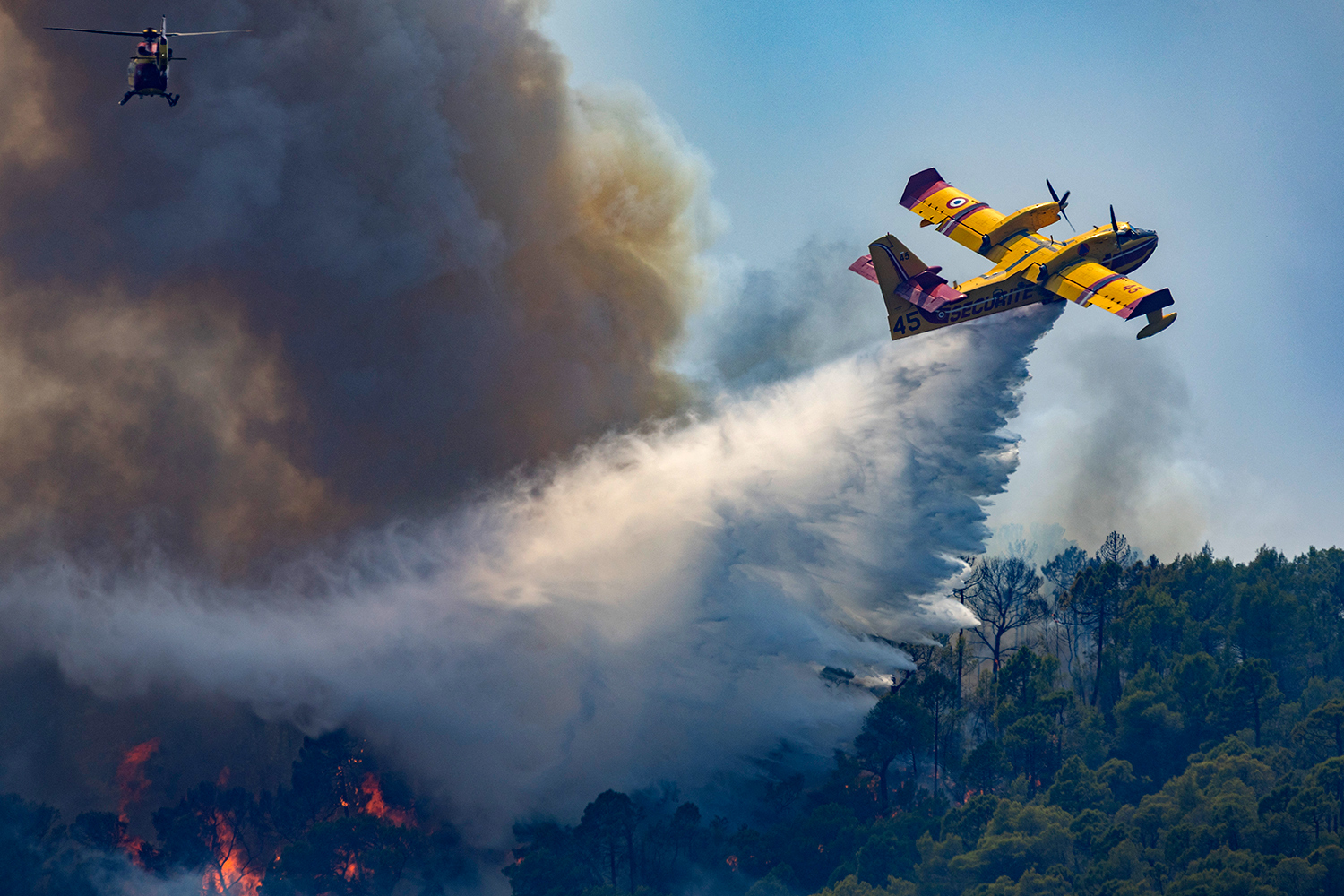
A yellow biplane drops a firefighting substance over a forest that is burning.

© Thibaut Durand/Hans Lucas—AFP/Getty Images

Firefighting aircraft can drop water or chemicals over a wildfire to help put it out.

Why Are Wildfires Becoming More Common?

Wildfires need fuel, heat, and oxygen to start and spread. You may know that it’s easier to start a fire if the fuel is dry. Hot, dry weather can dry out a forest, making it easier for fire to spread, using dry leaves and logs as fuel. Wind can spread the flames farther.

Climate change is making the world hotter and causing droughts (long periods of dry conditions) to happen more often. It’s a perfect recipe for wildfires.

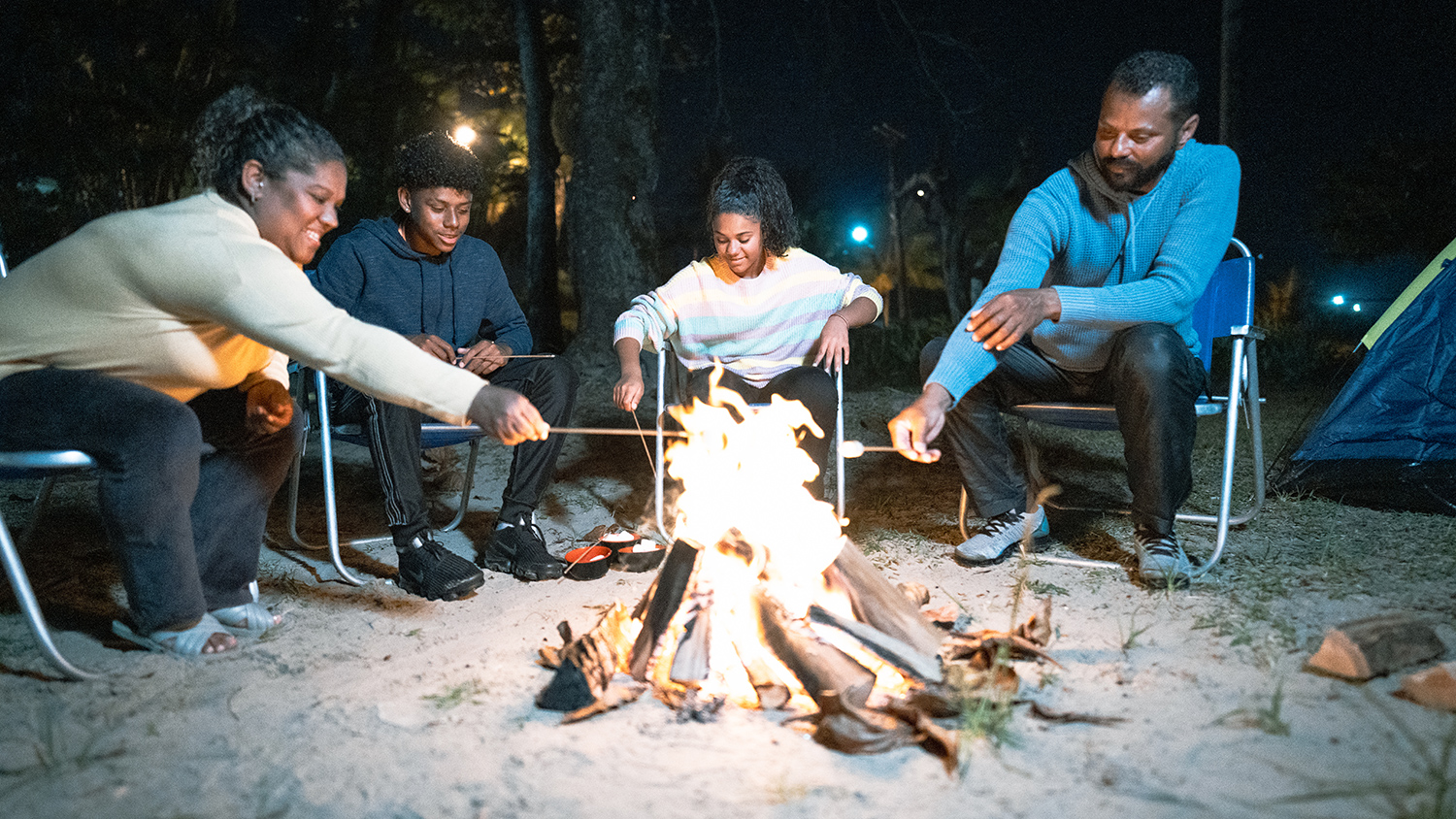
A family of four sits on a sandy beach and roasts marshmallows over a campfire.

© FG Trade—E+/Getty Images

Campers can reduce wildfire risk by building fires away from leaves and plants.

How Can We Prevent Wildfires?

Here are a few tips!

  • Keep dry leaves and plants under control so that fires have less fuel. If you read today’s top story, you know about a herd of donkeys that is doing this in Spain.
  • Build campfires in areas that are not close to dry leaves and plants. Make sure campfires are put out completely before leaving a campsite.
  • Don’t start outdoor fires near buildings, especially when there has been a drought.
  • Keep cars and other machines in good repair to make sure they don’t make sparks that can start fires.
  • Help slow the effects of climate change by recycling, turning off lights, using less water, and unplugging chargers when they’re not being used. 

Acting Like Animals!

© BlackBoxGuild—Creatas Video+/Getty Images

This orangutan is using a branch as a tool.

Have you ever wondered why animals act the way they do? How do some birds know to fly south for the winter? How do some animals know to use tools, like sticks and branches? 

You can learn more about animal behavior at Britannica!

Word of the Day Icon

WHAT'S THE WORD?

combustible

Part of speech:

adjective

Definition:

: able to be burned easily

Definitions provided by
Merriam-Webster Logo
Game Icon

Play

Word Search

Can you find all the farm animals?

.

In Case You Missed It

Artist Lilyan Lauzon set up a vending machine that sells little artworks for one dollar each.
July 30, 2026
A woman was able to start a flower-growing business after some neighbors let her use their land for free.
July 23, 2026
Scientists believe that some dinosaur parents made sure their young received the right food.
July 16, 2026
A 6-year-old discovered a metal object in the ground. It turned out to be a Viking sword.
July 9, 2026

How to Cite This Page

Here is how to cite this page using the MLA style. While every effort has been made to follow citation style rules, there may be some differences. Please refer to the appropriate style manual or other sources if you have any questions.

In the News: Four-Legged Firefighters.Britannica School, Encyclopaedia Britannica, 16 Aug. 2026. https://news.eb.com/level1/four-legged-firefighters. Accessed 17 Aug. 2026 [Replace this date with today’s date.]