
Perfectly Preserved Potatoes
Courtesy of Lidio Valdez
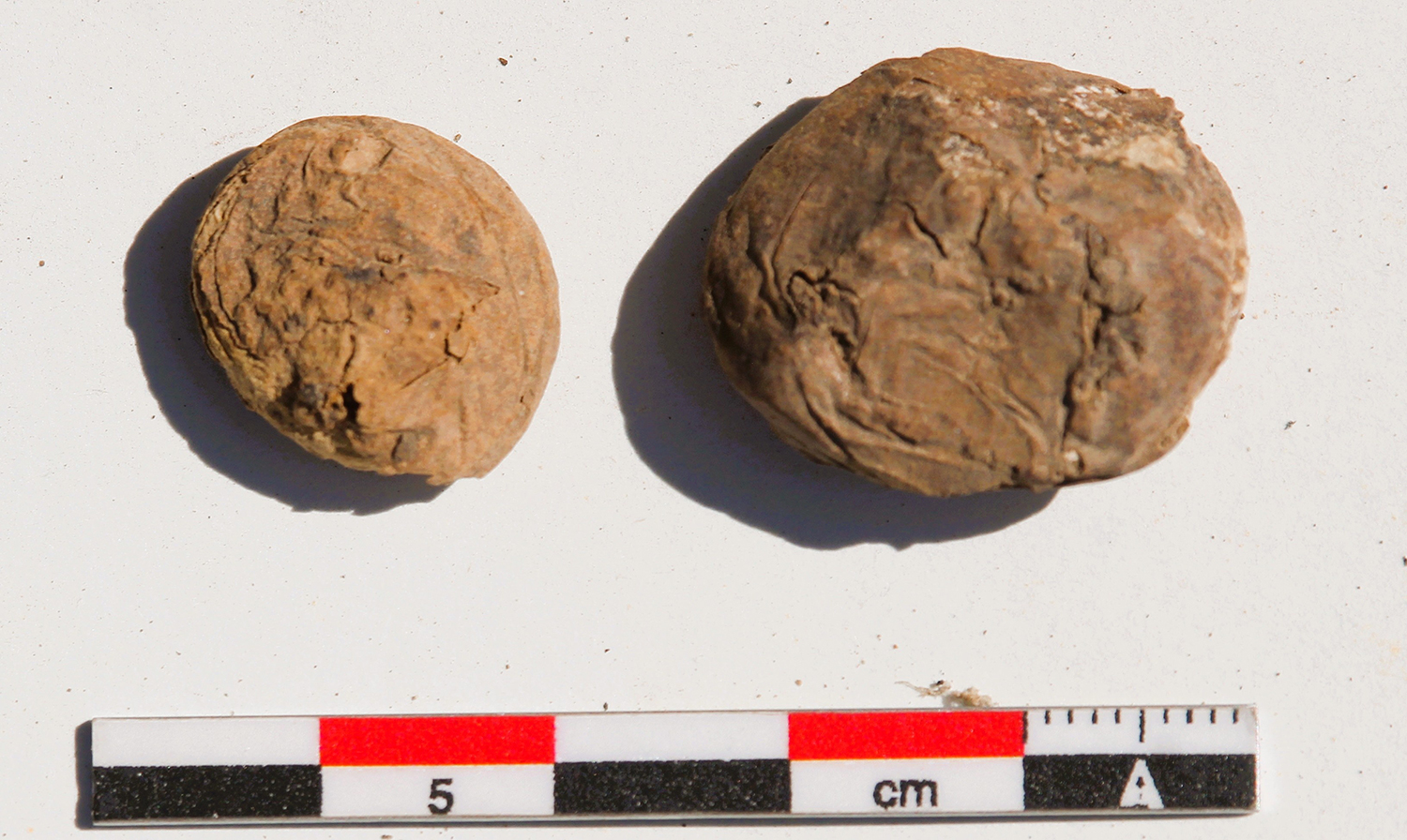
These freeze-dried potatoes date back 500 years, to the Inca empire.
Scientists recently discovered a pair of 500-year-old potatoes on the coast of Peru. Remarkably, the spuds date back to the Inca empire, which once stretched across a large part of South America.
The potatoes, which were found in an ancient Inca storage room, survived for centuries because of the way they were preserved. The Inca people grew potatoes in the Andes Mountains. Then they exposed the potatoes to daytime sunlight and freezing nighttime mountain temperatures, over and over until they dried out. This technique, called freeze-drying, turned the potatoes into what is known as chuño.
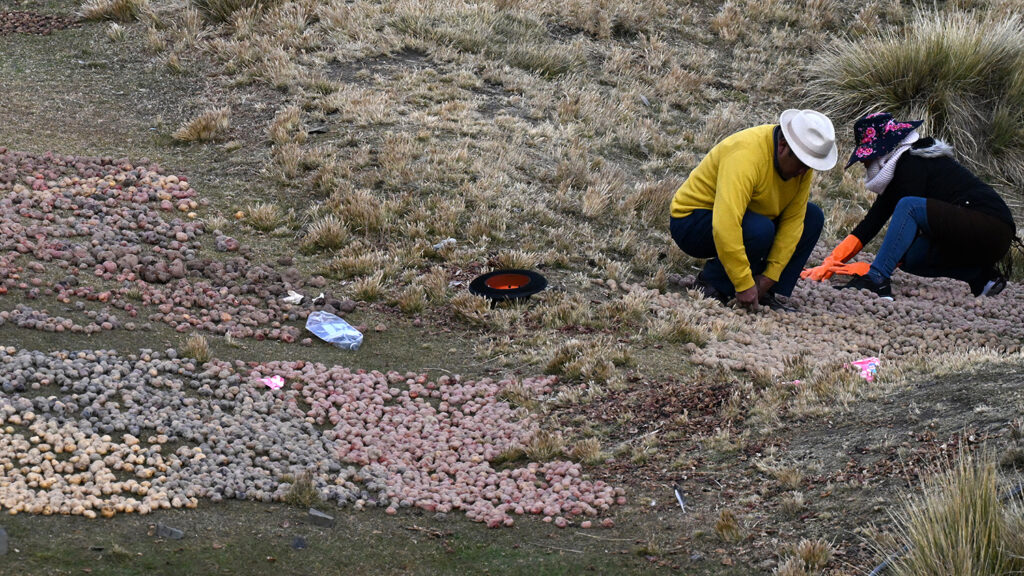
© Marvin Recinos—AFP/Getty Images
People in Bolivia prepare chuño using a technique developed by the Inca people hundreds of years before.
Chuño was far less likely to rot than fresh potatoes, which are mostly water. Removing water from potatoes and some other foods made it last a lot longer, enabling the Inca people to transport it hundreds of miles across the empire using llamas (animals related to camels). With food arriving from the mountain farms, people in other parts of the empire did not go hungry.

© Pav-Pro Photography/stock.adobe.com
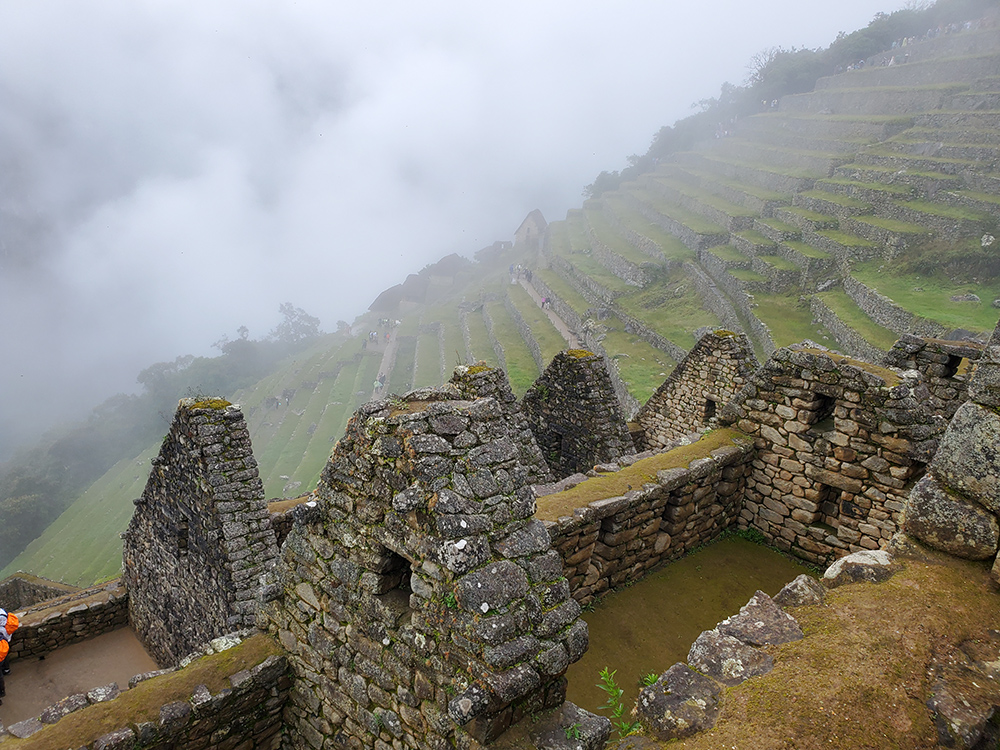
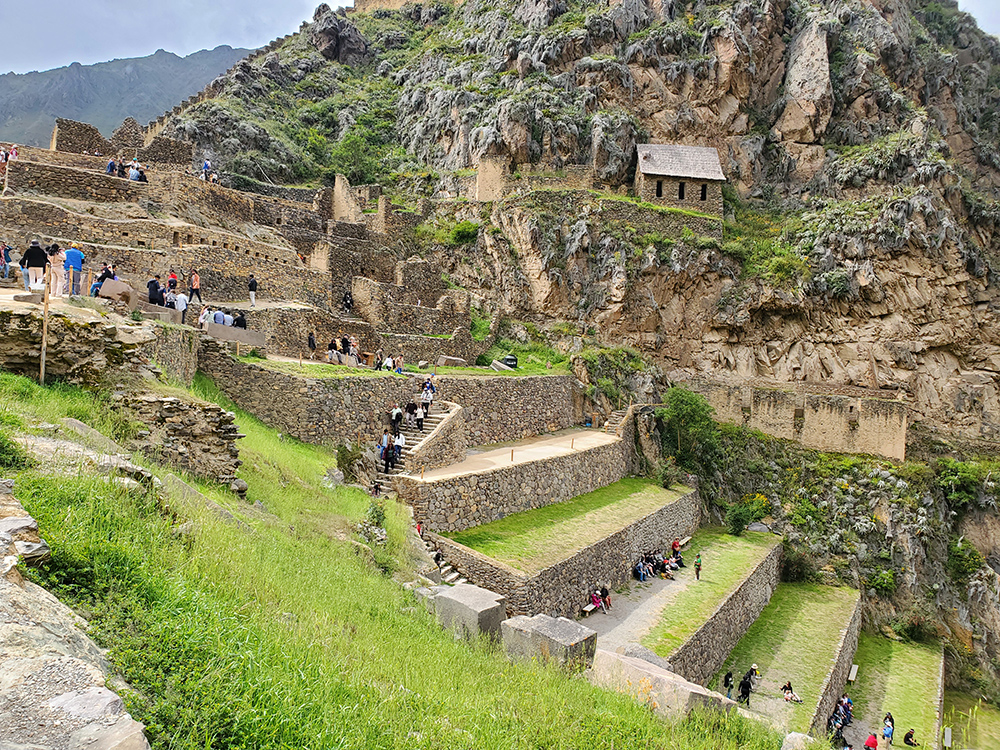
The ruins of an ancient Inca city called Machu Picchu are located high in the Andes Mountains.
Scientists believe the Inca may have discovered freeze-drying by accident. Someone may have left potatoes in the freezing air by accident and then realized the dried potatoes could still be eaten.