
Skip to content

Zoo Welcomes New Pandas
Zoo Atlanta has welcomed two new pandas that are on loan from China.
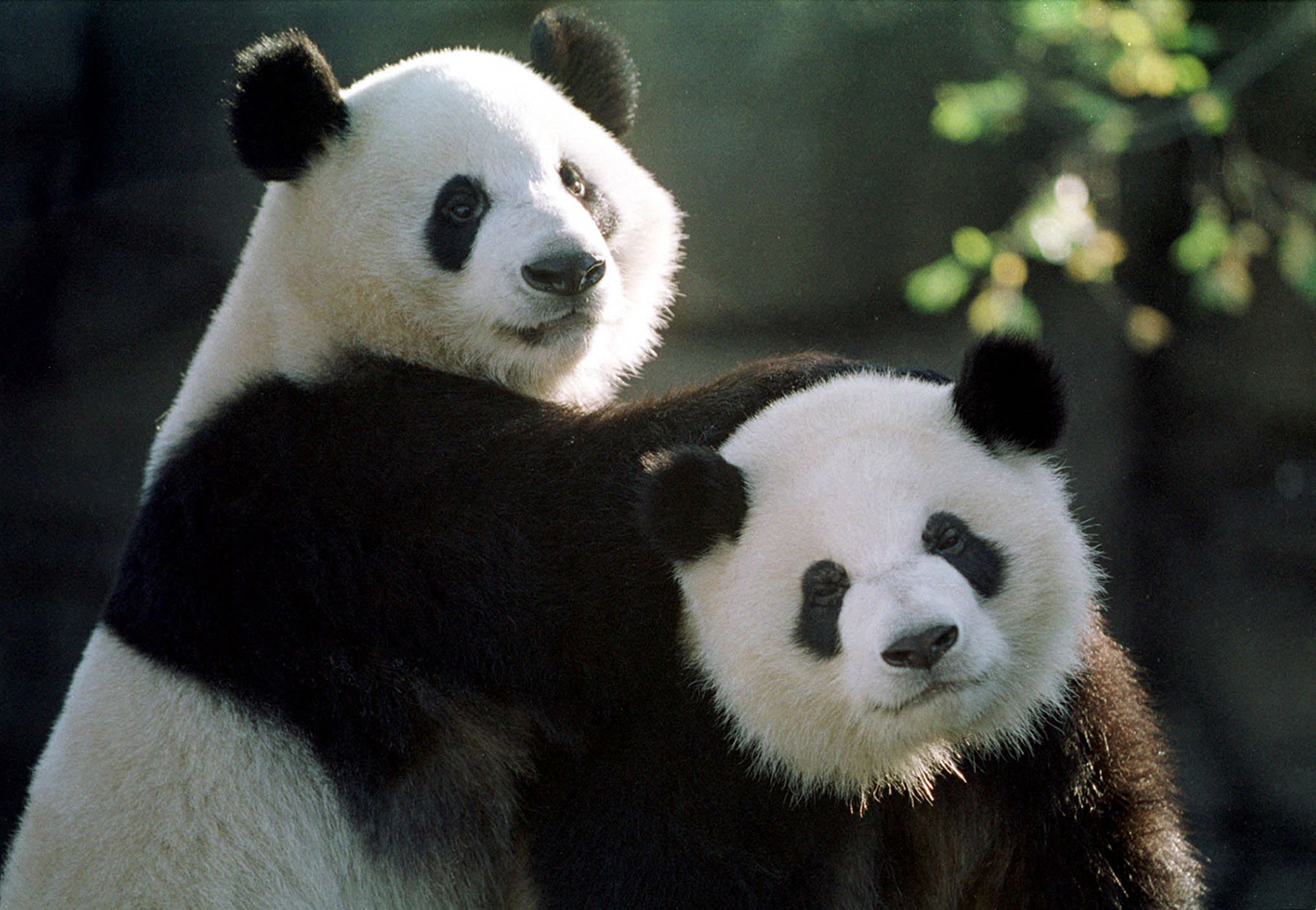
Two pandas are seen among vegetation.

© Steve Schaefer—AFP/Getty Images

In this 1999 photo, Yang Yang (left) and Lun Lun play together at Zoo Atlanta. The zoo now has two new pandas.

A zoo in Atlanta, Georgia, has welcomed two adorable new residents. A pair of giant pandas named Ping Ping (a male) and Fu Shuang (a female) are now at Zoo Atlanta, on loan from China. 

“This is a thrilling day for Zoo Atlanta and a historic moment for the City of Atlanta, the state of Georgia, and beyond,” said Raymond B. King, the zoo’s president and CEO. “We are elated to welcome Ping Ping and Fu Shuang and could not be more excited about sharing that joy with our Members, guests, city, and community in the coming weeks.” 

The pandas traveled on a “FedEx Panda Express” airplane from Chengdu, China, to Atlanta on September 27. They will remain at Zoo Atlanta for 10 years, according to an agreement between the zoo and the Chinese government.

Two trucks, each with the FedEx logo and an image of a giant panda, are parked in front of a building.

© Liu Yanan—Xinhua News Agency/Getty Images

Trucks wait to receive Ping Ping and Fu Shuang, the zoo’s new pandas, to transport them from Atlanta’s airport to Zoo Atlanta on September 27, 2026.

Wild pandas live only in China, and lending the animals to American zoos is known as “panda diplomacy.” The Chinese government loans pandas as a show of goodwill toward the United States. While at the zoos, the pandas have cubs to help increase the total population of giant pandas. The efforts have been working. Once endangered, the species is making a comeback. Still, their population is threatened by problems like habitat loss.

Zoo Atlanta’s last pair of pandas, Lun Lun and Yang Yang, returned to China with their youngest offspring in 2024. The pandas had seven cubs together in the 25 years they were in Atlanta. Officials hope Ping Ping and Fu Shuang will also have cubs together.  

The pandas will spend about a month in quarantine, which means they will be kept separate from the other zoo animals and the public, in case of disease. But it won’t be long before zoo visitors will have a chance to see the newly arrived pair. The pandas will make their public debut on November 6.

Face Thinking Icon

Did You Know?

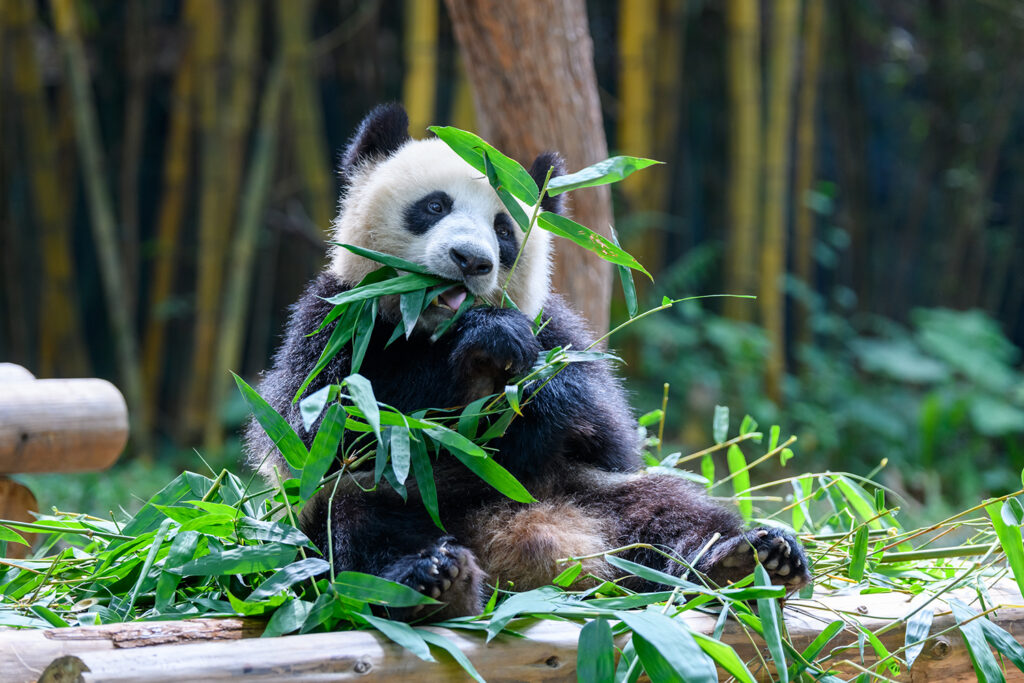
A giant panda eats bamboo.

© chendongshan/stock.adobe.com

Scientists don’t know why pandas are black and white. Their coloring helps them blend into bamboo forests where they live. But since pandas have no natural predators and don’t hunt other animals, they don’t need camouflage. The black and white may be a way to attract mates or warn other pandas to stay away.

Get Your Bearings

Did you know that there are eight species of bears? Let’s travel around the world and meet each one.

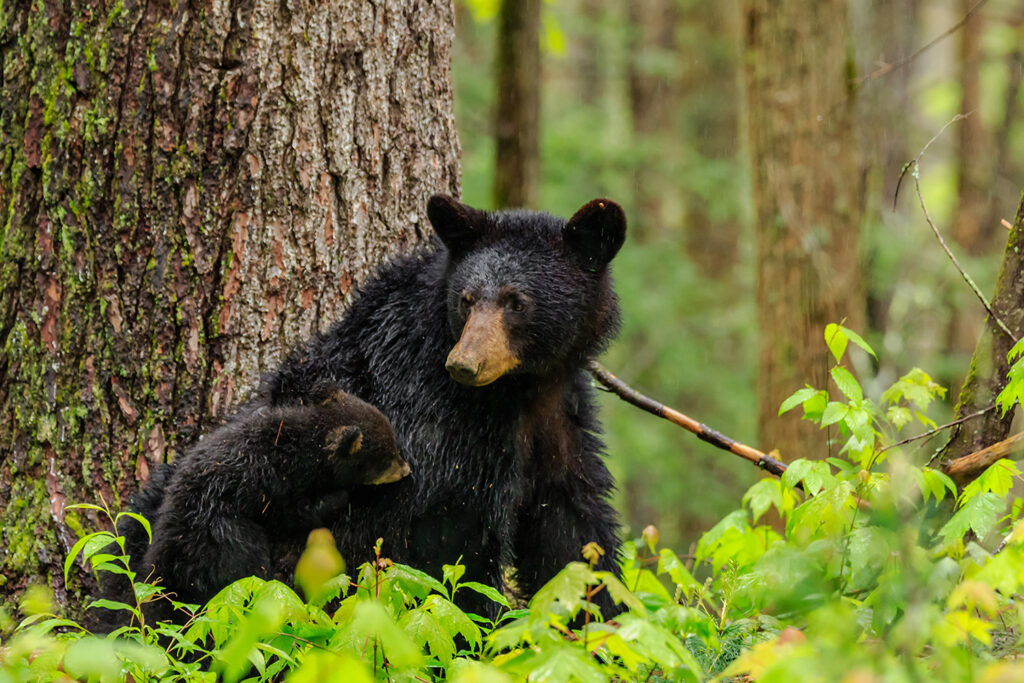
American Black Bear
A black bear with a tan snout sits in a forest with her cub.

© Robert/stock.adobe.com

Weight (male): Up to 600 pounds (270 kilograms)

Where it lives: Canada, United States, and Mexico

What it eats: Mostly plants, fruit, and insects; sometimes fish or young deer

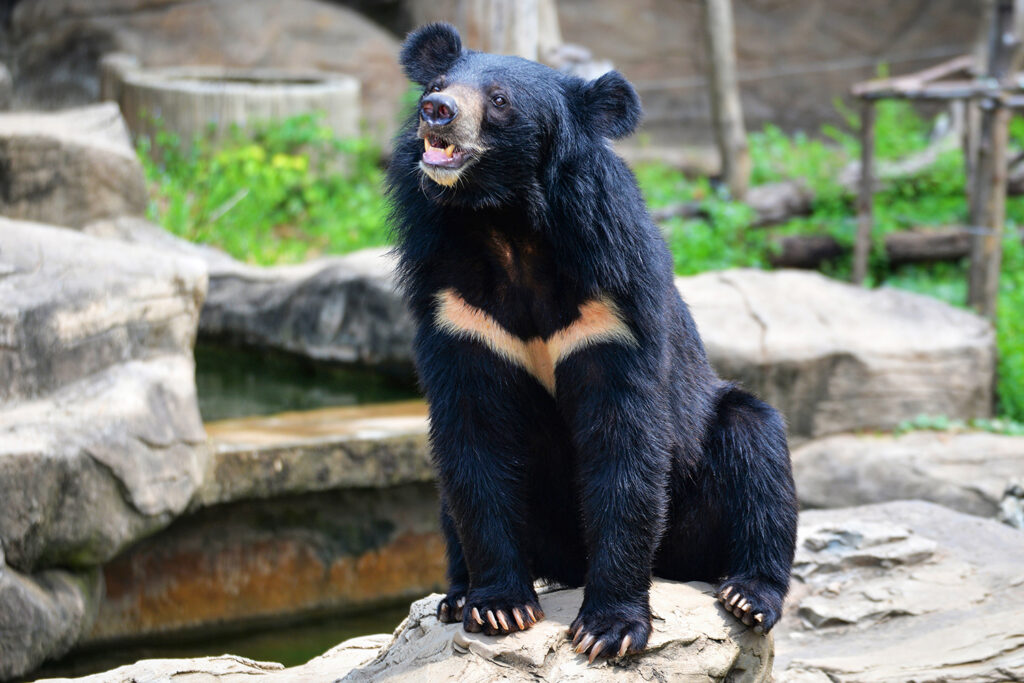
Asiatic Black Bear
A black bear with a v-shaped tan mark across its chest sits on a rock.

© Bigc Studio/stock.adobe.com

Weight (male): Up to 440 pounds (200 kilograms)

Where it lives: Afghanistan, Bangladesh, Bhutan, Cambodia, China, India, Iran, Japan, North Korea, South Korea, Myanmar, Nepal, Pakistan, Russia, Taiwan, Thailand, and Vietnam

What it eats: Insects, plants, fruit, honey, small mammals, and birds

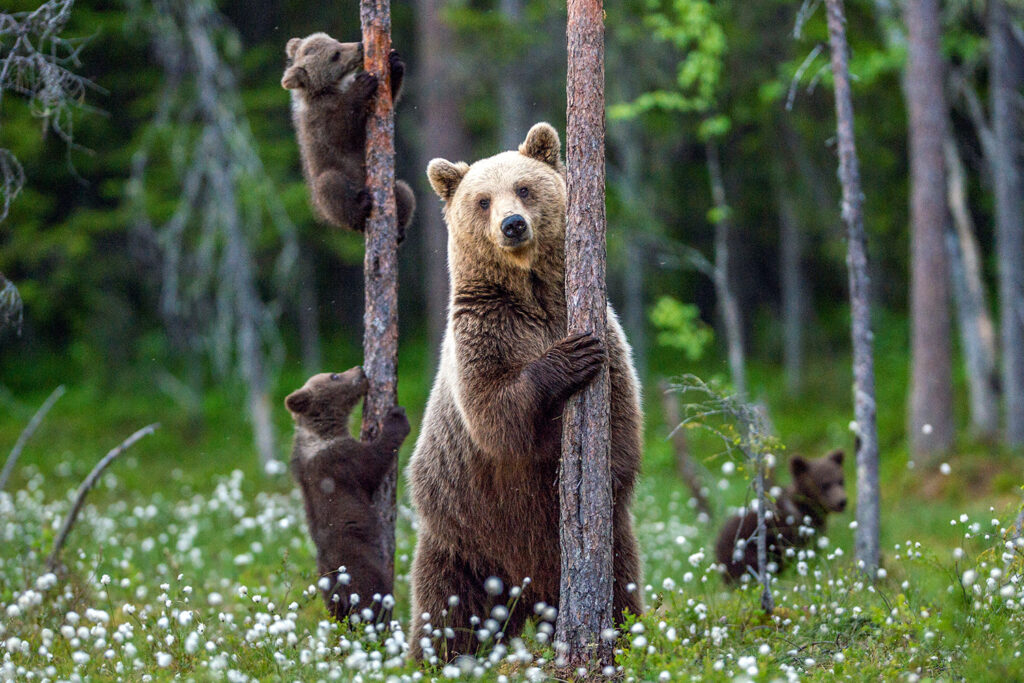
Brown Bear (includes grizzly bear and Kodiak bear)

A brown bear stands against a tree as her three cubs climb or play on trees behind her.

© Uryadnikov Sergey/stock.adobe.com

Weight (male): 500 to 1,600 pounds (220 to 720 kilograms), depending on the subspecies

Where it lives: Many parts of Asia, Europe, and North America

What it eats: Plants, fish, small mammals, and sometimes small deer

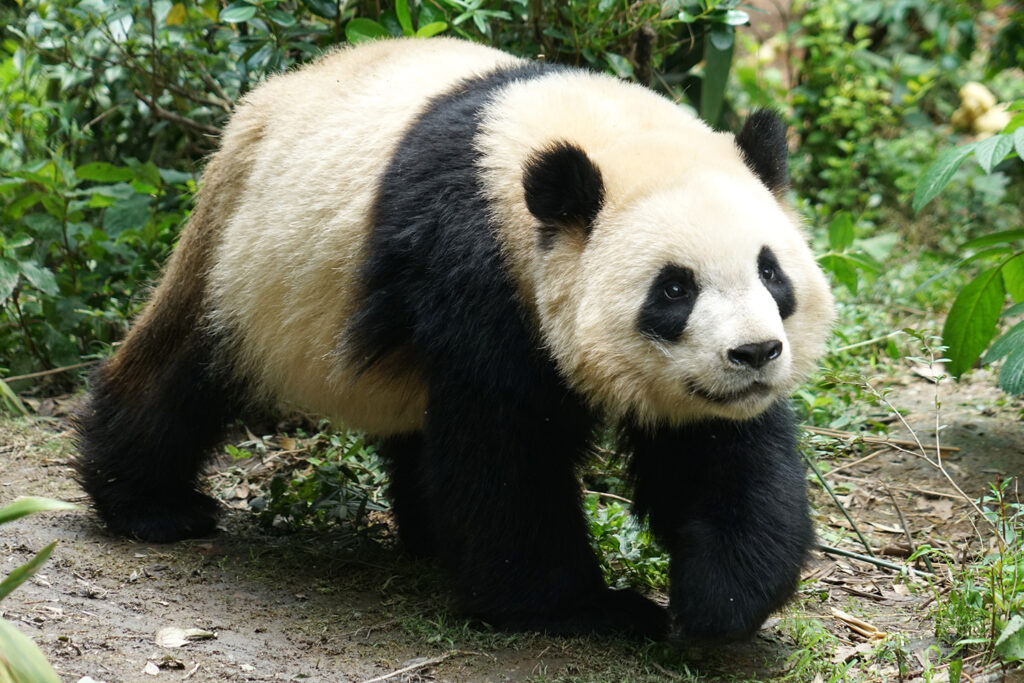
Giant Panda
A black and white bear with black patches around its eyes stands among vegetation.

© nd700/stock.adobe.com

Weight (male): About 220 pounds (100 kilograms)

Where it lives: China

What it eats: Mostly bamboo; occasionally fish or small mammals

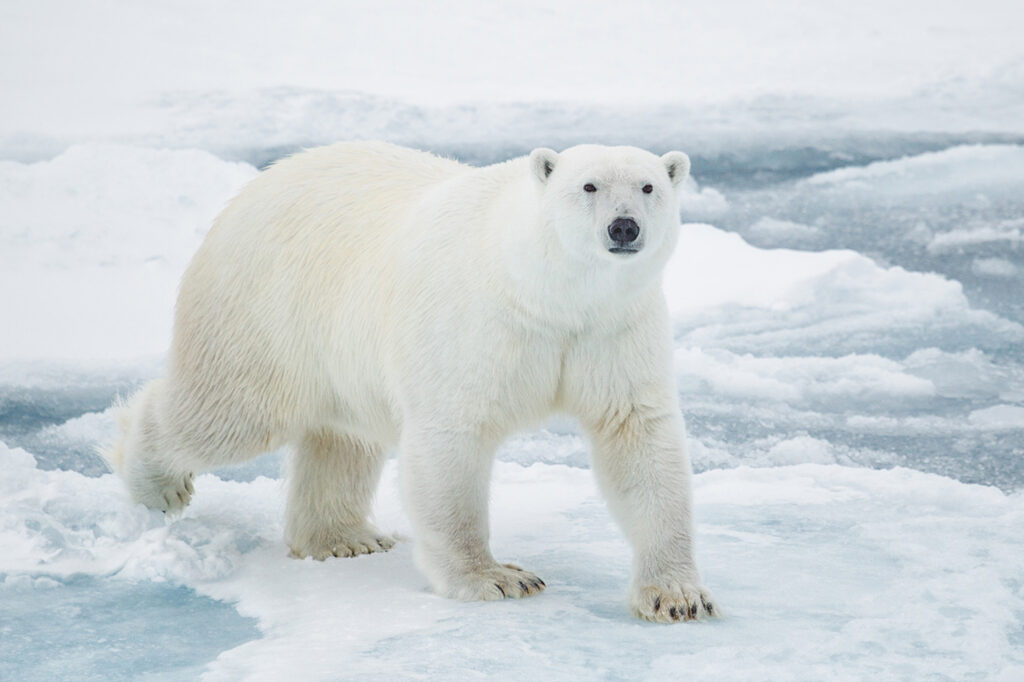
Polar Bear
A white bear stands in an icy and snowy environment and looks at the camera.

© KenCanning—E+/Getty Images

Weight (male): Up to 1,600 pounds (720 kilograms)

Where it lives: Northern United States, Canada, Greenland, Russia, and Norway

What it eats: Mostly seals, whales, and fish

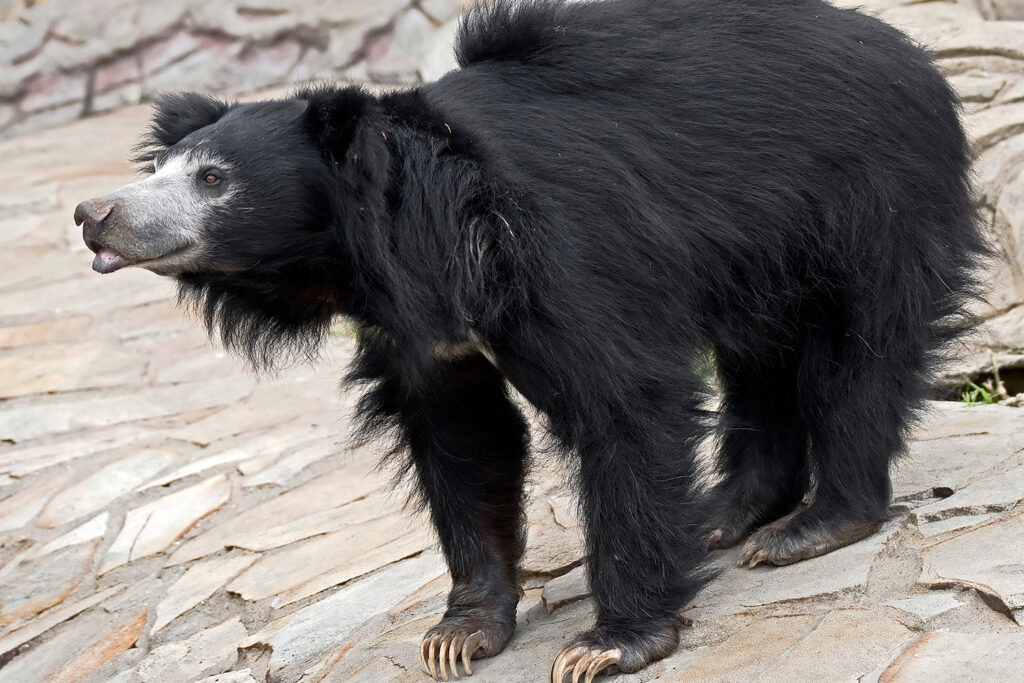
Sloth Bear
A bear with shaggy black fur and a white face stands in a rocky area.

© Mikhail Blajenov/stock.adobe.com

Weight (male): About 250 pounds (110 kilograms)

Where it lives: India and Sri Lanka

What it eats: Mostly insects; also fruit and honey

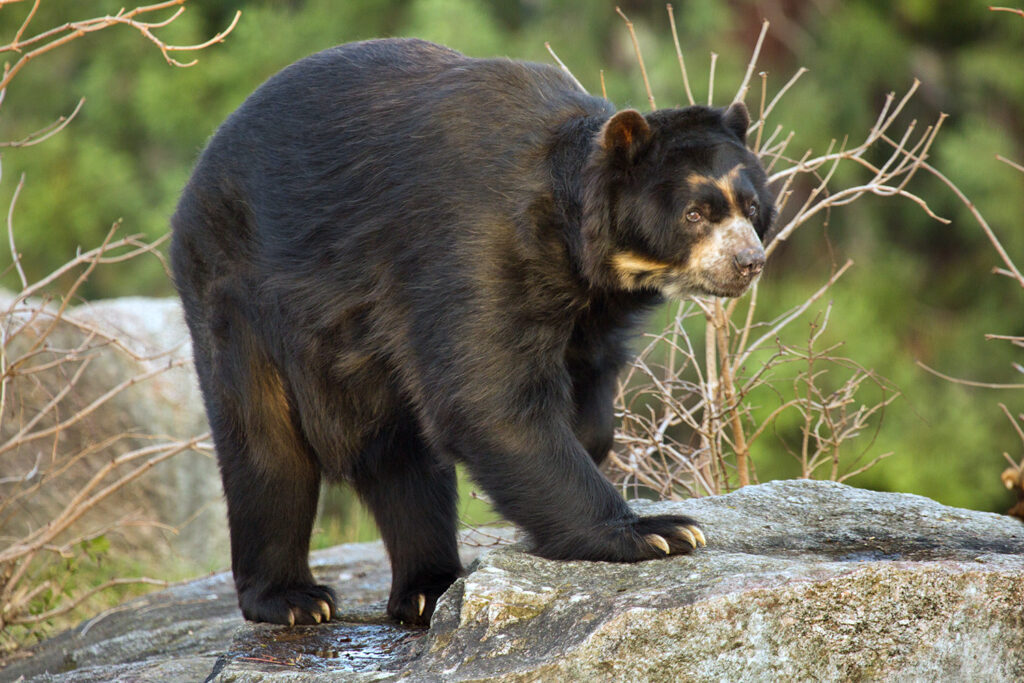
Spectacled Bear
A dark bear with a y-shaped tan mark above its eyes stands on a rock.

© Elena/stock.adobe.com

Weight (male): Up to 350 pounds (160 kilograms)

Where it lives: Argentina, Bolivia, Colombia, Ecuador, Peru, and Venezuela

What it eats: Plants and fruit

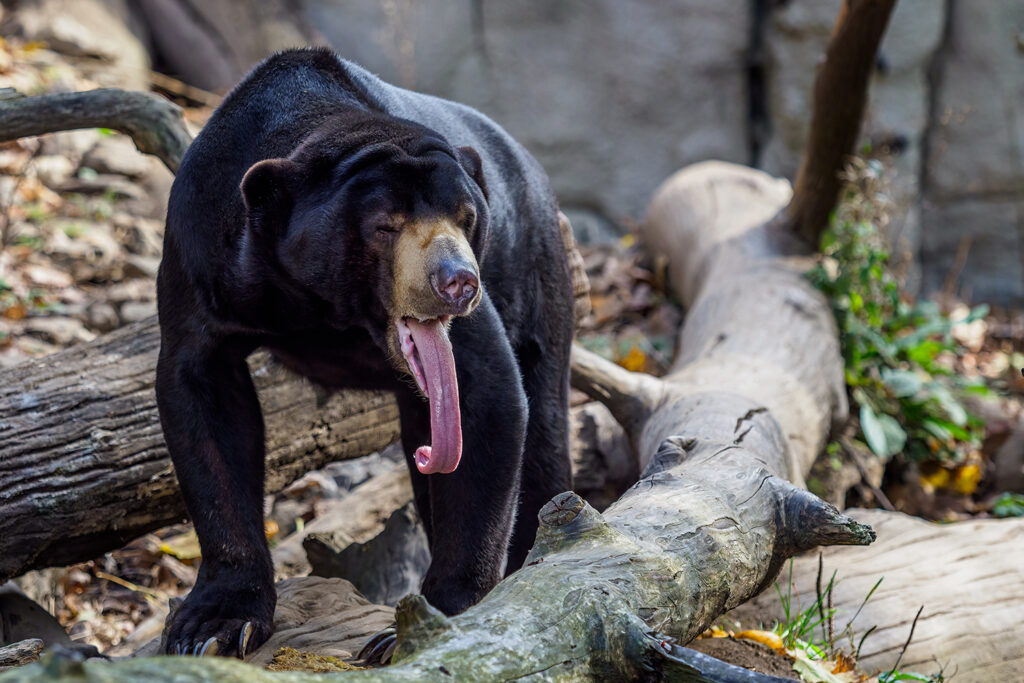
Sun Bear
A black and tan bear stands among fallen logs with its very long tongue hanging out of its mouth.

© Lubos Chlubny/stock.adobe.com

Weight (male): Up to 150 pounds (70 kilograms)

Where it lives: Bangladesh, Brunei, Cambodia, China, India, Indonesia, Laos, Malaysia, Myanmar, Thailand, and Vietnam

What it eats: Mostly insects; also fruit and honey

Sleepy Time

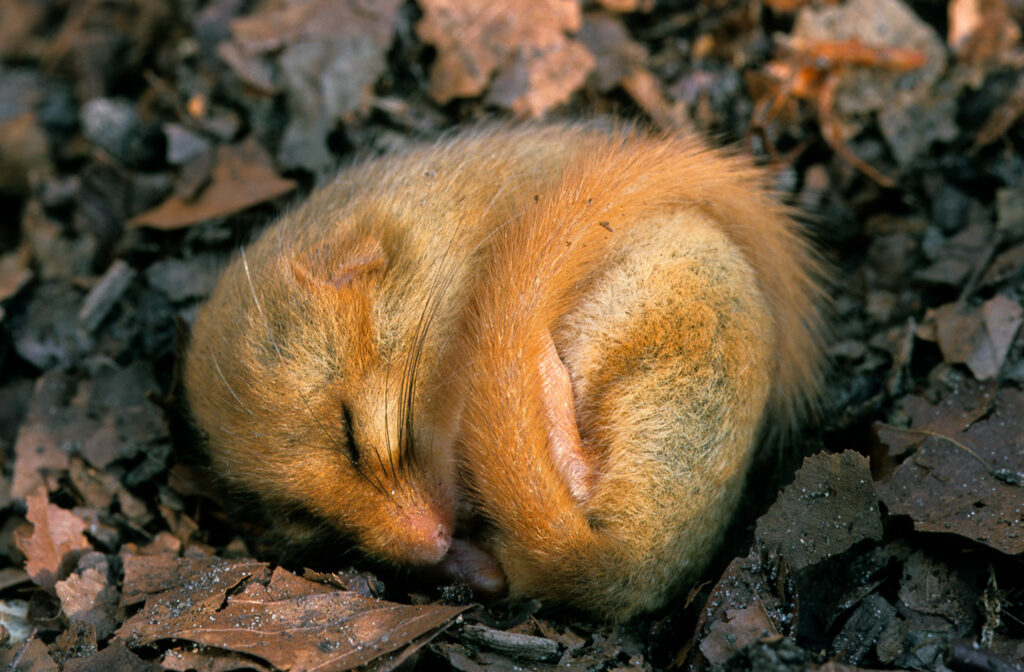
A dormouse is sleeping in a curled up position on a bed of leaves.

© Arterra—Universal Images Group/Getty Images

Some bear species are said to hibernate in the winter. During this time, they don’t eat or drink at all. But bears are not true hibernators. They sleep a lot, but not all the time. 

Some animals really do hibernate, like the dormouse in the photo. You can learn more about animal hibernation at Britannica!

Word of the Day Icon

WHAT'S THE WORD?

diplomacy

Part of speech:

noun

Definition:

: the work of maintaining good relations between the governments of different countries

Definitions provided by
Merriam-Webster Logo
Game Icon

Play

Word Search

Can you find all the words?

.

In Case You Missed It

Scientists are covering large ice sheets called glaciers with wool so they won’t melt as fast.
October 8, 2026
U.S. states and school districts are making new rules to limit the use of cell phones in schools.
October 6, 2026
Scientists have discovered that Tyrannosaurus rex’s body temperature was similar to ours.
October 1, 2026
A young engineer has invented a robotic arm that translates spoken words into sign language.
September 29, 2026

How to Cite This Page

Here is how to cite this page using the MLA style. While every effort has been made to follow citation style rules, there may be some differences. Please refer to the appropriate style manual or other sources if you have any questions.

“In the News: Zoo Welcomes New Pandas.” Britannica School, Encyclopaedia Britannica, 14 Oct. 2026. https://news.eb.com/level1/zoo-welcomes-new-pandas. Accessed 15 Oct 2026 [Replace this date with today’s date.]