
The Zoo Invites You!
Some zoos are inviting visitors to watch as they provide veterinary care to their animals.
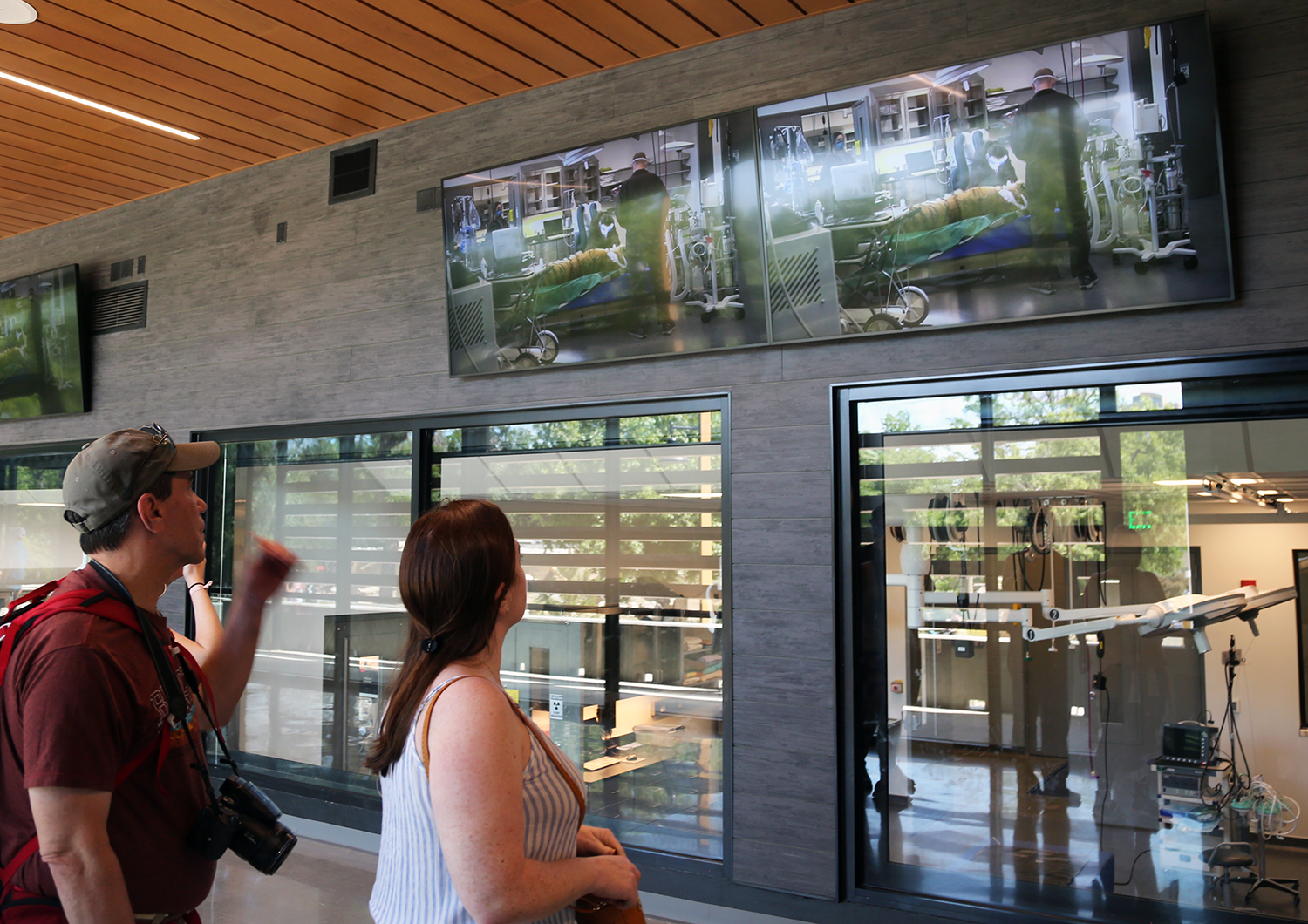
Courtesy of Denver Zoo Conservation Alliance
Guests watch as an animal receives medical care at the Denver Zoo Conservation Alliance in Denver, Colorado.
How do veterinarians clean a tiger’s teeth or x-ray a tortoise? A handful of zoos around the United States are giving visitors a chance to find out by opening their veterinary exam rooms to the public.
Denver Zoo, Oklahoma City Zoo, Nashville Zoo, and New Jersey’s Turtle Back Zoo are among the zoos where visitors can get a behind-the-scenes look at creature care. Recently, visitors to Turtle Back Zoo watched from the other side of a plate-glass window as a sulcata tortoise got a checkup in an exam room. The tortoise was a new arrival to the zoo, having recently been found on a street, according to the Associated Press. Since sulcata tortoises aren’t native to the United States, it’s not clear where this one came from. It’s possible that it was a pet that was lost or abandoned. Now, it’s safe in the zoo’s care.
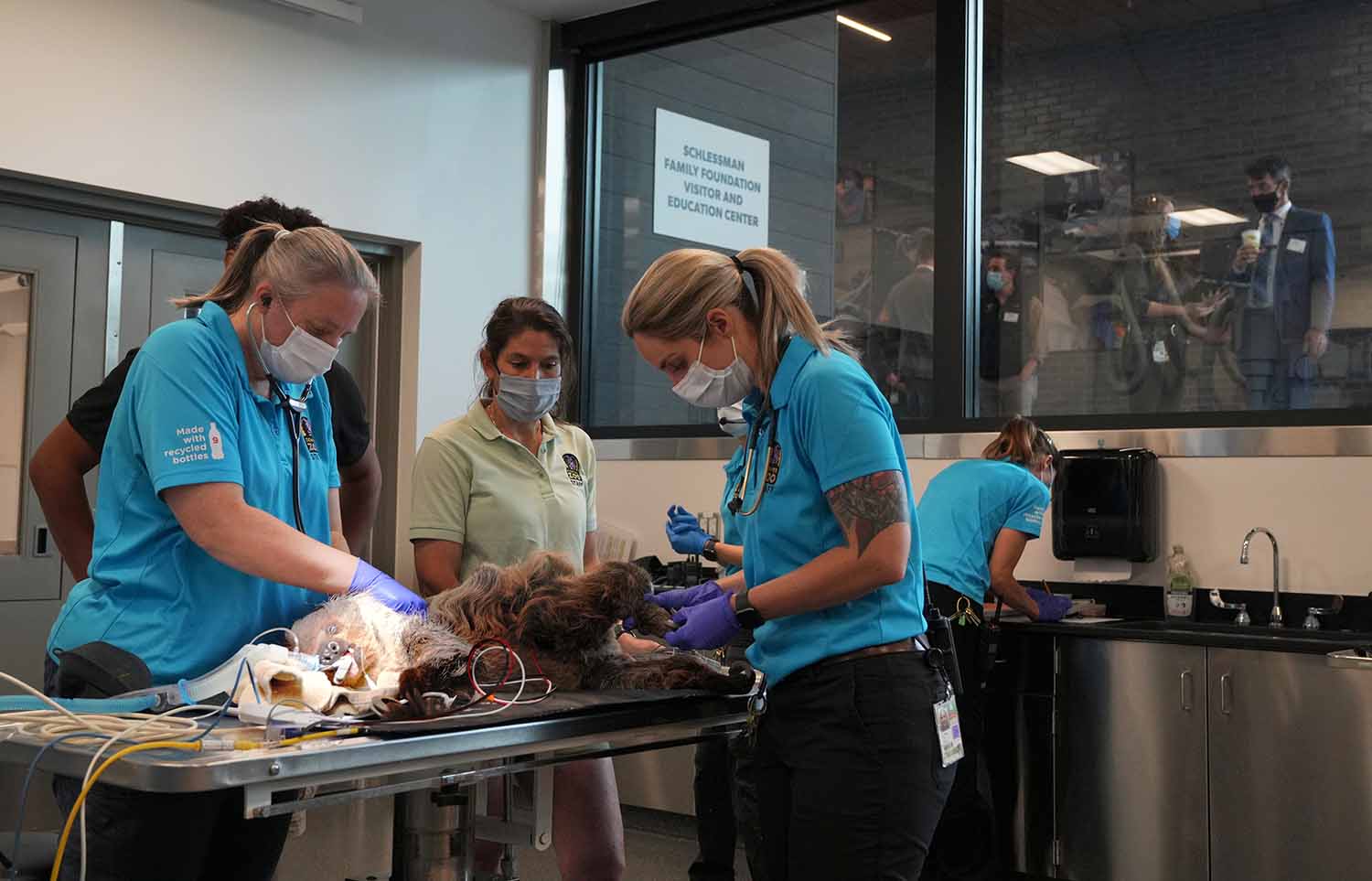
© Hyoung Chang/The Denver Post—MediaNews Group/Getty Images
A veterinary team examines a two-toed sloth at the Denver Zoo Conservation Alliance in Denver, Colorado. You may have heard of sloths, slow-moving mammals that often hang upside down.
It may be fascinating to watch a tortoise get a checkup, but zoos say they aim to do more than just entertain. Many people criticize zoos for keeping wild animals in captivity (locked up instead of in the wild). But others argue that zoos help wild animals by making the public aware that the wilderness needs to be preserved. Many zoos also have breeding programs to help save endangered species. Zoos would like the public to understand all the ways they help animals—not just the animals in their care, but those in the wild as well.
“We want to show the public the health care that we offer our patients,” Nashville Zoo veterinarian Margarita Woc Colburn told WPLN News in Nashville, Tennessee. “So it’s a way to educate the public [about] what we do here.”