
Skip to content

A Blooming Hero

Quilen Blackwell plants seeds of hope by turning abandoned city lots into urban flower gardens.
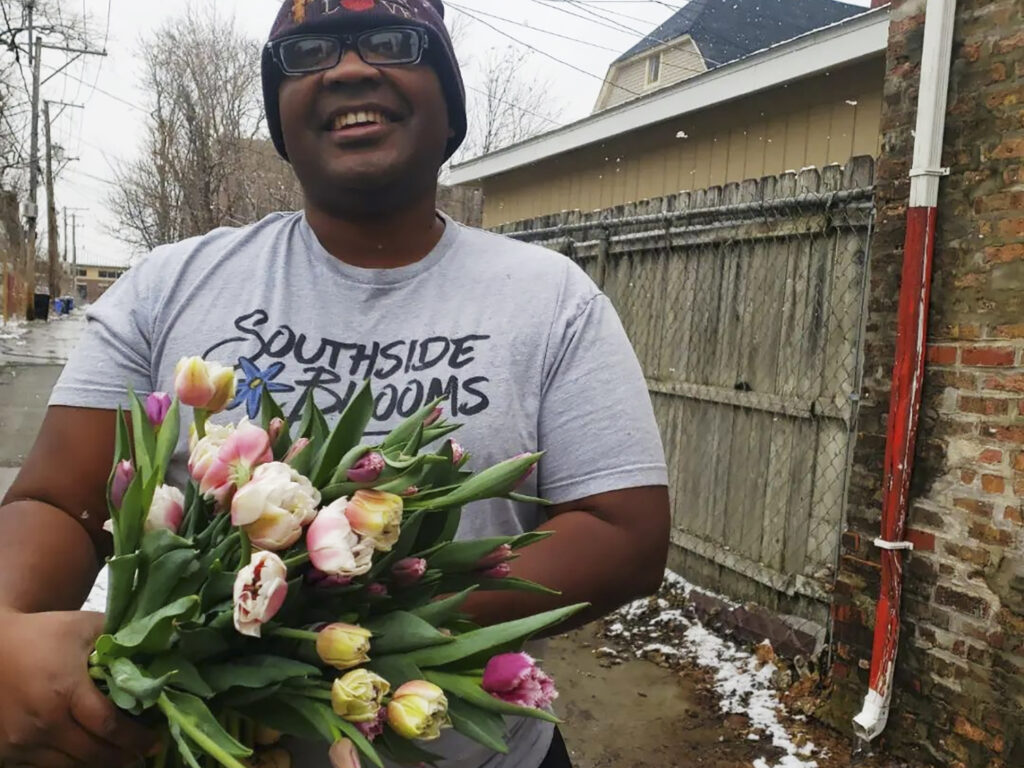
Quilen Blackwell smiles and poses with flowers

Southside Blooms

Quilen Blackwell poses with flowers grown by his business, Southside Blooms.

For Quilen Blackwell, business is blooming—literally. Blackwell’s vision to turn empty city lots into colorful flower gardens has helped transform Englewood, a neighborhood in the U.S. city of Chicago, revitalizing the area and creating jobs for young people. It has also earned Blackwell CNN’s 2025 Hero of the Year award.

Despite being part of a major city, Englewood has a history of poverty due to a lack of development in the area. Many houses and businesses are left abandoned, and there are limited job opportunities for young people. While others may have looked at this area as barren, Blackwell saw a fertile opportunity to grow a business. 

“Most people will see the trash, the vacant lots,” Blackwell told CNN in an interview. “But for me, I see potential.”
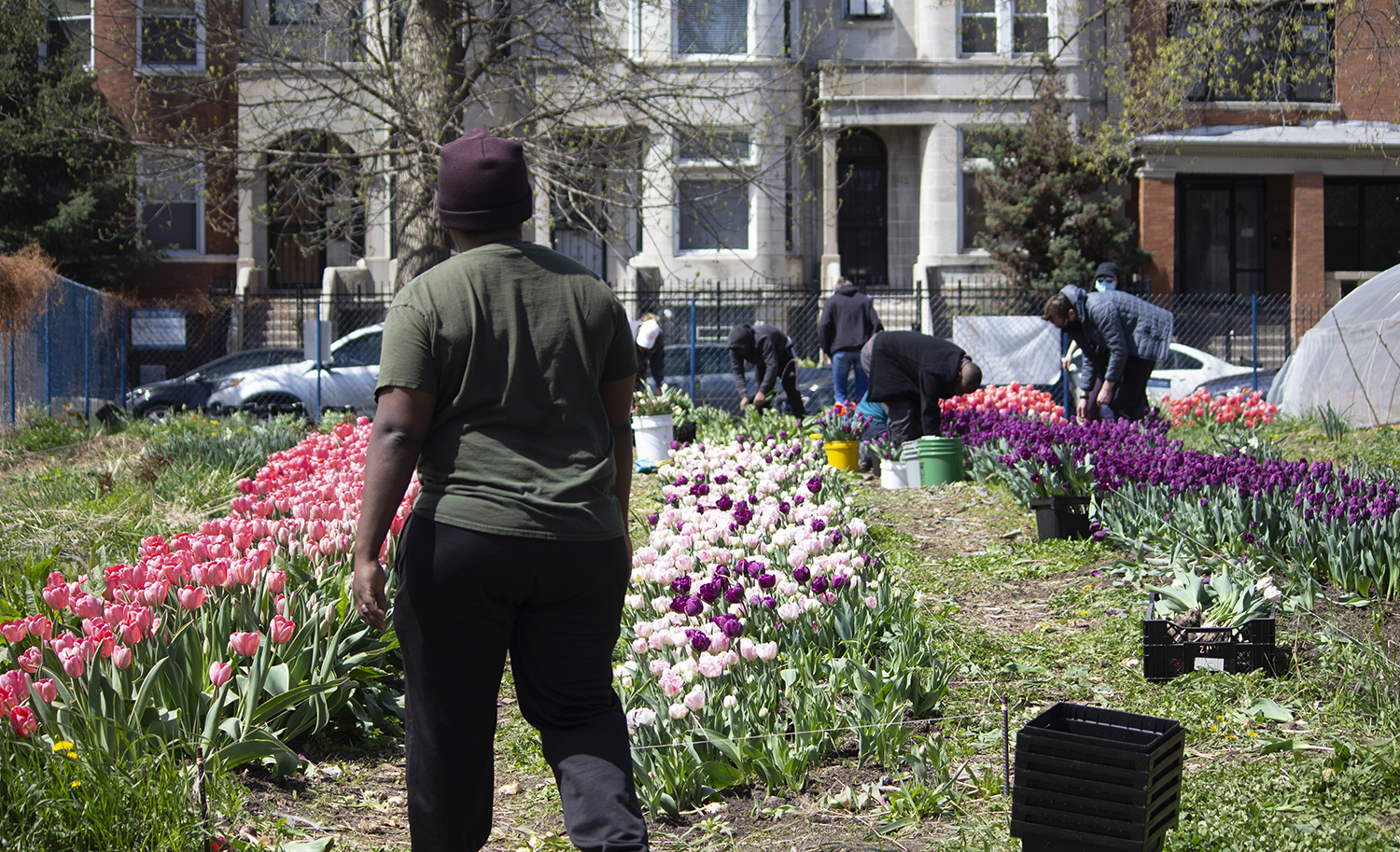
Quilen Blackwell faces away from the camera and looks over a bed of flowers.

Southside Blooms

Quilen Blackwell (in the foreground) looks over a flower garden operated by Southside Blooms.

Inspiration took root in Blackwell’s mind when he learned that the U.S. flower industry gets most of its cut flowers from other countries. 

“I said, ‘Wait a minute. Why are we importing flowers from other countries when we have all this land, all of this youth?’” Blackwell told CNN. “Maybe flowers are the answer.”

Blackwell and his wife, Hannah, started a “farm-to-vase” garden and flower shop in Englewood. The business, called Southside Blooms, sells the locally grown flowers. The Blackwells also hire young people from the neighborhood who might not have other job opportunities.
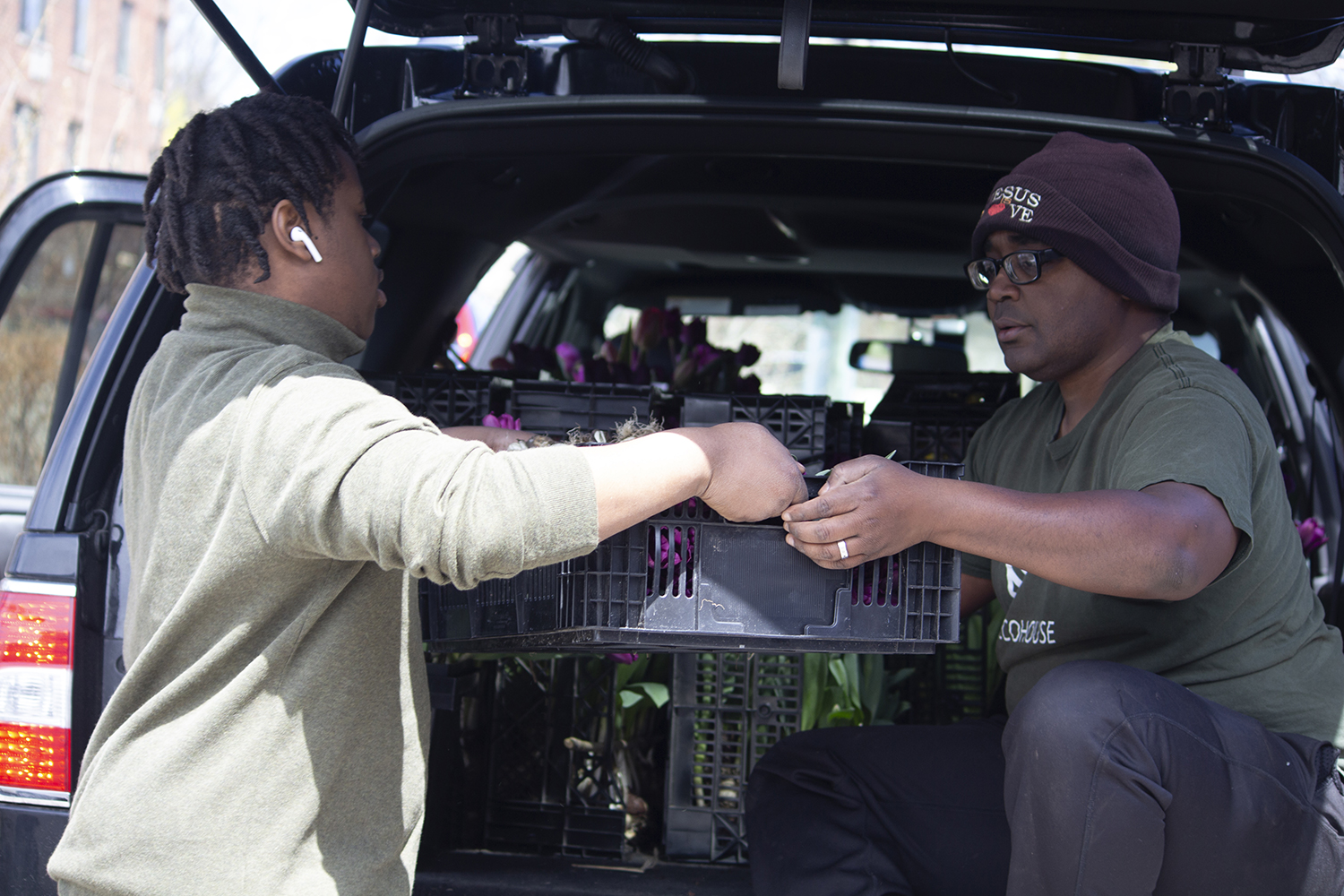
Quilen Blackwell and a Southside Blooms employee unload a tray of plants from the back of a vehicle.

Southside Blooms

Quilen Blackwell (right) and a Southside Blooms employee unload a tray of plants.

“Our young people are blossoming and blooming every single day,” he said. “As long as they’re getting all of the ingredients they need to be successful, there’s nothing that they can’t do.” 

Today, Blackwell’s nonprofit has turned six lots into flower gardens, and he dreams of expanding the nonprofit to other cities around the country.
Did You Know?

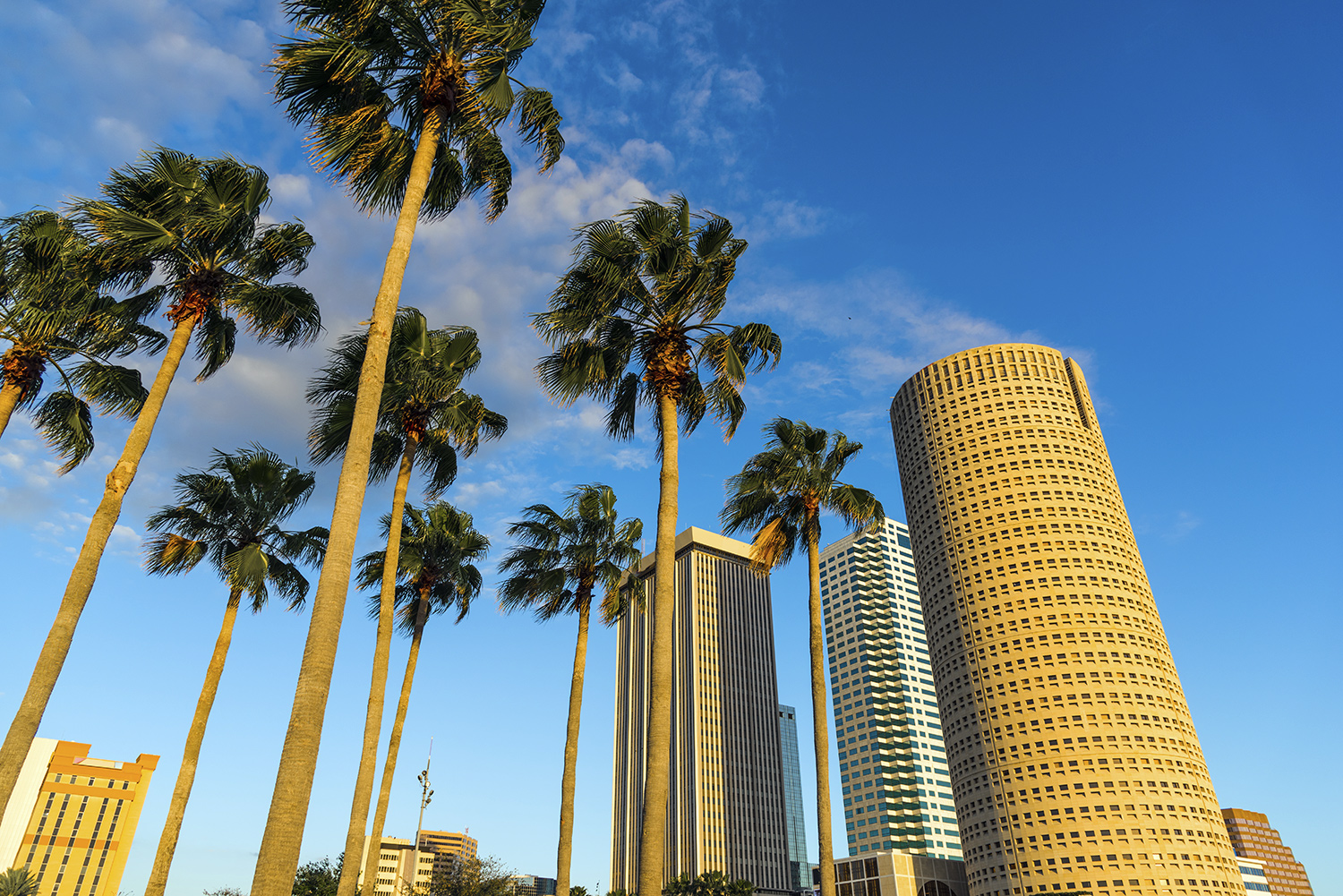
Cities are often called “urban jungles” because there are more buildings than trees, but Tampa, Florida, is an exception. According to the Massachusetts Institute of Technology (MIT), trees cover more than a third of Tampa’s land!

Several tall palm trees and buildings as seen from the ground with a blue sky in the background.

© Gabriele Maltinti/stock.adobe.com

Palm trees grow in Tampa, Florida.

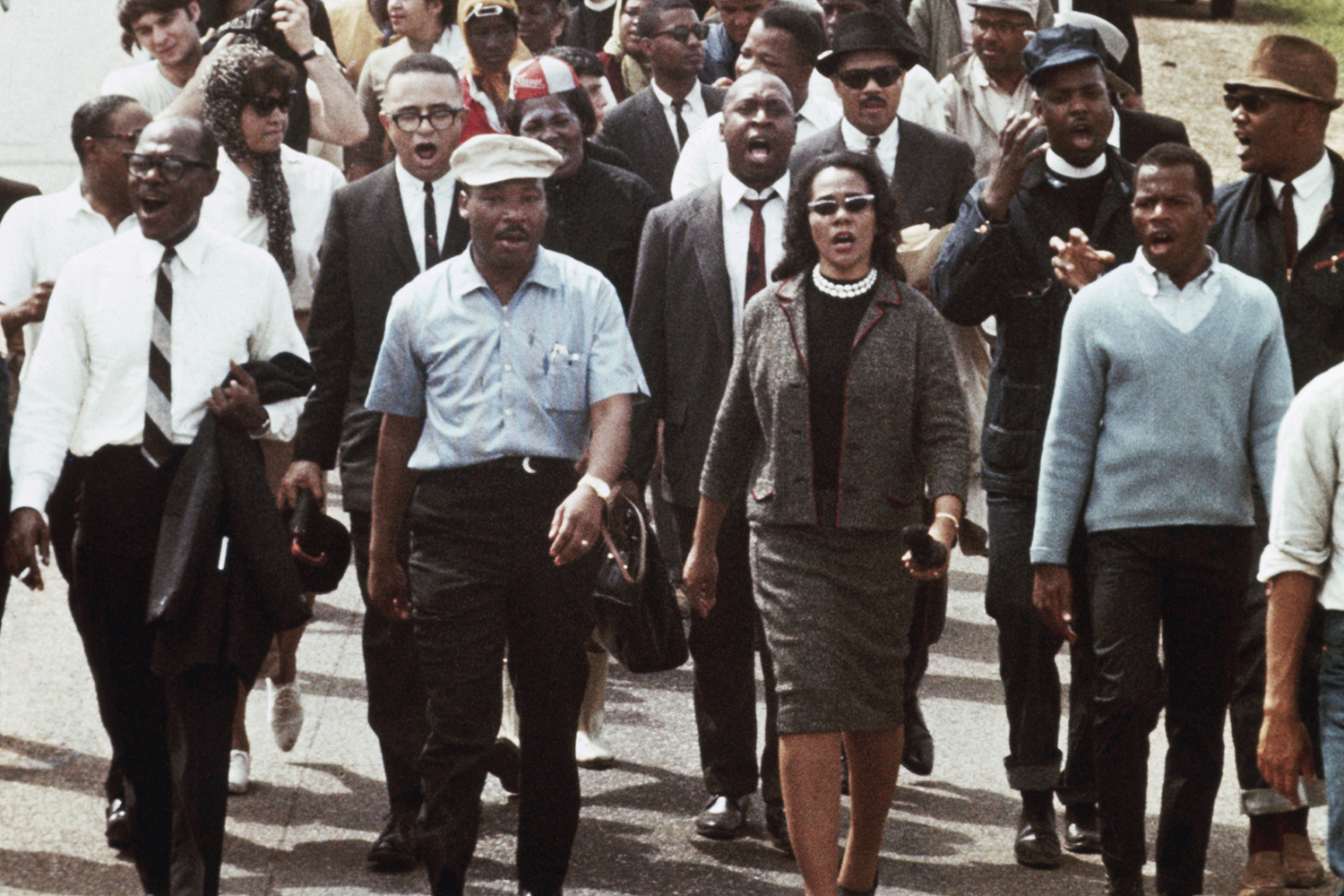
They Had a Dream: Global Human Rights Leaders

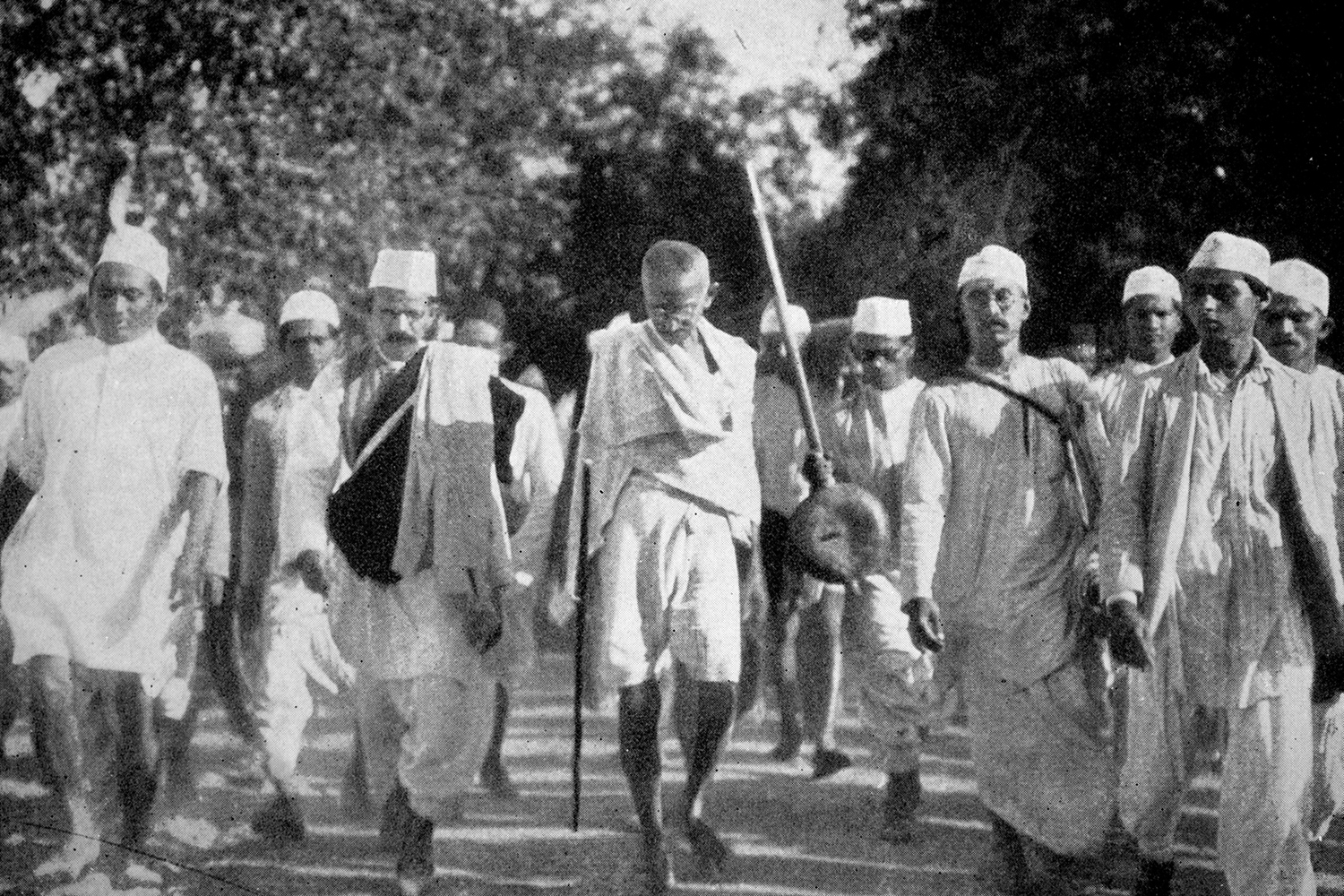
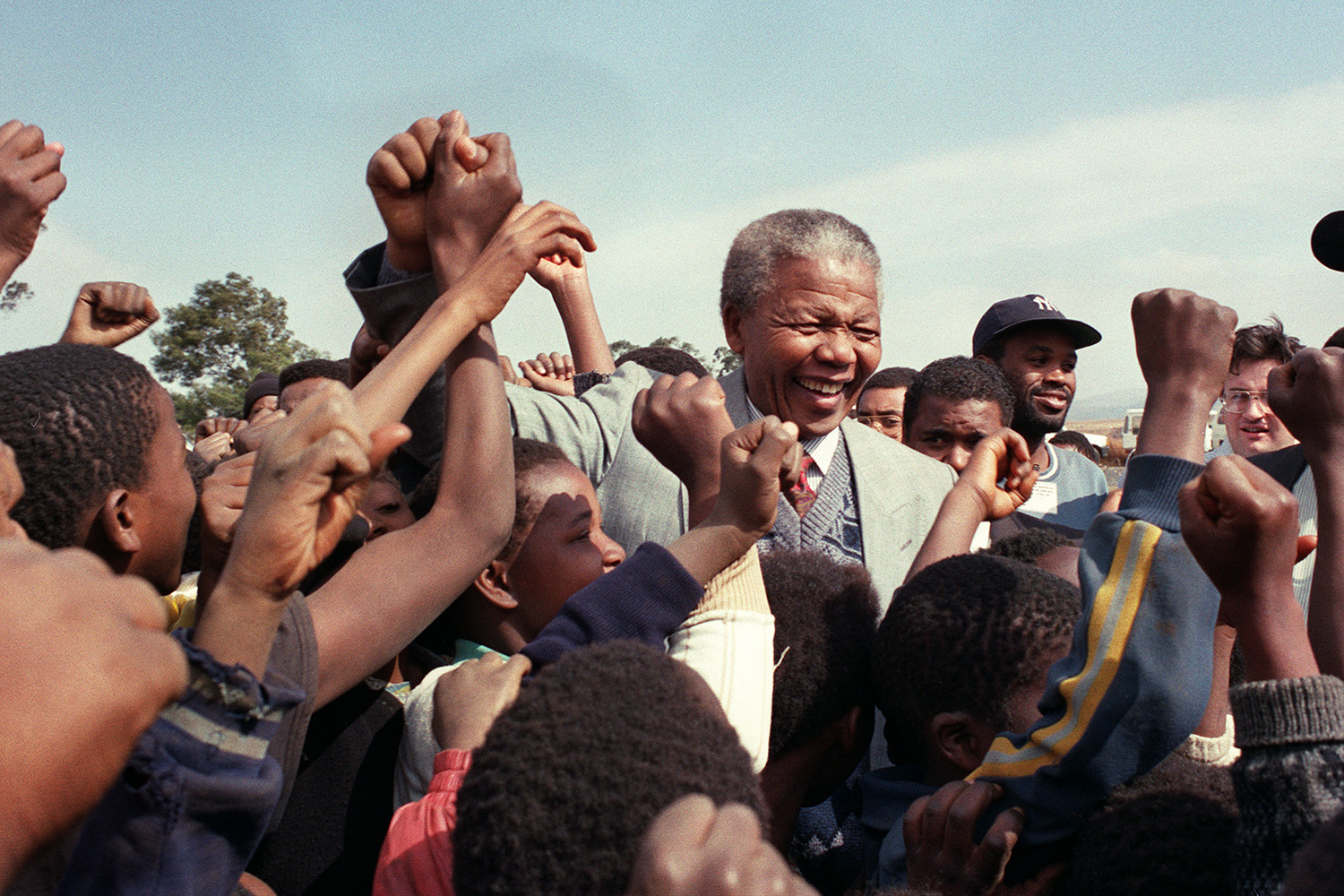
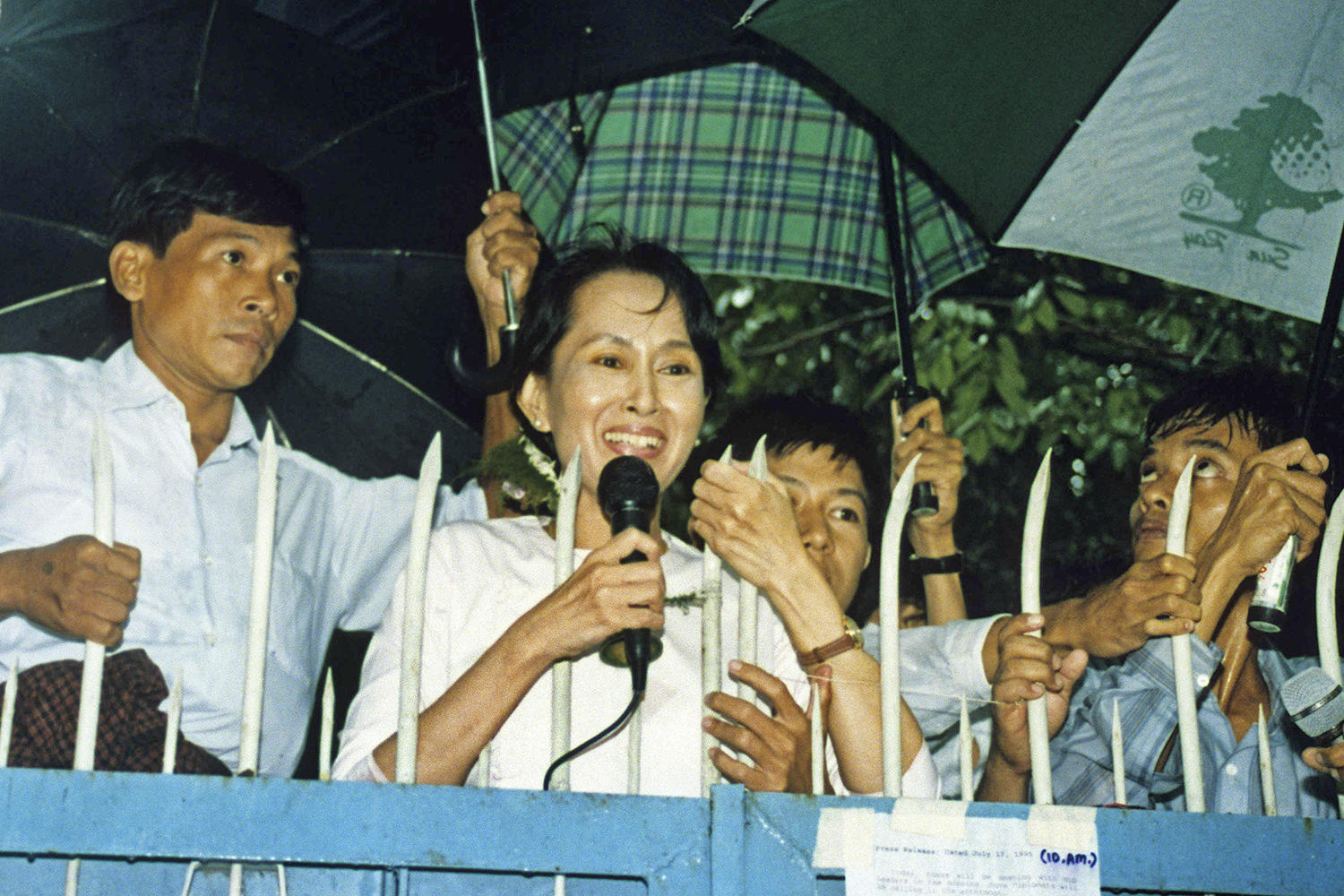
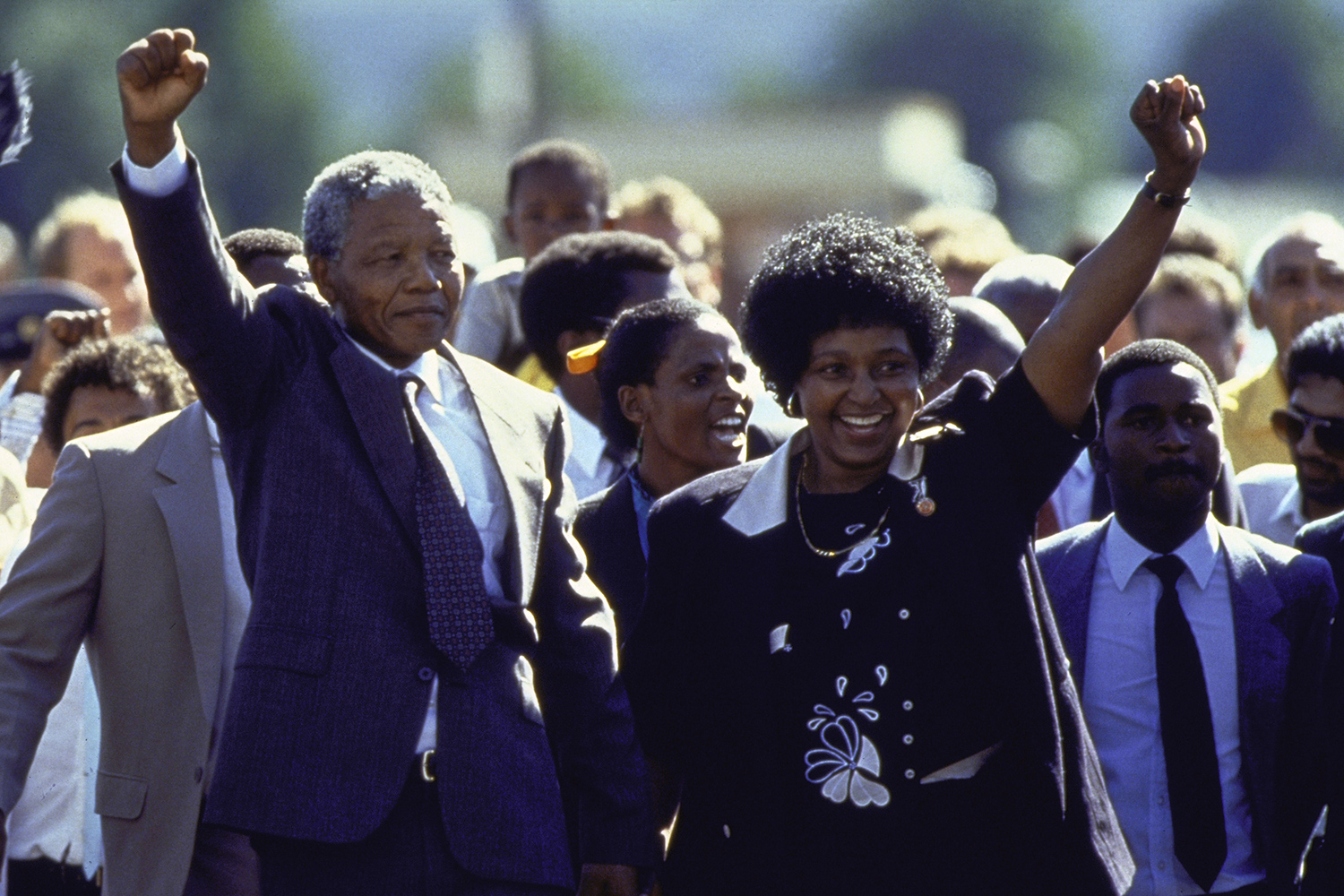
© Bettmann/Getty Images, © Universal History Archive—Universal Images Group/Getty Images,  © Walter Dhladhla—AFP/Getty Images,  ©AFP—AFP/Getty Images

January 19, 2026, is Martin Luther King, Jr., Day in the United States. This holiday honors the American civil rights leader who helped lead the movement to end racial discrimination and promote equal rights. 

A major aspect of King’s legacy was his commitment to nonviolent resistance. Nonviolence is a form of protest that uses peaceful actions like boycotts, marches, and civil disobedience to draw attention to unjust laws. Among King’s famous nonviolent protests were the Montgomery Bus Boycott, in which Black Americans refused to use segregated buses in Montgomery, Alabama, and the March on Washington, where King delivered his famous “I Have a Dream” speech to hundreds of thousands of protesters.

King’s dedication to nonviolence was inspired by another global leader: Mahatma Gandhi. Gandhi used nonviolent resistance to lead the Indian Independence Movement against British colonization in India. He and his followers protested British rule by organizing hunger strikes and marches, both of which ultimately contributed to India winning its independence in 1947. 

Nonviolent resistance methods have been used in movements around the world. Nelson Mandela and other activists used nonviolent protests to help end apartheid—a system of racial discrimination—in South Africa. Aung San Suu Kyi led a nonviolent struggle to bring democracy to Myanmar. 

Like King, these leaders spent time in prison for their efforts to improve human rights in their countries. Rather than give up, they kept on fighting. They also earned honors and awards for their dedication to peace and nonviolent change.

The slideshow at the top of this article features all four iconic leaders in action.

From Prison to President

Nelson and Winnie Mandela each hold one arm up and smile with a crowd in the background.

© Allan Tannenbaum—The Chronicle Collection/Getty Images

Nelson Mandela and his wife, Winnie, raise their fists in celebration after Mandela’s release from 27 years in prison.

Nelson Mandela fought to end racial discrimination and apartheid (legal racial segregation) in South Africa, which eventually led to his imprisonment for nearly 30 years. After his release in 1990, Mandela helped end apartheid laws. In 1994, he was elected president of a new democratic government. Read more about Mandela’s life at Britannica!

WORD OF THE DAY

cultivate

PART OF SPEECH:

verb

Definition:

: to improve or develop (something) by careful attention, training, or study

Definitions provided by
Merriam-Webster Logo

Sudoku

Fill in the grid so that each row, column, and large square has all the numbers 1–9 with no repeats.

O
O
O
O
O
O

In Case You Missed It

Quilen Blackwell plants seeds of hope by turning abandoned city lots into urban flower gardens.
January 15, 2026
Divers are working with archaeologists to help pull ancient Egyptian artifacts from the bottom of the Mediterranean Sea.
January 8, 2026
Shorter snouts on city raccoons show they’re becoming tamer than forest raccoons.
January 4, 2026
Thanks to three-wheeled electric vehicles, women in Zimbabwe have the independence they need to make a living.
December 10, 2025