
City Raccoons: Why the Short Face?
Shorter snouts on city raccoons show they’re becoming tamer than forest raccoons.
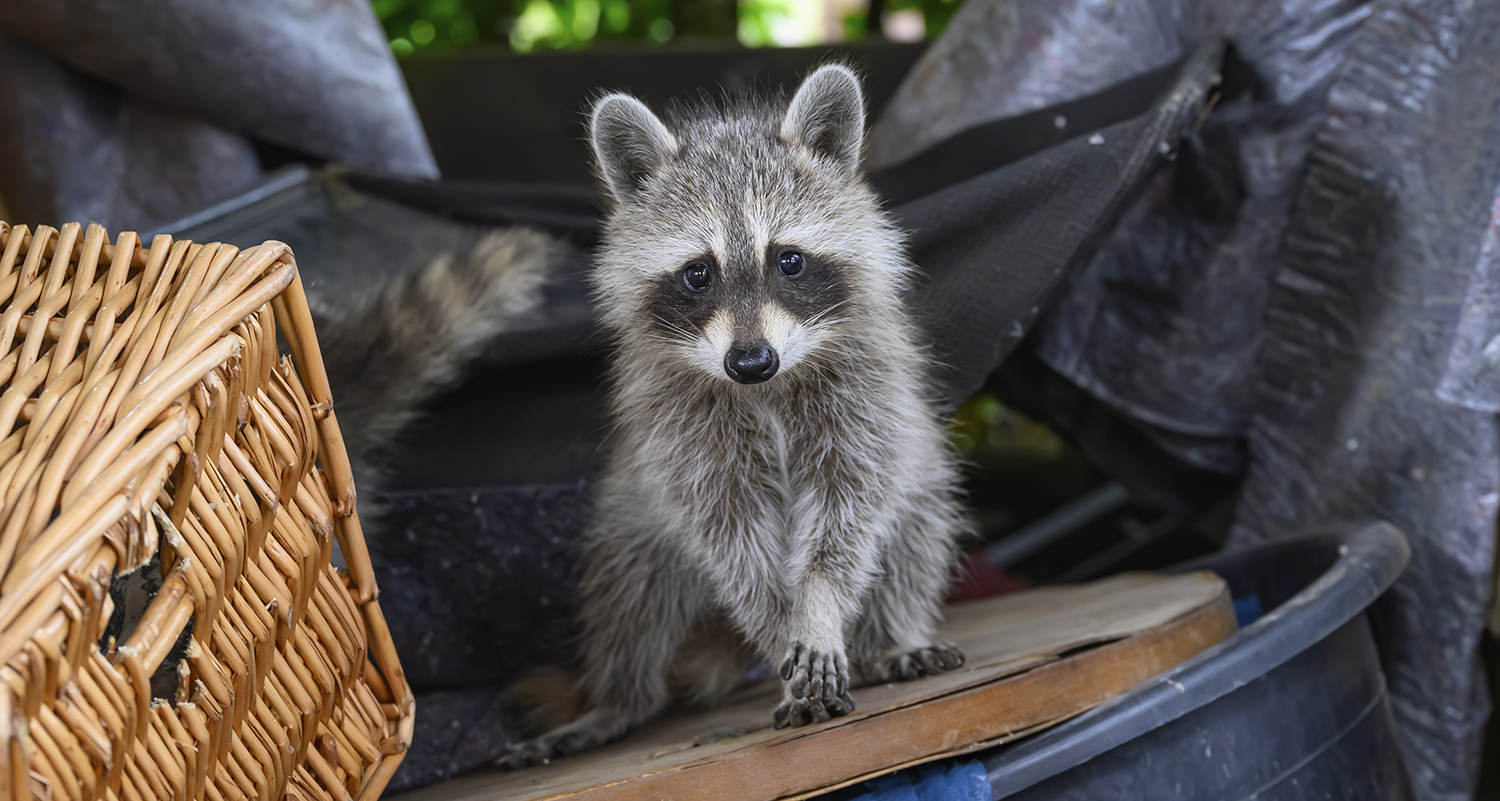
© Patrick Pleul/dpa—picture alliance/Getty Images
A young raccoon sits on a garbage pile in Germany.
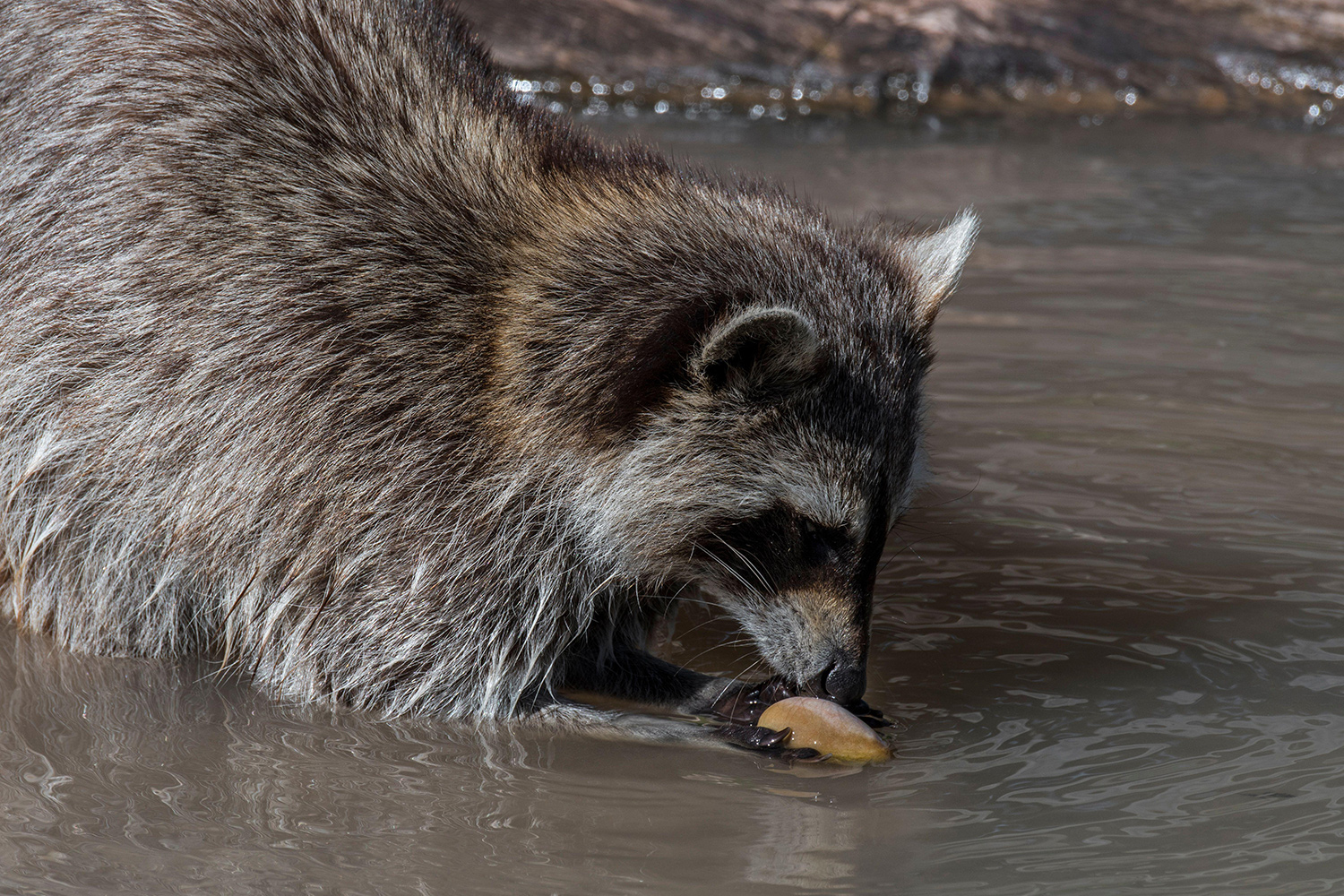
Raccoon faces are instantly recognizable: their mask-like facial markings and habit of rummaging in trash bins has earned them the affectionate nickname “trash bandit.” New research shows that the face of the trash bandit is changing—literally! Biologists say urban raccoons now have shorter faces than their forest-dwelling peers, meaning they could be in early stages of domestication. In other words, they’re becoming tamer.
In the wild, raccoons will eat nearly anything they can from plants or animals. In an urban environment—meaning in a city or town—the easiest place to find food is in garbage cans.
“Wherever humans go, there is trash. Animals love our trash. All they have to do is endure our presence, not be aggressive, and then they can feast on anything we throw away,” said Raffaela Lesch, a biologist at the University of Arkansas at Little Rock in the United States.
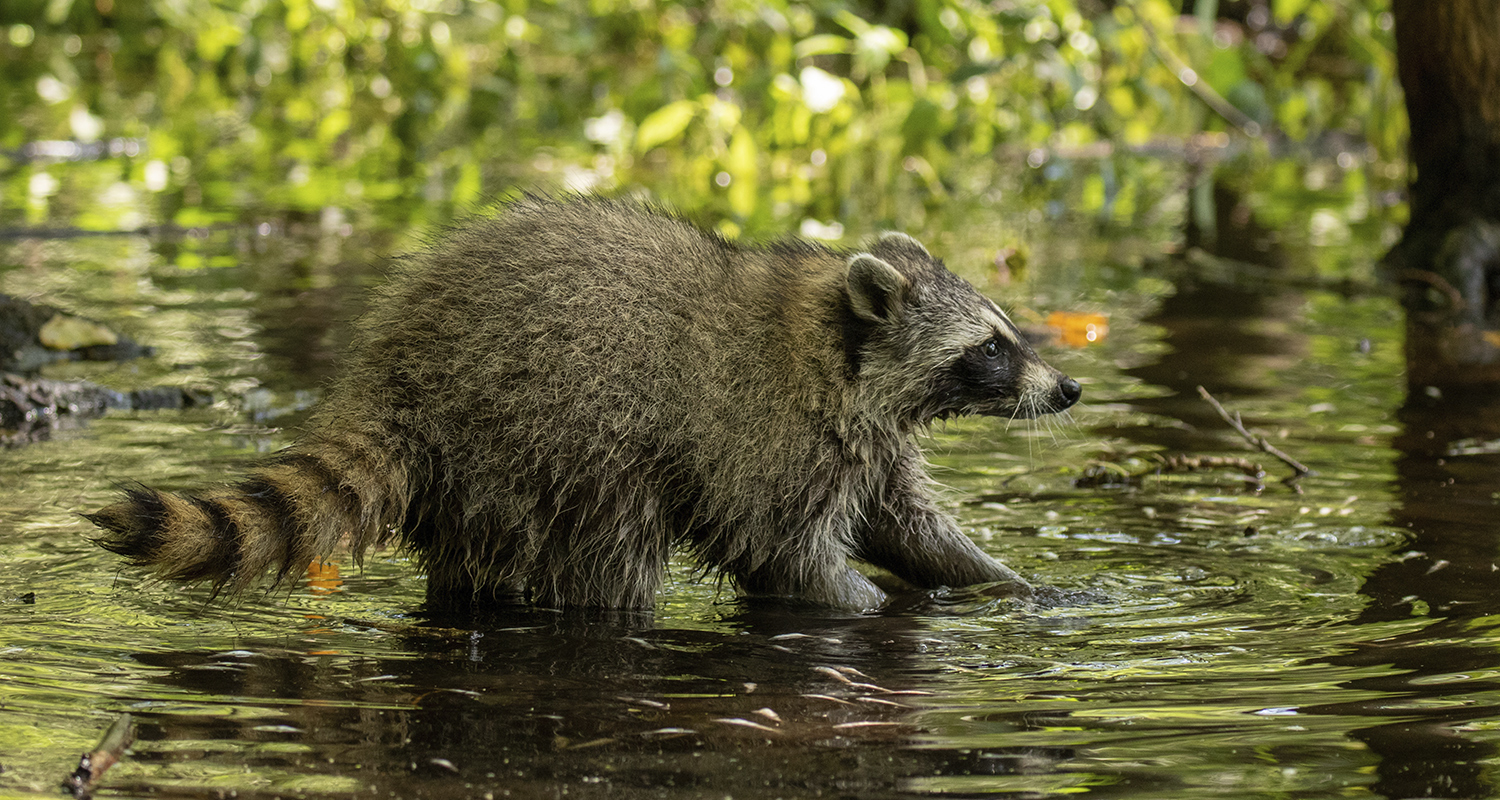
© Stan/stock.adobe.com
A wild raccoon in a body of water
Lesch wondered whether city raccoons were physically changing because of this human connection. Leading a team of biologists, Lesch helped analyze thousands of raccoon images. The research showed that raccoons living in or near cities and towns had shorter snouts.
This means city raccoons could be on the same pathway to domestication as dogs and house cats, who also have shorter snouts and smaller jaws than their wild relatives. These changes occurred as the wild dog and cat ancestors grew tamer.
© Holly/stock.adobe.com
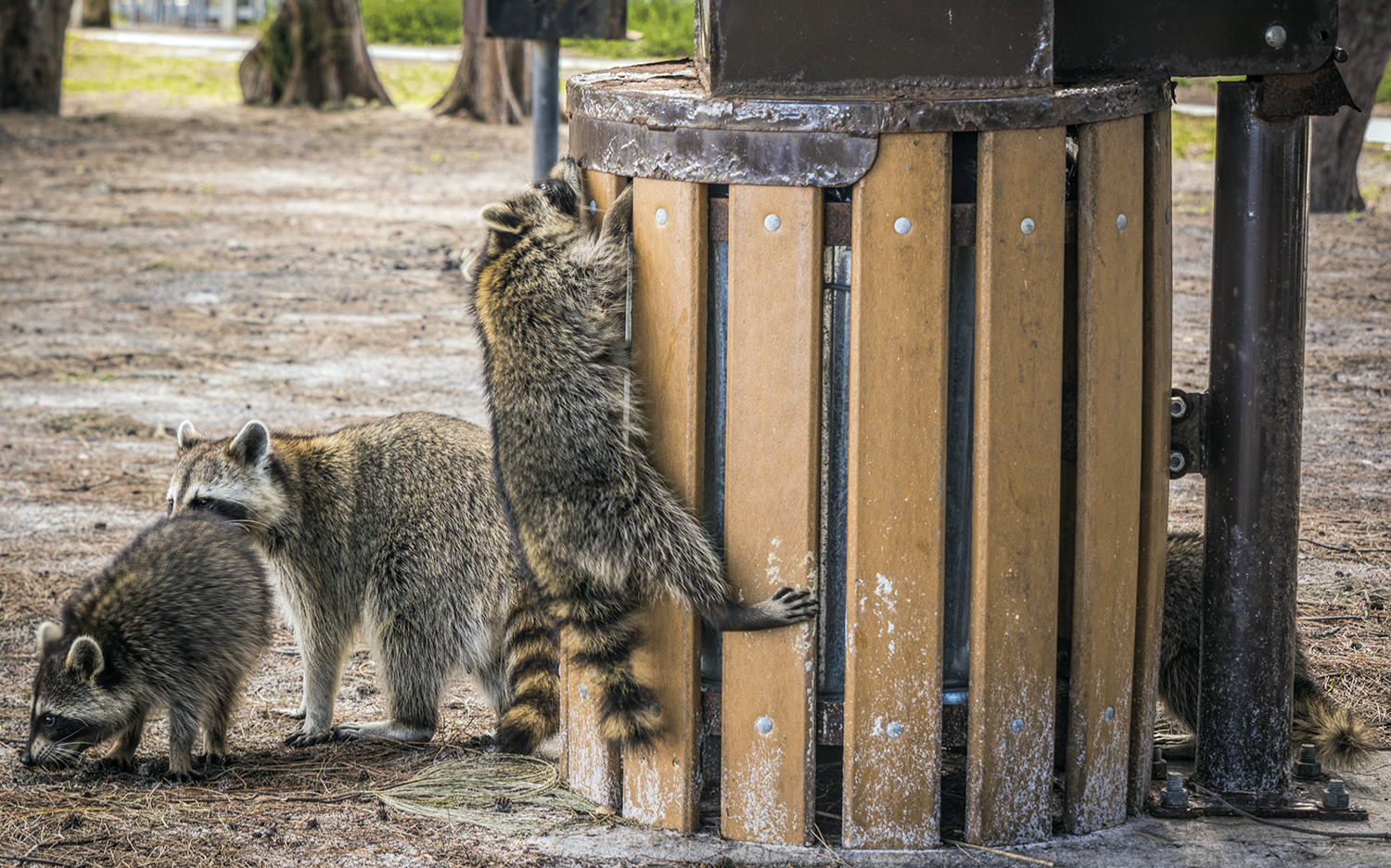
A group of raccoons investigates a trash can in the U.S. state of Florida.
Though humans are not actively trying to tame raccoons, Lesch’s research shows that simply living in human environments is causing a physical change in these animals.
Lesch said it would be fitting if our next domesticated species were raccoons. “I feel like it would be funny if we called the domesticated version of the raccoon the trash panda.”