
Women Who Flew High
© Michael Ochs Archives/Getty Images, © Bettman/Getty Images; Photo composite Encyclopædia Britannica, Inc.
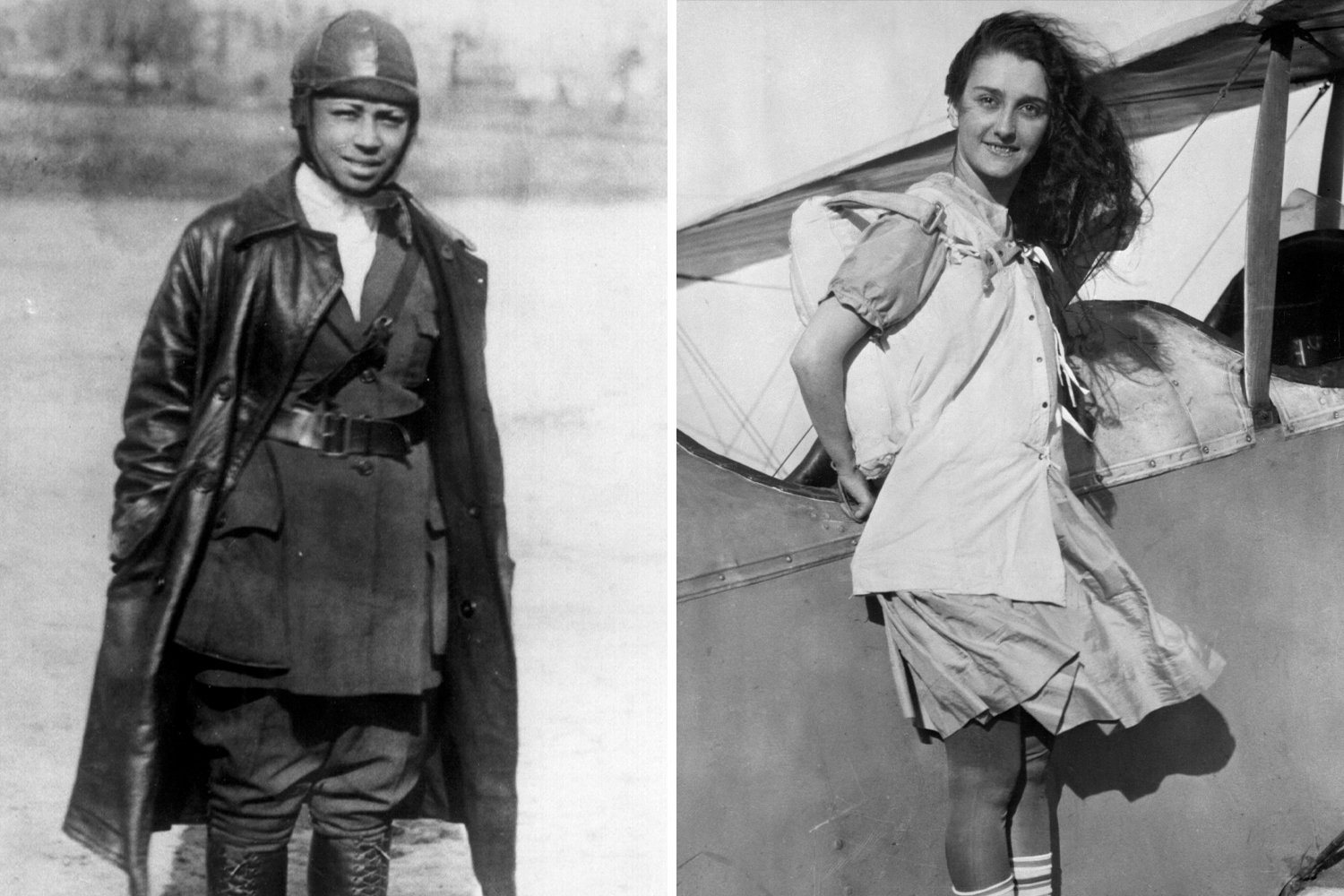
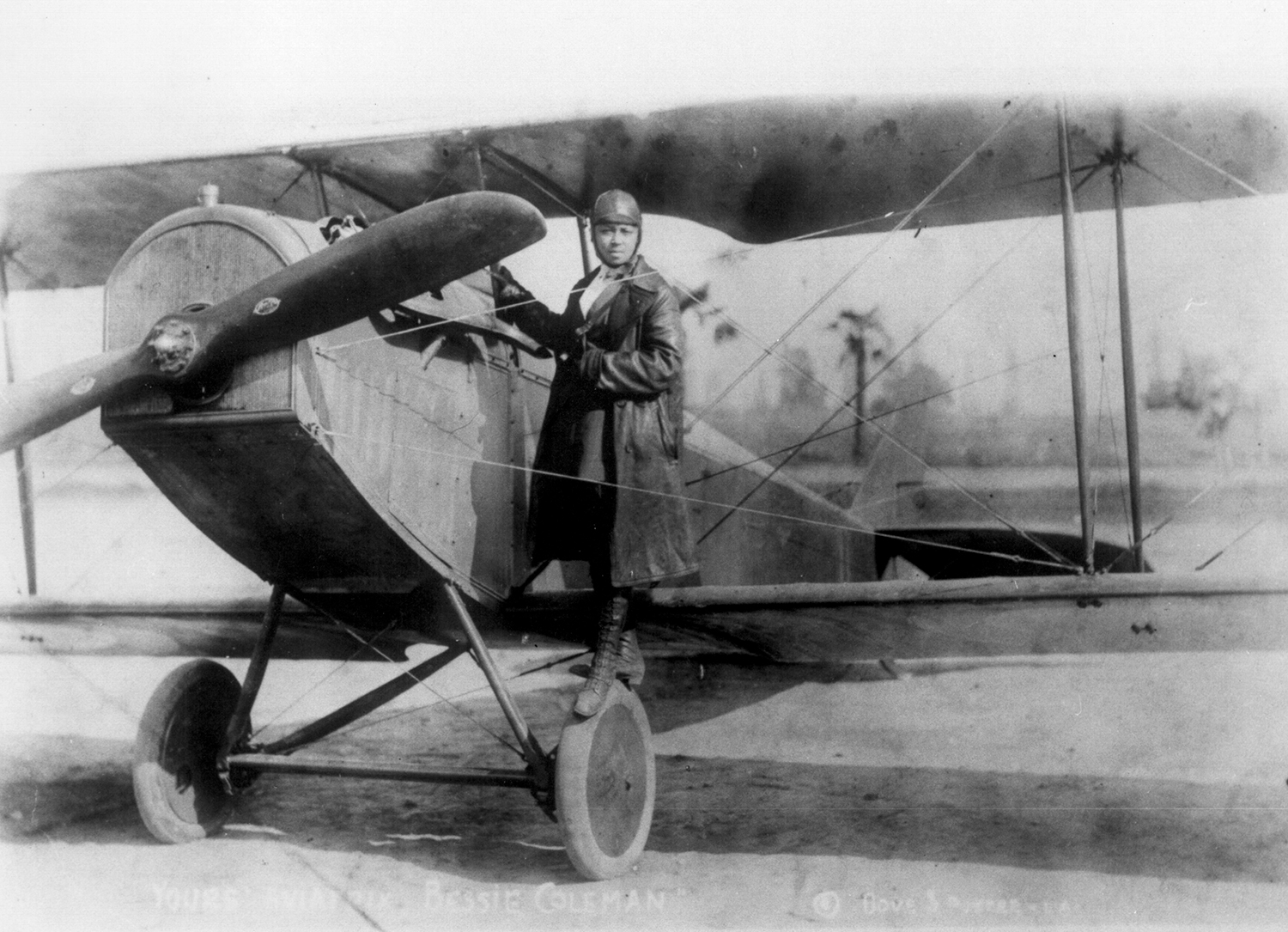
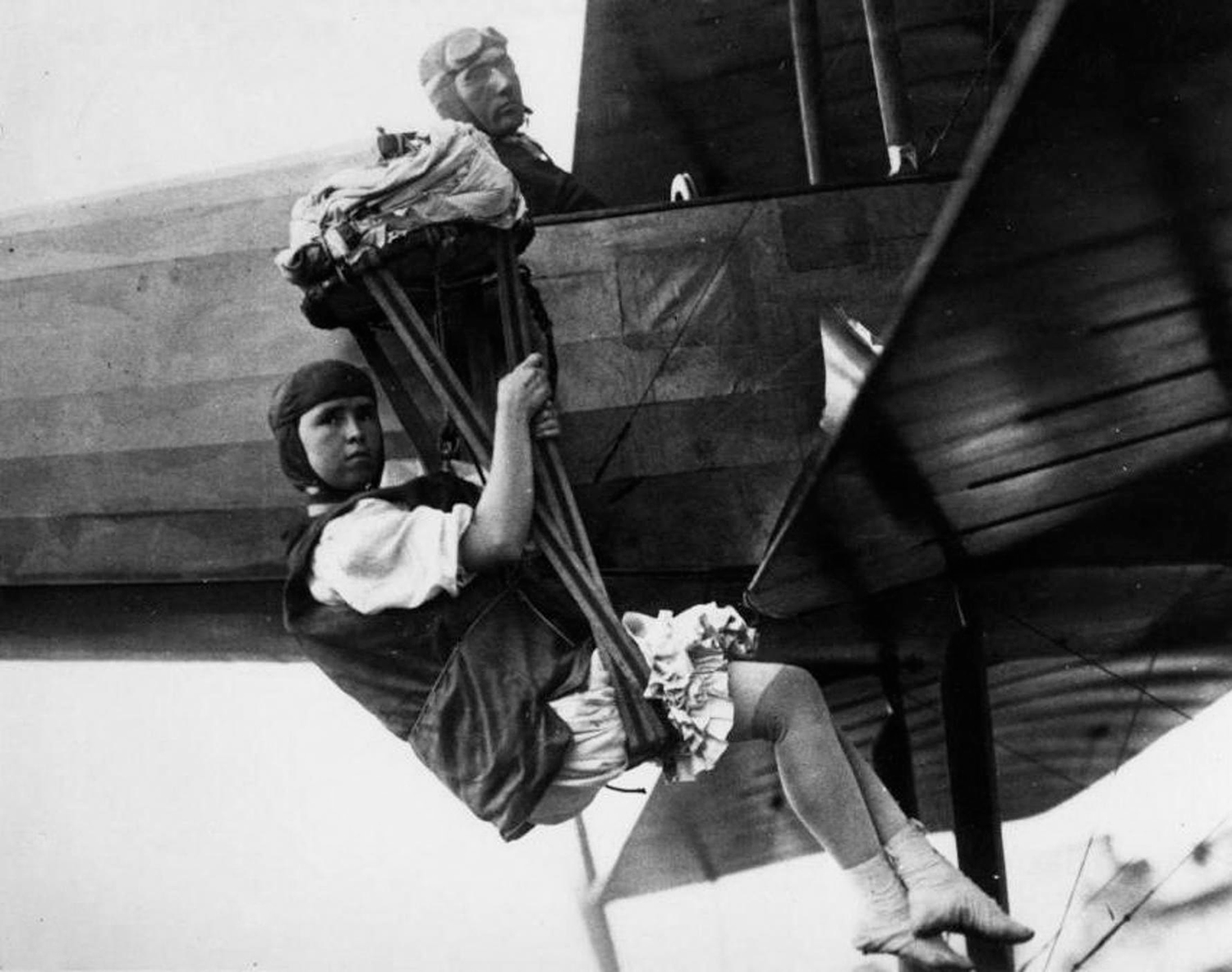
Bessie Coleman (left) and Georgia Broadwick, both photographed in about 1920.
When airplanes first came into use in the early 1900s, many people were nervous. To some, it seemed odd and unnatural for humans to fly. But a few daring people didn’t just embrace aviation (the practice of flying in airplanes)—they devoted their lives to it.
March is Women’s History Month. To celebrate, we’re featuring two women who ventured into the sky at a time when few people had.
© Historic Collection/Alamy
Bessie Coleman
When she was very young, Bessie Coleman couldn’t have imagined she’d become a pilot. Airplanes did not fly successfully until 1903, 11 years after Coleman was born. But Coleman would be the first Black American woman to fly a plane.
Coleman grew up on a farm in Texas. During her lifetime, Black Americans, especially women, did not have many opportunities. Coleman started to attend college but did not have enough money to finish.
In 1915, Coleman moved to Chicago, Illinois, where she became interested in a new profession: aviation. The local flying school did not accept Black women, but a school in France did. In 1921, Coleman became the first American woman to earn an international pilot’s license. Coleman became a stunt pilot, a flyer who does daring tricks in the air.
Coleman returned to the United States in 1922. She performed in air shows, a popular form of entertainment in which stunt pilots show off their moves. Coleman encouraged other Black Americans to become pilots and planned to start a flight school. Sadly, she died in a flight accident in 1926.
© Michael Ochs Archives/Getty Images
Georgia Broadwick
In 1908, 15-year-old Georgia Broadwick watched a man jump from a hot air balloon and land with the help of a parachute. Broadwick was amazed. She asked the man to teach her how to use his parachute. She was soon performing stunt jumps at carnivals.
Hot air balloons had been flying for more than 100 years by that time, but airplanes were new. Broadwick boldly switched from balloons to airplanes, becoming the first woman to parachute jump from an airplane in 1913.
Broadwick went on to demonstrate parachute jumps for the U.S. Army, which was working to improve aviation safety. During one demonstration, one of the parachute lines got caught in part of the airplane. Broadwick thought fast and cut the line. This method of deploying (putting to use) a parachute led to an invention called the ripcord. Ripcords are still used today.
Broadwick retired from parachuting in the early 1920s after completing more than 1,000 jumps. Her courage helped pave the way for more women to become involved with aviation.