A summer drought across Europe has revealed something unexpected—or rather, many things. Low water levels in rivers, lakes, and reservoirs mean long-buried objects are coming to the surface, including ancient Roman ruins and German warships.
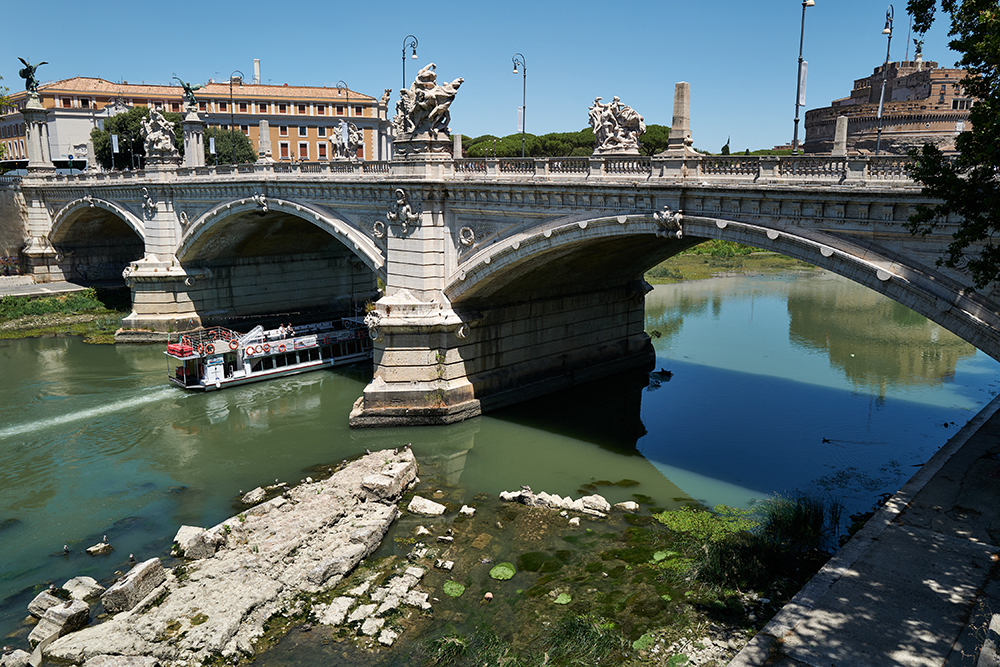
In Rome, the remains of an ancient bridge have emerged from the low Tiber River. Though it is called “Nero’s Bridge” after the man who ruled the Roman empire approximately 2,000 years ago, some experts believe the bridge was built during the reign of Nero’s uncle, Emperor Caligula.
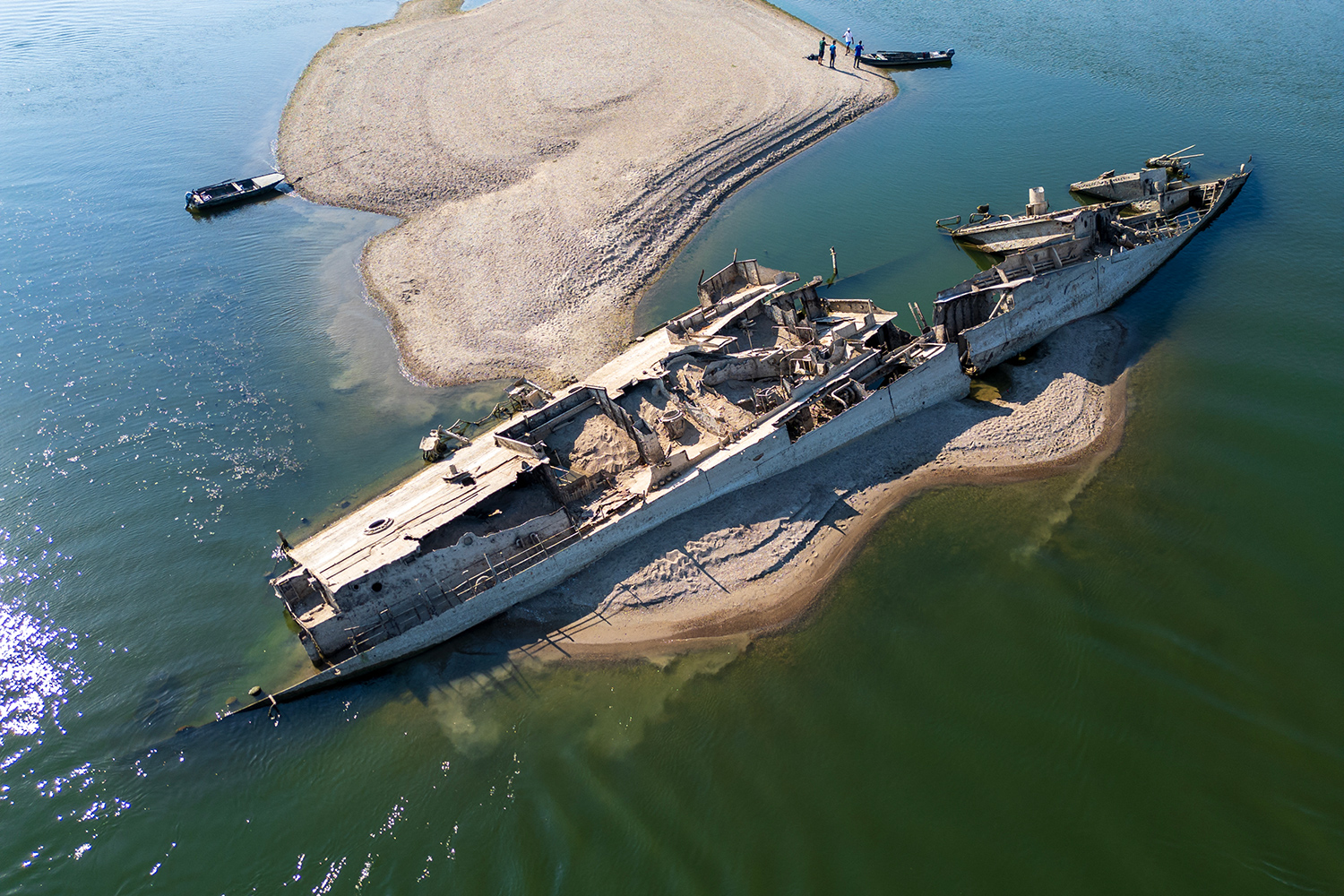
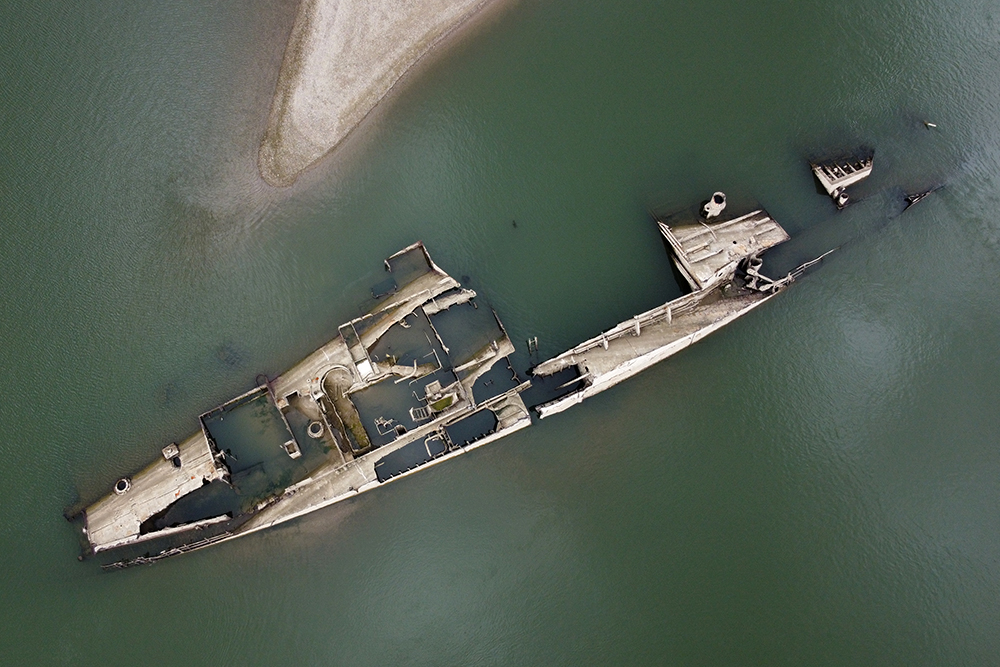
In eastern Serbia, about 20 German warships from World War II have surfaced from the receding Danube River. These ships are among the 200 that were deliberately sunk in 1944 to avoid capture by the army of the Soviet Union, a former country that included what is now Russia. Eighty-two years later, locals and tourists have been able to visit, and even swim around, the now-visible shipwrecks.
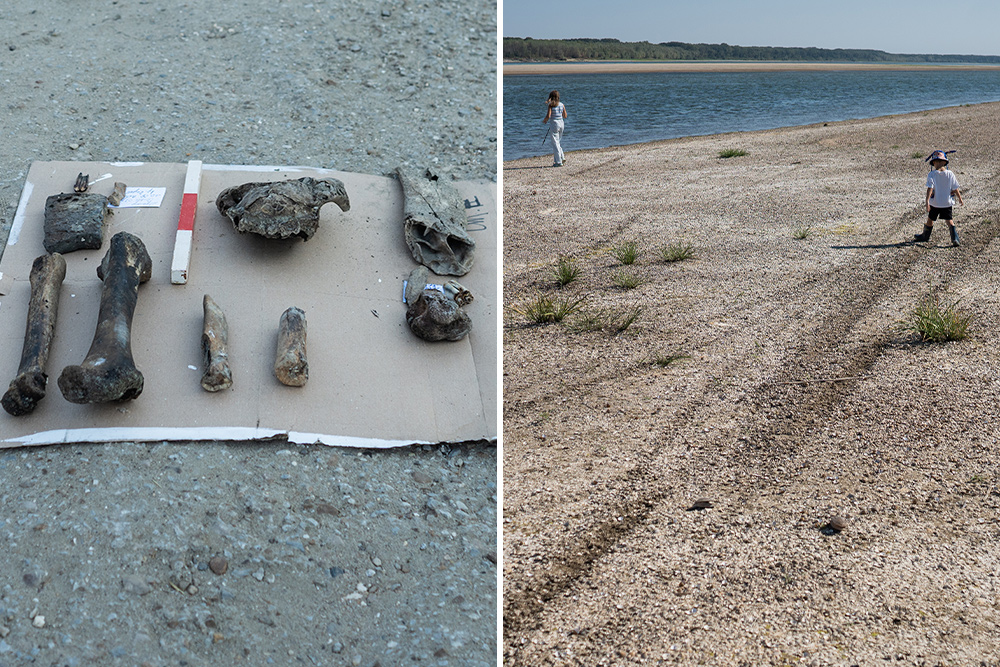
But sunken warships are not the only thing the Danube River was hiding. Farther downstream, in Bulgaria, a village local found what is believed to be mammoth remains. A lower jaw, tusks, and a rib bone were collected from the riverbed for confirmation, but the Regional History Museum director in a nearby town said it is likely from a mammoth that lived and died thousands of years ago.
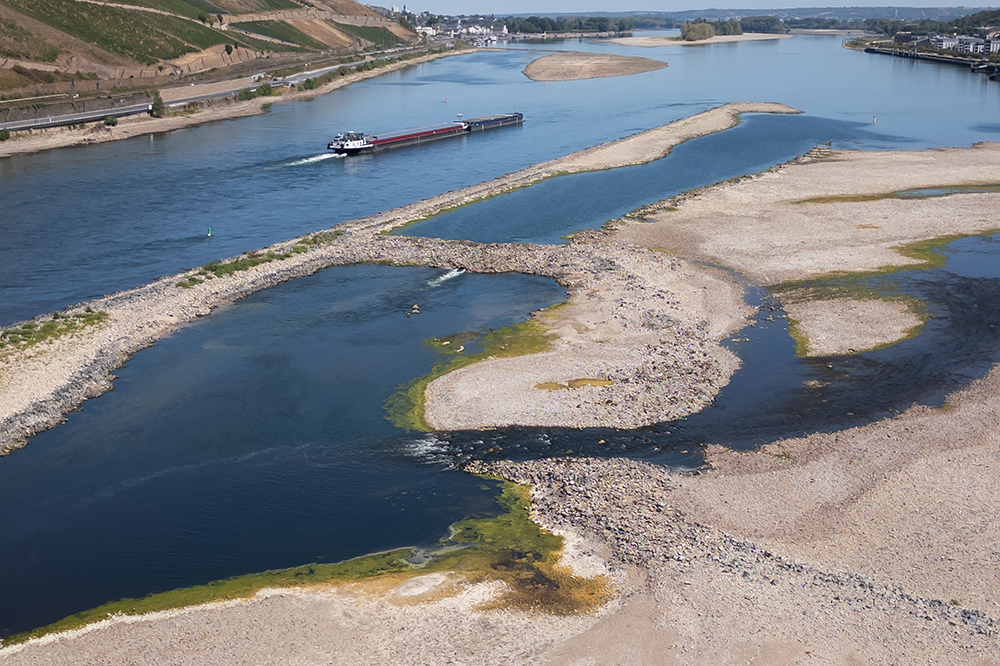
Though low waterways have revealed exciting treasures, Europe’s prolonged drought and heat waves have been a cause for alarm. Farmers in the region are warning of low crop harvests from lack of rain, and there is increased wildfire risk in such dry conditions.
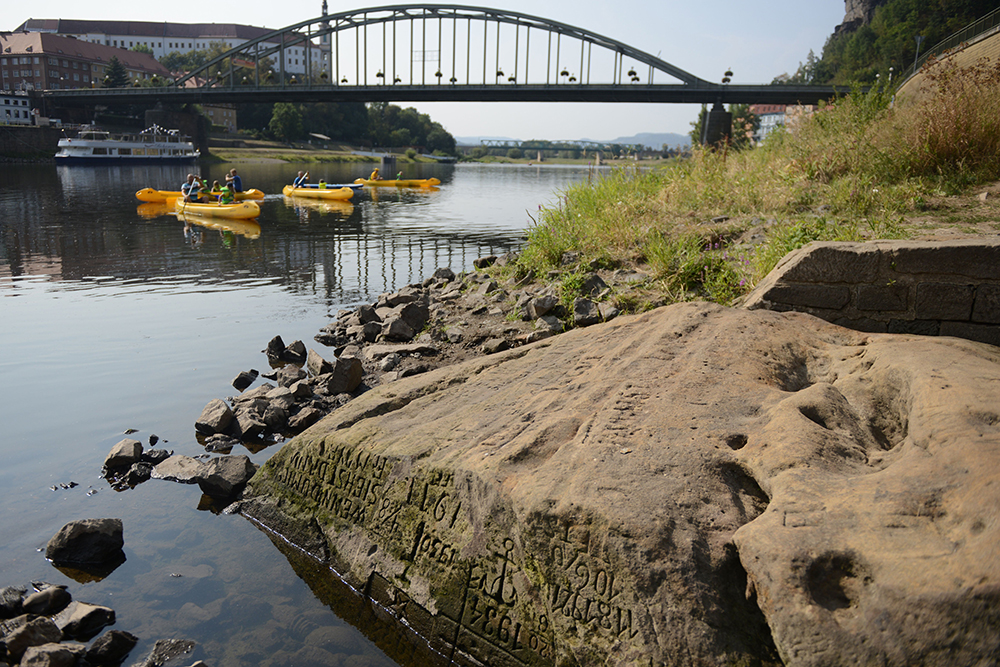
These current concerns match a 400-year-old stone carving that has also emerged from a dry riverbank in the Czech Republic. The carving reads, in German: Wenn du mich siehst, dann weine, which means “If you see me, then weep.” Carved into what is called a “hunger stone,” the message is revealed when the Elbe River runs low in the city of Děčín. It serves as a record of past droughts, and it is also a warning of the impacts of a year with little water.
Click through the slideshow for more photos.