

Skip to content

The Joy of “Unuseless” Inventions
Creating a chindogu means finding an absurd solution to a small, daily problem.
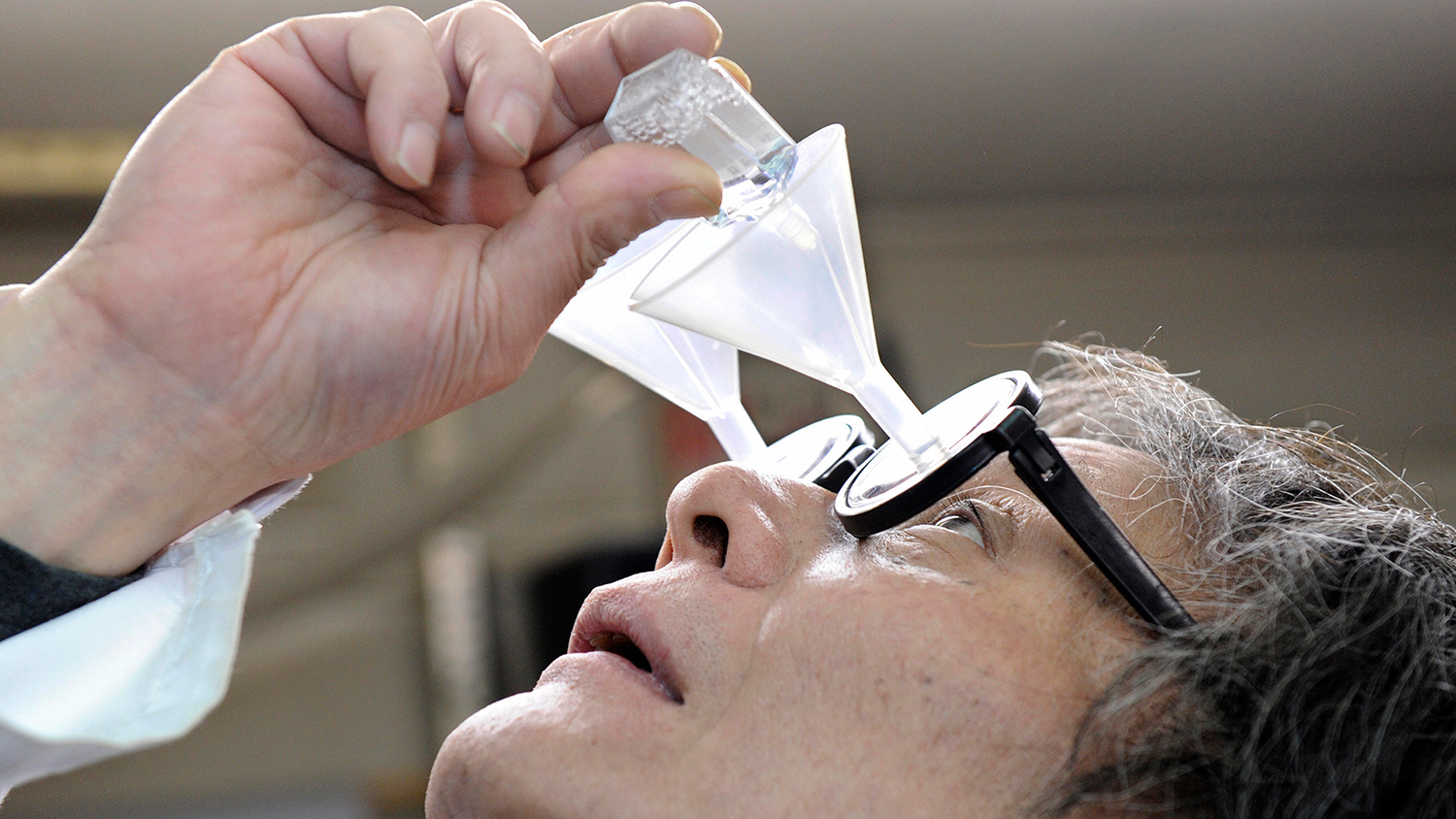
Kenji Kawakami squeezes eyedrops into a funnel on one of the lenses of his glasses.

© Yoshikazu Tsuno—AFP/Getty Images

Kenji Kawakami invented the word chindogu to describe an almost-useful invention. These funnel glasses guide eyedrops right into a person’s eyes.

Have you ever had a fun idea for an invention but realized it isn’t that useful? Congratulations—you may have just come up with a chindogu! Chindogu, which means “strange tools” in Japanese, is the word for silly gadgets that are almost useful, like a solar-powered flashlight or a glue-stick-style butter dispenser. Why would someone want these barely helpful inventions? It turns out that chindogu are not made for necessity, but for the joy of creating something.

Japanese inventor Kenji Kawakami coined the term chindogu. Kawakami has created more than 600 of these gadgets. 

Here are just a few of Kawakami’s inventions:

  • Hay fever hat: a hat with a roll of toilet paper on top so that people can quickly reach a tissue before they sneeze
  • Funnel glasses for eye drops: glasses with funnels that help people aim as they apply eye drops 
  • Fan chopsticks: eating utensils with a small, motorized fan attached to the end so that the person eating hot noodles can cool their food as they eat
  • Umbrella shoes: dress shoes with little umbrellas on the end so that the shoes won’t get wet in the rain
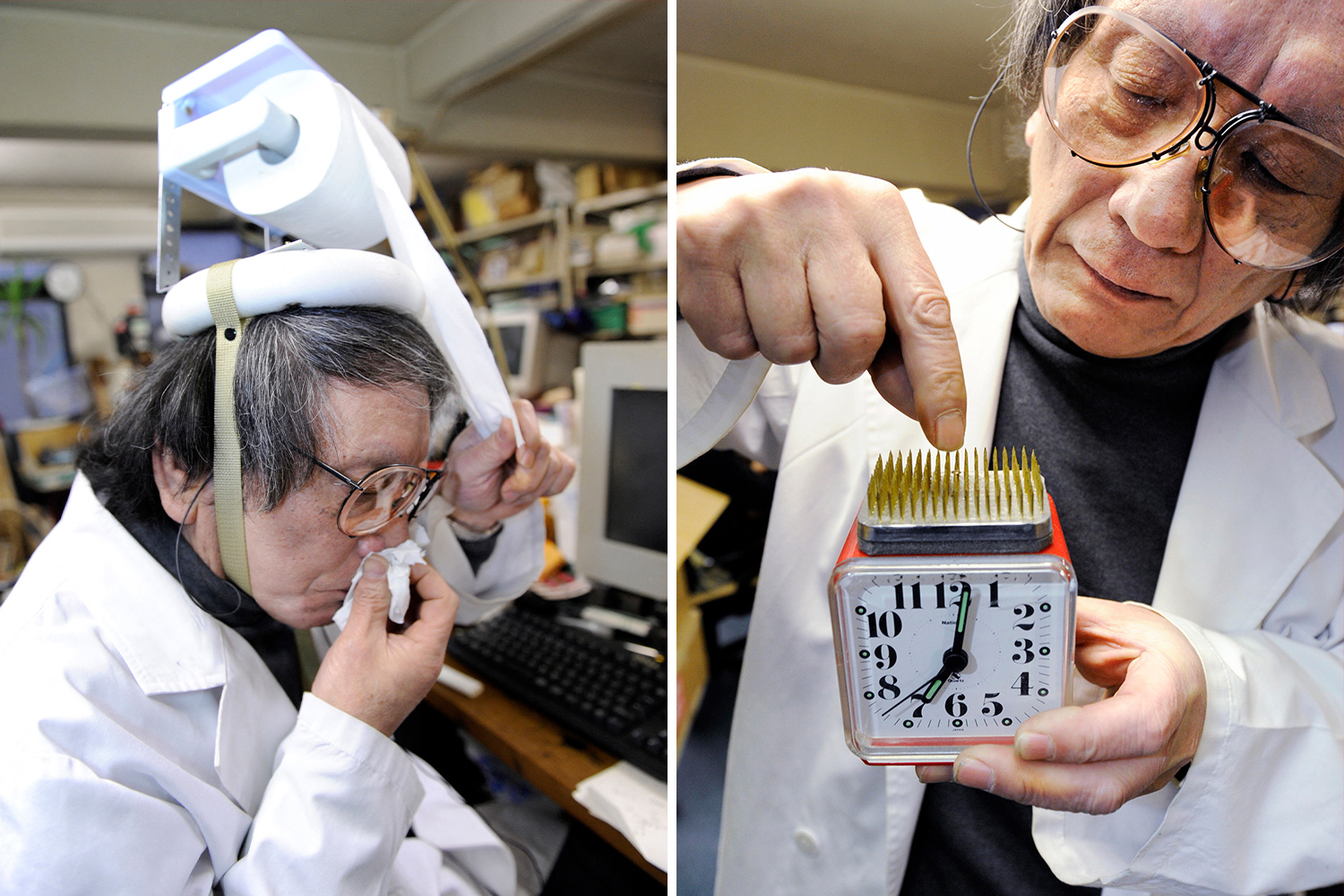
Kenji Kawakami wears a hat with a roll of toilet paper at the top and pulls on the toilet paper to blow his nose; Kenji Kawakami holds an analog alarm clock that has a bed of pins along the top.

© Yoshikazu Tsuno—AFP/Getty Images; Photo composite Encyclopædia Britannica, Inc.

Kenji Kawakami demonstrates two of his inventions. At left, the hay fever hat dispenses toilet paper whenever it’s needed. At right, the sharp pins alarm clock’s snooze button is in the middle of a bed of pins, making it hard to press.

Kawakami came up with the concept of chindogu to challenge the idea that all inventions should be things people want to buy. 

“The one big difference is that while most inventions are aimed at making life more convenient, chindogu have greater disadvantages than [existing] products, so people can’t sell them,” said Kawakami in a 2002 interview with magazine J@pan, Inc. “They’re invention dropouts.”

Rather than always driving to be productive, Kawakami believes there should be a creative category for people who just enjoy solving simple problems with absurd solutions. According to Kawakami, creating something that is “unuseless” (neither useful nor useless) is still meaningful.
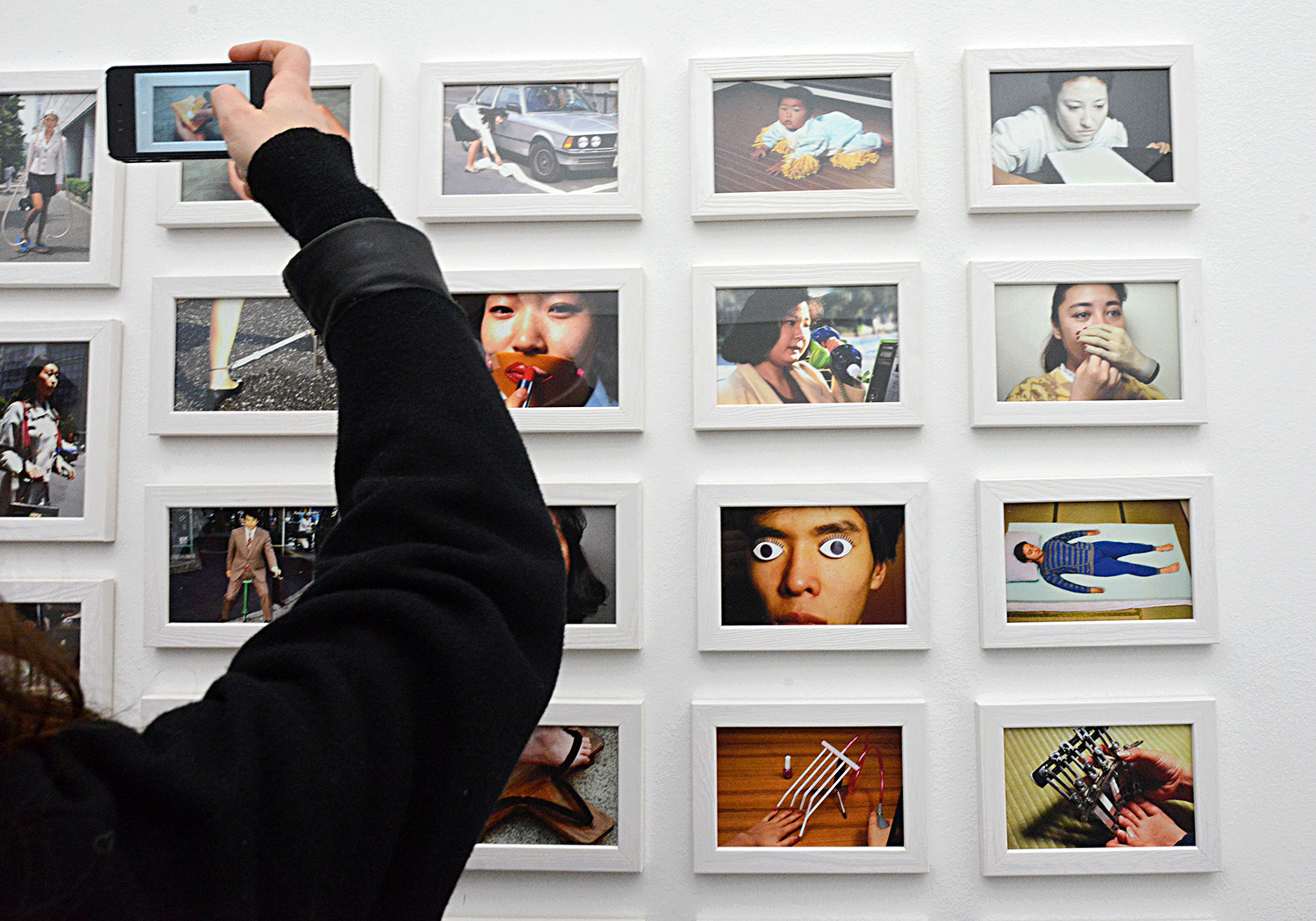
A hand holds up a phone to take a photo of a wall of photos of chindogu that are in use.

© Foc Kan—WireImage/Getty Images

In this 2015 photo, pictures of chindogu are shown at a fashion show in Tokyo.

So, the next time you come up with a silly gadget idea that doesn’t seem very useful, remember that the invention is still worth making.

“In the modern, digital world, everything is so quick,” said Kawakami. He used a digital versus a print dictionary as an example, adding, “With the electronic one, it only takes two seconds to find a word, but it gives us no mental or spiritual satisfaction. Yet if you use your own hands to find it, you can enjoy the process.”
Did You Know?

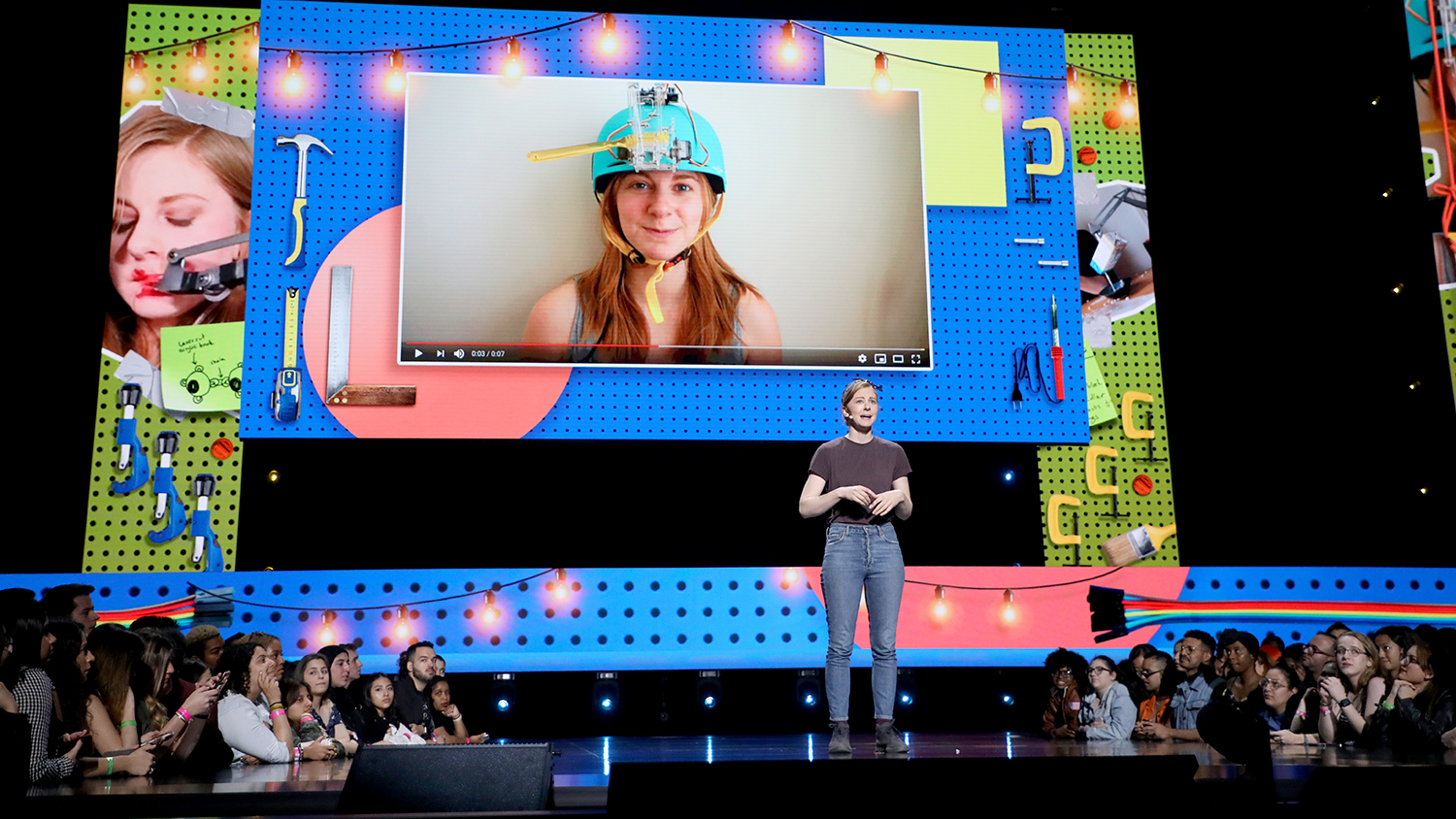
Swedish inventor and YouTube creator Simone Giertz makes both practical and absurd inventions. One that could be considered a chindogu is the Toothbrush Machine, a helmet with a tooth-brushing robot arm. A more practical Giertz invention is the Laundry Chair, for hanging clothes that have been worn but aren’t dirty enough for the washer.

Simone Giertz stands on a stage in front of a screen showing a demonstration of her Toothbrush Machine.
© Taylor Hill/FilmMagic—YouTube/Getty Images

Simone Giertz presents her Toothbrush Machine on stage in New York City in 2019.

How to Be Ridiculously Inefficient

© Ihor/Stock.adobe.com

Here’s a taste of how a Rube Goldberg machine might work.

Imagine the little tasks you do in a day. Maybe you turn on some music to help you study or you get some juice to drink. Instead of doing it yourself, what if you built a ridiculous machine to do it for you?  

A Rube Goldberg machine is designed to do a simple task in the most complicated way possible. Does it make someone’s life easier? Absolutely not. The Rube Goldberg Institute for Innovation & Creativity says a Rube Goldberg machine “solves a simple problem in the most ridiculously inefficient way possible.” But creating a Rube Goldberg machine can be fun and entertaining.

A Rube Goldberg machine that turns on some music might go through these steps: 

Start: A person lights a candle.  

Step 1: The candle’s flame burns a string. 

Step 2: The burned string releases a piece of wood. 

Step 3: The piece of wood bumps a toy car. 

Step 4: The toy car rolls down a ramp into a heavy ball. 

Step 5: The heavy ball bumps a button on a remote. 

Step 6: The remote turns on the music. 

The name of the machine comes from American cartoonist and inventor Rube Goldberg. From 1914 to 1964, Goldberg drew comic strips that joked about overly complicated processes in society. His cartoons depicted intricate machines that accomplished very simple tasks. The cartoons inspired real people to engineer their own Rube Goldberg machines.

Making a Rube Goldberg machine is a creative process, and the machine can be as ridiculous and complex as the designer wishes. People can use everyday objects, including cardboard, dominoes, sports equipment, string, paper clips, shoes, or anything that inspires them! 

April Fools!

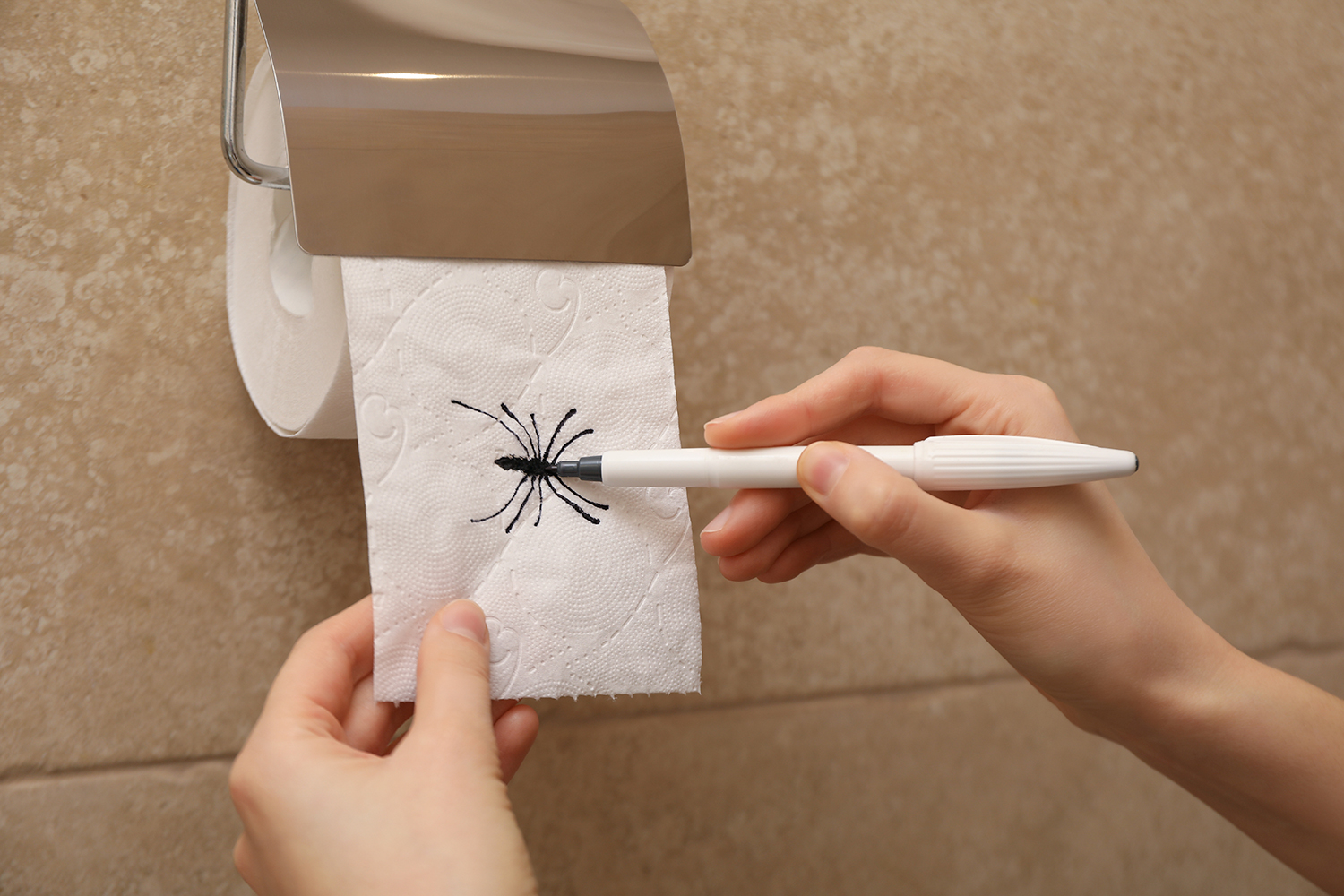
A person draws a spider on a roll of toilet paper.

U.S. National Park Service

The first day of April is April Fools’ Day, a playful holiday for harmless tricks. These little pranks can come in many forms as people try to fool friends or family members. Read more about the silly customs associated with April Fools’ Day at Britannica!

WORD OF THE WEEK

contraption

PART OF SPEECH:

noun

Definition:

: a piece of equipment or machinery that is unusual or strange

Definitions provided by
Merriam-Webster Logo

Sudoku

Fill in the grid so that every row, column, and 3 x 3 box contains the numbers 1 through 9 without any repeats.

O
O
O
O
O
O

In Case You Missed It

Creating a chindogu means finding an absurd solution to a small, daily problem.
March 26, 2026
When a rat-shaped hole in a city sidewalk went viral, scientists investigated. But was the hole really made by a rat?
March 19, 2026
New research shows dogs can learn new words by listening in on human conversations.
March 12, 2026
Figure skater Alysa Liu felt happy and confident at the 2026 Olympics. She skated off with a gold medal!
March 5, 2026

How to Cite This Page

Here is how to cite this page using the MLA style. While every effort has been made to follow citation style rules, there may be some differences. Please refer to the appropriate style manual or other sources if you have any questions.

“In the News: The Joy of ‘Unuseless’ Inventions.” Britannica School, Encyclopaedia Britannica, 30 Mar. 2026. https://news.eb.com/level2/the-joy-of-unuseless-inventions. Accessed 30 Mar. 2026 [Replace this date with today’s date.]