
Skip to content

Women Who Flew High

For Women’s History Month, we’re honoring two women who inspired many others to take to the skies.
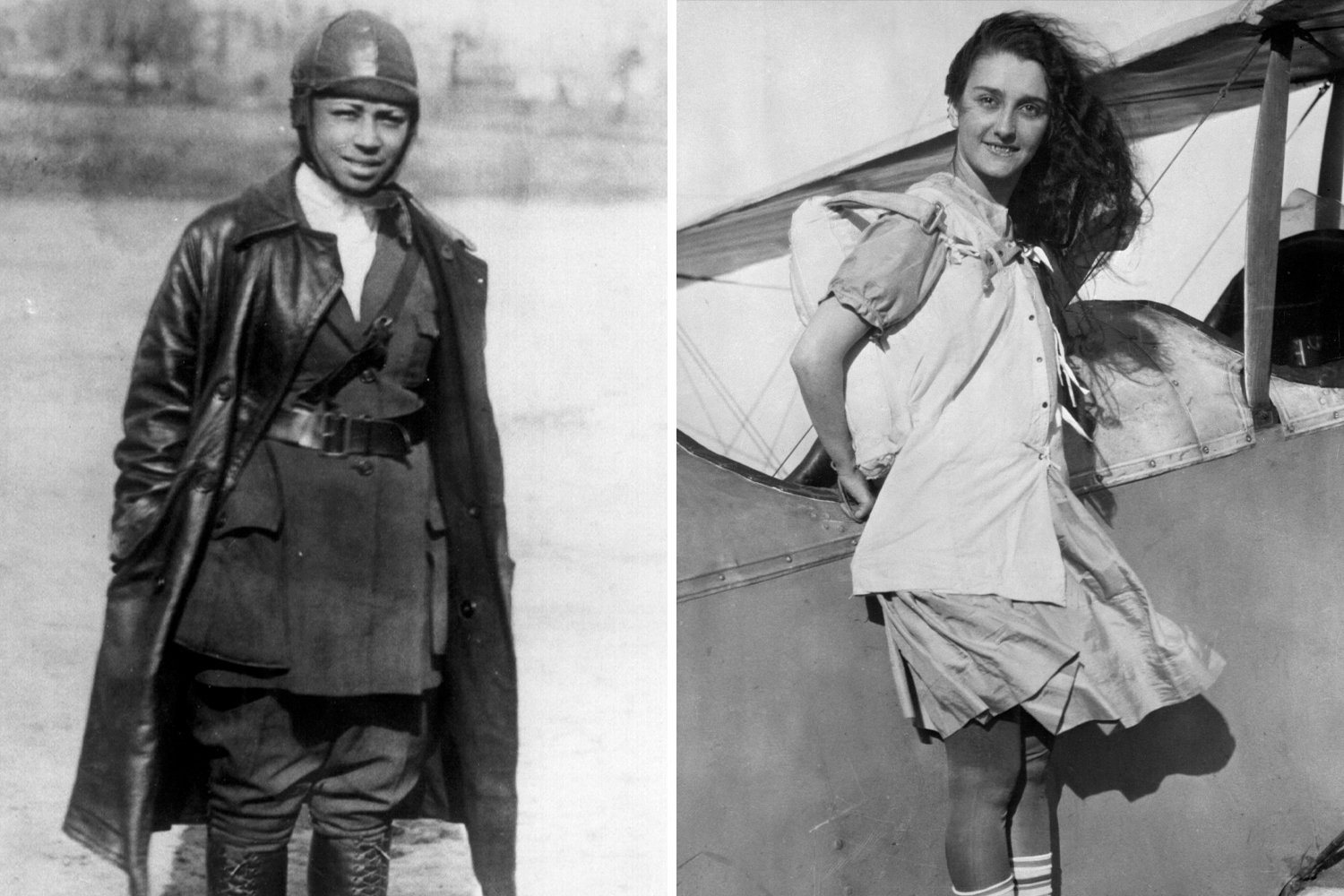
Bessie Coleman stands in flight clothing with leather coat and Georgia Broadwick poses by a plane.

© Michael Ochs Archives/Getty Images, © Bettman/Getty Images; Photo composite Encyclopædia Britannica, Inc.

Bessie Coleman (left) and Georgia Broadwick, both photographed in about 1920.

When airplanes first came into use in the early 1900s, many people were nervous. To some, it seemed odd and unnatural for humans to fly. But a few daring people didn’t just embrace aviation (the practice of flying in airplanes)—they devoted their lives to it. 

March is Women’s History Month. To celebrate, we’re featuring two women who ventured into the sky at a time when few people had.
Bessie Coleman
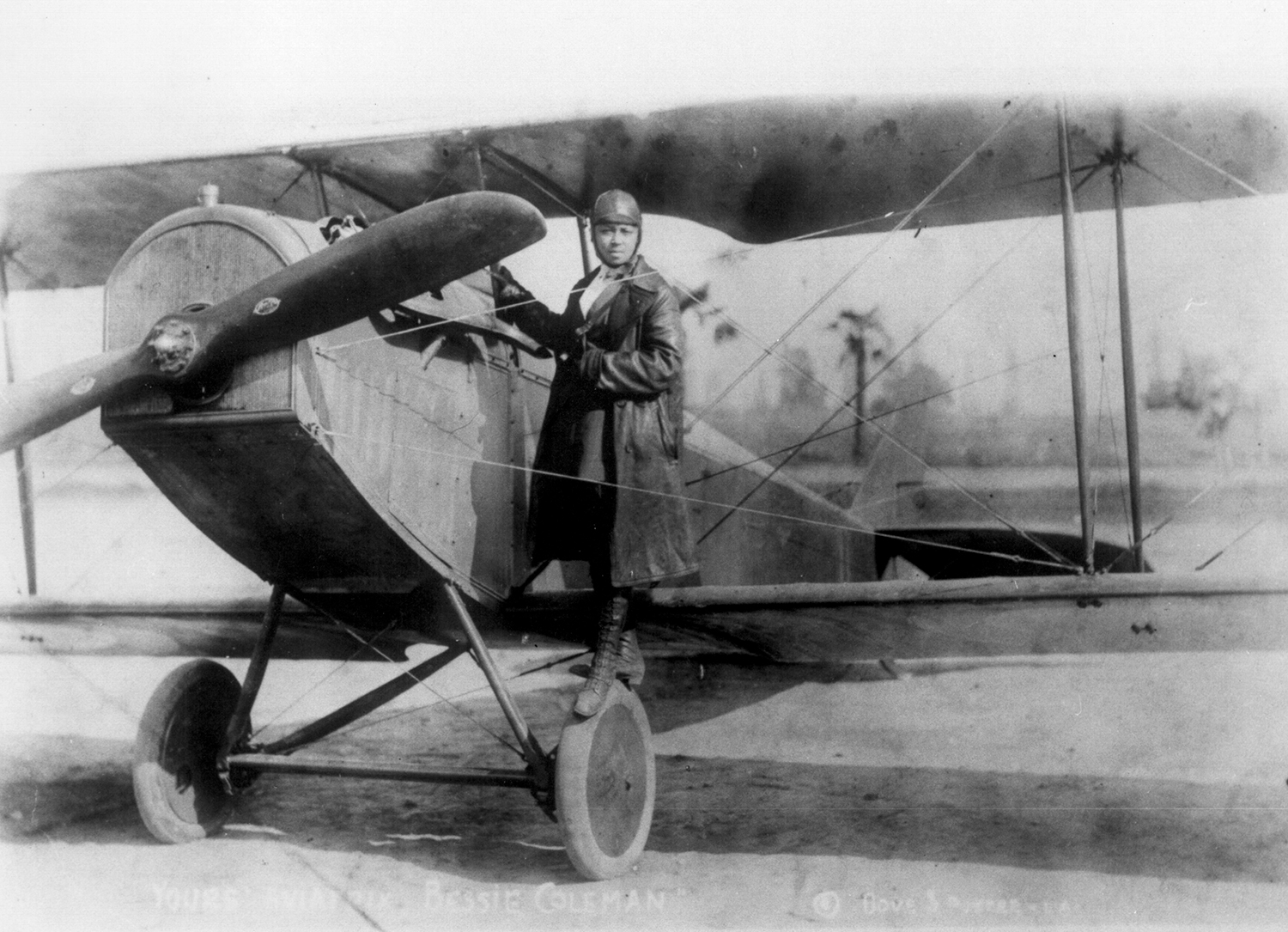
Bessie Coleman stands on the wheel of her biplane.

© Historic Collection/Alamy

Bessie Coleman

When she was very young, Bessie Coleman couldn’t have imagined she’d become a pilot. Airplanes did not fly successfully until 1903, 11 years after Coleman was born. But Coleman would be the first Black American woman to fly a plane. 

Coleman grew up on a farm in Texas. During her lifetime, Black Americans, especially women, did not have many opportunities. Coleman started to attend college but did not have enough money to finish. 

In 1915, Coleman moved to Chicago, Illinois, where she became interested in a new profession: aviation. The local flying school did not accept Black women, but a school in France did. In 1921, Coleman became the first American woman to earn an international pilot’s license. Coleman became a stunt pilot, a flyer who does daring tricks in the air.

Coleman returned to the United States in 1922. She performed in air shows, a popular form of entertainment in which stunt pilots show off their moves. Coleman encouraged other Black Americans to become pilots and planned to start a flight school. Sadly, she died in a flight accident in 1926.
Georgia Broadwick
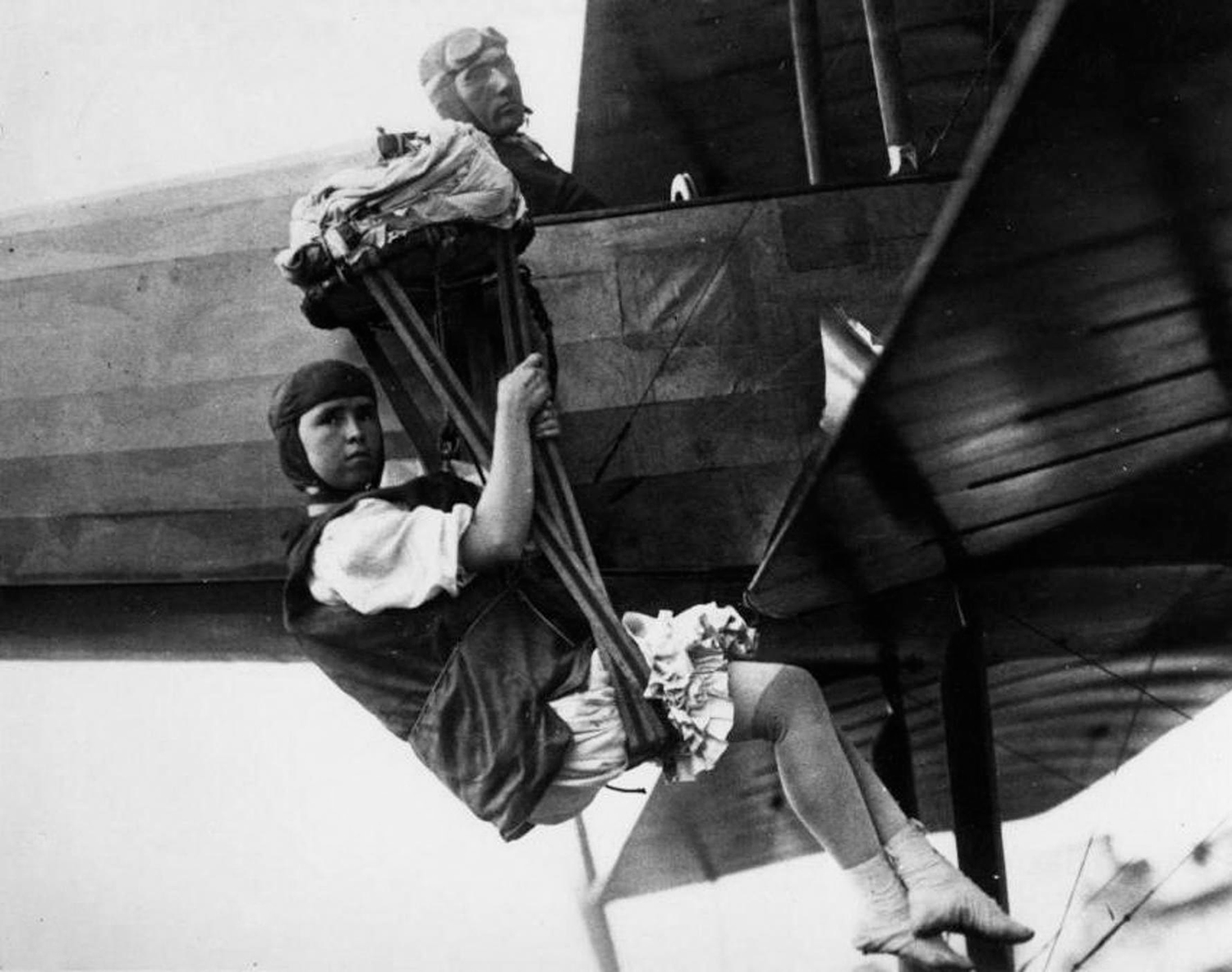
Georgia Broadwick with parachute equipment outside of a plane.

© Michael Ochs Archives/Getty Images

Georgia Broadwick

In 1908, 15-year-old Georgia Broadwick watched a man jump from a hot air balloon and land with the help of a parachute. Broadwick was amazed. She asked the man to teach her how to use his parachute. She was soon performing stunt jumps at carnivals.

Hot air balloons had been flying for more than 100 years by that time, but airplanes were new. Broadwick boldly switched from balloons to airplanes, becoming the first woman to parachute jump from an airplane in 1913. 

Broadwick went on to demonstrate parachute jumps for the U.S. Army, which was working to improve aviation safety. During one demonstration, one of the parachute lines got caught in part of the airplane. Broadwick thought fast and cut the line. This method of deploying (putting to use) a parachute led to an invention called the ripcord. Ripcords are still used today.

Broadwick retired from parachuting in the early 1920s after completing more than 1,000 jumps. Her courage helped pave the way for more women to become involved with aviation.

Face Thinking Icon

Did You Know?

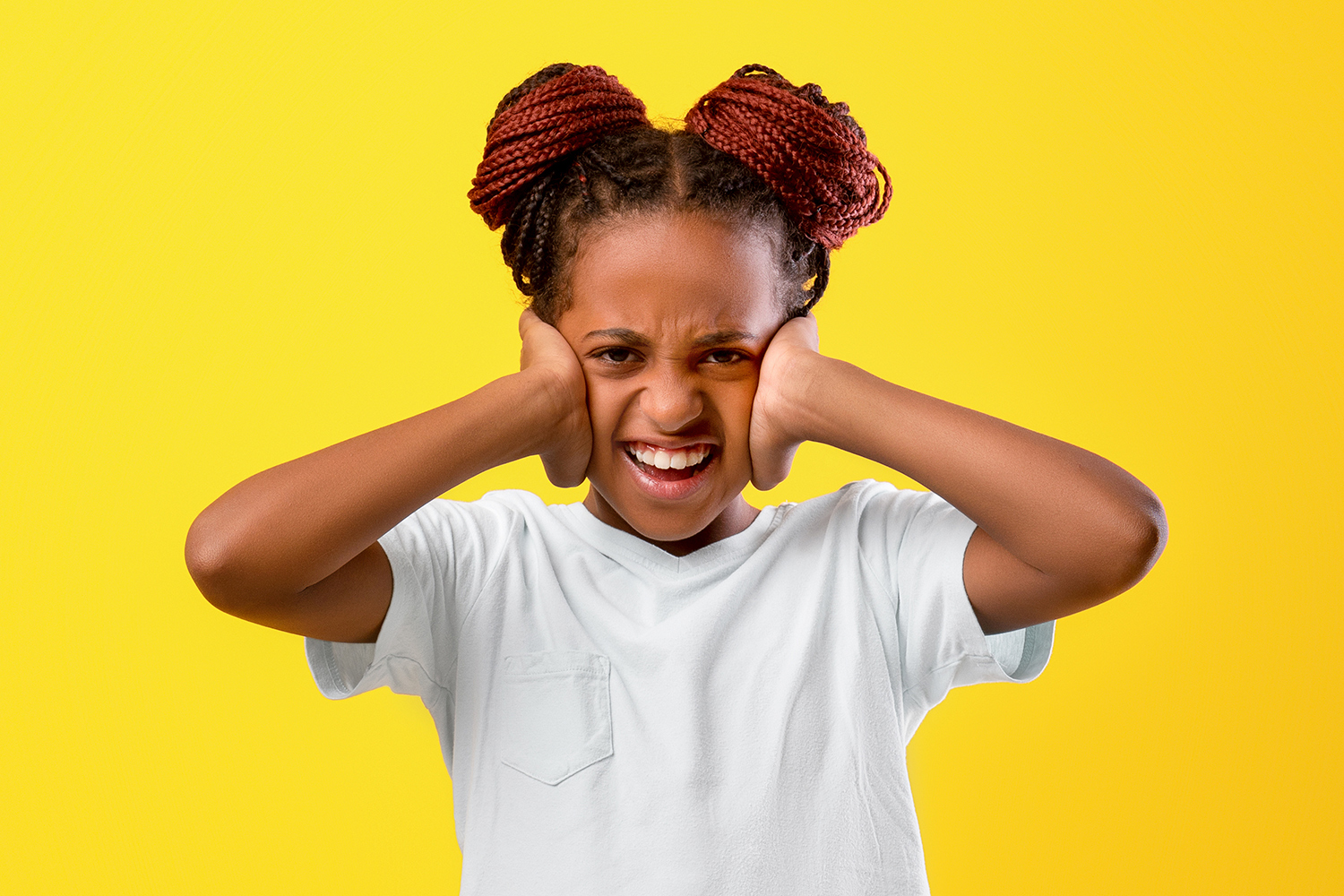
A girl makes a face while putting her hands over her ears.

© Prostock-studio/stock.adobe.com

If you’ve ever traveled in a plane, you may have noticed your ears “popping.” Why does this happen? It’s all about air pressure.

As a plane changes altitude, or its height above the ground, the air pressure inside and around the plane changes. When the plane ascends, or goes up, the air pressure in the plane is lower than the air pressure inside your ear. This causes the air in your ear to expand, which can create a lot of discomfort for you! But then your ears may pop and feel better. 

The same thing happens when the plane comes down, except in reverse. The air pressure inside and around the plane increases, pushing on the inside of your ear. You may feel your ears pop again!

Coming Soon: The Paralympics

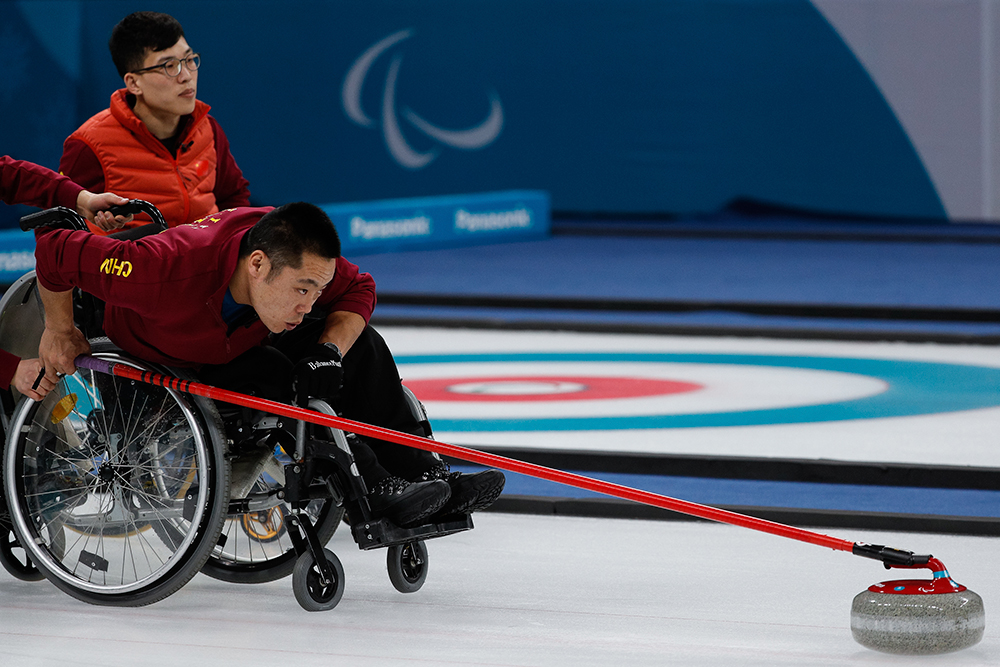
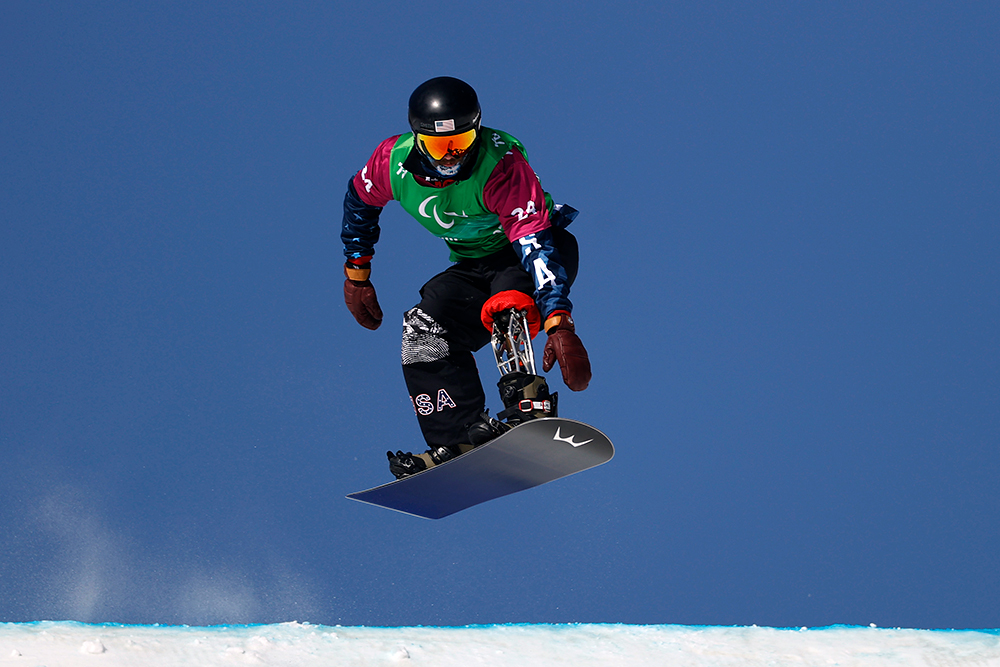
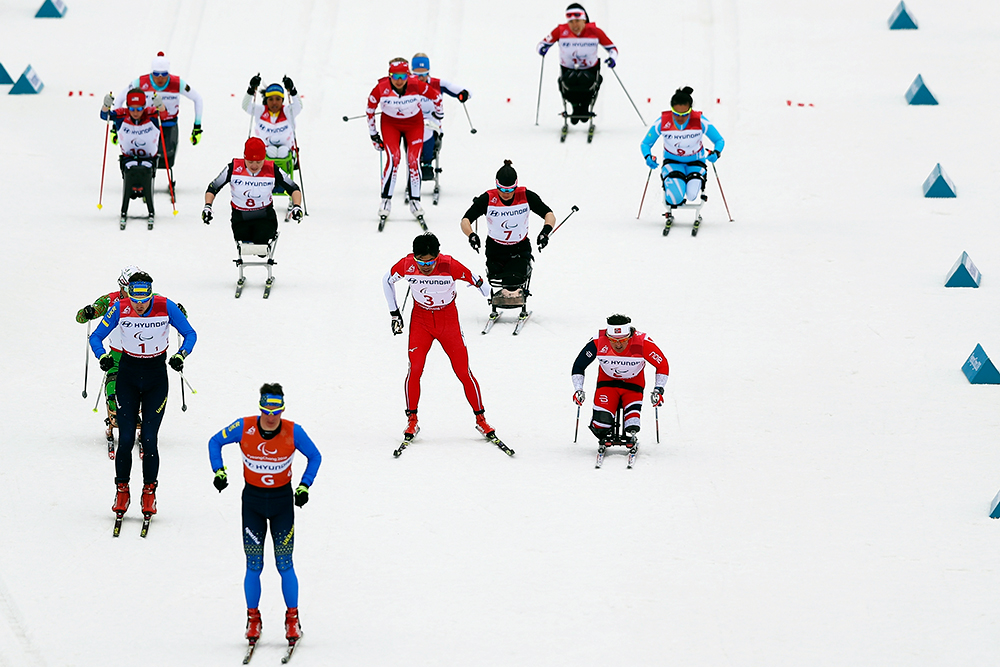
© Hannah Peters/Getty Images, © Buda Mendes/Getty Images, © Buda Mendes/Getty Images, © Steph Chambers/Getty Images, © Naomi Baker/Getty Images

The Olympic Games are over, and it’s nearly time for the Paralympic Games, an international sporting competition for athletes with disabilities.

Here’s your preview of the 2026 Paralympic Winter Games.

What Are the Paralympic Games?

The Paralympics is a major international sporting event involving several different sports, or events. As with the Olympics, there are winter Paralympics and summer Paralympics. The Paralympics takes place shortly after the Olympics, in the same location. This year, that location is Italy, with events in the cities of Milan and Cortina d’Ampezzo. 

When Do the 2026 Paralympic Games Take Place?

The 2026 Paralympics will begin on March 6 and end on March 15. About 665 athletes from many countries will take part.

Why Were the Paralympics Created?

The Paralympics developed out of the Stoke Mandeville Games, a competition for athletes who use wheelchairs. Designed mainly for veterans of World War II, the Stoke Mandeville Games featured mostly male athletes. But it soon grew into a larger competition that became known as the Paralympics. 

Today, the Paralympics is open to athletes with physical, visual, and intellectual disabilities.

What Are the 2026 Winter Paralympic Sports?

There are six Winter Paralympic sports to look forward to. They include para alpine skiing, para biathlon, para cross-country skiing, para ice hockey, para snowboarding, and wheelchair curling.

Where Can People Watch the Paralympics?

The Paralympics will be available to watch in many countries. You are likely to find events shown on TV, but you can also stream them or watch highlights later online.

Click through the slideshow above for photos of previous Paralympic Games.

Women’s History Month

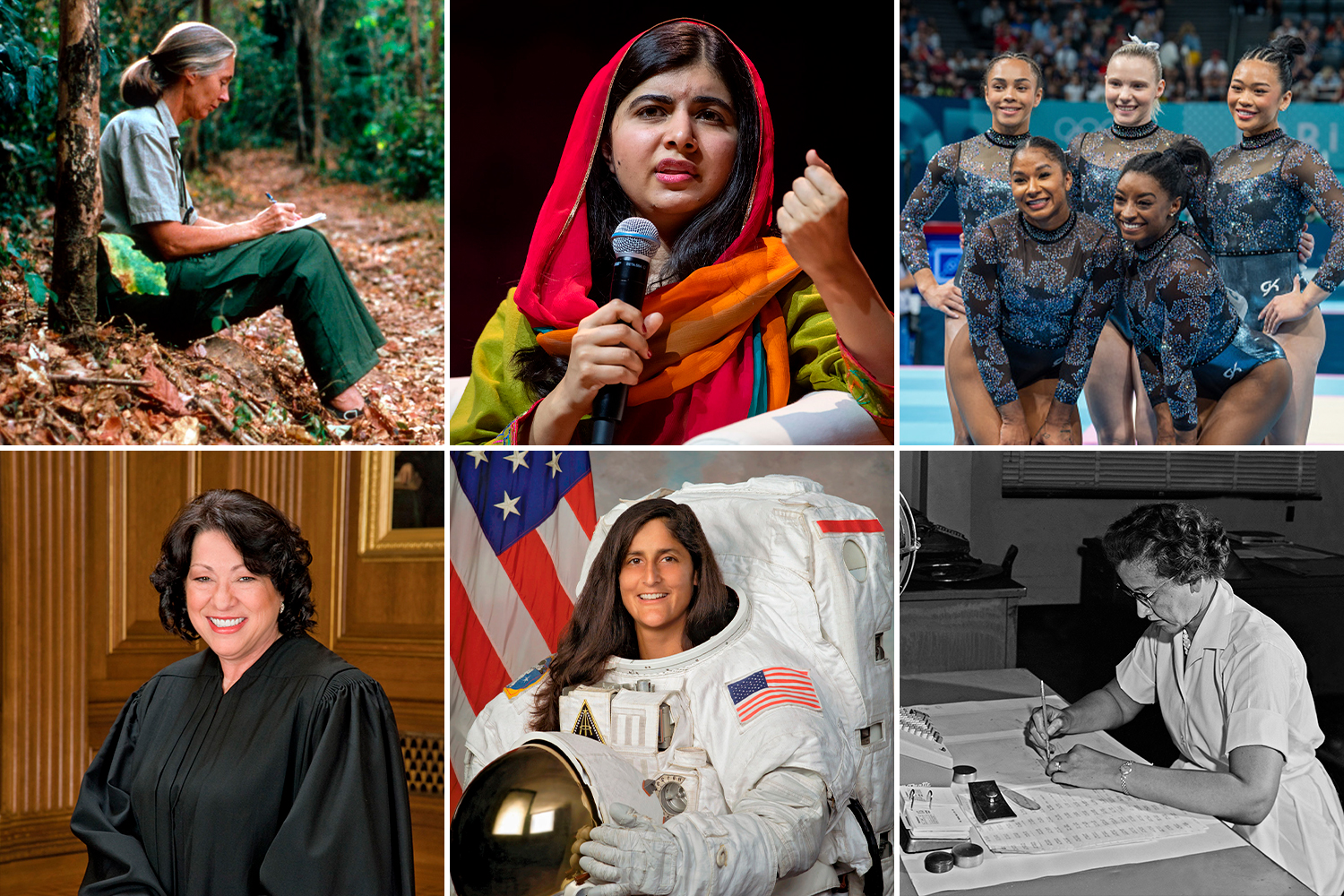
Composite showing Jane Goodall, the 2024 US Olympic gymnastics team, Malala Yousafzai, Sonia Sotomayor, Sunita Williams, Katherine Johnson

© Penelope Breese/Liaison—Hulton Archive/Getty Images, © James D. Morgan/Getty Images, © Aytac Unal—Anadolu/Getty Images, Steve Petteway/Collection of the Supreme Court of the United States, National Aeronautics and Space Administration; Photo composite Encyclopædia Britannica, Inc.

Caption: (Top row, left to right) Scientist Jane Goodall, activist Malala Yousafzai, and the 2024 U.S. Olympic gymnastics team. (Bottom row, left to right) U.S. Supreme Court justice Sonia Sotomayor, astronaut Sunita Williams, and mathematician Katherine Johnson

March is Women’s History Month in many countries, and March 8 is International Women’s Day. You can learn more about the importance of Women’s History Month at Britannica!

Word of the Day Icon

WHAT'S THE WORD?

derring-do

Part of speech:

noun

Definition:

: brave acts : behavior that requires courage

Definitions provided by
Merriam-Webster Logo
Game Icon

Play

Crossword

Use the clues to fill in the puzzle.

.

In Case You Missed It

Baseball player Ron Teasley has died. Teasley was one of the last living athletes to play in the Negro Leagues.
February 24, 2026
An ape played pretend games with researchers, suggesting that some apes can use their imaginations.
February 19, 2026
Researchers found that wild jaguars meow like house cats. But why?
February 17, 2026
Aura V is the youngest person ever to win music’s top award.
February 11, 2026

How to Cite This Page

Here is how to cite this page using the MLA style. While every effort has been made to follow citation style rules, there may be some differences. Please refer to the appropriate style manual or other sources if you have any questions.

“In the News: Women Who Flew High.” Britannica School, Encyclopaedia Britannica, 26 Feb. 2026. https://news.eb.com/level1/women-who-flew-high. Accessed 2 Mar. 2026 [Replace this date with today’s date.]