
Cursive Is Coming Back
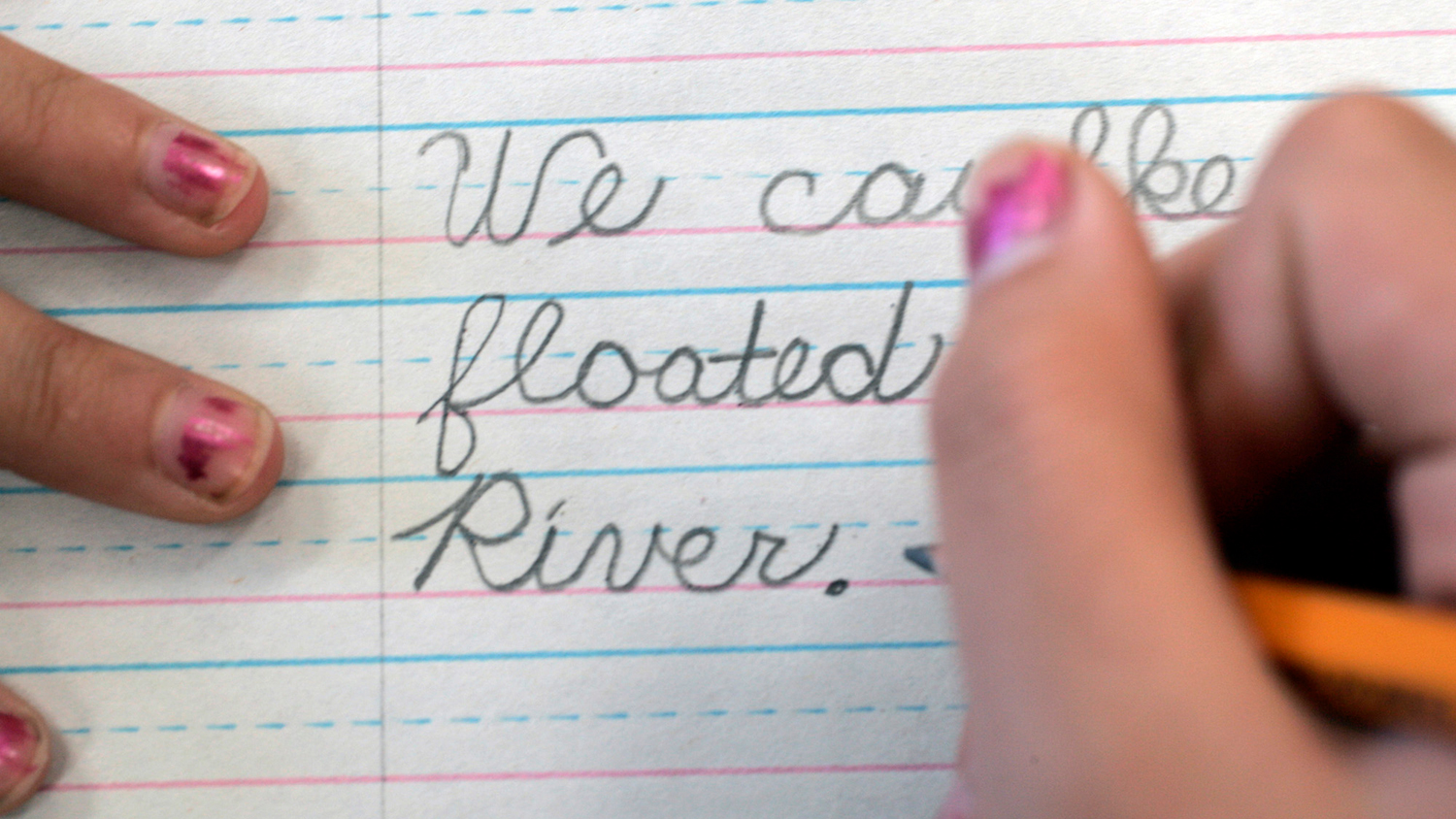
© Annie Wells—Los Angeles Times/Getty Images
Cursive is a style of handwriting in which the letters are connected.
Schools all over the United States and Canada teach reading, spelling, and math. But there’s one skill that has become less common: cursive writing. Now, some U.S. states are bringing cursive back into classrooms. But is it worthwhile?
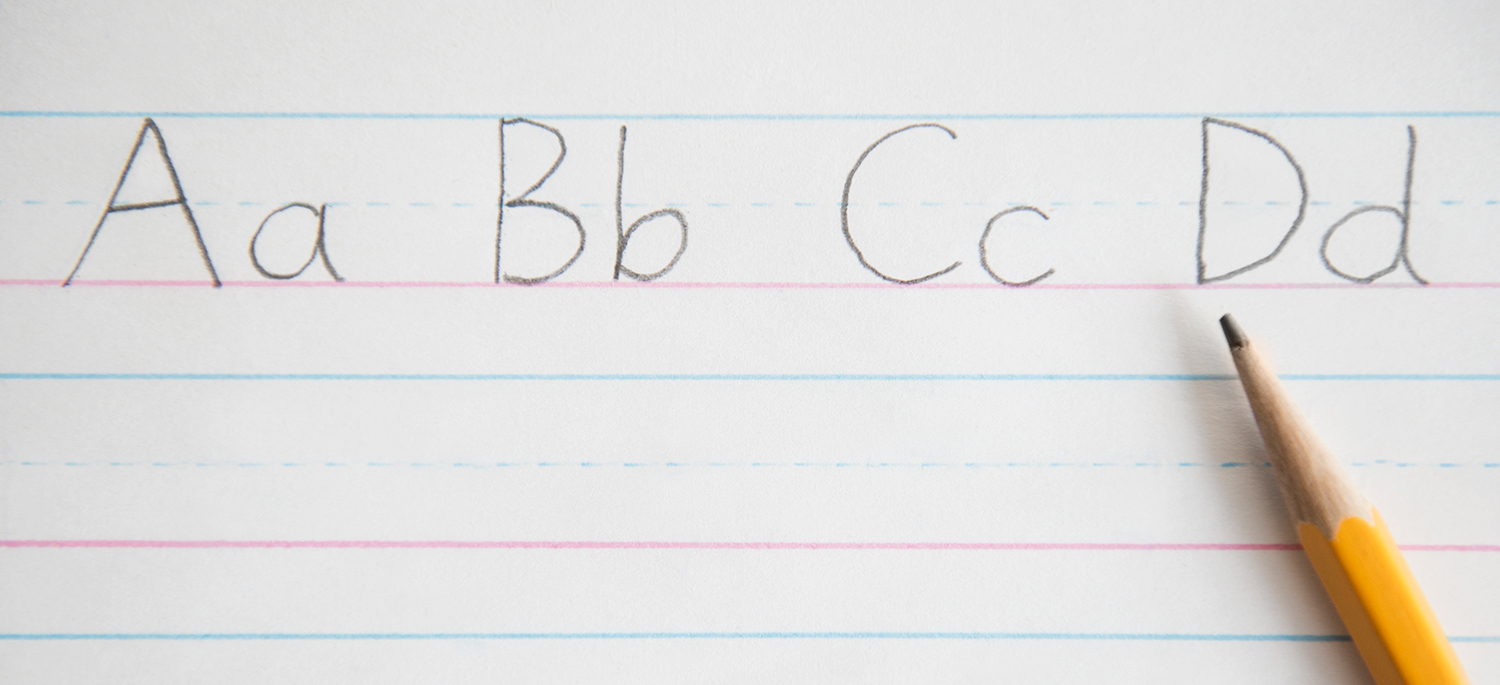
Cursive is a form of writing in which the letters are connected. It’s different from print handwriting, where each letter stands on its own.
Cursive writing used to be taught in elementary schools in both the United States and Canada. For years, many teachers required their students to use cursive when they handwrote their assignments. Writing in cursive usually takes less time than using print handwriting. Learning cursive was valuable at a time when people wrote a lot by hand. But things changed as computers and texting became more common. Many schools stopped teaching cursive because it was no longer considered necessary.
Today, some people argue that cursive needs to make a comeback. Experts say that practicing cursive writing helps kids develop daily movements called motor skills. Some believe that learning to write words and sentences in cursive and then practicing them improves kids’ spelling and thinking skills.
“The more that young writers, beginning writers, are using their hands…[that] helps them to think more about the words that they’re writing,” Shelley Stagg Peterson told the Canadian Broadcasting Corporation (CBC). Peterson is a professor of education at the University of Toronto.
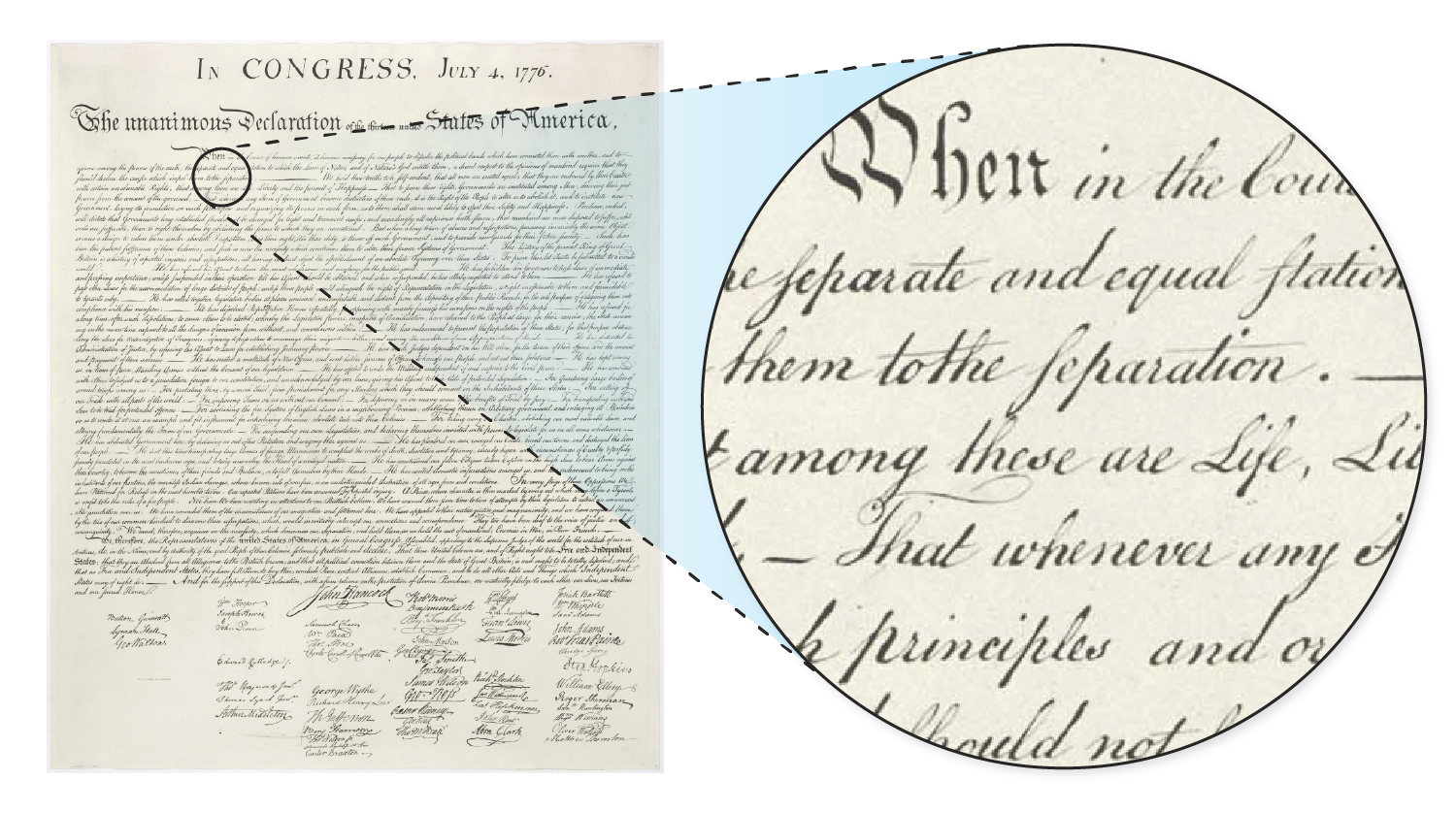
National Archives, Washington, D.C.; Photo illustration Encyclopædia Britannica, Inc.
Some important documents, like the Declaration of Independence, were written in cursive.
Many people also point out that old documents (papers), like the U.S. Declaration of Independence, are written in cursive, and that people should know how to read them.
But others question the value of teaching cursive. They argue that teachers have more important things to teach and that students are more likely to use keyboards in the future anyway.
What do you think?