

Skip to content

A Tale of Two Revolutions
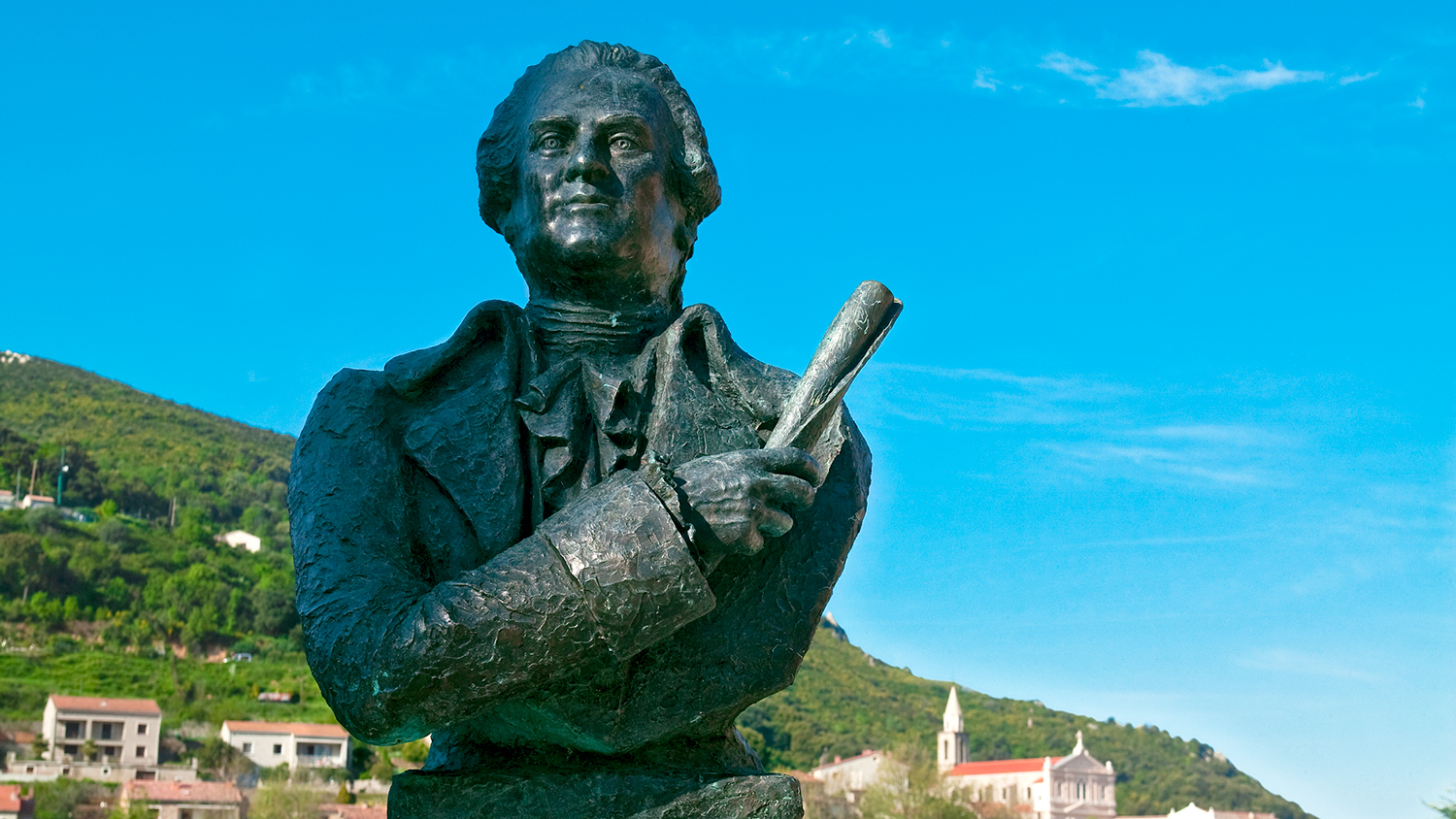
The island of Corsica showed American colonists that a courageous revolution could defeat an empire.
A statue of Pasquale Paoli stands against a backdrop of the hills of Corsica.

© Yann Guichaoua-Photos—Moment/Getty Images

This statue of Pasquale Paoli is in Corsica.

American colonists declared their independence from Great Britain 250 years ago—but the fight wasn’t over. It took a hard-fought revolution before the United States became an independent country. What many people don’t know is that just before the American Revolution, another nation had fought and won its independence against a mighty empire. Corsica’s revolution helped inspire the spirit of independence in colonial America.
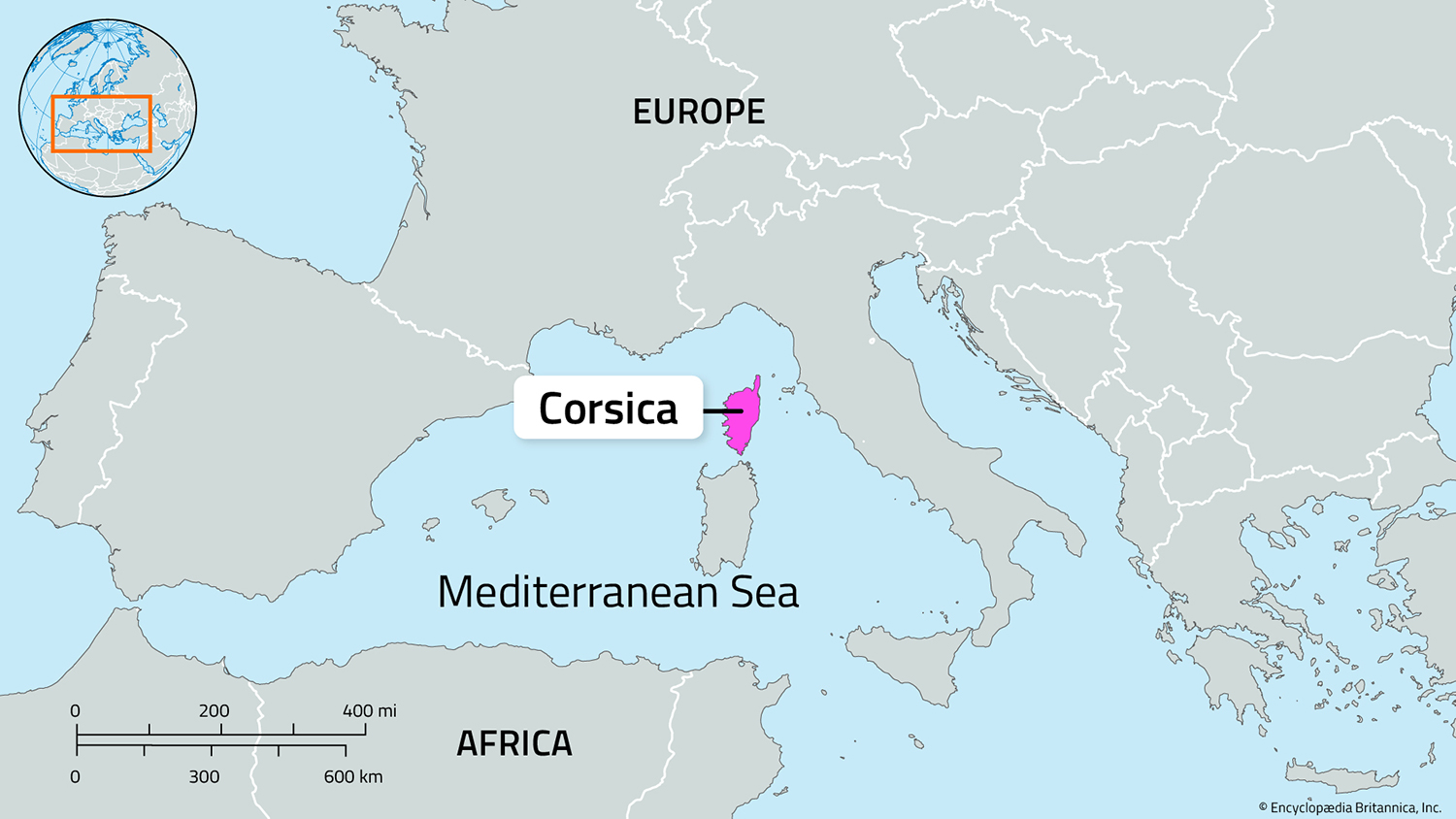
A map shades in the location of Corsica in the Mediterranean Sea and in relation to the locations of Africa and the rest of Europe.

Encyclopædia Britannica, Inc.

Corsica is a small island in the Mediterranean Sea.

Let’s back up a little. Corsica is an island in the Mediterranean Sea that is about the size of Puerto Rico. The people of Corsica have their own culture and national pride, but for 2,000 years different empires had invaded and ruled the island. In about the same period that the British ruled many of the American colonies, Corsica was ruled by the Republic of Genoa (part of modern-day Italy). By 1729, the Corsicans had grown angry about paying unfair taxes to Genoa and began a rebellion to claim independence.

As the rebellion grew, a man named Pasquale Paoli rose up as the island’s revolutionary leader. After many years of fighting the Genoa empire, Corsica successfully won independence from Genoa in 1755. Paoli helped write the Corsican Constitution. This document created a government in which people voted to elect representatives. The people chose Paoli as their new leader.
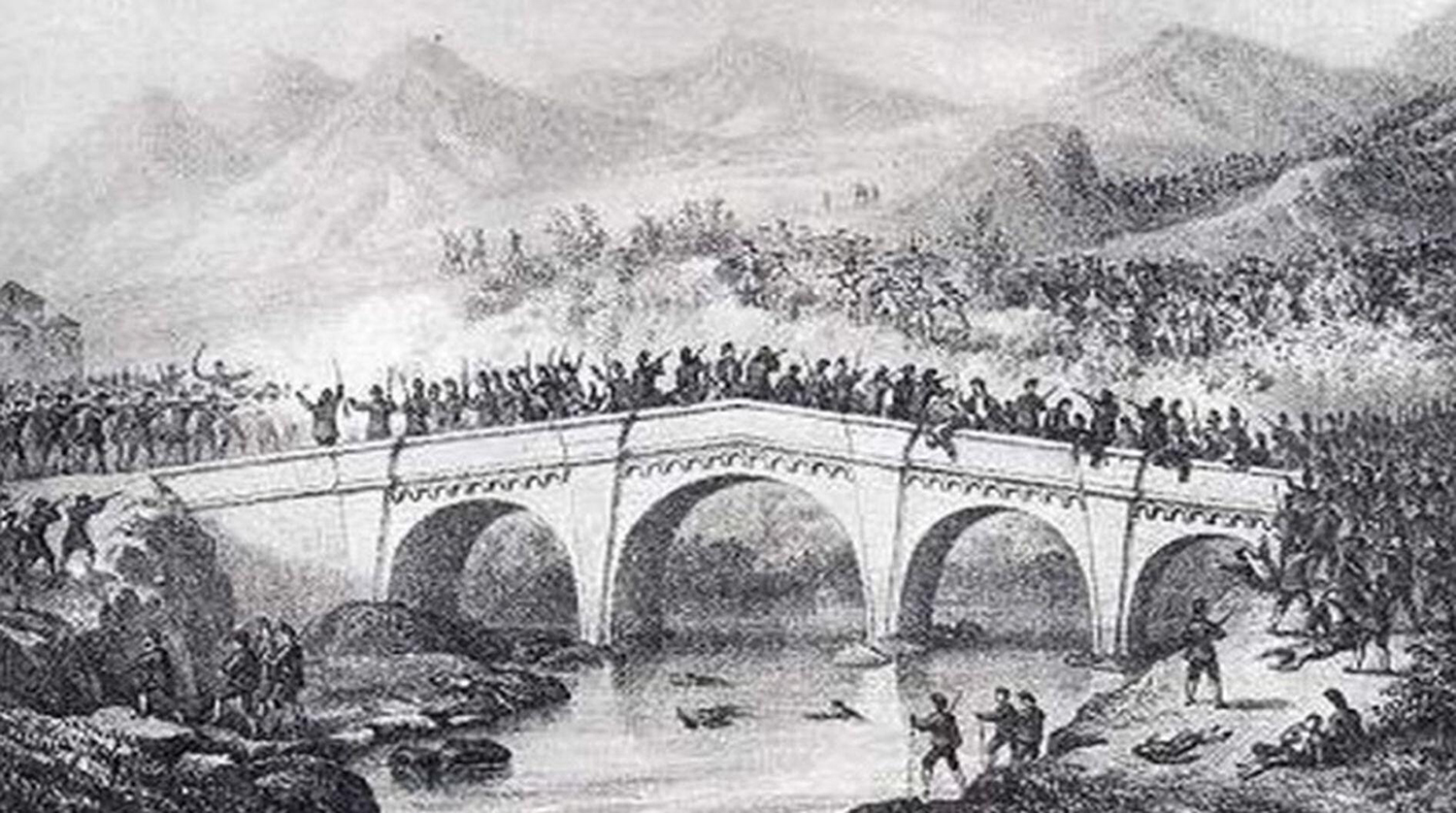
Soldiers do battle on and around a bridge with mountains in the background.

© Zoom Historical/Alamy

This illustration shows the 1769 Battle of Ponte Novu, in which Corsicans fought French soldiers. France won this battle, and Corsica’s fight for independence came to an end.

Across the world in America, many colonists felt a connection to Paoli and the Corsican Revolution. By the 1760s, they too were unhappy having to pay taxes to their ruling country, Great Britain. If Corsica could claim independence from a powerful authority, maybe America could too. A twin flame of revolution grew in the colonies, and in 1767, a New York newspaper called Paoli “the greatest man on earth.” 

Even after Corsica’s inspiring success, its democracy was short-lived. After just 14 years of independence, the country became a French province in 1769 following an invasion. Paoli was forced to escape to England. 
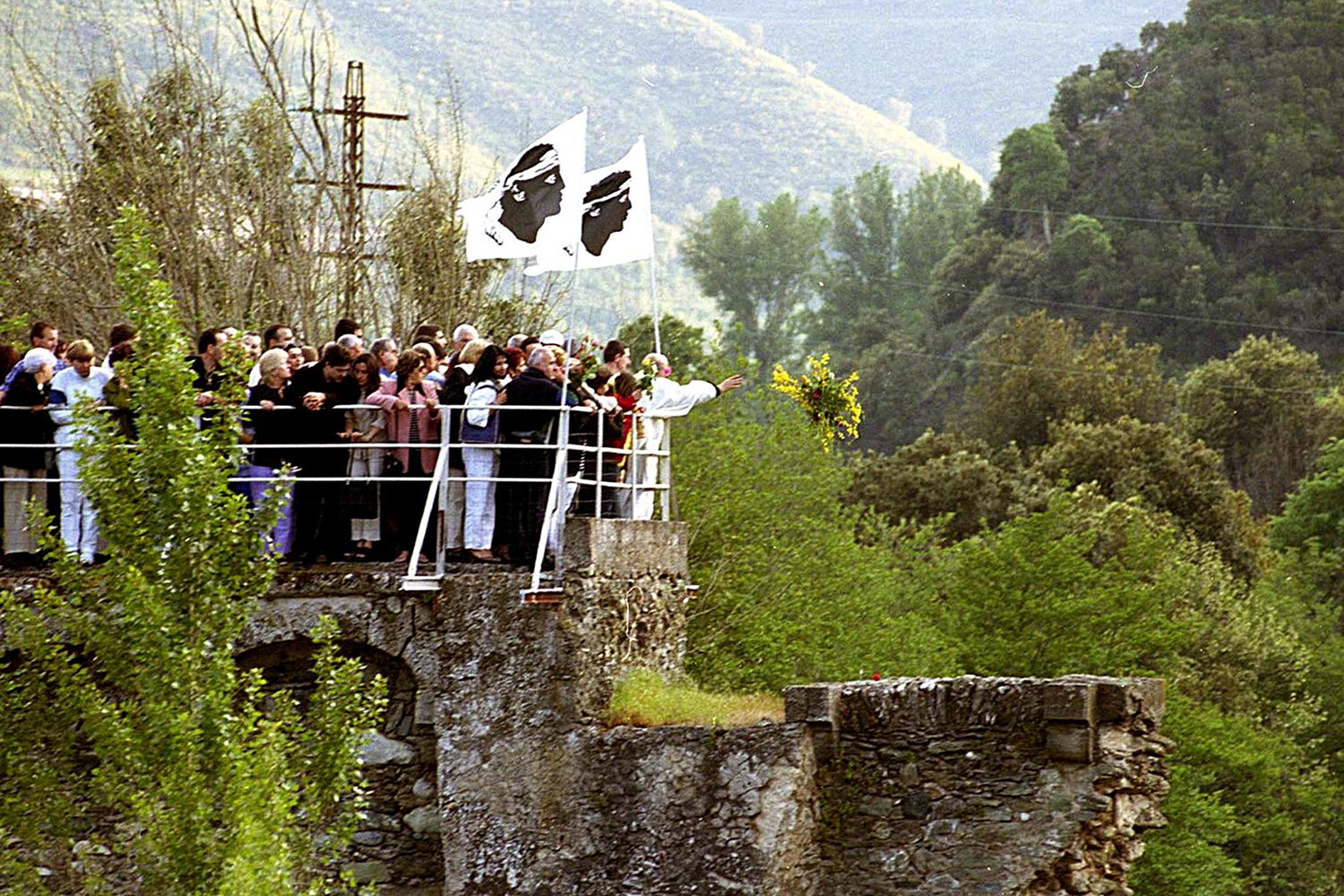
People stand on a stone platform with a railing.

© Francois Gabrielli—AFP/Getty Images

This 2001 photo shows a gathering that was held in memory of the Corsicans who  were killed during a battle against French soldiers.

Just as Corsica’s democracy ended, the American Revolution began. Revolts against unfair taxation eventually grew into war in 1775. In July 1776, America declared its independence from Britain, and in 1783, it officially won the war. Now the longest-running democracy in the world, the United States still has a few towns named Paoli in honor of the Corsican Revolution.
Did You Know?

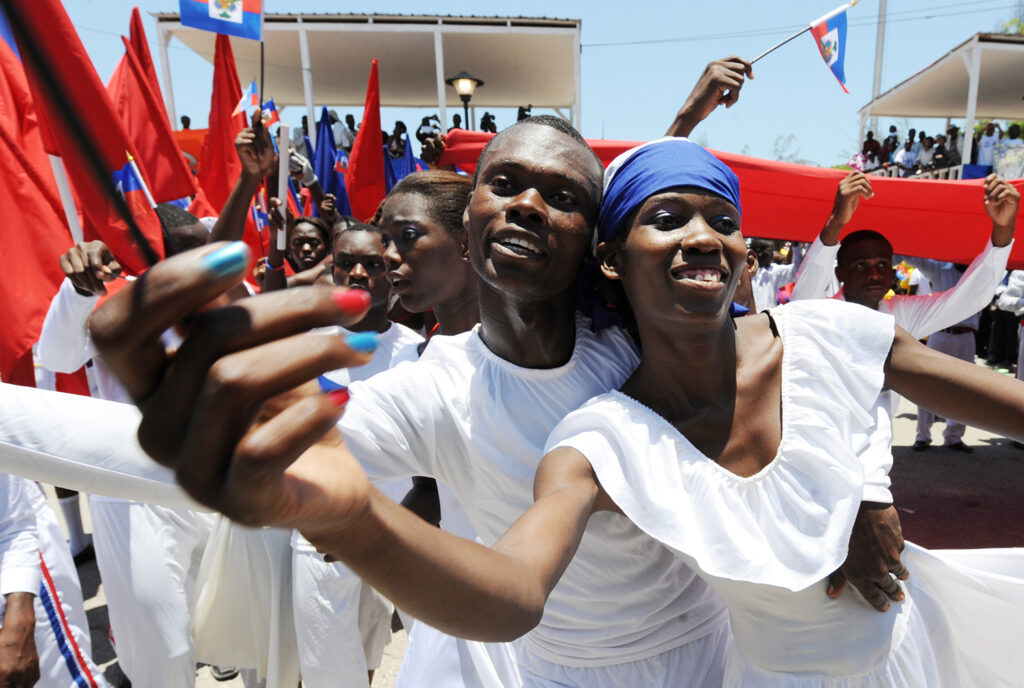
Haiti was the second country to claim independence in the Americas after the United States. The Haitian Revolution began in 1791 when thousands of enslaved people revolted against the French colonists and enslavers. Haiti was declared independent on January 1, 1804.

A group of dancers smile, pose and look into the camera.
© Thony Belizaire—AFP/Getty Images

Performers dance during Haitian Flag Day, which takes place on May 18 and marks the creation of the Haitian flag in 1803.

American Revolution Rewind

The American Revolution lasted for a long eight years. Click through this slideshow to learn about some of the war’s major battles. 

Happy 250th Birthday to the Declaration of Independence

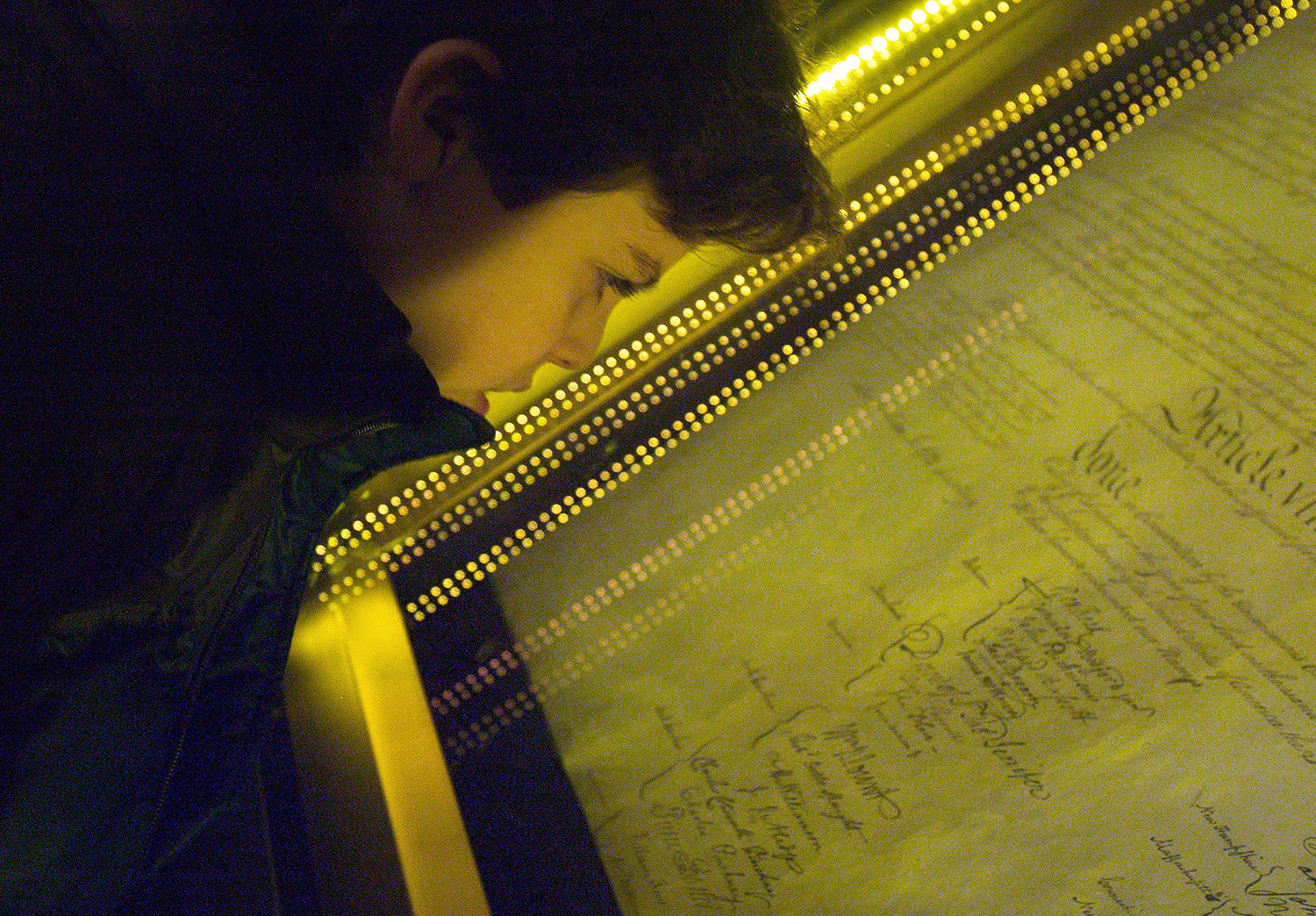
A teen boy looks at a copy of the US Constitution that is displayed under glass.

© Brendan Smialowski/Getty Images

A teenager looks at the U.S. Constitution, which was created a few years after the Declaration of Independence.

On July 4, 2026, the United States will celebrate 250 years since the signing and adoption of the Declaration of Independence. Learn more about why this document was important at Britannica!

WORD OF THE WEEK

galvanize

PART OF SPEECH:

verb

Definition:

: to cause (people) to become so excited or concerned about an issue, idea, etc., that they want to do something about it

Definitions provided by
Merriam-Webster Logo

Sudoku

Fill in the missing digits using the numbers 1 to 9 so that each row, column, and 3 x 3 square contains every number with no repeats.

O
O
O
O
O
O

In Case You Missed It

Physicist Narinder Singh Kapany developed fiber optic cables, helping to make the Internet possible.
April 30, 2026
How can you tell whether photos and videos are real or made with AI? Here are a few tips.
April 24, 2026
A seemingly strange bank is saving one of Earth’s most valuable resources.
April 9, 2026
A new survey shows teens and young adults are giving back to their communities in big and small ways.
April 2, 2026

How to Cite This Page

Here is how to cite this page using the MLA style. While every effort has been made to follow citation style rules, there may be some differences. Please refer to the appropriate style manual or other sources if you have any questions.

“In the News: A Tale of Two Revolutions.” Britannica School, Encyclopaedia Britannica, 3 May 2026. https://news.eb.com/level2/a-tale-of-two-revolutions Accessed 4 May 2027 [Replace this date with today’s date.]