

Skip to content

The Man Who Connected the World
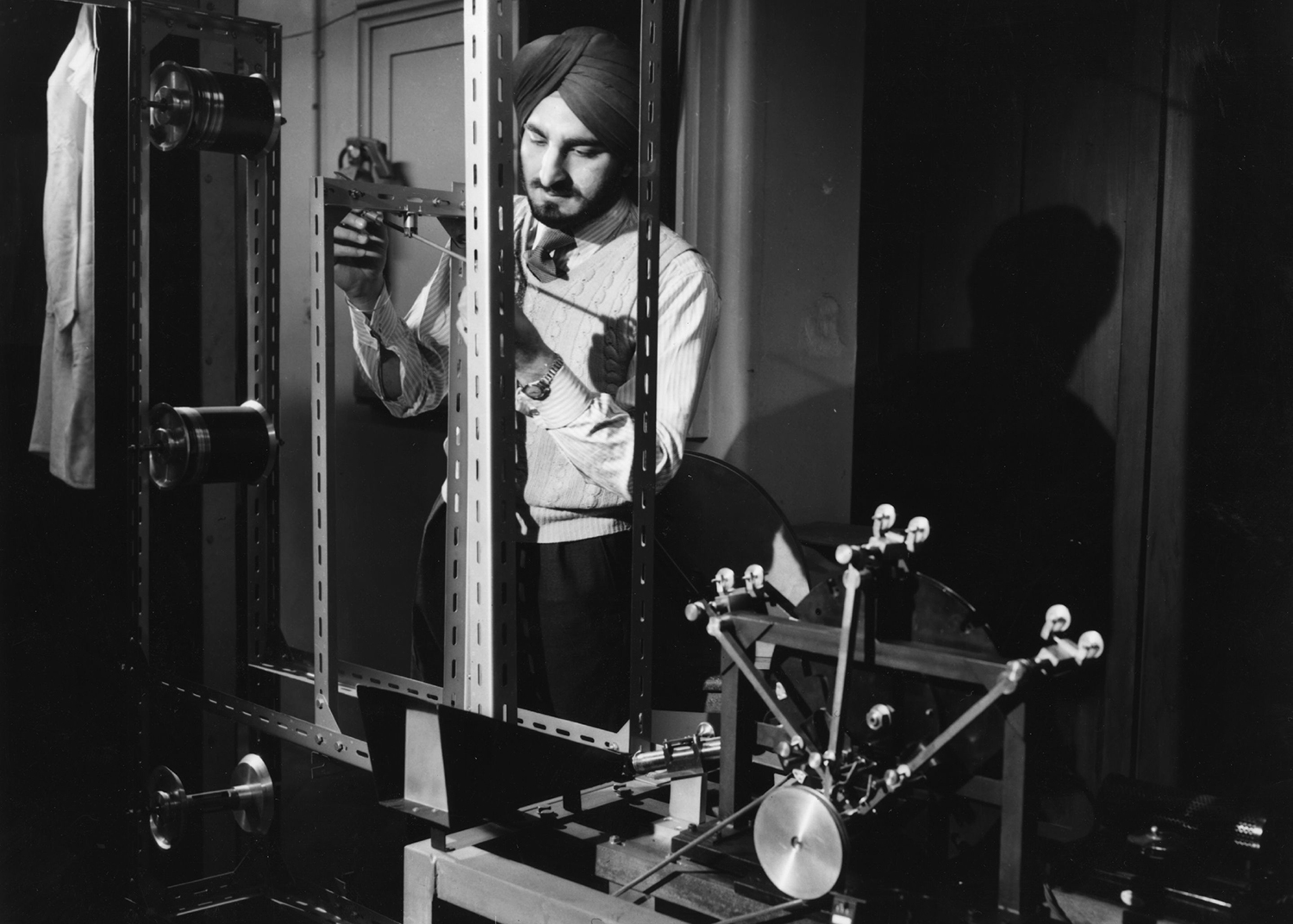
Physicist Narinder Singh Kapany developed fiber optic cables, helping to make the Internet possible.
Narinder Singh Kapany stands in a laboratory setting and adjusts a machine.

© Joseph McKeown/Picture Post—Hulton Archive/Getty Images

In this 1955 photo, Narinder Singh Kapany adjusts a machine that aligns glass fibers into a fiber-optic cable.

Behind many digital activities—watching TV, using the Internet for a research project, or streaming music on a smartphone—there is a vast, yet unseen network of fiber-optic cables making those activities happen at the speed of light. The person who made it all possible was Narinder Singh Kapany. 

Kapany, an Indian American physicist, is considered the “father of fiber optics.” Without him, it’s likely we would not have the world as we know it. Born in Punjab, India, Kapany completed his graduate studies at Imperial College London in the United Kingdom. It was there, in 1953, that Kapany successfully transmitted light through bent bundles of thin glass fibers.
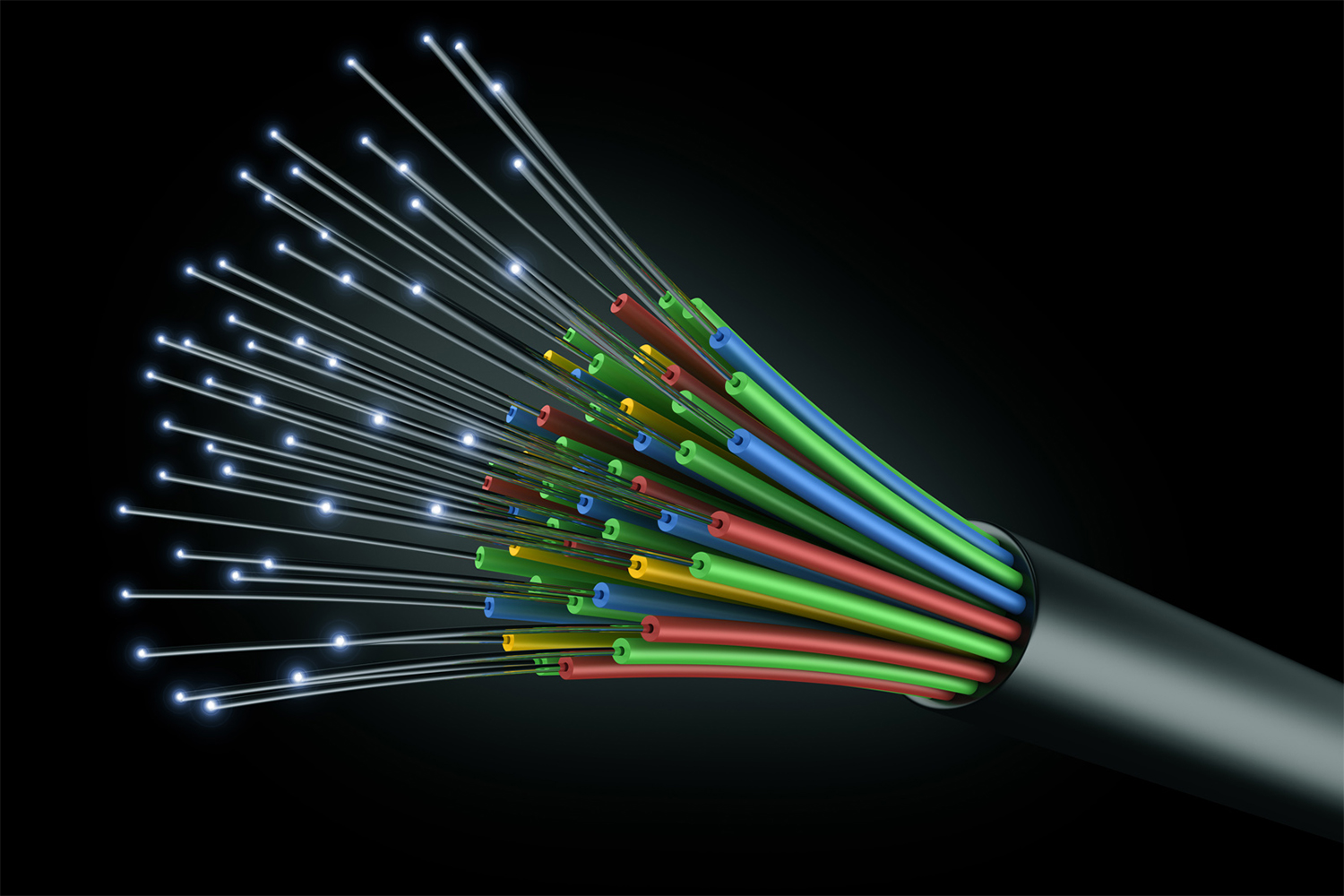
An illustration shows tiny fibers sticking out from inside a fiber optic cable.
© zentilia/stock.adobe.com

A fiber-optic cable is made up of many thin glass strands called fibers.

Though we take this capability for granted today, it was a breakthrough at the time. Before this, it was impossible to transmit high-quality images over long distances. Kapany figured out how to “bend light” to send these images through thin glass strands called fibers. Bundling many fibers together could make cables that sent images at the speed of light.

Kapany first coined the term “fiber optics” in a 1960 publication in the magazine Scientific American. It was around this time that he had moved to the United States and founded an optics technology company. Kapany became an expert and champion for the technology as it expanded. Today, fiber-optic cables cross oceans and traverse landscapes to connect the world. Without it, there likely wouldn’t be high-speed Internet for playing online games or doing homework.
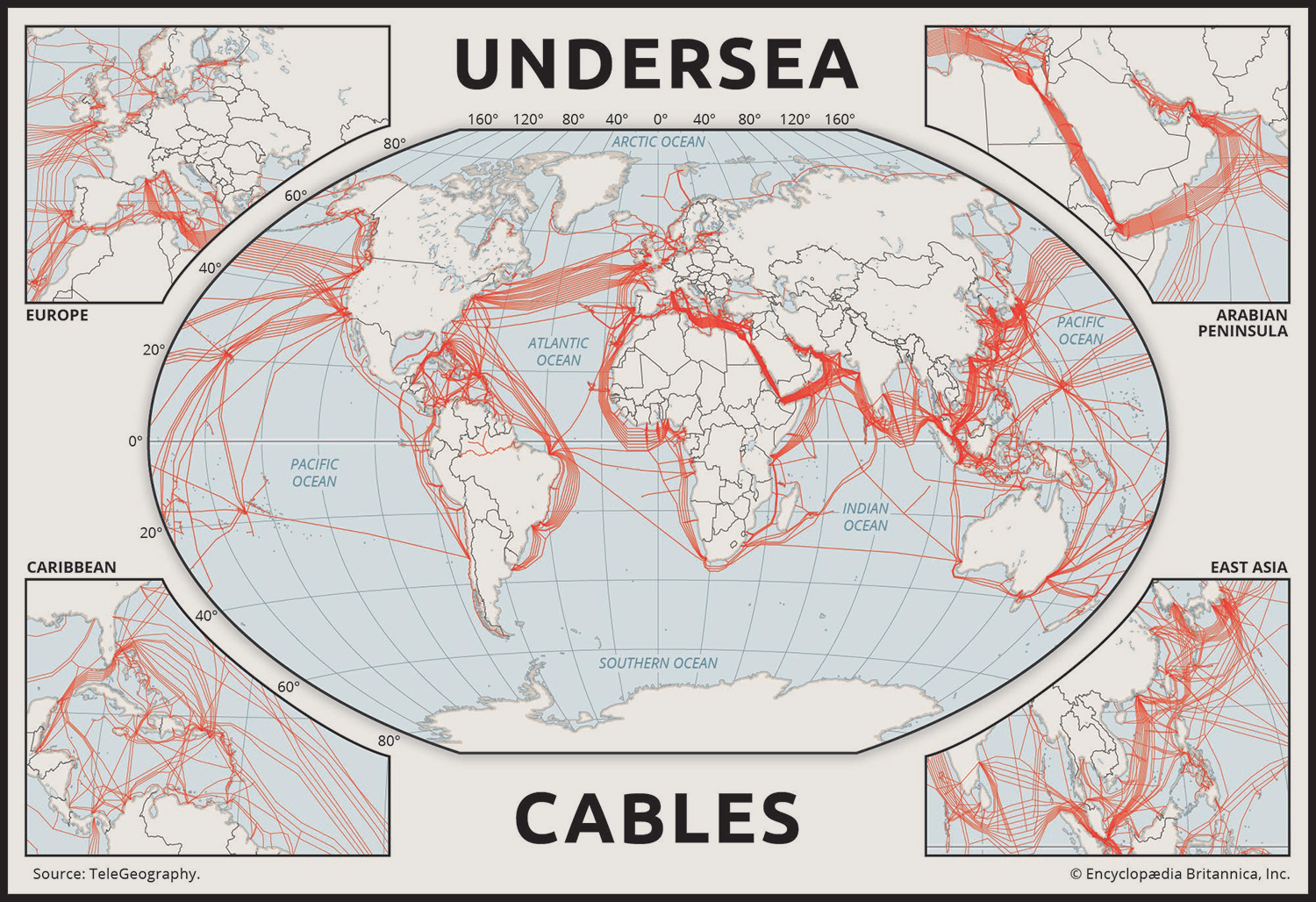
A world map shows many undersea cables crossing all oceans and going around the edges of continents.

Encyclopædia Britannica, Inc./Refugio Mariscal

This map shows the cables that help enable the technology we rely on.

Here are some ways fiber-optic cables are used:

  • To share data and information (also called telecommunications)
  • For video streaming and online gaming
  • As medical instruments to help doctors perform surgery
  • To transmit audio and video signals for broadcasting television
  • As safety sensors in factories
  • For lighting and decoration

Kapany’s work earned him many awards, and Fortune magazine named him one of the “Unsung Heroes” of the 20th century. Kapany died in 2020, leaving behind a legacy of sharing light and connecting the world.

Did You Know?

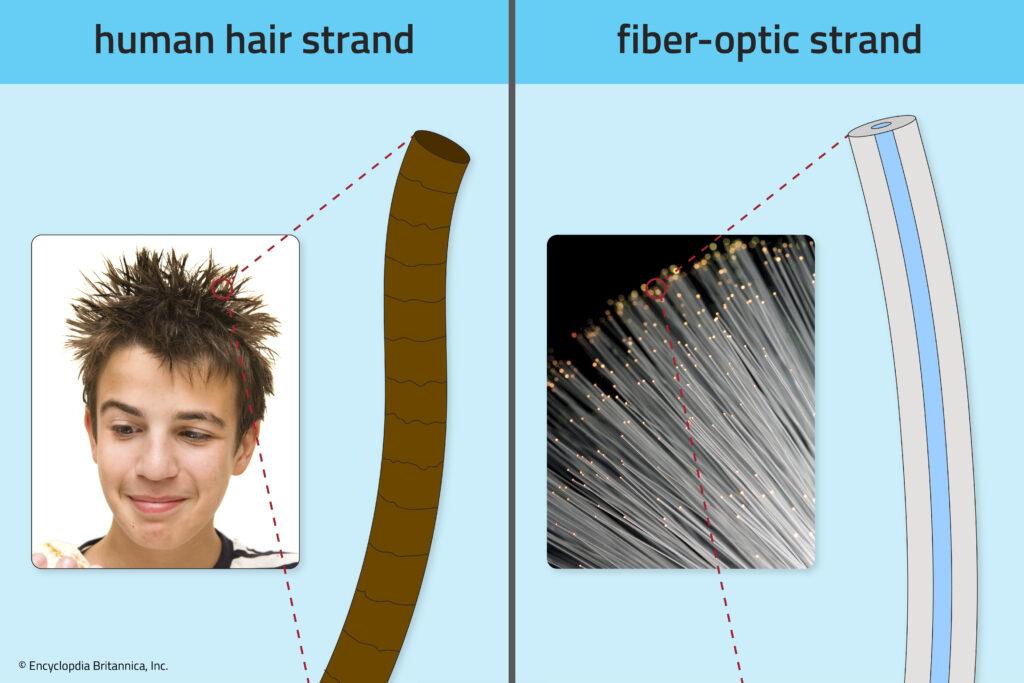
A typical fiber-optic strand is as thin as a strand of human hair! There can be hundreds of strands in a fiber-optic cable. 

A human hair is shown next to a person’s head of hair and a fiber optic cable is shown next to several cables. Both are similar thinness.

© Tamara Kulikova, © Kitch Bain/Shutterstock.com; Photo illustration Encyclopædia Britannica, Inc.

Making History in North America

Asian Americans at a Glance

A composite shows Yo-Yo Ma, Mindy Kaling, Alice Wong, and Kurt Suzuki.

© Hiroyuki Ito—Hulton Archive/Getty Images, © Helga Esteb/Shutterstock.com, © Eddie Hernandez, © Hannah Foslien/Getty Images; Photo composite Encyclopædia Britannica, Inc.

(Clockwise from top left) Cello player Yo-Yo Ma, actor and writer Mindy Kaling, baseball player Kurt Suzuki, and disability rights activist Alice Wong.

Asian Americans and Pacific Islanders and their descendants have made impacts in science, sports, culture, and more. From Alice Wong’s advocacy for people with disabilities, to the humorous shows and movies of Mindy Kaling, read all about trailblazing Asian Americans at Britannica.

WORD OF THE WEEK

diaspora

PART OF SPEECH:

noun

Definition:
: a group of people who live outside the area in which they had lived for a long time or in which their ancestors lived — usually singular
Definitions provided by
Merriam-Webster Logo

Crossword

Use the clues to fill in the puzzle.

O
O
O
O
O
O

In Case You Missed It

How can you tell whether photos and videos are real or made with AI? Here are a few tips.
April 24, 2026
A seemingly strange bank is saving one of Earth’s most valuable resources.
April 9, 2026
A new survey shows teens and young adults are giving back to their communities in big and small ways.
April 2, 2026
Creating a chindogu means finding an absurd solution to a small, daily problem.
March 26, 2026

How to Cite This Page

Here is how to cite this page using the MLA style. While every effort has been made to follow citation style rules, there may be some differences. Please refer to the appropriate style manual or other sources if you have any questions.

“In the News: The Man Who Connected the World.” Britannica School, Encyclopaedia Britannica, 3 May 2026. https://news.eb.com/level2/the-man-who-connected-the-world. Accessed 4 May 2027 [Replace this date with today’s date.]