
Skip to content

The Weather Watchers
Two teens from different countries find ways to protect their communities from dangerous weather.
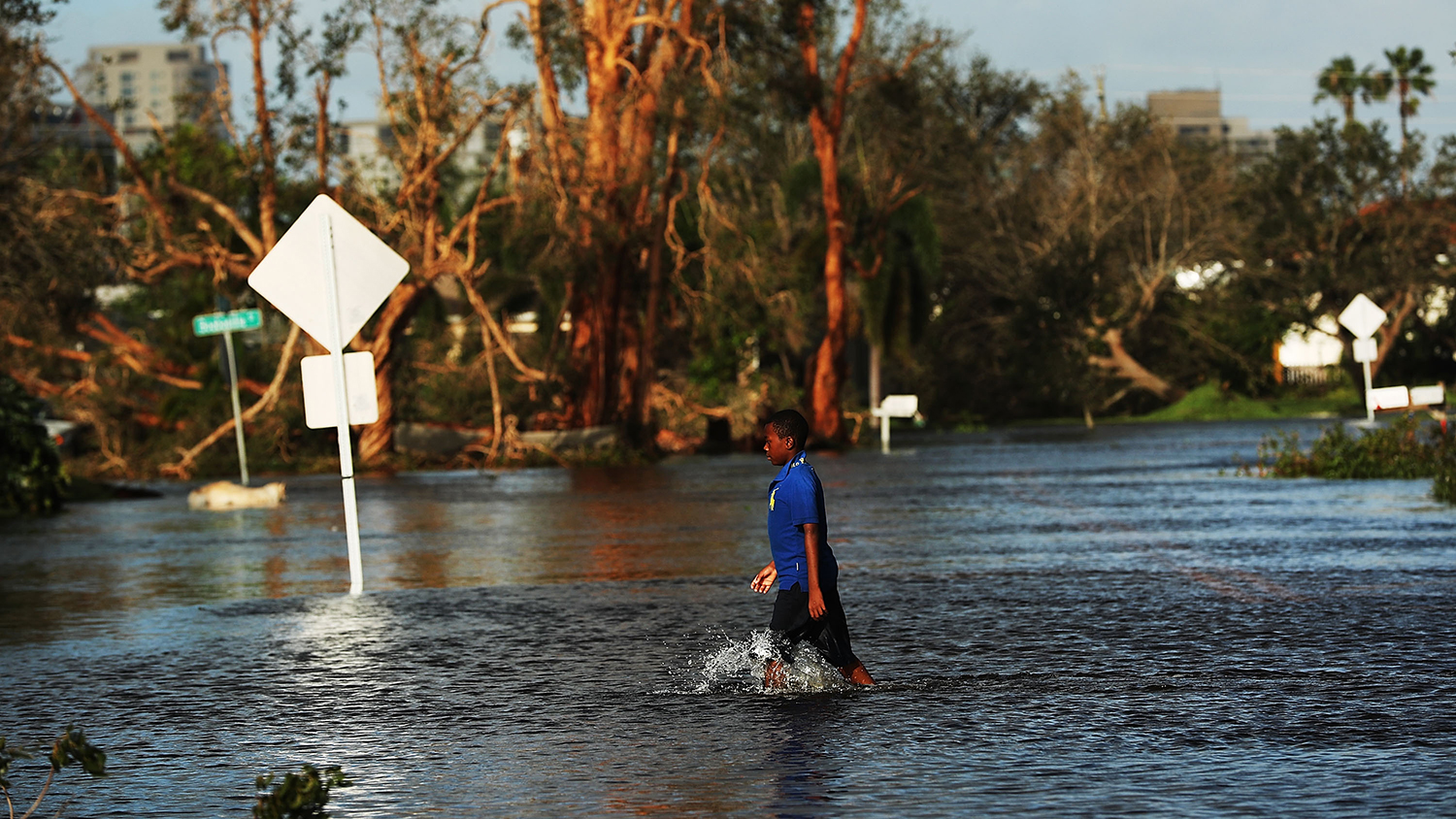
A young person walks through a flooded street with street signs partially submerged and some trees in the background.

© Spencer Platt/Getty Images

A teen walks down a flooded street the morning after Hurricane Irma swept through Naples, Florida, in 2017.

Two teen weather watchers have created ways to keep their communities safe when disaster strikes. American Elise Raurell has created a hurricane preparedness program for fellow teenagers, and Canadian Aaron Rutley has outfitted a mobile tornado siren for his rural hometown. Both teens saw a safety gap in their communities and used their passion for weather and safety to fix it.

Living in South Florida, 16-year-old Raurell is no stranger to hurricanes, but it was the effects of Hurricane Irma that motivated her to make a difference. 

“I was scared about the destruction on my street, and the trees that had fallen down. I want to make sure that every student is prepared for that, and they know what to expect,” Raurell told CBS News.

So Raurell created Storm Smart, a program that teaches students how to gather emergency kits, prepare their homes for a storm, and stay safe when a hurricane strikes. But Storm Smart goes a step further than any other safety module—it’s for teens and taught by teens. Raurell said encouraging student leadership and teaching skills are an important part of the program, which has already reached nearly 500 students in the area. 
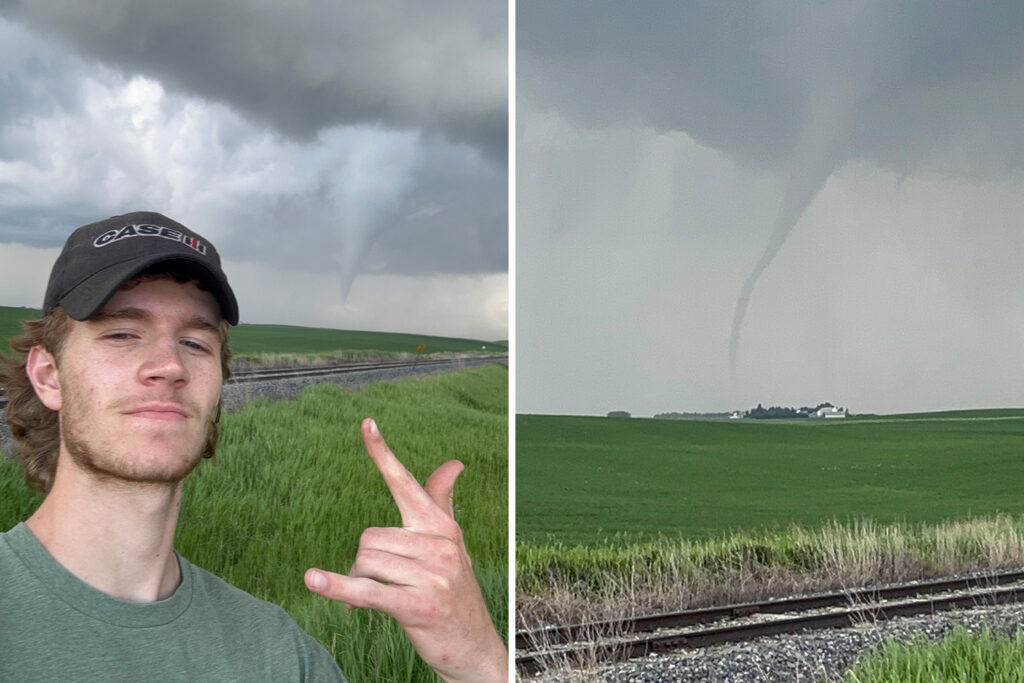
A composite image shows Aaron Rutley posing with a tornado in the background and an image of a different tornado near buildings in a rural area.

Courtesy of Aaron Rutley; Photo composite Encyclopædia Britannica, Inc.

Aaron Rutley (left) loves to chase tornados, but he also wants to protect his community from them.

Across the continent in the Canadian province of Saskatchewan, 18-year-old Rutley has created a mobile tornado siren. Unlike hurricane-prone Florida, Saskatchewan deals with destructive tornadoes. A passionate storm chaser, the teen noticed a safety gap in his community. The small town of Cut Knife has no public tornado sirens, and people rely on cell phone alerts about tornados. 

“When I was chasing storms, I noticed that my phone would not receive alerts because Saskatchewan does not have very good cell coverage,” said Rutley in an interview with CTV News. “I thought if we actually had a siren in Canada it would be perfect.”

So Rutley fitted a pickup truck with a storm alarm that will warn people if there is an approaching tornado. He hopes that his mobile siren will give people valuable time to seek shelter. 
Did You Know?

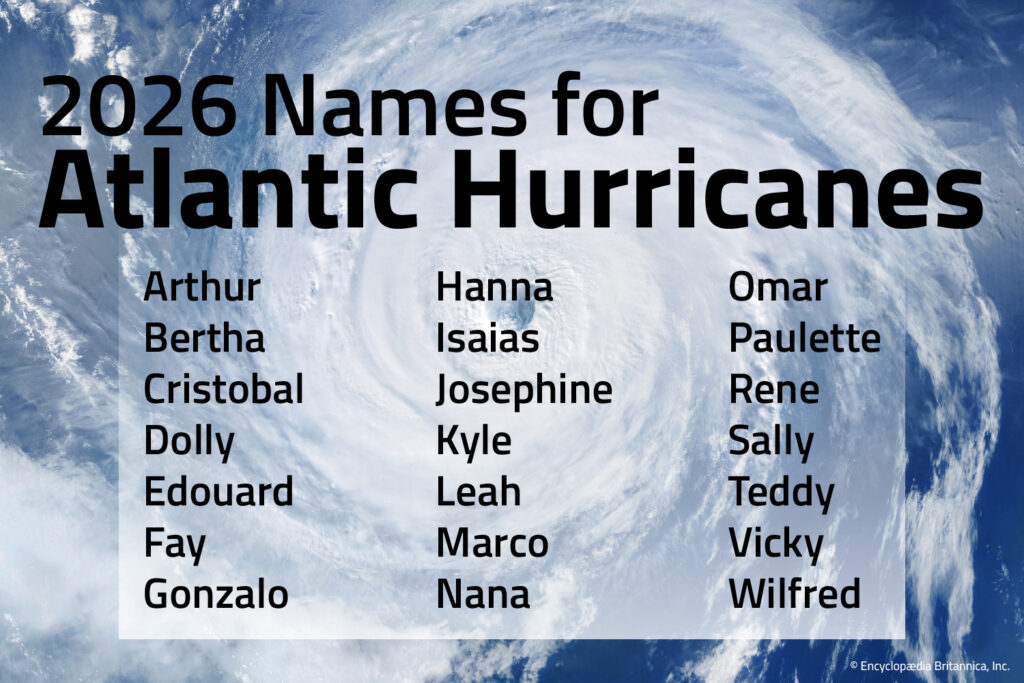
About 200 years ago, people in the Caribbean named hurricanes after saints. Today, major Atlantic storms are given names from a list created by the World Meteorological Organization.

A list of the 2026 names of hurricanes with a satellite image of a hurricane in the backdrop.

© Alones Creative—iStock/Getty Images; Photo illustration Encyclopædia Britannica, Inc.

Still Harnessing the Wind

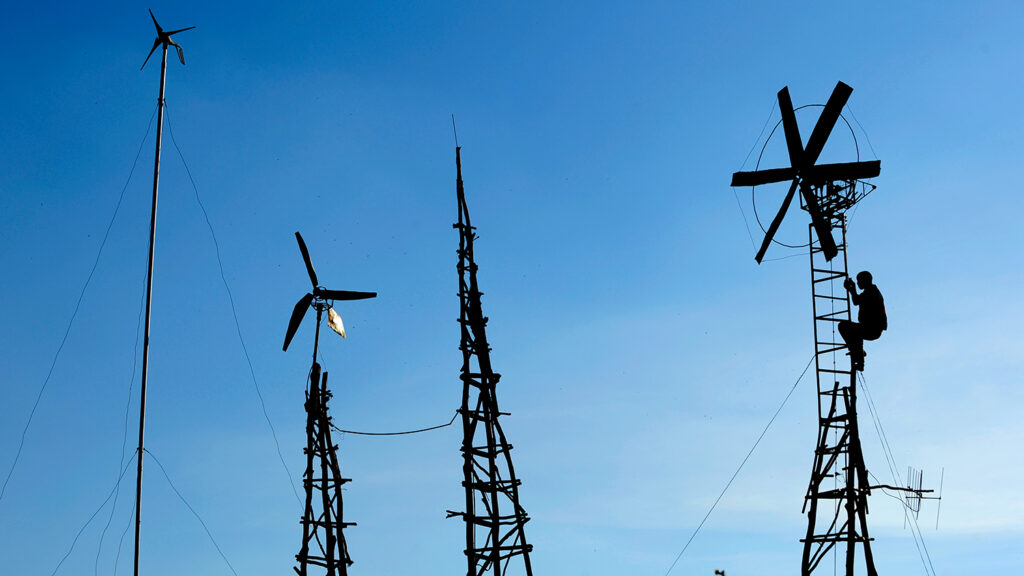
The silhouette of a young man is near the top of one of three windmills.

© Lucas Oleniuk—Toronto Star/Getty Images

William Kamkwamba’s cousin, Gift, climbs one of the windmills at the Kamkwamba farm to enable it to work properly.

When a countrywide famine in Malawi forced a young William Kamkwamba to drop out of school to help his family farm, things may have felt bleak. But the 14-year-old engineer did something amazing. Using scrap materials from around his farm, Kamkwamba made a windmill to power his home with electricity. Soon, he was building more windmills and generating electricity for his village. 

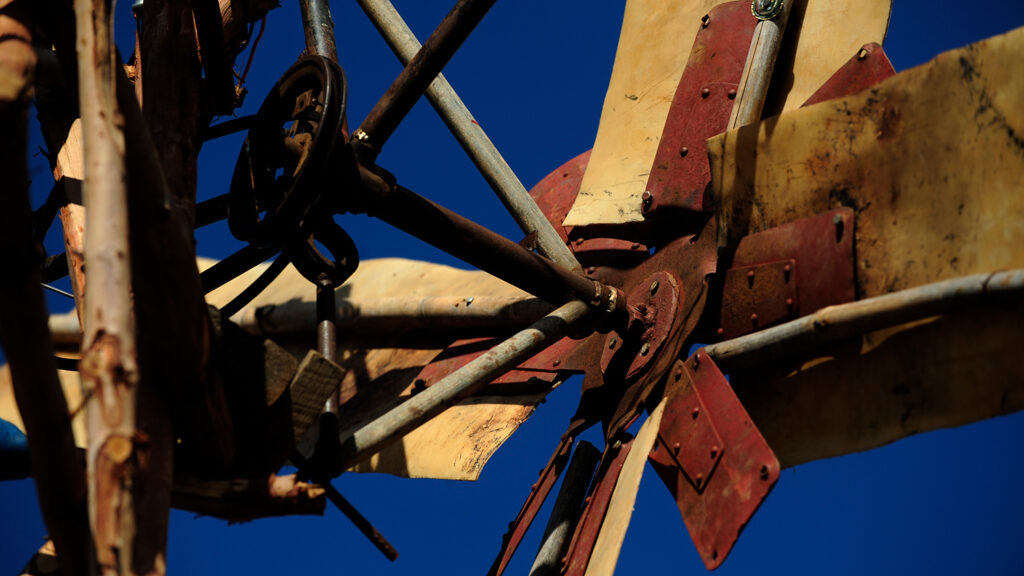
A closeup shows the backs of the blades of one of William Kamkwamba’s early windmills.

© Lucas Oleniuk—Toronto Star/Getty Images

This image shows one of the earliest windmills William built for his family’s farm.

If this story sounds familiar, it is probably because it has become a bestselling book called The Boy Who Harnessed the Wind, as well as a Netflix movie. But before the book or the movie, local news of Kamkwamba’s story touched many people, and he received financial support to return to school and earn a college degree from Dartmouth College in the United States. Kamkwamba’s story has not stopped there.

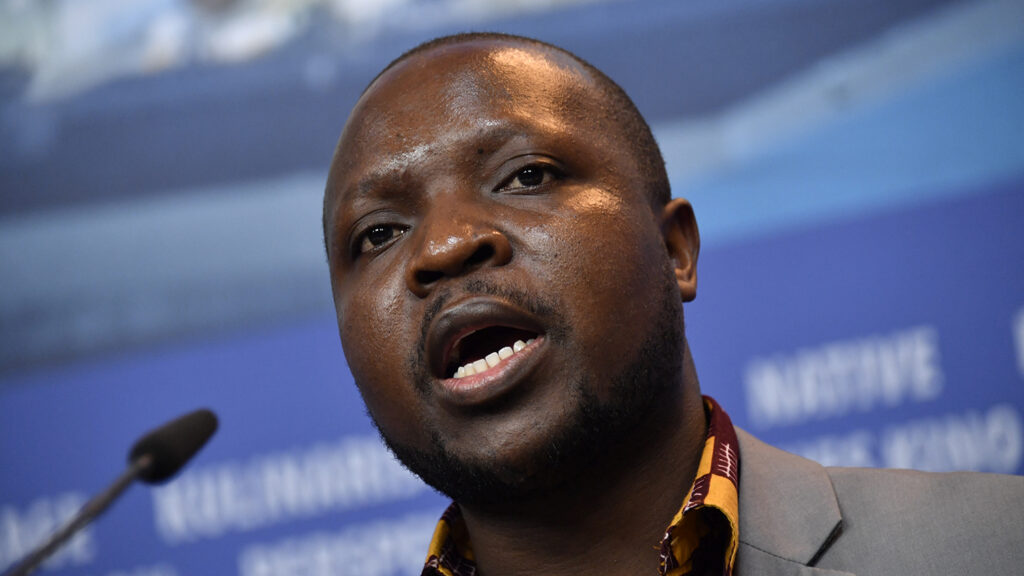
A closeup of William Kamkwamba speaking into a microphone.

© John MacDougall—AFP/Getty Images

In this 2019 photo, William Kamkwamba speaks during a press conference for the movie adaptation of The Boy Who Harnessed the Wind.

The boy who harnessed the wind is now an adult who is harnessing the wind, the Sun, and any other forms of energy to build a better future. Eighteen years ago, Kamkwamba founded the Moving Windmills Project, an organization that designs sustainable energy infrastructure for communities in need, particularly to help young people continue their education. In 2026, the project donated 129 solar panels to bring electricity to rural schools and help children study even when it is dark.

The Moving Windmills Project also provides free tutorials for other young engineers who are building their own wind or solar power systems, just like Kamkwamba did all those years ago. 

Hurricane Katrina

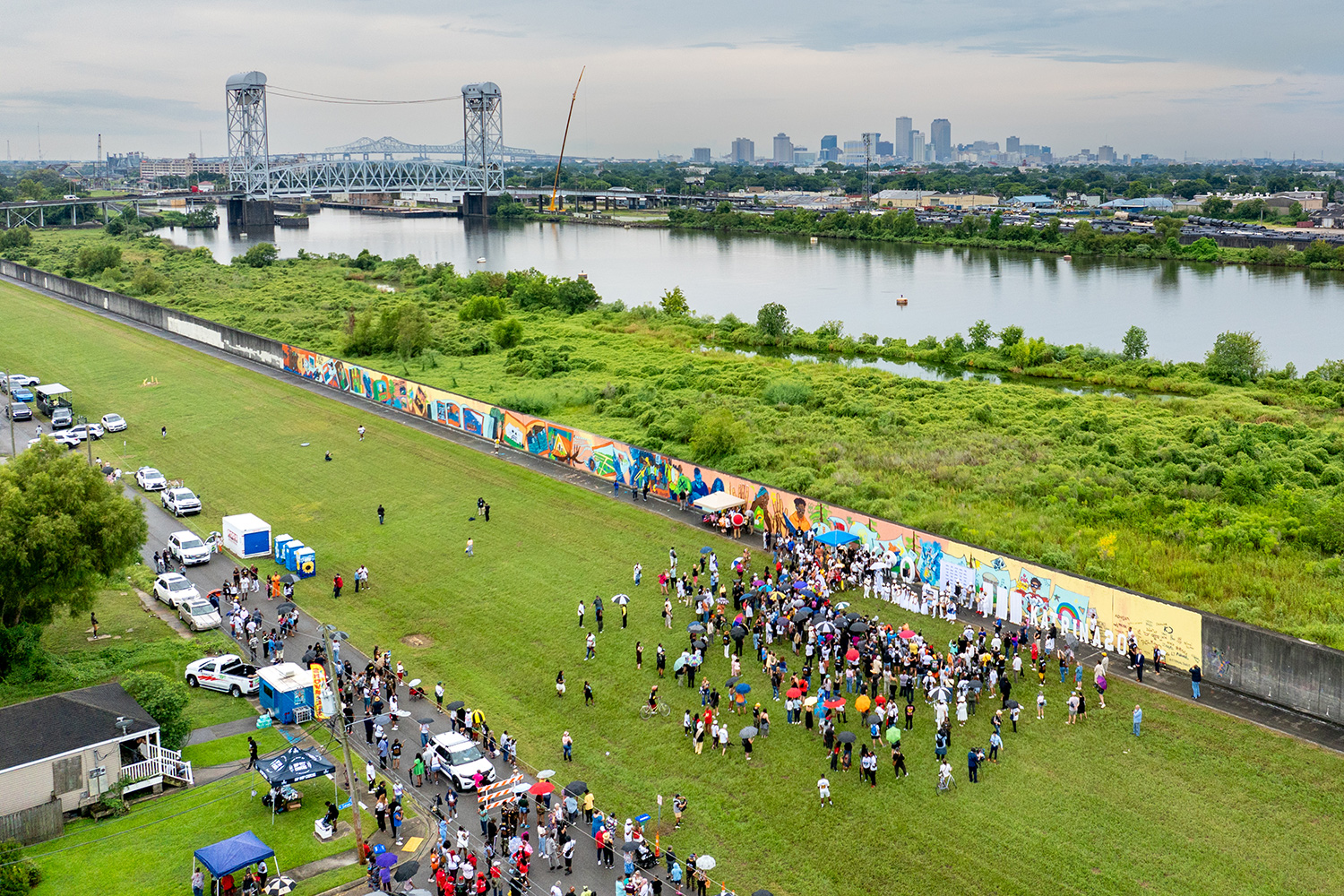
Overhead view of a crowd gathering on a grassy area with the Mississippi River and the New Orleans skyline in the background.

© Brandon Bell/Getty Images

People in New Orleans pay their respects during a commemoration of the 20th anniversary of Hurricane Katrina.

On August 29, 2005, a devastating hurricane arrived on the coast of Louisiana, destroying homes and neighborhoods with floodwater and wind. Hurricane Katrina forever changed communities in the city of New Orleans. 

Learn more about this historic storm at Britannica.  

WORD OF THE WEEK

tempest

PART OF SPEECH:

noun

Definition:

: a violent storm — often used figuratively

Definitions provided by
Merriam-Webster Logo

Word Flower

How many words can you make from these letters? All words must use the letter in the center.

O
O
O
O
O
O

In Case You Missed It

A couple in England are growing furniture out of living trees.
July 16, 2026
A new roller coaster in Texas is breaking records as the tallest and fastest amusement park ride of its kind.
July 9, 2026
Researchers have uncovered the deepest known whale graveyard. Located in the Indian Ocean, the area holds ancient whale fossils.
July 2, 2026
Is a sidewalk ever hot enough to cook an egg? A fun annual tradition has people putting that theory to the test!
June 25, 2026

How to Cite This Page

Here is how to cite this page using the MLA style. While every effort has been made to follow citation style rules, there may be some differences. Please refer to the appropriate style manual or other sources if you have any questions.

In the News: The Weather Watchers.Britannica School, Encyclopaedia Britannica, 26 July 2026. https://news.eb.com/level2/the-weather-watchers Accessed 27 July 2026 [Replace this date with today’s date.]