
Skip to content

Join the Jimothy Fan Club!
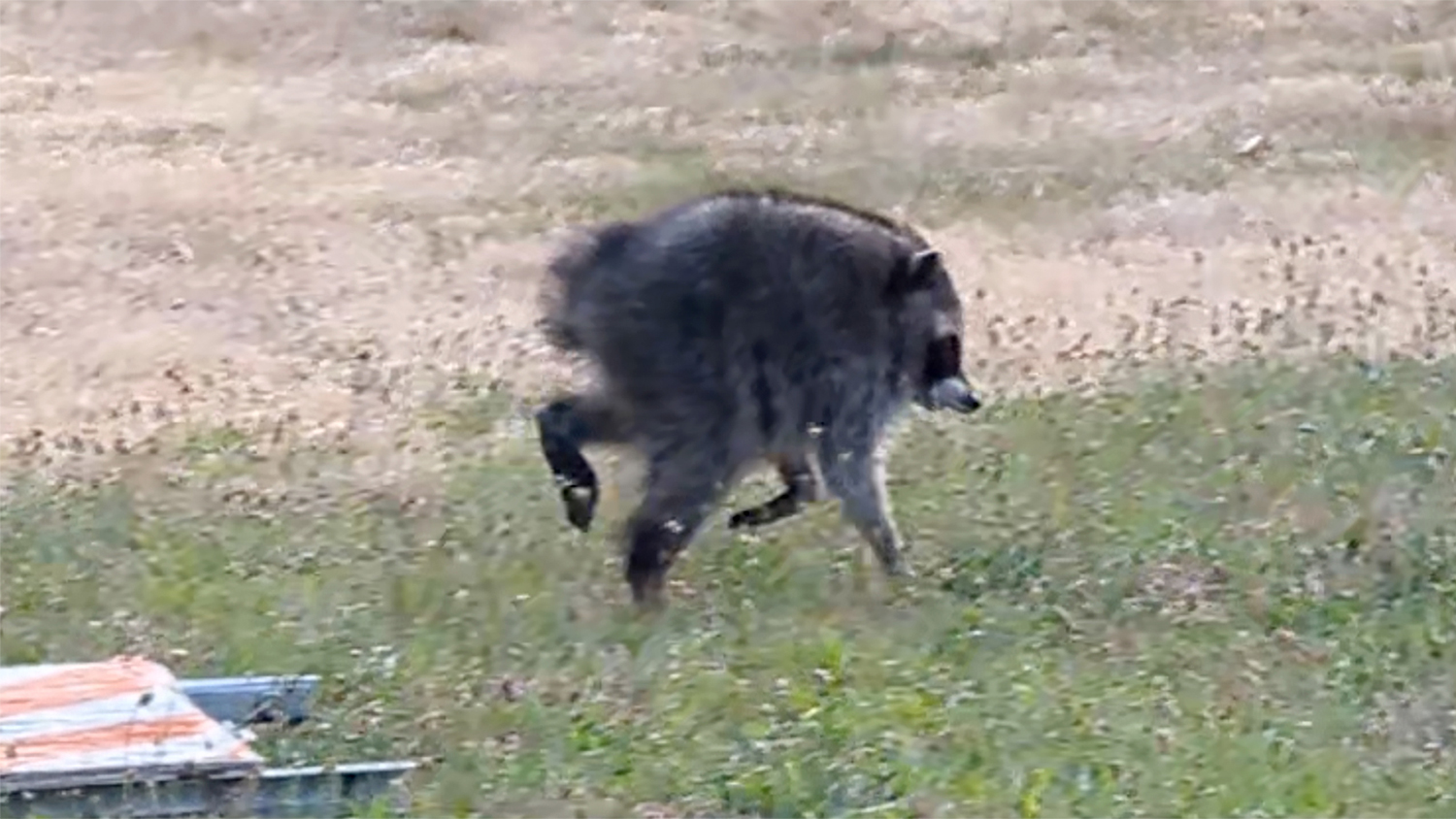
A wild raccoon with a rare spinal condition has captured hearts on the Internet.
Jimothy the raccoon runs across a grassy area.

Courtesy of Kiana Hall

Although he is physically different from most raccoons, Jimothy is thriving.

An unlikely celebrity has found international stardom this summer: a raccoon with a rare disability. The wild raccoon, who is affectionately named “Jimothy,” has a congenital spine condition that gives his body an unusually short, round shape. Jimothy’s fans admire his ability to adapt and thrive despite his physical differences. 

“It’s crazy how instantly popular Jimothy has become.… On the face of it, it is just a fun-looking little raccoon,” said Marcie Logsdon, a wildlife veterinarian at Washington State University (WSU), to the WSU Insider. “It’s really neat because it gives us an opportunity to talk about wildlife in urban areas that people are encountering on a daily basis.” 

Courtesy of Kiana Hall

Area resident Kiana Hall captured this video of Jimothy.

Before his online fame, Jimothy was a local legend among the residents of Ballard, a suburban neighborhood of Seattle, Washington, where his gangly form would appear in people’s yards. Logsdon and other wildlife experts think Jimothy may have a rare condition called short spine syndrome, which causes the spine to compress, shortening the body. This can limit an animal’s movement and make it difficult to survive in the wild. 

“In the WSU wildlife rehabilitation department, we’ve never seen a wild animal present with short spine syndrome. What makes Jimothy’s case unique is that he seems to be adapting to it,” said Logsdon.
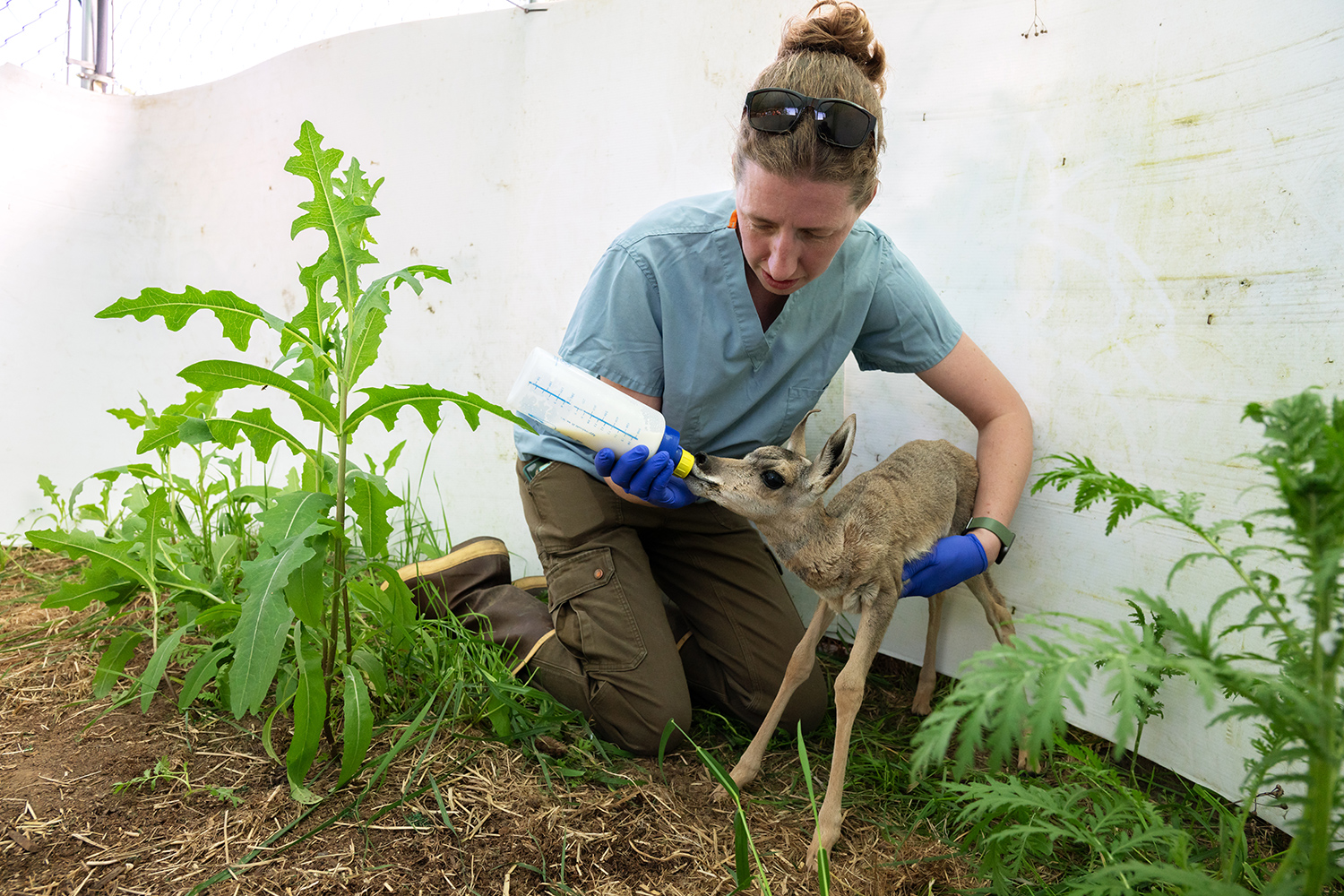
Marcie Logsdon feeds a pronghorn calf with a large bottle in an outdoor setting.

Washington State University College of Veterinary Medicine

Veterinarian Marcie Logsdon, seen here feeding a pronghorn calf, rescues wild animals with the goal of releasing them.

Videos of Jimothy expertly running and climbing highlight his ability to live a normal raccoon life, avoid predators, and find plenty of food. However, now Logsdon has a new concern for Jimothy’s safety: humans getting too close to make videos of the raccoon or attempting to feed him. 

Even though Jimothy is cute, he is still wild, and wild animals need space to live their lives, explained Logsdon.

“If Jimothy inspires more people to appreciate the animals living around them, that’s a positive outcome,” said Logsdon. “We just hope that appreciation comes with respect, patience, and enough distance to allow wild animals to stay wild.”
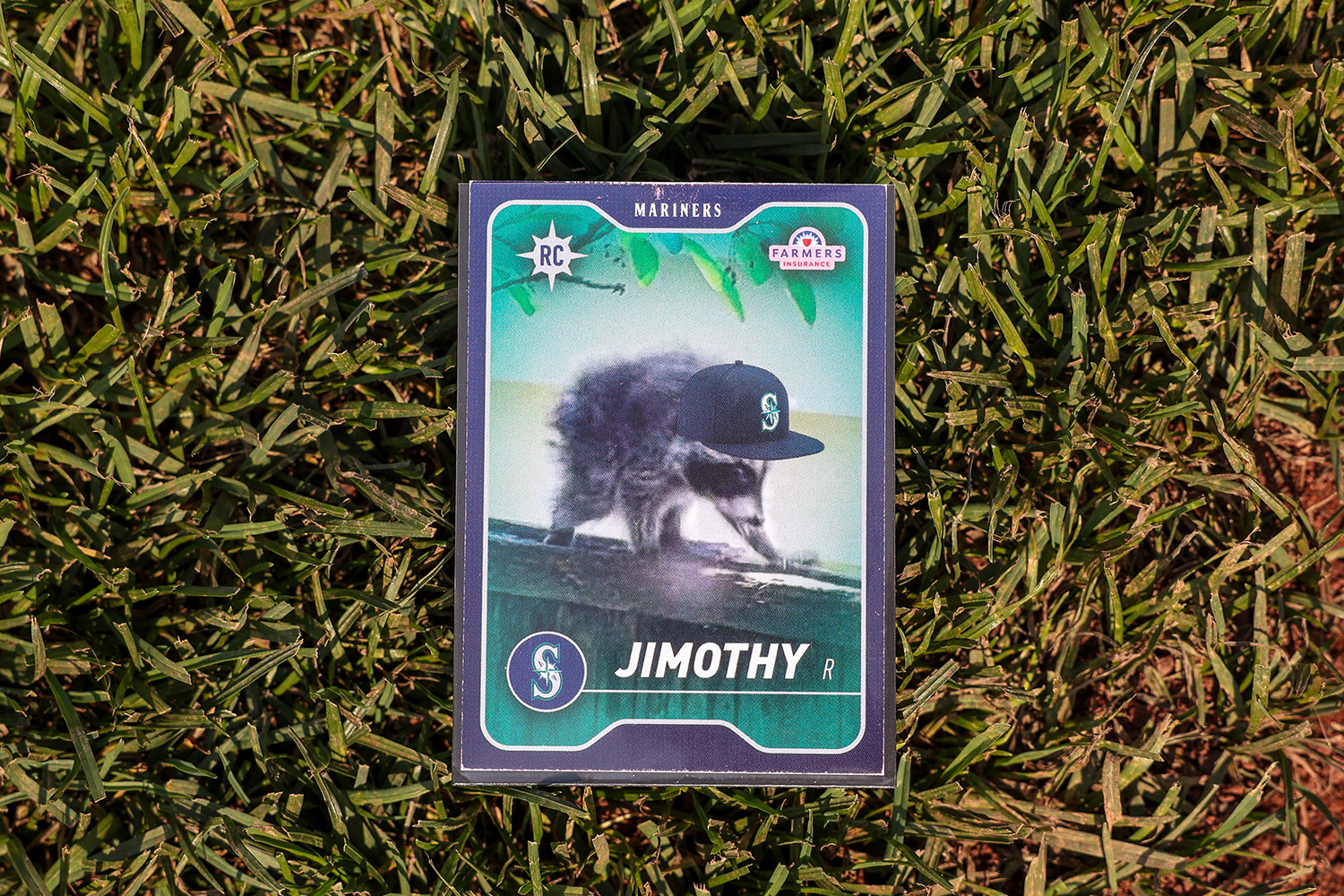
A Mariners baseball card shows a photo of Jimothy walking on a fence.

Washington State University College of Veterinary Medicine

The Seattle Mariners baseball team produced a custom “Jimothy” trading card.
Did You Know?

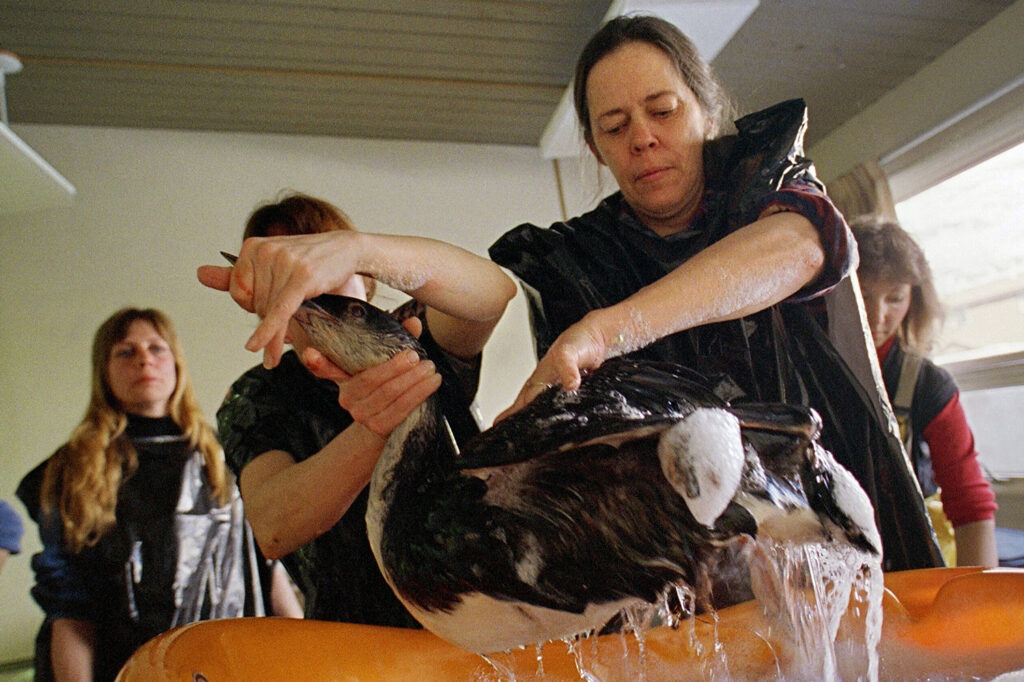
In 1971, nurse and animal lover Alice Berkner (shown below) founded the International Bird Rescue to help save birds covered in oil after disastrous oil spills. Today the organization treats 4,500 animals each year by cleaning their feathers with simple soap and water.

A person holds the beak and head of an oil soaked loon that is being bathed in a plastic tub by Alice Berkner.

© Chris Wilkins—AFP/Getty Images

A Sniff Defense

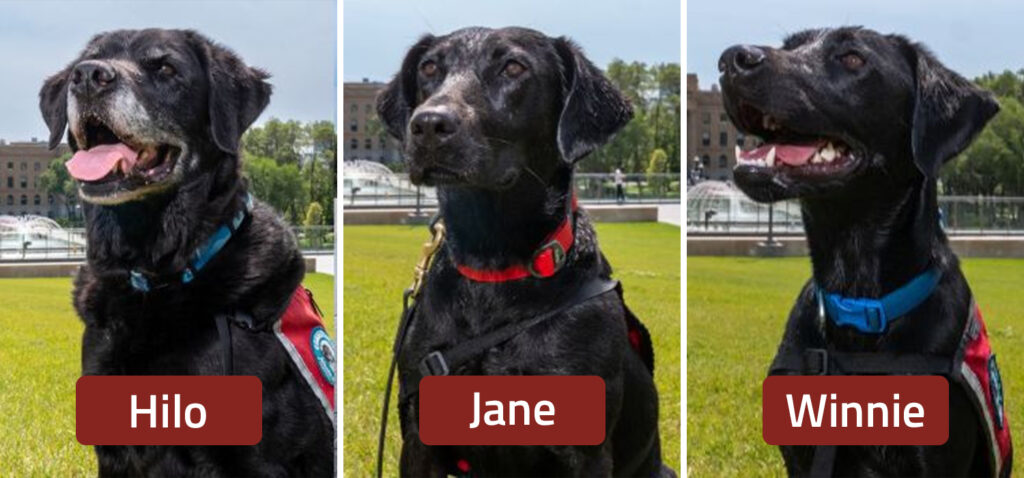
A composite showing portraits of the dogs Hilo, Jane, and Winnie labeled with their names.

Courtesy of Government of Alberta; Photo composite Encyclopædia Britannica, Inc.

These dogs are protecting waterways from invasive mussels.

Dogs can be very good at guarding homes or farms against intruders—people or animals that would cause harm. But three dogs in Alberta, Canada, are trained to protect lakes and rivers against a very different type of intruder: invasive mussels. 

Hilo, Jane, and Winnie are now part of Alberta’s first line of defense against harmful mussels that could hitchhike on boats and then devastate local water habitats. A mussel is a kind of mollusk that’s found all over the world. In the past few decades, mussel species from Europe and Asia have taken over waterways in Canada and the United States. These invasive mussels compete for the same resources as native mussels and fish, plus they can block pipes that pull water from lakes. Once these invasive mussels arrive, it is nearly impossible to get rid of them.

“The damage these mussels could cause in Alberta is immeasurable,” Cindy Sawchuk told CBC News reporters. Sawchuk leads the province’s invasive species and conservation canine program.

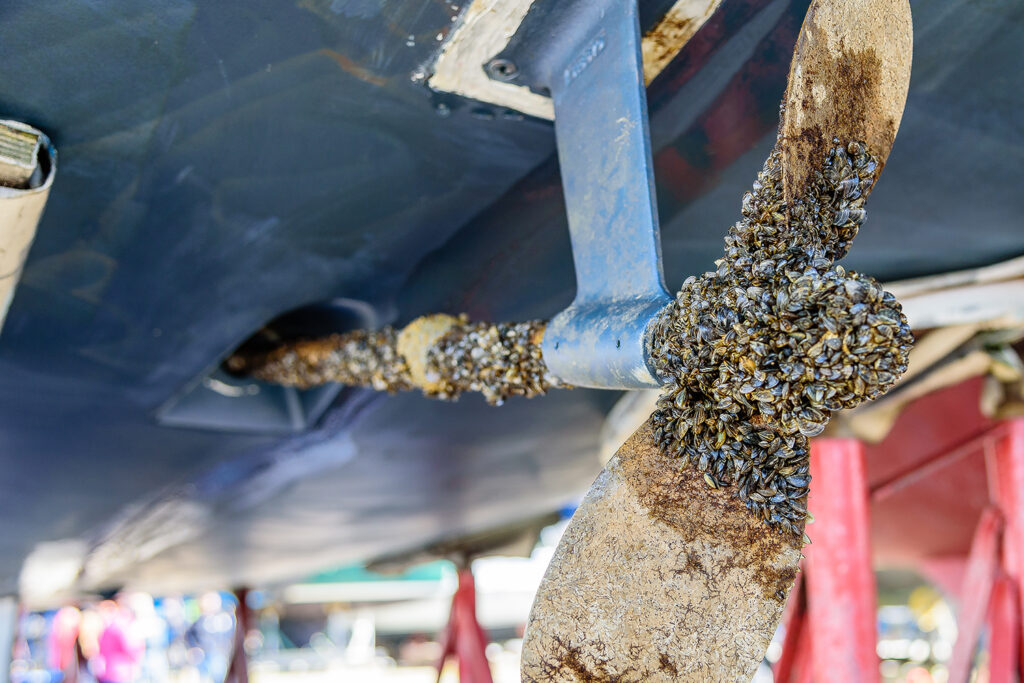
A boat propeller is covered in mussels.

© JeffCaughey—iStock/Getty Images

Zebra mussels have attached themselves to this boat propeller.

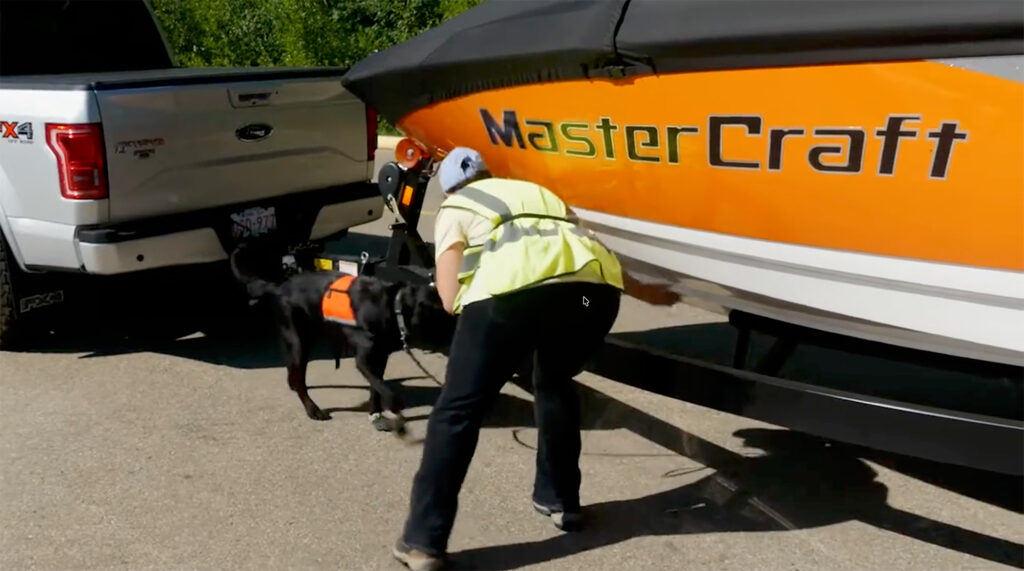
Hilo, Jane, and Winnie participate in a program that keeps invasive mussels out by inspecting all boats coming into Alberta. Each boat is at risk of carrying tiny stowaway mussel larvae, so human inspectors look for the mussels while the dogs are trained to sniff and signal if they smell the tiny intruders. 

Before becoming boat inspectors, Winnie and Jane were both rescue dogs, and Hilo was initially trained as a guide dog. The three dogs love the work, said Sawchuk. “They are so excited and it builds up that dopamine when they’re searching like, ‘Could we find something, could it be here?’” she said. “And then you know after that it’s really just a game for them.”

A person in a yellow vest and a dog in an orange vest lean down toward the hull of a boat that is attached to a pickup truck.

Courtesy of Government of Alberta; Screenshot from “Boat inspection stations at Alberta lakes” by Let’s Go Outdoors

Hilo, one of the dogs on the team, inspects a boat for mussels.

Beware the Invaders!

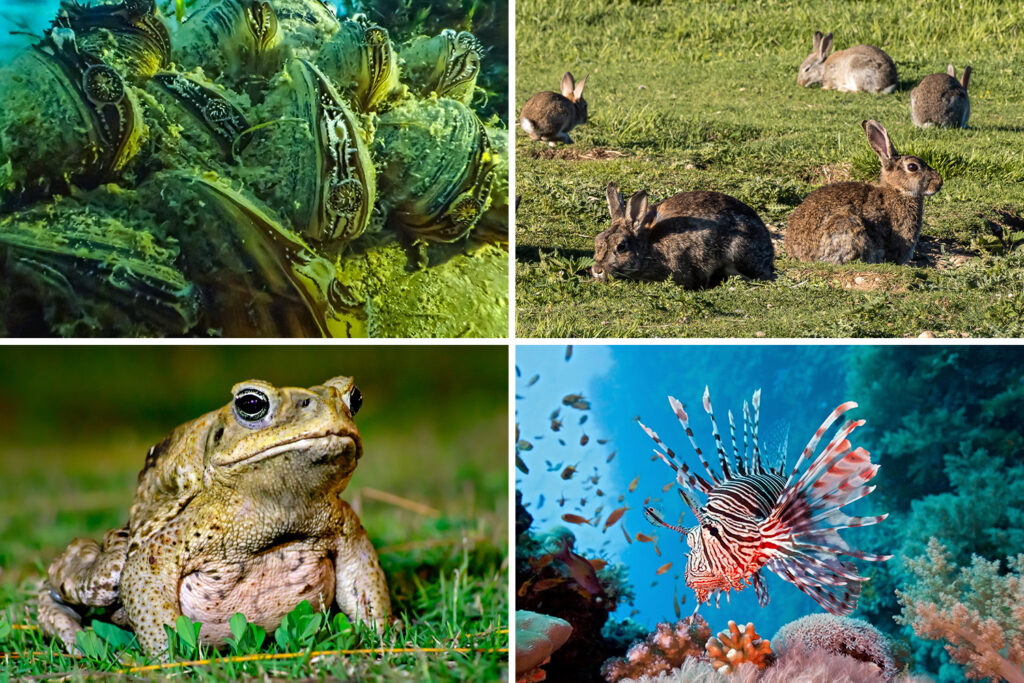
A composite includes photos of zebra mussels, European rabbits, a cane toad, and a lionfish.

© Maciej Bonk, rudiernst, felipecamps, crisod/stock.adobe.com; Photo composite Encyclopædia Britannica, Inc.

Invasive species can include (top left) the zebra mussel, (top right) the European rabbit, (bottom left) the cane toad, and (bottom right) the lionfish.

Mussels, toads, rabbits, oh my! Even cute animals can become an invasive species if their presence harms living things in a new environment. Read more at Britannica about the ways invasive species spread around the world. 

WORD OF THE WEEK

scuttle

PART OF SPEECH:

verb

Definition:

: to move quickly and with short steps

Definitions provided by
Merriam-Webster Logo

Criss Cross

Can you figure out where each word goes?

O
O
O
O
O
O

In Case You Missed It

Women’s professional baseball returns to the United States after more than 70 years.
August 13, 2026
A new discovery finally reveals the hidden sixth sense that ensures homing pigeons are never lost.
July 30, 2026
Two teens from different countries find ways to protect their communities from dangerous weather.
July 23, 2026
A couple in England are growing furniture out of living trees.
July 16, 2026

How to Cite This Page

Here is how to cite this page using the MLA style. While every effort has been made to follow citation style rules, there may be some differences. Please refer to the appropriate style manual or other sources if you have any questions.

In the News: Join the Jimothy Fan Club.Britannica School, Encyclopaedia Britannica, 23 Aug. 2026. https://news.eb.com/level2/join-the-jimothy-fan-club Accessed 24 Aug. 2026 [Replace this date with today’s date.]