
Who Owns a Voice?
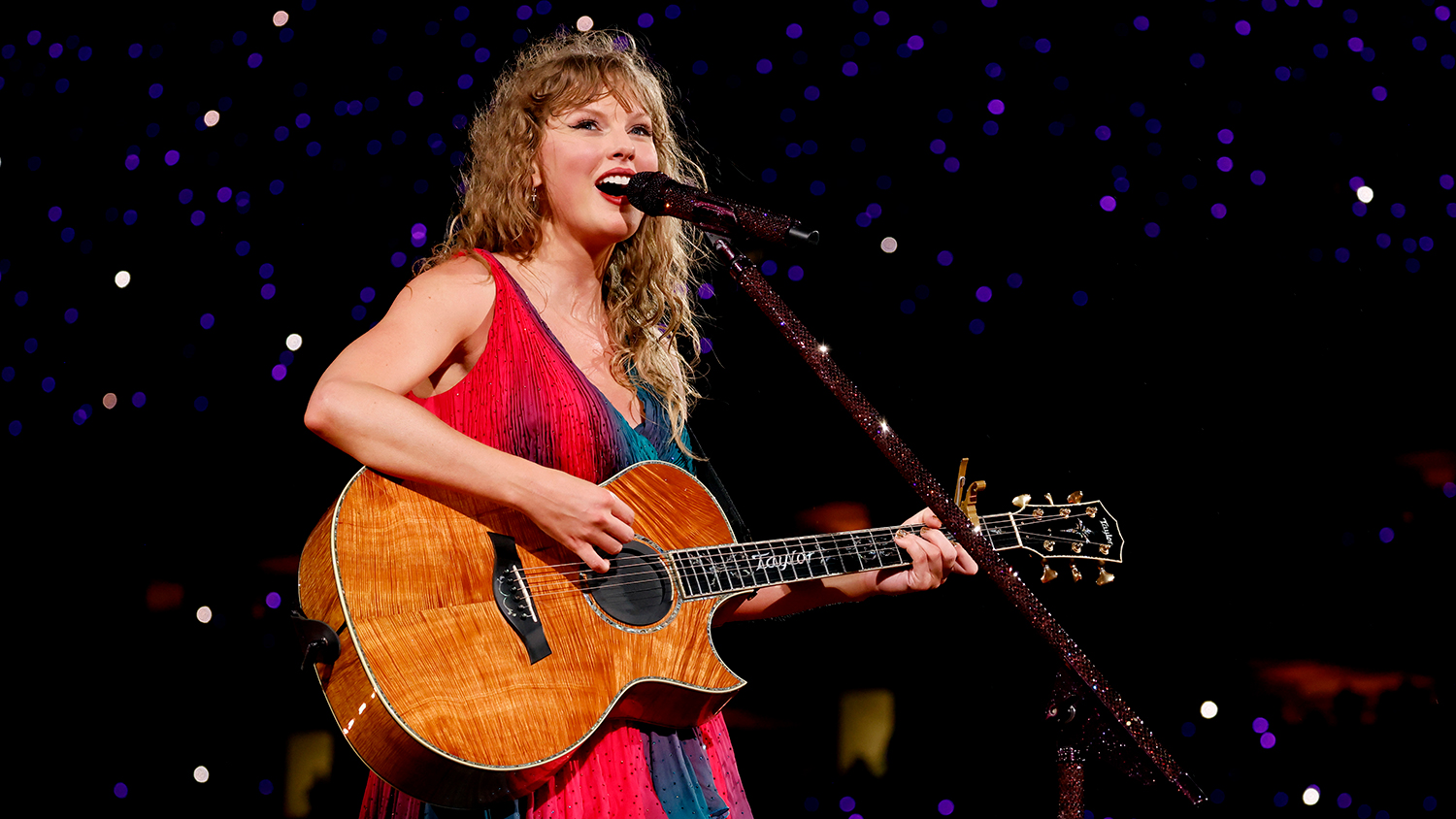
© Shearer/TAS24—TAS Rights Management/Getty Images
Taylor Swift performs in Miami Gardens, Florida, during the Eras Tour in 2024.
In April 2026, singer Taylor Swift filed a trademark application for her voice and image in a move to prevent artificial intelligence (AI) impersonations. While Swift may be one of the biggest stars to take this kind of action, she is joining others who are trying to legally protect their voices and faces from being used in AI-generated content.
A trademark is typically used to legally protect someone’s name, symbol, or creations by preventing anyone but the trademark holder from making money from them. Many brands have trademarked logos and slogans, like Nike’s “Just Do It” and the signature swoosh symbol that appears on their clothing and shoes. But with the rise of deepfakes, which are AI-generated images, videos, and audio clips that can reproduce the way someone looks and talks, an increasing number of celebrities want to protect their unique voices and features from being copied. The hope is that a trademark will prevent AI from using these stars’ likenesses or the phrases associated with them.
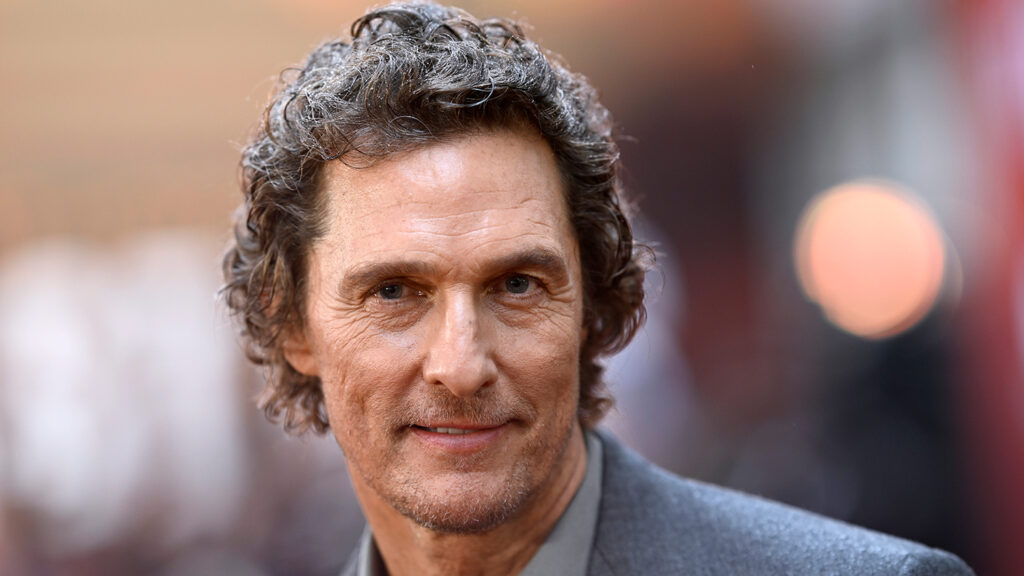
© Gareth Cattermole/Getty Images
Matthew McConaughey attends an event in London, England, in 2025.
This year actor Matthew McConaughey became the first celebrity to trademark his voice and image, including his famous catchphrase, “alright, alright, alright.” Taylor Swift has filed trademark applications for the audio phrases “Hey, it’s Taylor Swift” and “Hey, it’s Taylor.” She also filed for a trademark of her likeness from the singer’s Eras Tour, where she is wearing a multicolored bodysuit and holding a guitar.
It isn’t just the rich and famous who are making moves to protect themselves from AI. Some countries and U.S. states are also working on laws that will protect people against AI theft. Voice actors in California are pushing for a law that will prevent AI models from stealing their voices from audio content, like video games. Last year the country of Denmark proposed a bill that would give each of its citizens a copyright of their own body and voice. This would make it illegal to share deepfakes and digital imitations of Danish citizens.