
Gyo Fujikawa’s Colorful World
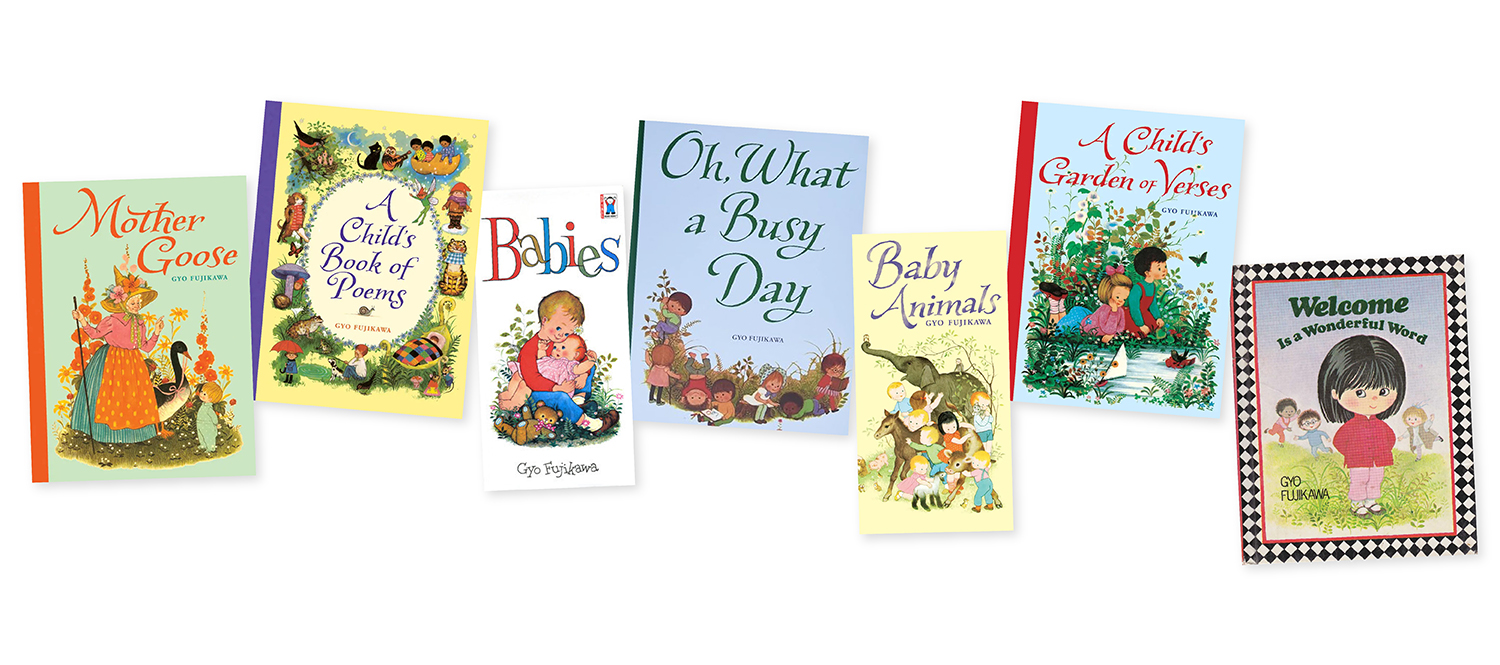
© Hachette Book Group, © Penguin Random House, Amazon, Inc.; Photo composite Encyclopædia Britannica, Inc.
Seven of the books illustrated by Gyo Fujikawa show her soft, colorful style.
As a Japanese American, Gyo Fujikawa didn’t always have an easy life. But she created a better world on the pages of her famous picture books. It was a colorful place where kids of all backgrounds laughed and played together.
Becoming an Artist
Fujikawa was born in Berkeley, California, in 1908. Her parents, both Japanese immigrants, were farmworkers. When Fujikawa was young, her teachers realized she had a great talent for art. They raised money to pay for her to go to art school.
Fujikawa started her career as a commercial artist, which means she made art for advertisements or products for sale. In 1933, she got a job at Walt Disney Studios. One of her big tasks there was to help create a book to go along with an animated movie called Fantasia.
World War II (1939-1945) was a difficult time for Fujikawa. During this time, her parents and brother were forced to go to an internment camp simply because they were Japanese American. The experience deeply affected Fujikawa. You can read more about internment camps below this article.
Books for Everyone
In the 1950s, Fujikawa began illustrating other people’s children’s books. But she was frustrated because the children she was asked to draw were white. Other picture books also featured mostly white children. They didn’t look like Fujikawa or her family.
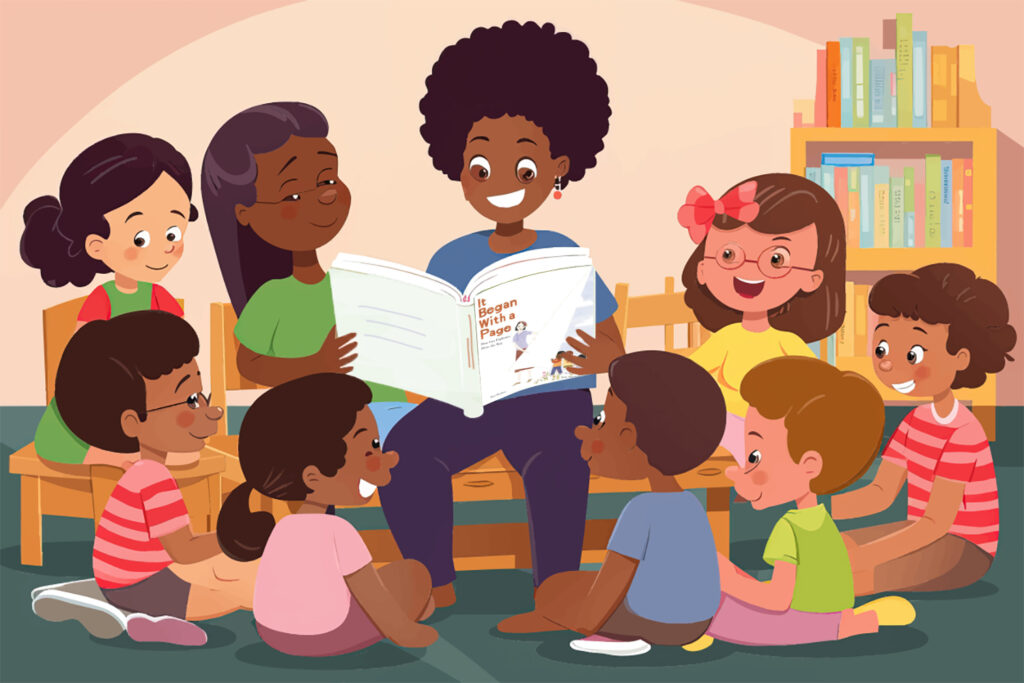
Fujikawa began writing and illustrating her own books in 1963. Her soft, colorful illustrations showed children and animals with sweet expressions. Most distinctive of all, the children in Fujikawa’s books weren’t only white. They represented many races, including white, Black, and Asian.
At the time, it was rare for children’s books to show a diverse group of children as friends. Fujikawa wasn’t just making pretty pictures. She was drawing a world she wanted to see in real life. She also believed that all children deserved to see themselves represented in books.
Fujikawa wrote and illustrated more than 40 books, many of which are still in print. Her books include Babies; Oh, What a Busy Day; and Welcome Is a Wonderful Word. She died in 1998.
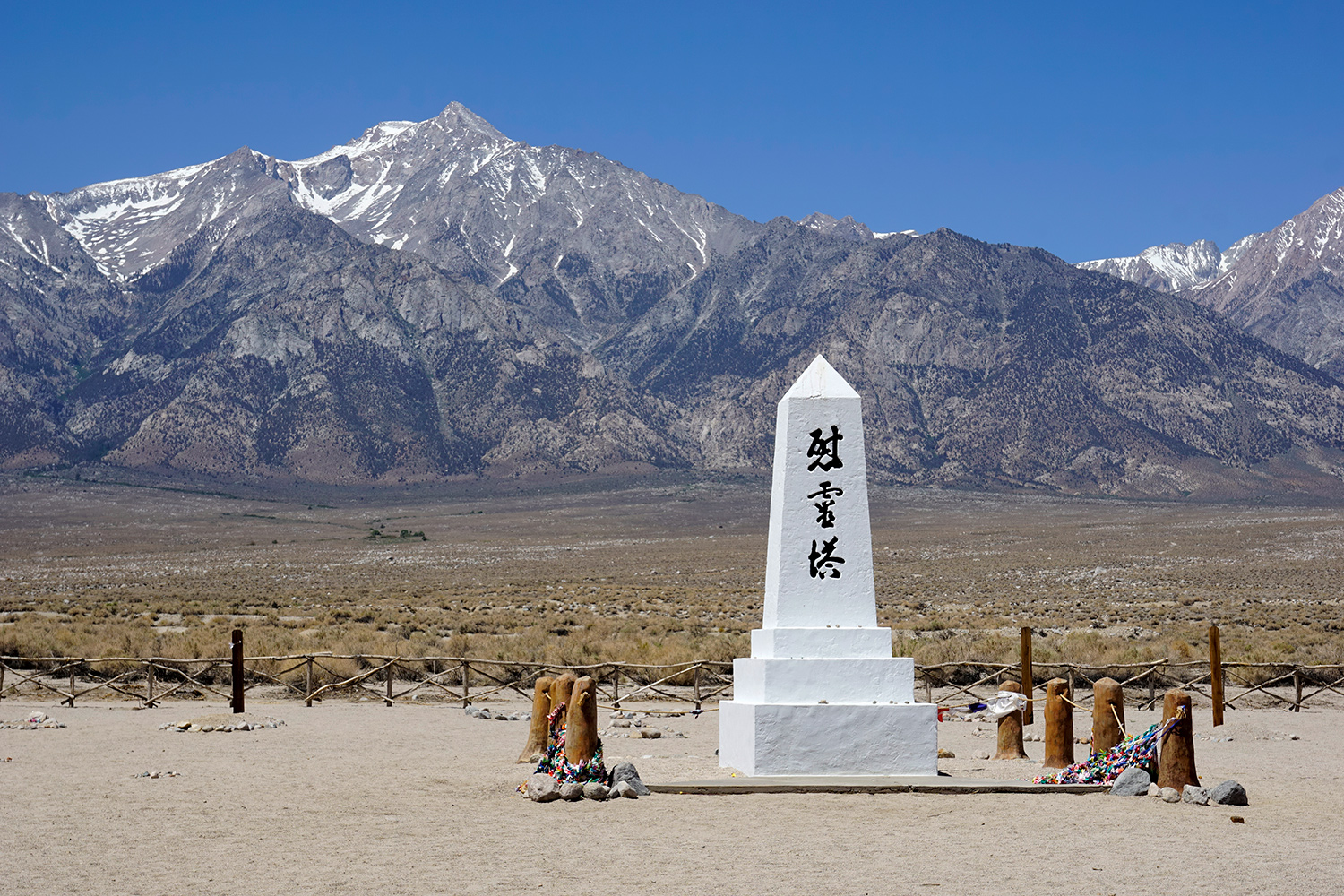
© RiverNorthPhotography—iStock Unreleased/Getty Images
This monument is dedicated to the Japanese Americans who were forced to live at a California internment camp called the Manzanar War Relocation Center during World War II.
In the 1940s, the United States was involved in World War II. Because Japan was on the other side in this war, the U.S. government became suspicious of Japanese Americans. Sadly, Japanese Americans living in the western United States were forced into internment camps. People were held against their will in these camps for much of the war. They had to leave their homes and their jobs, and their rights as American citizens were ignored.
Gyo Fujikawa, who lived in the eastern United States, remained free. But her family did not. It was a painful experience for Fujikawa and all Japanese Americans.