
Skip to content

The Story of Prince Hall
The United States is celebrating its 250th birthday. To celebrate, here’s the story of Prince Hall, an early American who fought for liberty and equality.
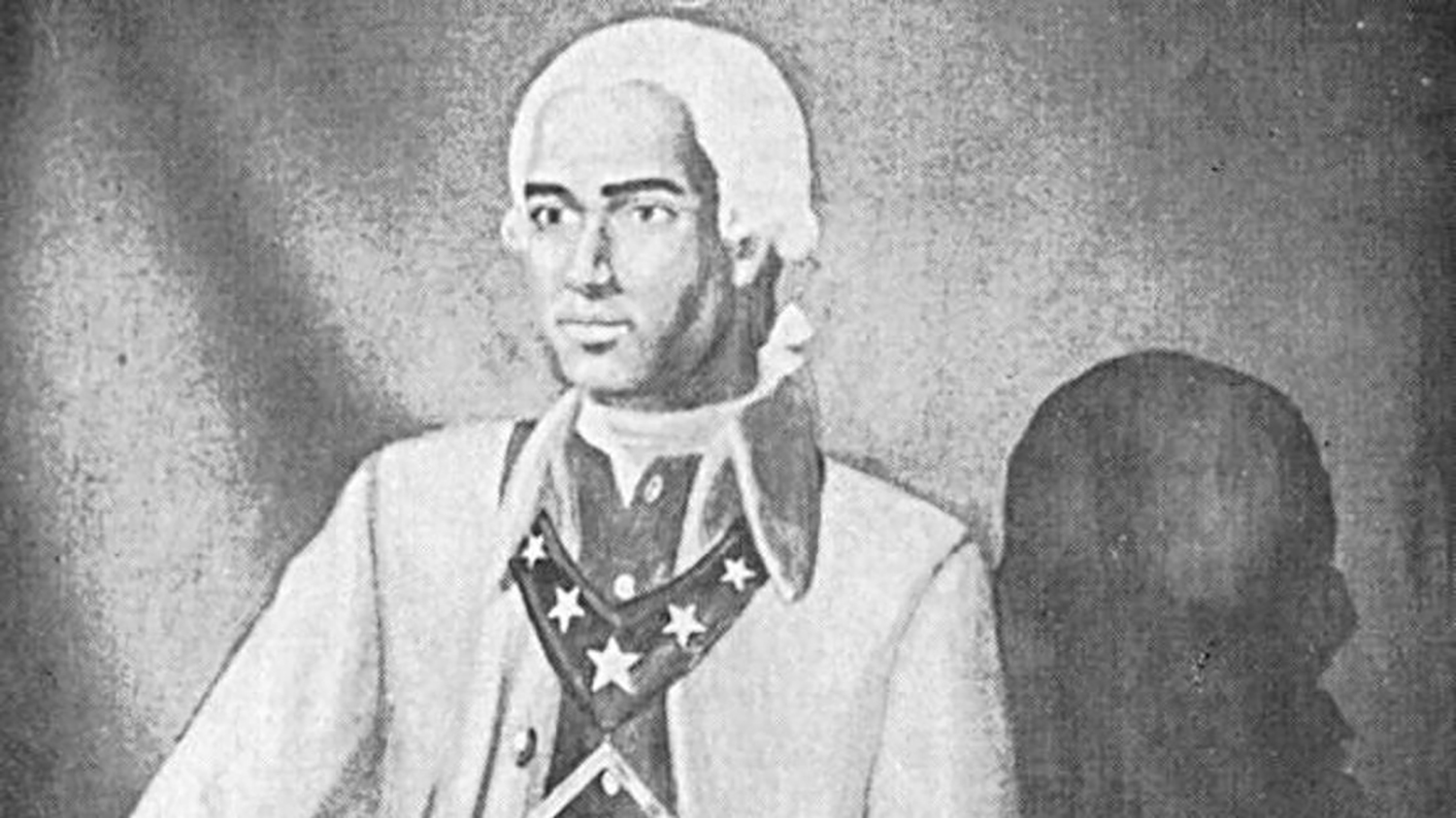
Prince Hall wears a Freemasons symbol around his neck and a powdered wig.
© The History Collection/Alamy
This illustration shows Prince Hall.

More than 250 years ago, the American colonies went to war against their ruling country, Great Britain. This war, called the American Revolution, led to the birth of the United States. But some of the people who fought for the rights of Americans had few rights themselves. One of these patriots was a man named Prince Hall. 

No one knows the exact details of Hall’s background. He may have been born on the island of Barbados, and he may have been enslaved there. By 1770, Hall was a free man living in Boston, Massachusetts. 

Hall was active in the Freemasons, which was a bit like a club that had meeting places in both America and Europe. The Freemasons said they believed in freedom and equality. Yet the Boston Freemasons did not allow Black people to join. Hall and several other men founded a Freemasons meeting place for Black members called the African Lodge. The African Lodge became an important part of building a community for Black Boston residents.
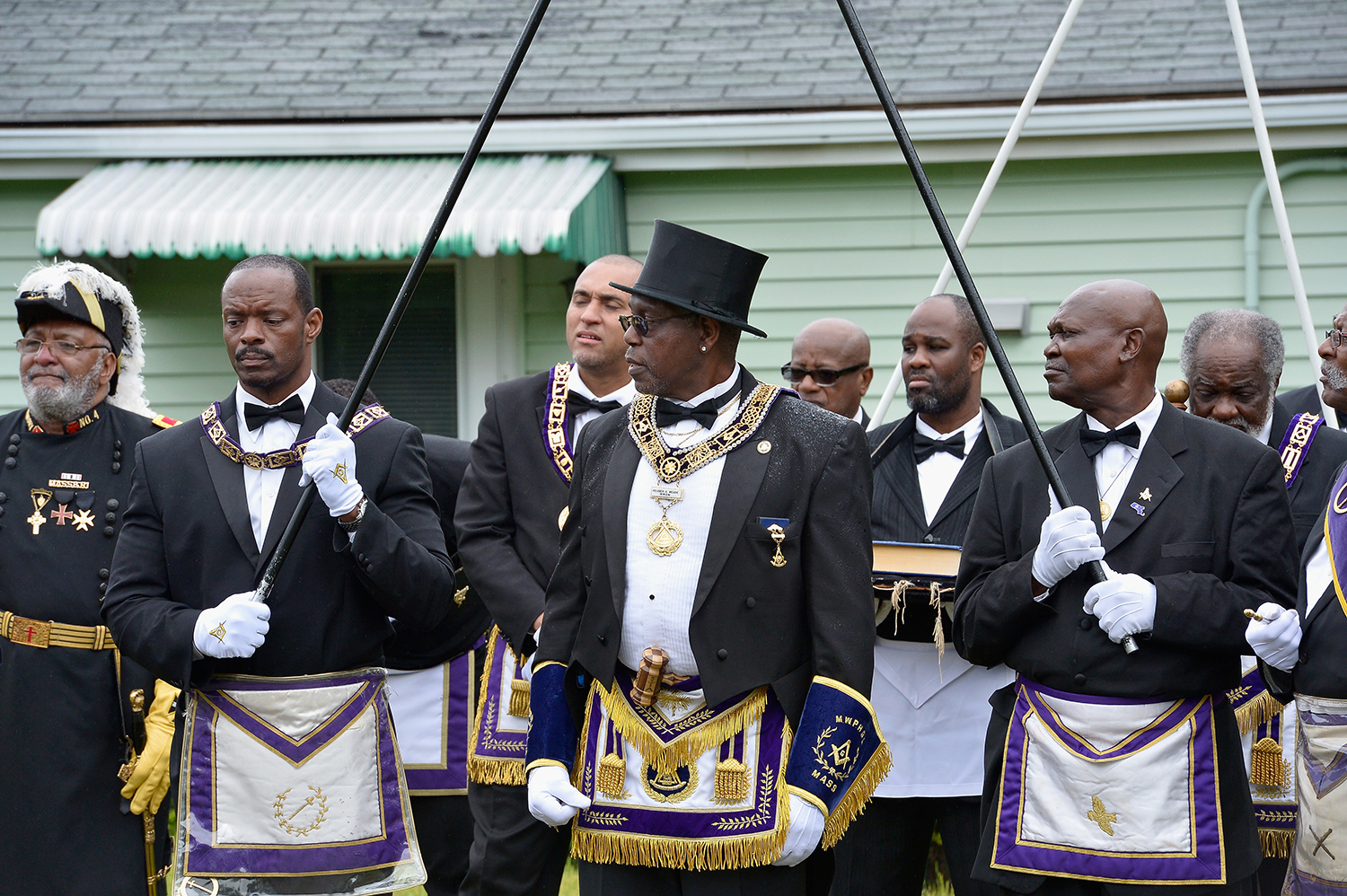
A group of men stand outside a building wearing tuxedos and Free Mason medals.
© Paul Marotta—WireImage/Getty Images

Prince Hall helped found the African Lodge for Black Free Masons. The African Lodge is still active today.

Fighting for Independence

At this time, a growing number of Americans believed the colonies should fight for independence from Britain. They argued that Great Britain did not respect the rights of the American people. (Click through the slideshow farther down on this page to learn more.)

But Hall noted that most Black Americans had no rights at all. Slavery was legal in all 13 colonies, and most Black people were enslaved. When the American Revolution began, in 1775, Hall believed the war should lead to freedom and equality for both white and Black Americans. He signed up to fight in America’s Continental Army and encouraged other Black men to do the same.

America won the American Revolution in 1783, and the United States became an independent nation. But slavery did not end, and even free Black Americans like Hall did not have the same rights as white Americans.

After the War

Hall spent his life fighting for the rights of Black Americans. In 1777, he wrote to the government of Massachusetts, demanding a gradual end to the institution of slavery there. After Massachusetts ended slavery in the 1780s, Hall spoke out in support of education for Black children, who were not allowed to attend public school. Eventually, Hall and others opened a school for Black children in Boston.

Prince Hall died in 1807. His work helped make the United States a fairer, more just nation. It also helped pave the way for civil rights activists who followed. 

Face Thinking Icon

Did You Know?

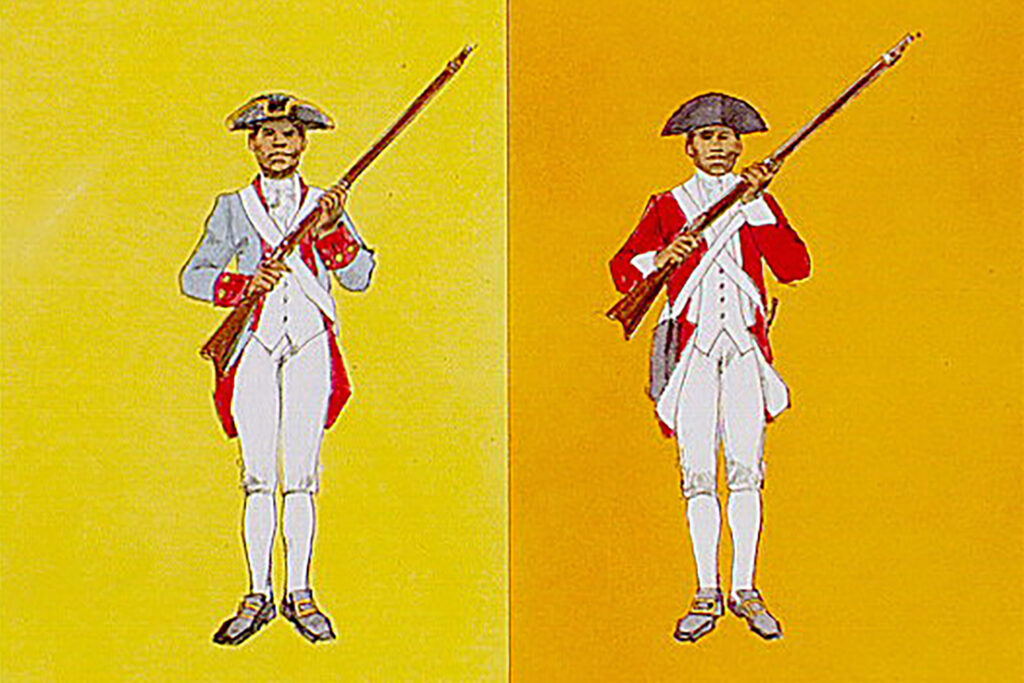
A Black soldier dressed in a Continental Army uniform next to a Black soldier dressed in a British Army uniform

Courtesy of the U.S. National Park Service

The picture on the left shows a Black soldier in the Continental (American) Army. The picture on the right shows a Black soldier in the British Army.

During the American Revolution, some Black Americans fought for the Continental (American) Army. But many enslaved Americans joined the British Army because Great Britain promised they would be free after the war. 

Why Did the War Happen?

In 1775, Americans went to war against Great Britain to gain independence. But why? Click through the slideshow to learn more.

The Declaration of Independence

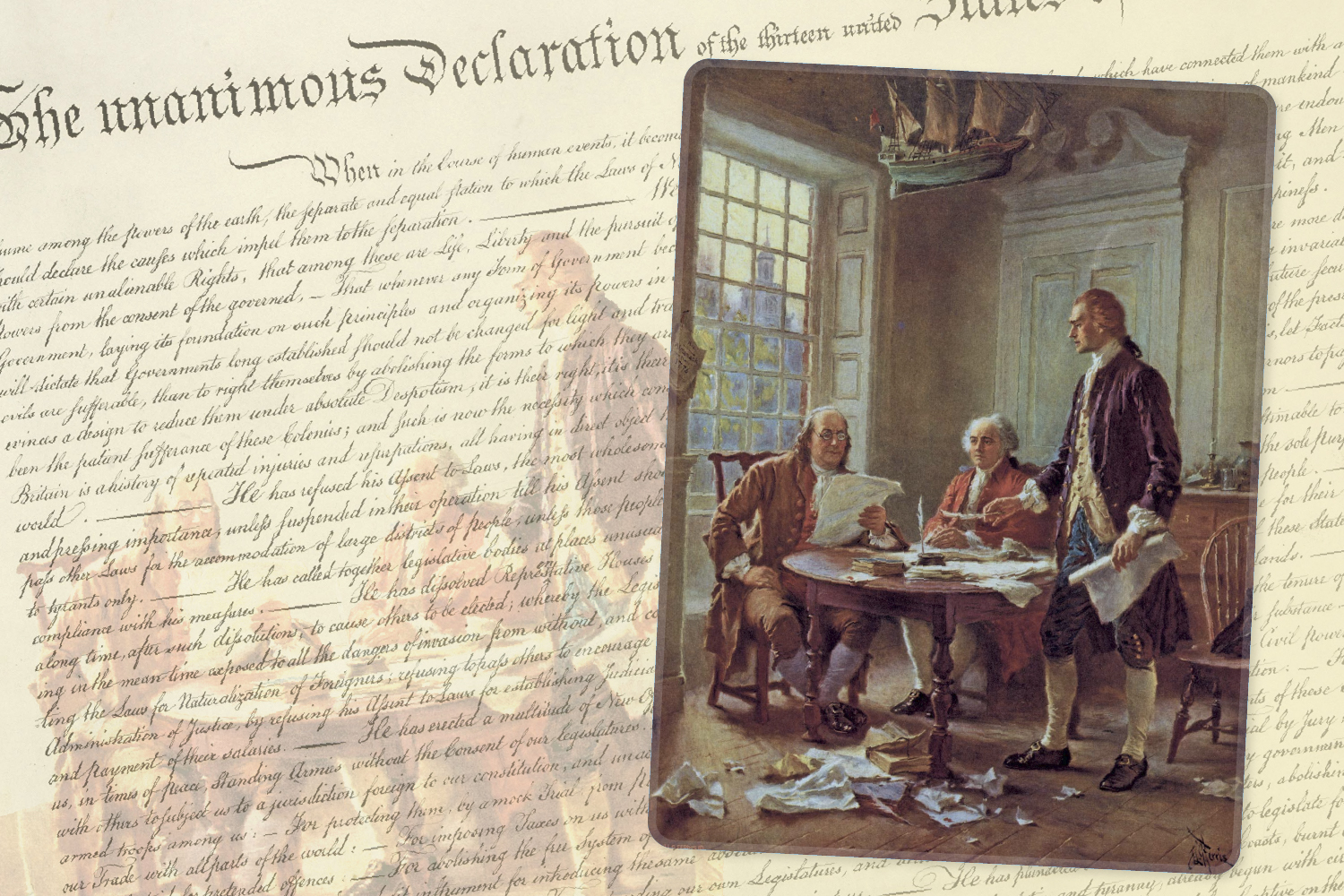
Benjamin Franklin, John Adams, and Thomas Jefferson sitting at a table working on the Declaration of Independence over the words of the Declaration.

Library of Congress, Washington, D.C., National Archives, Washington, D.C.; Photo composite Encyclopædia Britannica, Inc.

(from left) Benjamin Franklin, John Adams, and Thomas Jefferson work on the Declaration of Independence.

On July 4, 1776, a little over a year after the American Revolution began, the Declaration of Independence was adopted. This document told the government of Great Britain that the colonies considered themselves to be “free and independent states.”

Learn more about the Declaration of Independence at Britannica!

Word of the Day Icon

WHAT'S THE WORD?

justice

Part of speech:

noun

Definition:

: the quality of being fair or just

Definitions provided by
Merriam-Webster Logo
Game Icon

Play

Word Search

Can you find all the words?

.

In Case You Missed It

A new robot hand can pick up delicate objects—even potato chips.
May 4, 2026
Gyo Fujikawa’s illustrations show a world where children of all backgrounds laugh and play together.
April 30, 2026
How can you tell whether photos and videos are real or made with AI? Here are a few tips.
April 28, 2026
A bug that walks on water inspired a frilly new robot design.
April 24, 2026

How to Cite This Page

Here is how to cite this page using the MLA style. While every effort has been made to follow citation style rules, there may be some differences. Please refer to the appropriate style manual or other sources if you have any questions.

In the News: The Story of Prince Hall.Britannica School, Encyclopaedia Britannica, 10 May 2026. https://news.eb.com/level1/the-story-of-prince-hall. Accessed 11 May 2026 [Replace this date with today’s date.]