
Kids for the Planet
We Can Community CIC, Habits of Waste; Photo composite Encyclopædia Britannica, Inc.
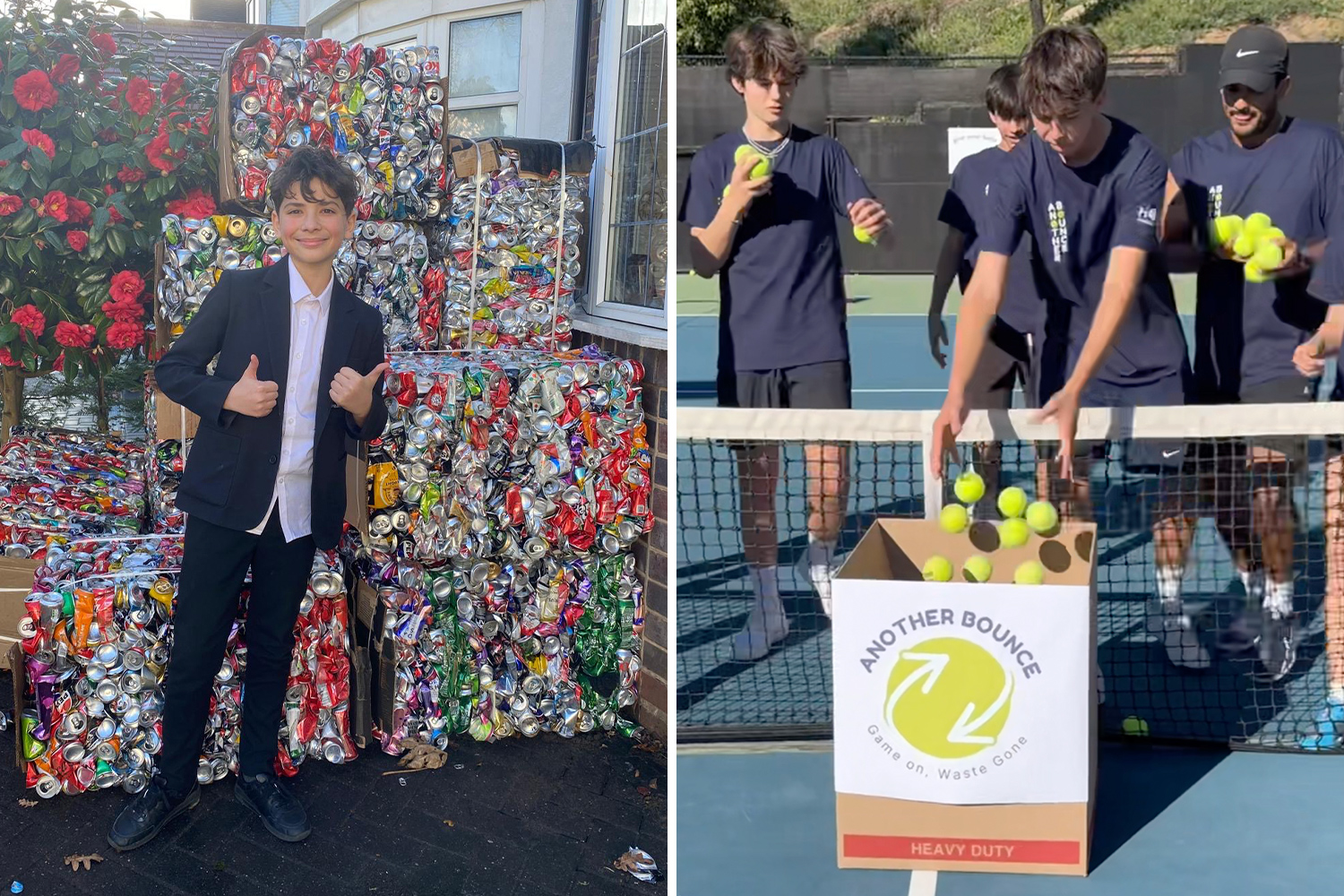
Ryan Hulance (left) and some of the teens from the Another Bounce project (right) are working to keep recyclable materials out of landfills.
Does it really matter if the metal and plastic we use gets recycled? Two stories—one from the United States and the other from the United Kingdom (UK)—prove that thoughtful recycling can change lives.
In the UK town of Solihull, 13-year-old Ryan Hulance has raised thousands of dollars for charity. He did it by recycling over a million cans.
The United Kingdom is one of many countries where scrap metal companies pay money for used cans. The companies recycle the metal so that it can be used in other products.
In 2023, Ryan started calling businesses and asking them if they had any used metal cans. He was soon collecting hundreds of cans per week. Since then, he has recycled enough cans to raise $20,000 for food banks and other charities.
We Can Community CIC
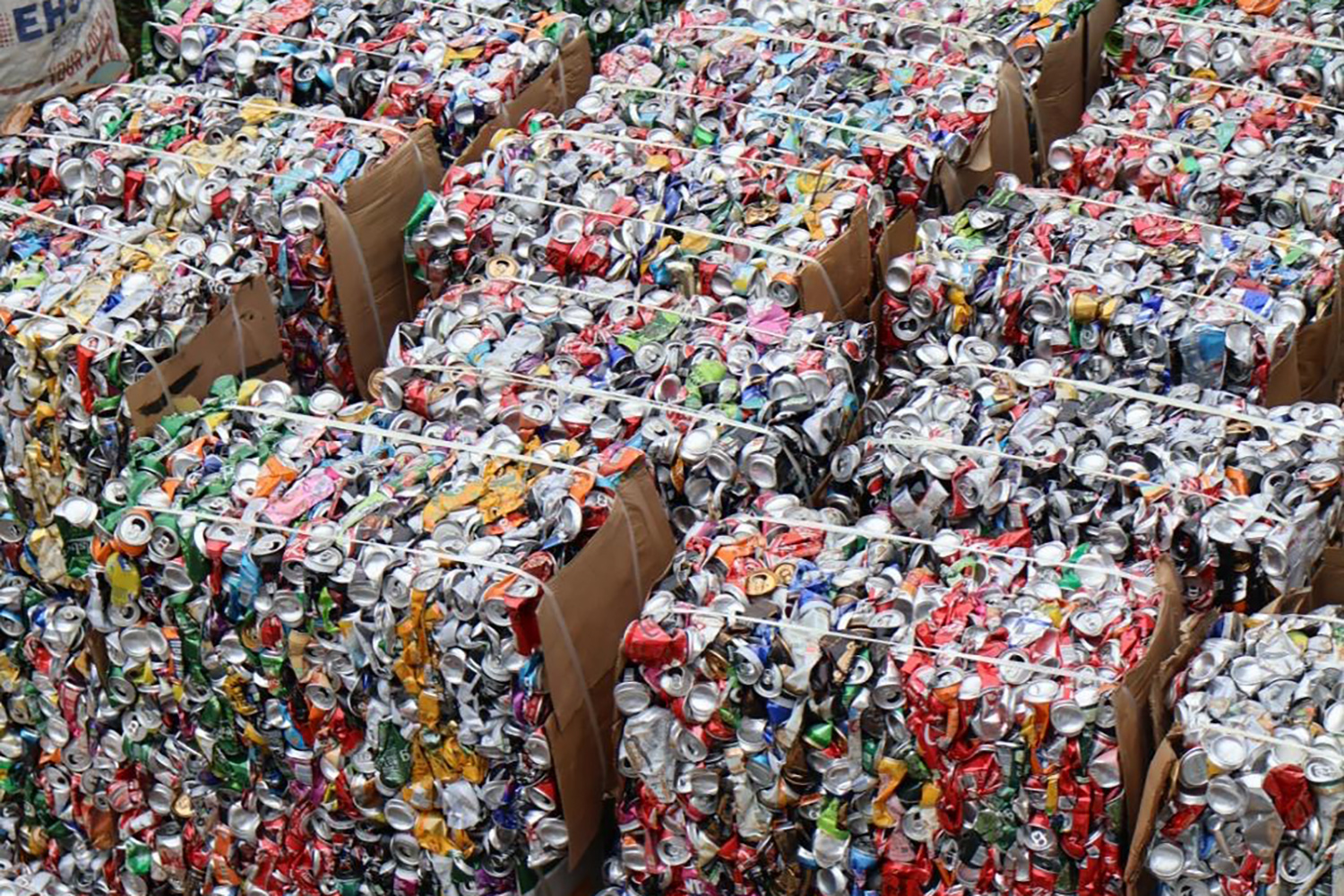
Cans collected by Ryan Hulance sit in his parents’ driveway.
“Sometimes I think I’d rather be playing video games with my friends, because I’m 13 years old,” Ryan told Southwest News Service in the United Kingdom. “But…I really love what I do because I get to help people and families who are in need.”
Across the Atlantic Ocean, in Los Angeles, California, 12 high school students are working together to keep old tennis balls and pickleballs out of landfills. In an effort called Another Bounce, the students collect balls from clubs and parks in their area and take them to a recycling plant. While the balls are made of different materials (pickleballs are plastic, and tennis balls contain rubber), they can all be recycled.

Habits of Waste
Teens hold a banner for Another Bounce, the project that recycles used tennis balls and pickleballs.
The recycling process breaks the balls down into materials that can be used to make things like plant pots, carpeting, and more. It’s a great alternative to throwing the balls away. They would end up in a landfill, where plastic can take hundreds of years to break down.
“We play the sport, we see the waste, and we aren’t waiting for adults to fix it,” the students said in a statement.