
Skip to content

Who Owns a Voice?

Pop star Taylor Swift joins a growing movement of people protecting their voices against AI copies.
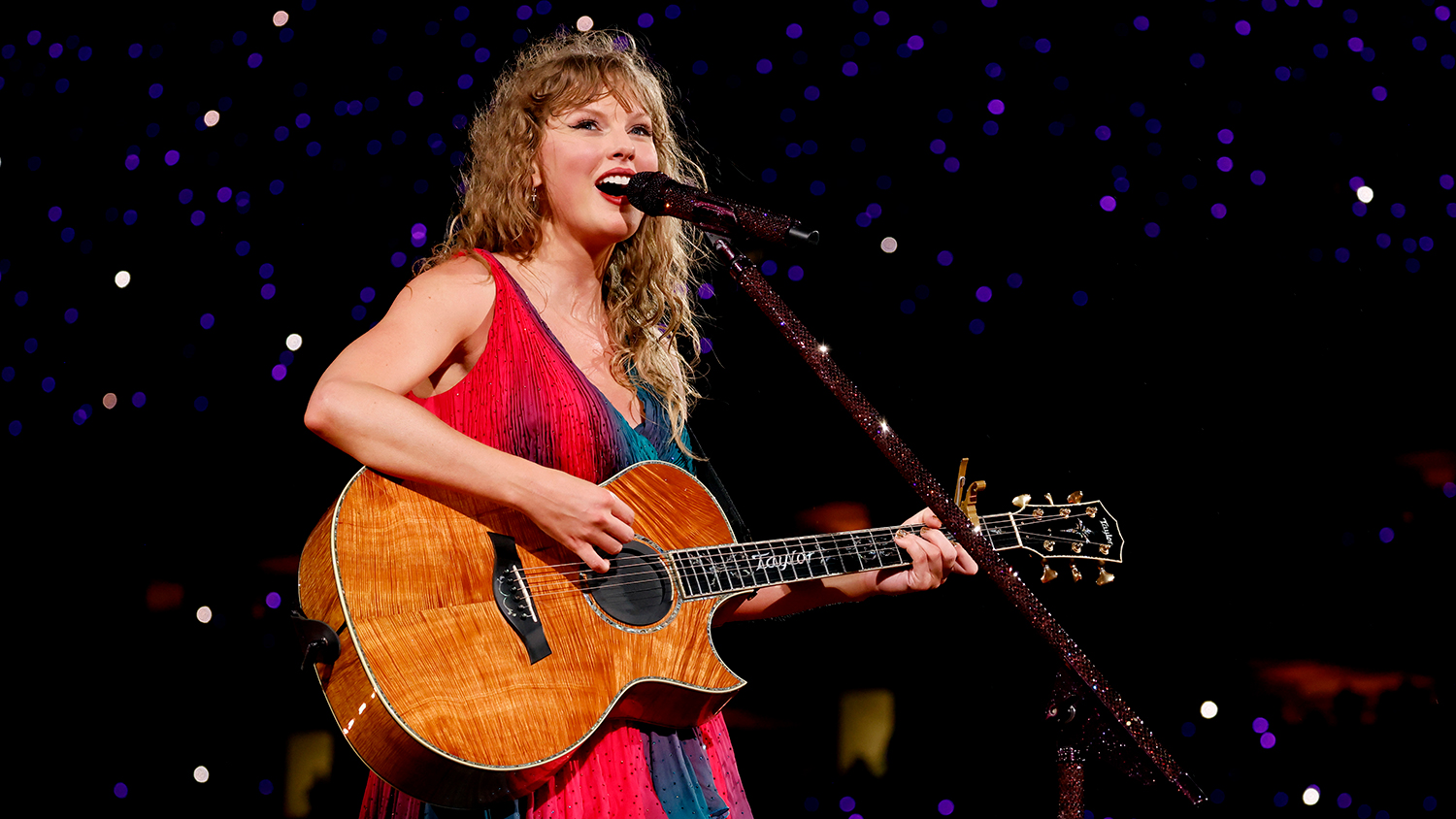
Taylor Swift stands on stage and smiles as she plays a guitar.

© Shearer/TAS24—TAS Rights Management/Getty Images

Taylor Swift performs in Miami Gardens, Florida, during the Eras Tour in 2024.

In April 2026, singer Taylor Swift filed a trademark application for her voice and image in a move to prevent artificial intelligence (AI) impersonations. While Swift may be one of the biggest stars to take this kind of action, she is joining others who are trying to legally protect their voices and faces from being used in AI-generated content.

A trademark is typically used to legally protect someone’s name, symbol, or creations by preventing anyone but the trademark holder from making money from them. Many brands have trademarked logos and slogans, like Nike’s “Just Do It” and the signature swoosh symbol that appears on their clothing and shoes. But with the rise of deepfakes, which are AI-generated images, videos, and audio clips that can reproduce the way someone looks and talks, an increasing number of celebrities want to protect their unique voices and features from being copied. The hope is that a trademark will prevent AI from using these stars’ likenesses or the phrases associated with them.
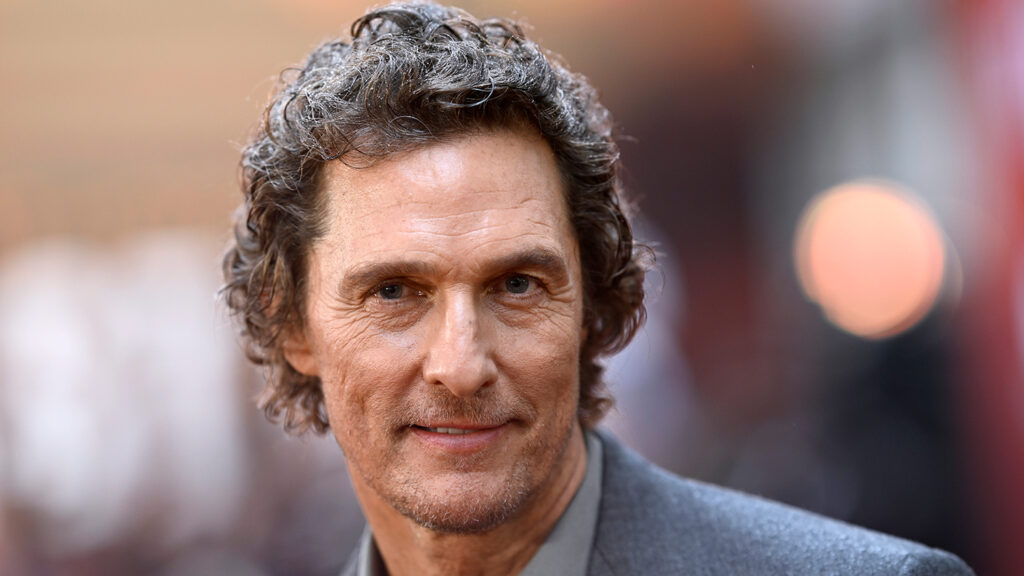
Closeup of Matthew McConaughey smiling at the camera while wearing a shirt and blazer.

© Gareth Cattermole/Getty Images

Matthew McConaughey attends an event in London, England, in 2025.

This year actor Matthew McConaughey became the first celebrity to trademark his voice and image, including his famous catchphrase, “alright, alright, alright.” Taylor Swift has filed trademark applications for the audio phrases “Hey, it’s Taylor Swift” and “Hey, it’s Taylor.” She also filed for a trademark of her likeness from the singer’s Eras Tour, where she is wearing a multicolored bodysuit and holding a guitar.

It isn’t just the rich and famous who are making moves to protect themselves from AI. Some countries and U.S. states are also working on laws that will protect people against AI theft. Voice actors in California are pushing for a law that will prevent AI models from stealing their voices from audio content, like video games. Last year the country of Denmark proposed a bill that would give each of its citizens a copyright of their own body and voice. This would make it illegal to share deepfakes and digital imitations of Danish citizens.
NEWS EXTRA

Backpack Wins Fat Bear Week

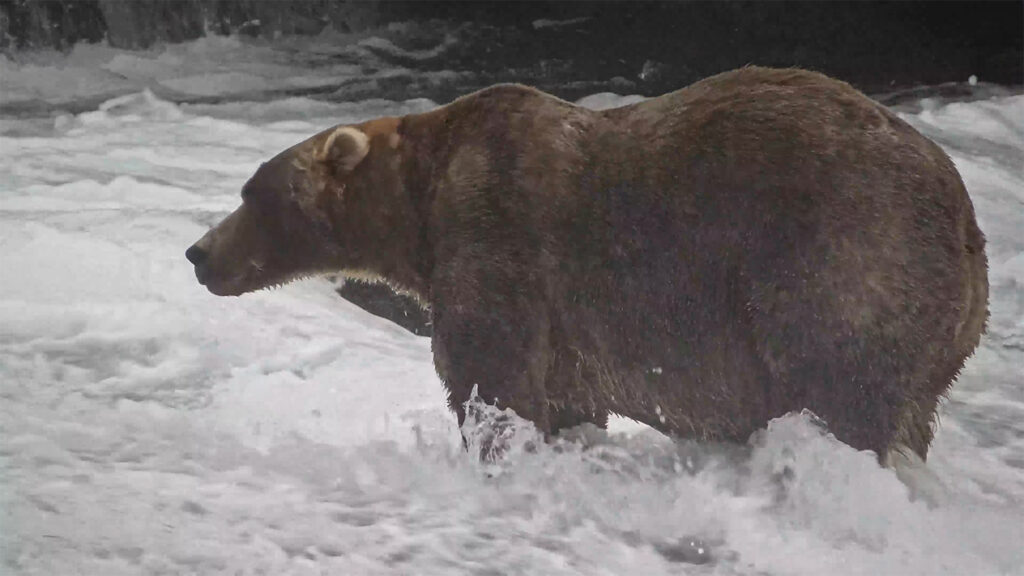
The brown bear called Backpack stands in rapidly moving water facing to the left of the camera.

Courtesy explore.org

As a cub, Backpack used to ride on his mother’s back when they swam. That’s where he got his name.

All the bears of Alaska’s Katmai National Park are fattening up for the winter, but there can be only one winner of the annual Fat Bear contest. This year’s top prize goes to a 1,200-pound (540-kilogram) gentle giant named Backpack.

Fat Bear Week takes place each fall as Alaskan brown bears fatten up on salmon to prepare for the long winter ahead. The public votes online to choose the bear that has bulked up the best. Backpack received more than 100,000 online votes to win a close victory against Bear 910, also known as “Dancing Queen.”.

Backpack is a quiet bear, known for sitting on a riverside rock for long periods of time. Maybe he’s confident in his dominance over other bears. After all, his mother, Holly, is a former Fat Bear Week champion.

Did You Know?

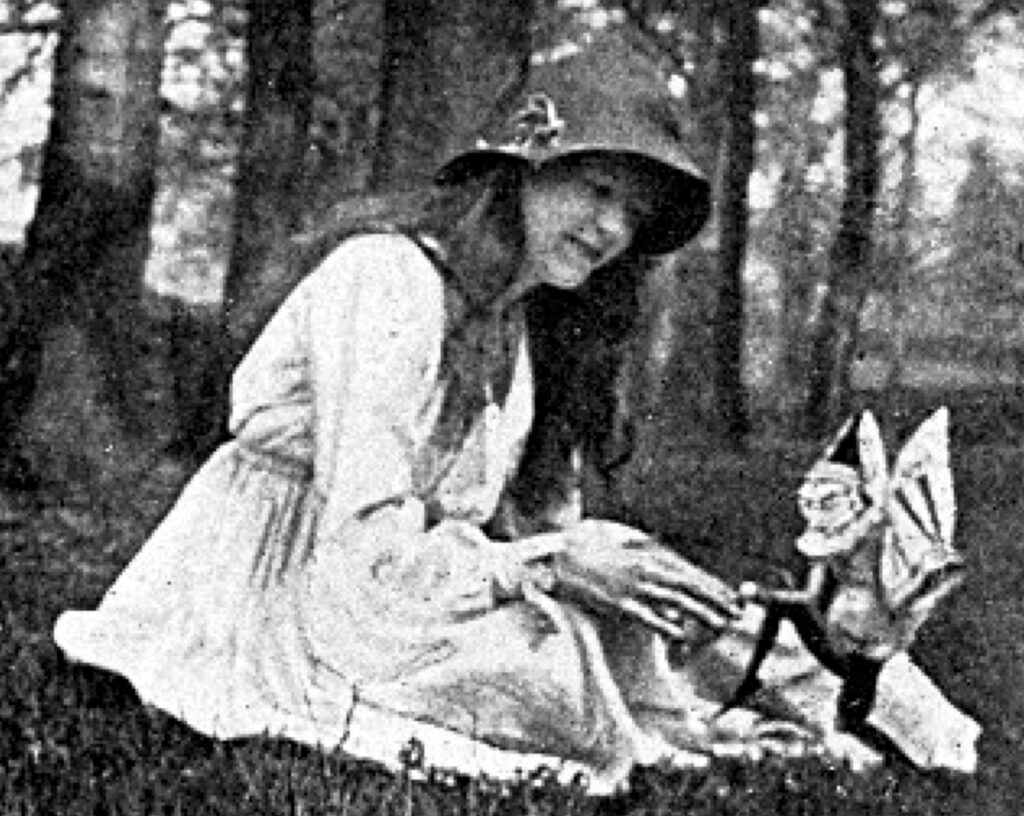
In 1920, people fell for one of the first worldwide photo hoaxes, called the Cottingley Fairies. Two young girls in England caused a sensation when they claimed to have photos of real fairies. Decades later, they admitted the fairies were paper drawings.

A woman in early 20th century clothing sits on grass and appears to be shaking hands with a tiny fairy creature.

© steeve-x-foto/Alamy

Elisie Wright poses with a fairy she claimed was real.

Signal Safety

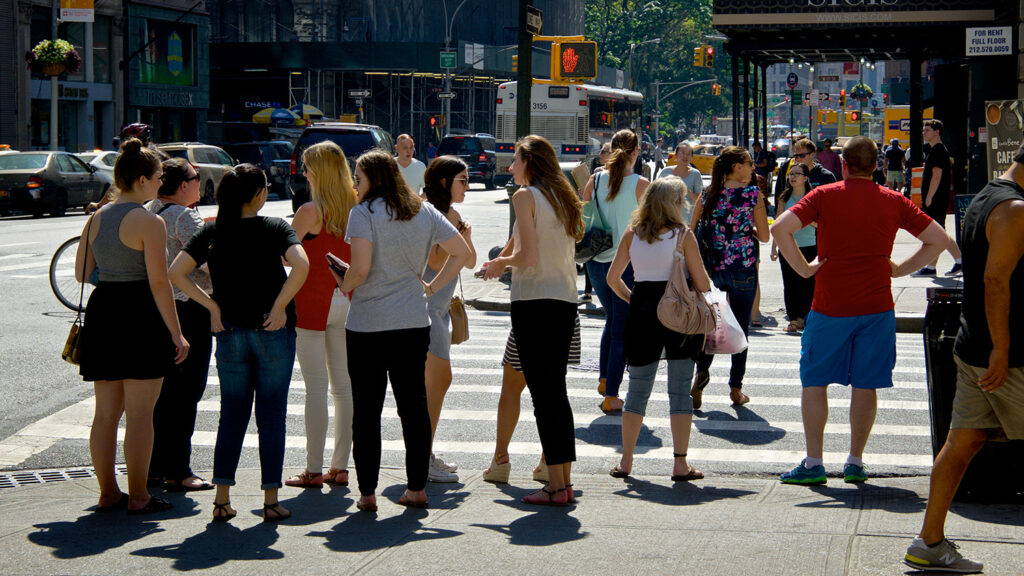
A large number of people are walking across a city street even though there is a red hand in the walk signal, indicating that pedestrians should not cross.

© JayLazarin—iStock Unreleased/Getty Images

Have you ever found yourself in this situation? You’re in the middle of crossing a busy street when the crosswalk signal turns from the “walk” to the “don’t walk” signal. Suddenly, you need to rush to cross before the cars reach you. Yaejoon Jung, a teen from Andover, Massachusetts, noticed this happening when he walked with his grandparents in their home of Seoul, South Korea.

“Whenever I would go with them to the local grocery store or the local park, I would realize that we were not even halfway and then the light just suddenly turns red,” said Jung in an interview with USA Today. It made him worried for his grandparents’ safety, and he wondered if there was a better system for crosswalks.

So Jung created SmartBlink, an invention that uses a camera and AI to adjust how long a crossing signal lasts based on a person’s speed. 

Here’s how SmartBlink works: A camera detects pedestrians (people walking) in a crosswalk, and an AI system calculates their speed. If necessary, the system will extend the walking signal by several seconds, ensuring slower pedestrians won’t be stuck in the middle of the road when the light changes. This system can also detect if someone is using a wheelchair, crutches, or a cane and adjust accordingly. 

Jung told USA Today that he designed SmartBlink to “make sure that this pedestrian doesn’t feel rushed and knows that they’re safe crossing.” 

Jung’s project earned first prize in the behavioral sciences category at the 2026 Regeneron International Science and Engineering Fair, along with $6,000. Jung is hopeful his invention will be implemented in crosswalks one day.

“I want to collaborate with different tech companies to ensure the mass production of these systems are available,” he said.

When Science Fiction Becomes Reality

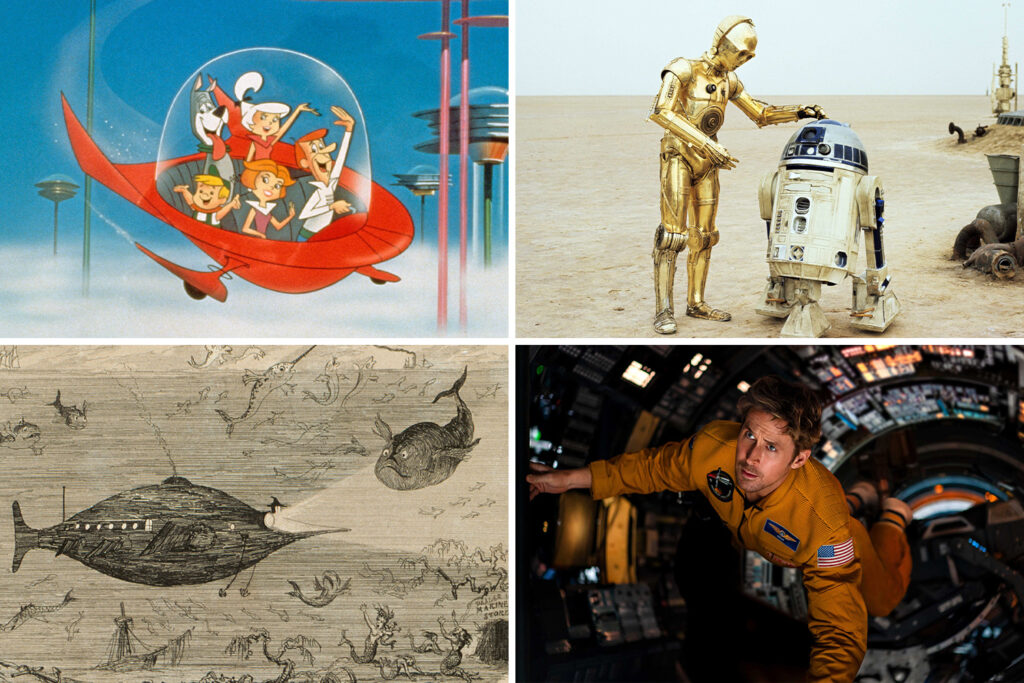
A composite shows images from the Jetsons, Star Wars, 20,000 Leagues Under the Sea, and Project Hail Mary.

© Warner Brothers—Hulton Archive/Getty Images, © Twentieth Century Fox, © Photo12—Universal Images Group/Getty Images, © 2026 Amazon MGM Studios/Pascal Pictures/Open Invite Films/Waypoint Entertainment/Lord Miller Productions; Photo composite Encyclopædia Britannica, Inc.

Do you recognize these images from science fiction TV shows, books, and movies?

Long before it became reality, humans dreamed up the possibility of an artificial intelligence—a human-like brain in a machine—in science fiction stories. What is science fiction, and what other fantastical ideas come from sci-fi books and movies? Learn more at Britannica!

WORD OF THE WEEK

ersatz

PART OF SPEECH:

adjective

Definition:

: copied from something else and usually not as good as the original

Definitions provided by
Merriam-Webster Logo

Crossword

How many words can you make from these letters? All words must use the letter in the center.

O
O
O
O
O
O

In Case You Missed It

The 2026 World Nomad Games celebrate cultures that wander.
September 24, 2026
Long-buried objects from history are coming to the surface in Europe’s drying rivers.
September 17, 2026
Actor Rita Moreno overcame prejudice to become a legend of stage and screen.
September 10, 2026
Sara Curtis broke the world record for the 50-meter backstroke two days in a row.
August 27, 2026

How to Cite This Page

Here is how to cite this page using the MLA style. While every effort has been made to follow citation style rules, there may be some differences. Please refer to the appropriate style manual or other sources if you have any questions.

“In the News: Who Owns a Voice?” Britannica School, Encyclopaedia Britannica, 4 Oct. 2026. https://news.eb.com/level2/who-owns-a-voice Accessed 5 Oct. 2026 [Replace this date with today’s date.]