All the Right Moves

Keya Jha poses with her head at the level of a chessboard that has been set up for a game.

All the Right Moves

Bodhana Sivananadan and Keya Jha, both age 10, recently defeated top-ranking chess players!

Keya Jha poses with her head at the level of a chessboard that has been set up for a game.

Courtesy of Vidya Shree Jha

Keya Jha poses with a chess set. Keya is the youngest American female player ever to win a chess game against a grandmaster.

Two 10-year-old girls are making big moves in the game of chess. The girls, who live in different parts of the world, both defeated chess champions many times their age. And the girls’ victories happened within hours of each other.

The first shake-up took place in the United Kingdom on August 10, when Bodhana Sivananadan of London defeated 60-year-old chess grandmaster Peter Wells. (“Grandmaster” is the highest title, or level, a chess player can earn.) Bodhana is the youngest female player ever to win a chess game against a grandmaster. 

“Sivanandan’s victory at 10 years, five months and three days beats the 2019 record held by American Carissa Yip (10 years, 11 months and 20 days),” the International Chess Federation said on the social media site X. The win earned Bodhana the title of “woman international master.”

Bodhana Sivananadan sits at a table at a tournament where a chessboard and timer have been set up. She is surrounded by other players.

Courtesy of Yury Krylov/English Chess Federation

Bodhana Sivananadan poses at the chess event where she became the youngest female ever to win a game against a grandmaster.

Bodhana is a three-time world champion in the under-8 category, for players under age 8. She started playing chess in 2020, after finding a chess set her dad’s friend had left at her family’s house. She told the BBC that she enjoys the game, which requires players to think ahead but also react to their opponent’s moves.

Just after Bodhana’s victory, Keya Jha defeated 45-year-old grandmaster Bryan Smith in the United States. At 10 years, nine months, and two days old on the day of her big win, Keya is older than Bodhana, but she’s still the youngest American female player ever to win a game against a grandmaster. 

Keya, who is from the U.S. state of Ohio, has been playing chess since she was 4 years old. She also competes in ping pong and has a black belt in taekwondo. And she loves to watch cartoons.

“My favorite part about playing chess is that it’s a universal game with no age barriers,” Keya told the Columbus Chess Academy. “I love the feeling of accomplishment, whether it’s a hard-won victory or a loss where I went down fighting.” 

 

Face Thinking Icon

Did You Know?

There are about 40 moves, or turns, in the average chess game. In 1989, two chess masters played a game that had 269 moves. The game lasted for more than 20 hours!

A hand hovers over a chess piece on a chessboard in the middle of a game.

© Gregor Fischer—picture alliance/Getty Images

Straight from Ancient Rome!
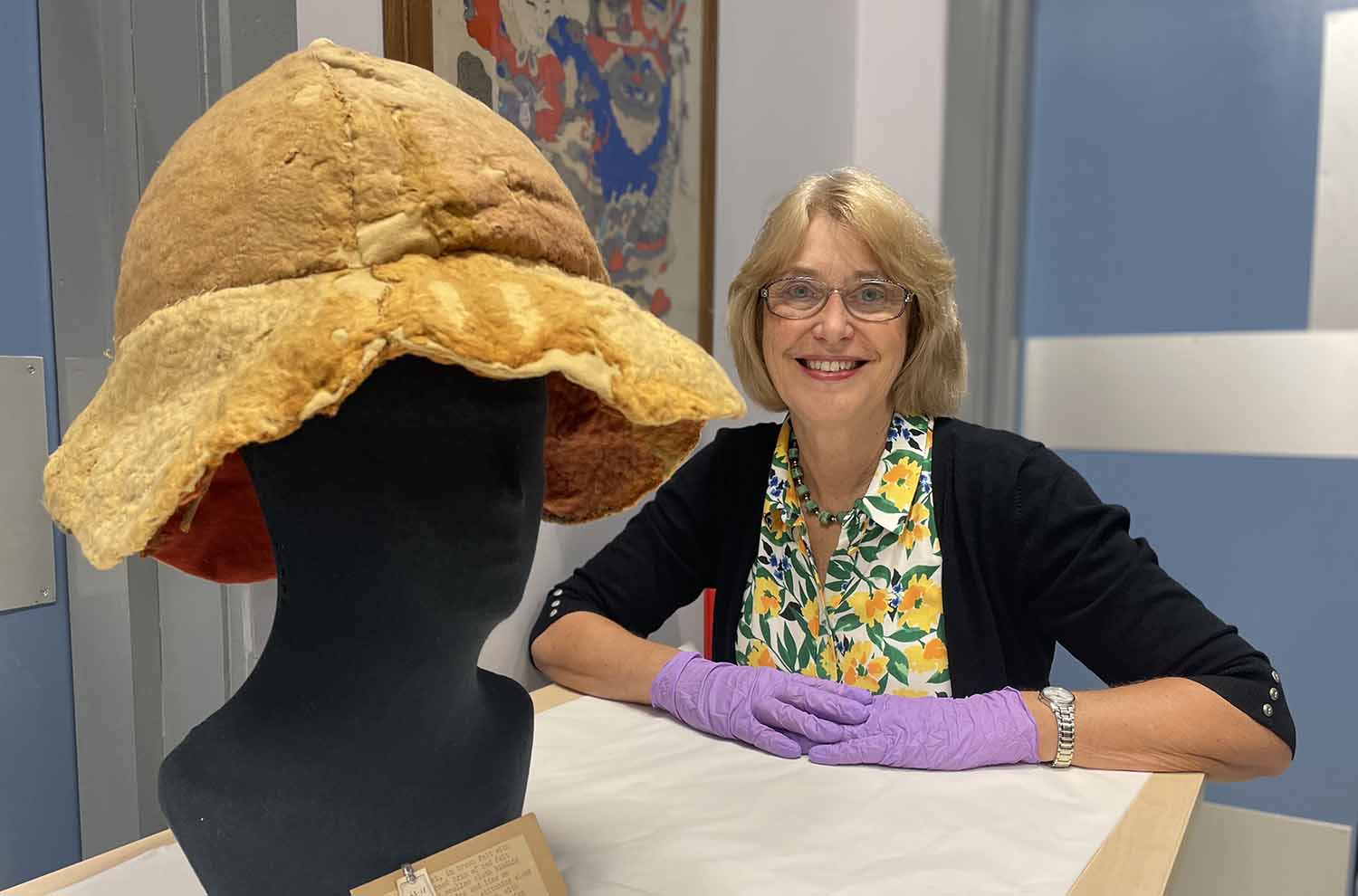
Jacqui Hyman wears purple gloves as she sits next to a felt hat that is on a mannequin.

© Ian Trumble/Bolton Library and Museum Services

This felt hat was probably worn by an ancient Roman soldier nearly 2,000 years ago. Jacqui Hyman, seen here, helped preserve the hat. Hyman is a conservator, a person who repairs and preserves ancient art and objects.

Picture this. You’re a soldier in the ancient Roman Empire. It’s a hot, sunny day. How can you protect yourself from the Sun’s rays? One idea is to put on a hat. But did ancient Romans wear sun hats? Some of them did! 

The Bolton Museum in the United Kingdom is now displaying a felt hat that was made about 2,000 years ago, probably for an ancient Roman soldier. The hat was discovered in 1911 by an archaeologist named William Matthew Flinders Petrie. 

Based in what is now Italy, the ancient Roman Republic began in around 500 BCE. Over several hundred years, it grew into an empire, spreading all over southern Europe and into northern Africa. By about 30 BCE, the Romans had taken over the ancient Egyptian civilization. That’s where the felt hat comes in.

The hat was most likely made for a Roman soldier who was based in Egypt. It was probably designed to help the soldier deal with sandstorms and high temperatures. Both of these are common in Egypt.

Get a Kick Out of This!

Two young women engage in a taekwondo fight.

© BUGNUT23/Shutterstock.com

Two young women take part in taekwondo.

Chess champion Keya Jha—from the top article on this page—is also a black belt in taekwondo. You can learn more about this Korean martial art at Britannica!

Word of the Day Icon

Word of the Day

strategy

Part of speech:

noun

Definition:

: a careful plan or method for achieving a particular goal usually over a long period of time

Definitions provided by
Merriam-Webster Logo
Game Icon

Play

Word Search
.

In Case You Missed It

Taryn Smith is the first American woman to row solo across the Atlantic Ocean.
March 5, 2026
A powerful waterfall doesn’t easily freeze, but this winter has been especially cold!
March 3, 2026
For Women’s History Month, we’re honoring two women who inspired many others to take to the skies.
February 26, 2026
Baseball player Ron Teasley has died. Teasley was one of the last living athletes to play in the Negro Leagues.
February 24, 2026

Young Inventor Helps Those in Need

Rebecca Young stands wearing her school uniform.

Young Inventor Helps Those in Need

Rebecca Young designed a way to help people experiencing homelessness in her city to keep warm.

Rebecca Young stands wearing her school uniform.

Courtesy of TIME and the LEGO Group

Rebecca Young of Scotland earned international recognition for her invention, which helps people experiencing homelessness.

If a teacher asked you to design something that could help people in need, what would you create? 

When 11-year-old Rebecca Young received this assignment for a school project, she wanted to help people experiencing homelessness in her home city of Glasgow, Scotland. Rebecca knew they needed something to help them keep warm during the cold winters. She wondered, what if they could have a portable warming device? 

Rebecca designed a solar-powered backpack that can charge an electric blanket inside the backpack. Solar panels on the backpack collect the Sun’s energy and turn it into electricity to power the blanket. This gives the backpack wearer a warm blanket anywhere they need one. 

“The idea came from seeing how hard it is for people living on the streets of Glasgow, especially during winter, and wanting to create something that could make a real difference,” Rebecca, who is now 13, told The Guardian.

Rebecca’s backpack design won an engineering award in the United Kingdom. An engineering company used her design to make 30 backpacks with blankets. The company donated the backpacks to charities that help Glasgow residents who are experiencing homelessness.

Now, Rebecca is among the 10 young people named in Time magazine’s Girls of the Year list, which recognizes young leaders who are inspiring their communities. 

“Knowing that something I came up with is helping others makes me feel really proud. By seeing themselves as builders, girls can challenge norms, pursue any passion, and shape the world,” said Rebecca.

The 10 young people from Time’s 2025 Girls of the Year list stand smiling together in a composite image.

Photo-Illustration by TIME (Source Images: Courtesy Photos via TIME and the LEGO Group)

Time named 10 young leaders from around the world in a first-ever Girls of the Year list.

The other nine girls on Time magazine’s list are

  • Rutendo Shadaya, 17, a book author from New Zealand
  • Coco Yoshizawa, 15, an Olympic skateboarder from Japan
  • Valerie Chiu, 15, a teen science educator from China
  • Zoé Clauzure, 15, an anti-bullying advocate from France
  • Clara Proksch, 12, an advocate for child safety from Germany
  • Ivanna Richards, 17, a racecar driver from Mexico
  • Kornelia Wieczorek, 17, a biology researcher from Poland
  • Defne Özcan, 17, an airplane pilot from Turkey
  • Naomi S. DeBerry, 12, an organ donation advocate and author from the United States
Face Thinking Icon

Did You Know?

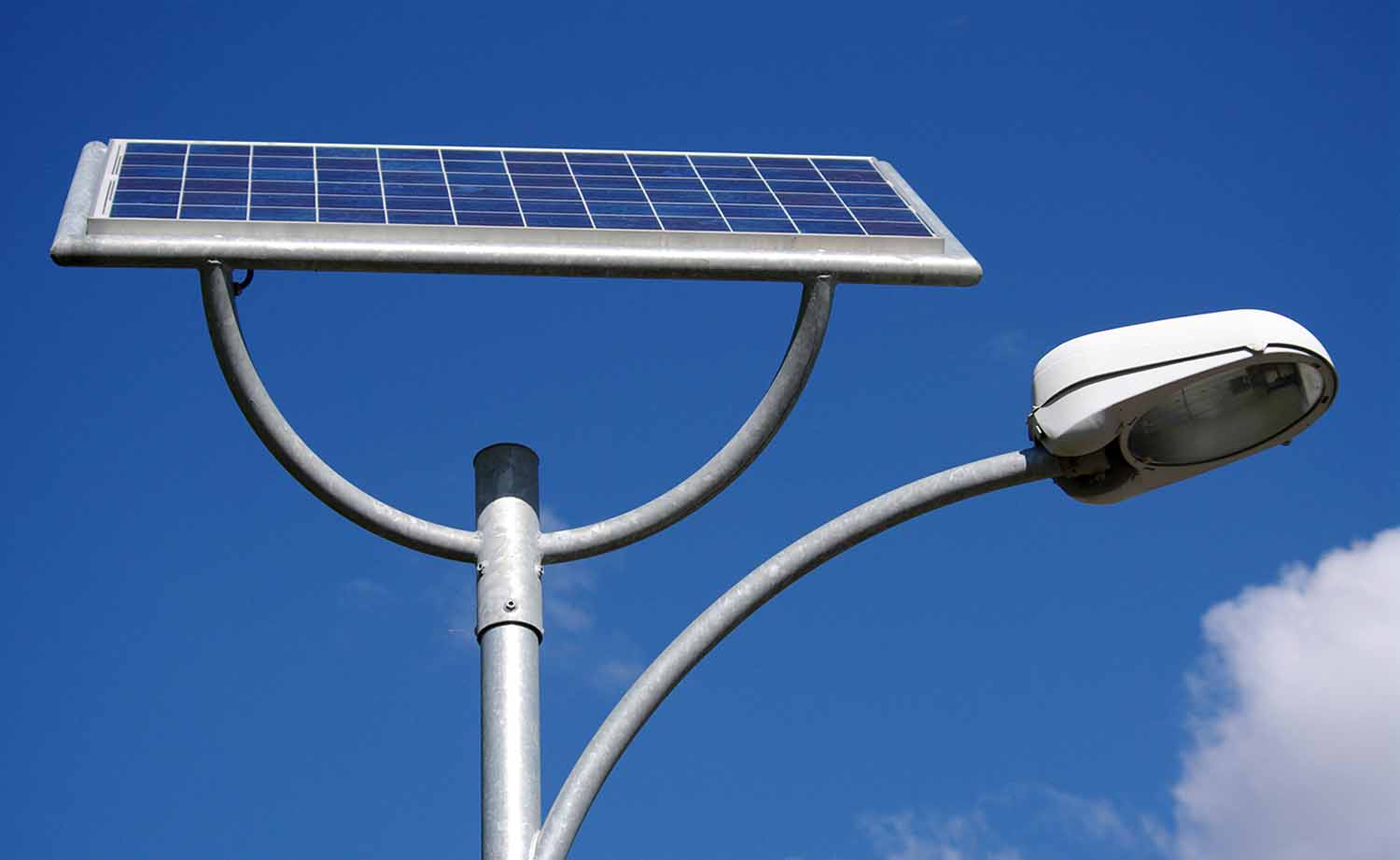
Solar panels have been around for more than 140 years. The first solar panel was invented in 1883, and it used gold to help turn sunlight into electricity! 

A solar panel is attached to a street light.

© rolfo allgaeu—Moment/Getty Images

A solar panel powers a street light in Bavaria, Germany.

Getting to School Around the World!

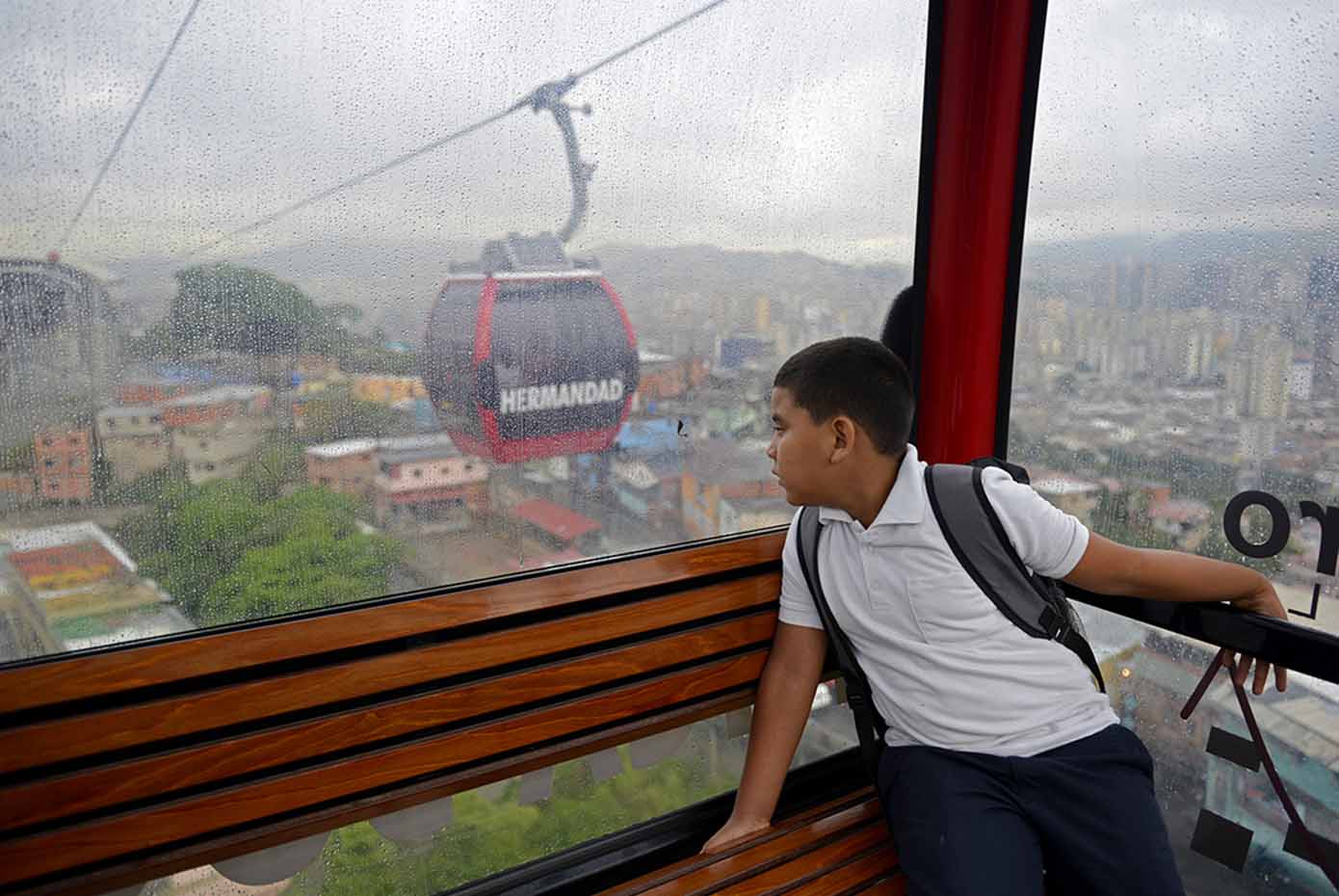
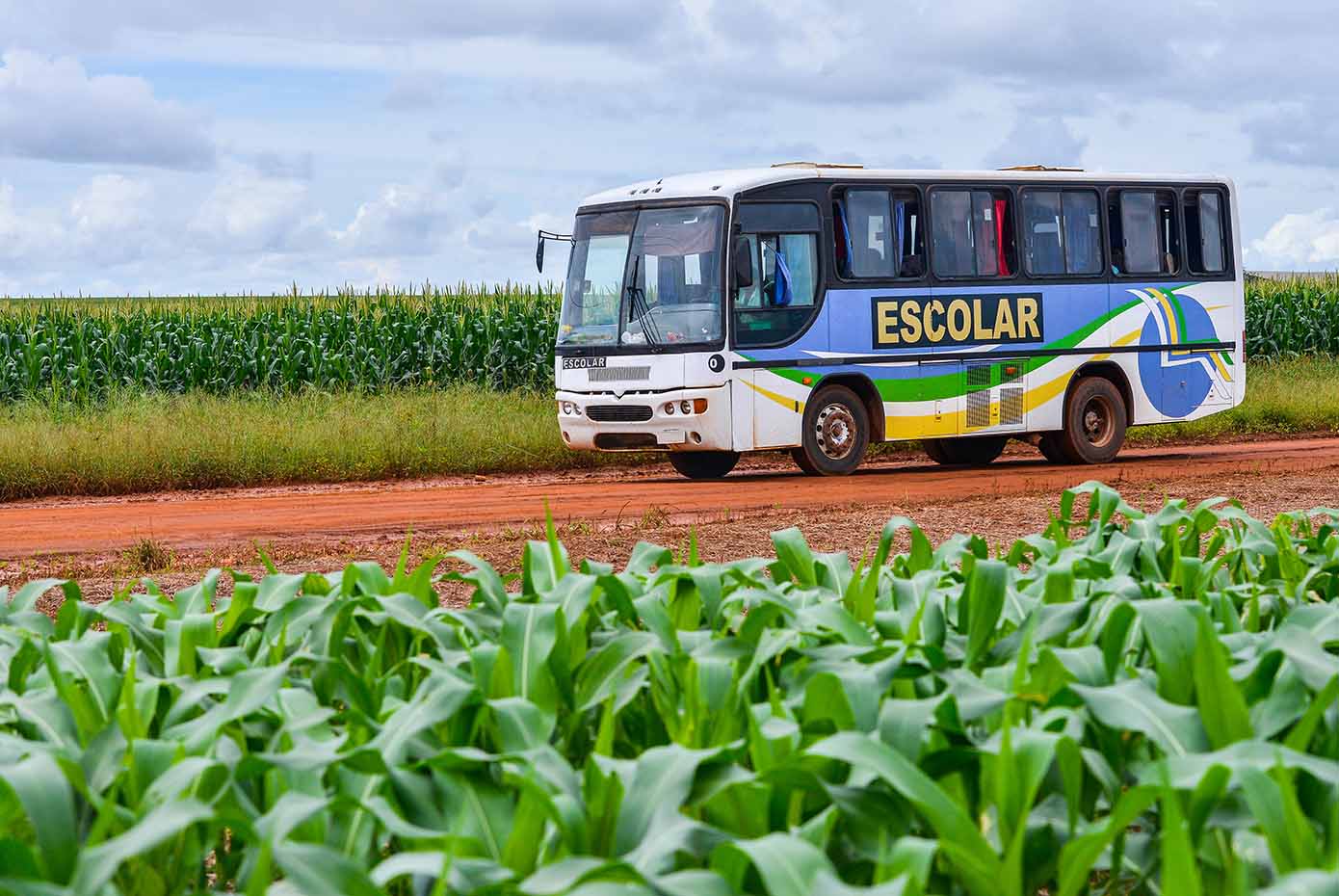
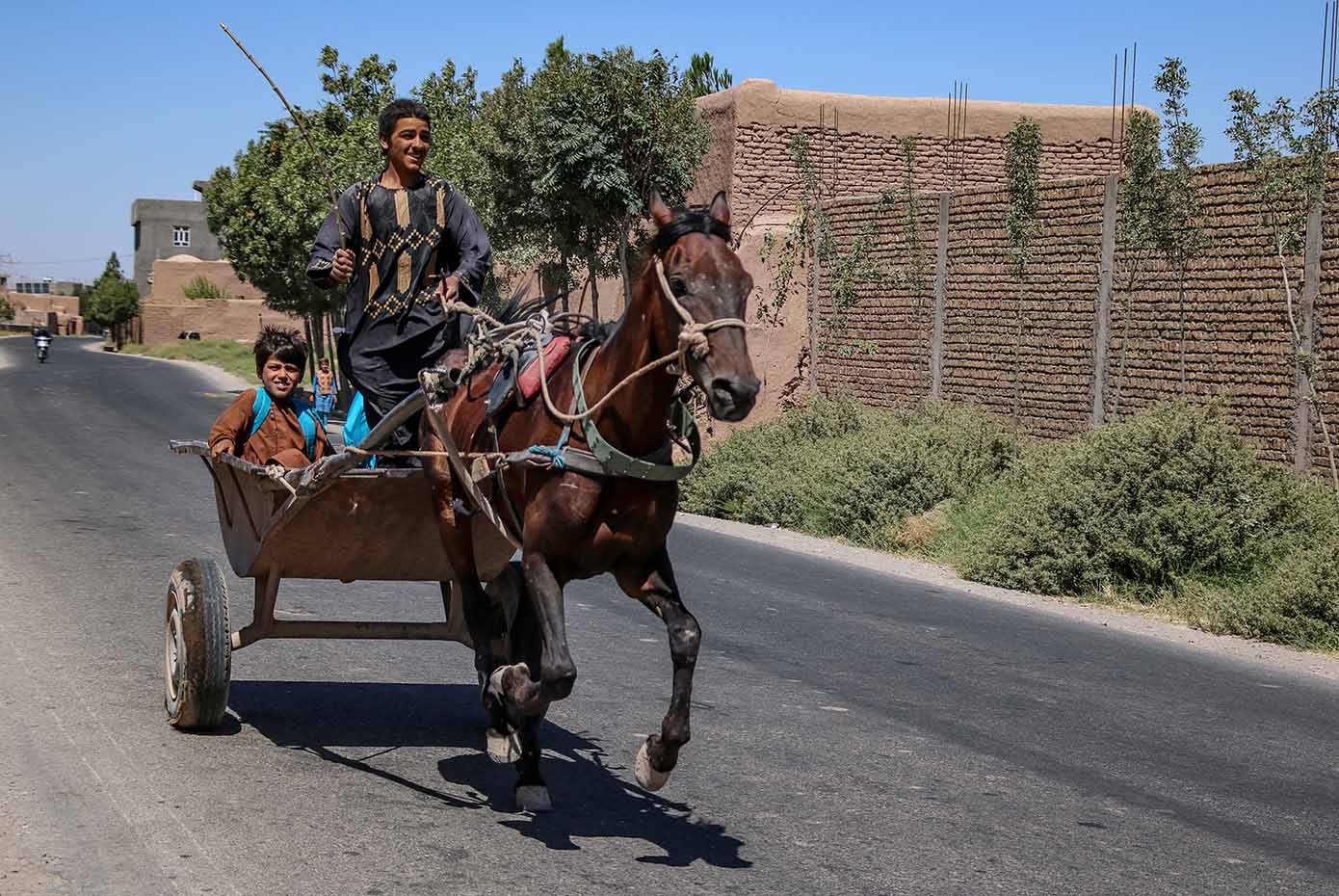
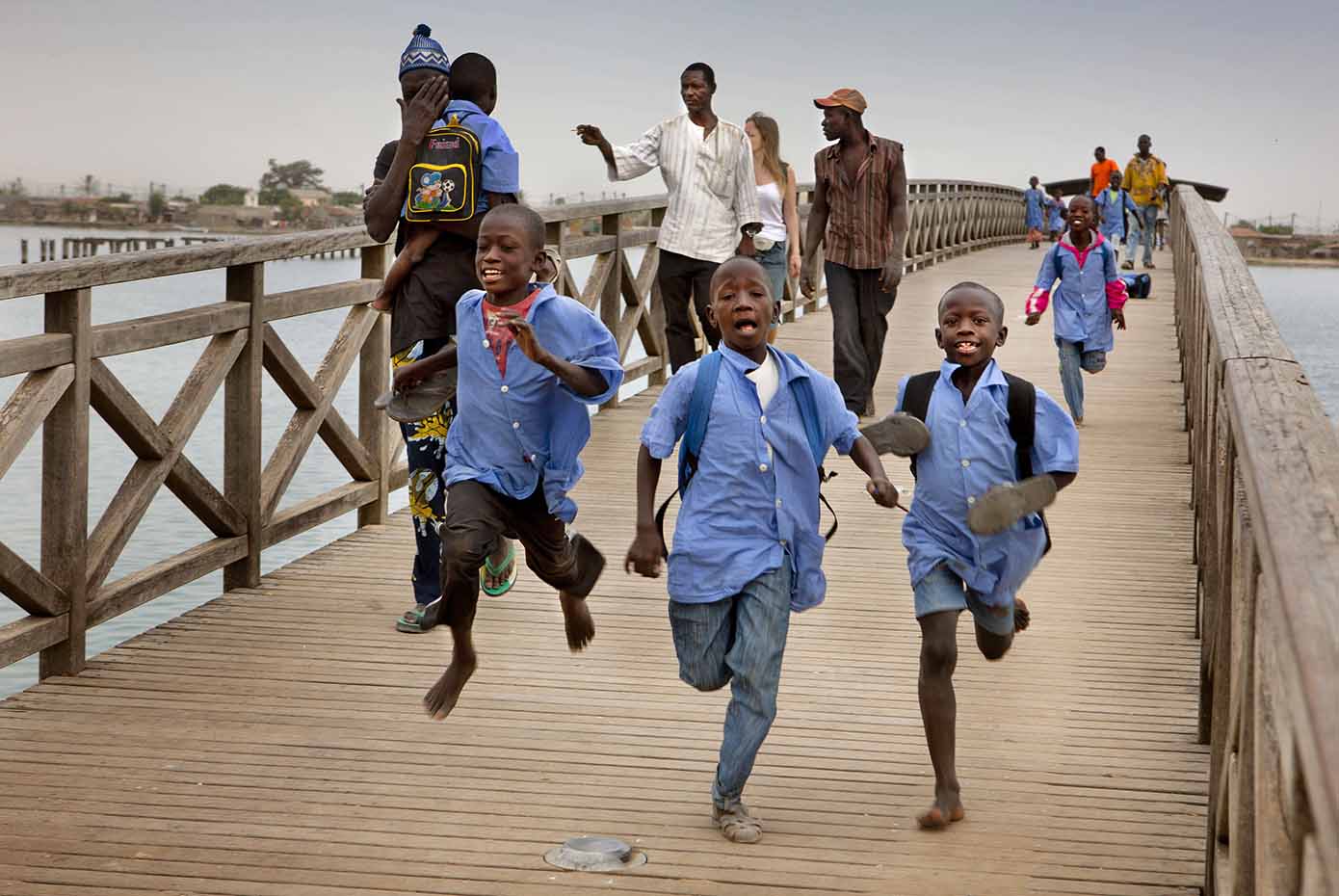
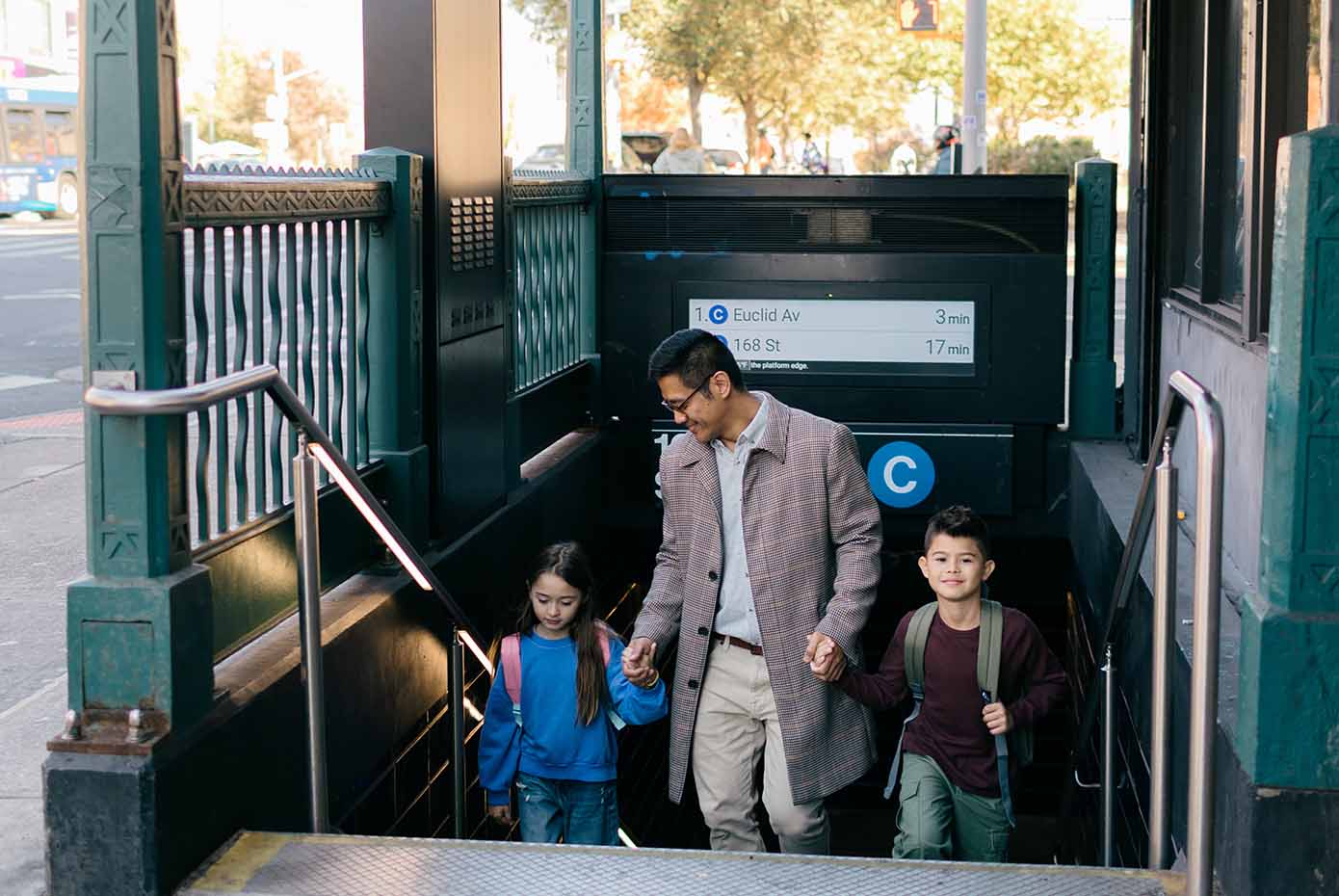
It’s back-to-school time! How do you get to school every day? Is it in a car? Is it a big yellow bus? Or maybe it’s something else. 

Kids around the world travel to school in different ways. Some kids ride a bike, and others take a boat! Here are just some of the ways children get to school.

© Leo Ramirez—AFP/Getty Images, © Noel Celis—AFP/Getty Images, © Lucas Ninno—Moment/Getty Images, © Mohsen Karimi—AFP/Getty Images, © Barry Lewis/In Pictures Ltd.—Corbis Historical/Getty Images, © Shaw Photography Co.—Moment/Getty Images

The Power of the Sun

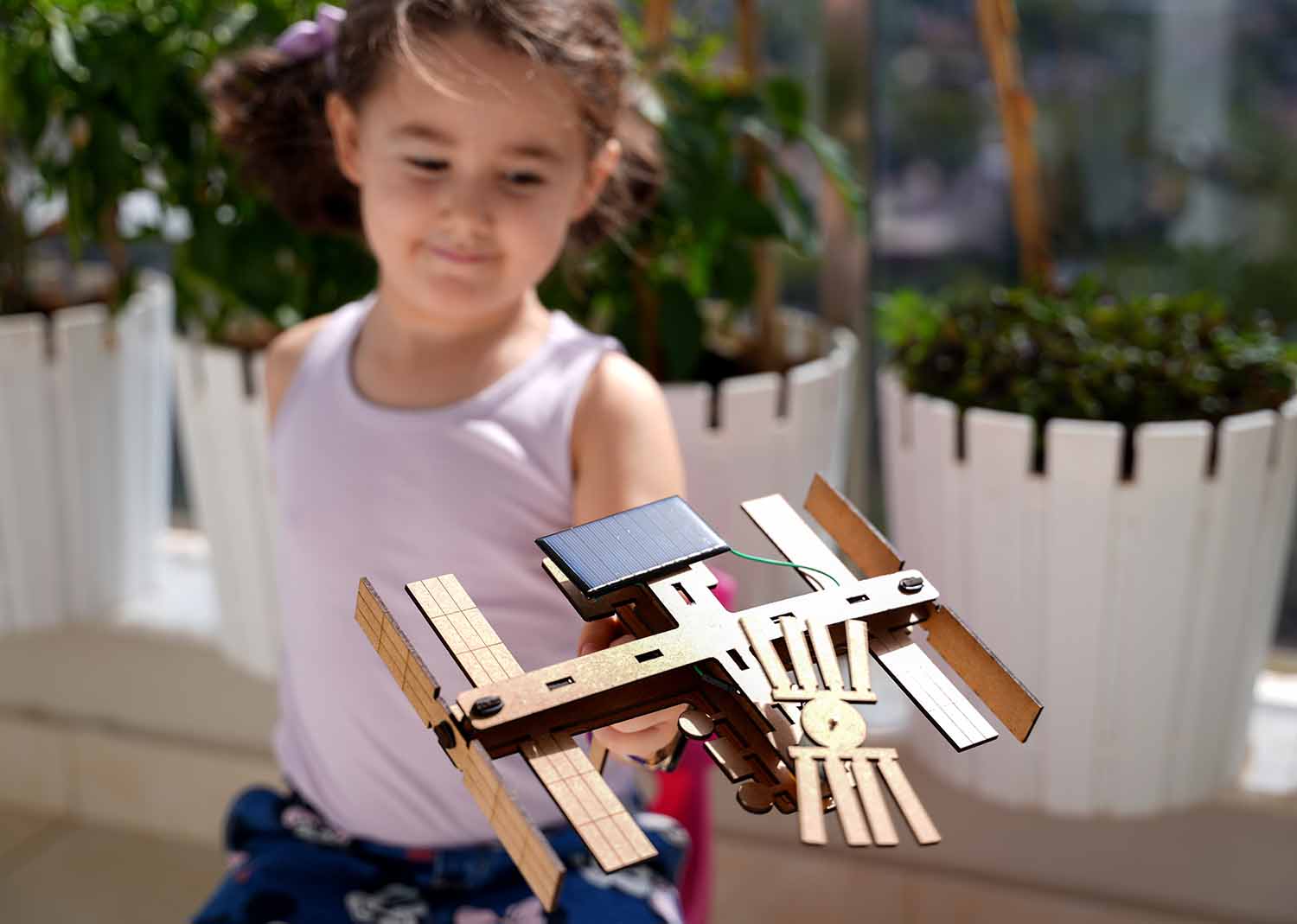
A child plays with a wooden space station toy that is powered by a small solar panel.

© DoganKutukc—E+/Getty Images

Solar energy can power toys, like this wooden space station with a small solar panel.

Every day, the Sun sends a lot of energy to Earth! Plants use the energy to grow, but what can humans do with it? We can collect that energy to make electricity! 

Learn more about solar energy at Britannica.

Word of the Day Icon

Word of the Day

innovate

Part of speech:

verb

Definition:

: to do something in a new way

Definitions provided by
Merriam-Webster Logo
Game Icon

Play

Criss Cross

.

In Case You Missed It

Taryn Smith is the first American woman to row solo across the Atlantic Ocean.
March 5, 2026
A powerful waterfall doesn’t easily freeze, but this winter has been especially cold!
March 3, 2026
For Women’s History Month, we’re honoring two women who inspired many others to take to the skies.
February 26, 2026
Baseball player Ron Teasley has died. Teasley was one of the last living athletes to play in the Negro Leagues.
February 24, 2026

A Dog’s Nose Knows!

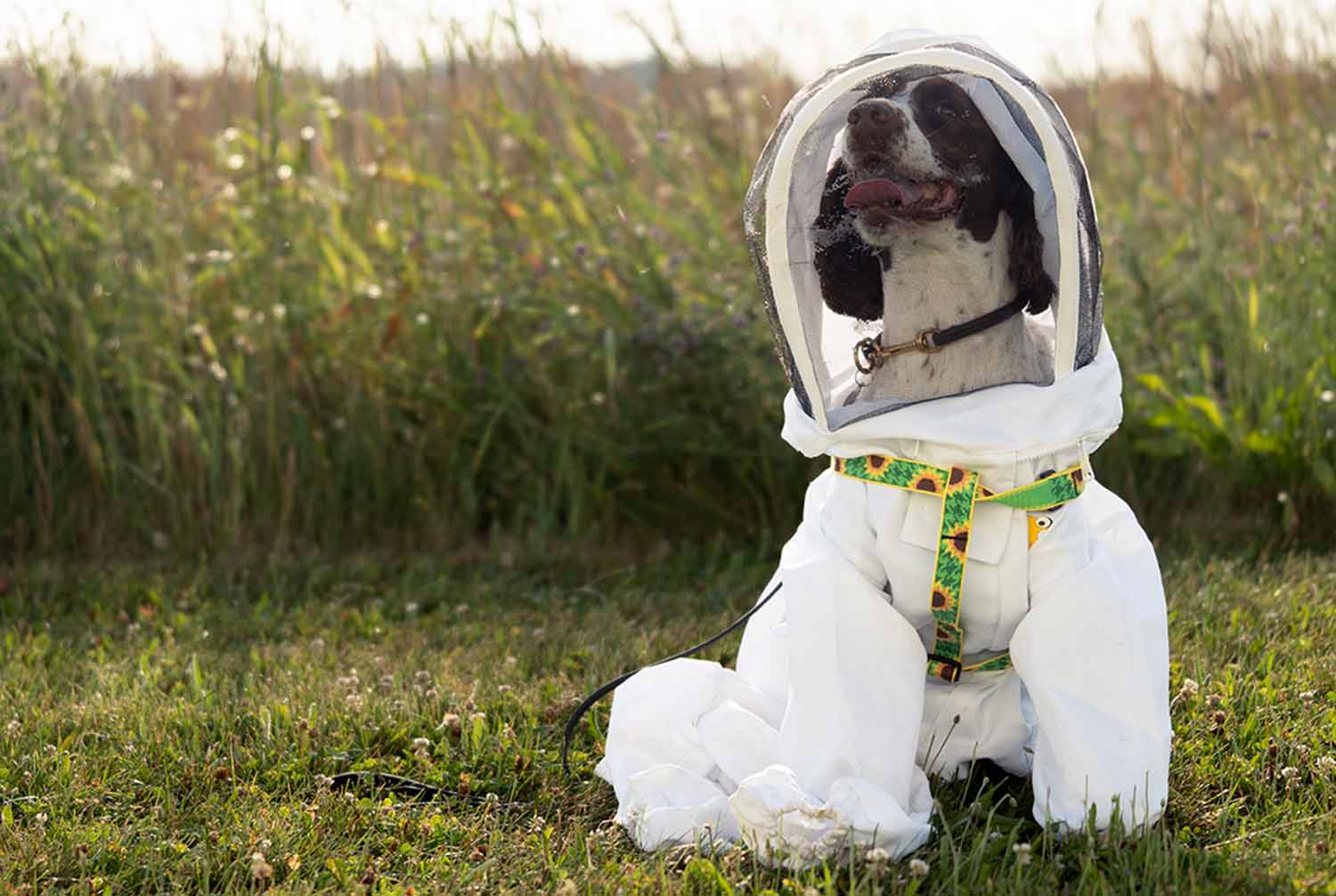
A black and white English springer spaniel sits in a bright white bee protection suit, including a helmet with netting.

A Dog’s Nose Knows!

Dogs like Maple the English springer spaniel are using their sensitive noses to track diseases that can destroy beehives.

A black and white English springer spaniel sits in a bright white bee protection suit, including a helmet with netting.

Courtesy of © Greg L. Kohuth/Michigan State University

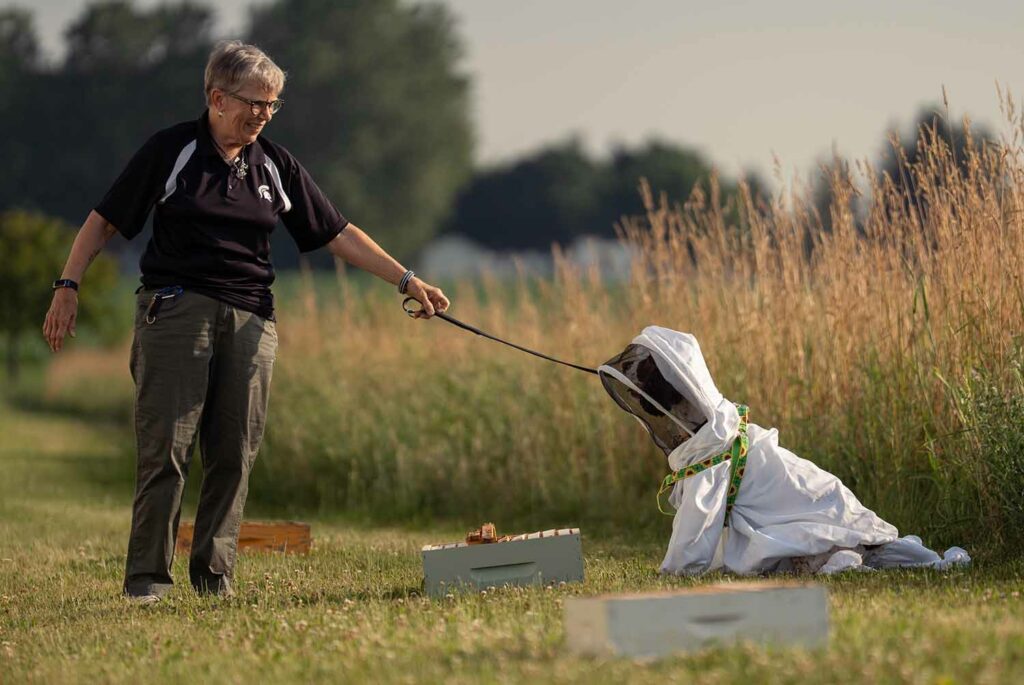
Maple, an English springer spaniel, poses in her beekeeper suit.

When Sue Stejskal puts her dog Maple in a bright white suit, she’s not playing dress up. She’s preparing Maple for an important task. Maple, a 9-year-old English springer spaniel, uses her amazing sense of smell to identify disease in beehives.

Bees play an important role in maintaining our food supply. They’re pollinators, meaning they help plants, including farmers’ crops, to reproduce. But the bee population has been falling in recent years, due partly to the spread of deadly diseases that people sometimes cannot detect until it’s too late. That’s where dogs like Maple come in. Research shows that dogs’ noses are so sensitive that they can sniff out certain diseases.

Researchers at Michigan State University (MSU) are training dogs to use their noses to find American foulbrood, a bacterial disease that can destroy the hives of honeybees by killing bee larvae (young bees).

A woman stands in a field leading a dog that is wearing a beekeeper suit next to some bee boxes.

Courtesy of © Greg L. Kohuth/Michigan State University

Maple and her owner, Sue Stejskal, during a training session. Maple is learning to sniff out disease in beehives.

Maple is up to the task. Having been a police dog for many years, she’s easily trained and eager to please.

“She is a very energetic springer spaniel who really likes to work and have a purpose, and so this was a wonderful opportunity for her to continue working,” Stejskal, Maple’s owner, told Bridge Michigan.

Maple’s suit is similar to the protective gear that beekeepers wear. It includes a head veil and four booties for her paws—in case she steps on a bee. Once she’s suited up, the brown and white dog runs between hives. If she smells the bacteria that cause disease, she stops and looks at her trainer. 

MSU researchers are using their experience training Maple to write instructions on how to train other dogs to detect hive diseases. Then beekeepers and dog trainers everywhere could put dogs to work, saving bees and our food supply.

Fun Fact Icon

Fun Fact

A healthy beehive can make up to two pounds of honey a day!

© Borovikk—Creatas Video+/Getty Images

Four-Legged Helpers

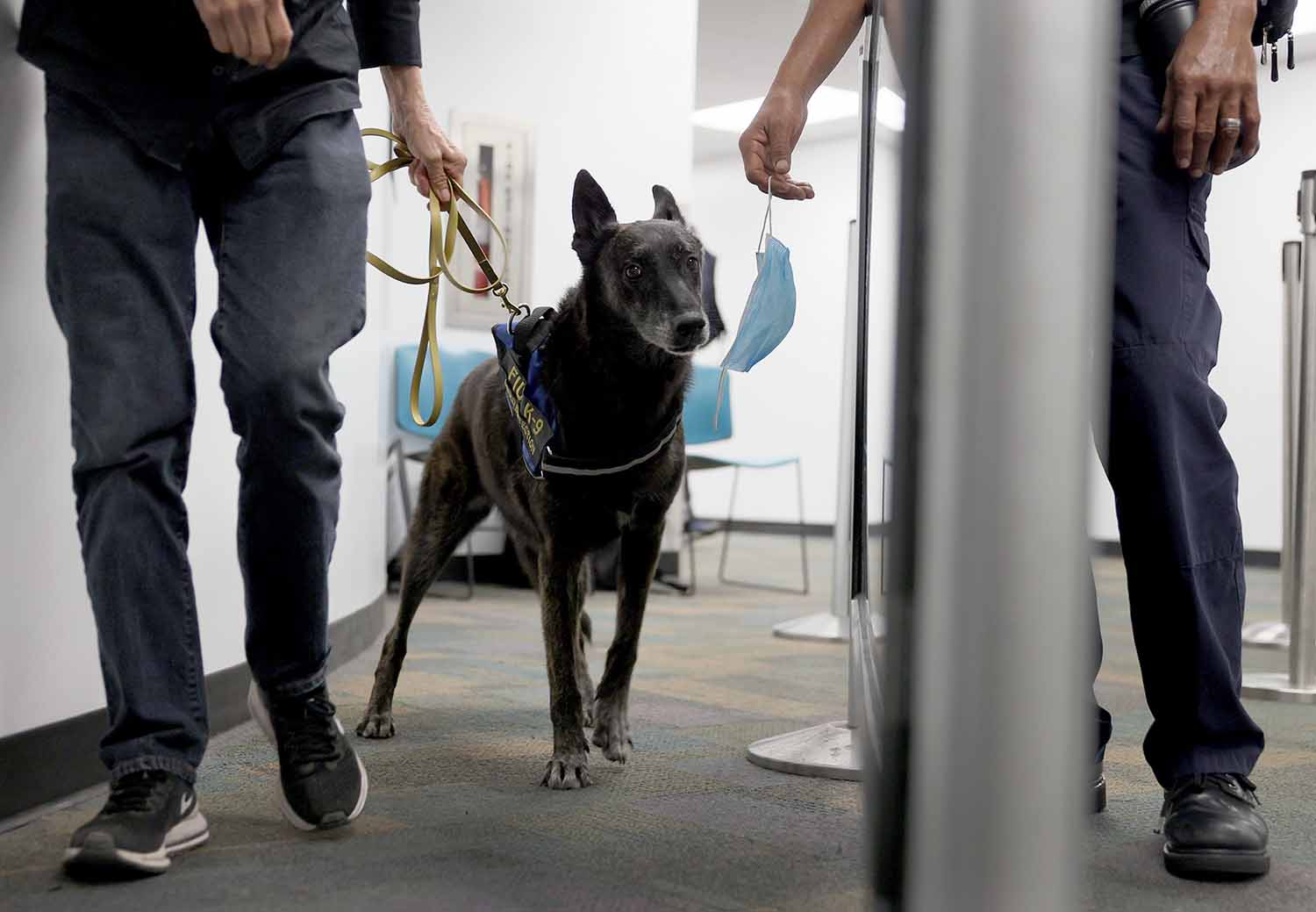
A large dog stands next to two people, one of whom is holding out a surgical mask for the dog to smell.

© Joe Raedle/Getty Images

In this 2021 photo, a dog called One Betta works at an airport sniffing people’s masks to find the COVID-19 virus.

Researchers are studying dogs’ ability to smell human diseases in everything from our breath to the oils on our skin. 

Currently, they believe our four-legged friends may be able to detect malaria, cancer, diabetes, and Parkinson’s disease. While researchers have other ways to detect these diseases, dogs’ noses may be much faster tools than microscopes and other instruments.

Bee Prepared!

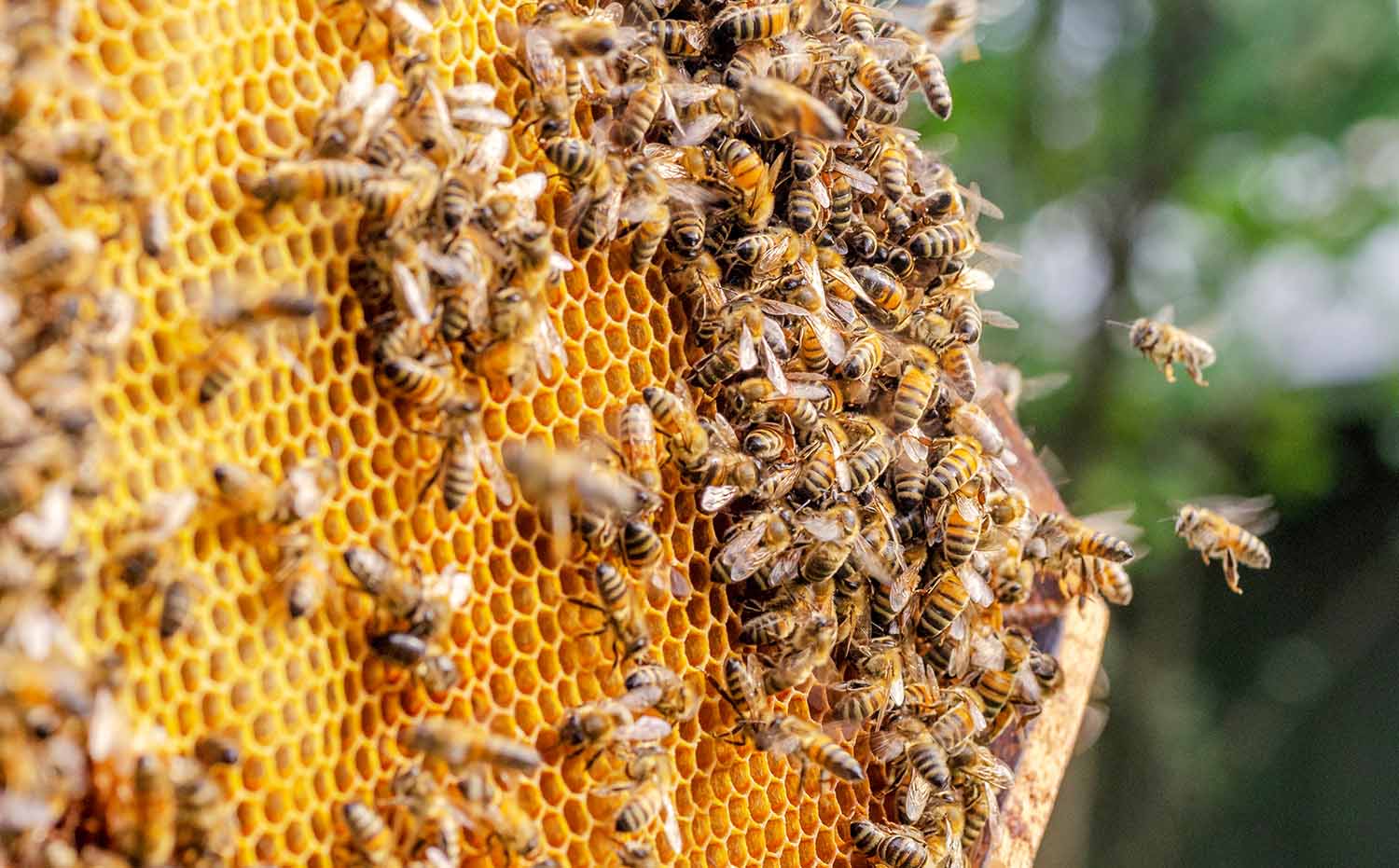
Honeybees fly to and from the honeycomb of a beehive.

© Darios/stock.adobe.com

Not all bees live together in hives. In fact, most types of bees live alone! Learn more about bees at Britannica.

Word of the Day Icon

Word of the Day

olfactory

Part of speech:

adjective

Definition:

: of, relating to, or connected with the sense of smell

Definitions provided by
Merriam-Webster Logo
Game Icon

Play

Word Search
.

In Case You Missed It

Taryn Smith is the first American woman to row solo across the Atlantic Ocean.
March 5, 2026
A powerful waterfall doesn’t easily freeze, but this winter has been especially cold!
March 3, 2026
For Women’s History Month, we’re honoring two women who inspired many others to take to the skies.
February 26, 2026
Baseball player Ron Teasley has died. Teasley was one of the last living athletes to play in the Negro Leagues.
February 24, 2026

What Trolls Can Teach Us

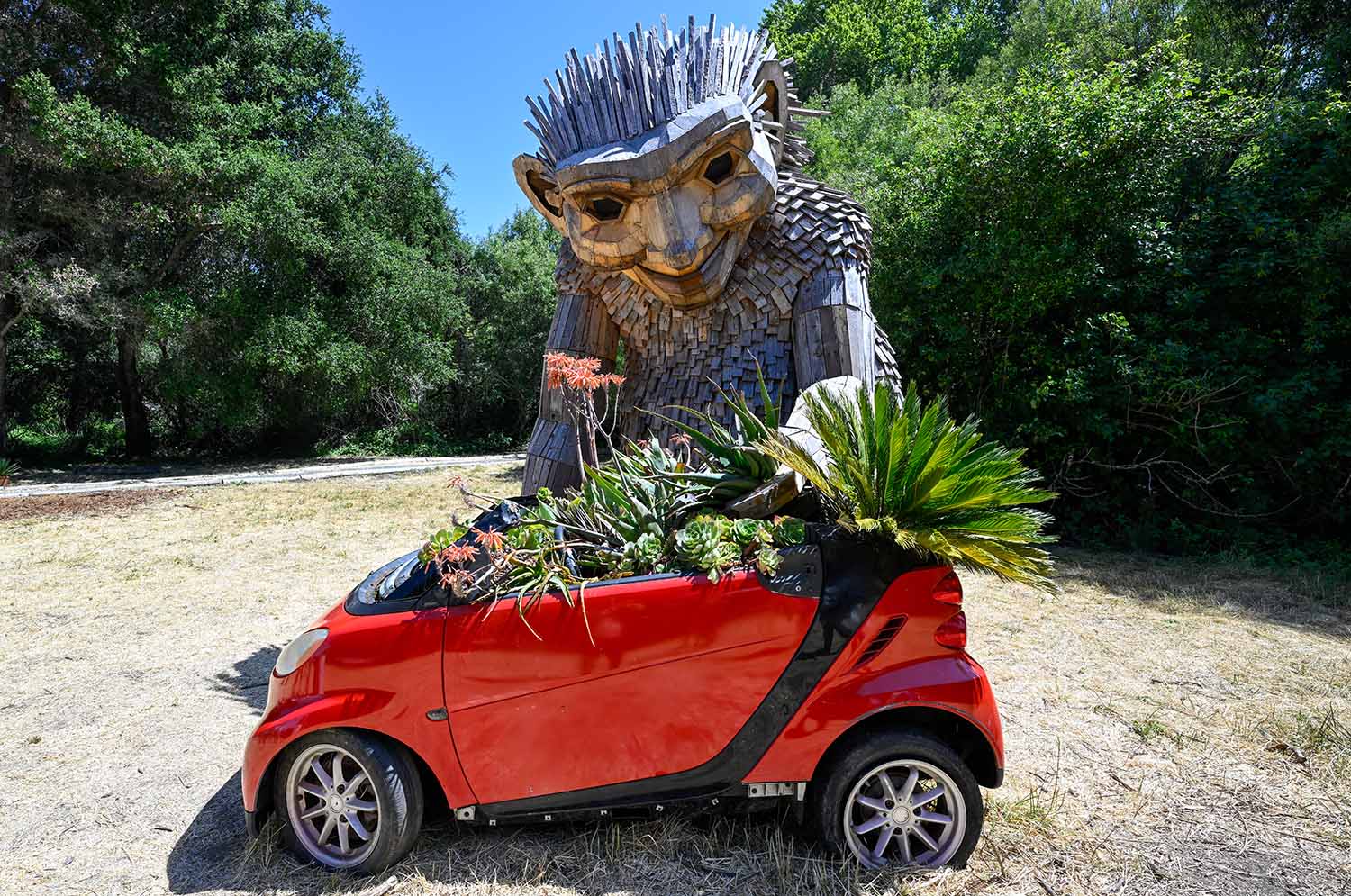
A large wooden troll is planting flowers inside the body of a convertible car.

What Trolls Can Teach Us

Artist Thomas Dambo’s wooden trolls are meant to teach humans how to take better care of the planet.

A large wooden troll is planting flowers inside the body of a convertible car.

© Tayfun Coskun—Anadolu/Getty Images

A troll called Rosa Sunfinger plants flowers. She’s one of a group of wooden trolls helping humans take better care of the planet.

Most storybook trolls aren’t known for their friendliness, but one group of real-life wooden trolls is doing a very kind thing. The trolls, along with the artist who makes them, are trying to teach humans how to take better care of the planet.

Danish artist Thomas Dambo and his team have created more than 150 troll sculptures using old wooden boxes, pallets, furniture, and more. The giant trolls are located in more than 20 countries, including 21 U.S. states. No two trolls are the same. Dambo’s website includes a helpful troll map with information about each troll, including its name, its story, and where it can be found.

The trolls are fun, but there’s a serious message behind them. Humans throw away tons of garbage every year. Dambo’s use of recycled materials is meant as a reminder that we all need to reduce the amount of waste we produce.

“I believe that we can make anything out of anything,” Dambo told the Associated Press. “We are drowning in trash. But we also know that one man’s trash is another man’s treasure.”

Trolls have been story characters since well before books existed—a time when people told stories aloud. The creatures are said to live for thousands of years, which means they will have seen the effect that pollution and waste have had on the planet. Dambo says most of his trolls don’t like humans because of what they have done to planet Earth.

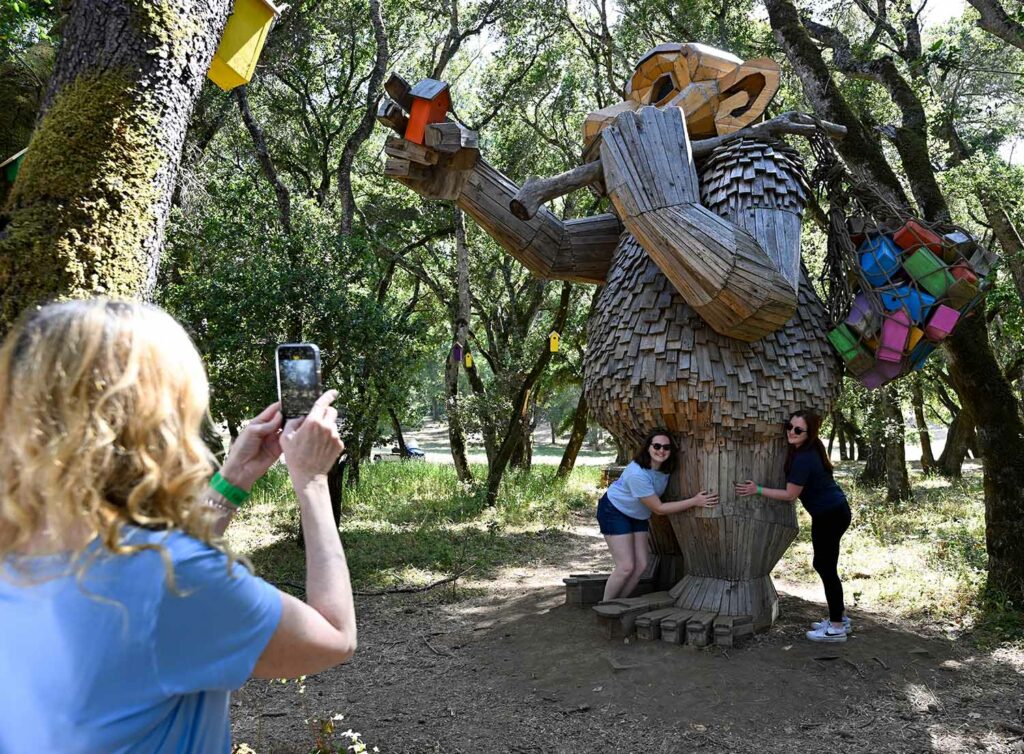
People pose for a photo with a large wooden troll that holds a net full of birdhouses and is about to put a birdhouse on a tree.

© Tayfun Coskun—Anadolu/Getty Images

Visitors to Filoli pose for a photo with Ibbi Pip the Birdhouse Troll, who builds birdhouses.

But a newer set of Dambo’s trolls takes a kinder view of humans. Six troll sculptures are now on display at a property called Filoli near San Francisco, California, as part of a traveling show called “Trolls Save the Humans.” The trolls are on a mission to remind people to respect our planet. Each one has its own interests and personality. The troll called Ibbi Pip builds birdhouses, while the one named Kamma Can makes jewelry out of garbage.

“They want to save the humans. So they do this by teaching them how to be better humans—be humans that don’t destroy nature,” said Dambo.

The six trolls will be at Filoli until November 2025. After that, they’ll travel to a new location…with help from Dambo.

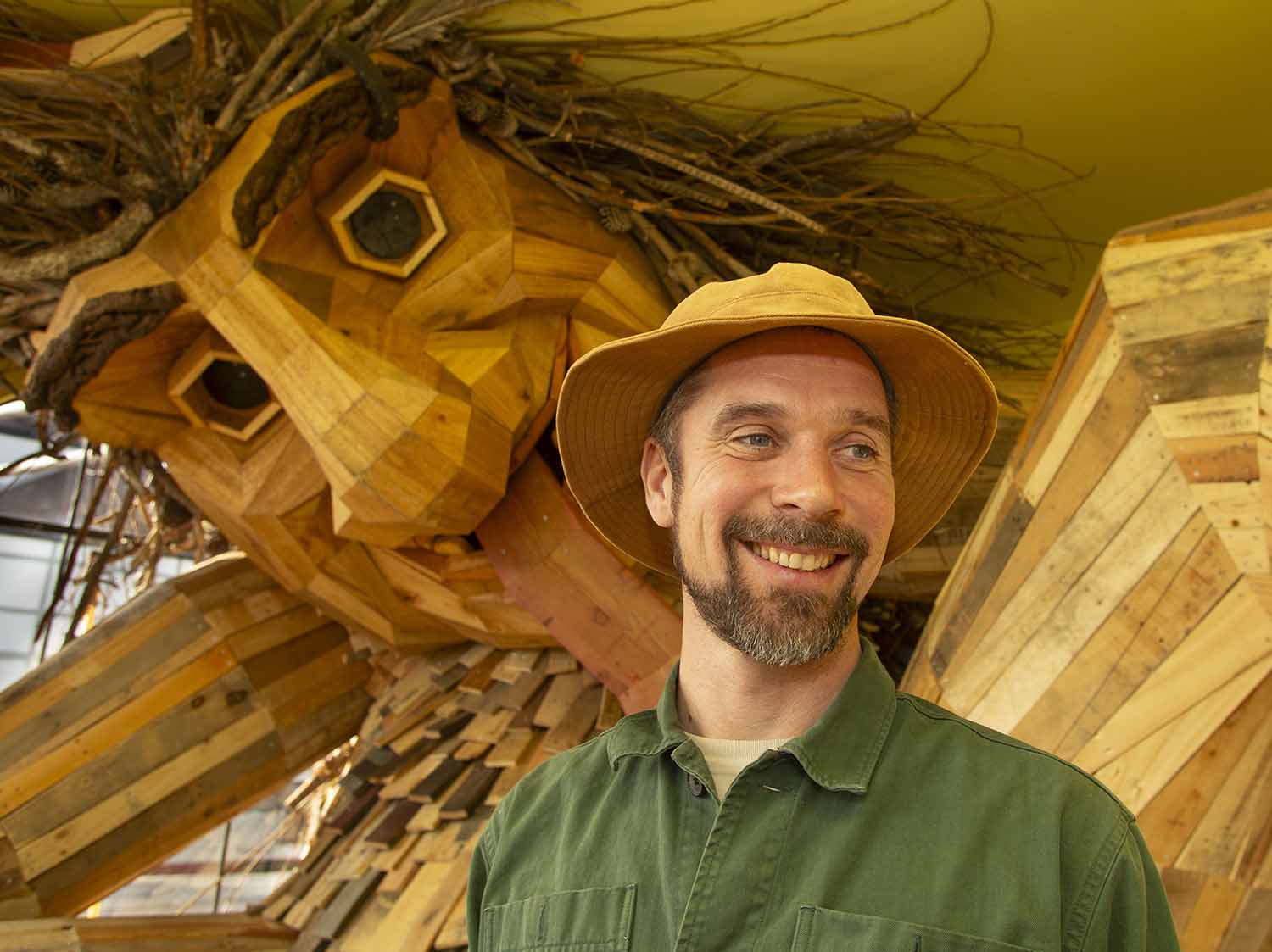
Thomas Dambo poses indoors in front of one of his wooden trolls.

© George Rose/Getty Images

Artist Thomas Dambo poses with one of his wooden trolls.

Face Thinking Icon

Did You Know?

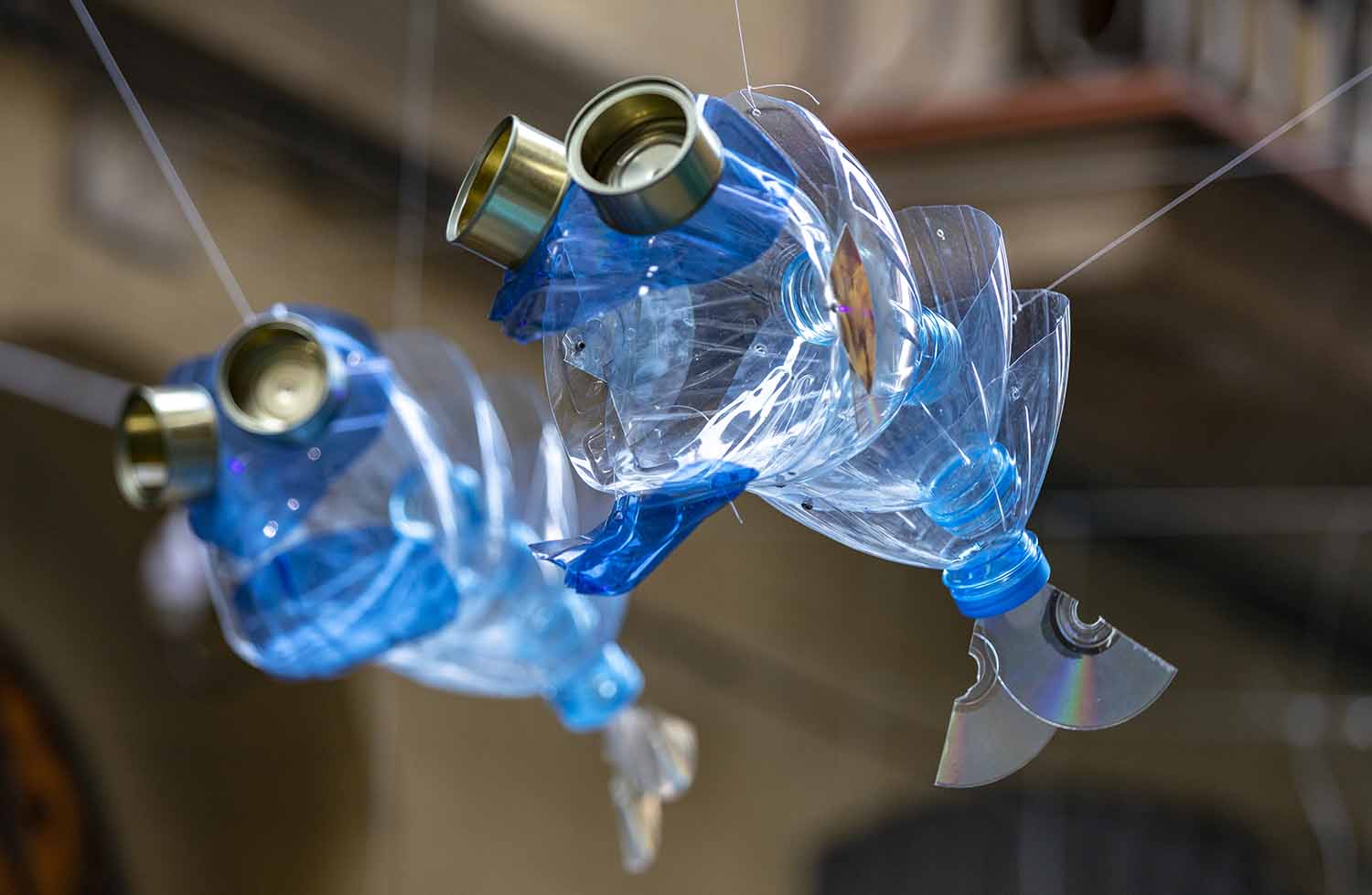
Are the fish in the photo made from old plastic bottles? Yes!

Recycled art is art made from materials that would be thrown away otherwise. You can make your own recycled art! Use clean bottle caps, toilet paper rolls, cardboard boxes, and more. 

The tops of blue plastic bottles have been arranged along with other waste materials to make fish that now hang on fishing wire.

© Mikeldi Cesteros—iStock Editorial/Getty Images

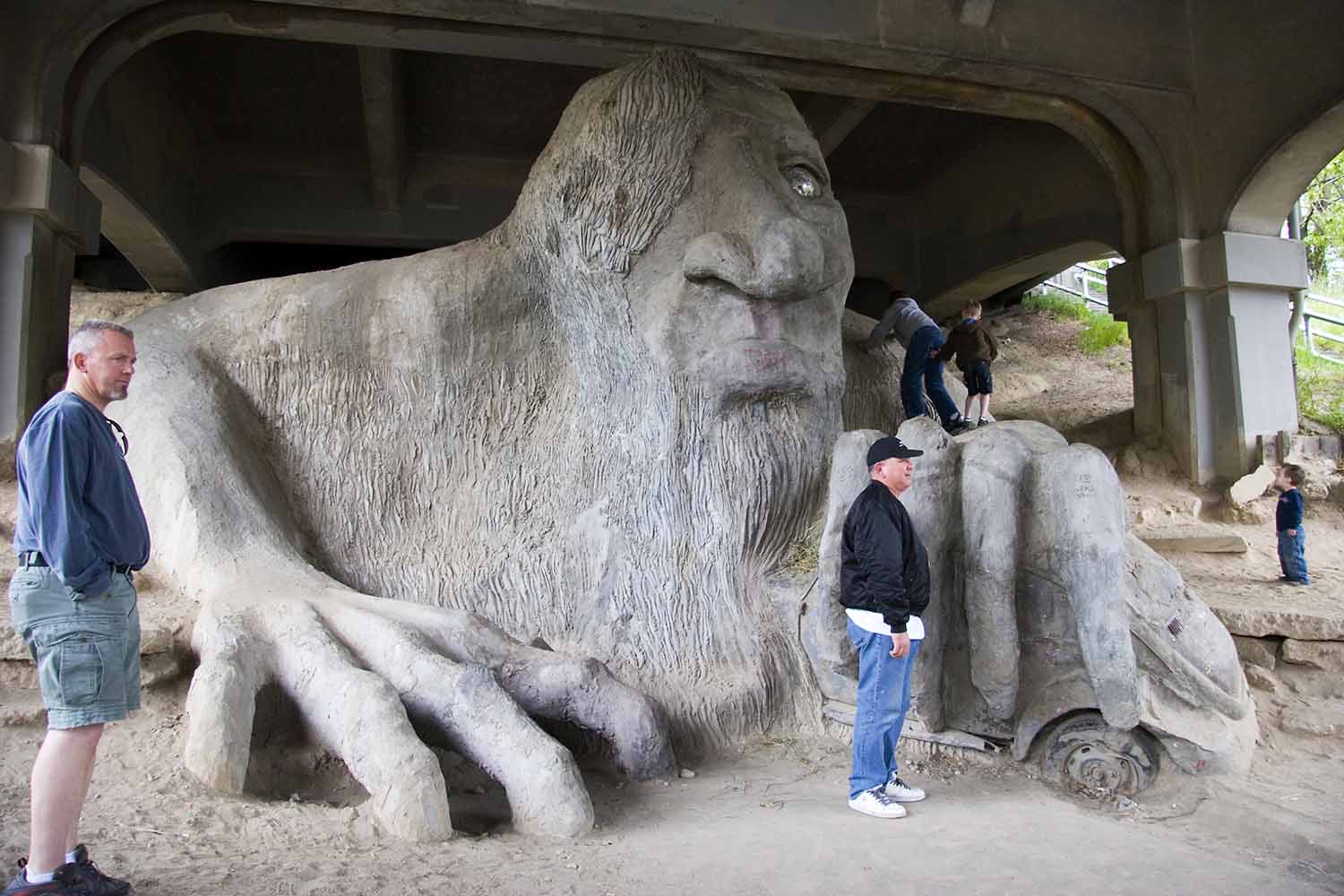
The Fremont Troll

Under a bridge, people pose with a large cement troll that holds a car in one hand.

© Matthew Micah Wright—The Image Bank/Getty Images

It’s said that trolls live under bridges. If you don’t believe that, check out the Aurora Bridge in Seattle, Washington. The Fremont Troll, named after the Seattle neighborhood of Fremont, has lurked under the bridge since 1990.

The Fremont Troll was created as a work of public art, or art for the community to enjoy. Some say it was also meant to discourage crime and the dumping of trash under the bridge. The one-eyed cement creature, which looks like it’s half buried in the ground, grips a car in one of its giant hands as if it grabbed the vehicle from the top of the bridge. Tourists and residents alike love to visit this wonderfully weird troll.

Witches, Giants, Dragons, and Trolls!

A sculpture of three goats crossing a wooden bridge under which there is a troll.

© aquatarkus/stock.adobe.com

This sculpture showing a scene from “The Three Billy Goats Gruff,” is in the country of Norway, where the story was first told.

Trolls are featured in stories called folktales. One of the most famous is “The Three Billy Goats Gruff,” in which three goats try to cross a bridge, only to be stopped by the troll that lives underneath.

Amazingly, folktales are a part of cultures all over the world. You can read more about folktales at Britannica!

Word of the Day Icon

Word of the Day

ornery

Part of speech:

adjective

Definition:

: easily annoyed or angered

Definitions provided by
Merriam-Webster Logo
Game Icon

Play

Word Search
.

In Case You Missed It

Taryn Smith is the first American woman to row solo across the Atlantic Ocean.
March 5, 2026
A powerful waterfall doesn’t easily freeze, but this winter has been especially cold!
March 3, 2026
For Women’s History Month, we’re honoring two women who inspired many others to take to the skies.
February 26, 2026
Baseball player Ron Teasley has died. Teasley was one of the last living athletes to play in the Negro Leagues.
February 24, 2026

Lighting Up the Night Sky

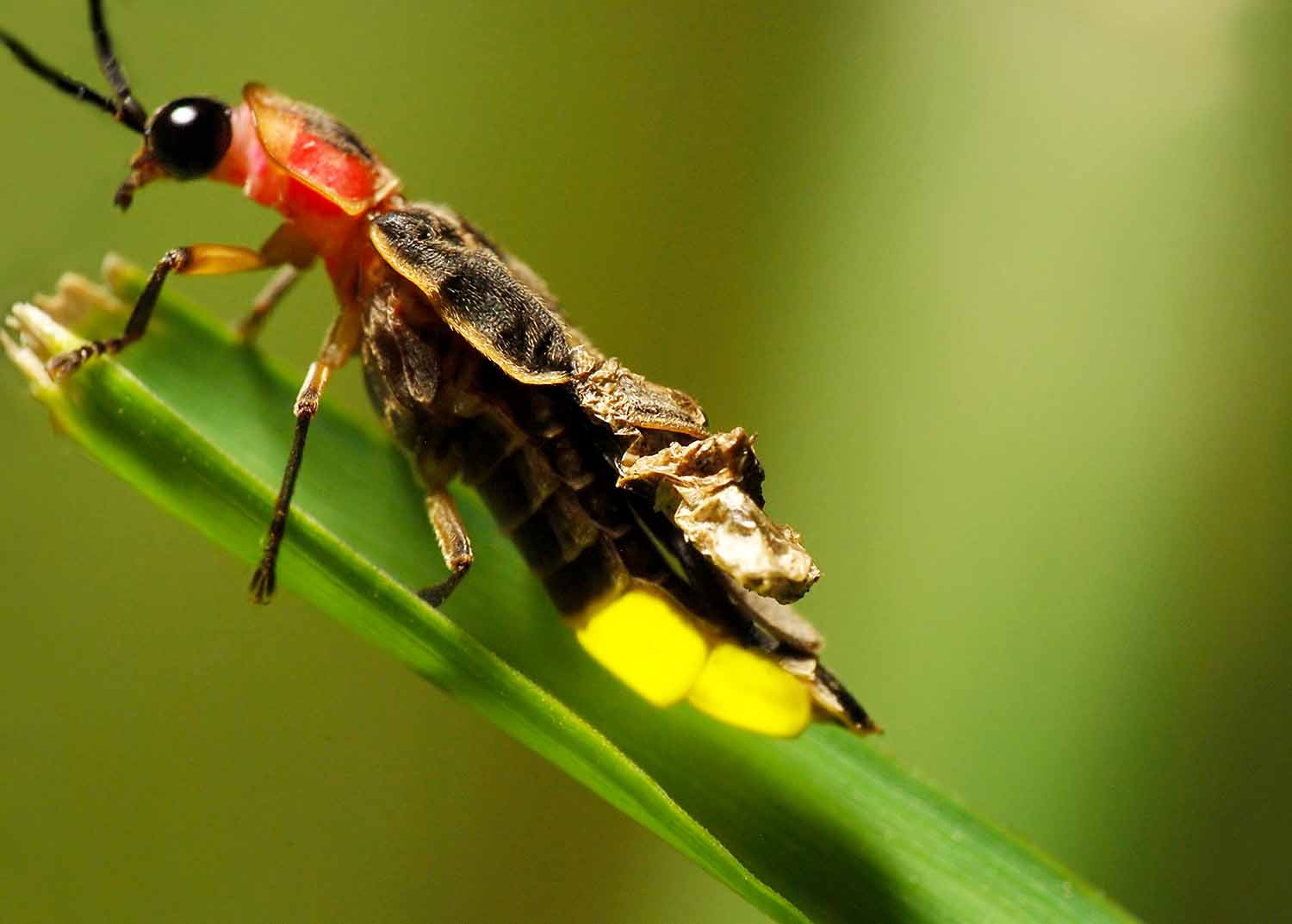
A firefly sits on a leaf with its abdomen lit up.

Lighting Up the Night Sky

People in the eastern United States are seeing more fireflies this summer. But overall, the firefly population is dropping.

A firefly sits on a leaf with its abdomen lit up.

© James Jordan Photography—Moment/Getty Images

Male fireflies are able to light up their bodies, making summer evenings glow.

What does summer mean to you? For many people in the eastern United States, the season brings the magical glow of fireflies, or lightning bugs. That’s been especially true in the summer of 2025. It seems like fireflies are everywhere! But while more fireflies are lighting up the night sky this year, experts say the insects’ numbers are dropping overall.

Even if you don’t live in the eastern United States, chances are good that fireflies live in your area. There are more than 2,000 firefly species, and some species exist on every continent except Antarctica. Some firefly species are easier to see than others. Those in the eastern United States can be seen on warm evenings, when the males take to the sky and light up to attract mates.

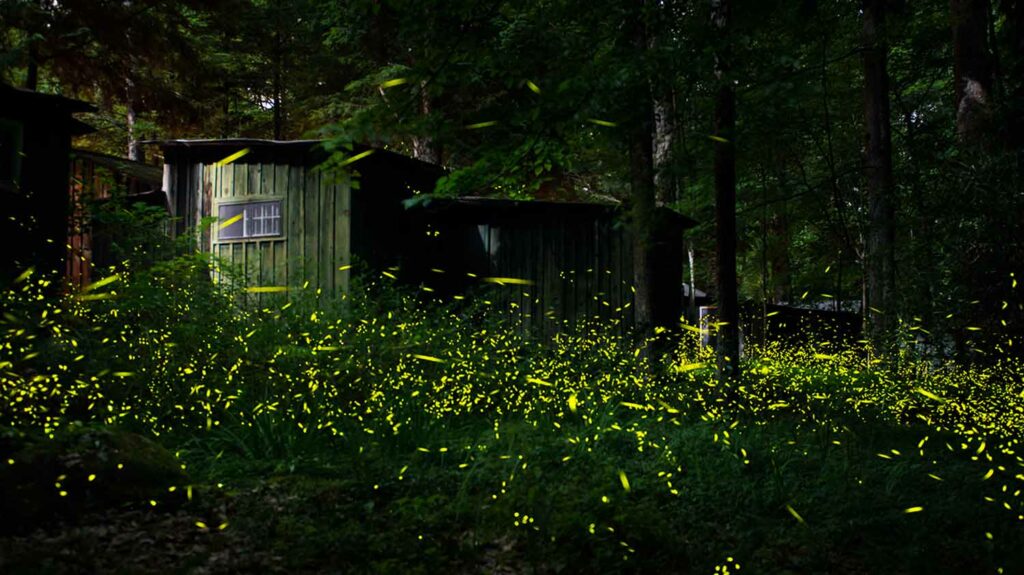
A large group of fireflies glow in a wooded area with a small building in the background.

© Haoxiang Yang—500px/Getty Images

Some fireflies are synchronous. They light up at the same time, creating an amazing light show.

Experts say there are more eastern U.S. fireflies than usual this year because the region has had rainier springs and warmer summers during the past couple of years. Young fireflies, called larvae, live underground or in piles of leaves and do especially well when the ground is warm and soggy.

That doesn’t mean fireflies are doing well overall. The insects have suffered due to habitat loss and the use of pesticides. Light pollution—bright light from buildings, such as in cities—can also be harmful to fireflies because it makes it harder to see them. If fireflies cannot see each other glowing, they can’t find mates. Experts say these factors have caused there to be fewer fireflies in many places.

But you can help! Here are a few ways you can support the health of firefly populations.

  • Turn off outdoor lights when they are not needed. Close the curtains to keep indoor light from glowing outside.
  • Plant native vegetation (plants that naturally grow in your area).
  • Keep fallen leaves in your yard. Don’t throw them away.
  • Use fewer outdoor chemicals, such as pesticides.
  • Leave fireflies alone. Enjoy their glow, but don’t capture them.
Face Thinking Icon

Did You Know?

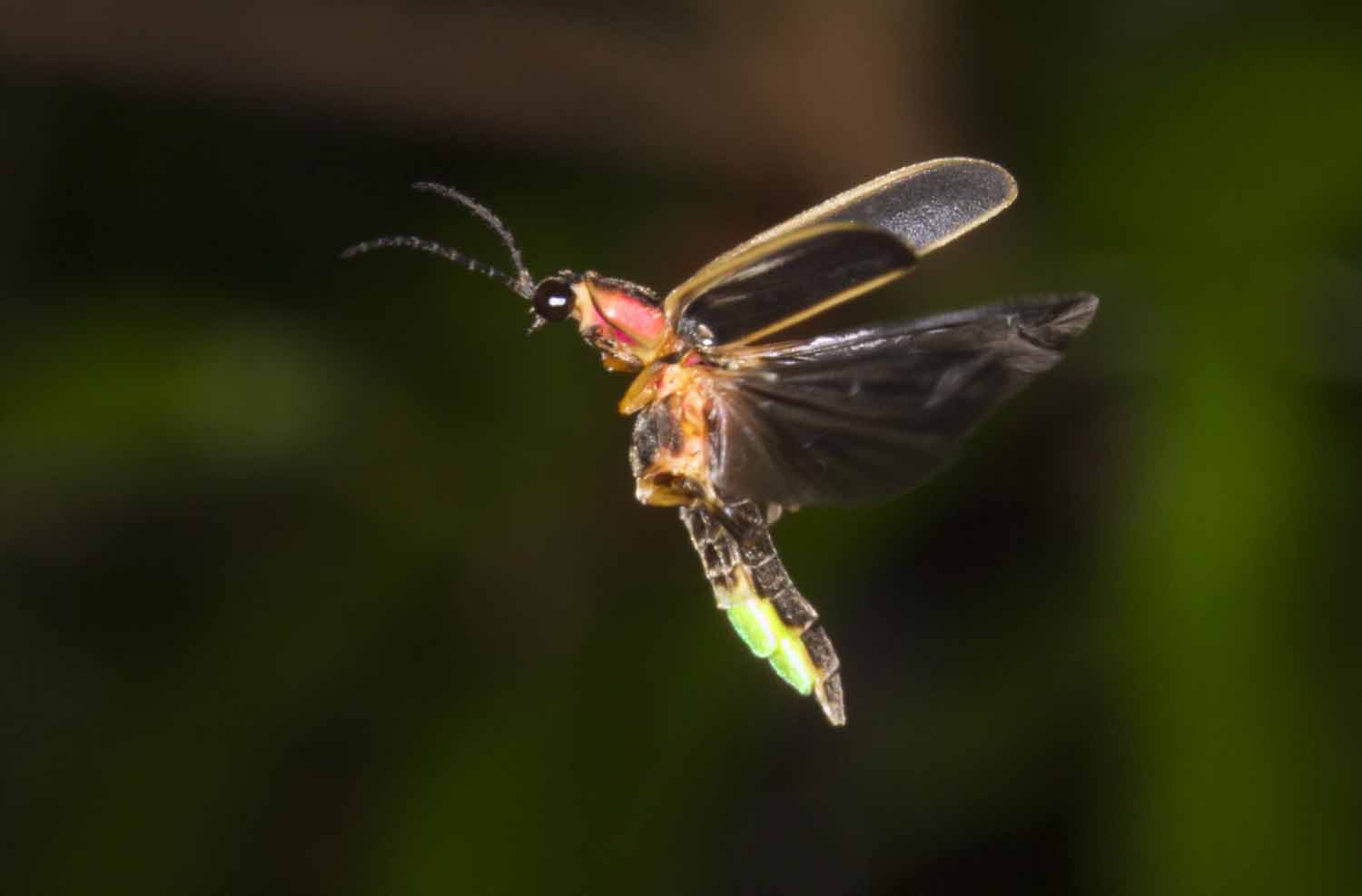
A firefly’s abdomen contains an organic compound called luciferin. When the luciferin combines with oxygen, a chemical reaction takes place that produces light.

A glowing firefly is in flight.

© Ivan Kuzmin/stock.adobe.com

Living Things That Glow

The firefly’s glow may be the best-known example of bioluminescence, a living thing’s ability to produce its own light. But fireflies are not alone.

Many bioluminescent organisms live in the deepest parts of the oceans. Others live on land. See if you can guess why living things glow. Then scroll down to see if you’re right!

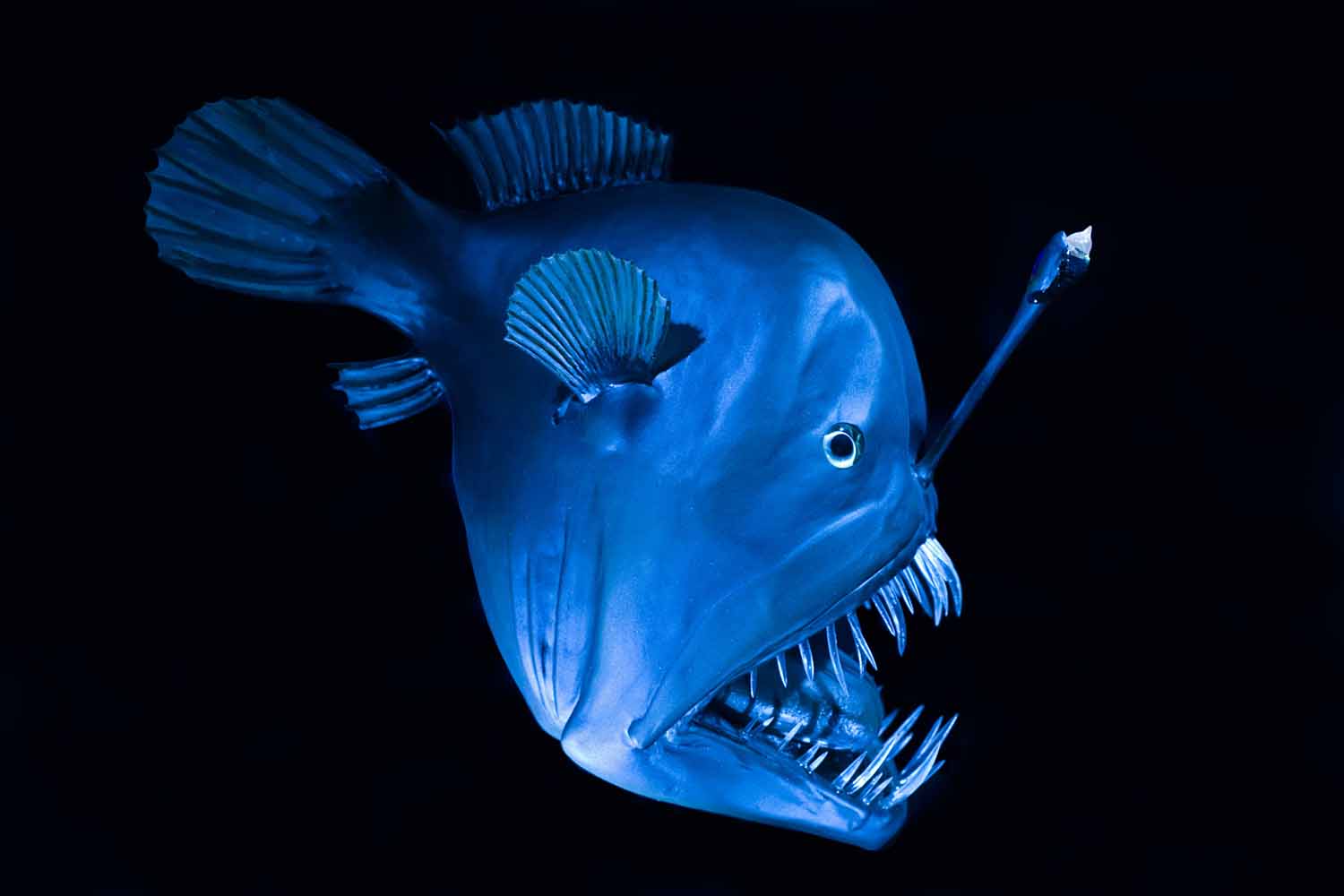
An anglerfish with large, sharp teeth and a light on its head is swimming and appears to have a blue tint.

© Helmut Corneli/Alamy

An anglerfish

The anglerfish uses a light on top of its head to attract prey in the deep ocean, where sunlight cannot reach.

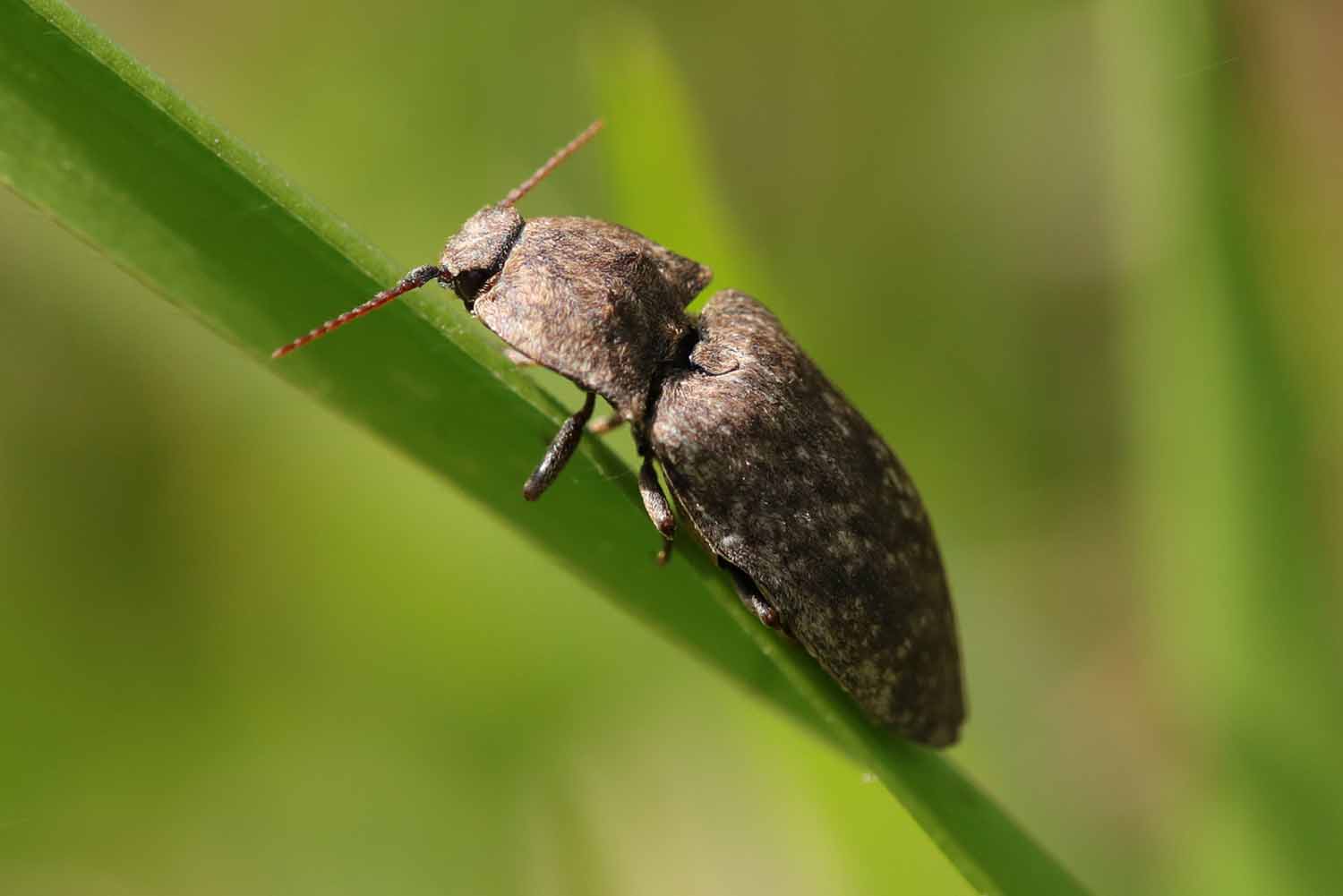
A brown beetle with two segments and a flat body sits on the leaf of a plant.

© DE1967—iStock/Getty Images

A click beetle without its lights on

Some types of click beetles have two glowing circles on their bodies. Scientists are still trying to find out why these beetles light up.

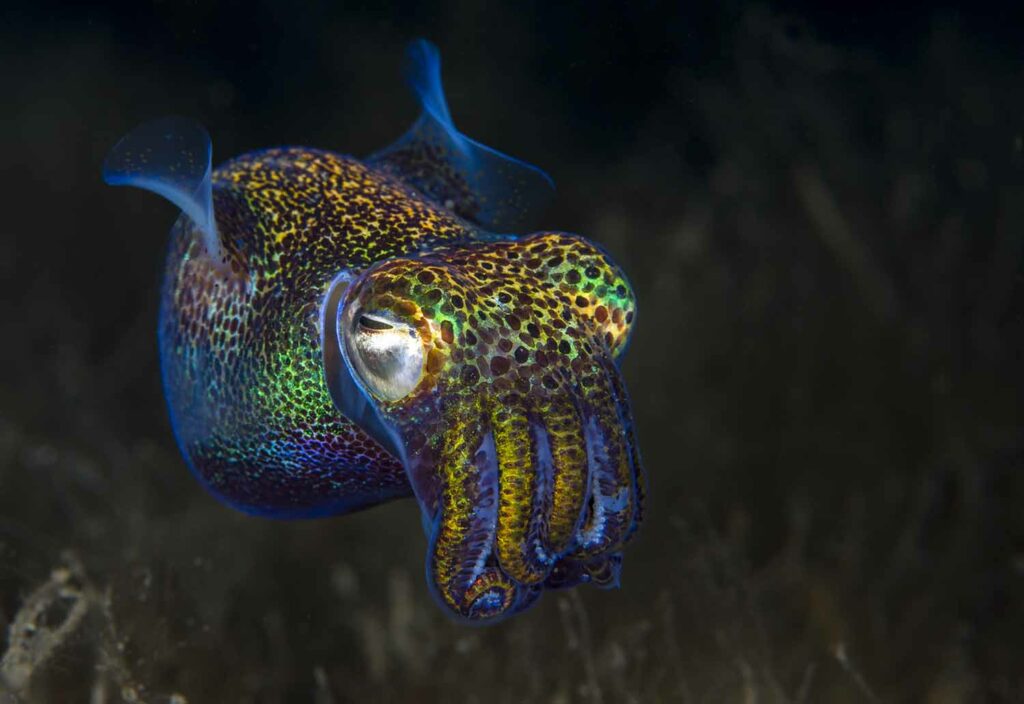
A squid that appears to have a leopard print is glowing as it swims.

© DiveIvanov—iStock/Getty Images

A bobtail squid

The bobtail squid makes just enough light to match the light of the Moon and stars. This erases its shadow, making it harder for predators to see it.

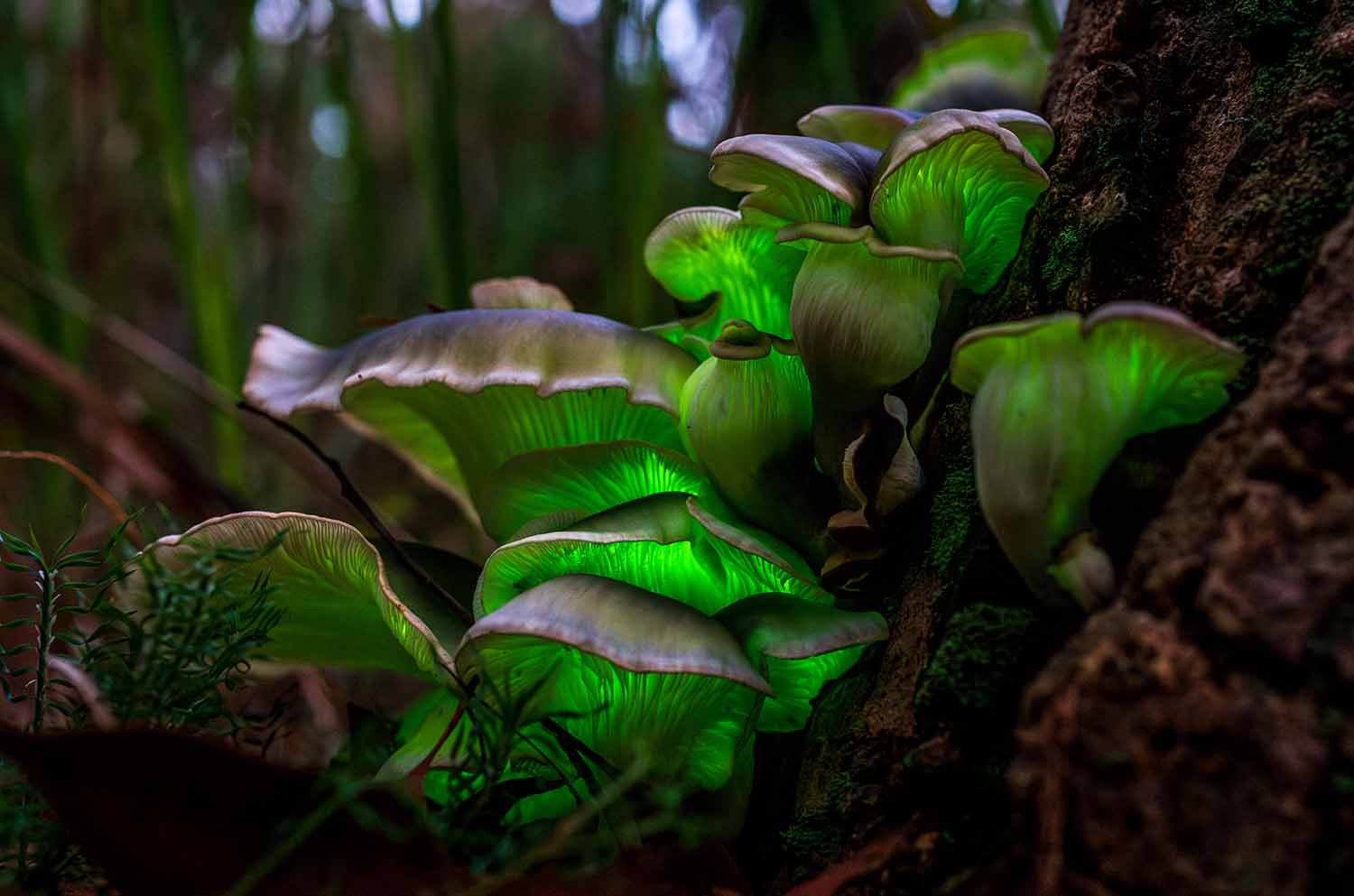
Flat mushrooms glow green at the base of a tree.

© Petar Belobrajdic/500px—500px Plus/Getty Images

Glowing mushrooms in Australia

Some types of mushrooms glow in the dark. Scientists aren’t sure why. One possibility is that the light attracts insects, whose movement spreads spores from the mushroom so that it can reproduce.

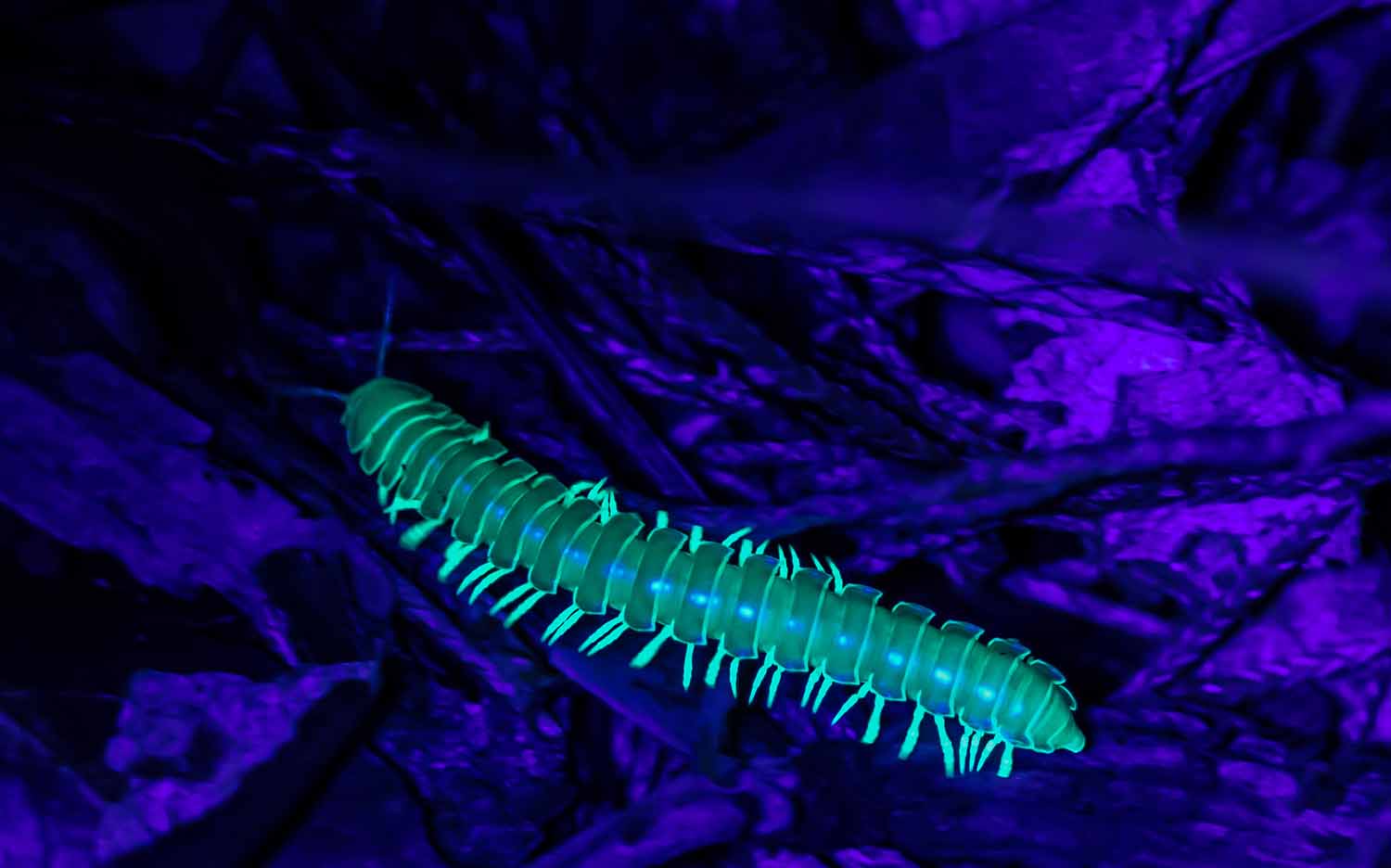
A millipede appears to be glowing green on what appears to be purple forest debris under a black light.

© KAdams66—iStock/Getty Images

This millipede is being shown under a black light. The light makes the leaves under the millipede look purple.

Scientists think a millipede called Motyxia glows to warn predators, “Stay away!” If a predator does get too close, the millipede can release a deadly poison.

Firefly Facts

© AmericanWildlife—Creatas Video/Getty Images

Where do fireflies go during the day? What’s the difference between a firefly and a glowworm? Learn the answers to these questions and more at Britannica!

Word of the Day Icon

Word of the Day

illuminate

Part of speech:

verb

Definition:

: to supply (something) with light : to shine light on (something)

Definitions provided by
Merriam-Webster Logo
Game Icon

Play

Word Flower

.

In Case You Missed It

Taryn Smith is the first American woman to row solo across the Atlantic Ocean.
March 5, 2026
A powerful waterfall doesn’t easily freeze, but this winter has been especially cold!
March 3, 2026
For Women’s History Month, we’re honoring two women who inspired many others to take to the skies.
February 26, 2026
Baseball player Ron Teasley has died. Teasley was one of the last living athletes to play in the Negro Leagues.
February 24, 2026

The Underwater World of Octopush

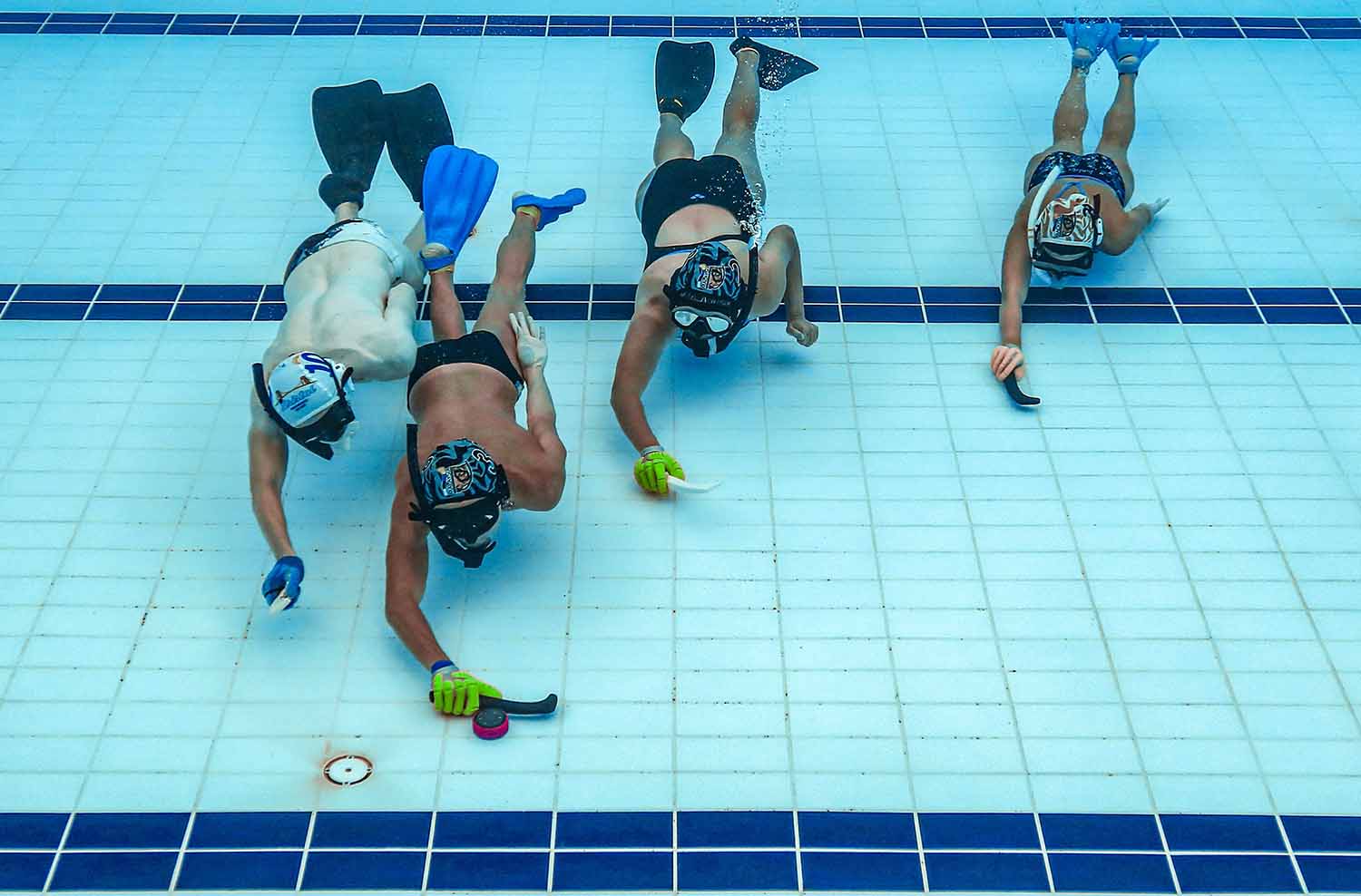
Four swimmers with snorkeling gear hold tiny hockey sticks at the bottom of a pool. One of them is about to push a puck.

The Underwater World of Octopush

There’s more beneath the surface of underwater hockey!

Four swimmers with snorkeling gear hold tiny hockey sticks at the bottom of a pool. One of them is about to push a puck.

© Mohd Rasfan—AFP/Getty Images

In this 2019 photo, players fight for the puck during an Octopush training session. Unlike regular hockey, underwater hockey requires the use of tiny sticks.

What do you get when you combine hockey with snorkeling? Underwater hockey!

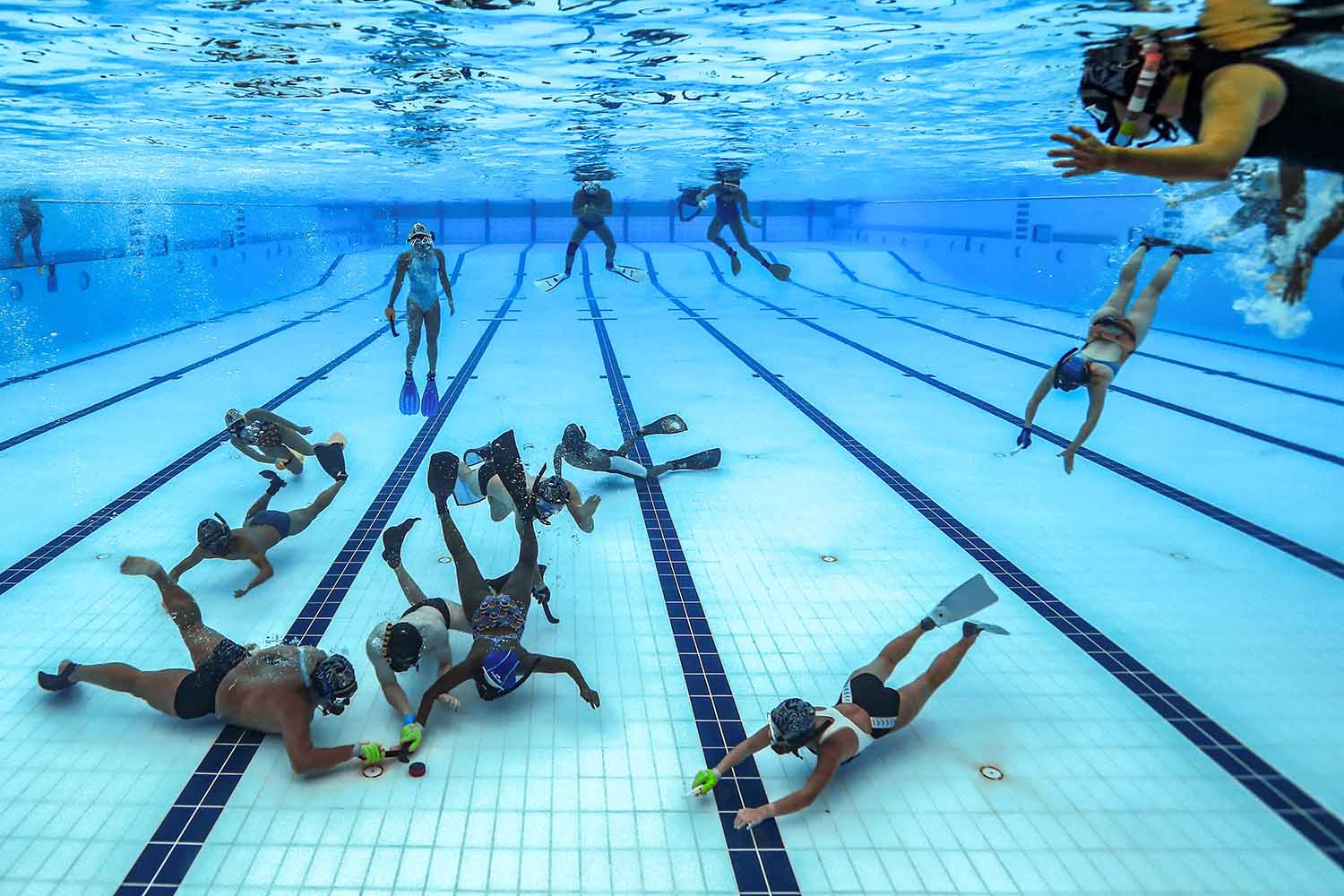
Underwater hockey—also known as Octopush—is just what it sounds like. It’s a hockey game that’s played completely underwater. Wearing goggles and flippers, players race around the bottom of a swimming pool using small hockey sticks to try to push a puck (a heavy disc) into the other team’s goal. Teams of players score points each time they make a goal. 

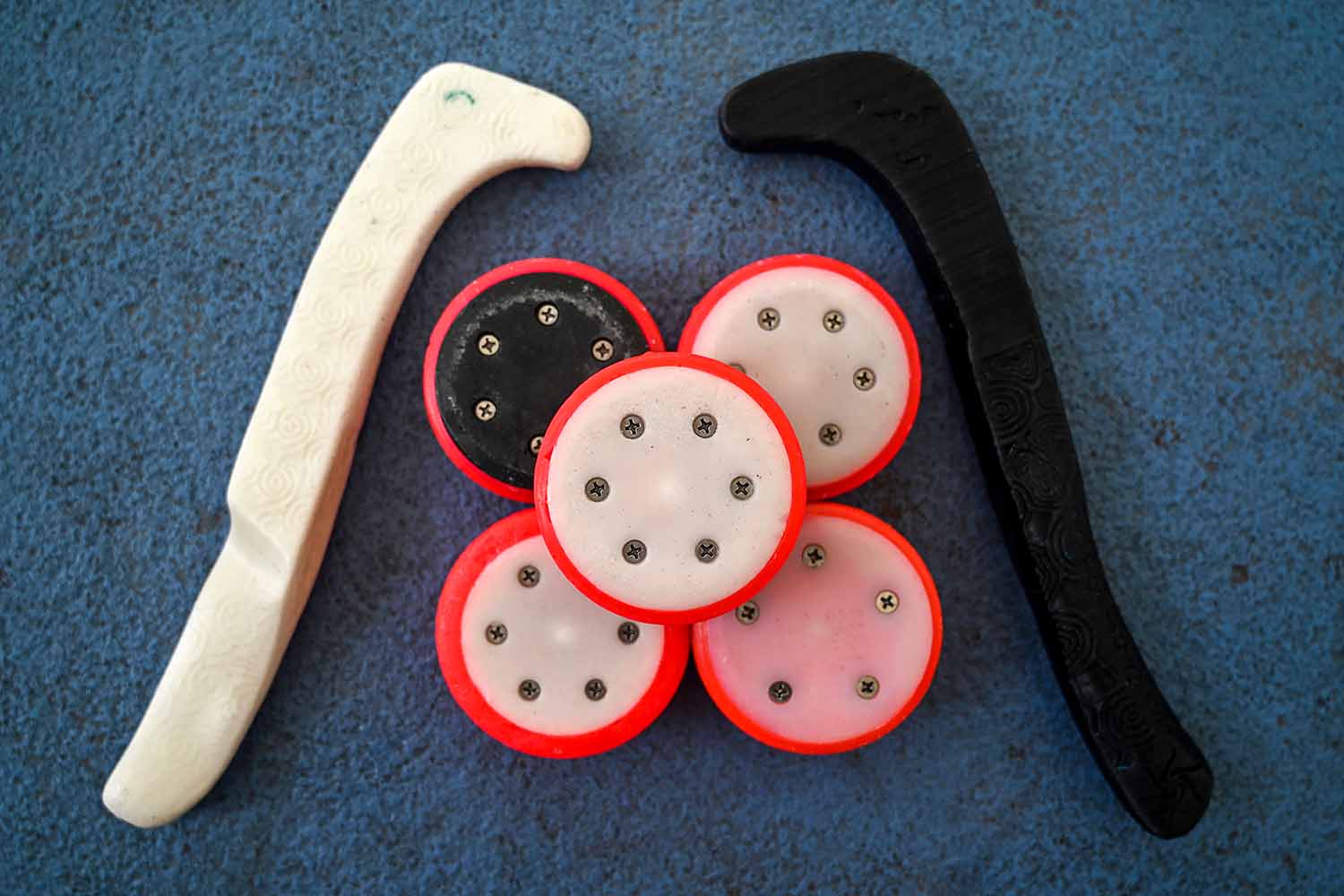
Two tiny hockey sticks are arranged around four hockey pucks.

© Mohd Rasfan—AFP/Getty Images

Octopush pucks and sticks

Octopush players have the added challenge of being underwater as they work to score points for their teams. They use snorkels to breathe air near the surface and then hold their breath while they dive down to push the puck. Teammates work together to make this happen, trading off passing the puck to each other and going up for air.

“Most people expect it to be quite slow-paced, but people are always surprised how fast it is,” said Sam Birt to the BBC. Birt is part of the Octopush club in York, England.

Several people in snorkeling gear and holding tiny hockey sticks gather around or swim toward a puck at the bottom of a pool.

© Mohd Rasfan—AFP/Getty Images

Octopush players wear snorkeling equipment, which allows them to get air when they are near the surface of the water.

Octopush was invented in the 1950s at a scuba diving club in Portsmouth, England. The scuba divers needed a winter activity they could do in a pool when it was too cold to dive in the open water, so underwater hockey was born.

The sport is gaining an army of fans among people who enjoy swimming. It’s a lot more entertaining to play Octopush than swim back and forth in a pool, said Birt.

That could be why Octopush has spread beyond England’s borders to many other countries. While it’s not an Olympic sport, there are international tournaments each year where national underwater hockey teams can compete.

Fun Fact Icon

Fun Fact

Most people can hold their breath for up to a minute. The Bajau people of Southeast Asia are known for their ability to hold their breath and dive underwater for long periods of time—up to 13 minutes!

Three children swim underwater. Tropical trees and houses can be seen in the background.

© Khaichuin Sim—Moment/Getty Images

Bajau children swim in the ocean.

Far Leaping

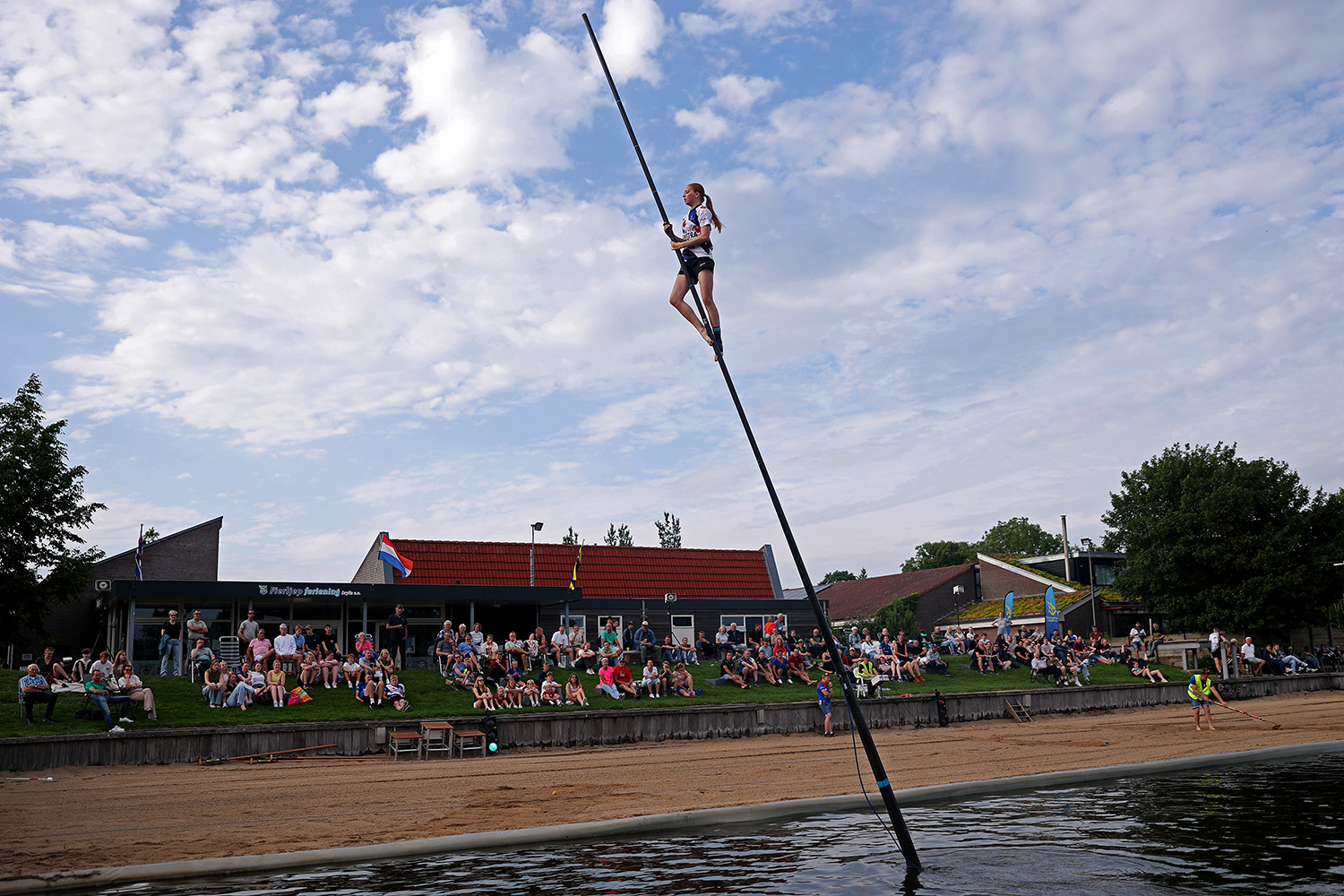
A woman is perched about two-thirds of the way up a pole that is sticking out of a canal.

© Dean Mouhtaropoulos/Getty Images

Brecht van der Zee competes in a June 2025 fierljeppen competition. Where will she land?

Speaking of unique sports, the Dutch people created fierljeppen, a sport that involves leaping over human-made waterways called canals!

Fierljeppen (fier-lep-en) means “far leaping.” In the past, fierljeppen was a necessary mode of transportation in the Netherlands, where there are many canals and few bridges. It began with farmers who used a pole to leap over the canals to reach their fields. The leaper drives the pole into the bottom of the canal and then jumps off the canal bank, using the pole to help push their body to the other side.

A man has jumped off a pole in a canal and is about to land in sand.

© Dean Mouhtaropoulos/Getty Images

Reinder Haanstra competes in fierljeppen.

The first fierljeppen competition occurred in 1767. Today, fierljeppen is not necessary for transportation, but it’s still a competitive sport. Participants use longer, lighter poles to jump across very large canals. They also climb up the poles while leaping to try and launch themselves farther. If they miss the bank, they land in the water! The Guinness World Record for fierljeppen is 72 feet 10 inches (22.21 meters), about the length of a semi-truck.

Run, Jump, Throw!

A man in an outdoor arena is about to launch himself over a bar using a pole.

© Isaiah J. Downing—NCAA Photos/Getty Image

Oleg Analev, a student at Angelo State University in Texas, competes in the pole vault.

Fierljeppen is not so different from pole vaulting, a jumping sport at track-and-field events! Read more about the world of track and field at Britannica.

Word of the Day Icon

Word of the Day

vault

Part of speech:

verb

Definition:

to jump over (something)

Definitions provided by
Merriam-Webster Logo
Game Icon

Play

Criss Cross

.

In Case You Missed It

Taryn Smith is the first American woman to row solo across the Atlantic Ocean.
March 5, 2026
A powerful waterfall doesn’t easily freeze, but this winter has been especially cold!
March 3, 2026
For Women’s History Month, we’re honoring two women who inspired many others to take to the skies.
February 26, 2026
Baseball player Ron Teasley has died. Teasley was one of the last living athletes to play in the Negro Leagues.
February 24, 2026

The Mystery of Wrinkled Fingers

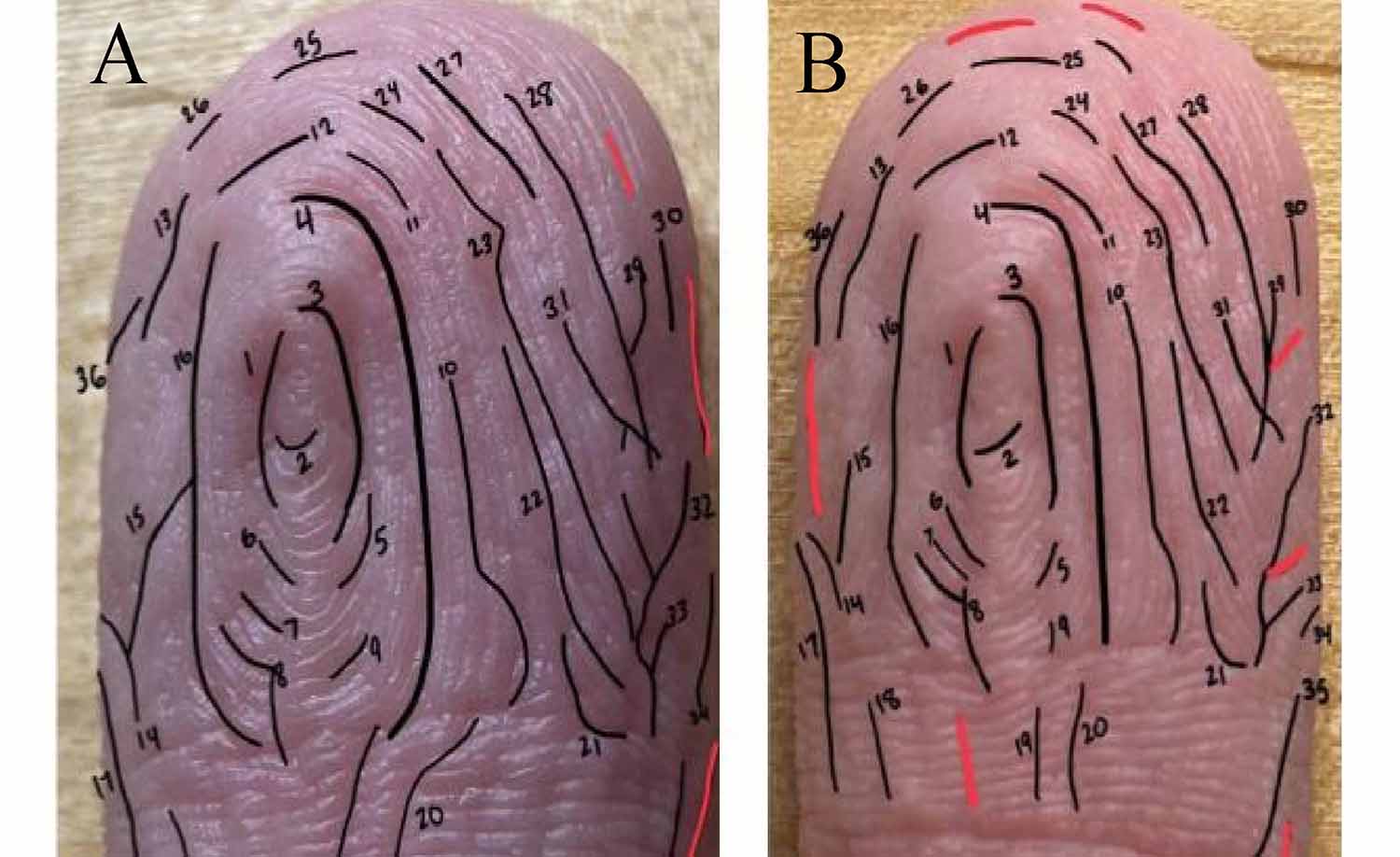
Two photos of a person’s wrinkled fingers with the wrinkles marked and numbered and the wrinkles in the same places in both photos.

The Mystery of Wrinkled Fingers

Do wet fingers wrinkle the same way every time? One scientist set out to find the answer.

Two photos of a person’s wrinkled fingers with the wrinkles marked and numbered and the wrinkles in the same places in both photos.

Courtesy of Guy German/Binghamton University, State University of New York

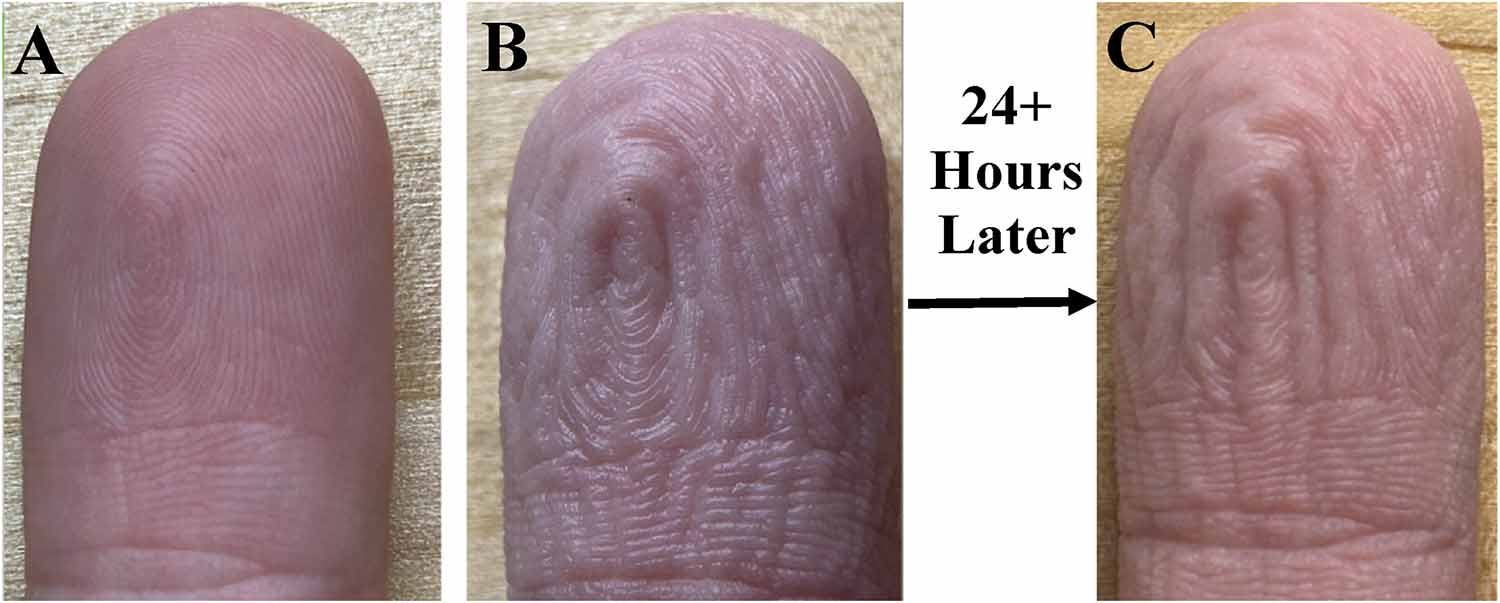
Photo A shows how a person’s finger wrinkled after getting soaked. Photo B shows the same person’s finger after it was soaked again 24 hours later.

Kids have lots of questions, but it’s not every day that a kid’s question leads to a scientific discovery.

Guy German, a professor of biomedical engineering at Binghamton University, wrote an article explaining why our fingers get wrinkly during a long bath. The answer has to do with our blood vessels, the narrow tubes that carry blood to all parts of our bodies, including our fingers. When our fingers have been soaking for long enough, our skin absorbs water. The water decreases the amount of salt in our skin. When our salt levels are lower, our brains respond by constricting, or squeezing, our blood vessels. With our blood vessels even narrower, the skin around them folds inward, or wrinkles.

German’s article was written as part of a series that invites kids to send in their questions so that a scientist can answer them. After the article was published, German received a follow-up question from a young reader. The reader wanted to know if a person’s skin wrinkles in the same pattern every time it gets soaked. German didn’t have the answer, so he did what he knows how to do: He set up an experiment.

German and one of his students asked three people to soak their hands in water for 30 minutes. They then took photos of the pattern of wrinkles on each person’s fingers. The three people came back and did the same thing 24 hours later. It turns out, each person’s wrinkle pattern was the same.

A dry, unwrinkled finger; the same finger with wrinkles; and the same finger with wrinkles and a label saying the photo was taken 24 hours later.

Courtesy of Guy German/Binghamton University, State University of New York

Photo A shows a finger before it got wet, and Photo B shows the same finger after it got wet. Photo C shows the same finger after it got wet again 24 hours later.

The scientists believe that a person’s wrinkle pattern will be the same every time they get soaked. German says this is because the location of our blood vessels influences where the wrinkles form, and our blood vessels don’t move very much.

German wants to learn more about how water affects the skin. Next, he wants to find out if the pattern of wrinkles stays the same all our lives or if it changes as we get older.

“I feel like a kid in a candy store, because there’s so much science here that I don’t know,” German told Binghamton University.

A man poses in a red-lit laboratory where a microscope, lab coats, and other instruments can be seen.

Courtesy of Jonathan Cohen/Binghamton University, State University of New York

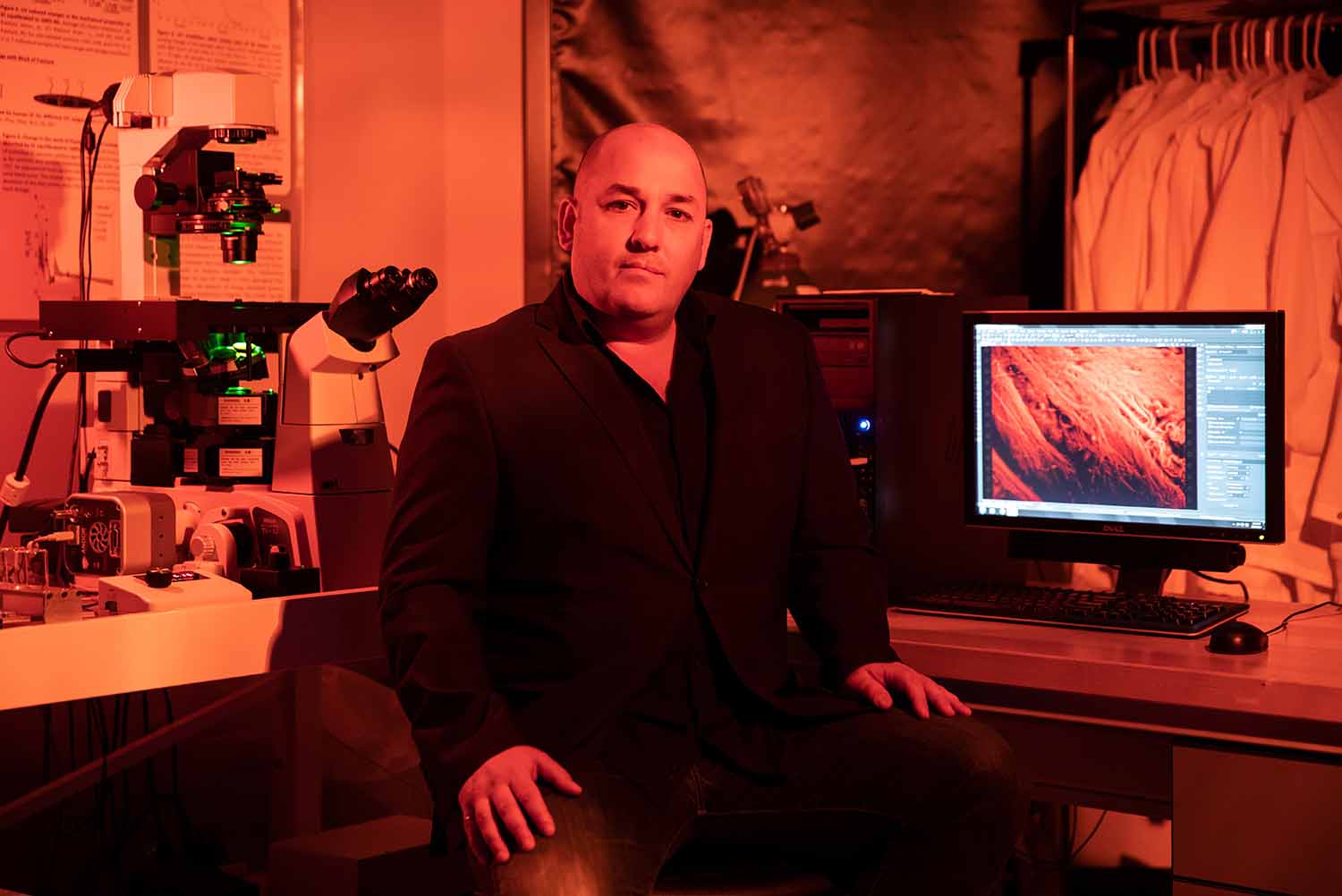
Guy German is the scientist who led the experiments on finger wrinkling.

Fun Fact Icon

Fun Fact

You don’t have the same skin you were born with! Our bodies are always shedding skin and building new skin cells.

An elementary school-aged girl sits in front of a laptop computer smiling and using her hands in sign language.

© insta_photos/stock.adobe.com

Why Can’t We Tickle Ourselves?

A woman tickles her daughter while sitting on a couch.

© Maria Vitkovska/stock.adobe.com

Some people are more ticklish than others, probably because some people are more sensitive to touch than others. Did you know that it’s almost impossible to tickle yourself? Sure, you can try! But you probably won’t laugh or giggle.

Scientists say our brains are the reason why we can’t tickle ourselves. When you move a part of your own body, your brain monitors this movement and knows how it will make you feel. Your brain knows that the fingers poking you in the ribs are your own. There’s no surprise, so your body doesn’t respond!

The Human Body

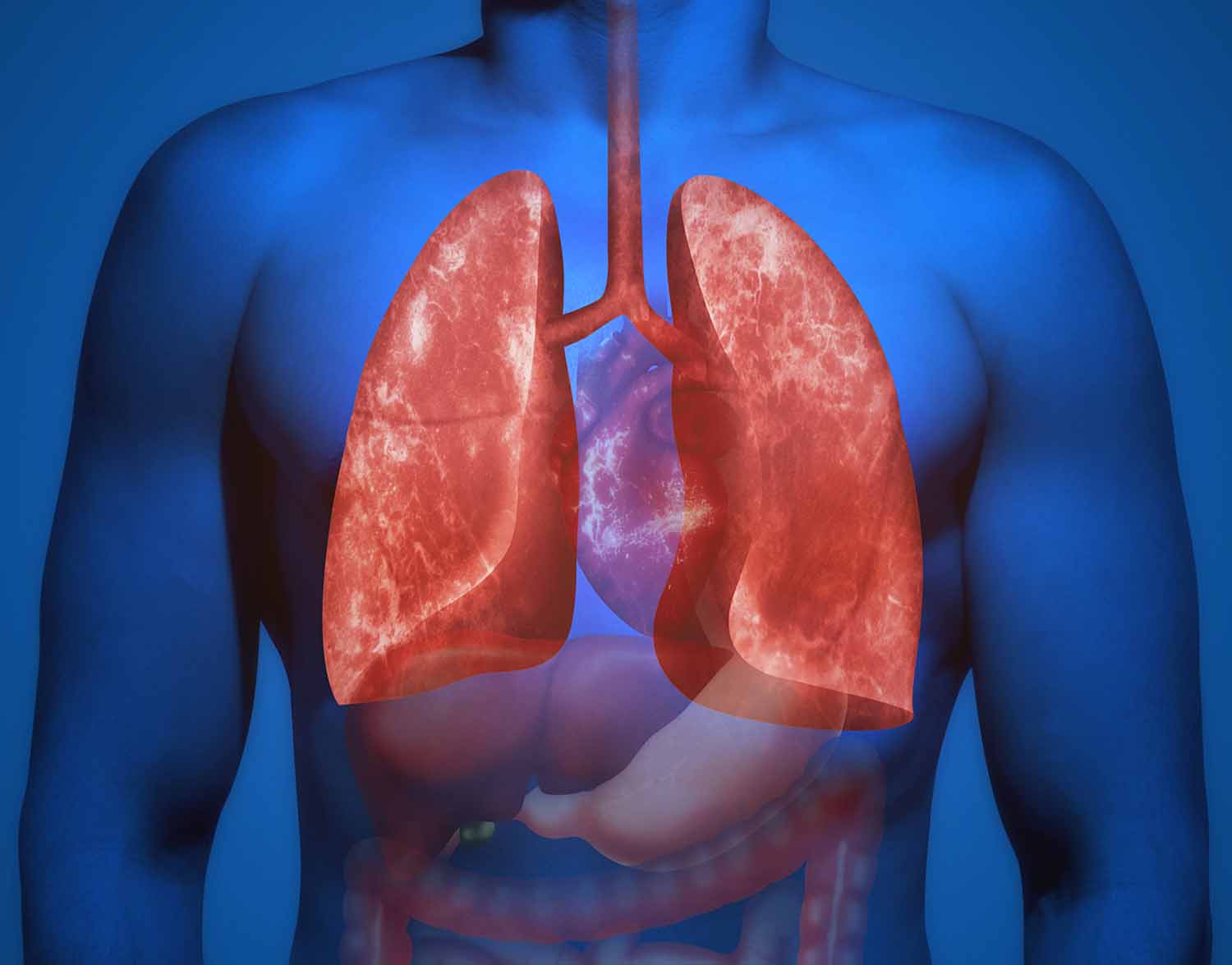
The body from the neck to the waist, with the internal organs visible.

© Anton Skavronskiy/Dreamstime.com

What else would you like to know about the human body? You can learn about human anatomy—the different parts of the body—at Britannica!
Word of the Day Icon

Word of the Day

rumple

Part of speech:

verb

Definition:

: to make (something) messy or wrinkled

Definitions provided by
Merriam-Webster Logo
Game Icon

Play

Word Search

.

In Case You Missed It

Taryn Smith is the first American woman to row solo across the Atlantic Ocean.
March 5, 2026
A powerful waterfall doesn’t easily freeze, but this winter has been especially cold!
March 3, 2026
For Women’s History Month, we’re honoring two women who inspired many others to take to the skies.
February 26, 2026
Baseball player Ron Teasley has died. Teasley was one of the last living athletes to play in the Negro Leagues.
February 24, 2026

A Real-Life Animal Crossing

A rendering shows a vegetation covered bridge crossing over a busy highway and another crossing a smaller road.

A Real-Life Animal Crossing

A new bridge in California will allow mountain lions and other animals to cross a busy highway.

A rendering shows a vegetation covered bridge crossing over a busy highway and another crossing a smaller road.

Courtesy of National Wildlife Federation

This image shows what the Wallis Annenberg Wildlife Crossing will look like when completed.

Officials in California are building a bridge over a busy highway—not for people, but for animals. Located over U.S. Highway 101 in Southern California, the Wallis Annenberg Crossing will make it safer for wildlife to cross the road.

Wild animals depend on their habitat for food, shelter, and reproduction. But when a road goes right through that habitat, it puts those animals in danger by making it harder for them to reach the resources they need to survive. Animals that do try to cross the road are at risk of getting hit and killed. Experts are particularly concerned about a population of mountain lions living in the nearby Santa Monica Mountains.

A mountain lion seen from the rear looks over the lights of a populated area at night.

© Steve Winter via National Wildlife Federation

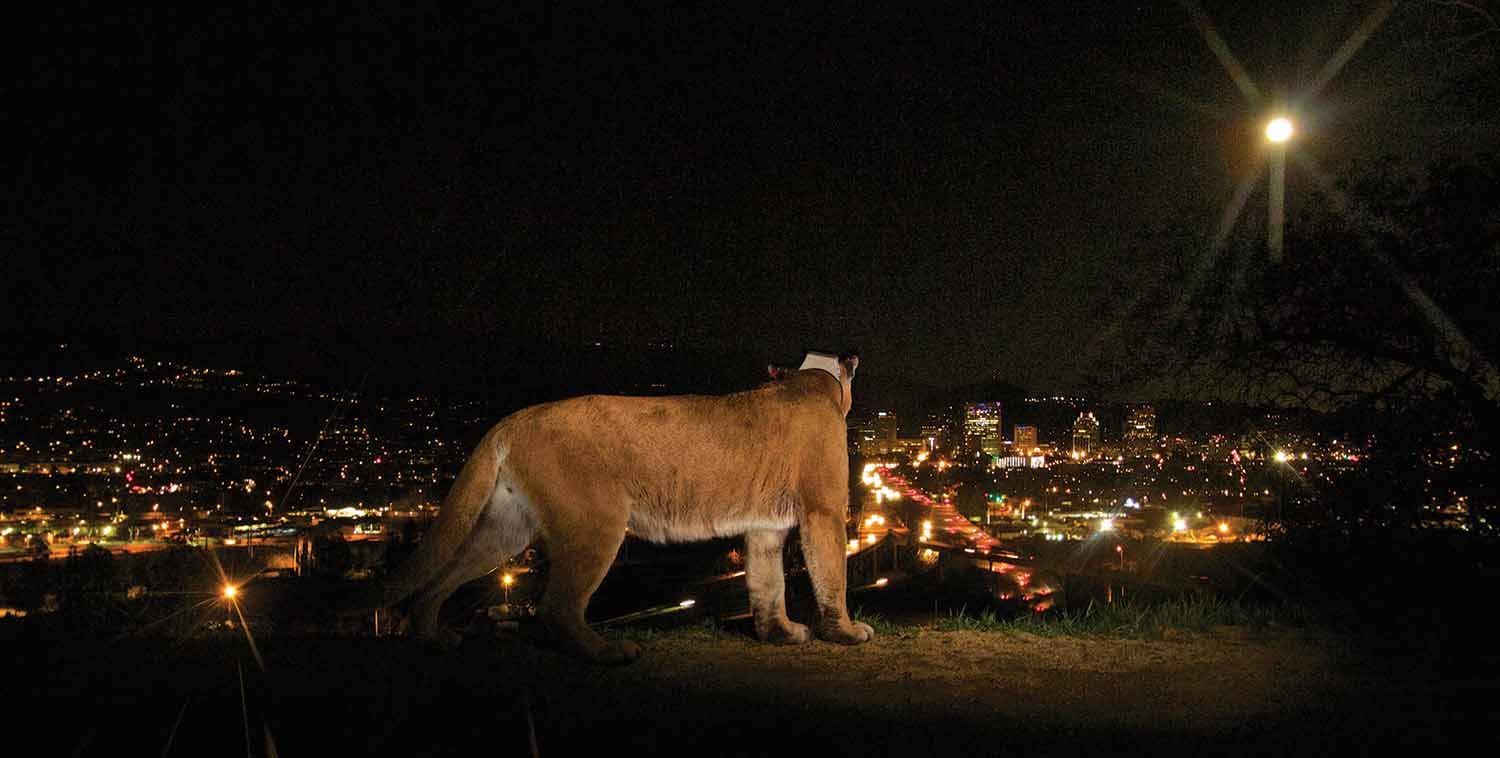
This mountain lion, known as P-22, helped inspire the Wallis-Annenberg Wildlife Crossing.

But wildlife crossings can make it easier for nature and vehicles to exist together. These bridges and tunnels span a growing number of roads or train tracks in many parts of the world.

When it’s completed in 2026, the Wallis Annenberg Crossing will be the largest such crossing in the world. It will allow mountain lions, deer, bobcats, black bears, rabbits, and other animals to get from one side of their habitat to the other while the traffic continues to flow below them. 

The Wallis Annenberg Crossing under construction over a busy road with green hills in the background.

Courtesy of National Wildlife Federation

 In this image, soil is being added to the top of the Wallis Annenberg Wildlife Crossing.

The crossing will mimic, or copy, nature as closely as possible. It has already been covered with soil and will eventually feature thousands of plants that are native to the area.

“We can coexist side by side with all kinds of [wildlife] instead of paving it over,” Wallis Annenberg said in 2022, when construction on the bridge began. Annenberg is a philanthropist, or a person who gives money to causes that help others. She and her foundation helped raise much of the money to pay for the crossing. “[This wildlife crossing] is about bringing more attention to an ingenious solution so urban wildlife and ecosystems like this one cannot only survive, but thrive.”

Face Thinking Icon

Did You Know?

A 2017 study found that animals are more likely to use a wildlife crossing than try to cross another part of a busy highway.

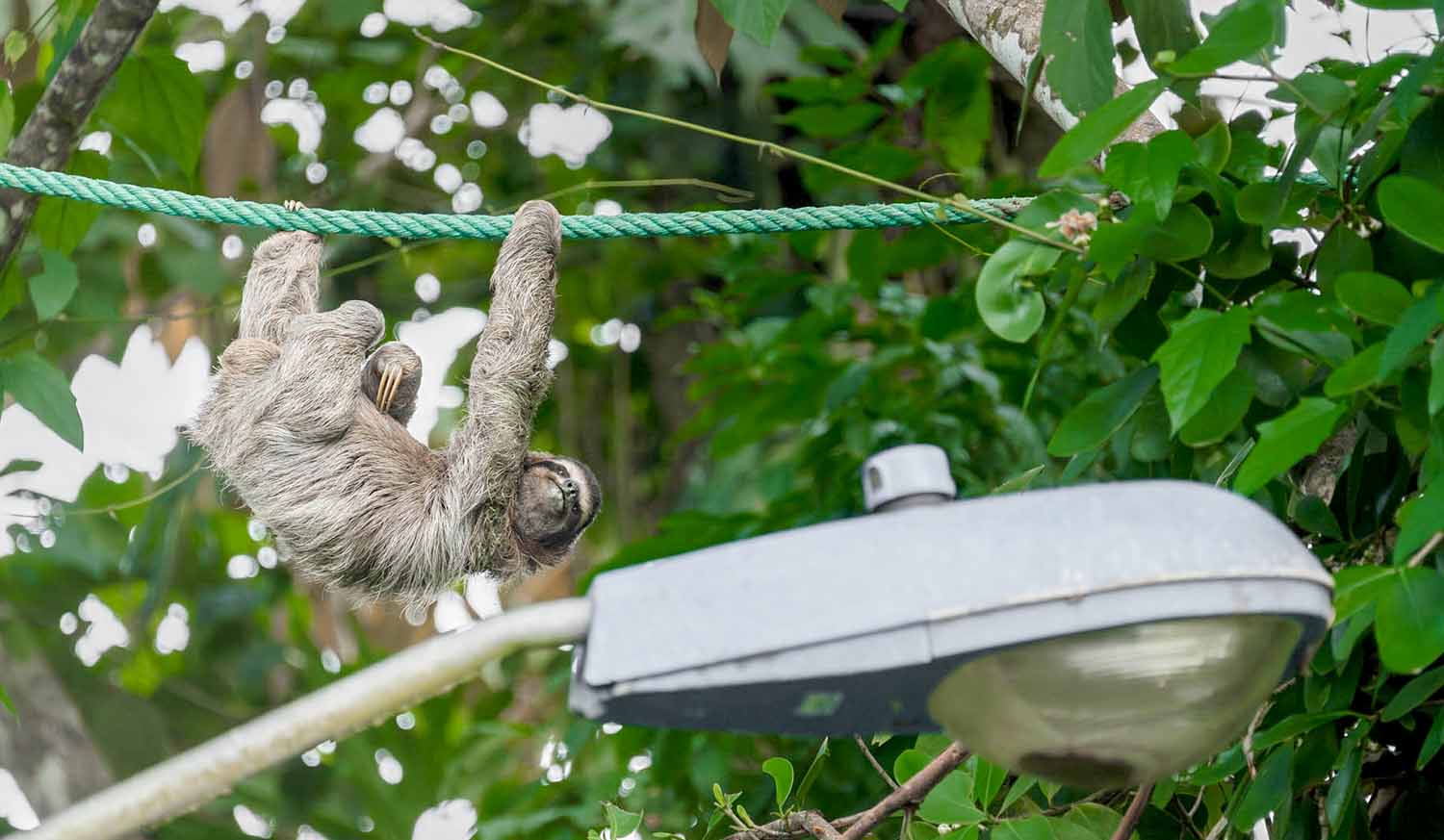
A sloth hangs upside down on a rope that is hung over a lamppost, gripping the rope with a front and rear paw.

Courtesy of Gabriel Ayala/The Sloth Conservation Foundation

A rope can be a wildlife crossing for sloths like this one.

All Kinds of Crossings

A wildlife bridge stretches over a two-way road with tall mountains in the background.

© Education Images—Universal Images Group/Getty Images

This wildlife crossing is located in Banff National Park.

Around the world, people are building crossings to make it easier for animals to cross busy roads and railways. Here are just a few of them!

The Many Crossings of Banff National Park, Canada

Banff National Park is home to 44 wildlife bridges and tunnels, more than any other location in the world. Officials at Banff say that when animals have a choice of bridge or tunnel, moose, wolves, elk, and grizzly bears would rather use high, wide, and short crossings (bridges). Black bears and mountain lions prefer narrow underpasses (tunnels).

Crab Bridges on Christmas Island, Australia

Every autumn, millions of red crabs on Christmas Island migrate from their homes to the ocean to mate. The island’s “crab bridges” allow the crabs to avoid vehicles as they cross the roads on their journey to the sea!

Turtle Tunnels in Kobe, Japan

It’s not easy for a slow-moving turtle to cross train tracks. So railway workers in Kobe, Japan, constructed turtle-sized ditches. The turtles can move at turtle speed without being harmed, even if a train passes over them.

Special Sloth Bridges, Costa Rica

Speaking of slow, sloths move like molasses, putting them at risk when they are on the ground. That’s a problem in places where the trees where they usually hang out are being cut down. But since sloths are great at hanging on to things, conservationists in Costa Rica string rope across roads so that the animals can get to the other side…and take their time.

Slow and Steady Sloths!

© janiecbros—Creatas Video/Getty Images

Did you know that sloths are good swimmers? They can swim through water faster than they move on land.

Learn more about these animals at Britannica!

Word of the Day Icon

Word of the Day

traverse

Part of speech:

verb

Definition:

: to move across (an area)

Definitions provided by
Merriam-Webster Logo
Game Icon

Play

Word Flower

.
​​

In Case You Missed It

Taryn Smith is the first American woman to row solo across the Atlantic Ocean.
March 5, 2026
A powerful waterfall doesn’t easily freeze, but this winter has been especially cold!
March 3, 2026
For Women’s History Month, we’re honoring two women who inspired many others to take to the skies.
February 26, 2026
Baseball player Ron Teasley has died. Teasley was one of the last living athletes to play in the Negro Leagues.
February 24, 2026

These Moths Follow the Stars

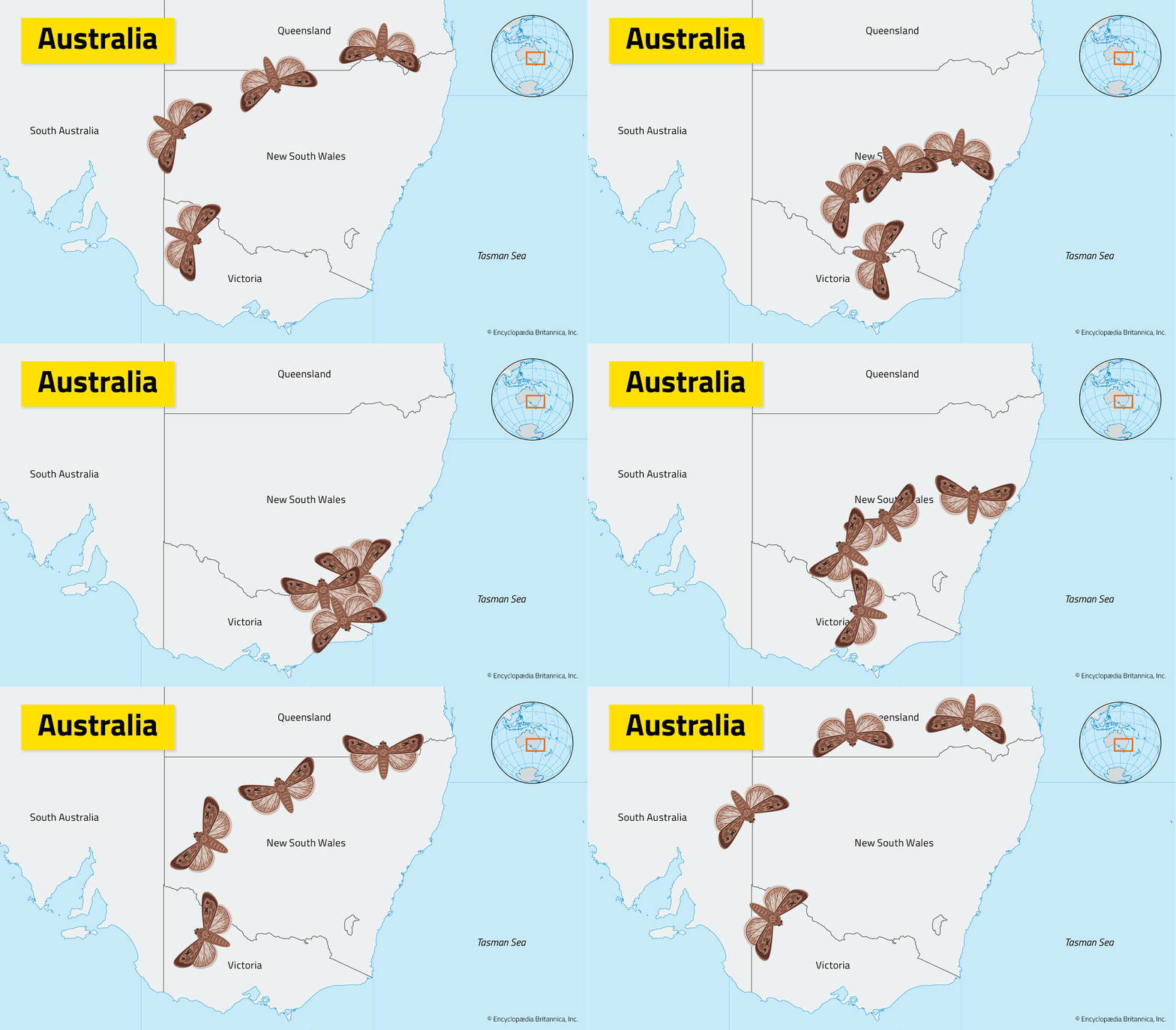
Four brown moths fly southeast and then northwest over a map of southeastern Australia.

These Moths Follow the Stars

Scientists have discovered that the bogong moth finds its way by following the stars in the night sky.

Four brown moths fly southeast and then northwest over a map of southeastern Australia.

© ssstocker/stock.adobe.com; Photo illustration Encyclopædia Britannica, Inc.

Could you find your way on a long journey using only the stars? Some humans and birds can. But scientists recently learned that the bogong moth also has this ability—and they’re surprised, considering that the moth’s brain is smaller than a grain of rice!

Every spring, Australia’s bogong moths escape the heat by migrating (traveling) 620 miles (1,000 kilometers) south. Settling in a mountain range called the Australian Alps, they take shelter in cool caves and stay there all summer. 

Scientists noted that each generation of moths goes to the Australian Alps without ever having been there before. They wondered how the moths found their way. Some migrating animals use Earth’s magnetic field (our planet’s built-in compass) to sense which direction they’re facing. Others use the stars. Do bogong moths use either of these methods?

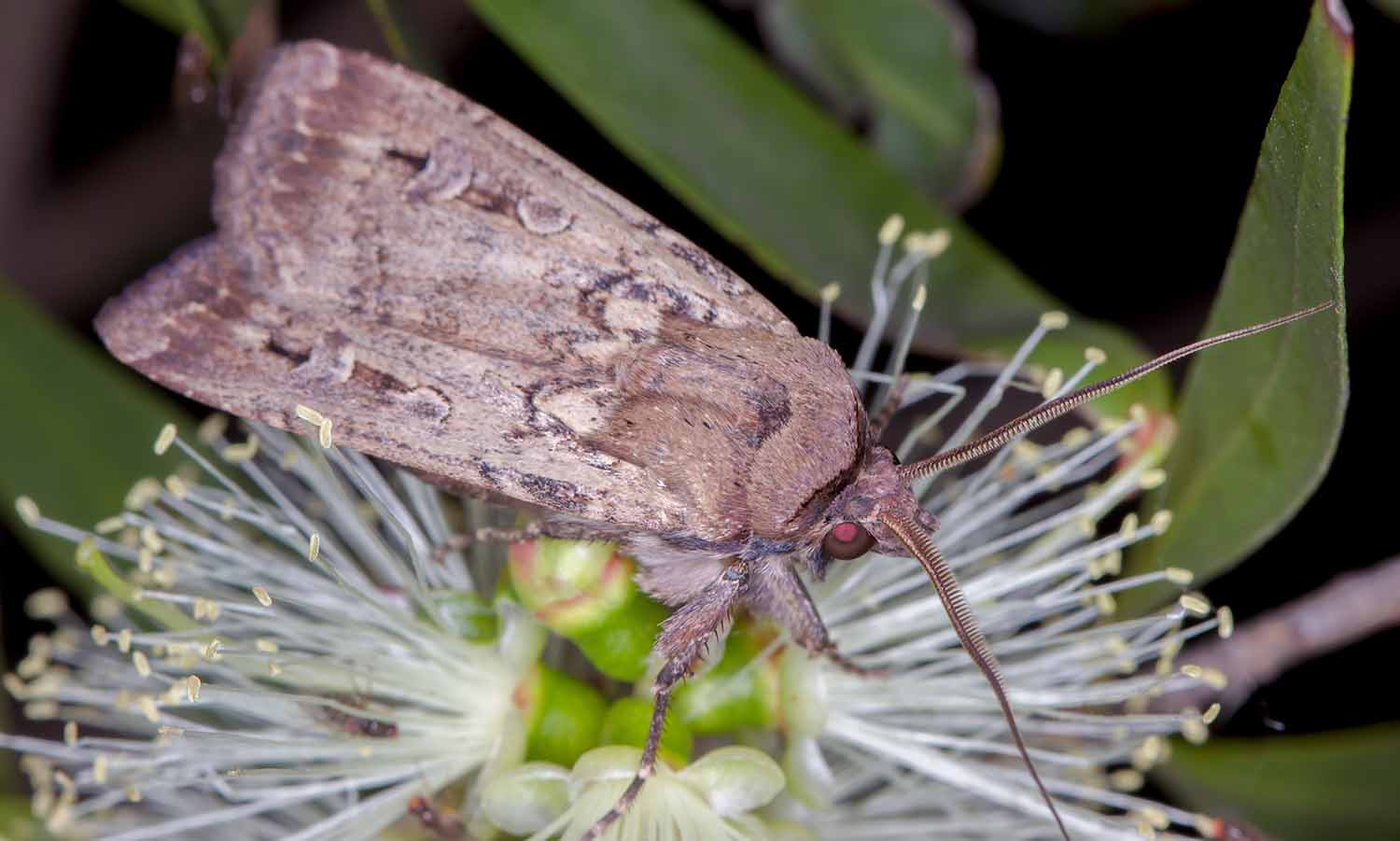
A brown bogong moth sits on a flower.

© Andrew/stock.adobe.com

A bogong moth

Eric Warrant, head of the Division of Sensory Biology at Lung University in Sweden, wanted to find out. He and other scientists created a flight simulator—a device that would make the moths think they were taking a long-distance flight. The scientists were able to use the simulator to recreate a night sky but block Earth’s magnetic field. They placed bogong moths into the simulator and took note of where the moths flew. 

When the simulator showed the stars in the correct places, the moths flew in the right direction. But when the scientists changed the locations of the stars, the moths got confused and flew the wrong way. Scientists concluded that the moths rely on the stars to guide them when they migrate.

“It is an act of true navigation,” Warrant told CNN. “They’re able to use the stars as a compass to find a specific geographic direction to navigate.”

Migrating birds use both the stars and Earth’s magnetic field to migrate. But the bogong moth is the first invertebrate (animal without a backbone) known to use the stars to travel long distances.

David Dreyer, one of the scientists who took part in the study, says he’s impressed with the moths.

“It’s remarkable that an animal with such a tiny brain can actually do this,” Dreyer told the Associated Press.

Face Thinking Icon

Did You Know?

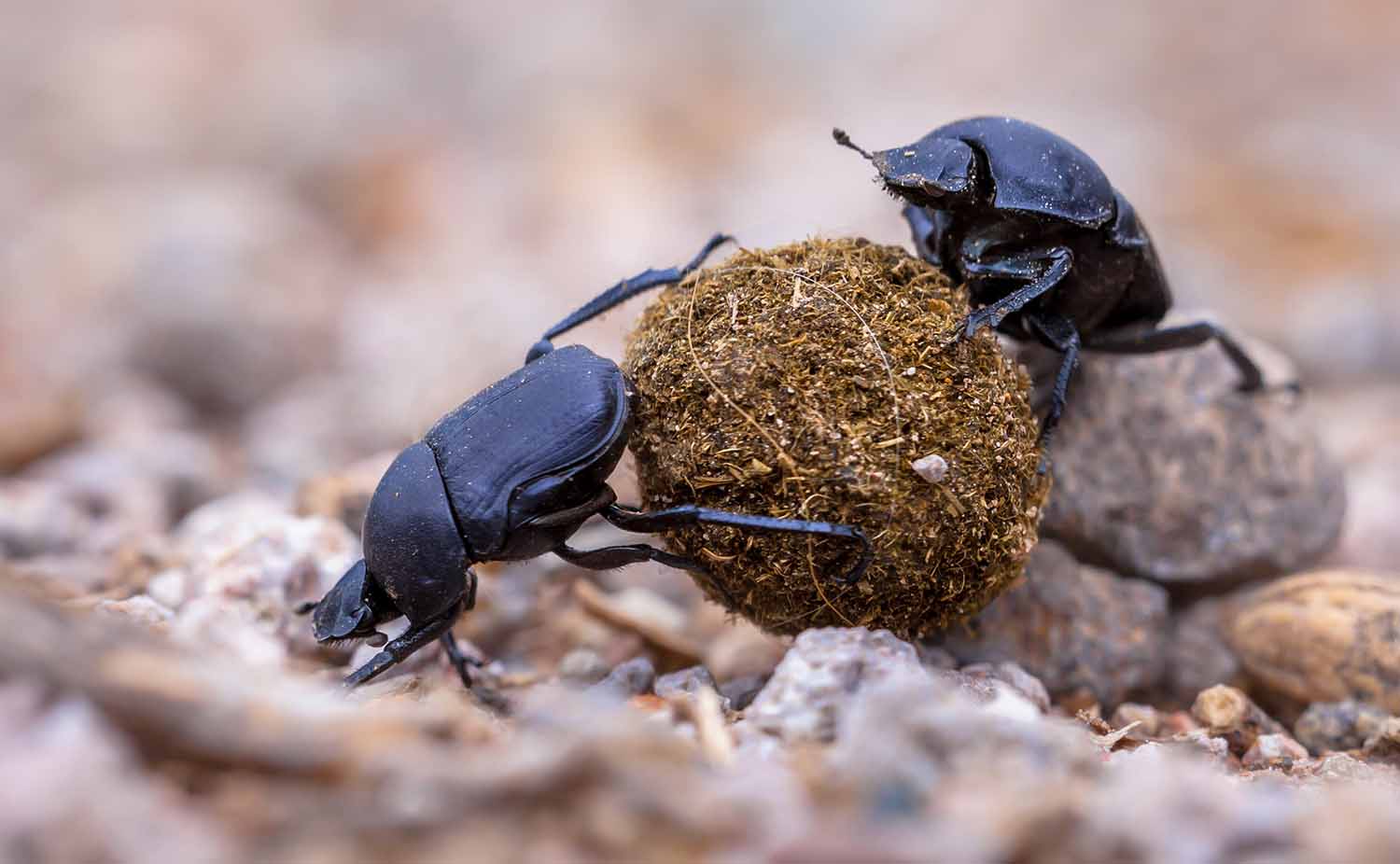
Dung beetles use the stars in the night sky to navigate as they figure out where to take their food so that no other dung beetles steal it. What do dung beetles eat? Animal dung (poop)!

Two dung beetles roll a piece of dung over some pebbles.

© creativenature.nl/stock.adobe.com

The Sun and the wind help dung beetles find their way during the day.

How One Star Can Help Us Find Our Way

Ursa Major and Ursa Minor are illustrated and labeled, along with Polaris.

Encyclopædia Britannica, Inc.

Today we’ve got many tools to tell us which way to travel. GPS, compasses, and maps can help keep us on track. But before these tools existed, people navigated using the stars in the sky. 

The night sky is full of stars that can guide travelers. Let’s talk about Polaris, or the North Star, which is visible in the Northern Hemisphere. The North Star is located above the North Pole, so if you were to travel in the direction of this star, you’d be heading north. For centuries, travelers used the North Star as a directional guide.

How do you find the North Star? Luckily, some stars form shapes called constellations. One of the most famous constellations in the Northern Hemisphere is called Ursa Major (also called the Big Dipper because part of its shape looks like a ladle or a saucepan). The North Star is close to the Big Dipper in the night sky. It also happens to be part of another constellation called Ursa Minor, or the Little Dipper.

You have a better chance of finding the North Star if you’re in a location where the nights get very dark. Artificial lights will drown out the light of the stars.

The Great Bear

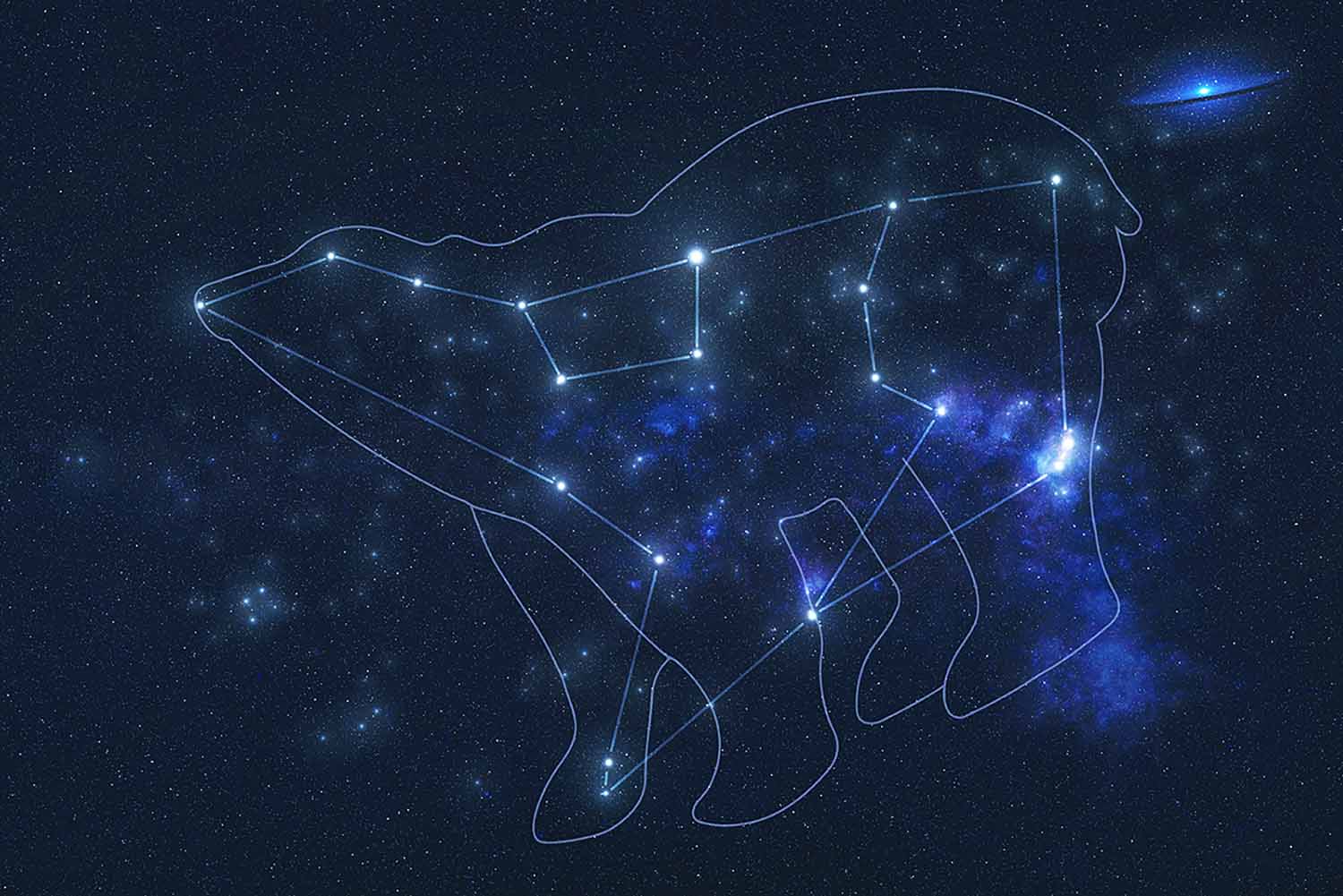
The stars of Ursa Major have been connected to show the outline of a bear.

© Alexandr Yurtchenko/stock.adobe.com

Ursa Major

One of the most famous constellations in the night sky is called Ursa Major. The name translates to “big bear” because the constellation’s stars form the rough outline of a bear. 

You can read more about Ursa Major and some of the stories and legends it inspired at Britannica.

Word of the Day Icon

Word of the Day

stellar

Part of speech:

adjective

Definition:

: of or relating to the stars

Definitions provided by
Merriam-Webster Logo
Game Icon

Play

Criss Cross

.

In Case You Missed It

Taryn Smith is the first American woman to row solo across the Atlantic Ocean.
March 5, 2026
A powerful waterfall doesn’t easily freeze, but this winter has been especially cold!
March 3, 2026
For Women’s History Month, we’re honoring two women who inspired many others to take to the skies.
February 26, 2026
Baseball player Ron Teasley has died. Teasley was one of the last living athletes to play in the Negro Leagues.
February 24, 2026

A Printable Wheelchair

A toddler sits in a 3D printed wheelchair.

A Printable Wheelchair

An organization called MakeGood NOLA is making it easier for parents to get the wheelchairs their kids need.

A toddler sits in a 3D printed wheelchair.

Courtesy of Noam Platt/MakeGood Design

Sebastian received a printed wheelchair called a Toddler Mobility Trainer when he was 18 months old. The wheelchair makes it easier for him to move around his house.

A wheelchair can cost thousands of dollars. For families of kids with disabilities, whose wheelchairs need to be replaced as they grow, the expenses add up fast. So an organization called MakeGood NOLA found a way to produce wheelchairs for a lot less money—by printing them out.

A 3D printer can produce just about any three-dimensional object if the user provides a design and some material, like plastic or metal. Anyone in the world with a 3D printer will be able to go to MakeGood NOLA’s website and download the free design for its printable wheelchair, called the Toddler Mobility Trainer (TMT). If they put the correct materials in the printer, they can print the TMT, part by part, and then put it together, with no tools required.  

“We designed this to be modular and easy to make. Really, anyone with a 3D printer and some [material] can download the files and print it,” said Noam Platt, an architect who founded MakeGood in 2021.

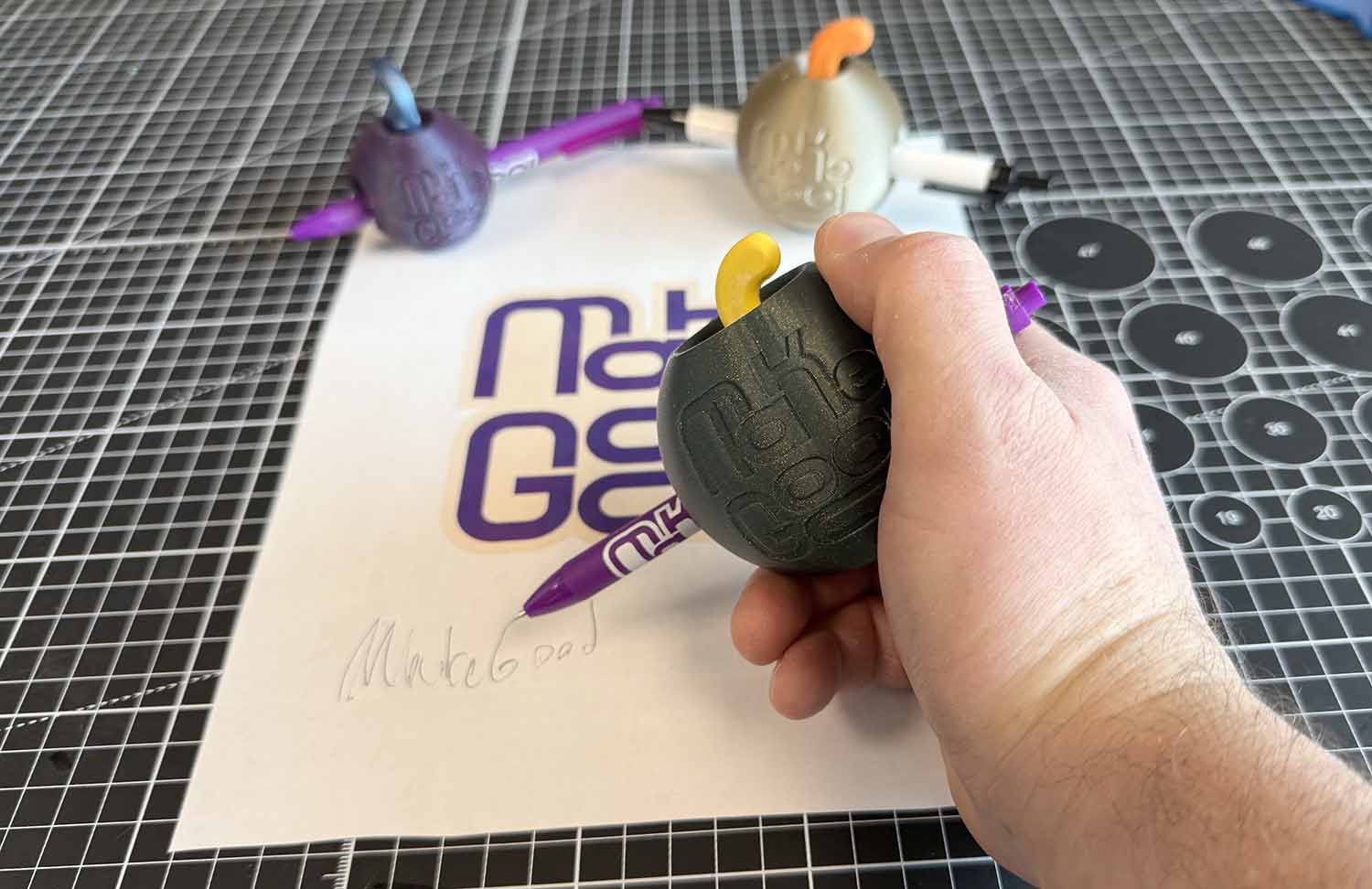
Many architects design buildings, but some design devices that can be used in health care. At MakeGood, Platt is part of a team of experts who design not only wheelchairs but also many other useful tools. They include a pen ball, a ball that fits over a pen and can make it easier to grip, and a phone cuff, which goes over the hand and makes a phone easier to hold. All of the designs are free to download and can be printed with a 3D printer. MakeGood also helps individuals by designing and printing items to fit their needs.

A hand grips a ball that is fitted around a pen and is held over paper where MakeGood has been written.

Courtesy of Noam Platt/MakeGood Design

MakeGood NOLA designed the pen ball, which can be printed on a 3D printer. This device makes it easier to grip a pen.

Like MakeGood’s other designs, the TMT wheelchair is customizable. It can be printed in any color, and that’s just the beginning. Platt plans to adjust the TMT design to fit the needs of different users.

“[We plan to] start filling those requests with custom-printed chairs, including things that you might need for your particular chair,” Platt said in a video posted to MakeGood’s Instagram account.

The wheelchair is already helping kids with disabilities.

“It’s an A+,” one parent told CBS News, about an earlier version of the TMT. “It’s helped [my son] become more mobile and be able to adapt into the other things that he’s going to be offered. It’s helped his development.”

Face Thinking Icon

Did You Know?

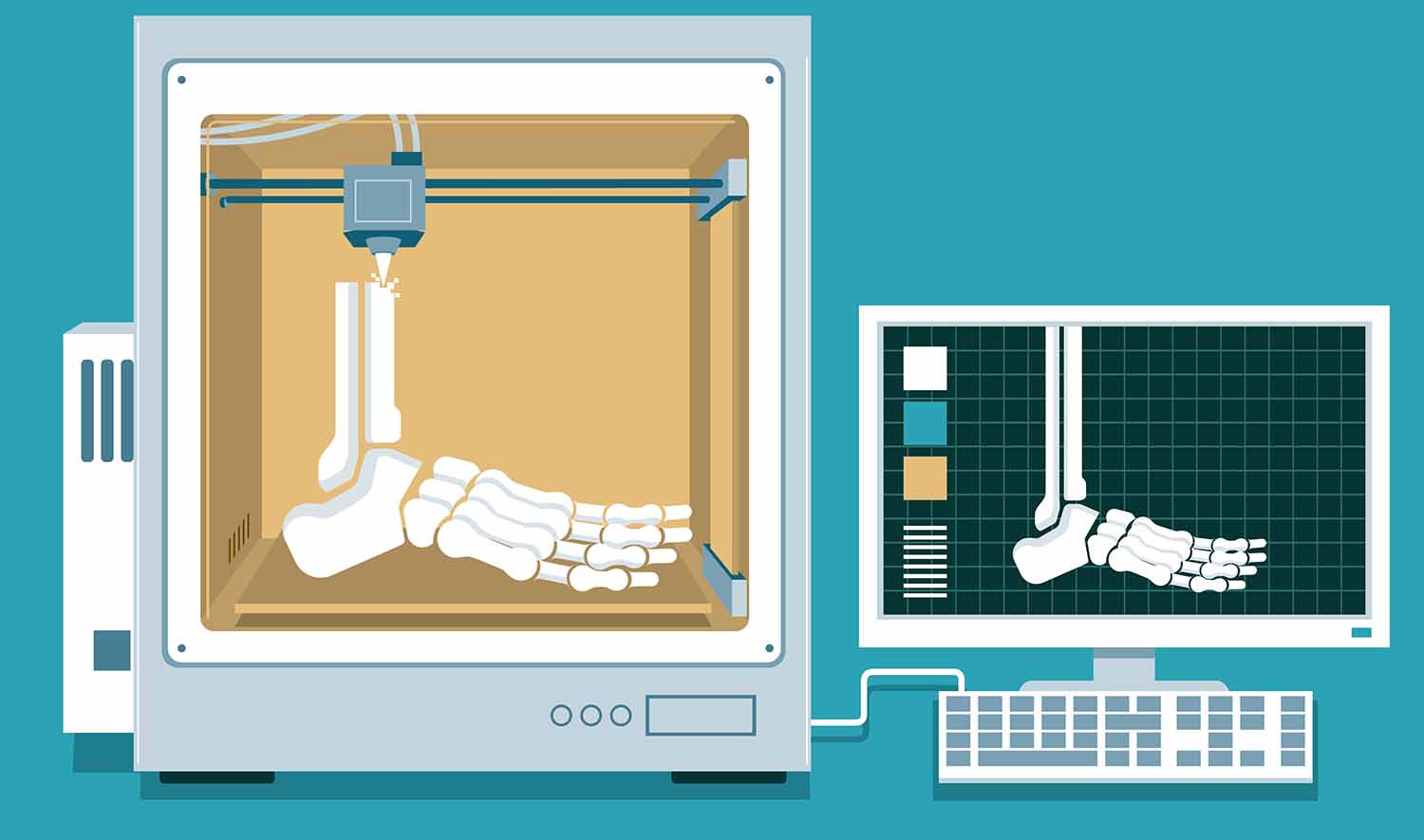
Experts are figuring out how to 3D print new human organs, like hearts and livers. 3D-printed organs could eventually save lives by replacing organs that are no longer working properly.

An illustration shows a 3D printer creating a foot and lower leg for organ reconstruction.

© sorbetto—DigitalVision Vectors/Getty Images

Bored No More!

A woman and her sons plant vegetables in a community garden.

© RyanJLane—E+/Getty Images

We’re well into summer, and for many kids, that means there’s lots of free time. Here are some of our favorite summer activities that don’t include screens. What are yours?

Grow your own food. Whether you use a backyard bed of soil or pots on a windowsill, gardening can be a lot of fun. You can get seeds at a store or from the fruit you eat!

Become a collector. You can collect coins, stamps, seashells, and more.

Play a sport. With an adult’s permission, go to a park or other community spot and play your favorite game. 

Be a birdwatcher. Use your senses to learn which birds live in your local park or just outside your window.

Be one with nature. Observe bugs or even clouds. Write or draw your observations in a journal, and compare your notes from day to day.

Make a culinary masterpiece. Cookbooks and websites have recipes for everyone, from newbies to experienced chefs, so get cooking! (Get permission from an adult first, especially before you use a knife, stove, or oven.) 

Do an art project. Spend an afternoon drawing, painting, or (with permission) tie-dying a T-shirt.

Build something. LEGO bricks are fun to use, but there are tons of other building materials out there, from sticks and leaves to old food containers that have been washed clean. Grab some glue, markers, twist ties, or even pipe cleaners, and start creating!

Go on a scavenger hunt. Make or download a list of object descriptions, like “something yellow,” or “something that makes a noise.” Work alone or with others to see how many objects you can find!

Marvelous Machines

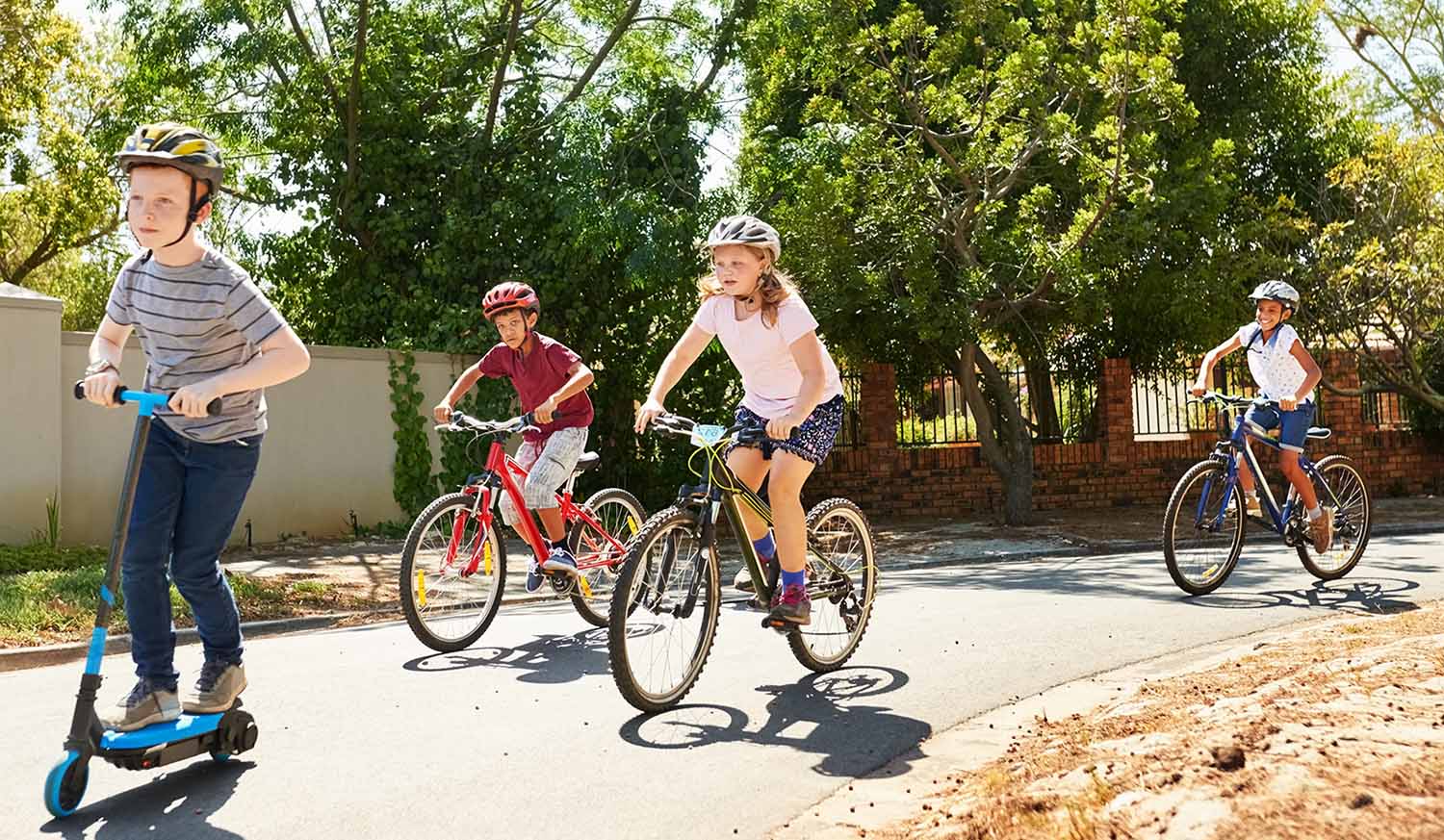
A child on a scooter and three children on bicycles ride down a paved path with trees in the background.

© AJ_Watt—E+/Getty Images

Scooters and bicycles are machines!

From hammers and screws to robots and 3D printers, machines can make our lives easier. Some machines are even fun!

What is a machine, and how do machines work? Find out at Britannica!

Word of the Day Icon

Word of the Day

custom

Part of speech:

adjective

Definition:

: made to fit the needs or requirements of a particular person

Definitions provided by
Merriam-Webster Logo
Game Icon

Play

Word Search

.

In Case You Missed It

Taryn Smith is the first American woman to row solo across the Atlantic Ocean.
March 5, 2026
A powerful waterfall doesn’t easily freeze, but this winter has been especially cold!
March 3, 2026
For Women’s History Month, we’re honoring two women who inspired many others to take to the skies.
February 26, 2026
Baseball player Ron Teasley has died. Teasley was one of the last living athletes to play in the Negro Leagues.
February 24, 2026