From Drone Class to Rescue Mission
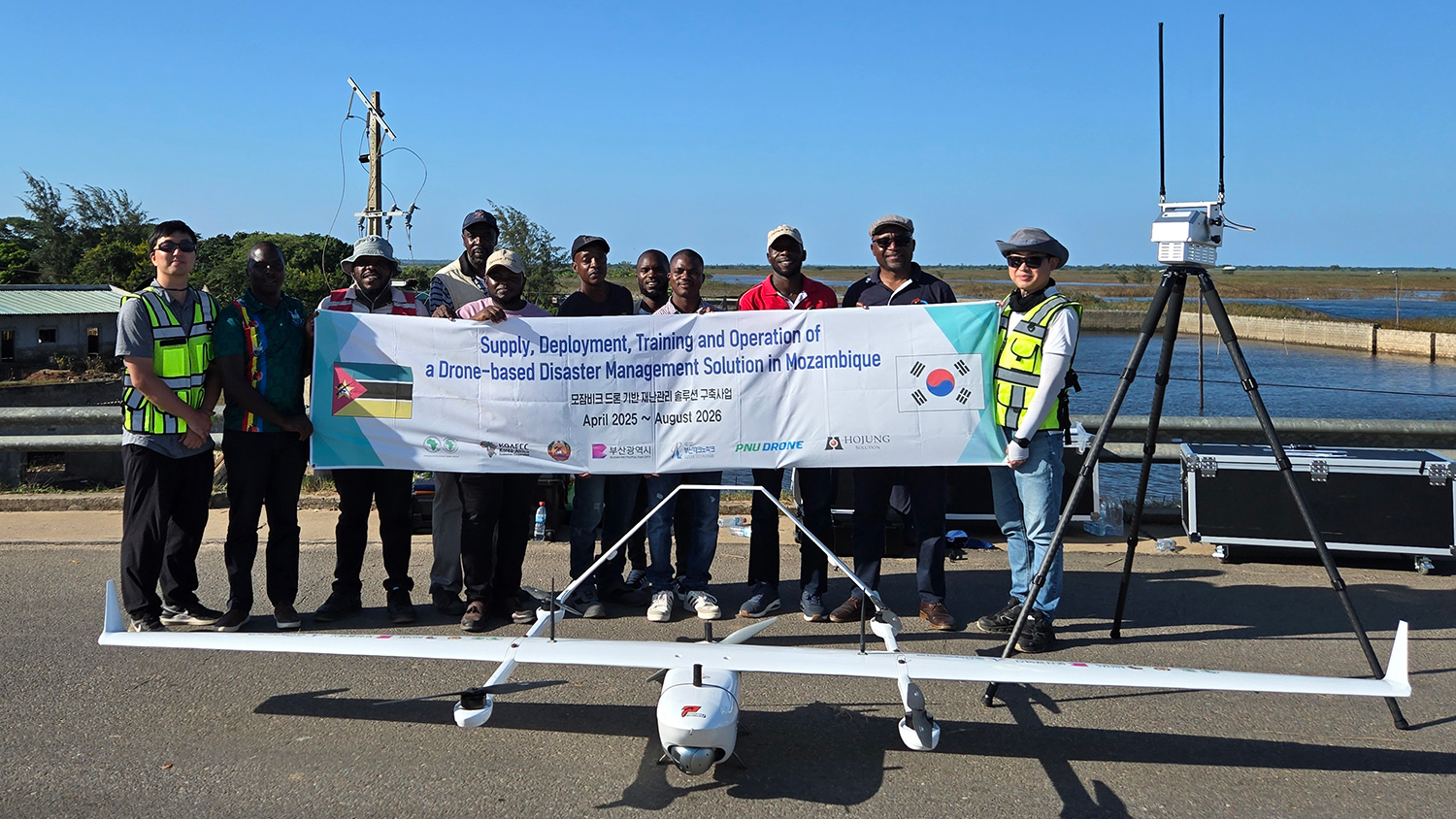
Courtesy of African Development Bank (AfDB)
Participants in the Drone-Based Disaster Management Project hold up a banner showing the flags of South Korea and Mozambique.
Imagine you begin a training program to learn a new job—flying drones over areas affected by natural disasters. Now, imagine that in the middle of this training, a real emergency happens and you must spring into action. This exact scenario happened to a group of 30 drone pilot students in Mozambique. Thanks to their new skills and quick action, the pilots helped save people from a disastrous flood.
The Drone-Based Disaster Management Project in Mozambique began in April 2025, with instructors from South Korea training 30 new pilots to fly drones over landscapes after floods, mudslides, hurricanes, or other weather events occur. Once trained, the drone pilots would be able to help search and rescue teams find stranded people or assist local communities to identify building and road damage.
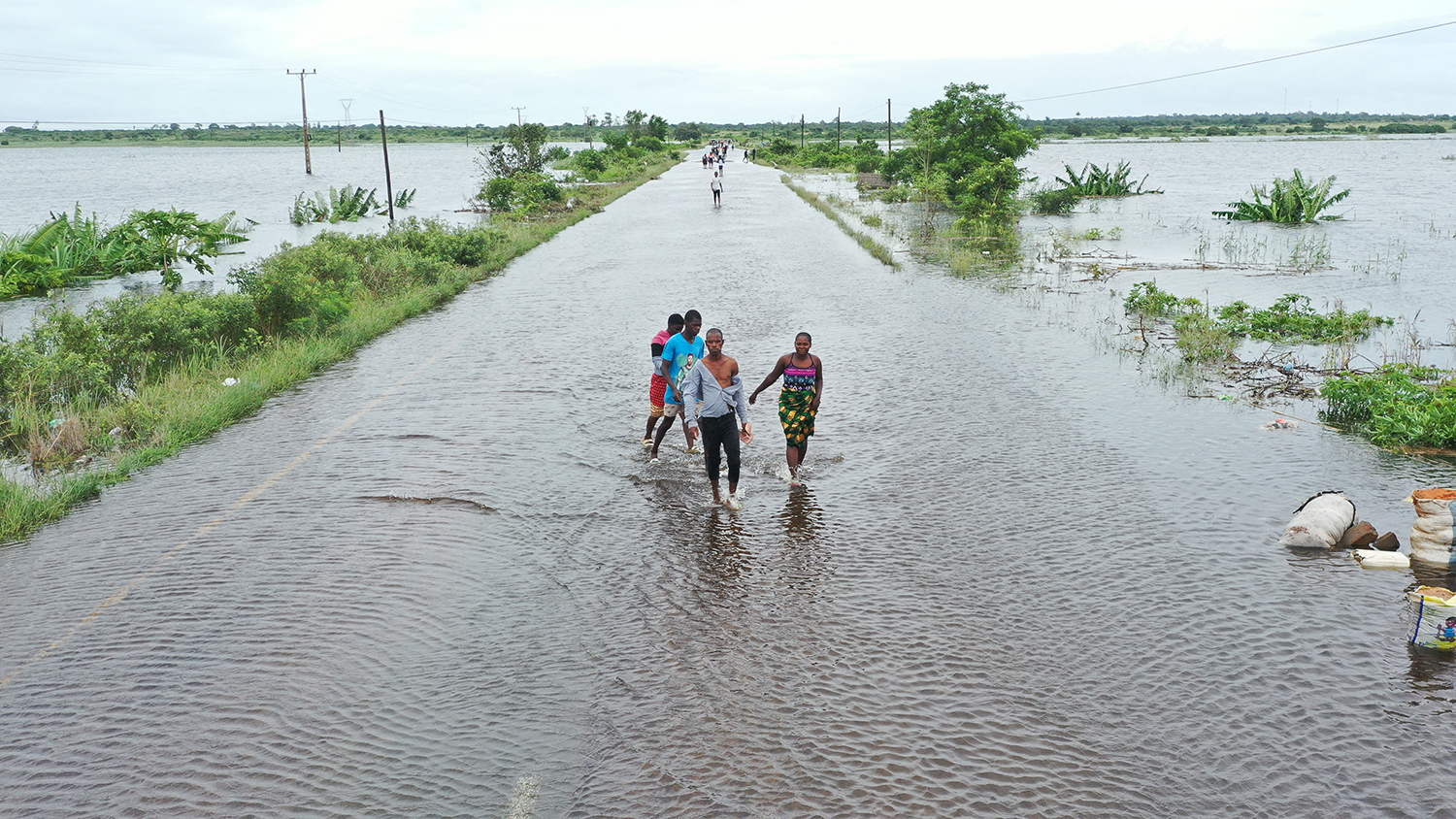
© Emidio Jozine—AFP/Getty Images
Residents wade through floodwater near Maputo, Mozambique, after heavy rains in January 2026.
But natural disasters do not wait until training is over. In January 2026, weeks of rainfall caused a massive flood of the Incomáti River in a community just north of the capital city of Maputo. Despite being only partway through the training course, the drone pilot students responded to the emergency. Using their new skills, the pilots flew the drones over the flood zone to map out flooded roads and find families stranded in their homes. This helped rescue teams find and rescue the flood victims. As a result, zero fatalities were recorded during the flood.
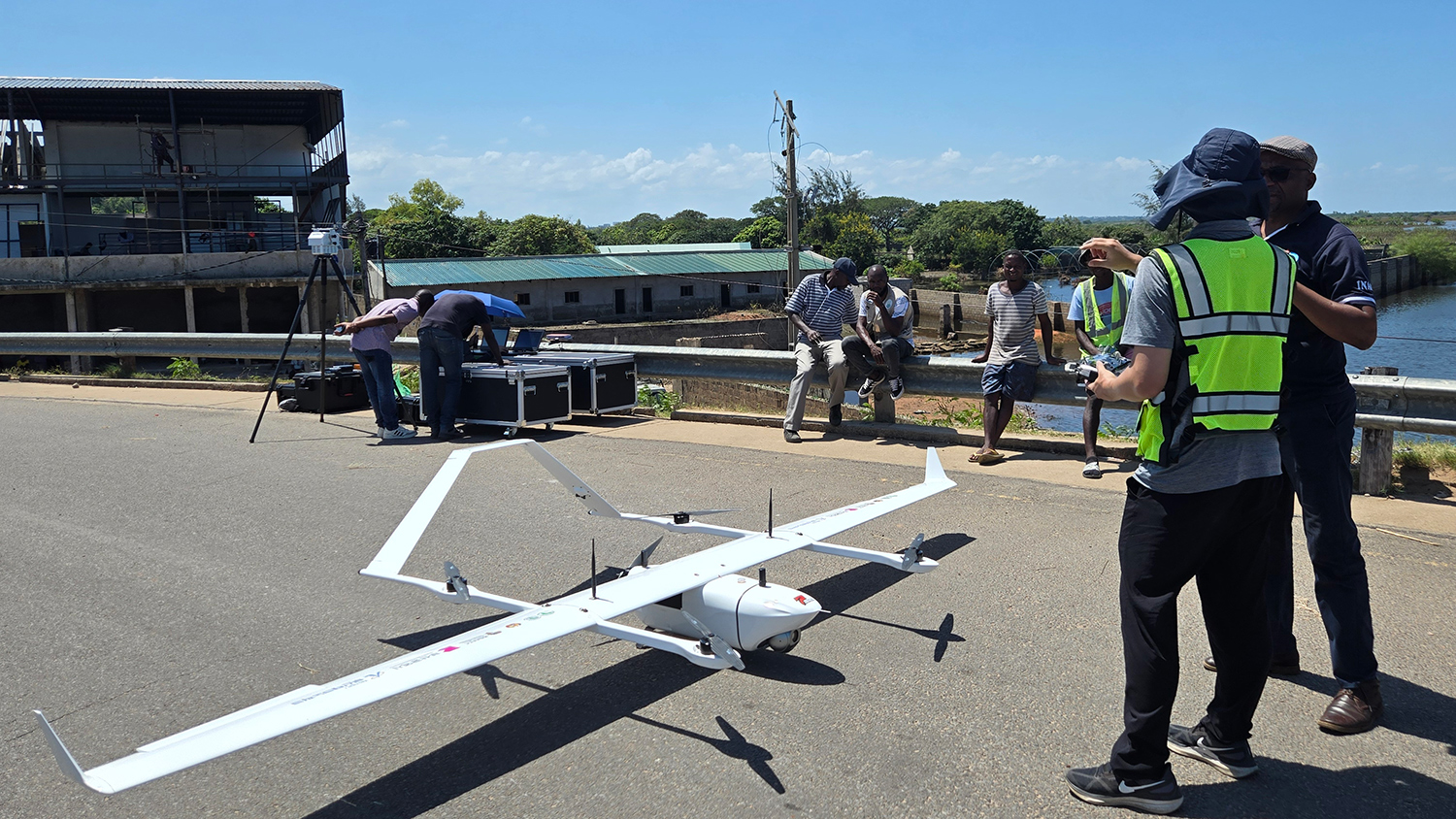
Courtesy of African Development Bank (AfDB)
Drone-Based Disaster Management Project instructors show students how to operate a drone.
The trainees have since graduated the program, and the country has a fleet of experts ready to spring into action again when emergency strikes.
“This project marks a major leap forward—not only in technology but also in how we respond to emergencies,” said local Mozambique councilmember Márcia Moiane in an article from the African Development Bank Group. “It means we can act faster and smarter, saving more lives.”