Bicycles Change Lives

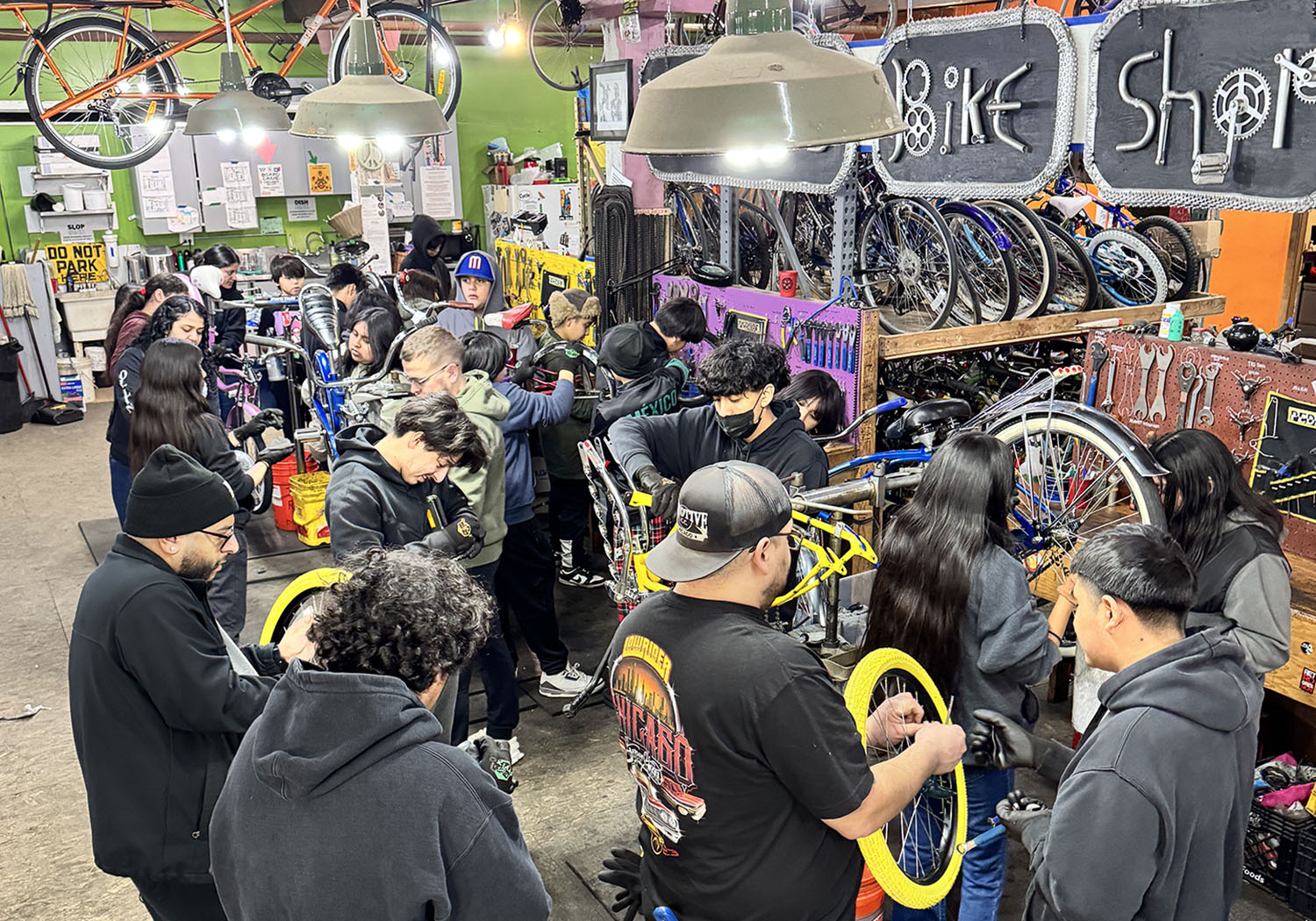
Several people are inside a bicycle shop repairing bicycles or holding bike parts.

Bicycles Change Lives

Working Bikes teaches volunteers to repair bicycles and provides bikes to anyone who needs one.

Several people are inside a bicycle shop repairing bicycles or holding bike parts.

© Courtesy of Working Bikes

Volunteers repair donated bicycles at the Working Bikes Chicago facility.

A bicycle can change a person’s life. That’s why, for more than 25 years, an organization called Working Bikes has provided bicycles to anyone who needs one.

Located in Chicago, Illinois, Working Bikes is no ordinary bicycle shop. Rather than get its bicycle supply from bike manufacturers, the organization receives donated bicycles from Illinois and the surrounding U.S. states. Hundreds of volunteers repair and refurbish the bicycles until they’re like new and ready for a new owner. Working Bikes teaches the volunteers how to repair the bikes.

“[All the volunteers are] kind of like-minded,” Working Bikes cofounder Amy Little told Streetsblog Chicago in 2024. “You’re doing it because you want to help other people. You’re in it together and fixing bikes or loading bicycles into a container because you feel strongly about it.”

A small fraction of these repaired bikes are sold. The rest are given away, often to kids and adults in the Chicago area.

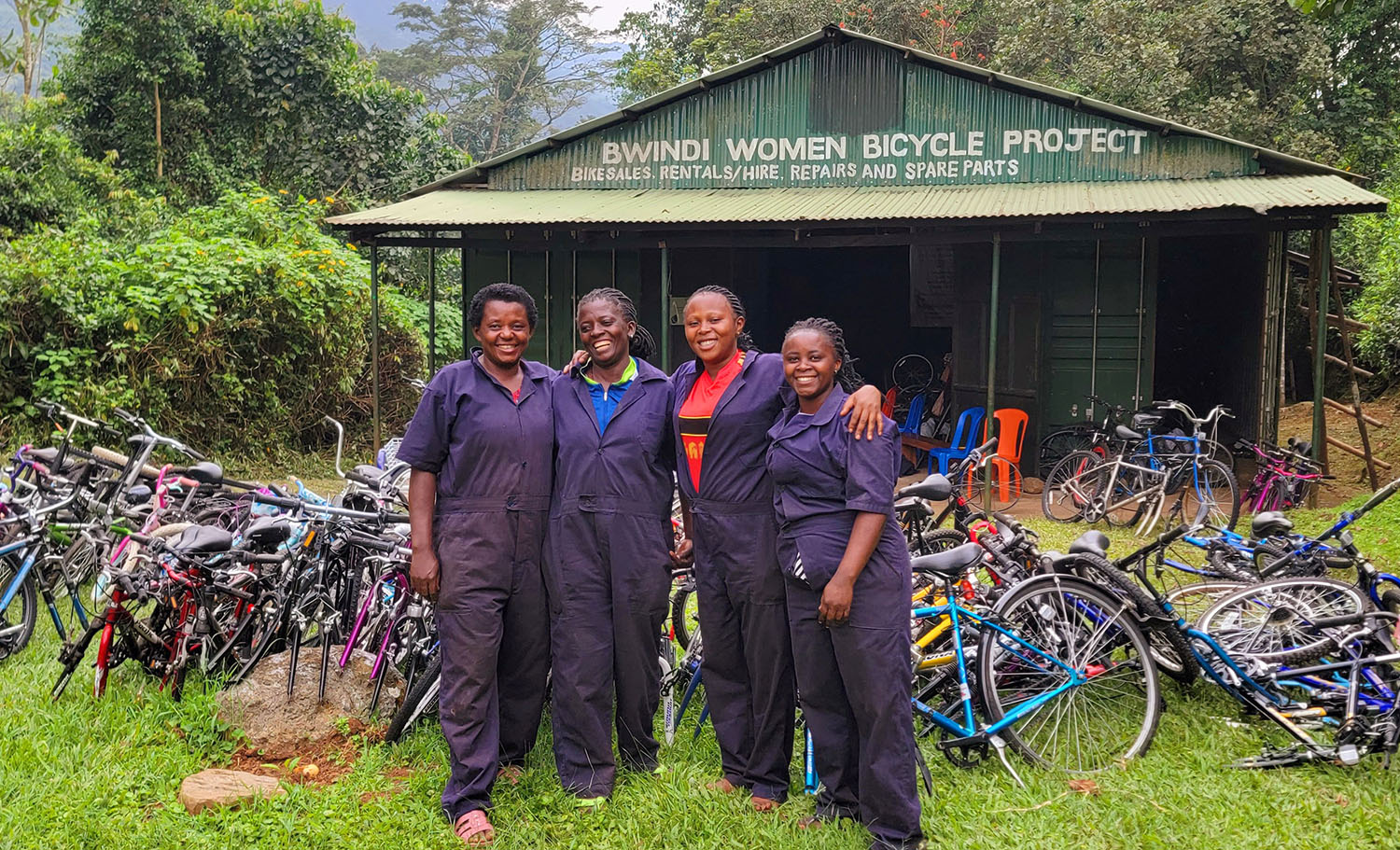
Other donated bikes, as well as bike parts, are shipped overseas to Mexico, Central and South America, Africa, and other parts of the world. Working Bikes has formed partnerships with several international organizations. One of them, in the African nation of Uganda, uses the donations to teach women how to repair bikes.

Four women wearing workers’ jumpsuits pose with bicycles outside a shed that reads Bwindi Women Bicycle Project.

© Courtesy of Working Bikes

The Bwindi Women Bicycle Project in Uganda teaches women to repair bicycles.

Bicycles can be enormously helpful, especially to people who don’t own cars or have public transportation at their doorsteps. For some people, having a bike means the difference between being able to get to work or school and having to stay home. And unlike cars, bicycles don’t add pollution to the environment.

“We’re doing over 10,000 bikes a year, getting bikes that may or may not have been ever fixed up,” Working Bikes cofounder Lee Ravenscroft told Streetsblog Chicago. So we’re saving 10,000 bikes, and we like to think that they’re all used by people trying to get to work and back, and get to school and back. Trying to improve their lives.”

Face Thinking Icon

Did You Know?

According to a recent study, people who choose to travel by bike instead of by car just once a day can reduce the amount of carbon pollution they produce by 67 percent!

Secretary of Energy Stephen Chu and another man ride bicycles as other cyclists and pedestrians are behind them.

© Alex Wong/Getty Images

In this 2009 photo, former U.S. Secretary of Energy Stephen Chu (center) rode his bicycle to work as part of a “Bike to Work Day” event.

Check Out These Bikes!

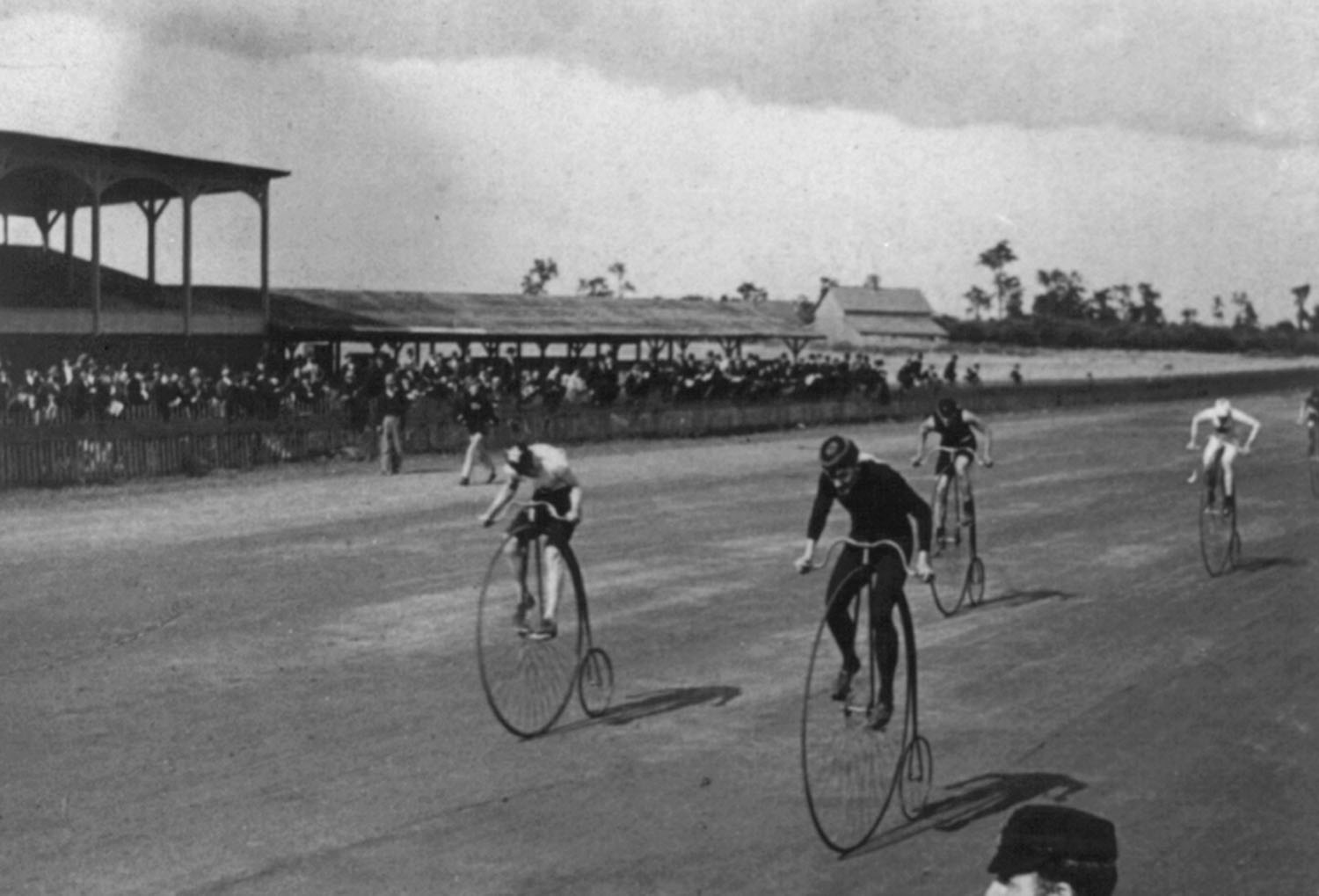
Several people ride ordinary bicycles on a racetrack as spectators watch.

© Alex Wong/Getty Images

It’s hard to imagine riding these bicycles, with their giant front wheels and raised-up pedals. Yet many people in the 1870s tried them out—and they loved them!

During the 1800s, bicycles were still developing. The ones in the photo, called ordinary bicycles or penny-farthings, replaced a heavy wood-and-iron bike that was called the bone shaker because it was so difficult and uncomfortable to ride. The ordinary bicycle was lightweight and easier to ride—sort of.

You may have noticed that the ordinary bicycle’s front wheel is huge. This allowed the rider to move farther with less effort. Pedaling once would cause the wheel to complete one rotation. The bigger the wheel, the farther the bike would go. 

But the ordinary wasn’t very safe. A small shift in position could send the rider tumbling over the front of the handlebars. After only a few years, ordinaries were replaced with a different type of bicycle. This one had two wheels of equal size. Fittingly, it was called the safety bicycle!

Amazing Minds

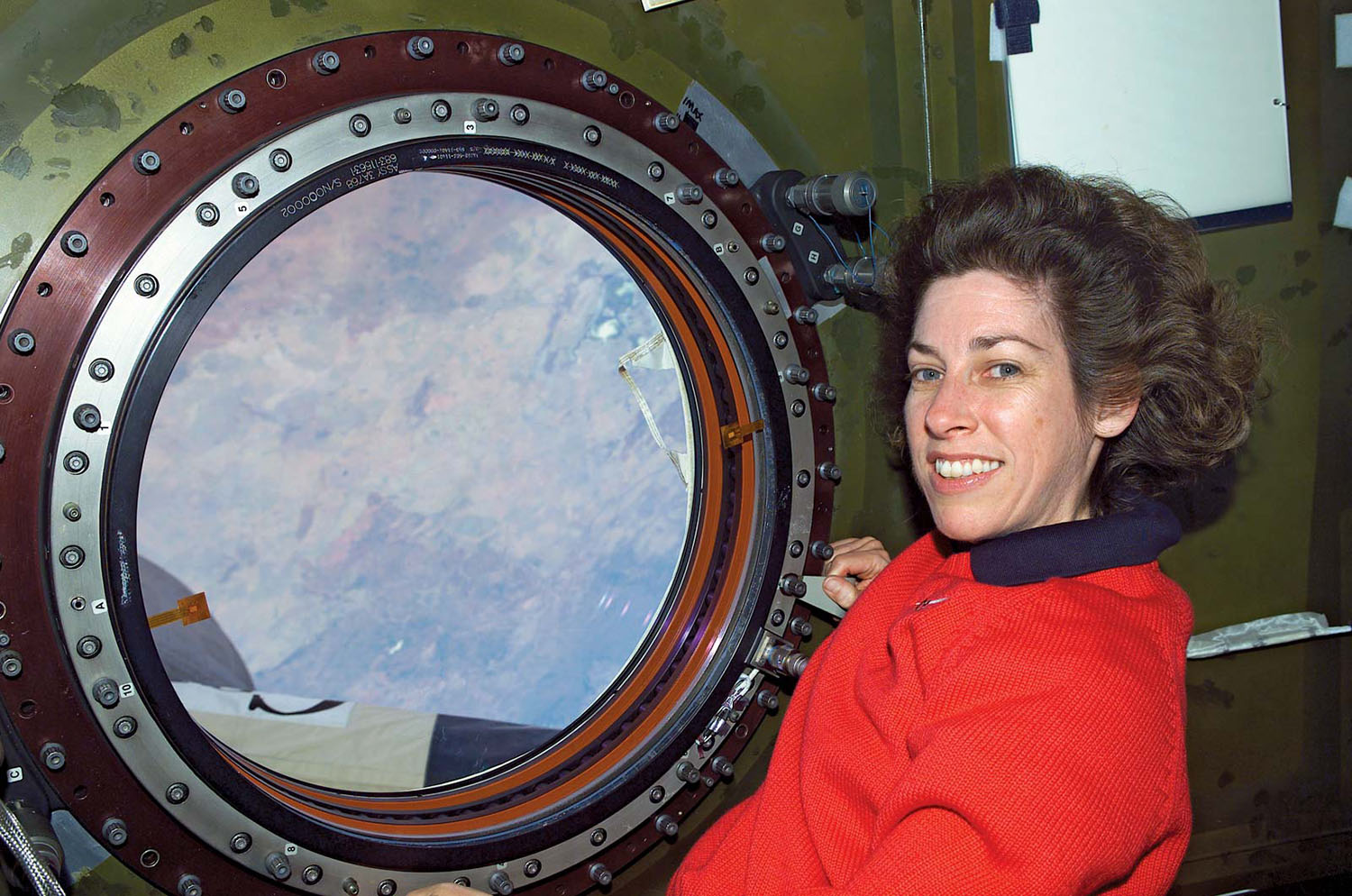
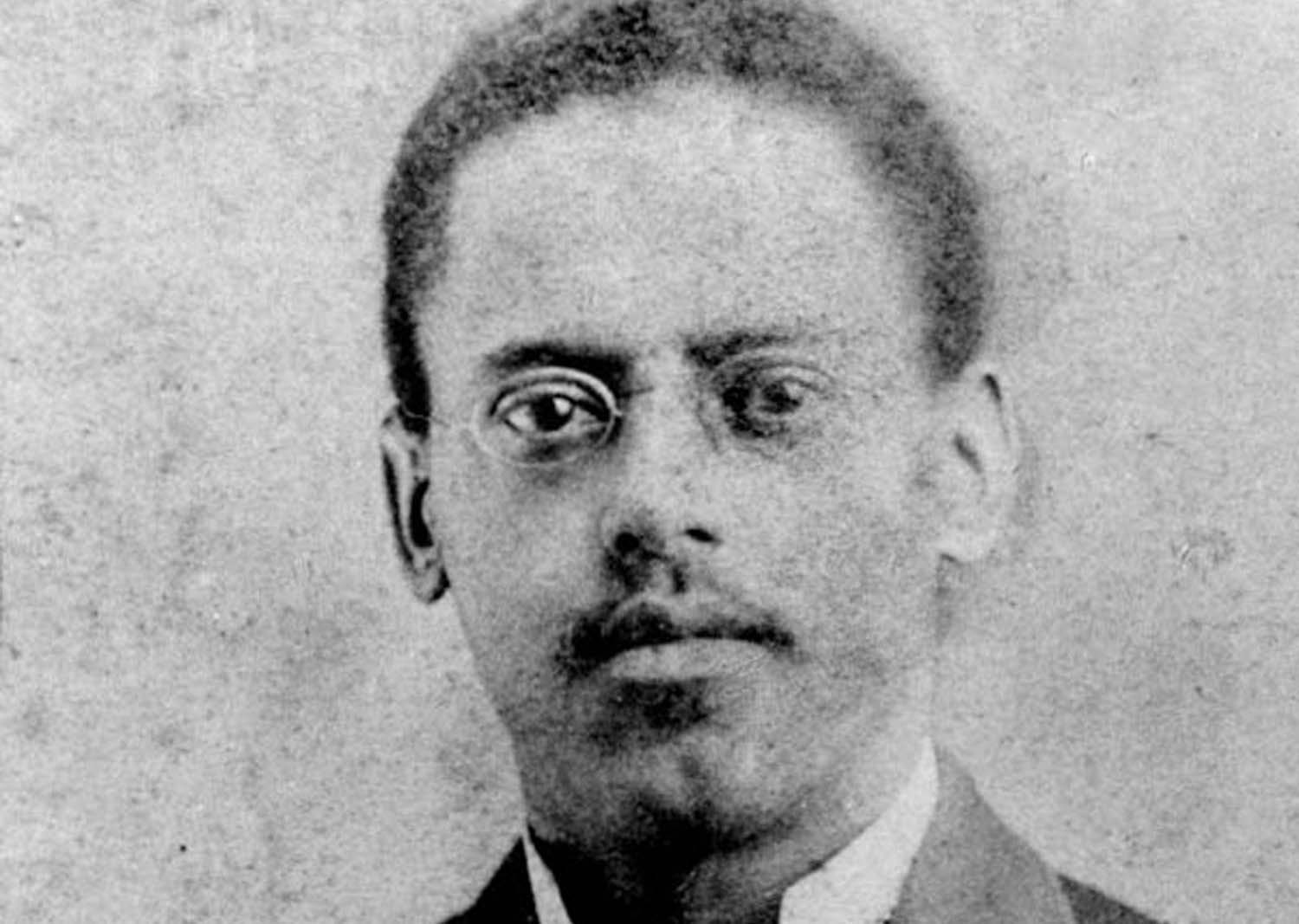
© VCG Wilson—Corbis Historical/Getty Images , Nancy Kaszerman—ZUMA/Alamy, © Everett Collection Inc./age fotostock, NASA, U.S. National Park Service

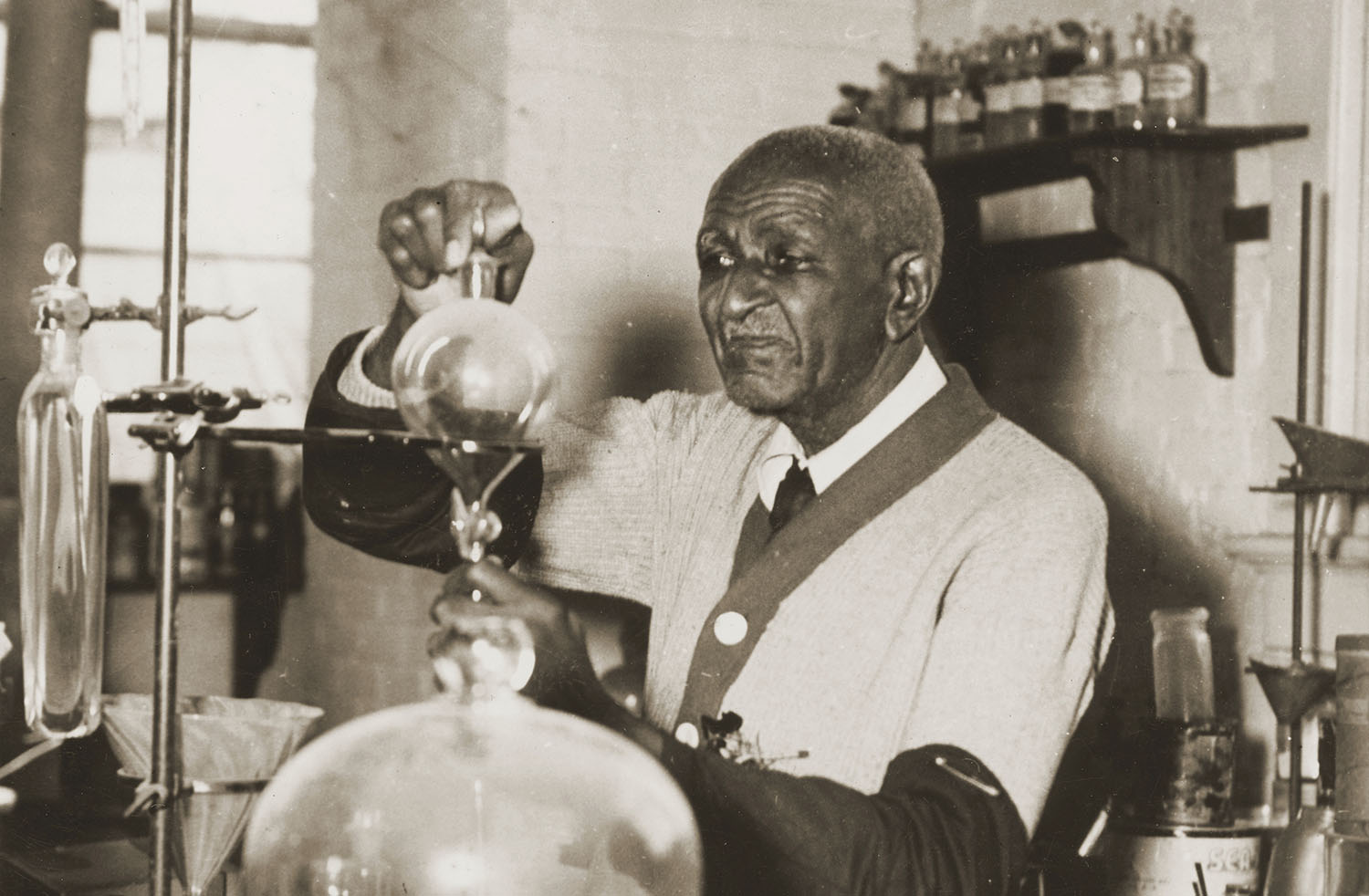
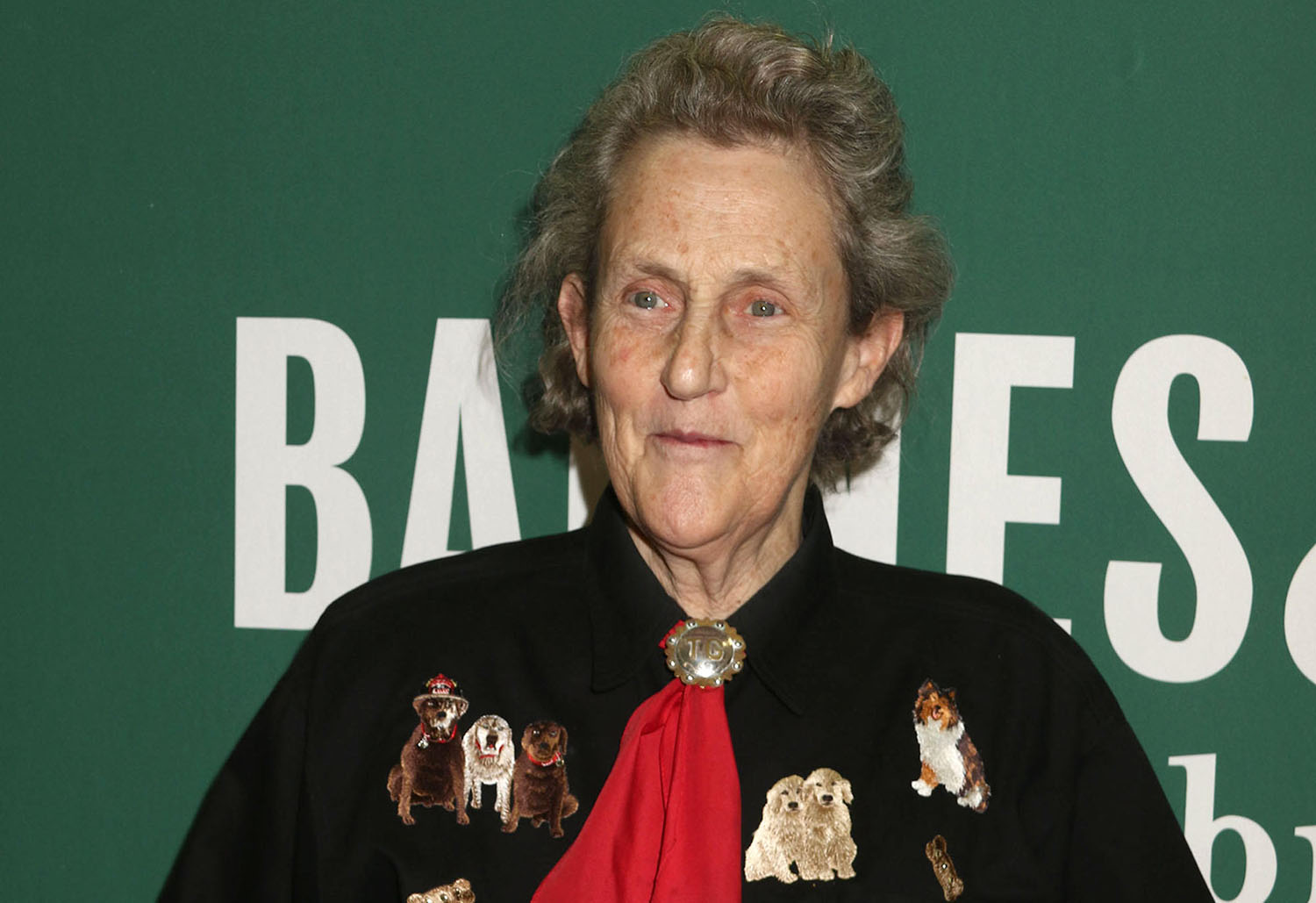
Have you ever wondered who invented some of the things you use every day? Click through the slideshow above to learn about some of these amazing minds. Then check out Britannica to learn about other famous inventors!

Word of the Day Icon

Word of the Day

refurbish

Part of speech:

verb

Definition:

: to repair and make improvements to (something, such as a building)

Definitions provided by
Merriam-Webster Logo
Game Icon

Play

Word Search

.

In Case You Missed It

Taryn Smith is the first American woman to row solo across the Atlantic Ocean.
March 5, 2026
A powerful waterfall doesn’t easily freeze, but this winter has been especially cold!
March 3, 2026
For Women’s History Month, we’re honoring two women who inspired many others to take to the skies.
February 26, 2026
Baseball player Ron Teasley has died. Teasley was one of the last living athletes to play in the Negro Leagues.
February 24, 2026

Moose on the Move

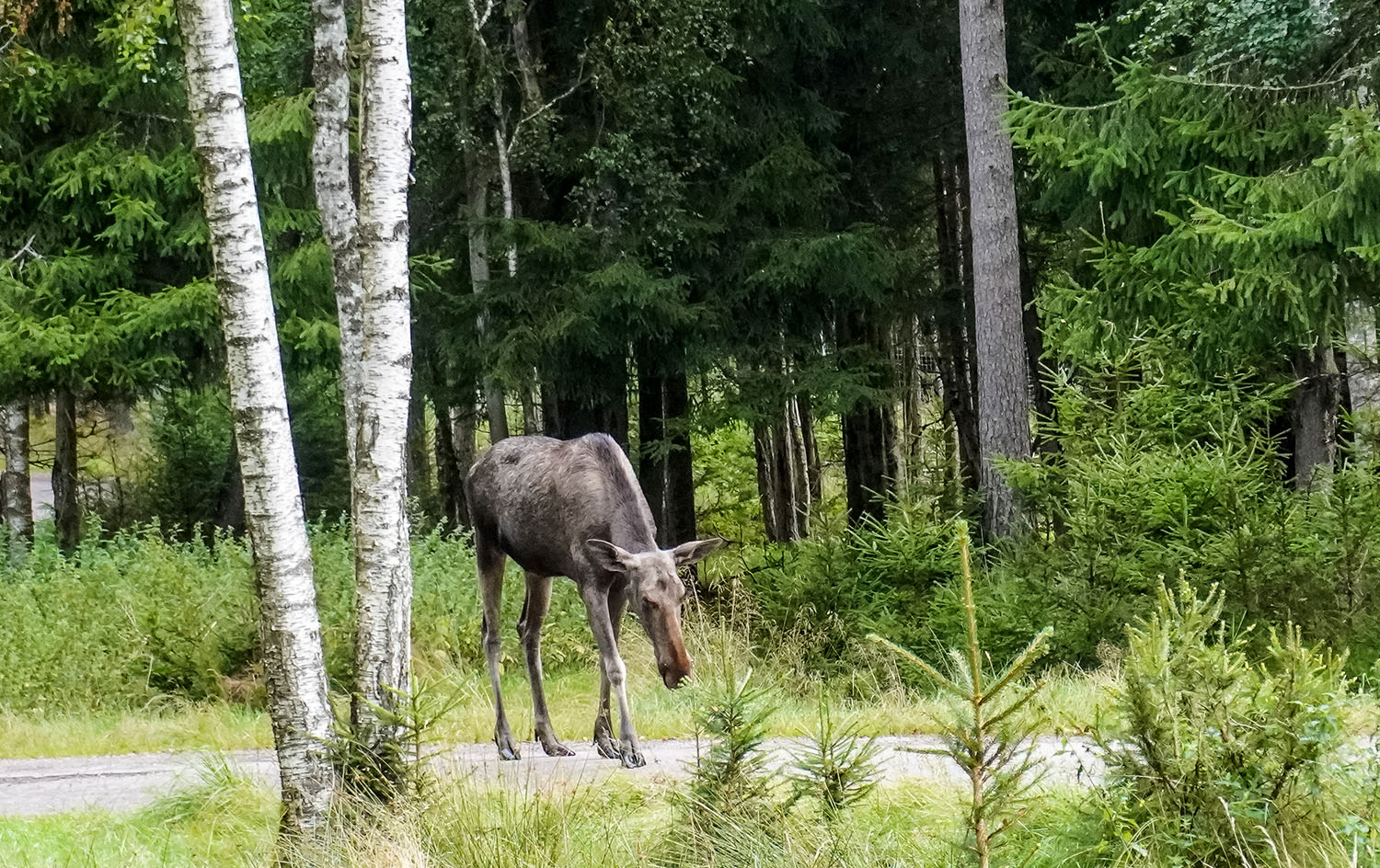
A moose is walking in a wooded area.

Moose on the Move

Moose are unlikely TV stars. Yet a show about an annual moose migration attracts more viewers every year!

A moose is walking in a wooded area.

© Michal Fludra—NurPhoto/Reuters

A moose crosses a forest road during its yearly migration in Sweden.

Each year in April and May, a TV show has people in Sweden glued to their screens. The show doesn’t have a lot of action. It’s not funny or dramatic, either. Called The Great Moose Migration, the show follows a group of moose that are migrating from one part of Sweden to another.

The Great Moose Migration, which is shown on Swedish TV and on the Internet, follows moose on a journey the animals take every spring. Dozens of moose in northern Sweden swim across the Ångerman River to grazing pastures, where there are plants and berries for them to eat.

The show could be described as reality TV, but it’s actually a livestream. Cameras that have been posted along the moose migration path let viewers see moose, or any other animal, when they pass by.

The livestream is often called “slow TV” because it’s usually not very exciting. Sometimes nothing happens for hours. But many viewers stay tuned so they don’t miss a thing. They never know when they’ll spot a moose.

“I feel relaxed [watching the show], but at the same time I’m like, ‘Oh, there’s a moose. Oh, what if there’s a moose? I can’t [take a break]!’” 20-year-old William Garp Liljefors told the Associated Press.

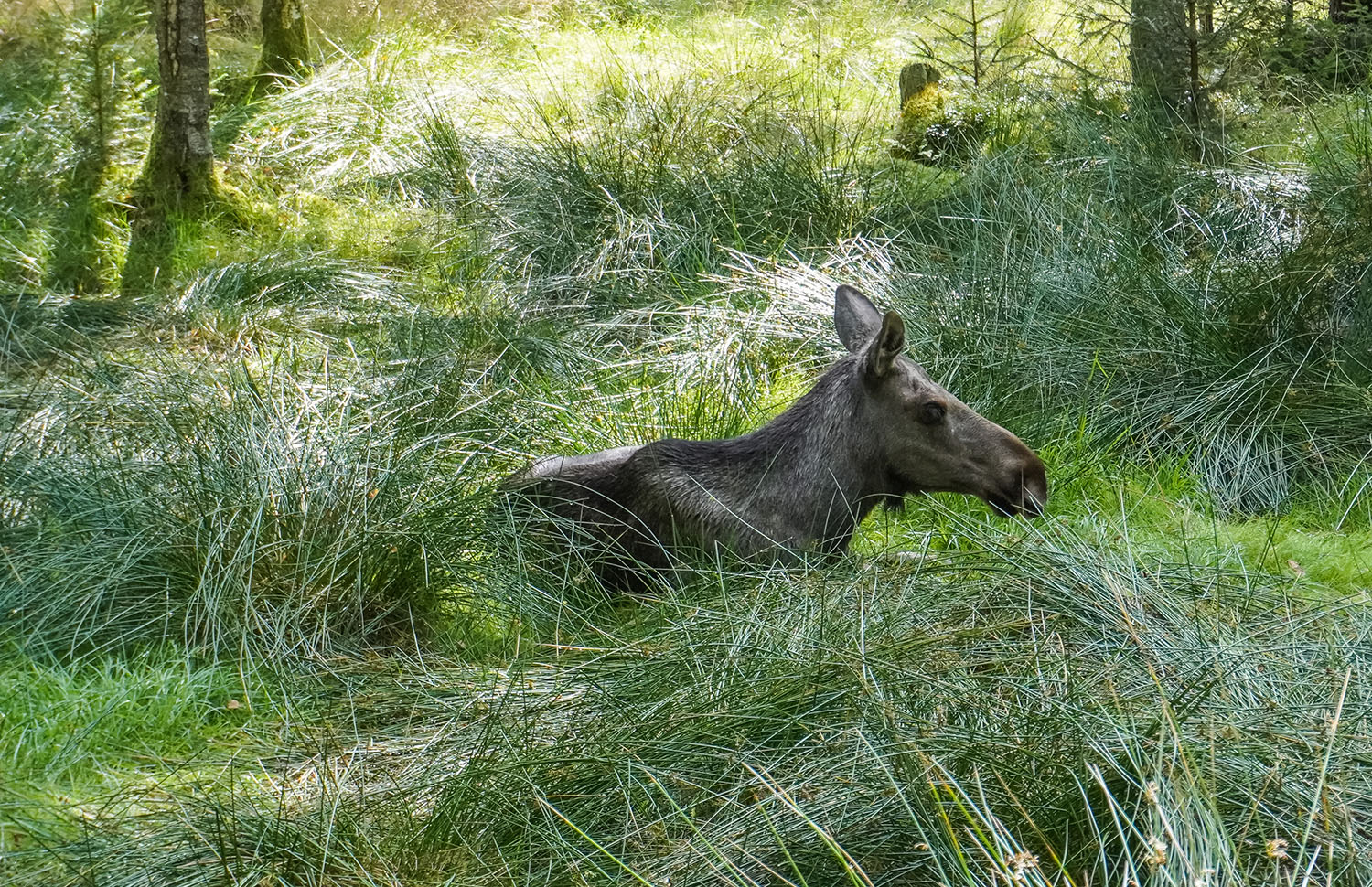
A moose is lying down in tall grass in a wooded area.

© Michal Fludra—NurPhoto/Reuters

This moose has stopped to take a rest.

The Great Moose Migration has become increasingly popular. Over a million people watched in 2019, the show’s first year. Last year, there were more than 9 million viewers around the world.

Annette Hill, a professor at Jönköping University in Sweden, says people like slow TV because it’s similar to real life. The cameras show what’s really happening at any moment, even if there’s very little going on. It’s also relaxing to watch a quiet show.

“Nothing spectacular is happening,” Hill told the Associated Press. “But something very beautiful is happening in that minute-by-minute moment.”

Fun Fact Icon

Fun Fact

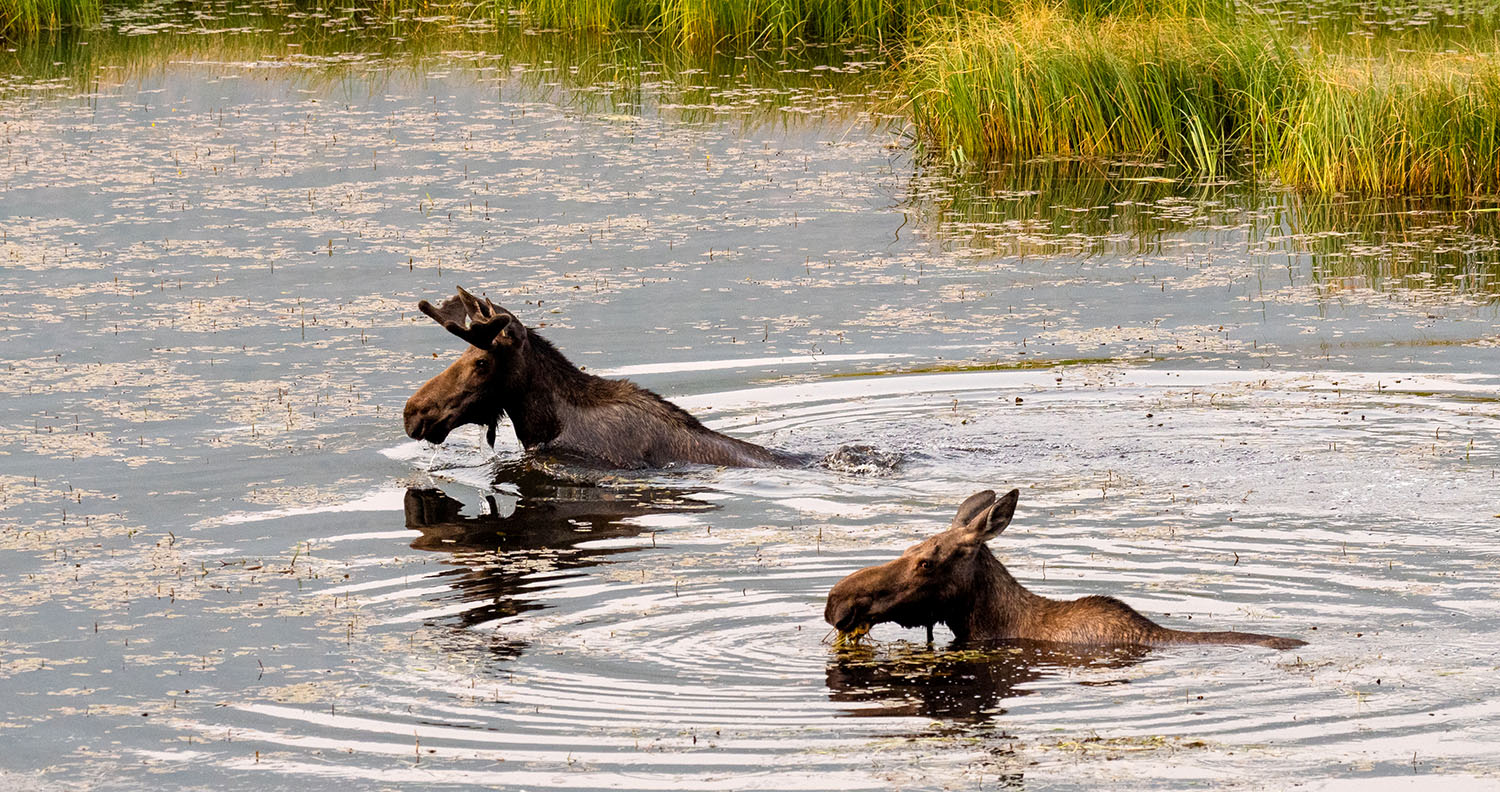
Moose are terrific swimmers. In fact, their nostrils close automatically when they’re underwater!

A mother moose and a calf swim in marshy waters.

© Jessicastock.adobe.com

Animal TV

Santa Monica Mountains National Recreation Area; Bureau of Land Management Oregon & Washington; Kameron Perensovich; USFWS Mountain-Prairie

Have you ever wished you could meet a baby hippo or observe a mother bird feeding her chicks? Animal livestreams enable people to have these experiences—remotely, of course.

An animal livestream is made possible when one or more cameras are mounted in an animal’s habitat or living space, like a forest or even a zoo. Viewers, usually anyone with an Internet connection, can watch the animals to their heart’s content. Best of all, cameras don’t disturb wildlife, allowing them to do their daily activities without knowing they’re being observed.

The video above features some fun—and sometimes funny—livestream footage.

Don’t Mess with a Moose!

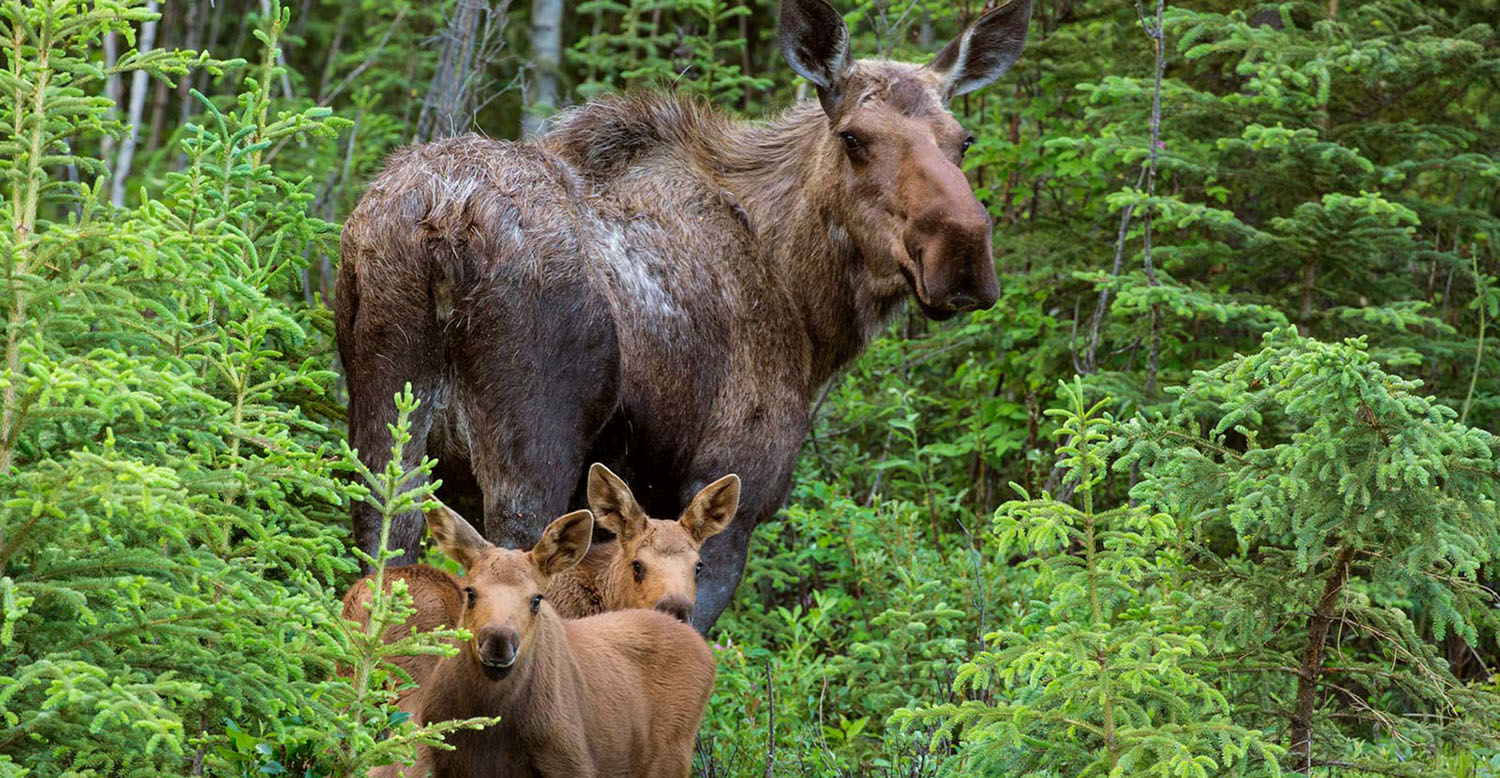
A moose and her two calves stand in a wooded area and look at the camera
Bob Wick/U.S. Bureau of Land Management

Moose are plant eaters, but they’re enormous and can be dangerous to humans who disturb them in the wild. Experts say it’s never a good idea to approach a moose. Luckily, we can observe moose on the Internet!

What else is true about moose? Learn more at Britannica!

Word of the Day Icon

Word of the Day

sensation

Part of speech:

noun

Definition:

: someone or something that causes a lot of excitement and interest

Definitions provided by
Merriam-Webster Logo
Game Icon

Play

Crossword

.

In Case You Missed It

Taryn Smith is the first American woman to row solo across the Atlantic Ocean.
March 5, 2026
A powerful waterfall doesn’t easily freeze, but this winter has been especially cold!
March 3, 2026
For Women’s History Month, we’re honoring two women who inspired many others to take to the skies.
February 26, 2026
Baseball player Ron Teasley has died. Teasley was one of the last living athletes to play in the Negro Leagues.
February 24, 2026

Keeping Traditions Alive

Girls and women perform hula dancing on a sports field while wearing traditional clothing.

Keeping Traditions Alive

Keiki hula, or children’s hula, helps preserve an important part of Hawaiian culture.

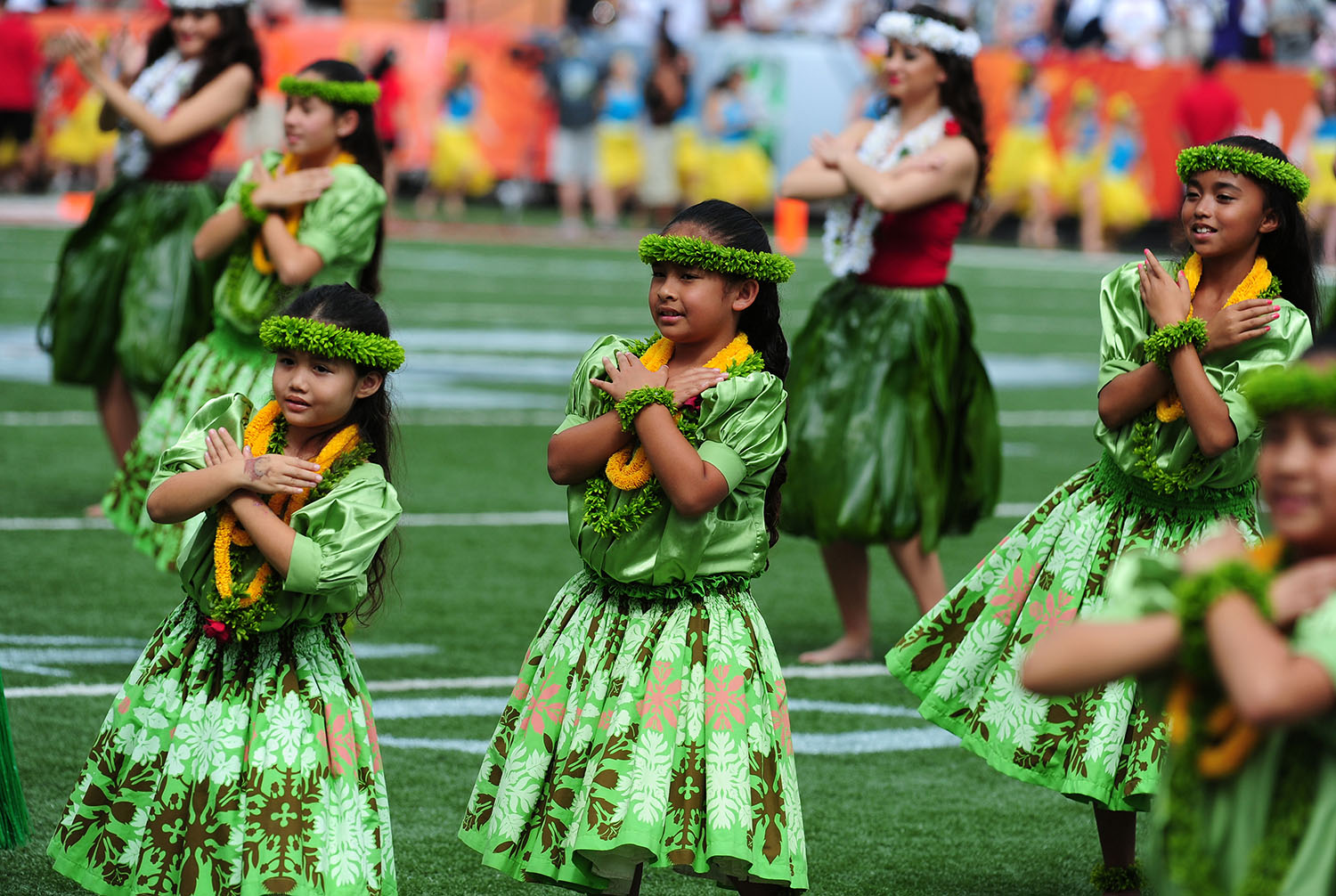
Girls and women perform hula dancing on a sports field while wearing traditional clothing.

© Scott Cunningham/Getty Images

Hula dancing is an important part of Hawaiian culture. In this photo, hula dancers perform at the 2013 Pro Bowl in Honolulu, Hawaii.

Before people had written language, historic events and stories still needed to be passed down to young people. But how? Some cultures used storytelling and poetry to record and share history. The native people of Hawaii (called Hawaiʻi in their language) used hula dancing. Today, young hula dancers help keep the tradition alive. 

Dancers aged 6 to 12 perform keiki hula, which means “children’s hula” in Hawaiian. Each July, hundreds of children from across the Hawaiian Islands come together for the Queen Lili‘uokalani Keiki Hula Competition. This three-day event is named in honor of the last monarch to rule Hawaii before the islands became part of the United States. (A monarch is a king or queen.) 

The competition celebrates the passing of tradition from one generation to the next. Native Hawaiians did not have a written language until the 1820s. For centuries, they used hula to tell mythical and historical stories about people, places, and gods and goddesses. Keiki hula ensures children will help preserve this important part of their culture.

A young girl wearing traditional clothing lifts her arms as part of a hula dance.

© Scott Cunningham/Getty Images

Hula dancers perform at the 2014 Pro Bowl in Honolulu, Hawaii.

Hula is recognizable for its graceful arm and foot movements and hip sways. Dancers learn the dance steps and songs from a kumu hula, or dance instructor, in hula schools called hālau. The music and dance moves of hula have specific meanings that help with the storytelling of the dance. The performers may wear traditional leaf skirts called paʻu or a type of loincloth called a malo. They adorn their heads, wrists, and ankles with leaves, flowers, feathers, or shells.

Despite hula’s importance, there was a period in the mid-1800s when it was discouraged. In 1820, Christian missionaries from the United States converted many native Hawaiians to their religion, including members of the Hawaiian monarchy, who then banned public hula performances. As a result, the dance could be taught only in secret until the 1880s, when King David Kalākaua encouraged hula’s return.

Today, traditional and modern hula dancing is celebrated. This year, the Queen Lili‘uokalani Keiki Hula Competition is celebrating its 50th anniversary, marking half a century of keeping the hula tradition alive by teaching it to children.

Face Thinking Icon

Did You Know?

The Pacific Islands is a geographic region of the Pacific Ocean that includes some 10,000 islands! The people of this region have cultures and languages that can be different from island to island.

Side by side photos showing dancers performing in traditional clothing and a single dancer posing in traditional clothing.

© Richard Wolowicz—Freestyle Photography/Getty Images

The dancers in these photos are from Samoa (left) and the Philippines (right), two Pacific island nations.

The Ambassador of Aloha

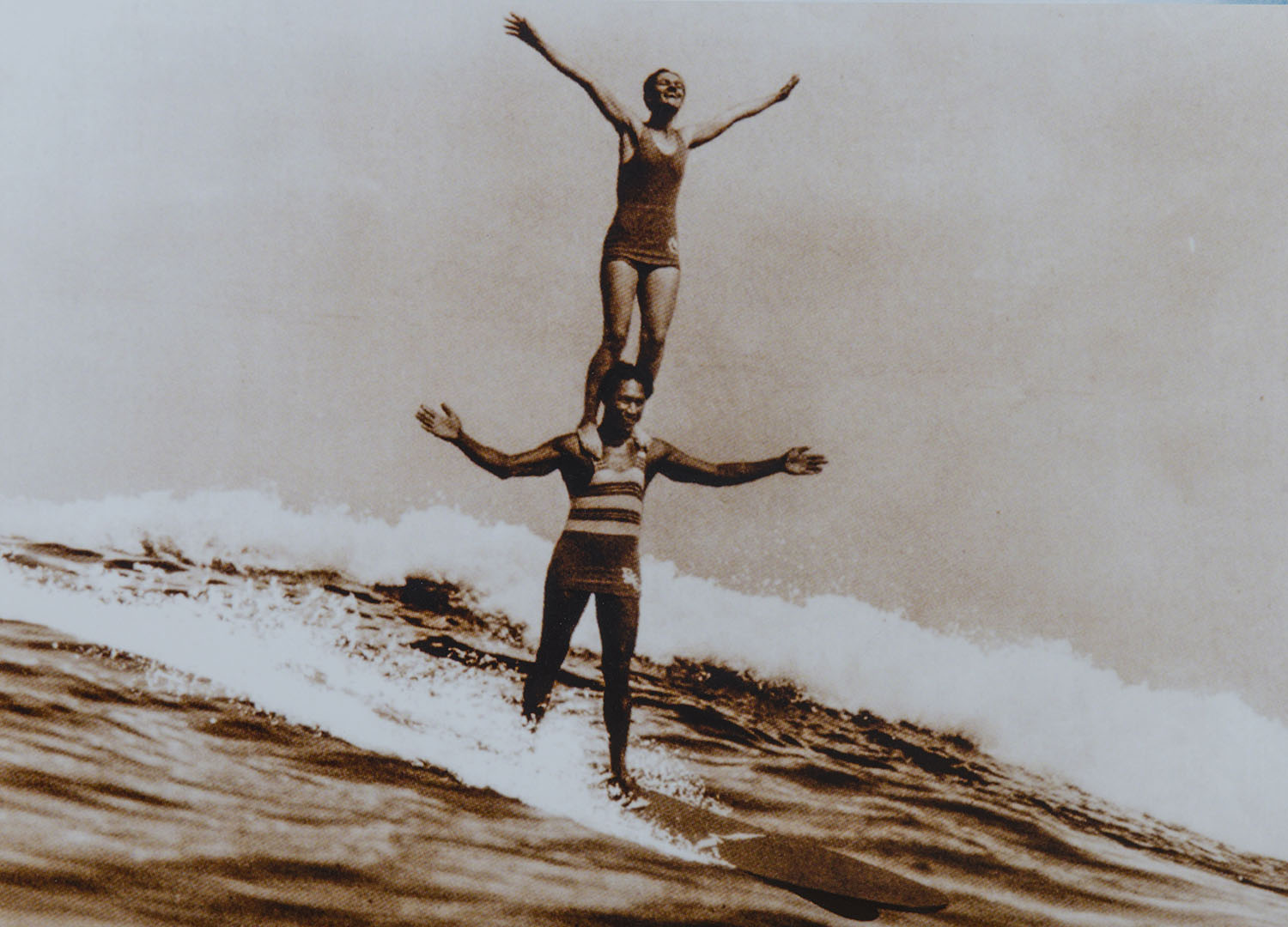
Duke Kahanamoku surfs on a wave with Viola Hartman standing on his shoulders.

© Leonard Ortiz/MediaNews Group—Orange County Register/Getty Images

In this 1922 photo, Duke Kahanamoku surfs with diving and swimming champ Viola Hartman on his shoulders.

Hawaii is known for its beautiful beaches and surfing. But how did surfing get to be so popular? Surfing legend Duke Kahanamoku deserves a lot of the credit.

Kahanamoku was born in Hawaii in 1890, about 10 years before the islands became a U.S. territory. He grew up on the island of Oahu, where he mastered surfing and swimming. 

In his 20s, Kahanamoku became famous for his skills as an elite swimmer, winning multiple gold and silver medals at the 1912, 1920, and 1924 Olympics. Part of his speed came from refining a new kicking technique you may have learned in swimming lessons—the flutter kick! Today, people learn to swim freestyle using the flutter kick. Before Kahanamoku, many freestyle swimmers used scissor kicks. 

Kahanamoku set swimming world records and traveled around the globe performing swim exhibitions. During these events, he would also take out his surfboard and give a surfing demonstration to crowds of people. Sometimes he would surf while doing a handstand, or with someone standing on his shoulders. 

People in Polynesia, including the Hawaiian islands, had been surfing waves for hundreds of years, but few people outside of that region had ever seen it before. Kahanamoku wasn’t the first to share surfing outside of Polynesia, but his international demonstrations in the 1910s and 1920s sparked the spread of surfing in Australia and the U.S.

Soon small surfing communities began to form in these regions, growing steadily through the decades. Today, many consider Kahanamoku to be the “father of modern surfing.” His love of the water helped make surfing a favorite sport for other ocean lovers around the world.

Asian American, Native Hawaiian and Pacific Islander Heritage Month

© Jamie Squire/Getty Images, © Bernard Bisson—Sygma/Getty Images, Johnson Space Center/NASA, © Scott J. Ferrell—CQ-Roll Call, Inc./Getty Images, United States Office of War Information

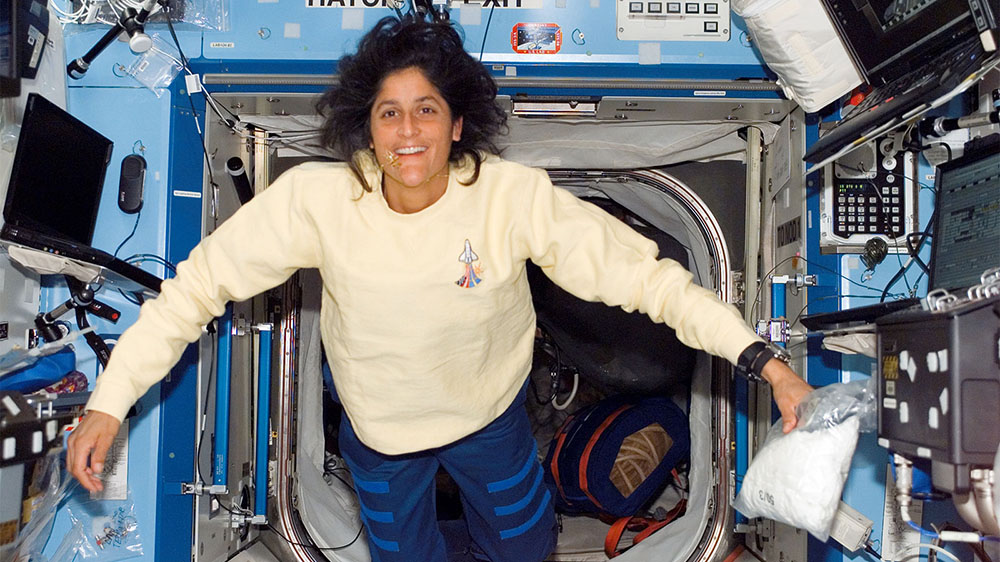
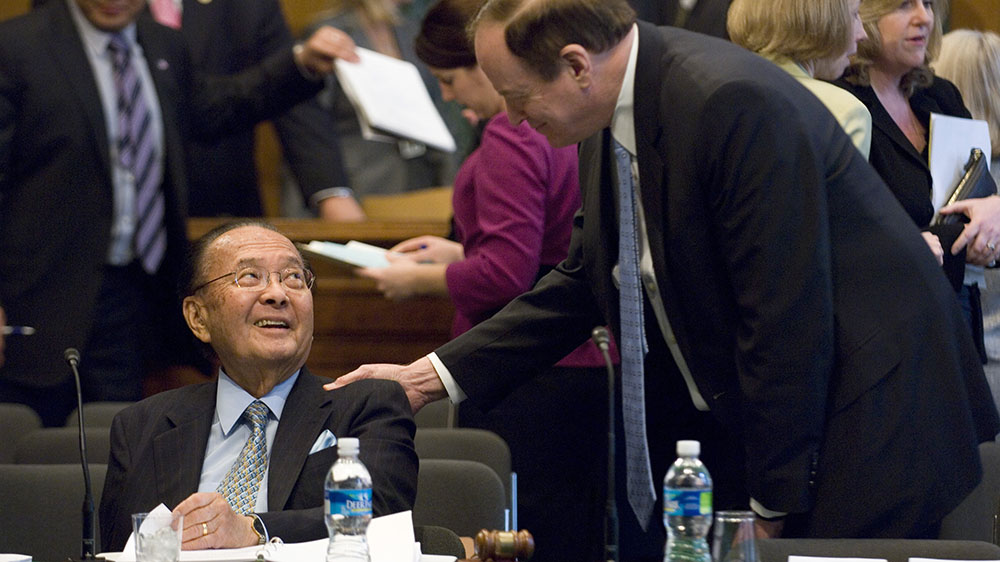
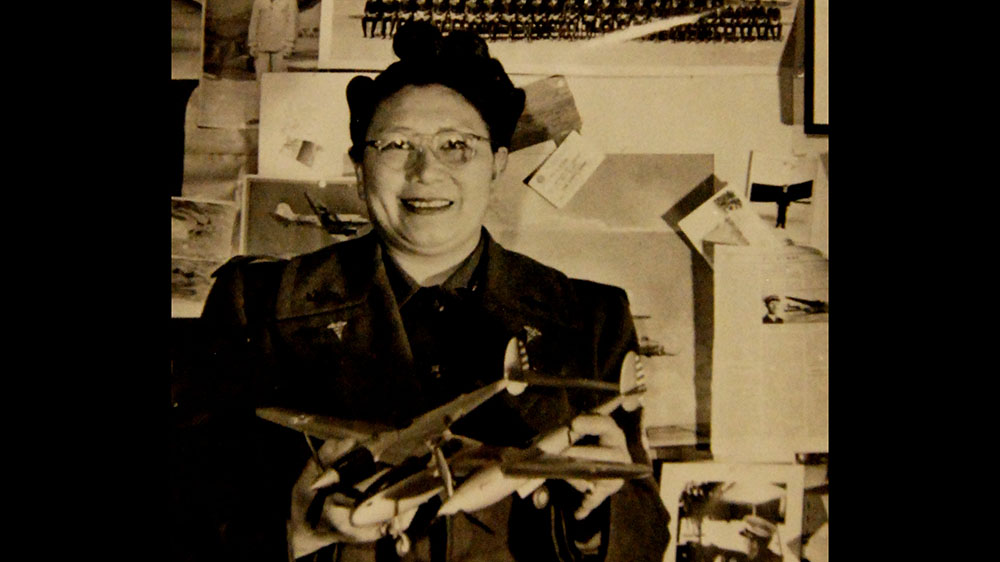
May is Asian American, Native Hawaiian and Pacific Islander Heritage Month in the United States. During the month, people celebrate the achievements of trailblazing people of Asian and Pacific Islander descent and learn about their cultures. 

Click through the slideshow above to read about just a few of these trailblazers. You can learn even more at Britannica!

Word of the Day Icon

Word of the Day

trailblazer

Part of speech:

noun

Definition:

a person who makes, does, or discovers something new and makes it acceptable or popular

Definitions provided by
Merriam-Webster Logo
Game Icon

Play

Word Search

.

In Case You Missed It

Taryn Smith is the first American woman to row solo across the Atlantic Ocean.
March 5, 2026
A powerful waterfall doesn’t easily freeze, but this winter has been especially cold!
March 3, 2026
For Women’s History Month, we’re honoring two women who inspired many others to take to the skies.
February 26, 2026
Baseball player Ron Teasley has died. Teasley was one of the last living athletes to play in the Negro Leagues.
February 24, 2026

U.S. Wins Hockey World Championships

Renata Fast and Kendall Coyne are on the ice and looking at a puck while positioning their hockey sticks to take possession.

U.S. Wins Hockey World Championships

The United States and Canada took the top two spots at the championship.

Renata Fast and Kendall Coyne are on the ice and looking at a puck while positioning their hockey sticks to take possession.

© David W Cerny/Reuters

Renata Fast of Canada (left) and Kendall Coyne (right) of the United States battle for the puck at the 2025 Women’s Hockey World Championship.

Which women’s ice hockey team will take the gold at the 2026 Winter Olympics? It’s set to be a showdown between the United States and Canada. The U.S. won the 2025 Women’s Hockey World Championship on April 20, defeating Canada 4–3. Throughout the game, both teams showed why they’re the best in the world.

Tess Janecke scored the winning goal for the U.S. with less than three minutes remaining in overtime. As cheers erupted, Janecke threw her stick into the air and hugged one of her teammates.

“Just shows how strong we are as a group and how much we can persevere through anything. I wouldn’t want to do it with any other group,” Janecke later told The Sports Network (TSN).

It was a close game. The U.S. scored the first two goals in the second period for a 2–0 lead, but Canada tied the game quickly with two goals of their own. The U.S. secured another goal in the third period, only to be matched by Canada for a score of 3–3. With a tie at the end of the third period, the match was forced into overtime.

“The margins for error are so small,” Canadian head coach Troy Ryan told the Canadian Broadcasting Corporation. “Multiple times in that overtime or even in the third, either [team] could have won it.”

Three hockey players wearing gold medals hold up a trophy as their teammates reach up to touch it.

© David W Cerny/Reuters

The U.S. team celebrates after winning the 2025 Women’s World Hockey Championship.

The United States and Canada have had the top two placements at the Women’s Hockey World Championship since 1990. No other nation has ever won the tournament in all that time. So far, Canada has 13 gold medals and the U.S. has 11. 

Similarly, the two nations have battled it out for hockey gold at the Winter Olympics ever since women’s ice hockey became an Olympic event in 1998. Canada has won gold five times, while the U.S. has taken gold twice. Canada, the reigning Olympic champion, will defend its gold medal in 2026.

Face Thinking Icon

Did You Know?

Hayley Wickenheiser of Canada is widely considered the greatest female hockey player of all time. Wickenheiser is a four-time Olympic gold medalist.

Hayley Wickenheiser waves her stick during a hockey match.

© Richard Wolowicz—Freestyle Photography/Getty Images

Welcome, Little Tortoises!

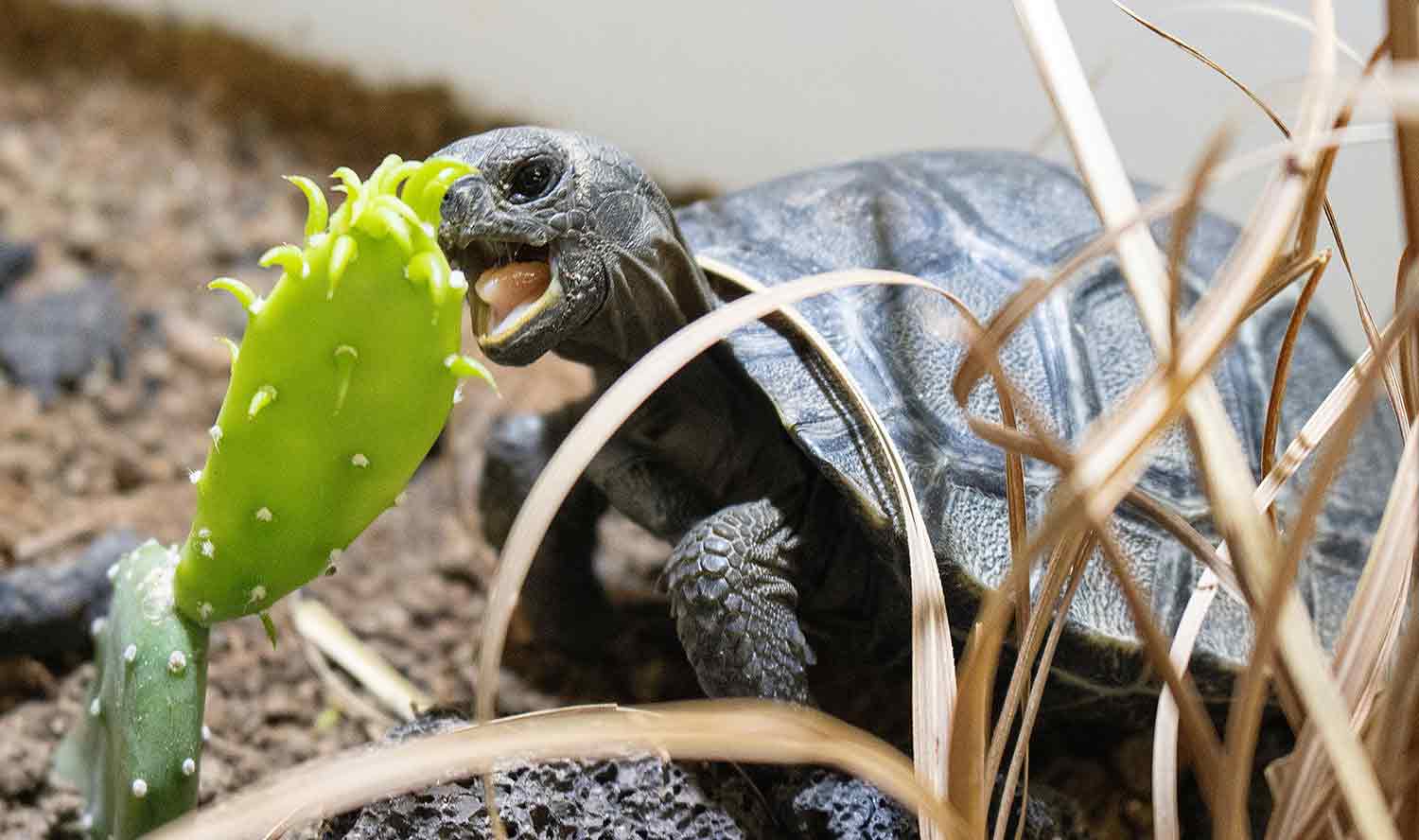
A young tortoise has its mouth open to eat a cactus leaf.

© Courtesy of the Philadelphia Zoo

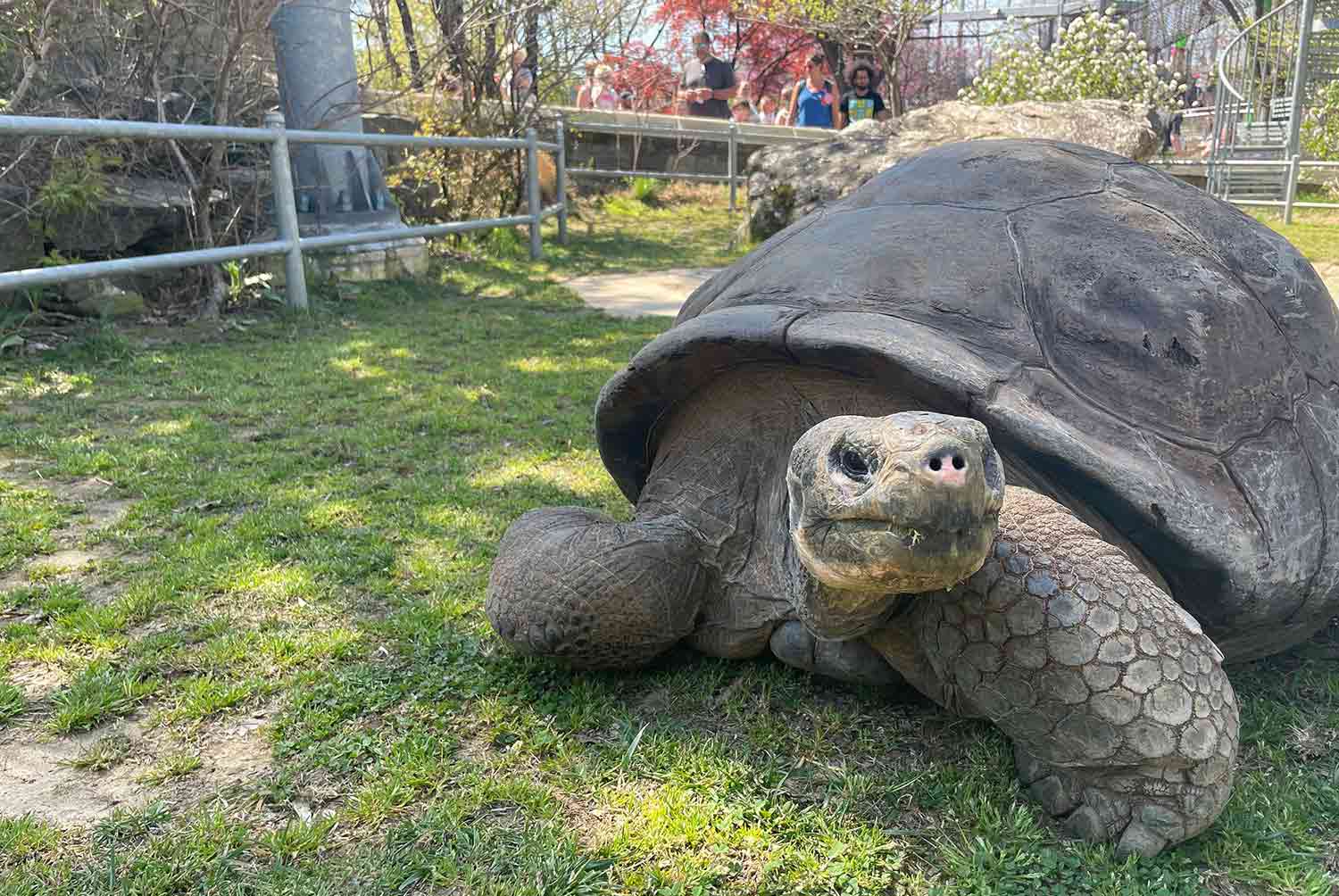
Mommy the tortoise had four hatchlings, or young. In this photo, one of the hatchlings tries to bite a cactus.

Philadelphia Zoo in Philadelphia, Pennsylvania, is celebrating some very special babies. In November, a 97-year-old Western Santa Cruz Galápagos tortoise named Mommy laid 16 eggs. About three months later, four of the eggs hatched. At nearly 100 years old, Mommy is a first-time mommy.

A baby animal is always a cause for celebration, but the arrival of the tortoise hatchlings is getting extra attention because Western Santa Cruz Galápagos tortoises are critically endangered in the wild, where they are found only in the Galápagos Islands off the coast of Ecuador. Like other zoos, Philadelphia Zoo has a breeding program that aims to help save endangered species. But while Mommy has lived at the zoo since 1932, she has never had young.

A large tortoise is in her enclosure and looks at the camera.

© Courtesy of the Philadelphia Zoo

Mommy the tortoise is a brand new mommy!

“At one point, each of the Galapagos Islands had its own unique Galapagos tortoise, but sadly, several of them are now extinct,” Rachel Metz, vice president of animal well-being and conservation at Philadelphia Zoo, said in a press release. “These hatchlings not only protect the species from extinction, but serve as important ambassadors to inspire guests to save wildlife and wild places.”

Mommy and her 96-year-old mate, Abrazzo, aren’t that old for Galápagos tortoises, which can live to be up to 175 in captivity. (Animals in captivity are those that are cared for by humans.) Caretakers say it’s possible they may have even more young in the future!

Calling All Hockey Fans!

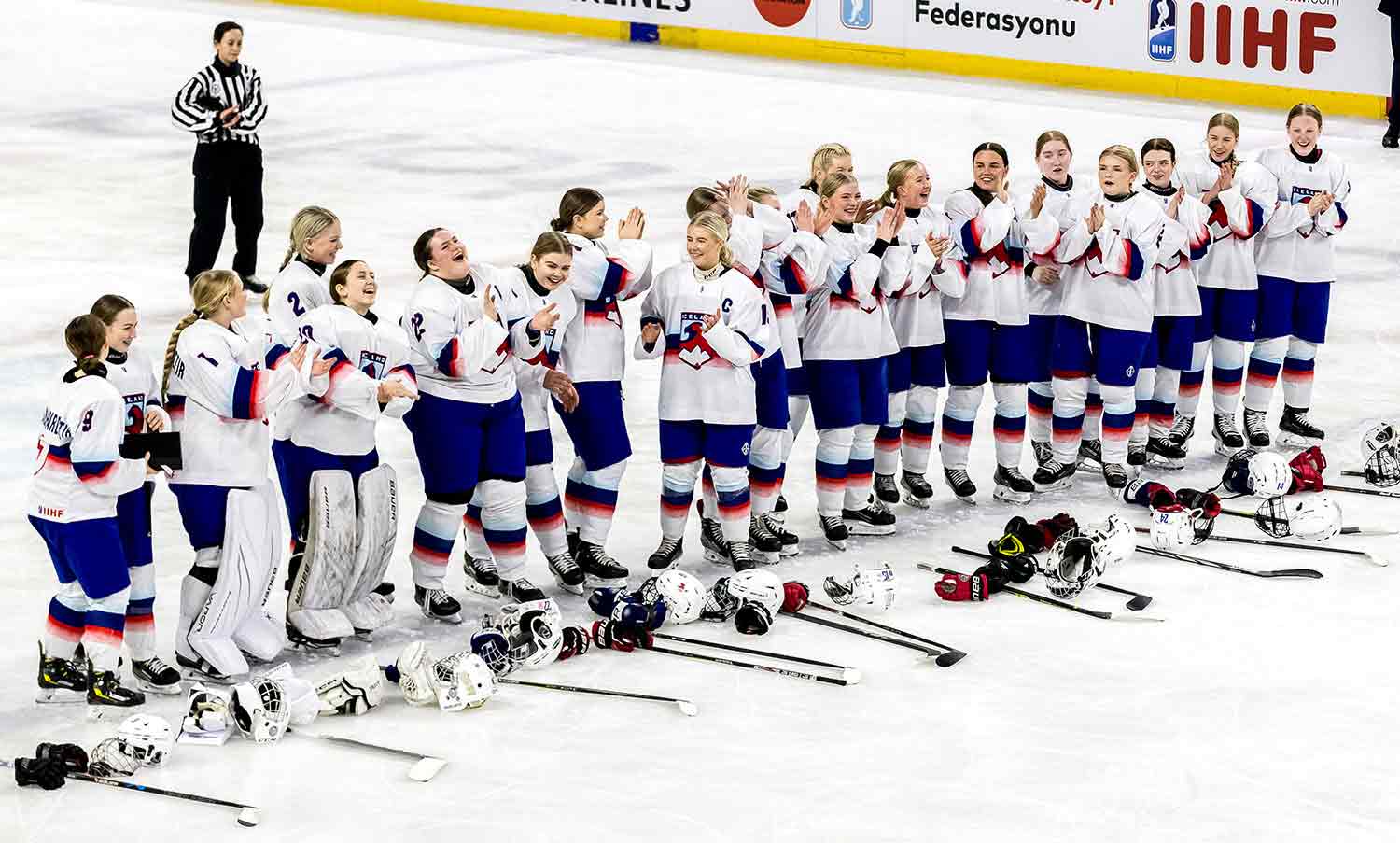
A hockey team made up of young women in their teens is lined up on the ice in uniform with their equipment in front of them

© Jeanette Dahlström—Bildbyran/Reuters

Members of Iceland’s under-18 hockey team celebrate a victory in 2025.

Who invented ice hockey, and how does the sport work today? Learn more about hockey at Britannica!

Word of the Day Icon

Word of the Day

persevere

Part of speech:

verb

Definition:

: to continue doing something or trying to do something even though it is difficult

Definitions provided by
Merriam-Webster Logo
Game Icon

Play

Word Flower

.

In Case You Missed It

Taryn Smith is the first American woman to row solo across the Atlantic Ocean.
March 5, 2026
A powerful waterfall doesn’t easily freeze, but this winter has been especially cold!
March 3, 2026
For Women’s History Month, we’re honoring two women who inspired many others to take to the skies.
February 26, 2026
Baseball player Ron Teasley has died. Teasley was one of the last living athletes to play in the Negro Leagues.
February 24, 2026

Kids Get Cooking!

A smiling tween girl uses a spatula in a frying pan while her mother supervises and smiles.

Kids Get Cooking!

Cooking can be fun for kids—and it’s a valuable skill.

A smiling tween girl uses a spatula in a frying pan while her mother supervises and smiles.

© Monkey Business/stock.adobe.com

“What’s for dinner?” If you’ve ever asked that question, you were probably speaking to an adult. But experts say there are plenty of good reasons for kids to learn how to cook.

Becca Cooper Leebove knows this firsthand. Five years ago, she began teaching her kids, then ages 3 and 8, some simple cooking skills. They started by pouring ingredients into a bowl and rolling out dough. Today, they’re chopping and sauteing.

“My…goal has always been family time—something to do together that’s engaging, but also important to get them off their phones or iPads,” Leebove told the Associated Press.

Making a meal also teaches kids what experts call “food skills.” These include planning the meal, grocery shopping, reading food labels, and preparing the meal. By cooking, kids learn to follow a recipe, measure ingredients, and manage their time. All these skills will come in handy later, when kids grow up and have their own households.

There’s also some evidence that when kids help to cook a meal, they’re more likely to eat ingredients they’d normally reject. Some kids refuse to even try certain vegetables. But picky eaters might be more willing to taste the vegetables that they chopped and cooked.

That could tie in with another advantage to cooking from scratch: Studies show a link between cooking and healthier eating habits.

For all these reasons, kids’ cooking classes are widely available, including at many public libraries.

Jessica Battilana is a staff editor at King Arthur Baking Company, where both kids and adults can take cooking classes. She suggests that kids start by preparing simple dishes, like scrambled eggs, and gradually try more challenging recipes. Good cooking doesn’t have to be fancy.

“[Kids are] capable of a lot, and usually pretty eager to try new foods—especially if they’ve had a hand in making them,” Battilana told the Associated Press.

NEWS EXTRA

Mark Carney Wins Canada’s Election

Mark Carney smiles and claps while standing at a podium in front of a Canadian flag.

© Dave Chan—AFP/Getty Images

Canadian Prime Minister Mark Carney celebrates at an election victory party on April 29.

The results are in!

Prime Minister Mark Carney won Canada’s federal (national) election, which took place on April 28. Carney’s Liberal Party will now enter its fourth straight term in charge of the nation’s government.

Canadians have federal elections at least every five years. Citizens don’t vote for their prime minister directly. Here’s how Canadian elections work:

Canada is a federal parliamentary democracy. The prime minister is the head of government, and Parliament is the lawmaking body. When Canadians go to the polls, they vote for members of Parliament. The government is then run by the political party that wins the greatest number of seats in Parliament. The head of that party serves as the prime minister. Canada has four main political parties. The Liberal Party has run the nation’s government since 2015.

Carney has been Canada’s prime minister since March 2025, when former prime minister Justin Trudeau resigned and Carney became the head of the Liberal Party.

Fun Fact Icon

Fun Fact!

According to Guinness World Records, Justin Miller of the United States is the youngest person ever to publish a cookbook. Cooking with Justin: Recipes for Kids (And Parents) was published in 1997 when Justin was 7 years old.

Illustration of a boy and a girl wearing chefs’ hats and coats and holding equipment in a kitchen.

© jemastock—iStock/Getty Images

A World of Yumminess

If you’re interested in learning how to cook, you might want to try some dishes from around the world!

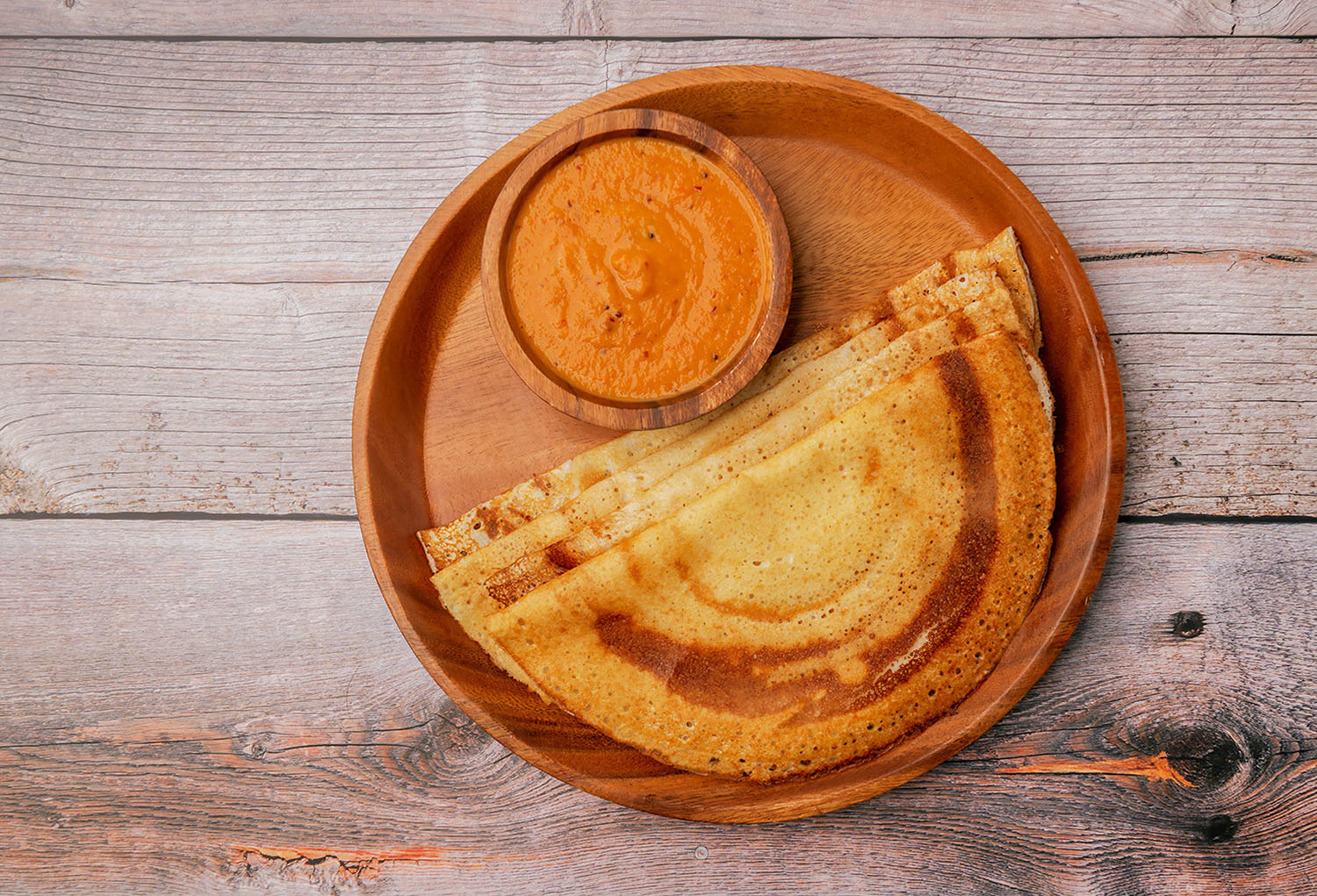
Four thin pancakes on a wooden plate with a small bowl of orange sauce.

© ManojKumar/stock.adobe.com

Dosas (India)

These thin pancakes are made with a batter of ground rice, lentils, and water. They’re often served with chutney, which is like a spicy jam.

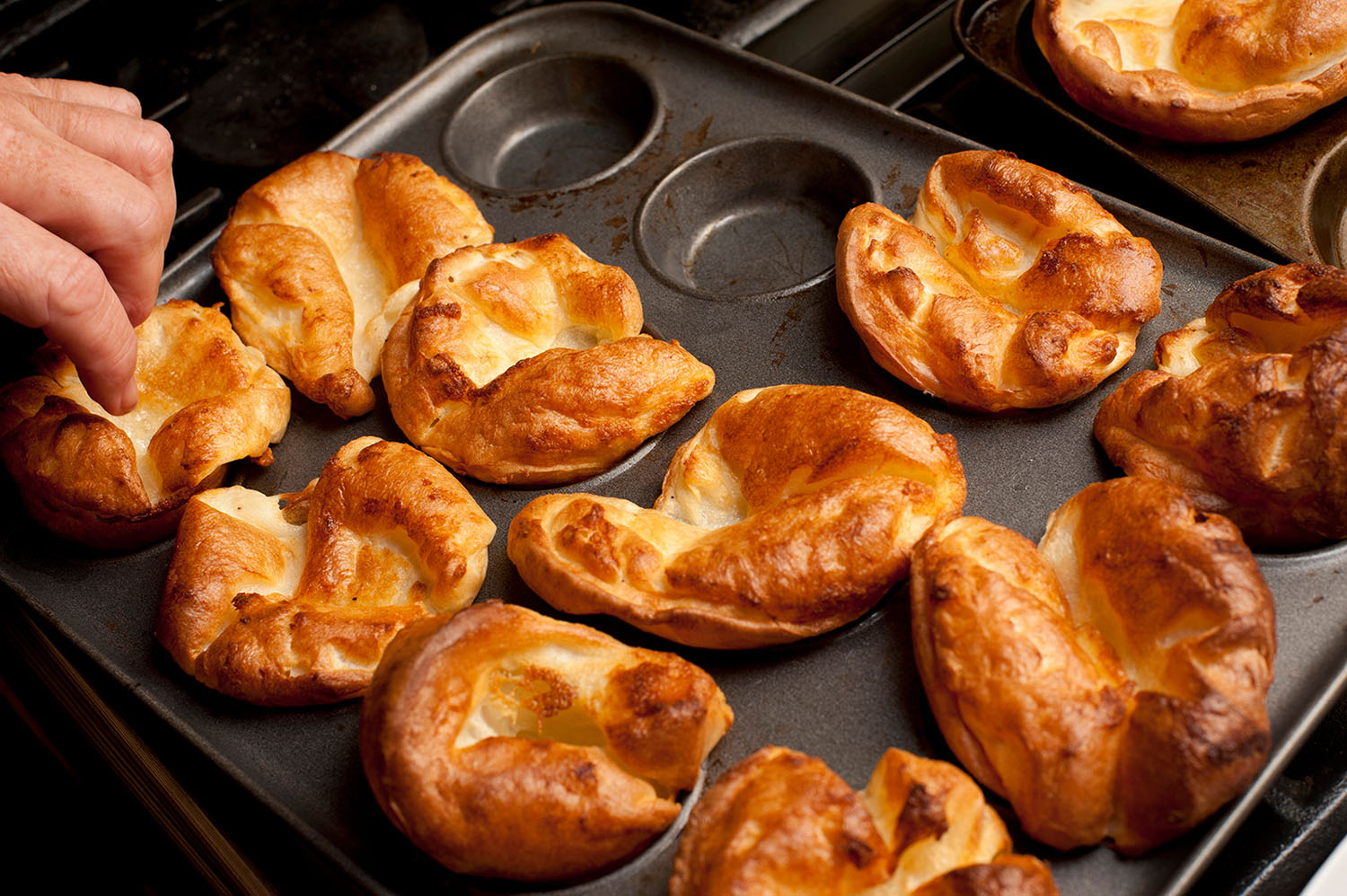
A hand reaches to remove a Yorkshire pudding from a baking tin on which there are 10 Yorkshire puddings.

© ManojKumar/stock.adobe.com

Yorkshire Pudding (United Kingdom)

Yorkshire pudding is made by combining flour, eggs, milk, and oil into a batter and then baking it in individual portions. The result is a big hollow pastry that’s crispy on the outside.

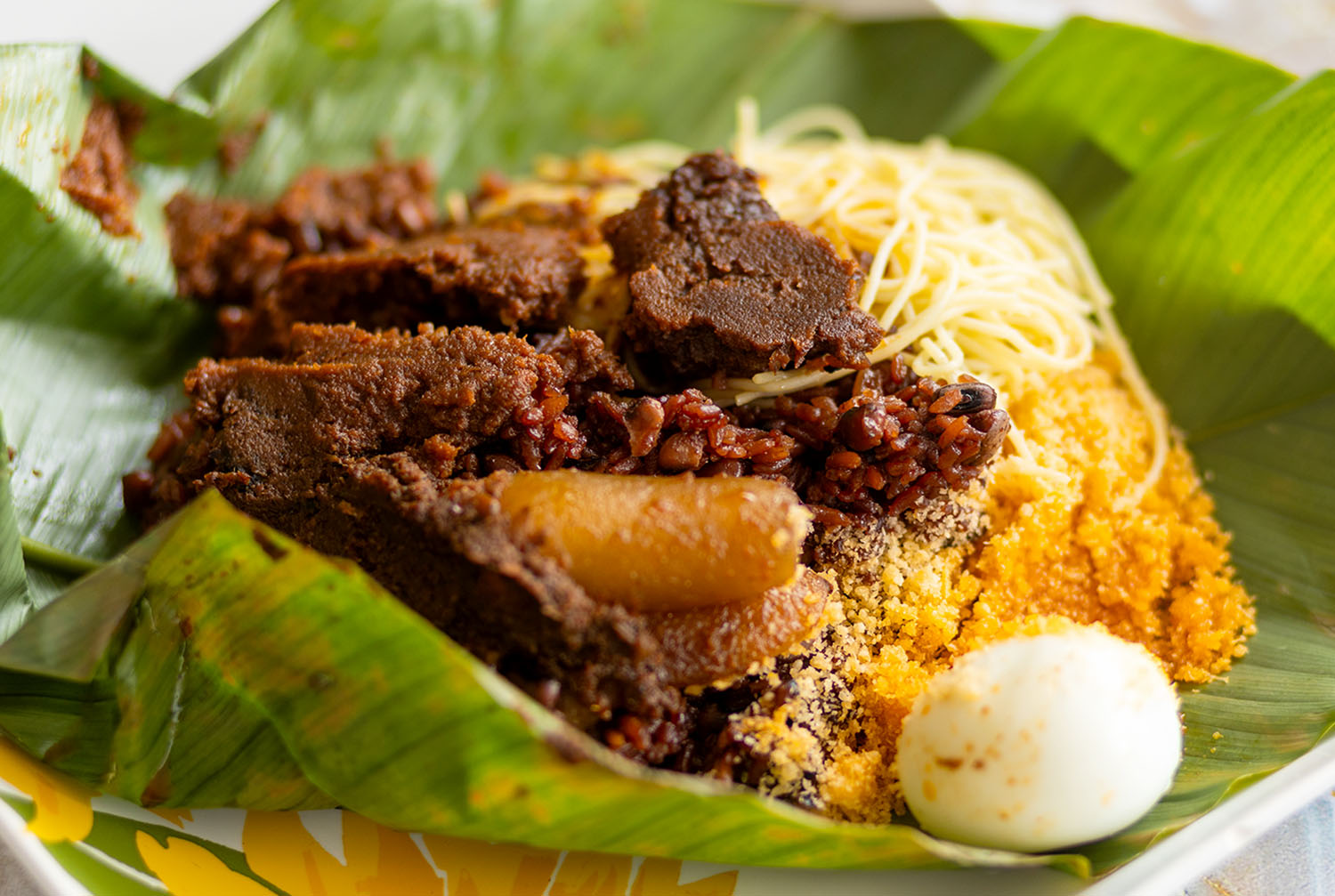
Meat, red beans and other ingredients are on a bed of lettuce.

© Roger/stock.adobe.com

Waakye (Ghana)

Waakye is prepared by cooking rice and beans together in a pot of water. The leaves of a plant called sorghum are added, giving the dish a red-brown color. Many people eat waakye with fish or a banana-like fruit called a plantain.

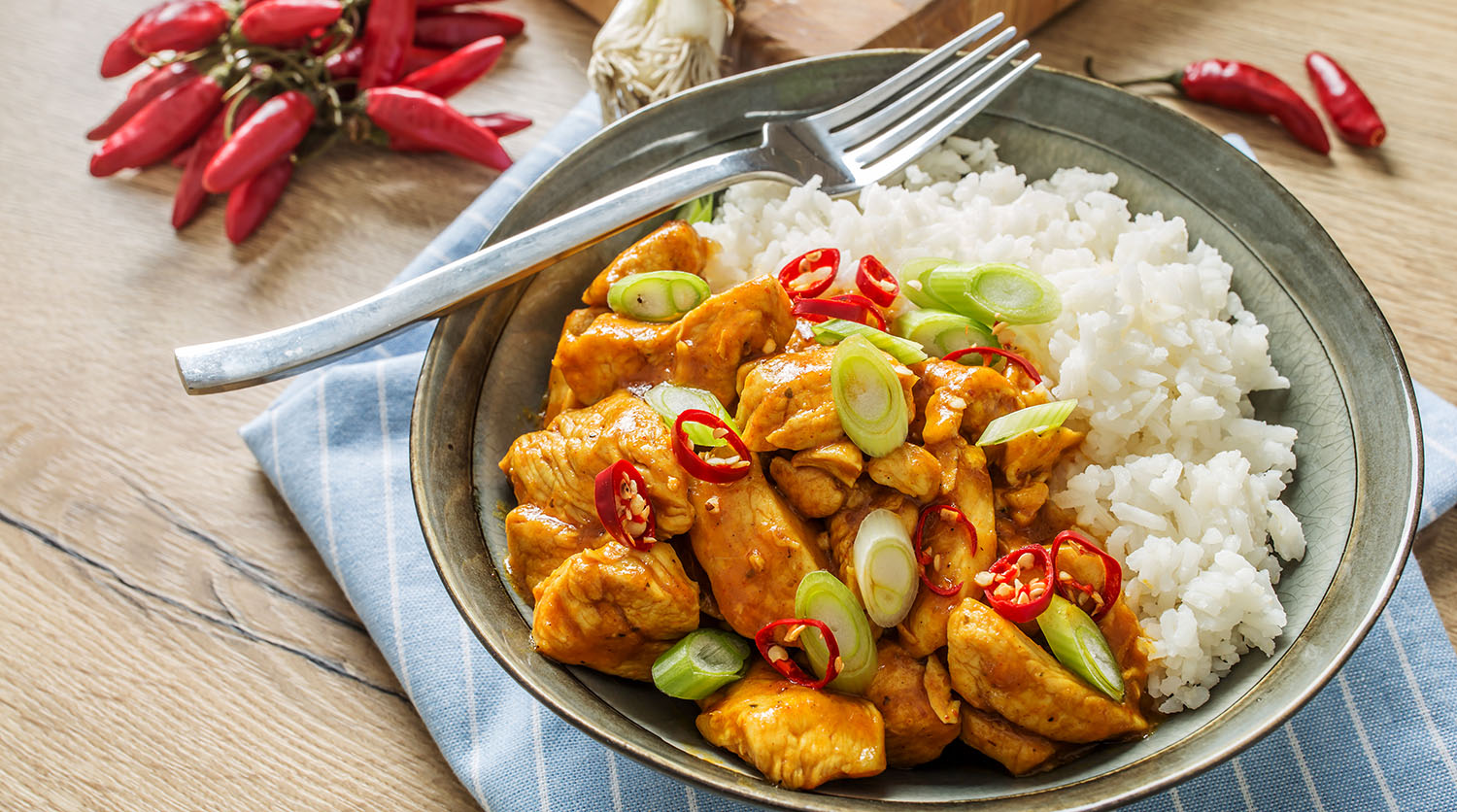
A bowl contains white rice and chicken topped with green onions and red peppers.

© weyo/stock.adobe.com

Thai Curry (Thailand)

In Thailand, curries have a thick or thin sauce made with coconut milk, chilies, and a blend of herbs and spices. Curries can include many kinds of meats and vegetables.

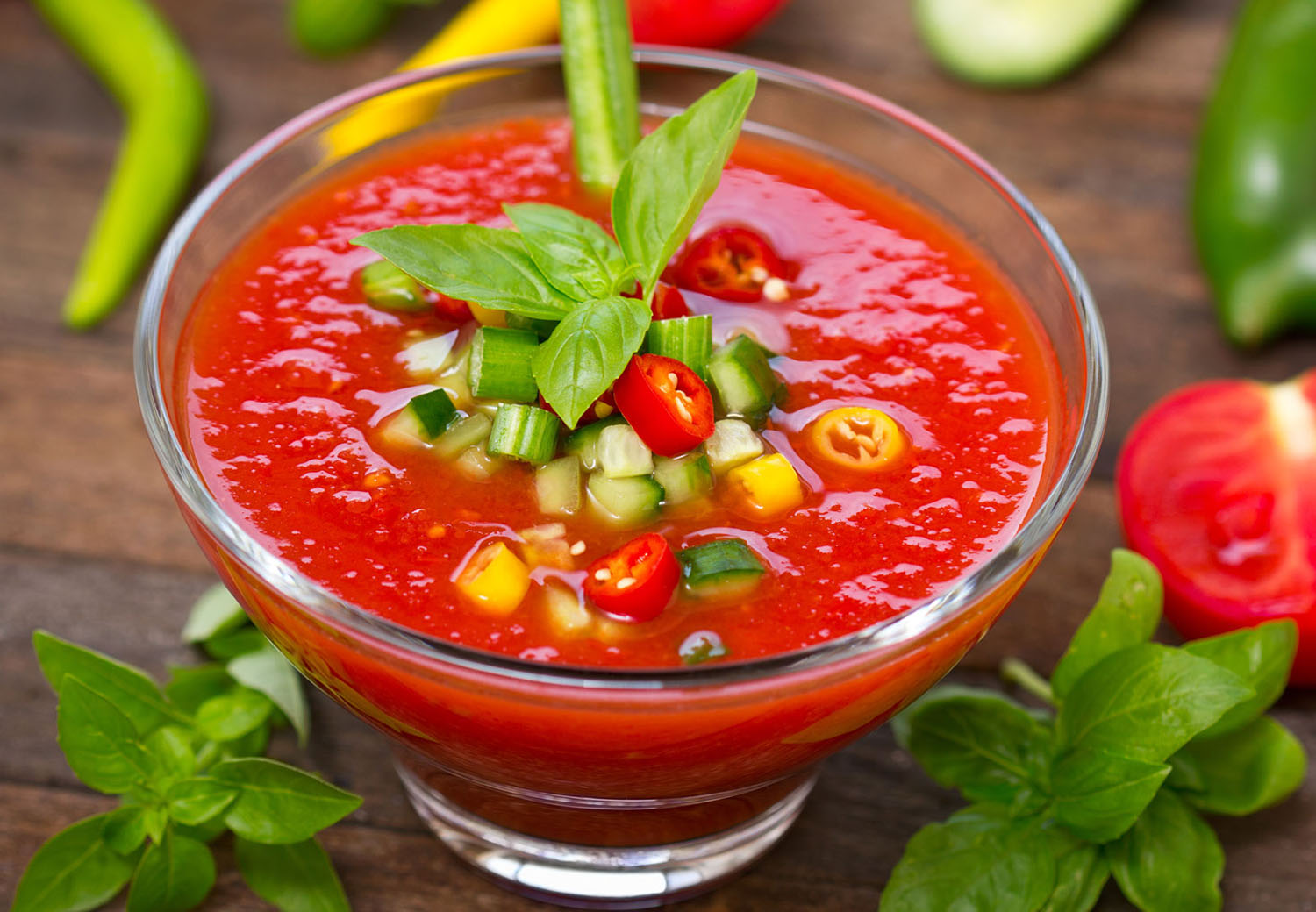
A bowl contains red soup with some chopped green onions, cucumbers, and red peppers.

© pilipphoto/stock.adobe.com

Gazpacho (Spain)

This cold tomato soup includes cucumbers, onions, and peppers, blended together to make a refreshing summertime dish. Bread is often added to make gazpacho thicker.

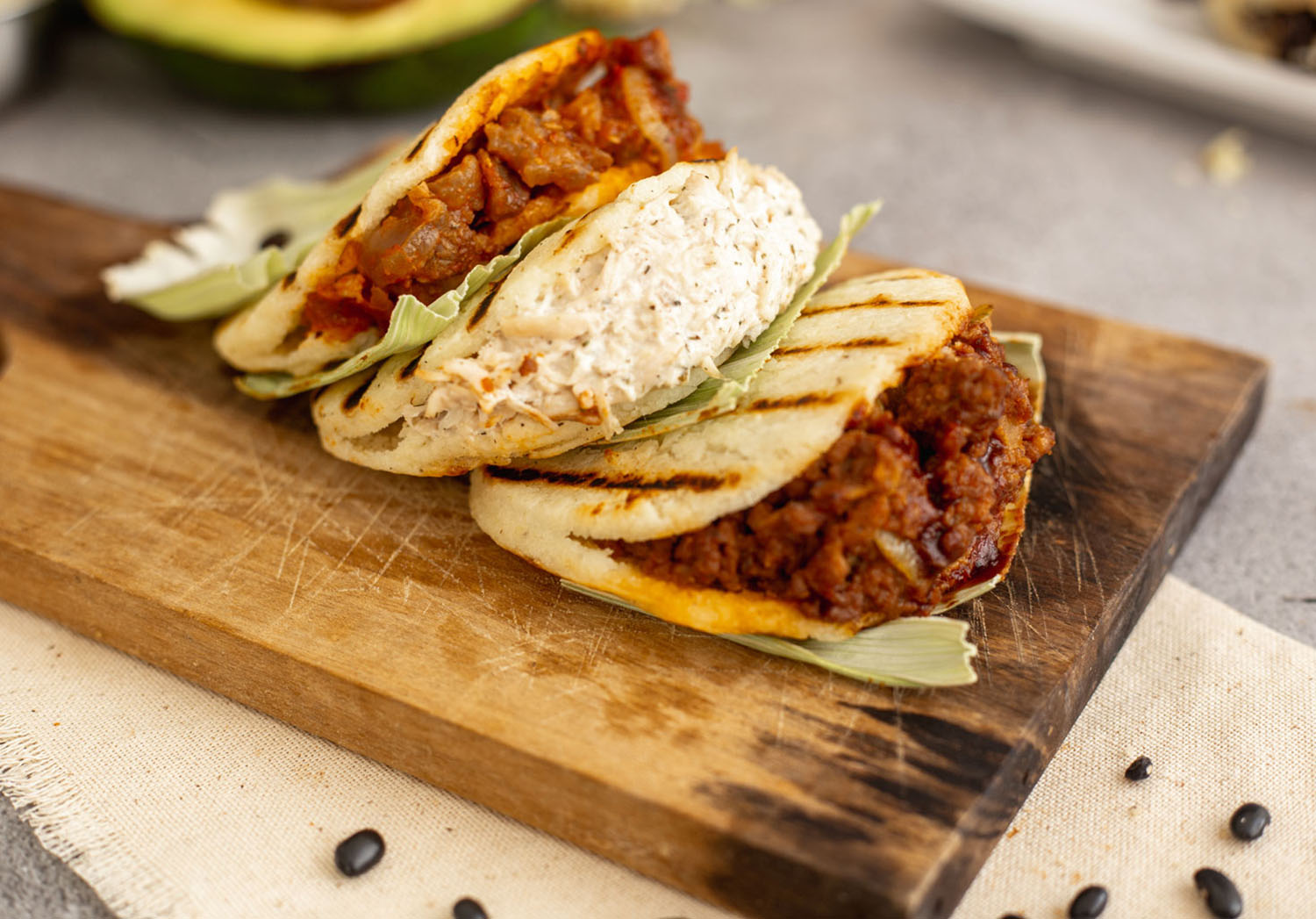
Three arepas containing different kinds of meat are arranged on a wooden board.

© andres/stock.adobe.com

Arepas (Venezuela, Colombia, and more)

Arepas are fried cornmeal cakes. Although they’re delicious on their own, they can also be stuffed with different ingredients, including beans, cheese, or meat.

A bowl of red soup containing some large pieces of beet as well as sour cream and chives is next to two spoons.

© Julia Sedaeva/stock.adobe.com

Borscht (Ukraine)

This soup is made by combining beets, carrots, potatoes, and other ingredients with meat stock (which is similar to broth). The beets give borscht its flavor and its trademark red color.

Be a Chef!

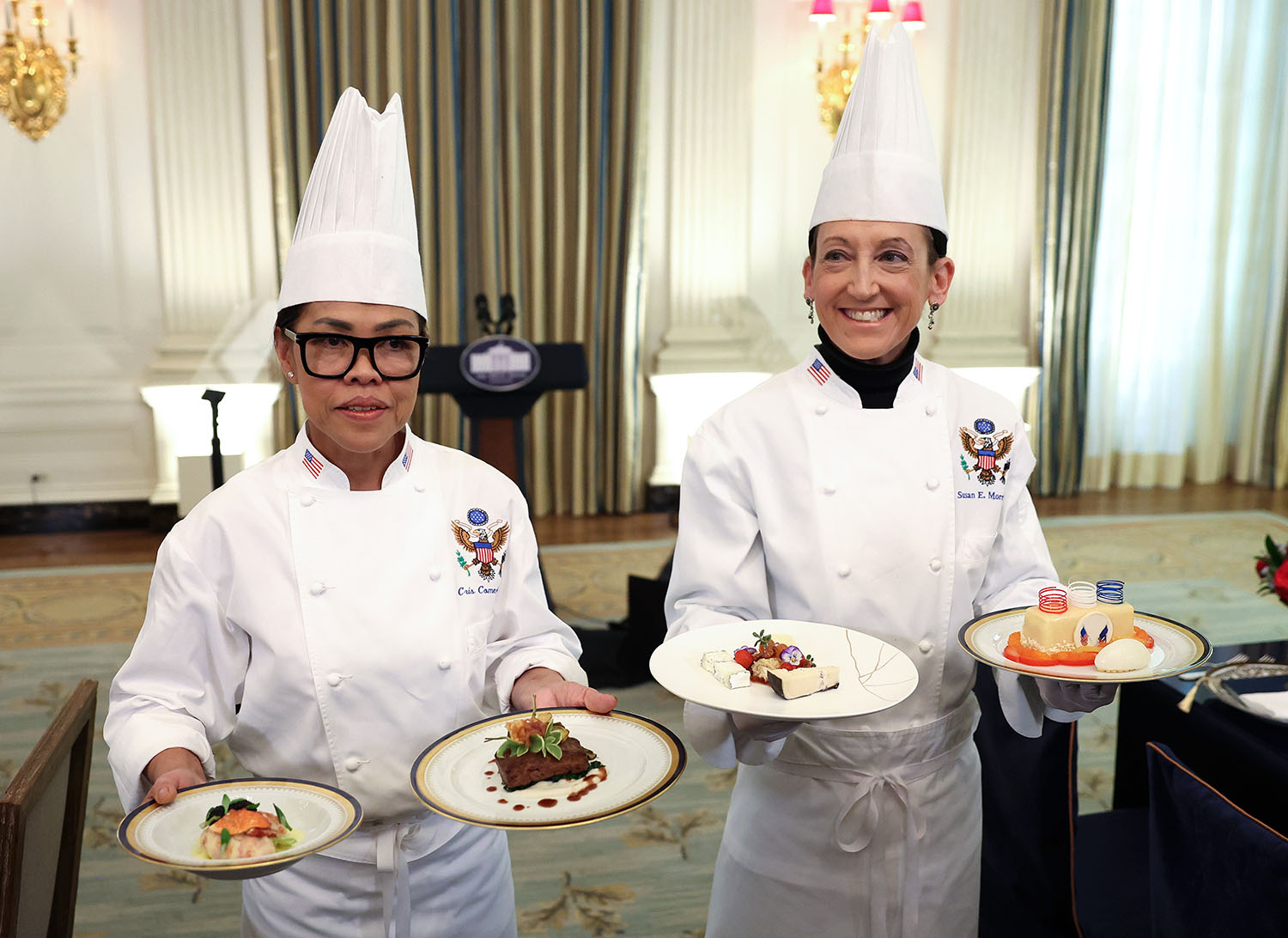
Cristeta Comerford and Susie Morrison stand in a room in the White House wearing chefs’ hats and coats and holding a plate of food in each hand.

© Kevin Dietsch/Getty Images

Imagine cooking for presidents! Cristeta Comerford (left) served as the Executive Chef of the White House from 2005 to 2024. Susie Morrison (right) has been the Executive Pastry Chef of the White House since 2014.

Professional cooks are called chefs. Chefs, who work in restaurants, hotels, and other places where food is served, usually have special training in a variety of cooking methods.


You can learn more about chefs—and how to become one—at Britannica!

Word of the Day Icon

Word of the Day

culinary

Part of speech:

adjective

Definition:

: used in or relating to cooking

Definitions provided by
Merriam-Webster Logo
Game Icon

Play

Word Search

.

In Case You Missed It

Taryn Smith is the first American woman to row solo across the Atlantic Ocean.
March 5, 2026
A powerful waterfall doesn’t easily freeze, but this winter has been especially cold!
March 3, 2026
For Women’s History Month, we’re honoring two women who inspired many others to take to the skies.
February 26, 2026
Baseball player Ron Teasley has died. Teasley was one of the last living athletes to play in the Negro Leagues.
February 24, 2026

LEGO Opens a New Factory

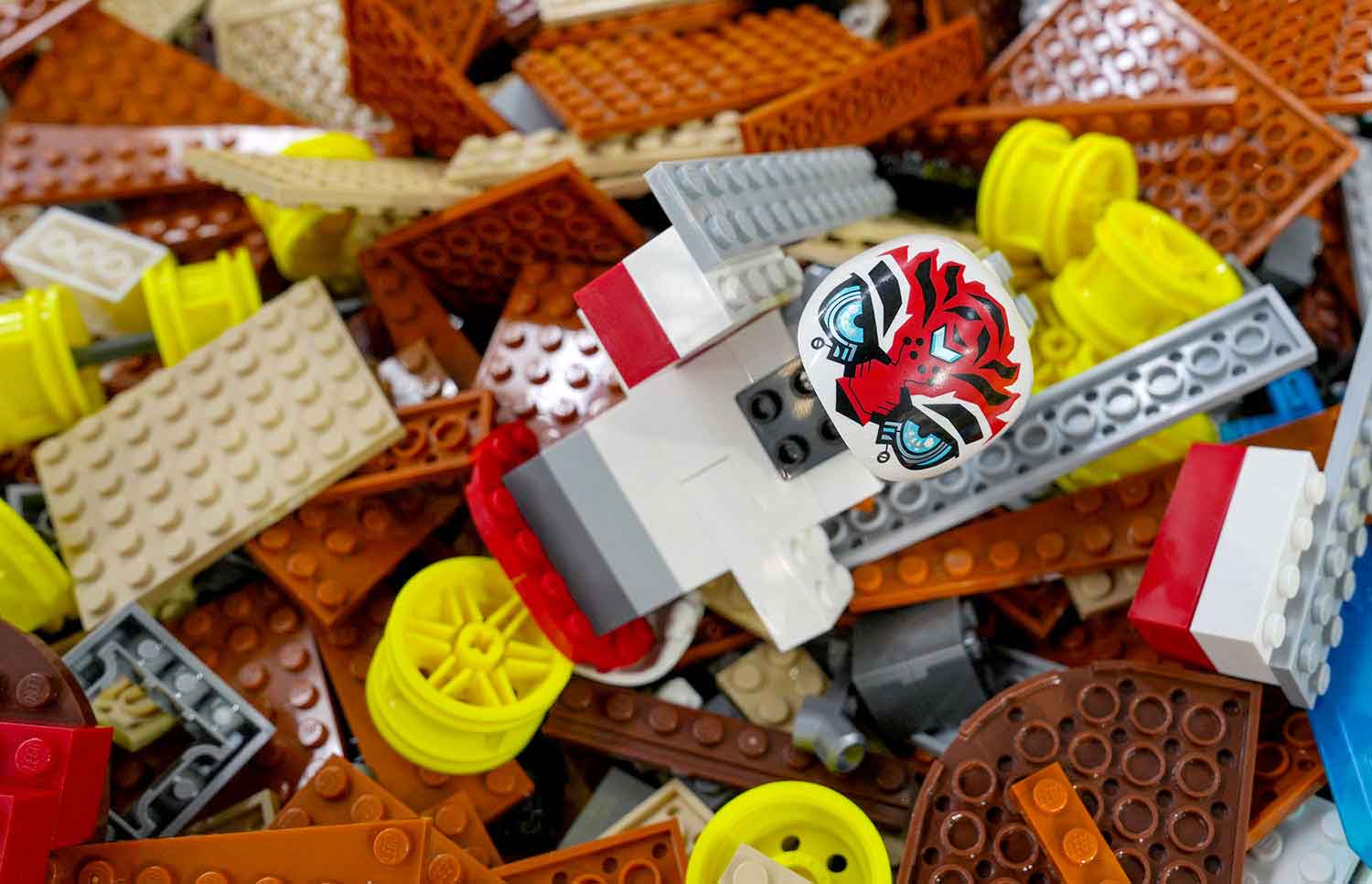
An overhead view of a pile of LEGO bricks.

LEGO Opens a New Factory

Toy company LEGO’s new factory in Vietnam makes the popular plastic bricks in a way that’s kinder to the environment.

An overhead view of a pile of LEGO bricks.

© Stringer—AFP/Getty Images

It takes a lot of energy to make LEGO plastic bricks. But a new LEGO factory in Vietnam is aiming to manufacture the bricks in a way that’s as kind to the environment as possible.

The factory, which opened near Ho Chi Minh City on April 9 and is one of six LEGO factories in the world, will make LEGO bricks for customers in Southeast Asia. Production will involve both humans and machines: Skilled workers will operate robots, which will make the plastic bricks by melting different colored plastic grains and pouring them into molds.

The factory is enormous—as large as 62 soccer fields. That means it requires plenty of electricity.

But if all goes as planned, the factory will produce its own power by early 2026 with the help of 12,400 solar panels. The panels will capture the Sun’s energy (its light) and then convert it into electricity, which will be stored in giant batteries.

Why use solar panels? Many other forms of energy require fuels such as oil or coal. These fuels are in limited supply and produce pollution called greenhouse gases when they’re burned to make electricity. But since the Sun is like a light bulb that never burns out, solar energy can be collected again and again. Solar energy also produces less pollution than many other types of energy.

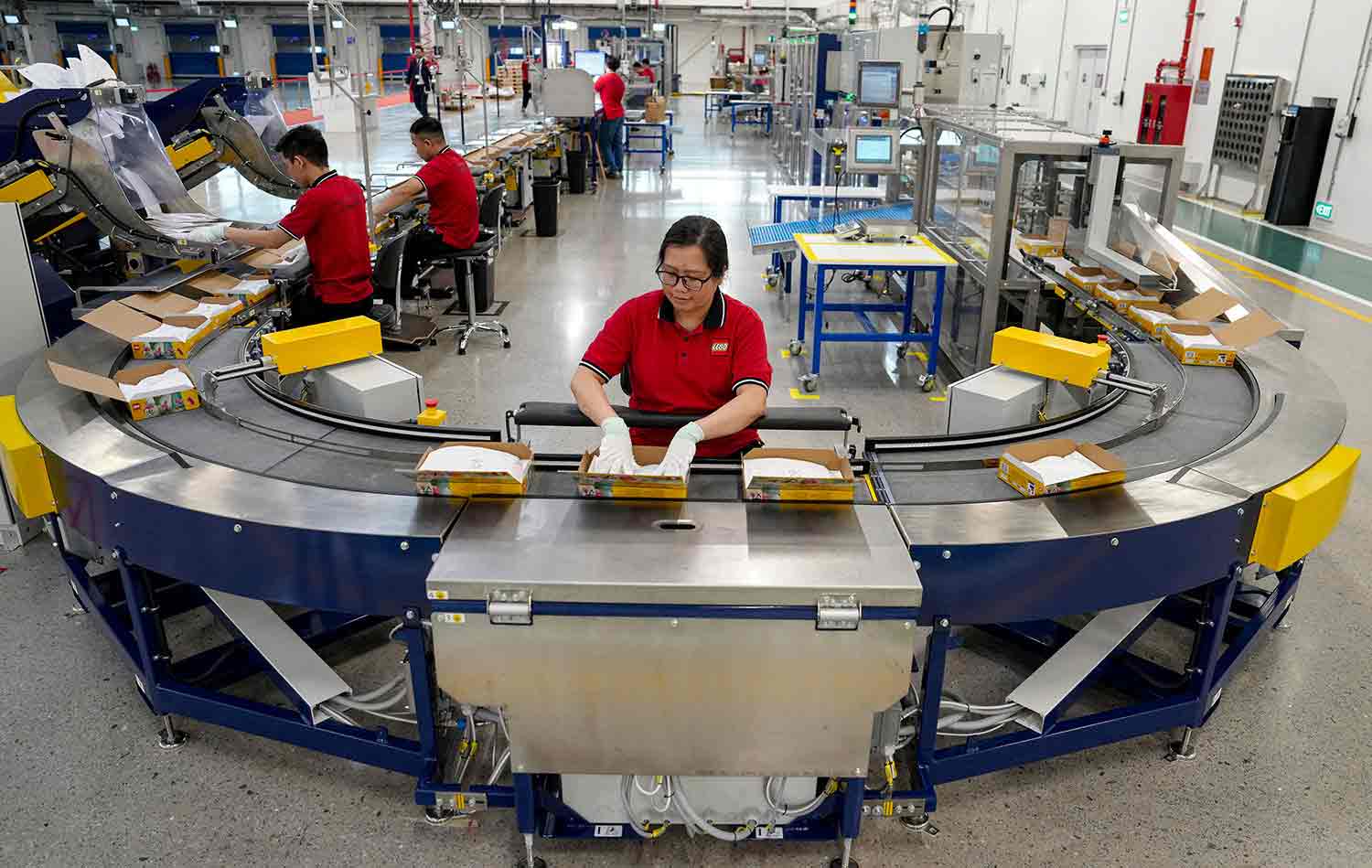
A woman packs LEGO boxes on an assembly line on which other LEGO boxes are placed as other workers do jobs in the background.

© Stringer—AFP/Getty Images

Employees prepare packages at the new LEGO factory in Vietnam.

That’s important to the LEGO Group, the Danish company that makes LEGO bricks. It aims to stop adding greenhouse gases to the atmosphere by the year 2050. The nation of Vietnam has the same goal for its entire population.

“LEGO and Vietnam, we are having the same aspirations. We both want to be green, to play our part in [helping] the climate,” Jesper Hassellund Mikkelsen of the LEGO Group told the Associated Press.

LEGO is attempting to be green, or environmentally friendly, in many ways. The company planted 50,000 trees in Vietnam, twice the number of trees that were cut down to make way for the new factory. LEGO is also working on ways to reduce the amount of plastic it uses to make its bricks.

Fun Fact Icon

Fun Fact!

According to some estimates, there are more than nine billion LEGO Minifigures (LEGO people). That means the Minifigure population is greater than the human population!

Six LEGO minifigures on their backs and facing up form a circle.

© rosinka79/stock.adobe.com

Be a Toy Designer!

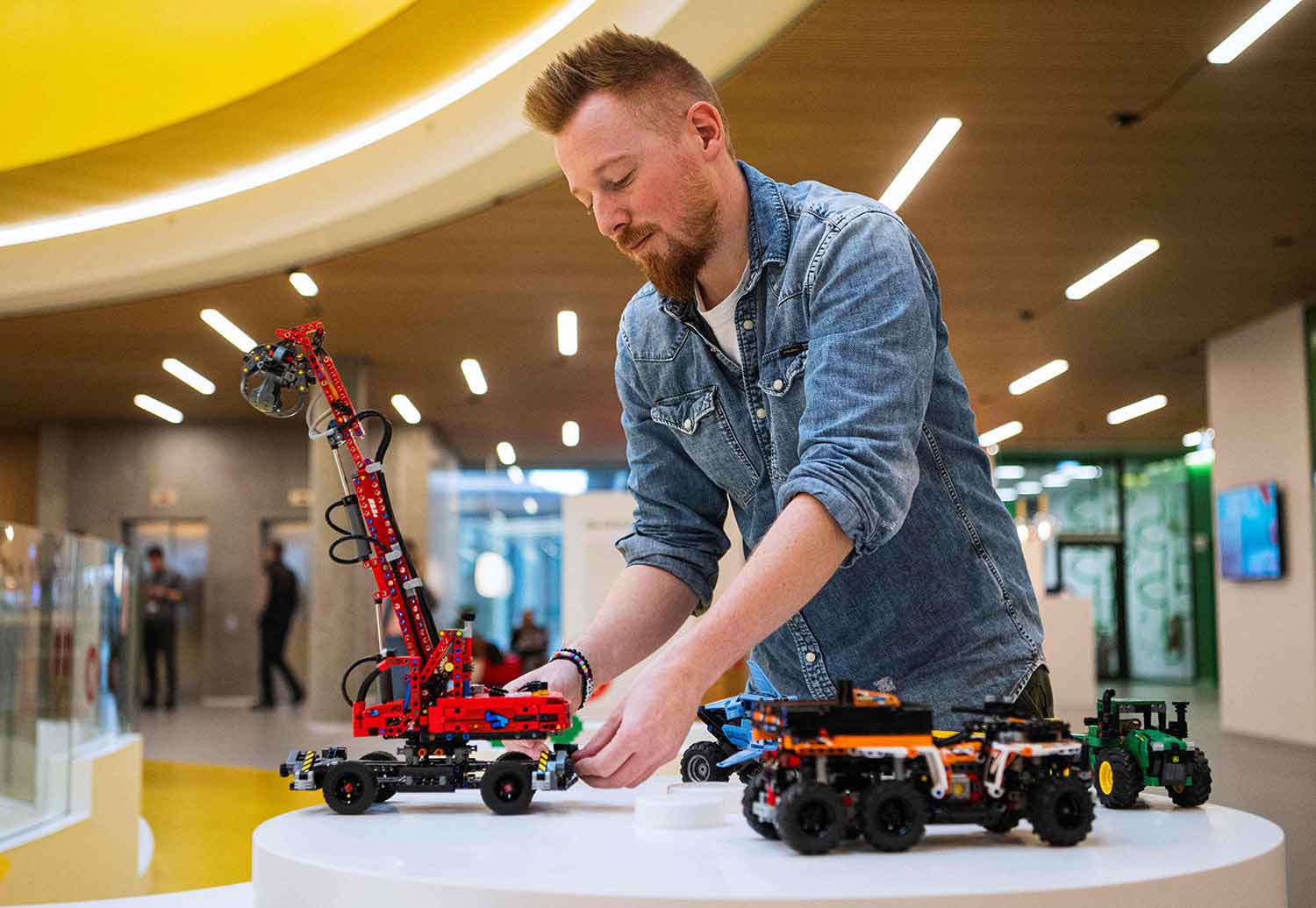
A man makes an adjustment to a LEGO vehicle that sits on a table with three other LEGO vehicles.

© Jonathan Nackstrand—AFP/Getty Images

LEGO designer Samuel Tacchi of France is one of many people who create popular LEGO sets!

What if you could play with toys for a living? Many people work for toy companies, and some of them are toy designers!

Toy designers come up with ideas for new toys or ways to improve existing toys. They figure out what a new toy will look like and how it will work. Then they team up with others to turn their ideas into toys.

There are lots of things to consider when making a new toy. The toy should be fun to play with, of course! But toys also need to be safe to use and appealing to look at, so features and colors are important details. Adults should see some value in a toy, too. After all, they’re usually the ones who buy toys!

How do you become a toy designer? Most toy designers studied design in college. Many of them studied industrial design, which is the process of creating new products. A good toy designer should have artistic talent and a great imagination. It also helps to be a kid at heart!

The Legend of LEGO

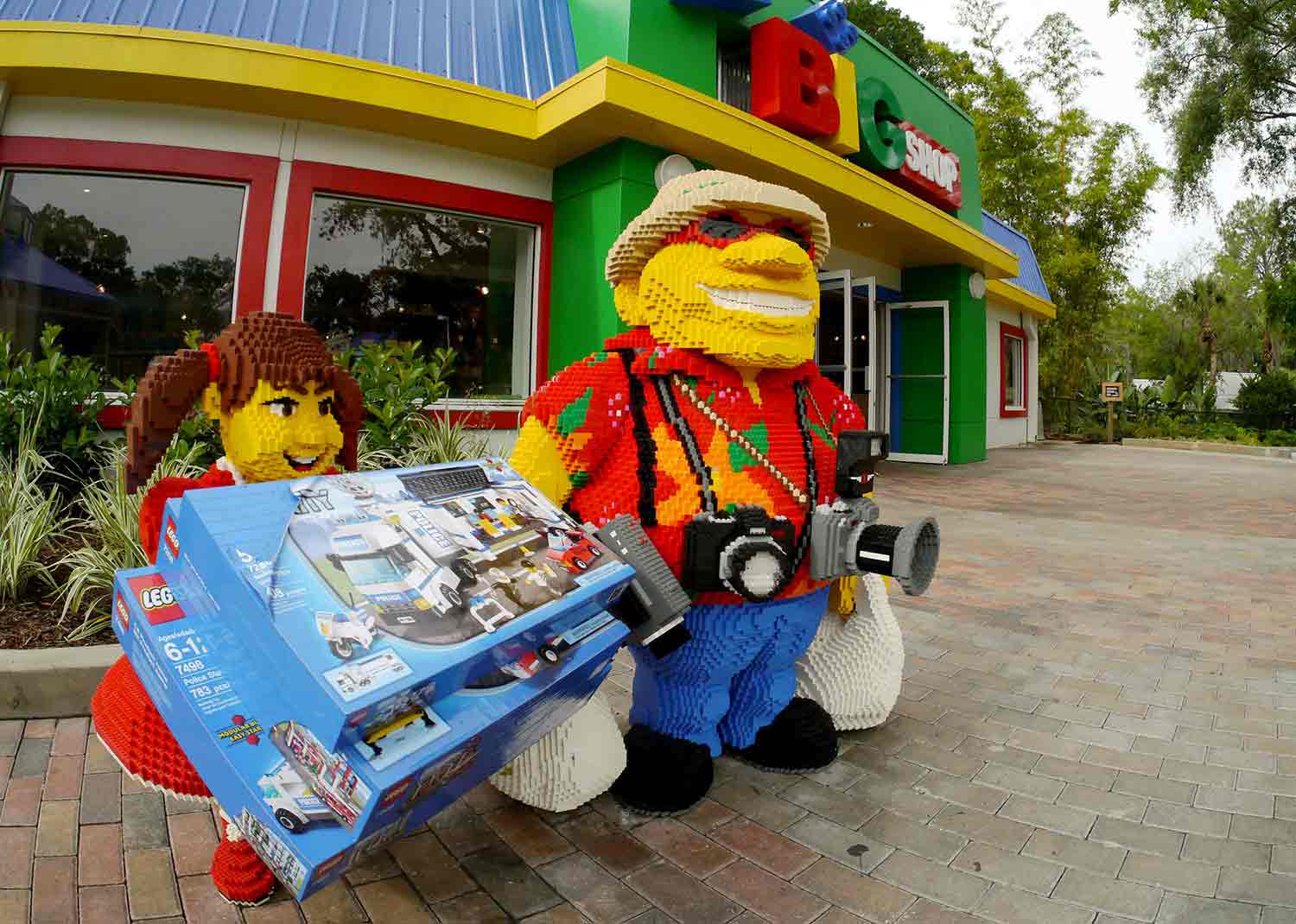
A man dressed in a Hawaiian shirt and a girl, both made from LEGO bricks, stand outside of The Big Shop at Legoland Florida.

© EMFielding/Dreamstime.com

Did you know that LEGO has been making plastic bricks since 1949? It’s possible to build just about anything from LEGO bricks, including people!

Learn more about LEGO at Britannica.

Word of the Day Icon

Word of the Day

prefabricated

Part of speech:

adjective

Definition:

: made of parts that are made at a factory and that can be put together later

Definitions provided by
Merriam-Webster Logo
Game Icon

Play

Criss Cross

.

In Case You Missed It

Taryn Smith is the first American woman to row solo across the Atlantic Ocean.
March 5, 2026
A powerful waterfall doesn’t easily freeze, but this winter has been especially cold!
March 3, 2026
For Women’s History Month, we’re honoring two women who inspired many others to take to the skies.
February 26, 2026
Baseball player Ron Teasley has died. Teasley was one of the last living athletes to play in the Negro Leagues.
February 24, 2026

The Great Backyard Bird Count

A man, woman, and child look into the sky in a wooded area. The man and child are using binoculars.

The Great Backyard Bird Count

People around the world counted the birds in their neighborhoods. What did they find?
A man, woman, and child look into the sky in a wooded area. The man and child are using binoculars.

© John Carl D’Annibale/Albany Times Union—Heast Newspapers/Getty Images

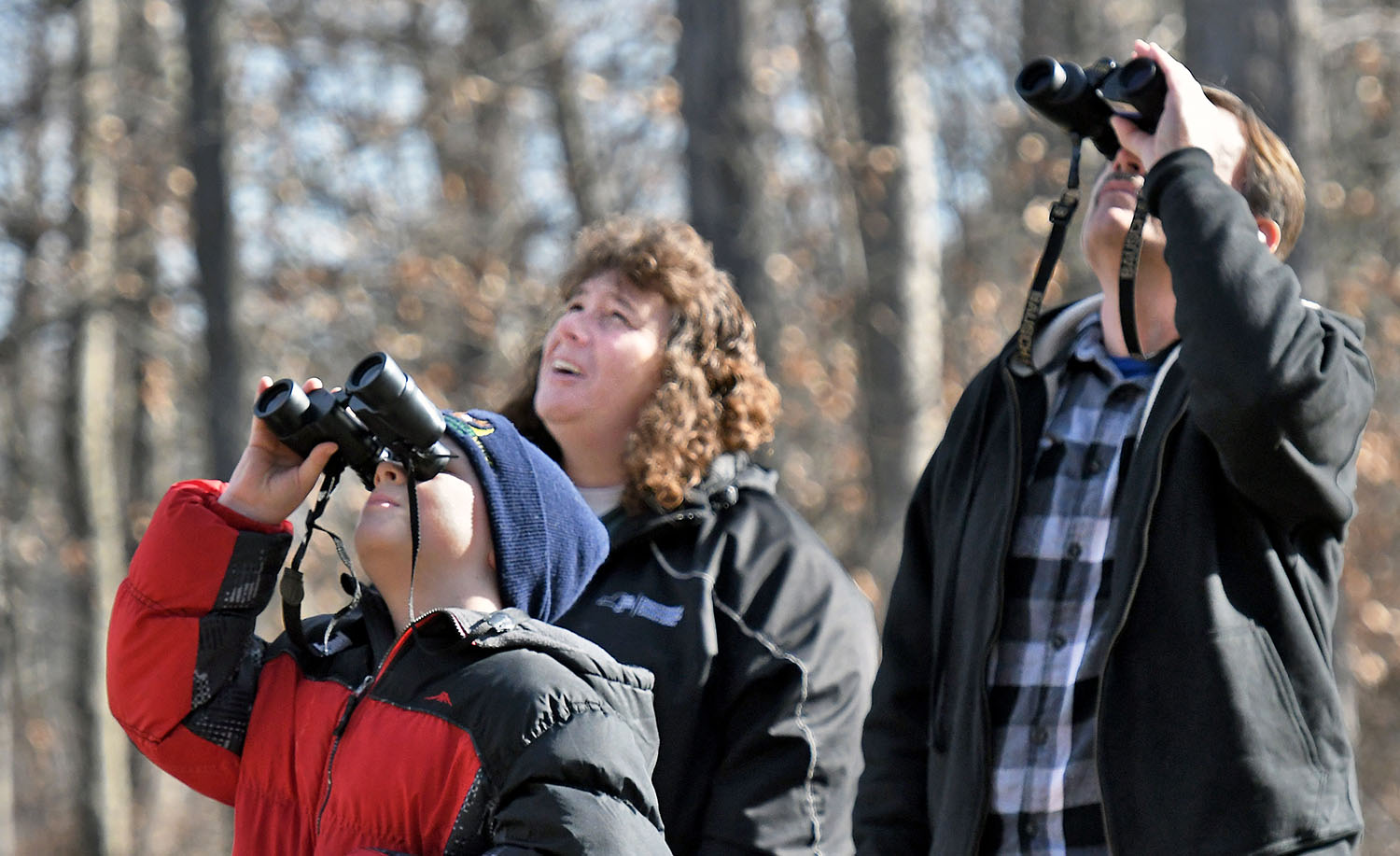
Ten-year-old Jarrett Dragon (left) and his parents participated in the 2018 Great Backyard Bird Count near their home in New York.

Do you ever ask yourself, “What kinds of birds are in my neighborhood?” Scientists have a similar question: What kinds of birds are living in every part of the world? The Great Backyard Bird Count (GBBC) aims to get answers, and this year’s results were impressive!

The Great Backyard Bird Count is an annual, four-day event. During the GBBC, everyone, anywhere in the world, is encouraged to count birds in their backyard or some other location of their choosing. The 2025 count took place from February 14 to February 17.

Participants were asked to spend at least 15 minutes counting birds and then use an app or website to identify the birds and to report what they saw or heard. Some people sent photos of the birds they found. Others sent recordings of birdsongs.

A black and brown duck with a tuft of feathers sticking out of its head is swimming.

© tonymills/stock.adobe.com

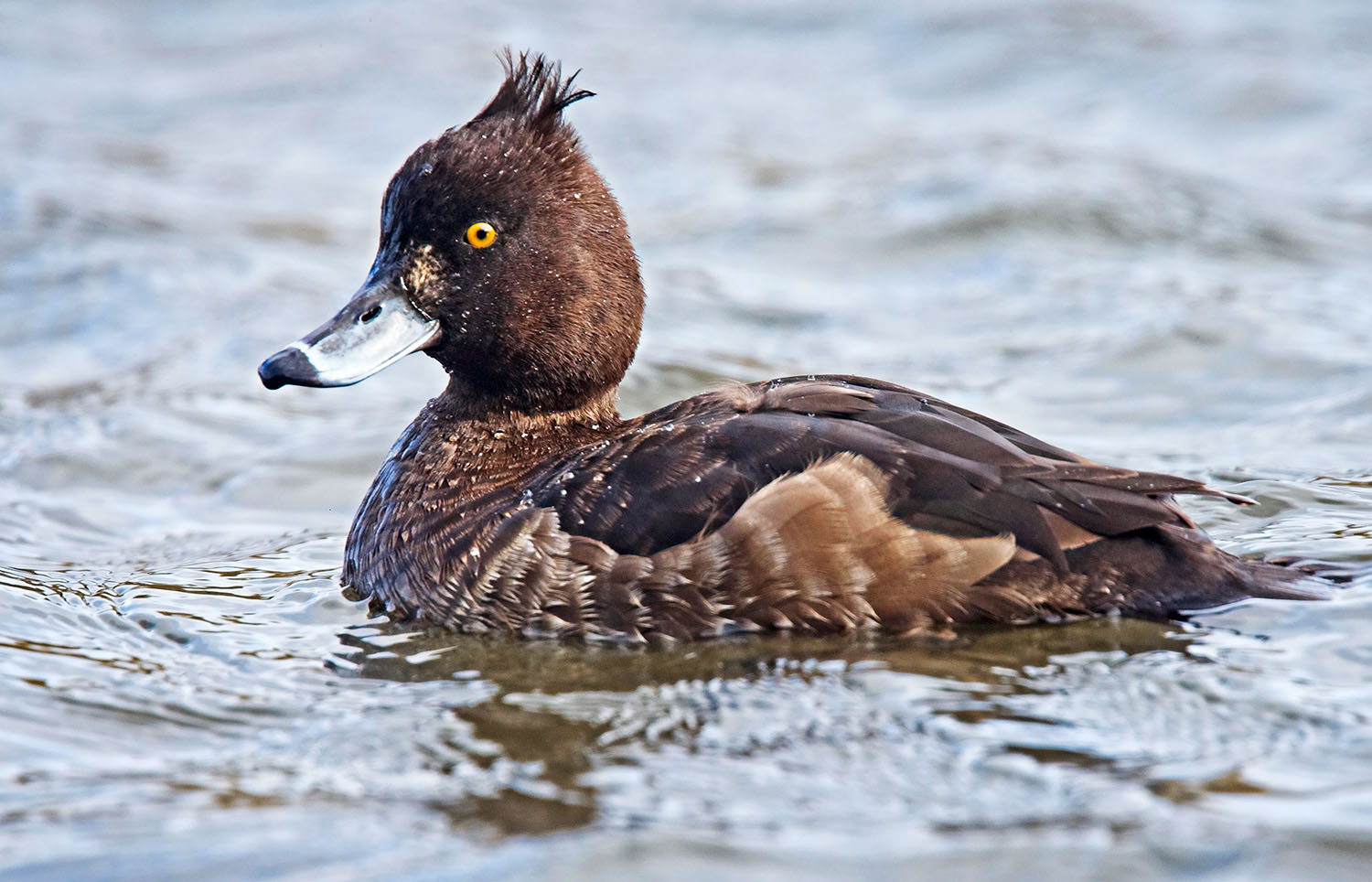
Tufted ducks like the one seen here normally live in Africa, Europe and Asia. During the Great Backyard Bird Count, they were spotted in the United States and Canada.

Why ask people to count birds? Scientists say the results of each year’s GBBC help them learn where various species of birds are living. It’s important that the count takes place in February. That’s shortly before many bird species begin their annual migration (yearly journey from one place to another).

According to the GBBC website, more than 800,000 people took part in the 2025 bird count. A whopping 8,078 species were identified in 2025—158 more species than in 2024. People in Colombia reported 1,374 bird species, more than in any other nation.

A black bird with red and yellow feathers on its head and a few white feathers on its wings sits on a branch.

© Leandro/stock.adobe.com

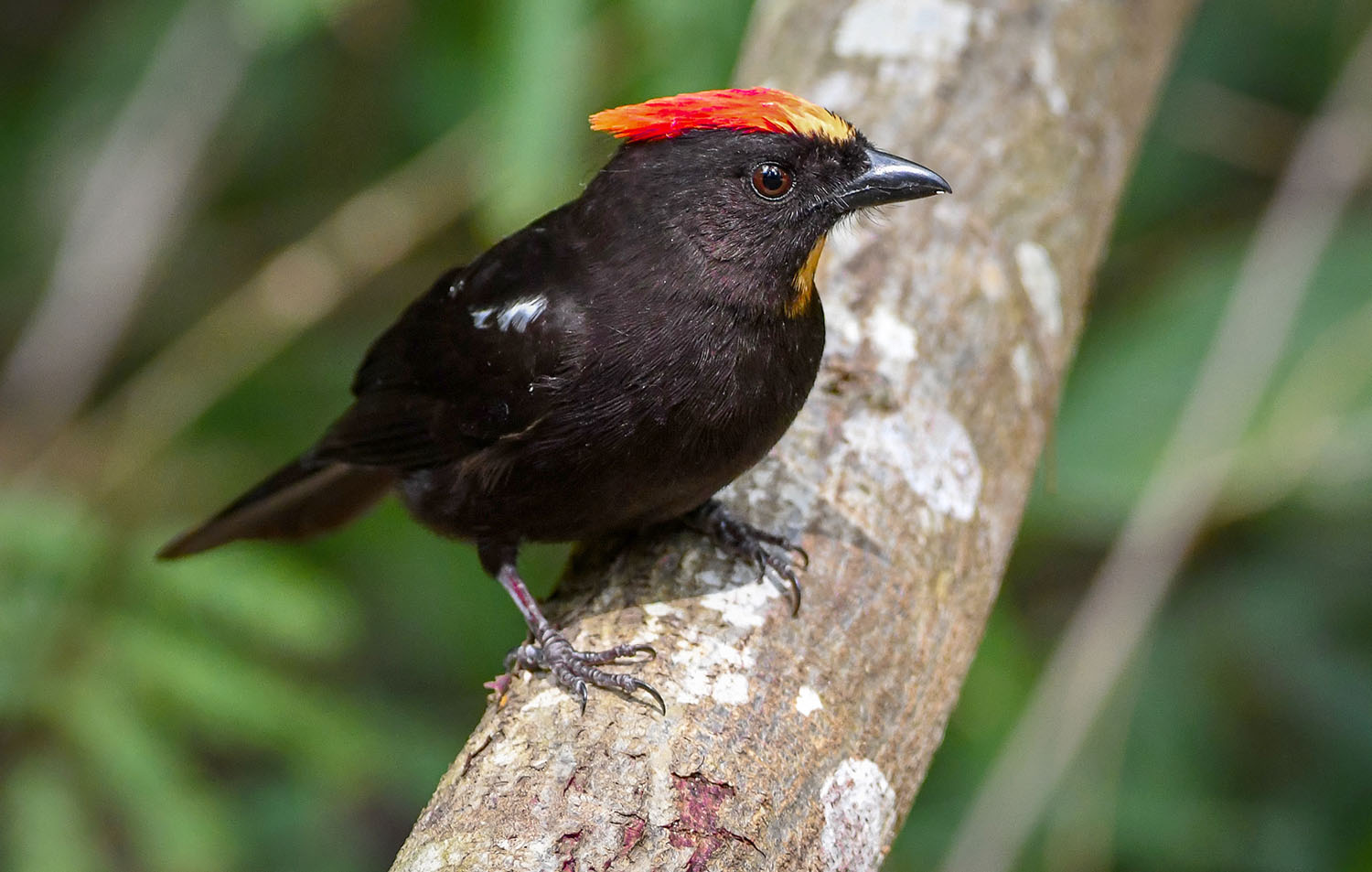
It’s not easy to find a flame-crested tanager, but people spotted them in Colombia during the Great Backyard Bird Count.

Some people spotted rare birds. Participants in the United States and Canada reported seeing the tufted duck, which is usually found in Africa, Europe, and Asia. People in Kenya identified the black-and-white Shrike-flycatcher, which lives high up in trees and isn’t often seen. In Colombia, there were sightings of the rare flame-crested tanager, which is named for the bright red and yellow feathers on top of its head.

If you missed the 2025 GBBC, there’s always next year. Instructions for participating in the 2026 event have already been posted on the GBBC website!

Fun Fact Icon

Fun Fact!

Colombia has 1,866 recognized bird species—more than any other country!

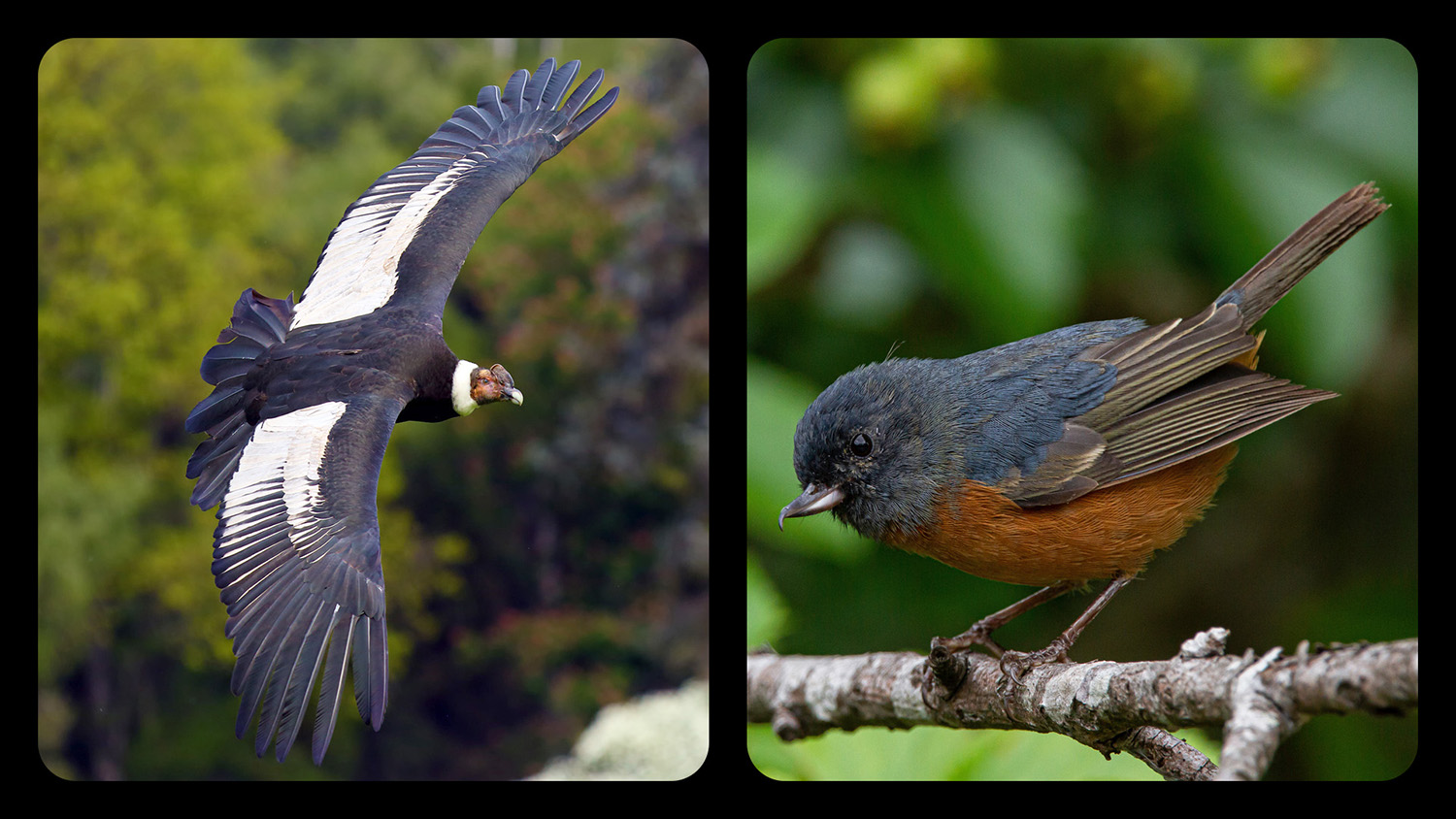
A large condor with a huge wingspan flies and in a separate image, a bird with blue feathers on its head and back and red feathers on its chest perches on a branch.

© +Naturestock/stock.adobe.com, © Karlos Lomsky/stock.adobe.com; Pohto composite by Encyclpaedia Britannica, Inc.

The Andean condor (left) and the chestnut-bellied flowerpiercer (right) are two of Colombia’s bird species.

World’s Weirdest Birds

Always be yourself. That’s good advice, whether you’re a person or a bird! Here’s a list of birds that aren’t afraid to be a little different.

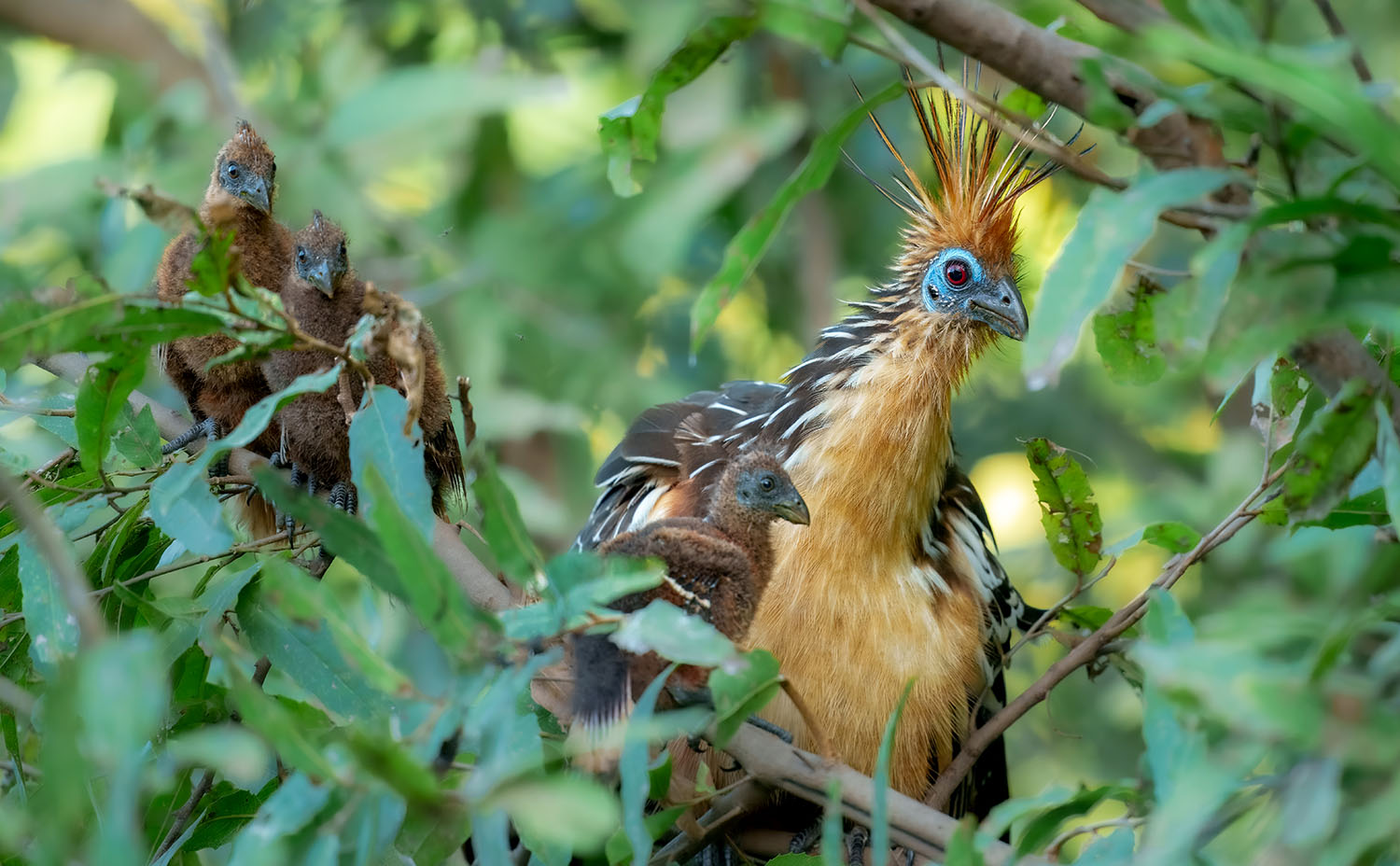
A brown and black hoatzin with a face and spiky feathers on its head sits in a tree with three hoatzin chicks.

© Miroslav Srb/stock.adobe.com

Hoatzin

This chicken-sized South American bird has claws on its wings, which it uses to climb trees!

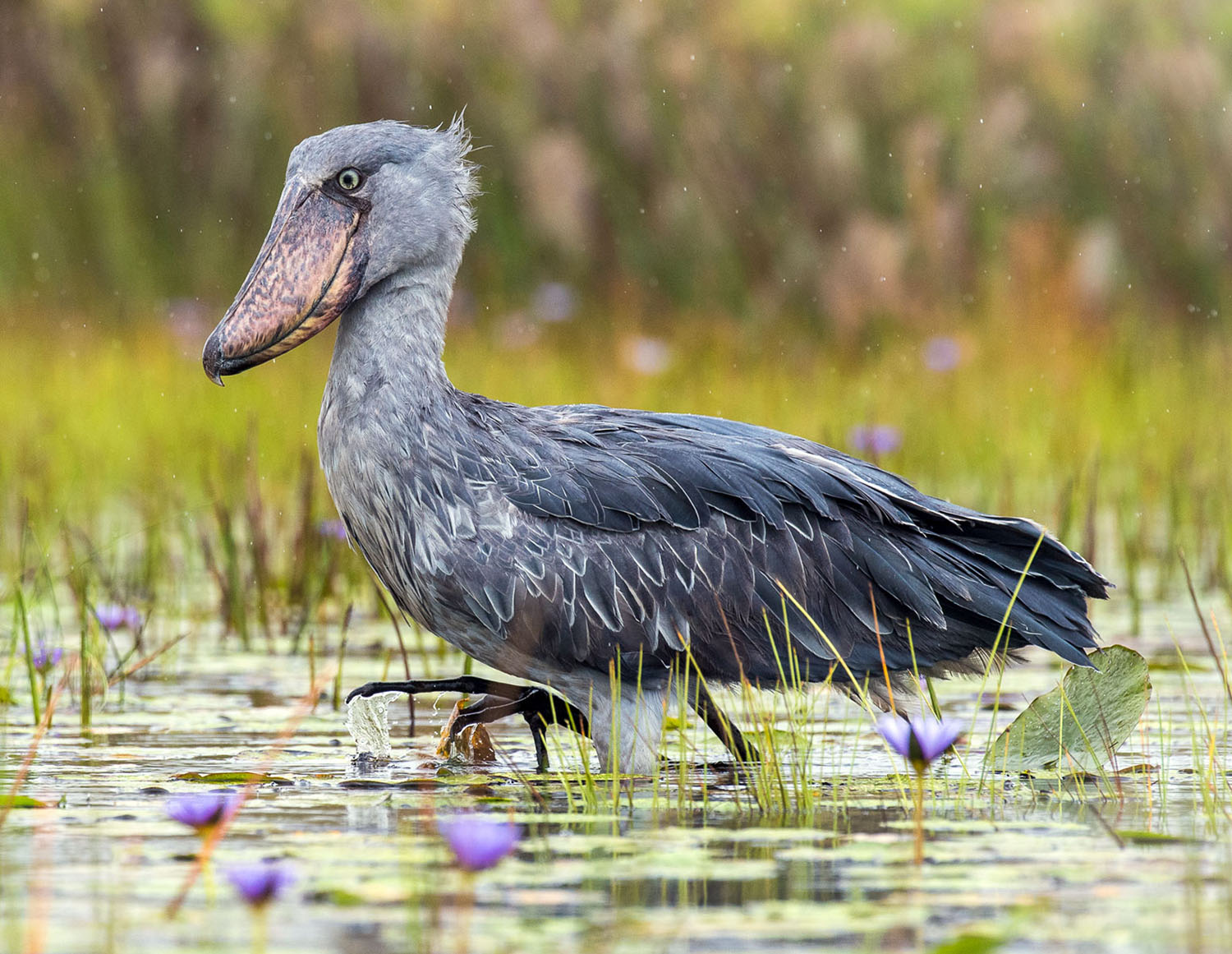
A gray shoebill stork with a large bill walks through a swampy area.

© Petr Simon/Dreamstime.com

Shoebill Stork

This long-legged bird, which lives in parts of Africa, loves a good fish dinner. Occasionally, though, turtles and baby crocodiles are on its menu!

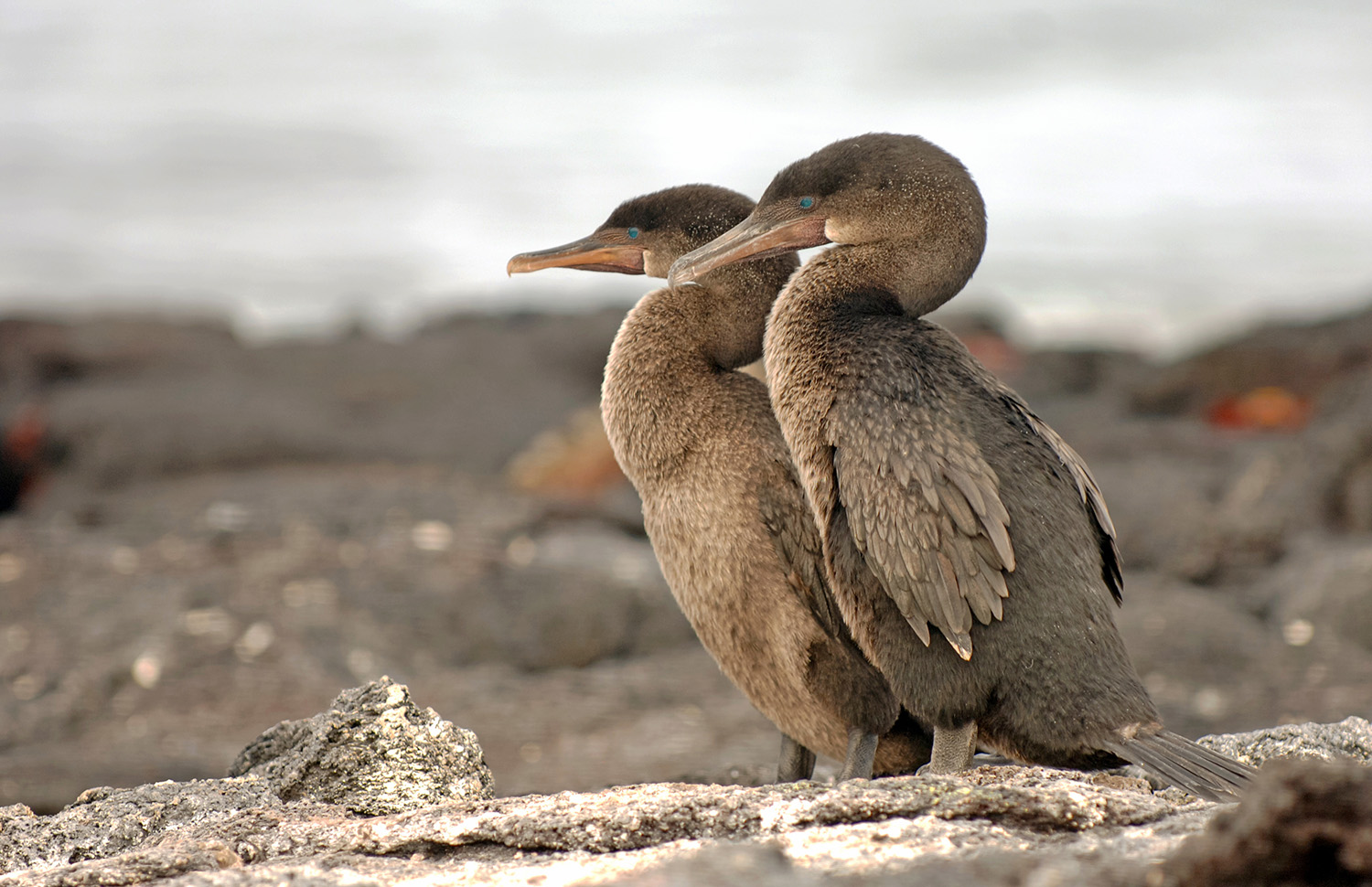
Two brown cormorants with long necks and blue eyes sit on driftwood at a beach.

© nyker/stock.adobe.com

Galapágos Cormorant

Would you fly if you had wings? For the Galápagos cormorant, the answer is no. With no natural predators in the Galápagos Islands, where this bird lives, there’s no need to fly!

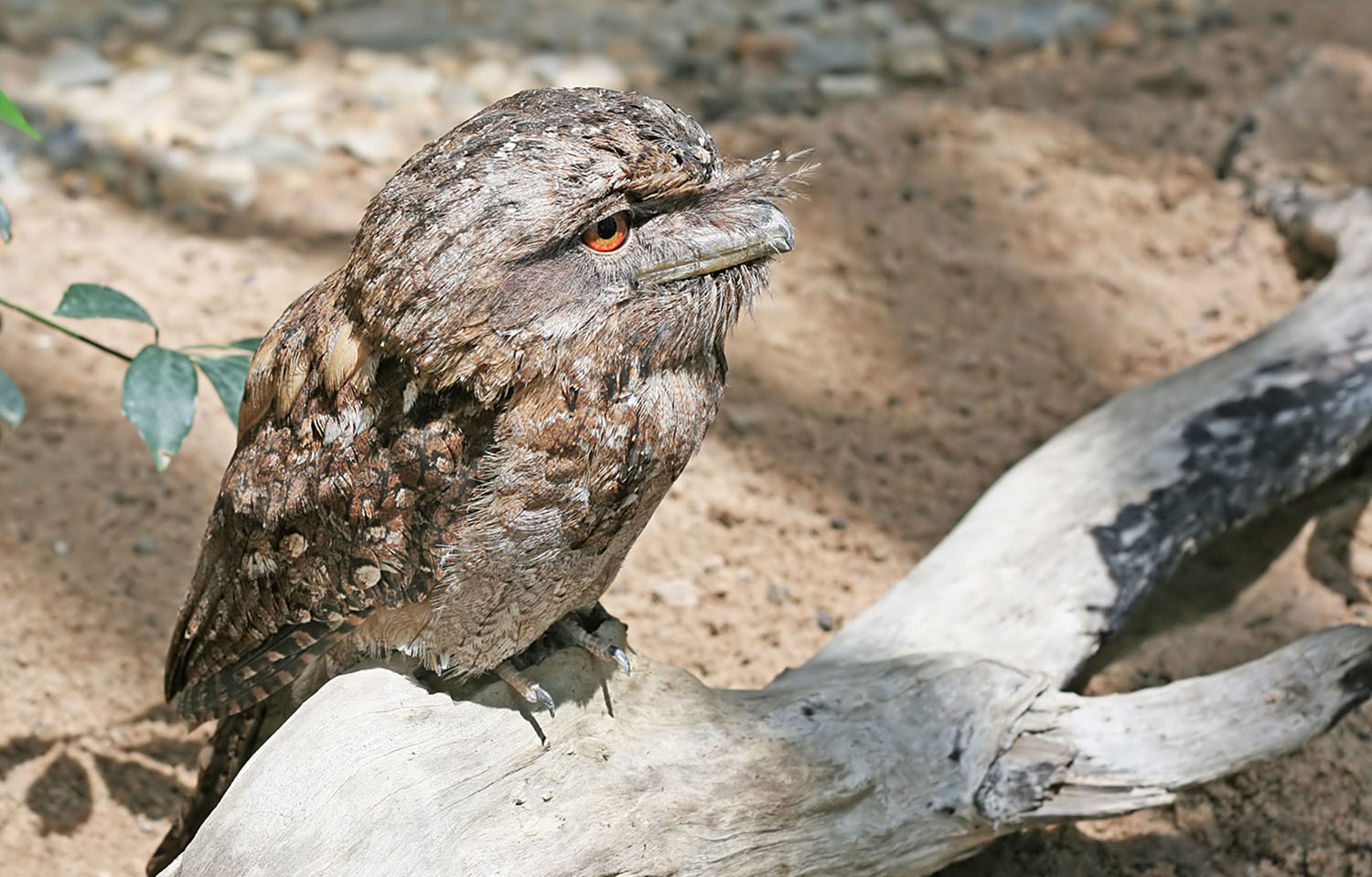
A brown Papuan frogmouth is perched on a fallen branch.

© Joyce Mar/Shutterstock.com

Papuan Frogmouth

The Papuan frogmouth, found mostly in Oceania, isn’t the most colorful bird. But its brown and gray feathers are to its advantage. When there’s danger in the area, the frogmouth freezes in place so that it looks like a tree stump or branch!

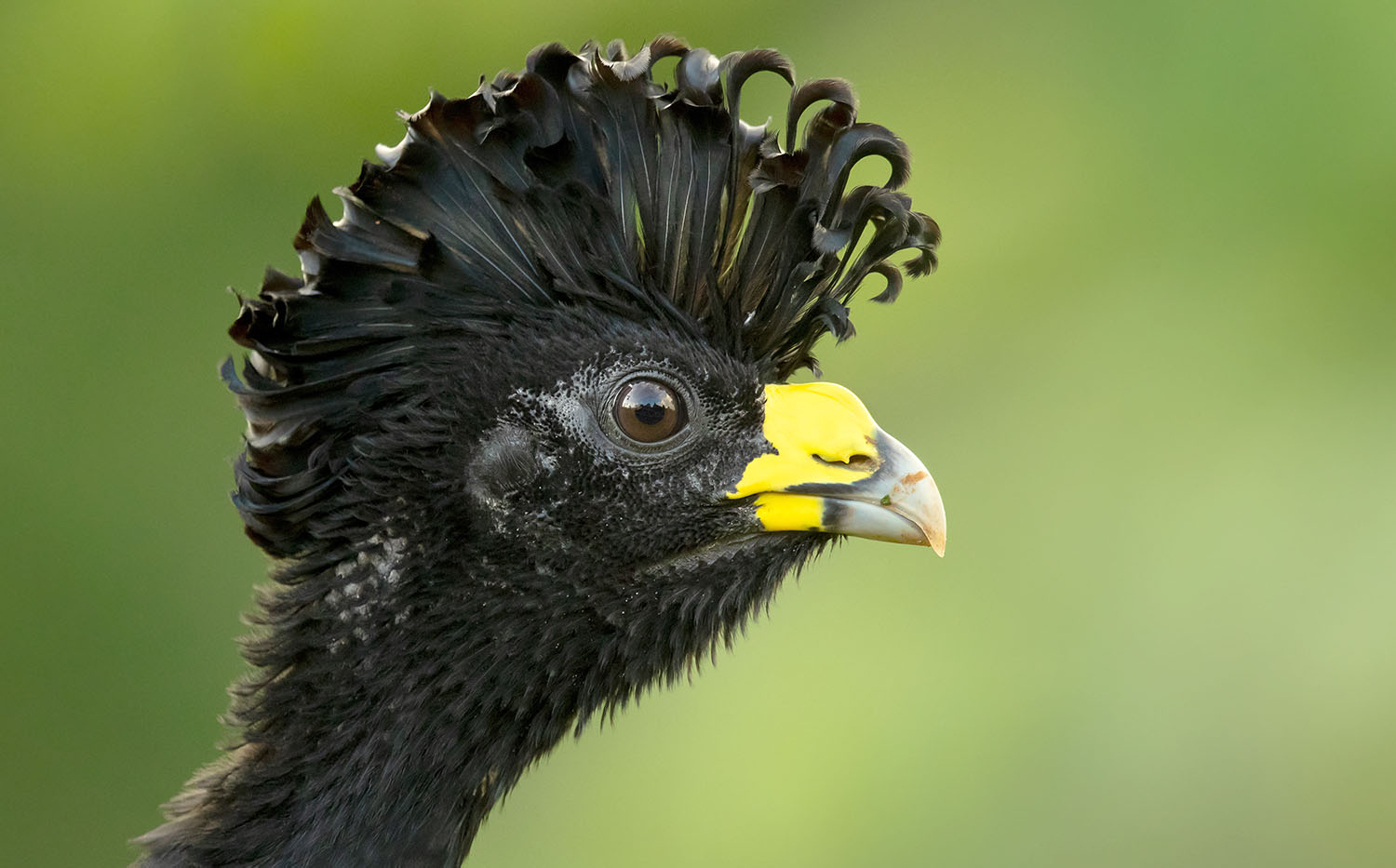
Closeup of a black curassow with spiky feathers on its head

© Milan/stock.adobe.com

Curassow

This bold bird, which lives in Central and South America, makes the list for its distinctive hairdo. The feathers on the curassow’s head make it look like it just came out of a beauty salon!

Dinosaurs Among Us

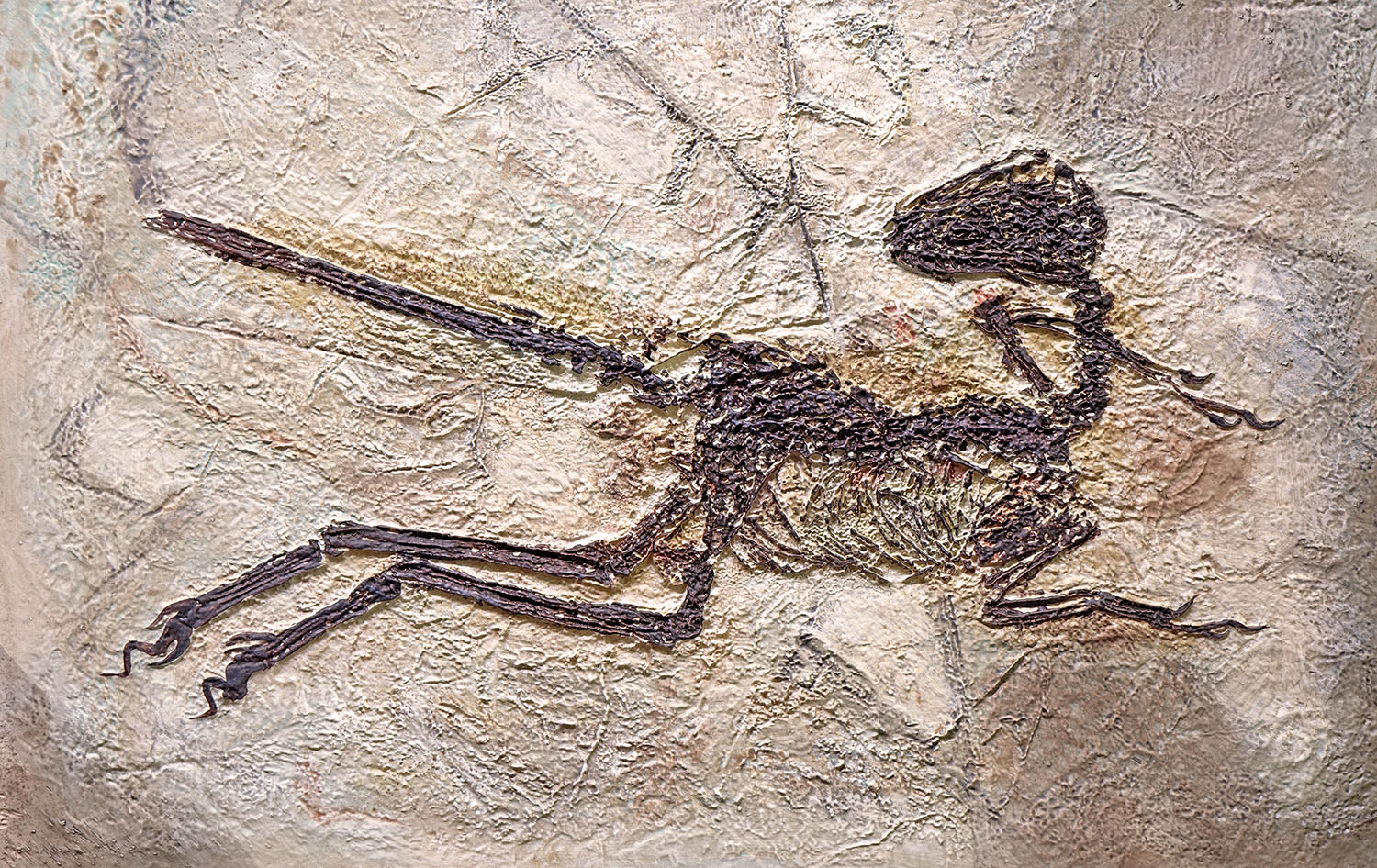
A fossil of a Zhenyuanlong suni dinosaur shows its feathers and wings.

© Cheattha/stock.adobe.com

Are dinosaurs extinct? Not really, scientists say. They believe that birds can be considered modern-day dinosaurs because they evolved from a group of dinosaurs called theropods. Some theropods had feathers and even wings, as shown in the fossil above.

You can learn some other fascinating facts about birds at Britannica!

Word of the Day Icon

Word of the Day

aloft

Part of speech:

adjective

Definition:

: in the air

Definitions provided by
Merriam-Webster Logo
Game Icon

Play

Word Search

.

In Case You Missed It

Taryn Smith is the first American woman to row solo across the Atlantic Ocean.
March 5, 2026
A powerful waterfall doesn’t easily freeze, but this winter has been especially cold!
March 3, 2026
For Women’s History Month, we’re honoring two women who inspired many others to take to the skies.
February 26, 2026
Baseball player Ron Teasley has died. Teasley was one of the last living athletes to play in the Negro Leagues.
February 24, 2026

Planting Hope

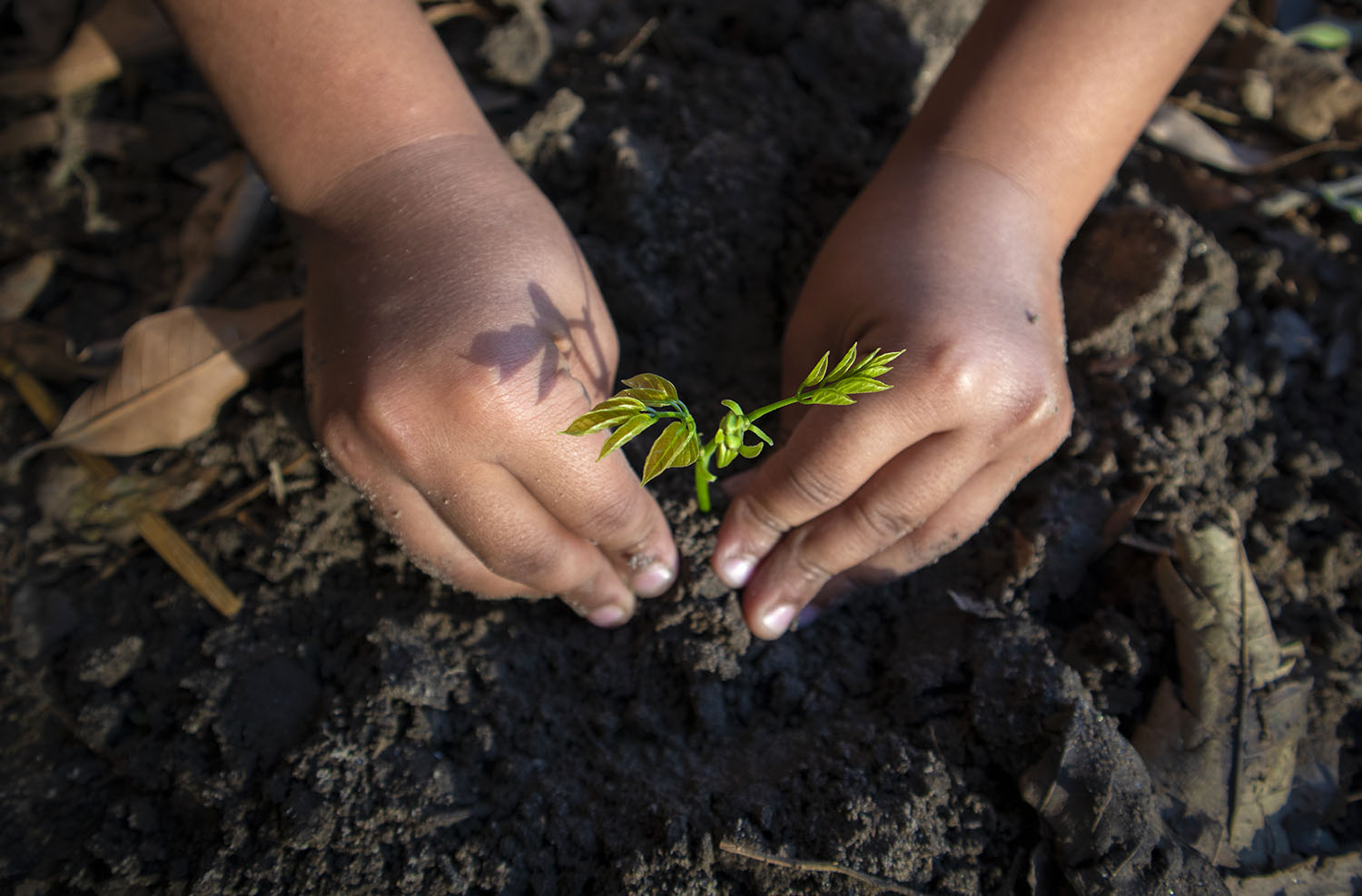
A closeup of a child’s hands planting a tree.

Planting Hope

Twelve-year-old Prasiddhi Singh is working to get more trees planted around the world.

A closeup of a child’s hands planting a tree.

© Uma Shankar sharma—Moment/Getty Images

You’re never too young to make a difference. At age 12, Prasiddhi Singh is leading a campaign to plant more trees, and she hopes other kids will do the same.

Prasiddhi was 4 years old in 2016, when a type of storm called a cyclone caused major destruction in the region of India where she lives. The storm brought rain and wind so strong that it uprooted huge trees.

Trees are important for many reasons. They improve air quality by absorbing carbon dioxide and producing oxygen. They also feed and shelter birds, mammals, and insects. Trees can even help reduce the effects of flooding by slowing the flow of floodwater. Overall, trees help reduce the effects of climate change.

After the cyclone in India, many people worked to plant new trees where the old ones had been lost. Prasiddhi, whose parents had taught her about the importance of trees, was among these helpers.

Prasiddhi began to think about what else she could do. In 2018, the year she turned 6, she set a personal goal to help plant 100,000 trees. To help her reach her goal, she founded the Prasiddhi Forest Foundation later that year.

“I had multiple questions come into my mind,” Prasiddhi explained in a video she posted to her YouTube channel. “For example, where will I plant? What will I plant? Who will take care of [what I plant]?”

With permission, Prasiddhi decided to plant trees at schools, on public lands, and in other places where there would be people to care for delicate saplings (baby trees) as they grew into strong adult trees. She chose fruit trees, which support many different types of animals.

So far, with help from partners in 20 countries, Prasiddhi and the rest of the team at her foundation have planted 150,000 trees!

Prasiddhi has been recognized around the world for her efforts. Now, she wants to inspire other kids to find ways to help solve problems. Simple actions can lead to big results, she said on YouTube.

“I believe that a single step, a single drop, a single impact together can [make] a huge difference,” said Prasiddhi.

Fun Fact Icon

Fun Fact!

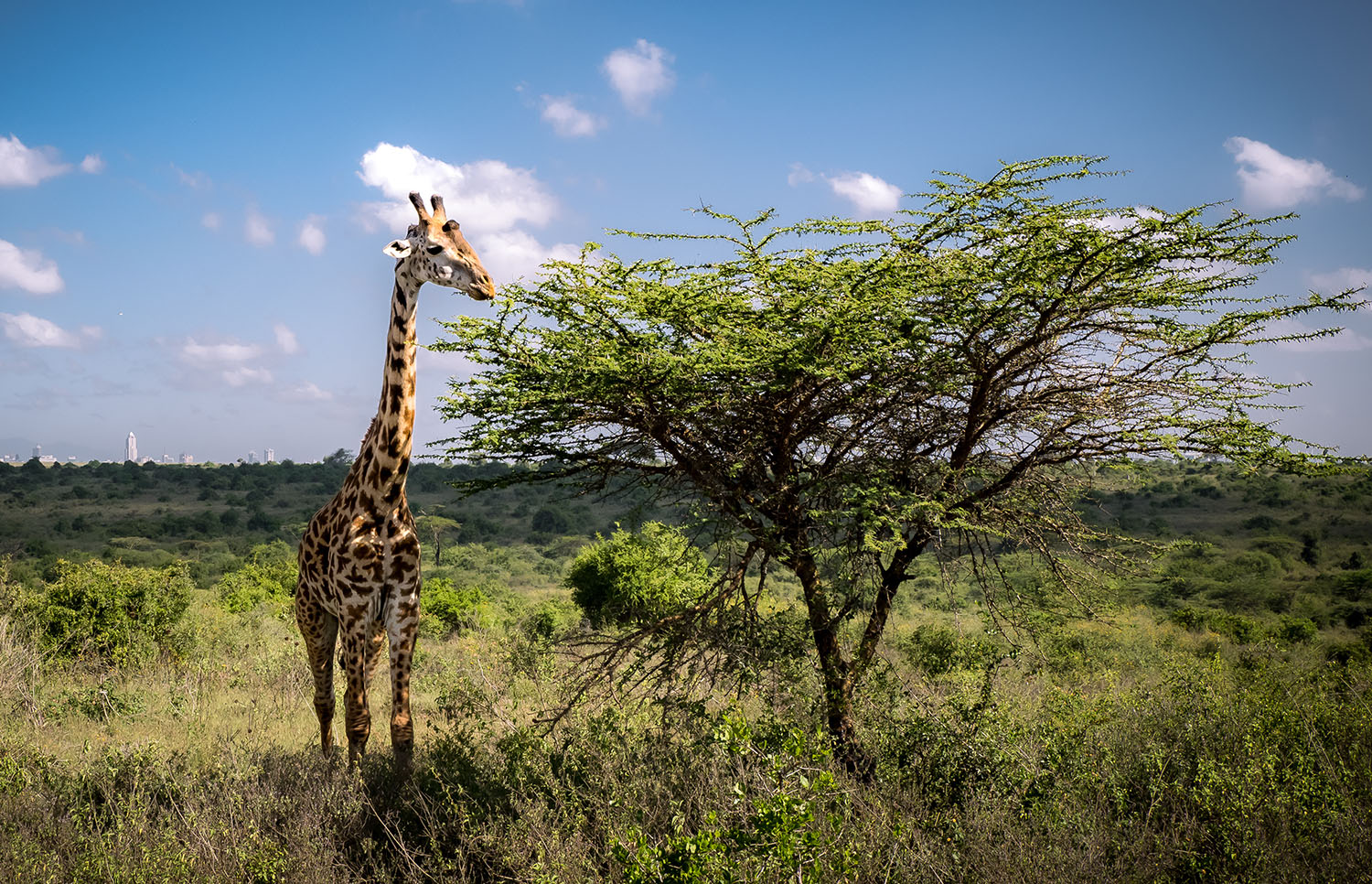
Acacia trees send chemical signals through the air to warn other trees when animals, such as giraffes, are eating their leaves. The other trees respond by pumping toxic chemicals into their leaves, making them taste bitter.

A giraffe eats leaves from the top of an acacia tree in a savanna landscape.

© schusterbauer.com/stock.adobe.com

Toys for a Cause

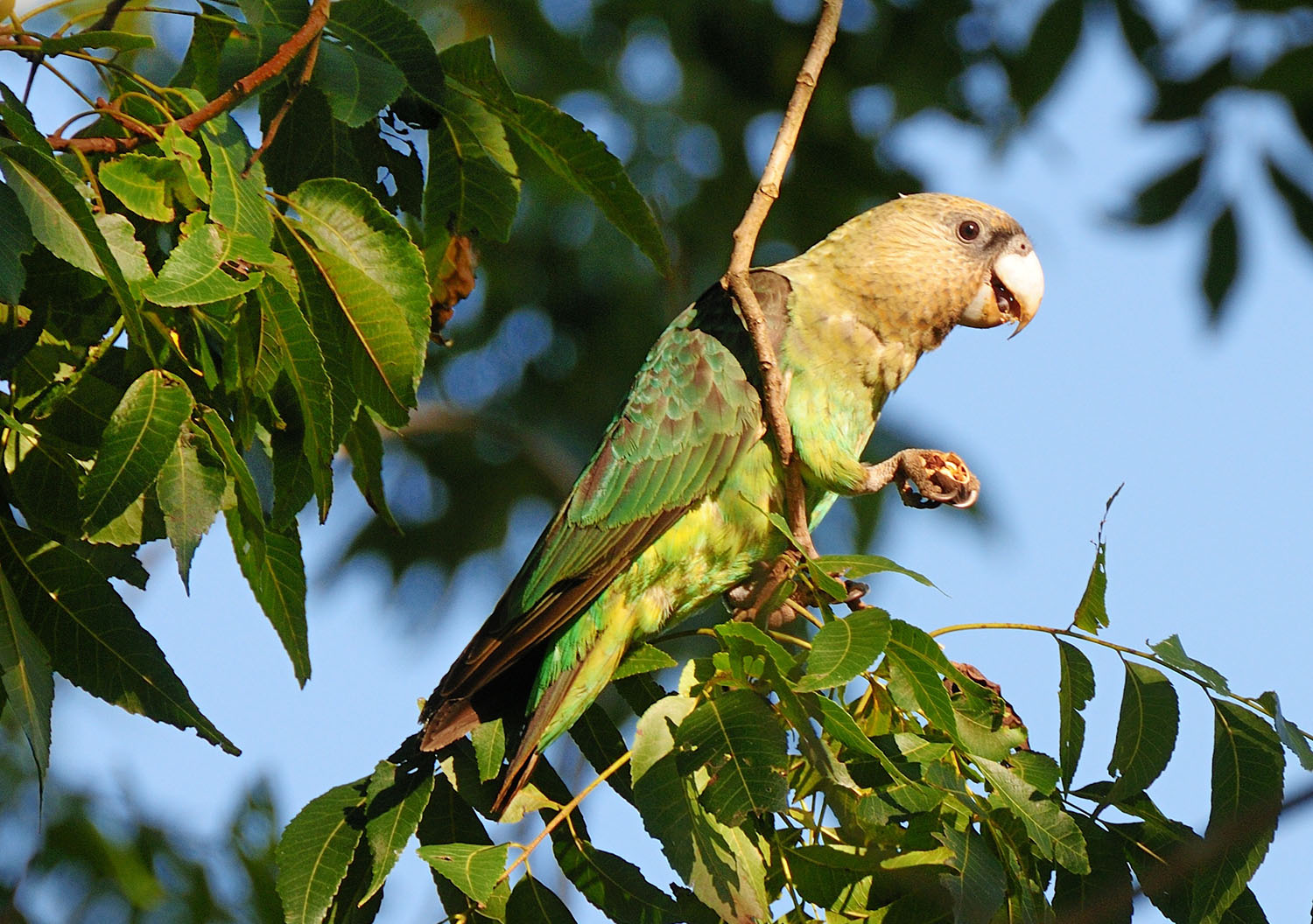
A Cape parrot sits on a branch and holds food in one of its talons.

© Eckhard/stock.adobe.com

The Cape parrot

A species called the Cape parrot is disappearing. Fewer than 2,000 of the colorful birds remain in South Africa, the only country where they live in the wild. But a group of women is helping to save the parrots using a skill called crochet (cro-SHAY), which is similar to knitting.

The 60 women who make up a group called Ukuthunga Handmade are creating crocheted Cape parrots. Part of the money they earn by selling the parrots goes to the Cape Parrot Project, an organization that was founded to increase the Cape parrot population. South Africa’s forests, which the Cape parrot relies on for food and shelter, are being destroyed. The Cape Parrot Project works with local communities to protect forests and plant new trees.

In addition to parrots, Ukuthunga Handmade makes and sells crocheted lions, elephants, hippos, and more. The project provides work and an income for the women in the group.

“It gives me great pleasure to make the toys,” crocheter Leah Mavimbela told News 24 in South Africa. “It feels so good to know I’m helping to keep the parrot in the right place, in its natural environment.”

Celebrate Earth Day!

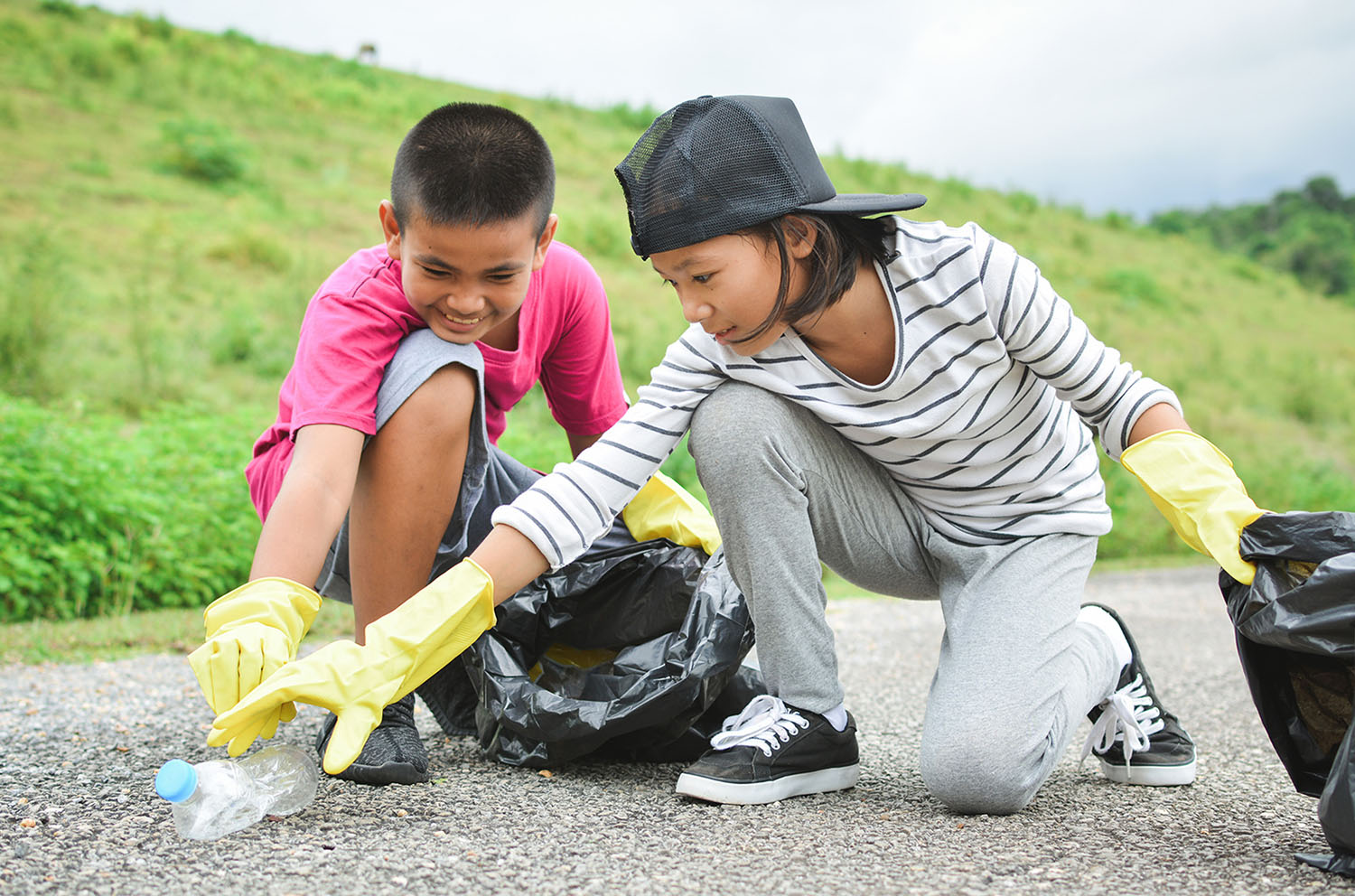
Two children wearing gloves and holding trash bags kneel on pavement and pick up a plastic bottle.

© Sawitree Pamee/Dreamstime.com

It’s a big week for Planet Earth. April 22 is Earth Day, when people around the world raise awareness about the importance of protecting our environment.

Many people mark Earth Day by doing something to help the planet. Learn about how you can help at Britannica!

Word of the Day Icon

Word of the Day

moxie

Part of speech:

noun

Definition:

: courage or determination

Definitions provided by
Merriam-Webster Logo
Game Icon

Play

Word Search

.

In Case You Missed It

Taryn Smith is the first American woman to row solo across the Atlantic Ocean.
March 5, 2026
A powerful waterfall doesn’t easily freeze, but this winter has been especially cold!
March 3, 2026
For Women’s History Month, we’re honoring two women who inspired many others to take to the skies.
February 26, 2026
Baseball player Ron Teasley has died. Teasley was one of the last living athletes to play in the Negro Leagues.
February 24, 2026

Give Away, Don’t Throw Away!

A shopper in a grocery store reaches to take an item from a bin surrounded by other bins of fruits, vegetables, and yogurt

Give Away, Don’t Throw Away!

One supermarket chain says it will give food away in an effort to reduce the amount of food it throws away.

A shopper in a grocery store reaches to take an item from a bin surrounded by other bins of fruits, vegetables, and yogurt

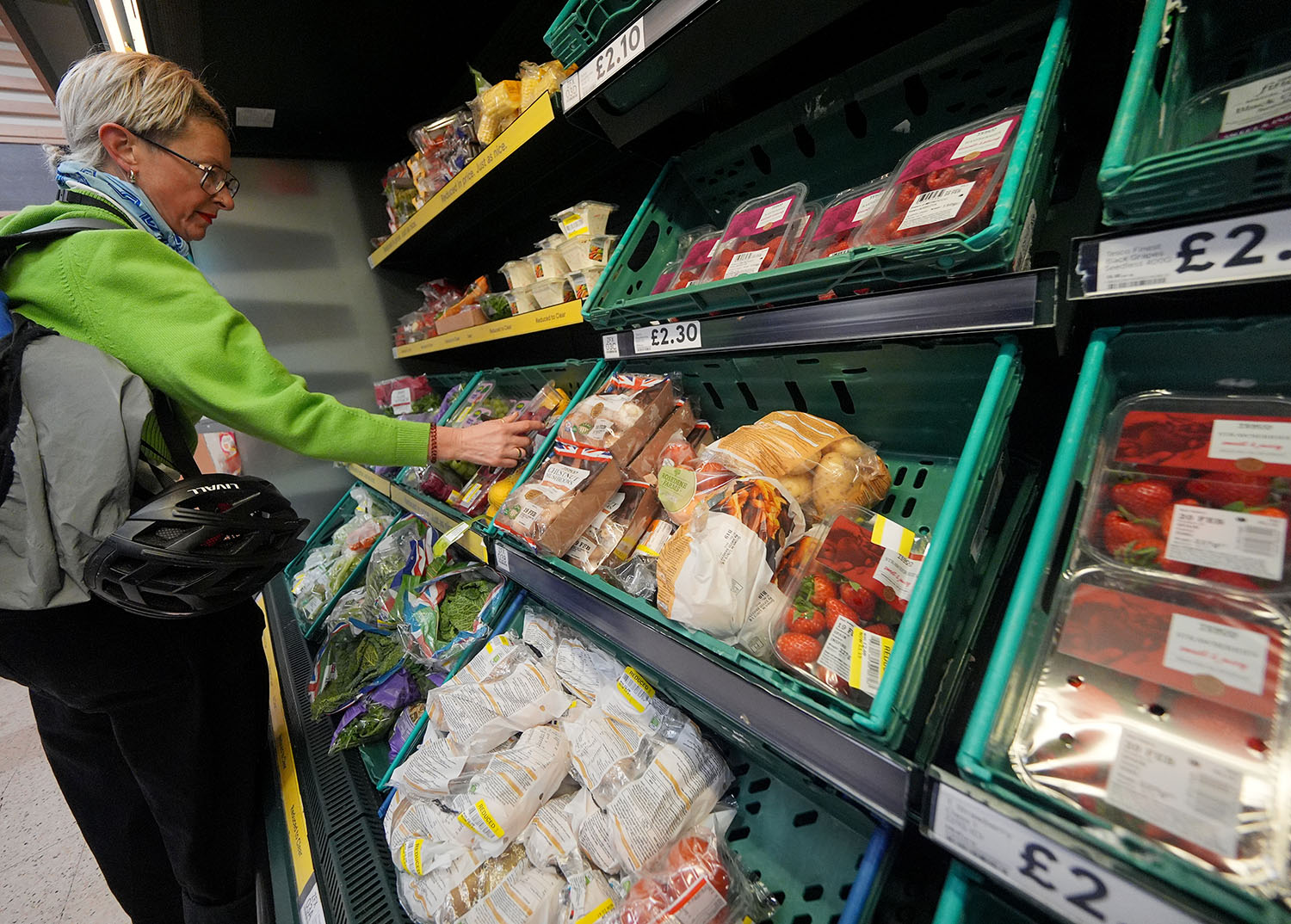
© Yui Mok—PA Image/Getty Images

A shopper picks items at a Tesco store in London, England. Tesco will make some items free at a certain time each day.

Imagine a store giving away some of its items for free. Tesco, a supermarket in the United Kingdom (U.K.), has decided to do just that.

In a small number of Tesco stores, and on a trial basis for now, Tesco plans to give away the food items that are about to expire, as part of its effort to reduce food waste. The items, which will be marked with a yellow sticker, will be free after 9:30 p.m. They’ll be offered to charities and supermarket employees first. What’s left will then be offered to customers.

When a food item expires, it can no longer be sold and must be thrown away. Because of this, supermarkets all over the world waste a lot of food. It’s an issue that many supermarkets have been trying to address. 

Tesco wants to reduce its food waste by 50 percent by the end of 2025. Like other supermarkets in the U.K., it already donates a lot of the food that hasn’t sold to food banks and other charities. But this has not been enough. The company hopes that offering items to customers at the end of the day will further reduce the amount of food it throws away.

The plan comes at a time when food prices are rising, and many people are struggling to pay their bills. In the U.K. alone, more than 1 in 10 people are “food insecure,” which means they skip meals because they cannot afford enough food. Food insecurity is a problem in many other nations as well.

Tesco is hoping its plan will not only reduce food waste but also give more people the opportunity to fill their fridges.

Face Thinking Icon

Did You Know?

The average person wastes more than their body weight in food each year.

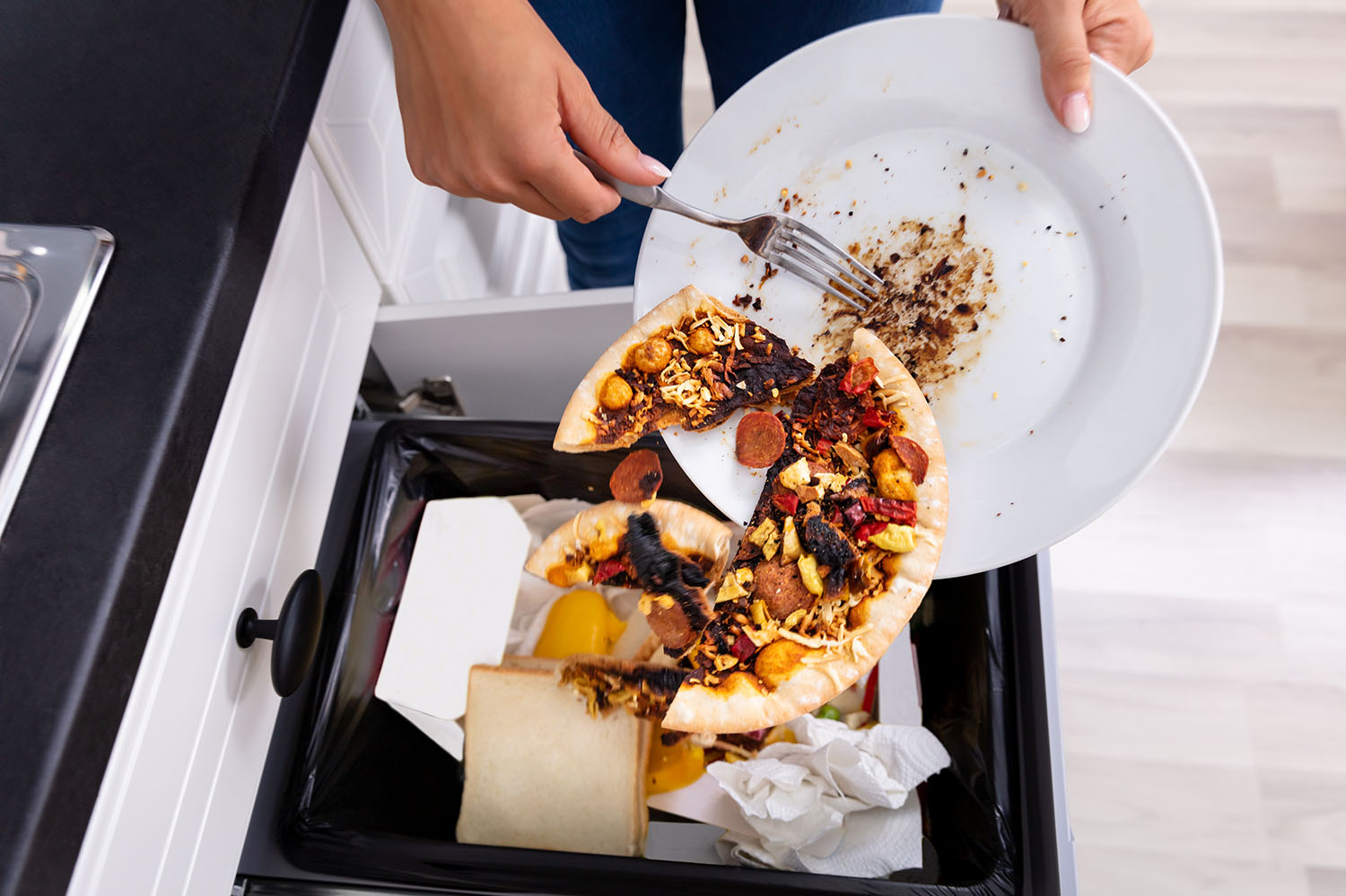
Pizza being scraped from a plate into a kitchen trash can.

© Andrey Popov/stock.adobe.com

I’ll Eat That!

Three people sit at a table eating sushi out of takeout containers with a Too Good to Go bag in the background.

Courtesy of Too Good to Go

Supermarkets aren’t the only ones wasting food. Restaurants and families also end up throwing out quite a bit of the food they buy. But there are ways to reduce food waste. An app called Too Good To Go helps restaurants and other food businesses avoid throwing out food.

How It Works

Businesses put together “surprise bags” containing soup, sushi, donuts, or any other food they’d have to throw away if they could not sell it. Then they post the bags on the Too Good To Go app at a discounted price.

A Tasty Surprise

App users (anyone who wants to sign up for the app) can buy surprise bags. These customers won’t know exactly what’s in each bag, but they will have some idea of what they’re buying. There’s a good chance a donut shop’s surprise bags will contain donuts, for example. The surprise is part of the fun!

From Farms to Our Tables

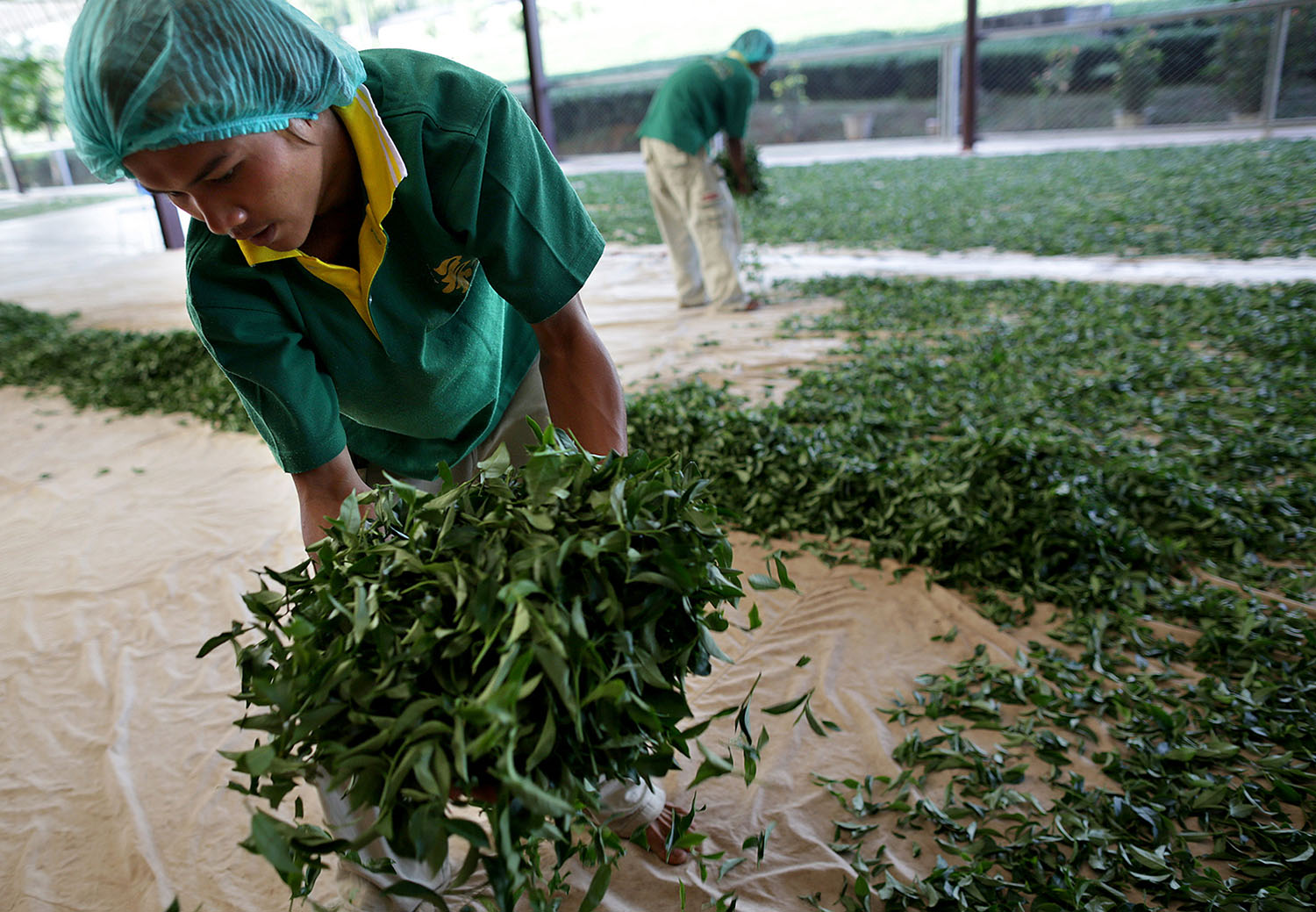
A worker holds a large pile of tea leaves as another worker gathers tea leaves in the background.

© Paula Bronstein/Getty Images

Farms produce a huge amount of the food we eat each day, including meat, veggies, and even sugar. You can learn about how farms work, and how food gets from a farm to a supermarket, at Britannica!

Word of the Day Icon

Word of the Day

surplus

Part of speech:

adjective

Definition:

: more than the amount that is needed

Definitions provided by
Merriam-Webster Logo
Game Icon

Play

Word Search

.

In Case You Missed It

Taryn Smith is the first American woman to row solo across the Atlantic Ocean.
March 5, 2026
A powerful waterfall doesn’t easily freeze, but this winter has been especially cold!
March 3, 2026
For Women’s History Month, we’re honoring two women who inspired many others to take to the skies.
February 26, 2026
Baseball player Ron Teasley has died. Teasley was one of the last living athletes to play in the Negro Leagues.
February 24, 2026

A Clever Disguise

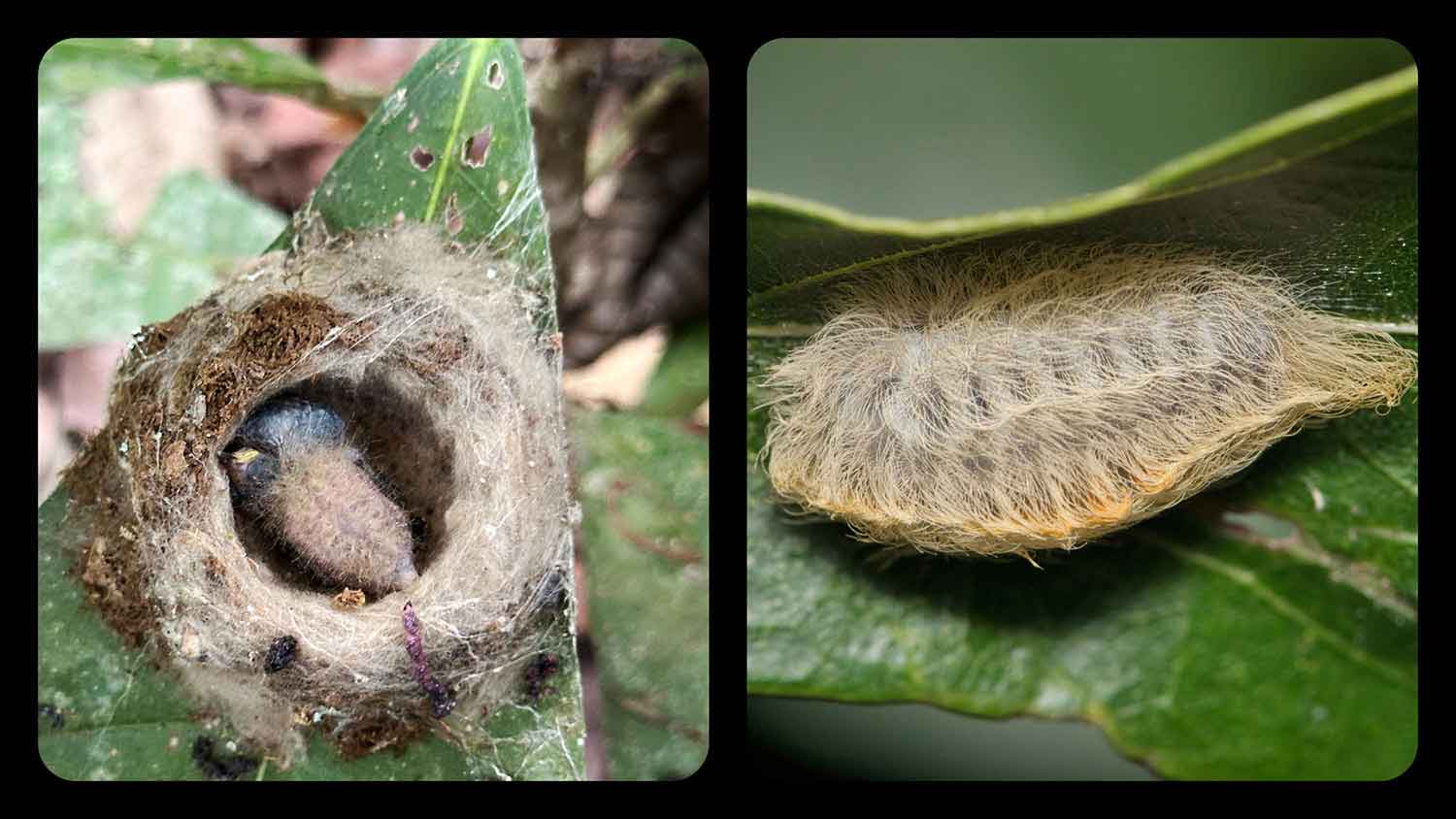
Side by side photos of a white-necked jacobin chick and a flannel moth caterpillar show the two look similar.

A Clever Disguise

One type of hummingbird chick looks a lot like a caterpillar, for a very good reason.

Side by side photos of a white-necked jacobin chick and a flannel moth caterpillar show the two look similar.

Courtesy of Scott A. Taylor/University of Colorado, © Brett/stock.adobe.com; Composite by Encyclopaedia Britannica, Inc.

White-necked jacobin chicks (left) look and act a lot like some species of caterpillar (right)!

It’s not easy to be a baby bird in a rainforest. Monkeys, snakes, and insects all prey on helpless chicks. But scientists believe that one type of hummingbird chick has an amazing way to scare off hungry predators. It pretends to be a caterpillar!

Scientists made this discovery while observing the nest of a hummingbird species called the white-necked jacobin, which lives in the tropical rainforests of Panama. When one of the eggs hatched, the scientists were surprised that the chick was covered in long brown feathers. Most types of hummingbirds are born without their feathers, which grow in as they get older.

The surprises didn’t end there. As scientists watched the tiny chick, they noticed that it was twitching and shaking its head. They had never seen birds move like this. The chick’s appearance and movements reminded the scientists of a caterpillar.

“I started texting a video [of the chick] to people and asking them, ‘What does this look like?’” Scott Taylor, a scientist who specializes in birds, told the University of Colorado Boulder. “And [they all said], ‘That looks like a caterpillar.’ It was very exciting.”

Taylor and the other scientists began researching caterpillars that live in the rainforest. They found some that are covered in brown hairs, similar to the hummingbird chick’s feathers. These rainforest caterpillars fight off predators by stinging them. The venom, or poison, they deliver can be deadly. They also shake their heads when they feel threatened, just like the hummingbird chick.

The day after the chick hatched, a type of wasp that eats chicks approached the nest. It was then that scientists observed something amazing. The mother bird was away, but the chick was able to defend itself. In response to the wasp, the chick began shaking its head, and the wasp flew away. Scientists now believe that white-necked jacobin chicks mimic, or copy, venomous caterpillars in order to scare predators away.

The scientists are excited to learn more.

“We know so little about what nesting birds do in the tropics,” Jay Falk, a bird specialist who was part of the discovery team, said in a statement. “But if we put more effort into observing the natural world, we might discover these kinds of behaviors are very common.”

Face Thinking Icon

Did You Know?

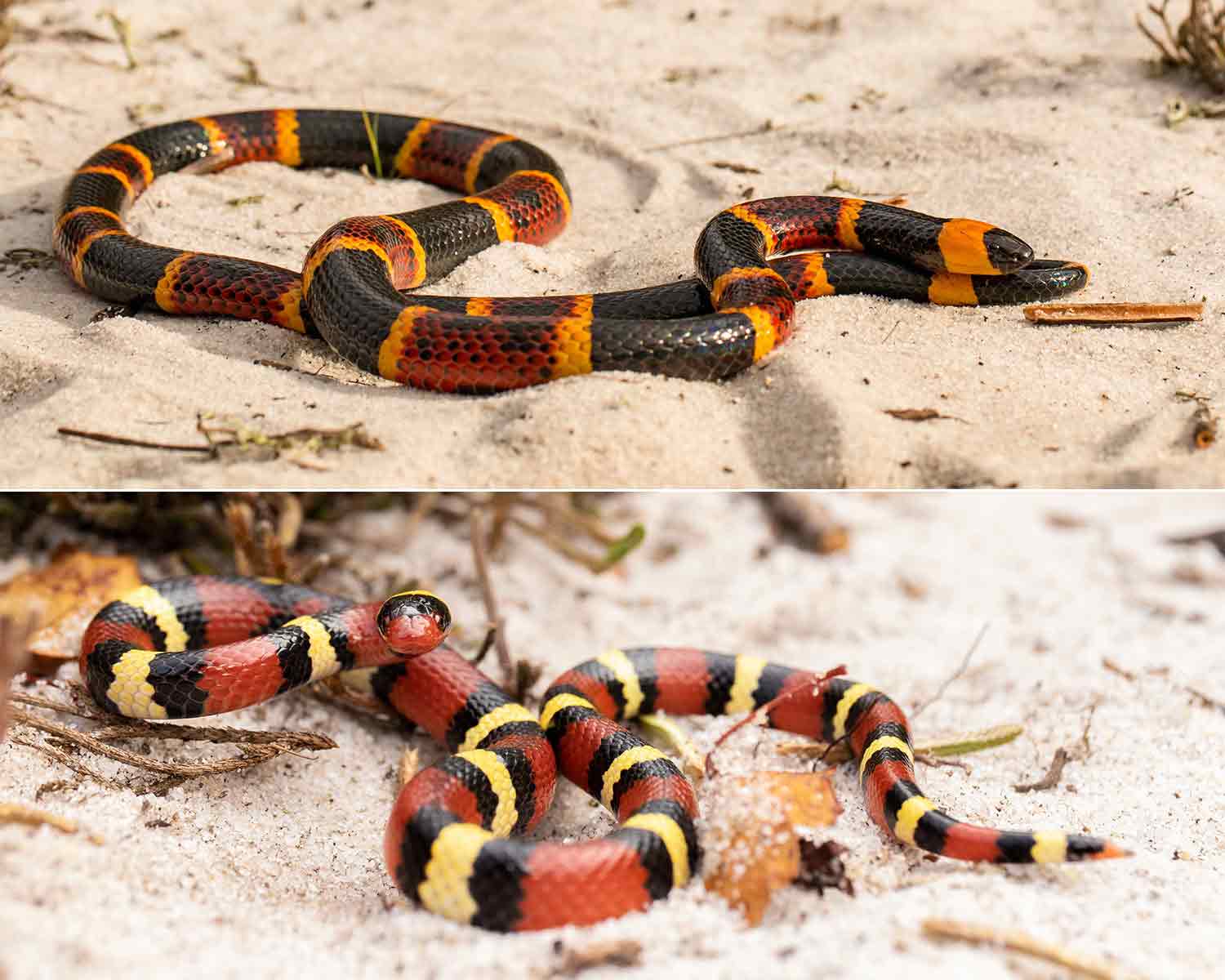
Scientists know that many non-venomous species protect themselves from predators by copying species that have venom. This is called mimicry.

For example, the harmless scarlet kingsnake (the bottom photo below) looks a lot like the venomous Eastern coral snake (the top photo below). Predators think the kingsnake can hurt them, so they leave it alone!

Composite of photos of a scarlet kingsnake and an Eastern coral snake show that the two snakes look similar.

Eastern coral snake: © Hamilton/adobe.stock.com, scarlet kingsnake: © Radiant Reptilia/adobe.stock.com

Figure Skating Champions!

Ilia Malinin is in the middle of a backflip over the ice.

© Tim Clayton/Corbis—Corbis Sport/Getty Images

Ilia Malinin performs a backflip during the 2025 figure skating world championships.

It’s official: Ilia Malinin is now a two-time figure skating world champion. On March 29, the American landed six quadruple jumps and a backflip to win gold at the 2025 world figure skating championships.

“That should not be possible. It’s like he undoes gravity,” NBC’s Tara Lipinski said while watching Malinin land jump after jump. Lipinski herself won Olympic gold in 1998.

Malinin, age 20, is now expected to be a top contender for a gold medal at the 2026 Winter Olympics in Milan, Italy.

Alysa Liu holds one leg behind her and skates on one leg.

© Geoff Robins—AFP/Getty Images

Alysa Liu

Alysa Liu of the United States landed seven triple jumps to win the women’s title. She’s the first American woman to do so in 19 years. Liu, a two-time U.S. national champion, retired after coming in sixth at the 2022 Olympics. Three years later, she’s back on top.

Ryiuchi Kihara holds Riku Miura above his head with one hand.

© Joosep Martinson—International Skating Union/Getty Image

Riku Miura and Ryiuchi Kihara

Riku Miura and Ryuichi Kihara of Japan captured gold in the pairs competition. Miura and Kihara also won the world championships in 2023.

Madison Chock has her ankle on Evan Bates’ ankle as they face each other while skating.

© Joosep Martinson—International Skating Union/Getty Image

Madison Chock and Evan Bates

Americans Madison Chock and Evan Bates took home the gold in the ice dance competition. This is their third world championship victory in a row.

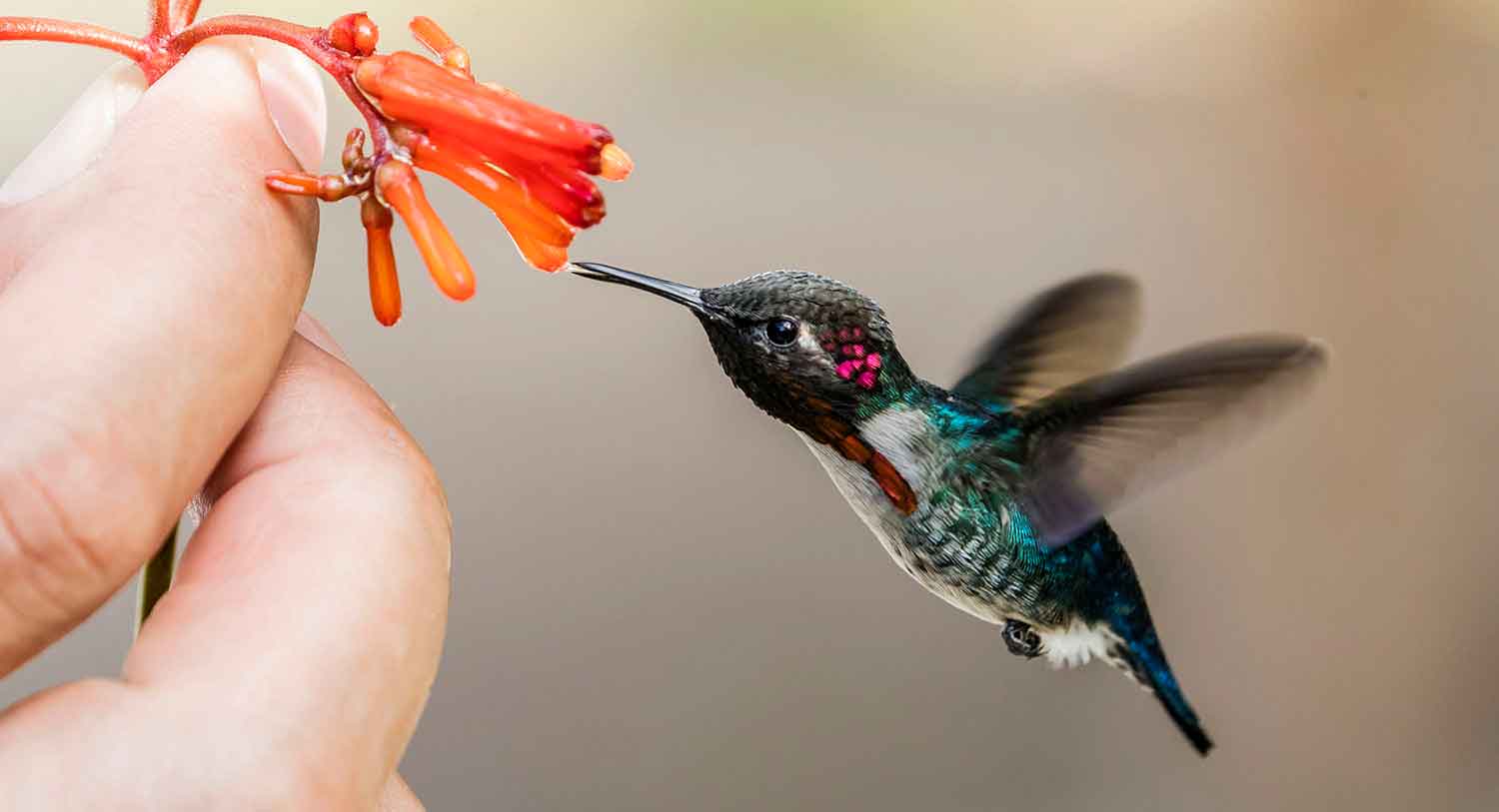
Hummingbirds

A tiny hummingbird in flight approaches a flower held by a human hand.

© Michael Nolan—Collection Mix:Subjects/Getty Images

The bee hummingbird (shown in the photo above) is the world’s smallest bird. Hummingbirds are tiny but mighty. They can flap their wings up to 70 times per second and can even fly backward!

Learn more about hummingbirds at Britannica!

Word of the Day Icon

Word of the Day

mimic

Part of speech:

verb

Definition:

: to naturally look like (something)

Definitions provided by
Merriam-Webster Logo
Game Icon

Play

Word Flower

.

In Case You Missed It

Taryn Smith is the first American woman to row solo across the Atlantic Ocean.
March 5, 2026
A powerful waterfall doesn’t easily freeze, but this winter has been especially cold!
March 3, 2026
For Women’s History Month, we’re honoring two women who inspired many others to take to the skies.
February 26, 2026
Baseball player Ron Teasley has died. Teasley was one of the last living athletes to play in the Negro Leagues.
February 24, 2026