City Raccoons: Why the Short Face?

Closeup of a young raccoon on a plastic trash can with a wicker basket and tarp also in frame.

City Raccoons: Why the Short Face?

Shorter snouts on city raccoons show they’re becoming tamer than forest raccoons. 
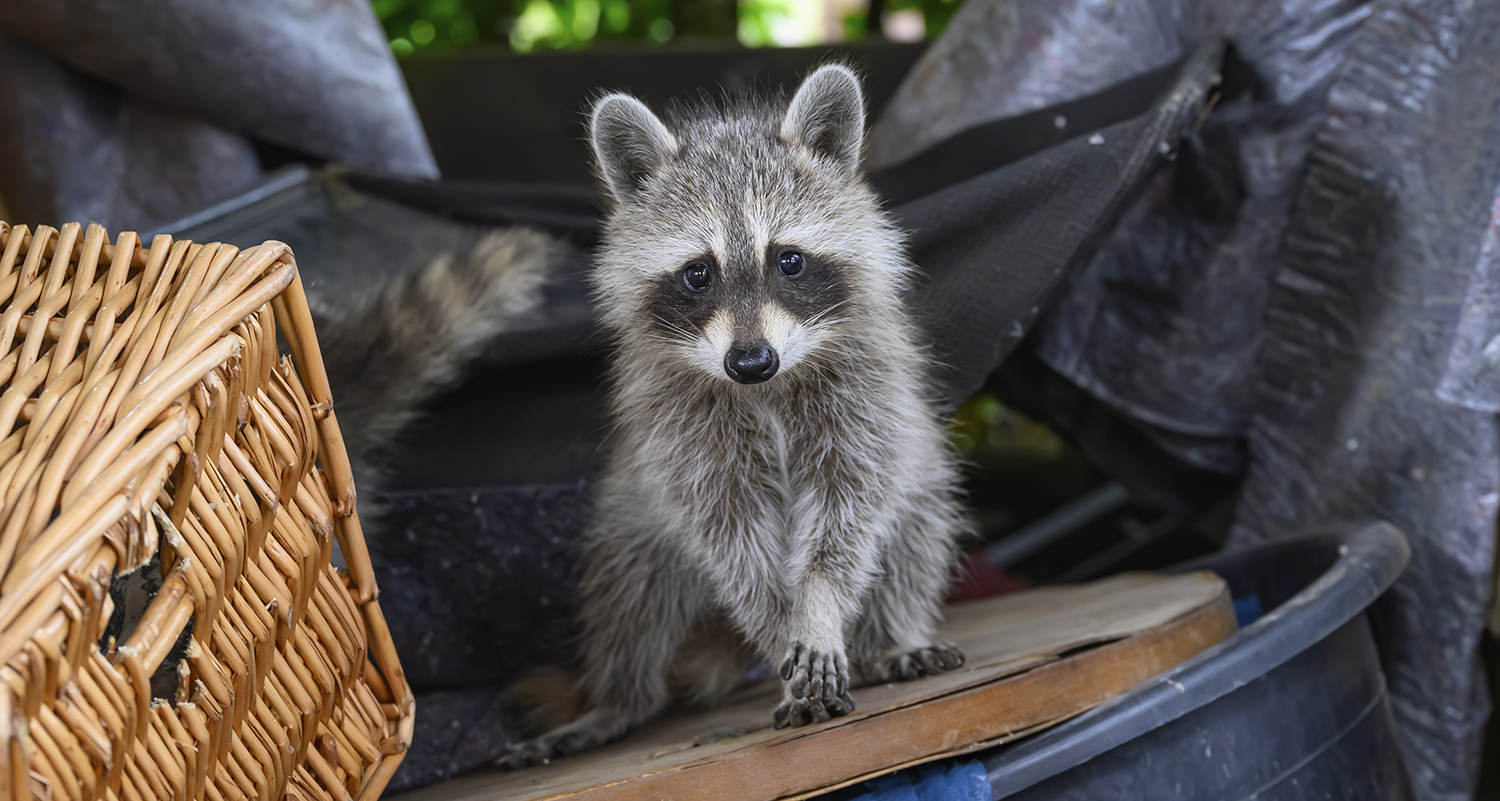
Closeup of a young raccoon on a plastic trash can with a wicker basket and tarp also in frame.

© Patrick Pleul/dpa—picture alliance/Getty Images

A young raccoon sits on a garbage pile in Germany.

Raccoon faces are instantly recognizable: their mask-like facial markings and habit of rummaging in trash bins has earned them the affectionate nickname “trash bandit.” New research shows that the face of the trash bandit is changing—literally! Biologists say urban raccoons now have shorter faces than their forest-dwelling peers, meaning they could be in early stages of domestication. In other words, they’re becoming tamer.

In the wild, raccoons will eat nearly anything they can from plants or animals. In an urban environment—meaning in a city or town—the easiest place to find food is in garbage cans.

“Wherever humans go, there is trash. Animals love our trash. All they have to do is endure our presence, not be aggressive, and then they can feast on anything we throw away,” said Raffaela Lesch, a biologist at the University of Arkansas at Little Rock in the United States.
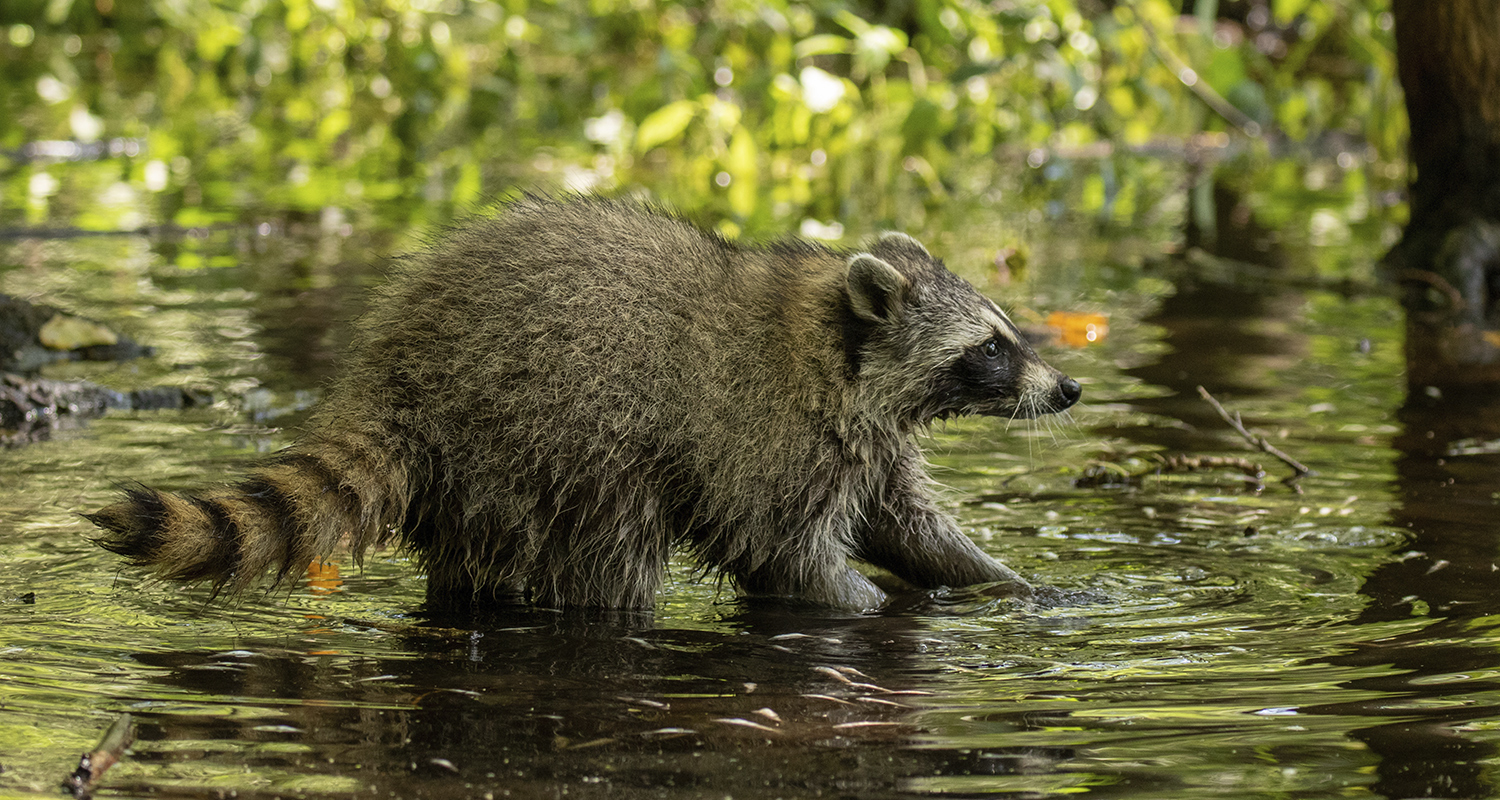
A profile of a raccoon standing or walking in water.

© Stan/stock.adobe.com

A wild raccoon in a body of water

Lesch wondered whether city raccoons were physically changing because of this human connection. Leading a team of biologists, Lesch helped analyze thousands of raccoon images. The research showed that raccoons living in or near cities and towns had shorter snouts.

This means city raccoons could be on the same pathway to domestication as dogs and house cats, who also have shorter snouts and smaller jaws than their wild relatives. These changes occurred as the wild dog and cat ancestors grew tamer.
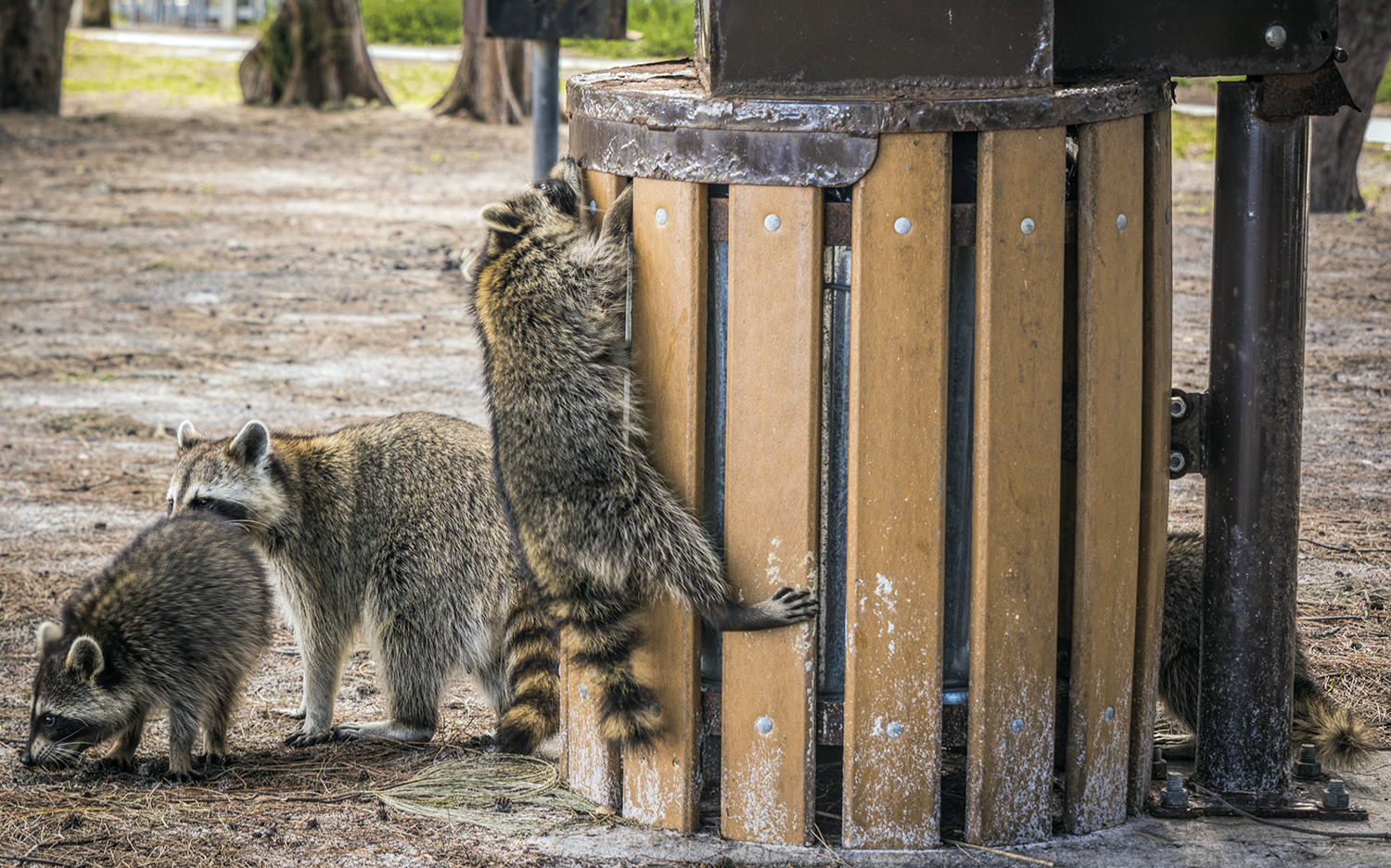
A raccoon climbs a public trash can while two other raccoons stand nearby.

© Holly/stock.adobe.com

A group of raccoons investigates a trash can in the U.S. state of Florida.

Though humans are not actively trying to tame raccoons, Lesch’s research shows that simply living in human environments is causing a physical change in these animals.

Lesch said it would be fitting if our next domesticated species were raccoons. “I feel like it would be funny if we called the domesticated version of the raccoon the trash panda.”

Did You Know?

Raccoons will sometimes “wash” their food in water—but not to clean the food. Instead, the water helps their paws feel the food so that they know what they are eating.
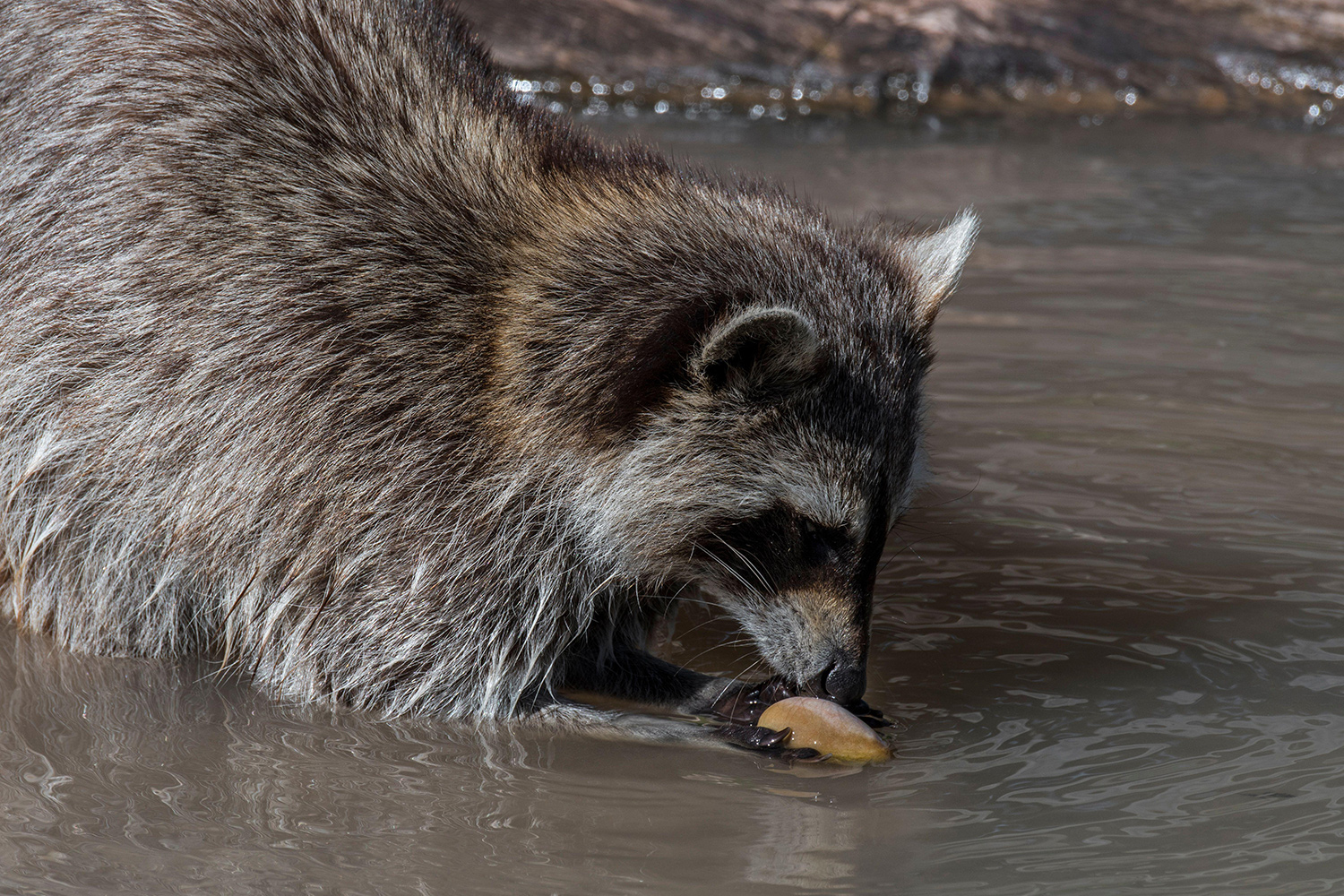
A raccoon stands in a stream holding food in its paws and partially under the water.

© Clement Philippe—Arterra Picture Library/Alamy

A raccoon washes its food in a stream.

New Year Celebrations Around the World

A man stands on a ladder and hangs multiple red lanterns in a plaza.

© Costfoto—NurPhoto/Getty Images

A man hangs red lanterns in Suqian, Jiangsu province, China, in preparation for Lunar New Year celebrations.

3, 2, 1… Happy New Year! It may seem like people across the globe welcome the new year with fireworks at midnight on January 1, but not all cultures celebrate this way. In fact, they may not celebrate the start of a new year on the first of January! Here are just some of the ways people around the world say goodbye to the old year and hello to the new.

Lunar New Year

Put on your best red clothes for the Lunar New Year! Celebrated in many Asian countries and communities, the Lunar New Year usually falls between January 21 and February 20, which follows the historic Chinese lunar calendar. Vibrant red decorations signify joy and good fortune!

Yennayer

Bonfires are lit for Yennayer, a holiday celebrated across North African countries. Yennayer takes place on January 12 each year, and rituals like the bonfire symbolize cleansing the old year and renewal for the year to come.

A family of nine smile as they pose for a photo outdoors in front of Algerian flags while wearing traditional clothing.

© Hamza Zait—Anadolu/Getty Images

A group of people celebrate Yennayer in Algeria.

Rosh Hashanah

The blowing of a ram’s horn, called a shofar, initiates Rosh Hashanah, the Jewish New Year. It’s traditional for people of the Jewish faith to eat apples dipped in honey and say a blessing for a sweet new year during this holiday.

A family of six and a rabbi blow ram’s horns inside a synagogue.

© Karen Warren/Houston Chronicle—Hearst Newspapers/Getty Images

Family members blow into shofars at a Rosh Hashanah service at a synagogue (a building where Jewish religious services are held).

Matariki

Time for some stargazing! The new year begins for the Indigenous people of New Zealand, called the Māori, when a constellation of stars appears in the night sky in June or July. The stars and the holiday share the same name: Matariki.
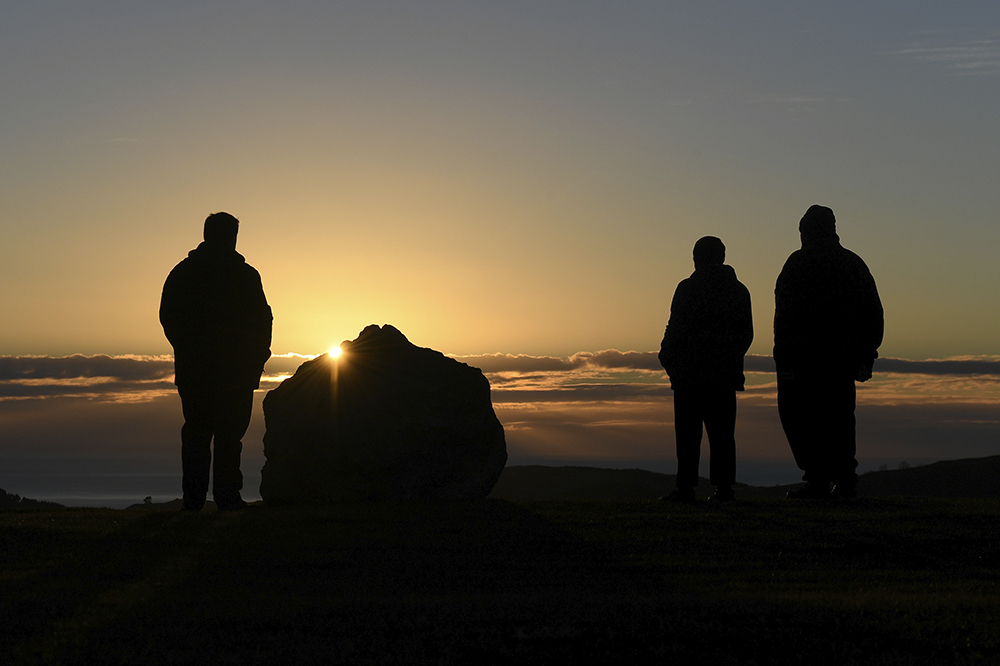
Three people and a large stone are silhouettes against a sunrise.

© Kerry Marshall—Tourism New Zealand/Getty Images

People prepare for stargazing ahead of Matariki in New Zealand.

Enkutatash

Ethiopians celebrate the new year—Enkutatash—not just on a different date but also in a different year! Using a different calendar than the rest of the world, people in Ethiopia celebrated the start of their calendar year 2018 on September 11, 2025.
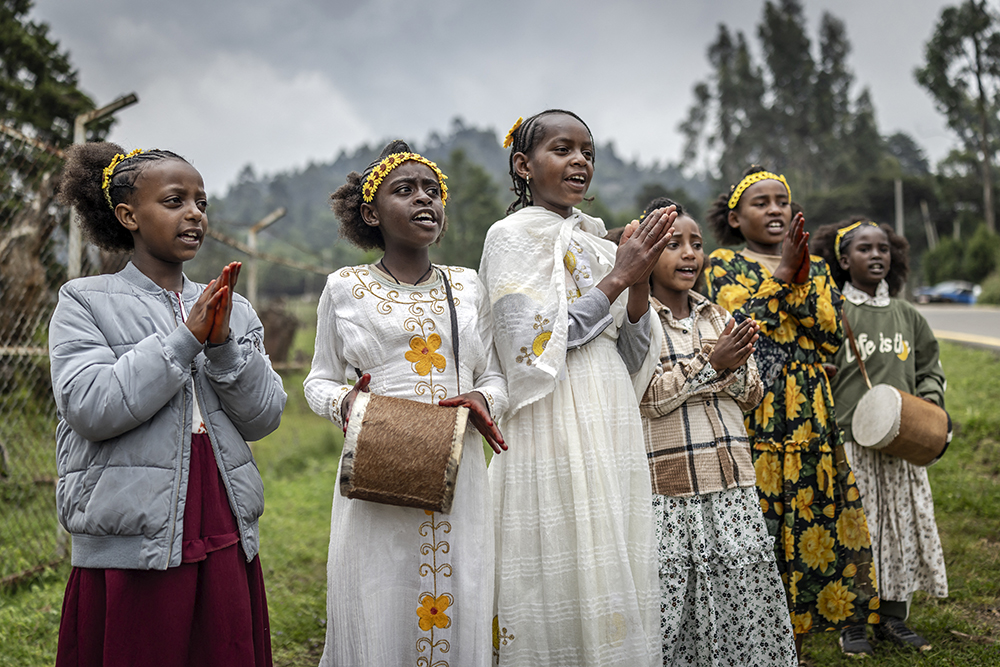
Six girls and young women wear floral-themed clothing as they stand outdoors singing.

© Luis Tato—AFP/Getty Images

A group of girls wear yellow flowers, a symbol of the new year, as they sing in celebration of Enkutatash.

What Year Is It?
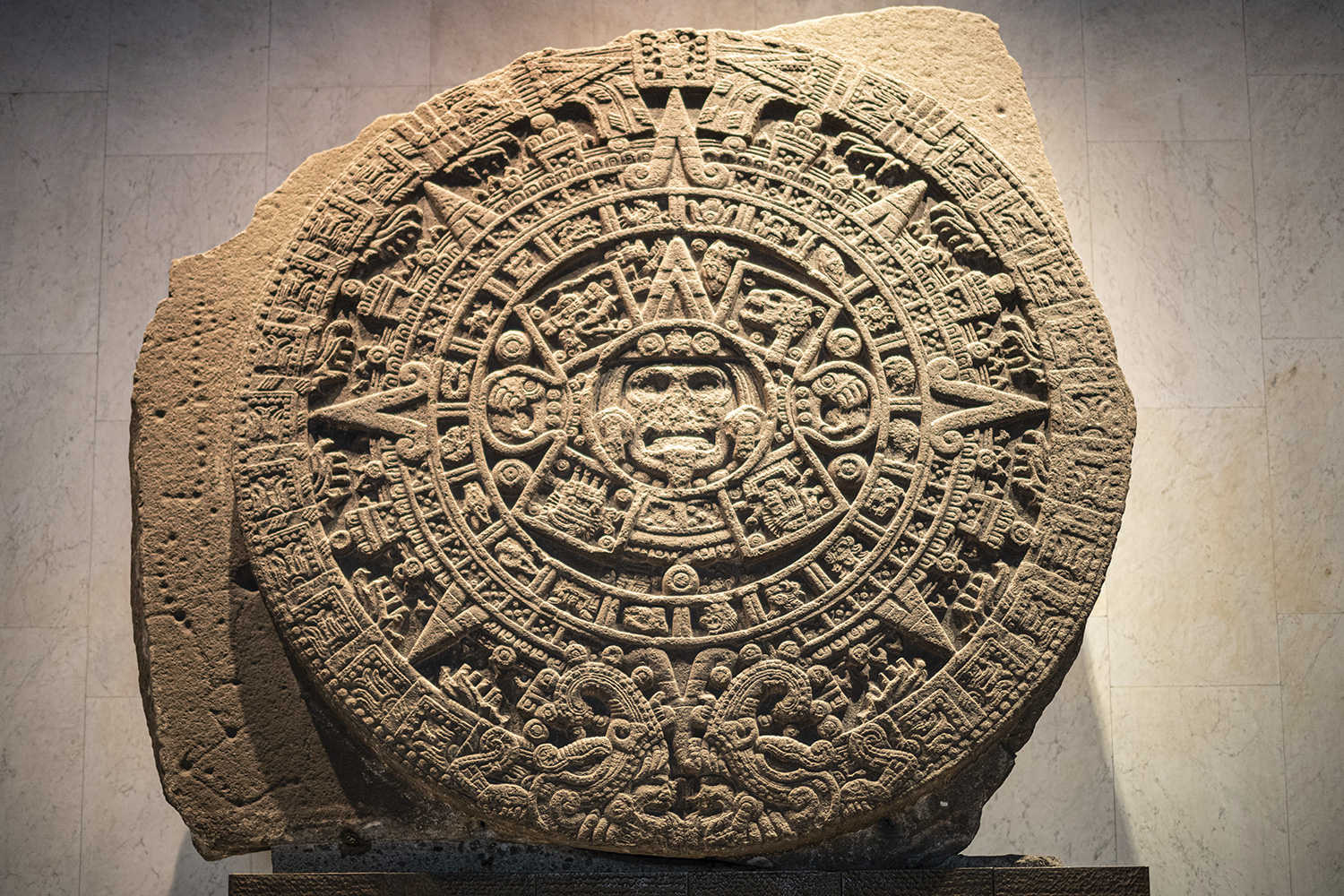
An intricately carved circular stone

© Diego Cupolo—NurPhoto/Getty Images

The Aztec people of Mexico carved this stone hundreds of years ago. Researchers once believed that the stone was meant to be a calendar.

How did humans who lived thousands of years ago keep track of the months and years? Some tracked the Moon, while others used the seasons! Learn more at Britannica about how ancient cultures like the Maya and ancient Egyptians made calendars.

WORD OF THE DAY

rejuvenate

PART OF SPEECH:

verb

Definition:

: to give new strength or energy to (something)

Definitions provided by
Merriam-Webster Logo

Word Search

See if you can find all the words.

O
O
O
O
O
O

In Case You Missed It

Figure skater Alysa Liu felt happy and confident at the 2026 Olympics. She skated off with a gold medal!
March 5, 2026
An all-women ranger team protects endangered animals on the Indonesian island of Sumatra.
February 26, 2026
Nima Rinji is showing the world the powerful spirit of the Sherpa people as he climbs the world’s tallest mountains.
February 19, 2026
Life wouldn’t be as fun without the work of these three inventors.
February 12, 2026

An Electric Tricycle Revolution

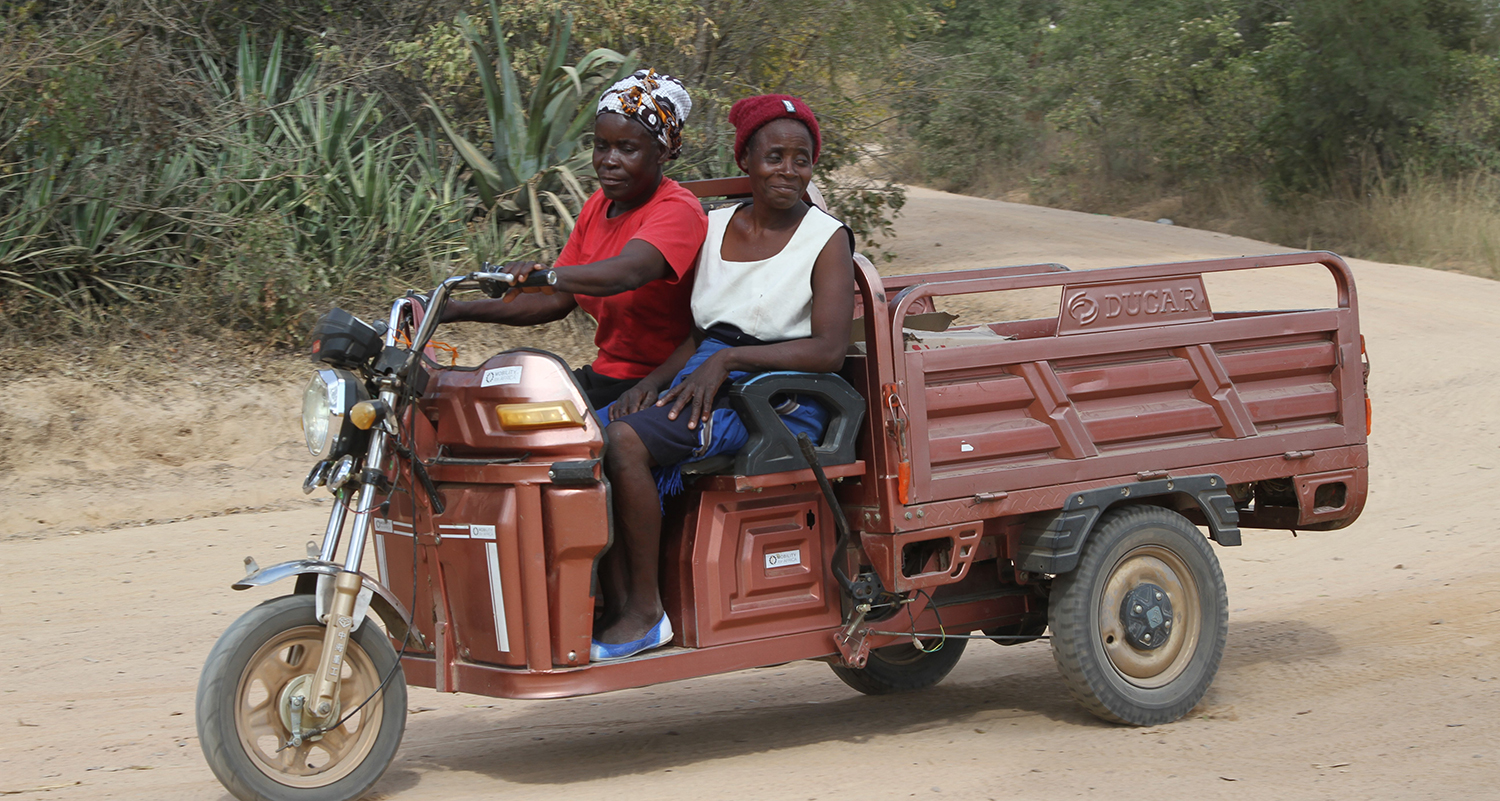
A woman and her passenger drive a three wheeled vehicle with an open cargo bed in the back.

An Electric Tricycle Revolution

Thanks to three-wheeled electric vehicles, women in Zimbabwe have the independence they need to make a living.

A woman and her passenger drive a three wheeled vehicle with an open cargo bed in the back.

© Tafara Mugwara—Xinhua News Agency/Getty Images

Adefi Mtambo (left) drives an e-tricycle on a road in Wedza, Zimbabwe.

Some new vehicles are hitting the road in Zimbabwe—electric tricycles! These three-wheeled electric vehicles (EVs) are giving women in rural Zimbabwe some yearned-for independence.

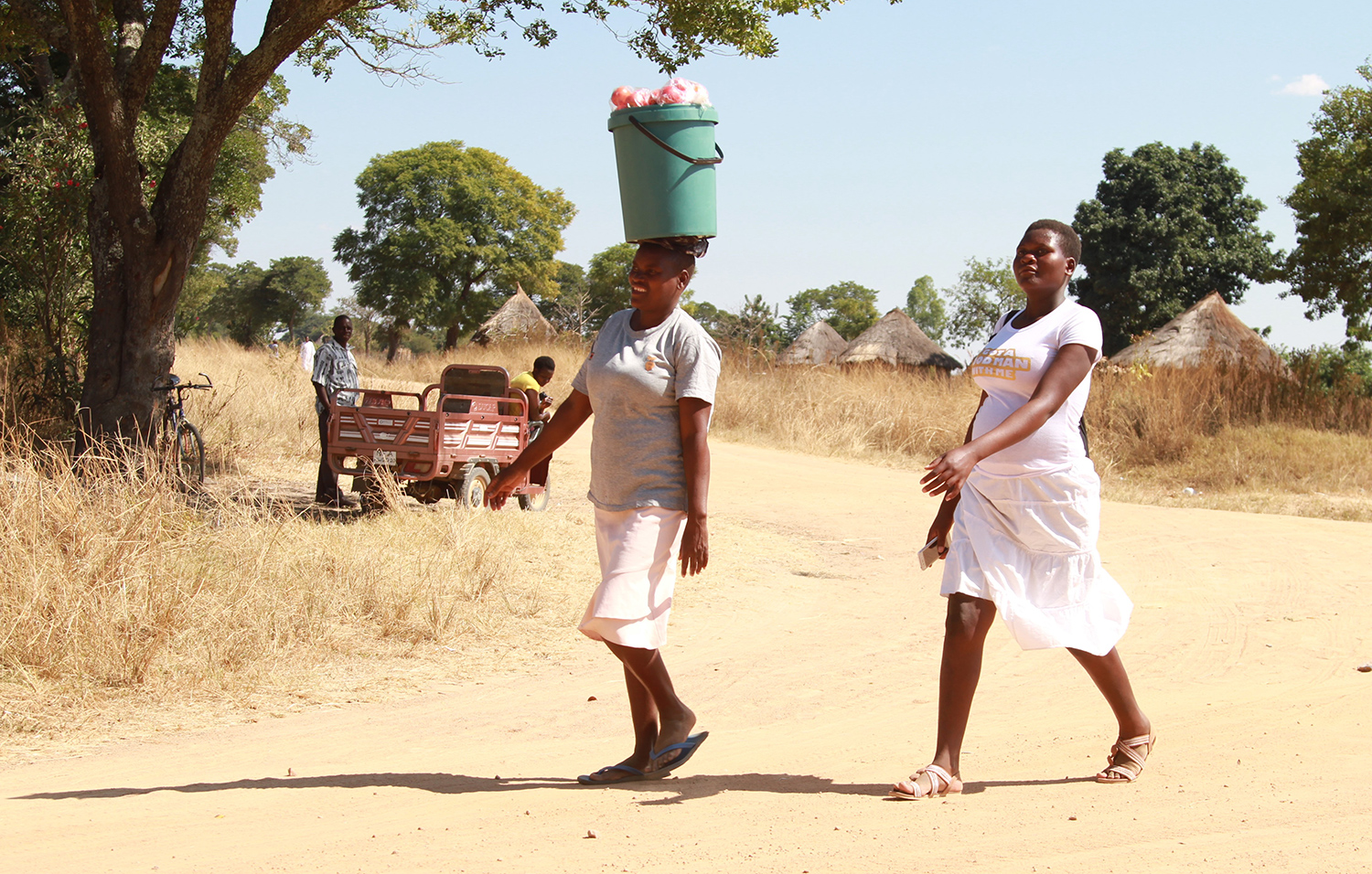
In Zimbabwe’s rural areas, many women are disconnected from public transportation and economic opportunities. Some have to walk a great distance to hand-deliver crops and goods to sell at marketplaces so that they can make money for their families. The other option is to rely on family members to make time to drive them.

Two women walk side by side on a road, with one carrying a bucket of vegetables on her head and a three-wheeled vehicle with two men in the background.

© Tafara Mugwara—Xinhua News Agency/Getty Images

A woman balances a bucket of tomatoes on her head in Wedza, Zimbabwe. Electric tricycles are making it easier to transport crops and other goods.

A Zimbabwean start-up company called Mobility for Africa is changing this through a program that sells EV tricycles to a primarily female customer base. Nicknamed Hamba, which means “go” in the Ndebele language, the EVs look like a cross between a motorcycle and a small pickup truck. Women use them to sell goods and provide taxi services.

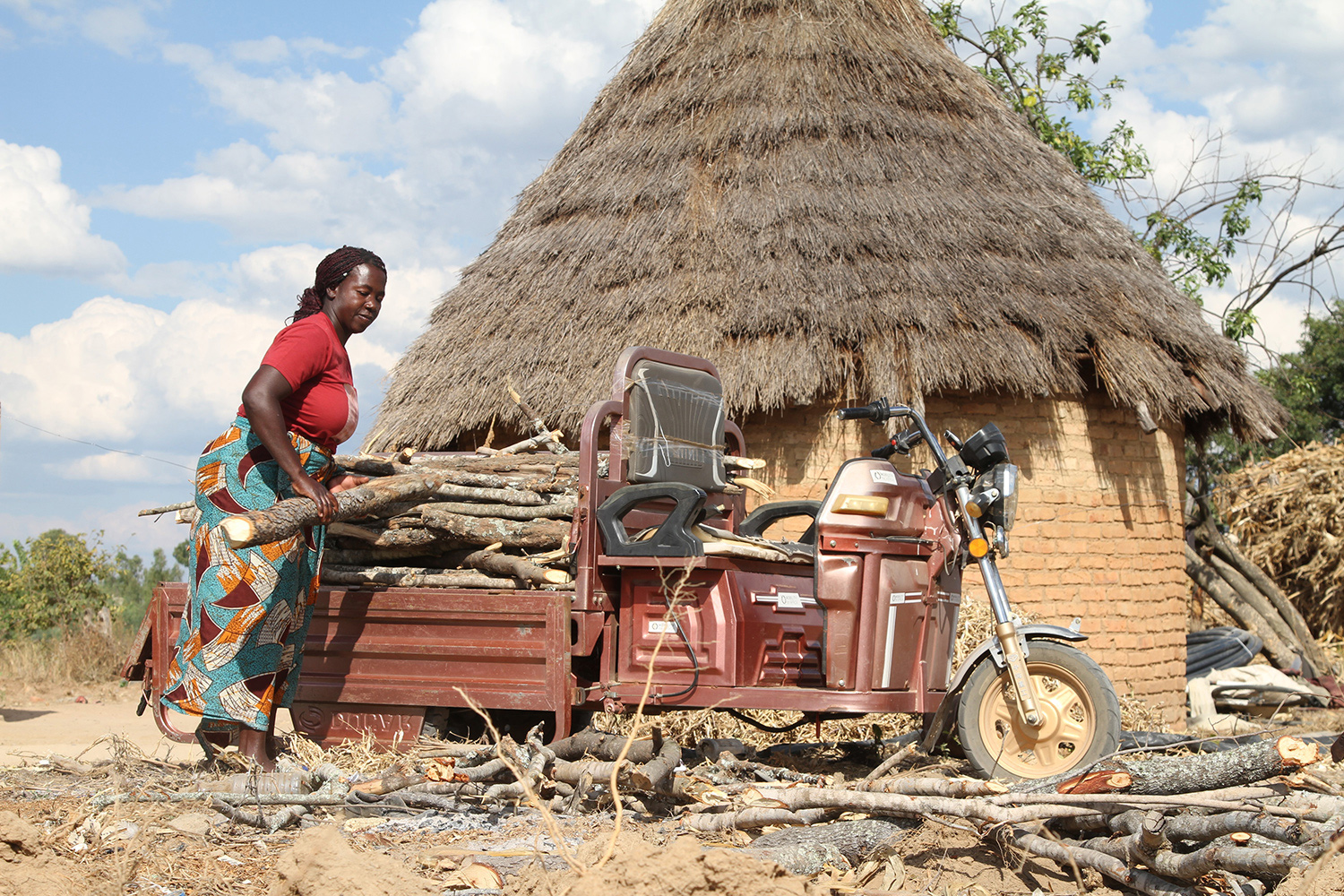
A woman unloads logs from the back of a three wheeled vehicle.

© Tafara Mugwara—Xinhua News Agency/Getty Images

Philis Chifamba removes firewood from an e-tricycle at her home in Wedza, Zimbabwe.

Shantha Bloemen, the founder of Mobility for Africa, drew inspiration for this company from women in rural China who use the three-wheeled EVs. The tricycle offers stability on narrow and underdeveloped roads and is powered by a rechargeable battery pack.

In an interview with CNN, EV owner Beauty Simango said the tricycle helps her save time and energy fetching water and delivering crops, increasing her income from about $30 a month to around $150. “It has changed [our] way of life,” she said.

NEWS BREAK

The Funniest Photo of All

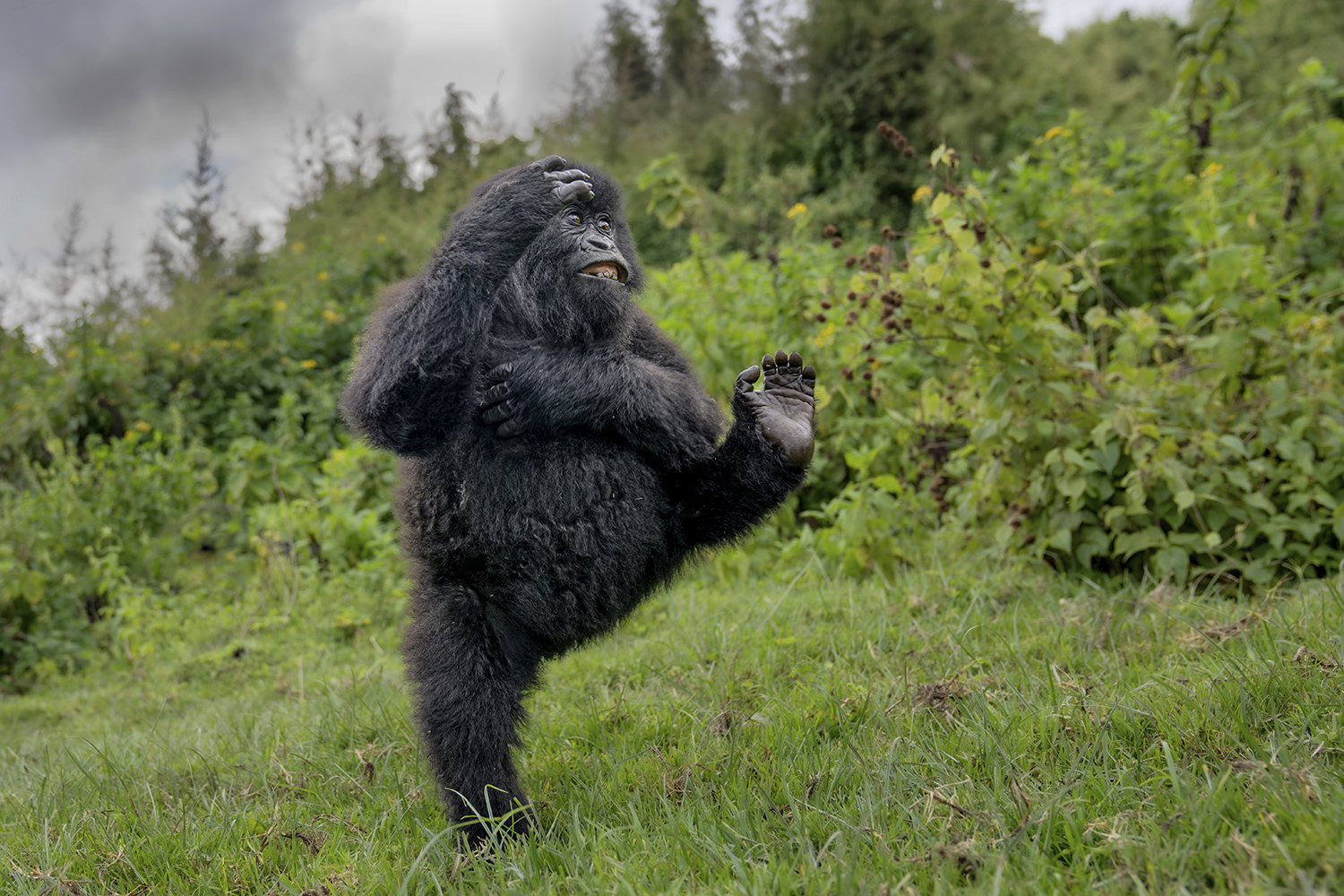
A young gorilla stands in an open field with one leg kicked forward.

© Mark Meth-Cohn/Nikon Comedy Wildlife

Mark Meth-Cohn’s photo of a dancing gorilla is called High Five.

Each year, the Comedy Wildlife Awards honors the funniest photos of wild animals. The contest invites photographers from around the world to capture creatures in their zaniest moments.

This year, Mark Meth-Cohn of the United Kingdom claimed the top prize, a one-week safari in Kenya, for his photo of a dancing gorilla. The photo was taken during a trip to Rwanda.

“On this particular day, we came across a large [gorilla] family group gathered in a forest clearing. The adults were calmly foraging while the youngsters were enthusiastically playing. One young male was especially keen to show off his acrobatic flair; pirouetting, tumbling, and high kicking. Watching his performance was pure joy.”

Did You Know?

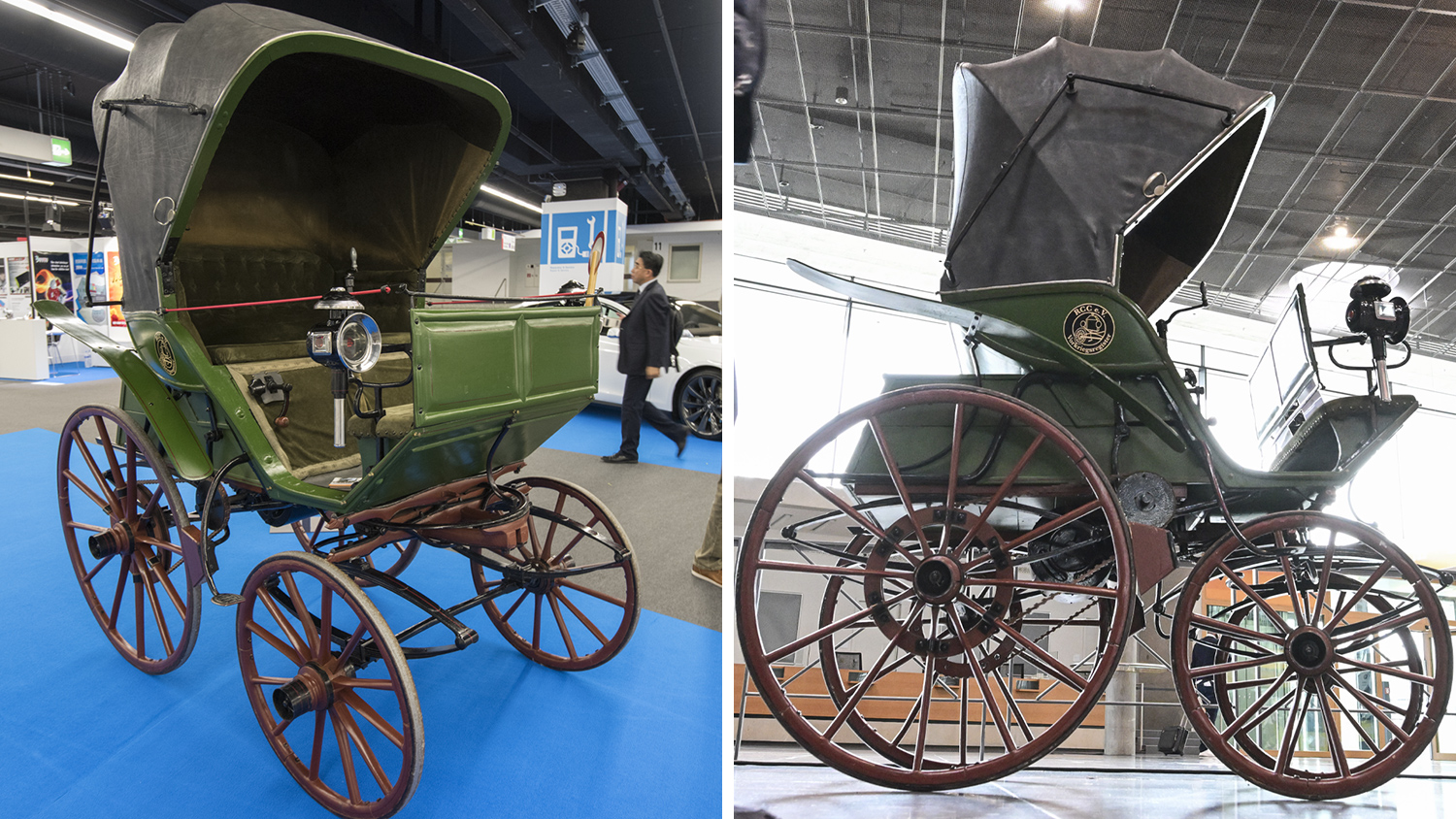
Electric vehicles may seem like fairly new technology, but did you know that the first electric car was developed in 1888? This was just two years after the creation of the first automobile! 

Side by side images of the Flocken Elektrowagen on display show it resembles a buggy with no horses.

© Horacio Villalobos—Corbis News/Getty Images, © Bernd Weissbrod/dpa—Picture Alliance/Getty Images; Photo composite Encyclopædia Britannica, Inc.

Developed in Germany in 1888, the Flocken Elektrowagen was the first electric car. 

Happy Birthday, Jane Austen!

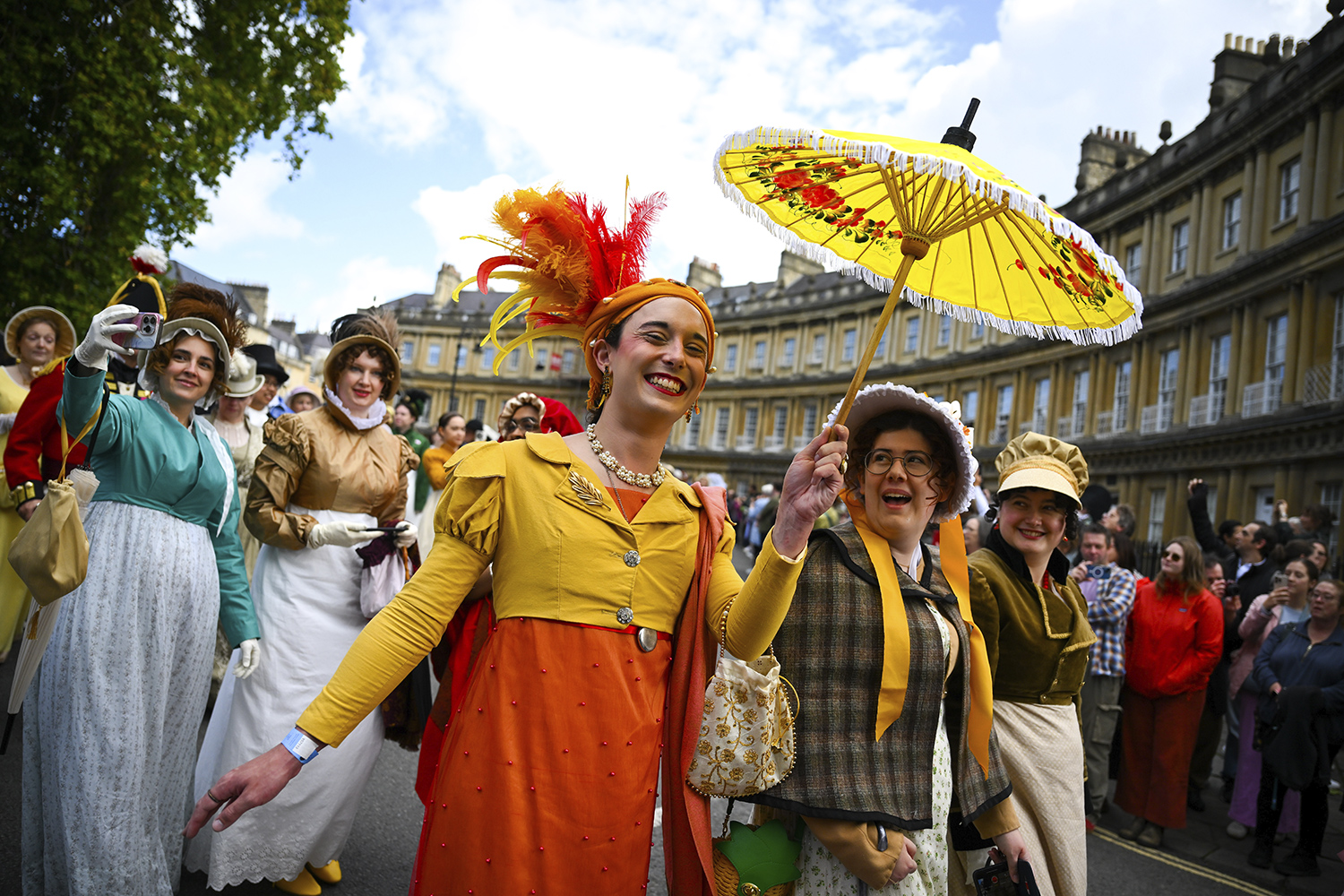
Women in Regency Era clothing smile as they walk down a street with a crowd and a historic building in the background.

© Finnbarr Webster/Getty Images

The Grand Regency Costumed Promenade was part of the opening of the 2025 Jane Austen Festival in Austen’s hometown of Bath, England. The festival takes place every September.

Jane Austen fans are celebrating the author’s 250th birthday in style!  

Born on December 16, 1775, Austen was an English novelist who wrote the timeless classics Sense and Sensibility, Emma, and Pride and Prejudice! Multiple celebrations are taking place around England to honor the milestone birthday and Austen’s contribution to literature. 

Three women in Regency Era clothing take a selfie on a balcony. Behind them, a bush has been carved to resemble a book that says Jane Austen 250.

© Finnbarr Webster/Getty Images

Three people dressed in the fashion of Jane Austen’s time take a selfie during the 2025 Jane Austen Festival in Bath, England.

Austen’s stories are full of love and heartbreak, witty dialogue, and observations about gender and class. She often wrote about regular young people who were trying to figure out who they were and what their futures would hold. Her style of writing, which focused on showcasing her characters’ thoughts and emotions through dialogue, helped influence a new style of fiction writing that is widespread in today’s novels.  

Although Austen’s books take place in a specific time and place in Britain’s history, her themes continue to resonate with readers worldwide. That may be why Austen’s work has been particularly popular in movie format. Filmmakers in Hollywood and Bollywood—the name for India’s film industry—have made multiple adaptations of the author’s books and life. Some recognizable titles of these remakes are Clueless and Bride and Prejudice.

Austen’s Life and Legacy

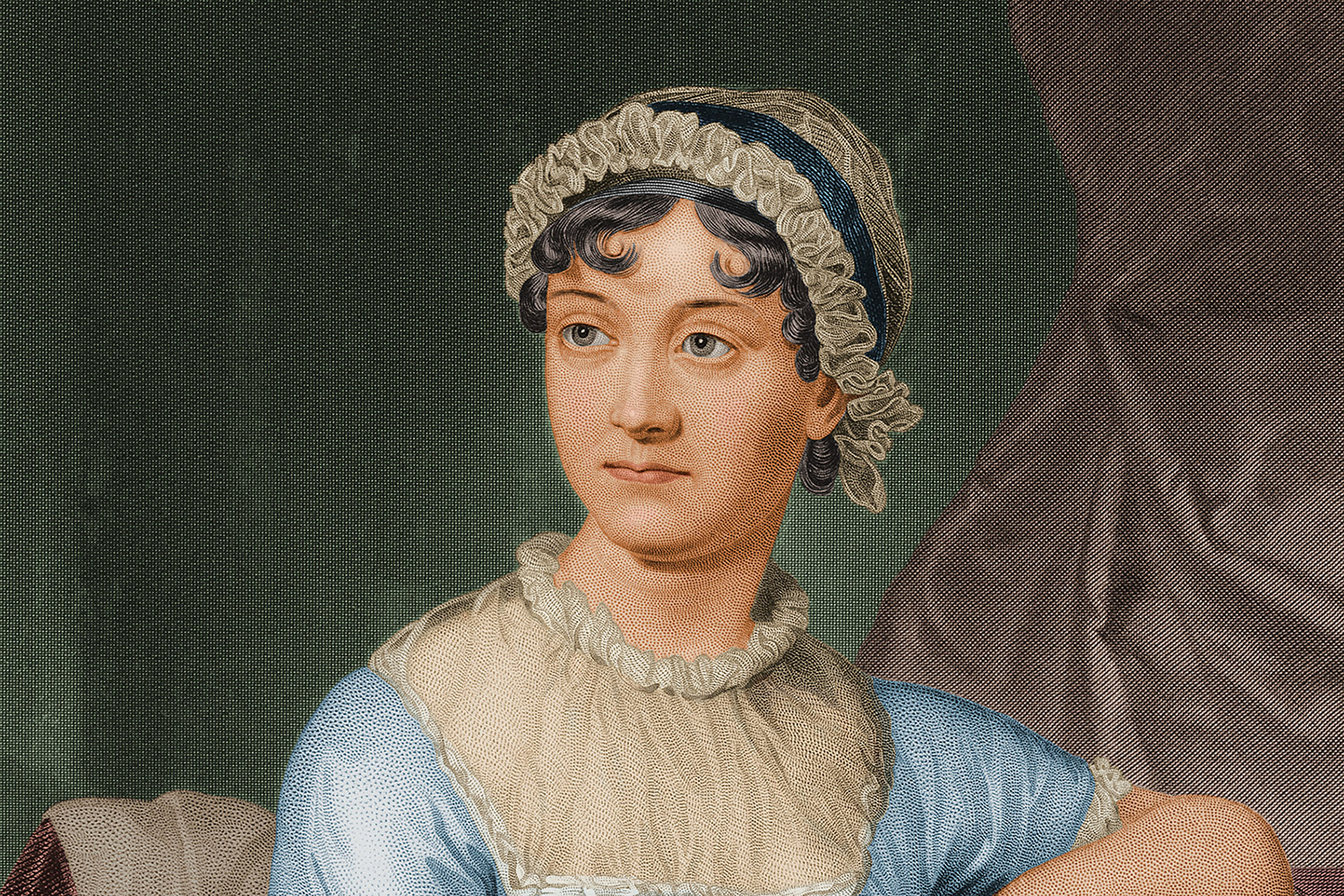
The top part of a color portrait of Jane Austen shows the author wearing a white cap and blue dress.

© Stock Montage—Archive Photos/Getty Images

Jane Austen

Jane Austen drew inspiration for her novels from her personal life growing up in a large family in England in the late 1700s. But, despite the romantic themes of her books, Austen never married. Read more about the famous author’s life at Britannica!

WORD OF THE DAY

prejudice

PART OF SPEECH:

noun

Definition:

: an unfair feeling of dislike for a person or group because of race, sex, religion, etc.

Definitions provided by
Merriam-Webster Logo

Criss Cross

See if you can figure out how each word fits into the grid.

O
O
O
O
O
O

In Case You Missed It

Figure skater Alysa Liu felt happy and confident at the 2026 Olympics. She skated off with a gold medal!
March 5, 2026
An all-women ranger team protects endangered animals on the Indonesian island of Sumatra.
February 26, 2026
Nima Rinji is showing the world the powerful spirit of the Sherpa people as he climbs the world’s tallest mountains.
February 19, 2026
Life wouldn’t be as fun without the work of these three inventors.
February 12, 2026

From Refugee to Children’s Peace Prize Winner

Tawakkol Karman and Bana Alabed smile as they lift Alabed’s peace award into the air together.

From Refugee to Children’s Peace Prize Winner

Syrian teen Bana Alabed has won an international peace award for her work helping children in war zones.

Tawakkol Karman and Bana Alabed smile as they lift Alabed’s peace award into the air together.

Courtesy of © Jerry Lampen/Kidsrights

Fifteen-year-old Bana Alabed (right) accepted the 2025 International Children’s Peace Prize on November 19, 2025. She is seen here with 2011 Nobel Peace Prize winner Tawakkol Karman (left).

Bana Alabed has been using her voice to promote peace since she was 7 years old. Growing up amid a deadly civil war in Syria, a country in the Middle East, she drew attention to the plight of children in conflict by publicly documenting her childhood on social media.

Now 15 years old and a refugee living in Turkey, Alabed continues to advocate for children affected by war. Her tireless work is the reason Alabed is the 2025 International Children’s Peace Prize winner. Presented by the KidsRights Foundation and the Global Child Forum, the award goes to an outstanding young person “who courageously fights for children’s rights.”

Experts estimate that about 1 out of every 6 children around the world lives in an area affected by conflict. Alabed has been working to help reopen schools and reunite families torn apart in war. Her efforts have focused on children in Syria, Ukraine, Gaza, and Sudan.

“Peace is not a luxury. The world must listen to us. Our childhood has been stolen due to wars and conflicts,” said Alabed when she was nominated. “We want peace, and to those children who are suffering in the wars, you are not alone.”

Here is more about the other two finalists for the 2025 International Children’s Peace Prize:

  • Aeshnina “Nina” Azzahra Aqilani (17 years old, Indonesia): No one wants their home to be treated like a trash can, but unfortunately, many Western countries export their plastic waste to other places, like Indonesia. Aqilani has combined environmental and international advocacy to help ban this harmful practice and make the world a cleaner, more just place.
  • Divyansh Agrawal (16 years old, United States): Proving no one is too young to give back to their community, Agrawal founded the Junior Philanthropists Foundation. This teen-led organization focuses on the way climate laws affect children’s rights. It has already helped pass 18 environmental bills in the state of California.

Did You Know?

Famed scientist Albert Einstein was a refugee who fled Germany during World War II. Another famous refugee was Freddie Mercury, the singer for the rock band Queen. Mercury and his family fled Zanzibar’s deadly revolution in the 1960s.

Freddie Mercury stands on stage holding a microphone in one hand and holding his other arm in the air.

© Pete Still—Redferns/Getty Images

Freddie Mercury performs at Knebworth Park in the United Kingdom in 1986.

A Scruffy Superstar

A police officer smiles and holds Bo’s harness as Bo sniffs the face of a young child at her graduation ceremony.

Courtesy of Faye Okert via American Humane Society

Bo and owner and handler Faye Okert attend a graduation ceremony in Nashville, Tennessee.

Despite his scruffy face, black coat, and police vest, Sergeant Bo could always bring comfort and calm to the people in any room he walked into. That’s because Sergeant Bo wasn’t a regular police officer but a trained therapy dog. Now retired, Sergeant Bo is the 2025 Hero Dog Award winner for his lifetime of work comforting people in a crisis. 

Bo was a stray in Florida before he was rescued and trained as a dedicated therapy dog. He then went to work for the police department in the city of Nashville, Tennessee, where he specialized in supporting people after traumatic events.

Not long after Sergeant Bo started his new job, tragedy struck the community in the form of a school shooting. Bo jumped into action, offering cuddles and a calming presence to the young survivors. 

“I believe that when he walks into a room, he knows who needs his help,” said Faye Okert, Sergeant Bo’s owner and handler, in an interview with USA Today.

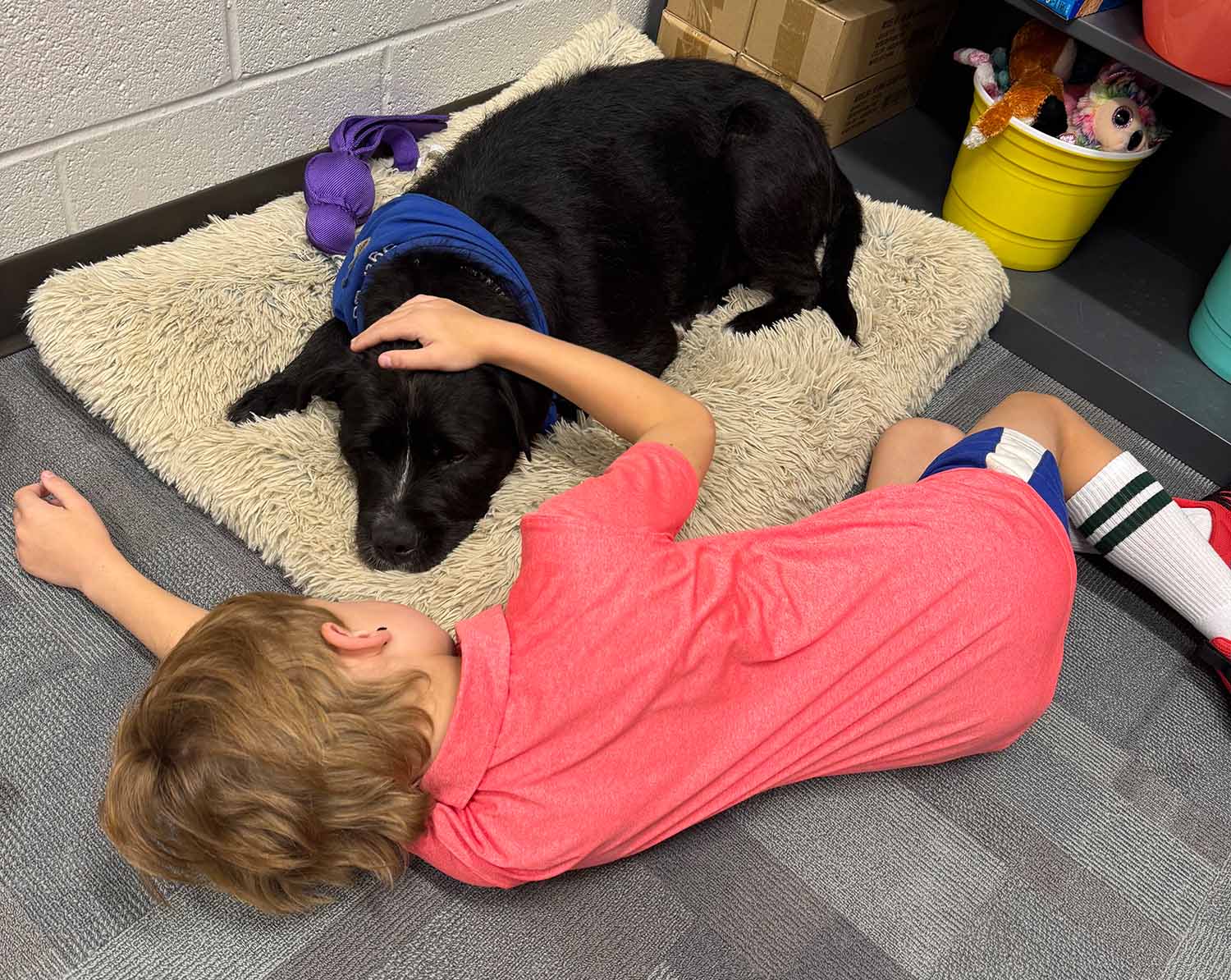
A young child in a classroom pets Bo, who is lying on a dog bed.

Courtesy of Faye Okert via American Humane Society

Bo relaxes with a student.

The American Humane Society’s annual Hero Dog Awards honor dogs who show bravery in many forms. Nominees include service dogs, trained military and police dogs, hopeful shelter dogs, and inspiring family pets. Each year the public votes from among the finalists to crown the Hero Dog. 

“Bo’s transformation from a shelter pet living on the street to a police therapy dog serving his community should inspire us all,” American Humane Society CEO Robin Ganzert told USA Today. “We are honored to celebrate this scruffy superstar.”

Look for the Helpers

Men and women in Red Crescent uniforms give food items to a group of children.

© Abdullah Kurtar—Anadolu/Getty Images

In this March 2025 photo, Turkish Red Crescent president Fatma Meric Yilmaz (second from left) gives aid boxes to children in Syria.

There are always brave people who help those who have been injured or displaced by war and natural disasters. Some of them work for the International Red Cross and Red Crescent Movement, an organization that brings aid to people around the globe. 

Read more about the Red Cross and Red Crescent at Britannica.

WORD OF THE DAY

asylum

PART OF SPEECH:

noun

Definition:

: protection given by a government to someone who has left another country in order to escape being harmed

Definitions provided by
Merriam-Webster Logo

Sudoku

Fill in the grid so each row, column, and little box has all the numbers 1 through 9 with no repeats.

O
O
O
O
O
O

In Case You Missed It

Figure skater Alysa Liu felt happy and confident at the 2026 Olympics. She skated off with a gold medal!
March 5, 2026
An all-women ranger team protects endangered animals on the Indonesian island of Sumatra.
February 26, 2026
Nima Rinji is showing the world the powerful spirit of the Sherpa people as he climbs the world’s tallest mountains.
February 19, 2026
Life wouldn’t be as fun without the work of these three inventors.
February 12, 2026

A Historic Vulture Hoard

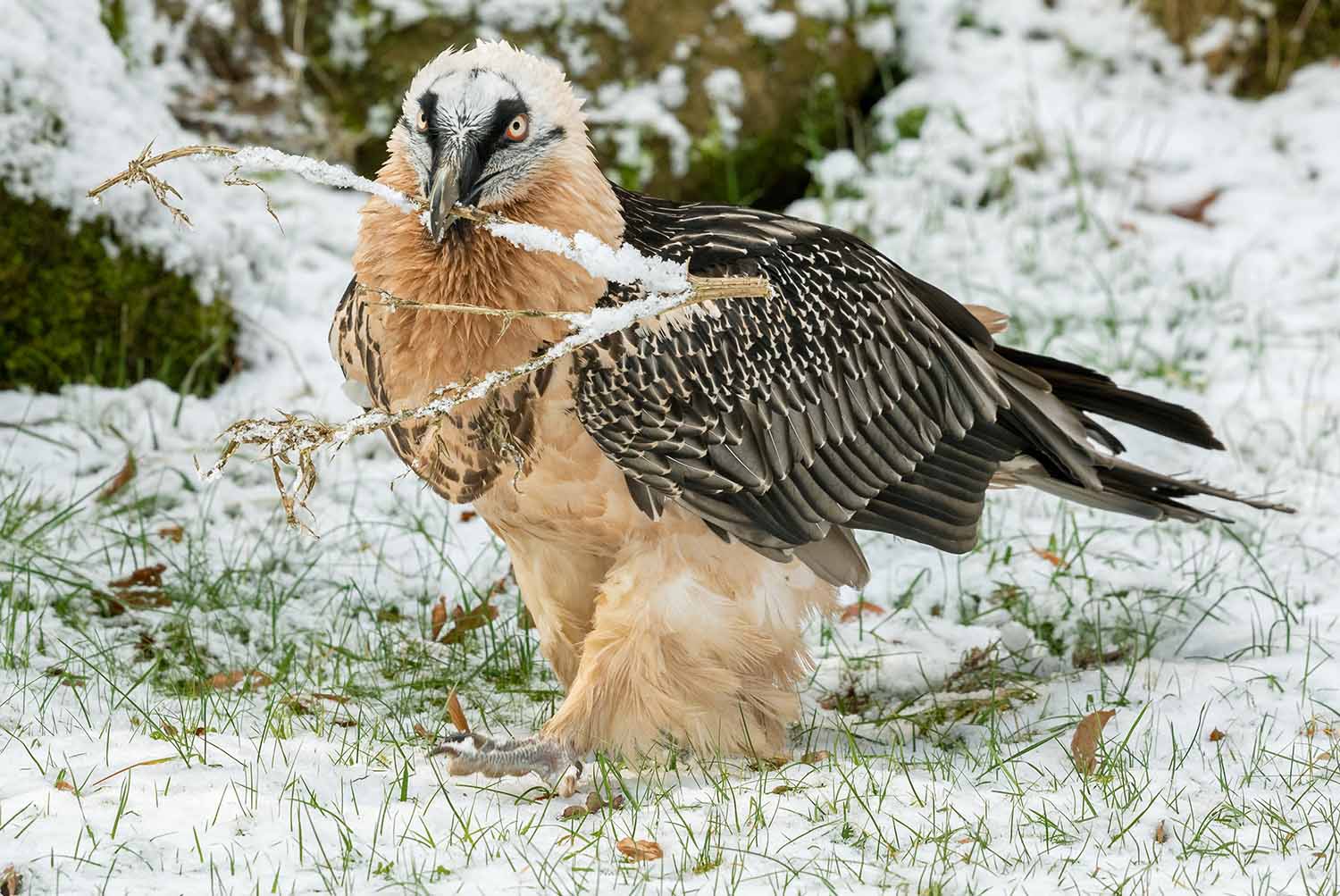
A bearded vulture stands on the snowy ground holding a stick in its beak.

A Historic Vulture Hoard

Archaeologists found valuable medieval artifacts in an unlikely place—vultures’ nests.

A bearded vulture stands on the snowy ground holding a stick in its beak.

© Andyworks—E+/Getty Images

A bearded vulture holds a stick while building a nest.

When you picture an archaeologist at work, you might think of someone digging through buried, ancient buildings. But what about sifting through vultures’ nests? Archaeologists in Spain have done just that, finding hundreds of years’ worth of archaeological treasures stashed in the cliffside nests of bearded vultures.

Bearded vultures like to reuse nests each year, so generations of vultures will use the same nests and slowly add layers over time. The species is locally extinct in southern Spain, allowing archeologists to look for interesting objects in the area’s preserved—but uninhabited—nests, which are tucked into cliffside caves.

To reach the nests, the scientists had to rappel down a cliff using ropes and harnesses. Treating the 12 nests as they would any other archeological site, the scientists carefully dug through each layer. Their work revealed hundreds of years’ worth of the birds’ history and the history of Spain itself.

A composite of items labeled with letters includes part of a slingshot, a crossbow bolt and lance, a shoe made of grass and twigs, a piece of a basket, a piece of leather, and a piece of fabric.

© Sergio Couto (A, B, D, and F) and © Lucía Agudo Pérez (C and E)

These materials were found in old vultures’ nests. They include (A) part of a slingshot, (B) parts of a crossbow, (C) a sandal made of grass and twigs, (D) a piece of a basket, (E) a piece of sheep leather, and (F) a piece of fabric.

Among the nests’ many animal bones and eggshells were human-made historical artifacts, including a slingshot, a crossbow bolt, leather items, pieces of fabric, and some tools. One of the most exciting findings was a sandal made of woven grass. The shoe is estimated to be between 650 and 750 years old, which means it was worn by someone in the medieval period, possibly around the time when the Black Plague was spreading through Europe. 

It remains a mystery why the bearded vultures picked up human-made materials. Some experts think the birds grab things they find interesting or that they want some nest decoration. Whatever the purpose, the outcome means more buried treasures in unexpected places.

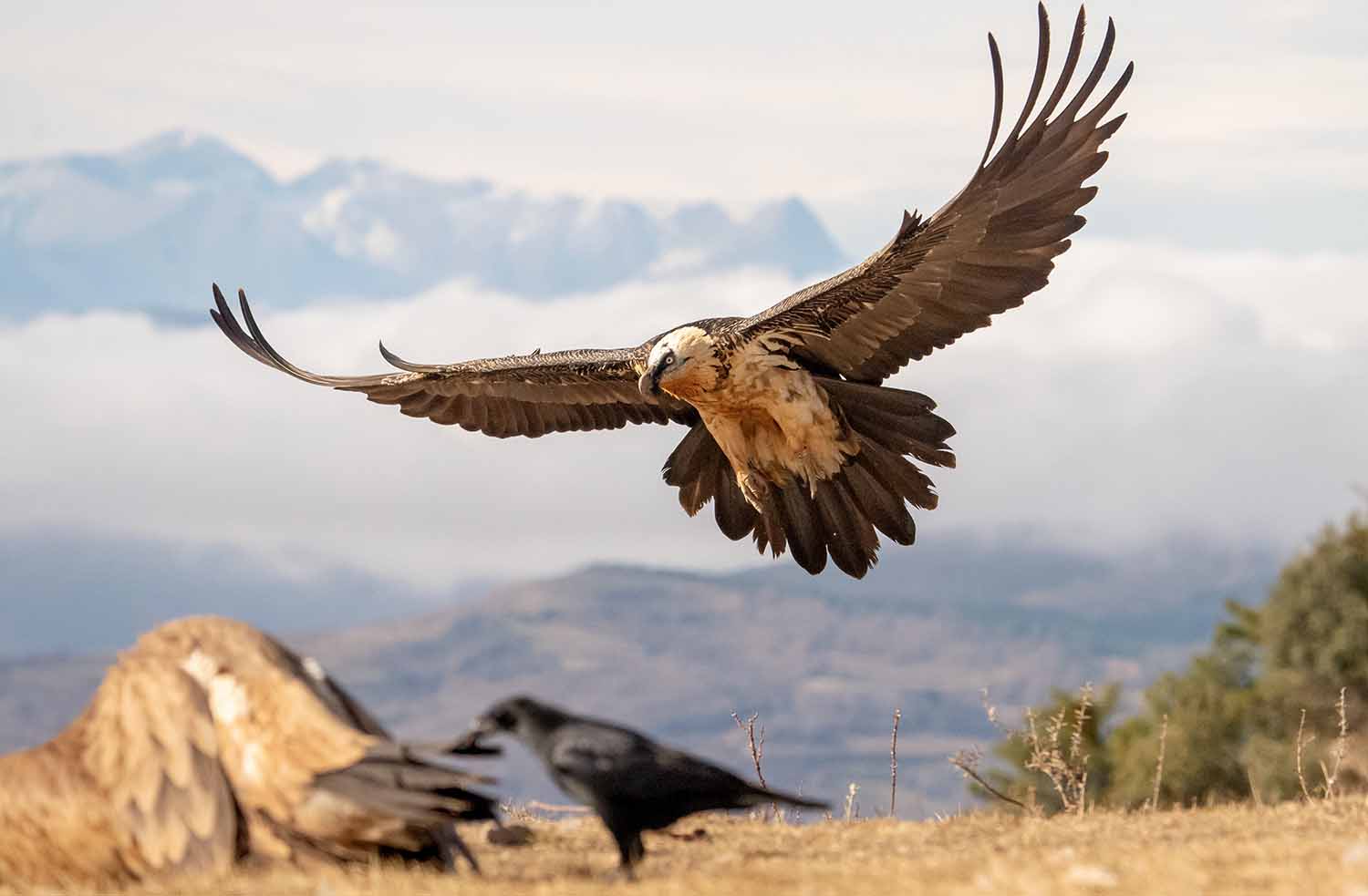
A bearded vulture is flying with its wings spread out.

© Angel Enrique Garcia Colmena—iStock/Getty Images

A bearded vulture comes in for a landing.

Did You Know?

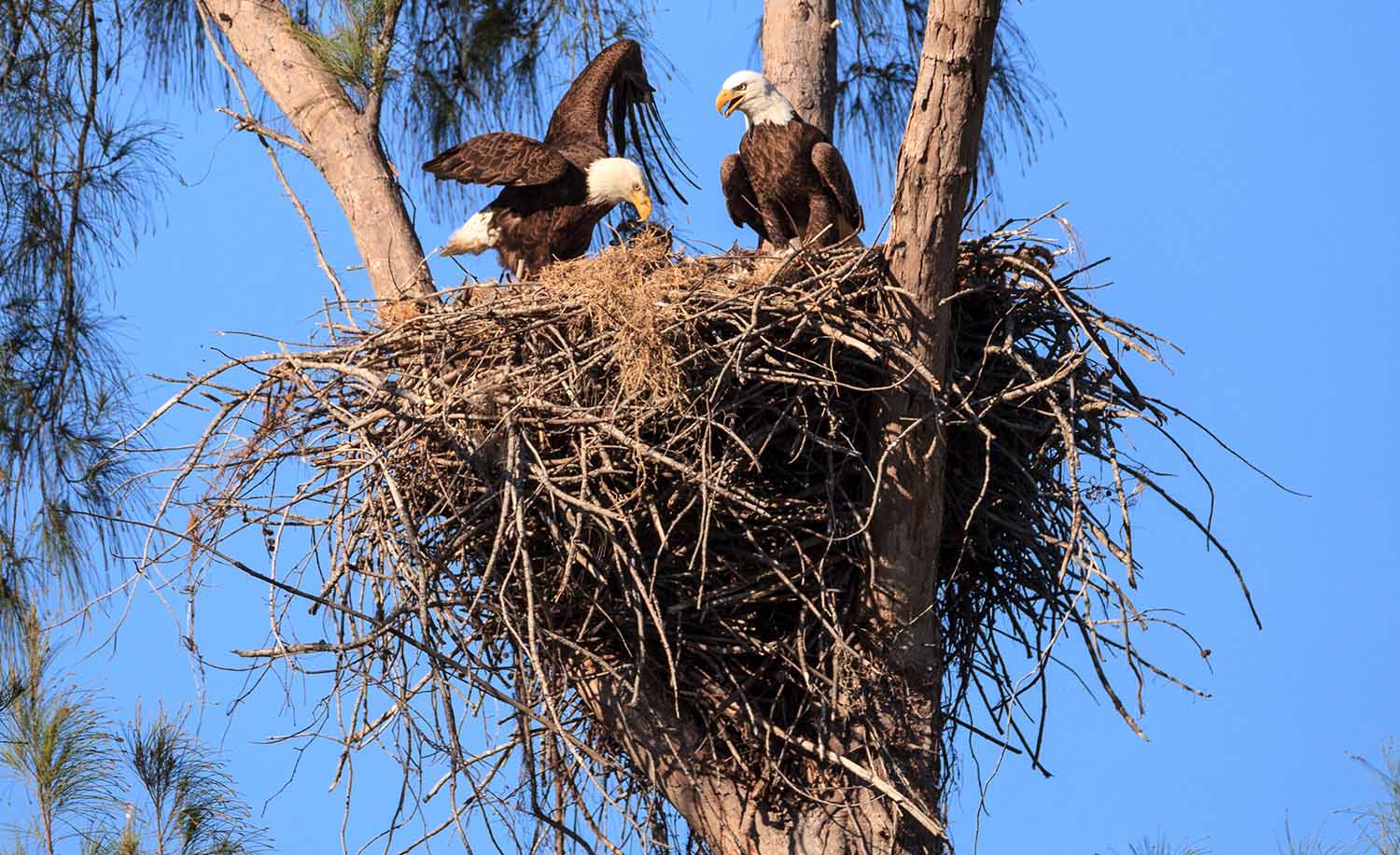
The largest bird nest ever recorded was built by a pair of bald eagles in Florida, in the United States. It measured 9.5 feet (2.9 meters) wide and 20 feet (6 meters) deep, and weighed more than 4,400 pounds (2,000 kilograms)! 

A pair of bald eagles sits in a large nest made from sticks.

© SailingAway/stock.adobe.com

Although this is not the record-breaking nest, it shows that bald eagles prefer a roomy home.

Nature’s Sounds

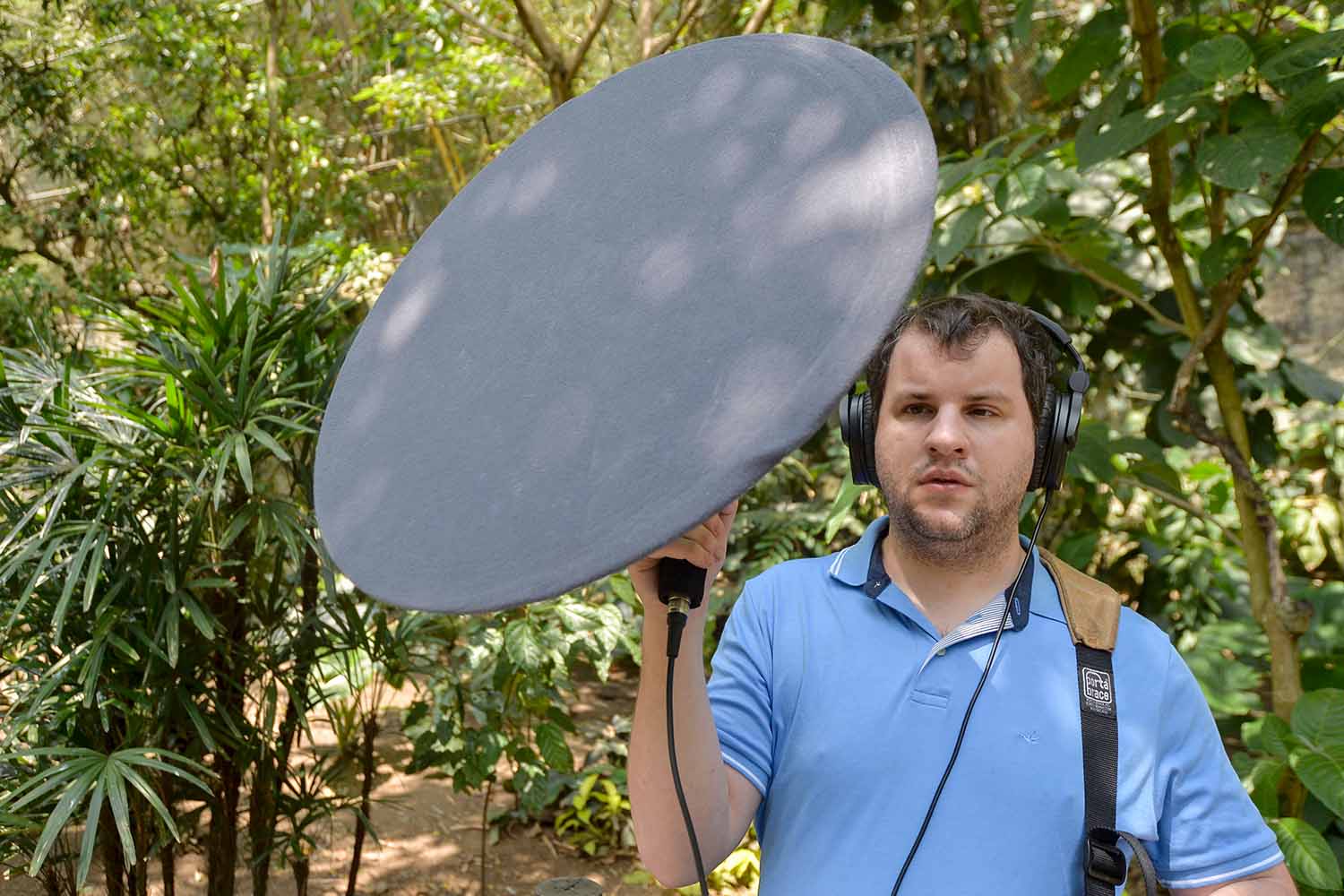
Juan Pablo Culasso wears headphones and carries equipment in an outdoor setting.

© Luis Robayo—AFP/Getty Images

In this 2017 photo, Juan Pablo Culasso records birdsongs.

One naturalist and birder is on a mission to preserve the unseen side of nature—or, to put it simply, to preserve the sound of nature. Juan Pablo Culasso is a nature sound recordist. He is also blind. 

“Most people believe that only sighted persons can really enjoy nature. But from a blind perspective, I have [my] other four senses to really enjoy what’s around me,” Culasso told CNN. Culasso, who is from Uruguay, is an avid birder who can identify more than 2,000 bird calls.

Culasso is using his skills as a recordist to document the sounds of nature, creating audio maps of different ecosystems. These “maps” have two goals: to make natural experiences more accessible to those who are blind or who have limited or low vision, and to preserve natural environments that are at risk of disappearing. 

The recordings are also used in scientific research.

“Soundscapes are used in science to tell you how healthy an ecosystem is,” said Culasso. “The most amazing indicators for this are birds. If you can record two or three species that really need that ecosystem to survive, you can say that ecosystem is really healthy.” 

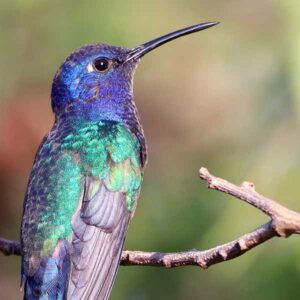
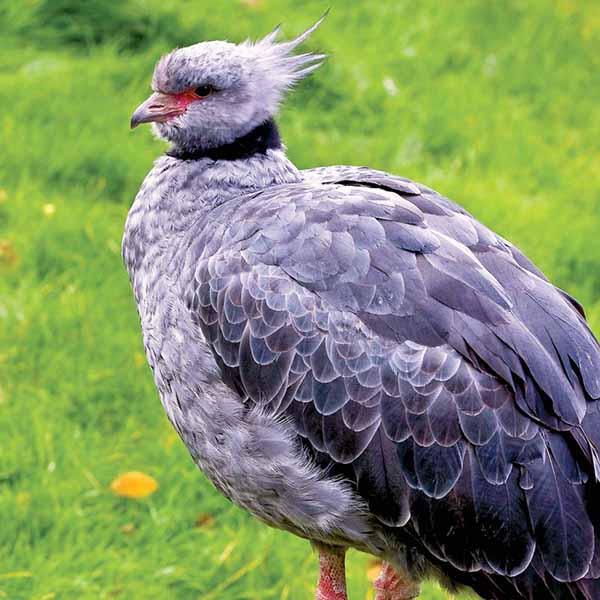
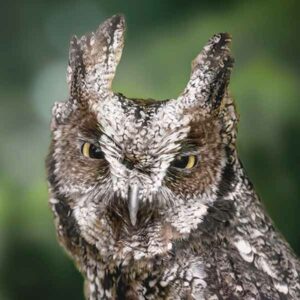
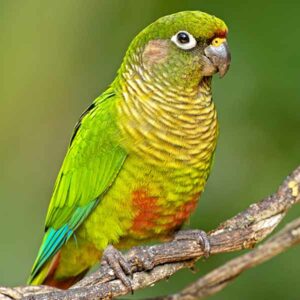
Culasso’s home country, Uruguay, is in South America. Check out the sounds of birds that are native to that continent!

0:00 / 0:00
Swallow-Tailed Hummingbird

A swallow-tailed hummingbird

Photo: © Rafael Cerqueira—iStock/Getty Images, Audio: © Giovane Dias

Southern Screamer

A southern screamer
Photo: AdstockRF, Audio: © Benjamin Bender

Tropical Screech Owl

A tropical screech owl
Photo: © diegograndi/stock.adobe.com, Audio: © Adam Jackson

Maroon-Bellied Parakeet

A maroon-bellied parakeet
Photo: © Wim/stock.adobe.com, Audio: © Naelin

The Black Death

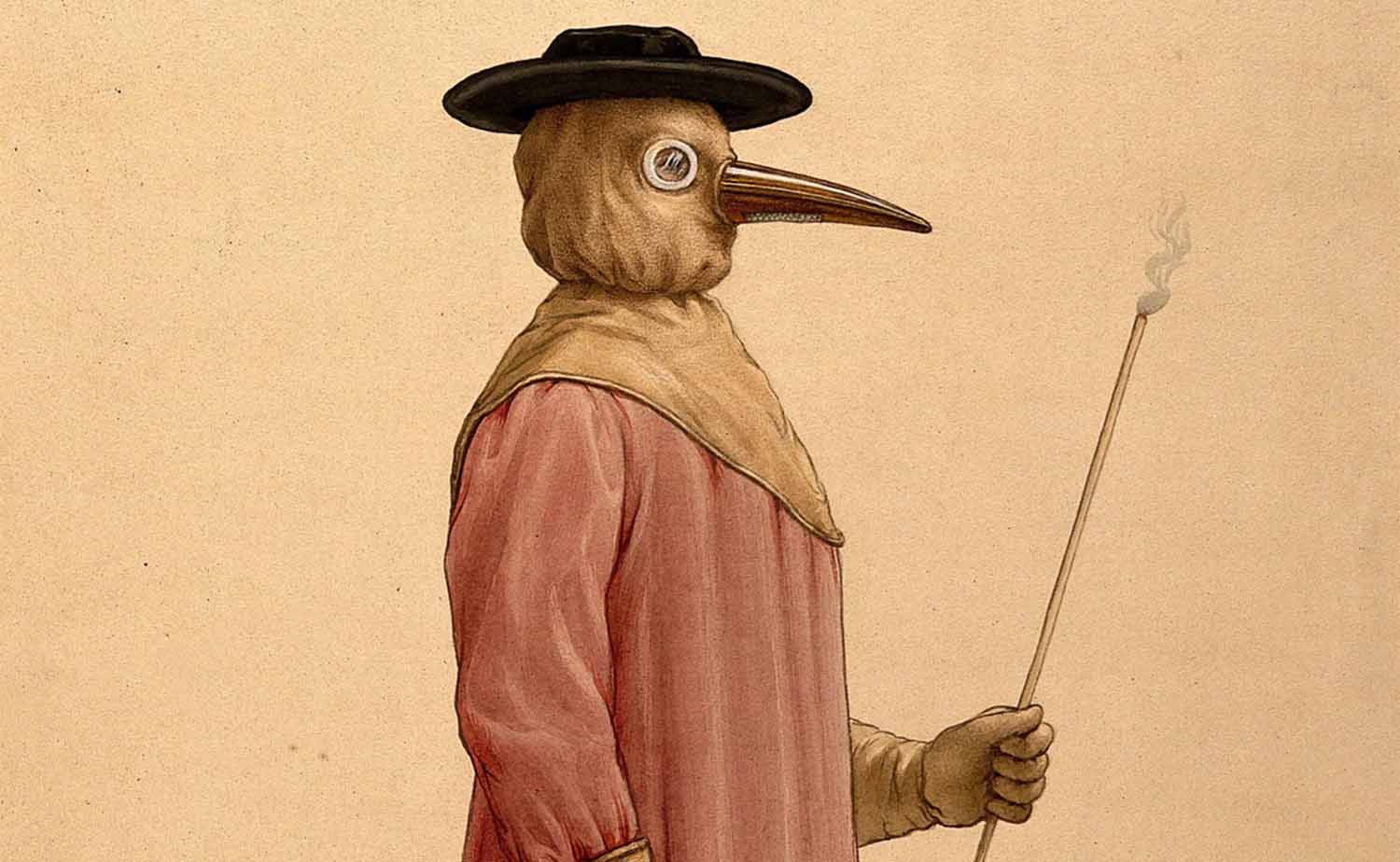
A painting shows a person in a bird mask, hat, and long robe, holding a long wand.

Wellcome Collection, London

This painting shows a doctor in 1720, wearing clothing designed to protect him from getting the plague. The mask held spices that were thought to make the air purer. The wand was used to avoid touching patients.

If you read today’s main story, you may have caught a reference to the Black Plague, or Black Death. This deadly disease decimated the European continent during the medieval period.

Read more about the Black Plague at Britannica.

WORD OF THE DAY

hoard

PART OF SPEECH:

noun

Definition:

: a large amount of something valuable that is kept hidden

Definitions provided by
Merriam-Webster Logo

Word Flower

How many words can you make from these letters? All words must use the letter in the center.

O
O
O
O
O
O

In Case You Missed It

Figure skater Alysa Liu felt happy and confident at the 2026 Olympics. She skated off with a gold medal!
March 5, 2026
An all-women ranger team protects endangered animals on the Indonesian island of Sumatra.
February 26, 2026
Nima Rinji is showing the world the powerful spirit of the Sherpa people as he climbs the world’s tallest mountains.
February 19, 2026
Life wouldn’t be as fun without the work of these three inventors.
February 12, 2026

Barking Up the Wrong Tree

A dog sits outdoors and tilts its head as it pants with its tongue sticking out.

Barking Up the Wrong Tree

Do you think you know what your dog is thinking or feeling? New research says many dog owners misread their pets’ behavior.

A dog sits outdoors and tilts its head as it pants with its tongue sticking out.

© TheDogPhotographer—iStock/Getty Images

When a dog makes adorable puppy eyes, it might seem obvious that the dog is begging for a treat. But it turns out humans may be barking up the wrong tree by misreading their pets’ cues.

To put human-dog interactions to the test, animal behavior researchers Holly Molinaro and Clive Wynne of Arizona State University conducted two experiments in which they asked people to interpret a series of dog videos. 

In the first experiment, Molinaro and Wynne recorded dogs in happy situations, like being offered a leash to go for a walk, and negative (less happy) situations, like being close to a loud vacuum cleaner. In each situation, the dogs showed body language that indicated whether they were excited or upset. They then asked people to describe the dogs’ emotions.

Then the researchers edited the videos to change the dogs’ reactions: the happy dogs were edited into a negative context (near the vacuum), and the upset dogs were edited into the happy context (seeing a leash). Viewers were asked to describe the dogs’ emotions in these contexts.

When shown the edited videos, people frequently misidentified the situation, ignoring the dog’s body language and behavior and instead focusing on the situation around the dog. They believed the (upset) dog was happy to see the leash, while the (happy) dog was upset to be around the vacuum cleaner.

Courtesy of Arizona State University

Researchers edited a video so the dog reacted the same way to both a vacuum cleaner and a leash.

“In our study, when people saw a video of a dog apparently reacting to a vacuum cleaner, everyone said the dog was feeling bad and agitated,” said Molinaro. “But when they saw a video of the dog doing the exact same thing, but this time appearing to react to seeing his leash, everyone reported that the dog was feeling happy and calm. People were not judging a dog’s emotions based on the dog’s behavior, but on the situation the dog was in.”

The researchers say their experiments show that humans project their own feelings about situations onto dogs, which can cloud their ability to understand how their dogs are feeling. The researchers encourage people to be more aware instead and truly pay attention to their dogs.

“Our dogs are trying to communicate with us, but we humans seem determined to look at everything except the poor pooch himself,” said Wynne.

Did You Know?

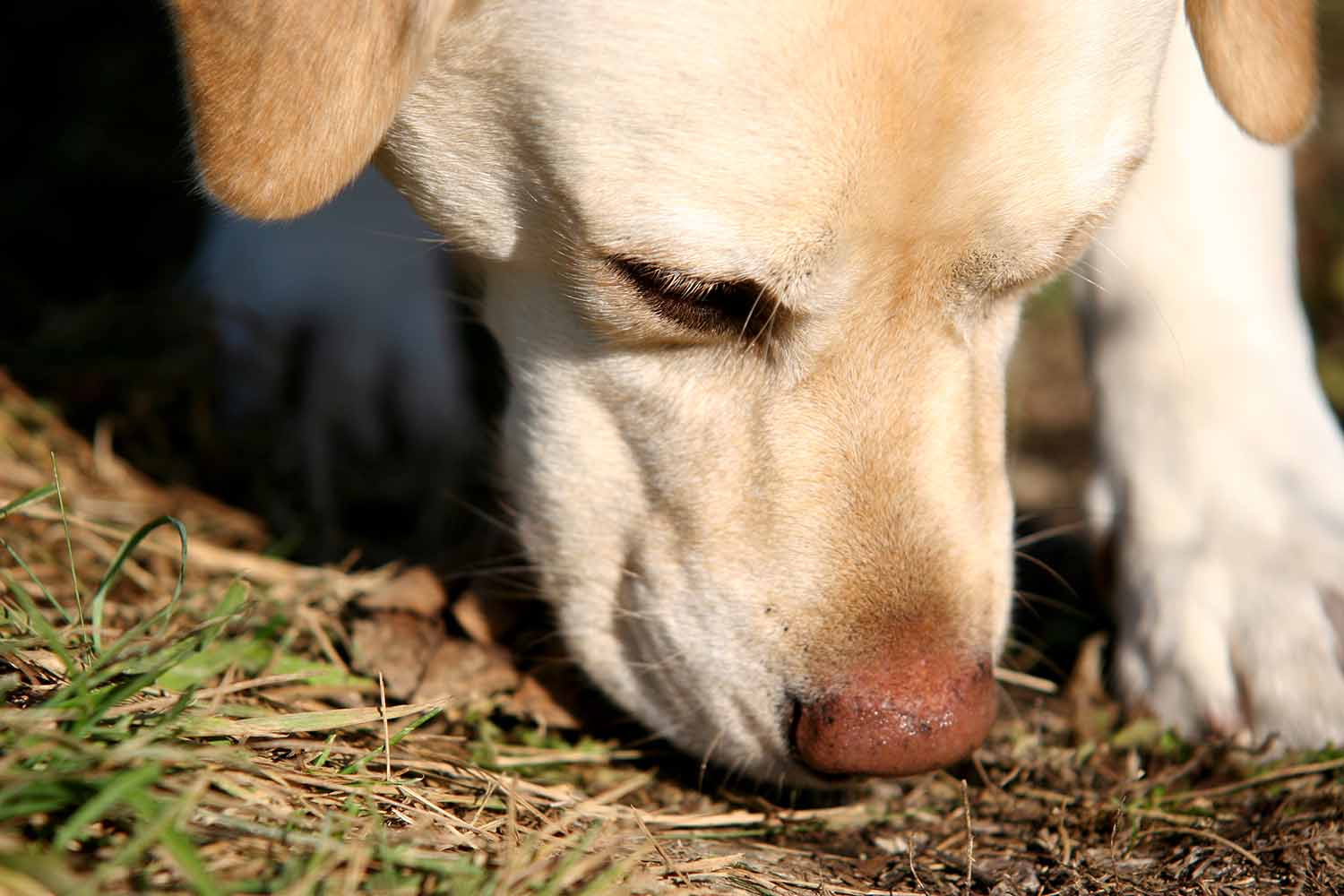
Dogs have an amazing sense of smell! Scientists estimate that dogs’ noses have up to 300 million scent receptors, compared to our six million. Dogs can also detect scents while breathing both in and out!

A dog sniffs the ground where there is grass and dirt.

© Tinka/stock.adobe.com

The St. Bernard’s Heroic History

A woman walks three Saint Bernards, one of which wears a red vest with a white cross, in a snowy, mountainous environment.

© Fabrice Coffrini—AFP/Getty Images

Quinny, Salsa, and Katy, all St. Bernard dogs, walk at Great St. Bernard Pass near the monastery where the breed became famous for rescuing people.

About 350 years ago, a small community of religious monks created a heroic dog breed for dangerous winter rescues—the St. Bernard. This gentle giant would become famous for saving travelers in the mountains.

For nearly a thousand years, monks have lived at the hospice of Great St. Bernard Pass, a low point between mountain peaks in the European Alps. The hospice has been a place travelers could rest on their dangerous journey between Italy and Switzerland. Hundreds of years ago, before cars and other modes of travel, many people would get lost and die of cold exposure while trying to reach this safe haven.

This changed around 1660, when some large, hardy mountain dogs were brought up to join the hospice monks. The monks discovered these dogs could sniff out people who were lost or buried in the show, and their big furry bodies could help keep a person warm until help came. The monks began using dogs to help find lost travelers and continued to breed them as rescue dogs.

An illustration shows two Saint Bernards, one of which is carrying a small child on its back, in a snowy environment.

© ZU_09—DigitalVision Vectors/Getty Images

This illustration, which was first published in 1889, shows two St. Bernards rescuing people in the Swiss Alps.

The Natural History Museum in Bern, Switzerland, estimates that the dogs of the St. Bernard hospice saved 2,000 people over the course of 200 years. The most famous of these dogs was named Barry. Born in the year 1800 at the hospice, Barry rescued 40 people in his lifetime and became a hero in Switzerland.

After hundreds of years of breeding, these dogs became their own distinct breed called the St. Bernard. Today other dog breeds are used as avalanche rescue dogs in the Alps, but Switzerland’s gentle St. Bernards are still helping people as therapy dogs in hospitals and nursing homes.

Keeping Track of Animal Tracks

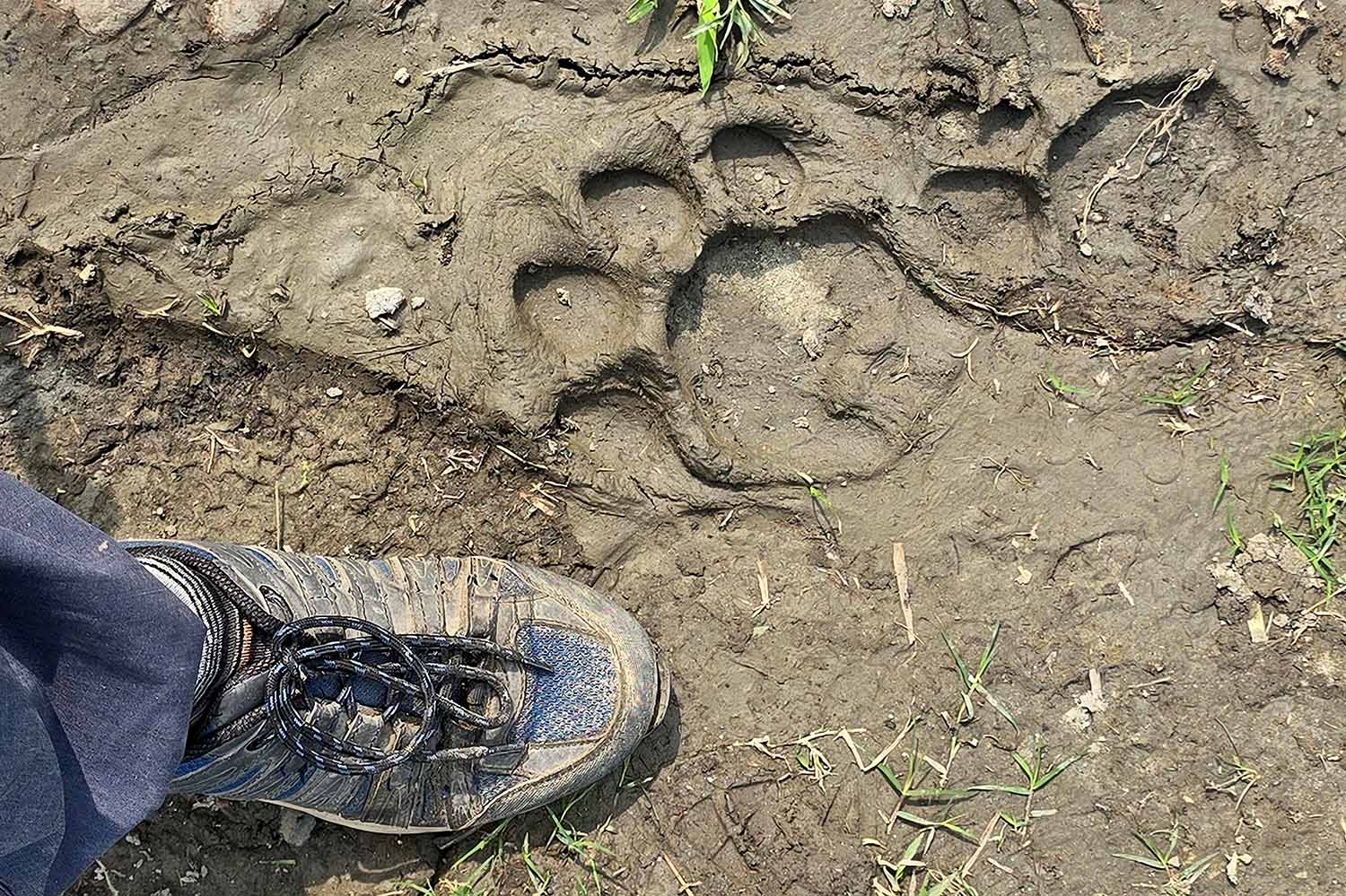
A large animal track is in mud next to the foot of an adult who is wearing a sneaker.

© neil bowman—iStock/Getty Images

A man places his foot next to tracks left behind by an adult tiger.

Have you ever found a mysterious footprint in some mud and wondered what animal made that print? Animal tracks can help people identify and follow animals across the land. Learn more about animal tracks at Britannica!

WORD OF THE DAY

anthropomorphic

PART OF SPEECH:

adjective

Definition:

: described or thought of as being like human beings in appearance, behavior, etc.

Definitions provided by
Merriam-Webster Logo

Criss Cross

Can you figure out where each dog fits into the grid?

O
O
O
O
O
O

In Case You Missed It

Figure skater Alysa Liu felt happy and confident at the 2026 Olympics. She skated off with a gold medal!
March 5, 2026
An all-women ranger team protects endangered animals on the Indonesian island of Sumatra.
February 26, 2026
Nima Rinji is showing the world the powerful spirit of the Sherpa people as he climbs the world’s tallest mountains.
February 19, 2026
Life wouldn’t be as fun without the work of these three inventors.
February 12, 2026

Profile Deactivated

Three middle-school age kids stand against a wall looking at their phones.

Profile Deactivated

A new law in Australia aims to ban social media accounts for young people under age 16. 

Three middle-school age kids stand against a wall looking at their phones.

© InsideCreativeHouse/stock.adobe.com

On December 10, 2025, young Australians with accounts on TikTok and Snapchat will wake up and find their profiles gone. Australia has banned young people under age 16 from having social media accounts as part of its new social media usage policy. 

Australia’s government passed the Online Safety Amendment (Social Media Minimum Age) Bill about a year ago to protect Australian children and teens from the harmful effects of social media, such as cyberbullying and mental health struggles.

“We want our kids to have a childhood and parents to know we have their backs,” said Australian Prime Minister Anthony Albanese after the policy was passed.

The law says young people cannot use the platforms even with parental consent. The government expects all platforms to deactivate user accounts for those under the age of 16 when the law goes into effect on December 10. This includes popular platforms YouTube, Instagram, and Facebook, as well as TikTok and Snapchat.

The law is going into effect just as a new study confirms that preteens who use social media struggle with reading, vocabulary, and memory more than peers who do not use social media. The research shows that even low levels of social media use negatively impact brain development.

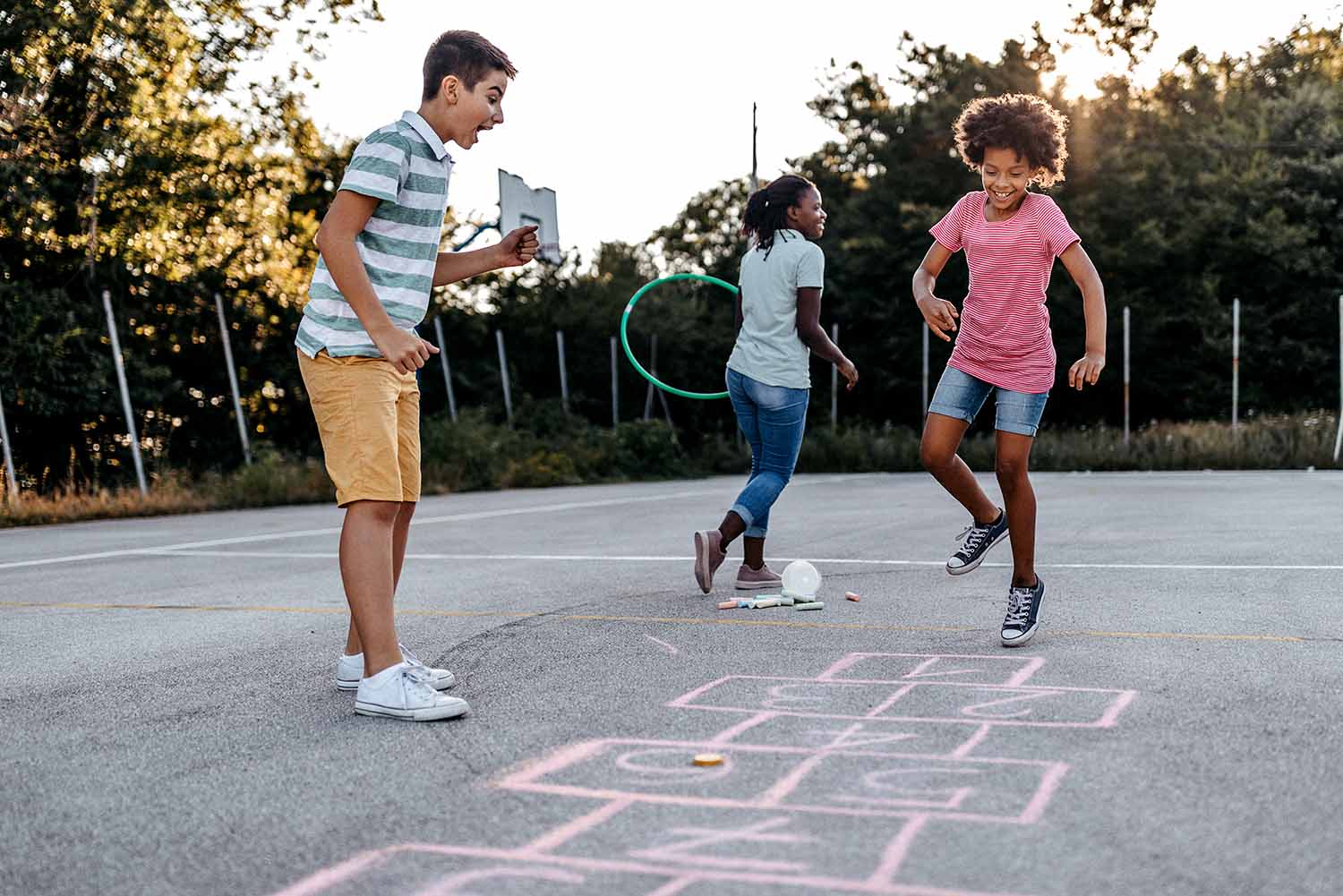
Two young people are on a playground playing hopscotch as a third carries a hoop.

© mixetto—E+/Getty Images

Experts say time outdoors can benefit young people. 

Still, many Australians criticize the ban, including young entrepreneurs and musicians who use social media to market products and art. They say the ban will prevent young people from starting a business.

“The only other way I could think that you could start a business and grow your business without social media would be having a website and using things such as Google marketing,” said Isabelle Hedditch in an interview with the Australian Broadcasting Corporation. Hedditch was 15 when she started her online dress rental business. “But [when I was] 15 years old, there was no way I could afford that.”

Other experts highlight social media benefits that help young people find community and seek out mental health care.

Did You Know?

The first all-electronic computer was enormous! Completed in 1946, the computer was about the size of a volleyball court and weighed 27 tons. That’s the weight of five elephants combined!

Three women manipulate the wires of a computer that runs the length of a large room.

© Historical—Corbis Historical/Getty Images

Computer operators program the first electronic computer.

A Floppy Rescue

A person puts a three and a half inch floppy disk into the drive of a Mac computer while holding another disk.

© Oleksandr Rupeta—NurPhoto/Getty Images

A floppy disk is placed into a computer that dates back to 1989.

Have you ever wondered what the icon on the “save” button on your computer programs is supposed to be? It’s a floppy disk! Once an important piece of data storage technology, the floppy disk is now outdated, making it difficult to retrieve saved files from one. Archivists at the University of Cambridge are now in a race against time to save floppy disk files from the digital dark ages.

Popular in the 1970s through the 1990s, floppy disks were used to store computer files and software. This tech revolutionized work and computing by making it possible for different computers to exchange information. Today, the Internet has given us new ways to store and share digital information—and the valuable information saved on floppy disks is at risk.

“This stuff is not going to last forever,” said Leontien Talboom, a technical analyst at Cambridge University, in an interview with the BBC. “Ten years ago, it would have been easier. But a lot of [the technology] is disappearing.”

Talboom leads a project called Future Nostalgia, aimed at extracting information from floppy disks, plus preserving the disks and hardware needed to read them. For example, Cambridge recently acquired floppy disks from the late Stephen Hawking, the groundbreaking physicist who studied black holes and the beginnings of the universe. 

Future Nostalgia is working to extract not only Hawking’s files but also those from many other saved floppies so that these digital memories can be preserved.

Spam! Spam! Spam!

Side by side images show an icon pointing to the Spam folder in an email account and a can of SPAM meat.

© Feng Yu/stock.adobe.com, © Jewel Samad—AFP/Getty Images; Photo composite Encyclopædia Britannica, Inc.

Spam email (left) and a can of SPAM

Spam is the term used for an unwanted marketing text or email. But what are the origins of this marketing scheme, and what does it have to do with the ham-like food called SPAM? Find out at Britannica!

WORD OF THE DAY

archaic

PART OF SPEECH:

adjective

Definition:

: old and no longer used

Definitions provided by
Merriam-Webster Logo

Sudoku

Fill every row, column, and 3×3 box with the numbers 1 through 9 with no repeats in any row, column or box.

O
O
O
O
O
O

In Case You Missed It

Figure skater Alysa Liu felt happy and confident at the 2026 Olympics. She skated off with a gold medal!
March 5, 2026
An all-women ranger team protects endangered animals on the Indonesian island of Sumatra.
February 26, 2026
Nima Rinji is showing the world the powerful spirit of the Sherpa people as he climbs the world’s tallest mountains.
February 19, 2026
Life wouldn’t be as fun without the work of these three inventors.
February 12, 2026

Science’s Silliest Night

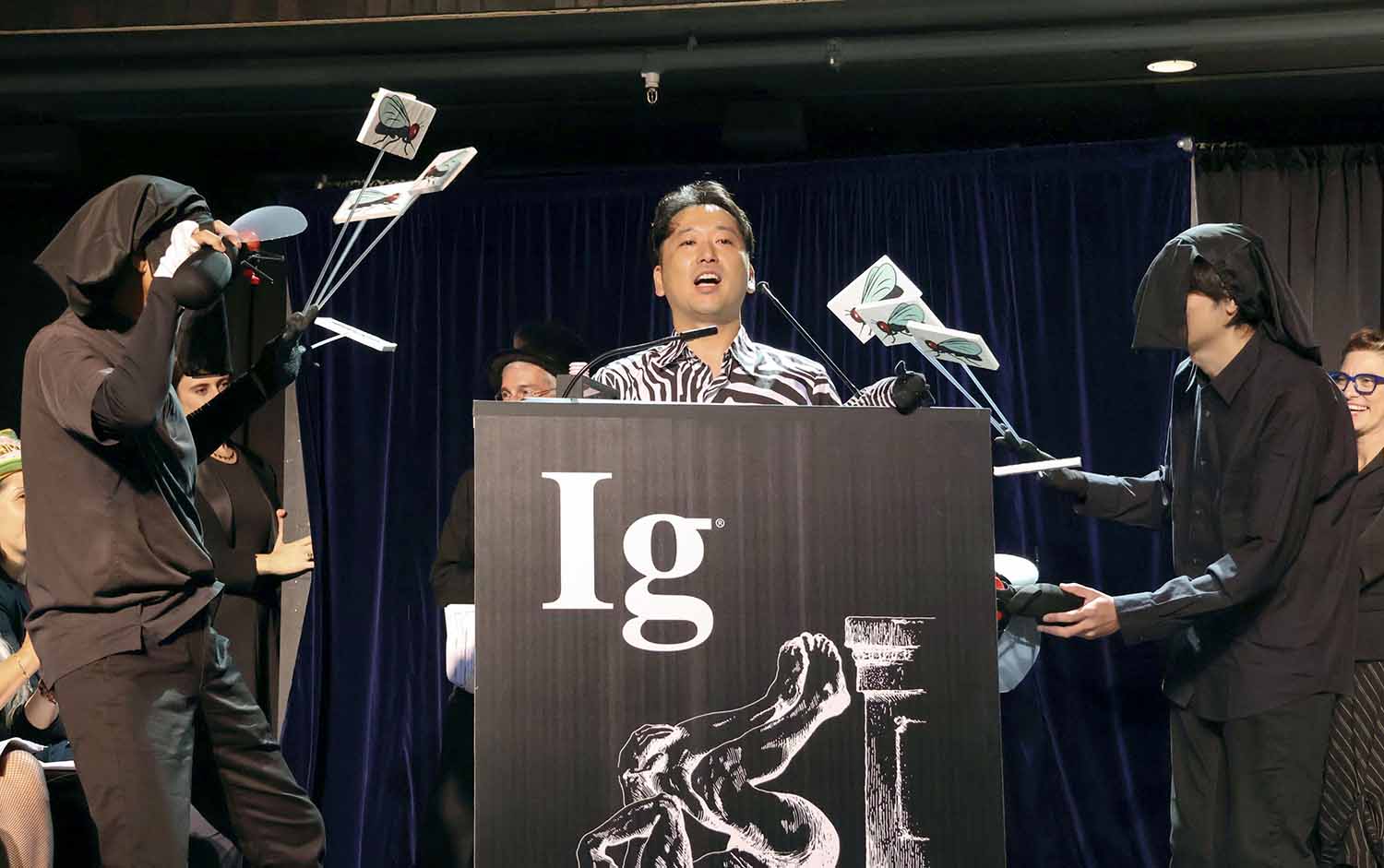
A man stands at a podium wearing a zebra patterned shirt while people in black hoods hold pictures of flies.

Science’s Silliest Night

The Ig Nobel Prizes celebrate science that makes people laugh, then think.

A man stands at a podium wearing a zebra patterned shirt while people in black hoods hold pictures of flies.

© Kyodo News/Getty Images

Researcher Tomoki Kojima (center) wears a zebra-patterned shirt as he and his colleagues explain that painting stripes on cows seems to reduce fly bites.

One of the most exciting scientific ceremonies in the world begins with an odd tradition—the audience pelts the ceremony stage with hundreds of soaring paper airplanes! This is no regular awards night. The Ig Nobel Prizes celebrate seemingly silly, yet very real, scientific research done around the world. This year’s award winners included a group of scientists who painted zebra stripes on cows and another who recorded lizards eating pizza.

The Annals of Improbable Research, a science magazine, awards the Ig Nobel Prize (also called the Igs) to scientific achievements “so surprising that they make people laugh, then think.” Each year, 10 prizes are awarded to achievements that seem unusual and imaginative.

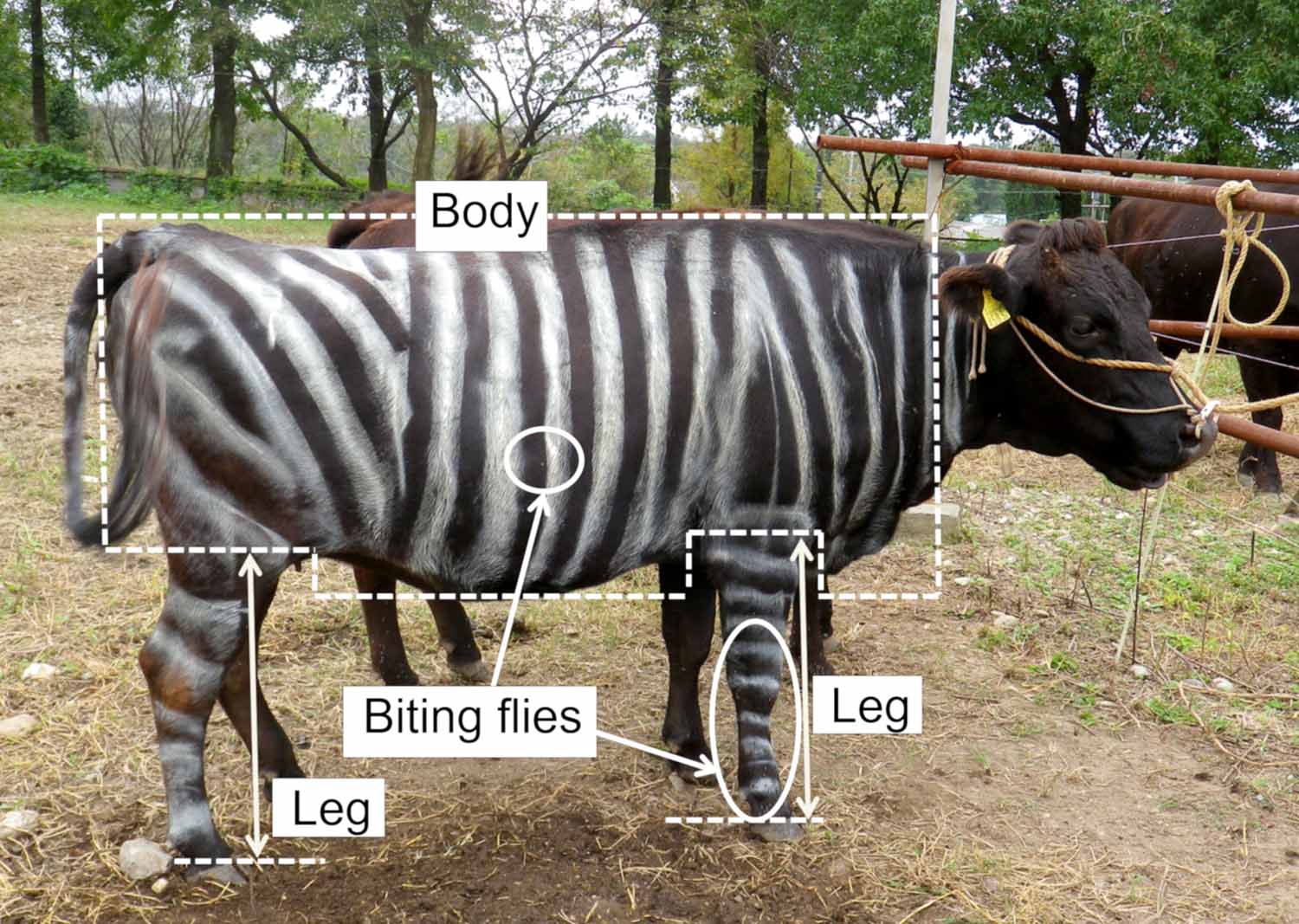
Japanese scientist Tomoki Kojima and his colleagues won an Ig this year for their research experiment painting cows with black and white zebra stripes. The experiment showed that the zebra pattern reduced the number of biting flies landing on the cows. The results suggest farmers who don’t want to use pesticides could instead use this unusual method to deter flies.

“When I did this experiment, I hoped that I would win the Ig Nobel. It’s my dream,” Kojima said in an interview with the Associated Press.

A cow that has been painted with zebra stripes stands in a field.

© Kojima T, Oishi K, Matsubara Y, Uchiyama Y, Fukushima Y, Aoki N, et al.(CC by 4.0)

Tomoki Kojima and other researchers painted zebra stripes on cows to see if this pattern reduced the number of flies that landed on the cows.

Another research team won a prize “for studying the extent to which a certain kind of lizard chooses to eat certain kinds of pizza.” For this research, an international group of scientists offered slices of different pizza flavors to rainbow lizards in Togo, a country in West Africa, to see which type of pizza the lizards prefer. Their results showed that the lizards always chose the “four cheeses” pizza flavor, likely an adaptive response to living in cities.

“Every great discovery ever, at first glance seemed screwy and laughable,” Marc Abrahams, the editor of the Annals of Improbable Research, told the Associated Press. “The same is true of every worthless discovery. The Ig Nobel Prizes celebrate ALL these discoveries, because at the very first glance, who really knows?”

The awards night is also silly and fun for the scientific community, mixing in components of a circus, an opera, and a comedy show. The Igs encourage the joy of curiosity and interesting science. A Nature magazine columnist once said, “The Ig Nobel awards are arguably the highlight of the scientific calendar.”

NEWS EXTRA

Honoring Veterans

Scottish soldiers and veterans, many in uniform, march on a hill led by bagpipe players.

© Jeff J. Mitchell/Getty Images

In this November 2024 photo, soldiers and veterans gather in Spean Bridge, Scotland, to pay respect to the people who have served in wars.

In several countries, mid-November is a time to honor veterans—people who served in the military. The practice dates back to November 11, 1918, when an armistice, or peace agreement, ended World War I. Beginning in 1919, the United States, the United Kingdom, France, and other nations that had been involved in the war began observing Armistice Day on November 11. Over time, the holiday honored not just World War I veterans but also those who served in later conflicts. 

Today, the name of the November 11 holiday has been changed to Veterans Day in the United States and Remembrance Day in Canada and Australia. The United Kingdom observes Remembrance Sunday on the second Sunday of November. Although the nations’ traditions are different, their purpose is the same: to give thanks to all those who serve their country and to remember the soldiers who have been lost.

Fun Fact

The Ig Nobel Prize is designed to be a parody of the Nobel Prize, which honors achievements in science, research, literature, and world peace. The name “Ig Nobel” is a pun on the word ignoble, an adjective meaning “below normal standards.”

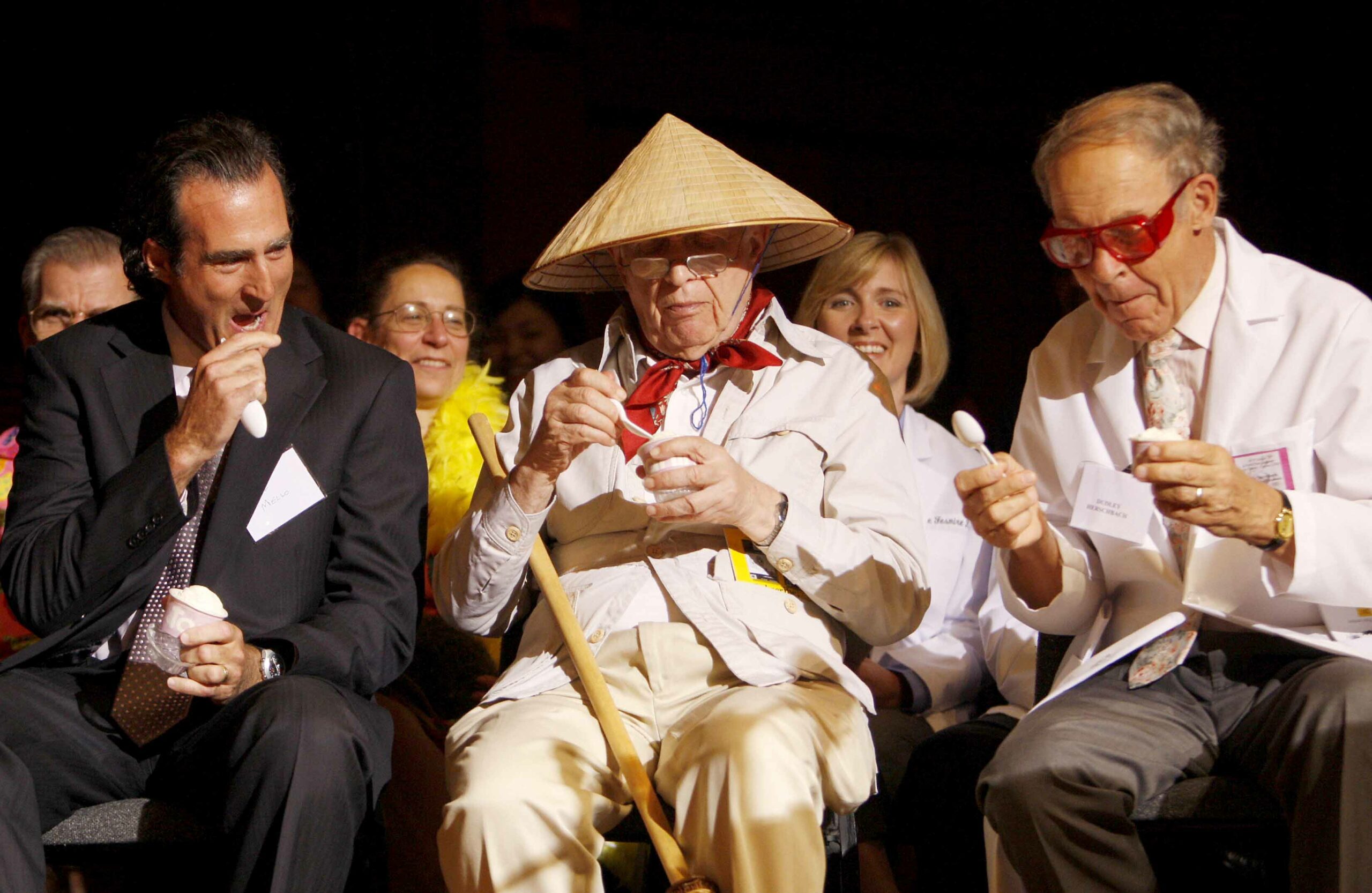
Three men sit in an audience and eat ice cream.

© Stan Honda—AFP/Getty Images

Actual Nobel Prize winners sample ice cream at the 2007 Ig Nobel Prize ceremony. The ice cream was created in honor of an Ig Nobel Prize winner who extracted vanilla flavoring from cow dung.

A Wild Goose (Poop) Chase for Science

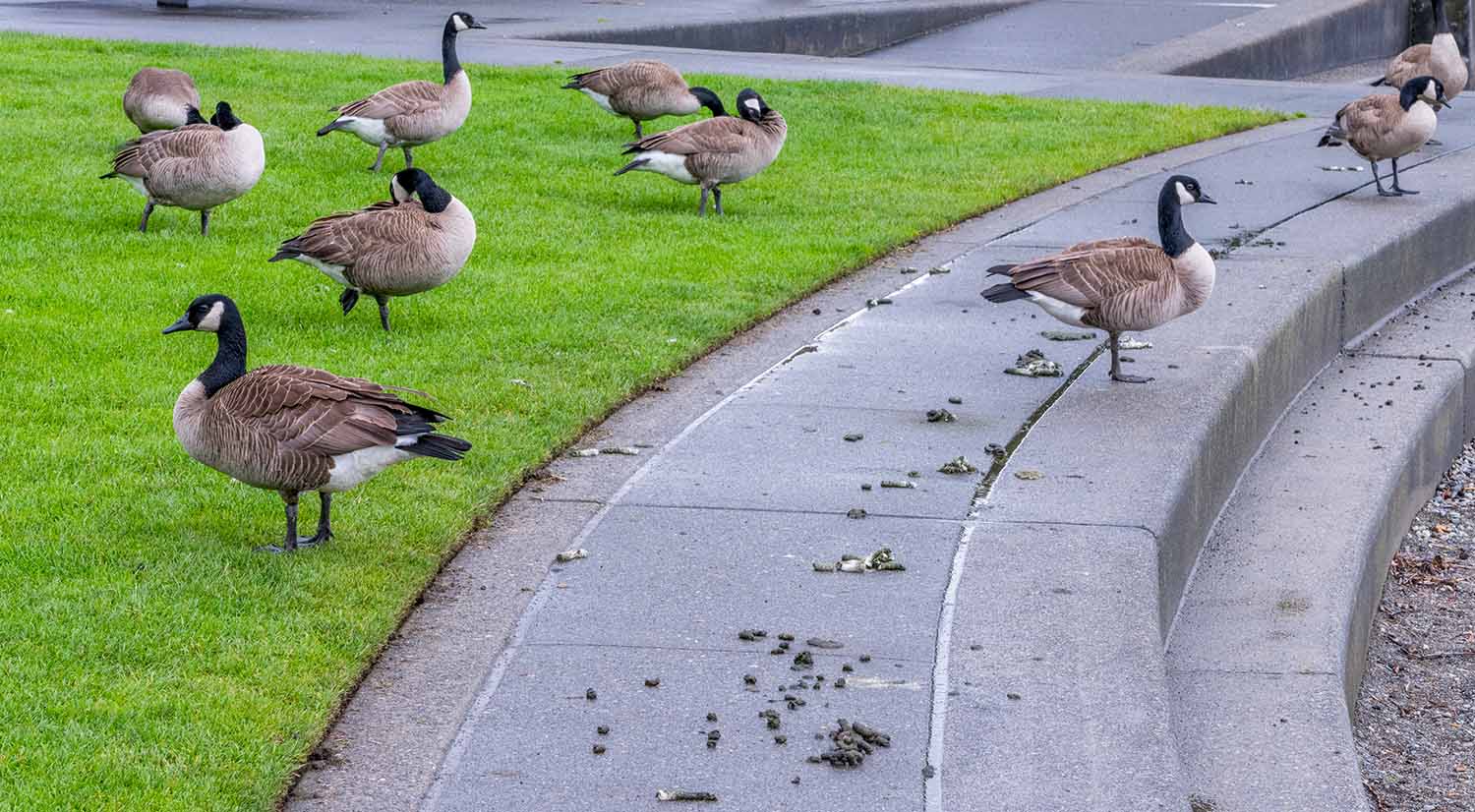
Canada geese stand on and near a path that is largely covered in droppings.

© Wolfgang Kaehler—LightRocket/Getty Images

These Canada geese (and their droppings) were photographed at Marina Park in Kirkland, Washington.

A middle school student helped scientists find a cancer-fighting substance in the most unexpected place: goose poop! The discovery shows that adults are not the only ones who can make unusual scientific discoveries.

As part of a science program in Chicago, Illinois, middle schoolers spent time working with scientists who study bacteria. The scientists showed the students how to collect samples from their local environment. The scientists would then study the bacteria in those samples to see if they could be useful in research or medicine. 

Eleven-year-old Camarria Williams, one of the middle schoolers in the program, collected a sample of goose poop from a local park. 

“The reason I got the poop was because [geese] eat everything,” Williams said in an interview with the Chicago Tribune.

It turned out the stinky sample had something surprising—a type of bacteria that produces a cancer-fighting substance that had never been documented. The newly discovered substance is a long way from being used to treat cancer, but it is being studied for its ability to fight skin cancer. It turns out what is good for the goose is also good for cancer research! 

The Nobel Prize

Young Malala Yousafzai holds up the medal she received upon winning the Nobel Prize.

© Cornelius Poppe—AFP/Getty Images

This 2014 photo shows Malala Yousafzai, then still a teenager, after winning the Nobel Peace Prize.

You may recognize some past winners of the Nobel Peace Prize, including Martin Luther King, Jr., and Malala Yousafzai. But did you know that the Nobel Prize is named after Alfred Nobel, the inventor of dynamite? Learn more about this inventor and this famous prize at Britannica.

WORD OF THE DAY

eccentric

PART OF SPEECH:

adjective

Definition:

: tending to act in strange or unusual ways

Definitions provided by
Merriam-Webster Logo

Crossword

Use the clues to fill in the grid.

O
O
O
O
O
O

In Case You Missed It

Figure skater Alysa Liu felt happy and confident at the 2026 Olympics. She skated off with a gold medal!
March 5, 2026
An all-women ranger team protects endangered animals on the Indonesian island of Sumatra.
February 26, 2026
Nima Rinji is showing the world the powerful spirit of the Sherpa people as he climbs the world’s tallest mountains.
February 19, 2026
Life wouldn’t be as fun without the work of these three inventors.
February 12, 2026

The Unseen Ice Champion

Five men in 1920s Rangers uniforms stand on their ice with their hockey sticks while a sixth man kneels in front.

The Unseen Ice Champion

Clarence “Taffy” Abel was among the first Native American pro hockey players—but he kept his Ojibwe heritage a secret.

Five men in 1920s Rangers uniforms stand on their ice with their hockey sticks while a sixth man kneels in front.

© New York Daily News Archive/Getty Images

Clarence “Taffy” Abel (second from left) poses with other members of the 1926–27 New York Rangers hockey team.

Clarence “Taffy” Abel skated into hockey history multiple times in his life as an Olympian and professional ice hockey player in the early 1900s—but part of his legacy wasn’t fully recognized until after his death. That is because Abel had kept his Ojibwe identity a secret.

Abel was born in the hockey-loving town of Sault Ste. Marie, Michigan, a city on the U.S.-Canada border. This area is also home to many Indigenous communities, including the Chippewa nation (now called Ojibwe) that Abel’s mother belonged to.

Around the age of 24, Abel represented his country at the 1924 Winter Olympics in Chamonix, France, as a member of the U.S. Olympic hockey team. He carried the American flag during the opening ceremony parade, becoming the first Native American to be the flag bearer at the Olympics. The U.S. hockey team went on to win the silver medal.

What nobody knew at the time was that Abel was Ojibwe. Abel grew up at a time when Native Americans faced severe discrimination, so he and his family downplayed his heritage so that he could have more opportunities.

“Taffy would have never got into the 1924 Winter Olympics if he would have [come] right out and said, Hey, I’m Native American,” George Jones, Abel’s nephew, told NPR.

Abel went on to have a successful career in the U.S. National Hockey League. He played for the newly formed New York Rangers and helped them win the Stanley Cup, hockey’s championship trophy, in 1928. He repeated the feat in 1934, this time while playing for the Chicago Blackhawks.

Abel became more open about his heritage once he retired from professional hockey. He died in 1964 and was inducted into the U.S. Hockey Hall of Fame nearly a decade later. He was inducted into the American Indian Athletic Hall of Fame in 1989.

The U.S. Hockey Hall of Fame web page dedicated to Abel said: “He left an indelible imprint in pro and amateur circles as a player, coach and manager. Taffy Abel was a name beloved by hockey followers across the continent.”

Did You Know?

Nearly 100 years after Abel’s Olympic performance, Abby Roque became the first Indigenous woman on the U.S. Olympic hockey team at the 2022 Winter Olympics. Like Abel, Roque is from Sault Ste. Marie, Michigan. She’s a member of the Wahnapitae First Nation.

Abby Roque shoots a puck during a hockey game as an opposing player watches the puck.

© Gabriel Bouys—AFP/Getty Images

Abby Roque (in white) shoots the puck during the women’s gold medal match against Canada at the 2022 Winter Olympics.

AI Offers Hope for Dying Languages

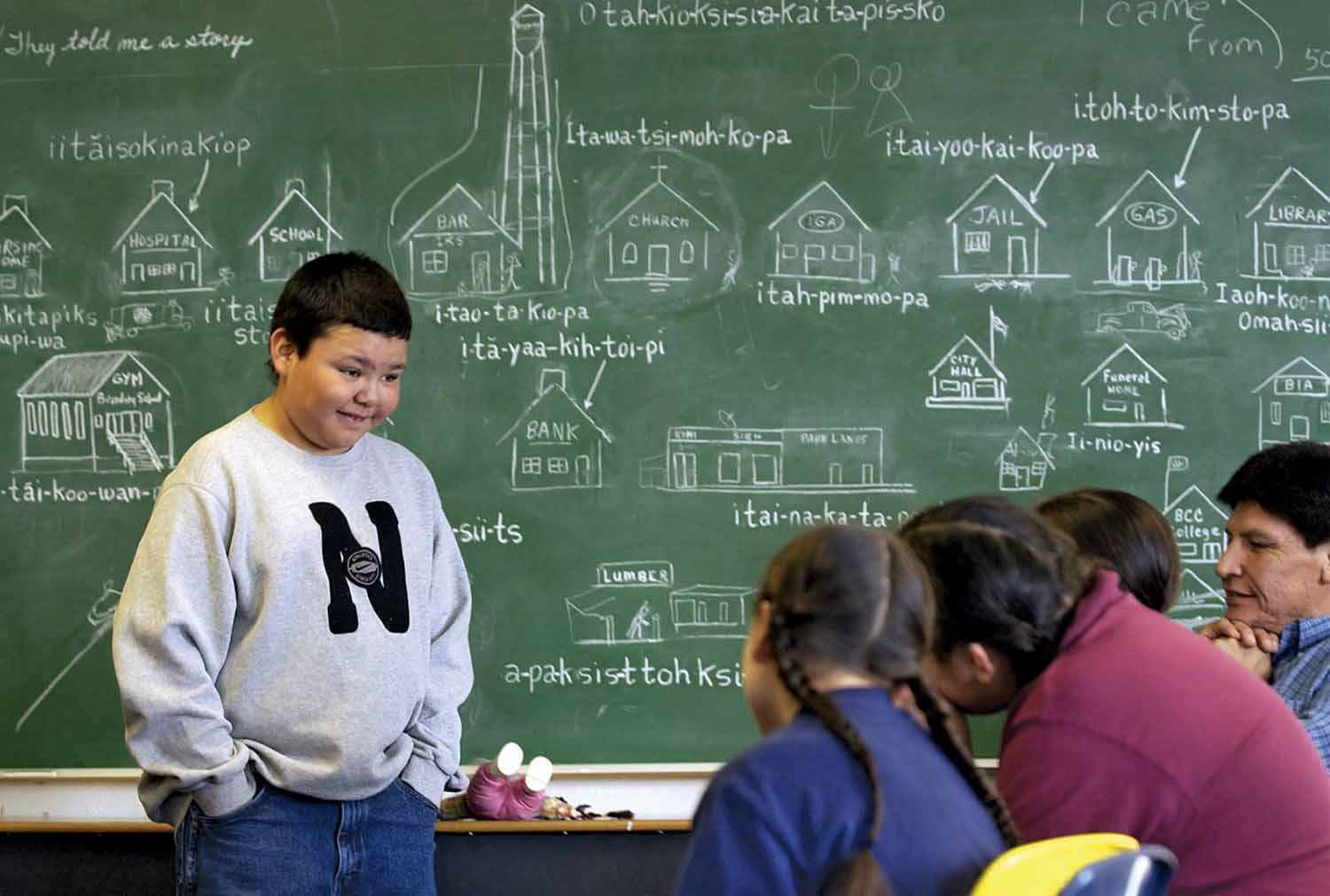
Children and an adult are in a classroom where a blackboard shows drawings of objects and the words for them in the Blackfeet Language.

© Joe Cavaretta/AP Images

Children belonging to the Blackfeet Nation learn words from the Blackfeet language at the Nizipuhwah Center in Browning, Montana.

Researchers are in a race against time to preserve endangered languages—including American Indian and Alaska Native languages. Some experts are turning to artificial intelligence (AI) for help. 

Experts say fewer young people are learning Indigenous languages, prompting worries that knowledge and culture will also fade.

“Within the next five to 10 years, we’ll lose most of the Native American languages in the U.S.,” said Michael Running Wolf in an interview with NBC News. Running Wolf leads First Languages AI Reality, an organization that aims to use speech recognition from audio recordings to help preserve endangered languages. If this project is successful, it could help revive dying languages all around the globe.

Another researcher working on this challenge is Ivory Yang, a doctoral student at Dartmouth University in the United States. Yang used a generative AI framework to create a digital dataset of a women’s-only endangered language from China called Nüshu. Yang’s success in preserving this rare language offers hope that a similar method could be used to digitize other languages that are no longer widely used and have few written or recorded examples. Yang has already identified Cherokee, a North American Indian language, as one such candidate.

Native American Heritage Month

© grandriver—E+/Getty Images, © Richard Tsong-Taatarii—Star Tribune/Getty Images, © Jad Davenport—National Geographic Image Collection/Alamy, © François Robert-Durand—AFP/Getty Images, Sgt. Sarah D. Sangster—U.S. Army Photo/U.S. Department of Defense

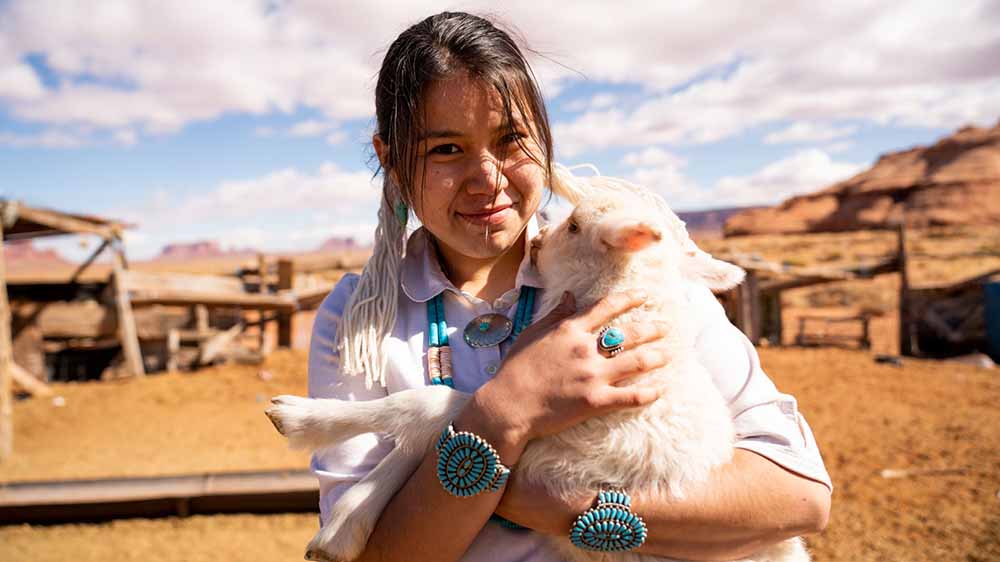
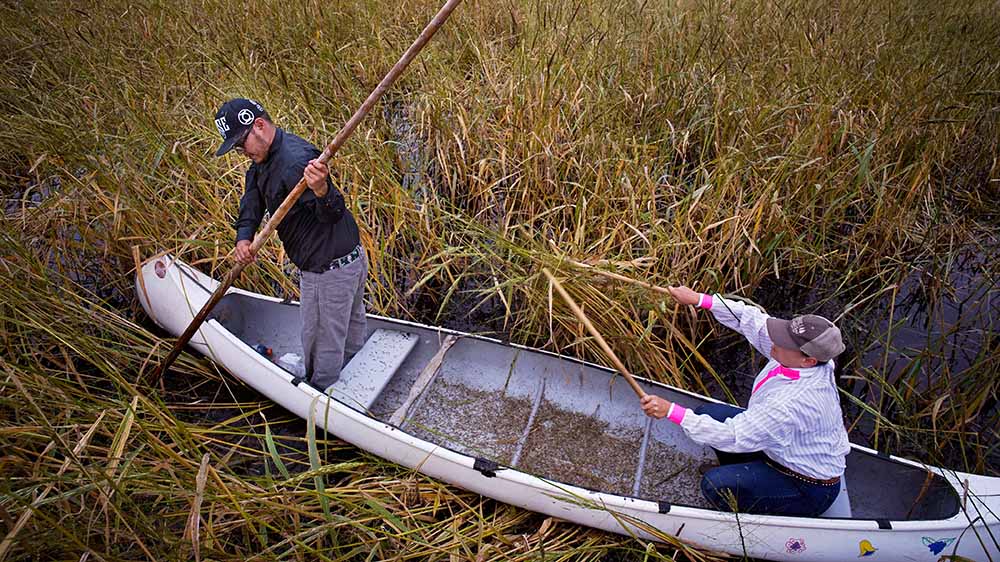
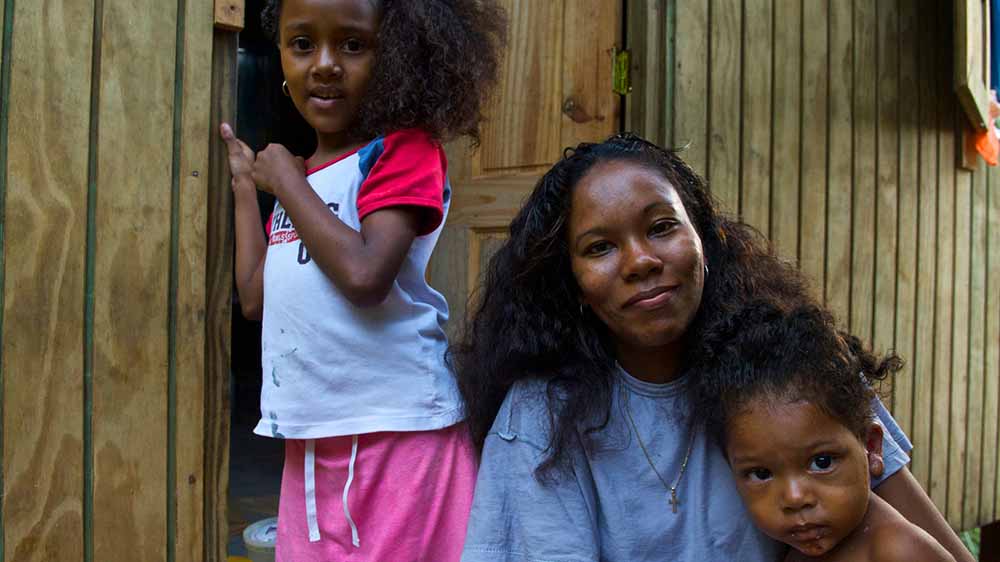
November is Native American Heritage Month in the U.S., honoring the hundreds of Indigenous nations and cultures within the country. Read more about the historic and current cultural traditions of the Indigenous peoples of the Americas at Britannica!

WORD OF THE DAY

sovereignty

PART OF SPEECH:

noun

Definition:

: a country’s independent authority and the right to govern itself

Definitions provided by
Merriam-Webster Logo

Word Flower

How many words can you make from the letters in the flower? All words must use the letter in the center.

O
O
O
O
O
O

In Case You Missed It

Figure skater Alysa Liu felt happy and confident at the 2026 Olympics. She skated off with a gold medal!
March 5, 2026
An all-women ranger team protects endangered animals on the Indonesian island of Sumatra.
February 26, 2026
Nima Rinji is showing the world the powerful spirit of the Sherpa people as he climbs the world’s tallest mountains.
February 19, 2026
Life wouldn’t be as fun without the work of these three inventors.
February 12, 2026

All Barf and No Bite

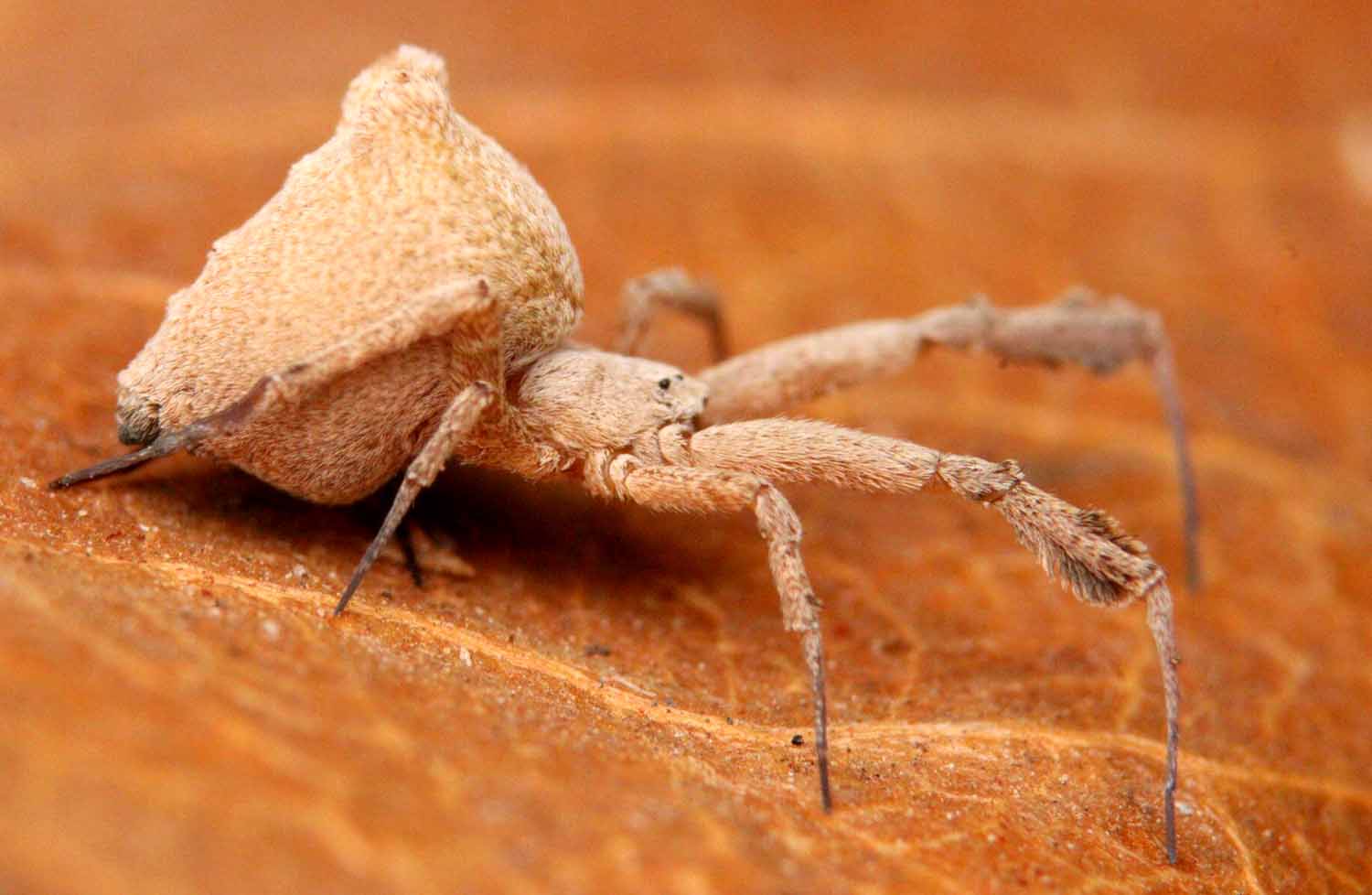
A light brown, fuzzy spider with a large abdomen sits on a brown leaf.

All Barf and No Bite

The feather-legged lace weaver spider kills its prey with digestive juices instead of venom.

A light brown, fuzzy spider with a large abdomen sits on a brown leaf.

© piemags—nature/Alamy

The feather-legged lace weaver is found in parts of Africa, Asia, and Europe.

What animal wraps up its food like a mummy and then kills it with toxic puke? The feather-legged lace weaver spider!

It may sound like a spooky riddle, but it’s completely true. This small spider species doesn’t use a venomous bite to kill its meal—it uses deadly barf instead. 

The feather-legged lace weaver is a flattish, brown spider that is about half the size of a pea and preys on insects. Though the spider is common across the Middle East, Europe, and Africa, its unusual predation behavior caught scientists’ attention only recently.

Researchers from Switzerland, Germany, and Belgium just published a study detailing the lace weaver’s throw-up-and-then-eat method for feasting. While the spider does have fangs, it cannot produce venom like other spider species do. Instead, it creates a toxin in its digestive system. So, when the spider catches a fly in its web, it wraps the meal in spider silk and then throws up all over it. The venom-like barf kills the insect. Now the spider is ready for lunch. 

Though the lace weaver’s food preparation style was first documented in a 1931 scientific paper, it wasn’t until now that researchers confirmed the spider evolved away from a venomous bite.

Since the lace weaver has fangs but no venom, scientists concluded that the species lost its ability to kill with a simple chomp but has kept its toxicity in its digestive juices. For the lace weaver, spider sense really is a gut feeling!

Did You Know?

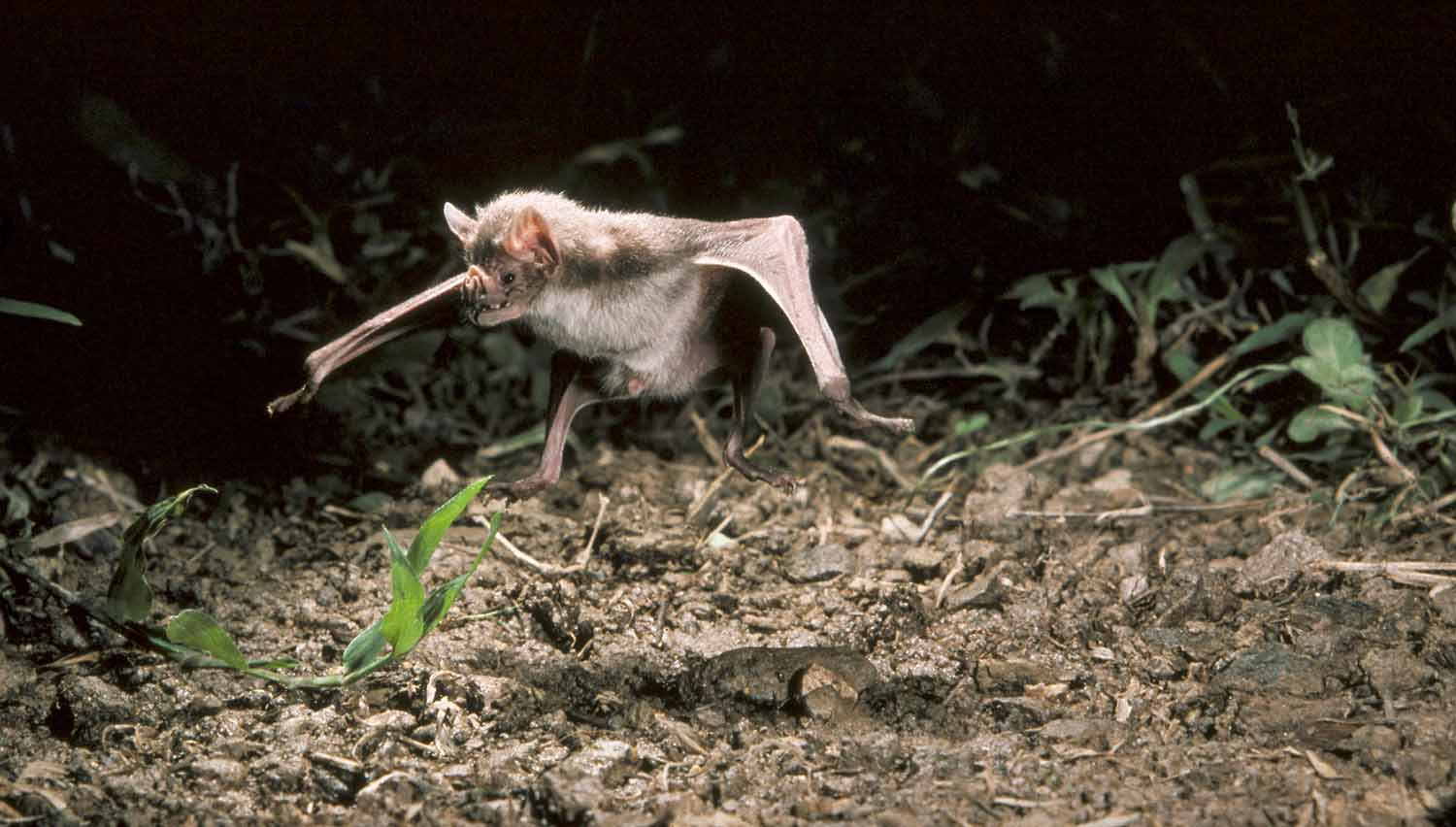
Not only can vampire bats fly, but they can also walk, jump, and run! Out of 1,100 bat species, vampire bats are among the few that can run on the ground.

A vampire bat runs along the ground on its two legs.

© Oxford Scientific—The Image Bank/Getty Images

A vampire bat jumps onto the ground.

A Brain Trick for Treats

A candy-filled orange bowl with a spider web design is held by two hands.

© Longfin Media—iStock/Getty Images

Have you ever felt stuffed after eating a meal yet still had room for dessert? It turns out there’s a reason you feel like you have a second stomach just for something sweet! A recent study out of Germany shows the biology behind this sensation. 

Marielle Minère is a neuroscientist, meaning she studies the chemical processes in the brain. In her experiments, she observed that mice would willingly eat something sweet after a large meal, just like humans! 

So Minère set up an experiment with two groups of mice. One group was allowed to eat as much as they wanted, while the other group didn’t get food. Then researchers offered both groups sugar. All the mice ate the sugar, whether they were hungry or full. 

Minère observed the brains of the mice while they ate the sugar and noted something interesting in a part of the brain called the hypothalamus. The hypothalamus controls hunger and tells our bodies when we are full. When the mice found a sweet treat, an area of the hypothalamus activated, indicating a sugar-craving area. This area lit up even when the mice were too full to eat regular food, indicating that the sugar-craving area overrides the signal to stop eating.

Minère saw similar brain activity in humans—this sugar-craving area of the brain turned on when the person received a sweet treat. This means that no matter how full your body feels, your brain cells still have a sweet tooth!

Happy Day of the Dead!

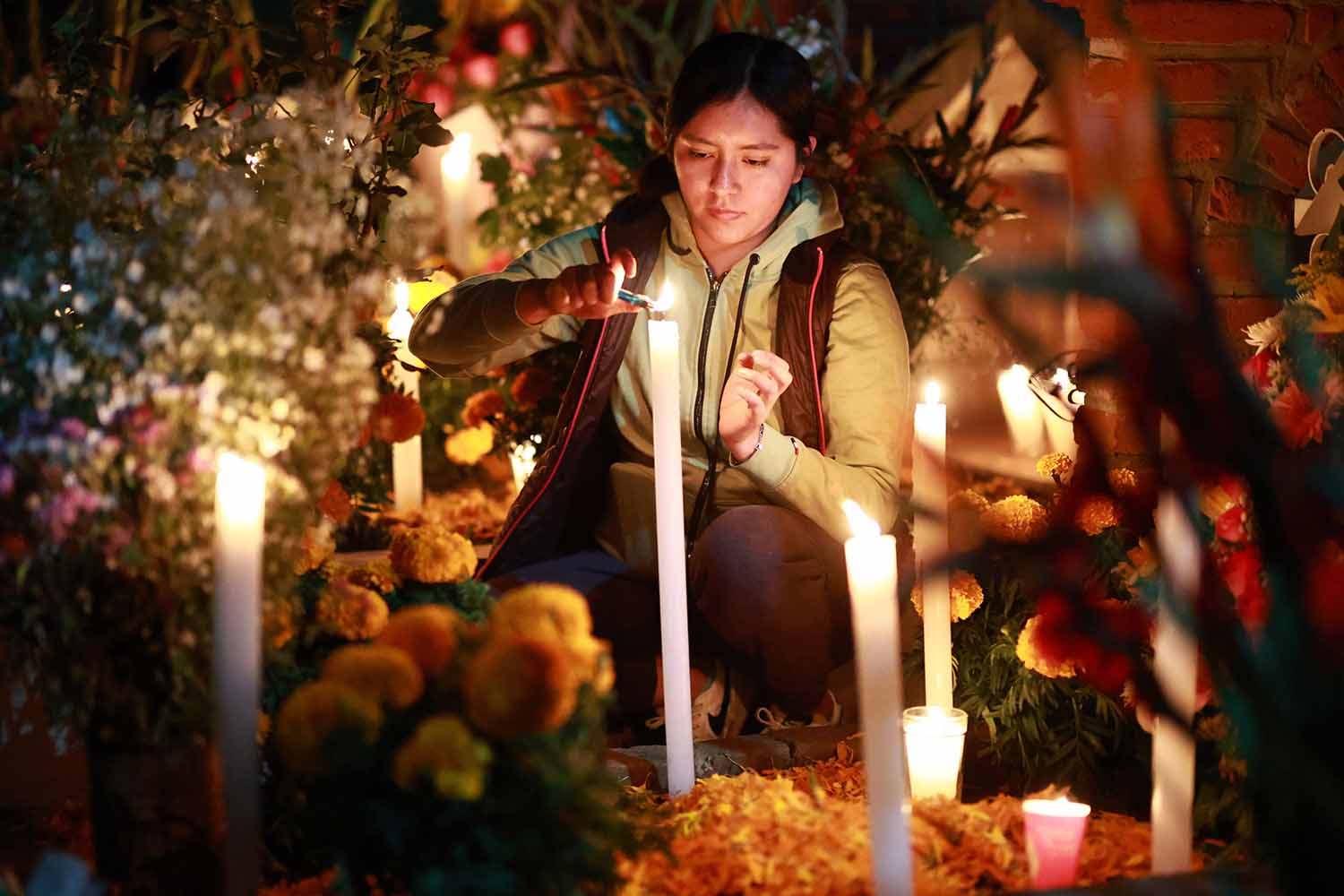
A woman is surrounded by flowers as she kneels and lights tall white candles outdoors at night.

© Daniel Cardenas—Anadolu/Getty Images

A woman lights a candle on a grave near Mexico City, Mexico.

Each year on November 1 and 2, people in Mexico put out photos, arrange colorful flowers, and light candles for a special holiday called Day of the Dead (Día de los Muertos in Spanish). This is a joyful day for honoring and remembering loved ones who have died. 

Read more about the traditions and history of the Day of the Dead at Britannica.

WORD OF THE DAY

macabre

PART OF SPEECH:

adjective

Definition:

: involving death or violence in a way that is strange, frightening, or unpleasant

Definitions provided by
Merriam-Webster Logo

Criss Cross

Can you figure out where each type of candy goes?

O
O
O
O
O
O

In Case You Missed It

Figure skater Alysa Liu felt happy and confident at the 2026 Olympics. She skated off with a gold medal!
March 5, 2026
An all-women ranger team protects endangered animals on the Indonesian island of Sumatra.
February 26, 2026
Nima Rinji is showing the world the powerful spirit of the Sherpa people as he climbs the world’s tallest mountains.
February 19, 2026
Life wouldn’t be as fun without the work of these three inventors.
February 12, 2026

A Hero Remembered

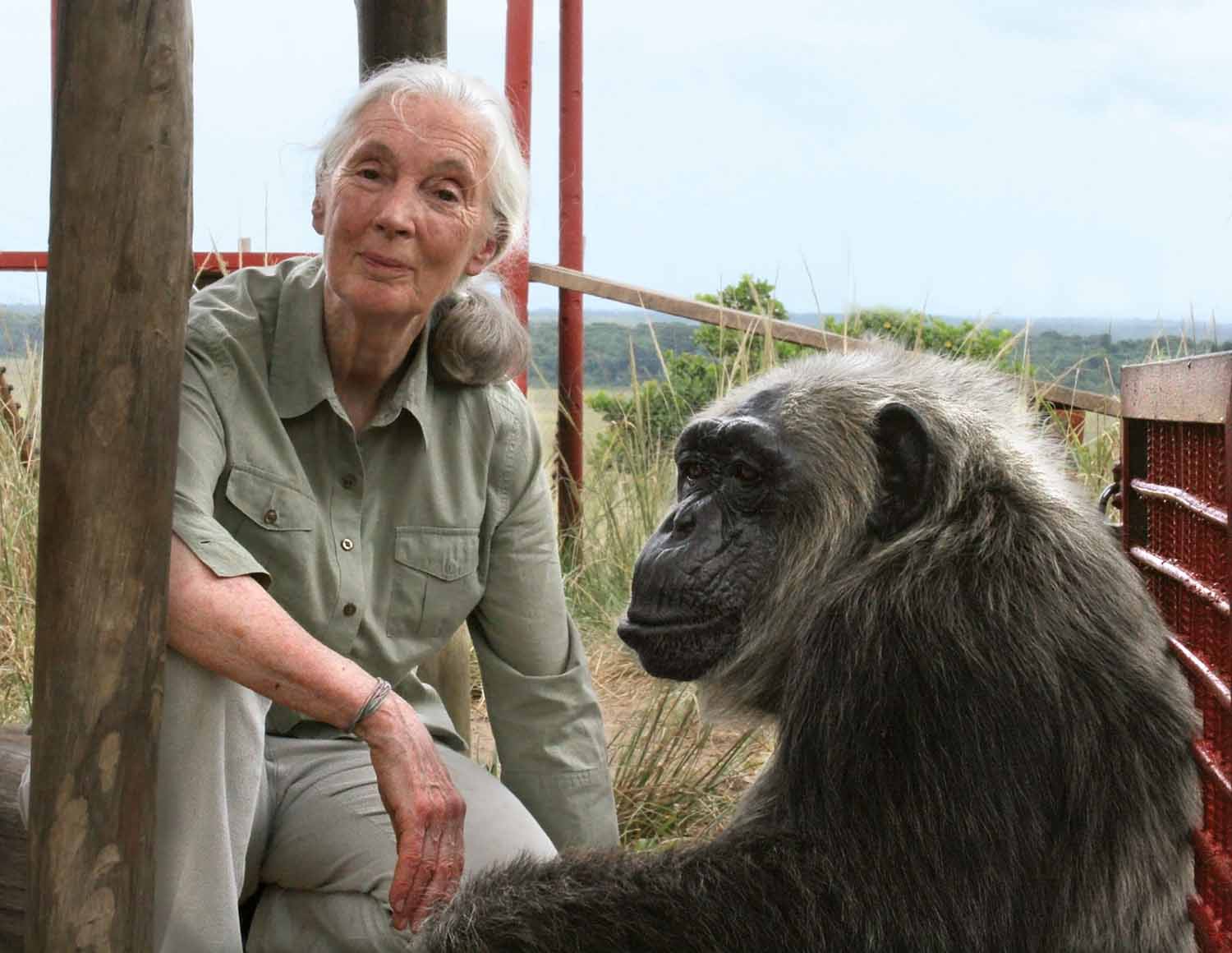
An older Jane Goodall poses for the camera while sitting next to a chimpanzee.

A Hero Remembered

Jane Goodall was a champion for animals and a hero to scientists and others around the world.

An older Jane Goodall poses for the camera while sitting next to a chimpanzee.

© Fernando Turmo/the Jane Goodall Institute

Jane Goodall sits with a chimpanzee named La Vieille in 2012.

Celebrated primatologist Jane Goodall has died. She was 91. Best known for her groundbreaking discoveries about chimpanzee behavior, Goodall dedicated much of her career to causes like environmentalism and animal welfare.

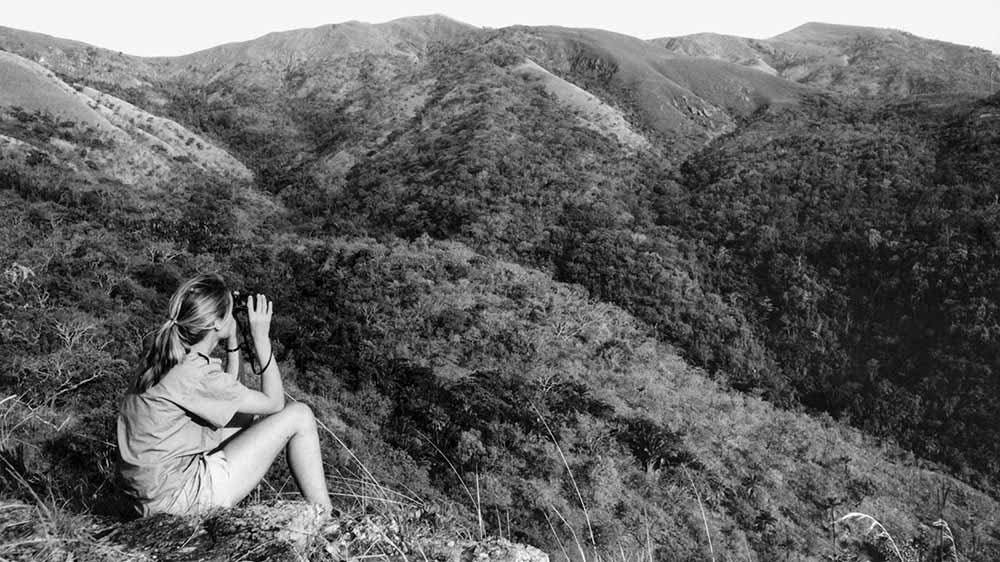
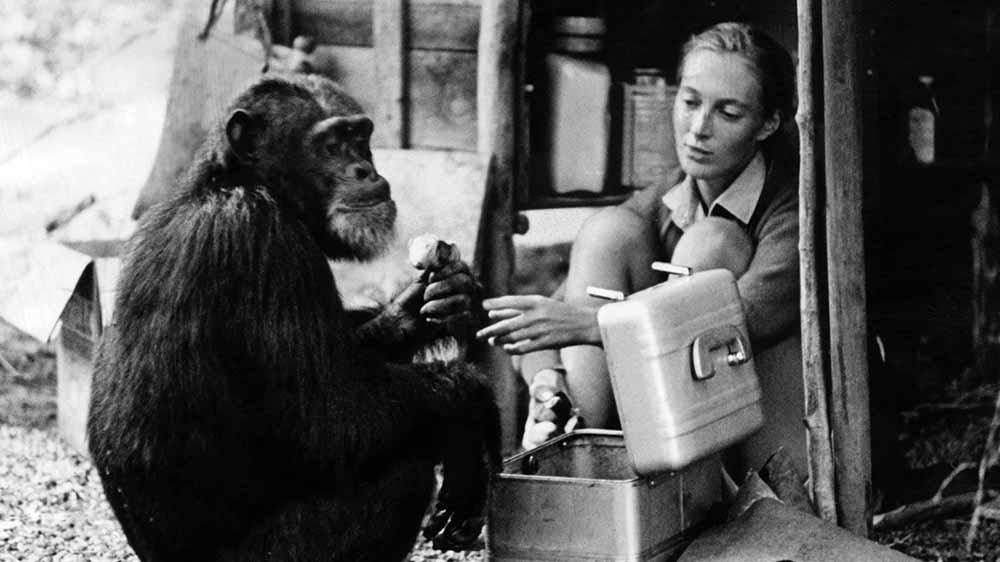
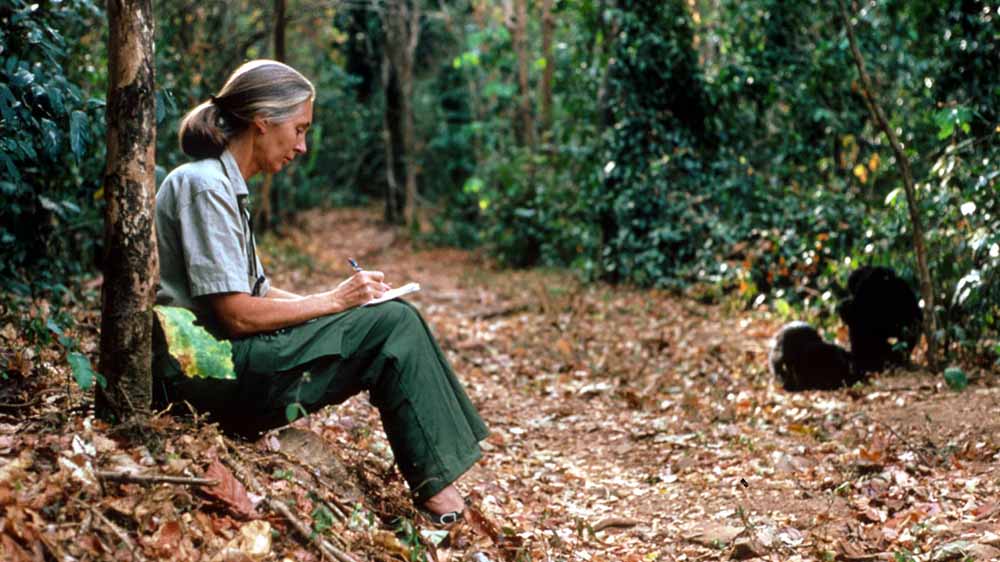
Goodall’s interest in animals began at an early age. She first observed wild animals and took notes about them as a child in England. It wasn’t long before she decided on a career in animal behavior. In 1960, when Goodall was 26, she was hired by the anthropologist Louis Leakey to study wild chimpanzees in what is now the African nation of Tanzania. 

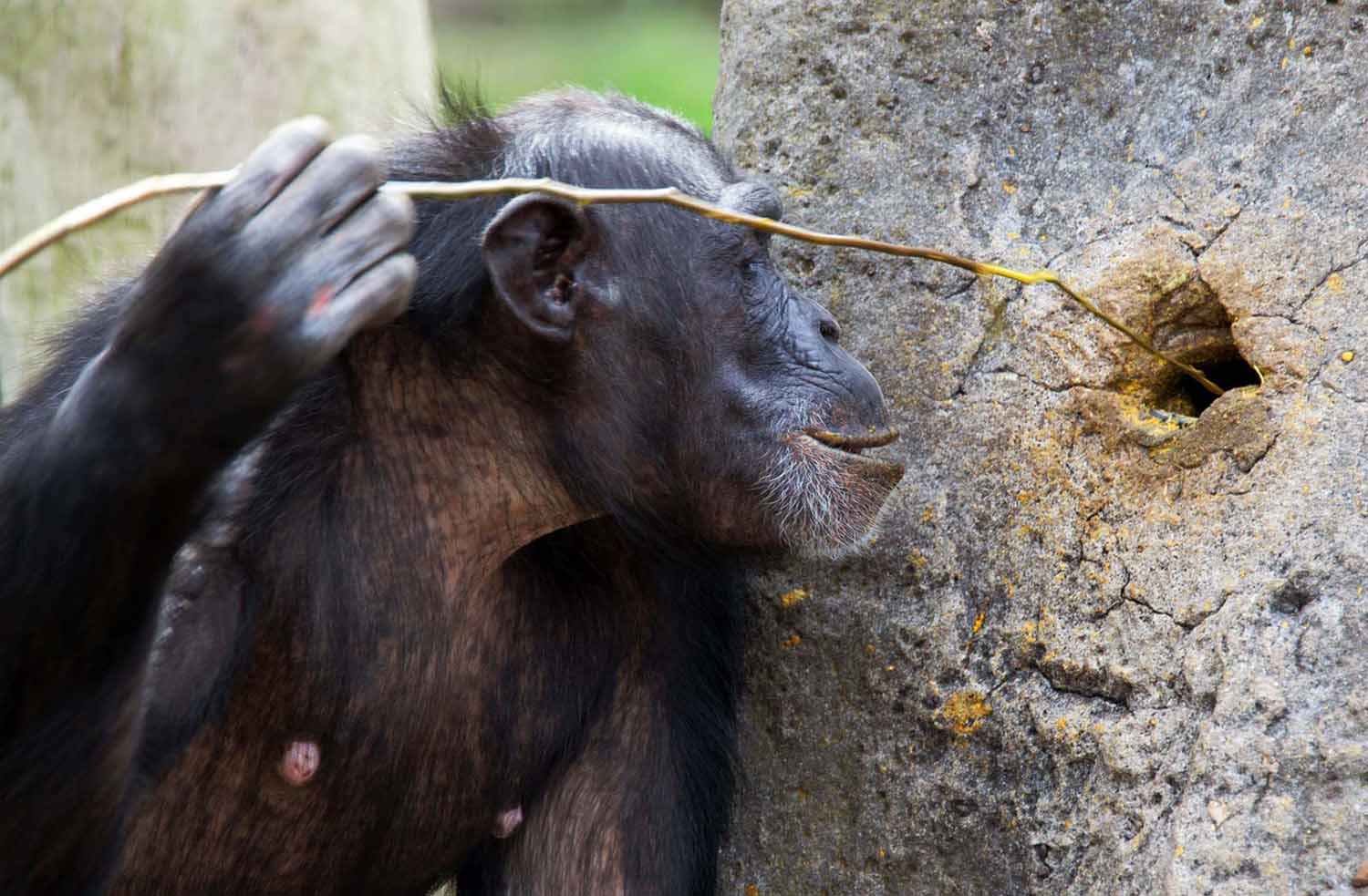
Goodall’s chimpanzee observations led to several discoveries. For example, she observed a chimpanzee named David Greybeard removing the leaves from a stick and then dipping the stick into a termite mound to capture the insects. This was the first time a scientist noted an animal using a tool. 

“The reason why this was so exciting was because, at that time, it was thought by Western science that only humans used and made tools,” Goodall once explained. Scientists have since observed several other animals using tools.

Goodall found that each chimpanzee had its own personality and that chimps have complex emotions. This observation surprised some scientists, but Goodall later said she wasn’t surprised because she had noticed complex emotions in her childhood dog, Rusty. 

“We all know that [dogs] can be happy, sad, fearful and that they’re highly intelligent,” she pointed out. Goodall’s discoveries led to a new understanding of chimpanzees and strengthened support for protecting their natural habitat. 

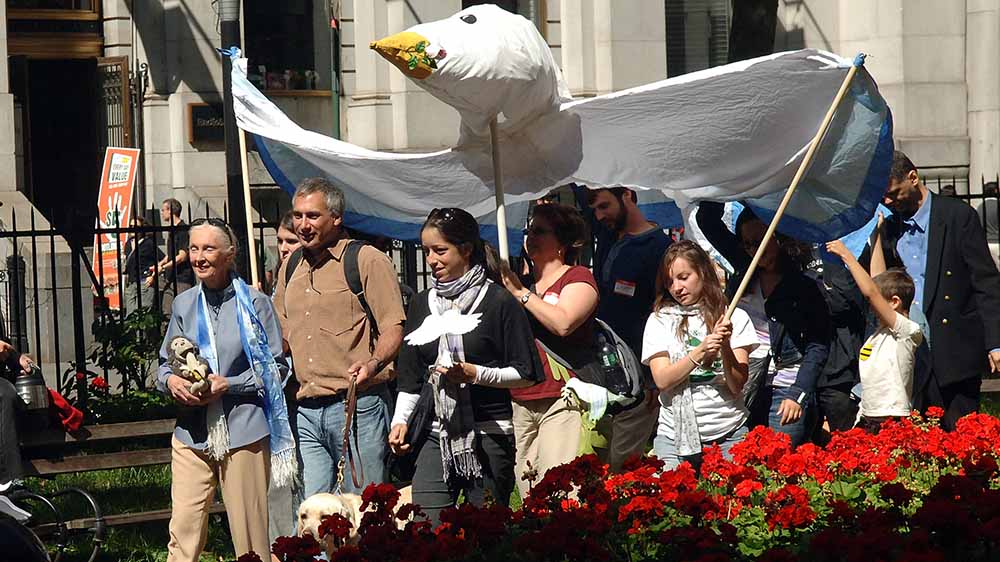
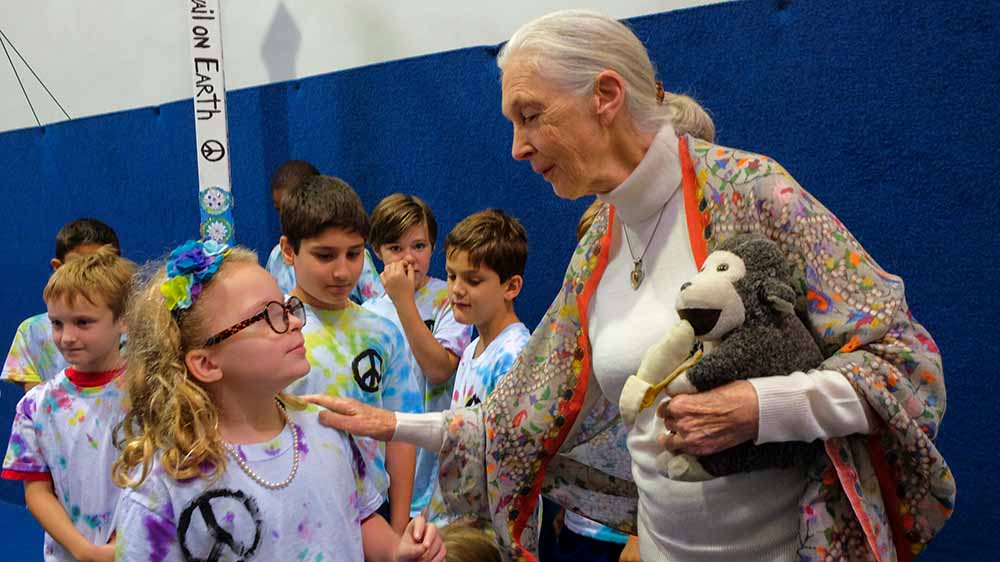
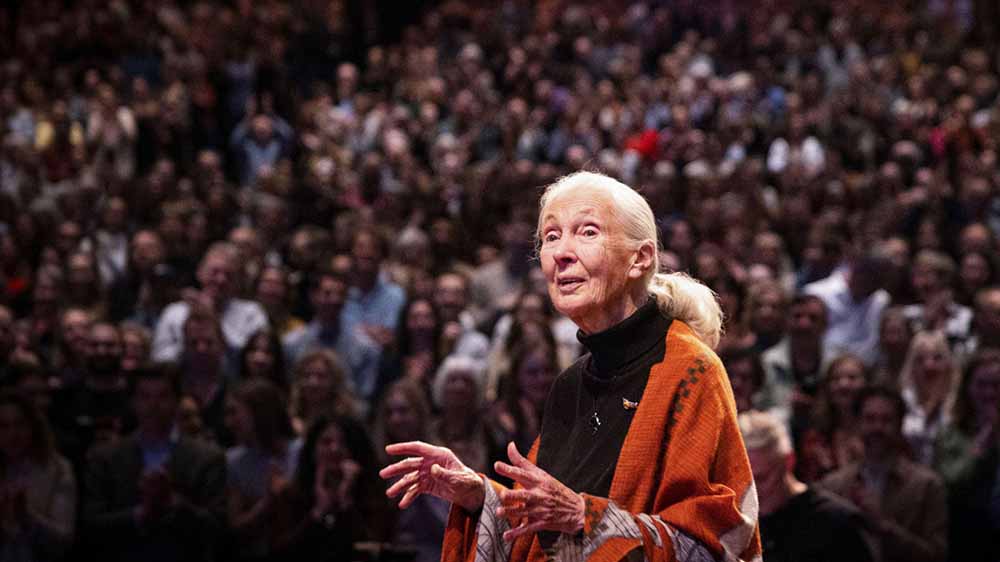
Goodall, who became world famous, was at the forefront of the animal welfare and conservation movements. She founded the Jane Goodall Institute in 1977 to help promote conservation and, until her death, traveled the globe to talk about the importance of protecting the natural world. 

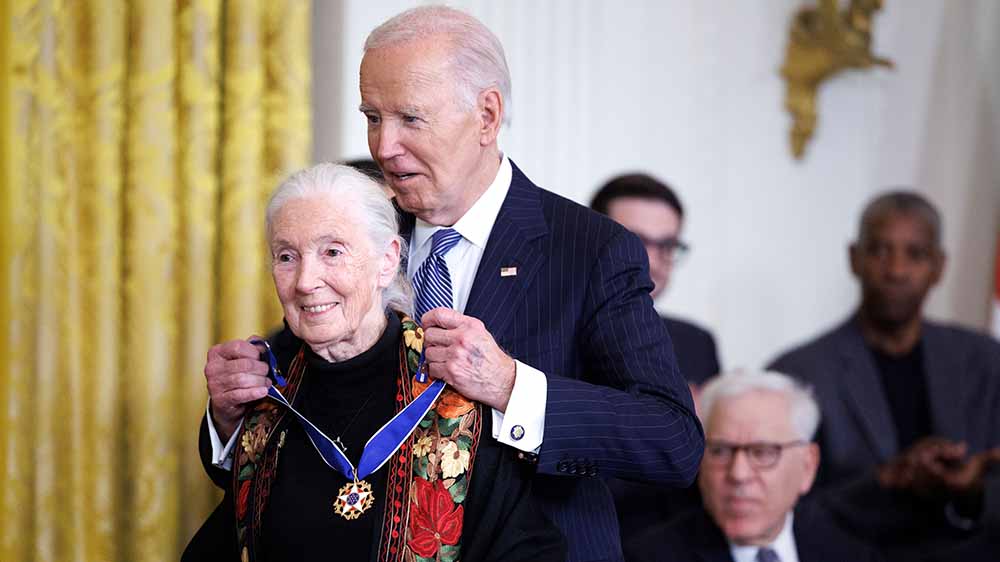
Goodall’s tireless work for the planet and all living things made her a hero to people of all ages. After her death, tributes poured in from scientists, politicians, actors, and many more. 

“Jane Goodall was the first to prove that an investigating scientist and a great ape living in the wild could become true friends,” said British scientist and broadcaster David Attenborough. “In doing so, she came to transform our understanding of chimpanzees.”

“Goodall’s legacy is not only in science but in the global movement she helped spark to protect nature and give hope for a better world,” said Will McCallum, co-executive director of the environmental group Greenpeace.

Click through the slideshow for photos from Jane Goodall’s life and career.

© Hugo van Lawick/the Jane Goodall Institute, © CSU Archives—Everett Collection/Alamy, © Penelope Breese—Liaison/Hulton Archive/Getty Images, © Duffy-Marie Arnoult—WireImage/Getty Images, © Jahi Chikwendiu—The Washington Post/Getty Images, © Ramon Van Flyman/Alamy, © Tom Brenner/Getty Images

NEWS EXTRA

Celebrate Diwali!

A woman and a young girl smile at the camera while surrounded by fireworks outdoors at night.

© Satish Bate—Hindustan Times/Getty Images

The five-day festival called Diwali (or Divali) is observed each year in October or November. In 2025, Diwali falls between October 18–22.

Diwali originated in India and is part of the Hindu, Sikh, and Jain religions, though it’s also observed by some Muslims and Buddhists. Diwali is observed differently in each religion. In Hinduism, for example, the holiday honors Lakshmi, the goddess of wealth. Homes are decorated with lights to invite Lakshmi’s presence and bring prosperity.

In general, Diwali is a celebration of the triumph of light over darkness, or good over evil. People celebrate by feasting, eating sweets, exchanging gifts, and cleaning their homes. Though Diwali lasts for five days, the main celebration takes place on October 20.

Did You Know?

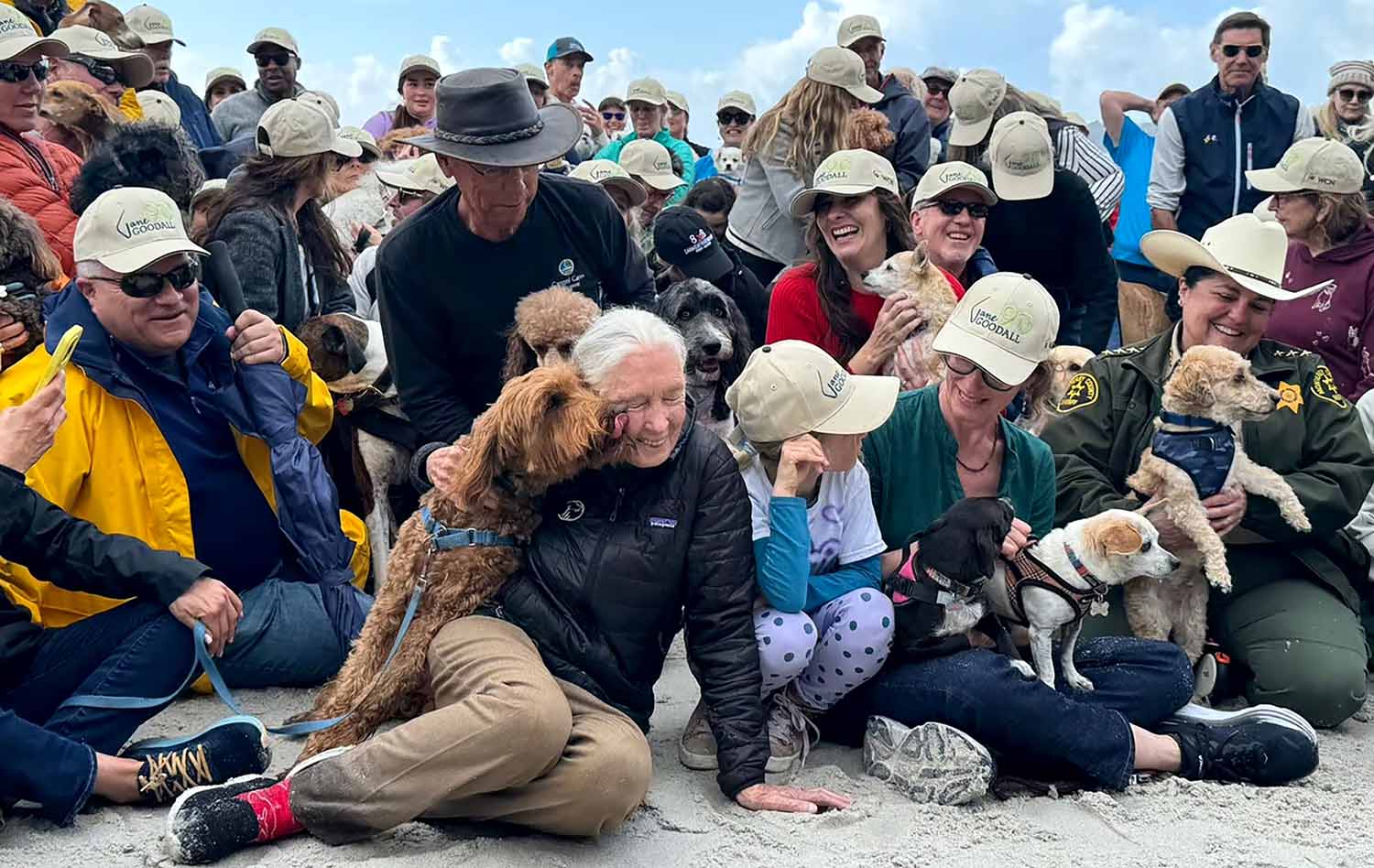
Although Jane Goodall was famous for her study of chimpanzees, she said dogs were her favorite animal. At her 90th birthday party, in 2024, there were 90 dogs on the guest list!

Jane Goodall is licked by a dog as she sits on a beach to pose for a photo along with many other people and their dogs.

© Greg Smith—The Leakey Foundation

What Jane Goodall Taught Us

A chimpanzee has put a stick into a hole in a termite mound.

© Mark Higgins/Dreamstime.com

A chimpanzee uses a stick to get insects from inside a termite mound.

Jane Goodall made several important discoveries about chimpanzees. Her findings helped expand our understanding of primates, including humans, who are closely related to chimps. Here’s just some of what Goodall learned:

  • Goodall observed chimpanzees using tools. At the time, scientists thought only humans used tools. 
  • Goodall observed chimpanzees eating meat. Scientists had once thought chimps ate only plants.
  • Goodall noted that chimpanzees had different personalities, just like humans. Some of the chimps she observed were generally mild-mannered, while others had short tempers. 
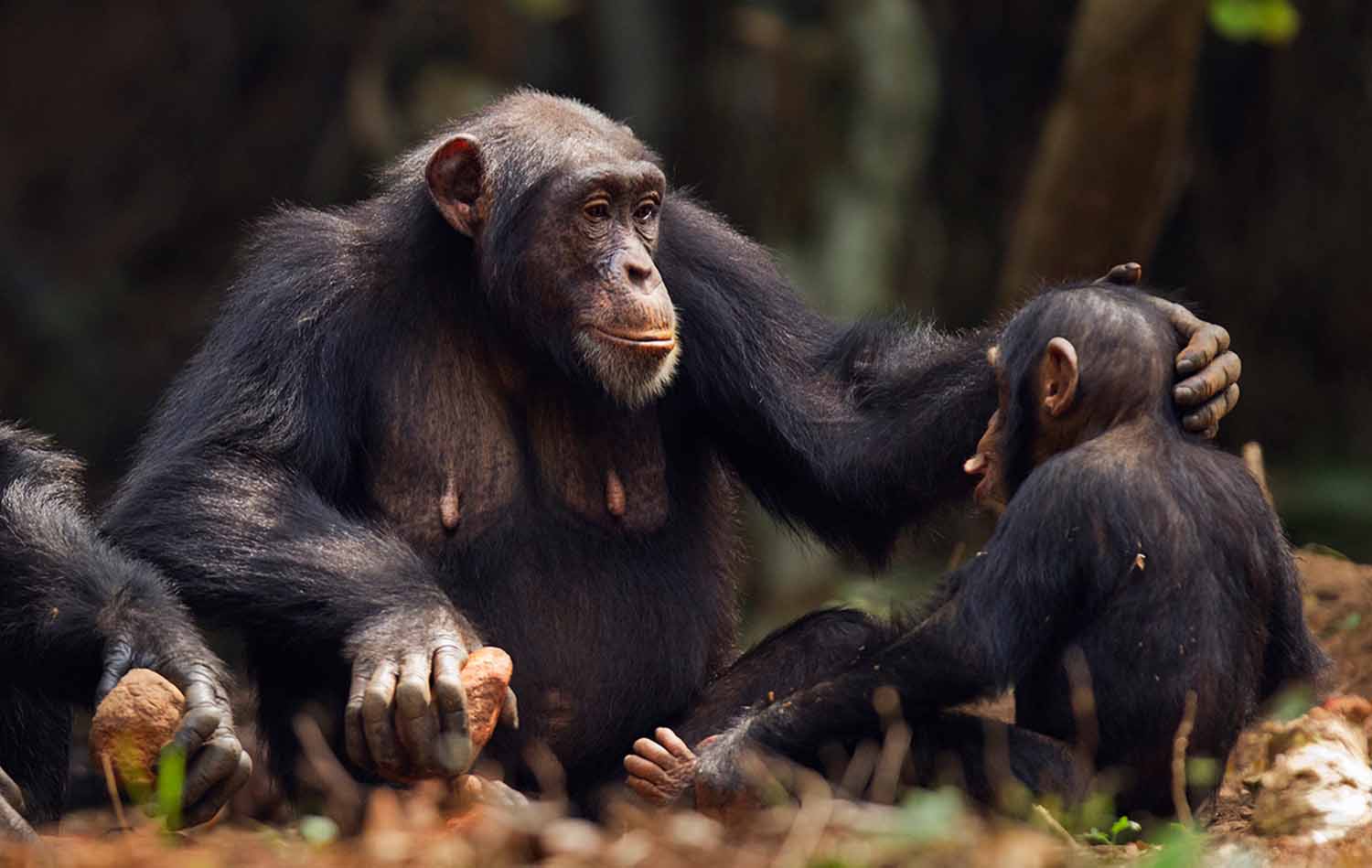
  • Goodall observed chimpanzee mothers gradually introducing their babies to social situations. This led to a greater understanding of the role parents play as children learn. 
  • Goodall observed acts of kindness among chimpanzees. She noted that chimps hug each other to provide comfort. Adult chimps also adopt chimps whose mothers have died. 

More About Chimpanzees!

An adult chimpanzee sits on the ground and caresses a baby chimpanzee, also seated.

© Anup Shah—Stone/Getty Images

Jane Goodall’s discoveries revealed that chimpanzees are far more complicated than scientists previously understood. You can learn more about chimpanzees at Britannica.

WORD OF THE DAY

delve

PART OF SPEECH:

verb

Definition:

: to search for information about something

Definitions provided by
Merriam-Webster Logo

Word Flower

O
O
O
O
O
O

In Case You Missed It

Figure skater Alysa Liu felt happy and confident at the 2026 Olympics. She skated off with a gold medal!
March 5, 2026
An all-women ranger team protects endangered animals on the Indonesian island of Sumatra.
February 26, 2026
Nima Rinji is showing the world the powerful spirit of the Sherpa people as he climbs the world’s tallest mountains.
February 19, 2026
Life wouldn’t be as fun without the work of these three inventors.
February 12, 2026