Remembering a Hero

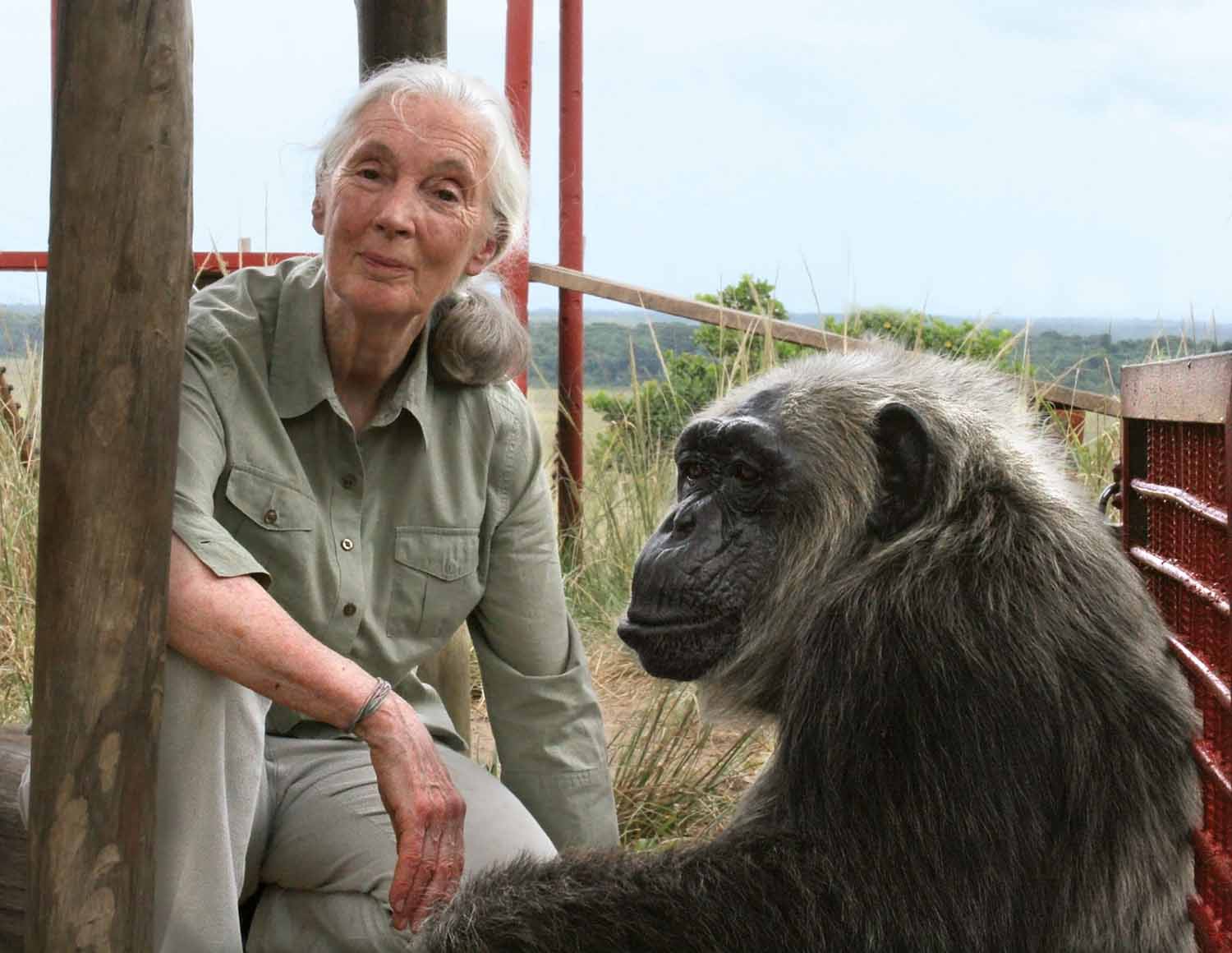
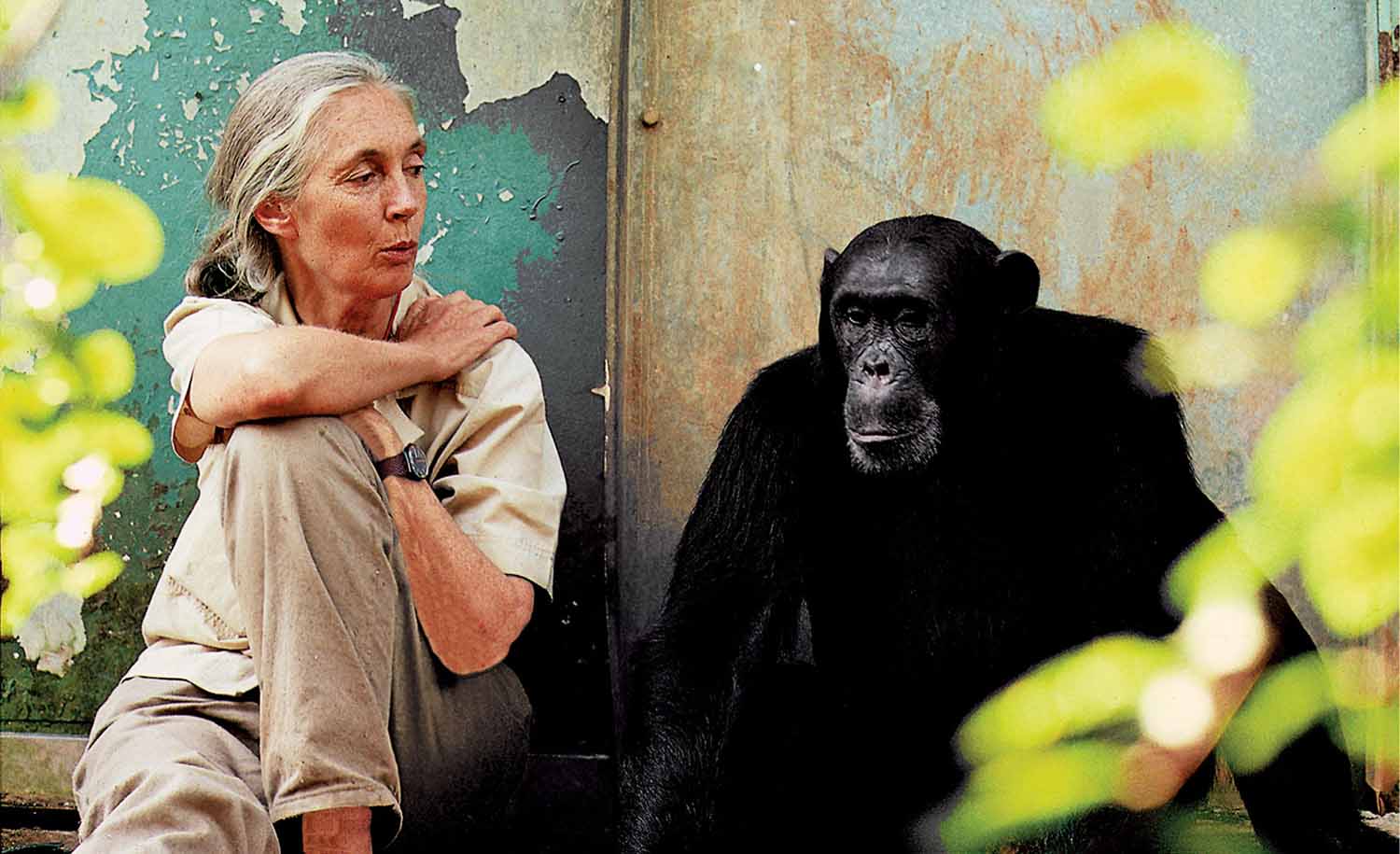
An older Jane Goodall poses for the camera while sitting next to a chimpanzee.

Remembering a Hero

Jane Goodall was a champion for animals and a hero to people around the world.

An older Jane Goodall poses for the camera while sitting next to a chimpanzee.

© Fernando Turmo/the Jane Goodall Institute

Jane Goodall sits with a chimpanzee named La Vieille in 2012.

Famed scientist Jane Goodall has died. She was 91. Goodall was best known for her groundbreaking discoveries about chimpanzee behavior, but she dedicated much of her career to causes like environmentalism and animal welfare.

Goodall first observed wild animals and took notes about them as a child in England. It wasn’t long before she decided on a career in animal behavior. In 1960, when Goodall was 26, she was hired by the scientist Louis Leakey to study wild chimpanzees in what is now the African nation of Tanzania. 

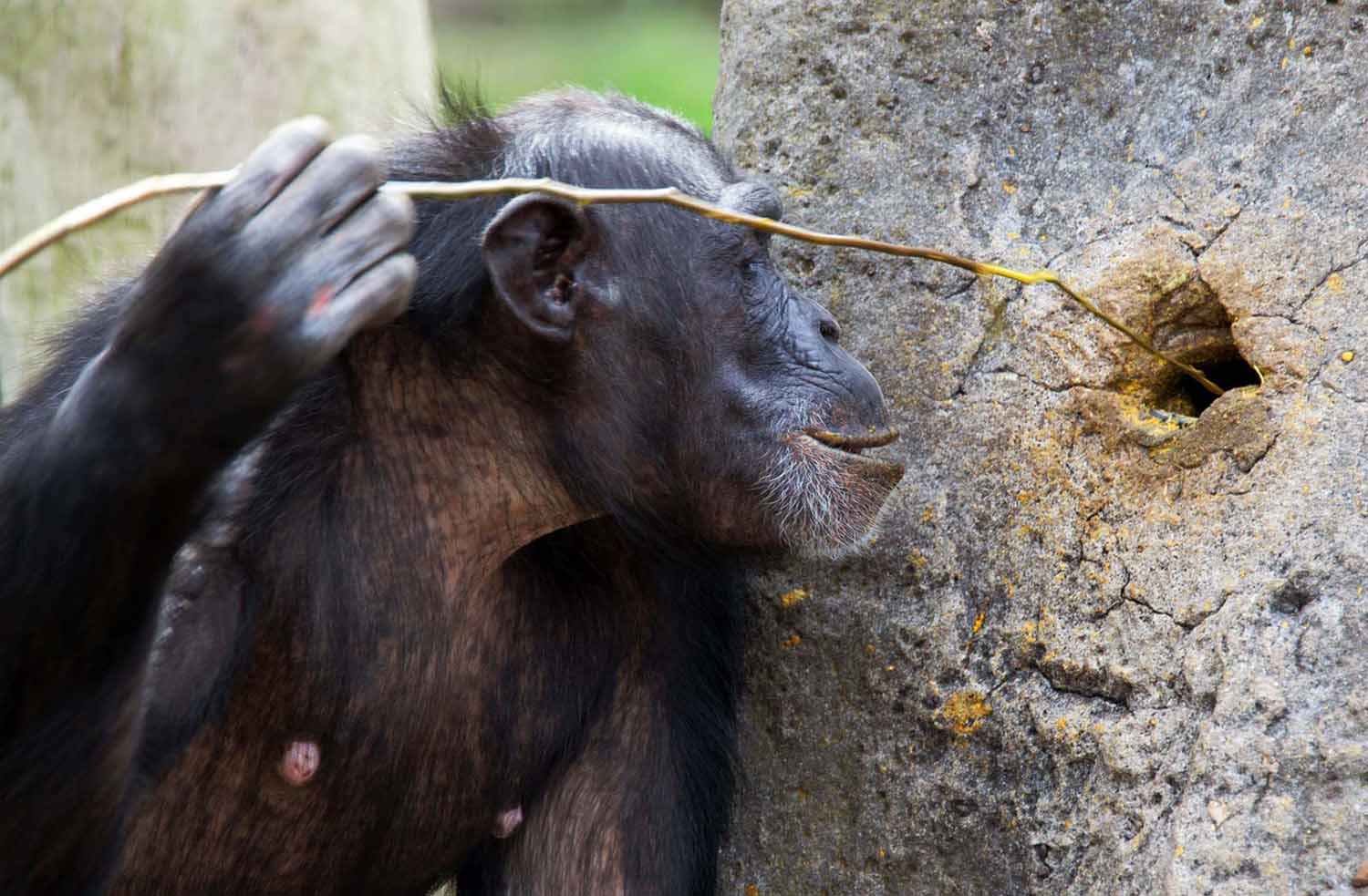
Goodall’s chimpanzee observations led to several discoveries. For example, she observed a chimpanzee named David Greybeard removing the leaves from a stick and then dipping the stick into a termite mound to capture the insects. This was the first time a scientist noted an animal using a tool. 

“The reason why this was so exciting was because, at that time, it was thought by Western science that only humans used and made tools,” Goodall once explained. Scientists have since observed several other animals using tools.

Goodall found that each chimpanzee had its own personality. She also learned that chimps have complex emotions. This observation surprised some scientists, but not Goodall. She later said she expected chimps to have complex emotions because her childhood dog, Rusty, had them too.

“We all know that [dogs] can be happy, sad, fearful and that they’re highly intelligent,” she pointed out. Goodall’s discoveries led to a new understanding of chimpanzees. Support grew for protecting the forests and grasslands where chimps live.

Goodall became world famous. She used that fame to speak out in support of animal welfare and conservation. In 1977, Goodall founded the Jane Goodall Institute to help promote conservation. And until her death, she traveled the globe to talk about the importance of protecting the natural world. 

Goodall’s tireless work for the planet and all living things made her a hero to people of all ages. After her death, tributes poured in from scientists, politicians, actors, and many more. 

“Jane Goodall was the first to prove that an investigating scientist and a great ape living in the wild could become true friends,” said British scientist David Attenborough. “In doing so, she came to [change] our understanding of chimpanzees.”

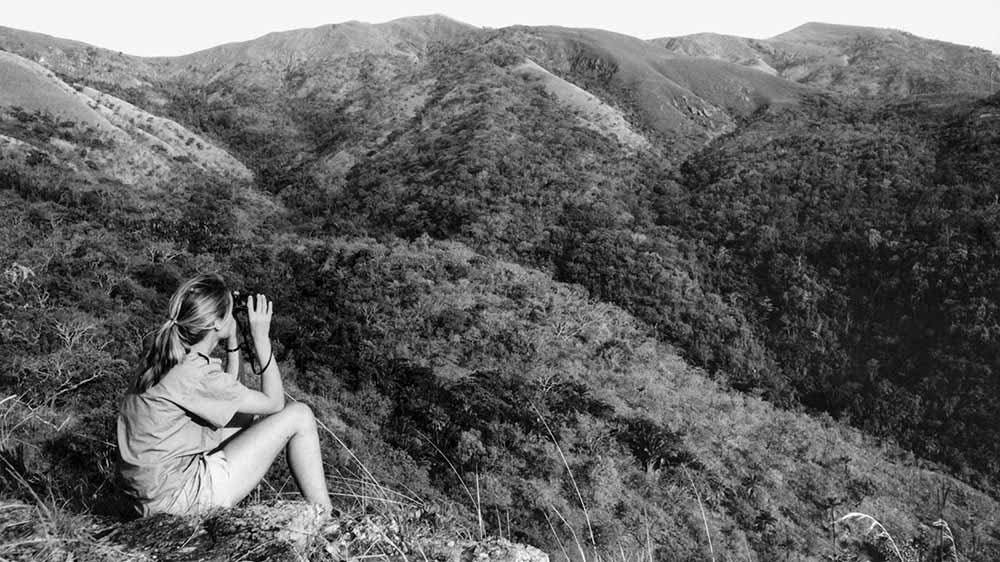
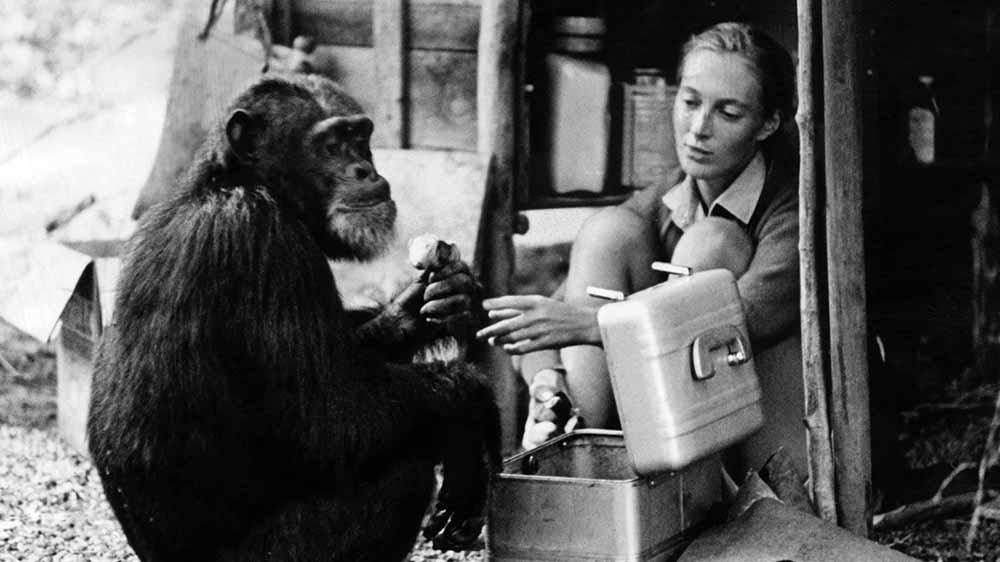
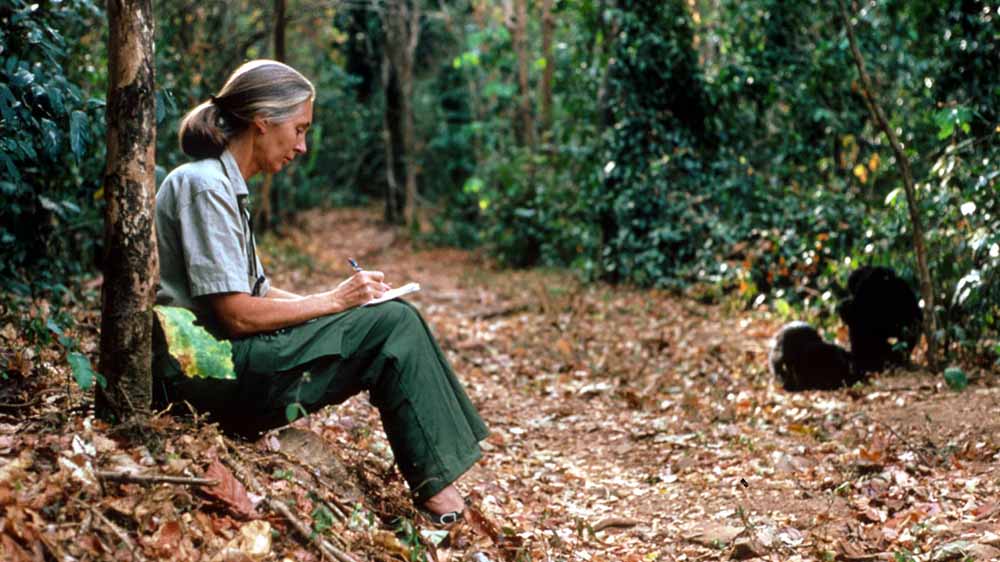
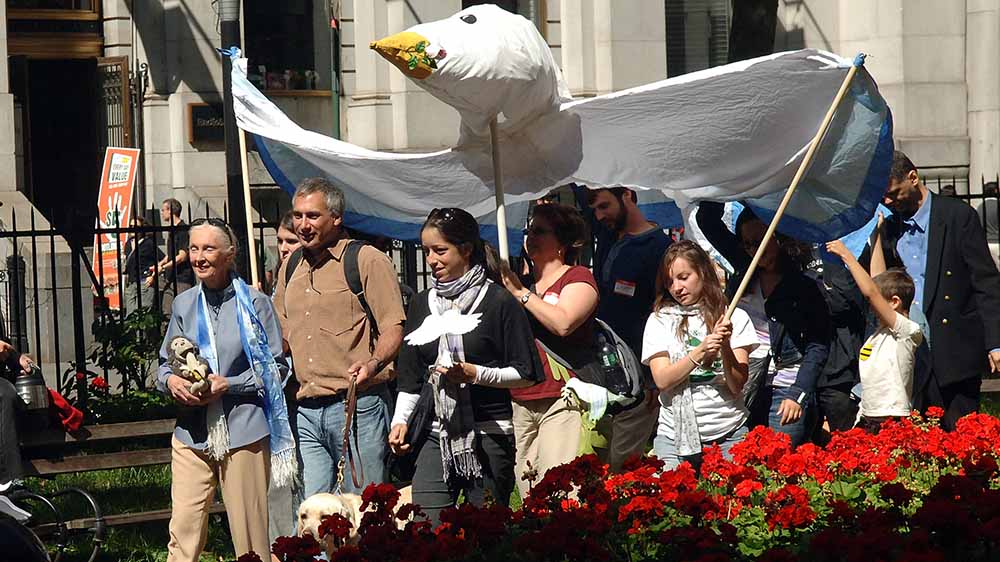
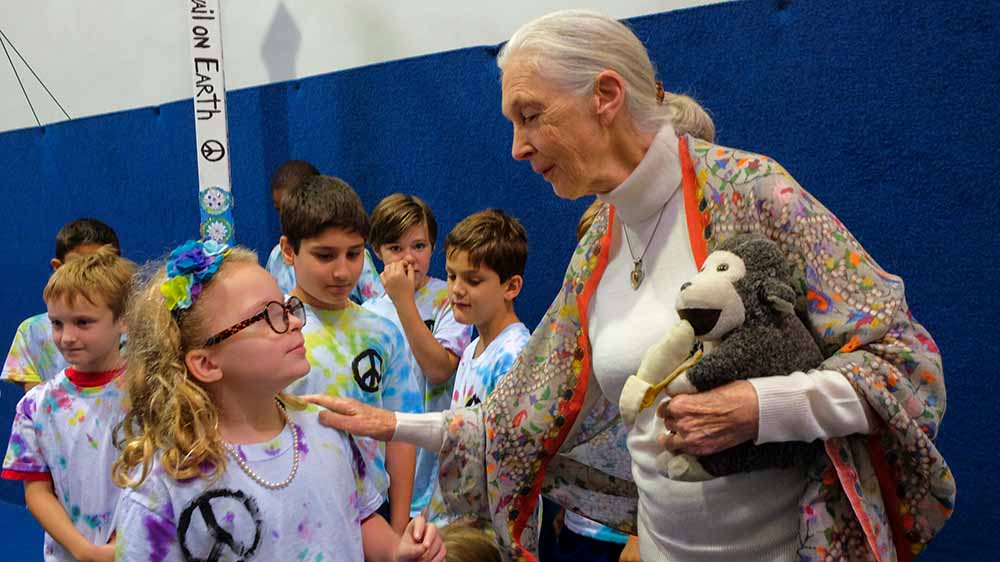
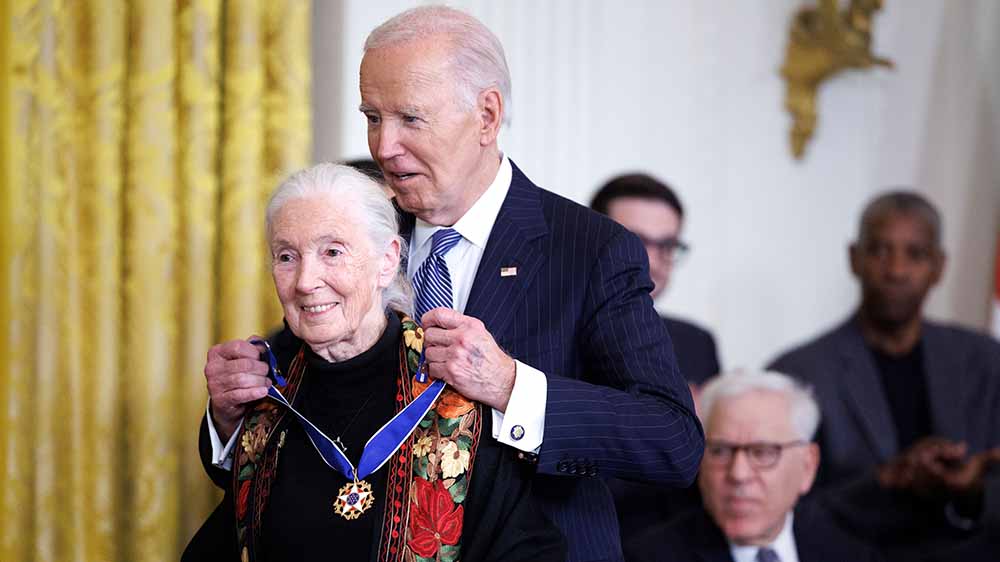
Click through the slideshow for photos from Jane Goodall’s life and career.

© Hugo van Lawick/the Jane Goodall Institute, © CSU Archives—Everett Collection/Alamy, © Penelope Breese—Liaison/Hulton Archive/Getty Images, © Duffy-Marie Arnoult—WireImage/Getty Images, © Jahi Chikwendiu—The Washington Post/Getty Images, © Ramon Van Flyman/Alamy, © Tom Brenner/Getty Images

NEWS EXTRA

Celebrate Diwali!

A woman and a young girl smile at the camera while surrounded by fireworks outdoors at night.

© Satish Bate—Hindustan Times/Getty Images

The five-day festival called Diwali (or Divali) is observed each year in October or November. In 2025, Diwali falls between October 18–22.
Diwali originated in India and is part of the Hindu, Sikh, and Jain religions, though it’s also observed by some Muslims and Buddhists. Diwali is observed differently in each religion. In Hinduism, for example, the holiday honors Lakshmi, the goddess of wealth. Homes are decorated with lights to invite Lakshmi’s presence and bring good fortune.

In general, Diwali is a celebration of the victory of light over darkness, or good over evil. People celebrate by feasting, eating sweets, exchanging gifts, and cleaning their homes. Though Diwali lasts for five days, the main celebration takes place on October 20.

Face Thinking Icon

Did You Know?

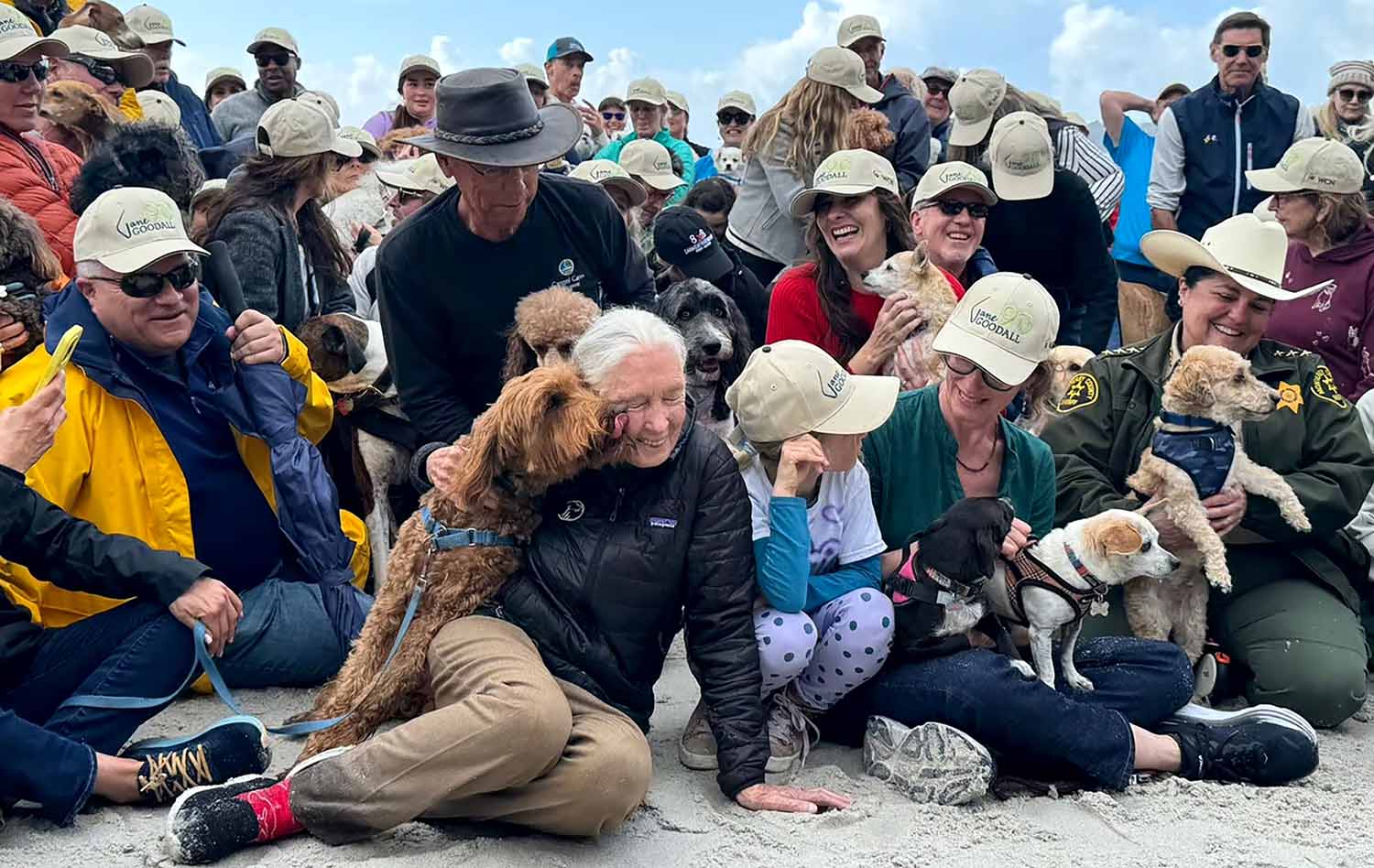
Jane Goodall said dogs were her favorite animal. At her 90th birthday party, in 2024, there were 90 dogs on the guest list!

Jane Goodall is licked by a dog as she sits on a beach to pose for a photo along with many other people and their dogs.

© Greg Smith—The Leakey Foundation

What Jane Goodall Taught Us

A chimpanzee has put a stick into a hole in a termite mound.

© Mark Higgins/Dreamstime.com

A chimpanzee uses a stick to get insects from inside a termite mound.

Jane Goodall made several important discoveries about chimpanzees. Here’s just some of what Goodall learned:

  • Goodall observed chimpanzees using tools. At the time, scientists thought only humans used tools. 
  • Goodall observed chimpanzees eating meat. Scientists had once thought chimps ate only plants.
  • Goodall noted that chimpanzees had different personalities, just like humans. 
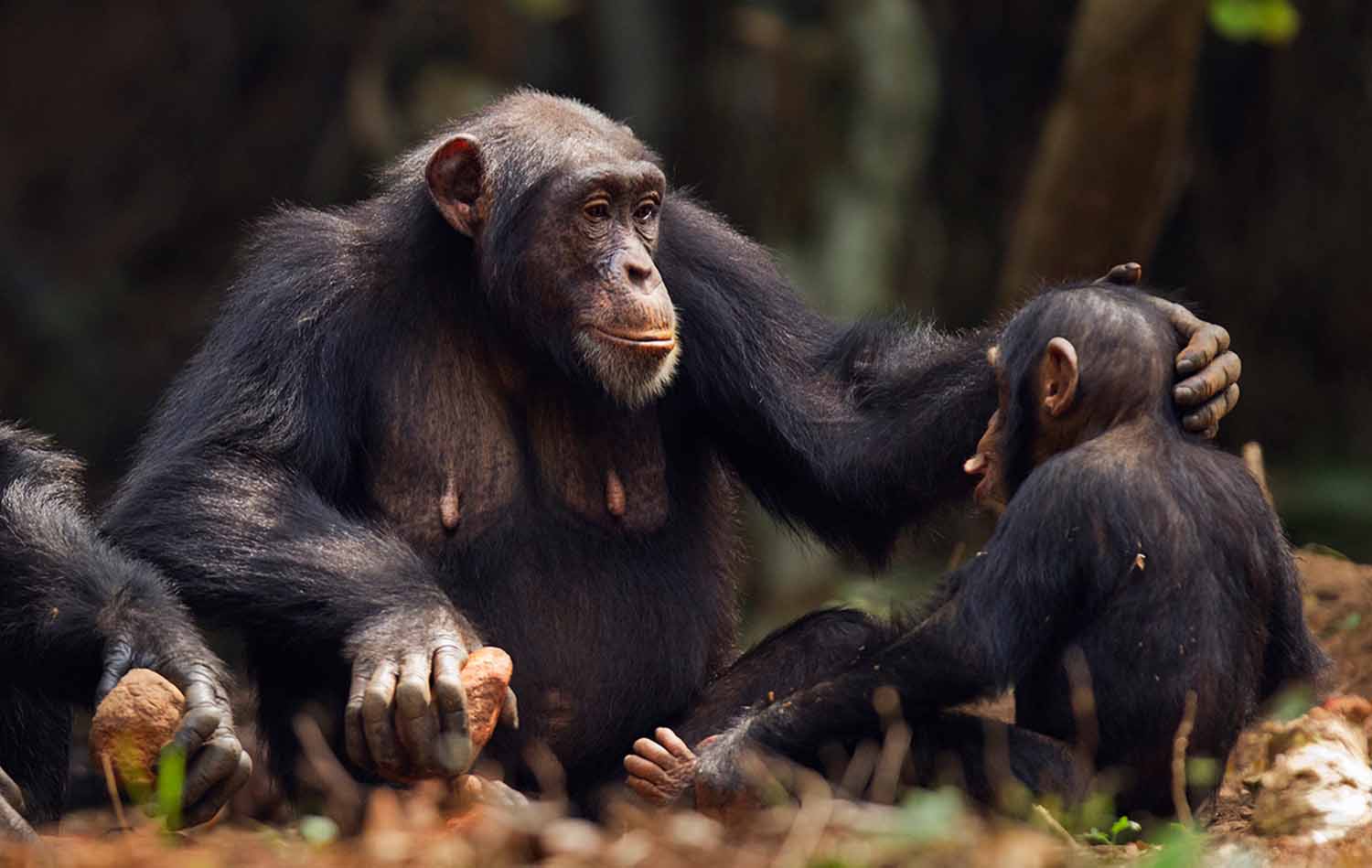
  • Goodall observed chimpanzee mothers gradually introducing their babies to new situations. This led to a greater understanding of how parents help children learn. 
  • Goodall observed chimpanzees being kind to each other. She noted that chimps hug each other to provide comfort. Adult chimps also adopt chimps whose mothers have died. 
More About Chimpanzees!

An adult chimpanzee sits on the ground and caresses a baby chimpanzee, also seated.

© Anup Shah—Stone/Getty Images

Jane Goodall’s studies revealed a lot about chimpanzees—and other scientists have since added to what we know about these animals. You can learn more about chimpanzees at Britannica.

Word of the Day Icon

Word of the Day

complex

Part of speech:

adjective

Definition:

: not easy to understand or explain : not simple

Definitions provided by
Merriam-Webster Logo
Game Icon

Play

Word Flower

.

In Case You Missed It

Taryn Smith is the first American woman to row solo across the Atlantic Ocean.
March 5, 2026
A powerful waterfall doesn’t easily freeze, but this winter has been especially cold!
March 3, 2026
For Women’s History Month, we’re honoring two women who inspired many others to take to the skies.
February 26, 2026
Baseball player Ron Teasley has died. Teasley was one of the last living athletes to play in the Negro Leagues.
February 24, 2026

Why We Share Cute Photos

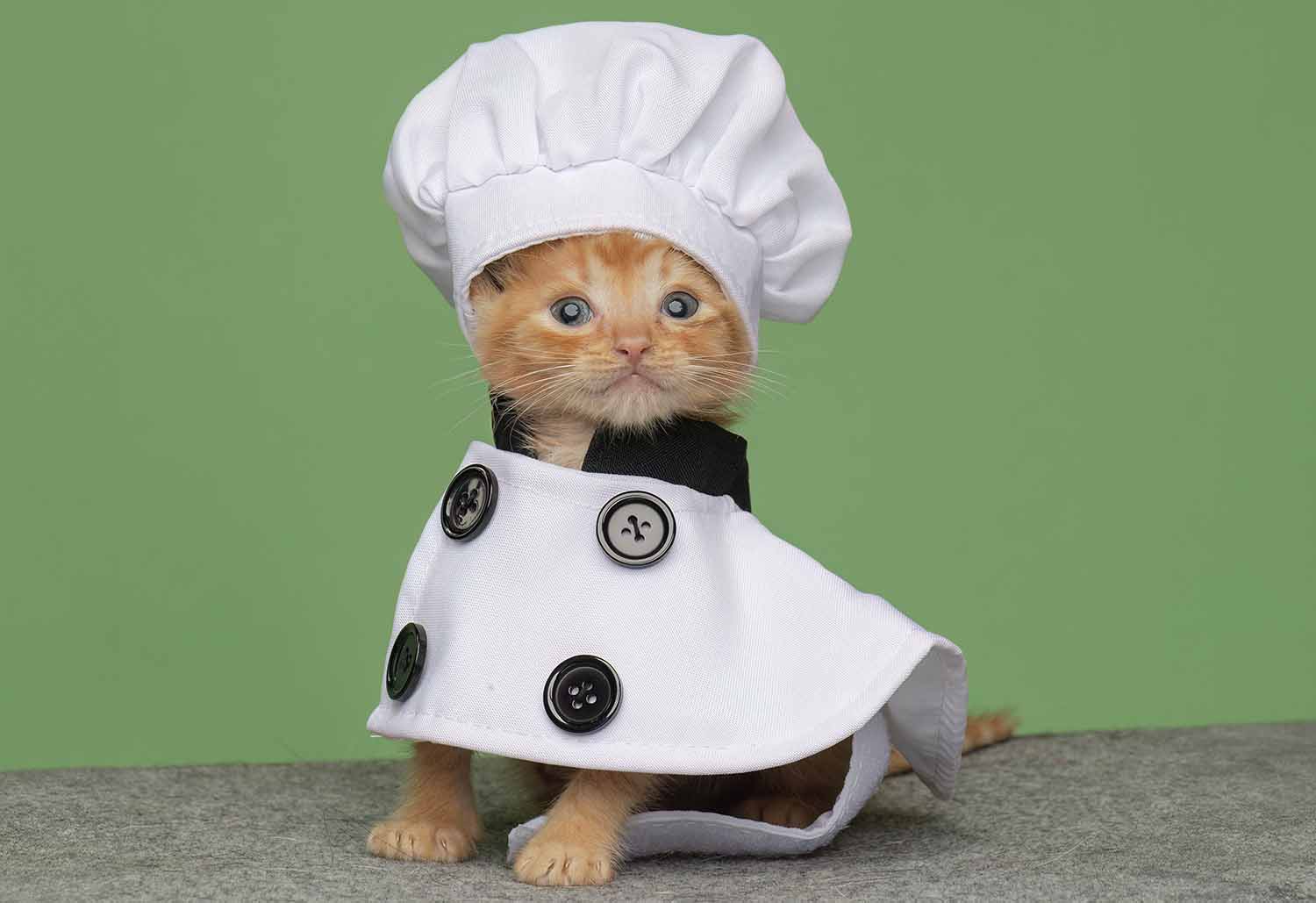
An orange kitten dressed up in a chef’s coat and hat, seated against a green background.

Why We Share Cute Photos

Who doesn’t love to share adorable animal photos? Scientists say there’s a reason why we love to share the images we think are cute.

An orange kitten dressed up in a chef’s coat and hat, seated against a green background.

© Annmarie Young Photography—Moment/Getty Images

Have you ever shared a cute photo of an animal with a friend? In a new study, scientists looked at why people love to exchange images of adorable creatures. They found that when it comes to cute animals, sharing is caring.

Scientists from Concordia University and ESSEC Business School interviewed animal content creators—people who post and share photos of animals online—and asked them why they posted the photos. The scientists also interviewed people who love to look at these photos. This group was asked what kind of animal images they liked, how the images made them feel, and whether they shared the images with other people.

The scientists found that people share animal photos with friends and loved ones because they think the pictures are cute or funny. But that’s not all. It turns out that sharing photos is a way to bond with, or feel closer to, other people.

The scientists say cute photos make us feel positive emotions we hope our friends will feel when we share the photos with them. In other words, we want to make our friends feel good.

The scientists also discovered that people put a lot of thought into which photos they share, and who they share them with. Sharing a certain photo with a particular friend means you’re thinking of what that friend would like and showing how well you know and care about that friend. It’s as if you’ve picked out the perfect gift.

Photos are also shared to remind the other person of shared experiences or emotions. For example, someone might send a photo of two jumping dogs with the message, “Remember when we went to the trampoline park?” 

In many ways, sharing cute animal photos is a great way to say you care. It’s also a lot of fun.

Face Thinking Icon

Did You Know?

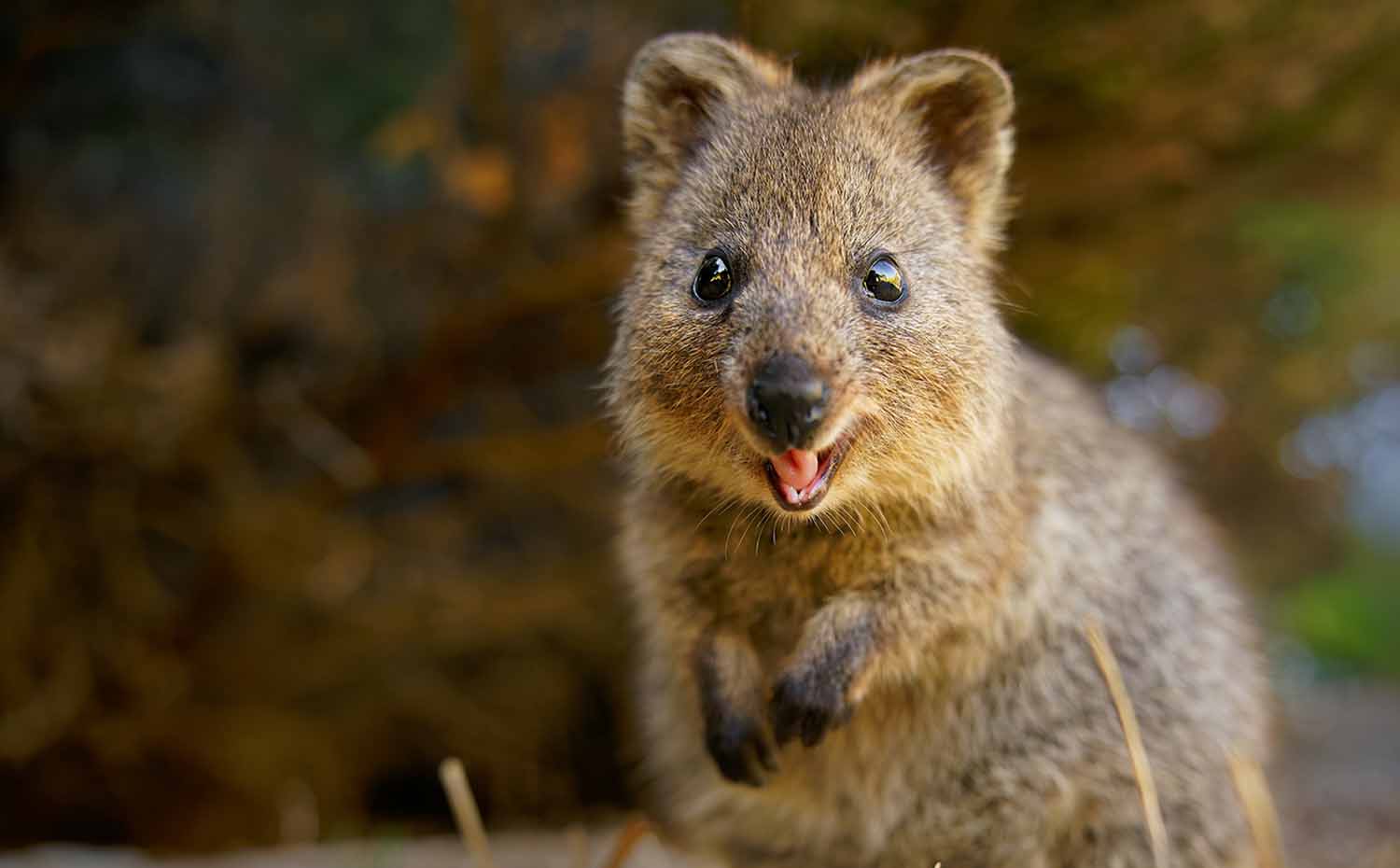
Say cheese! Some people believe the quokka is the happiest animal in the world because it looks like it’s smiling.

A quokka is looking into the camera and seems to be smiling.

© phototrip—iStock/Getty Images

Cuteness Is Always in Style

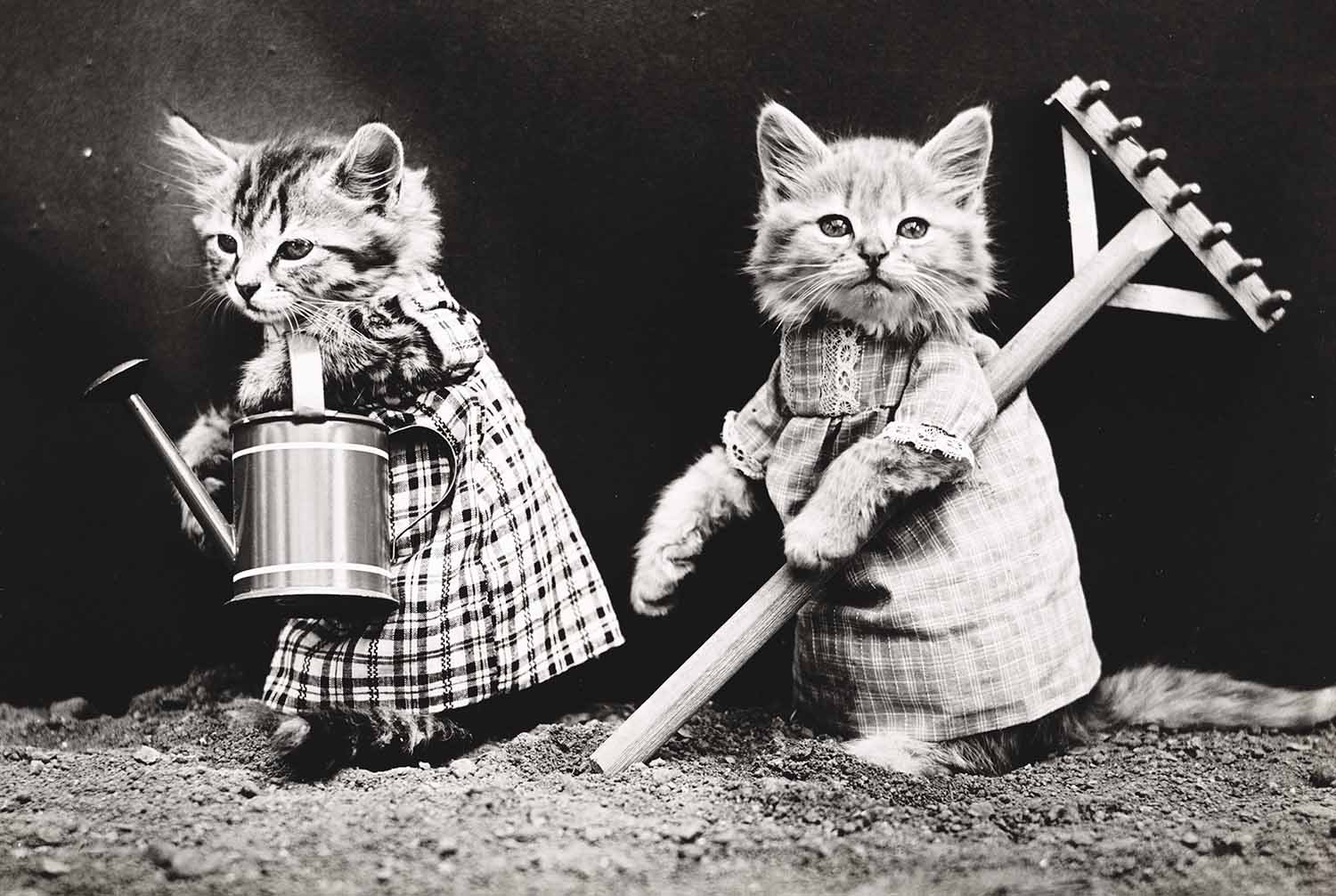
Two kittens are wearing tiny dresses. One holds a small watering can and the other holds a small rake.

Library of Congress, Washington, D.C.; Harry Whittier Frees (neg. no. LC-DIG-ds-04045)

Harry Whittier Frees took this photo, which he called Planting Time, in the early 1900s.

Did people take cute critter photos 100 years ago? Yes! In fact, people started taking photos of animals in the very early days of photography, and it didn’t take long before some photographers started trying to make them look as loveable as possible.

The first known photograph of an animal was taken in the 1840s, soon after the invention of photography. The picture, which showed cattle (cows) in a farmyard, wasn’t particularly cute. 

But in the 1870s, an Englishman named Harry Pointer decided the world needed to see how adorable his cats were and started taking photos of them. Of course Pointer didn’t want his cat models to just sit there. In one photo, a cat is holding a pen in its paws, “writing” the ABCs. Another photo shows a cat next to a violin with its paw on the bow, as if it’s playing the instrument. 

In the early 1900s, American photographer Harry Whittier Frees took a photo of a cat wearing a birthday hat and decided to make more silly photos. Frees put cats and dogs in funny poses and even dressed them in costumes before taking their photos. 

There was no Internet when Frees was alive, but people loved and shared his animal pics by sending them through the mail as postcards. (A postcard is a card with a photo on one side and space for a written message on the other side.)

Creature Feature

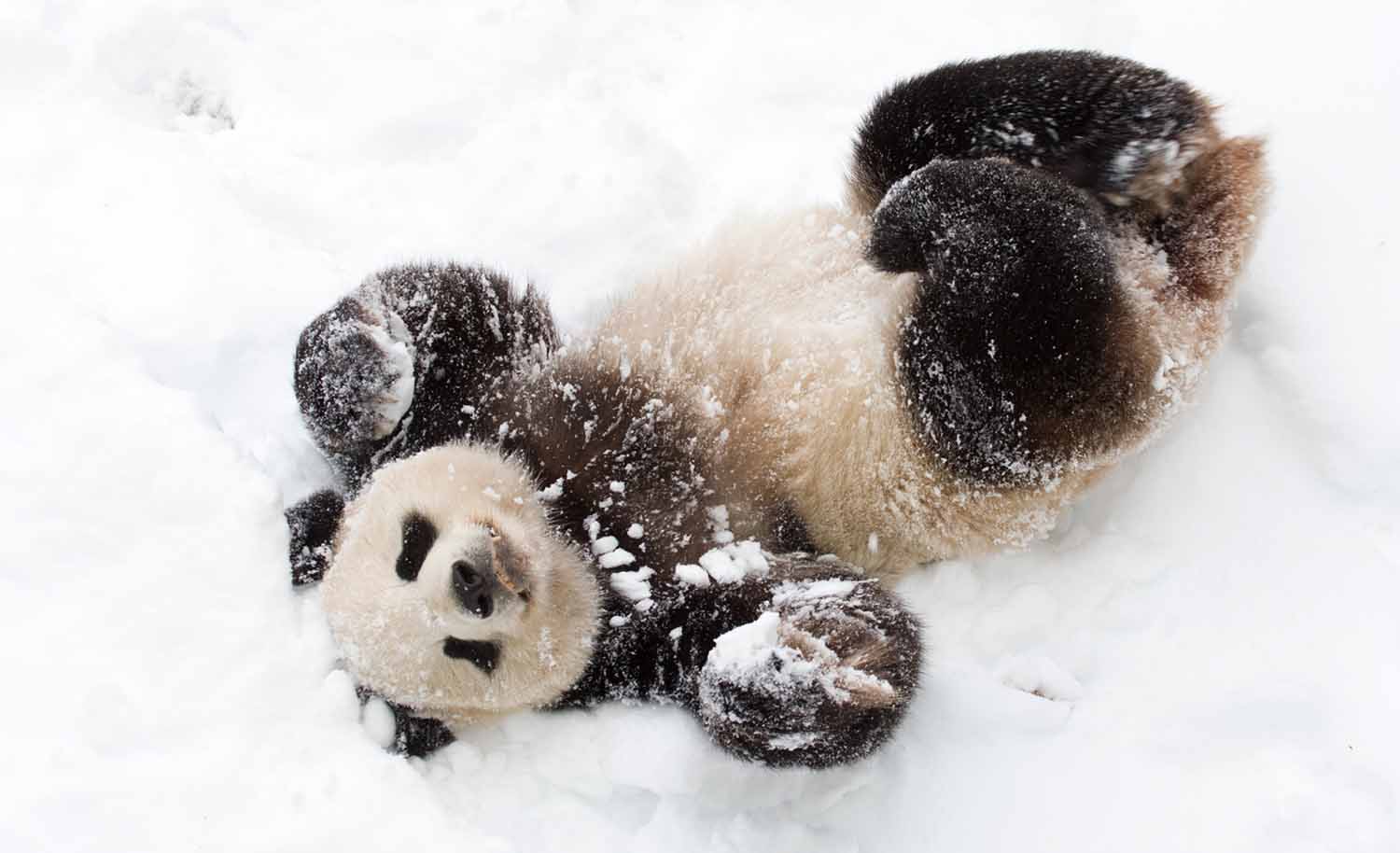
A giant panda is on his back in a bed of snow.

© Smithsonian’s National Zoo and Conservation Biology Institute

There are huge differences among animals. Even bear species differ greatly in terms of their habitats and diets.

What makes an animal an animal? How is an animal different from a plant? You can find tons of information about animals at Britannica!

Word of the Day Icon

Word of the Day

photogenic

Part of speech:

adjective

Definition:

: tending to look good in photographs

Definitions provided by
Merriam-Webster Logo
Game Icon

Play

Word Search

.

In Case You Missed It

Taryn Smith is the first American woman to row solo across the Atlantic Ocean.
March 5, 2026
A powerful waterfall doesn’t easily freeze, but this winter has been especially cold!
March 3, 2026
For Women’s History Month, we’re honoring two women who inspired many others to take to the skies.
February 26, 2026
Baseball player Ron Teasley has died. Teasley was one of the last living athletes to play in the Negro Leagues.
February 24, 2026

How Many Planets Are There?

An artist rendition of various exoplanets, which appear to be different colors and sizes, arranged in rows.

How Many Planets Are There?

The U.S. space agency NASA recently announced that 6,000 planets have been found outside our solar system.

An artist rendition of various exoplanets, which appear to be different colors and sizes, arranged in rows.

NASA/Goddard Space Flight Center

An artist created this image of some of the exoplanets that have been discovered so far.

Eight planets orbit the Sun, but how many planets are orbiting other stars? The U.S. space agency NASA recently announced that 6,000 planets have been identified outside our solar system, with many more discoveries on the horizon.

Scientists first identified an exoplanet (a planet outside our solar system) in 1995—just 30 years ago. Since then, improved technology has enabled them to find planets faster than ever. In fact, just three years ago, the total number of confirmed exoplanets was 5,000. Today, scientists are studying 8,000 more space objects that they believe to be exoplanets. And the hunt for planets is far from over. NASA says it’s likely there are billions of planets in our galaxy alone!

An illustration shows several different telescopes on Earth and in space.

NASA/JPL-Caltech

This image shows some of the telescopes that have been used to find exoplanets. The telescopes are operated by different organizations, including NASA, the European Space Agency, and the Canadian Space Agency.

But scientists are already learning a lot about planets by studying the ones they know about. For example, our own solar system includes four rocky planets, like Earth, and four gas planets, like Jupiter. But overall, it looks like there are more rocky planets than gas planets in the galaxy. 

By studying planets and their traits, scientists may be able to determine whether there’s life on other planets. Planets that are similar to Earth are most likely to be able to support living things. 

“Each of the different types of planets we discover gives us information about the conditions under which planets can form,” said Dawn Gelino, head of NASA’s Exoplanet Exploration Program, in a statement. Gelino said NASA wants to find out “how common planets like Earth might be and where we should be looking for them. If we want to find out if we’re alone in the universe, all of this knowledge is essential.”

NEWS EXTRA

Indigenous Peoples’ Day

October 13 is Indigenous Peoples’ Day in the United States. It’s a day to honor the history, the resilience, and the many cultures and traditions of Indigenous peoples. (In the United States, Indigenous peoples are also called American Indians or Native Americans.) 

Indigenous Peoples’ Day is the second Monday in October, the same day as Columbus Day, which has been a federal holiday since 1937. One reason for this is to recognize that American Indians were in the Americas for thousands of years before Italian explorer Christopher Columbus landed there.

One way to observe Indigenous Peoples’ Day is to learn more about Indigenous peoples. There are hundreds of American Indian tribes in the United States. Each has its own history, culture, and traditions. So, where should the learning begin? One idea is to start where you live. If you’re in the United States, find out which Indigenous peoples live or lived where you now live and learn about their history. 

© Katie Landeck/The Providence Journal—USA Today Network/Imagn Images, © Joseph Prezioso—AFP/Getty Images, © Gerry Thomas—NHLI/Getty Images, U.S. Department of the Interior, © Terray Sylvester—VWPics/Alamy

Face Thinking Icon

Did You Know?

Scientists haven’t been able to study most exoplanets closely because starlight makes it hard to see them. But the Nancy Grace Roman Space Telescope (currently being built, as seen in the photo) will be able to block starlight, giving us a clearer view of many more planets in our galaxy.

People in coveralls and gloves work on a space telescope that is under construction.

Sydney Rohde/NASA

A Recipe for Life

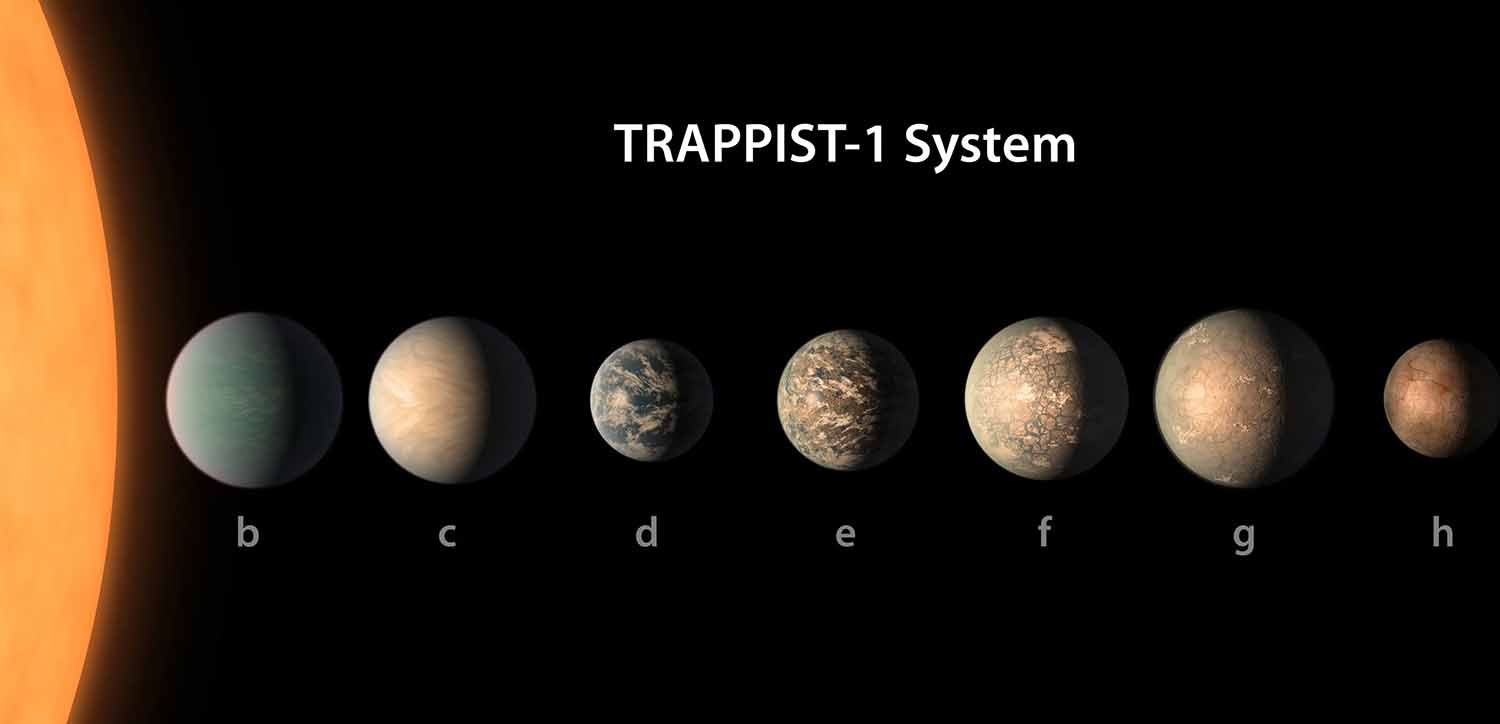
An illustration of the seven planets of the Trappist-1 solar system aligned next to their star.

NASA/JPL-Caltech

This image shows the solar system of a star called Trappist-1. Scientists believe that some of these planets may be able to support life.

Do you believe there is life on other planets? Scientists are hopeful that there is. But a planet needs certain traits to support life. 

  • It must be the right temperature. This means it can’t be too close or too far from its star.
  • It must be surrounded by a layer of gases called an atmosphere. 
    • Earth’s atmosphere contains a gas called oxygen, which most living things need to survive.
    • Earth’s atmosphere also helps keep the air at the right temperature and protects living things from the Sun’s most harmful rays.
  • It must be a rocky planet, meaning its surface is solid instead of being made up of gases.
  • It must be within a certain size range. A very small planet does not have enough gravity to have an atmosphere. Very large planets have enough gravity to crush living things.

Scientists have identified a few exoplanets that may meet all of the above requirements. But they haven’t found signs of life—not yet, anyway!

A Powerful Telescope

A spiral galaxy image that was captured by the James Webb Space Telescope.

NASA, ESA, CSA, STScI, Janice Lee (STScI), Thomas Williams (Oxford), and the PHANGS team

The James Webb Telescope captured this image of a spiral galaxy.

Scientists are studying the atmospheres of exoplanets with help from the James Webb Space Telescope. This giant telescope, which orbits the Sun, is more powerful than any telescope that came before. 

You can learn more about the Webb telescope’s discoveries at Britannica!

Word of the Day Icon

Word of the Day

analysis

Part of speech:

noun

Definition:

: a careful study of something to learn about its parts, what they do, and how they are related to each other

Definitions provided by
Merriam-Webster Logo
Game Icon

Play

Criss Cross

.

In Case You Missed It

Taryn Smith is the first American woman to row solo across the Atlantic Ocean.
March 5, 2026
A powerful waterfall doesn’t easily freeze, but this winter has been especially cold!
March 3, 2026
For Women’s History Month, we’re honoring two women who inspired many others to take to the skies.
February 26, 2026
Baseball player Ron Teasley has died. Teasley was one of the last living athletes to play in the Negro Leagues.
February 24, 2026

Purr-fect for the Job

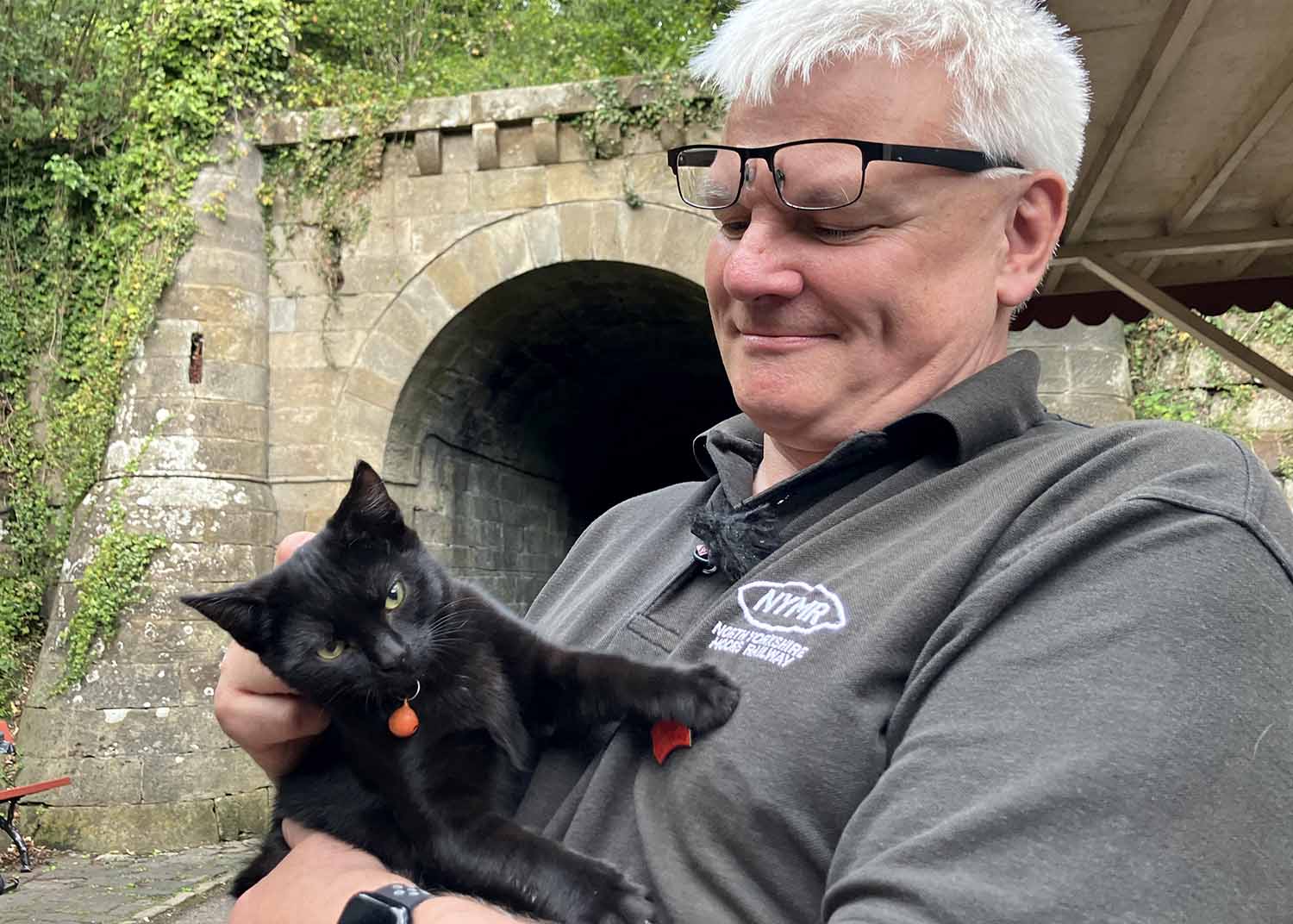
Simon Wall holds a black kitten while wearing a North Yorkshire Moors Railway jacket.

Purr-fect for the Job

Three kittens are working as night patrol officers at a train station in England—and they couldn’t be cuter.

Simon Wall holds a black kitten while wearing a North Yorkshire Moors Railway jacket.

© Courtesy of Fiona Callow/British Broadcasting Corporation

Simon Wall, Grosmont Station’s shed shop supervisor, holds one of the three kittens that live and work at the station.

A railway station in the United Kingdom has some new security experts, and they couldn’t be cuter. 

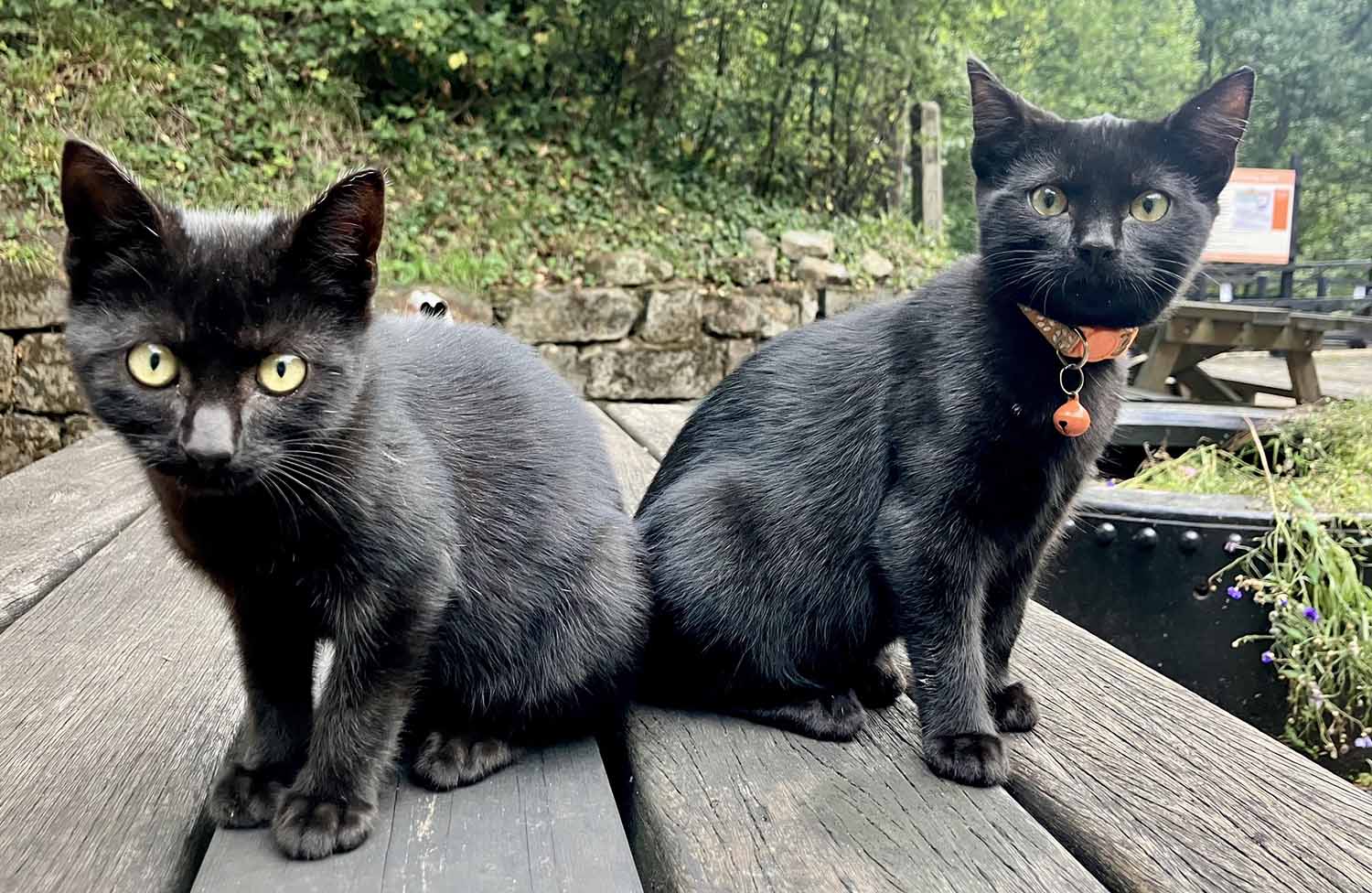
Three kittens named Titch, Clinker, and Ash live and work as shed cats at Grosmont Station in Grosmont, North Yorkshire, England. Their main task, as “night patrol officers,” is to keep the rodent population under control. But it’s in the other part of their job, making people smile, that they really excel.

“They’re gorgeous kittens,” Simon Wall told the BBC. Wall works at the station. “We’ve always had shed cats, for many, many years, and they all do a great job for us, looking after the rodent population and being lovely for the public.”

Two men stand on the front of an idle train at the Grosmont Station while others stand on the platform.

© Courtesy of Fiona Callow/British Broadcasting Corporation

Passengers stand on the platforms at Grosmont Station in England.

The kittens got their new job by chance. They were found in a nearby town, with no home or owner. Meanwhile, Grosmont Station’s shed cat had recently passed away. The station’s staff, which had been searching for a new shed cat, decided to take all three of the kittens.

Titch, Clinker, and Ash are still training for the job. They practice hunting by playing with toys or pouncing on acorns. Wall pointed out that the station is in the countryside, where rodents are common. But he says it’s unlikely the shed cats will face many rodents. As long as cats are around, mice usually stay away.

Two black kittens sit on the surface of a wooden picnic table and look at the camera.

© Pictures Colour Library/Alamy

Two of Grosmont Station’s three kittens pose for the camera.

NEWS BREAK

Jane Goodall Has Died

Jane Goodall sits on the ground against a wall and speaks to a chimpanzee that sits next to her.

© Michael Neugebauer/Jane Goodall Institute

Jane Goodall sits with a chimpanzee named Freud at Gombe National Park in Tanzania.

Famed animal researcher Dr. Jane Goodall has died at age 91. Best known for her observations of chimpanzees, Goodall also worked tirelessly for animal rights and conservation.

We’ll have more about Goodall’s remarkable life and career in the October 20 edition of In the News.

Face Thinking Icon

Did You Know?

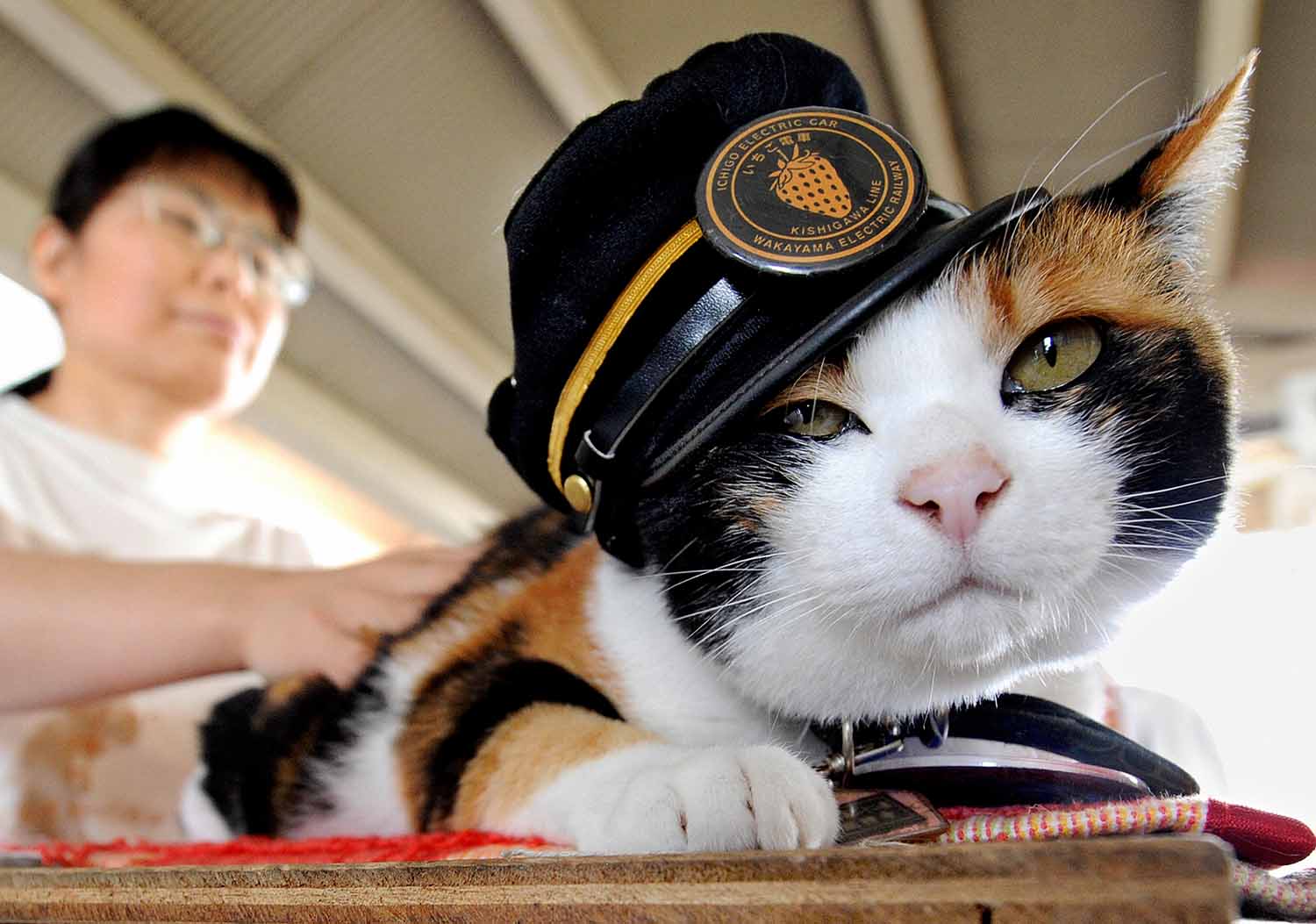
In 2007, a Japanese train station that was in danger of closing made a cat named Tama its “stationmaster.” Tama’s popularity attracted tons of visitors to the station, helping to save it!

A woman pets Tama the calico cat, as the cat wears a hat resembling that of a train stationmaster.

© Toru Yamanaka—AFP/Getty Images

Tama the cat, seen here in 2008, helped save a train station in Japan.

Keeping Out of a Cat’s Clutches

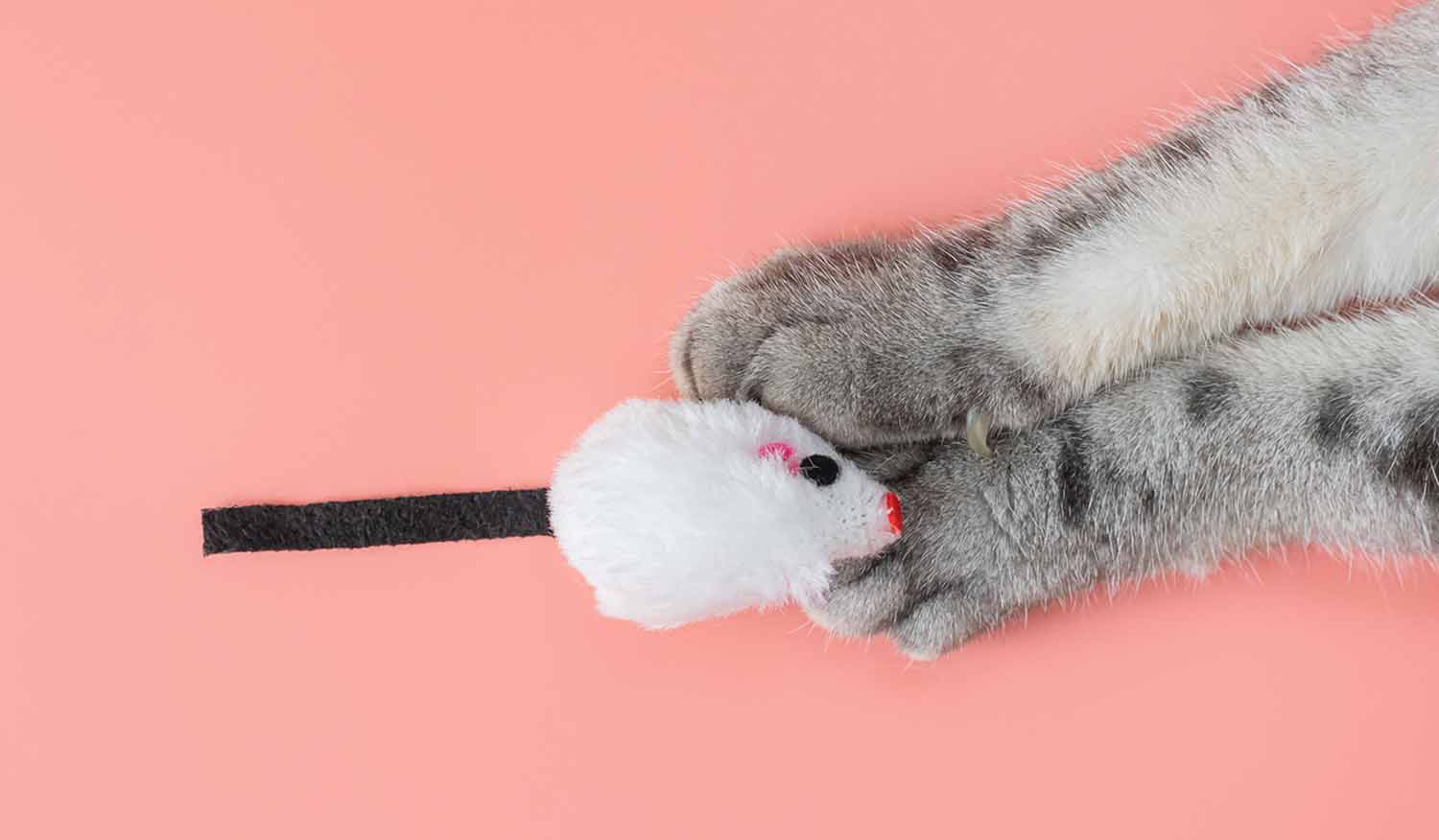
A gray and white cat’s paws hold onto a white toy mouse.

© Olga Kholiavina—iStock/Getty Images

Cats and mice don’t usually get along. Cats are hunters that can kill rodents—a skill they practice when they play with their toys. But many house cats never actually need to hunt because mice will often stay away from a building where a cat is living! How does a mouse know when there’s a cat nearby? The key is in the cat’s pee.

Scientists say mice have a surprising way to detect when a cat is around. It’s not the sight of two shiny cat’s eyes staring at them from across the room. In fact, mice can’t see very well. Instead, mice can smell a compound that exists in a cat’s urine. To them, this smell means, “Stay away.”

Just Like Your Cat!

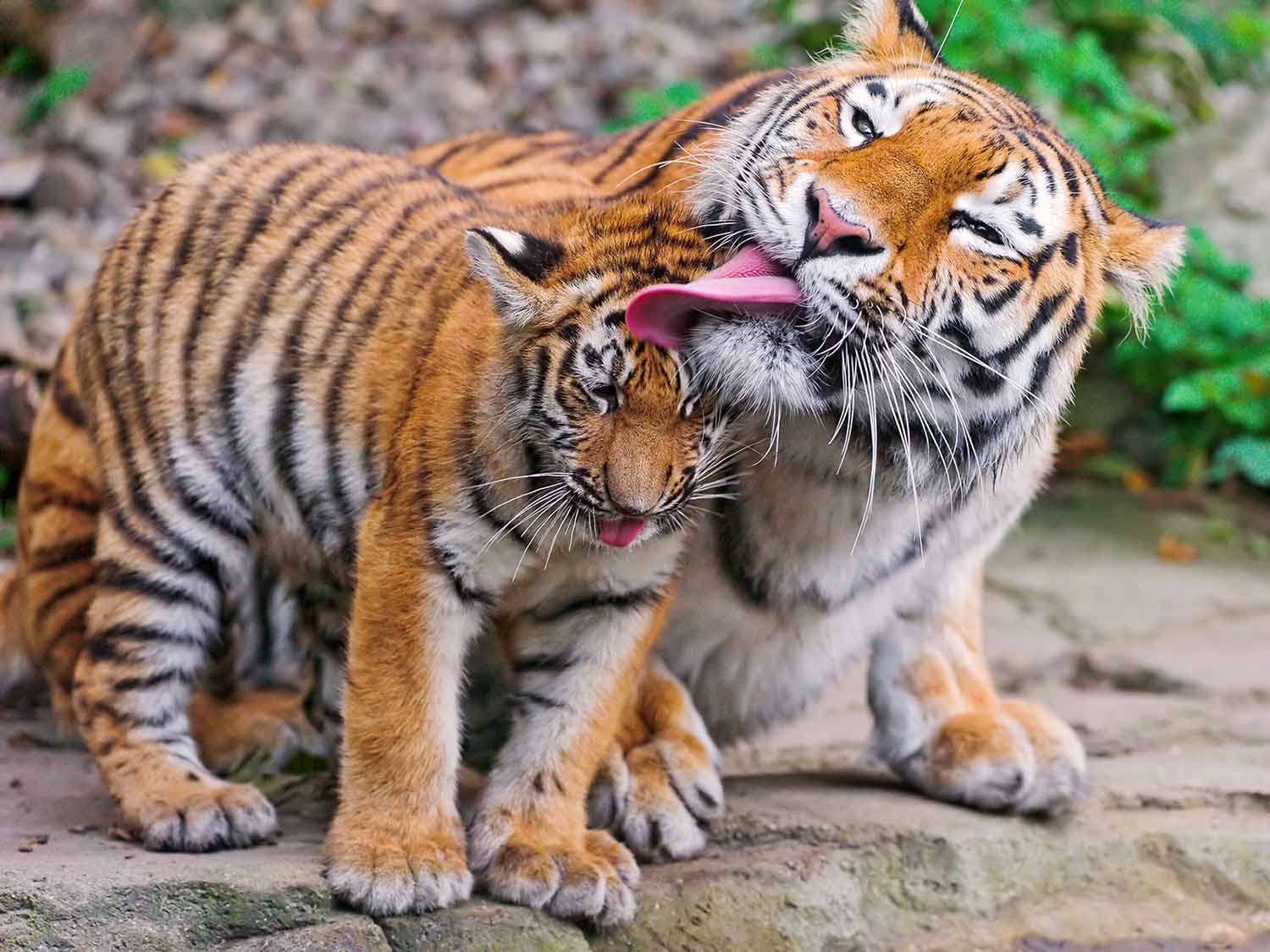
A mother tiger lies on the ground and licks her cub’s head.

© Picture by Tambako the Jaguar—Moment/Getty Images

Did you know that house cats are closely related to big cats such as tigers? House cats and tigers share many traits, including their hunting drive! 

You can read more about tigers at Britannica.

Word of the Day Icon

Word of the Day

stalk

Part of speech:

verb

Definition:

: to follow (an animal or person that you are hunting or trying to capture) by moving slowly and quietly

Definitions provided by
Merriam-Webster Logo
Game Icon

Play

Word Search

.

In Case You Missed It

Taryn Smith is the first American woman to row solo across the Atlantic Ocean.
March 5, 2026
A powerful waterfall doesn’t easily freeze, but this winter has been especially cold!
March 3, 2026
For Women’s History Month, we’re honoring two women who inspired many others to take to the skies.
February 26, 2026
Baseball player Ron Teasley has died. Teasley was one of the last living athletes to play in the Negro Leagues.
February 24, 2026

Paddle Pups Are on the Job!

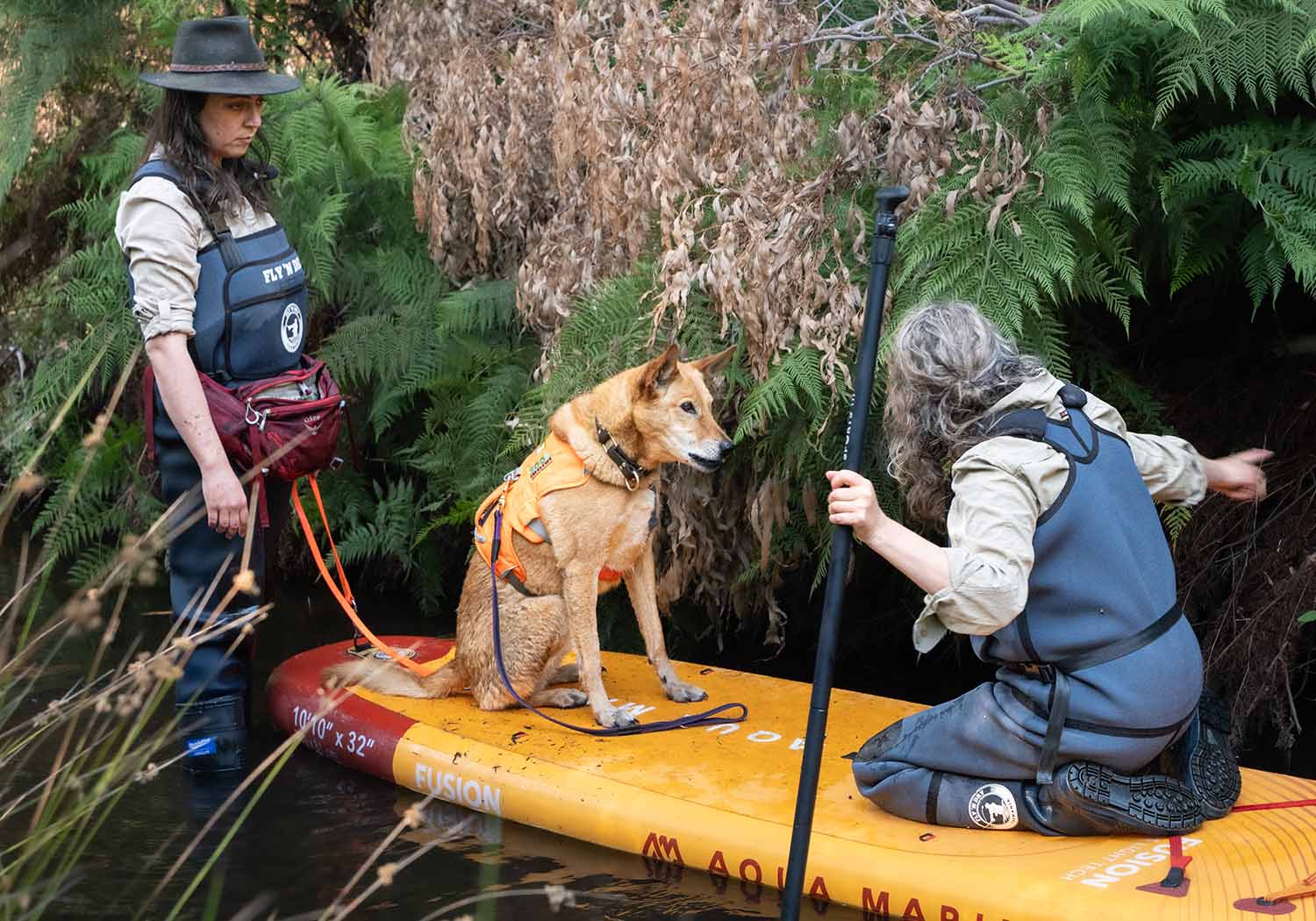
A dog in an orange vest sits on a paddleboard and watches a person who is also on the paddleboard and pointing into some vegetation.

Paddle Pups Are on the Job!

Two specially trained dogs are helping scientists in their effort to save an unusual animal called the platypus.

A dog in an orange vest sits on a paddleboard and watches a person who is also on the paddleboard and pointing into some vegetation.

© Courtesy of Rich Hammond/Zoos Victoria

Kip, a specially trained paddle pup, gets instructions from Zoo Victoria scientists on where to look for platypus in Healesville Sanctuary, Australia.

Two dogs named Kip and Moss are trained to help scientists by using their senses of smell to track wildlife. Now the dogs are getting some on-the-job training by learning how to paddleboard. Scientists hope the “paddle pups” will help them learn more about a mysterious species called the platypus.

Found only in eastern Australia, the platypus lives in and around waterways where it feeds on insects, worms, and shellfish. Although it’s a mammal, the platypus has three duck-like features: It has a bill for a mouth, its feet are webbed, and it lays eggs instead of giving birth to live young. 

Scientists say there’s still a lot to learn about the platypus. For example, they’ve never even seen one lay an egg in the wild, according to Jessica Thomas, a platypus specialist at Healesville Sanctuary, a zoo near Melbourne, Australia. 

“[Platypuses] spend their time underwater and underground and they’re also nocturnal, so they’re quite challenging just to observe,” Thomas told the Australian Broadcasting Corporation.

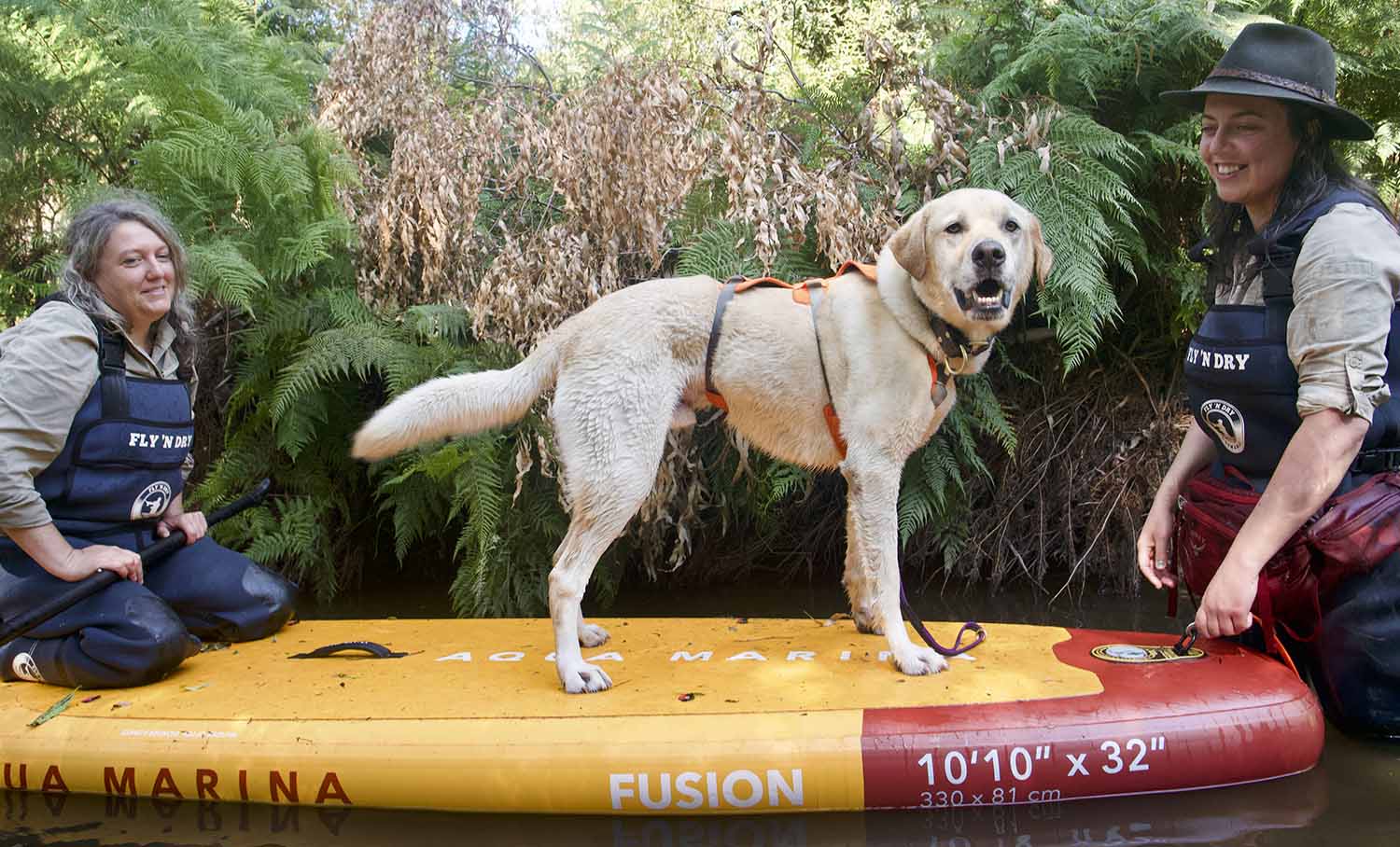
A dog stands on a paddleboard and looks toward the camera as one woman sits on the paddleboard and another stands in the water.

© Courtesy of Rich Hammond/Zoos Victoria

Moss, a dog that is trained to find wildlife, is learning how to do his job on a paddleboard.

Studying the platypus is more urgent than ever. The platypus population has become threatened in recent years due to pollution, loss of habitat, and climate change. Observing the daily life of the platypus could give scientists the knowledge they need to help this species. Kip and Moss, who are members of Zoo Victoria’s Wildlife Detection Dog Squad, may be able to help.

The two dogs have already loaned their keen senses of smell to studies of the broad-toothed rat, the Baw Baw frog, and the grassland earless dragon (a lizard), all of which are threatened in Australia. Kip, in particular, is an expert at sniffing out the burrows where platypuses sleep and raise their young. The paddleboards, which Kip and Moss ride with the help of human scientists, enable the dogs to find burrows in areas they might not be able to reach on foot.

“This paddleboard has been a game changer for us,” said Healesville Sanctuary scientist LaToya Jamieson. “We’ve been working with our detection dogs on platypus for several years now and, particularly in the high rainfall years, we’ll have a lot of burrows that we simply can’t [reach without paddleboards].”

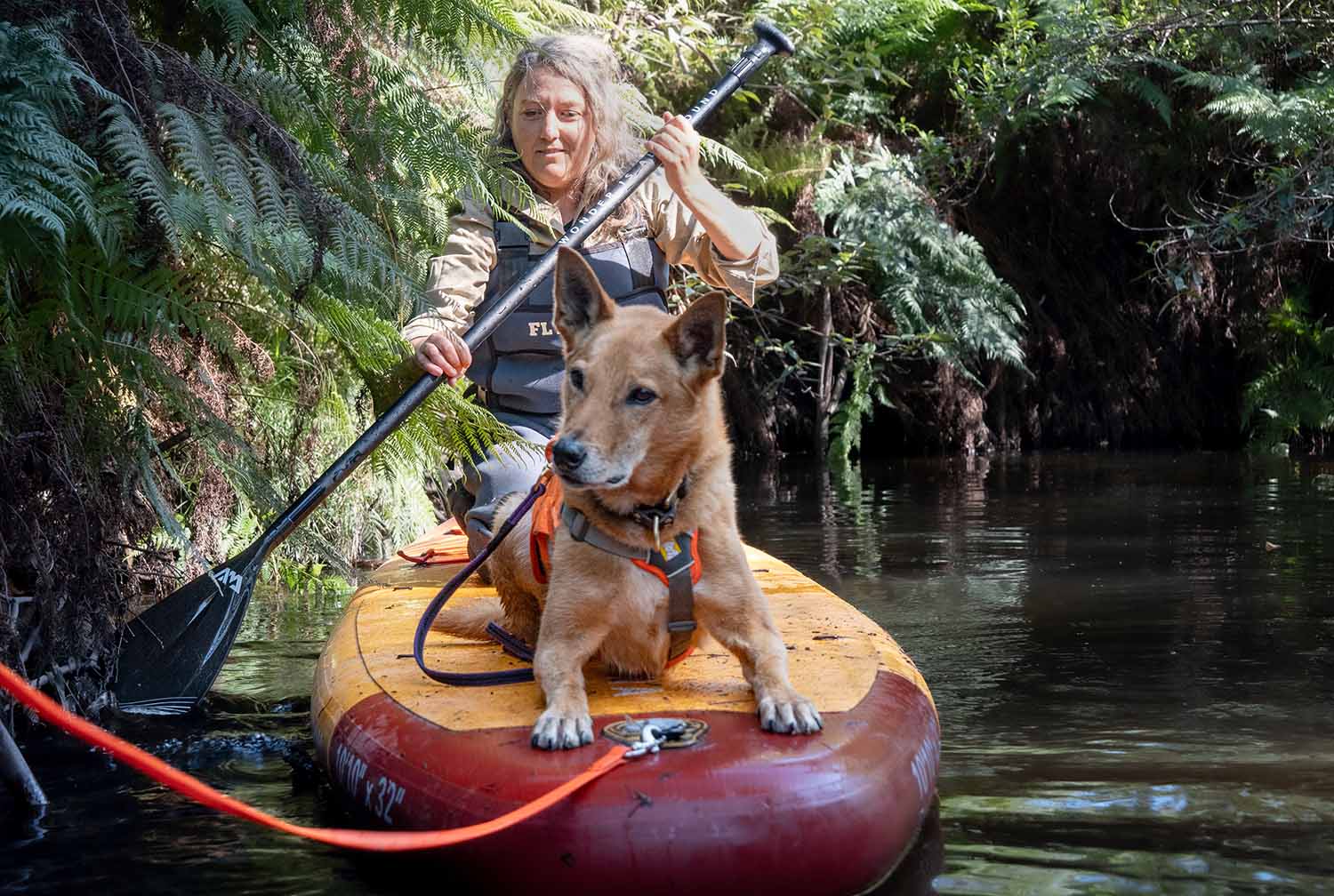
A dog lies on a paddleboard with its head raised as a woman paddles behind it.

© Courtesy of Rich Hammond/Zoos Victoria

Kip and his human coworker move through a creek in search of platypus.

NEWS BREAK

Fat Bear Week: We Have a Winner!

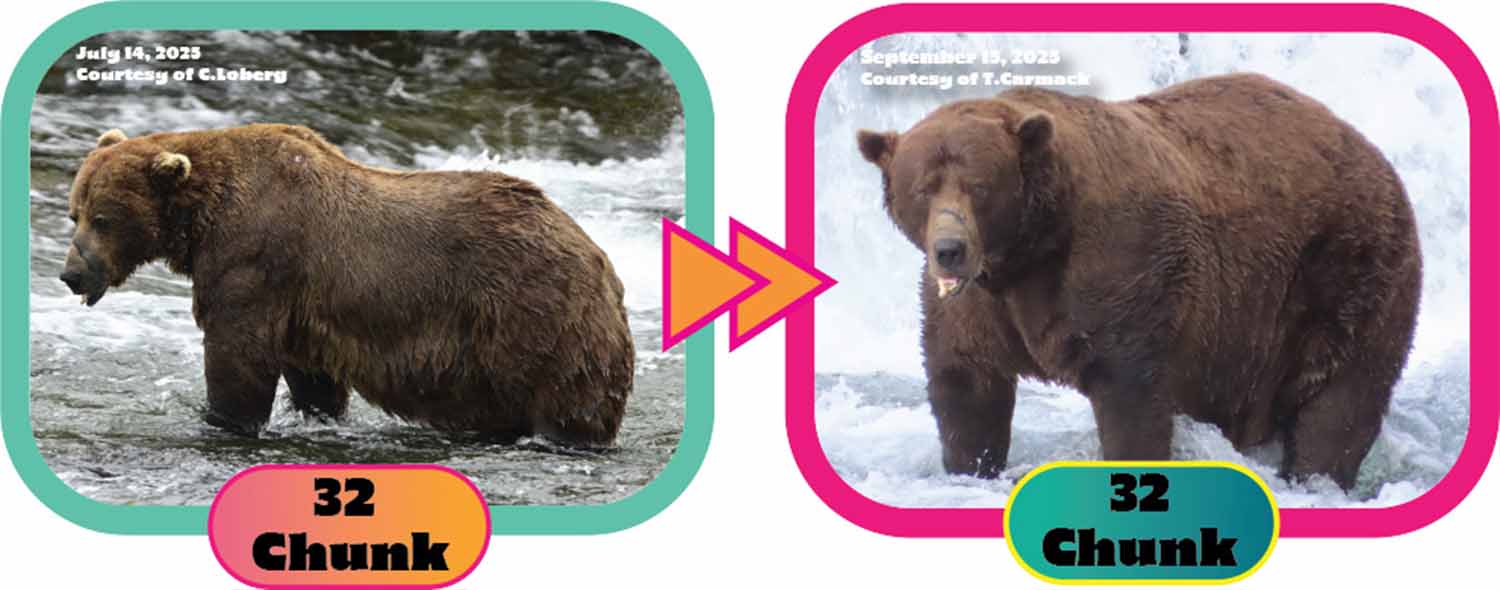
Side by side images show the bear 32 Chunk thinner in July 2025 and heavier in September.

Courtesy of the U.S. National Park Service

The bear called 32 Chunk in July (left) and September.

A 1,200-pound (540-kilogram) bear named 32 Chunk (Chunk for short) has taken the top prize in the annual Fat Bear Week competition. The contest takes place each fall, the time of year when Alaskan brown bears are eating tons of salmon to fatten up before their winter hibernation. The public votes online to choose the bear that has bulked up the best. Chunk won second place last year and the year before.

This year, Chunk’s chances to win seemed slim after a jaw injury made it difficult for him to eat. But the big bear beat expectations. Now his photo will be displayed online in the Fat Bear Week Hall of Champions.

Fun Fact Icon

Fun Fact

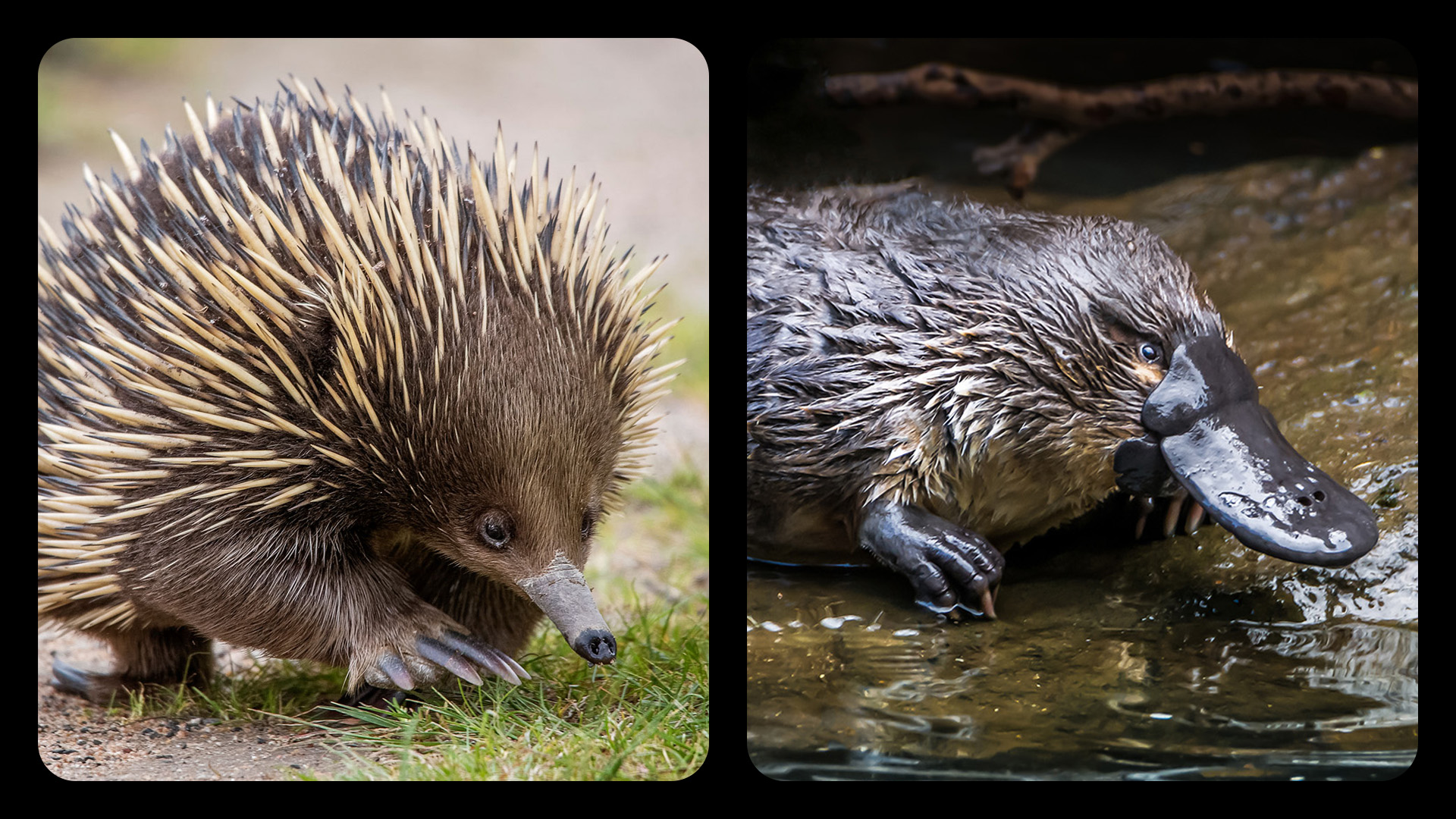
The echidna, or spiny anteater (shown on the left), and the platypus (shown on the right) are the only mammals that lay eggs!

Side by side composite showing an echidna and a platypus.

© Andrew Haysom—iStock.com/Getty Images, © Ash/stock.adobe.com; Encyclopædia Britannica, Inc.

Digging for Dinner

© crbellette—Creatas Video+/Getty Images

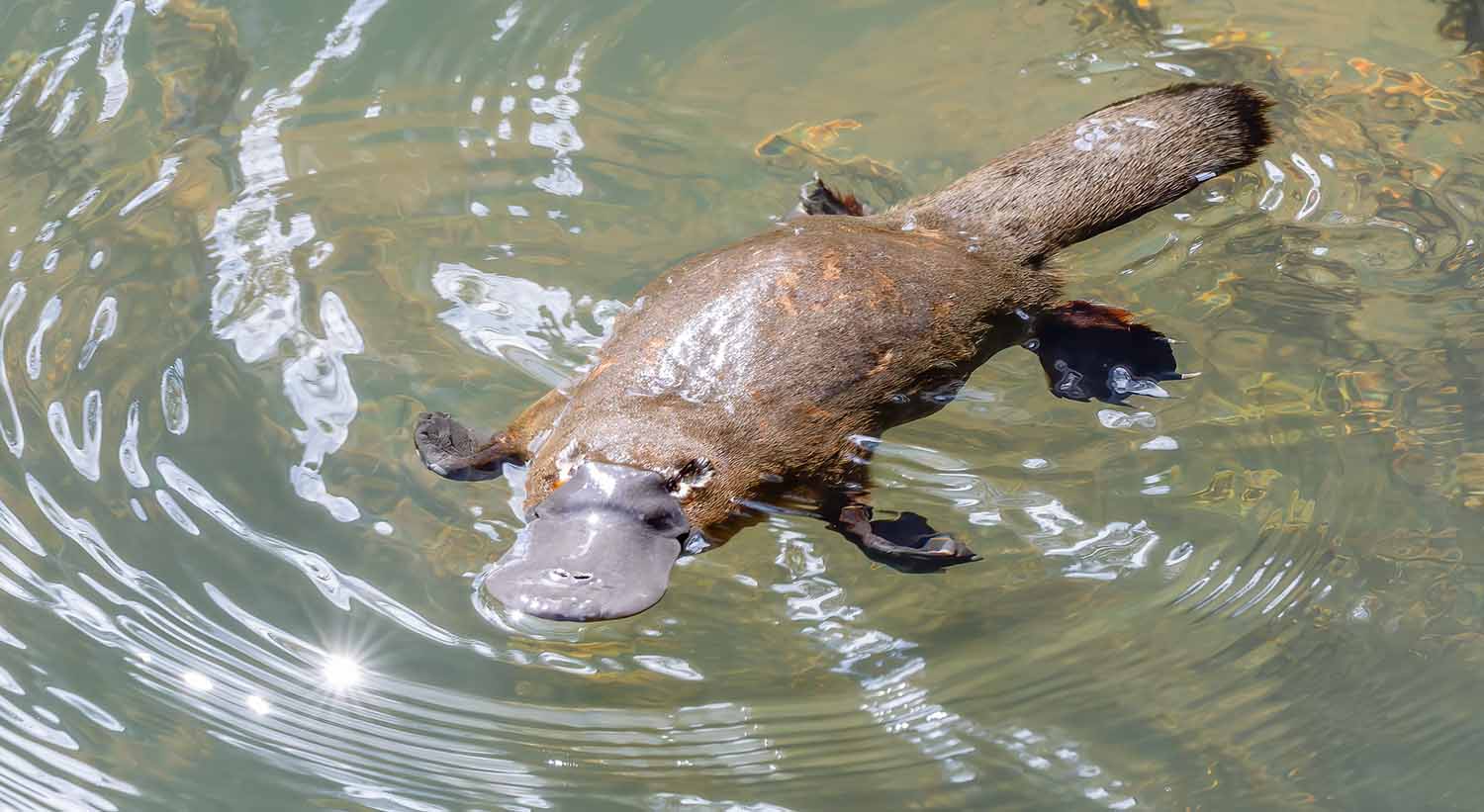
A platypus hunts for a meal.

The platypus has an amazing way to find its prey in the mud on the bottom of a lake, creek, or river. 

When a tiny shrimp or worm moves just a bit, its muscles produce electrical signals. The bill of the platypus contains cells called receptors that can detect these signals from many inches away. The signals tell a platypus not only that there’s a meal under the mud but also exactly where that meal is located. This is called electroreception.

Sharks and rays also use electroreception to find their prey.

Unusual but Real

A platypus swims on its belly with its legs splayed out.

© chris/stock.adobe.com

With its furry body and duck’s bill, the platypus is highly unusual. In fact, when scientists in Europe first saw drawings of the platypus around 1799, they thought someone was playing a joke on them! 

You can learn more about this odd-looking mammal at Britannica.

Word of the Day Icon

Word of the Day

atypical

Part of speech:

adjective

Definition:

: not typical : not usual or normal

Definitions provided by
Merriam-Webster Logo
Game Icon

Play

Crossword

.

In Case You Missed It

Taryn Smith is the first American woman to row solo across the Atlantic Ocean.
March 5, 2026
A powerful waterfall doesn’t easily freeze, but this winter has been especially cold!
March 3, 2026
For Women’s History Month, we’re honoring two women who inspired many others to take to the skies.
February 26, 2026
Baseball player Ron Teasley has died. Teasley was one of the last living athletes to play in the Negro Leagues.
February 24, 2026

Did Dinosaurs Flock Together?

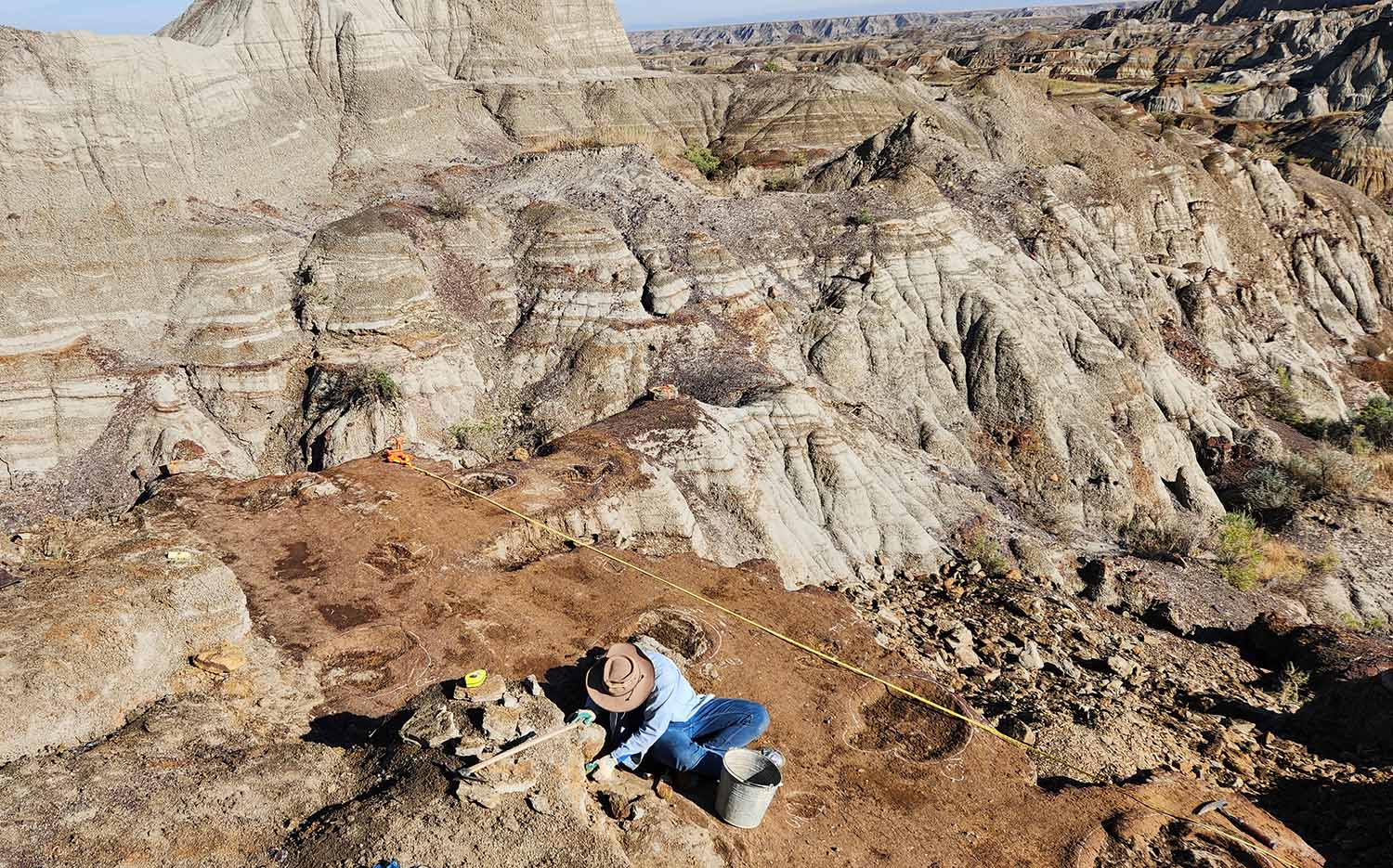
An overhead view shows a scientist in a hat outdoors excavating a large set of dinosaur tracks.

Did Dinosaurs Flock Together?

Newly discovered footprints reveal that different types of dinosaurs may have traveled together!

An overhead view shows a scientist in a hat outdoors excavating a large set of dinosaur tracks.

Courtesy of Dr Brian Pickles/University of Reading

A technician from the Royal Tyrrell Museum in Canada works at a site where dinosaur tracks were found in 2024.

Did dinosaurs hang out with other dinosaurs? It looks that way! Based on recently found dinosaur footprints, a team of British and Canadian scientists think some dinosaurs may have traveled together in a group called a herd. What’s more, there may have been more than one type of dinosaur in the herd!

The footprints, which were discovered in 2024 at Dinosaur Provincial Park in Canada, travel in one direction as if made by a group of dinosaurs walking together. But they were not all made by the same type of dinosaur. 

Thirteen of the footprints were made by up to five ceratopsians. A ceratopsian is a type of herbivorous (plant-eating) dinosaur. The name may sound familiar to anyone who has ever heard of Triceratops, probably the most famous type of ceratopsian.

Side by side images of a dinosaur footprint on its own and covered in powder to make a mold.

Courtesy of Dr Brian Pickles/University of Reading

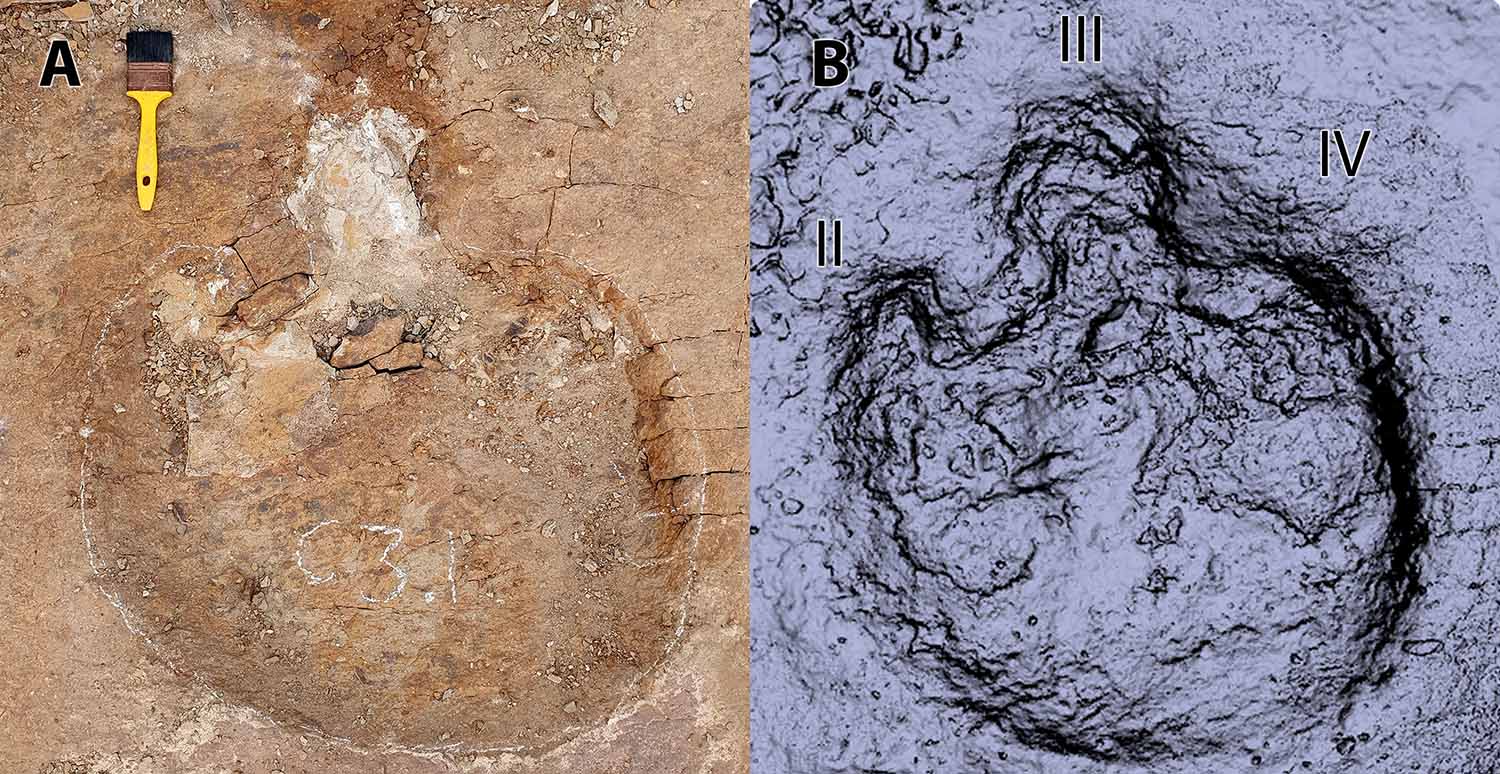
 This image shows two views of a footprint left by an ankylosaurid. The brush in the photo on the left shows how large the footprint is.

But some of the footprints came from another type of herbivore called an ankylosaurid. This suggests that the ceratopsians and the ankylosaurid were walking together. Scientists say animals of two different species will sometimes form herds for protection from predators. 

Amazingly, the scientists also found the footprints of a pair of Tyrannosaurus rex dinosaurs. These prints cross paths with the other ones. This means the meat-eating T. rexes were not walking with the ceratopsians and ankylosaurid. In fact, the T. rexes may have been trying to hunt the other group.

A scientist in a hat outdoors uses a tool to excavate a dinosaur footprint.

Courtesy of Dr Brian Pickles/University of Reading

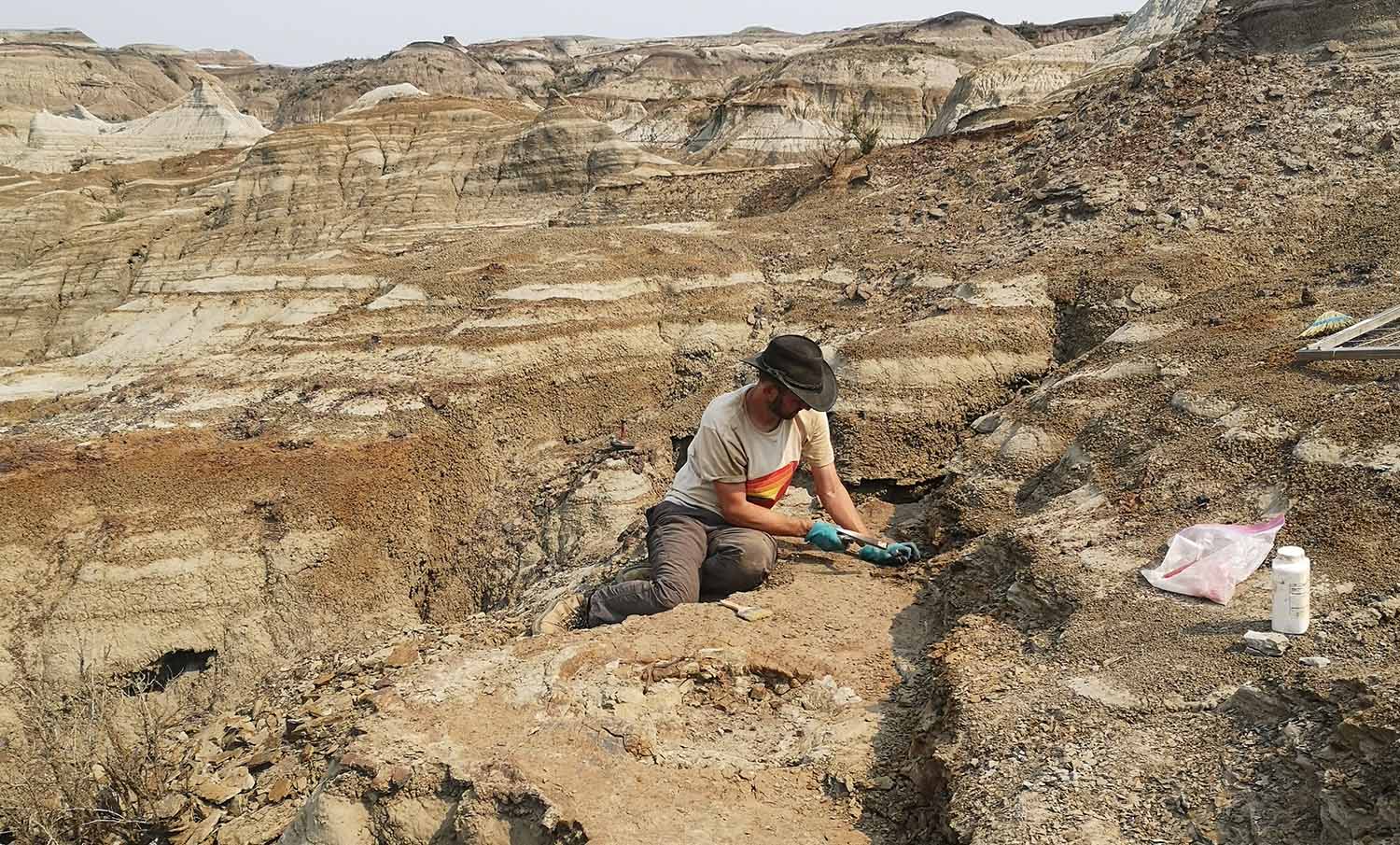
Dr. Brian Pickles excavates a dinosaur footprint, one of many that were found in 2024.

But the scientists say they can’t be sure if the footprints mean there was a dinosaur chase…or even a dinosaur herd. After all, it’s hard to know if all the footprints were made at the same time. It’s possible the ceratopsians and the ankylosaurid weren’t walking together. It’s also possible the T. rexes came along weeks after the herd had already passed through.

Whatever happened, it’s clear there was dinosaur activity in the area—a lot of it. For Brian Pickles of the University of Reading, who co-authored the study of the footprints, that’s a thrill.

“It was incredibly exciting to be walking in the footsteps of dinosaurs 76 million years after they laid them down,” Pickles said.

NEWS EXTRA

Fat Bear Week: Who Will Win?

Illustration of a flow chart with bear images over an illustration of five bears in a river holding cups of salmon.

Courtesy of the U.S. National Park Service

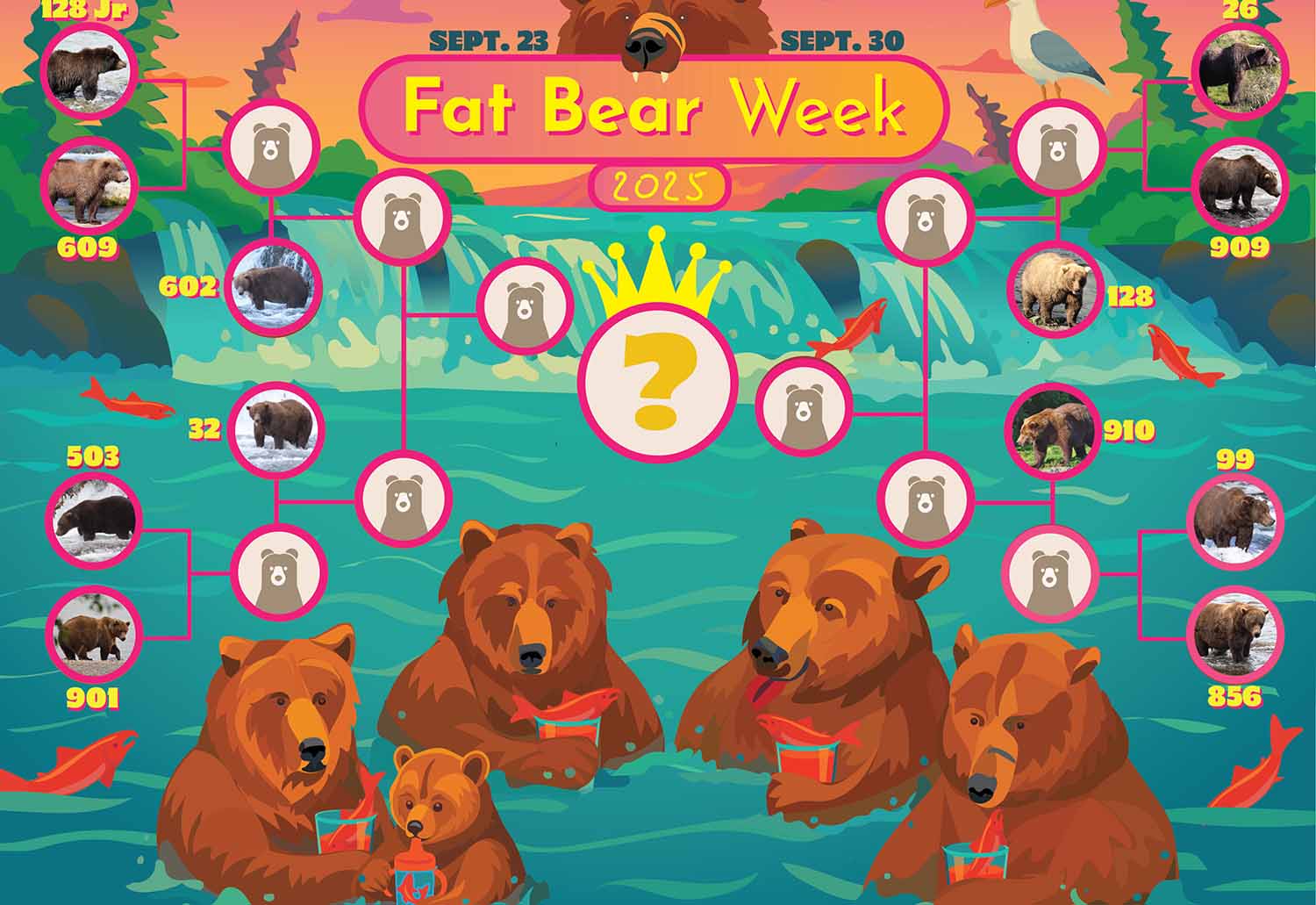
Winter is on its way, and that means the bears of Katmai National Park & Preserve in Alaska are fattening up by dining on plenty of salmon! During Fat Bear Week (September 23-30), the public votes to decide which bear has bulked up the best. Will the bear named 128 Grazer capture her third title in a row? Or will one of her rivals win in an upset?

The polls are open now at the explore.org website!

We’ll report the winner on a future In the News page.

Fun Fact Icon

Fun Fact

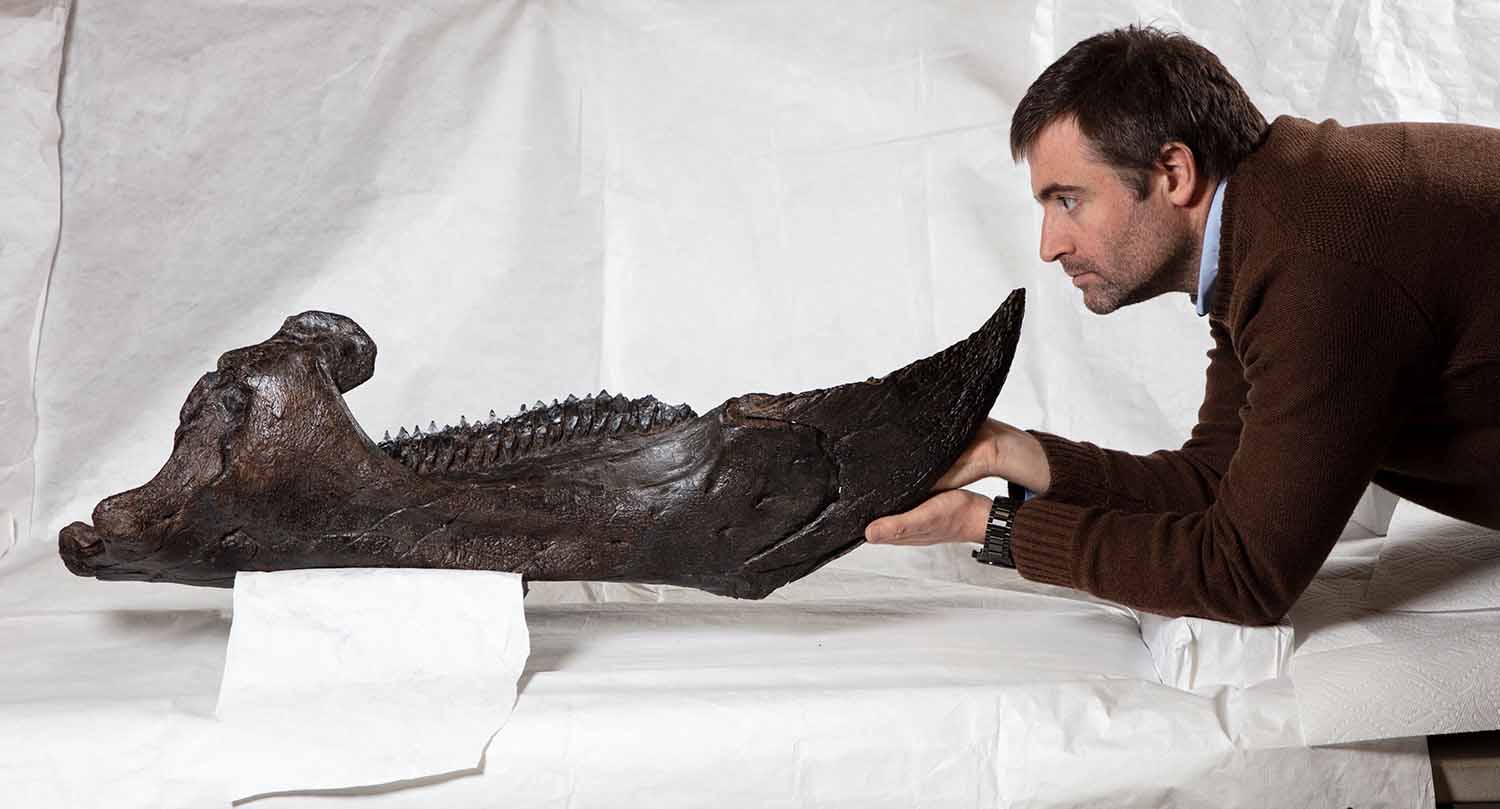
Triceratops had hundreds of teeth packed together in its mouth. It used them to chew tough plants that we humans wouldn’t be able to handle!

A man poses face to face with the fossilized lower jaw of a triceratops in a museum.

© John Broomfield/Museums Victoria—Xinhua News Agency/Getty Images

Dr. Erich Fitzgerald, a paleontologist at Museums Victoria in Australia, looks at the fossilized lower jaw of a triceratops.

Looking Out for Each Other

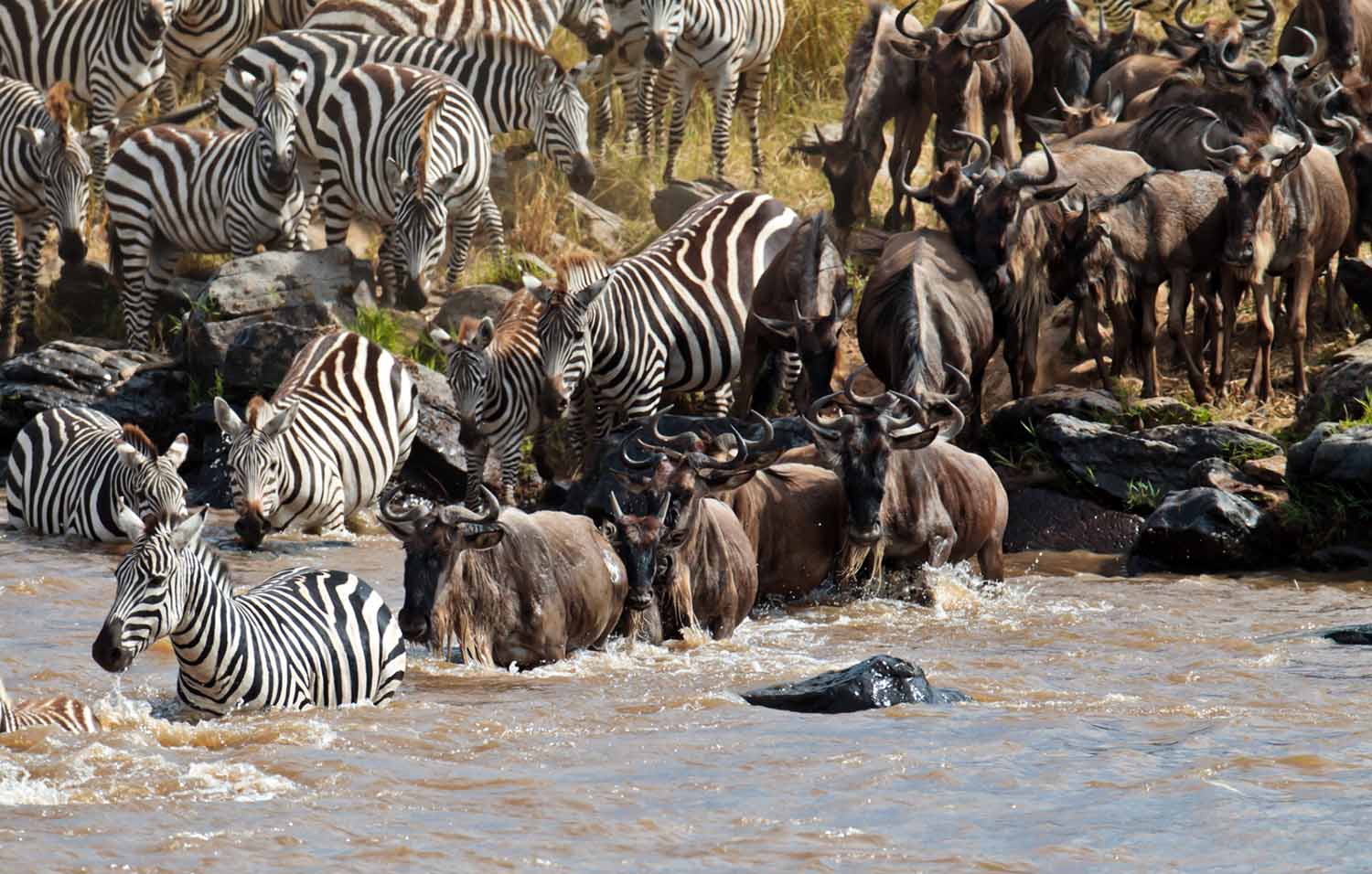
A large herd of zebras and wildebeests crossing a river together.

© Roman Murushkin/Dreamstime.com

These zebras and wildebeests rely on each other’s senses.

If you were a zebra living in the African savanna, you’d probably be looking over your shoulder quite a bit. Zebras are prey animals, hunted by lions and other predators. But zebras have made some unlikely friends. They’ve teamed up with wildebeests, which are also prey animals.

Zebras and wildebeests often form herds together to protect themselves from predators. Zebras use their sharp eyesight and hearing to figure out if there’s a threat nearby. Wildebeests use their strong sense of smell to do the same.

Dig This!

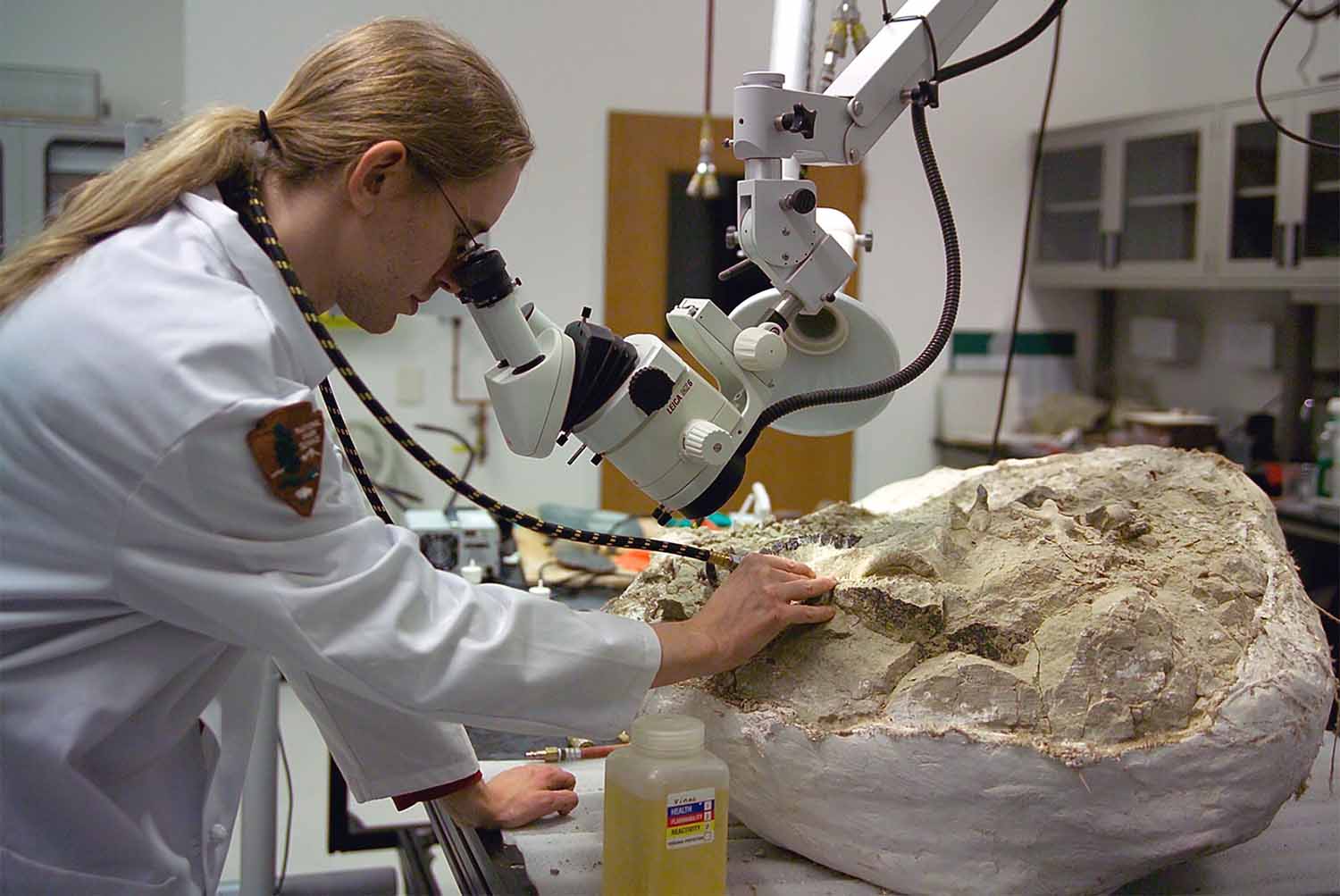
A paleontologist looks through a large microscope at a fossil.

U.S. National Park Service

A paleontologist uses a microscope to examine a fossil.

Are you into fossils? Paleontology is the study of animals and plants that lived millions of years ago. Scientists called paleontologists study fossils to learn about the history of life on Earth.

You can learn more about paleontology at Britannica!

Word of the Day Icon

Word of the Day

alliance

Part of speech:

noun

Definition:

: a group of people, countries, etc., that are joined together in some activity or effort

Definitions provided by
Merriam-Webster Logo
Game Icon

Play

Word Search

.

In Case You Missed It

Taryn Smith is the first American woman to row solo across the Atlantic Ocean.
March 5, 2026
A powerful waterfall doesn’t easily freeze, but this winter has been especially cold!
March 3, 2026
For Women’s History Month, we’re honoring two women who inspired many others to take to the skies.
February 26, 2026
Baseball player Ron Teasley has died. Teasley was one of the last living athletes to play in the Negro Leagues.
February 24, 2026

A Path for Penguins

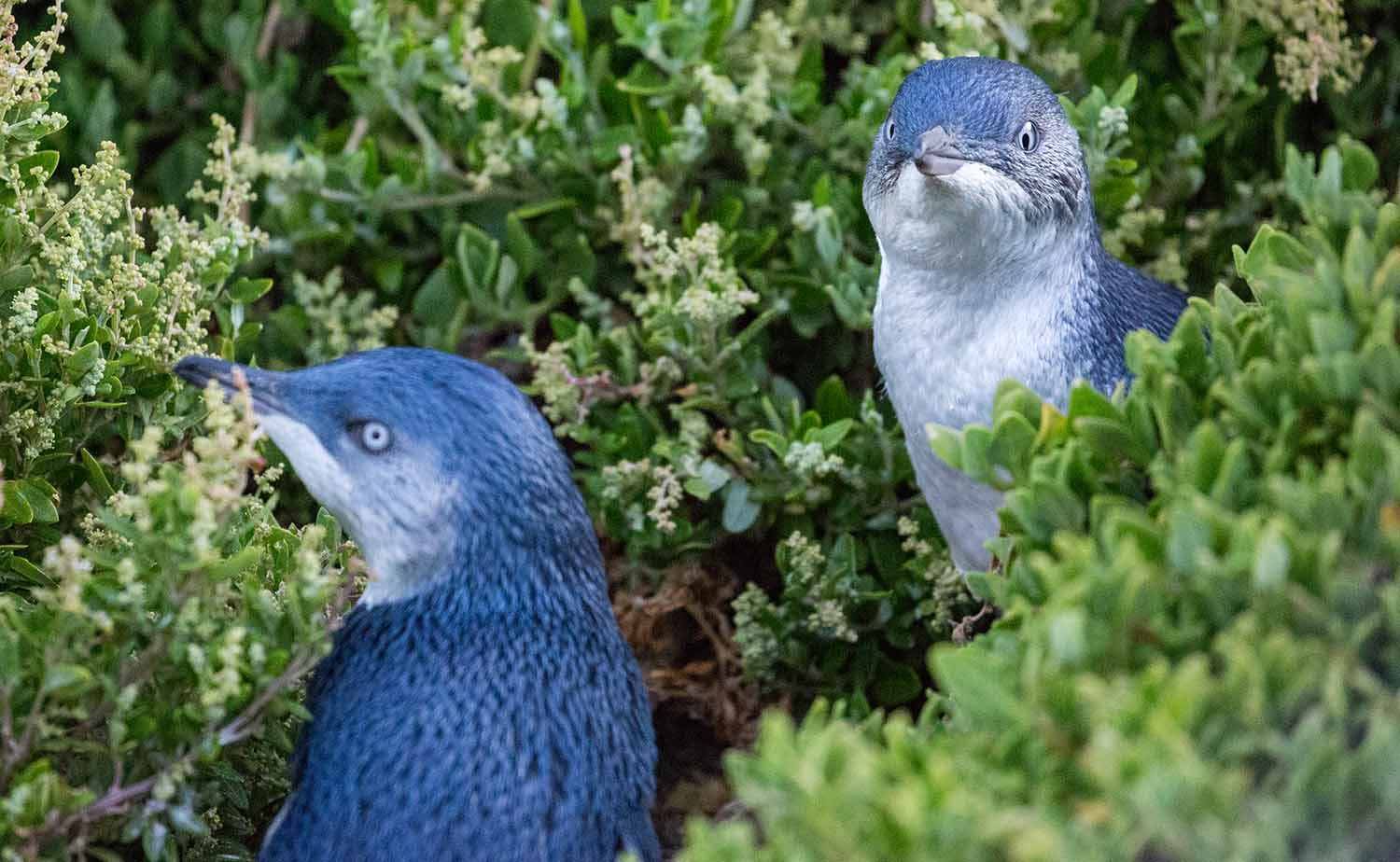
A blue penguin stands among some vegetation.

A Path for Penguins

When weeds prevented small penguins from reaching their homes, some scientists stepped in to help clear the way.

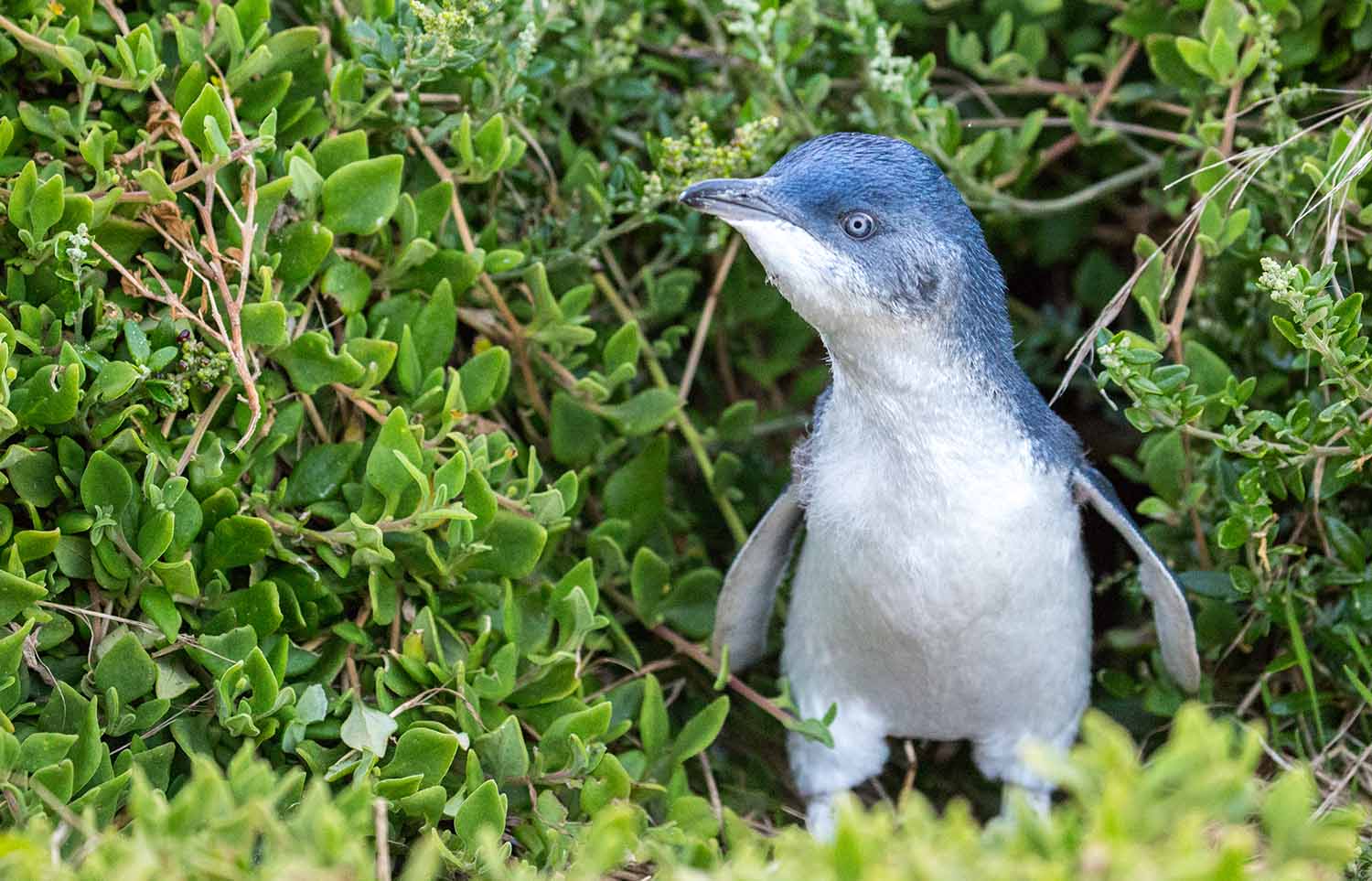
A blue penguin stands among some vegetation.

© Goddard_Photography—iStock/Getty Images

This blue penguin lives on Phillip Island in southern Australia.

Has an adult ever asked you to help pull some weeds from a garden? Chores like this may sound boring, but what if weeding meant helping tiny penguins? On a small island off the coast of Australia, a weeding project has given these adorable birds a brighter future. 

At only a foot tall (30 centimeters), blue penguins are the smallest of all the penguin species. They get their name from their blue-gray feathers.

Blue penguins live along the coasts of Australia and New Zealand. They like to make burrows on coastlines and islands, where they raise their chicks. Scientists realized a colony of blue penguins was in trouble when tall grasses took over a popular penguin island. These grasses were too tall for the small penguins to walk through. Since the penguins couldn’t reach their burrows, they could not have chicks.

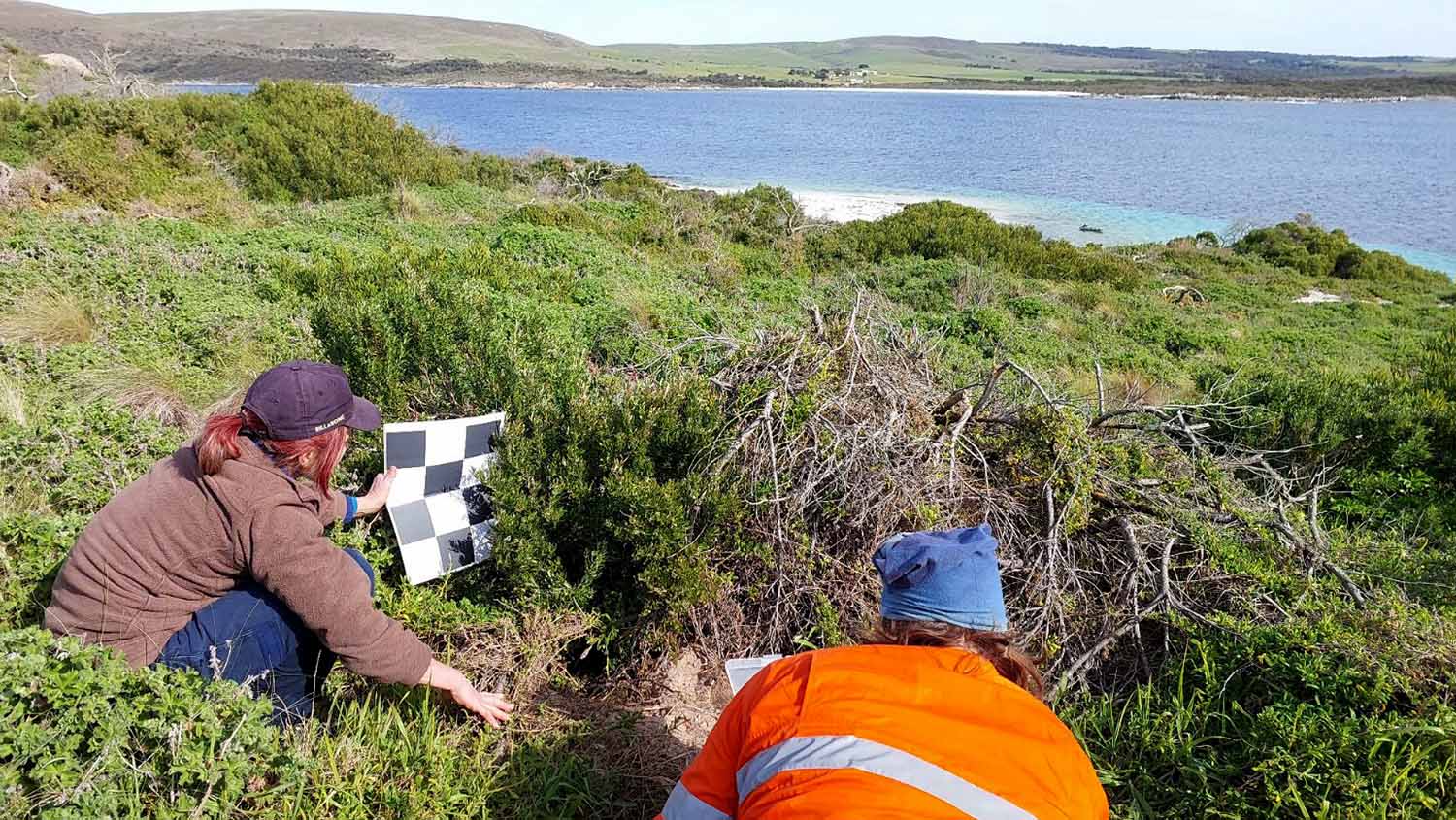
Two scientists crouch in vegetation on an island with the sea in the background.

© Courtesy of Dr. Chris Surman/University of Western Australia

Dr. Belinda Cannell and a student study the plants that exist on an island in Australia where blue penguins live and breed.

“Weeds have been shown to demolish colonies of [blue] penguins elsewhere in Australia,” said Belinda Cannell, a biologist who studies penguins.

Cannell and other scientists got to work weeding the island. They created paths through the tall grasses so that the penguins could reach their burrows. When the researchers went back to the island a few years later, they discovered that the penguins were using the paths and creating more burrows. For these small penguins, a simple weeding program made a huge difference.

A pair of blue penguins stand among some vegetation.

© Goddard_Photography—iStock/Getty Images

This pair of blue penguins live on an island off the coast of Australia.

Face Thinking Icon

Did You Know?

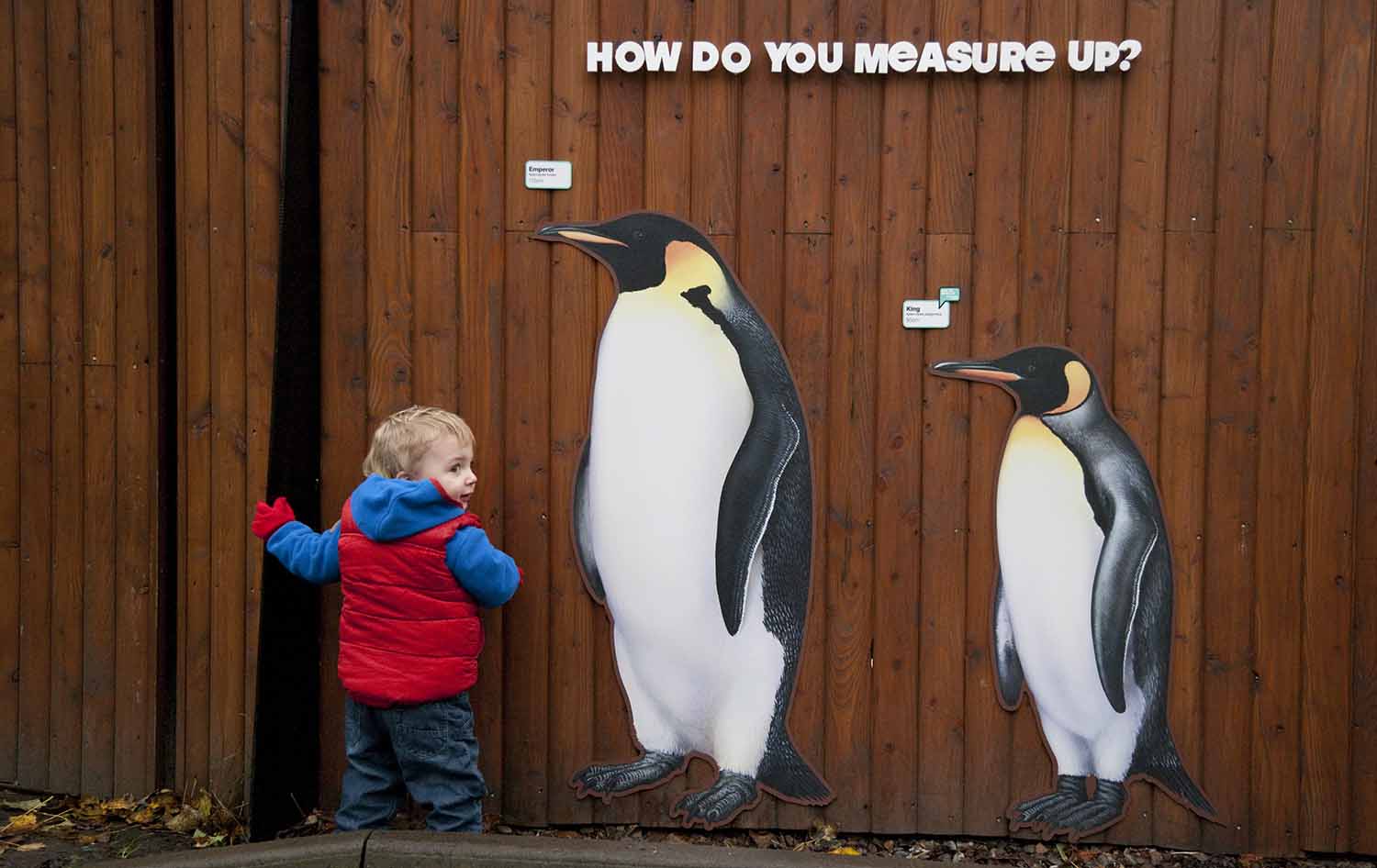
The largest penguin species is the emperor penguin, which stands about 4 feet 9 inches tall (115 centimeters). This is the height of the average 6-year-old human!

An 18-month-old boy stands by an exterior wall next to a cutout of an emperor penguin that is much taller than he is.

© AndrewLinscott—iStock/Getty Images

A boy stands next to cutouts of an emperor penguin (left) and a king penguin.

Adults Sleep with Stuffies, Too!

A young woman cuddles a teddy bear as she naps on a couch in a living room.

© Deagreez—iStock/Getty Images

Do you think stuffed animals are just for kids? Well, adults can have stuffed animals, too! 

That’s right—many adults who get comfort from having stuffed animals, says Jessica Lamar, a therapist who uses stuffed animals to help adults. A therapist helps people work through emotions and feelings. 

A stuffed animal can be a good way for an adult to stay connected to their childhood, Lamar told CNN.

Jade Wu, a psychologist who helps people with sleep issues, says that stuffed animals can help adults relax. “It can be very cozy, relaxing and nice,” said Wu. “There’s no reason why adults can’t have the benefits…that kids get.”

Experts agree that falling asleep with a stuffed animal can be good for kids and adults!

What Has Wings but Cannot Fly?

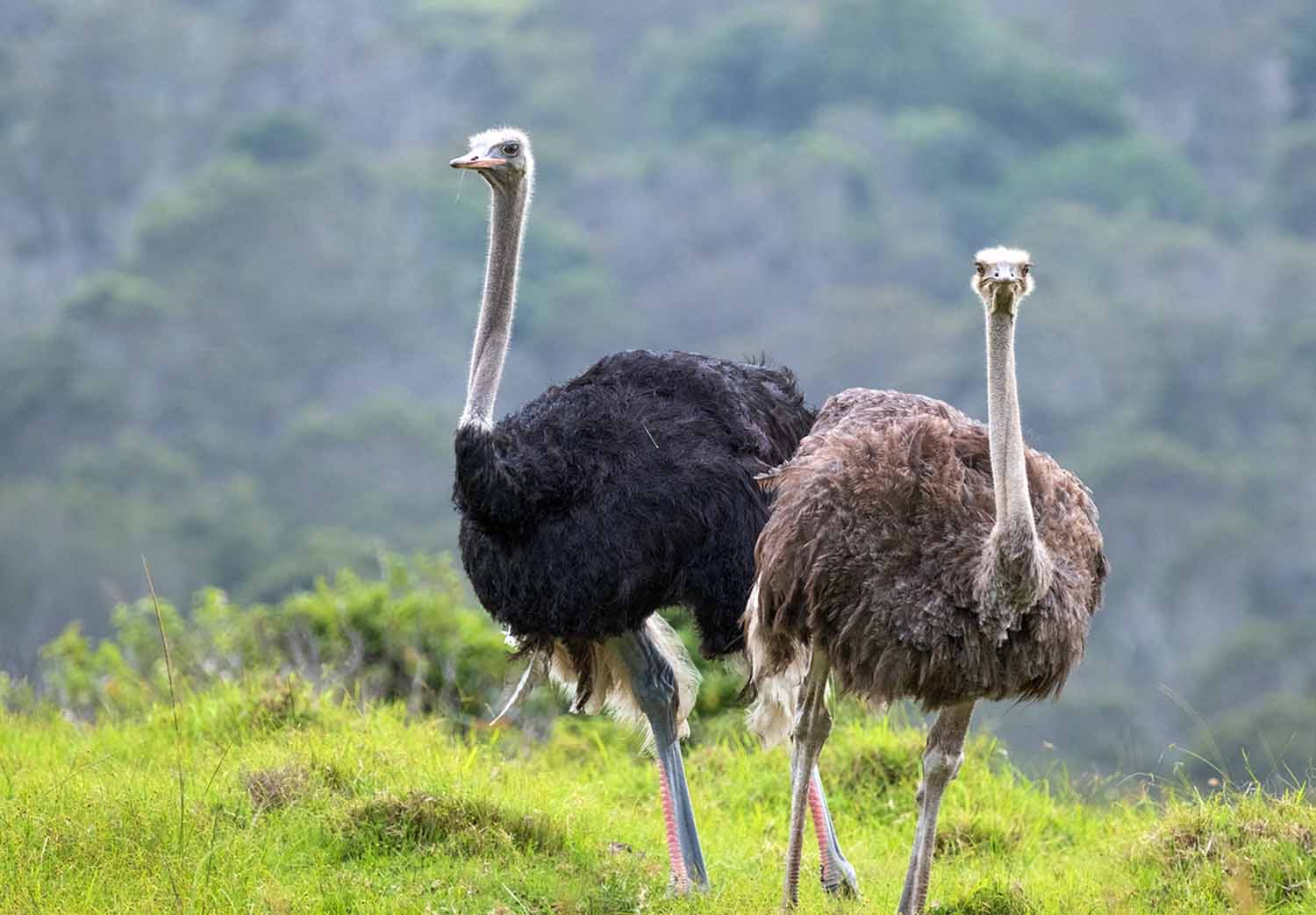
Two ostriches stand on a grassy hill.

© Borut Roudi/Dreamstime.com

Ostriches may be big, but they can’t fly.

What do a penguin, an ostrich, and a kiwi have in common? They are all flightless birds! Read more about the reason some bird species cannot fly at Britannica.

Word of the Day Icon

Word of the Day

rejuvenate

Part of speech:

verb

Definition:

: to give new strength or energy to (something)

Definitions provided by
Merriam-Webster Logo
Game Icon

Play

Word Search

.

In Case You Missed It

Taryn Smith is the first American woman to row solo across the Atlantic Ocean.
March 5, 2026
A powerful waterfall doesn’t easily freeze, but this winter has been especially cold!
March 3, 2026
For Women’s History Month, we’re honoring two women who inspired many others to take to the skies.
February 26, 2026
Baseball player Ron Teasley has died. Teasley was one of the last living athletes to play in the Negro Leagues.
February 24, 2026

Can You Set a World Record?

Zaila Avant-Garde smiles as she dribbles four basketballs at once.

Can You Set a World Record?

Guinness World Records is celebrating its 70th anniversary by inviting people to set their own records.

Zaila Avant-Garde smiles as she dribbles four basketballs at once.

© Courtesy of Guinness World Records

Zaila Avant-Garde holds the Guinness World Record for the most bouncing juggles in one minute with four basketballs. She captured the record when she was 13 years old.

Who has climbed Mount Everest more times than anyone else? Which team has the most NBA Championship titles? Guinness World Records has kept track of accomplishments like these for 70 years! To celebrate, Guinness is inviting people of all ages to try to set their own records.

Guinness published its first book of records in 1955 and has done so every year since. From the beginning, the records included not only people but animals and objects, too. Readers could learn about the world records for “biggest baby,” “tallest building,” and “longest beard,” to name just a few.

Today, the list of records is much longer than it was in 1955. Here are some of the amazing records you can find on the Guinness World Records website:

  • Fastest man (Usain Bolt)
  • Slowest mammal (the three-toed sloth)
  • Most valuable necklace (worth $55 million)
  • Longest hair (8 feet 5.3 inches or 257.33 centimeters)

Guinness doesn’t just want people to look at its records. It wants them to participate, too.

“I am completely of the opinion that we’re all amazing in our own way. It’s just discovering what that thing is and celebrating it,” Guinness World Records Editor-in-Chief Craig Glenday told the Associated Press. “I want to see kids in the same book as Usain Bolt.”

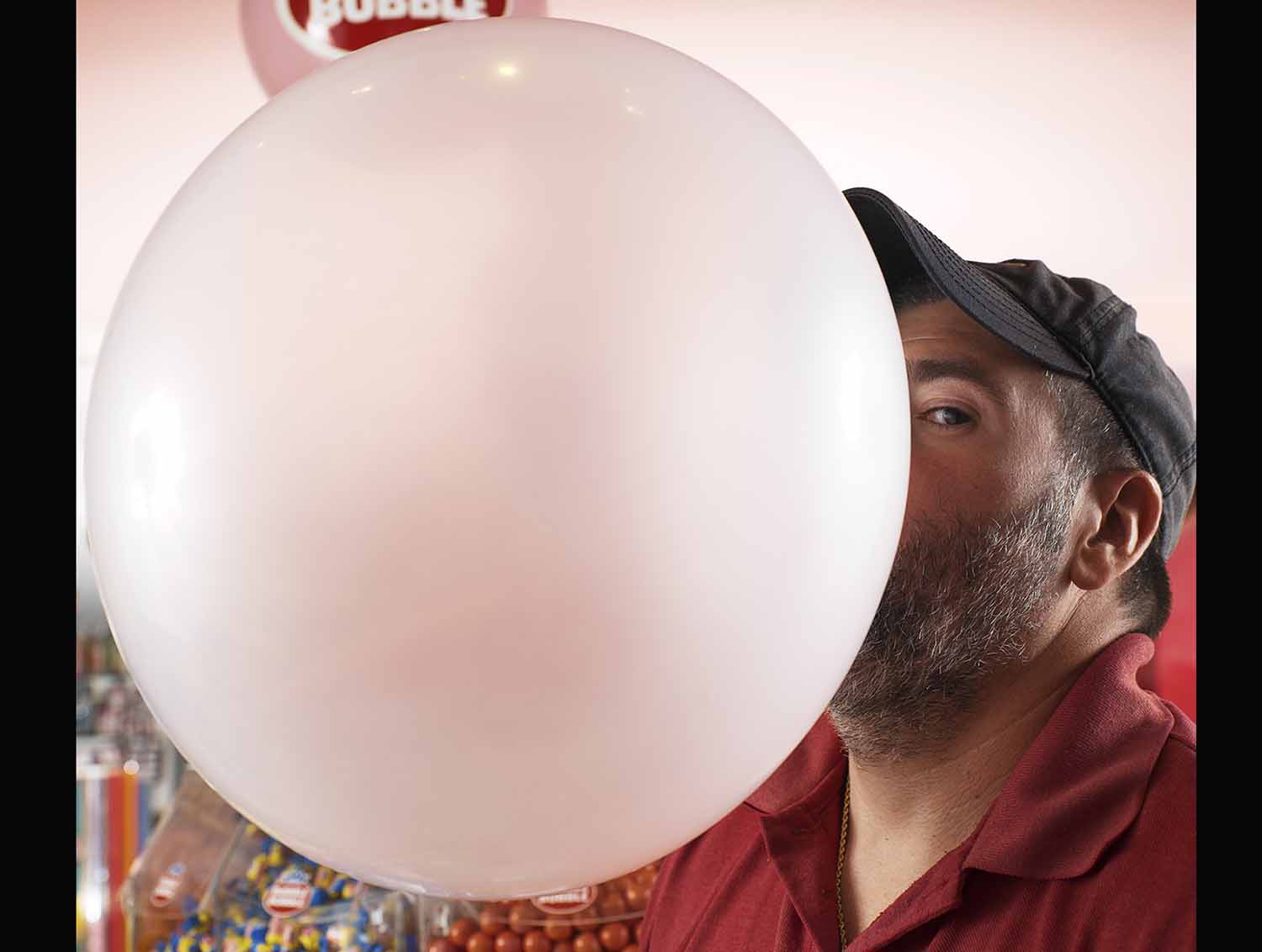
A man blows a bubblegum bubble that is much larger than his head

© Courtesy of Guinness World Records

Chad Fell holds the record for the largest bubblegum bubble blown.

That’s why Guinness chose to celebrate its anniversary by giving everyone a chance to get onto the list of records. The company has created an online quiz that helps people understand what kind of record might fit them. There’s also a list of 70 unclaimed records on the website. You, or anyone else, can try to do the most high-fives in 30 seconds, set the longest time to balance a spoon on the nose, and much more!

Glenday says Guinness will add new records to be set all the time so that more people can try for them. The rules are simple. A new record must be meaningful and interesting, and setting the record needs to require effort.

“Otherwise, [a record is] official, but it’s not amazing. And [our list has to] be officially amazing,” he says.

Face Thinking Icon

Did You Know?

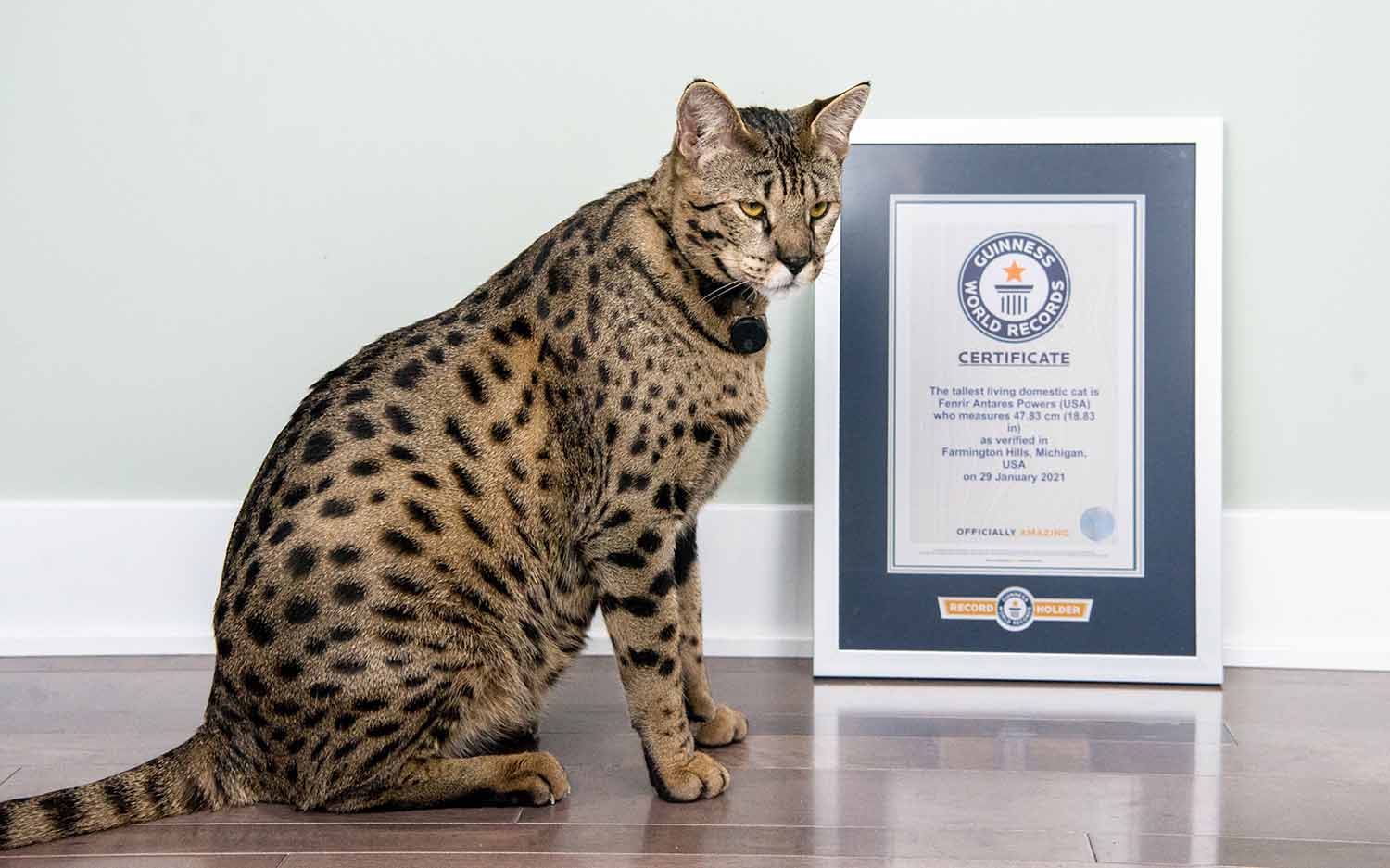
Guinness won’t accept a new record unless there’s evidence, or proof, that it was set. This means there must be a video or photos, as well as witnesses (people who saw the record being set).

A very large Bengal cat sits next to a certificate saying that he holds the record as the world’s tallest cat.

© Courtesy of Guinness World Records

Fenrir is the world’s tallest domestic cat—and he has the Guinness World Records certificate to prove it!

That’s Unbelievable!

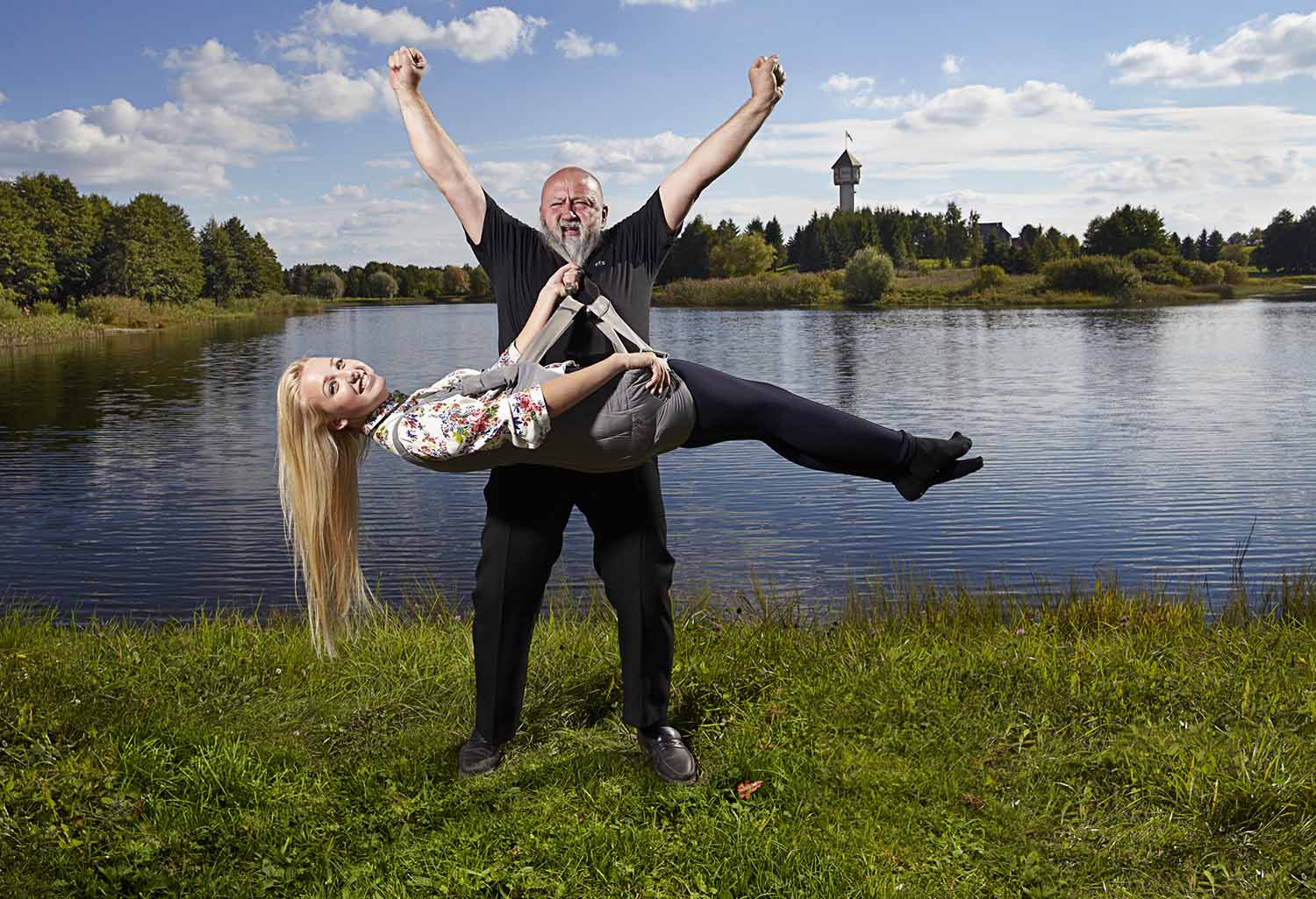
A woman in a harness is being lifted by a man’s beard, which is attached.

© Courtesy of Guinness World Records

Antanas Kontrimas holds the Guinness World Record for the heaviest weight lifted by a human beard.

Guinness has collected some seriously weird records over the years. Check out these strange, but real, accomplishments!

  • Heaviest train pulled by a beard
  • Tallest cow
  • Most wins of the World Snail Racing Championships
  • Fastest talker
  • Longest attack of hiccups
  • Largest bubblegum bubble
  • Fastest time to push an orange 1 mile with the nose
  • Most skips of a single rope by a dog and a person at the same time in 1 minute
Wu Zhengdan stands on her toe in a pointe shoe on Wei Baohua’s head as she extends the other leg.

© Courtesy of Guinness World Records

Wei Baohua and Wu Zhengdan hold the Guinness World Record for the most pirouettes (full spins) on pointe on the head.

A Record-Breaking Legend

Simone Biles smiles while wearing four Olympic medals around her neck.

© Naomi Baker/Getty Images

Simone Biles poses with the medals she earned at the 2024 Olympics in Paris, France.

American gymnast Simone Biles isn’t just an Olympic champion. She holds several world records, too, including the most World Championship golds—23 of them!

Biles is also the most decorated U.S. gymnast in the history of the Olympics. That means she has won more Olympic medals than any other American gymnast.

Word of the Day Icon

Word of the Day

humdinger

Part of speech:

noun

Definition:

: something that is very impressive or exciting

Definitions provided by
Merriam-Webster Logo
Game Icon

Play

Word Flower

.

In Case You Missed It

Taryn Smith is the first American woman to row solo across the Atlantic Ocean.
March 5, 2026
A powerful waterfall doesn’t easily freeze, but this winter has been especially cold!
March 3, 2026
For Women’s History Month, we’re honoring two women who inspired many others to take to the skies.
February 26, 2026
Baseball player Ron Teasley has died. Teasley was one of the last living athletes to play in the Negro Leagues.
February 24, 2026

Tiny Talents

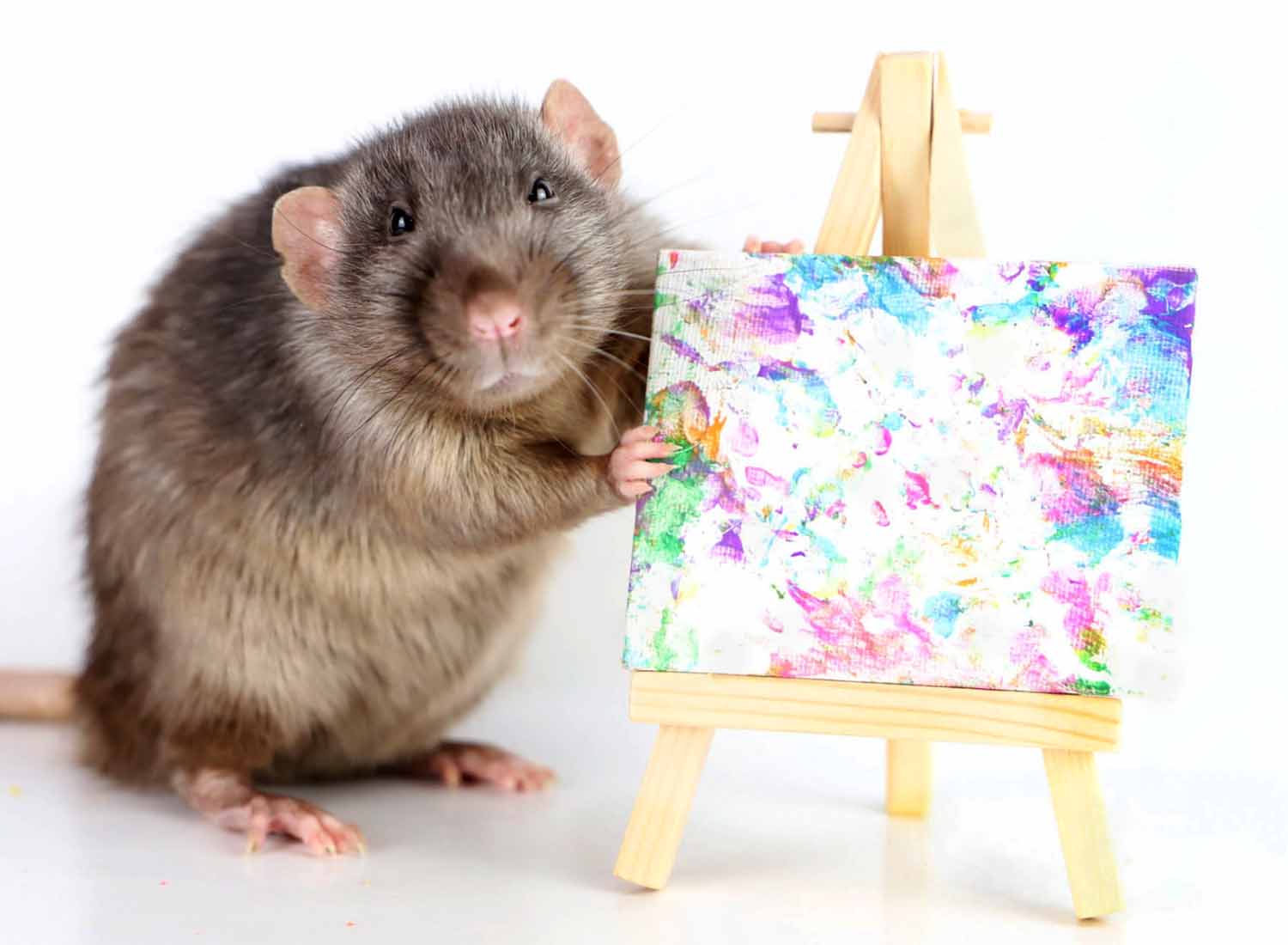
A brown rat has its paws on a tiny easel and a canvas on which there is a design made with paint.

Tiny Talents

Some pet rats are turning out to be talented artists!

A brown rat has its paws on a tiny easel and a canvas on which there is a design made with paint.

© Steph Toogood/Toogoods Tiny Paws

Steph Toogood sells paintings created by her pet rats. In this photo, one of the rats displays its work.

Some clever artists are making a splash selling their paintings online. These artists aren’t human; they’re rats! And their little works of art are in high demand.

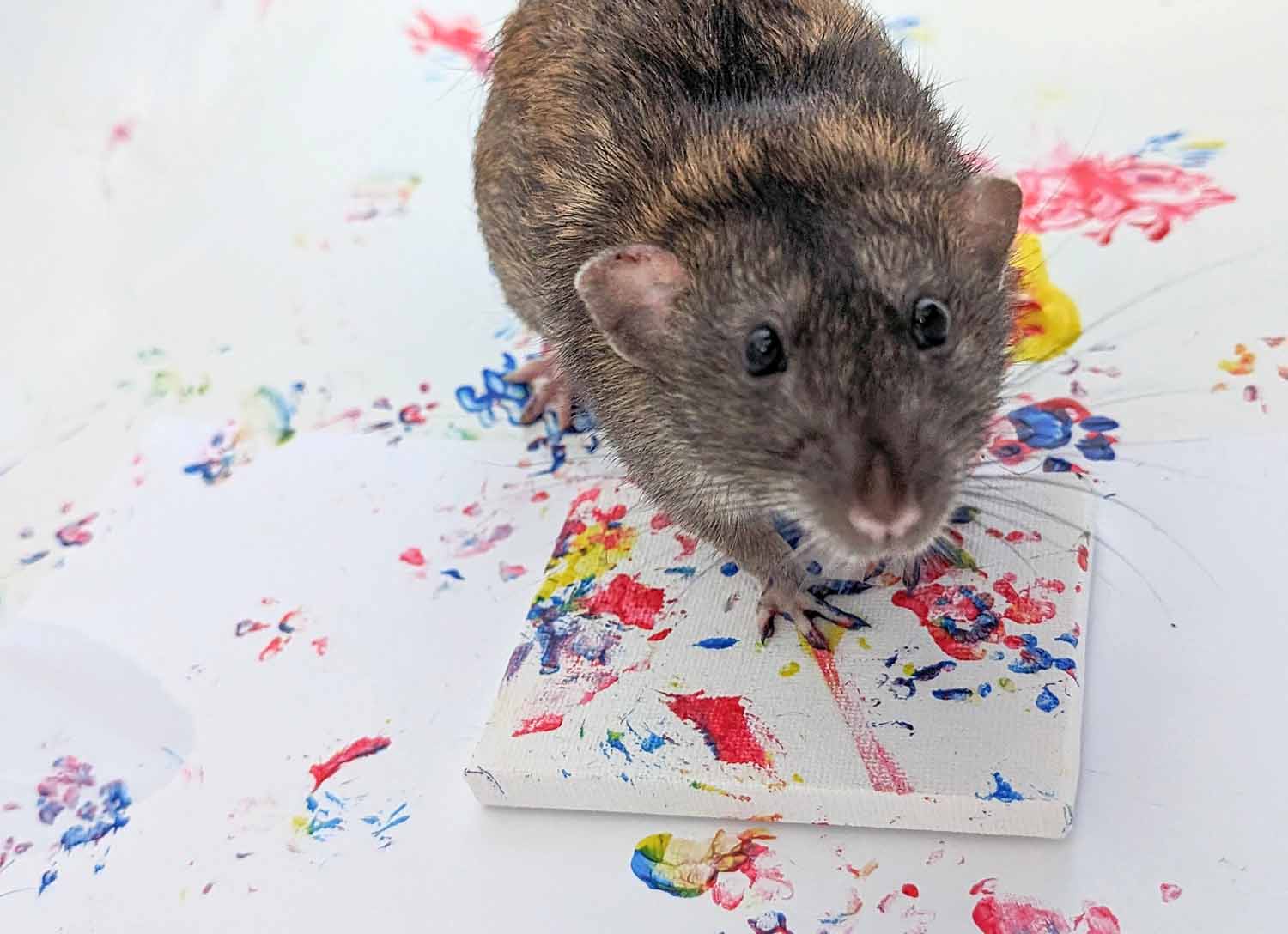
Veterinary nurse Steph Toogood of the United Kingdom has been having her pet rats walk through paint and onto tiny canvases since 2018. After one of Toogood’s rats died, she decided she wanted to put each of the remaining rats’ paw prints on canvas. 

Once their paws were coated in paint, each of the highly active rats ended up creating something different—something more like art. Toogood decided the rats should keep painting, as long as they were willing. Then she started selling the paintings online.

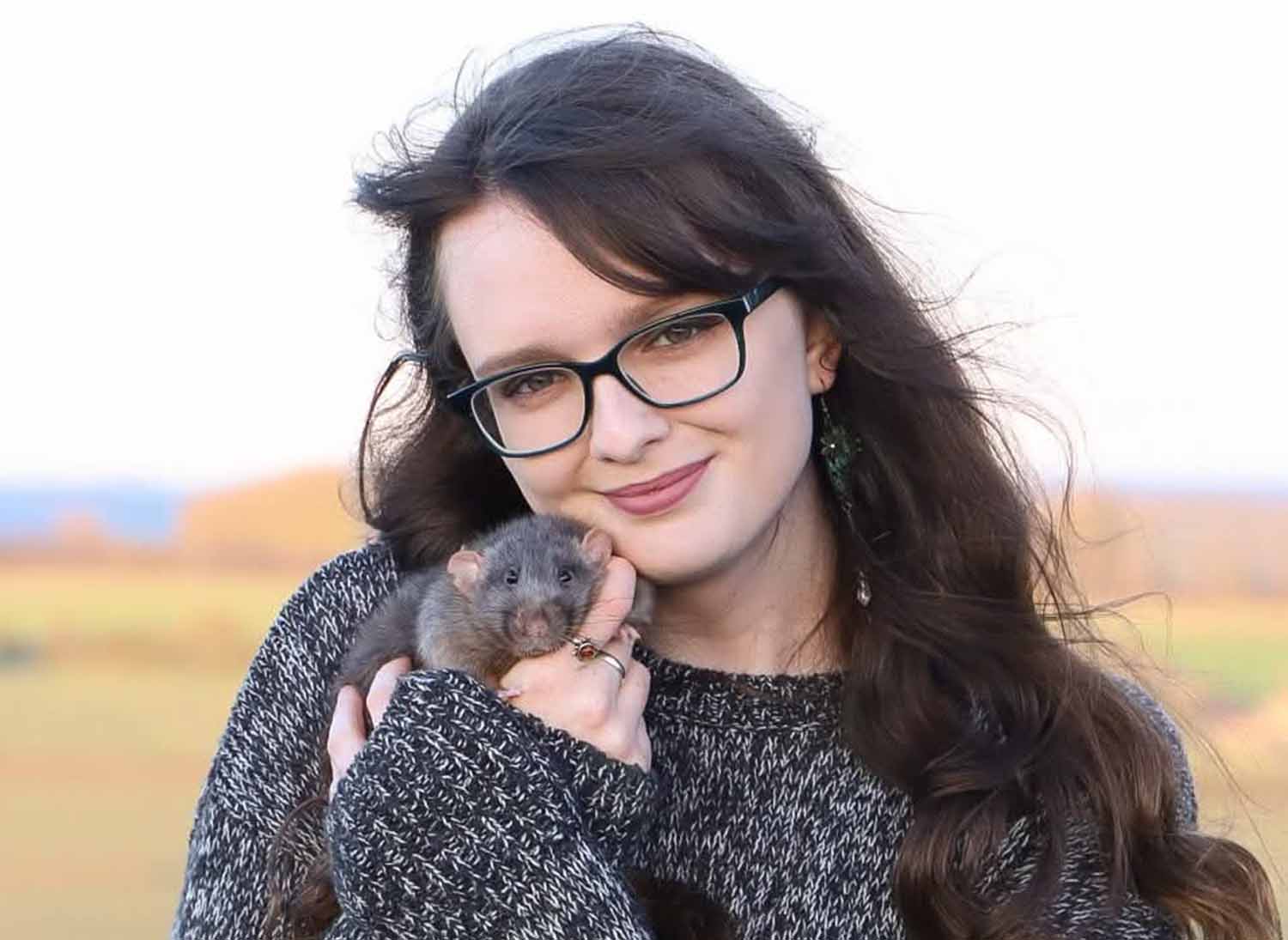
Steph Toogood smiles and holds her pet rat in her hands.

© Steph Toogood/Toogoods Tiny Paws

Steph Toogood sells her pet rats’ paintings through her business, Toogoods Tiny Paws.

“When I first started my business, I had 12 [male rats] who were involved in painting,” Toogood told the BBC. “I now have five bucks [male rats] and 11 does [female rats], 12 of whom paint. The rats are trained to follow my hand and treats. The rats are never forced to run through paint. If they show any signs of unwillingness on the day, we stop.” 

Toogood has inspired at least one admirer to harness her own rats’ creativity. After seeing Toogood’s works online, 18-year-old Ella Woodland, also from the United Kingdom, bought a set of paints and some tiny canvases for her eight rats—Gubler, Rumple, Reid, Hotch, Morgan, Rossi, Luke, and Gideon. 

“They walk around in the paint, which is laid on the floor,” Woodland told media company SWNS. “Sometimes I have to put my finger in a jar of baby food and let them follow it around, so they can walk around the canvas.”

A rat looks at the camera while stepping on a tiny canvas with paint-covered feet.

© Steph Toogood/Toogoods Tiny Paws

Steph Toogood’s rat creates a masterpiece.

Toogood, who features her rats in an Instagram account, says people are often surprised to learn that domestic rats are intelligent, loyal pets.

“A lot of people have come to me and said that what I do with the photos I share has changed their perception of rats, which is lovely to hear,” she told the BBC. “I think that photographs help to capture how cute rats really are and show a different side to them.”

But she also cautions that not everyone should have a pet rat. Rats require a lot of care, and it’s important to learn about any animal’s needs before adopting it as a pet.

Face Thinking Icon

Did You Know?

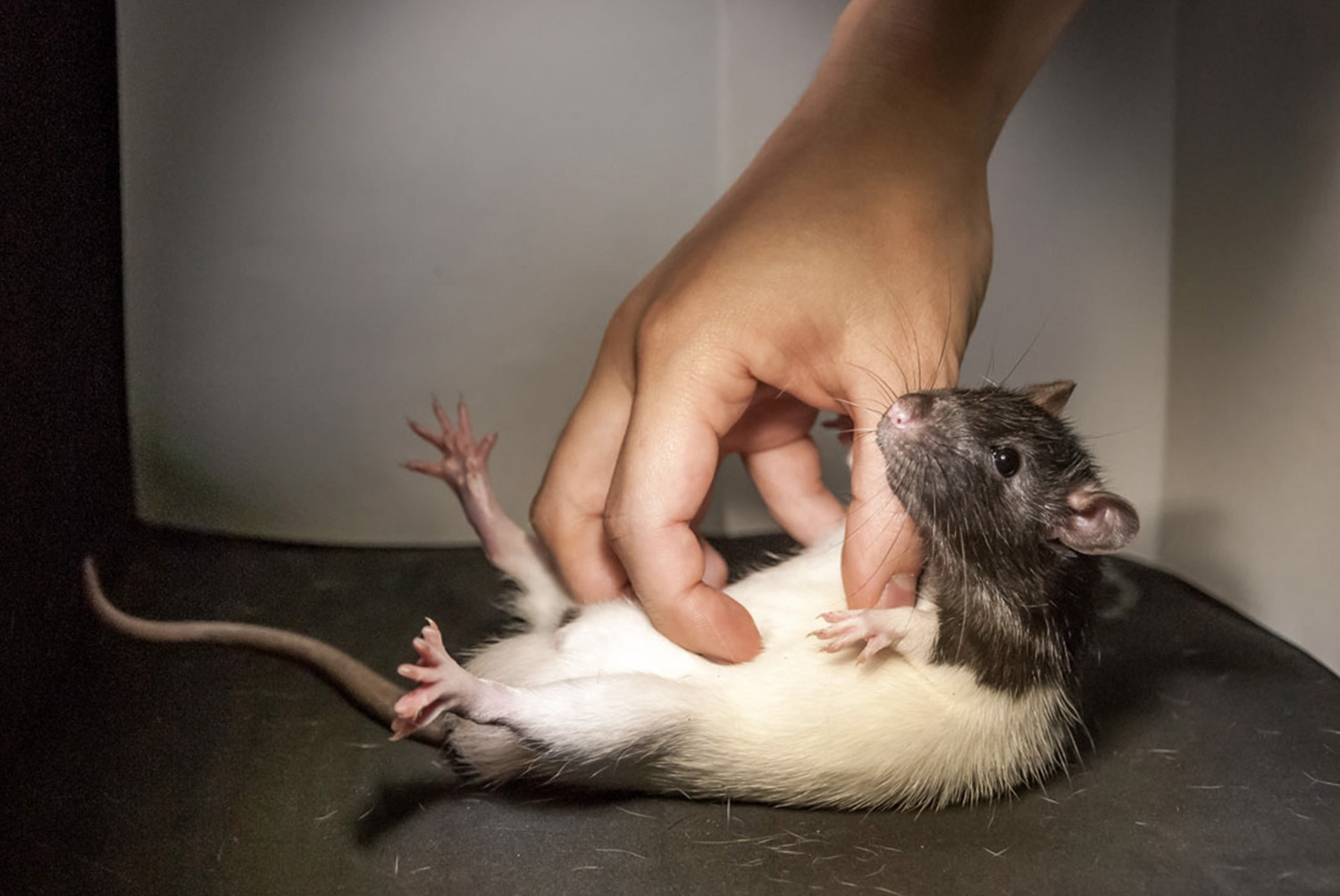
Rats have their own form of laughter! Scientists found that when tickled, rats make a sound that’s too high pitched for humans to hear. It’s the same sound they make when they play.

A human hand is shown ticking a rat on its belly.

Courtesy of Shimpei Ishiyama and Michael Brecht/Humboldt University of Berlin

Animal Artists

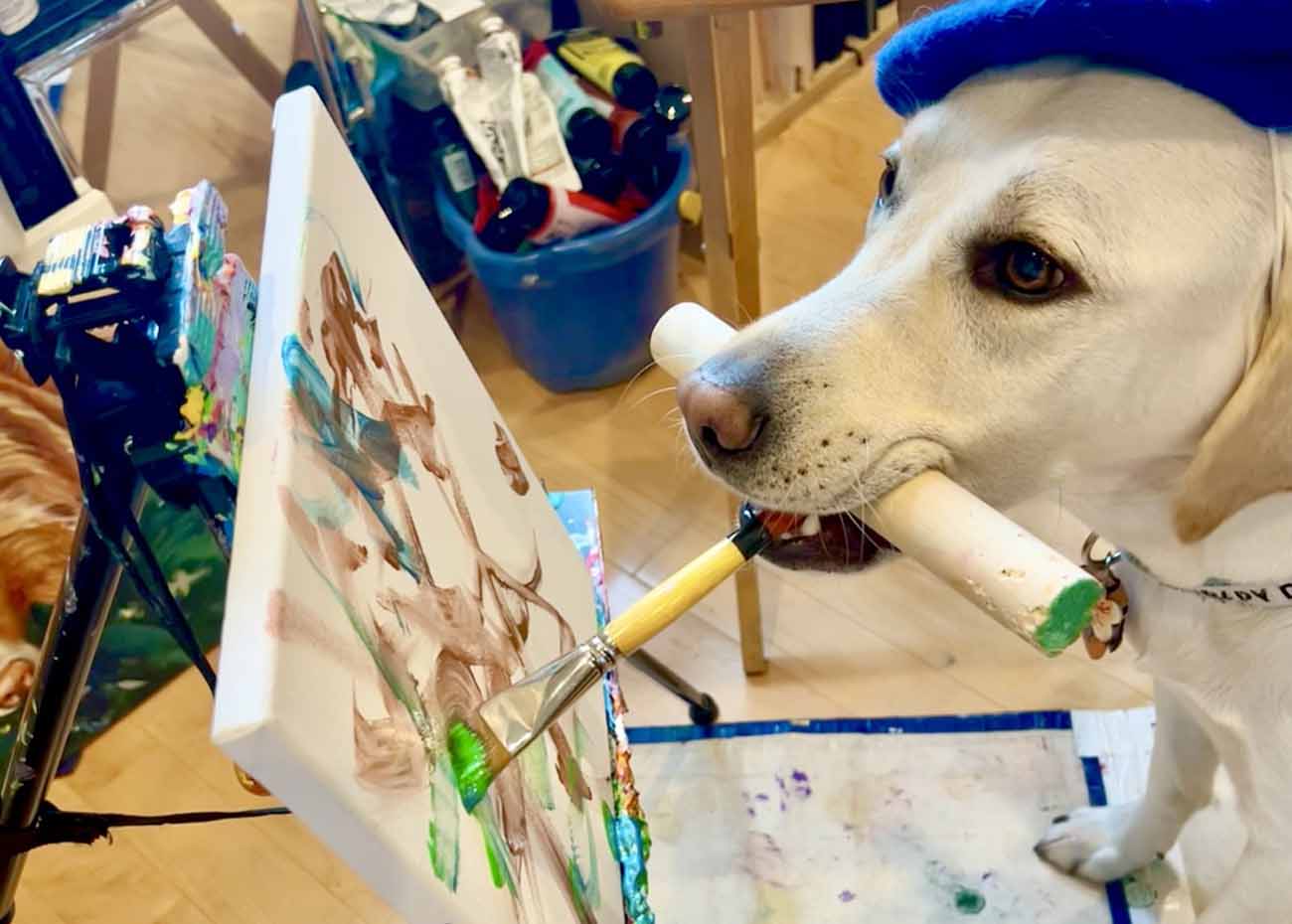
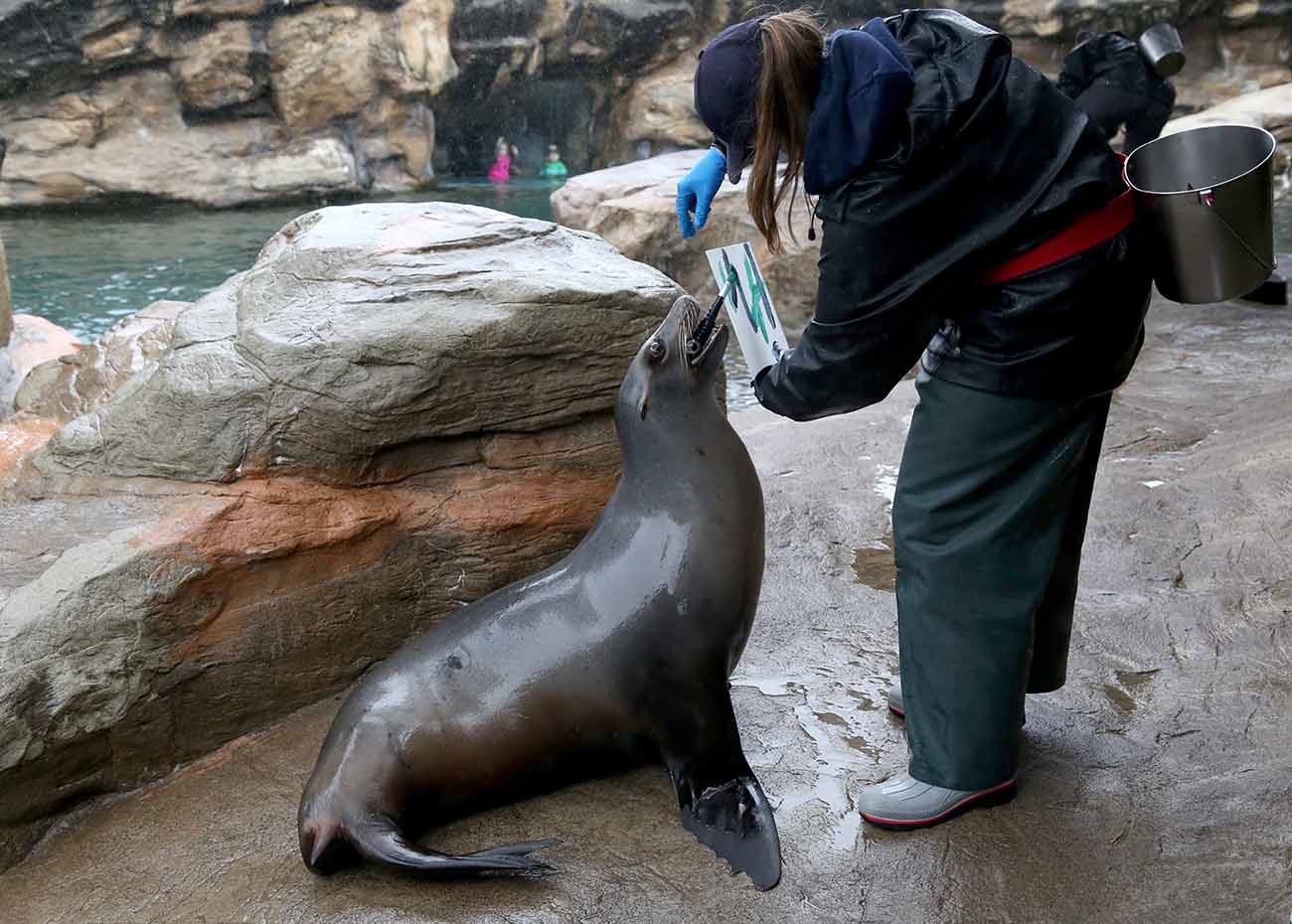
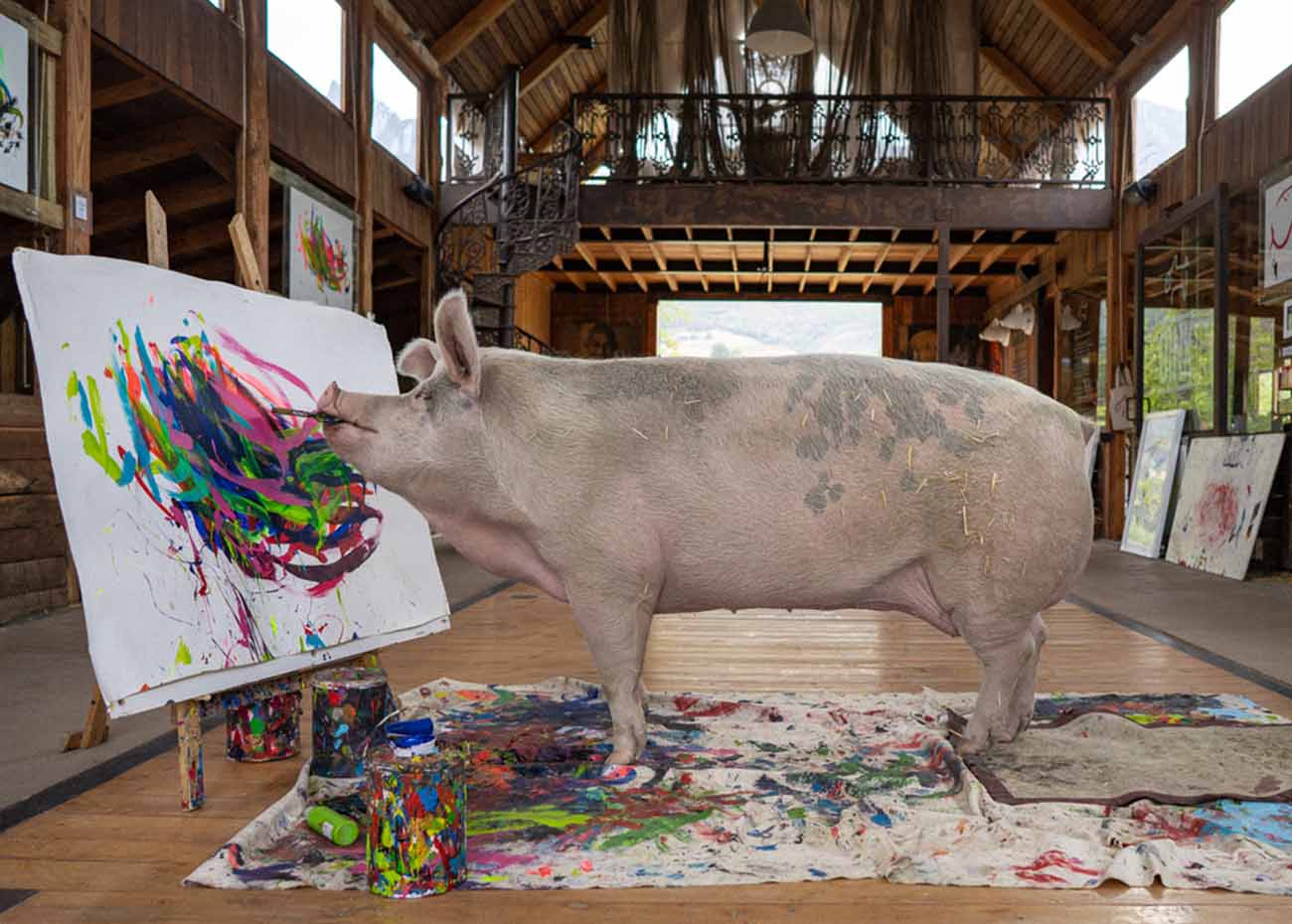
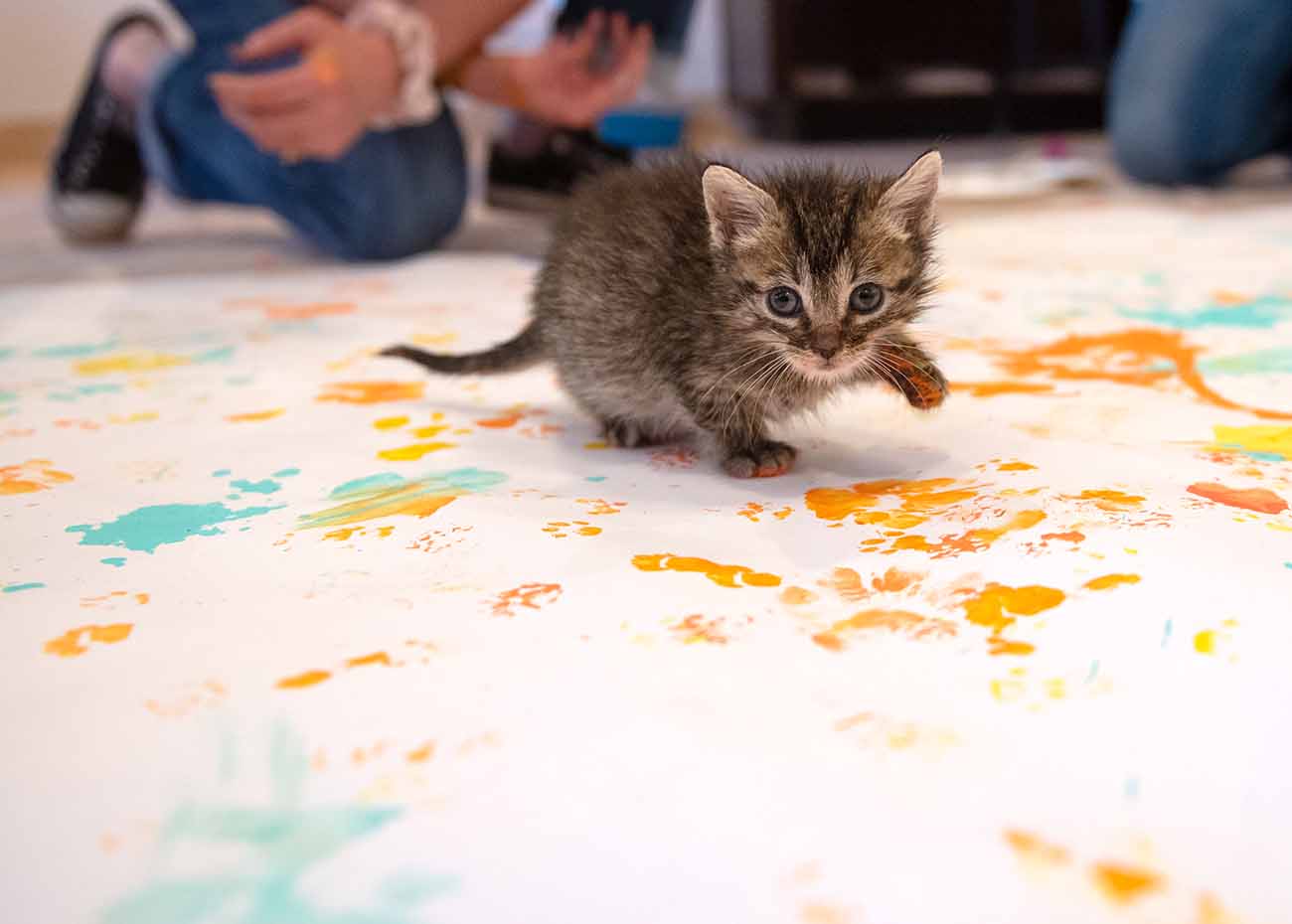
Rats (and humans) aren’t the only animals that paint. People have encouraged monkeys, cats, and other animals to create art by giving them paint and (in some cases) brushes. 

Click through the slideshow to learn which animal friends have a way with a paintbrush.

Courtesy of © Yvonne Dagger, Courtesy of Oregon Coast Aquarium, Courtesy of Joanne Lefson/Pigcasso.com, Photo courtesy of Best Friends Animal Society

Oh, Rats!

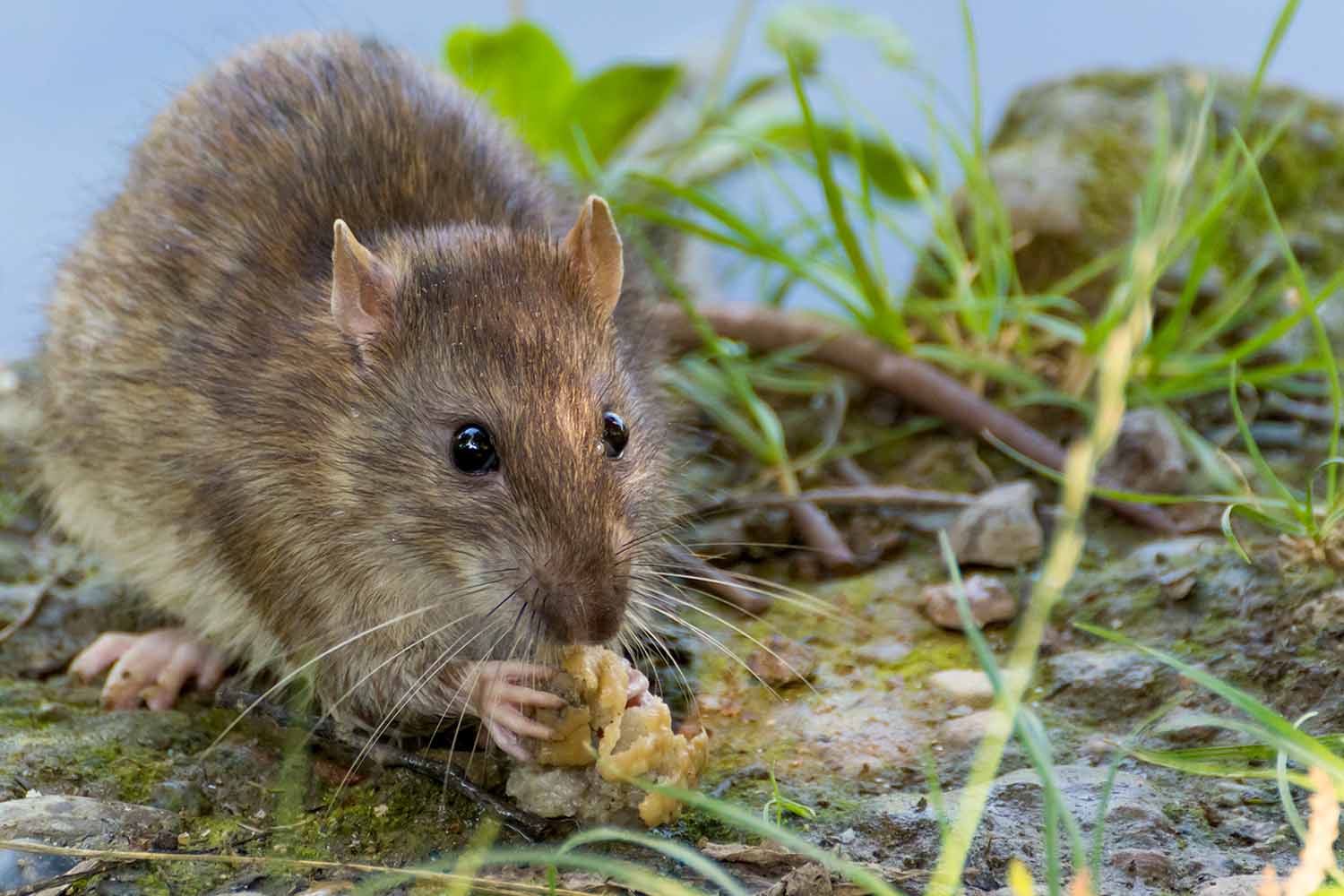
A brown rat eats something in a grassy environment.

© LiviuConstantin/stock.adobe.com

A rat can be an amazing pet for the right person. But every pet has its own special needs, and even a little rat is a huge responsibility. 

Check out Britannica to learn more about rats!

Word of the Day Icon

Word of the Day

scurry

Part of speech:

verb

Definition:

: to move quickly and with short steps

Definitions provided by
Merriam-Webster Logo
Game Icon

Play

Word Search

.

In Case You Missed It

Taryn Smith is the first American woman to row solo across the Atlantic Ocean.
March 5, 2026
A powerful waterfall doesn’t easily freeze, but this winter has been especially cold!
March 3, 2026
For Women’s History Month, we’re honoring two women who inspired many others to take to the skies.
February 26, 2026
Baseball player Ron Teasley has died. Teasley was one of the last living athletes to play in the Negro Leagues.
February 24, 2026

The Storyteller

Side by side images show the cover of the Yuyi Morales book Little Rebels and a portrait of Morales.

The Storyteller

Author and illustrator Yuyi Morales’s work is inspired by her two countries: Mexico and the United States.

Side by side images show the cover of the Yuyi Morales book Little Rebels and a portrait of Morales.

Text and illustrations copyright © 2025 by Yuyi Morales. Used with permission from Holiday House Publishing, Inc. All rights reserved.© Photo by Gustavo Barrios, courtesy of Holiday House Publishing, Inc.; Encyclopædia Britannica, Inc.

Little Rebels (left) is the latest book from author and illustrator Yuyi Morales (right).

Yuyi Morales was lonely when she first arrived in the United States from Mexico. But the public library didn’t just welcome her. It also inspired a whole new career as a storyteller. Today, Morales spins words and colorful pictures into stories from her two countries: Mexico and the United States.

Born in Xalapa, Mexico, Morales grew up loving both art and swimming. In college, she trained to be a physical education teacher and later became a swimming coach. Then, in 1994, Morales moved to the United States with her American husband to be closer to his family. It was difficult to be in a new country where she didn’t know many people or speak the language. Hoping to entertain her young son and improve her English, Morales began visiting the children’s section of her local public library. The lively stories and colorful illustrations she found in children’s books reminded her of the stories her grandmother and aunts had told her. They made her want to become a storyteller herself. 

Morales is now the author and illustrator of several books in English and Spanish, including Bright Star, Dreamers, and Niño Wrestles the World. She has also illustrated books written by other authors. Morales’s artwork graces the pages of My Abuelita and Ladder to the Moon, among many other books. Morales has won many awards for her colorful illustrations. These include the Caldecott Honor (given to the year’s best American picture books) and the Pula Belpré Award (for outstanding work by a writer and illustrator who is Latino or Latina, meaning they or their family came from Mexico, Central America, or South America).

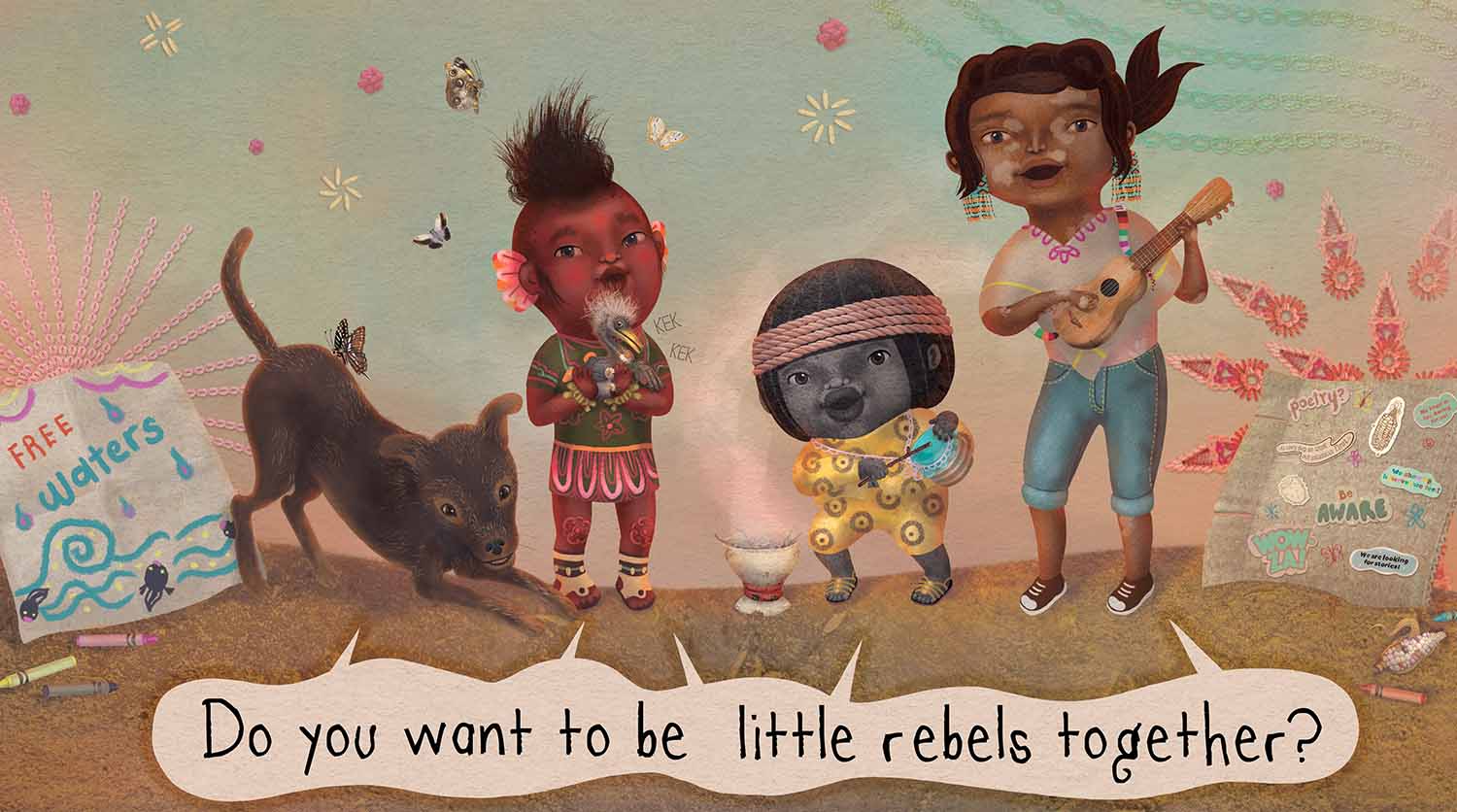
A set of interior pages from Little Rebels shows an illustration from the book.

Text and illustrations copyright © 2025 by Yuyi Morales. Used with permission from Holiday House Publishing, Inc. All rights reserved.

Two pages from the Yuyi Morales book Little Rebels, which was published in September 2025.

In Morales’s latest book, Little Rebels, three children help one another when they face difficult problems. Together, they show that love, caring, and community can be powerful forces.

Today, Morales lives and works in her beloved home country of Mexico. She says she never imagined becoming a writer and artist when she was a kid. It was a dream she discovered later, after she realized how powerful stories can be. When you tell someone’s story, you give them a voice, Morales says.

“I feel that, in putting myself [and my stories] out there, I can open the doors for the stories of those who need more attention,” she said in a conversation for Publishers Weekly.

NEWS EXTRA

National Hispanic Heritage Month

Young people in colorful Indigenous clothing are in dance poses as part of an outdoor parade.

© Johan Ordonez—AFP/Getty Images

Students wear Indigenous (native) clothing as they take part in an Independence Day parade in Guatemala City, Guatemala.

In the United States, National Hispanic Heritage Month is observed between September 15 to October 15. It’s a time to celebrate the contributions Hispanic Americans have made to the United States. 

National Hispanic Heritage Month celebrations often highlight the music, art, food, and accomplishments of Hispanic Americans. (In case you’re wondering, Hispanic Americans are Americans who can trace members of their families back to Spanish-speaking countries. Most of these countries were colonies of Spain before gaining independence.) 

There’s a good reason why National Hispanic Heritage Month begins on September 15 instead of September 1. Five Spanish-speaking countries (Costa Rica, El Salvador, Guatemala, Honduras, and Nicaragua) celebrate their independence on September 15. What’s more, Mexico’s independence day is September 16, and Chile’s is September 18.

With a crowd of people in the background, a boy waves two flags of El Salvador.

© Camilo Freedman—APHOTOGRAFIA/Getty Images

A boy waves two Salvadoran flags during an Independence Day celebration in San Salvador, El Salvador.

Face Thinking Icon

Did You Know?

The Pula Belpré Award honors outstanding Latino and Latina authors and illustrators. The award is named for Pura Belpré, an author and New York City children’s librarian. 

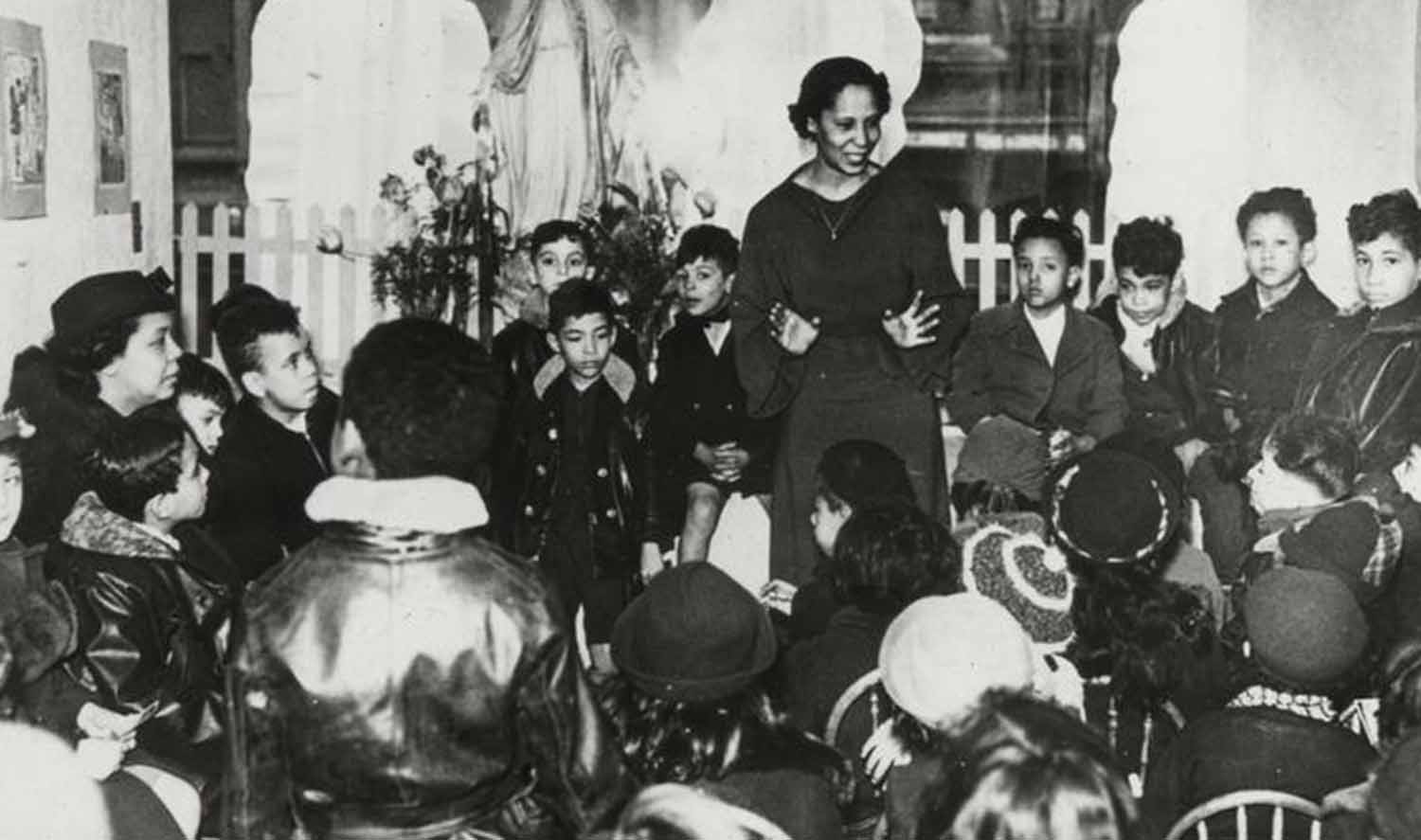
Belpré was Puerto Rican—like many of the children who visited her library. She added many books by Hispanic authors to the library’s collection. Belpré believed the books on a library’s shelves should reflect the cultural backgrounds of the children who read them. The photo below shows Belpré (standing) at a children’s storytime event.

Pura Belpré stands and speaks in a room that is filled with seated children.

The New York Public Library Digital Collections

Be a Book Illustrator!

Dav Pilkey stands at an easel drawing his Dog Man character.

Shawn Miller/Library of Congress, Washington, D.C.

Dav Pilkey has written and illustrated many books, including Dog Man and the Captain Underpants series.

Do you like to draw or paint? Maybe you’re interested in becoming a children’s book illustrator. Here’s a step-by-step guide to show you how to get your foot in the door…and beyond!

1. Draw, draw, draw. Great illustrators practice a lot. This helps them develop their own style. The work of a great illustrator stands out because it’s uniquely their own. 

2. Read lots of picture books. Study the illustrations. There are probably kids, animals, or both. What else do these illustrations show? Trees? Monsters? Practice drawing things that often appear in children’s stories.

3. Make a portfolio. A portfolio is a collection of a person’s very best art. Your portfolio will give others an idea of what you can do, so include a variety of different drawings.

4. Get an agent. An agent is a person who helps book writers and illustrators by connecting them to publishers. Send your portfolio to an agent. They may say yes to working with you, or they may say no. The good news is, you can try more than one agent!

5. Talk to a publisher. Some illustrators don’t talk to agents. Instead, they call book publishing companies and send in their portfolios. Like agents, publishers don’t always say yes. In fact, they often say no because so many other people want to be illustrators too! But if a publisher thinks they’d like to work with you, they may match you with an author whose book you can illustrate! 

National Hispanic Heritage Month

A flashing GIF shows a series of prominent Hispanic Americans from many different fields.

© Keith Dannemiller/Alamy, © Sundry Photography, Kobby Dagan//Shutterstock.com, © Carlos R, Julio/stock.adobe.com, © Jinlide/Dreamstime.com, Laurence Griffiths, Focus on Sport/Getty Images, Steve Petteway/Collection of the Supreme Court of the United States, Centers for Disease Control and Prevention

It’s National Hispanic Heritage Month in the United States! You can learn more about Hispanic heritage, and find a list of accomplished Hispanic Americans, at Britannica.

Word of the Day Icon

Word of the Day

outstanding

Part of speech:

adjective

Definition:

: extremely good or excellent

Definitions provided by
Merriam-Webster Logo
Game Icon

Play

Crossword

.

In Case You Missed It

Taryn Smith is the first American woman to row solo across the Atlantic Ocean.
March 5, 2026
A powerful waterfall doesn’t easily freeze, but this winter has been especially cold!
March 3, 2026
For Women’s History Month, we’re honoring two women who inspired many others to take to the skies.
February 26, 2026
Baseball player Ron Teasley has died. Teasley was one of the last living athletes to play in the Negro Leagues.
February 24, 2026