




© Steve Munro/stock.adobe.com
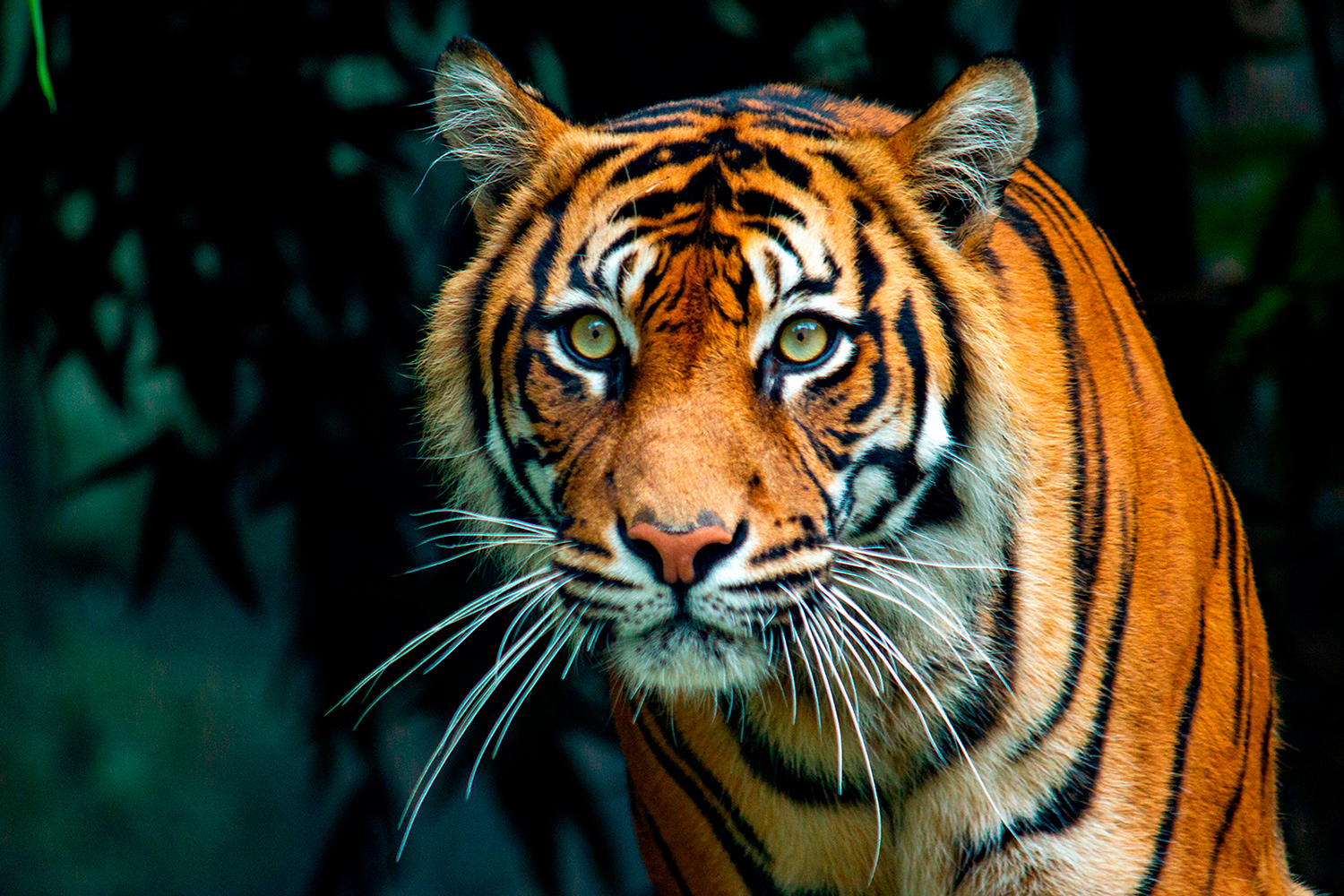
A Sumatran tiger
The endangered tigers of Sumatra have some dedicated guardians: an all-women ranger team with a mission to protect rainforest wildlife.
The Indonesian island of Sumatra is larger than Great Britain and the only place where wild tigers, elephants, rhinoceros, and orangutans coexist. But these animals need protection from poachers and from companies cutting down the forest for farmland. That’s where the Nuraga Bhumi Institute comes in. The Nuraga Bhumi rangers patrol the rainforest to dismantle illegal poaching traps, while using cameras and drones to track wildlife. They ensure the wild animals do not wander from their habitats to local farms and villages, which is key to human and animal safety on this tropical island.
© Peter Langer/Design Pics Editorial—Universal Images Group via Getty Images
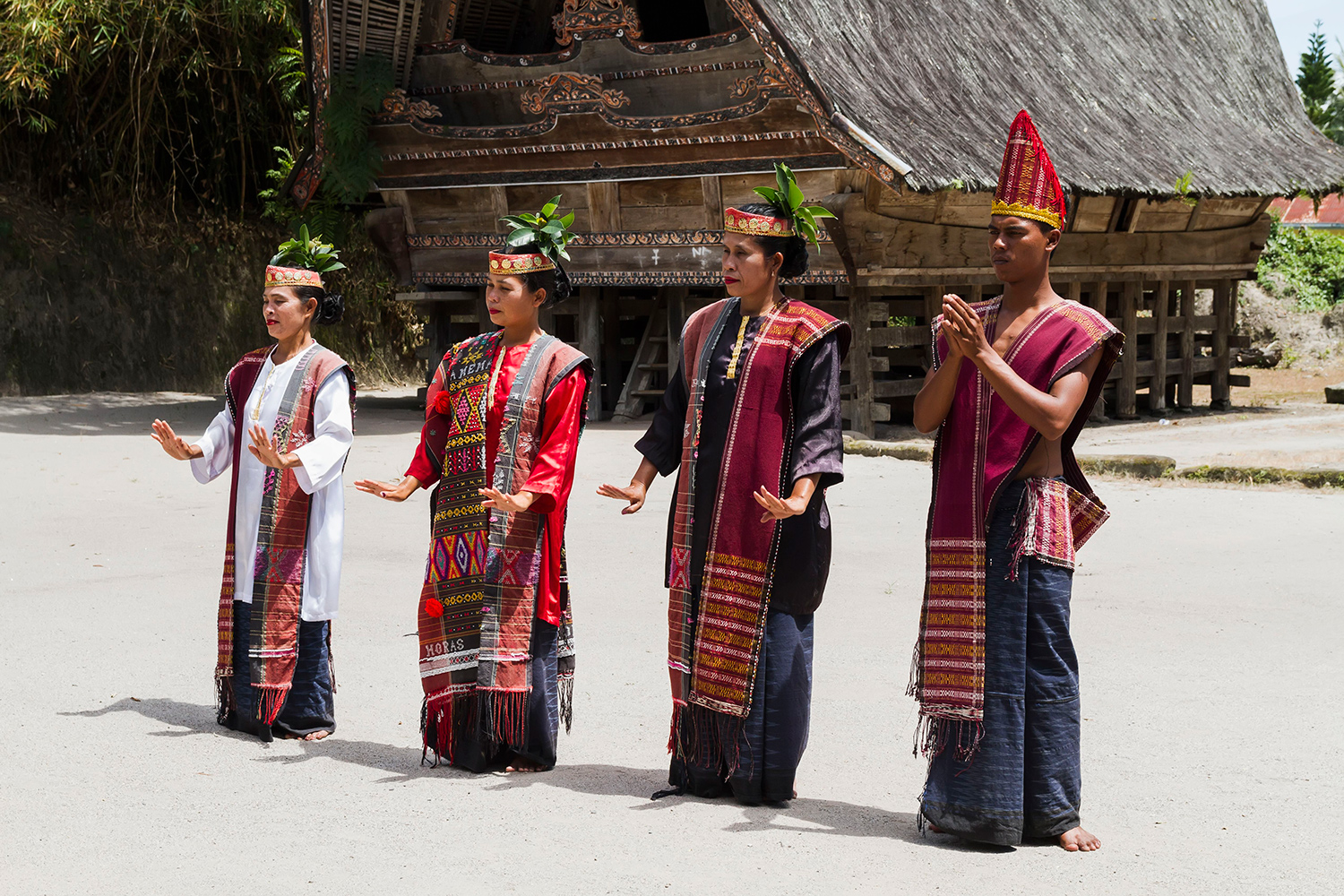
Toba Batak people perform a traditional dance at the Huta Bolon Museum in Indonesia.
The rangers are all Batak, an Indigenous group of Sumatra. The Batak have a strong cultural connection to the Sumatran tiger, which they call opung, or grandparent, in their language. Calling the tiger opung stems from Batak legends in which tigers become friends and family members.
Nayla Azmi created Nuraga Bhumi with the expectation that local Indigenous women who are strongly connected to the land and local communities can have a positive impact on wildlife conservation. Unfortunately, these women are often left out of conservation efforts, she said in an interview with The Guardian.
“We can’t just sit around while there is rampant poaching or while our opung live in cages,” said Azmi.
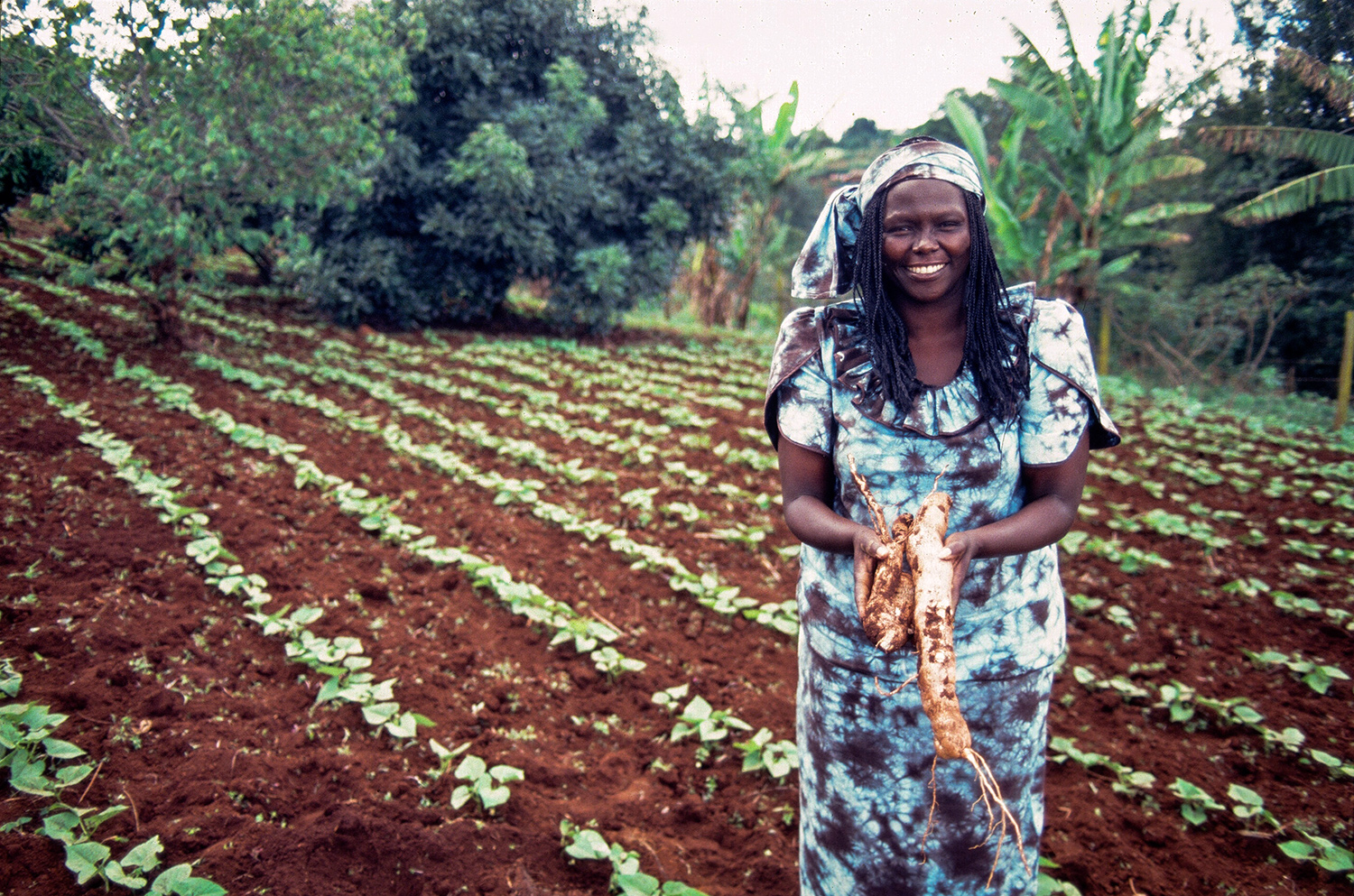
Kenya’s Wangari Maathai was the first African woman to receive the Nobel Peace Prize. Maathai started the Green Belt Movement, which has led to the planting of tens of millions of trees in Kenya.
Wangari Maathai
© Hannah Peters/Getty Images, © Buda Mendes/Getty Images, © Buda Mendes/Getty Images, © Steph Chambers/Getty Images, © Naomi Baker/Getty Images
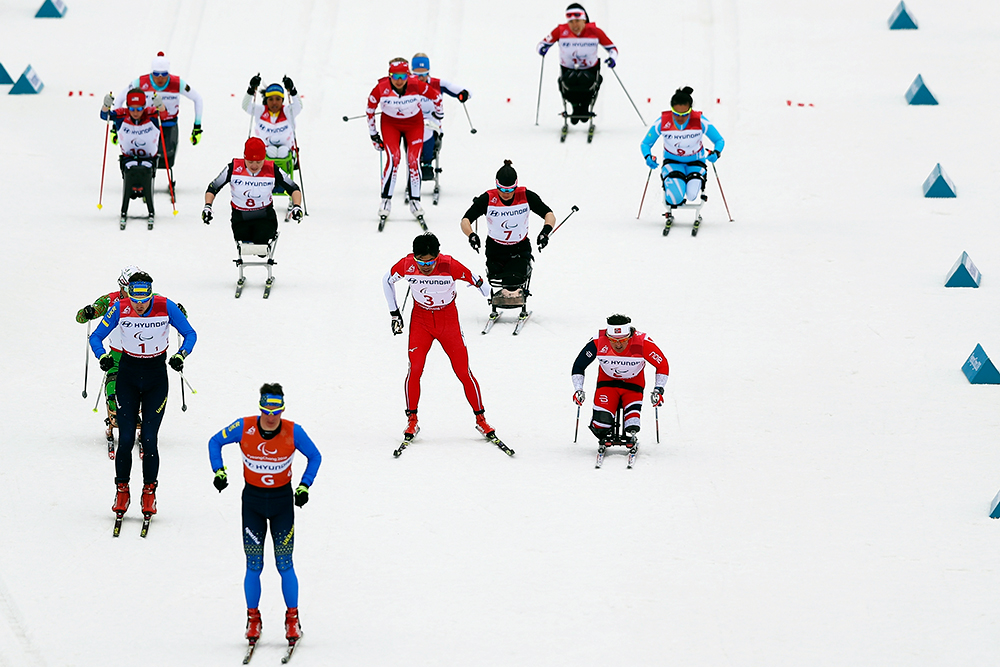
Just when you thought the thrill of the 2026 Winter Olympic Games was over, the Paralympic Games are about to begin! From March 6 to March 15, hundreds of athletes with disabilities will be competing in Italy for a chance to capture gold.
Paralympic athletes may compete using specialized equipment adapted to their needs. For example, some para alpine skiers opt for a single ski or a sit-ski. A sit-ski is designed for people who have difficulty coordinating their lower limbs. Skiers with vision impairments use a sighted guide who gives verbal signals to cue the skier through the course.
Para ice hockey players swap hockey skates for a hockey sledge, which is a metal frame with skate blades on the bottom. Each hockey player has two hockey sticks as well, doubling the excitement.
The modified equipment helps the athletes control their movements while they fly down snowy slopes or glide across the ice.
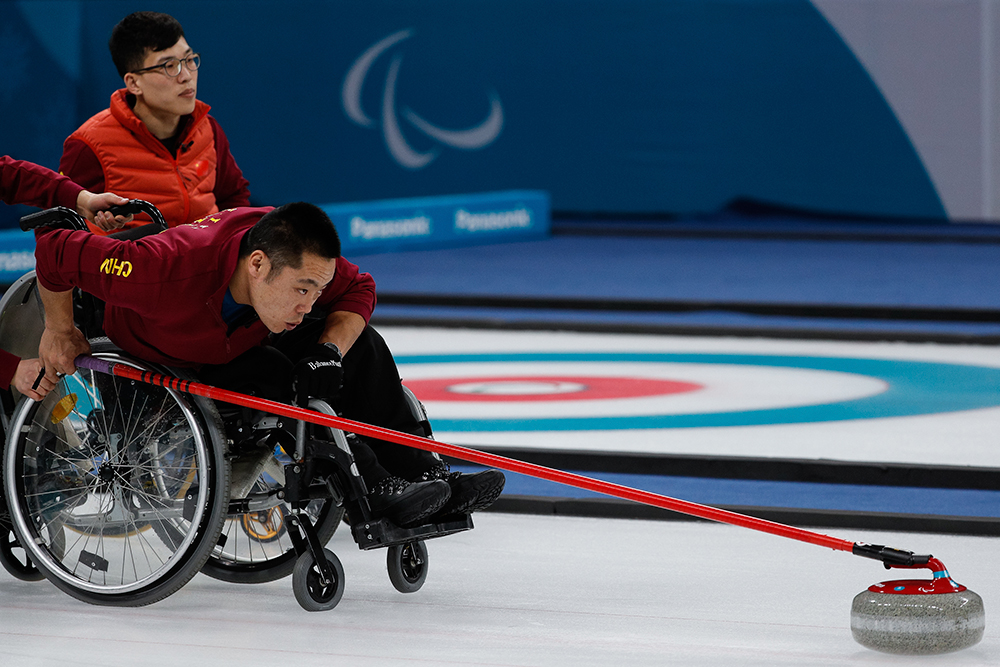
Other Paralympic events include para snowboarding, para cross-country skiing, para biathlon, and wheelchair curling. As many as 665 athletes from dozens of nations are expected to compete.
Click through the slideshow above for photos of previous Paralympic Games.
© IanDagnall Computing, United Archives GmbH/Alamy, © Ezra Shaw/Getty Images, © Binder—ullstein bild/Getty Images, © Penelope Breese/Liaison—Hulton Archive/Getty Images, © Cornelius Poppe/POOL—AFP/Getty Images; Photo composite Encyclopædia Britannica, Inc.
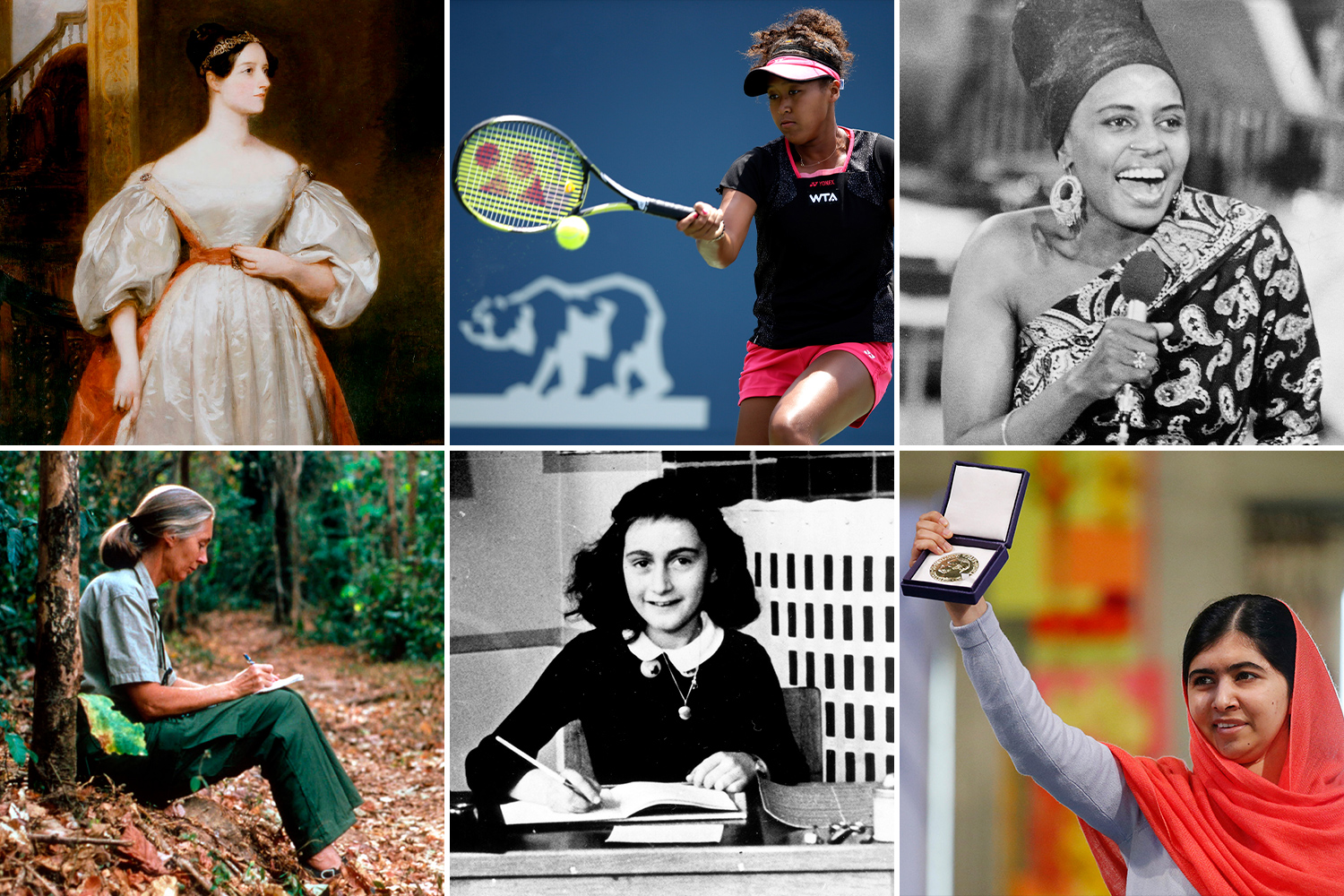
(Top row, left to right) Computer programmer Ada Lovelace, tennis player Naomi Osaka, and musician and activist Miriam Makeba. (Bottom row, left to right) Scientist Jane Goodall, diarist and Holocaust victim Anne Frank, and activist Malala Yousafzai.
Many countries around the world celebrate Women’s History Month in March, including Australia, Germany, Philippines, the United Kingdom, and the United States!
Read about women’s historic and current contributions, including Anne Frank’s moving diary, the computing power of Ada Lovelace, and the tenacity of tennis star Naomi Osaka, at Britannica.
adjective
: impossible to defeat or discourage
Use the clues to fill in the puzzle.
Here is how to cite this page using the MLA style. While every effort has been made to follow citation style rules, there may be some differences. Please refer to the appropriate style manual or other sources if you have any questions.
“In the News: The Women on Tiger Patrol.” Britannica School, Encyclopaedia Britannica, 26 Feb. 2026. https://news.eb.com/level2/the-women-on-tiger-patrol. Accessed 2 Mar. 2026 [Replace this date with today’s date.]

Nima Rinji is showing the world the powerful spirit of the Sherpa people as he climbs the tallest mountains on Earth.
© Skanda Gautam/SOPA Images—LightRocket/Getty Images
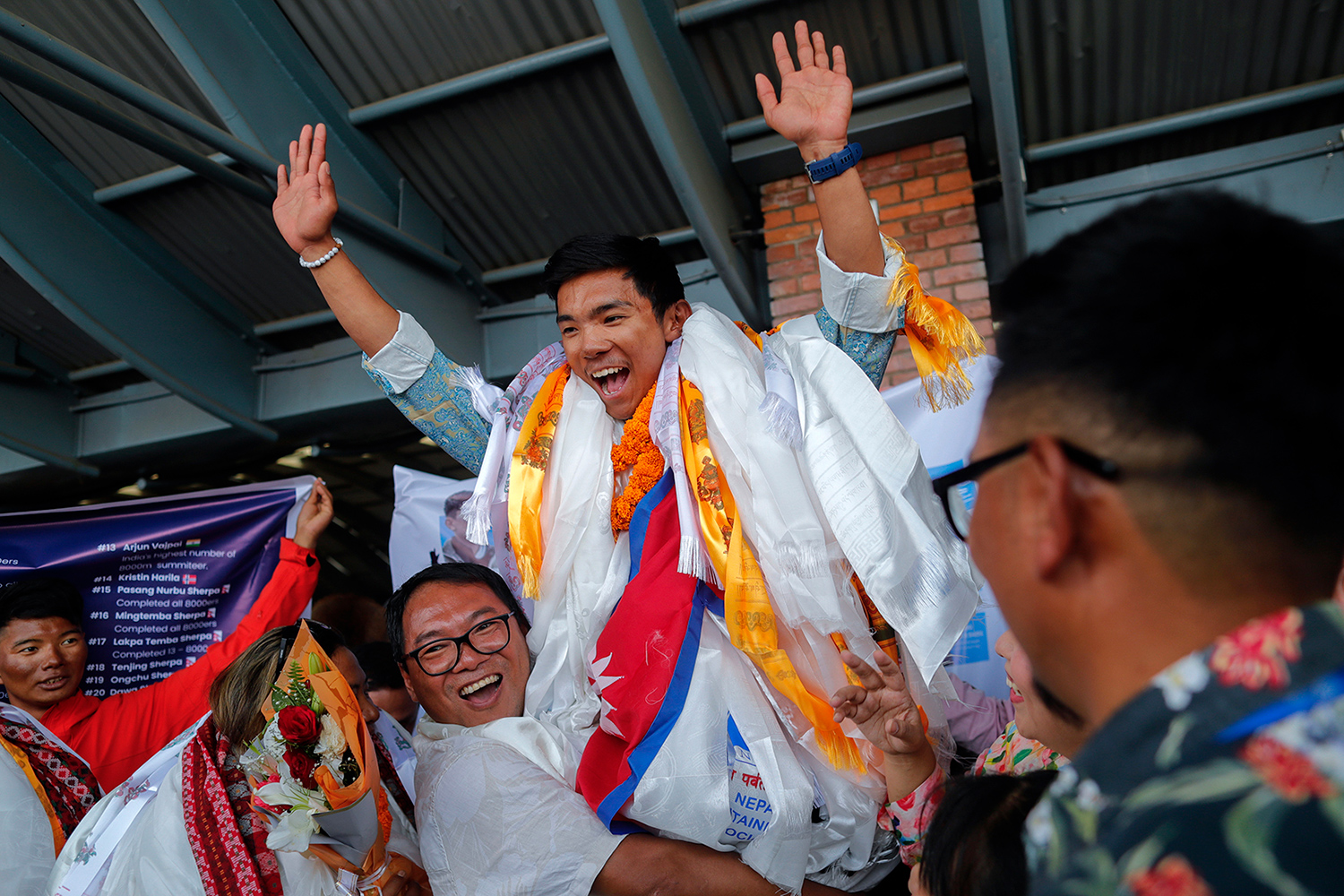
A family member carries Nima Rinji Sherpa after the 18-year-old became the youngest person to climb all 14 of the world’s highest peaks.
Nima Rinji Sherpa has already climbed his way to the top of the record books and is going for more. Nima is the youngest person to have climbed the world’s 14 tallest peaks, completing the feat by the age of 18. As a member of the Himalayan Sherpa ethnic group, Nima is also working to break stereotypes about what mountaineering stars look like on the global stage.
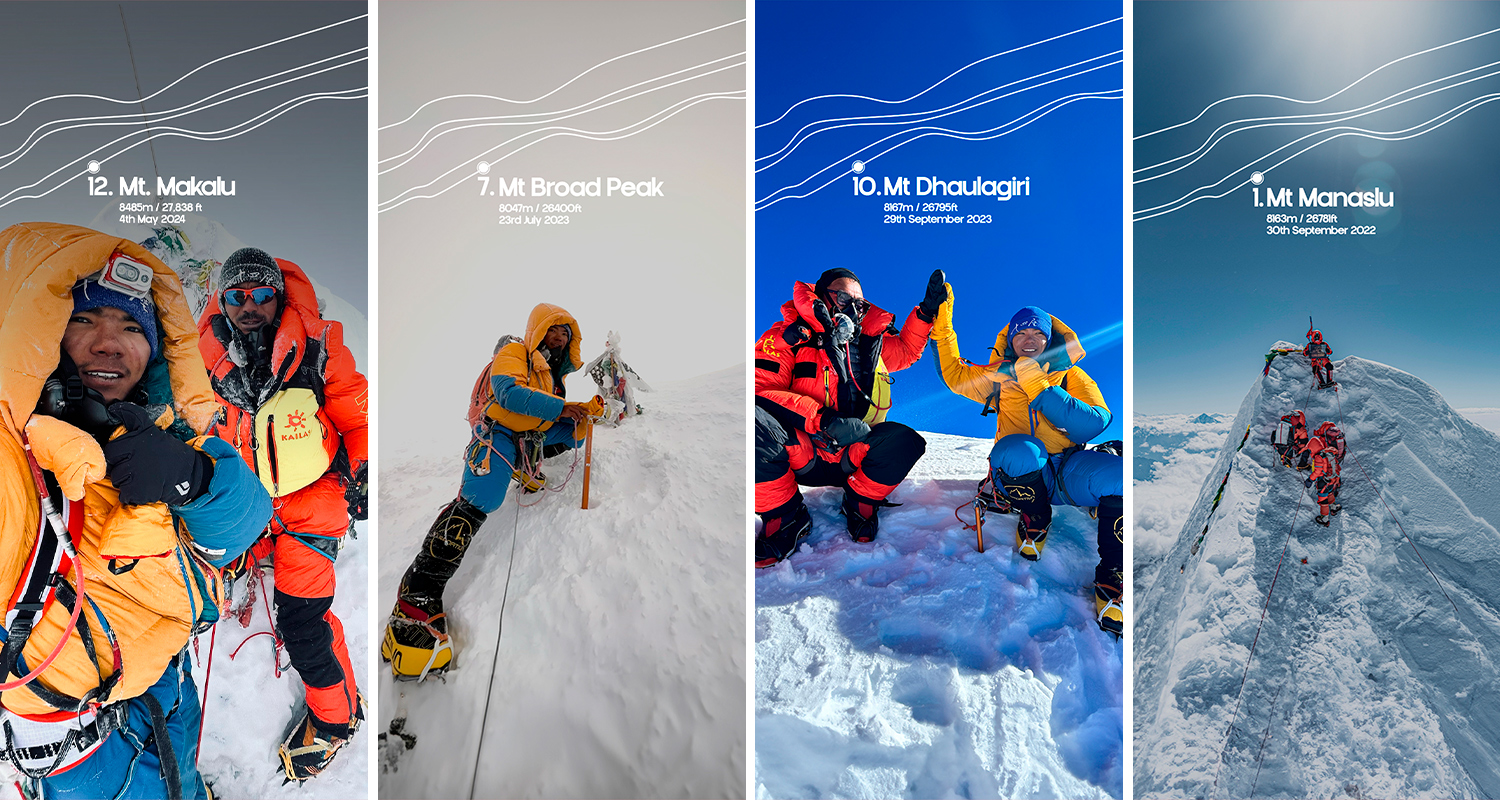
Nima began his record-breaking journey in 2022 when he climbed Nepal’s Manaslu Mountain, which reaches 26,781 feet (8,163 meters) in elevation. Within two years, he had summited the remaining “eight-thousanders”—the peaks with an altitude above 8,000 meters (26,000 feet). These peaks are in the “death zone” because they’re so high that the human body will start to shut down due to the lack of oxygen.
© Skanda Gautam/SOPA Images—LightRocket/Getty Images
These images show Nima Rinji Sherpa and some of the mountains he has climbed.
Nima celebrated each success on social media with the hashtag #SherpaPower. The Sherpas are a mountain-dwelling ethnic group that lives in Nepal, India, and the region of China called Tibet. Because of their connection to high-altitude living, many Sherpas work in the mountaineering industry as climbing guides. As a result, there’s a common misconception that the word Sherpa refers to someone who helps mountaineering stars. This misunderstanding has led to the false belief that Sherpa people are merely support staff, even though they climb alongside their clients.
Nima is among those helping to change these stereotypes. Increasingly, Sherpas are breaking climbing records and running their own guiding businesses. Nima says his dream is to train more young Nepalis to be adventure heroes, while also honoring past Sherpa climbers who never received recognition.
“The generation before us, they are the pioneers, [and] we’re climbing the route that they established,” said Nima in an interview with CNN. “But I’m just so happy that I’m living in this moment right now, [because] so much is happening in the world of mountaineering. And as a younger generation, we’ll always try to do something better.”
NEWS EXTRA
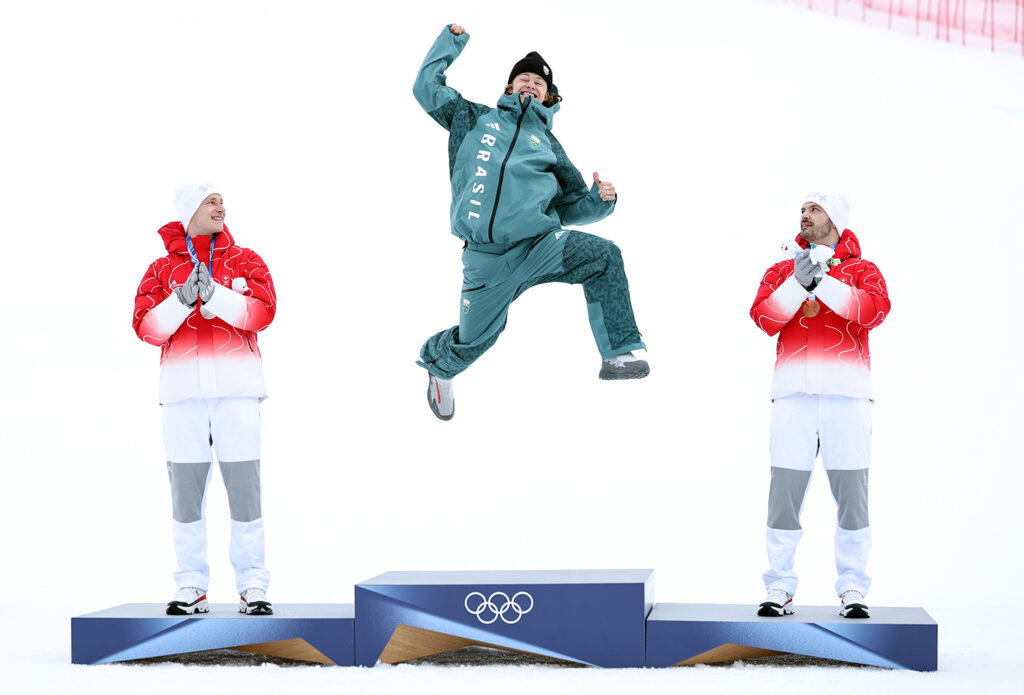
© Dustin Satloff/Getty Images
Gold medalist Lucas Pinheiro Braathen of Brazil (center) celebrates after winning the men’s giant slalom in Alpine skiing.
The action was nearly nonstop at the 2026 Winter Olympic Games, which closed on February 22. We’ve put together a few highlights!
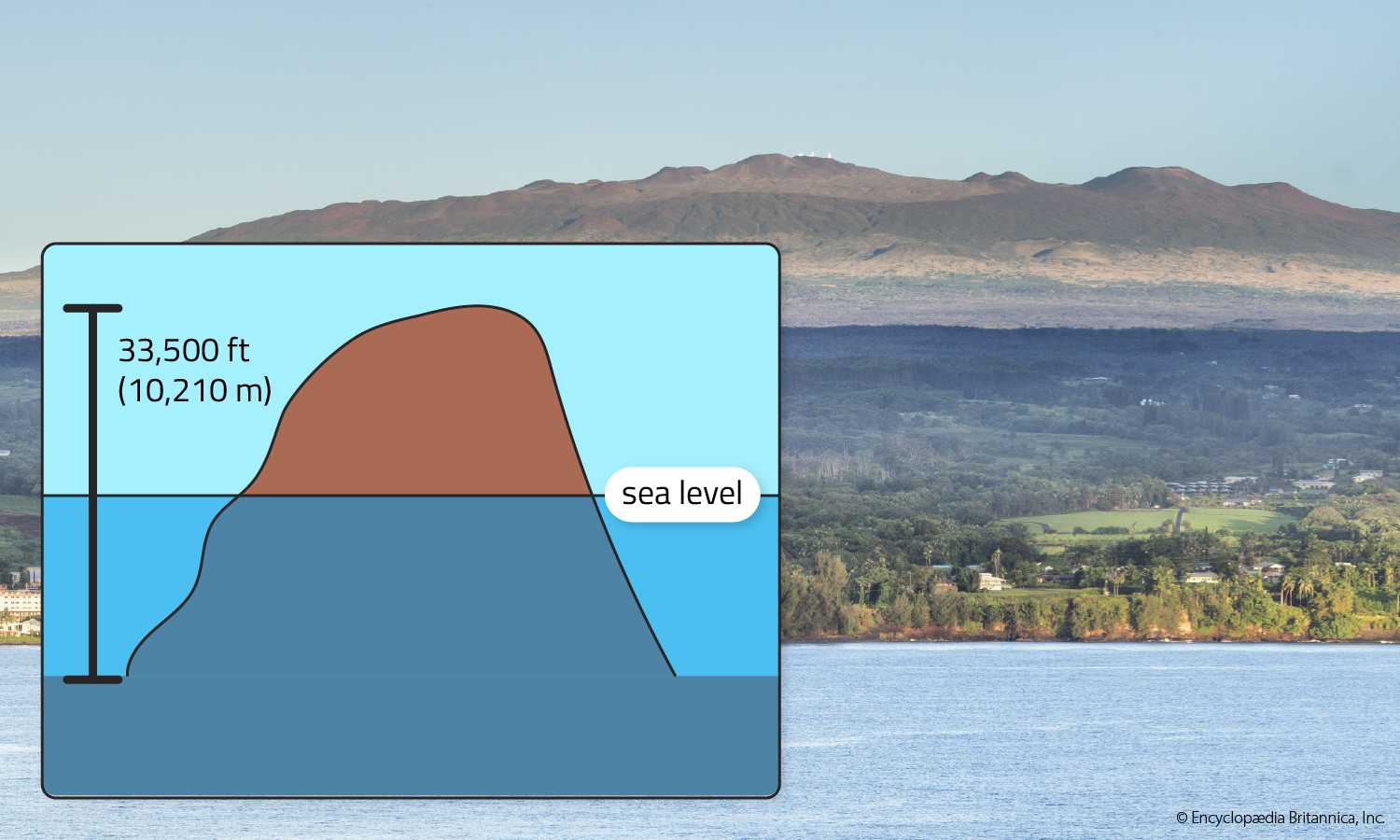
The tallest mountain and the highest mountain are not the same! The tallest mountain on Earth is Mauna Kea in Hawaii, which is 33,500 feet (10,210 meters) tall from its base to its peak. It doesn’t seem so tall because much of the mountain is hidden in the ocean.
© DirkR/stock.adobe.com; Photo illustration Encyclopædia Britannica, Inc.
Jamling Tenzing Norgay, http://www.tenzing-norgay-trekking.de (CC BY 3.0)
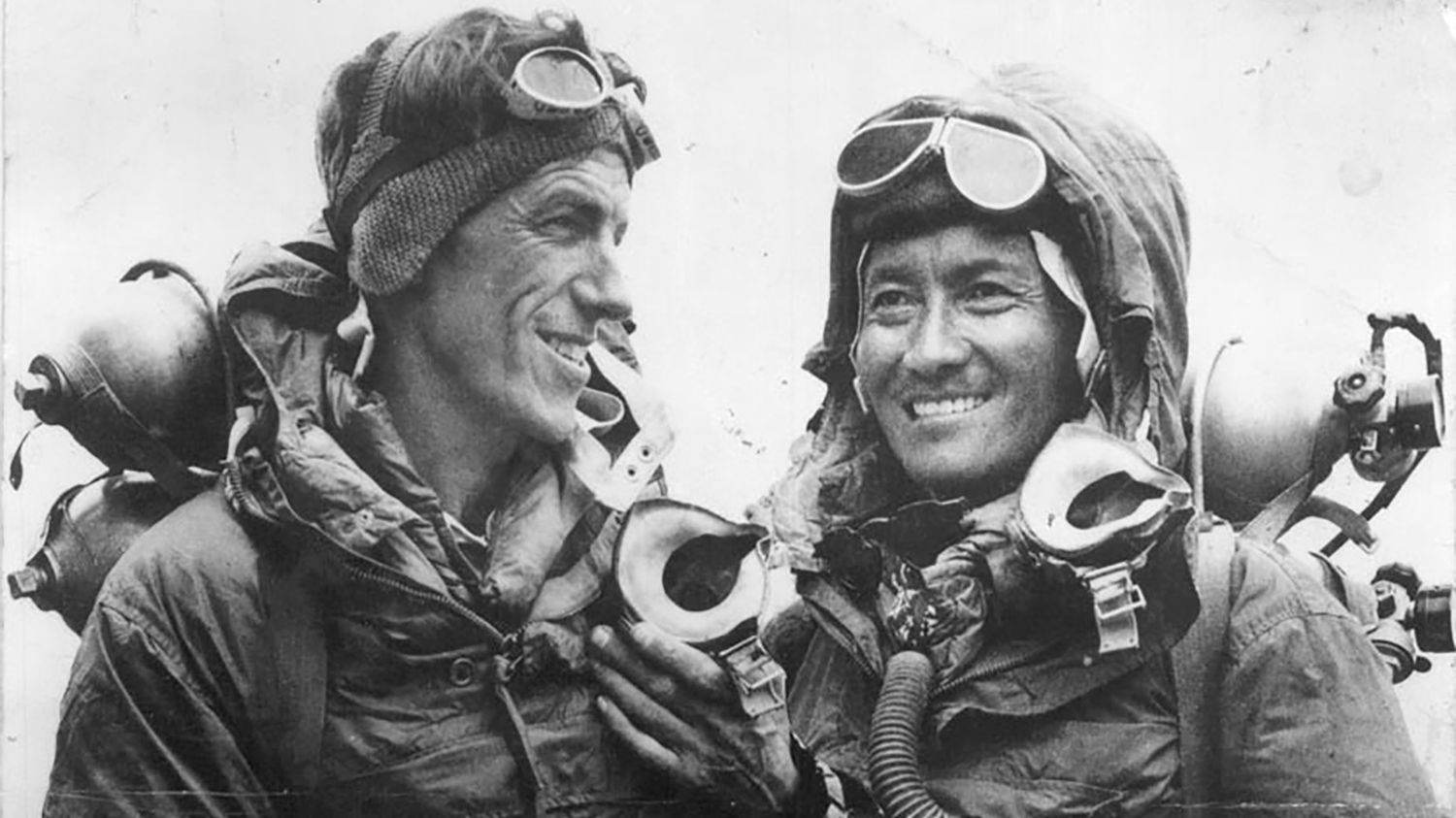
Edmund Hillary (left) and Tenzing Norgay pose for a photo after completing the first successful ascent of Mount Everest.
Let’s play a little trivia game: What is the highest mountain on Earth? That is easy—it’s Mount Everest in Nepal! Who were the first people to reach its summit? If you said Tenzing Norgay Sherpa and Edmund Hillary, then you win! This climbing pair became the first people to set foot on the world’s highest point on May 29, 1953.
Both Hillary and Tenzing grew up climbing mountains on opposite sides of the globe, but the drive to conquer Everest caused their paths to converge. Hillary was a mountain climber from New Zealand, and Tenzing was a Nepali-Indian Sherpa who had been working on the slopes of Everest since he was a teenager.
© SuperStock/Alamy
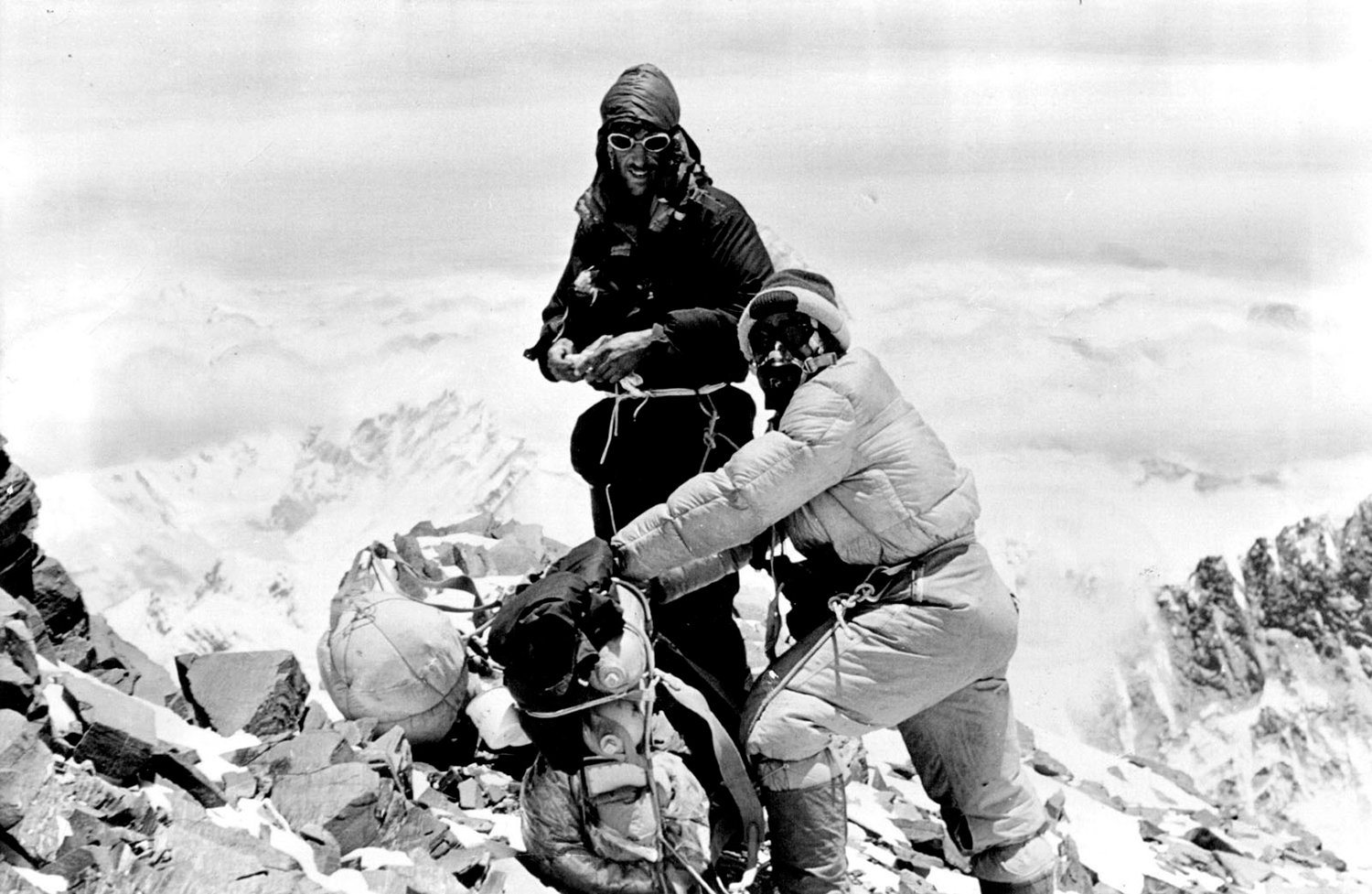
In this 1953 photo, Edmund Hillary (left) and Tenzing Norgay stand on the southeast ridge of Mount Everest.
Until the 1953 expedition, many had tried and failed to reach Everest’s peak. Some had even died in the attempt. For the 1953 trek, hundreds of local porters and 20 guides, including head guide Tenzing, supported just 10 foreign mountain climbers including Hillary. The expedition battled through many equipment challenges and harsh conditions to camp within range of the summit. Another pair in the group, Tom Bourdillon and Charles Evans, nearly made it to the peak on May 26, but had to turn back due to exhaustion.
The expedition team decided Hillary and Tenzing should be the next pair to attempt the summit. Early on May 29 the two set out, climbing over snow and ice for hours before achieving the seemingly impossible. Tenzing and Hillary stood at the top of the world for only 15 minutes before going back to camp. Today, that brief moment is marked in history forever.
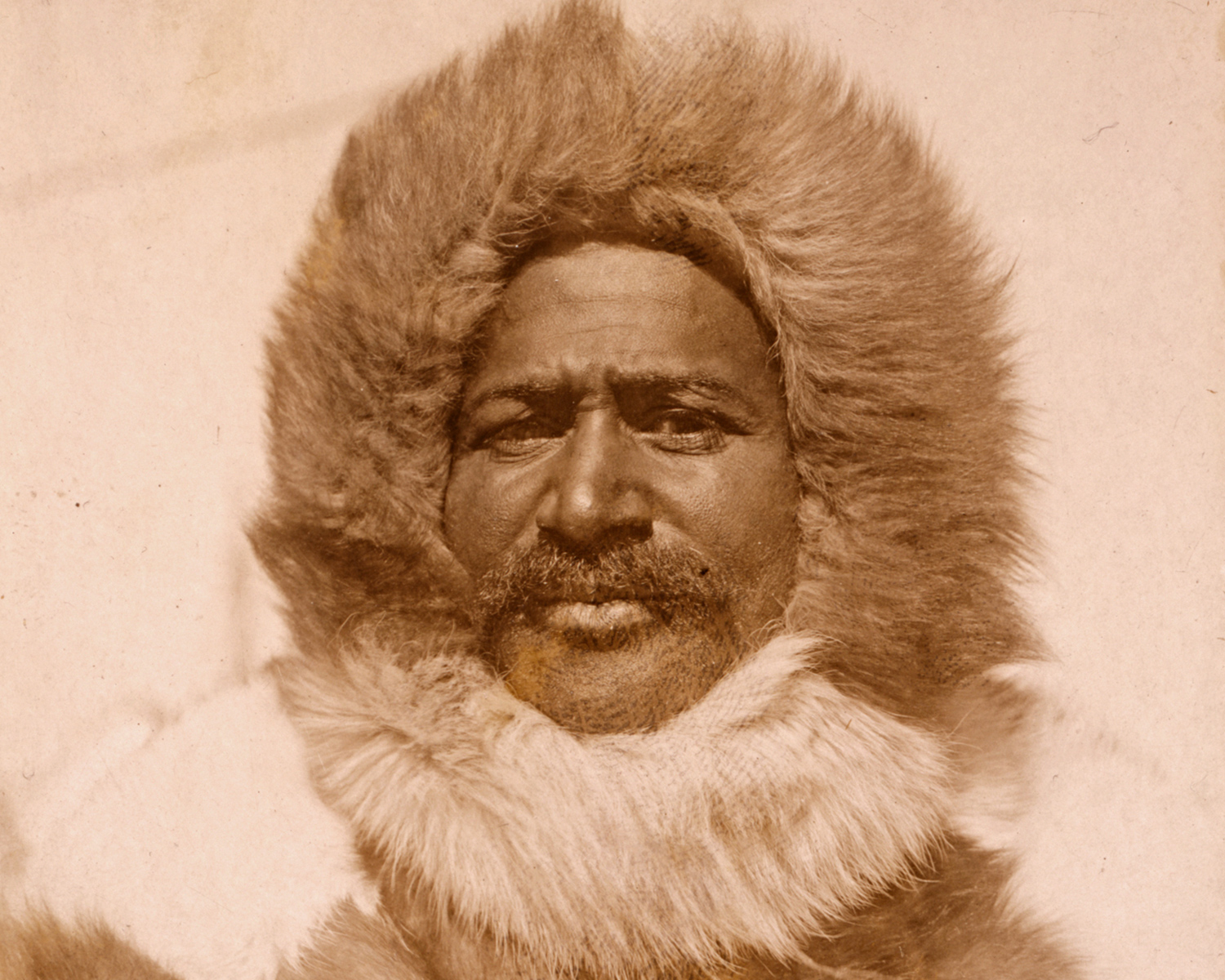
Prints and Photographs Division/Library of Congress, Washington D.C. (LC-USZC4-7503)
This photo of Matthew Henson was taken around 1910.
It can be hard to know if someone is among the first to reach a remote spot, particularly if no one is sure where that spot is! African American explorer Matthew Henson was one of the first people to reach the North Pole…or was he?
Read more about the success and uncertainty of Henson’s Arctic expedition at Britannica!
adjective
: very brave
How many words can you make with these letters? All words must use the center letter.
Here is how to cite this page using the MLA style. While every effort has been made to follow citation style rules, there may be some differences. Please refer to the appropriate style manual or other sources if you have any questions.
“In the News: A Trailblazing Teen.” Britannica School, Encyclopaedia Britannica, 19 Feb. 2026. https://news.eb.com/level2/a-trailblazing-teen. Accessed 19 Feb. 2026 [Replace this date with today’s date.]

Life wouldn’t be as fun without the work of these three inventors.

© Phil Walter/Getty Images
We owe a lot to inventors. Their innovations have kept our food cold, lit our homes, and kept us safe in moving traffic. But what about the things that make life fun? Here are three inventors who have brought us joy.
James West: The Microphone
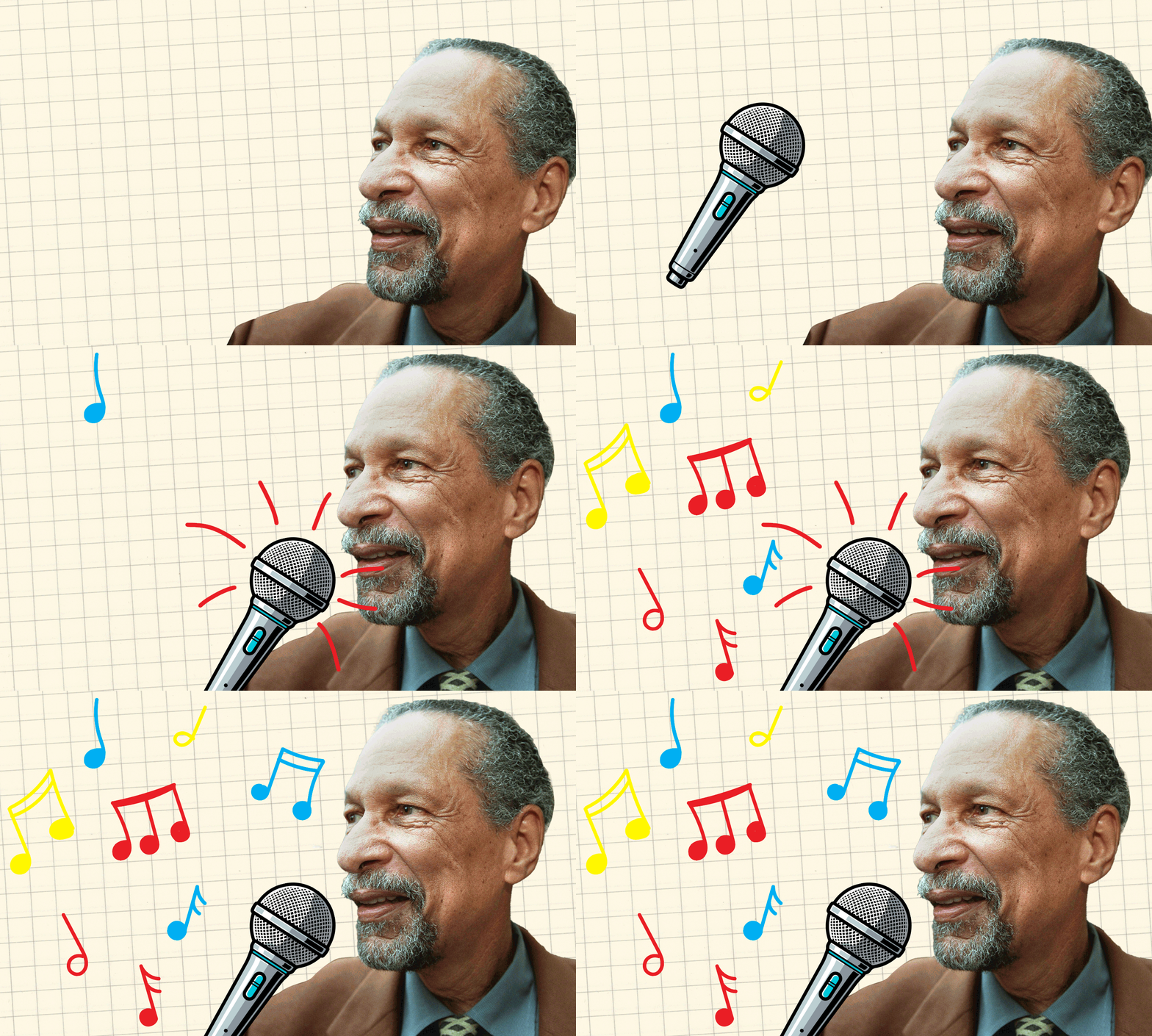
© ZUMA Press, Inc., © Anita/stock.adobe.com; Photo illustration Encyclopædia Britannica, Inc.
James West
What do Beyoncé, Taylor Swift, and BTS all have in common? They have all used microphones based on James West’s invention. In fact, probably every musical artist alive today has. West, along with co-inventor Gerhard Sessler, changed the world forever when they created the foil electret microphone in 1962. This highly sensitive device wasn’t the first microphone, but the new design made it easy to manufacture. Plus, it could be made small enough to fit into hearing aids and telephones. The foil electret microphone is still the basis for nearly all microphones and music recording equipment used today.
Lisa Gelobter: Web Animation

© An Rong Xu—The Washington Post/Getty Images, Macrovector/stock.adobe.com, © Soeren Schulz—iStock Editorial/Getty Images; Photo illustration Encyclopædia Britannica, Inc.
Lisa Gelobter
Do you have a favorite website? Maybe it has colorful animations! The Internet would be less exciting if it weren’t for Lisa Gelobter! Gelobter, a computer scientist, helped create a tool that made it easy to add animation to websites. Before this, web pages were text-heavy with only still images. In other words, nothing moved. This was because animations and multimedia couldn’t be uploaded because they were such large files. Working with a team of engineers, Gelobter created technology that allowed developers to make the multimedia files smaller and thus put animated graphics on websites. This technology, called Shockwave, powered animation and multimedia on the web. Animated multimedia changed not only the Internet but also how people communicate.
Lonnie Johnson: The Super Soaker
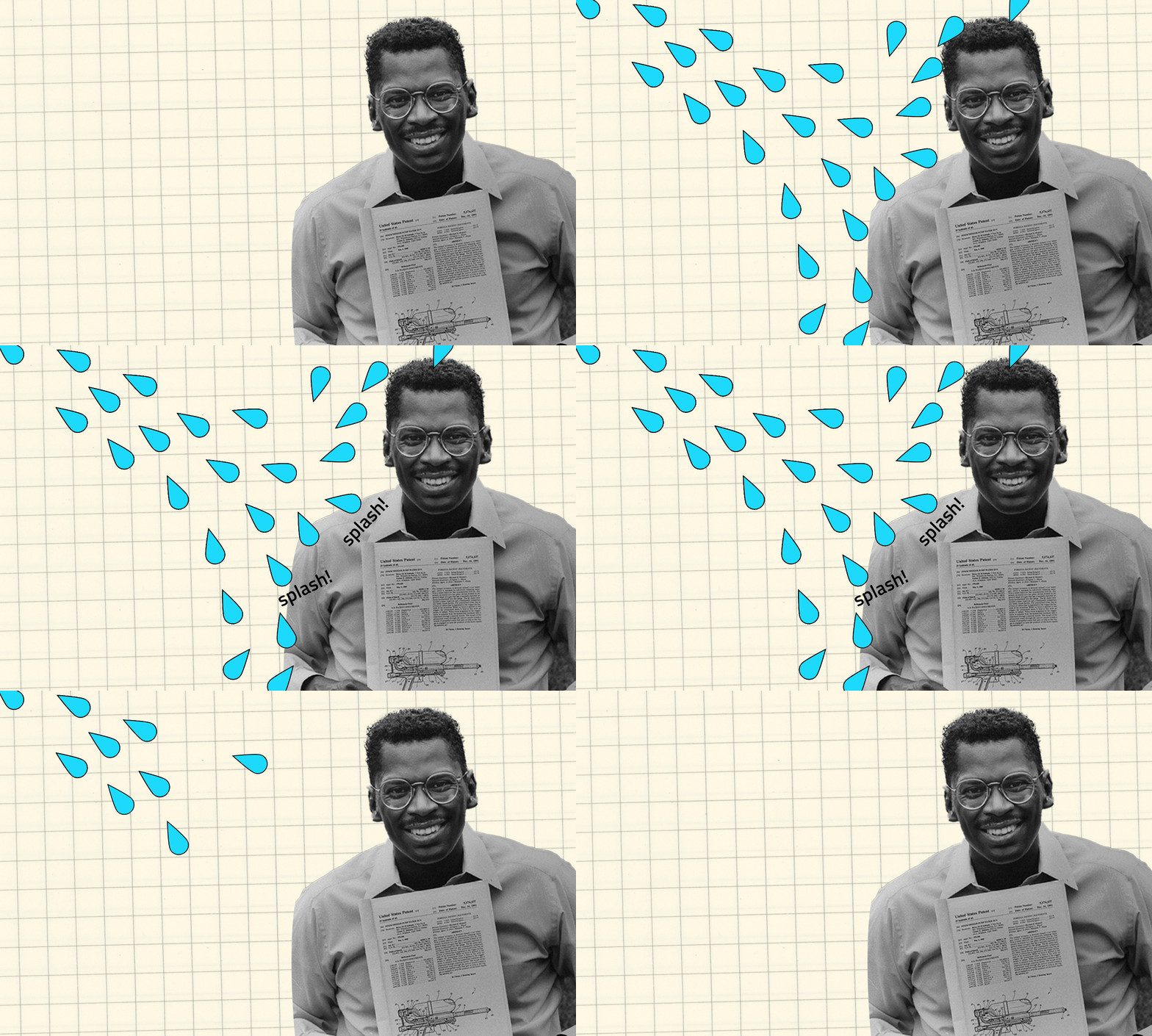
© Thomas S England—The Chronicle Collection/Getty Images; Photo illustration Encyclopædia Britannica, Inc.
Lonnie Johnson
Lonnie Johnson’s story may be the best of all. Johnson is an engineer who worked for NASA helping send robotic probes into space. But during his free time, he created a toy that changed summer fun—the Super Soaker. Used for water fights and summer games, the Super Soaker squirts a stream of water, making it the ideal toy for summer fun with friends. People loved it so much, it became America’s top-selling toy of the early 1990s. The fun didn’t stop there for Johnson, who went on to invent other technology used in Nerf toys.
February is Black History Month! For more Black History Month coverage, check out our February 2 page.
NEWS BREAK

© Bettmann/Getty Images
In this 1983 photo, Jesse Jackson announces that he is running in the 1984 U.S. presidential election.
Civil rights leader Jesse Jackson has died. He was 84.
Born in South Carolina in 1941, Jackson grew up at a time when the southern United States was racially segregated. He began protesting segregation while still a teen and eventually worked alongside civil rights icon Dr. Martin Luther King, Jr.
Jackson dedicated his life to the fight for civil rights. In 1971 he founded an organization called PUSH to help Black Americans get jobs and open businesses. He later founded the Rainbow Coalition to help all Americans in a broader fight for equal opportunities.
Jackson ran for president twice—in 1984 and 1988. Although he did not win, his efforts made history. No other Black candidate had been so successful in a presidential election up to that point.
Jackson’s work expanded outside the United States. He spoke out against a racist system called apartheid in South Africa and peacefully negotiated for the release of prisoners of war during international conflicts.
“[Our father’s] unwavering belief in justice, equality, and love uplifted millions,” his family said in a statement. “And we ask you to honor his memory by continuing the fight for the values he lived by.”
NEWS EXTRA

© Kirill Kudryavtsev—AFP/Getty Images
Kokomo Murase of Japan competes in the women’s big air final at the 2026 Olympic Games.
The 2026 Winter Olympic Games are in full swing in Italy! Don’t worry if you’ve been missing the action—the Games will continue until February 22.
Here’s just a taste of what has happened so far.
The Pet Rock was one of the most absurd toy crazes in history. That’s right, it really was just a rock.
This quirky “toy” became a cultural obsession in the 1970s when millions of people in the United States bought their very own Pet Rock.
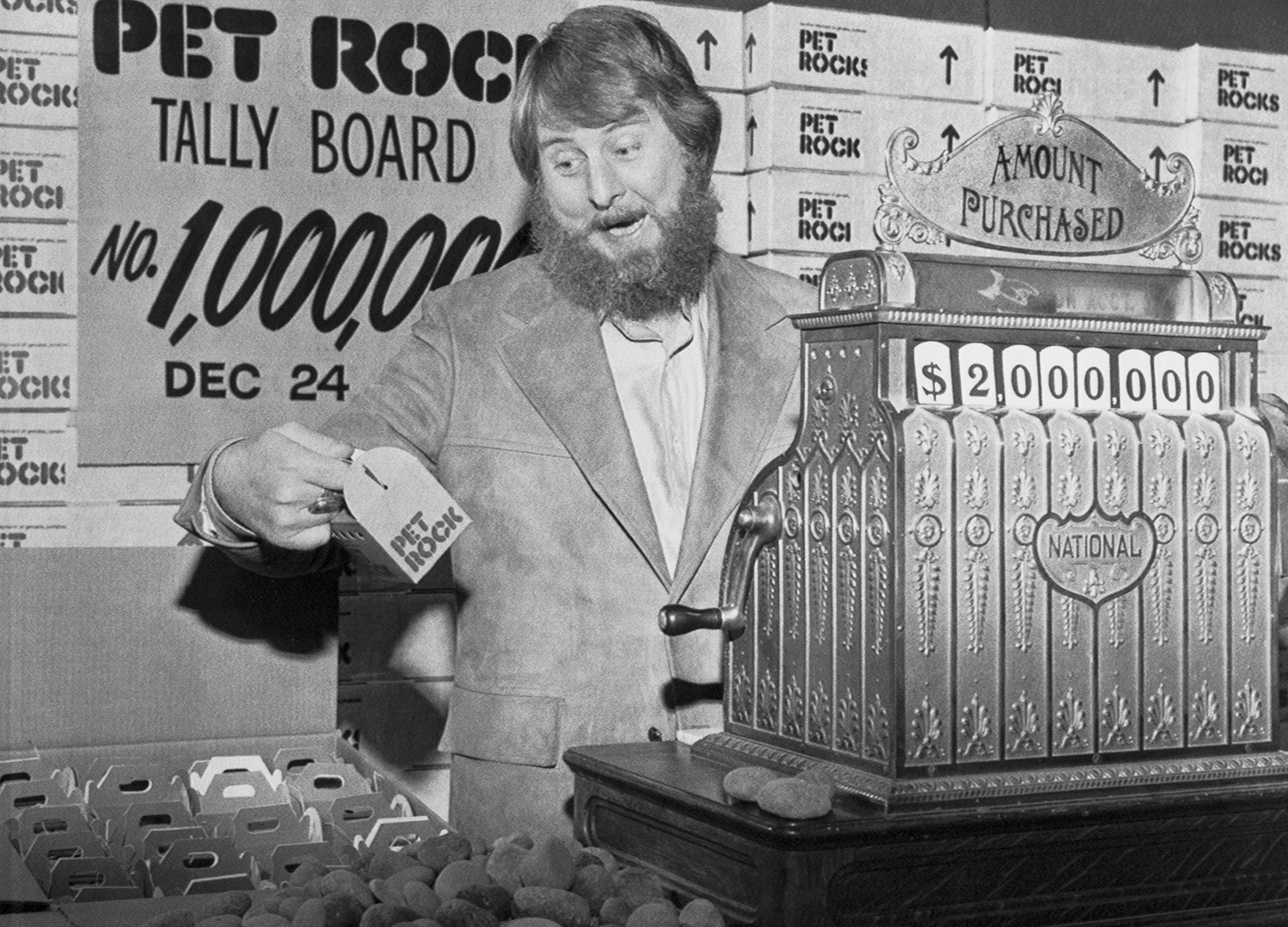
© Bettmann/Getty Images
Gary Dahl (seen here in 1975) created the Pet Rock in the 1970s.
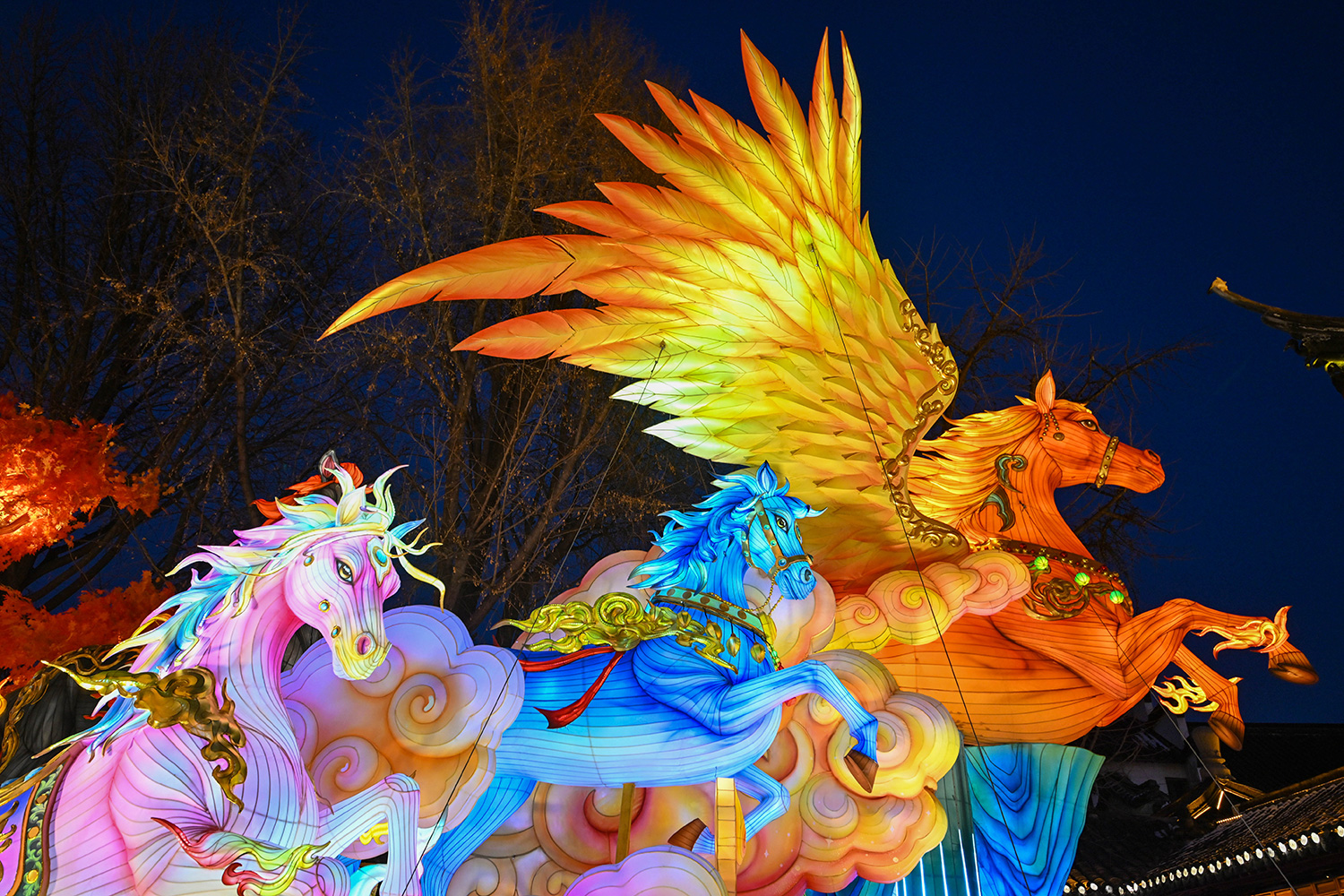
© Feature China—Future Publishing/Getty Images
A set of horse lanterns are lit up during a lantern show in China in January 2026.
On February 17, billions of people around the world will celebrate Lunar New Year and with it, the start of the Year of the Horse. The Lunar New Year is an annual festival that begins between January 21 and February 20, depending on the cycles of the Moon. It is traditionally celebrated in Asian countries such as China, Vietnam, and South Korea. People of Asian descent also celebrate this annual holiday in their communities around the globe.
Lunar New Year celebrations typically include family gatherings, specials foods, red decorations, and lanterns. In China, the Lunar New Year also marks a change in the Chinese Zodiac. The zodiac consists of 12 animals. People are thought to have the personality traits of the animal that represents their birth year. The 2026 Lunar New Year marks the end of the Year of the Snake and the start of the Year of the Horse. You can find your animal in the image below.
Cultures around the world have holidays that follow a lunar calendar. Many people in India celebrate Diwali, which follows the Hindu lunar calendar. Muslim and Jewish peoples around the globe also celebrate respective holidays aligned with the Moon’s cycle.
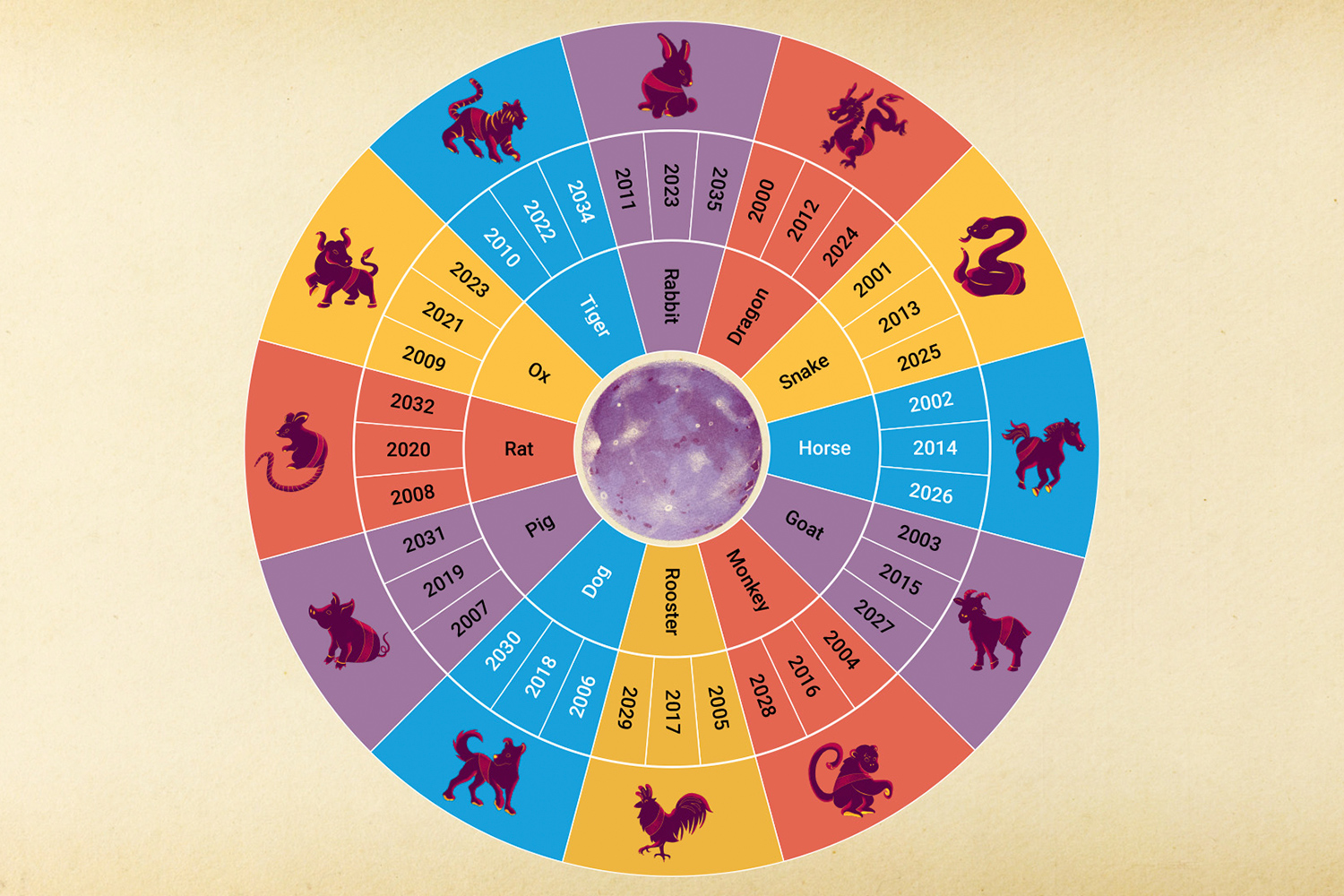
Encyclopædia Britannica, Inc.
Find your birth year to learn which animal is linked to it.
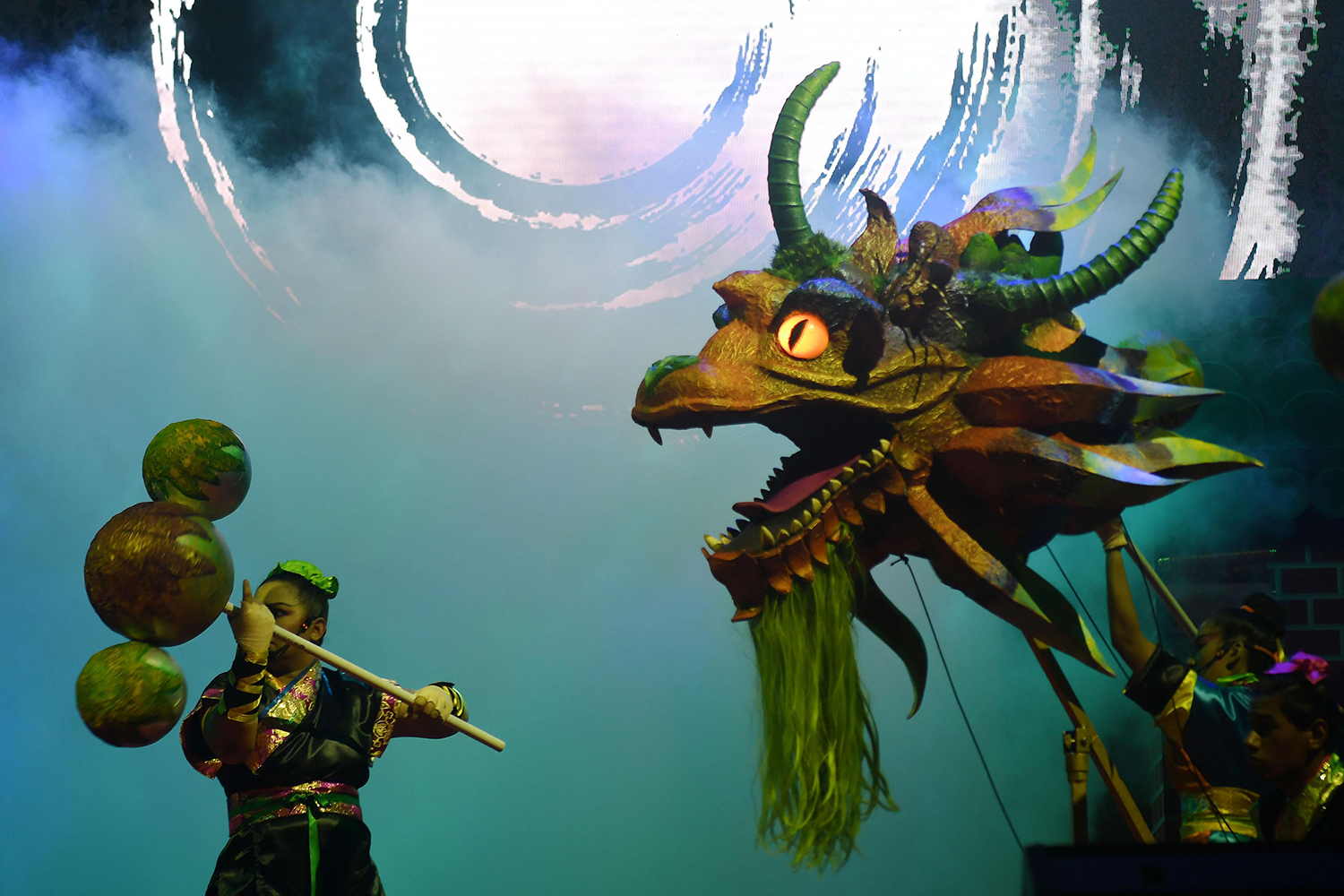
© Then Chih Wey/Xinhua News Agency—Xinjiapo/Getty Images
People perform “The Story of the Nian” as part of a Lunar New Year celebration in Singapore in 2020.
Lunar New Year festivities date back thousands of years. Some traditions developed to ward away “Nian,” a frightening monster at the center of an ancient legend. Read more about the origins of the holiday at Britannica!
noun
: a usually small mechanical or electronic device
How many words can you make with these letters? All words must use the center letter.
Here is how to cite this page using the MLA style. While every effort has been made to follow citation style rules, there may be some differences. Please refer to the appropriate style manual or other sources if you have any questions.
“In the News: Inventing the Fun.” Britannica School, Encyclopaedia Britannica, 13 Feb. 2026. https://news.eb.com/level2/inventing-the-fun/. Accessed 13 Feb. 2026 [Replace this date with today’s date.]

Once part of the Winter Olympics, these sports are now iced out.
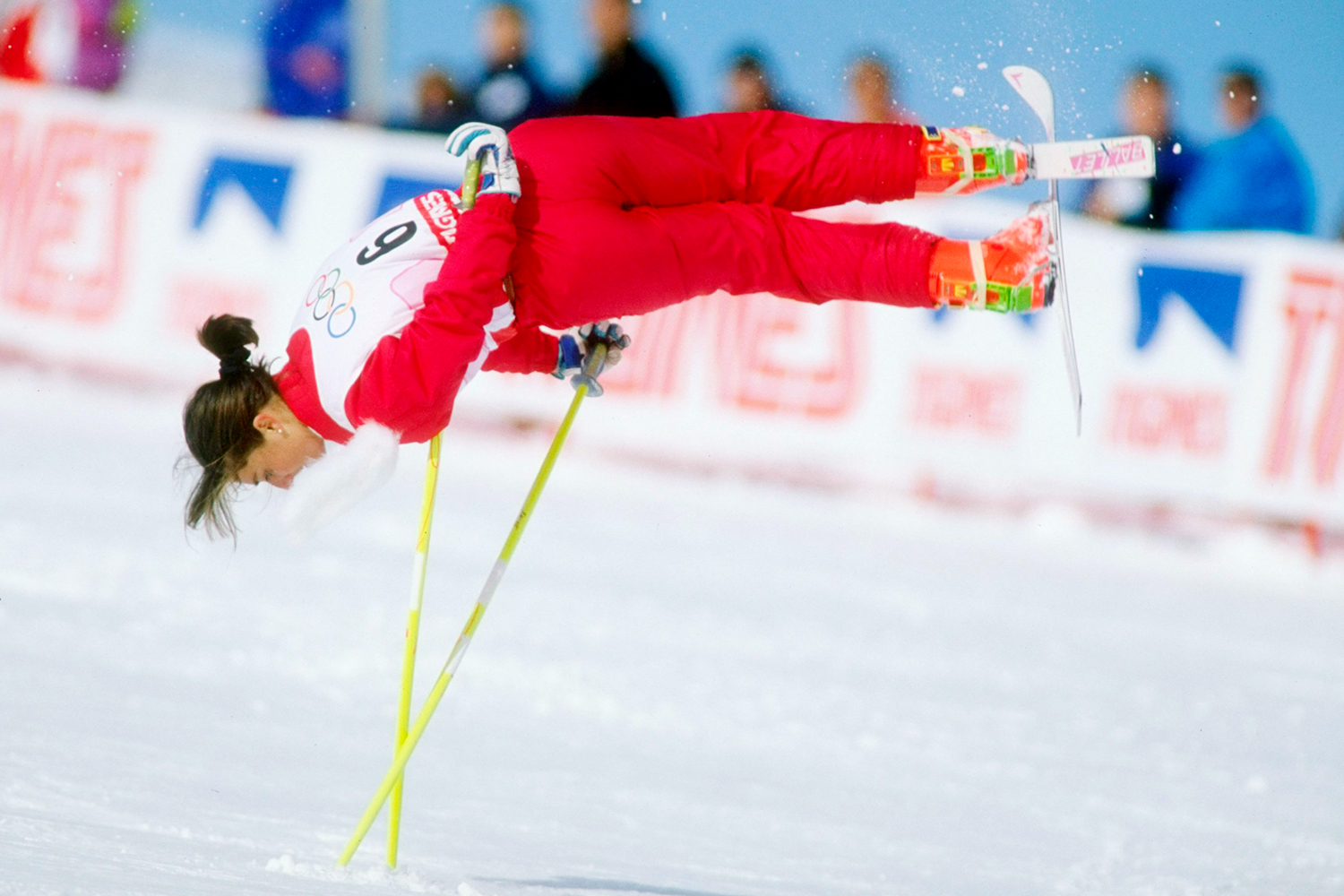
© Chris Cole—Allsport/Getty Images
The graceful sport of ski ballet was once part of the Olympics.
The 2026 Winter Olympic Games are underway! When you think about the Winter Olympics, you may picture classic sports like ice hockey and snowboarding. But what about ski ballet? It is one of a handful of sports that were once proudly part of the Olympic experience but won’t be on display at this year’s games. Let’s take a trip down a snowy memory lane to learn about this and other curious winter sports events.
Ski Ballet
Years it was last part of the Olympics: 1988 and 1992
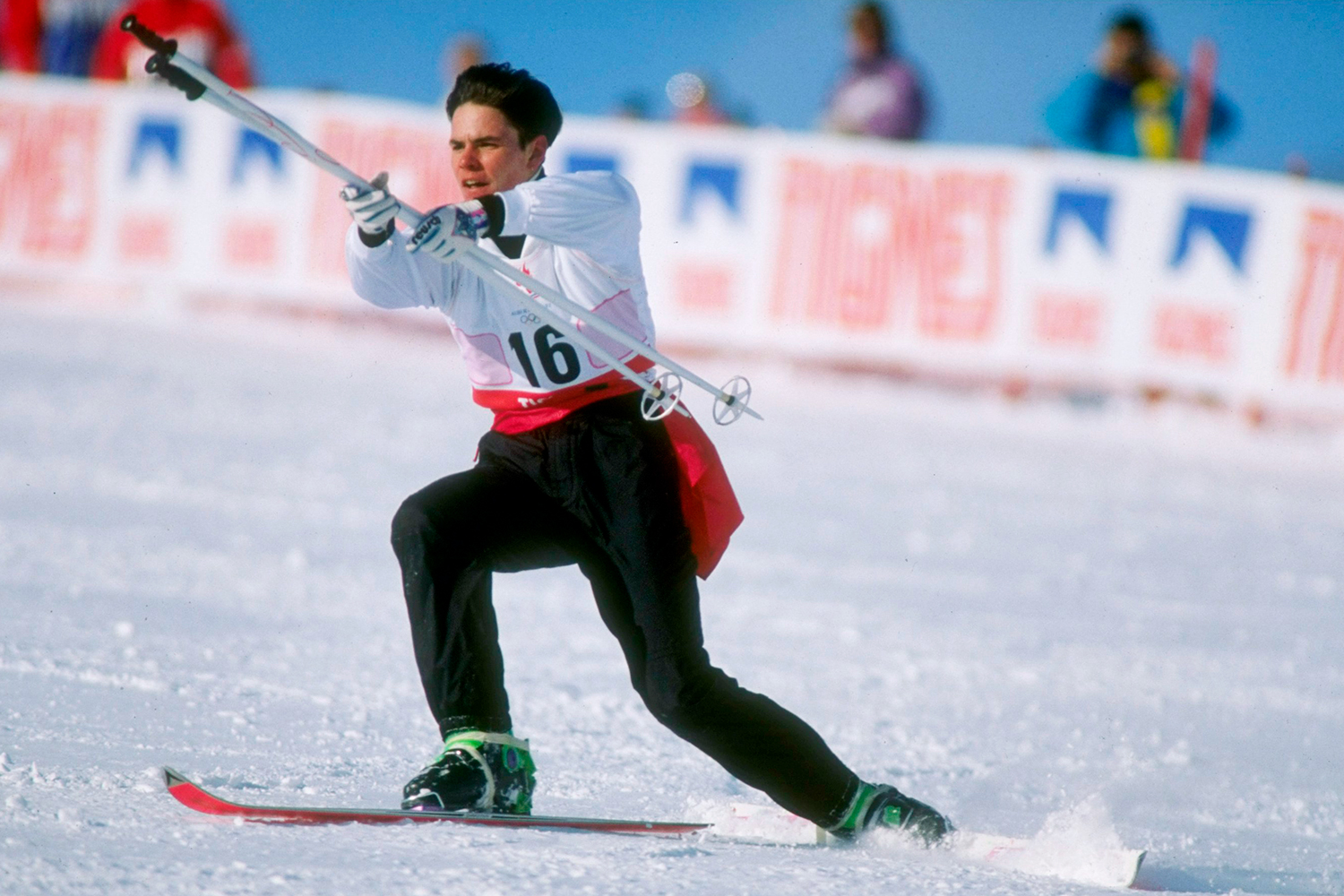
© Chris Cole—Allsport/Getty Images
Ski ballet combined skiing and dancing.
Graceful twirls and leaps weren’t always just for figure skating; ski ballet had them too. Also called “acroski,” the sport combined freestyle skiing with dancing. Athletes performed a 90-second dance routine as they skied down a mountain, using ski poles to help vault themselves into twists and flips. The judges scored each performance based on difficulty, execution, and creativity. Ski ballet appeared in two Winter Olympics as a “demonstration sport,” which is a sport that the host nation promotes with the hope it will become an Olympic sport in the future. Despite the athleticism and fun of ski ballet, it never became an official event.
Compulsory Figures
Years it was last part of the Olympics: 1924–1988
© Bettmann/Getty Images, © PCN Photography/Alamy; Photo composite Encyclopædia Britannica, Inc.
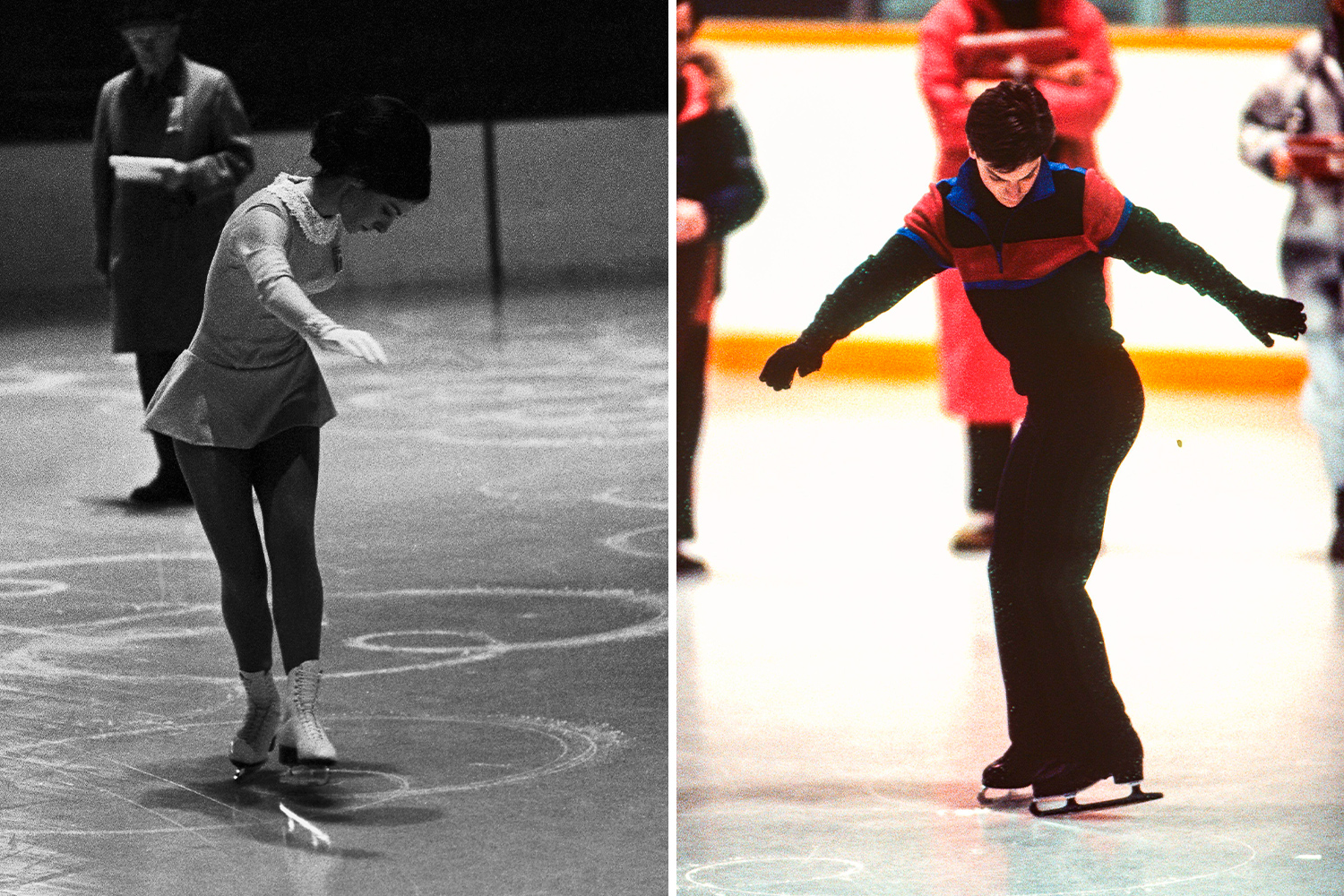
(Right) U.S. figure skater Peggy Flemming does compulsory figures during a 1968 competition. (Left) U.S. figure skater Paul Wylie does compulsory figures during the 1988 Winter Olympics.
Figure skating is filled with gravity-defying jumps and spins that athletes must perform with grace and ease—all while on ice skates. But part of the Olympic figure skating competition used to include compulsory figures, a technical event judged not for the performance, but for the end result: geometric circles and designs carved into the ice from the athlete’s skates. Compulsory figures demonstrated a skater’s ability to make clean, round turns on skates. It also gave “figure skating” its name.
Compulsory figures used to be part of a figure skater’s overall competition score, but it was discontinued after the 1988 Olympics. The first Black athlete of any nation to medal at the Winter Olympics, Debi Thomas, was also the last compulsory figures champion.
Sled Dog Racing
Year it was last part of the Olympics: 1932
© Mauro Ujetto—NurPhoto/Getty Images
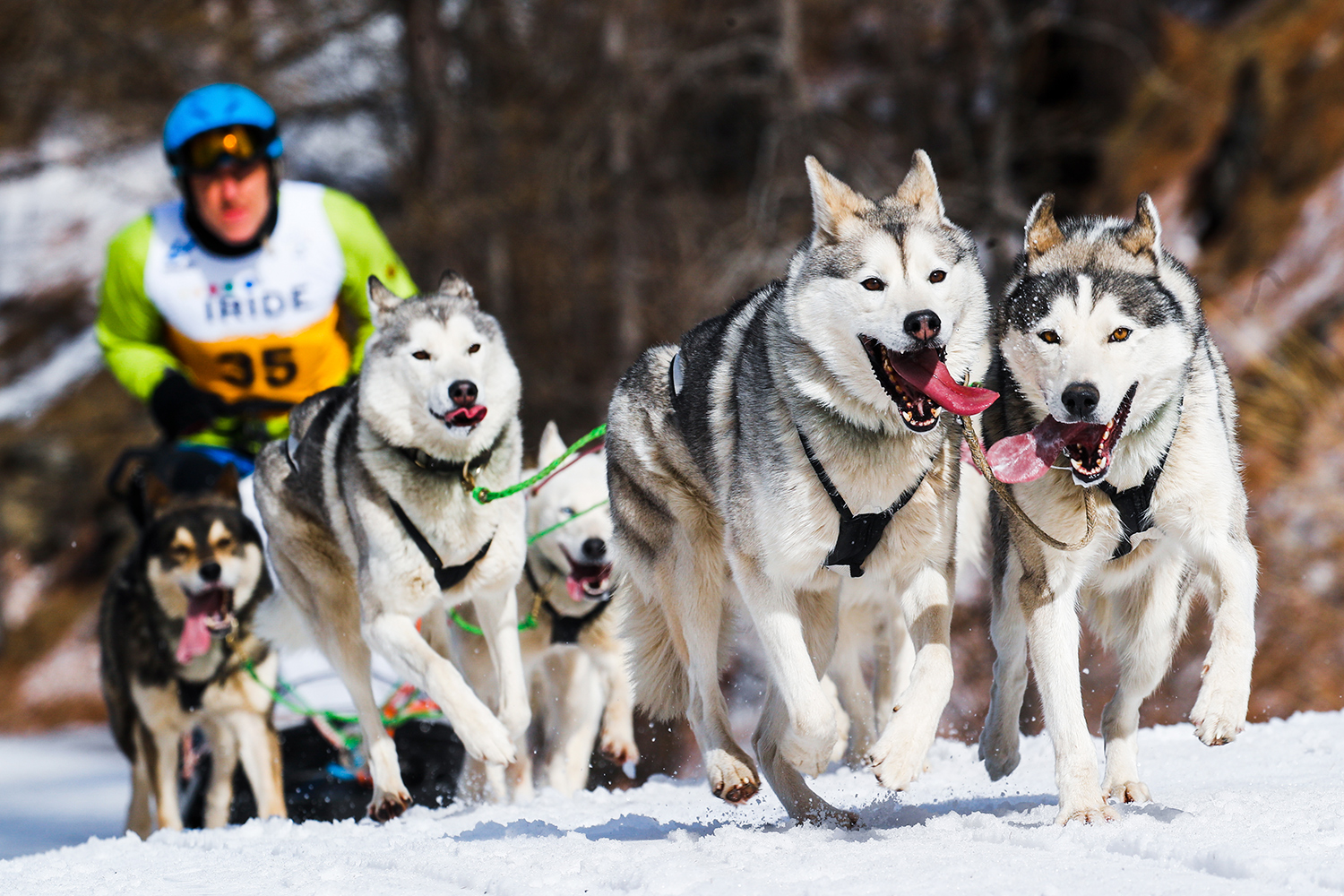
A dogsled team competes at the International Federation of Dog Sledding Sprint and Distance European Championship 2020 in Italy.
What if the Winter Olympics featured furry athletes alongside the human ones? This happened in 1932 with sled dog racing! Still popular in cold and arctic regions, sled dog racing at the games featured teams of six sled dogs, each pulling a sled and driver, also called a musher, around a snow-covered course. The driver and dogs worked together to complete the course as fast as possible. While sled dog racing was only a one-time demonstration sport, many mushers hope sled dog racing will become part of the Winter Olympics again one day.
Would you like to see any of these events return to the Winter Olympics?
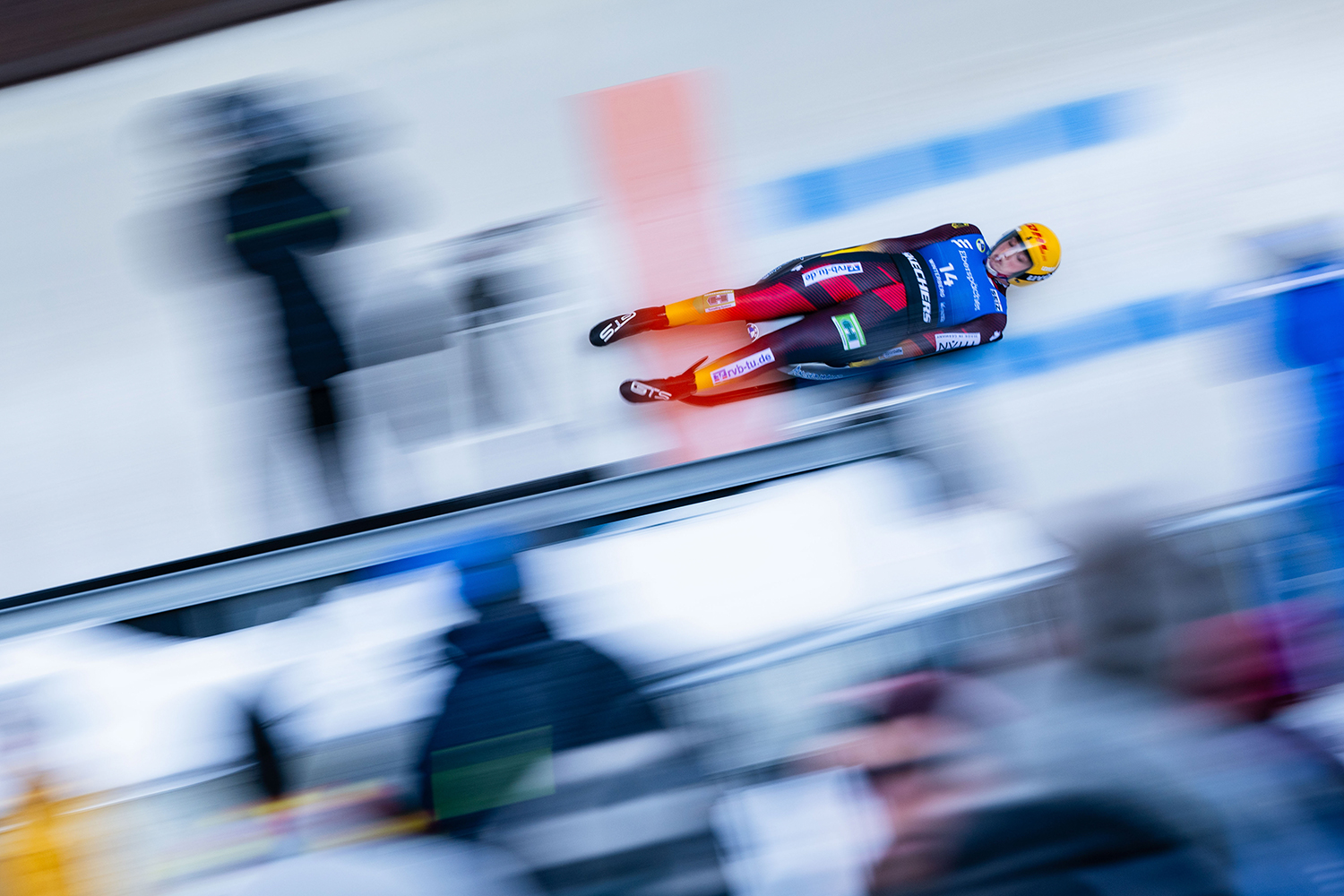
The fastest sport at the Winter Olympics is the luge! In this event, athletes speed feet-first down an icy track on a small sled. The top lugers reach speeds exceeding 90 miles per hour (145 kilometers per hour)!
© Marius Becker/dpa—picture alliance/Getty Images
In this January 2025 photo, luge competitor Anna Berreiter of Germany races down the track at the Alpine Luge World Cup.

© Cristina Andina/Getty Images
Figure Skater Elladj Baldé performs in a 2019 ice show called Revolution on Ice.
Like many competitive figure skaters, Elladj Baldé dreamed of competing at the Olympics. He came close in 2014 but just missed making the Canadian team that year. Since then, Baldé has turned disappointment into a journey to celebrate skating beyond the Olympics and bring more young people of color to the ice.
Baldé described the heartbreaking moment he felt his dream slip from his grasp.
“When I realized that the Olympics wasn’t necessarily my path, I lost complete sense of who I was,” he said in an interview with Olympics.com. This caused the Canadian figure skater to seek purpose in performance beyond competition. Now he’s using social media to share the joy of skating with people who wouldn’t otherwise get the chance.
Baldé is currently one of the biggest social media stars of the figure skating world, with millions of followers who watch his skating videos online. He uses his social media platform to improve racial inclusion in his beloved sport, particularly to help fund training for skaters of color. Baldé himself has Russian and Guinean ancestry.
“What has happened with social media and the amount of success I’ve been able to experience, I know [that] has already created a wave of skaters that believe that they can be part of this sport,” said Baldé in another interview. He hopes the figure skating joy will continue to grow.
“There’s so many layers to skating; it’s such a beautiful sport. … And you can use that to express yourself in some of the most beautiful ways.”

© Harry How/Getty Images
South Korea’s curling team competes at the 2018 Winter Olympics in PyeongChang, South Korea.
The 2026 Winter Olympic Games are taking place in Italy right now, including an ice-based sport that does not require skates but does require a broom!
Read more about the curious sport of curling at Britannica.
adjective
: having or showing feelings that are very strong or too strong
See if you can figure out where each word goes.

Heavyweight boxing champion and civil rights icon Muhammad Ali is being commemorated on a U.S. postage stamp.
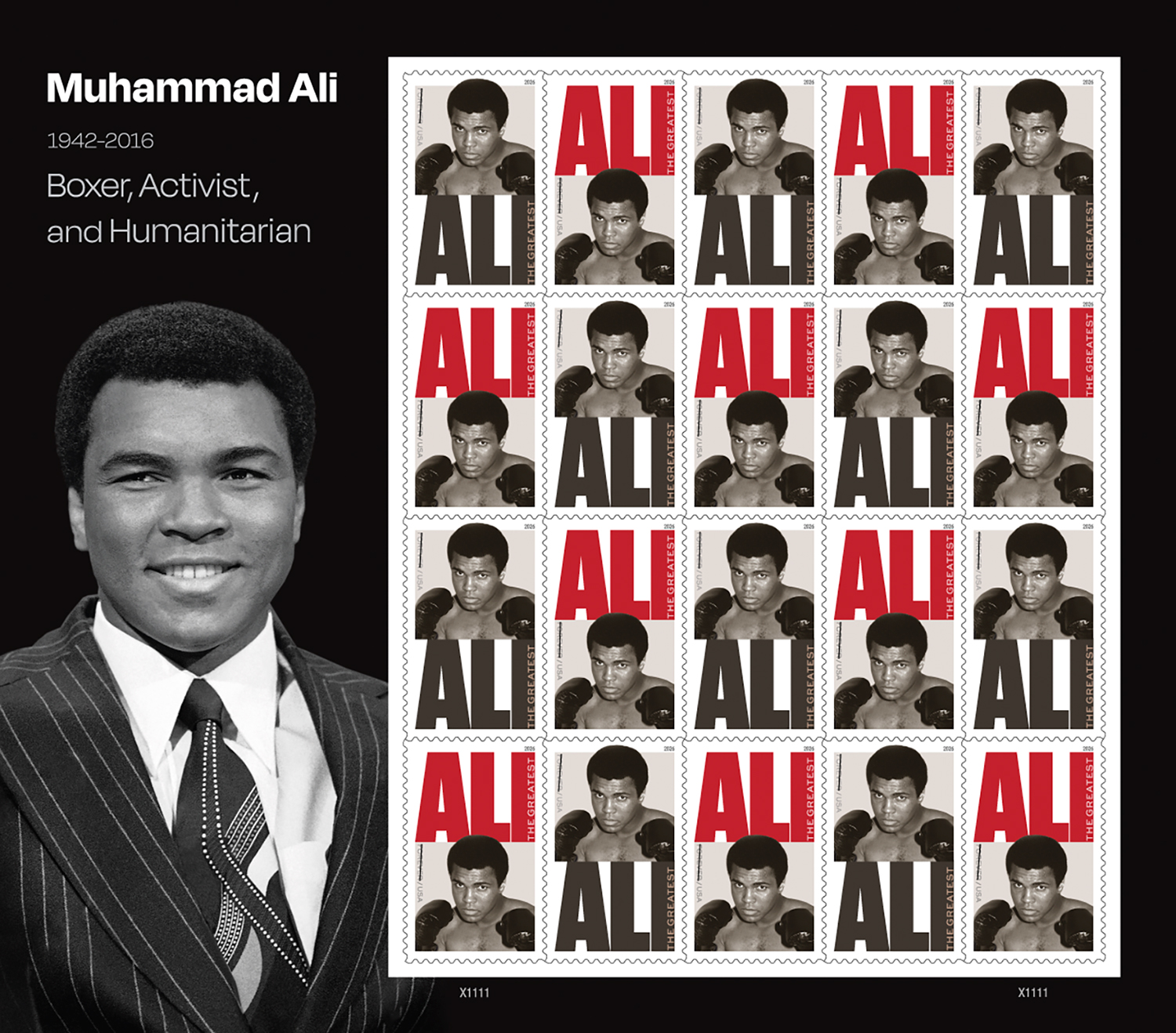
Courtesy of USPS
The new Muhammad Ali postage stamps feature Ali’s name and a photo from his boxing career.
Muhammad Ali has already stamped his name in the record books as the greatest heavyweight boxer of all time—and now he’s getting an actual postage stamp. The stamp honors the athlete and activist just in time for Black History Month, a celebration of the achievements of African Americans.
Before he was known as Muhammad Ali, Cassius Clay was born in Louisville, Kentucky, in 1942. He began boxing at 12 years old and quickly rose through the ranks to become a gold-medal Olympic champion by 1960. In 1964, when he was 22, Clay won the world heavyweight boxing title by defeating Sonny Liston. At the time, Liston was the reigning heavyweight champion and was favored to win the fight. Shortly after his victory, the newly crowned champ renounced his birth name and took the name Muhammad Ali.
Ali would go on to win a total of three heavyweight championships. His overall boxing record of 56 wins and five losses cemented his legacy as an unlickable (unbeatable) boxer. At some point in his career, Ali joked that having his photo on a postage stamp would be “the only way I’ll ever get licked.” (At the time, people had to lick stamps to get them to stick to envelopes.)
Ali’s status as a champion fighter does not stay within the bounds of the boxing ring—he is also remembered for his fight to end racial inequality. Ali knew his image as a sports hero could help draw attention to the harsh discrimination Black people faced in the United States, so he used his voice to be a champion for change.
“When you saw me in the boxing ring fighting, it wasn’t just so I could beat my opponent. My fighting had a purpose,” said Ali. “I had to be successful in order to get people to listen to the things I had to say…. I wanted to be a champion who was accessible to everyone. I hoped to inspire others to take control of their lives and to live with pride and self-determination.”
Ali died in 2016 at age 74 after struggling for years with the symptoms of Parkinson’s disease. He is remembered for a lifetime of championing social justice and humanitarian causes that promote peace and equality.
Click through the slideshow for photos from Ali’s remarkable life.
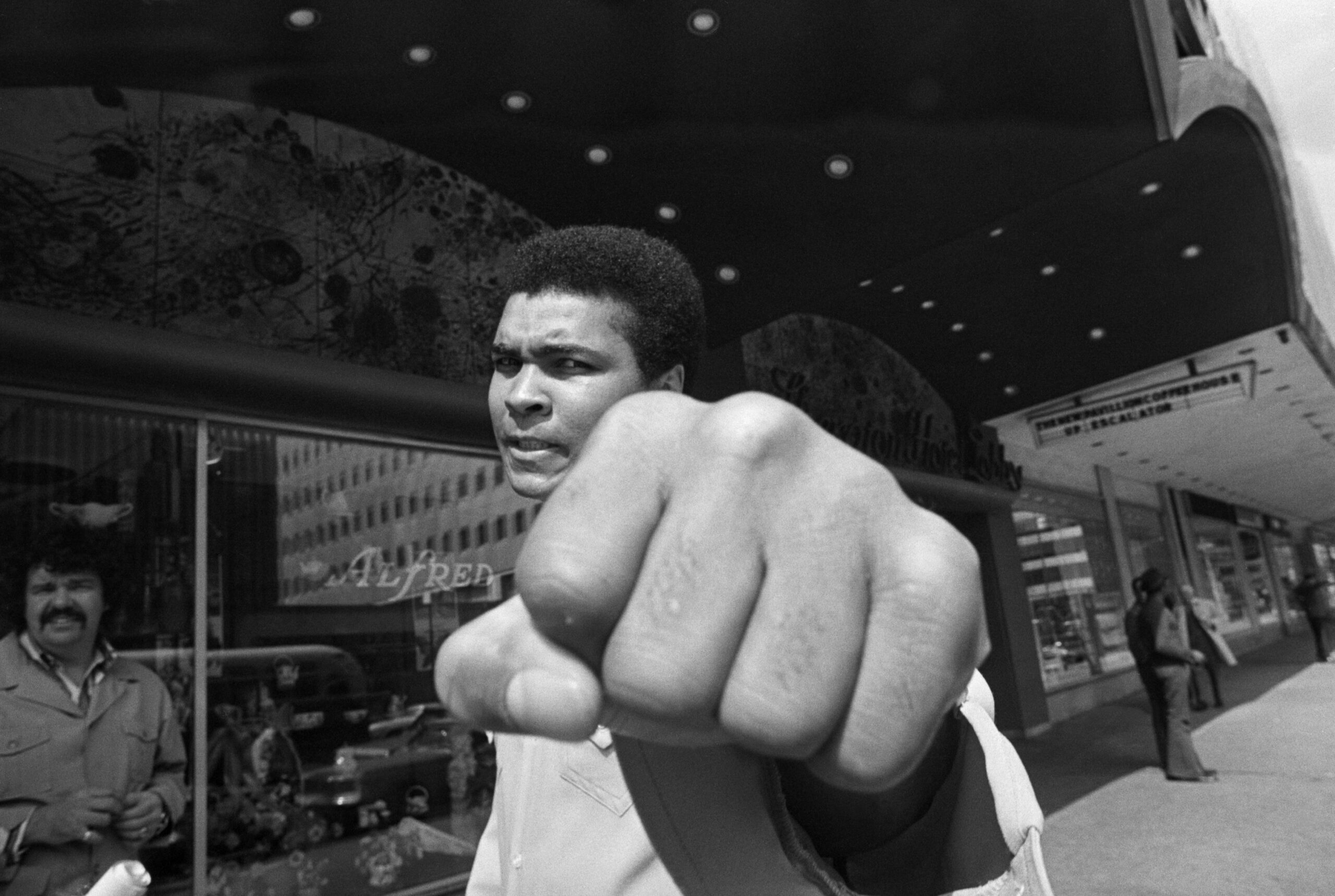
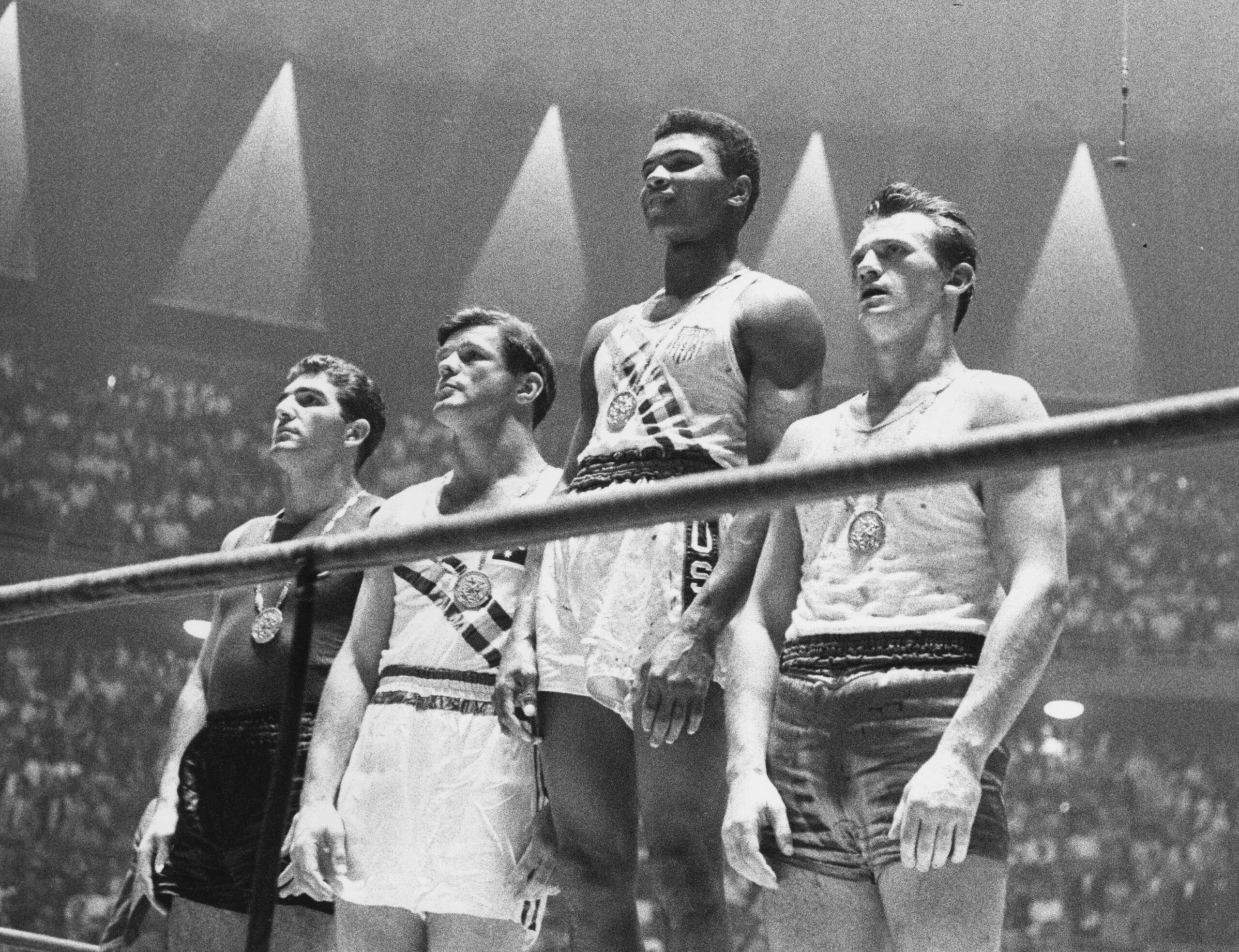
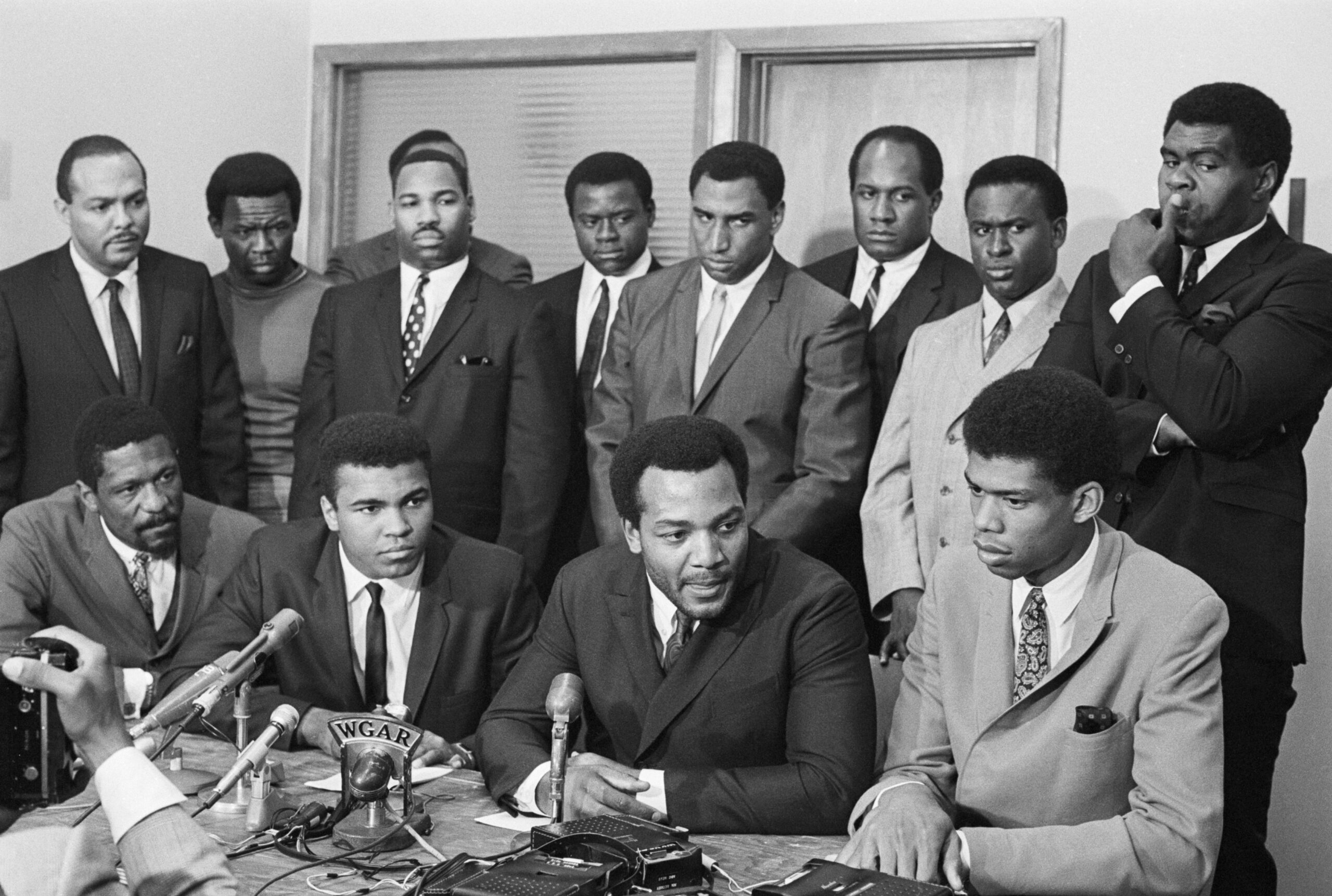
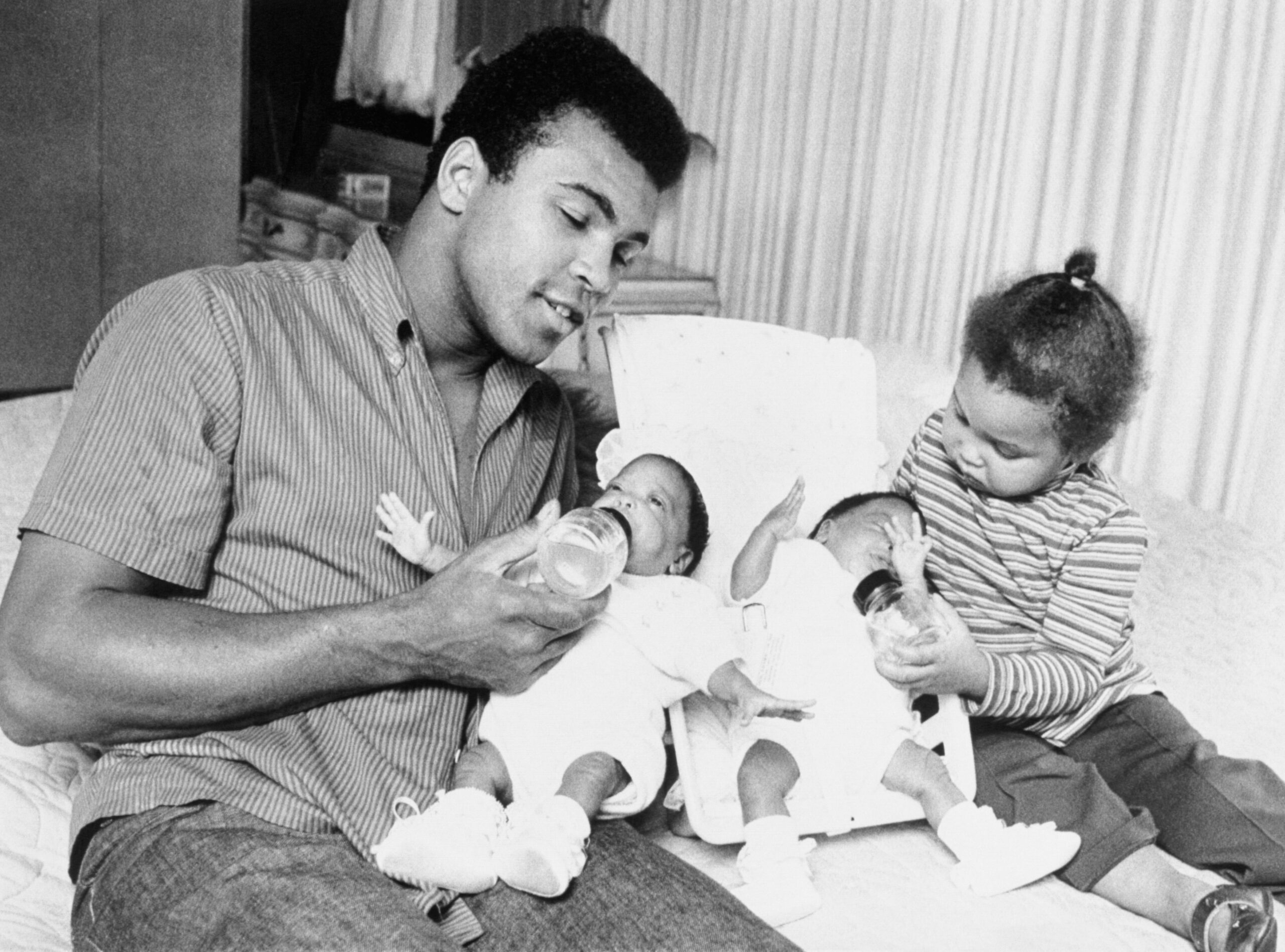
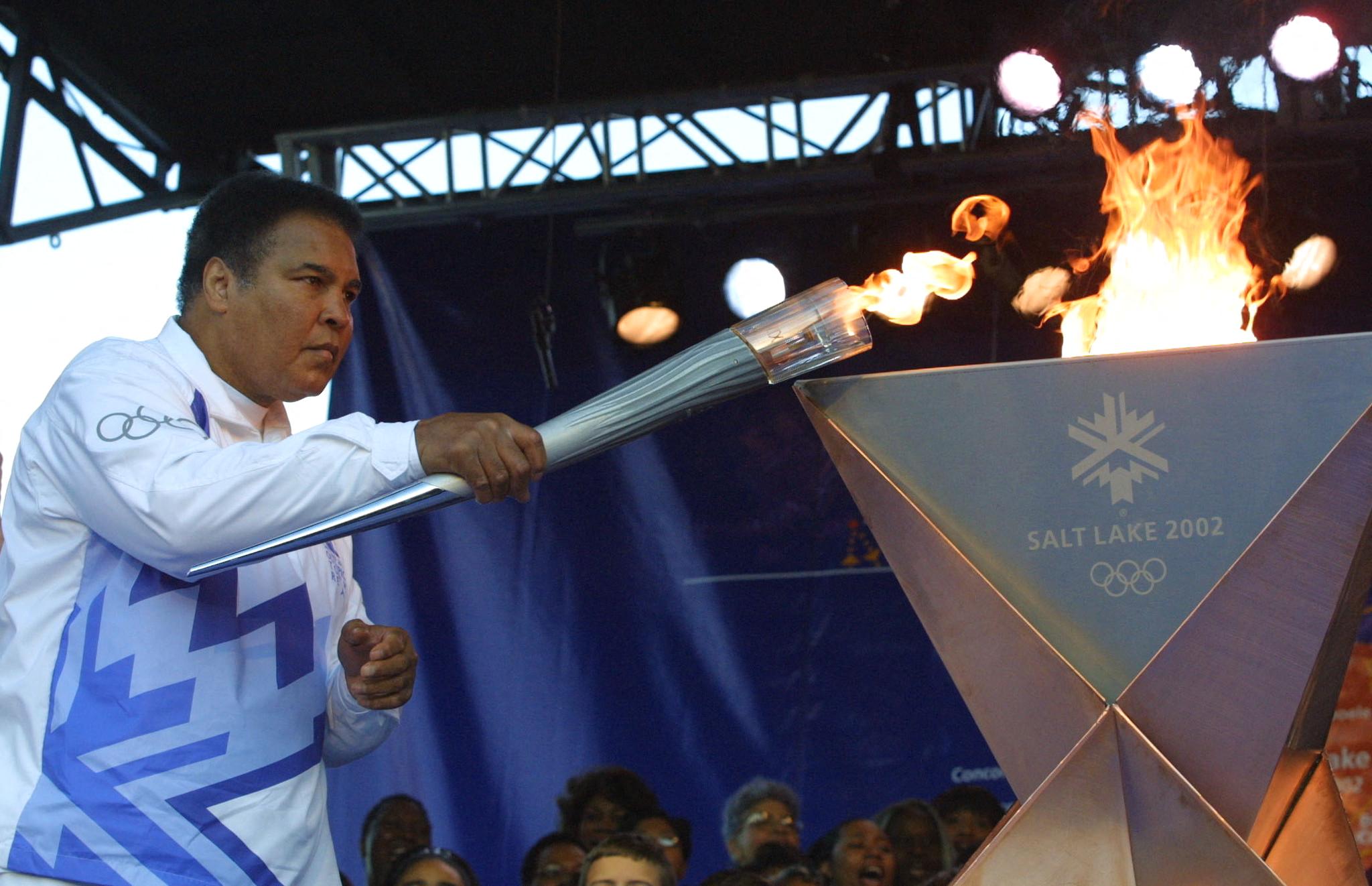

© Bettmann/Getty Images, © Central Press—Hulton Archive/Getty Images, © Bettmann/Getty Images, © Bettmann/Getty Images, © Chris Stanford/Allsport—AFP/Getty Images, © Ethan Miller—Keep Memory Alive/Getty Images
NEWS EXTRA
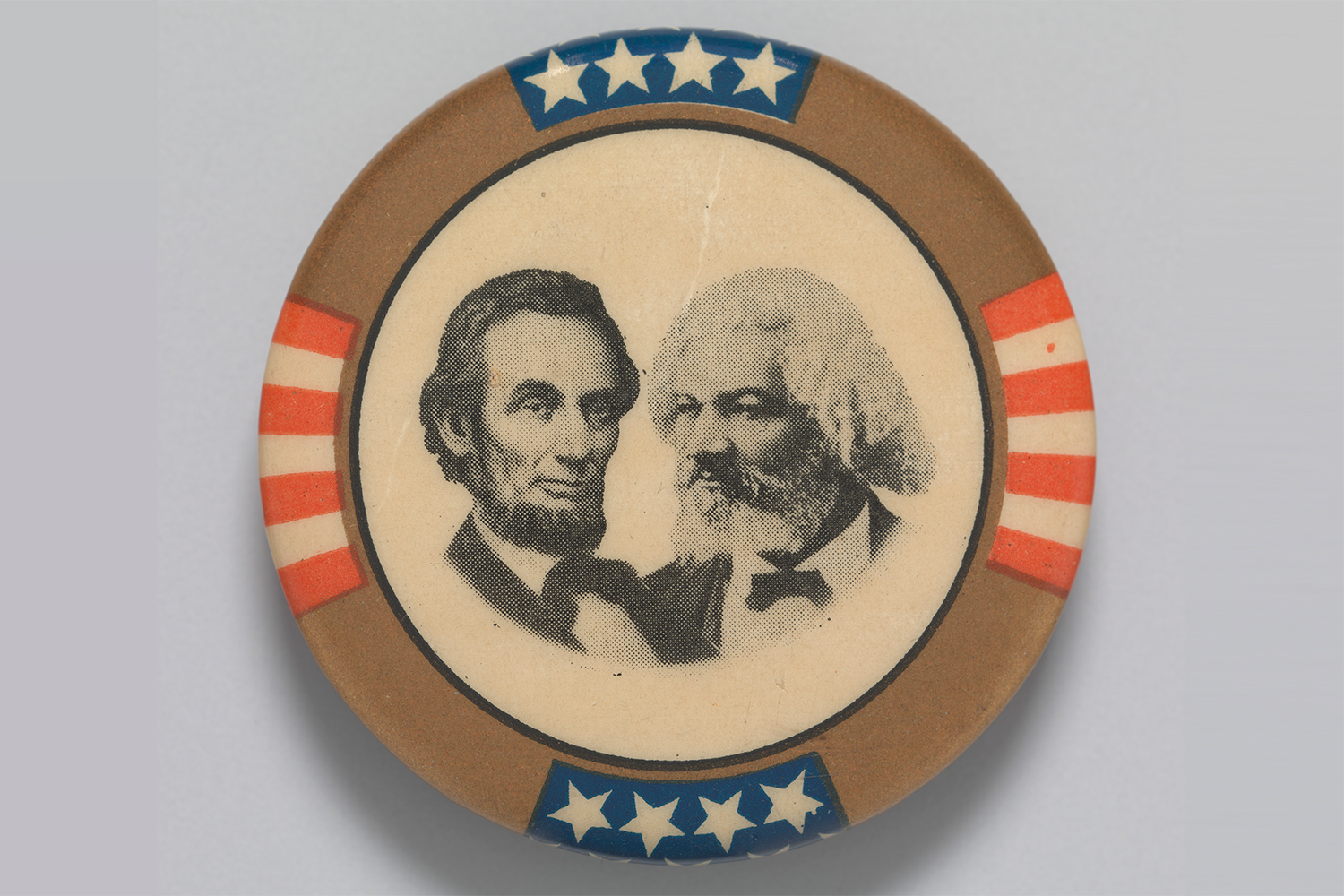
© Heritage Art/Heritage Images—Hulton Archive/Getty Images
Black History Month occurs during the birth month of Abraham Lincoln (left) and Frederick Douglass.
February is Black History Month in the United States. It’s a time to celebrate the contributions Black Americans have made to U.S. history and culture.
Although Black History Month became official in 1976, its history dates back 100 years. In 1926, a group called the Association for the Study of Negro Life and History began observing “Negro History Week” in February. The group chose February because it was the birth month of two important figures in the history of civil rights: U.S. president Abraham Lincoln and civil rights activist Frederick Douglass.
Black History Month celebrations take place in schools, libraries, museums, and more. You can also ask a librarian or a teacher for books about Black history and by Black authors. There are so many opportunities to learn more about people and events that have shaped the history and achievements of the United States.
Willie O’Ree made history as the first Black hockey player in the National Hockey League when he joined the Boston Bruins in 1958. The trailblazing Canadian received his own commemorative stamp in 2023!
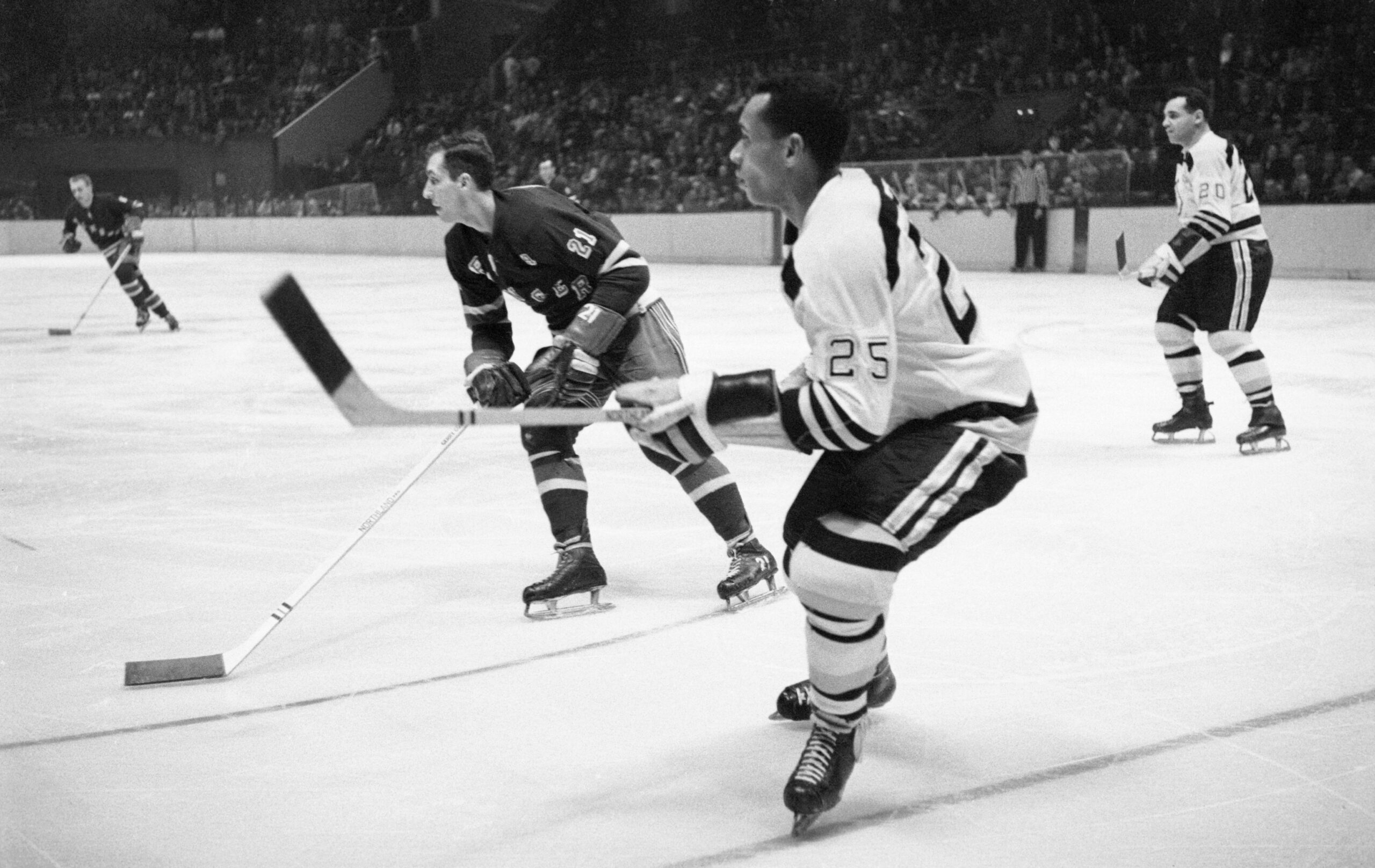
© Bettman/Getty Images
Willie O’Ree (number 25) of the Boston Bruins during a 1960 hockey game.
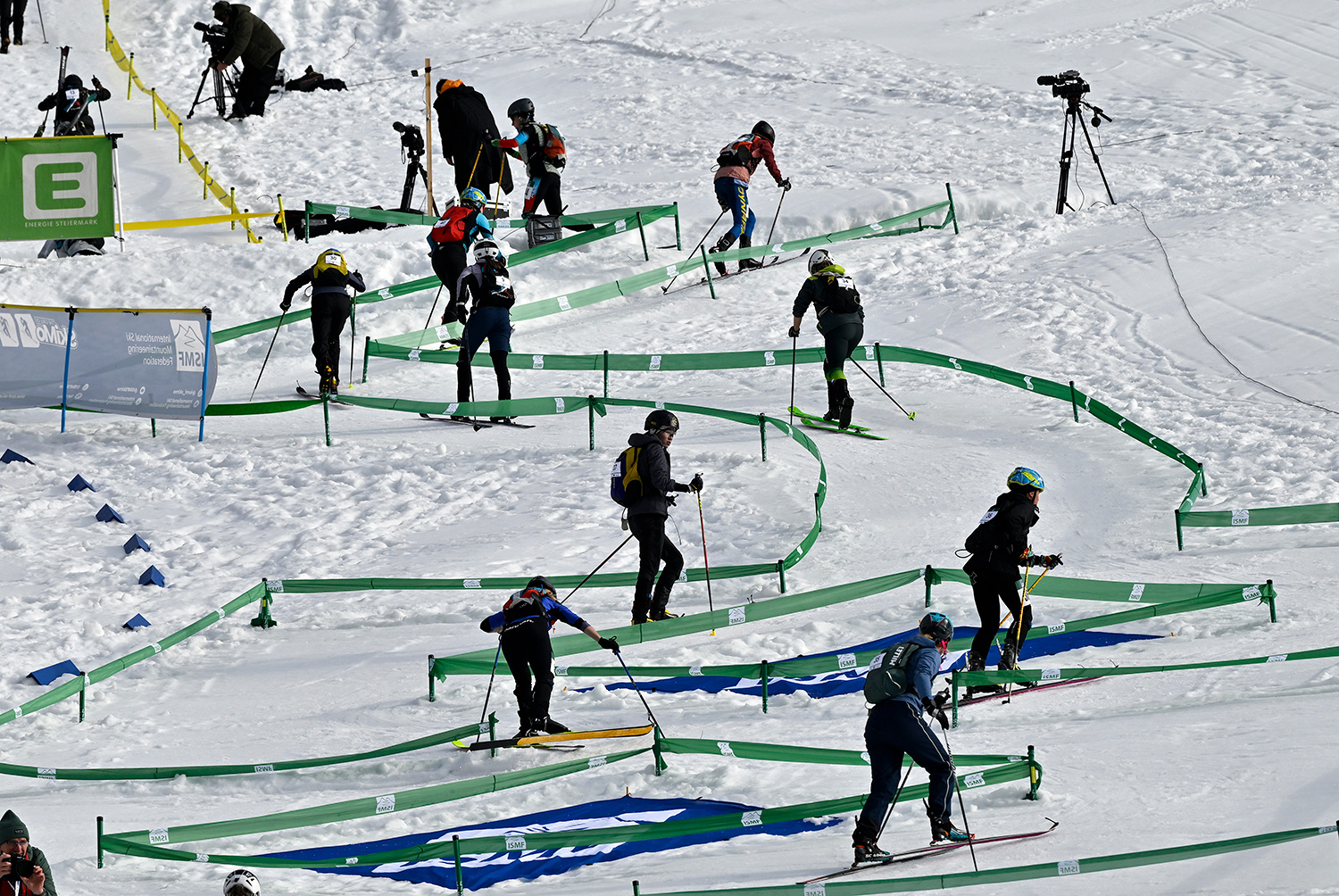
© Uwe Lein/dpa—Picture Alliance/Getty Images
Athletes in action during the 2025 ISMF Ski Mountaineering World Cup in Austria. This was a qualifying event for the 2026 Winter Olympics.
This winter, more than 3,500 athletes from 93 countries will gather in Italy to compete in the 2026 Winter Olympics and Paralympics. The Olympic Games will start with an opening ceremony on February 6, and the Paralympic Games, a competition for athletes with disabilities, will begin a month later, on March 6.
The Olympics include just about any snow and ice sport you can think of, including alpine skiing, bobsleigh, curling, figure skating, ice hockey, luge, ski jumping, snowboarding, and speed skating.
Ski mountaineering, also called skimo, is a new addition to the winter sport lineup. The sport mimics the skills used by mountain explorers and requires racers to ski up and down a mountain course. Skimo competitors tackle slippery slopes with the help of “skins,” which they put on the bottom of their skis. The skins look like pieces of sticky carpet and provide traction so that the skis won’t slide backward down the mountain.
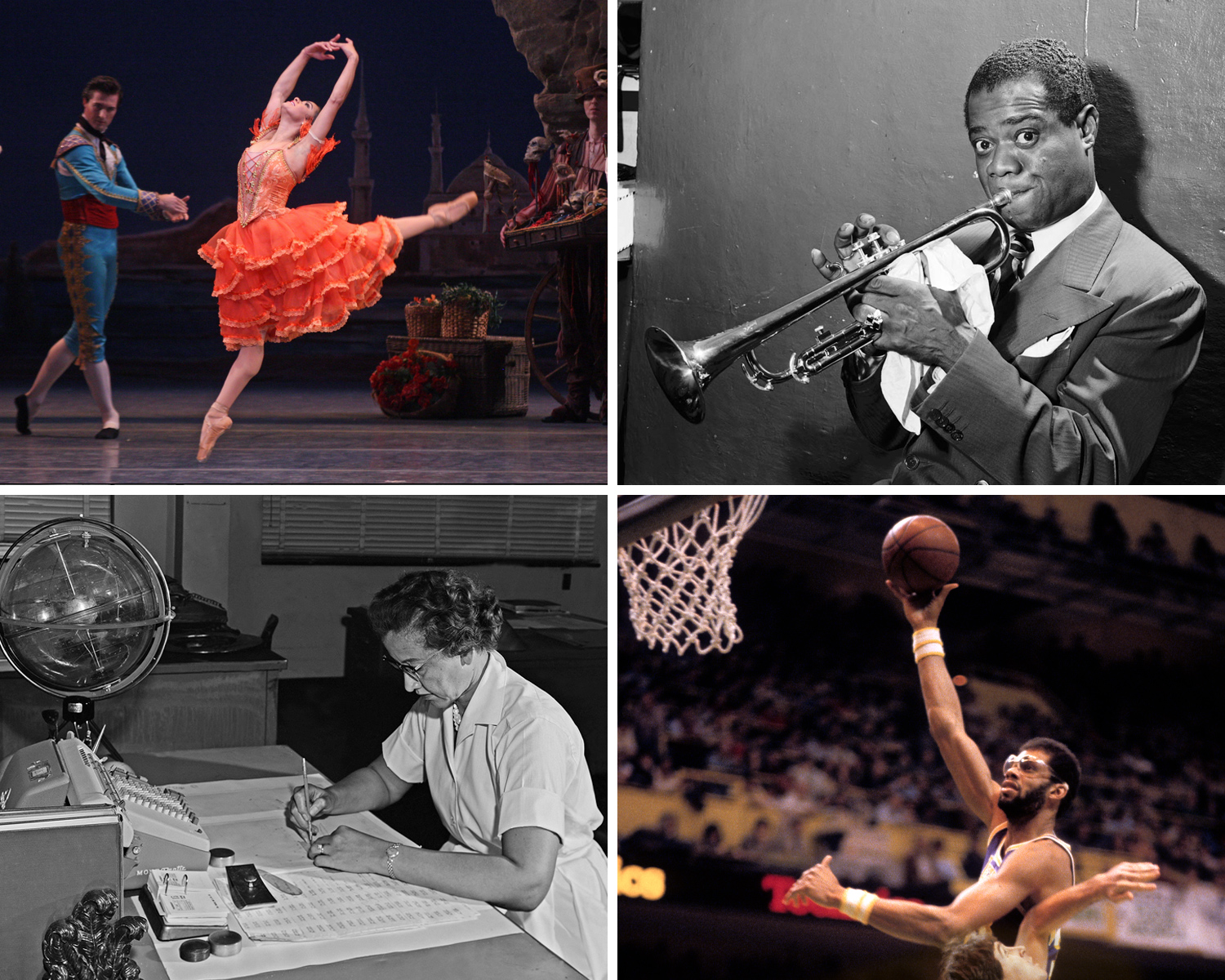
© Hiroyuki Ito/Getty Images, © Gerald T. Coli/Dreamstime.com, NASA, William P. Gottlieb Collection/Library of Congress, Washington, D.C.; Photo composite Encyclopædia Britannica, Inc.
(Top row, left to right) Dancer Misty Copeland, musician Louis Armstrong. (Bottom row, left to right) Mathematician Katherine Johnson, basketball player Kareem Abdul-Jabar.
Trailblazing African Americans have made history in countless ways, from Katherine Johnson’s critical calculations that sent astronauts to the Moon to Louis Armstrong’s thrilling jazz music. Read about the cultural and historic contributions of African Americans at Britannica!
noun
: a person who tries to get people to become angry and to do things for a political or social cause
Use the clues to fill in the puzzle.

People are racing to save a beloved winter wonder on Japan’s Mount Zao.
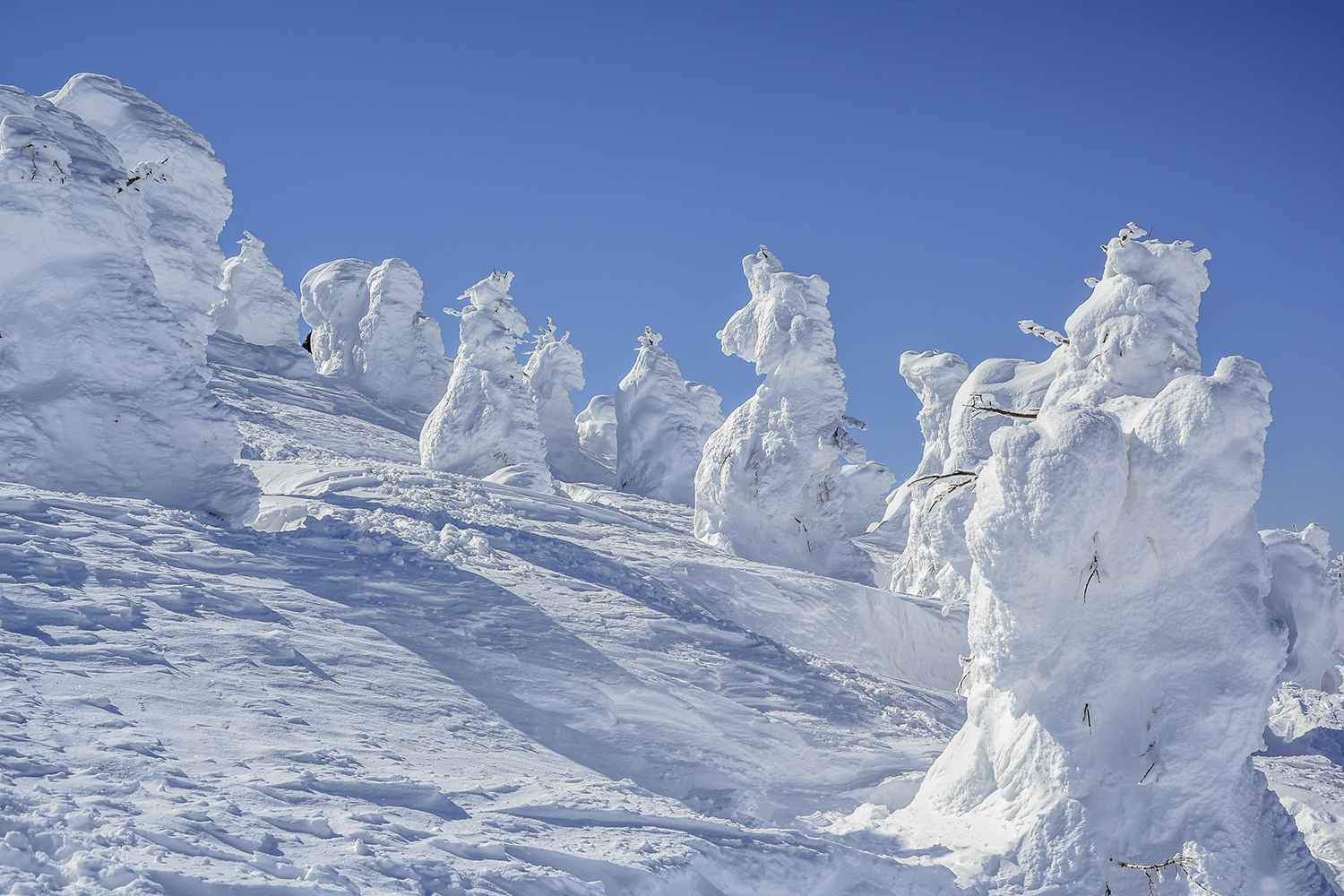
© weniliou/stock.adobe.com
These snow-covered trees on Japan’s Mount Zao are known as juhyo.
Each winter, giant snow monsters appear across the landscape of Japan’s Mount Zao. Though they may look like towering ghosts or abominable snowmen, these “monsters” are just trees encased in snow and ice. People travel from all over the world to see this rare natural wonder—but new research shows that it’s at risk of disappearing.
The monsters, called juhyo in Japanese, occur when cold and windy weather brings a supercooled, icy rain to the mountain. The icy rain freezes immediately when it meets the fir trees, encasing them in layers of ice and snow. The phenomenon turns the whole mountain into an otherworldly landscape.
However, a team of Japanese researchers confirmed that the snow monsters are not growing as large as they did nearly 100 years ago.
“In the 1930s, we saw juhyo five to six metres [16–20 feet] across,” said Fumitaka Yanagisawa to the BBC. Yanagisawa is a professor at Japan’s Yamagata University who studies juhyo. “Since 2019, many are half a metre [1.6 feet] or less. Some are barely columns.”
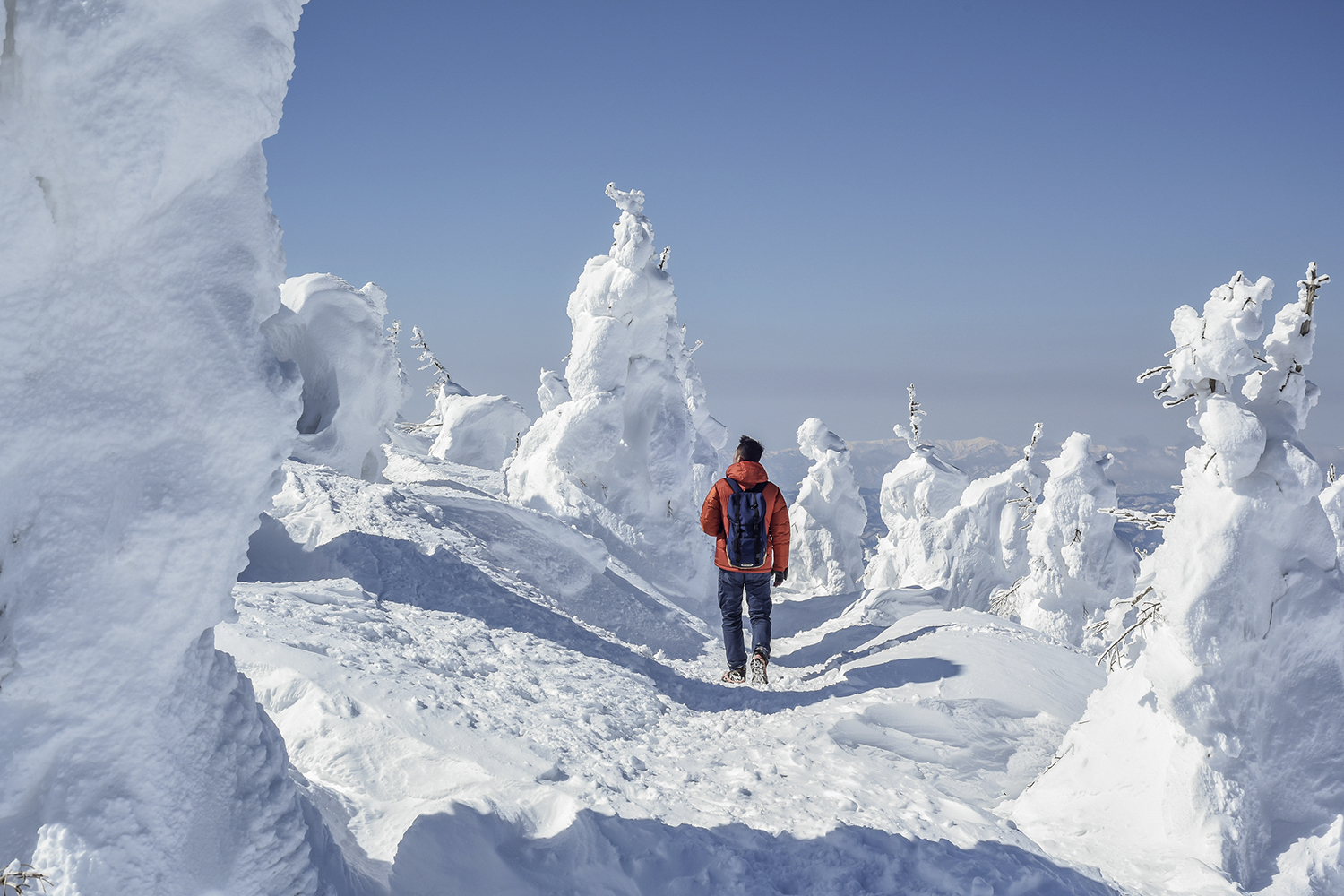
© weniliou/stock.adobe.com
A hiker gets a look at Japan’s snow monsters.
Yanagisawa pointed to two environmental factors affecting the snow monsters: harmful insects and a warming climate. Insect outbreaks have hurt the fir trees, causing them to lose needles or damaging the bark, so many trees have died. This means there are fewer branches for the winter rain to freeze onto and create the iconic juhyo shape.
A warming climate also means the juhyo are melting faster and the special conditions that make the supercooled rain are increasingly rare. Still, the local community is racing to save the snow monsters. A collaboration between the local government and high school students is focusing on planting young fir trees on the mountain to revive the mountain forests.
“They are called snow monsters because nothing else looks like them,” said Kanon Taniai, one of the students helping plant trees, to the BBC. “I want the world to see them, and to feel how special Japan’s nature is.”
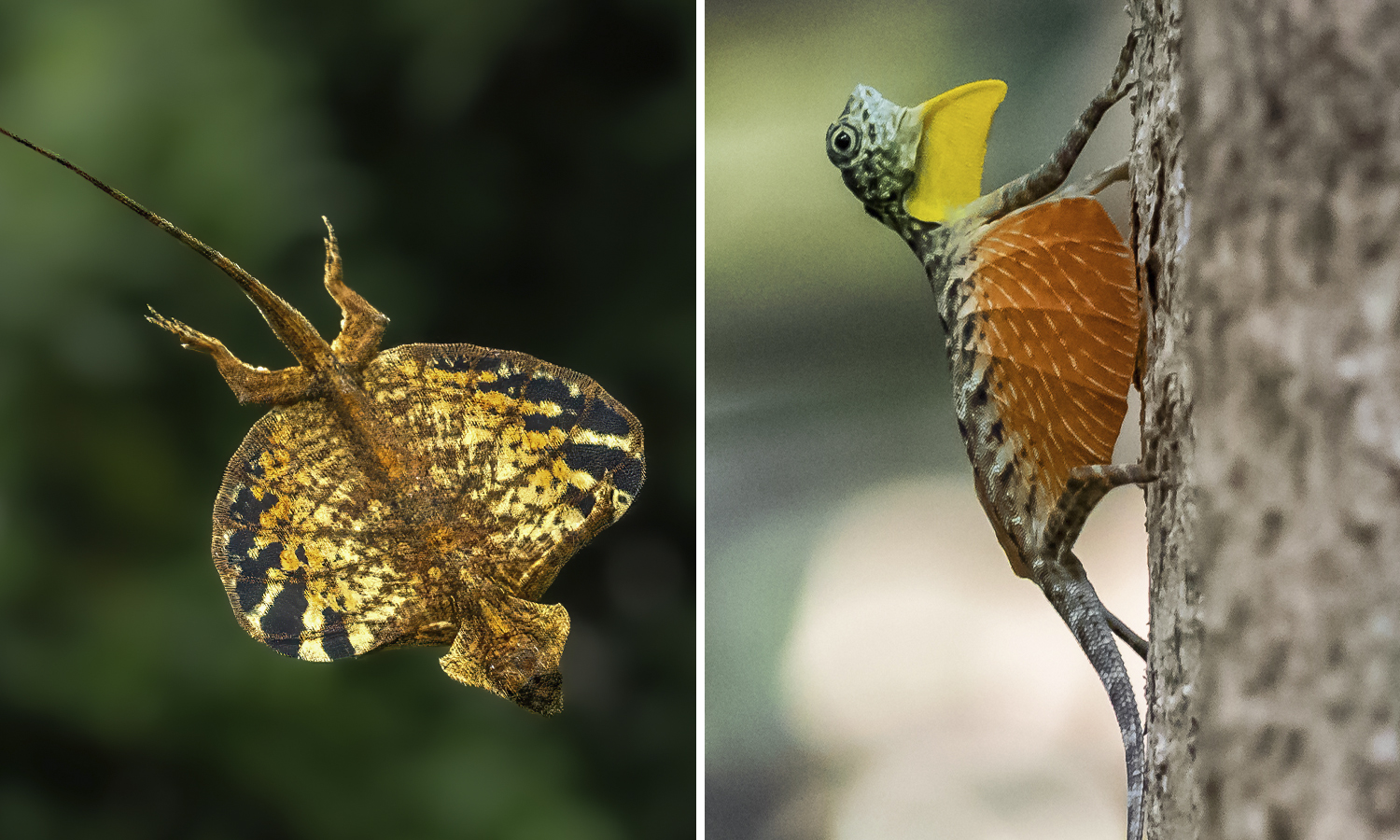
Dragons are mythical creatures—or are they? Southeast Asia is home to a type of small, flying lizard that can glide through the air with wing-like membranes. These flying lizards belong to the genus Draco, which is Latin for “dragon.”
© Lauren, ksumano/stock.adobe.com; Photo composite Encyclopædia Britannica, Inc.
A flying lizard glides through the rainforest in Indonesia (left) and climbs a tree.
© Anthony Hutchings/Friends of the NC Museum of Natural Sciences
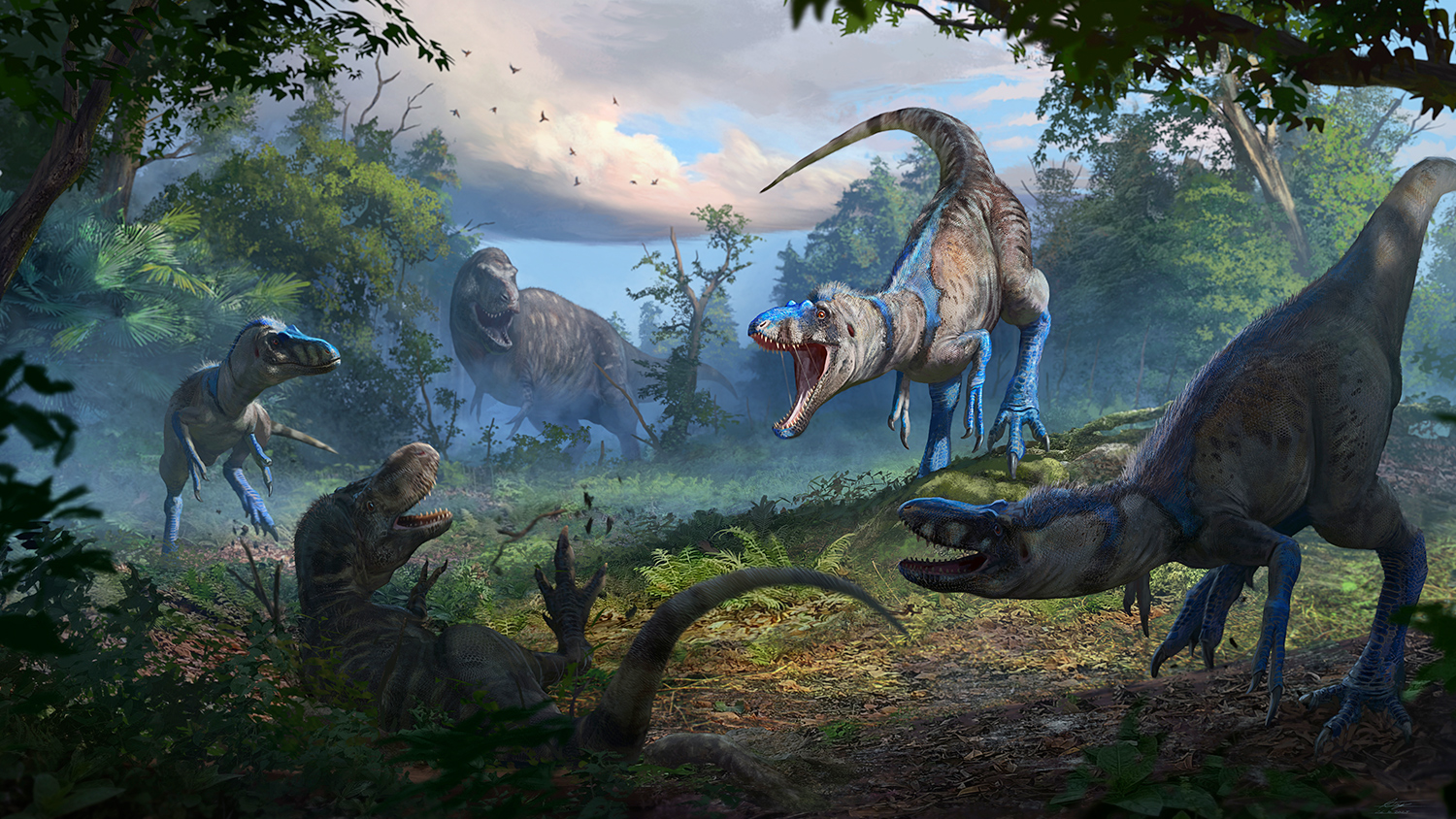
In this illustration, a pack of Nanotyrannus dinosaurs attack a Tyrannosaurus rex that is not fully grown.
Paleontologists have uncovered a new dinosaur predator, while also revealing a case of mistaken identity for a skeleton within a famous fossil called the Dueling Dinosaurs.
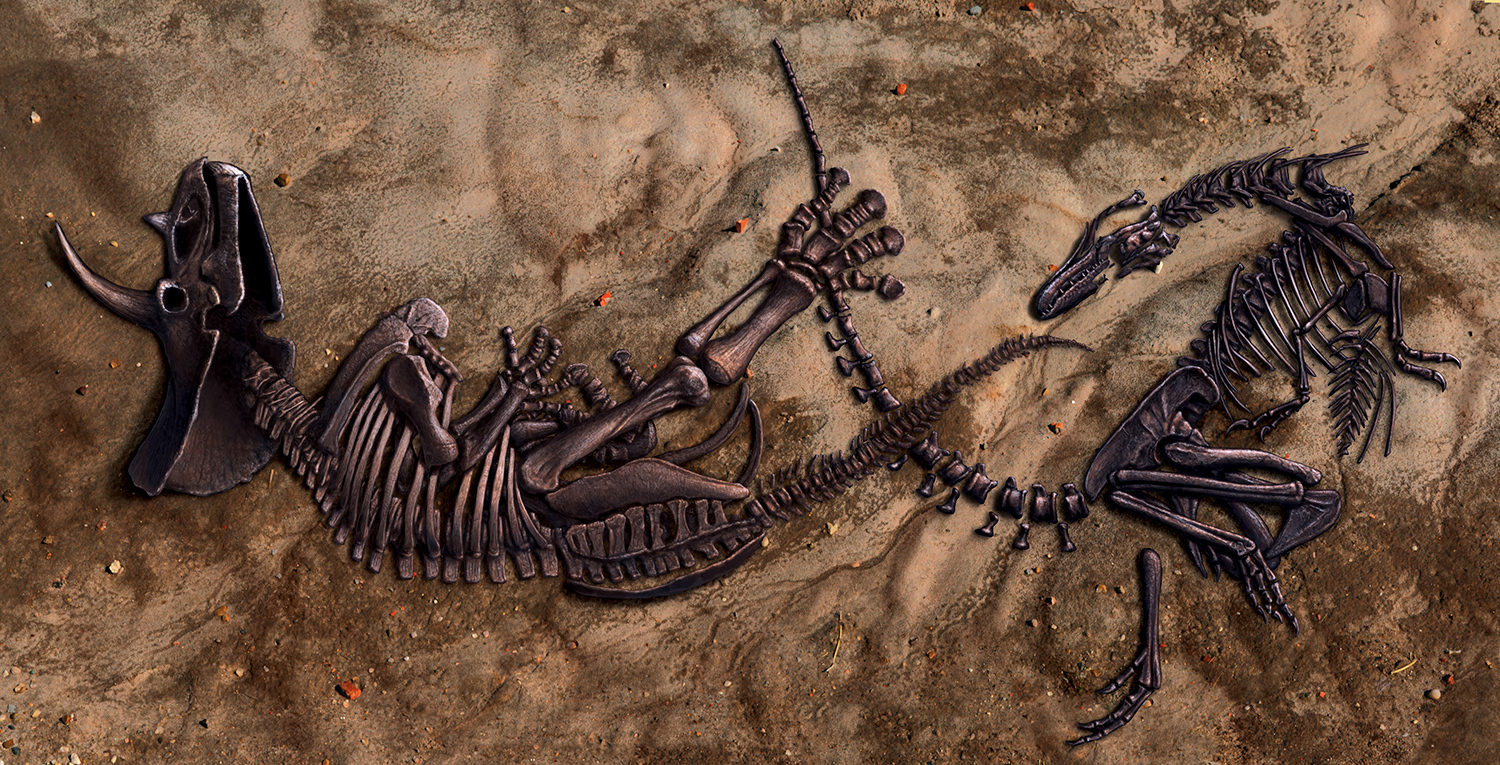
The fossil shows two dinosaurs—a leaf-eating Triceratops and a young predator—seemingly locked in a deadly battle. For decades, many experts thought the small, fierce predator in the fossil was a teen Tyrannosaurus rex. However, a recent study confirms that the fossil is a related, but entirely different, “dwarf” species of tyrannosaur called the Nanotyrannus.
Ultimately, key clues helped reveal the identity of the predator skeleton. Paleontologists studied the fossil’s arm length and bone growth rings to conclude the tyrannosaur was a fully grown adult dinosaur—not a young one.
© Julius Csotonyi/Friends of the NC Museum of Natural Sciences
This is a computer-made image of a fossil showing a Triceratops (left) and a Nanotyrannus fighting.
The new identification shows how these predators compare to each other. An adult Nanotyrannus would have reached about 18 feet (5.5 meters) in length and weighed about 1,500 pounds (680 kilograms). This is a fraction of the size of the colossal T. rex, which could grow longer than 42 feet (12.8 meters) and weigh 18,000 pounds (8,165 kilograms). In other words, if the T. rex were a city bus, the Nanotyrannus would be a small car.
“This discovery paints a richer, more competitive picture of the last days of the dinosaurs,” said Lindsay Zanno, who is head of paleontology at the North Carolina Museum of Natural Sciences, where the fossil is housed.
“With enormous size, a powerful bite force and stereoscopic vision, T. rex was a formidable predator, but it did not reign uncontested. Darting alongside was Nanotyrannus—a leaner, swifter, and more agile hunter.”
© Chris McGrath/Getty Images
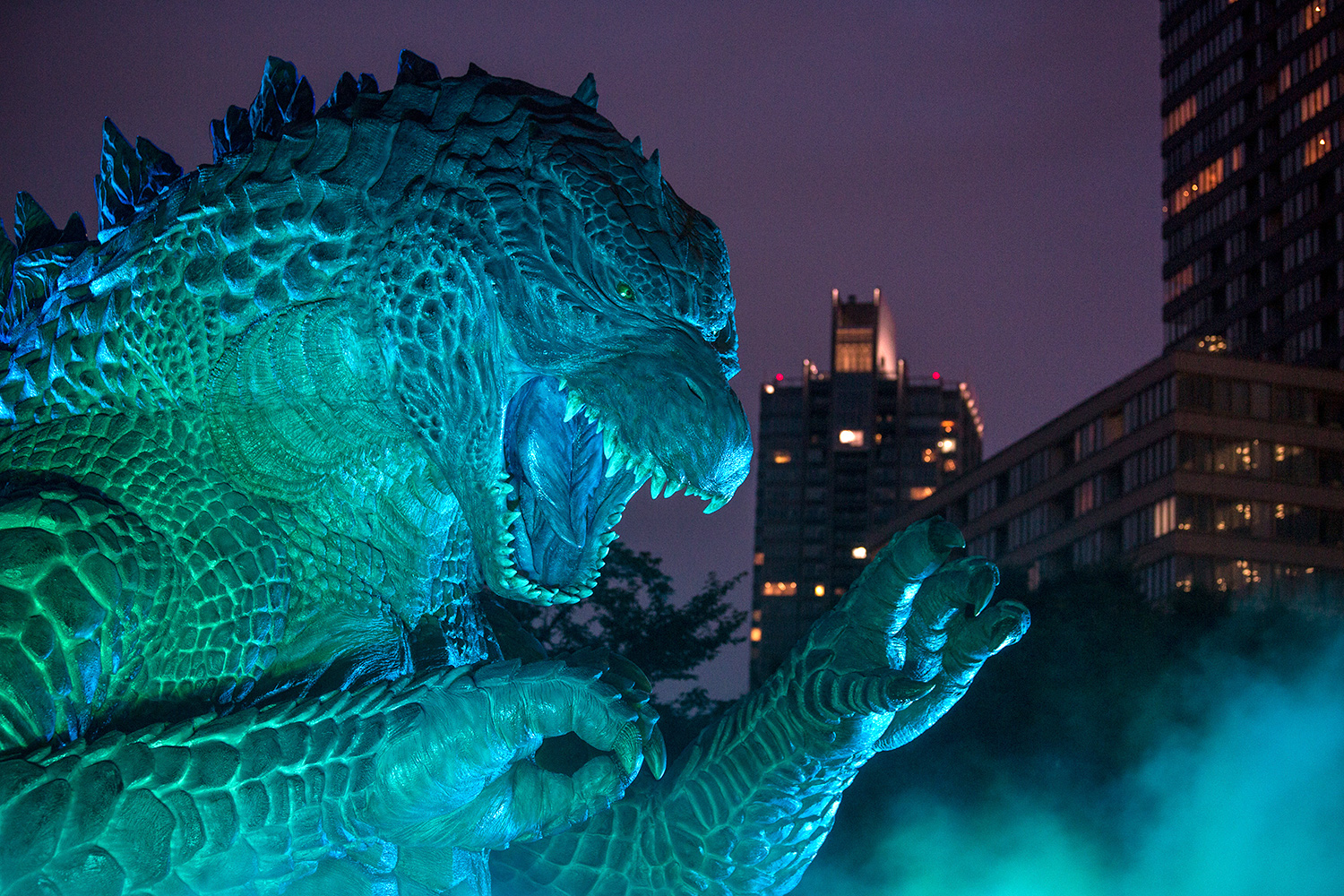
Godzilla has starred in many movies. In this photo, a huge Godzilla statue looms over Tokyo, Japan, during an event related to the release of a 2014 Godzilla film.
Many monster stories come from ancient folklore and legends, but Godzilla is a more recent tale. This massive creature first appeared in the 1954 Japanese film Godzilla and has inspired monster movies ever since. Read more about the classic film, and the classic monster, at Britannica!
noun
: something very big and powerful
How many words can you make from the letters in the flower? All words must use the center letter.

Quilen Blackwell plants seeds of hope by turning abandoned city lots into urban flower gardens.

Southside Blooms
Quilen Blackwell poses with flowers grown by his business, Southside Blooms.
For Quilen Blackwell, business is blooming—literally. Blackwell’s vision to turn empty city lots into colorful flower gardens has helped transform Englewood, a neighborhood in the U.S. city of Chicago, revitalizing the area and creating jobs for young people. It has also earned Blackwell CNN’s 2025 Hero of the Year award.
Despite being part of a major city, Englewood has a history of poverty due to a lack of development in the area. Many houses and businesses are left abandoned, and there are limited job opportunities for young people. While others may have looked at this area as barren, Blackwell saw a fertile opportunity to grow a business.
“Most people will see the trash, the vacant lots,” Blackwell told CNN in an interview. “But for me, I see potential.”
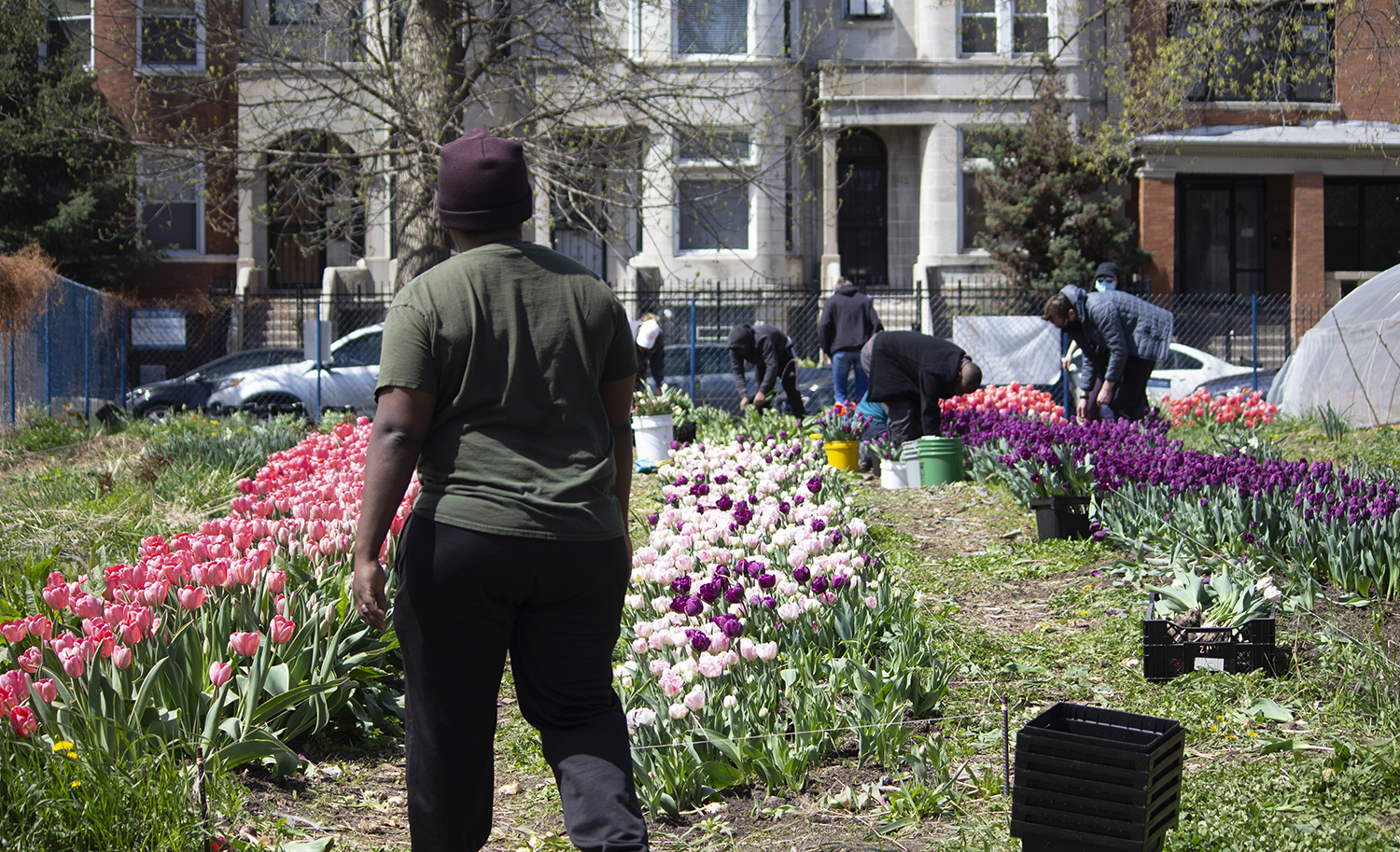
Southside Blooms
Quilen Blackwell (in the foreground) looks over a flower garden operated by Southside Blooms.
Inspiration took root in Blackwell’s mind when he learned that the U.S. flower industry gets most of its cut flowers from other countries.
“I said, ‘Wait a minute. Why are we importing flowers from other countries when we have all this land, all of this youth?’” Blackwell told CNN. “Maybe flowers are the answer.”
Blackwell and his wife, Hannah, started a “farm-to-vase” garden and flower shop in Englewood. The business, called Southside Blooms, sells the locally grown flowers. The Blackwells also hire young people from the neighborhood who might not have other job opportunities.
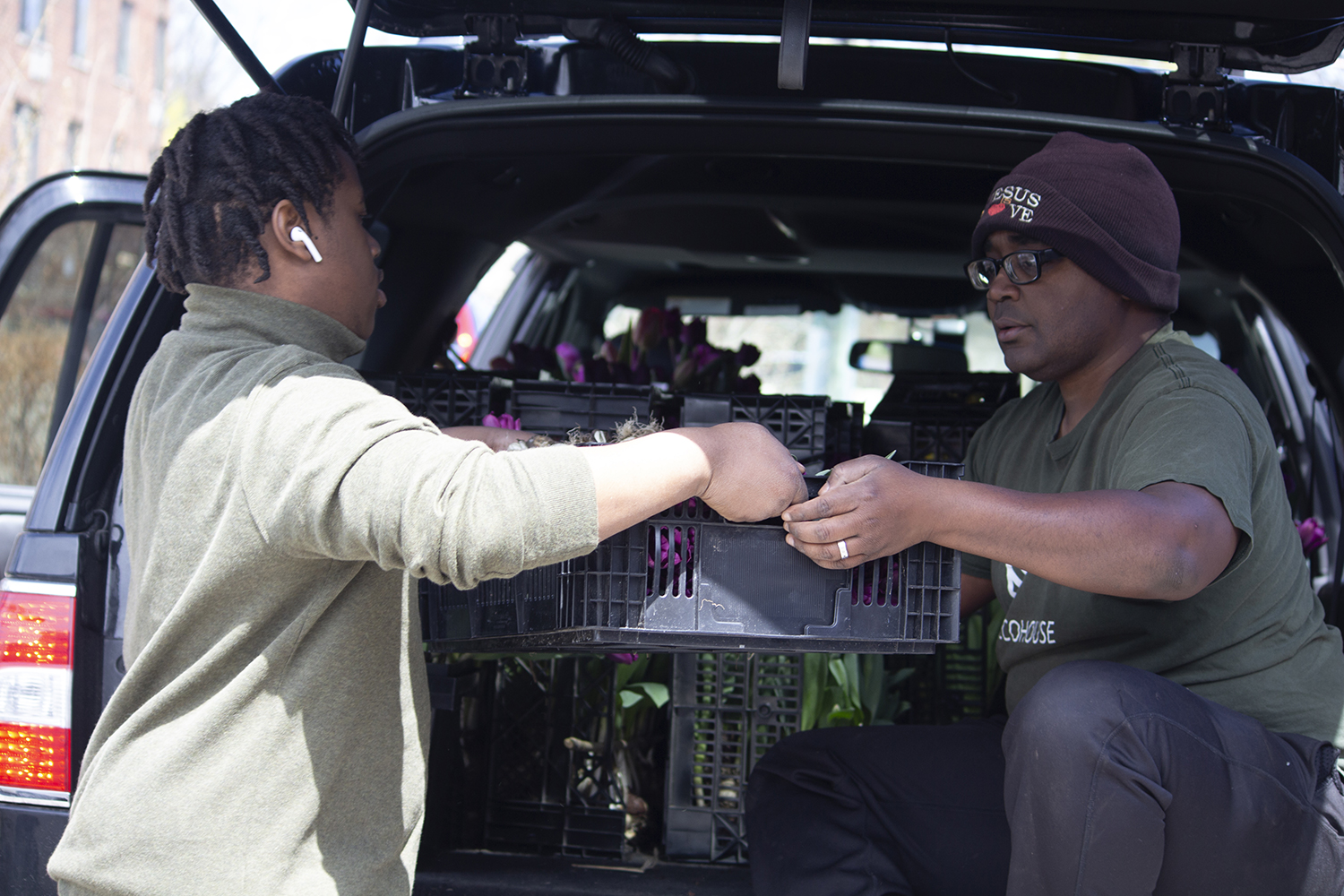
Southside Blooms
Quilen Blackwell (right) and a Southside Blooms employee unload a tray of plants.
“Our young people are blossoming and blooming every single day,” he said. “As long as they’re getting all of the ingredients they need to be successful, there’s nothing that they can’t do.”
Today, Blackwell’s nonprofit has turned six lots into flower gardens, and he dreams of expanding the nonprofit to other cities around the country.
Cities are often called “urban jungles” because there are more buildings than trees, but Tampa, Florida, is an exception. According to the Massachusetts Institute of Technology (MIT), trees cover more than a third of Tampa’s land!

© Gabriele Maltinti/stock.adobe.com
Palm trees grow in Tampa, Florida.
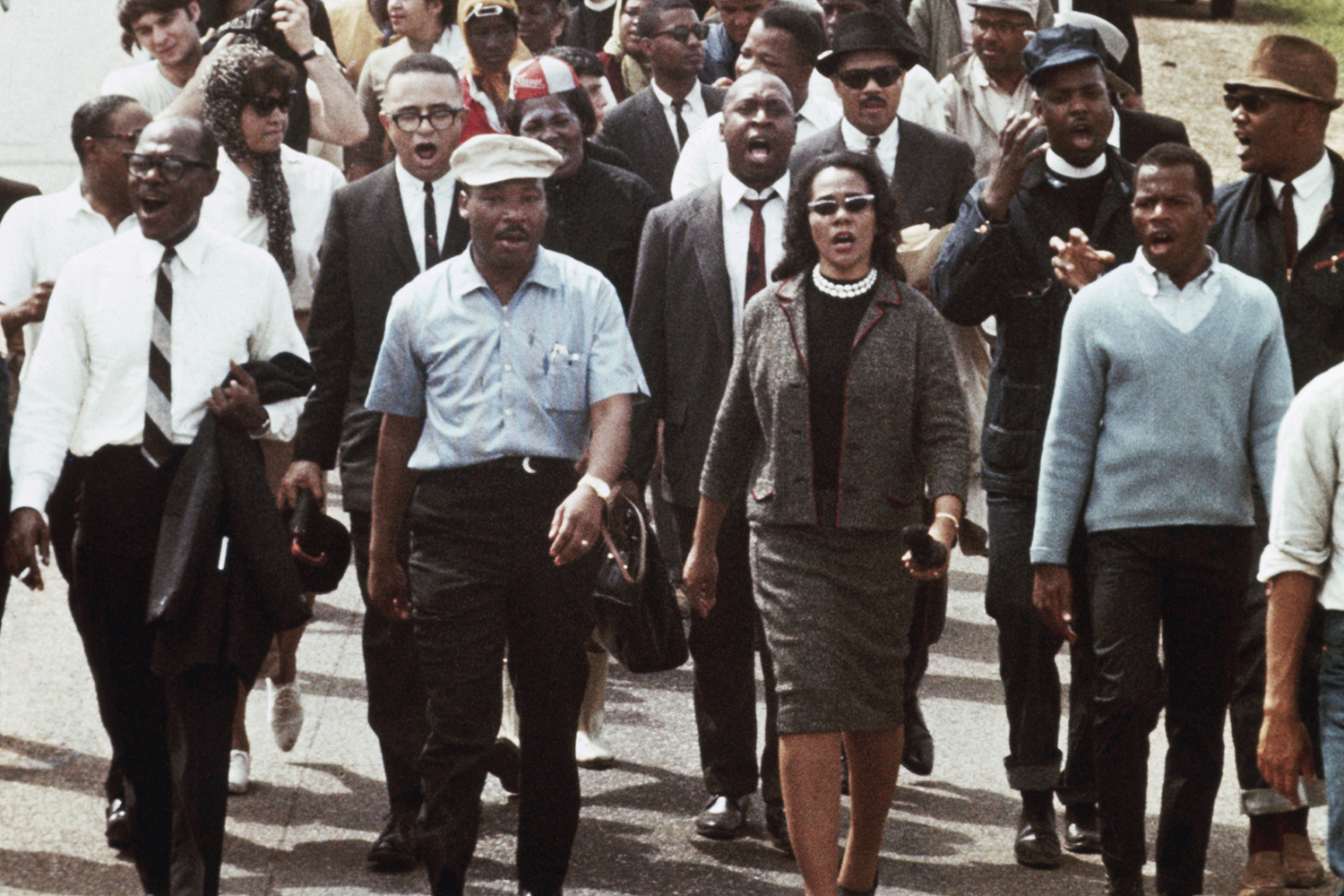
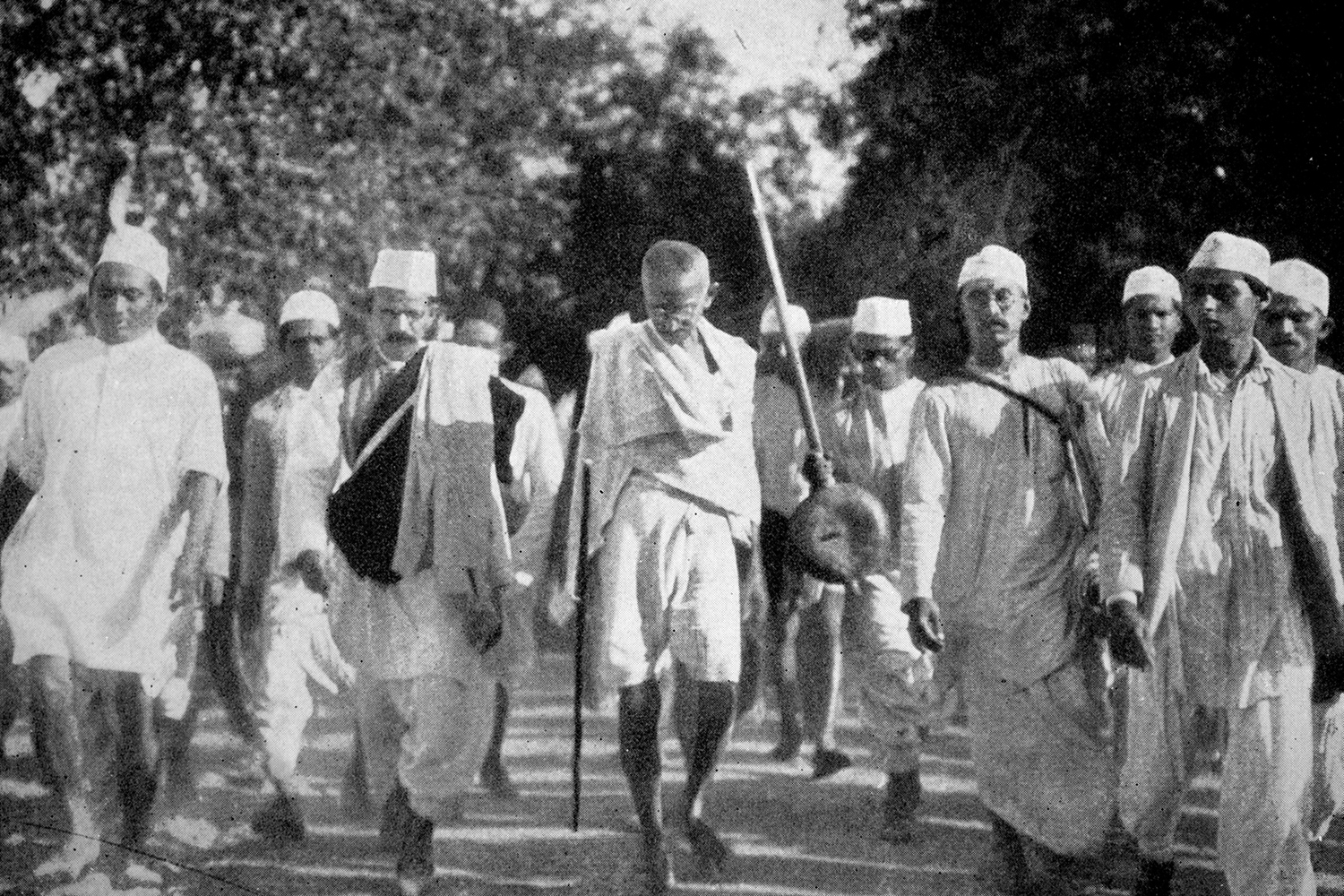
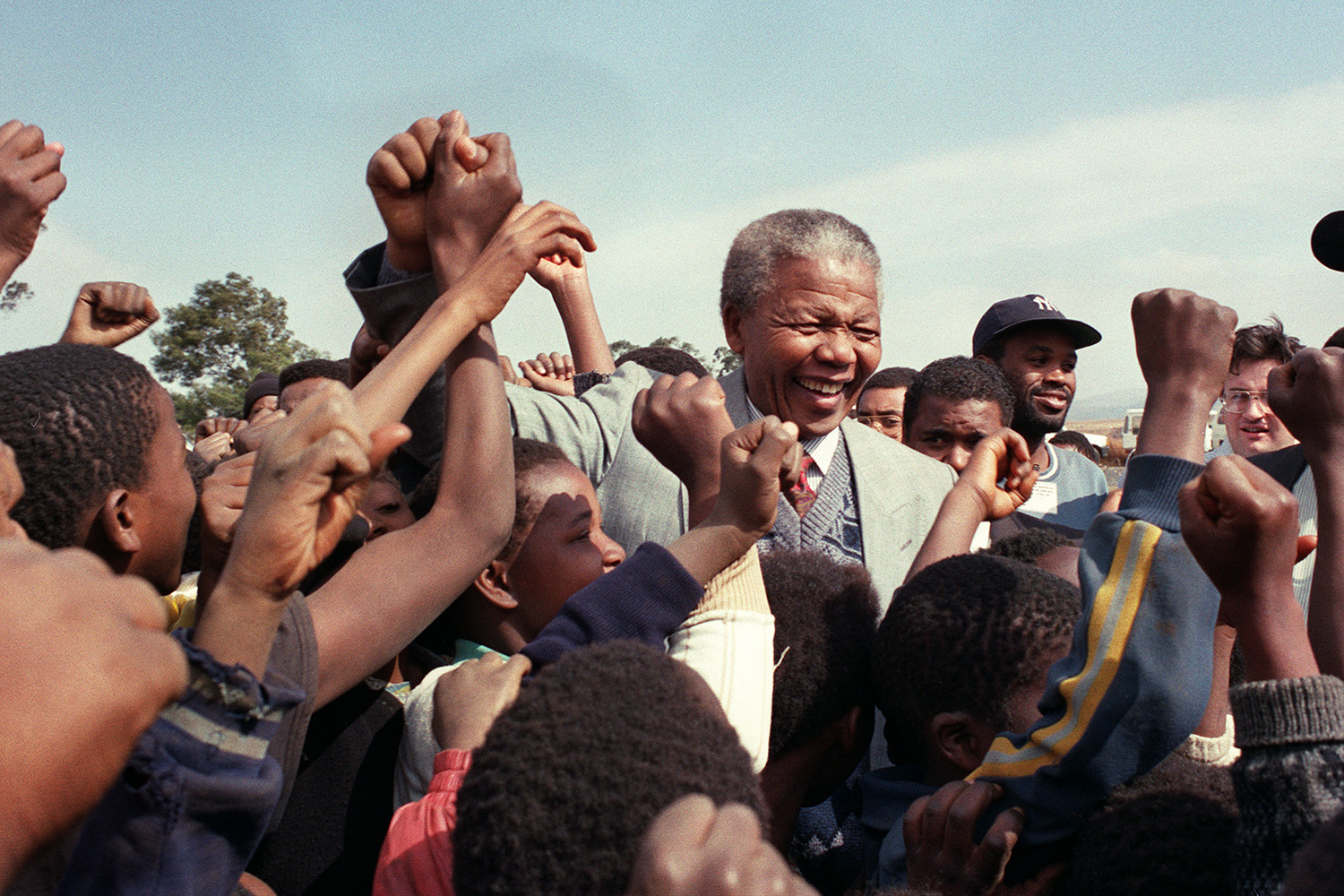

© Bettmann/Getty Images, © Universal History Archive—Universal Images Group/Getty Images, © Walter Dhladhla—AFP/Getty Images, ©AFP—AFP/Getty Images
January 19, 2026, is Martin Luther King, Jr., Day in the United States. This holiday honors the American civil rights leader who helped lead the movement to end racial discrimination and promote equal rights.
A major aspect of King’s legacy was his commitment to nonviolent resistance. Nonviolence is a form of protest that uses peaceful actions like boycotts, marches, and civil disobedience to draw attention to unjust laws. Among King’s famous nonviolent protests were the Montgomery Bus Boycott, in which Black Americans refused to use segregated buses in Montgomery, Alabama, and the March on Washington, where King delivered his famous “I Have a Dream” speech to hundreds of thousands of protesters.
King’s dedication to nonviolence was inspired by another global leader: Mahatma Gandhi. Gandhi used nonviolent resistance to lead the Indian Independence Movement against British colonization in India. He and his followers protested British rule by organizing hunger strikes and marches, both of which ultimately contributed to India winning its independence in 1947.
Nonviolent resistance methods have been used in movements around the world. Nelson Mandela and other activists used nonviolent protests to help end apartheid—a system of racial discrimination—in South Africa. Aung San Suu Kyi led a nonviolent struggle to bring democracy to Myanmar.
Like King, these leaders spent time in prison for their efforts to improve human rights in their countries. Rather than give up, they kept on fighting. They also earned honors and awards for their dedication to peace and nonviolent change.
The slideshow at the top of this article features all four iconic leaders in action.
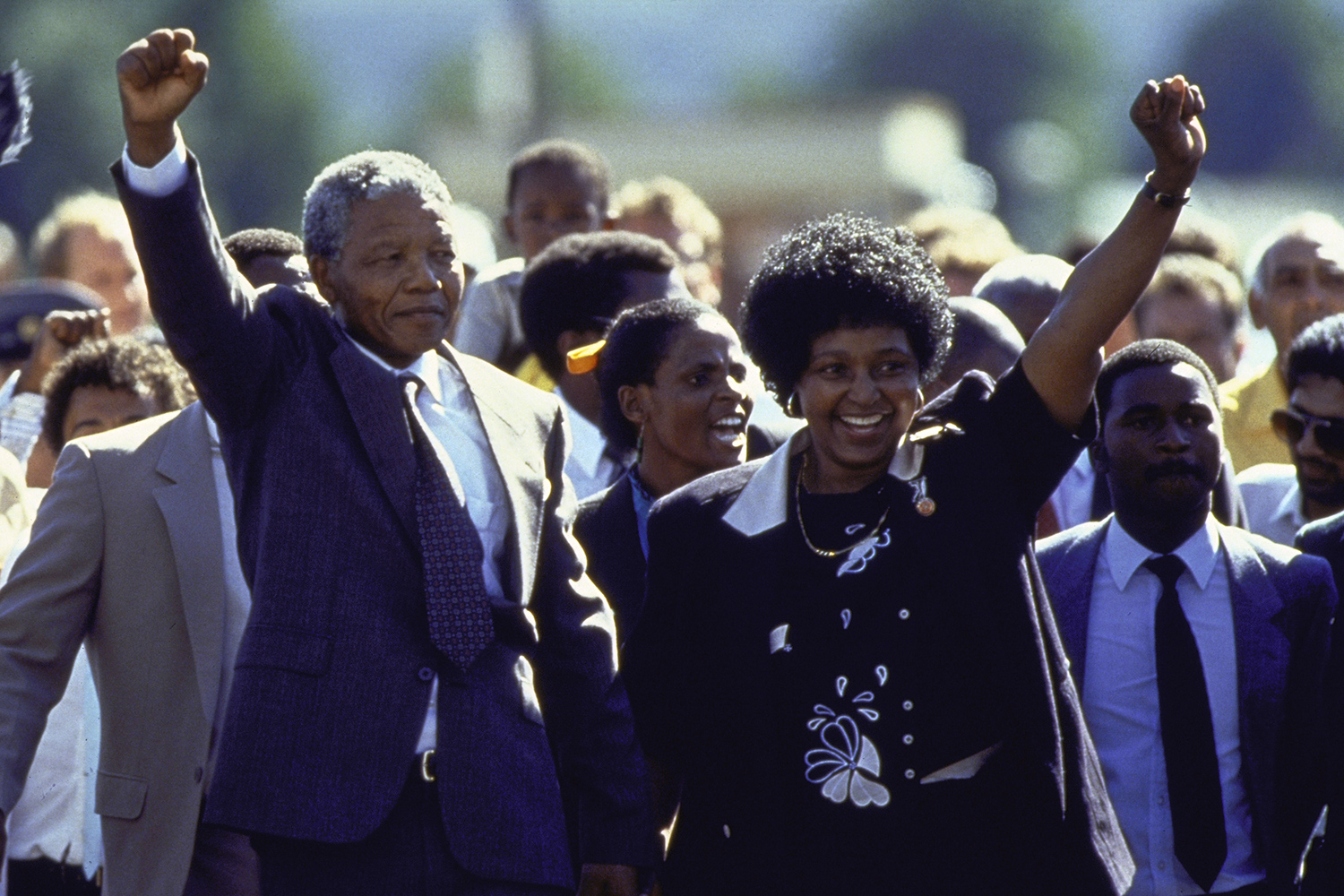
© Allan Tannenbaum—The Chronicle Collection/Getty Images
Nelson Mandela and his wife, Winnie, raise their fists in celebration after Mandela’s release from 27 years in prison.
Nelson Mandela fought to end racial discrimination and apartheid (legal racial segregation) in South Africa, which eventually led to his imprisonment for nearly 30 years. After his release in 1990, Mandela helped end apartheid laws. In 1994, he was elected president of a new democratic government. Read more about Mandela’s life at Britannica!
verb
: to improve or develop (something) by careful attention, training, or study
Fill in the grid so that each row, column, and large square has all the numbers 1–9 with no repeats.

Divers are working with archaeologists to help pull ancient Egyptian artifacts from the bottom of the Mediterranean Sea.

© Khaled Desouiki—AFP/Getty Images
Divers celebrate as a crane pulls an artifact out of the waters off the coast of Alexandria, Egypt, in 2025.
About 1,200 years ago, earthquakes and rising sea levels caused part of an Egyptian city to sink beneath the Mediterranean Sea, carrying countless treasures with it below the waves. Scuba divers, archaeologists, and Egyptian officials are working together to bring some of these artifacts back to the surface.
Statues, coins, pottery, and ship parts are among the treasures pulled from the Abu Qir Bay, off the coast of Alexandria, Egypt. The artifacts come from Canopus, which was a thriving coastal city thousands of years ago. One statue pulled from the water was of a sphinx—a mythical creature with the head of a man and the body of a lion—that dated back at least 3,000 years to the rule of Egyptian king Ramses II. Other statues depict Roman and Macedonian nobles, showing that several ancient dynasties influenced the city culture before it sank into the depths.
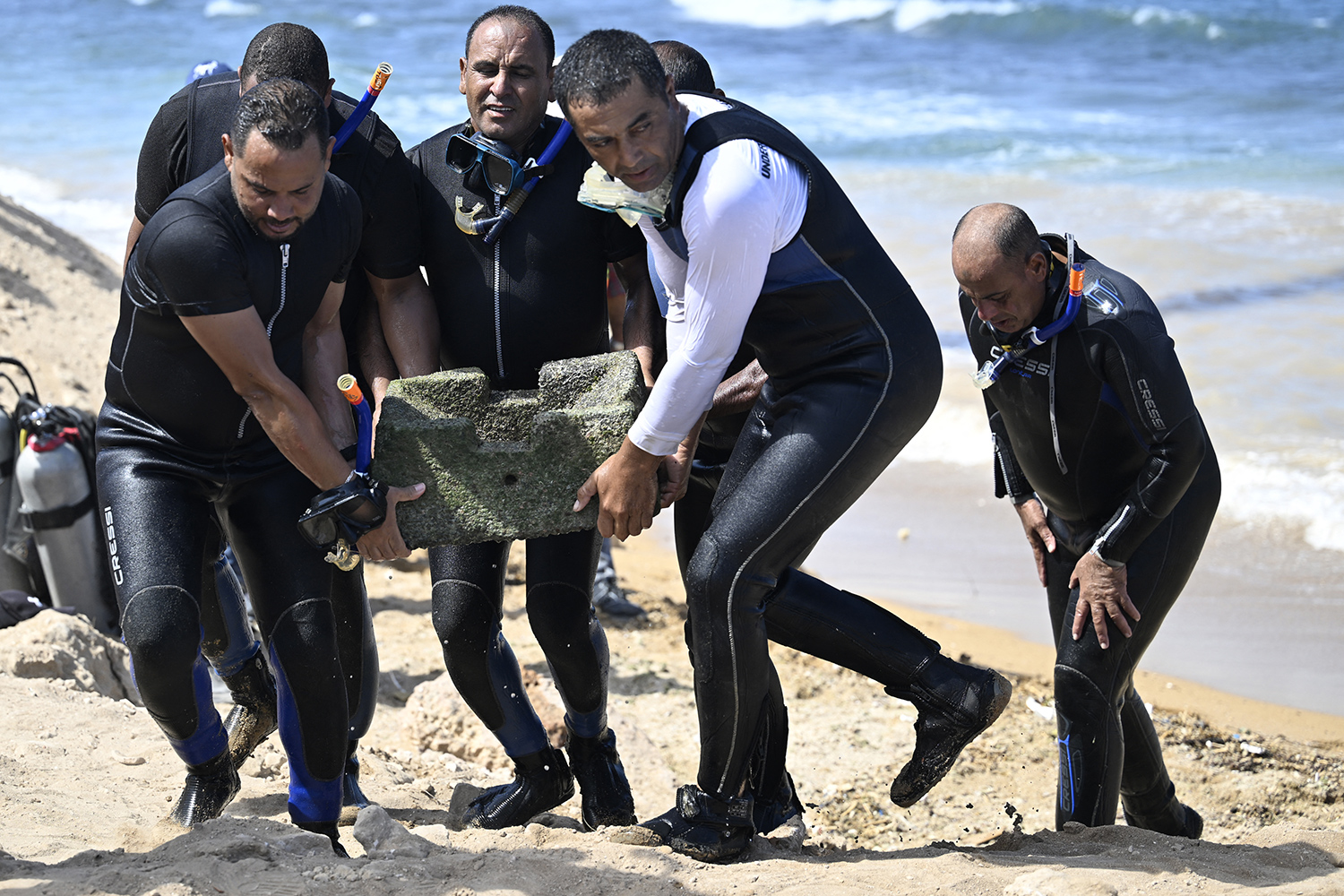
© Khaled Desouiki—AFP/Getty Images
Divers carry an ancient artifact to land on the coast of Alexandria.
The coasts of Egypt are home to many sites of “underwater cultural heritage,” which is the term for places with shipwrecks and submerged artworks and other historic objects. While some items have been retrieved, many treasures will remain in the water that claimed them.
“There’s a lot underwater, but what we’re able to bring up is limited,” said Sherif Fathi, an Egyptian government official who spoke to the media at the Abu Qir Bay site. “The rest will remain part of our sunken heritage.”
There are countless buried historical treasures around the world! Greece has so many that the nation opened the first underwater museum where divers can visit an ancient shipwreck.
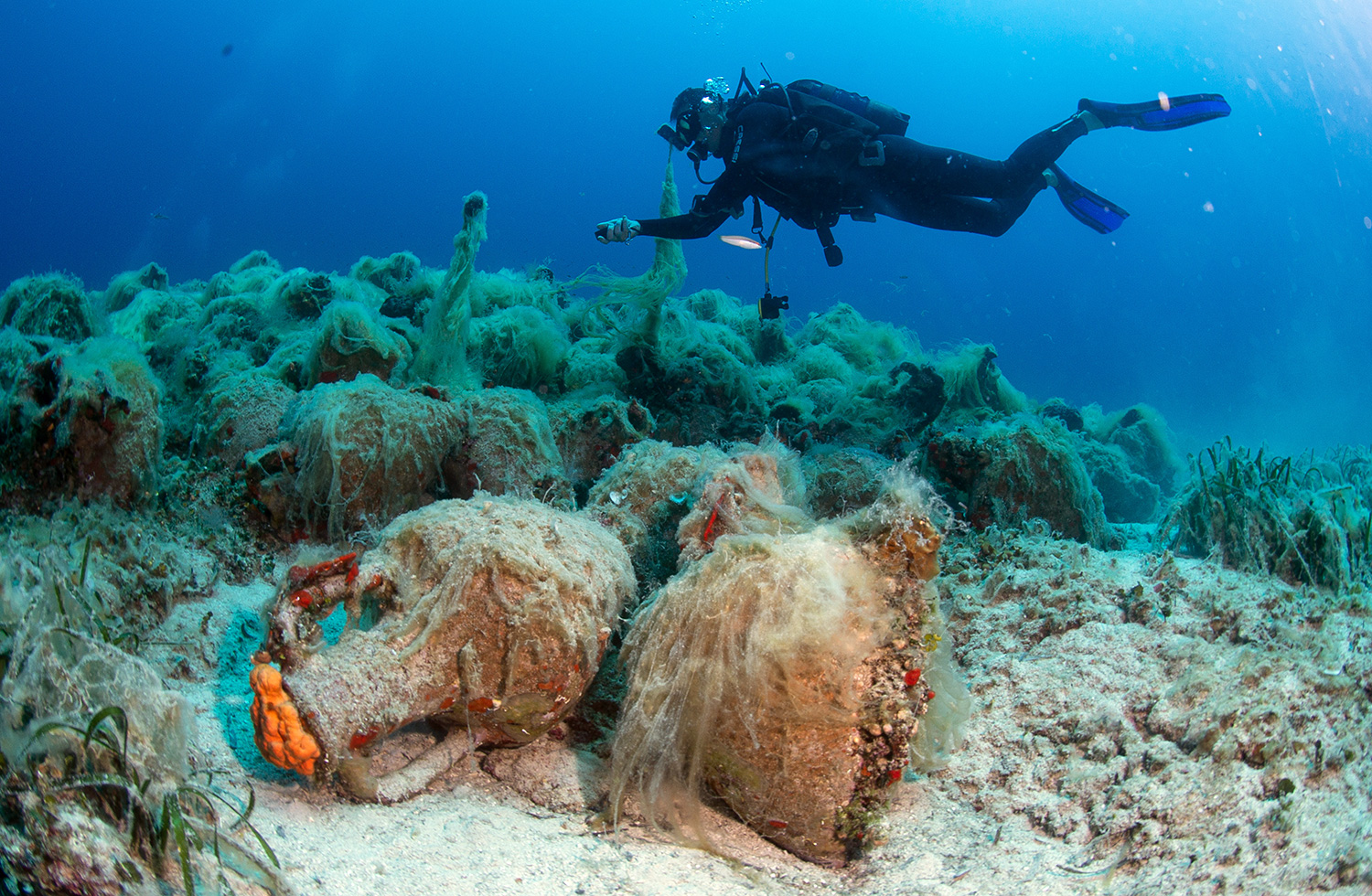
© Cristian Umili—Mondadori Portfolio/Getty Images
A diver explores pottery from an ancient shipwreck off the coast of Alonissos Island, Greece. This area is now the home of the Alonissos Underwater Museum.

Jessica Yurinko Photography/Licensed by Society for Science
Fourteen-year-old Miles Wu poses after winning the Thermo Fisher Scientific Junior Innovators Challenge.
Could origami—the art of paper folding—help people needing shelter after a wildfire or a hurricane?
This question inspired 14-year-old Miles Wu’s research project, which focused on origami-inspired engineering for disaster relief shelters. Miles, a longtime origami fan, studied the strength of the Miura-ori fold pattern as a design for a temporary structure.
Miura-ori is the name of an origami fold created by Japanese astrophysicist Koryo Miura. When folded in this pattern, a material can be stored in a small space but can also be unfolded in a swift movement. Miura-ori has been used to make satellite solar panels that go to space.
Miles’s research shows that variations of this pattern could work to create a lightweight, easy-to-store emergency shelter that, once unfolded, would be strong enough to protect people.
“Miura-ori are really strong, lightweight, and compactable, meaning they could offer a better alternative as deployable structures in emergency situations,” said Miles in an interview with the Society for Science.

Courtesy of Lisa Fryklund/Licensed by Society for Science; Photo composite Encyclopædia Britannica, Inc.
Miles Wu demonstrates the Miura-ori origami fold.
Miles’s research project earned him the top prize and $25,000 in the Thermo Fisher Scientific Junior Innovators Challenge, the top science, technology, engineering, and math (STEM) competition for middle schoolers in the United States.
Miles is already looking ahead to applying the Miura-ori fold in the real world.
“I would [like to] expand my project and prototype an actual origami shelter that could really be used in real life,” he said. He is also encouraging others to use their hobbies as a source of inspiration for research projects. “Follow your hobbies and your passions in STEM because you don’t know where it could lead you.”
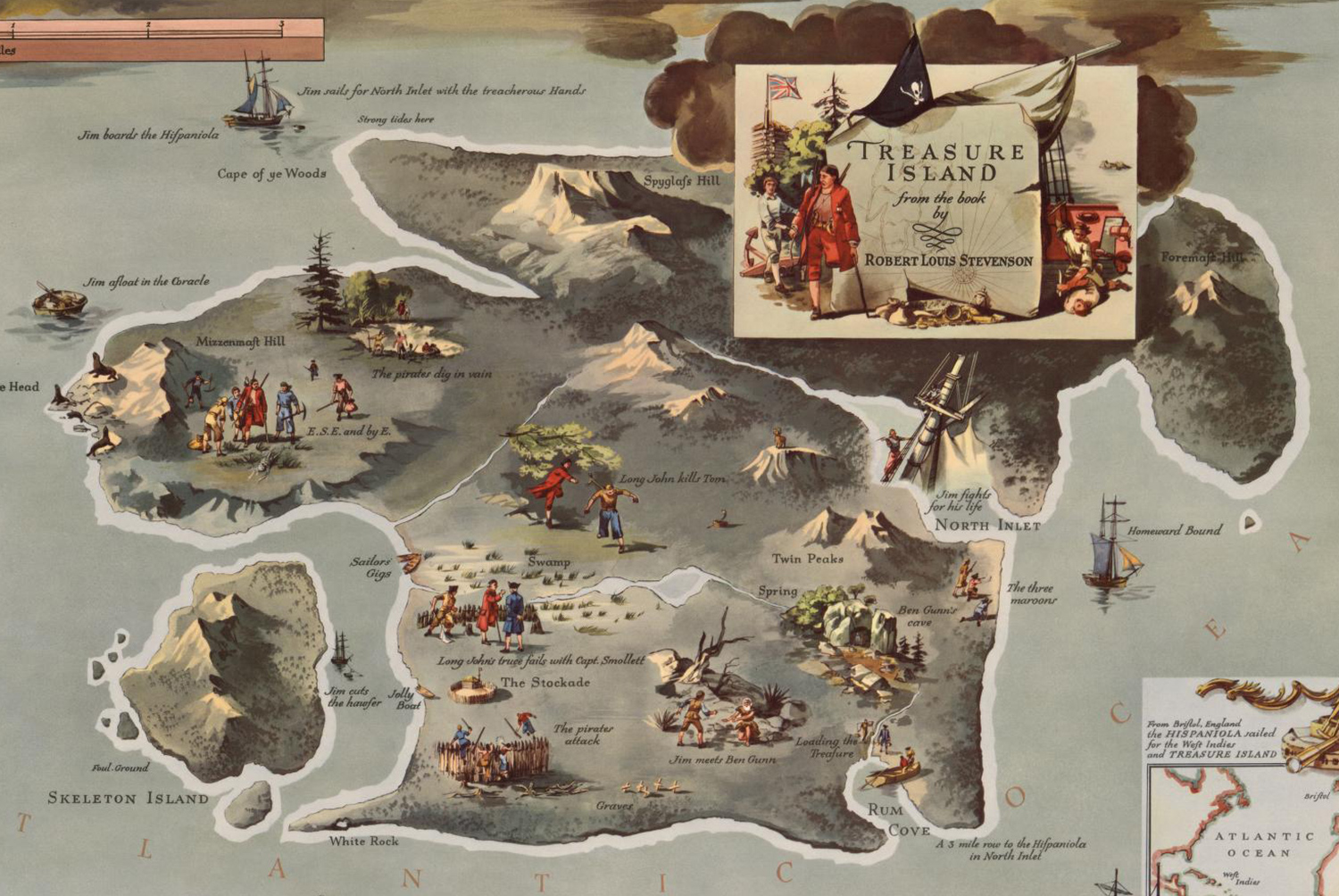
Geography and Map Division/Library of Congress, Washington, D.C. (G9930 1954 .H4)
This map was included in a 1954 edition of the novel Treasure Island by Robert Louis Stevenson. First published in 1883, the book is about an adventure in search of a buried treasure.
The excitement of buried and sunken treasure has inspired fictional and real-life adventurers to hunt for tombs and shipwrecks.
Read more about famous treasure hunts at Britannica!
verb
: to make (someone or something) go under the surface of water or some other liquid: to cover (someone or something) with a liquid
Use the clues to solve the puzzle.

Shorter snouts on city raccoons show they’re becoming tamer than forest raccoons.
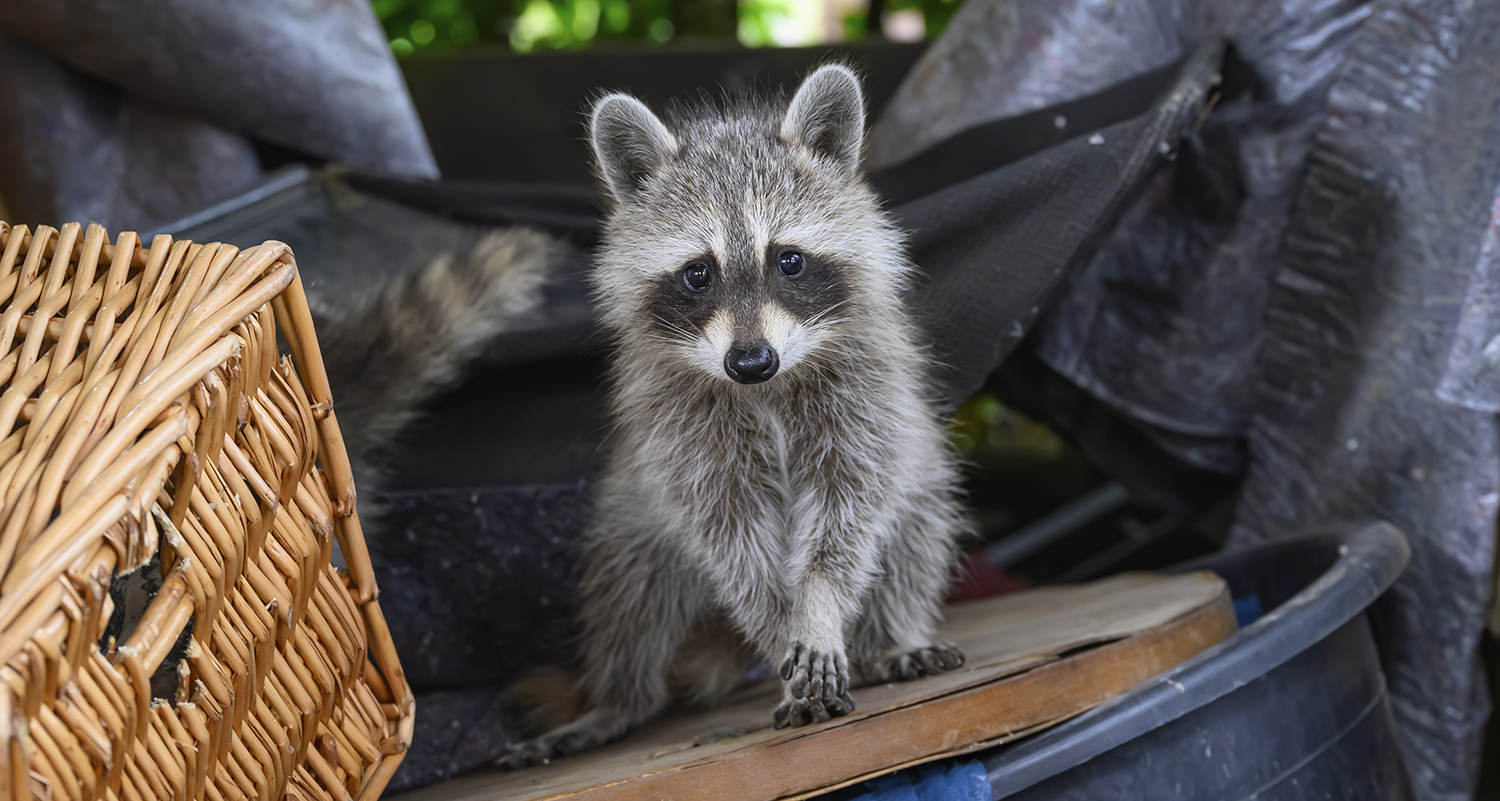
© Patrick Pleul/dpa—picture alliance/Getty Images
A young raccoon sits on a garbage pile in Germany.
Raccoon faces are instantly recognizable: their mask-like facial markings and habit of rummaging in trash bins has earned them the affectionate nickname “trash bandit.” New research shows that the face of the trash bandit is changing—literally! Biologists say urban raccoons now have shorter faces than their forest-dwelling peers, meaning they could be in early stages of domestication. In other words, they’re becoming tamer.
In the wild, raccoons will eat nearly anything they can from plants or animals. In an urban environment—meaning in a city or town—the easiest place to find food is in garbage cans.
“Wherever humans go, there is trash. Animals love our trash. All they have to do is endure our presence, not be aggressive, and then they can feast on anything we throw away,” said Raffaela Lesch, a biologist at the University of Arkansas at Little Rock in the United States.
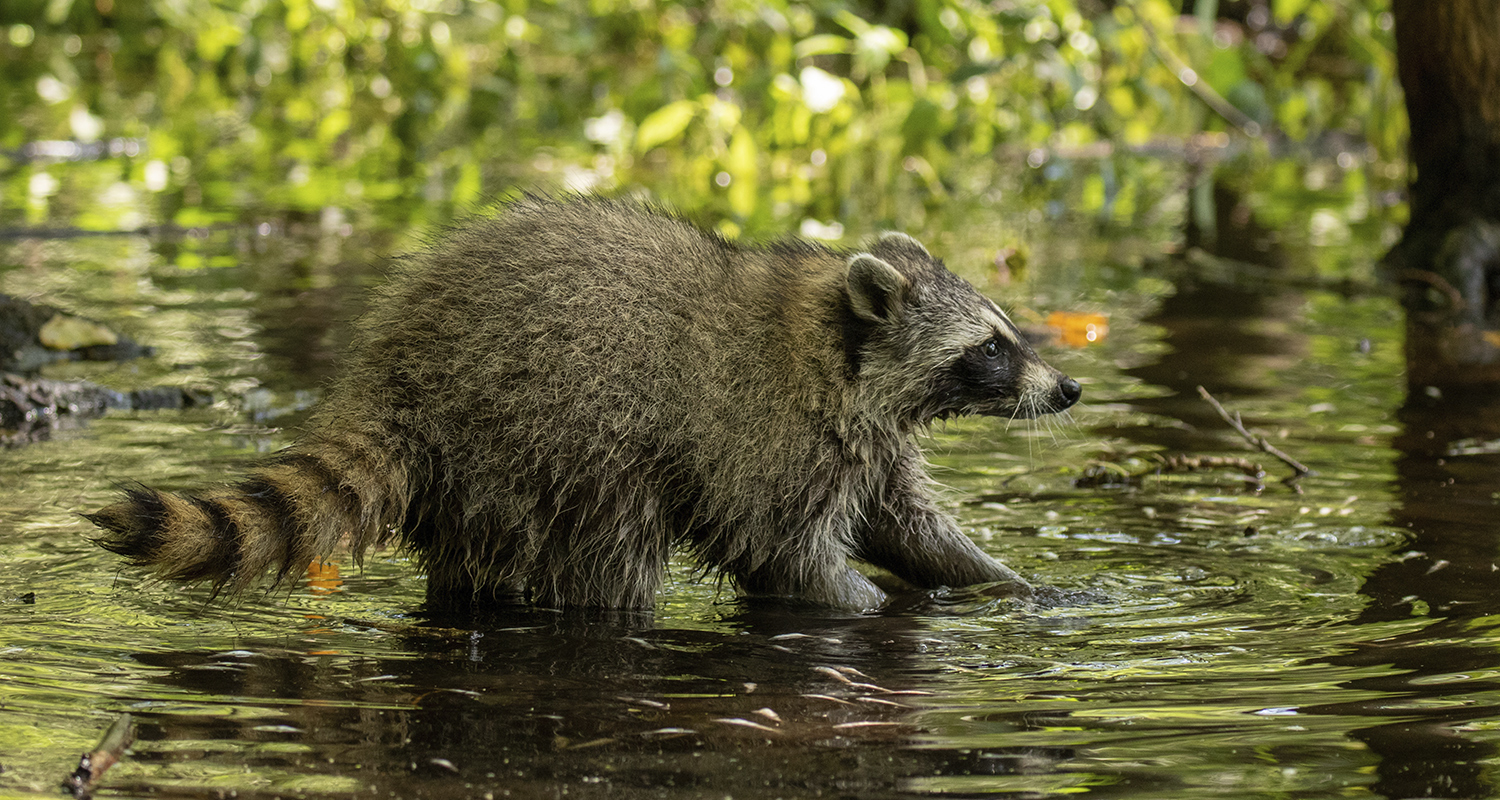
© Stan/stock.adobe.com
A wild raccoon in a body of water
Lesch wondered whether city raccoons were physically changing because of this human connection. Leading a team of biologists, Lesch helped analyze thousands of raccoon images. The research showed that raccoons living in or near cities and towns had shorter snouts.
This means city raccoons could be on the same pathway to domestication as dogs and house cats, who also have shorter snouts and smaller jaws than their wild relatives. These changes occurred as the wild dog and cat ancestors grew tamer.
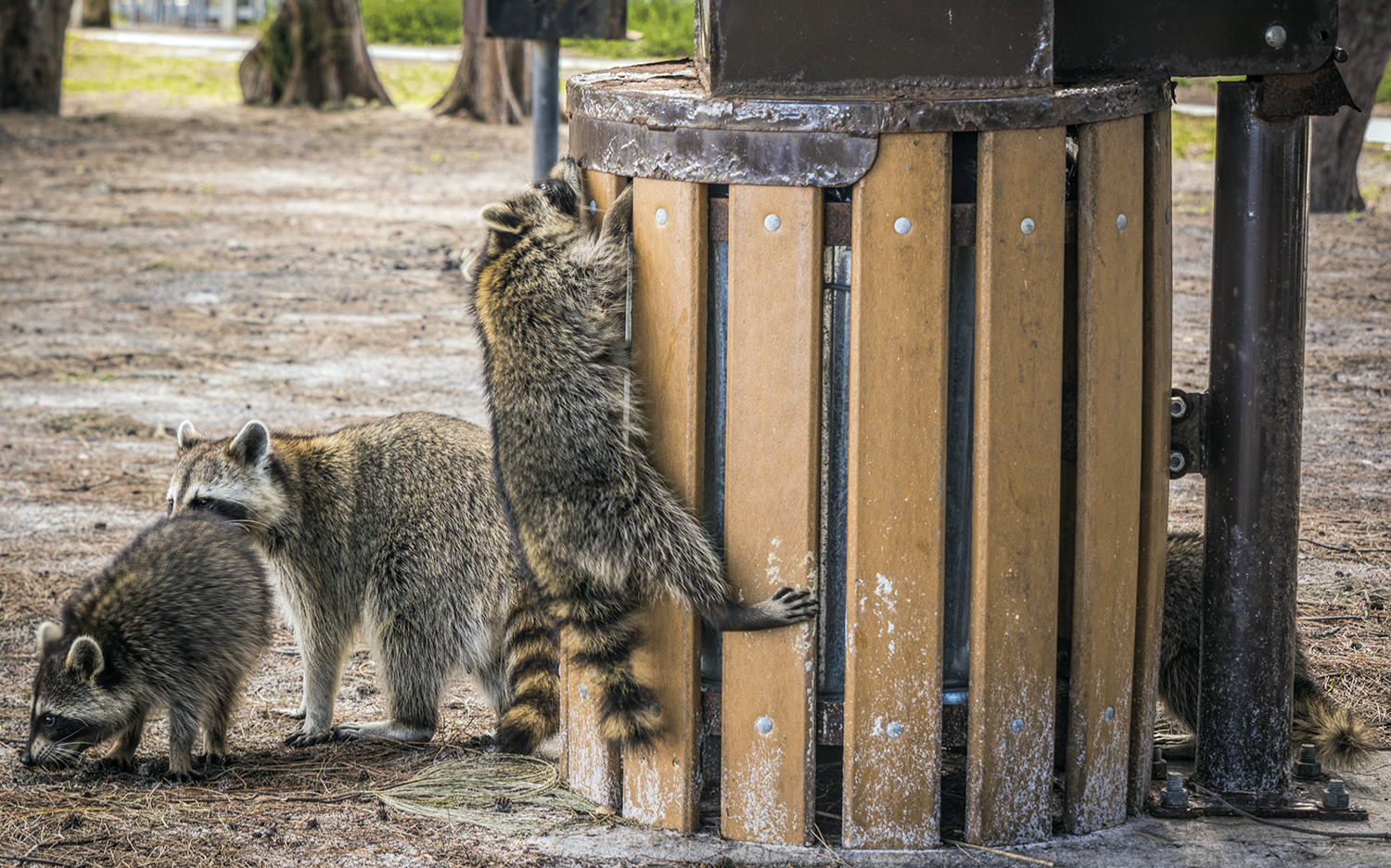
© Holly/stock.adobe.com
A group of raccoons investigates a trash can in the U.S. state of Florida.
Though humans are not actively trying to tame raccoons, Lesch’s research shows that simply living in human environments is causing a physical change in these animals.
Lesch said it would be fitting if our next domesticated species were raccoons. “I feel like it would be funny if we called the domesticated version of the raccoon the trash panda.”
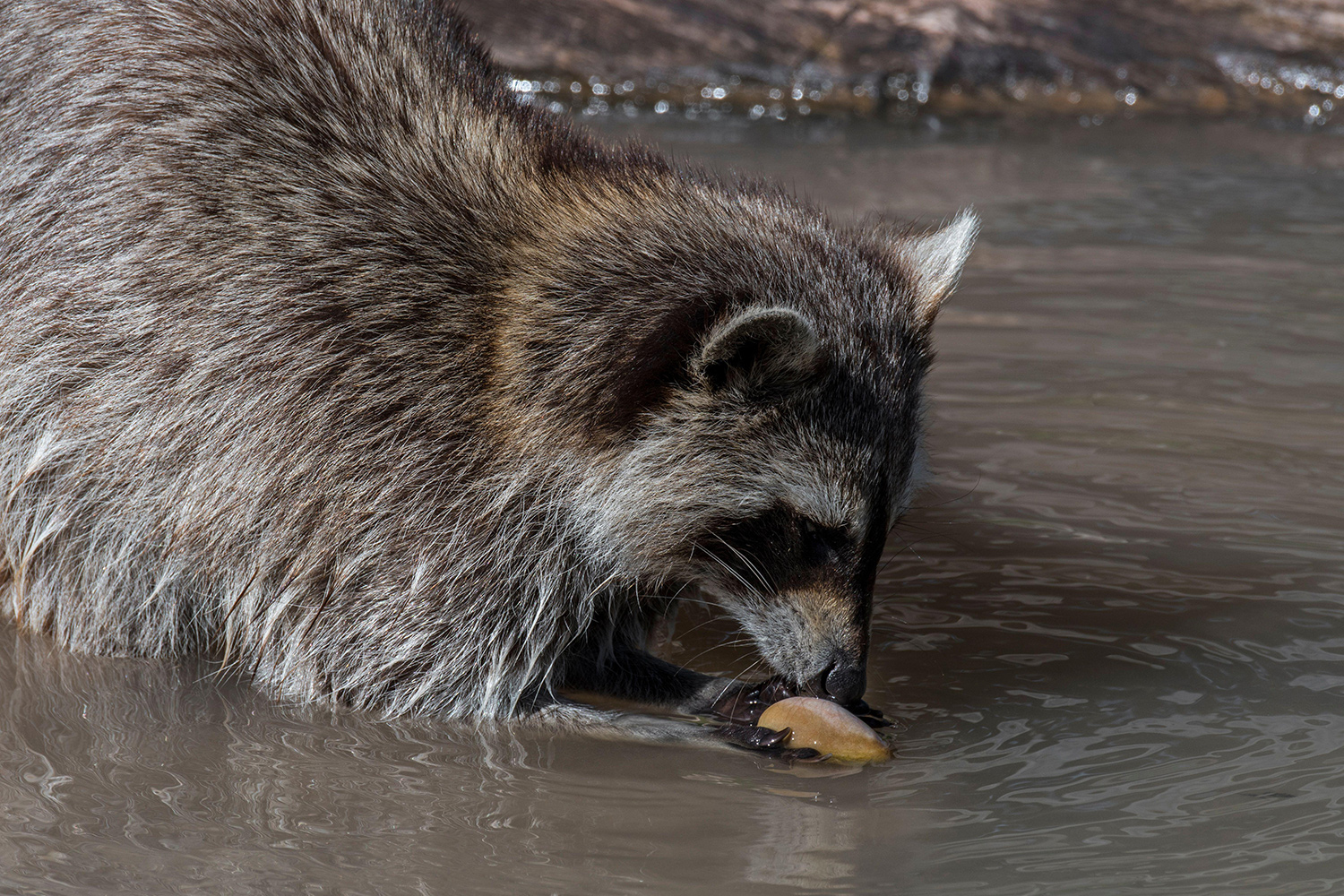
Raccoons will sometimes “wash” their food in water—but not to clean the food. Instead, the water helps their paws feel the food so that they know what they are eating.
© Clement Philippe—Arterra Picture Library/Alamy
A raccoon washes its food in a stream.

© Costfoto—NurPhoto/Getty Images
A man hangs red lanterns in Suqian, Jiangsu province, China, in preparation for Lunar New Year celebrations.
3, 2, 1… Happy New Year! It may seem like people across the globe welcome the new year with fireworks at midnight on January 1, but not all cultures celebrate this way. In fact, they may not celebrate the start of a new year on the first of January! Here are just some of the ways people around the world say goodbye to the old year and hello to the new.
Lunar New Year
Put on your best red clothes for the Lunar New Year! Celebrated in many Asian countries and communities, the Lunar New Year usually falls between January 21 and February 20, which follows the historic Chinese lunar calendar. Vibrant red decorations signify joy and good fortune!
Yennayer
Bonfires are lit for Yennayer, a holiday celebrated across North African countries. Yennayer takes place on January 12 each year, and rituals like the bonfire symbolize cleansing the old year and renewal for the year to come.

© Hamza Zait—Anadolu/Getty Images
A group of people celebrate Yennayer in Algeria.
Rosh Hashanah
The blowing of a ram’s horn, called a shofar, initiates Rosh Hashanah, the Jewish New Year. It’s traditional for people of the Jewish faith to eat apples dipped in honey and say a blessing for a sweet new year during this holiday.

© Karen Warren/Houston Chronicle—Hearst Newspapers/Getty Images
Family members blow into shofars at a Rosh Hashanah service at a synagogue (a building where Jewish religious services are held).
Matariki
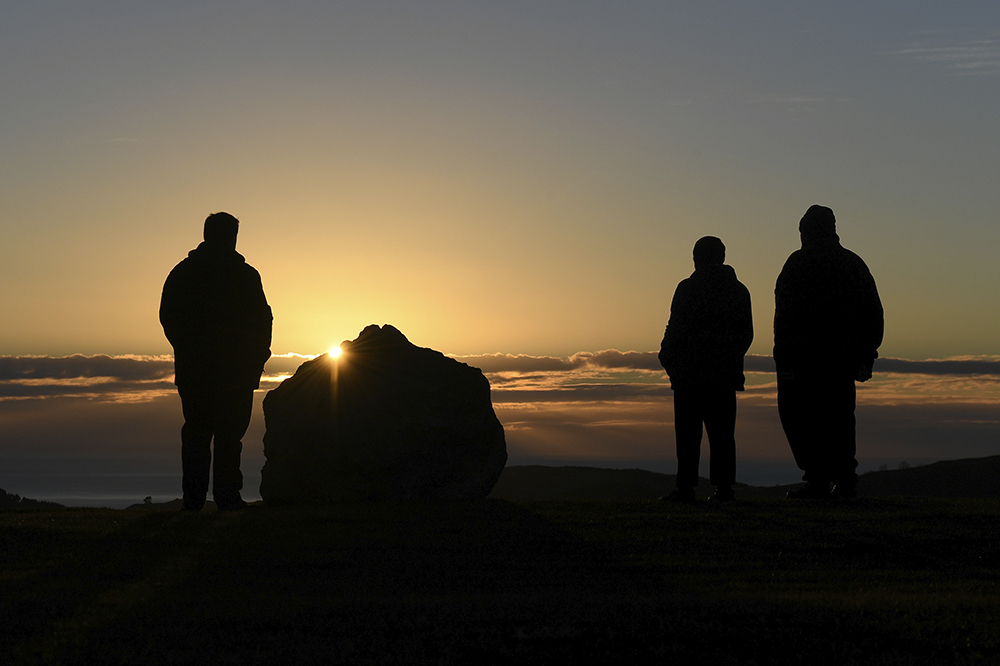
Time for some stargazing! The new year begins for the Indigenous people of New Zealand, called the Māori, when a constellation of stars appears in the night sky in June or July. The stars and the holiday share the same name: Matariki.
© Kerry Marshall—Tourism New Zealand/Getty Images
People prepare for stargazing ahead of Matariki in New Zealand.
Enkutatash
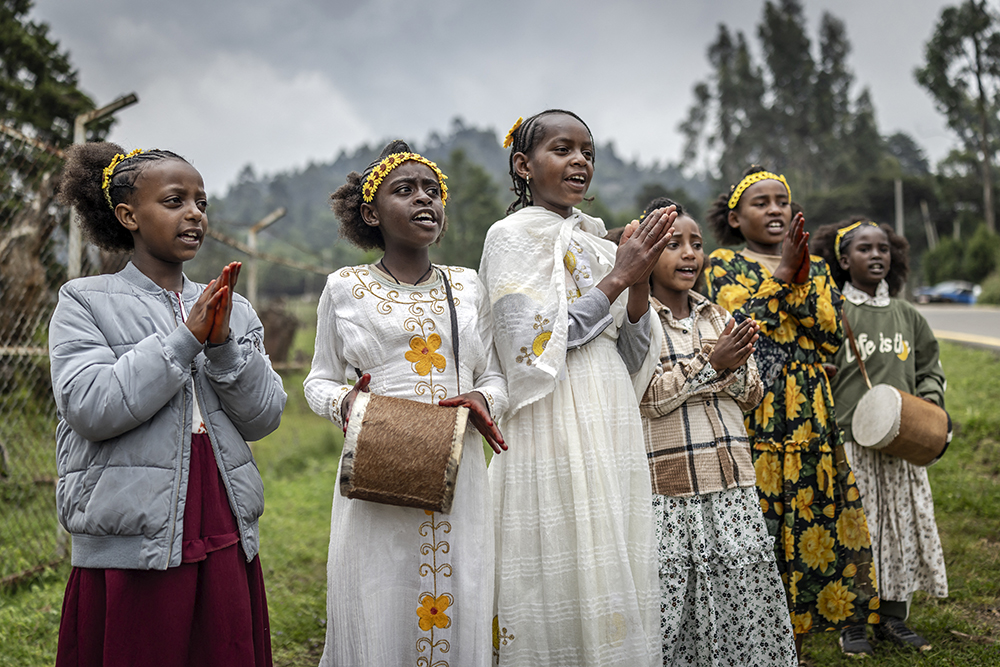
Ethiopians celebrate the new year—Enkutatash—not just on a different date but also in a different year! Using a different calendar than the rest of the world, people in Ethiopia celebrated the start of their calendar year 2018 on September 11, 2025.
© Luis Tato—AFP/Getty Images
A group of girls wear yellow flowers, a symbol of the new year, as they sing in celebration of Enkutatash.
© Diego Cupolo—NurPhoto/Getty Images
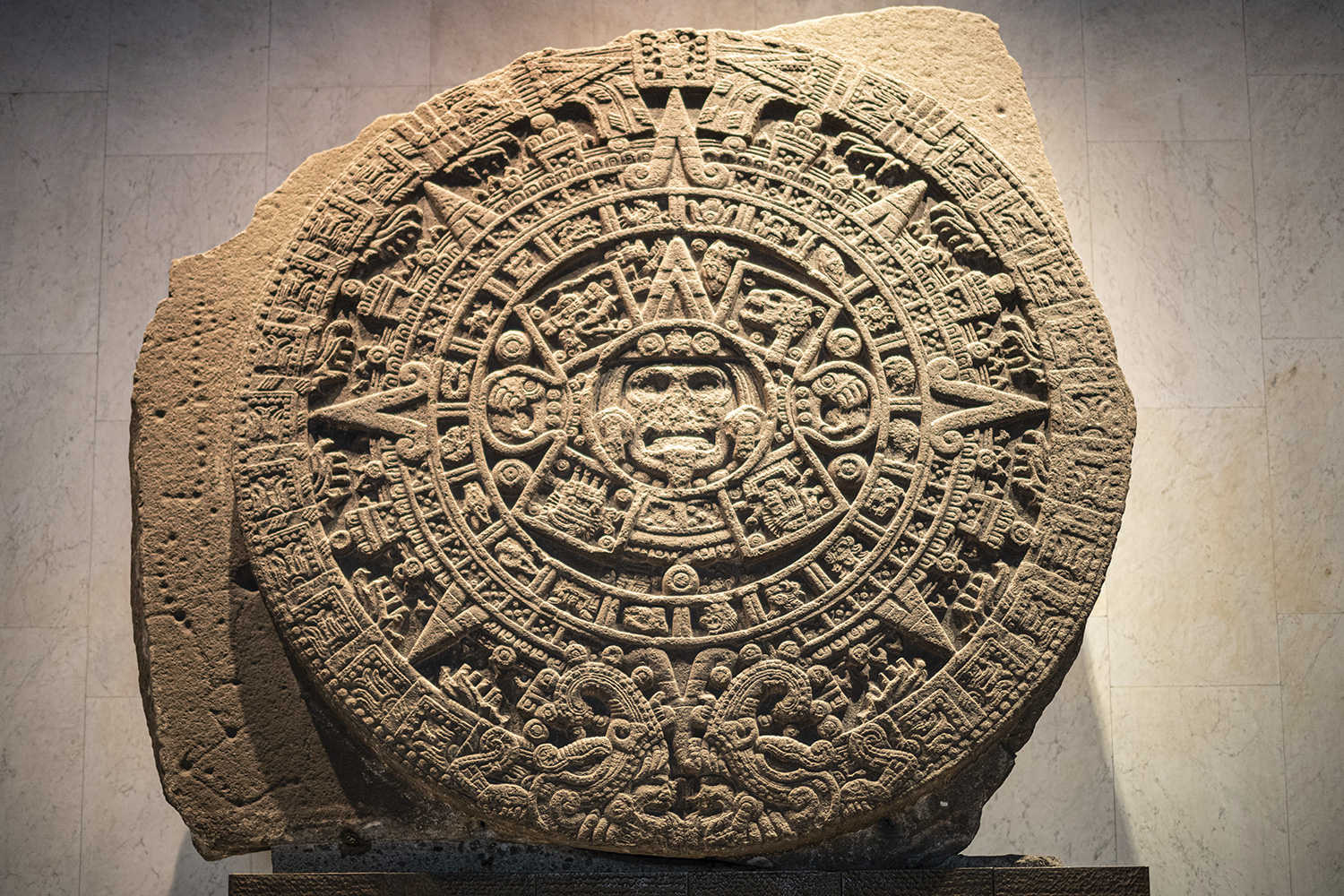
The Aztec people of Mexico carved this stone hundreds of years ago. Researchers once believed that the stone was meant to be a calendar.
How did humans who lived thousands of years ago keep track of the months and years? Some tracked the Moon, while others used the seasons! Learn more at Britannica about how ancient cultures like the Maya and ancient Egyptians made calendars.
verb
: to give new strength or energy to (something)
See if you can find all the words.

Thanks to three-wheeled electric vehicles, women in Zimbabwe have the independence they need to make a living.
© Tafara Mugwara—Xinhua News Agency/Getty Images
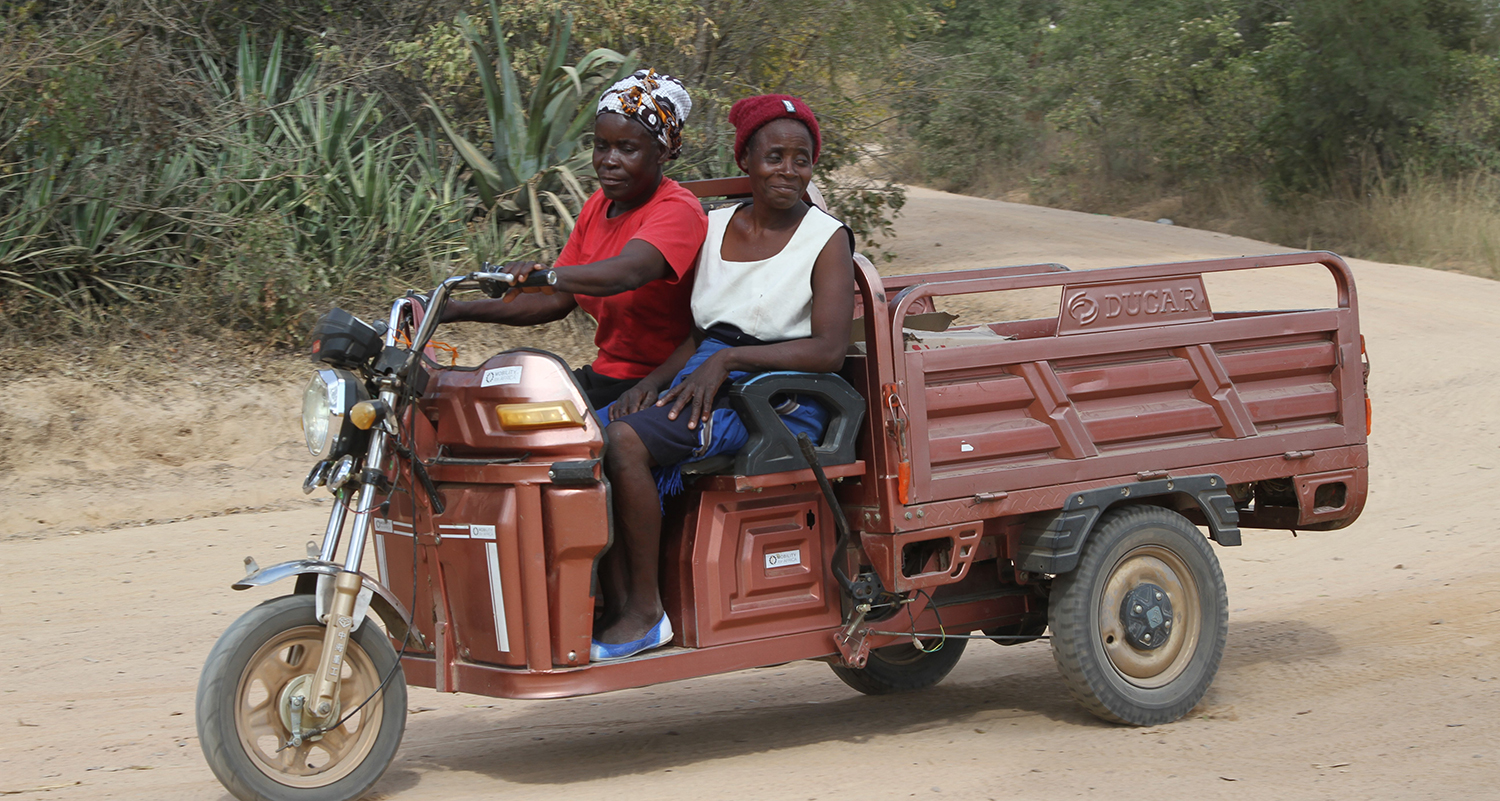
Adefi Mtambo (left) drives an e-tricycle on a road in Wedza, Zimbabwe.
Some new vehicles are hitting the road in Zimbabwe—electric tricycles! These three-wheeled electric vehicles (EVs) are giving women in rural Zimbabwe some yearned-for independence.
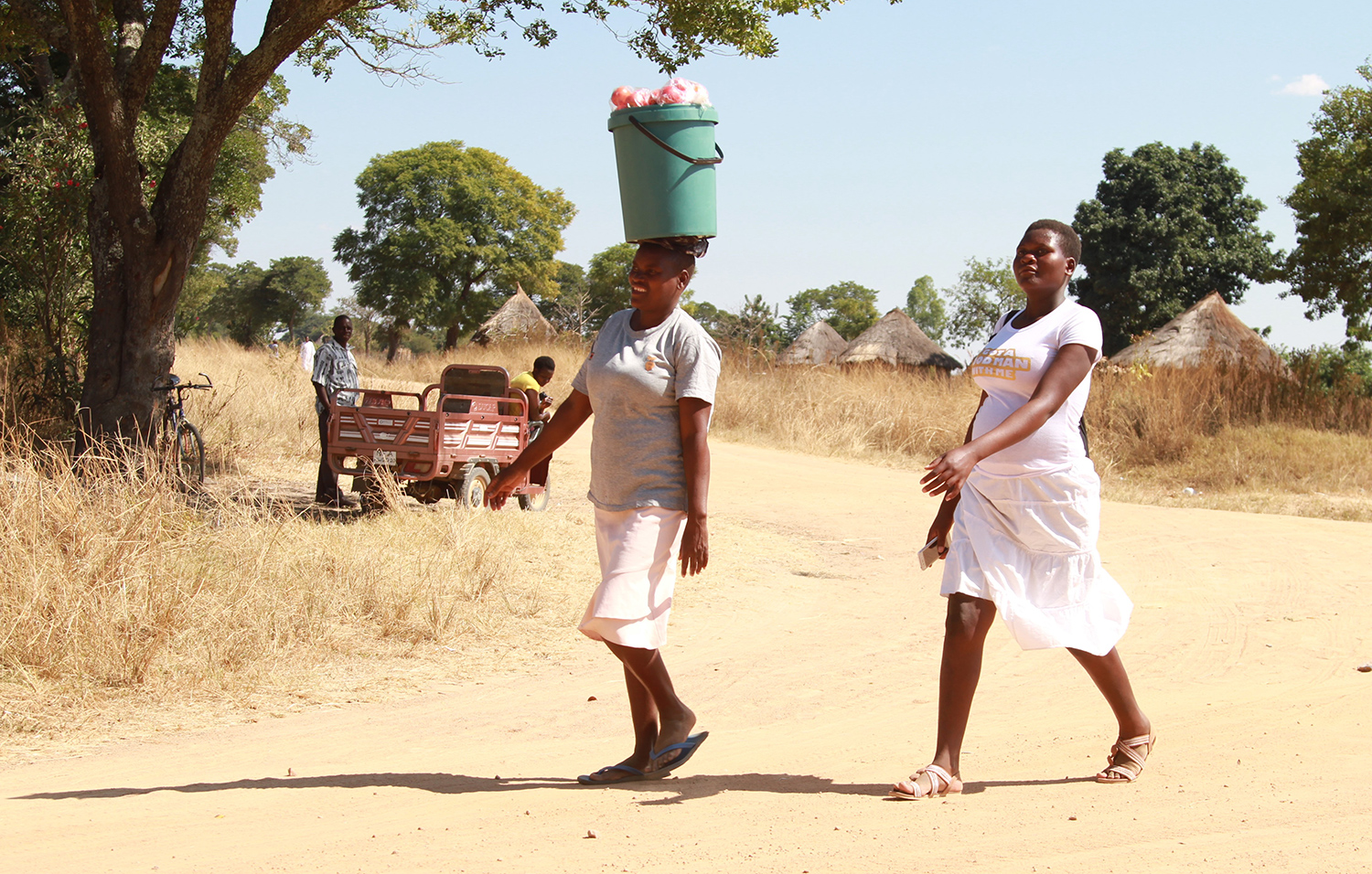
In Zimbabwe’s rural areas, many women are disconnected from public transportation and economic opportunities. Some have to walk a great distance to hand-deliver crops and goods to sell at marketplaces so that they can make money for their families. The other option is to rely on family members to make time to drive them.
© Tafara Mugwara—Xinhua News Agency/Getty Images
A woman balances a bucket of tomatoes on her head in Wedza, Zimbabwe. Electric tricycles are making it easier to transport crops and other goods.
A Zimbabwean start-up company called Mobility for Africa is changing this through a program that sells EV tricycles to a primarily female customer base. Nicknamed Hamba, which means “go” in the Ndebele language, the EVs look like a cross between a motorcycle and a small pickup truck. Women use them to sell goods and provide taxi services.
© Tafara Mugwara—Xinhua News Agency/Getty Images
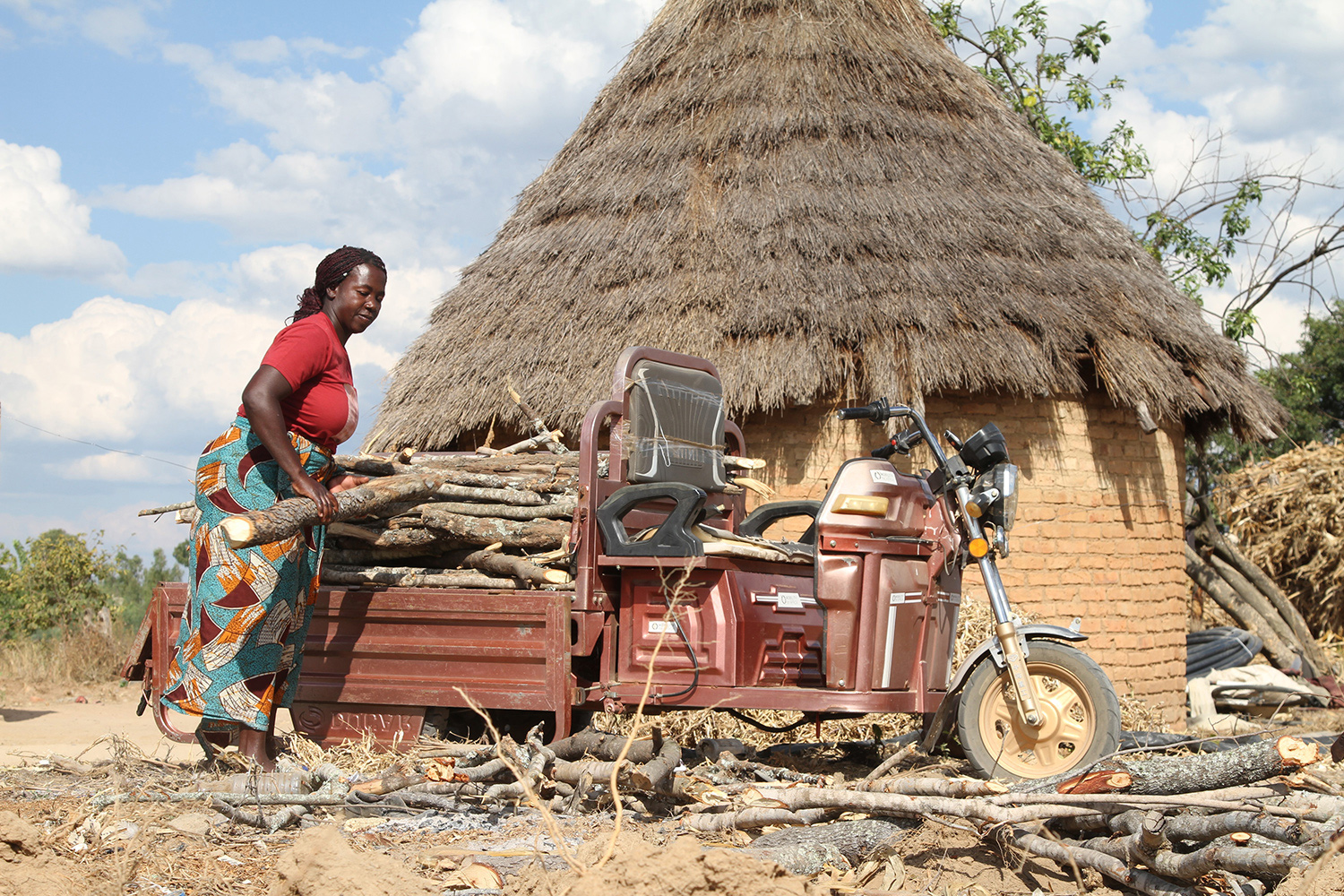
Philis Chifamba removes firewood from an e-tricycle at her home in Wedza, Zimbabwe.
Shantha Bloemen, the founder of Mobility for Africa, drew inspiration for this company from women in rural China who use the three-wheeled EVs. The tricycle offers stability on narrow and underdeveloped roads and is powered by a rechargeable battery pack.
In an interview with CNN, EV owner Beauty Simango said the tricycle helps her save time and energy fetching water and delivering crops, increasing her income from about $30 a month to around $150. “It has changed [our] way of life,” she said.
NEWS BREAK
© Mark Meth-Cohn/Nikon Comedy Wildlife
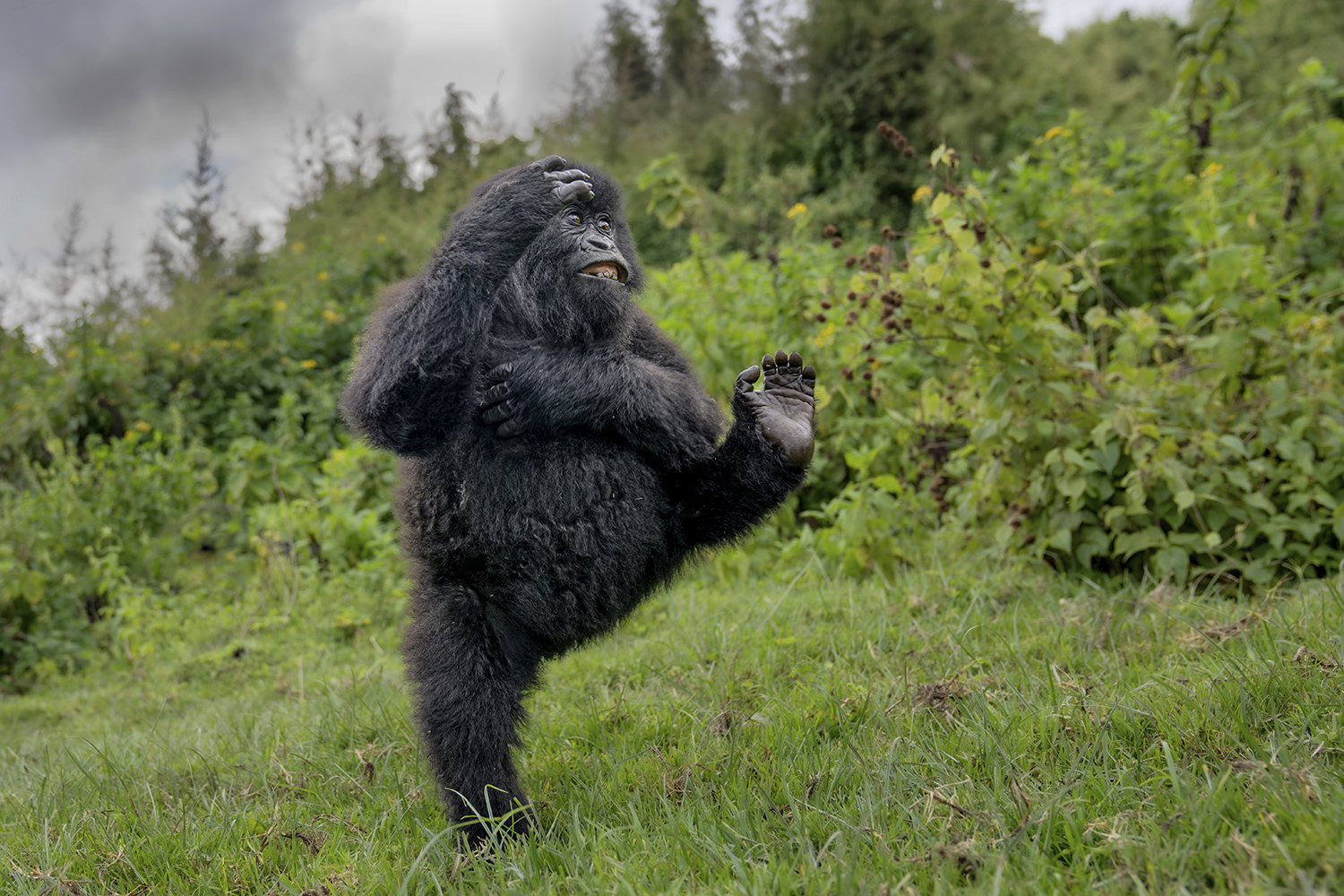
Mark Meth-Cohn’s photo of a dancing gorilla is called High Five.
Each year, the Comedy Wildlife Awards honors the funniest photos of wild animals. The contest invites photographers from around the world to capture creatures in their zaniest moments.
This year, Mark Meth-Cohn of the United Kingdom claimed the top prize, a one-week safari in Kenya, for his photo of a dancing gorilla. The photo was taken during a trip to Rwanda.
“On this particular day, we came across a large [gorilla] family group gathered in a forest clearing. The adults were calmly foraging while the youngsters were enthusiastically playing. One young male was especially keen to show off his acrobatic flair; pirouetting, tumbling, and high kicking. Watching his performance was pure joy.”
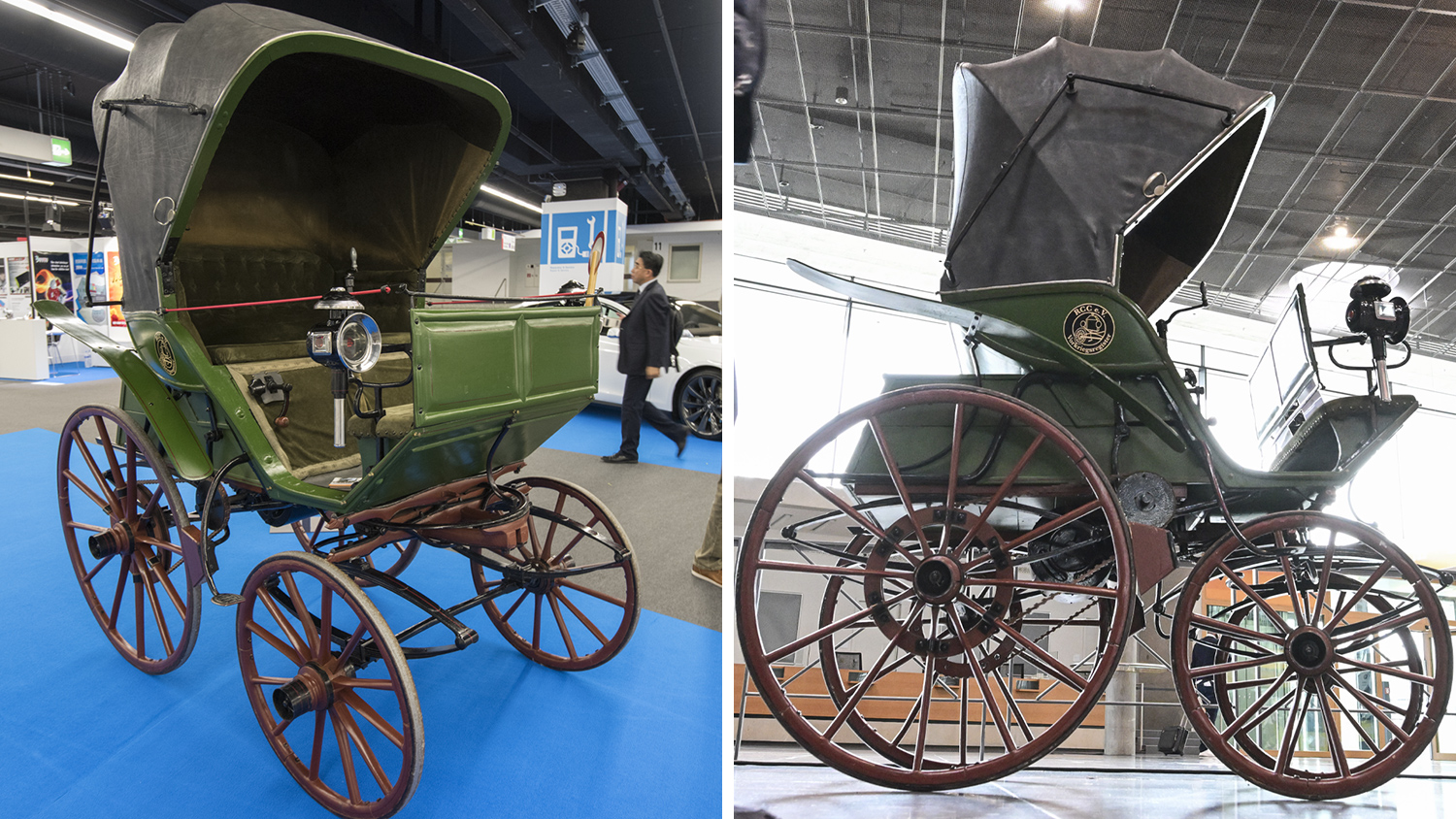
Electric vehicles may seem like fairly new technology, but did you know that the first electric car was developed in 1888? This was just two years after the creation of the first automobile!
© Horacio Villalobos—Corbis News/Getty Images, © Bernd Weissbrod/dpa—Picture Alliance/Getty Images; Photo composite Encyclopædia Britannica, Inc.
Developed in Germany in 1888, the Flocken Elektrowagen was the first electric car.
© Finnbarr Webster/Getty Images
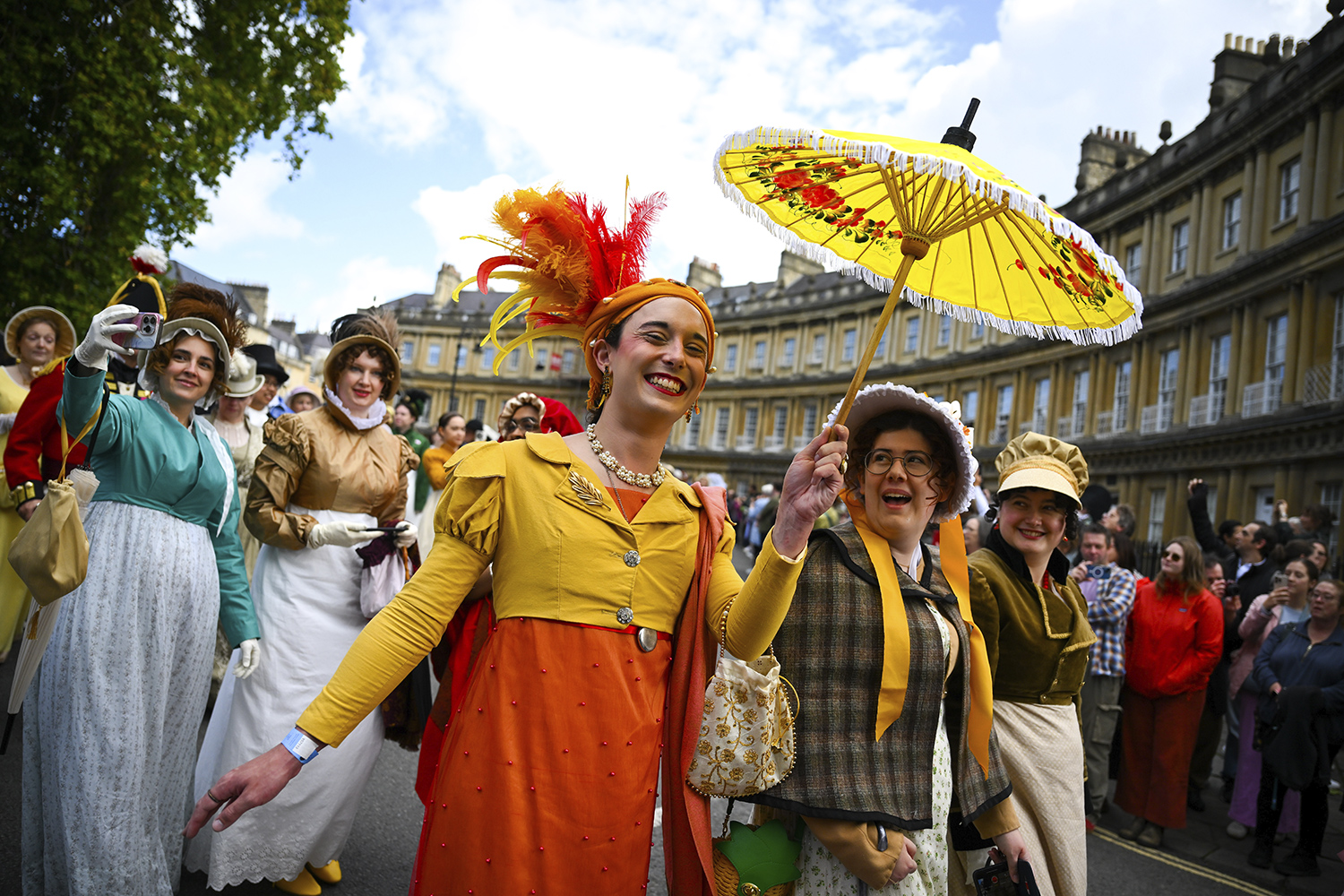
The Grand Regency Costumed Promenade was part of the opening of the 2025 Jane Austen Festival in Austen’s hometown of Bath, England. The festival takes place every September.
Jane Austen fans are celebrating the author’s 250th birthday in style!
Born on December 16, 1775, Austen was an English novelist who wrote the timeless classics Sense and Sensibility, Emma, and Pride and Prejudice! Multiple celebrations are taking place around England to honor the milestone birthday and Austen’s contribution to literature.
© Finnbarr Webster/Getty Images
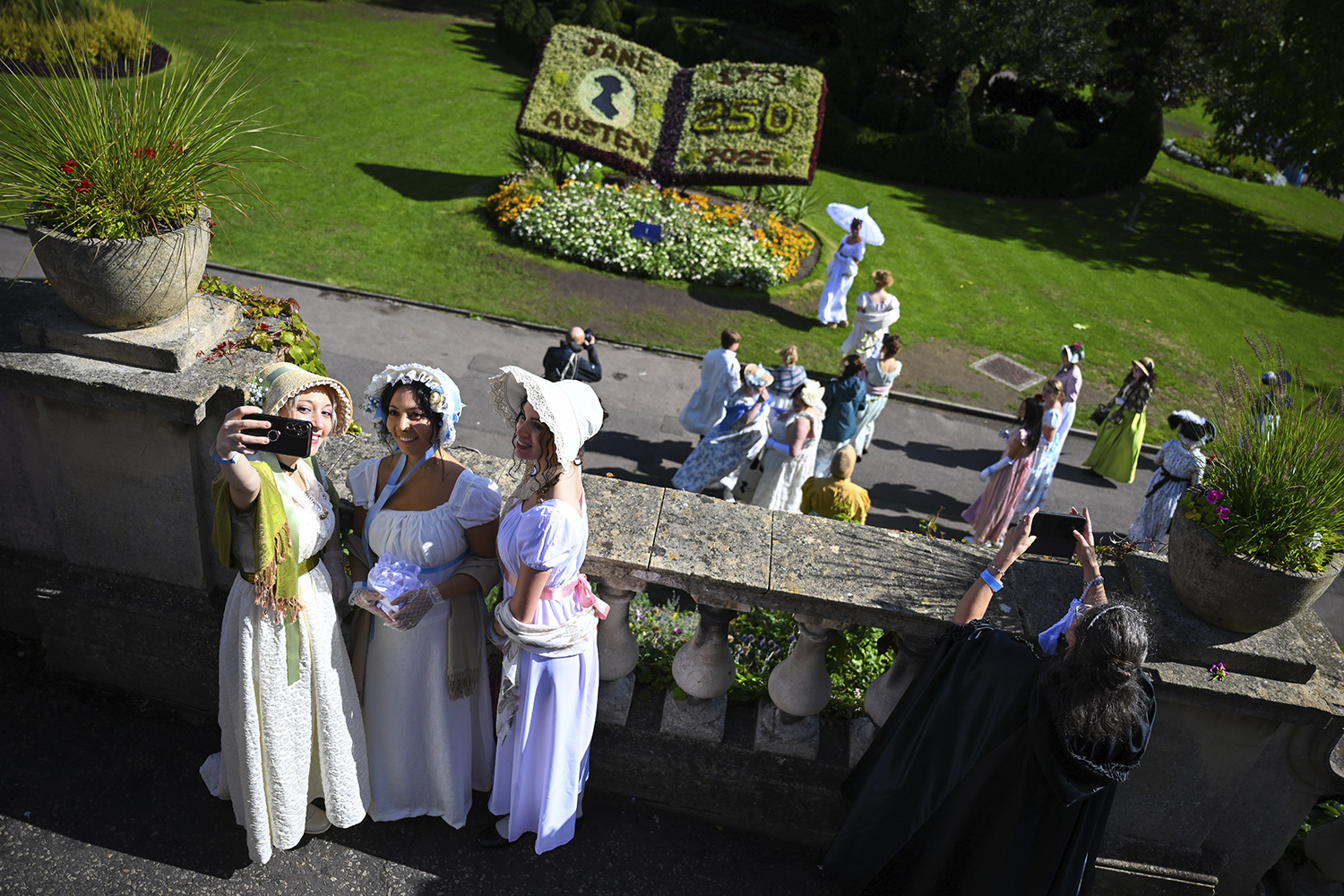
Three people dressed in the fashion of Jane Austen’s time take a selfie during the 2025 Jane Austen Festival in Bath, England.
Austen’s stories are full of love and heartbreak, witty dialogue, and observations about gender and class. She often wrote about regular young people who were trying to figure out who they were and what their futures would hold. Her style of writing, which focused on showcasing her characters’ thoughts and emotions through dialogue, helped influence a new style of fiction writing that is widespread in today’s novels.
Although Austen’s books take place in a specific time and place in Britain’s history, her themes continue to resonate with readers worldwide. That may be why Austen’s work has been particularly popular in movie format. Filmmakers in Hollywood and Bollywood—the name for India’s film industry—have made multiple adaptations of the author’s books and life. Some recognizable titles of these remakes are Clueless and Bride and Prejudice.
© Stock Montage—Archive Photos/Getty Images
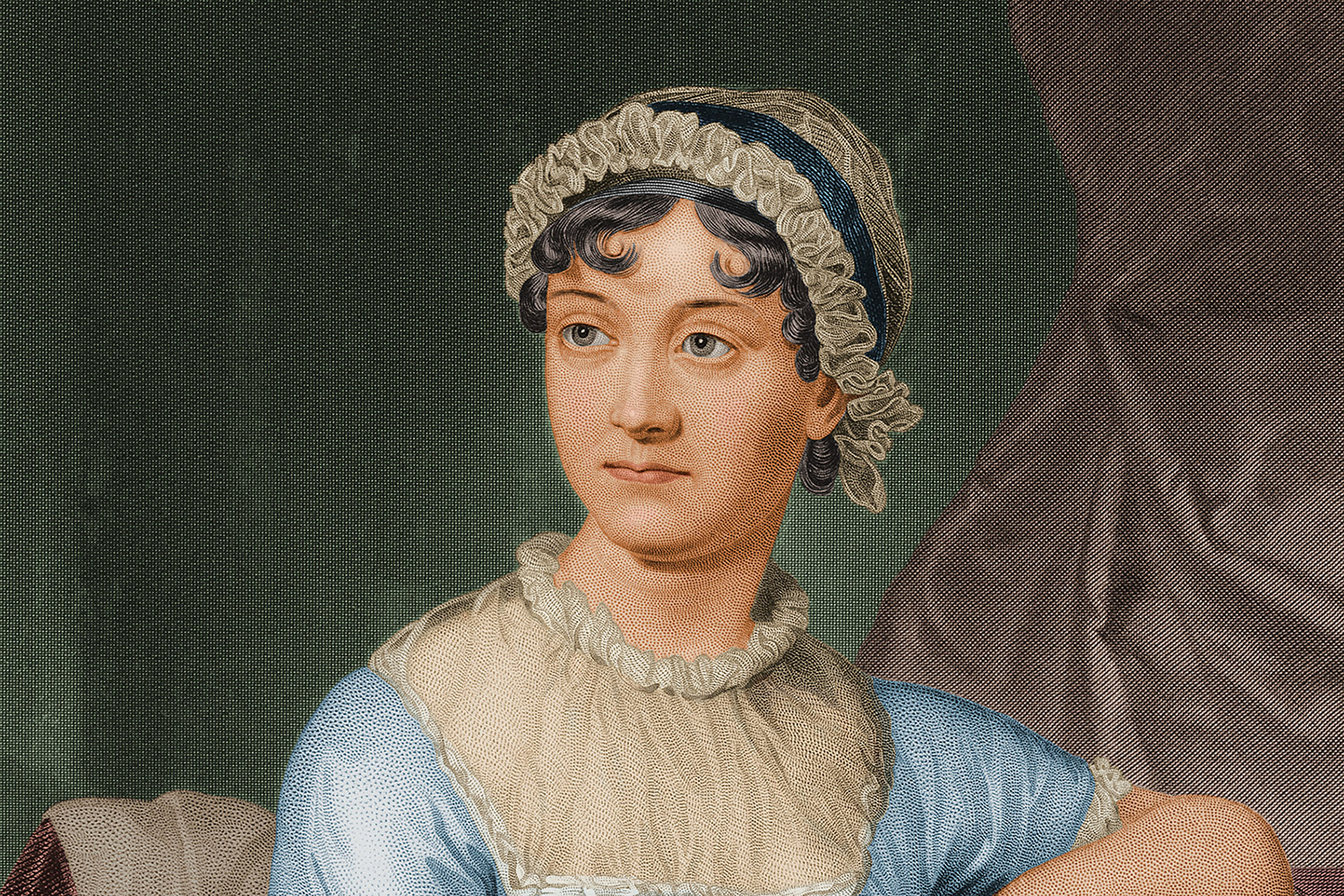
Jane Austen
Jane Austen drew inspiration for her novels from her personal life growing up in a large family in England in the late 1700s. But, despite the romantic themes of her books, Austen never married. Read more about the famous author’s life at Britannica!
noun
: an unfair feeling of dislike for a person or group because of race, sex, religion, etc.
See if you can figure out how each word fits into the grid.