From Refugee to Children’s Peace Prize Winner
Syrian teen Bana Alabed has won an international peace award for her work helping children in war zones.

Courtesy of © Jerry Lampen/Kidsrights
Fifteen-year-old Bana Alabed (right) accepted the 2025 International Children’s Peace Prize on November 19, 2025. She is seen here with 2011 Nobel Peace Prize winner Tawakkol Karman (left).
Bana Alabed has been using her voice to promote peace since she was 7 years old. Growing up amid a deadly civil war in Syria, a country in the Middle East, she drew attention to the plight of children in conflict by publicly documenting her childhood on social media.
Now 15 years old and a refugee living in Turkey, Alabed continues to advocate for children affected by war. Her tireless work is the reason Alabed is the 2025 International Children’s Peace Prize winner. Presented by the KidsRights Foundation and the Global Child Forum, the award goes to an outstanding young person “who courageously fights for children’s rights.”
Experts estimate that about 1 out of every 6 children around the world lives in an area affected by conflict. Alabed has been working to help reopen schools and reunite families torn apart in war. Her efforts have focused on children in Syria, Ukraine, Gaza, and Sudan.
“Peace is not a luxury. The world must listen to us. Our childhood has been stolen due to wars and conflicts,” said Alabed when she was nominated. “We want peace, and to those children who are suffering in the wars, you are not alone.”
Here is more about the other two finalists for the 2025 International Children’s Peace Prize:
- Aeshnina “Nina” Azzahra Aqilani (17 years old, Indonesia): No one wants their home to be treated like a trash can, but unfortunately, many Western countries export their plastic waste to other places, like Indonesia. Aqilani has combined environmental and international advocacy to help ban this harmful practice and make the world a cleaner, more just place.
- Divyansh Agrawal (16 years old, United States): Proving no one is too young to give back to their community, Agrawal founded the Junior Philanthropists Foundation. This teen-led organization focuses on the way climate laws affect children’s rights. It has already helped pass 18 environmental bills in the state of California.
Did You Know?
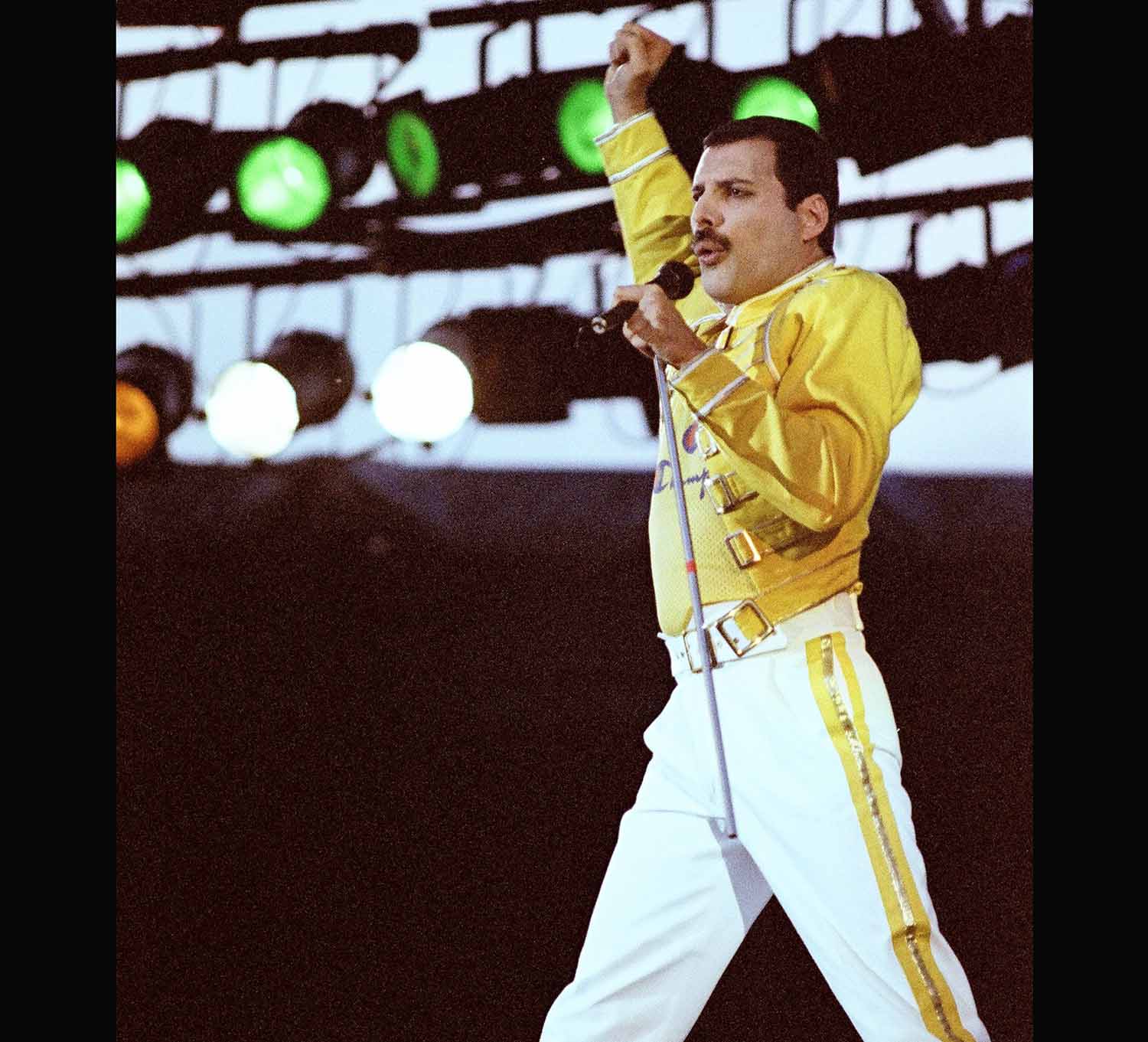
Famed scientist Albert Einstein was a refugee who fled Germany during World War II. Another famous refugee was Freddie Mercury, the singer for the rock band Queen. Mercury and his family fled Zanzibar’s deadly revolution in the 1960s.
© Pete Still—Redferns/Getty Images
Freddie Mercury performs at Knebworth Park in the United Kingdom in 1986.
A Scruffy Superstar
Courtesy of Faye Okert via American Humane Society
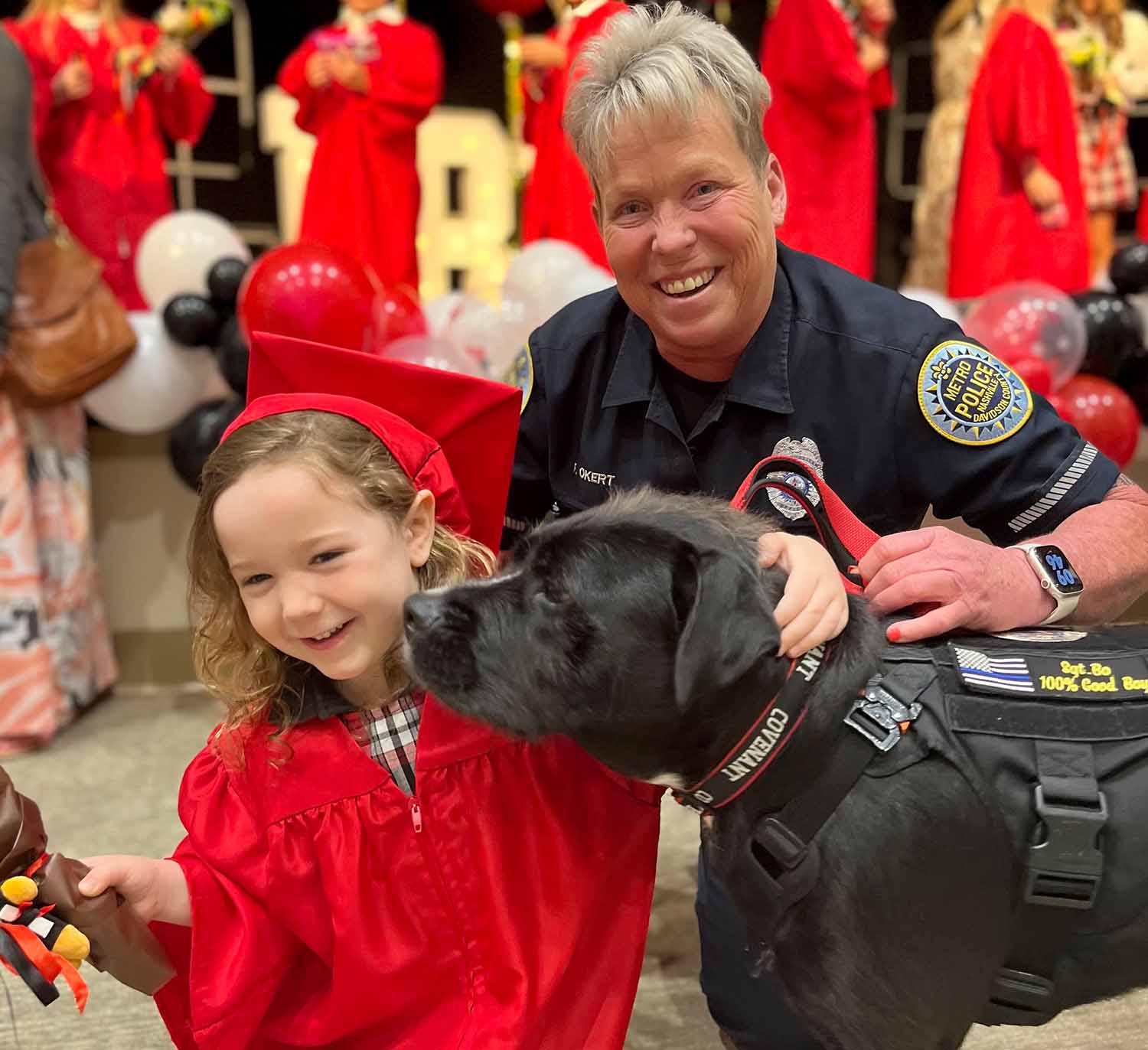
Bo and owner and handler Faye Okert attend a graduation ceremony in Nashville, Tennessee.
Despite his scruffy face, black coat, and police vest, Sergeant Bo could always bring comfort and calm to the people in any room he walked into. That’s because Sergeant Bo wasn’t a regular police officer but a trained therapy dog. Now retired, Sergeant Bo is the 2025 Hero Dog Award winner for his lifetime of work comforting people in a crisis.
Bo was a stray in Florida before he was rescued and trained as a dedicated therapy dog. He then went to work for the police department in the city of Nashville, Tennessee, where he specialized in supporting people after traumatic events.
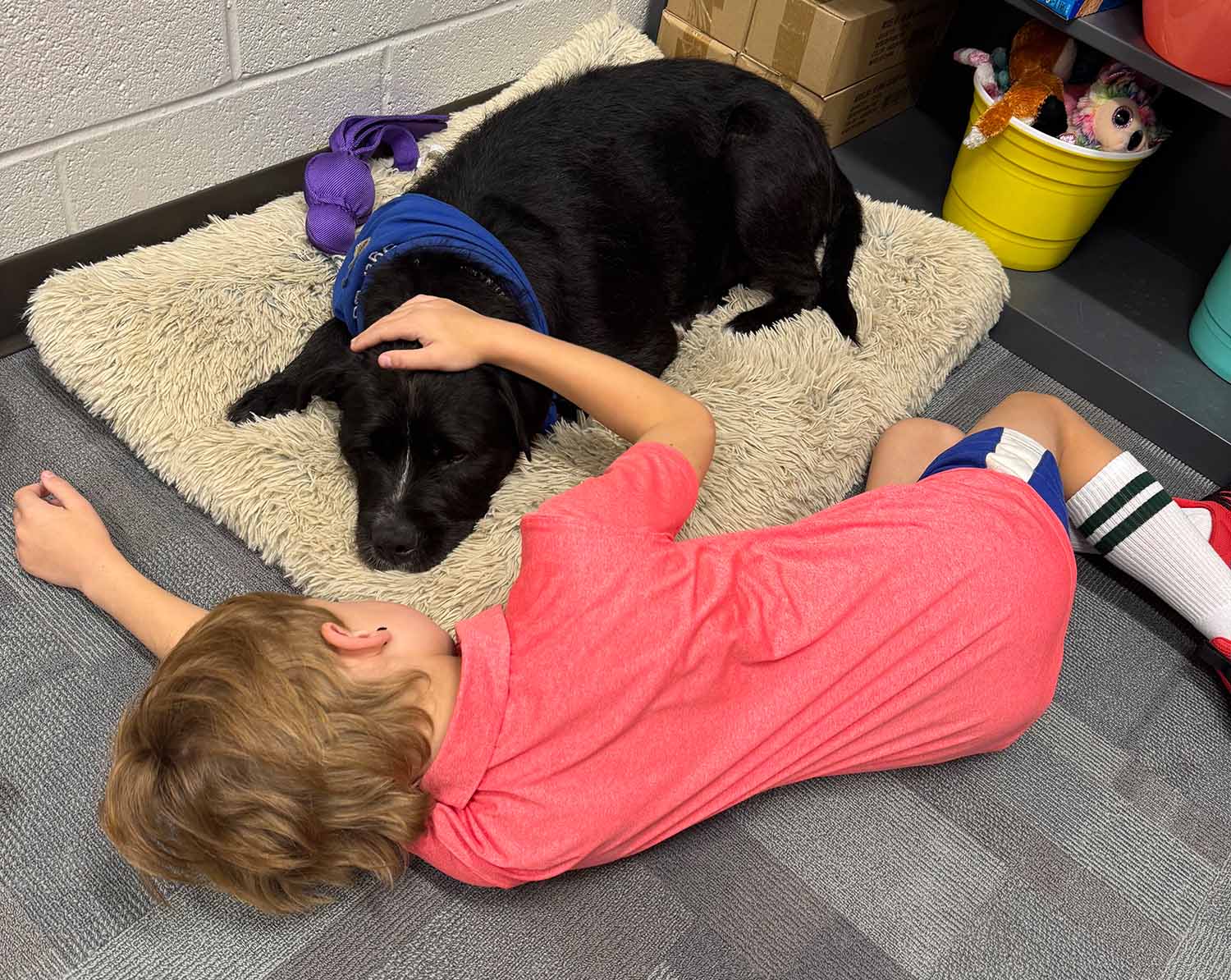
Not long after Sergeant Bo started his new job, tragedy struck the community in the form of a school shooting. Bo jumped into action, offering cuddles and a calming presence to the young survivors.
“I believe that when he walks into a room, he knows who needs his help,” said Faye Okert, Sergeant Bo’s owner and handler, in an interview with USA Today.
Courtesy of Faye Okert via American Humane Society
Bo relaxes with a student.
The American Humane Society’s annual Hero Dog Awards honor dogs who show bravery in many forms. Nominees include service dogs, trained military and police dogs, hopeful shelter dogs, and inspiring family pets. Each year the public votes from among the finalists to crown the Hero Dog.
“Bo’s transformation from a shelter pet living on the street to a police therapy dog serving his community should inspire us all,” American Humane Society CEO Robin Ganzert told USA Today. “We are honored to celebrate this scruffy superstar.”
Look for the Helpers
© Abdullah Kurtar—Anadolu/Getty Images
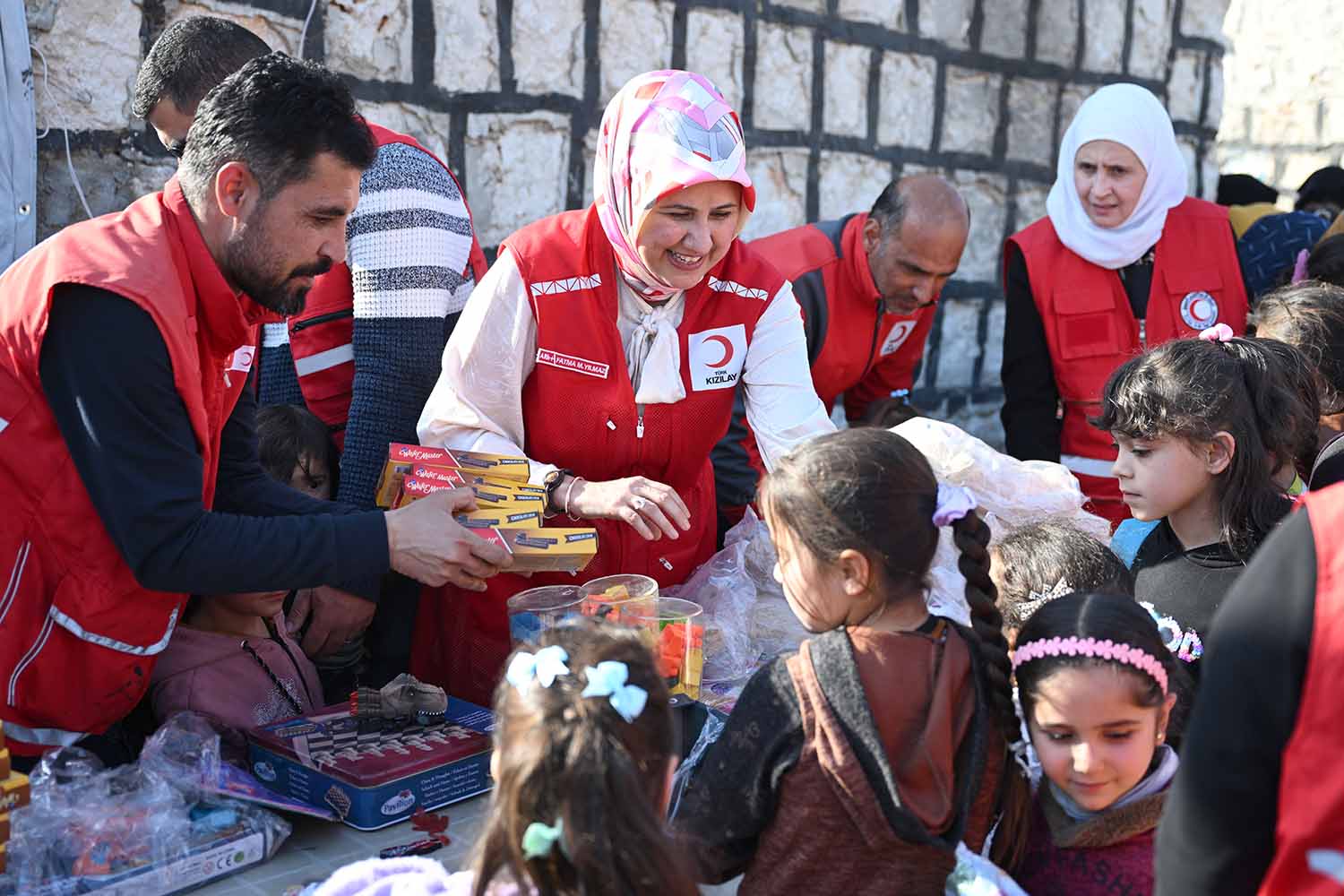
In this March 2025 photo, Turkish Red Crescent president Fatma Meric Yilmaz (second from left) gives aid boxes to children in Syria.
There are always brave people who help those who have been injured or displaced by war and natural disasters. Some of them work for the International Red Cross and Red Crescent Movement, an organization that brings aid to people around the globe.
Read more about the Red Cross and Red Crescent at Britannica.
WORD OF THE DAY
asylum
noun
: protection given by a government to someone who has left another country in order to escape being harmed

Sudoku
Fill in the grid so each row, column, and little box has all the numbers 1 through 9 with no repeats.