Helping Seniors Fight Cybercrime

A Time magazine cover shows Tejasvi Manoj posing while sitting on the floor of a library and names her Kid of the Year.

Helping Seniors Fight Cybercrime

Time magazine has named Tejasvi Manoj the 2025 Kid of the Year for her work helping seniors boost their cybersecurity skills.

A Time magazine cover shows Tejasvi Manoj posing while sitting on the floor of a library and names her Kid of the Year.

© Photograph by Zerb Mellish for TIME

Tejasvi Manoj is Time magazine’s 2025 Kid of the Year.

In February 2024, American teenager Tejasvi Manoj watched as her grandfather was almost scammed out of $2,000 in a cybercrime attempt. Pretending to be a relative, the fraudster had sent an urgent email requesting money to settle a debt. Fortunately, Manoj’s dad alerted her grandfather to the scam before any money was sent. That experience made Manoj realize that elderly citizens are particularly vulnerable to online scams.

So she decided to do something about it. 

Since that day, Manoj has devoted her free time to developing a website called Shield Seniors, a resource that helps people aged 60 and older learn how to spot online scams and analyze suspicious messages. Though she is still building this resource, her work has already been recognized for helping protect an overlooked population that is particularly vulnerable to cybercrimes. In 2025, the project earned Manoj the title of Time magazine’s Kid of the Year.

 Cybercrime is any illegal activity involving computers and the Internet. It can include identity theft and using fraudulent messages (emails, texts, and phone calls) to get people to send money or share bank account details. There are thousands of cybercrime victims each year, many of them senior citizens. In 2023, the U.S. Federal Bureau of Investigation estimated that scams targeting people over age 60 caused more than $3.4 billion in losses. 

“I found out this was a much bigger problem than I could have anticipated,” said Manoj in an interview with Time. “After seeing these kinds of statistics, I became really concerned for my grandfather and for so many older adults.”

The hands of an older person are shown using a computer keyboard.

© davidf—iStock/Getty Images 

Manoj has hosted seminars and workshops for senior citizens, walking them through her website and gaining feedback on how to make the project more effective for her target audience. 

“The goal for Shield Seniors is to make sure that older adults are independent. We want to make sure they can navigate the Internet with confidence, independence, and dignity.”

Though still young, Manoj has grown up in a home of information technology experts and has a passion for cybersecurity and coding. She has attended multiple summer programs with Girls Who Code, a nonprofit organization that focuses on teaching computer science skills to girls. 

“I really love the fact that you can solve problems with your computer,” she said. “The biggest self-fulfillment you can give yourself is helping others and assisting others. I just love helping people and knowing I have made a difference.”

NEWS EXTRA

Fat Bear Week: Who Will Win?
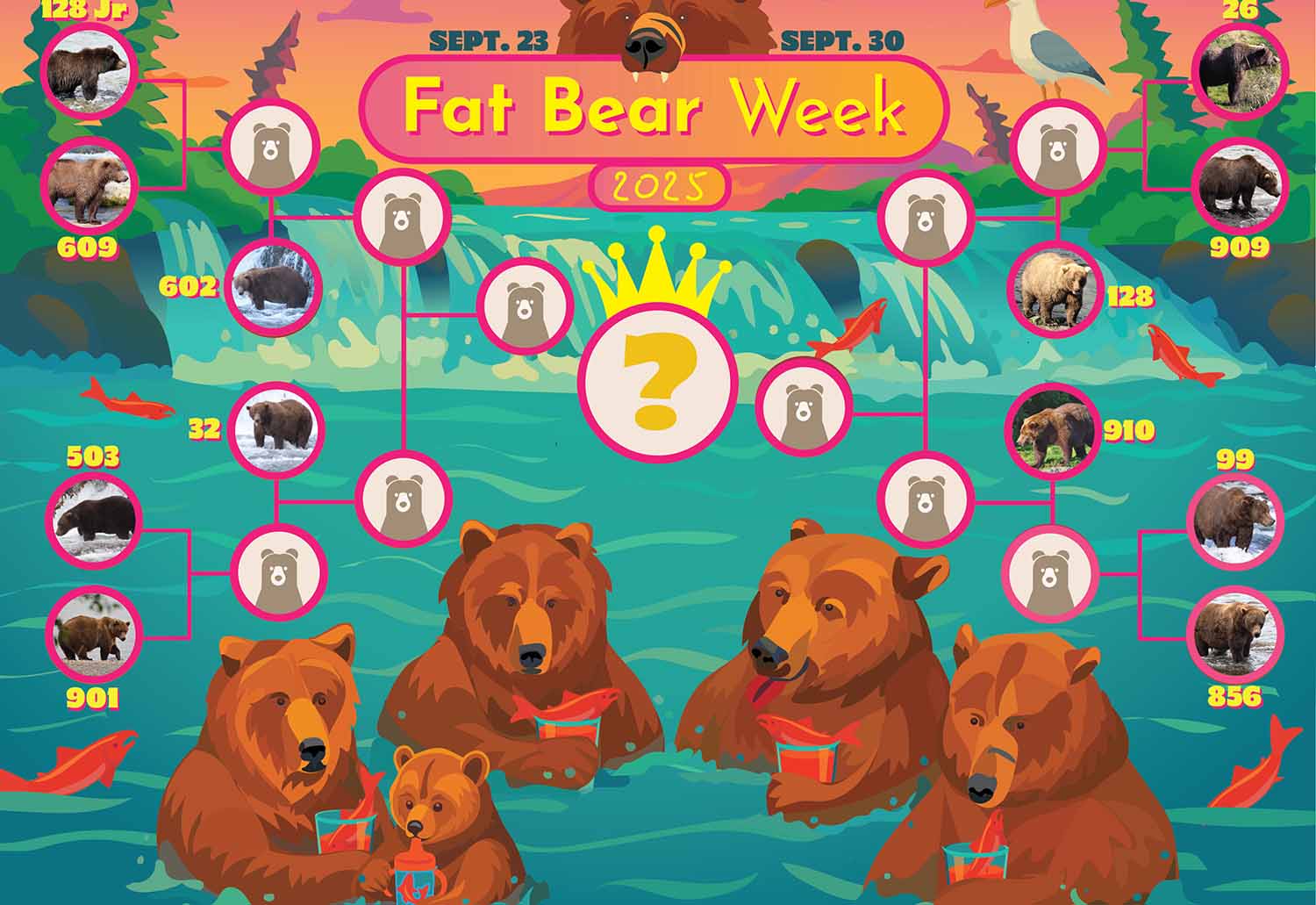
Illustration of a flow chart with bear images over an illustration of five bears in a river holding cups of salmon.

Courtesy of the U.S. National Park Service

Winter is on its way, and that means the bears of Katmai National Park & Preserve in Alaska are fattening up by dining on plenty of salmon! During Fat Bear Week (September 23-30), the public votes to decide which bear has bulked up the best. Will the bear named 128 Grazer capture her third title in a row? Or will one of her rivals win in an upset?

The polls are open now at the explore.org website!

We’ll report the winner on a future In the News page.

Did You Know?

In 1843, a British countess named Ada Lovelace (full name Ada King, countess of Lovelace) wrote a sequence of instructions for a mechanical calculation machine. Historians consider this to be the first computer program.
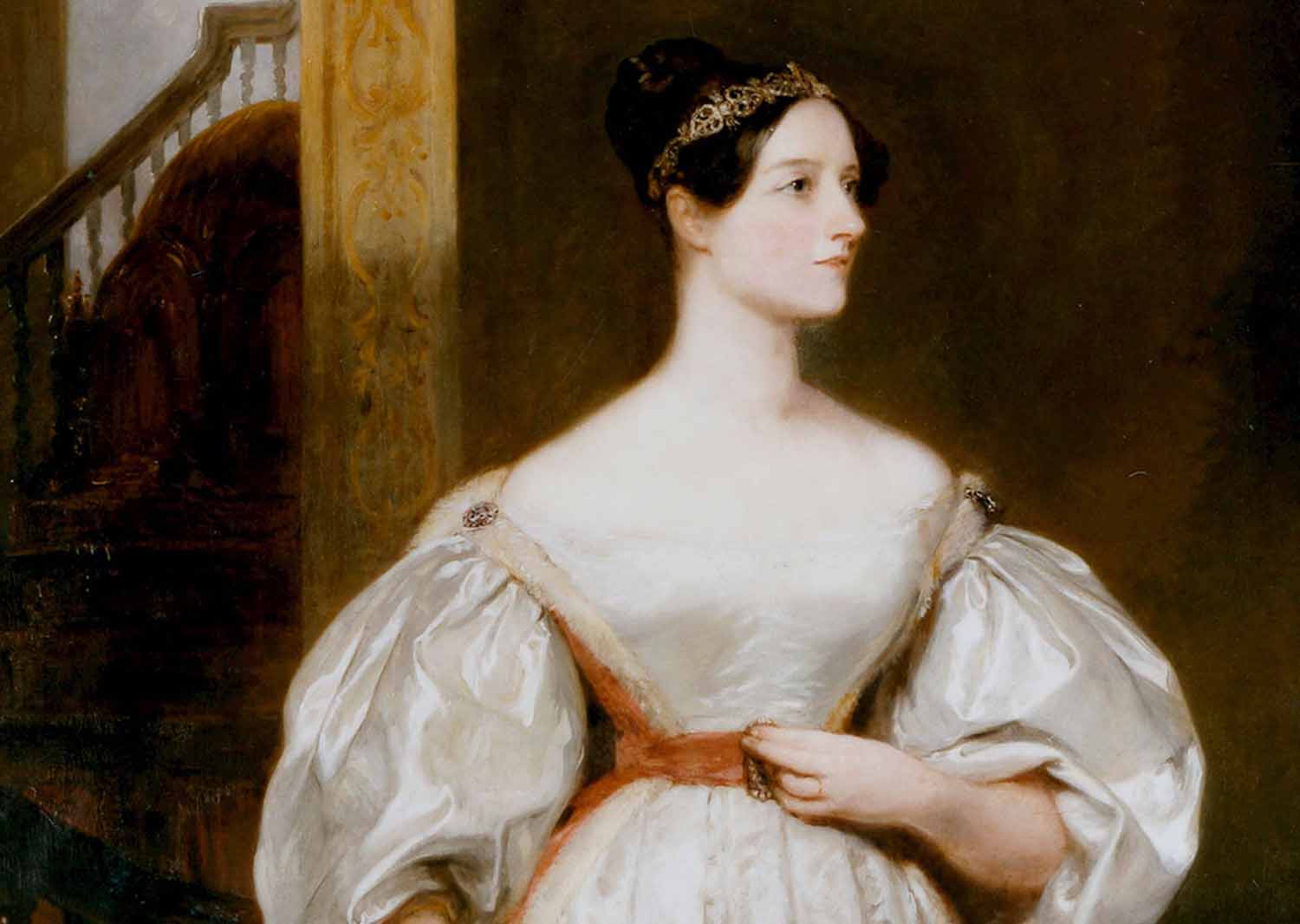
A painted portrait shows Ada Lovelace posing in a long white dress.

© IanDagnall Computing/Alamy

Ada Lovelace

The Leaf Doesn’t Fall Far from the Tree!

Brown and orange maple leaves are in mid air while falling to the ground.

© Anita Kot—Moment/Getty Images

Leaves fall from a maple tree in Poland.

Did you know that falling leaves are in a secret race to the ground? Two Danish researchers have found that leaves are shaped in a way that aids their journey from branch to ground, a feature that may help trees hold on to important nutrients. 

When deciduous trees (trees that lose their leaves) shed their leaves in the fall, they are also shedding a full season’s worth of stored nutrients and carbon. This may seem like bad news for the tree. But if a dead leaf decomposes and releases the nutrients back into the soil near the tree’s roots, then the tree can reabsorb them.
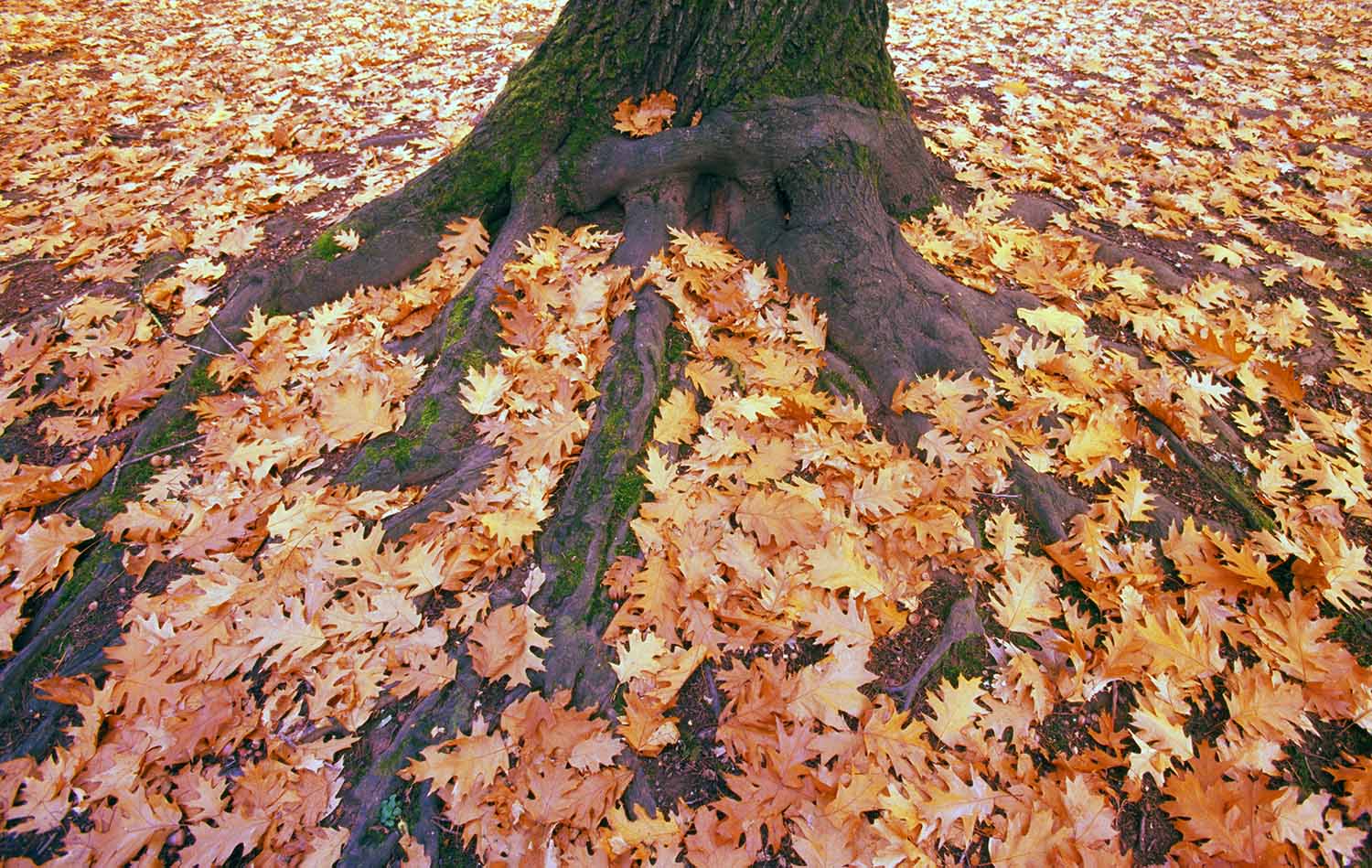
Oak leaves are on the ground on top of extensive tree roots.

© Natural Selection/Craig Tuttle—Design Pics/Getty Images

Fallen leaves pile around the mossy roots of an oak tree.

But that can happen only if the leaves fall before weather and wind can carry them far from the base of the tree. As a result, the shapes of many leaves give them an aerodynamic boost so that they can settle faster and nearer to the tree base.

To study the relationship between leaf shape and falling speed, researchers Matthew Biviano and Kaare Jensen, of the Technical University of Denmark, dropped laser-cut leaf replicas of 25 different tree species into a water tank. They then observed how quickly the different shapes “fell” through the water and settled at the bottom. The researchers found that asymmetrical leaves (leaves that are not the same shape on both sides) fell 15 percent slower than symmetrical leaves. Also, rounded leaves fell faster than other leaves. Overall, symmetrical and rounded leaves fell faster.

Be Smart About Artificial Intelligence!

A man sits at a computer and studies many AI generated faces and other images as well as code on a large screen.

© Laurence Dutton—iStock/Getty Images

Artificial intelligence (AI) can help humans perform tasks like writing a speech or recognizing faces in images. How is AI different from human intelligence? Learn more at Britannica!

WORD OF THE DAY

surreptitious

PART OF SPEECH:

adjective

Definition:

done in a secret way

Definitions provided by
Merriam-Webster Logo

Sudoku

O
O
O
O
O
O

In Case You Missed It

The island of Corsica showed American colonists that a courageous revolution could defeat an empire.
May 7, 2026
Physicist Narinder Singh Kapany developed fiber optic cables, helping to make the Internet possible.
April 30, 2026
How can you tell whether photos and videos are real or made with AI? Here are a few tips.
April 24, 2026
A seemingly strange bank is saving one of Earth’s most valuable resources.
April 9, 2026

Call in the Cavalry!

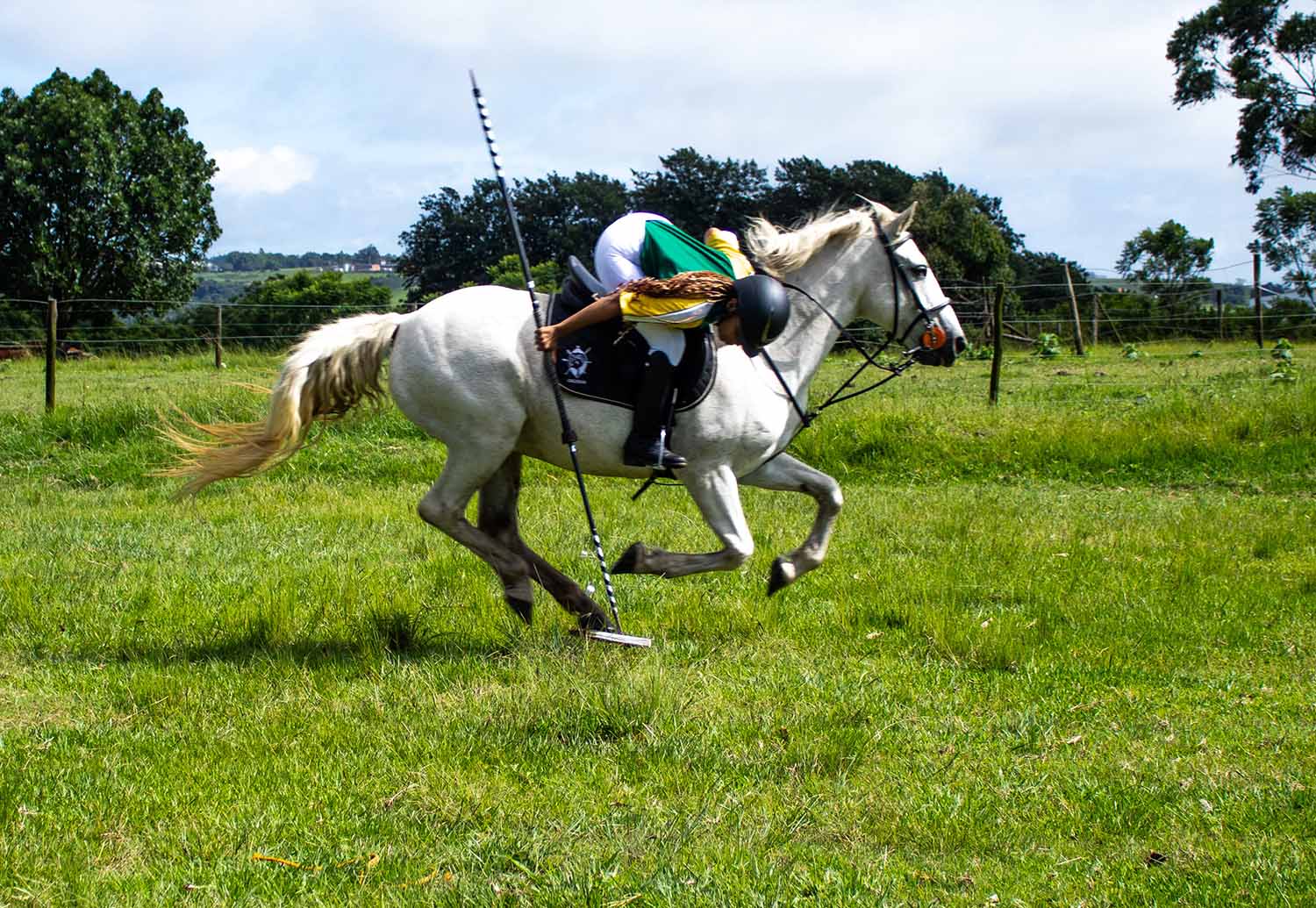
A rider on horseback is bent with her head toward the ground as she puts a spear to the ground to pierce a target.

Call in the Cavalry!

A South African teenager rides into international competition in the rare sport of tent pegging.

A rider on horseback is bent with her head toward the ground as she puts a spear to the ground to pierce a target.

© Courtesy of Thobela K Khumalo/South Africa Tentpegging Championship

Makhosazana “Khosi” Dlomo demonstrates the sport of tent pegging. She’s hoping to go to the Olympics one day.

A rider galloping on a horse while holding a sharp spear is an image you might associate with ancient battles. But modern-day equestrians like South Africa’s Makhosazana “Khosi” Dlomo are keeping age-old battlefield skills alive through the unique sport of tent pegging.

“It is a military discipline… Tent pegging has more of an adrenaline rush,” said Dlomo in a video interview with BBC Sport Africa. 

In tent pegging, a rider uses a spear or sword to pierce a target as their horse runs past it. The target may be a cardboard peg stuck in the ground or a series of rings hanging from a pole. Tent pegging requires excellent timing, accuracy, and coordination between the horse and rider as they charge toward the target.

“You’re hanging off the side of a horse and you need to trust that this horse is stable. And if you don’t trust the animal, then it’s not going to work out,” said Dlomo.

Two men riding decorated horses attempt to stab ground targets with spears.

© Muhammed Reza—Anadolu Agency/Getty Images

A rider hits his target during a tent pegging competition in Pakistan, where the sport is popular.

Tent pegging is based on the skills required to be in the cavalry, a military force in which soldiers were traditionally mounted on horseback. Though cavalries existed in many cultures around the world, tent pegging is believed to have originated in Afghanistan. It remains a popular equestrian sport in Asian countries like Pakistan and India and in the Middle East.

Nineteen-year-old Dlomo is a rare competitor in this rare sport: she is the only Black woman who is a registered tent pegging competitor in sub-Saharan Africa. Dlomo says that few people even know the sport exists, but she is hoping she can help increase awareness and draw more people to try it out.

Khosi Dlomo poses with her arm around her horse.

© Courtesy of Thobela K Khumalo/South Africa Tentpegging Championship

Khosi Dlomo hopes more people will try tent pegging.

“Hardly anyone knows about [tent pegging],” she said. “When I first came, they weren’t used to seeing a Black rider. As the years went on, I felt very welcomed and accepted. But I haven’t seen any other Black horse riders do tent pegging at competitions.”

This year Dlomo represented South Africa on the junior team at the International Beach Tent Pegging Championship in Jordan, a country in the Middle East. “Another aim of mine is to hopefully compete in the Olympics. I know there’s [talk] of bringing tent pegging into the Olympics,” she said.

Did You Know?

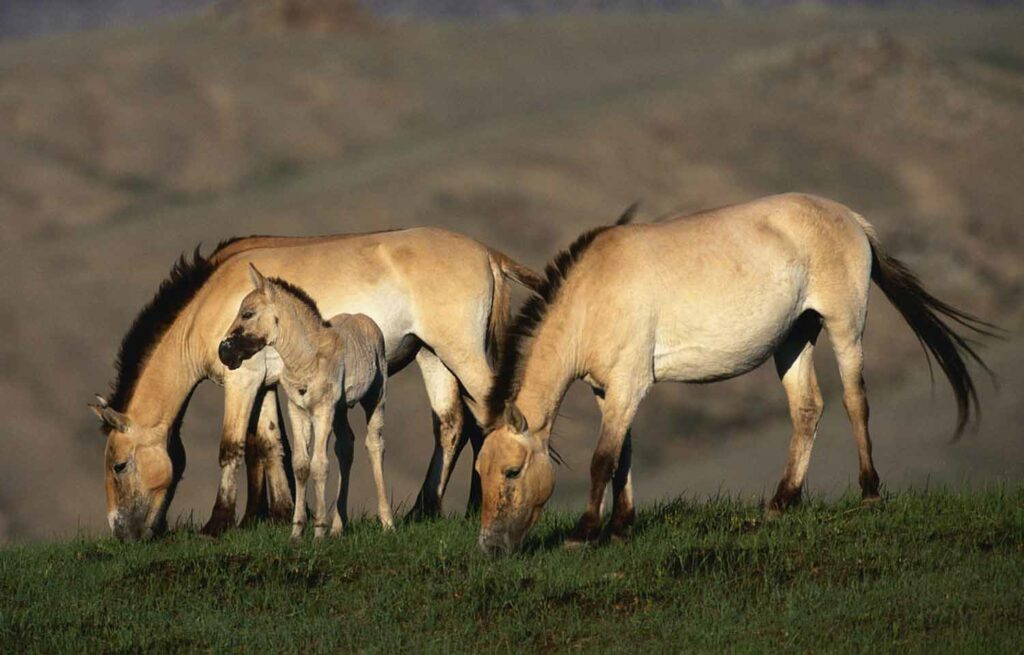
The last truly wild horse is the Przewalski’s horse, an endangered species from Mongolia. These stocky light brown horses are distant relatives of the domesticated horse.

Two adult horses and a colt graze on a grassy hill.

© Art Wolfe—Stone/Getty Images

Coming Soon to the Olympic Games…

Players from two teams carry their lacrosse sticks as they run across the field during a game.

© Lukas Blazek/Dreamstime.com

Deike Spitzen from the Netherlands (center, in the red uniform), competes at the 2015 European Lacrosse Championships.

The Olympics wouldn’t be the same without favorites like gymnastics, swimming, and sprinting. But officials often add sports to the lineup to keep things fresh.

The Los Angeles 2028 Olympic Games in the United States will include five additional sports:

  • Lacrosse: Invented by American Indian peoples, this fast-paced game has players passing and shooting a hard rubber ball using only netted sticks. 

  • Baseball/softball: The world’s best baseball and softball players will bring their A games to Los Angeles for these bat-and-ball sports in which hitters run around bases to score points.

  • Squash: This sport doesn’t just make a racket—it uses them! Squash players swing rackets to hit a hollow rubber ball against the walls of a small court and score points.
Two players try to hit a ball on a squash court with a sign in the background reading Birmingham 2022 commonwealth games.

© Stephen Pond/Getty Images

Saurav Ghosal of Team India (white shirt) and Paul Coll (black shirt) of Team New Zealand compete in men’s singles squash at the 2022 Commonwealth Games.

  • Cricket: Another bat-and-ball sport, cricket is older and more popular worldwide than baseball. Batters score points for their teams by running back and forth between sets of wooden sticks called wickets.

  • Flag football: Whether you call it football or gridiron football, this noncontact variation has flag-wearing athletes running to score points in the end zone! Rather than tackling each other to the ground, players can tear off each other’s flags to stop the play. 

America’s Black Cavalry

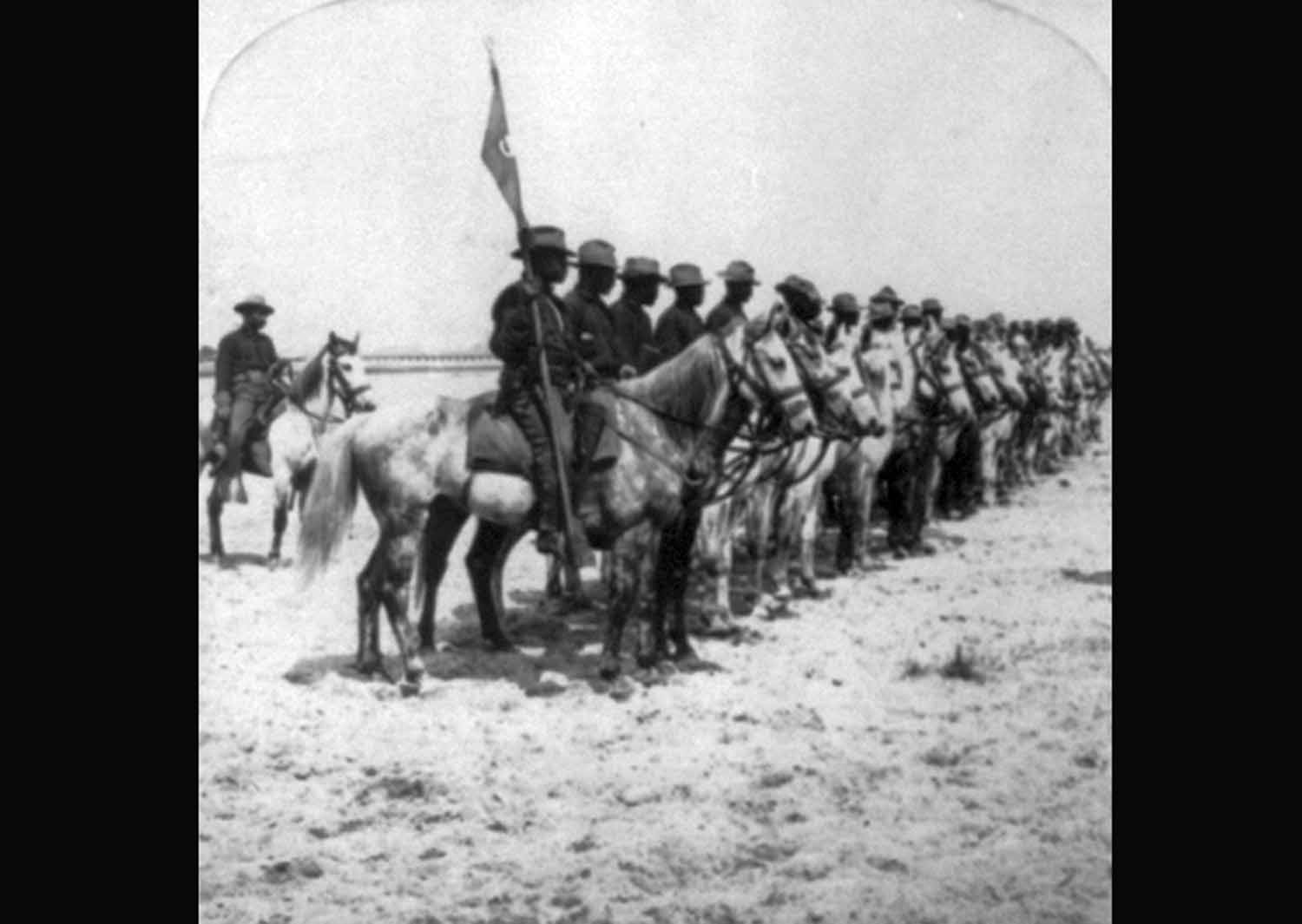
Black soldiers in US military uniforms line up on horseback.

Library of Congress, Washington, D.C. (neg. no. LC-USZ62-57107)

The troops of the 9th Cavalry Regiment, seen here in 1898, were among those known as buffalo soldiers.

In the late 1800s the United States military stationed cavalry regiments made up of African American men—called buffalo soldiers—on the western frontier. Read more about the buffalo soldiers at Britannica.

WORD OF THE DAY

equestrian

PART OF SPEECH:

noun

Definition:

: a person who rides horses

Definitions provided by
Merriam-Webster Logo

Word Flower

O
O
O
O
O
O

In Case You Missed It

The island of Corsica showed American colonists that a courageous revolution could defeat an empire.
May 7, 2026
Physicist Narinder Singh Kapany developed fiber optic cables, helping to make the Internet possible.
April 30, 2026
How can you tell whether photos and videos are real or made with AI? Here are a few tips.
April 24, 2026
A seemingly strange bank is saving one of Earth’s most valuable resources.
April 9, 2026

Judy Baca and the Great Wall

Judy Baca stands in front of a fence, behind which is the mural called the Great Wall of Los Angeles.

Judy Baca and the Great Wall

A Chicana artist has spent decades painting the colorful history of Los Angeles.

Judy Baca stands in front of a fence, behind which is the mural called the Great Wall of Los Angeles.

© Citizens of the Planet/Education Images—Universal Images Group/Getty Images

This photo, taken in 2000, shows Judy Baca posing in front of the Great Wall of Los Angeles, the mural she helped create.

Rather than creating art just for galleries and museums, artist Judy Baca has made her home city her canvas, turning walls and riverbanks into works of art. Baca transforms these public spaces into giant, colorful murals inspired by her Chicana heritage and home city of Los Angeles, California.

Baca came of age in Los Angeles amid the Chicano Movement of the 1960s and 1970s, also known as the Mexican-American civil rights movement. As a result, her artwork frequently blends history, culture, and activism for social change.

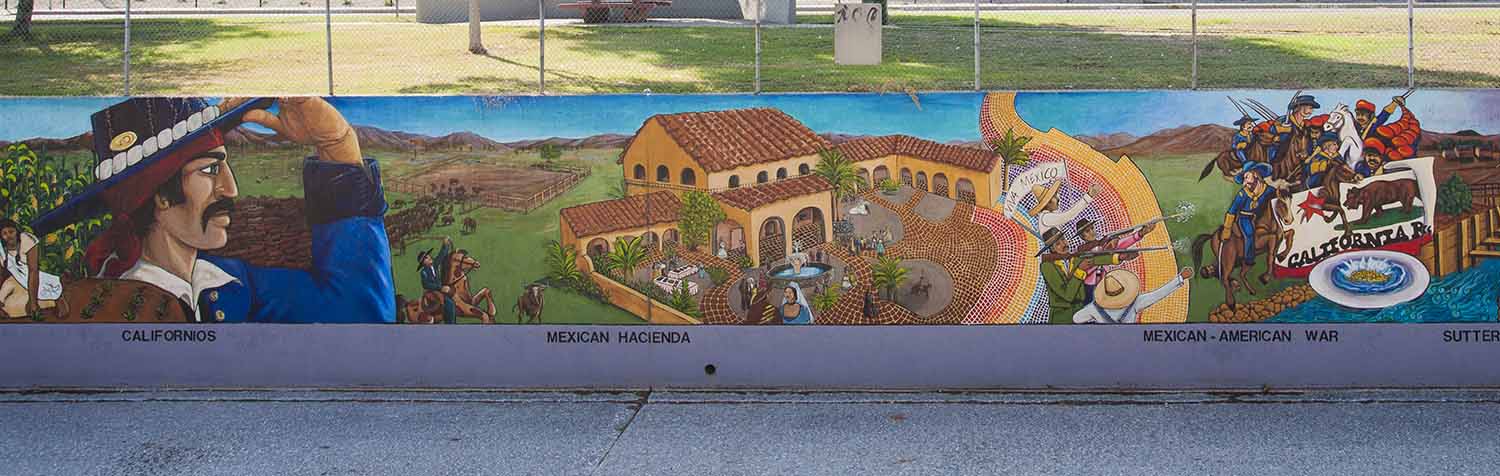
Beginning in 1974, Baca undertook what is now considered to be one of the biggest community mural projects in the world: the Great Wall of Los Angeles. This public mural is currently half a mile long (nearly 1 kilometer) and runs along the concrete banks of a river. 

The mural depicts scenes stretching back thousands of years to prehistoric California and leading up to trailblazing Olympic athletes of the mid-20th century. The heroes of this visual story are predominantly civil rights leaders and groups, along with individuals who broke through barriers to equality. Some historical figures highlighted in the mural include Mary Ellen Pleasant, the first Black self-made millionaire, and Big Mama Thorton, a musician who influenced the birth of rock and roll. 

“The story I wanted to tell was the story that wasn’t recorded in history books: the history of people of color, the history of women, of Indigenous people,” said Baca in a PBS News Hour interview. “[I wanted] to look at what was missing from the story of America…and teach it to the young people who would begin to learn about each other.”

To paint the mural, Baca employed hundreds of people from the local community. Baca says that creating public art alongside the people who live in those places makes them “sites of public memory.” 

Baca’s public art program, called the Social and Public Art Resource Center (SPARC), continues working on the Great Wall and other public art projects. In her lifetime Baca has been involved in the creation of hundreds of murals, making monuments out of places and figures that have frequently been overlooked.

“Essentially the thread was always looking at the conditions of my community and the people I loved and worked with and cared about and telling their stories,” said Baca. “I really believe that art has amazing [abilities] to be transformative.”

Three panels from the Great Wall of Los Angeles show a man in a sombrero, a hacienda, and soldiers from the Mexican American War.

© Citizens of the Planet/Education Images—Universal Images Group/Getty Images

The Great Wall of Los Angeles shows scenes from California’s history and some of the people who helped shape it.

NEWS EXTRA

National Hispanic Heritage Month

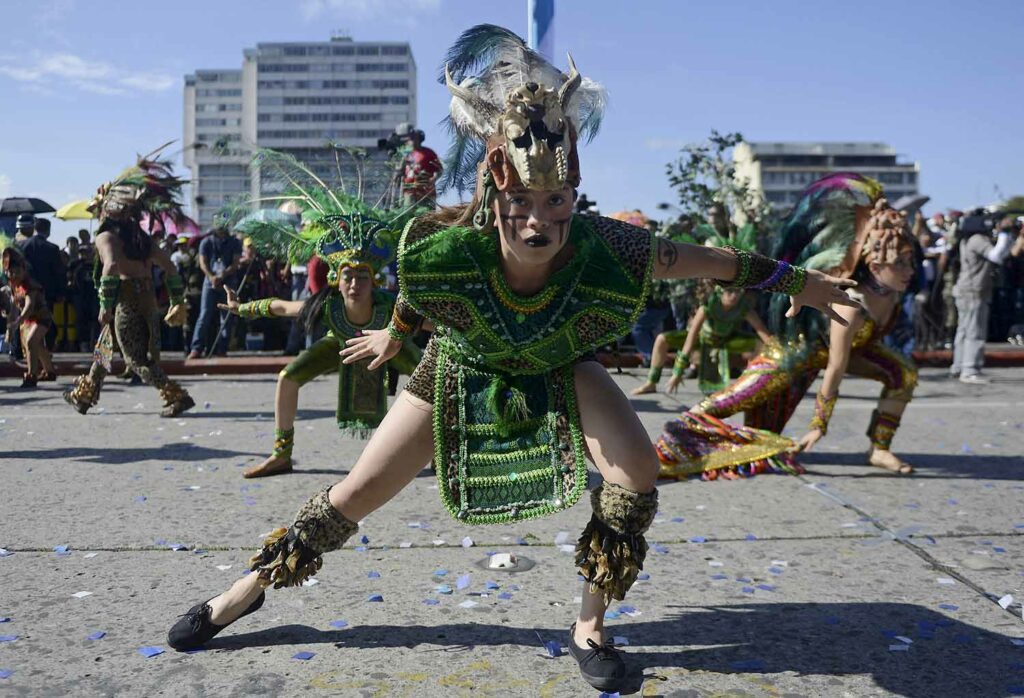
Young people in colorful Indigenous clothing are in dance poses as part of an outdoor parade.

© Johan Ordonez—AFP/Getty Images

Students wear Indigenous (native) clothing as they take part in an Independence Day  parade in Guatemala City, Guatemala.

In the United States, National Hispanic Heritage Month is observed between September 15 to October 15. It’s a time to celebrate the contributions Hispanic Americans have made to the United States. 

National Hispanic Heritage Month celebrations often highlight the music, art, food, and accomplishments of Hispanic Americans. (In case you’re wondering, Hispanic Americans are Americans who can trace members of their families back to Spanish-speaking countries. Most of these countries were colonies of Spain before gaining independence.) 

There’s a good reason why National Hispanic Heritage Month begins on September 15 instead of September 1. Five Spanish-speaking countries (Costa Rica, El Salvador, Guatemala, Honduras, and Nicaragua) celebrate their independence on September 15. What’s more, Mexico’s independence day is September 16, and Chile’s is September 18.

With a crowd of people in the background, a boy waves two flags of El Salvador.

© Camilo Freedman—APHOTOGRAFIA/Getty Images

A boy waves two Salvadoran flags during an Independence Day celebration in San Salvador, El Salvador.

Did You Know?

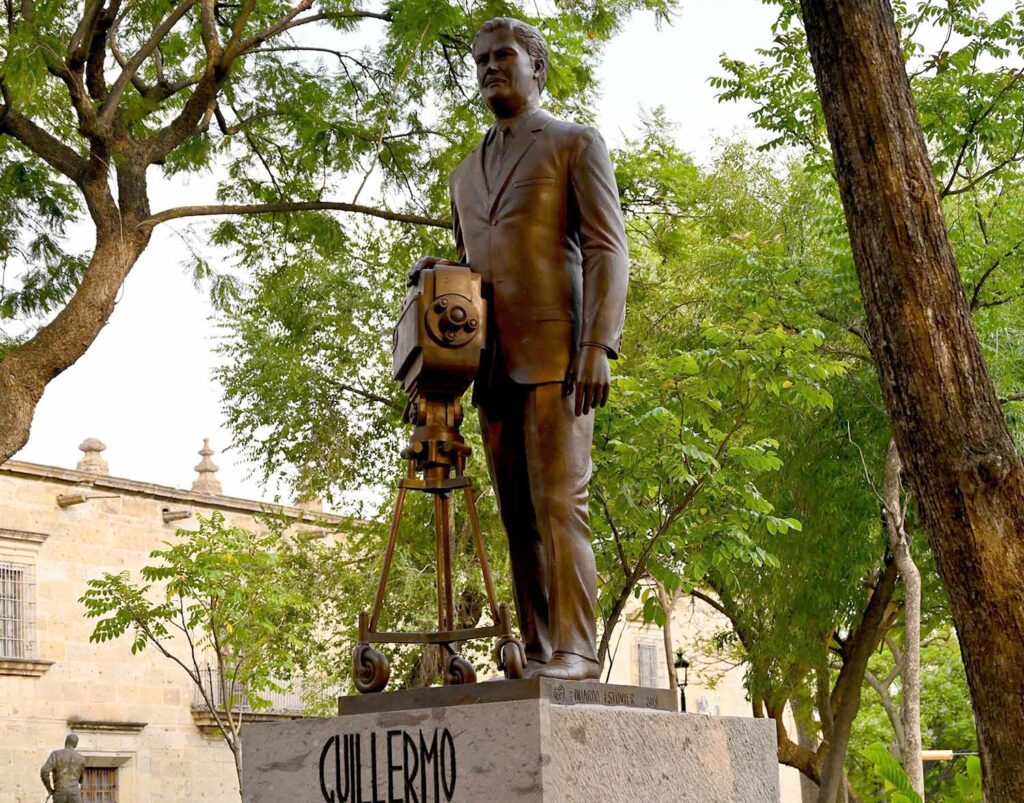
Mexican engineer Guillermo González Camarena invented an early color television system in 1940! He was just 23 years old!

A statue of Mexican inventor Guillermo González Camarena with a television camera on a pedestal

© Lee Roth—Adventure-MAX/Alamy

This statue of Mexican inventor Guillermo González Camarena is located in Guadalajara, Mexico.

El Movimiento

A group of people, some carrying flags and signs, march along the side of a road.

© Cathy Murphy—Hulton Archive/Getty Images

Labor activist Cesar Chavez (fourth from right) and tens of thousands of farm workers took part in the United Farm Workers Thousand Mile March in 1975. The march was meant to educate farm workers about their rights.

Did you know that more than one civil rights movement took place during the 1960s? One of these movements aimed to end segregation and extend voting rights to Black Americans. What was the other one?

El Movimiento (“The Movement” in Spanish) was a grassroots campaign to end anti-Chicano discrimination and improve workers’ rights. Chicano and Chicana are the Spanish terms for an American of Mexican descent. Many Chicanos have ancestors who lived in territories that belonged to Mexico but later became southwestern U.S. states (like Texas, New Mexico, and California).

Despite their deep connection to America, Chicanos have faced severe inequality. Those in El Movimiento fought for social change, equal rights, and cultural pride.

Two famous leaders who emerged in the movement were Cesar Chavez and Dolores Huerta. At the time, many Chicano farm laborers planted and harvested crops. Large farms and grocery stores relied on this work to make sure food got to the stores before it spoiled. However, these farm laborers had no work protections, poor pay, and no health insurance if they got sick or injured. 

Young Dolores Huerta and Cesar Chavez stand among a group of people in a room.

© Carl Crawford/Fresno Bee—ZUMA Press Wire Service/Alamy

In this 1965 photo, farm workers who are on strike gather around Dolores Huerta and Cesar Chavez before a meeting.

Chavez and Huerta wanted change and a better life for these workers and their families. The two planned strikes and boycotts to draw attention to worker inequality and educate Americans nationwide about the workers who provided food for the country.

El Movimiento not only improved pay and workers’ rights for many farm laborers but also expanded access to education for all Hispanic people in the U.S. And it spurred many Hispanic Americans to exercise their voting rights. Huerta’s motto from the movement—“Sí, se puede!” (“Yes, we can!”)—continues as a rallying slogan for grassroots organizing today.

Who Are Hispanic Americans?

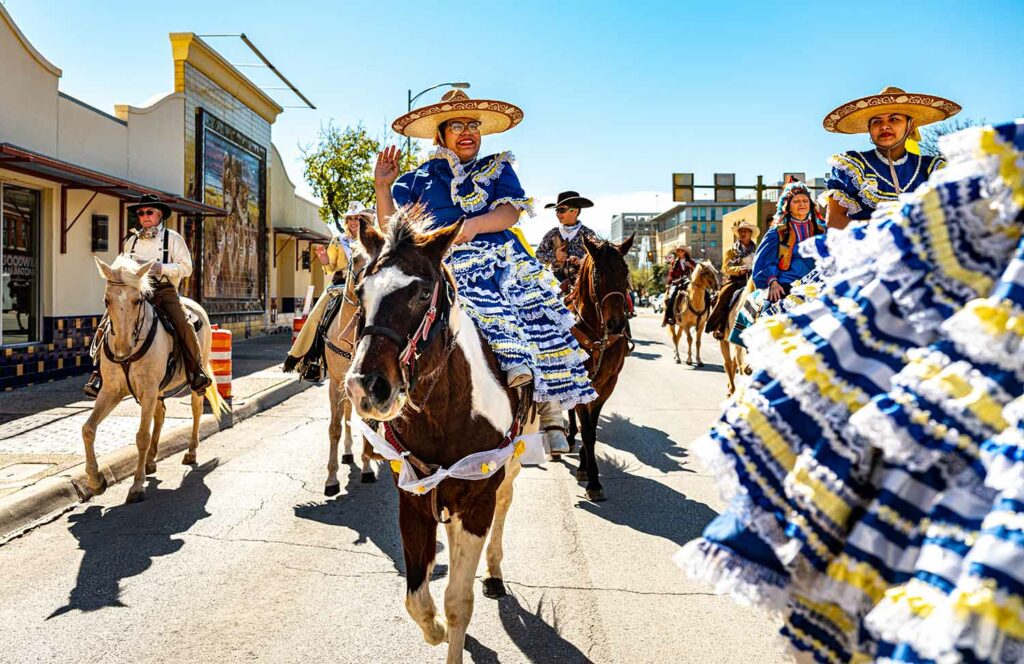
Women and men in colorful dresses and cowboy clothing ride horses down a street.

© FOTOGRAFIA INC.—iStock/Getty Images

Horseback riders celebrate Mexico’s strong ties to the western United States at the Western Heritage Parade in San Antonio, Texas.

Did you know that the words bonanza, mustang, and rodeo have Spanish origins? Hispanic Americans have enriched U.S. culture in countless ways.

Celebrated in the United States from September 15 to October 15, National Hispanic Heritage Month honors the contributions and cultures of Hispanic Americans. Find out more at Britannica.

WORD OF THE DAY

bonanza

PART OF SPEECH:

noun

Definition:
: something that produces very good results for someone or something—usually singular
Definitions provided by
Merriam-Webster Logo

Crossword

O
O
O
O
O
O

In Case You Missed It

The island of Corsica showed American colonists that a courageous revolution could defeat an empire.
May 7, 2026
Physicist Narinder Singh Kapany developed fiber optic cables, helping to make the Internet possible.
April 30, 2026
How can you tell whether photos and videos are real or made with AI? Here are a few tips.
April 24, 2026
A seemingly strange bank is saving one of Earth’s most valuable resources.
April 9, 2026

Recreating an Ancient Voyage

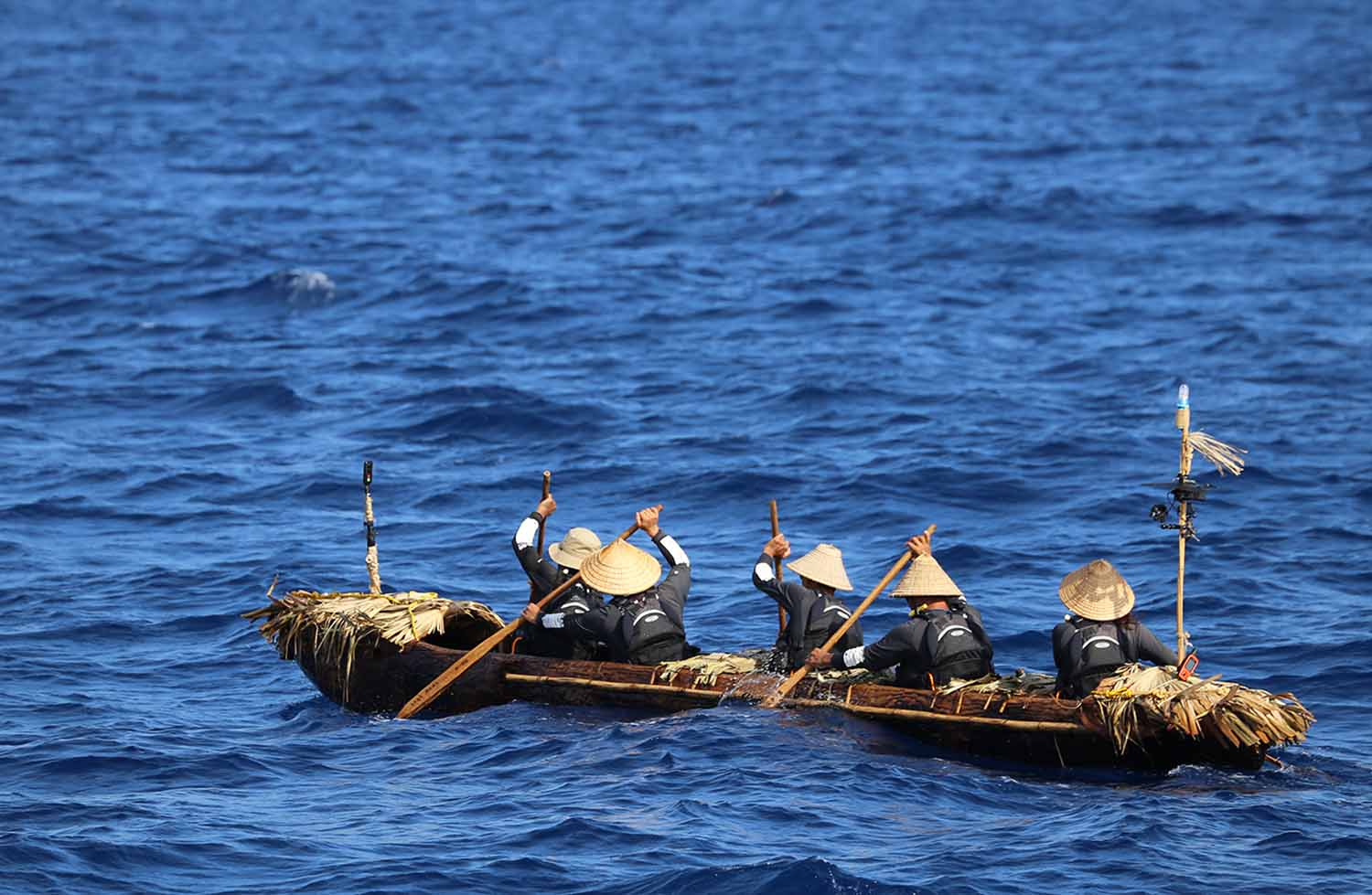
Five people wearing hats and backpacks paddle on a sea in a wooden canoe.

Recreating an Ancient Voyage

Scientists recreated a sea voyage to see how ancient people made their way from Taiwan to a Japanese island.
Five people wearing hats and backpacks paddle on a sea in a wooden canoe.

Courtesy of © Yousuke Kaifu/The University Museum, The University of Tokyo

A team of scientists from the University of Tokyo paddle from Taiwan to Japan’s Yonaguni Island in a canoe they built.

Imagine going on a long sea voyage with no modern navigational tools. About 30,000 years ago, a group of people traveled on rough seas from Taiwan to an island in Japan with no instruments, landmarks, or maps to guide them. To find out how they did it, scientists decided to re-create the journey.

When a team of researchers from Japan and Taiwan set out to determine how ancient people traveled 140 miles (225 kilometers) from Taiwan to the southern Japanese island of Yonaguni, they knew two things: First, the settlers must have traveled by sea, as there was no other way to reach an island. Second, they would have had to battle the area’s powerful Kuroshio current, which is notoriously difficult. 
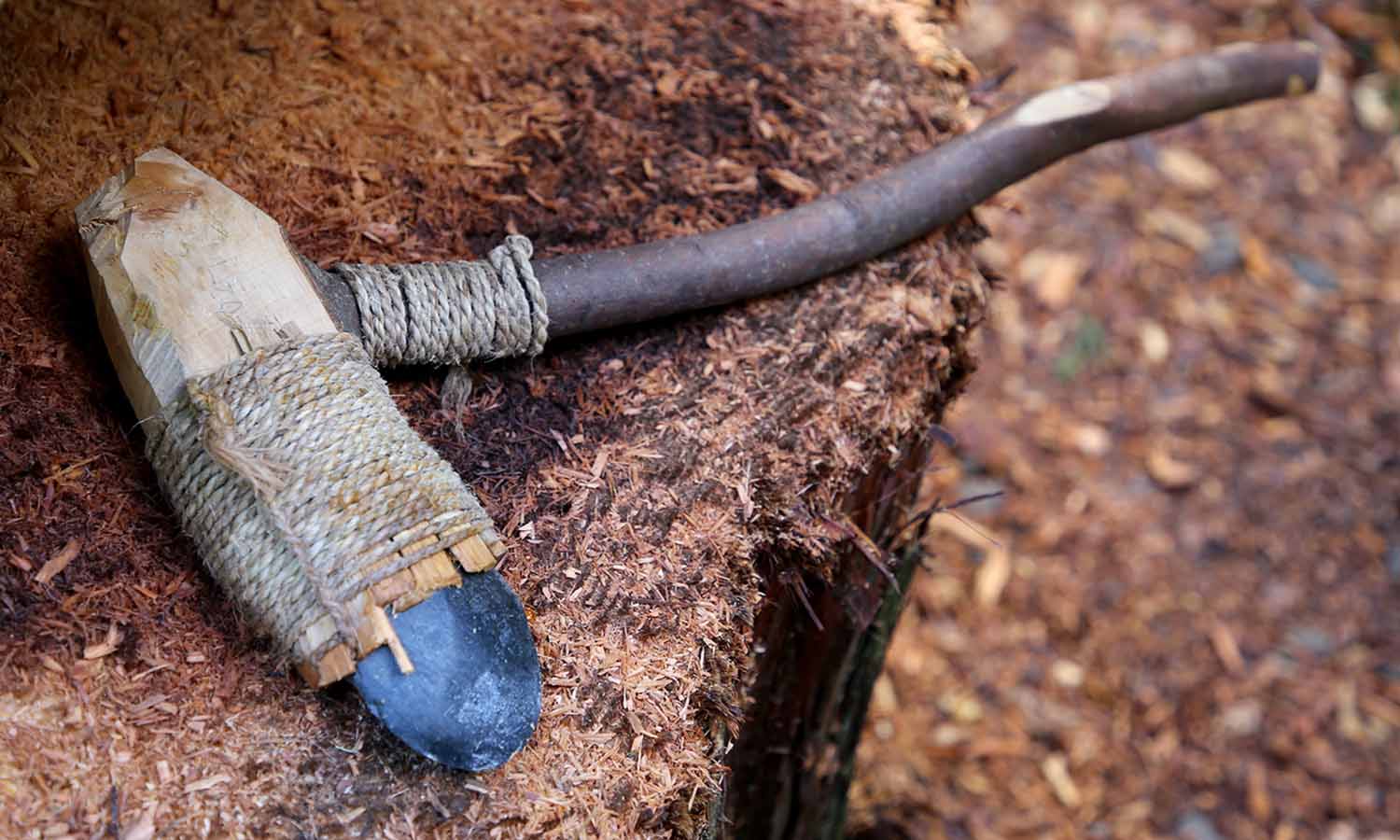
An axe made with a stick and a piece of stone lies on a tree stump.

Courtesy of © Yousuke Kaifu/The University Museum, The University of Tokyo

Scientists recreated an ancient stone axe with a wood handle to chop down a Japanese cedar tree that they used to build a canoe.

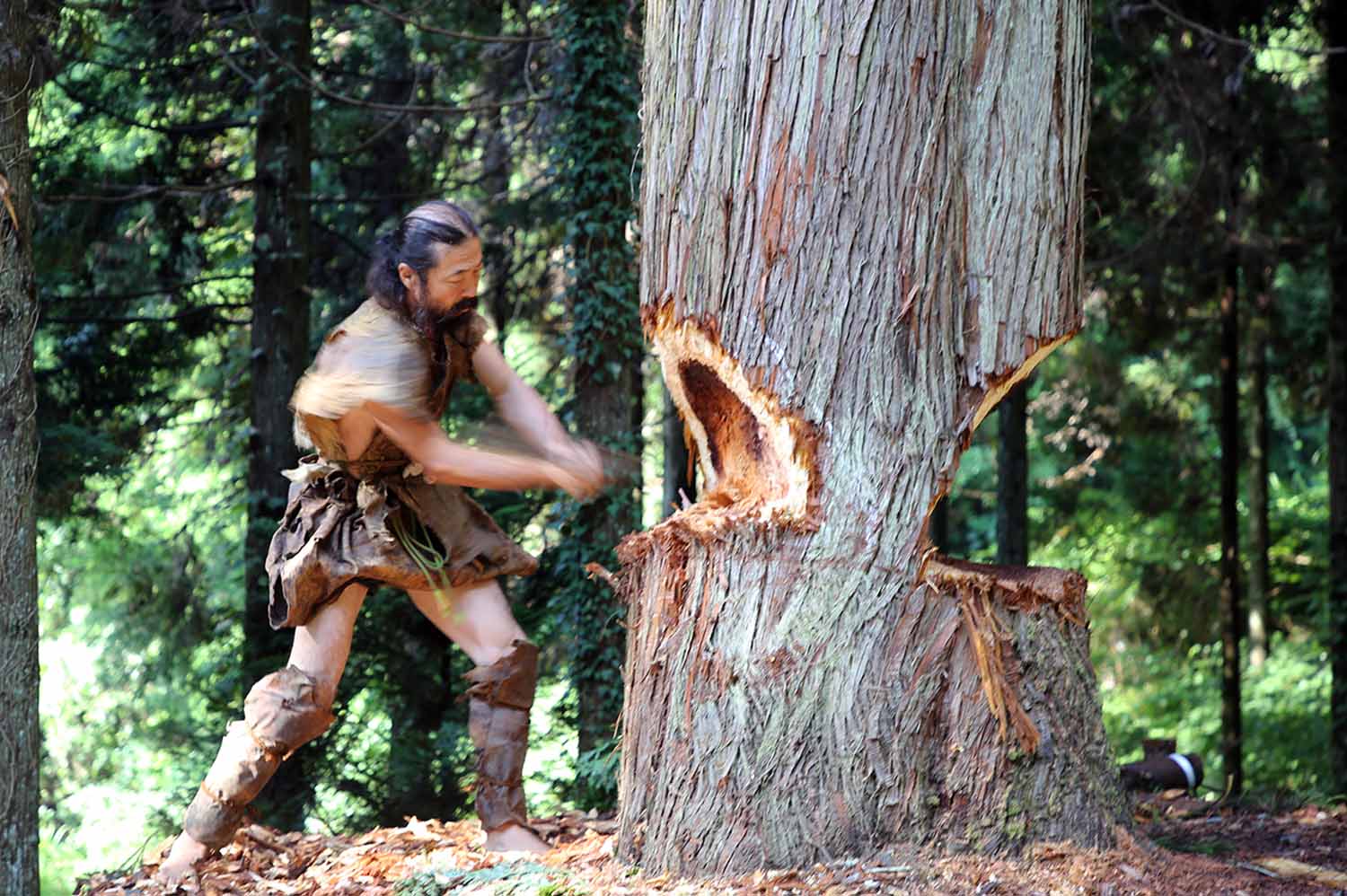
The researchers knew that rafts wouldn’t be strong enough to survive the Kuroshio current and that sails weren’t invented until about 5,000 years ago. They concluded that the ancient people most likely made dugout canoes out of tree trunks. So the researchers made their own tree trunk canoe using only the types of stone tools that the ancient people would have had.

The vessel wasn’t the only important part of the journey. In ancient times, every decision would have been important, including when and how the settlers traveled.

“We tested various seasons, starting points and paddling methods under both modern and prehistoric conditions,” researcher Yousuke Kaifu told the New York Times.

A man in a copy of ancient clothing chops down a Japanese cedar tree.

Courtesy of © Yousuke Kaifu/The University Museum, The University of Tokyo

Scientists used copies of ancient tools to chop down a tree and then used the wood to build a canoe.

In July 2019, a crew of four men and one woman, all skilled canoe paddlers, set out from eastern Taiwan in the wooden canoe. The canoeists used only the Sun, stars, and tides to navigate to Yonaguni. (A modern boat traveled nearby to supply food and in case of emergency.) From hour 2 to hour 17 of the journey, the current became so rough that the crew had to make sure the wave water didn’t get into the canoe. After about 45 hours at sea, they arrived at Yonaguni. The researchers concluded that it wouldn’t have been possible for the ancient paddlers to travel back the way they came. The current would have been too rough.
The journey revealed that the people who landed at Yonaguni were skilled boat builders, paddlers, and navigators.

“This type of sea travel was possible only for experienced paddlers with advanced navigational skills,” the researchers later wrote.

Did You Know?

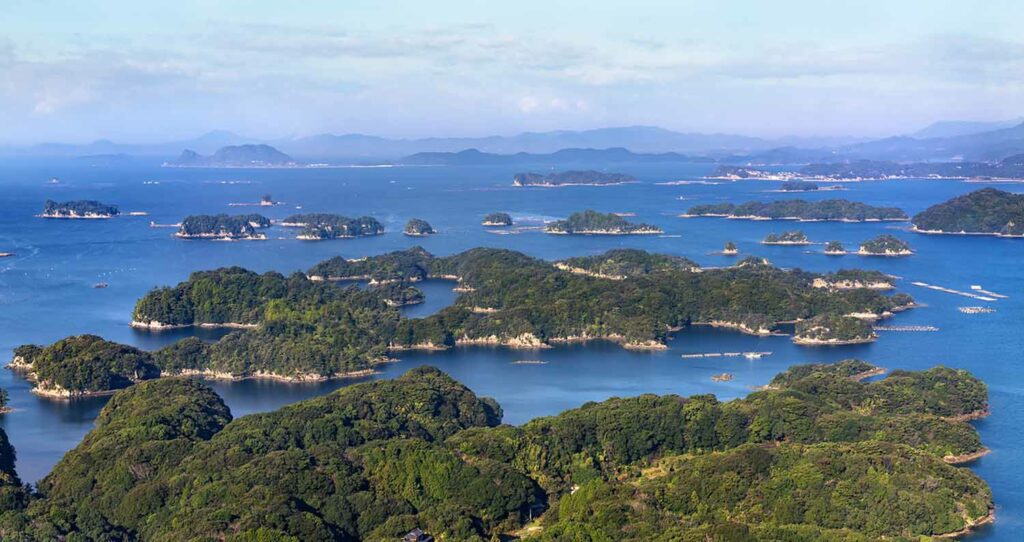
In 2023, Japan counted its islands again and found that it had over 7,000 more than previously thought. The new study brought the number of known Japanese islands to 14,125.

A group of small islands in the sea

© kuremo—iStock Editorial/Getty Images

This photo shows just a few of the islands that make up Japan.

A Lost City?

Several scuba divers swim near a huge underwater rock structure that appears to have steps.

© nudiblue—Moment Open/Getty Images

Scuba divers explore the area around Yonaguni Monument.

A rock structure in the water near the Japanese island of Yonaguni has mysterious origins. Discovered by a scuba diver in 1986, Yonaguni Monument is more than 165 feet (50 meters) long and 65 feet (20 meters) wide. There’s a strange symmetry to the rocks—meaning the angles at their corners are similar—as if it’s a structure that people built. The rocks also have markings that look as if humans made them. 

Many experts believe that Yonaguni Monument was once a human-made pyramid, similar to the ancient pyramids of Egypt and South America. This would suggest that Yonaguni was the home of an ancient city that has been lost to history.

But other experts say the rocks’ arrangement is totally natural. They believe the rocks aren’t even symmetrical enough to have been shaped by people. Instead, they were shaped by underwater currents over thousands of years. And those markings? They could just be the result of wear and tear.

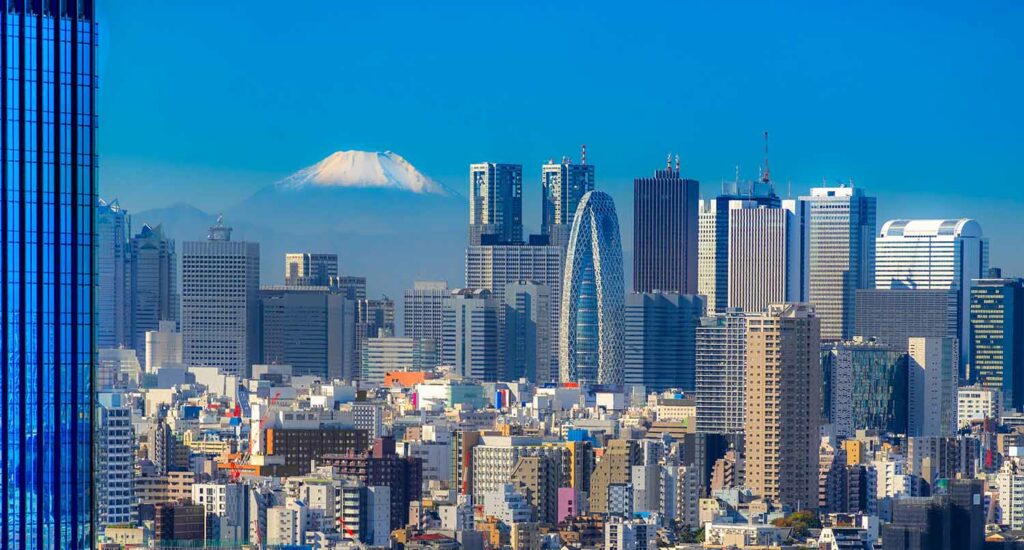
An Ancient but Modern Country

The Tokyo skyline with Mount Fuji in the background.

© Luciano Mortula-LGM/stock.adobe.com

First settled at least 30,000 years ago, Japan has since become one of the most advanced nations on Earth. Learn more about Japanese history, language, and culture at Britannica!

WORD OF THE DAY

replicate

PART OF SPEECH:

verb

Definition:

: to repeat or copy (something) exactly

Definitions provided by
Merriam-Webster Logo

Word Search

O
O
O
O
O
O

In Case You Missed It

The island of Corsica showed American colonists that a courageous revolution could defeat an empire.
May 7, 2026
Physicist Narinder Singh Kapany developed fiber optic cables, helping to make the Internet possible.
April 30, 2026
How can you tell whether photos and videos are real or made with AI? Here are a few tips.
April 24, 2026
A seemingly strange bank is saving one of Earth’s most valuable resources.
April 9, 2026

Kayaking into History

A kayaker with a camera on his helmet uses a paddle to kayak through whitewater.

Kayaking into History

Native American teenagers went on a kayaking journey to celebrate the restoration of a river that has long played an important part in their cultures.

A kayaker with a camera on his helmet uses a paddle to kayak through whitewater.

Courtesy of Rios to Rivers

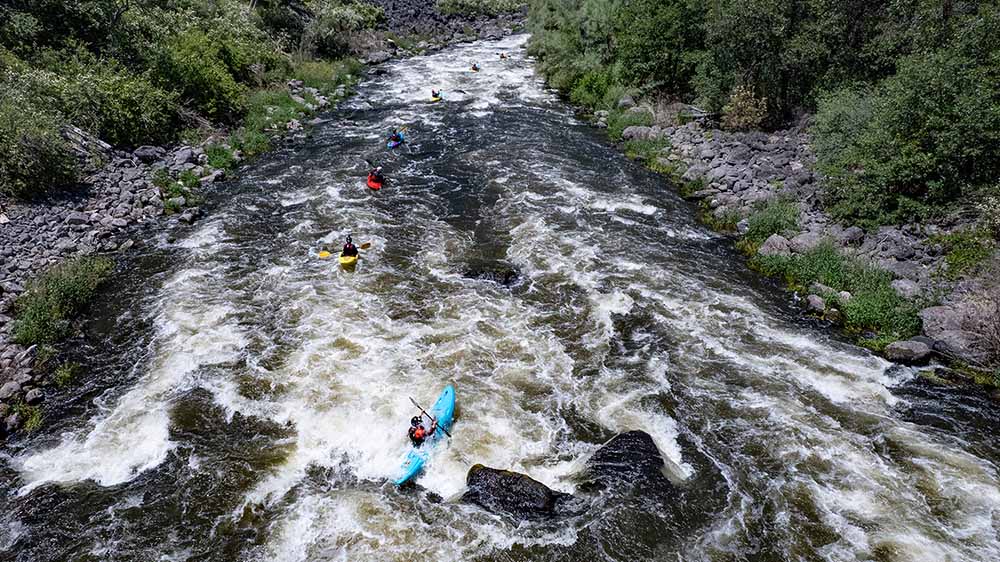
A participant in the Paddle Tribal Waters program kayaks through whitewater in the Klamath River.

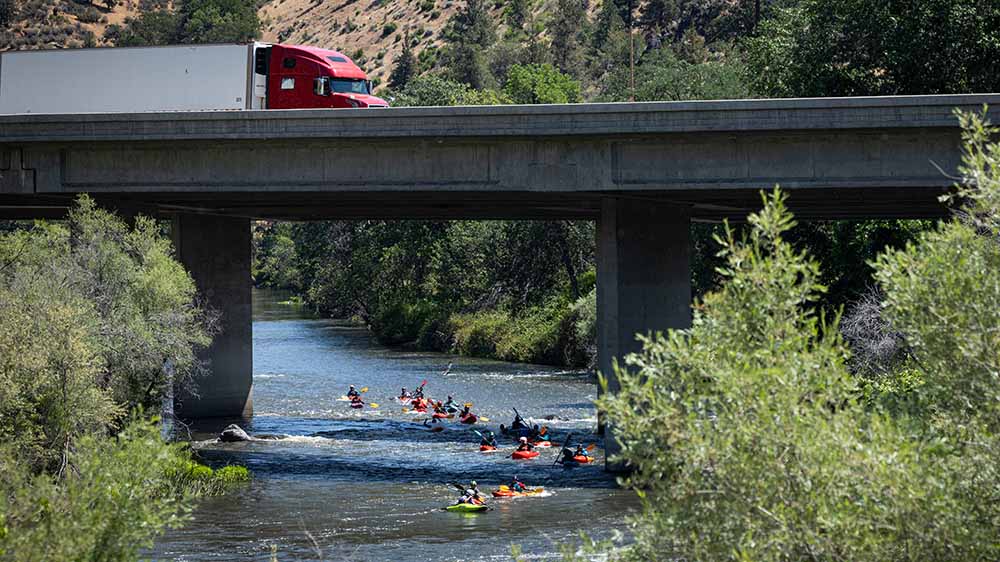
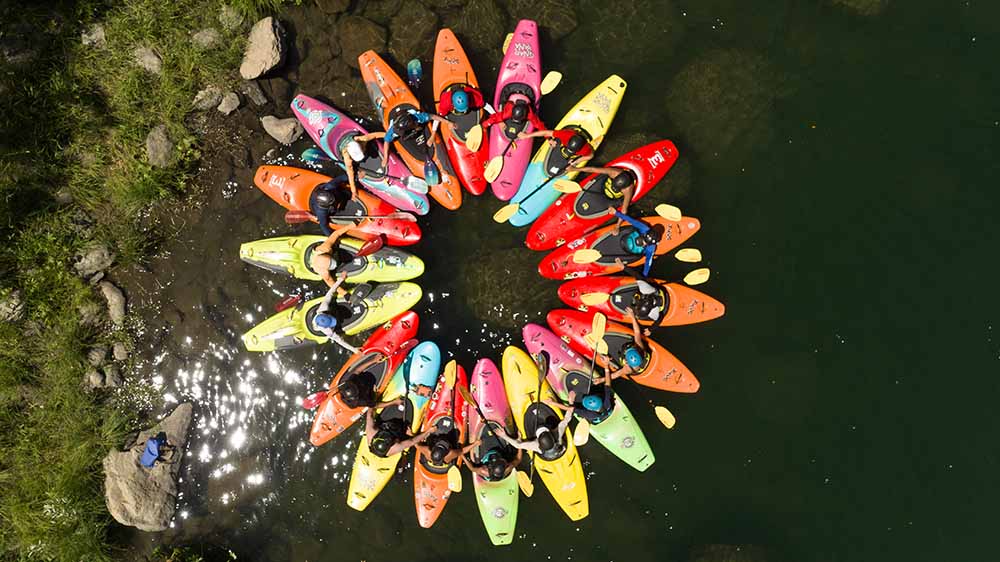
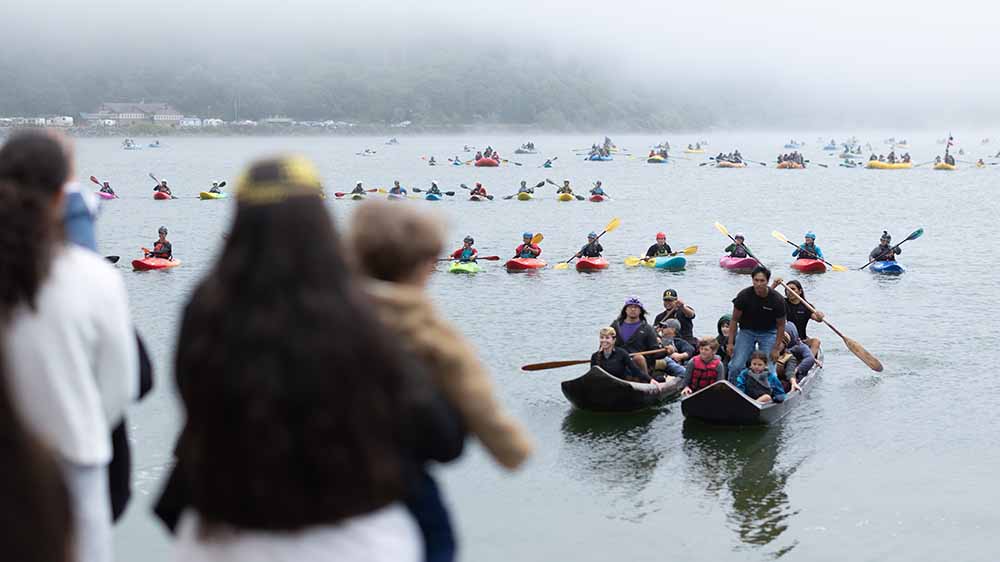
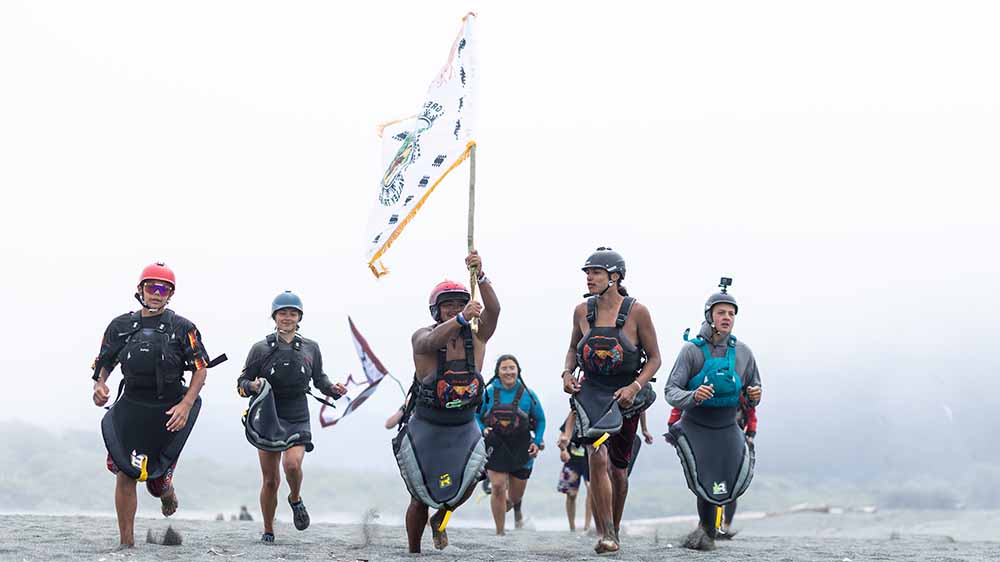
This summer, more than 120 Native American teens and young adults completed a historic kayaking trip that hadn’t been possible for more than 100 years. The Indigenous youth paddled 310 miles across 30 days to honor the restoration of the Klamath River, which runs from southern Oregon to northern California in the United States. This event was a celebration honoring the removal of four hydroelectric dams that had previously blocked the river.

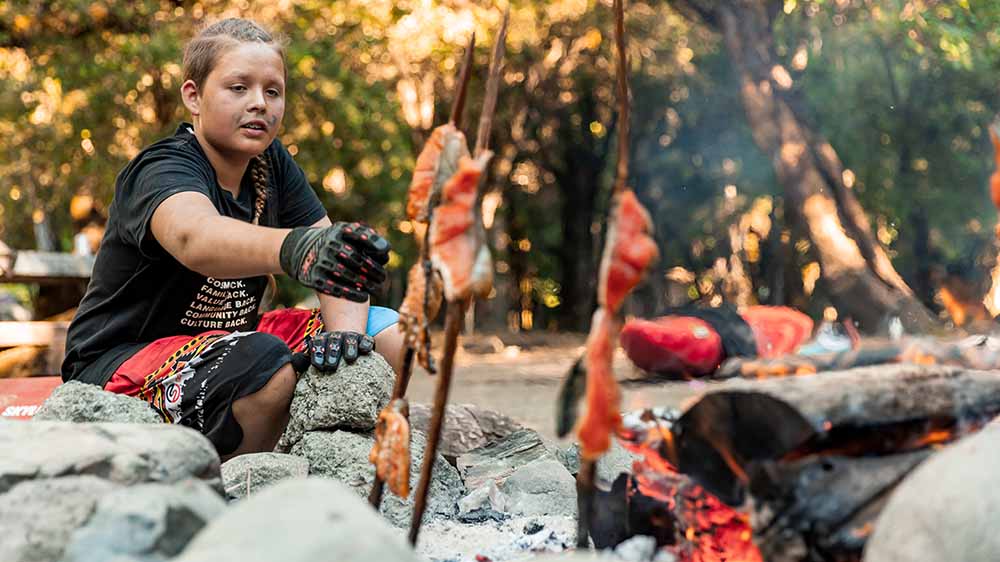
Many Indigenous peoples of the U.S. Pacific Northwest region have historically relied on rivers for food, transportation, and cultural connection. For the people of the Klamath River basin, salmon are critical—the Klamath was once the third highest salmon-producing river in the contiguous United States. After 1918, dams blocked the annual salmon migration and thus severed the Indigenous communities’ historic ties to the river.

Since then, these Indigenous communities have been advocating for dam removal and the return of the salmon. Recently, efforts to remove several dams succeeded, and as of 2024 much of the Klamath flows continuously again.

“It’s just a big moment in history, and in everybody’s lives,” Isqotsxoyan Scott, one of the kayakers, told Oregon Public Broadcasting. “All of our families have been fighting for dam removal. Everybody’s been fighting for us to be able to reach different parts of the rivers that we haven’t been able to in over 150 years.” 

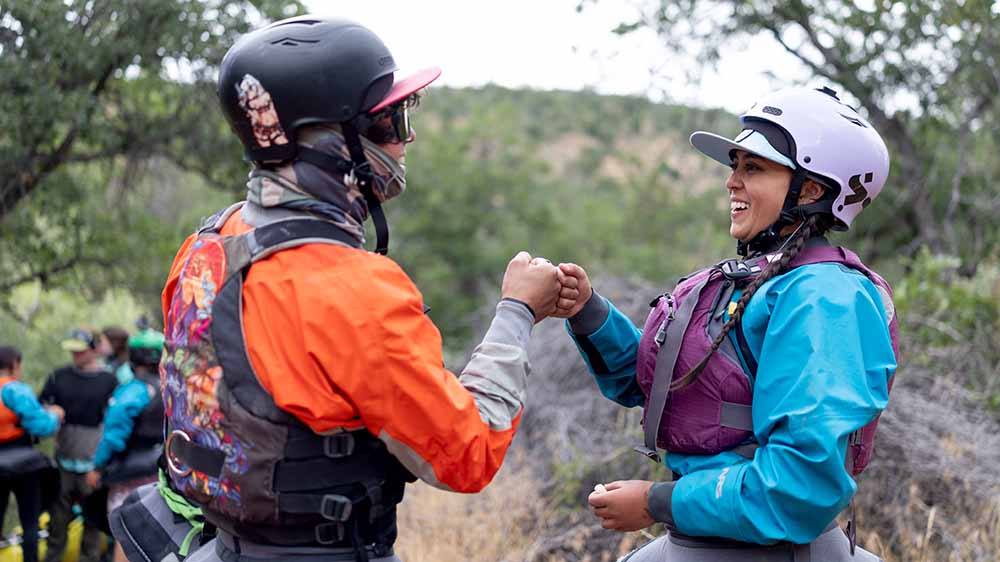
Kayakers like Scott spent years learning to kayak and navigate whitewater rapids in anticipation of this event. A program called Paddle Tribal Waters taught the Indigenous youth the kayaking skills they would need to be the first to paddle the river from its headwaters to the sea. The Klamath River group included young people from many Indigenous groups, including the Yurok, Klamath, Hoopa Valley, Karuk, Quartz Valley, and Warm Springs—all of which have historic connections to the river valley.

The first generation of salmon to be spawned since the dams were built can now make the return trip up the river.

“The river remembers,” said Susan Masten, a member of the Yurok Tribe. “The fish are coming back to spawn where they haven’t been able to be in a hundred years plus. The fish remember. We, as this river system, are healing.”

Click through the slideshow for more photos from this historic journey!

Courtesy of Erik Boomer/Rios to Rivers, Courtesy of Erik Boomer/Rios to Rivers, Courtesy of Erik Boomer/Rios to Rivers, Courtesy of Rios to Rivers, Courtesy of Matt Baker/Rios to Rivers, Courtesy of Erik Boomer/Rios to Rivers, Courtesy of Erik Boomer/Rios to Rivers

Fun Fact

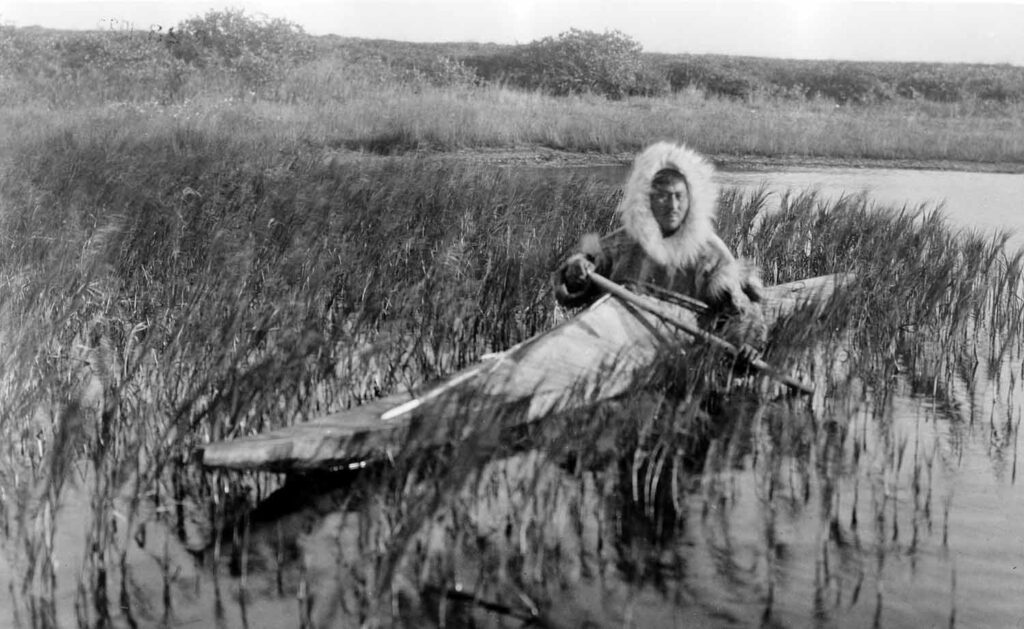
Many cultures made boats for navigating on water, but the kayak originated with the Inuit of Greenland and Alaska. The first kayaks were made using animal skin stretched over driftwood or whalebone frames! 

A man wearing a coat with a fur lined hood kayaks through a marshy area.

Library of Congress, Washington, D.C.; Edward S. Curtis (neg. no. LC-USZ62-116540)

This photo shows a kayaker in 1929.

An Olympics Like No Other

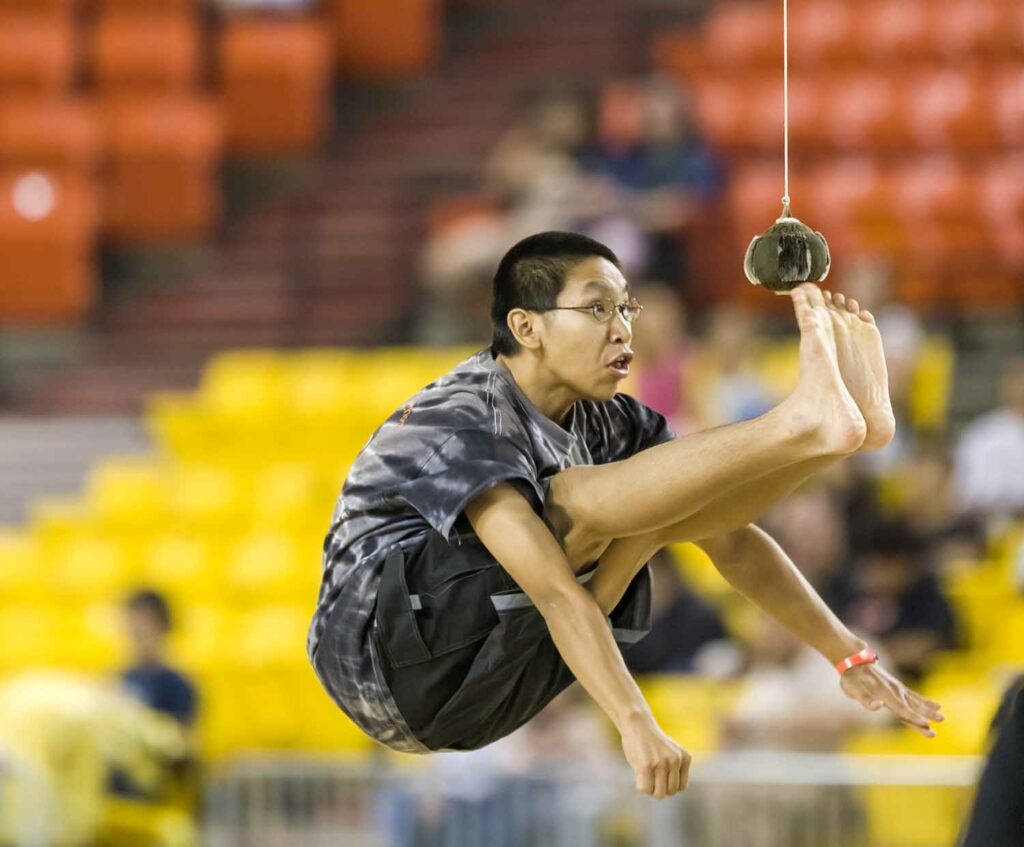
A young man has both feet high in the air and aiming toward a suspended ball.

© Patrick J. Endres—The Image Bank Unreleased/Getty Images

An athlete participates in the two-foot high kick at the 2016 World Eskimo-Indian Olympics.

Each summer, Native Americans and First Nations people gather to compete in the World Eskimo-Indian Olympics (WEIO) in Fairbanks, Alaska, in the United States. These Olympic games are unlike any other, combining athletics, survival skills, and cultural performances that celebrate Arctic Indigenous culture. 

The Arctic is one of the harshest environments in the world. Generations ago, Indigenous people created athletic games to practice survival skills and pass them on to young people. As a result, all the events challenge physical and mental tenacity.

Here are some of the events and their survival origins.

EventDescriptionOriginal Purpose
Scissor broad jumpAthletes travel as far as they can with four continuous jumps. The key is to not lose balance!To master jumping on ice floes and to keep warm
Four-man carryFour people drape themselves over the carrier. The carrier must then carry all of them as far as possible. To train to carry heavy prey or supplies over long distances
One-foot and two-foot high kickAthletes must jump up and kick a hanging ball—usually high above their head—and then land on their feet again. In the one-foot event, the ball-kick and landing must happen on the same foot!To practice communicating a successful hunt to someone in the distance
Dena stick pullTwo people compete against each other to pull a greased stick from the other person’s hand.To practice gripping a slippery fish
Ear pullLike playing tug-of-war with your ears, this game has two people pull on a looped string using only their ears! The goal is to pull the string off the opponent’s ear.To develop endurance to frostbite pain

This year, competitor Colton Paul broke his own world record for the scissor broad jump, leaping 39 feet 4.5 inches (1.199 meters). His previous record was 38 feet 7 inches (1.176 meters).

More than an athletic event, the WEIO also emphasizes cultural connection among the Indigenous communities who gather each year.

“We still have our cultures, we still have our traditions, we still have our languages,” Joeli Carlson told Alaska’s News Source. Carlson is the winner of the 2025 Miss WEIO pageant, another part of the games. “It’s all still intact, and it will be for generations to come.”

Something Seems Fishy

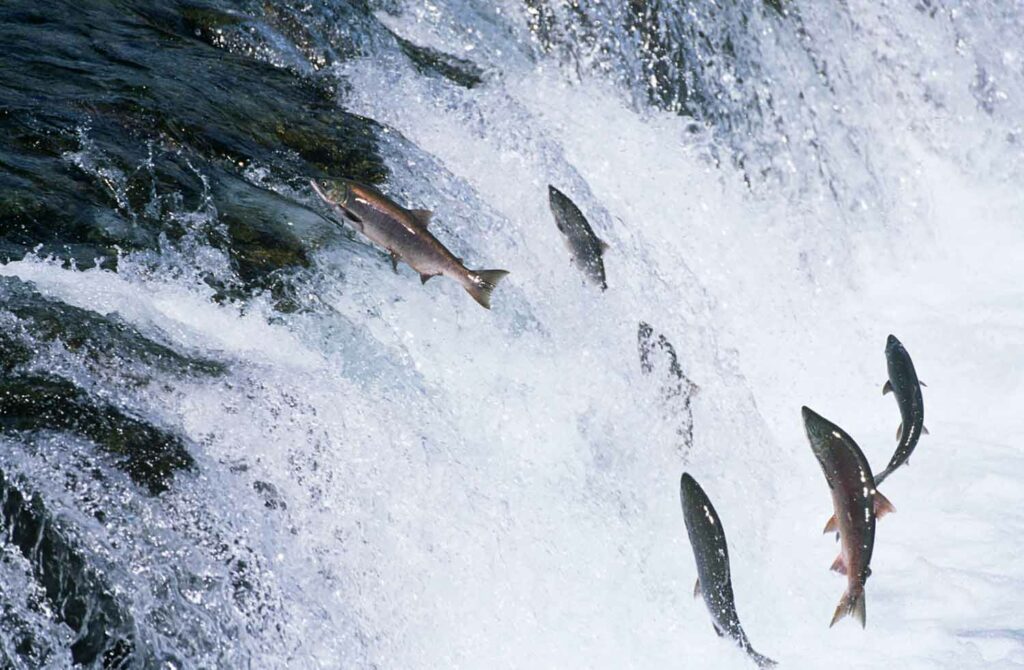
Several salmon are jumping up into a waterfall.

© IPGGutenbergUKLtd—iStock/Getty Images Plus

Salmon are remarkable fish—they travel upstream and jump over waterfalls to return to their spawning streams! The journey leaves the salmon almost unrecognizable. Learn why at Britannica.

WORD OF THE DAY

ineffable

PART OF SPEECH:

adjective

Definition:

: too great, powerful, beautiful, etc., to be described or expressed

Definitions provided by
Merriam-Webster Logo

Word Flower

O
O
O
O
O
O

In Case You Missed It

The island of Corsica showed American colonists that a courageous revolution could defeat an empire.
May 7, 2026
Physicist Narinder Singh Kapany developed fiber optic cables, helping to make the Internet possible.
April 30, 2026
How can you tell whether photos and videos are real or made with AI? Here are a few tips.
April 24, 2026
A seemingly strange bank is saving one of Earth’s most valuable resources.
April 9, 2026

A Million-Dollar Piece of Mars

Closeup of a meteorite from Mars

A Million-Dollar Piece of Mars

A meteorite from Mars recently sold for more than $5 million, but a dinosaur took the prize for highest bid.

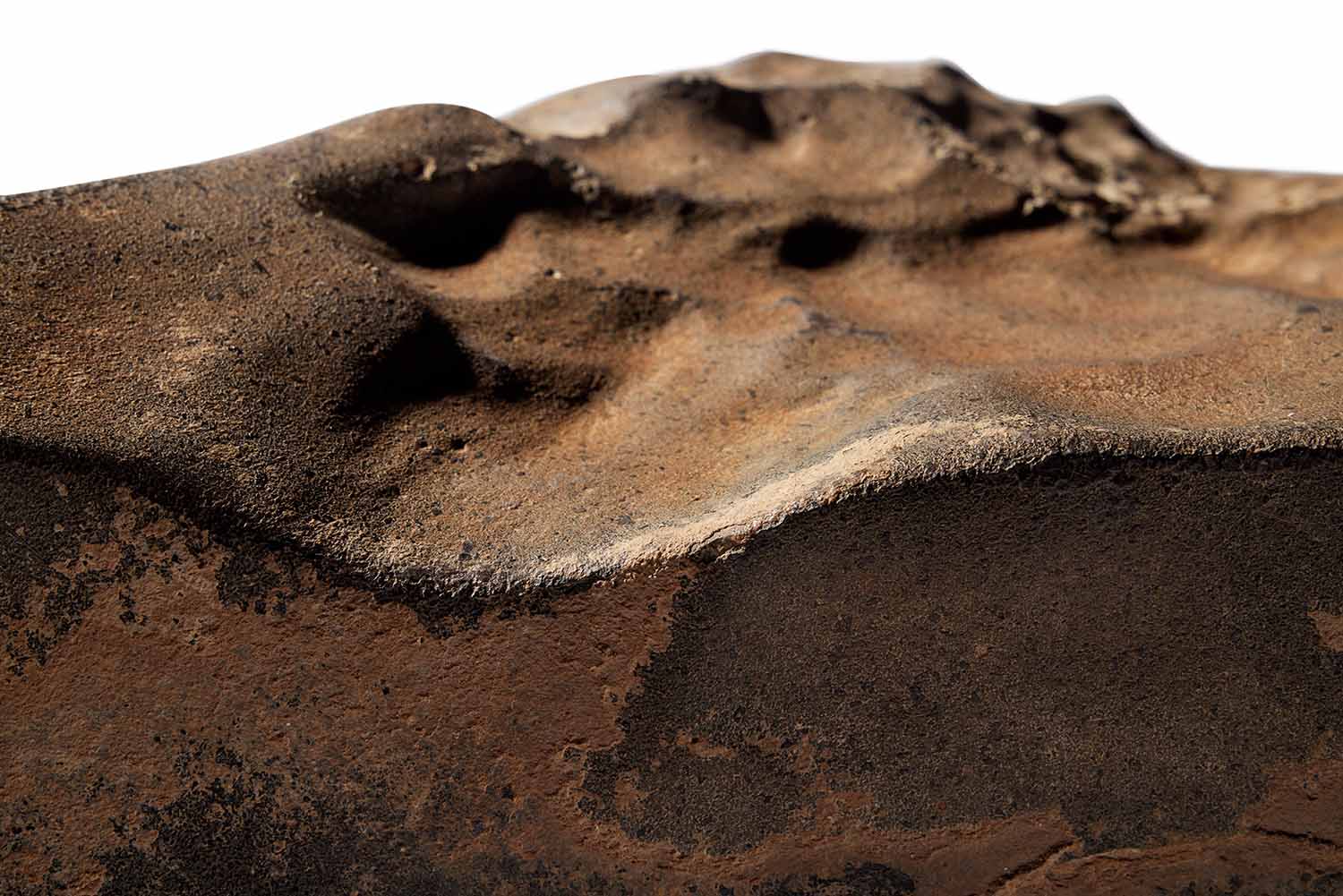
Closeup of a meteorite from Mars

Courtesy of Sotheby’s

This meteorite from Mars is one of the largest ever found on Earth.

It’s hard to imagine that a rock could ever be worth $5 million—unless that rock comes from another planet. A large meteorite from Mars recently sold at auction for $5.3 million. But while the Martian meteorite made headlines in the days leading up to the auction, another item ended up selling for a lot more money.

According to Sotheby’s auction house, a meteorite hunter discovered the rock in the Sahara Desert in the African country of Niger in 2003. The meteorite had traveled 140 million miles (225 million kilometers) to Earth after an asteroid hit the Red Planet and the force of the impact blew the rock off the Martian surface. The meteorite has been named NWA 16788 because it is the 16,778th meteorite to be found in northwestern Africa.

“This remarkable meteorite provides a tangible connection to the Red Planet—our celestial neighbor that has long captured the human imagination,” Cassandra Hatton, vice chair of science and natural history at Sotheby’s, said in a statement.

Meteorites have been discovered all over the world, but NWA 16788 is special for two reasons. First, at 54 pounds (24.5 kilograms) and about the size of a school backpack, it’s one of the largest Mars meteorites ever discovered on Earth. Second, it’s rare. More than 77,000 meteorites have been discovered on Earth, but only about 400 of them came from Mars.

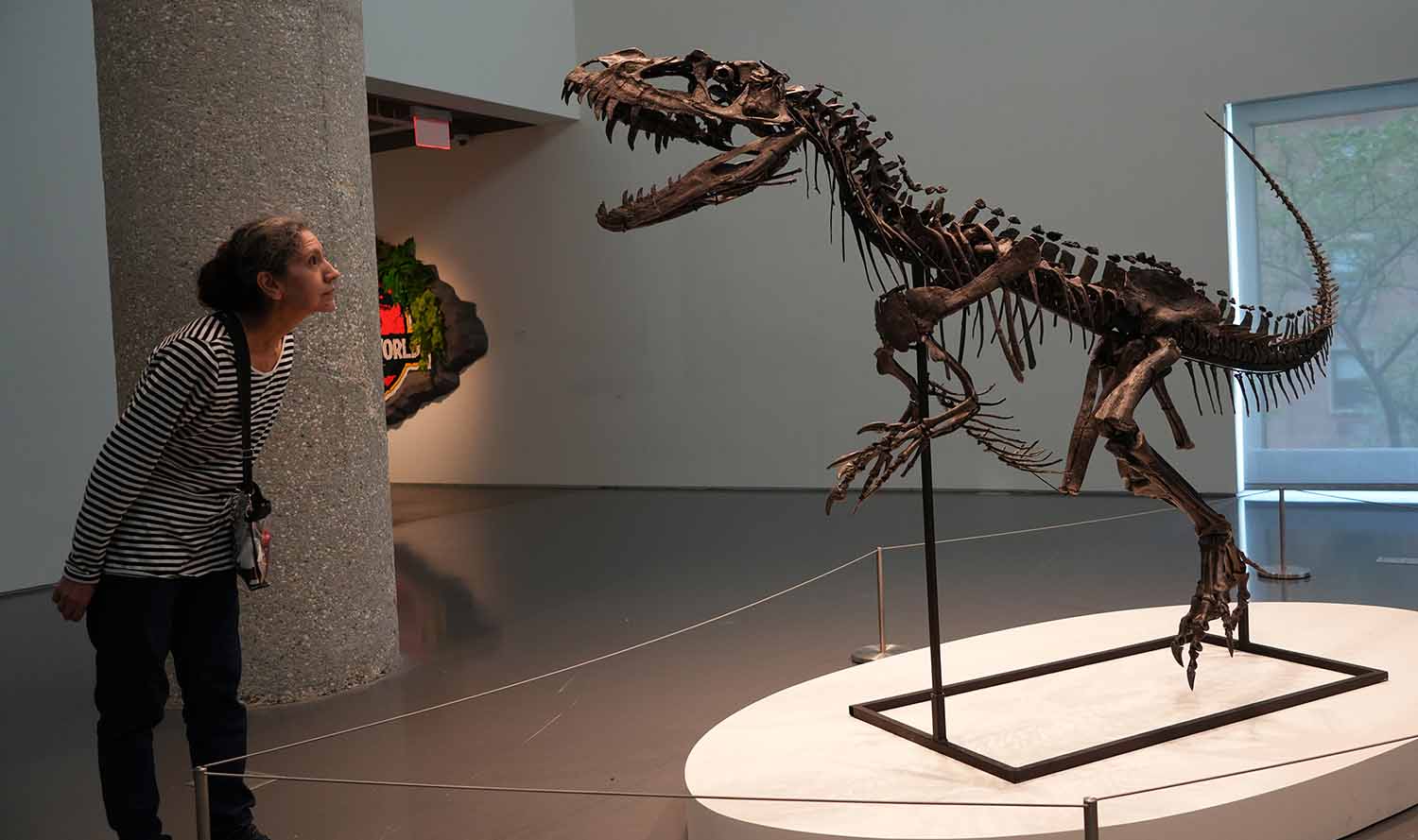
Still, the Martian meteorite wasn’t the highest-valued item at the Sotheby’s auction. That honor belonged to another rare item—the skeleton of a juvenile (young) dinosaur, which sold for more than $30 million. Found near Laramie, Wyoming, in 1996, the skeleton is of a carnivorous species called Ceratosaurus nasicornis, which looked like a smaller version of Tyrannosaurus rex. It’s one of four known C. nasicornis skeletons and the only one from a juvenile C. nasicornis

A woman looks at a dinosaur skeleton that is on display in a room.

© Liao Pan/China News Service—VCG/Getty Images

This skeleton of a young dinosaur sold for more than $30 million.

Now the question is, will these valuable items end up in a private home, a museum, or elsewhere? Although neither buyer has been identified, Sotheby’s said the buyer of the dinosaur skeleton intends to loan it to a museum or other institution. Some scientists said they hoped the meteorite would also end up in an institution.

“It belongs in a museum, where it can be studied, and where it can be enjoyed by children and families and the public at large,” Steve Brusatte, a professor of paleontology and evolution at Scotland’s University of Edinburgh, told CNN.

NEWS EXTRA

Are These Rocks from Mercury?

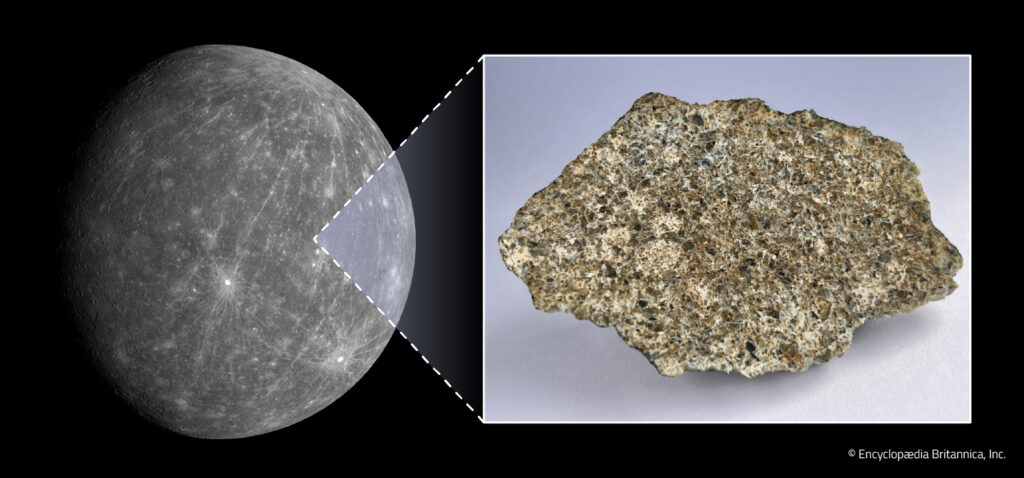
Photo of Mercury from space with an inset of a meteorite that might be from Mercury.

NASA/JHU/APL/Carnegie Institution of Washington, © Jared Collins via The Open University; Encyclopædia Britannica, Inc.

This rock may have originated on the smallest planet in our solar system.

Martian meteorites are rare, yet meteorites from our more distant neighbor, Mercury, were long thought not to exist on Earth. But researchers now believe that two meteorites that were discovered in the Sahara Desert in 2023 may have come from Mercury.

Scientists have suspected for many years that it would be possible for meteorites from Mercury to reach Earth. That’s not true of all the planets in the solar system. For example, the strong gravitational pull and thick atmosphere of Venus probably prevent that planet from gifting us with meteorites. As for Mercury, its nearness to the Sun makes it unlikely that meteorites can reach Earth—but it’s not necessarily impossible.

“Mercury is a lot closer to the Sun, so anything that’s ejected off Mercury also has to escape the Sun’s gravity to get to us. It is dynamically possible, just a lot harder. No one has confidently identified a meteorite from Mercury as of yet,” Ben Rider-Stokes, a researcher at the Open University in the United Kingdom, told CNN.

And while we’ve sent probes to study Mercury, none of those vehicles has been able to bring back physical samples for researchers to study.

If the two meteorites from the Sahara are from Mercury, they would give scientists a new opportunity to study the composition of that planet. Still, Rider-Stokes says it’s unlikely researchers can confirm the origins of the meteorites. Not yet, anyway.

“Until we return material from Mercury or visit the surface,” he said, “it will be very difficult to confidently prove, and disprove, a Mercurian origin for these samples.”

Fun Fact

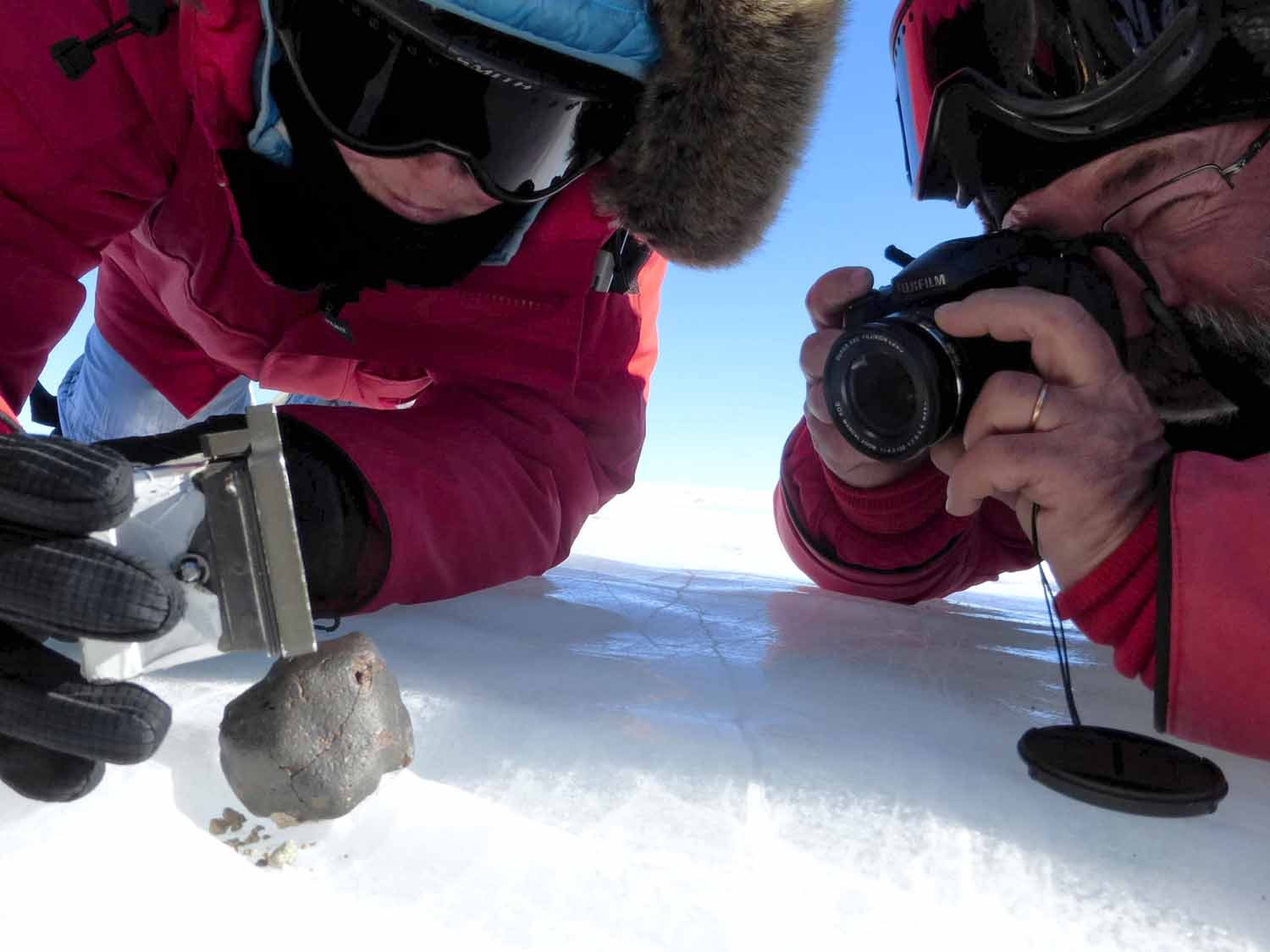
Most meteorites are found in hot and cold deserts, where the lack of rain helps preserve them and the lack of plant life makes them easier to spot. The meteorite in the photo was found in Antarctica, a cold desert.

Two people in heavy coats kneel on an icy surface and use a camera and equipment to collect data on a meteorite that is there.

NASA/JSC/ANSMET

A Martian Volcano

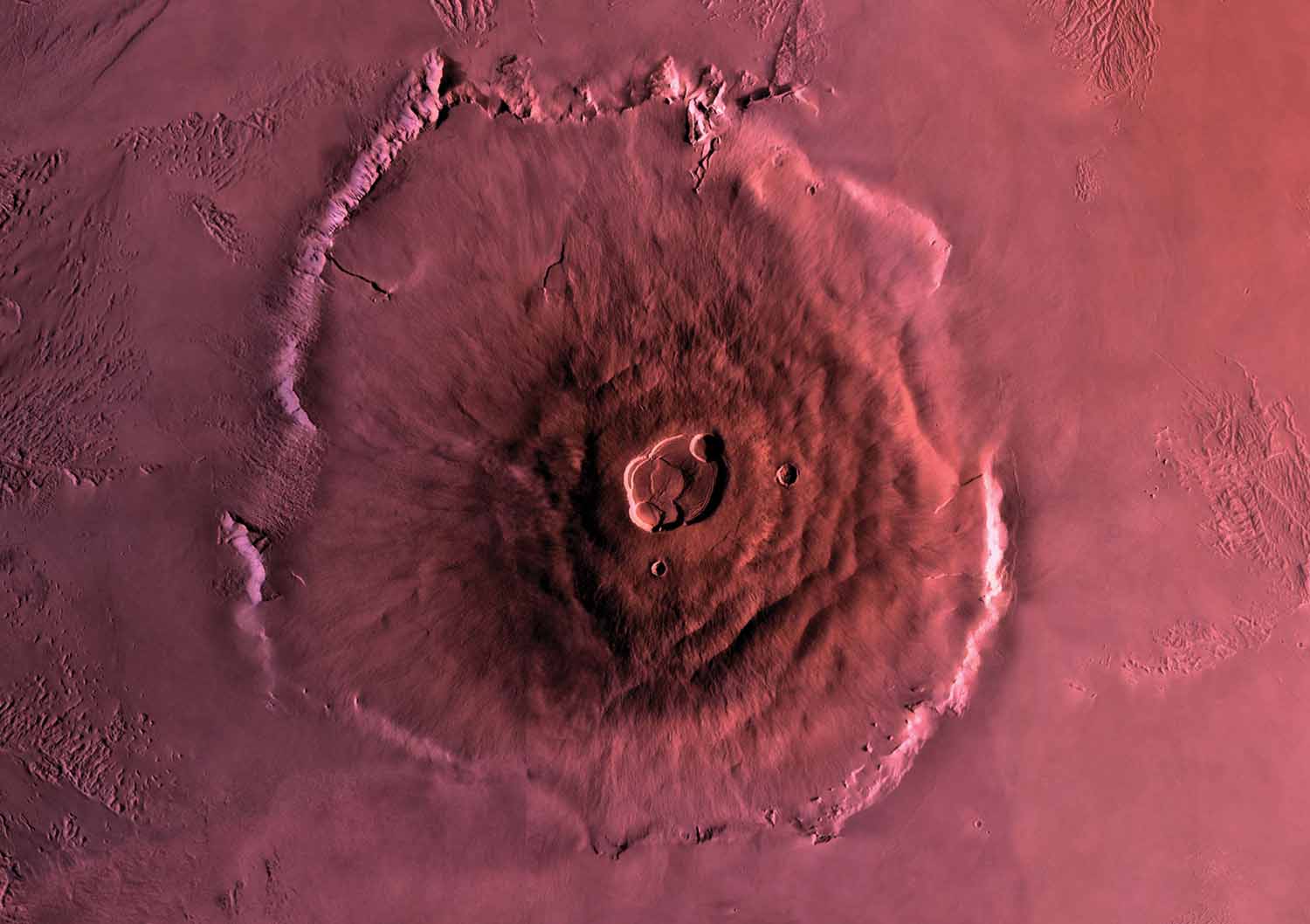
Image of Olympus Mons taken from above with pink tint added.

Photo NASA/JPL/Caltech

Mars is home to Olympus Mons, the tallest volcano in the solar system. Rising 14 miles (22 kilometers) above the surface of Mars, Olympus Mons is more than twice as tall as Mount Everest, the highest point on Earth.

Olympus Mons is a shield volcano, meaning it is wide and dome-shaped. Volcanos get bigger over time as lava on the surface dries and builds up. Scientists believe Olympus Mons reached its incredible size through a series of eruptions that took place over many years—possibly more than a billion!

Is Olympus Mons still active? Scientists think it’s possible, which means the volcano has the potential to erupt again.

More About Mars

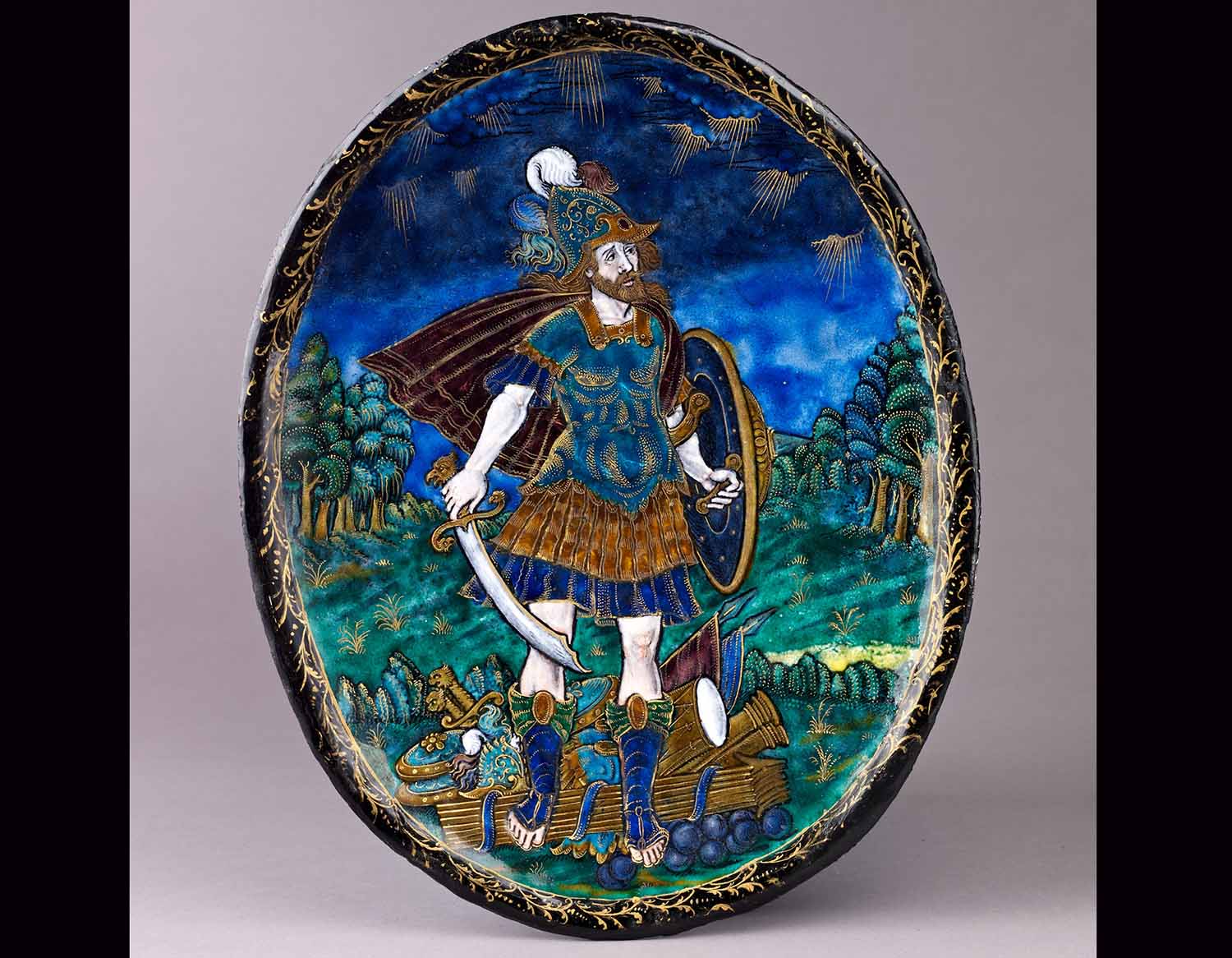
A colorful dish shows the Roman god Mars in Roman military clothing and carrying a sword and shield.

The Metropolitan Museum of Art, New York, (Robert Lehman Collection, 1975, 1975.1.1228)

This dish shows Mars, the Roman god of war. The dish was made in France around 1605, long after the end of the Roman Empire.

The ancient Romans named Mars after their god of war because the planet’s red color reminded them of blood! Learn more about the Red Planet at Britannica.

WORD OF THE DAY

specimen

PART OF SPEECH:

noun

Definition:

: something (such as an animal or plant) collected as an example of a particular kind of thing

Definitions provided by
Merriam-Webster Logo

Criss Cross

O
O
O
O
O
O

In Case You Missed It

The island of Corsica showed American colonists that a courageous revolution could defeat an empire.
May 7, 2026
Physicist Narinder Singh Kapany developed fiber optic cables, helping to make the Internet possible.
April 30, 2026
How can you tell whether photos and videos are real or made with AI? Here are a few tips.
April 24, 2026
A seemingly strange bank is saving one of Earth’s most valuable resources.
April 9, 2026

Making AI Smarter?

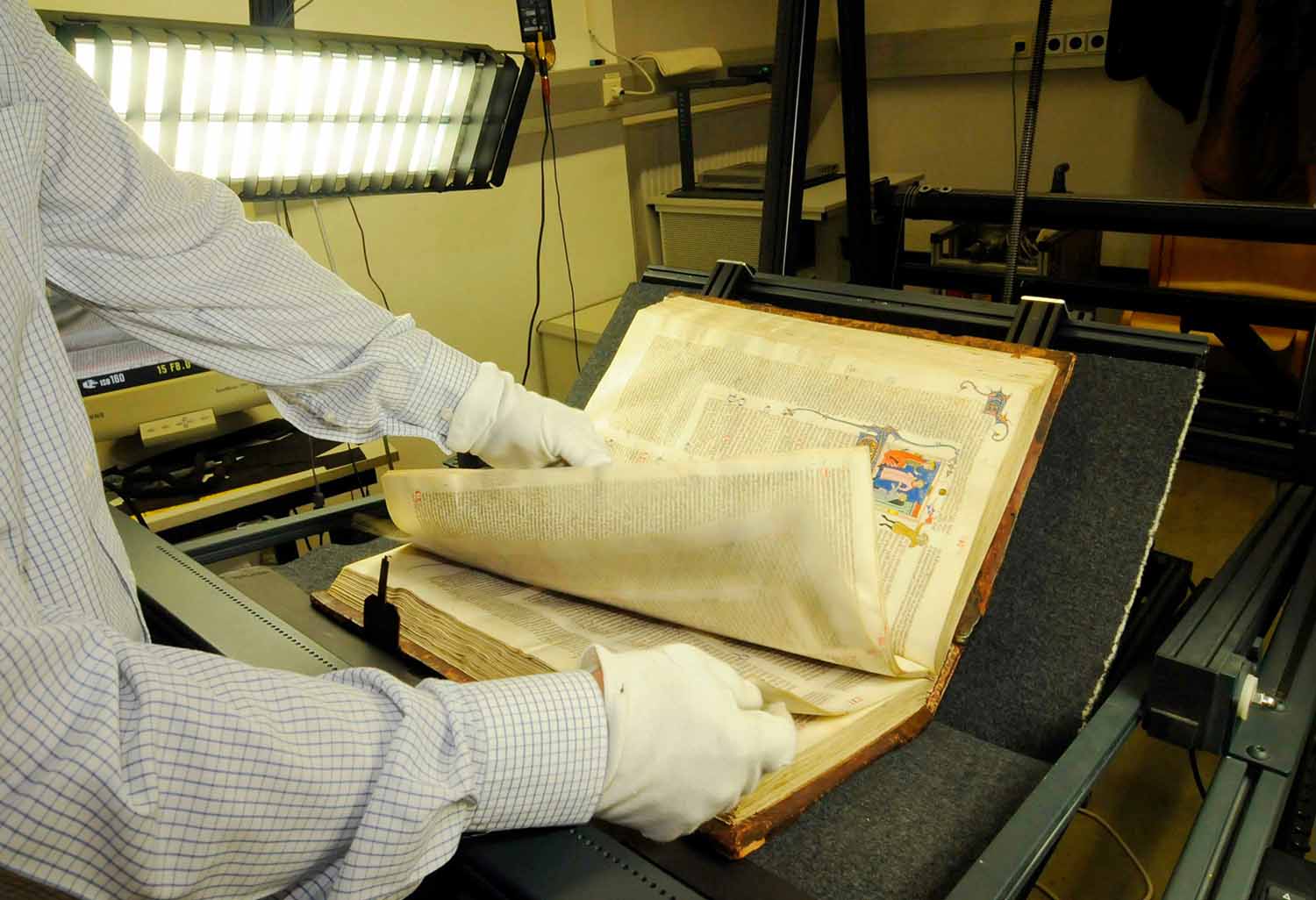
A pair of gloved hands flip through the pages of a very old book that is on a machine, about to be scanned.

Making AI Smarter?

Tech companies are teaming up with libraries to add tons of information to artificial intelligence databases. Will this make AI searches better?

A pair of gloved hands flip through the pages of a very old book that is on a machine, about to be scanned.

© EL MAR/stock.adobe.com

In this photo, a man prepares to scan, or digitize, a very old book. (The scanner in this photo is not related to the projects described in today’s article.)

It might seem as if artificial intelligence (AI) knows everything. But AI bots have only the data people have given them, and that can lead to incomplete, inaccurate, or biased search results. Now, tech companies are working to expand AI’s knowledge, by partnering with libraries around the world.

Companies like Google, Microsoft, and OpenAI (which owns ChatGPT, a well-known chatbot) are working with Harvard University, public libraries, and other institutions to digitize, or put online, parts of their book collections and feed them into the banks of data used to “train” AI. The book subjects range from law to the sciences to literature. 

Expanding AI

The tech companies are eager to expand what AI “knows.” When AI bots, like ChatGPT and Google’s AI Overview, were first developed, the companies fed information into them from various online sources, from scanned books to Wikipedia to social media. Since not all of these sources are reliable, AI search results aren’t always accurate. Moreover, some of the sources that were fed into AI bots were copyrighted, meaning it was illegal to copy them without permission from the author or copyright holder. This has led to numerous lawsuits against the big tech companies. 

There’s also plenty that’s missing from AI’s data collection, including much of the information on library bookshelves. Under the new partnerships with institutions, books will be added only if they are in the public domain, meaning their copyright has expired. In the United States, many copyrighted works enter the public domain once they are 95 years old. 

A view of a reading room at the Widener Library at Harvard University.

© Scott Jones/Dreamstime.com

College students study at Harvard University’s Widener Library. Harvard is among those working with tech companies to scan part of their book collections.

More Information for Everyone

The partnership benefits not only the tech companies but also libraries, which are eager to digitize their collections so that more people have access to them. Digitization is expensive—but now that tech companies are funding the project, libraries can go ahead with it.

“Many of these titles exist only in the stacks of major libraries, and the creation and use of this dataset will provide expanded access to these volumes and the knowledge within,” said Mary Rasenberger, CEO of the Authors Guild, in a statement.

Approach with Caution

No one is sure how these projects will affect AI searches. One concern is that old books often contain outdated or even harmful information. This might include disproven scientific theories or racist language. Librarians say it’s important for people to look closely at the search results returned by AI and think carefully about what information to accept and what to reject.

“When you’re dealing with such a large data set, there are some tricky issues around harmful content and language,” Kristi Mukk, a coordinator at Harvard’s Library Innovation Lab, told the Associated Press. Mukk said it is important to make “informed decisions and use AI responsibly.”

Did You Know?

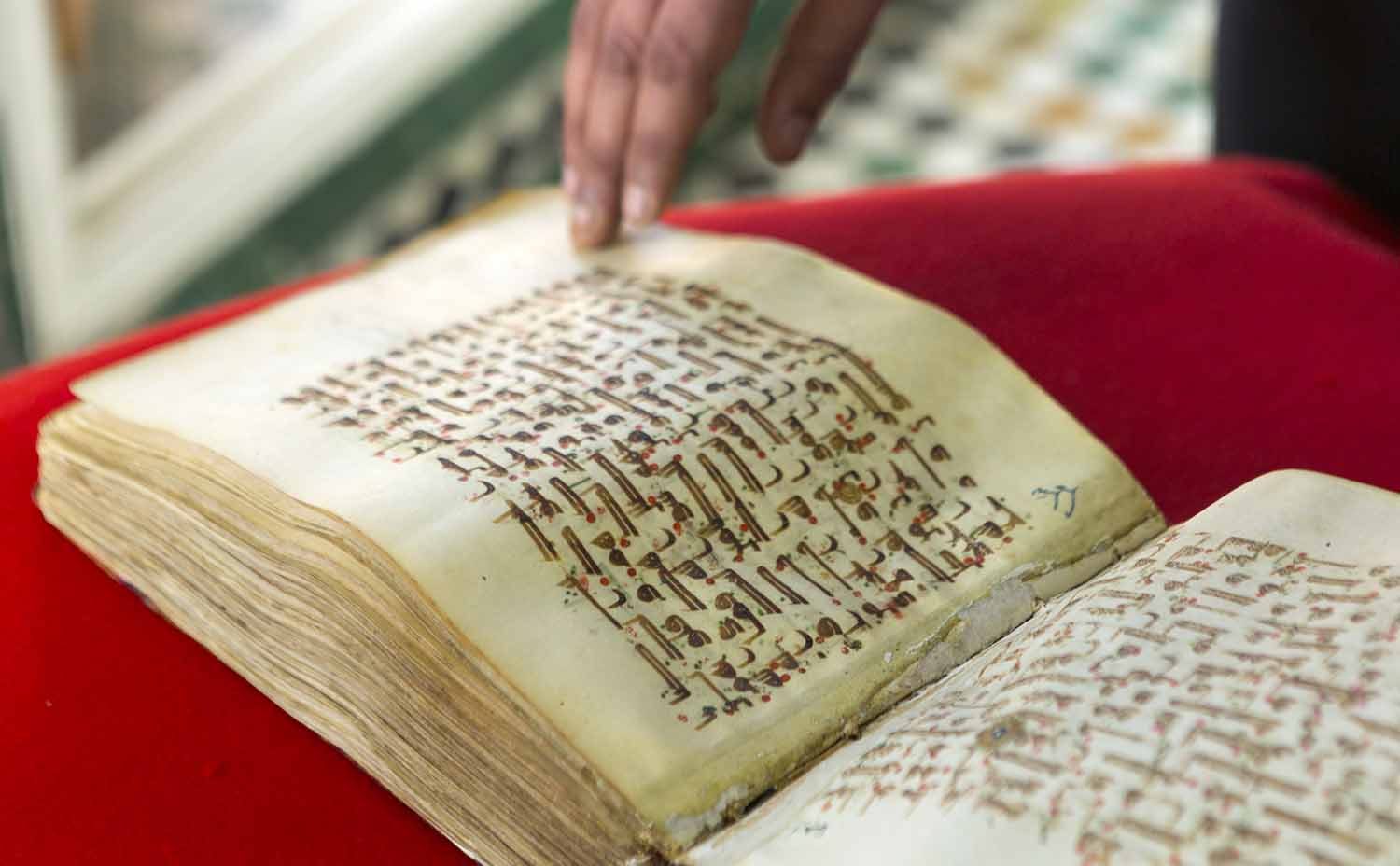
The world’s oldest continuously operating library is in Fez, Morocco. The al-Qarawiyyin Library was founded in 859 by Fatima al-Fihri, who also established a university.

An open, handwritten copy of the Koran with fingertips resting on one of the pages.
© Chris Griffiths—Moment/Getty Images

This copy of the Koran, the holy book of Islam, was made in the 800s, around the time the al-Qarawiyyin Library was founded. The book is now housed at the ancient library.

Human vs. Robot

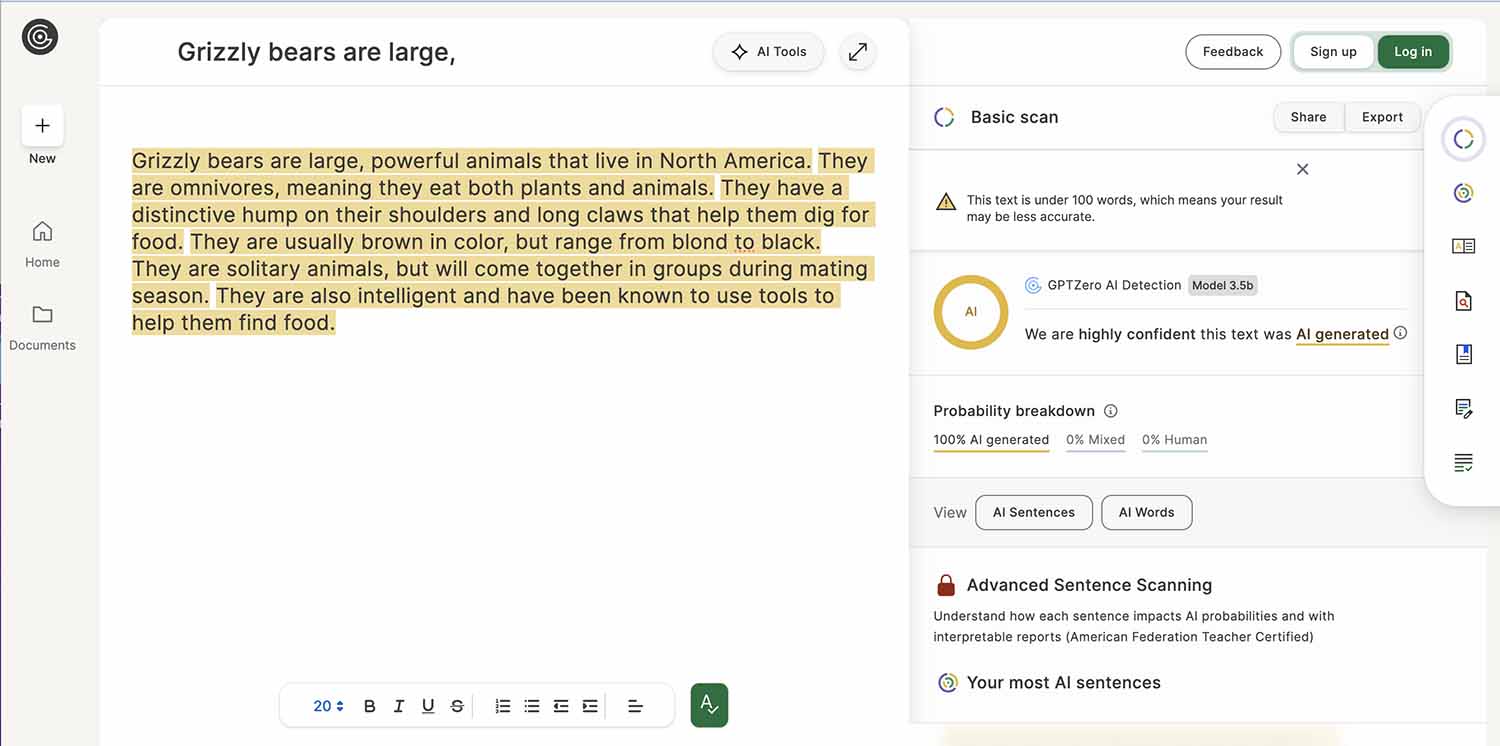
A screenshot of a GPTZero result with text about grizzly bears determined to be AI generated.

Results and interface © GPTZero; Composite image Encyclopædia Britannica, Inc.

Websites like GPTZero are designed to detect whether text was written by a human or by AI.

Chatbots, like OpenAI’s ChatGPT, can not only “chat” with people and answer their questions but also produce on-demand content that sounds almost like it was written by a human. But ChatGPT isn’t perfect, and there are ways to detect when it’s been used.

Numerous tools have been designed to identify AI-generated content, and teachers and employers have become more skilled at telling the difference between human and robot writing, just by examining the language and style. Human writers have their own style. AI doesn’t. Plus, some of ChatGPT’s output is inaccurate, and some of it just doesn’t make sense. 

“It’s a mistake to be relying on [ChatGPT] for anything important,” OpenAI chief executive officer Sam Altman told the Associated Press.

Bringing Reading to the World

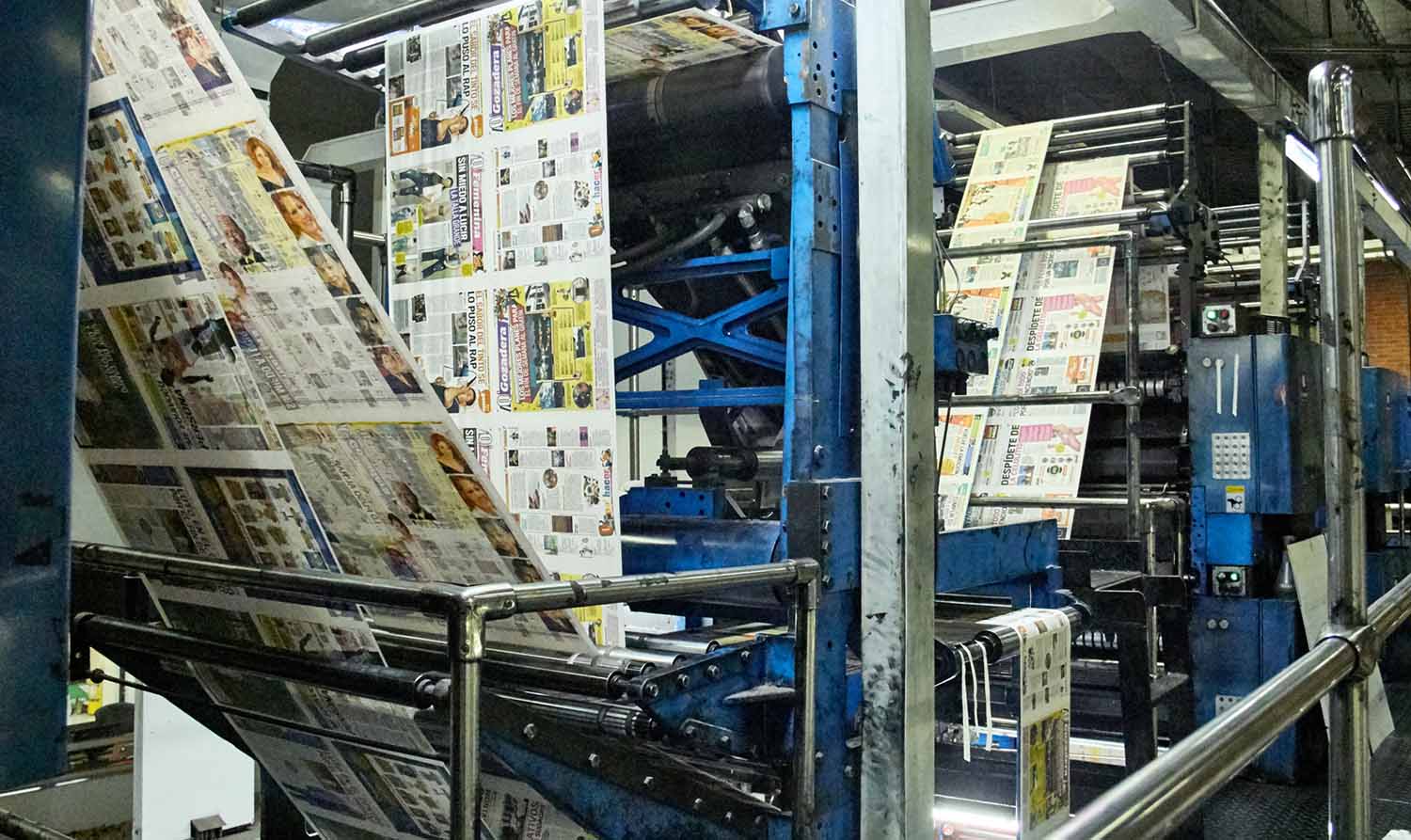
Pages of a newspaper are being produced by a printing press.

© Gustavo Roa/Dreamstime.com

At one time, books were handwritten, making them rare and valuable. The invention of the printing press changed everything. 

Find out how this one invention helped transform the world at Britannica!

WORD OF THE DAY

repository

PART OF SPEECH:

noun

Definition:

: a place where a large amount of something is stored

Definitions provided by
Merriam-Webster Logo

Sudoku

O
O
O
O
O
O

In Case You Missed It

The island of Corsica showed American colonists that a courageous revolution could defeat an empire.
May 7, 2026
Physicist Narinder Singh Kapany developed fiber optic cables, helping to make the Internet possible.
April 30, 2026
How can you tell whether photos and videos are real or made with AI? Here are a few tips.
April 24, 2026
A seemingly strange bank is saving one of Earth’s most valuable resources.
April 9, 2026

A Record-Setting Royal Ring

Side by side, a painting of Marie-Antoinette and her children and a ring with a large pink diamond and several smaller diamonds.

A Record-Setting Royal Ring

A ring containing a diamond that once belonged to a famous French queen sold for nearly $14 million.

Side by side, a painting of Marie-Antoinette and her children and a ring with a large pink diamond and several smaller diamonds.

Nationalmuseum, Sweden, Courtesy of CHRISTIE’S IMAGES LTD. (2025); Photo composite by Encyclopædia Britannica, Inc.

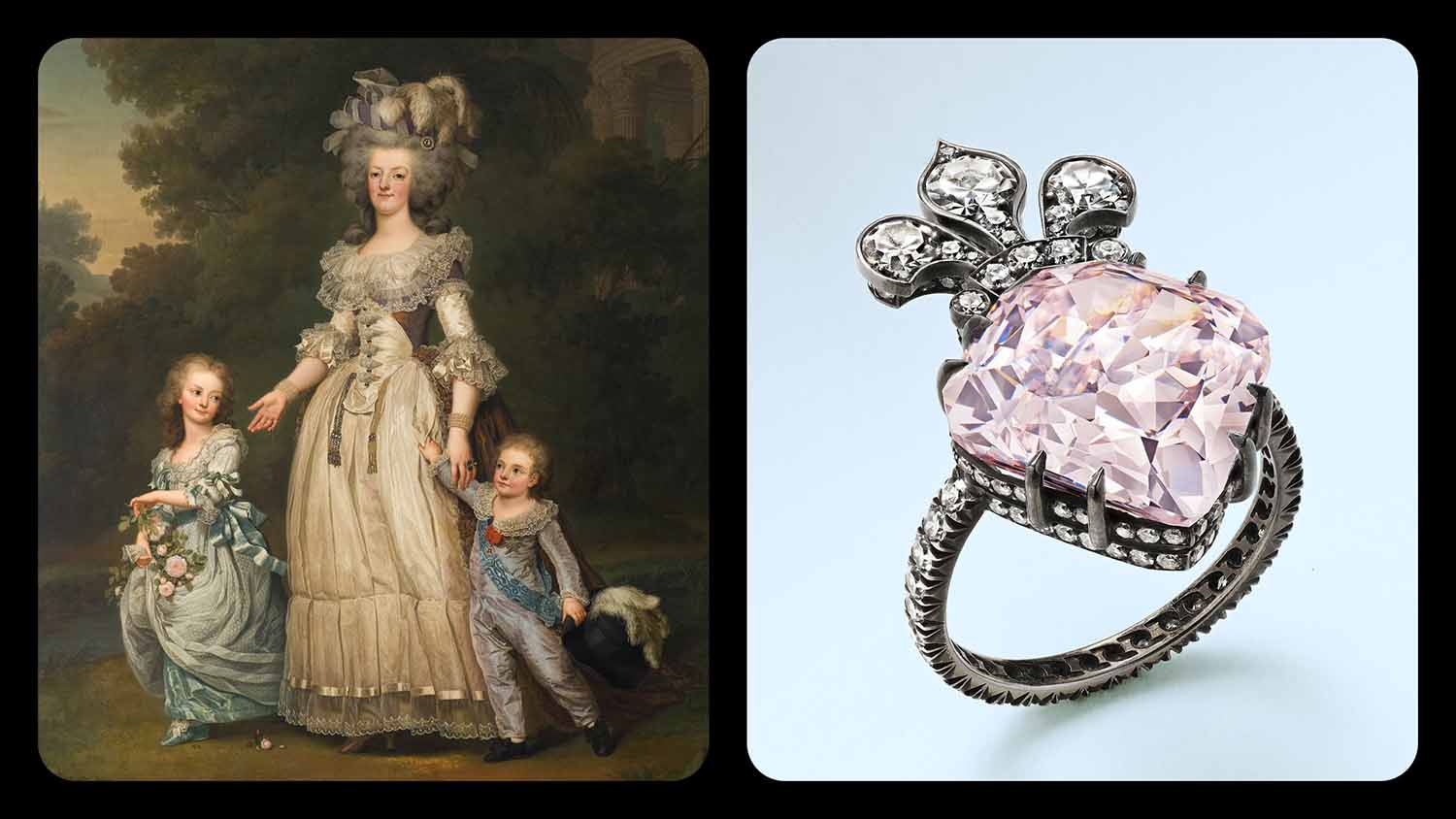
The left side of this image shows Marie-Antoinette (center) and her daughter, Marie-Thérèse. The right side of the image shows the royal family’s pink diamond, which is now part of a ring.

A massive pink diamond ring with ties to French royalty has broken an auction record, selling for nearly $14 million. Estimates had indicated the ring would sell for between $5 and $7 million.

The ring’s pink gemstone has a historic and intriguing legacy, having once belonged to Marie-Antoinette of France, the country’s last queen before the French Revolution of 1789. How the gem survived the Revolution is still a mystery, but it went to Marie-Antoinette’s daughter, Marie-Thérèse. As a result, the diamond is called the Marie-Thérèse Pink.

Marie-Antoinette was the queen consort of King Louis XVI. In the years leading up to the Revolution, there was growing unrest and anger with the royals and aristocracy for extravagant spending and restricting the rights of the people. With the start of the Revolution on July 14, 1789, the people sought to change the country, set up a constitution, and restrict the monarchy’s rule. Marie-Antoinette urged her husband to resist these changes, which made her deeply unpopular among the common people. This is part of the sentiment behind the infamous legend that when Marie-Antoinette was told the people had no bread to eat, she responded, “Let them eat cake!”

Eventually Louis XVI and Marie-Antoinette were imprisoned and executed in Paris.

While the sequence of events surrounding the diamond is uncertain, experts think Marie-Antoinette sent the diamond and other jewels with a trusted coiffeur, or hairdresser, one night when the royals had tried to escape Paris before imprisonment. The escape attempt failed, but the pink jewel made its way out. It was reunited with Marie-Antoinette’s only surviving child, Marie-Thérèse, after the Revolution.

Marie-Thérèse passed the diamond on to other family members before it was sold in 1996. The buyer had the gem turned into a ring by well-known jewelry designer Joel Arthur Rosenthal, who is known as JAR. The diamond stayed out of public view until Christie’s New York’s Magnificent Jewels auction this summer.

“It has everything you could want in a piece of jewelry,” says Rahul Kadakia, Christie’s international head of jewelry. “The stone—likely from the prized Indian region of Golconda—has several shades of soft colors, flashing purple and pink from different angles. And it’s been transformed into a masterpiece by JAR, all while carrying the splendor of royal provenance.”

Did You Know?

Diamonds are measured in carats, the unit for the physical weight of diamonds. A typical engagement ring diamond is 1 to 3 carats. The largest gem-quality diamond discovered is the Cullinan diamond. Before it was cut into smaller diamonds, the Cullinan diamond weighed about 3,106 carats!

A brooch made from the Cullinan diamond and featuring square and oval diamonds is held in two fingers.
© Samir Hussein—WireImage/Getty Images

This brooch, or pin, was made from the Cullinan diamond.

A Cycling Revolution

A man and two children wearing helmets ride bicycles on a Paris street.

© Olivier Dijann—iStock/Getty Images

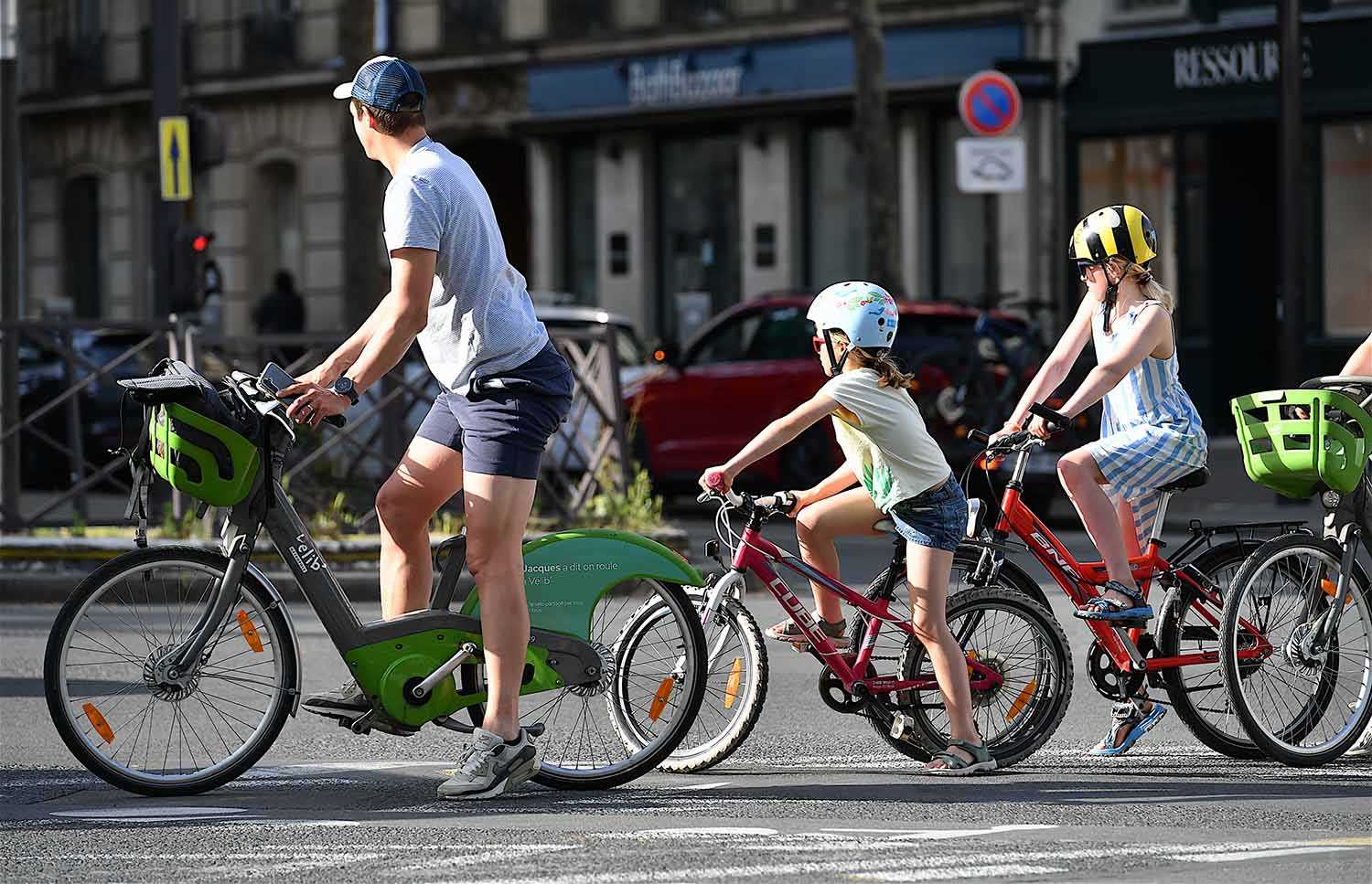
A man and two children ride their bikes on the streets of Paris, France.

The COVID-19 pandemic, which began in 2020, changed many things about daily life around the world. One of those changes has made Paris, France, into Europe’s most bicycle-friendly city for kids. An organization called the Clean Cities Campaign (CCC) has ranked the French capital first out of 36 cities in child-friendly urban mobility, meaning children are safe to move around the dense city by foot or bike.

This wasn’t always the case. Before 2020, the streets of Paris were known for terrible traffic jams and dense parking.

But when the COVID-19 pandemic hit, more Parisians turned to cycling to get around and avoid crowded buses and subways. The increased interest in riding bicycles around the city has fueled Mayor Anne Hidalgo’s ambitious plan: to make 100 percent of Paris streets cyclable by 2026. 

To do this, the city is investing in creating dedicated bike lanes, adding bike racks for secure bike parking, and reducing road speeds so that motorists drive more slowly. Paris has also increased the number of “school streets” in the city, meaning that biking and walking are prioritized and cars are limited in those areas. 

As cycling has become increasingly popular as a convenient and healthy transportation system, the city has gained the benefit of reduced pollution from cars. Some forms of air pollution have dropped by more than 50 percent in the past 20 years. There are still traffic jams, but the city is changing slowly.

“A city’s creativity doesn’t depend on cars,” said Hidalgo in an interview with the Financial Times. “That’s the 20th century. We’re in the 21st.

Liberty, Equality, Fraternity

Fireworks are in the sky over and behind the Eiffel Tower.

© Olympia de Masimont—AFP/Getty Images

Each year on July 14 the French people celebrate Bastille Day with fireworks. This national holiday commemorates the start of the French Revolution when Parisians stormed the Bastille, a royal prison. Read more about the event and the revolution at Britannica. 

WORD OF THE DAY

storm

PART OF SPEECH:

verb

Definition:

: to attack (something) suddenly with a lot of force or with a large number of people

Definitions provided by
Merriam-Webster Logo

Word Flower

O
O
O
O
O
O

In Case You Missed It

The island of Corsica showed American colonists that a courageous revolution could defeat an empire.
May 7, 2026
Physicist Narinder Singh Kapany developed fiber optic cables, helping to make the Internet possible.
April 30, 2026
How can you tell whether photos and videos are real or made with AI? Here are a few tips.
April 24, 2026
A seemingly strange bank is saving one of Earth’s most valuable resources.
April 9, 2026

Hope for the Axolotl

A pink axolotl is facing the camera with its front feet resting on a rocky surface.

Hope for the Axolotl

A captive breeding program could provide a boost for an endangered animal that’s like no other.

A pink axolotl is facing the camera with its front feet resting on a rocky surface.

© Paul Starosta—Stone/Getty Images

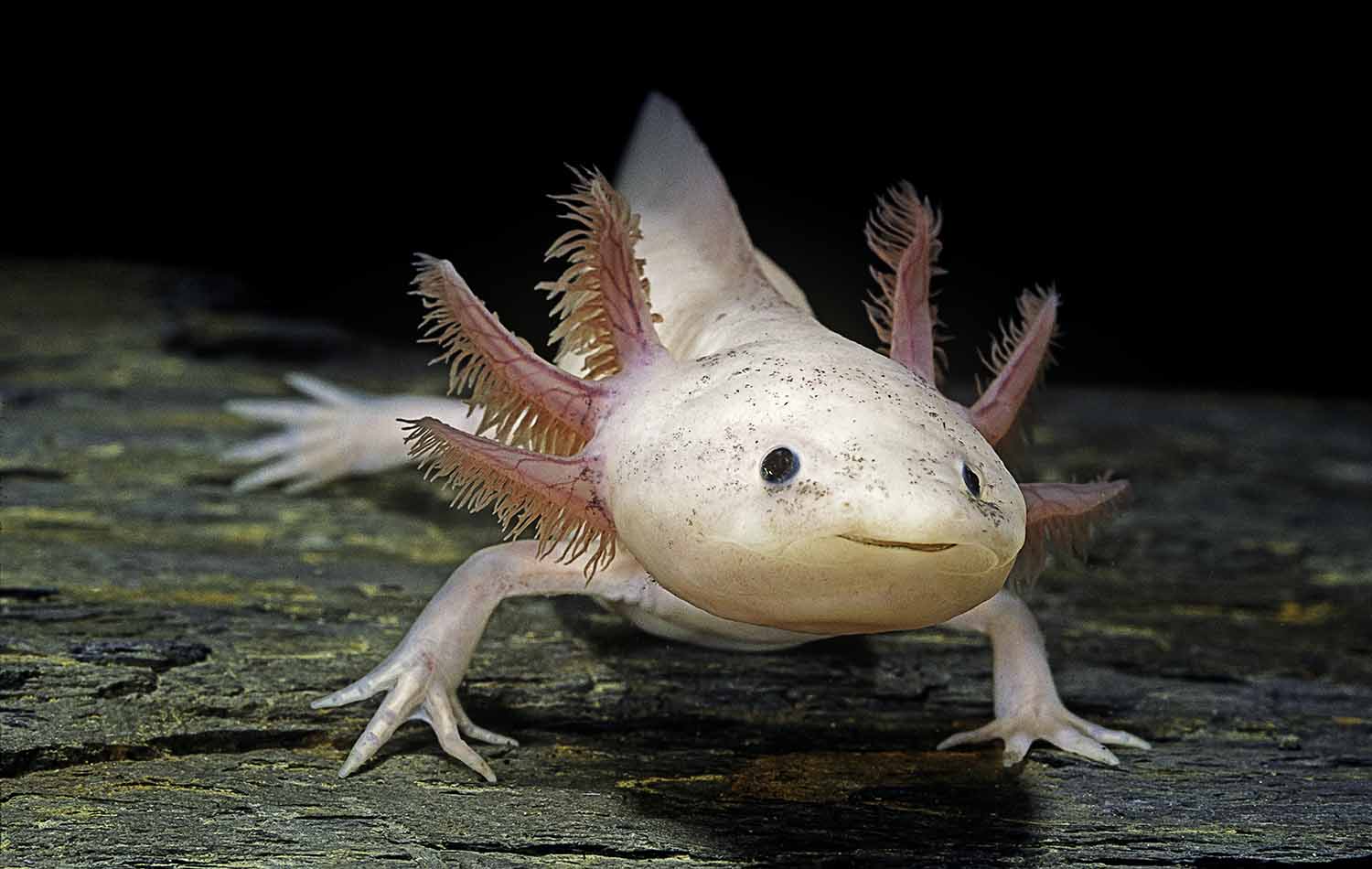
This type of axolotl is white or pale pink because it does not have melanin pigmentation. Most wild axolotls are brownish.

Conservationists in Mexico are celebrating the early success of a program that may help save one of Earth’s rarest salamanders, the axolotl. The axolotl (ak-SUH-lah-tul) is a salamander with frilly gills and a mouth that appears to be smiling. This cute amphibian is considered critically endangered, and wildlife experts are racing to protect the wild population from extinction.

Axolotls once thrived in the abundant lakes and wetlands in the area that became Mexico City, Mexico. At that time, the area was the center of the powerful Aztec empire and the location of a body of water called Lake Texcoco. The Aztecs built a city in the middle of Lake Texcoco called Tenochtitlán. The people of this island city utilized and developed the natural waterways for transportation, food, and fishing. But after the Spanish took over Tenochtitlán in the 1500s, they drained the lake and, with it, much of the axolotl’s habitat. Urbanization of Mexico City and the surrounding area has further degraded the remaining wetlands.

Today, wild axolotls can be found only in the city’s Lake Xochimilco, where there may be as few as 50 to 1,000 individuals. Conservationists like Alejandra Ramos are hoping to save this rare animal from extinction with a captive breeding program that releases captive axolotls into the wild. Ramos leads a team of researchers who are breeding axolotls in captivity with the hopes of reviving the wild population.

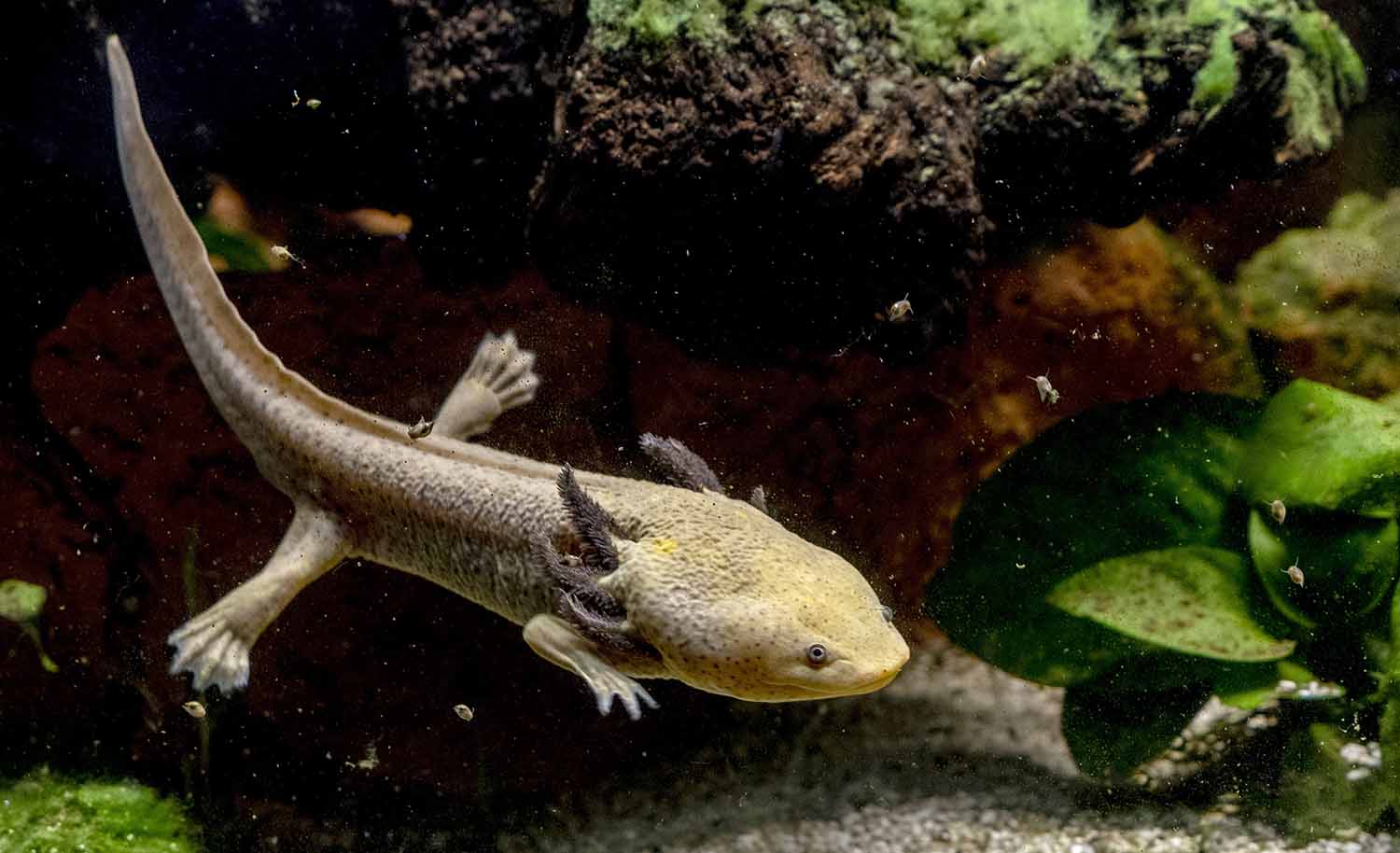
An axolotl swims in an aquarium with vegetation behind it.

© izanbar—iStock/Getty Images

An axolotl swims in an aquarium.

In April of this year, Ramos published a research paper that indicates the captive breeding program has had a successful start. In 2017 and 2018, her team released 18 captive-bred axolotls into Mexico City wetlands—eight in a pond and 10 in a restored canal. Using tagging devices on the released animals, Ramos and her team tracked and observed the axolotls and found that all 18 individuals had survived, gaining weight and growing in their new habitats over the course of five weeks.

In other words, the axolotls appear to be thriving in the wild.

“If they had been skinny or ill, that would have been really, really bad for us,” said Ramos in an interview with Science News. “That captive-bred axolotls can actually survive in the wild … it’s really important for conservation.”

Did You Know?

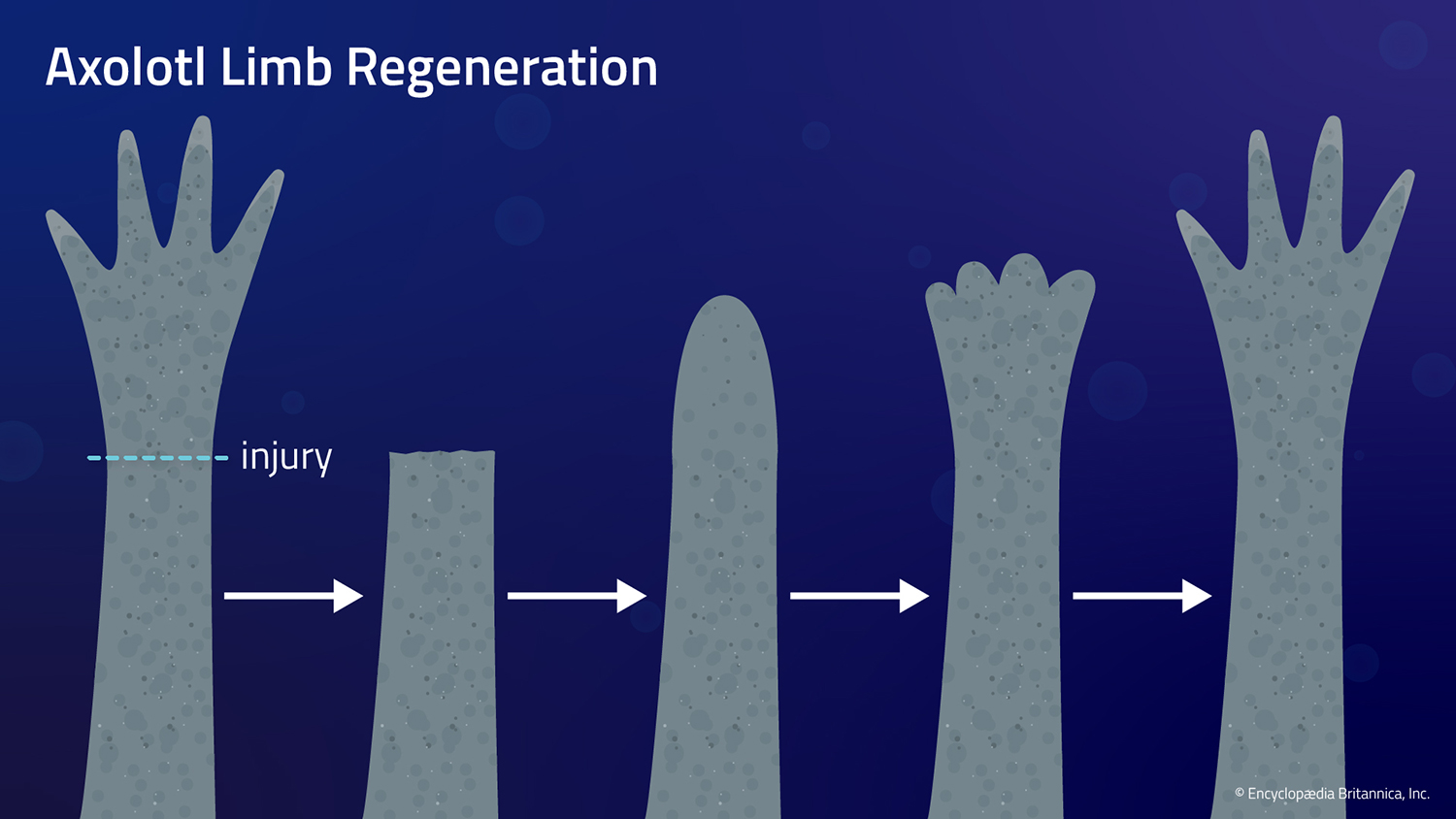
Axolotls have a special skill—they can regenerate, or regrow, almost any part of their bodies. Injured axolotls can regrow lost limbs, skin, tails, and even part of their brains!

A diagram shows five stages of axolotl limb regeneration, from injury to full regrowth.

Encyclopædia Britannica, Inc.

The Aztecs’ Floating Farms

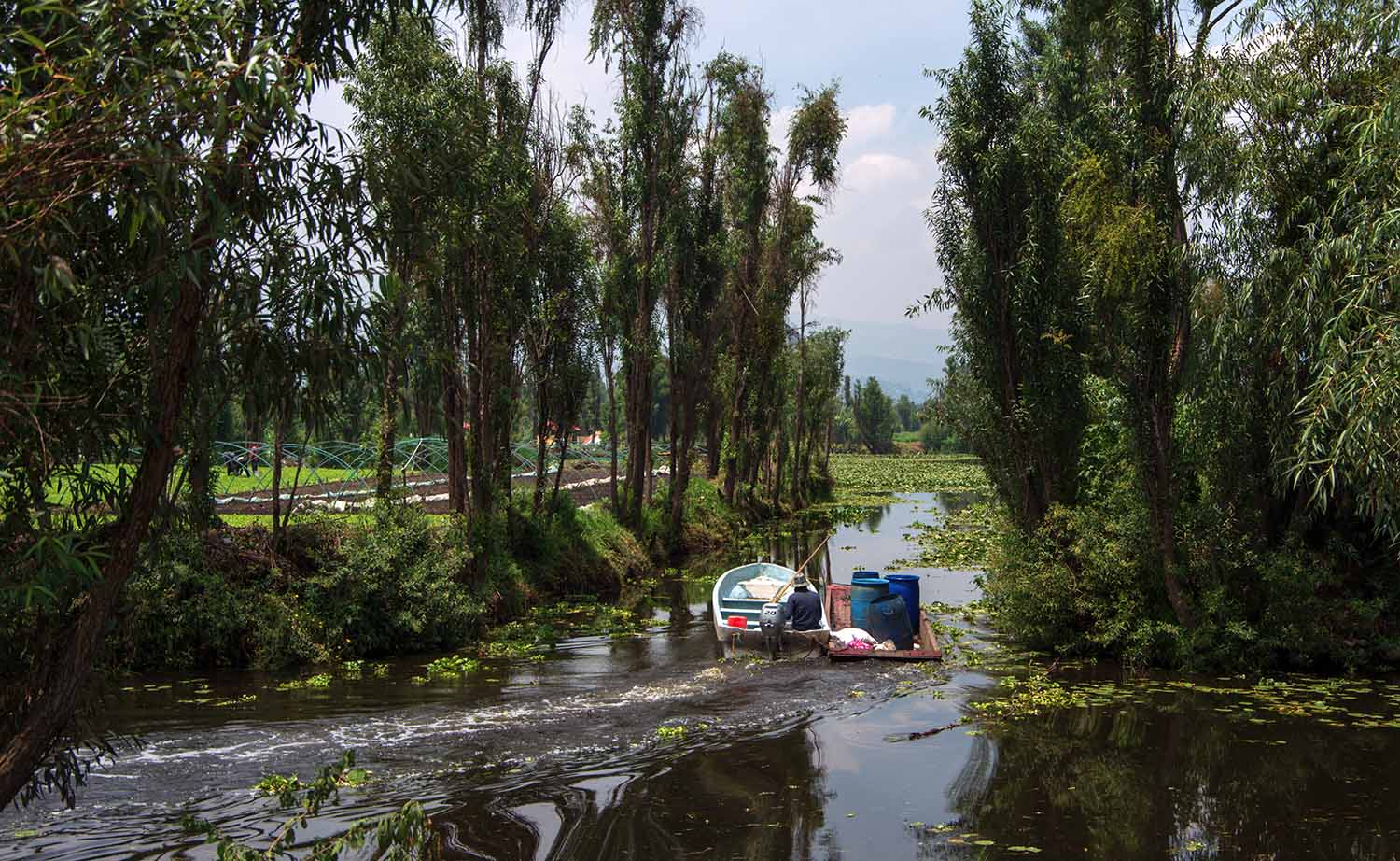
A farmer travels down a canal next to a farm in a motorboat with another small boat carrying supplies.

© Simon McGill—Moment/Getty Images

A farmer travels down a canal in Mexico City that was originally created by the Aztecs.

The Aztecs of Tenochtitlán built a massive city in the middle of Lake Texcoco, which was connected to a series of smaller lakes. Experts believe that nearly 400,000 people lived in this water-based civilization, which thrived for about 200 years. But how could an island city support so many people without any farmland? They used water instead.

The Aztec people, whose descendants still live in Mexico, created a network of floating gardens to grow food for the people of Tenochtitlán. Called chinampas, these small artificial islands of soil float on top of the lake. They were made by piling soil and lake sediment on top of a raft of woven reeds. Crops and even trees could grow on this island farmland, which could be anchored in the shallow lake, or moved around with a canoe.

The Aztecs’ chinampas were typically narrow and long—very long—measuring about the width of a tennis court and the length of a soccer field. The fertile soil and abundant water made the floating gardens productive enough to supply food to a massive city.

Today, people still farm on chinampas on Lake Xochimilco in southern Mexico City. Though not as extensive as they used to be during the Aztec empire, the chinampas remain a source of food and a site for tourism in the area. They also provide the last remaining habitat for wild axolotls.

Amazing Axolotls

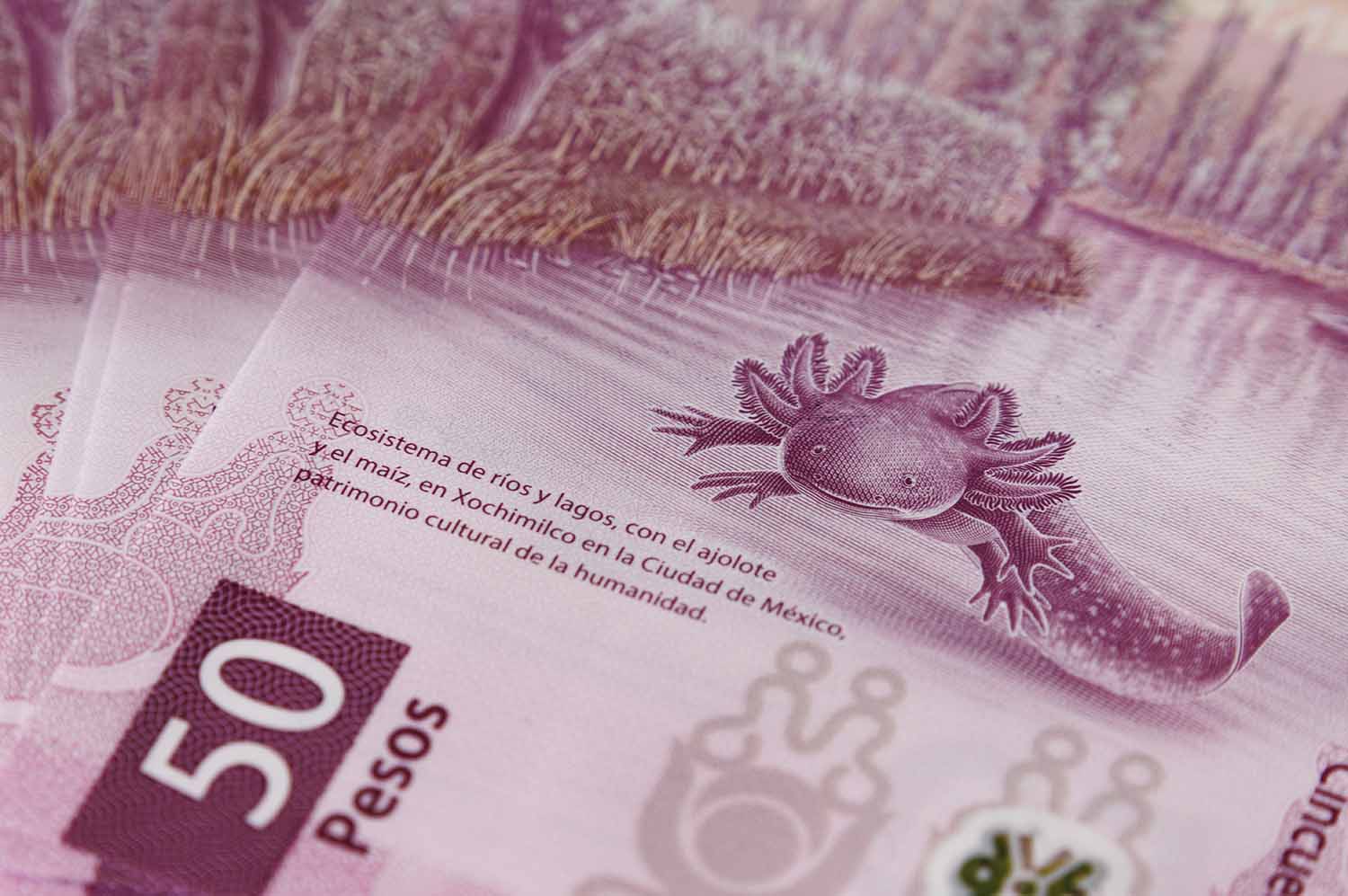
A 50 peso note features an axolotl in a body of water.

© Eder Marcos Camacho Gomez—iStock/Getty Images

The axolotl is featured on Mexico’s money, specifically its 50-peso note.

Besides the ability to regenerate body parts, axolotls have many other unique characteristics. Learn all about this animal at Britannica!

WORD OF THE DAY

regenerate

PART OF SPEECH:

noun

Definition:

: to grow again after being lost, damaged, etc.

Definitions provided by
Merriam-Webster Logo

Criss Cross

O
O
O
O
O
O

In Case You Missed It

The island of Corsica showed American colonists that a courageous revolution could defeat an empire.
May 7, 2026
Physicist Narinder Singh Kapany developed fiber optic cables, helping to make the Internet possible.
April 30, 2026
How can you tell whether photos and videos are real or made with AI? Here are a few tips.
April 24, 2026
A seemingly strange bank is saving one of Earth’s most valuable resources.
April 9, 2026

Lab Rats Save Lives

A rat in an enclosure sniffs a slide as a woman in a lab coat observes.

Lab Rats Save Lives

Lab rats are being trained to detect a deadly disease called tuberculosis.

A rat in an enclosure sniffs a slide as a woman in a lab coat observes.

Courtesy of APOPO

An APOPO rat that has been trained to detect tuberculosis sniffs saliva samples for signs of the disease.

When you hear the term “lab rat,” you may picture a rat running through a maze while scientists in lab coats take notes for research. Specially trained lab rats in Tanzania and Mozambique have a different job. They help their human colleagues detect a deadly infectious disease.

The African giant pouched rat isn’t just the largest rat species in the world. It also has a keen sense of smell, which people have realized could be useful for detecting things that humans and machines cannot. An organization called APOPO has trained some of these rats to detect tuberculosis (TB), a bacterial disease that affects the lungs and causes coughing, difficulty breathing, and chest pains.

TB spreads quickly and can be deadly if left untreated. The World Health Organization says that 10 million people around the world get sick with TB each year. Fortunately, medicine and antibiotics can treat TB if it is caught in time. This is where the helpful lab rats, which APOPO calls HeroRATs, come in.

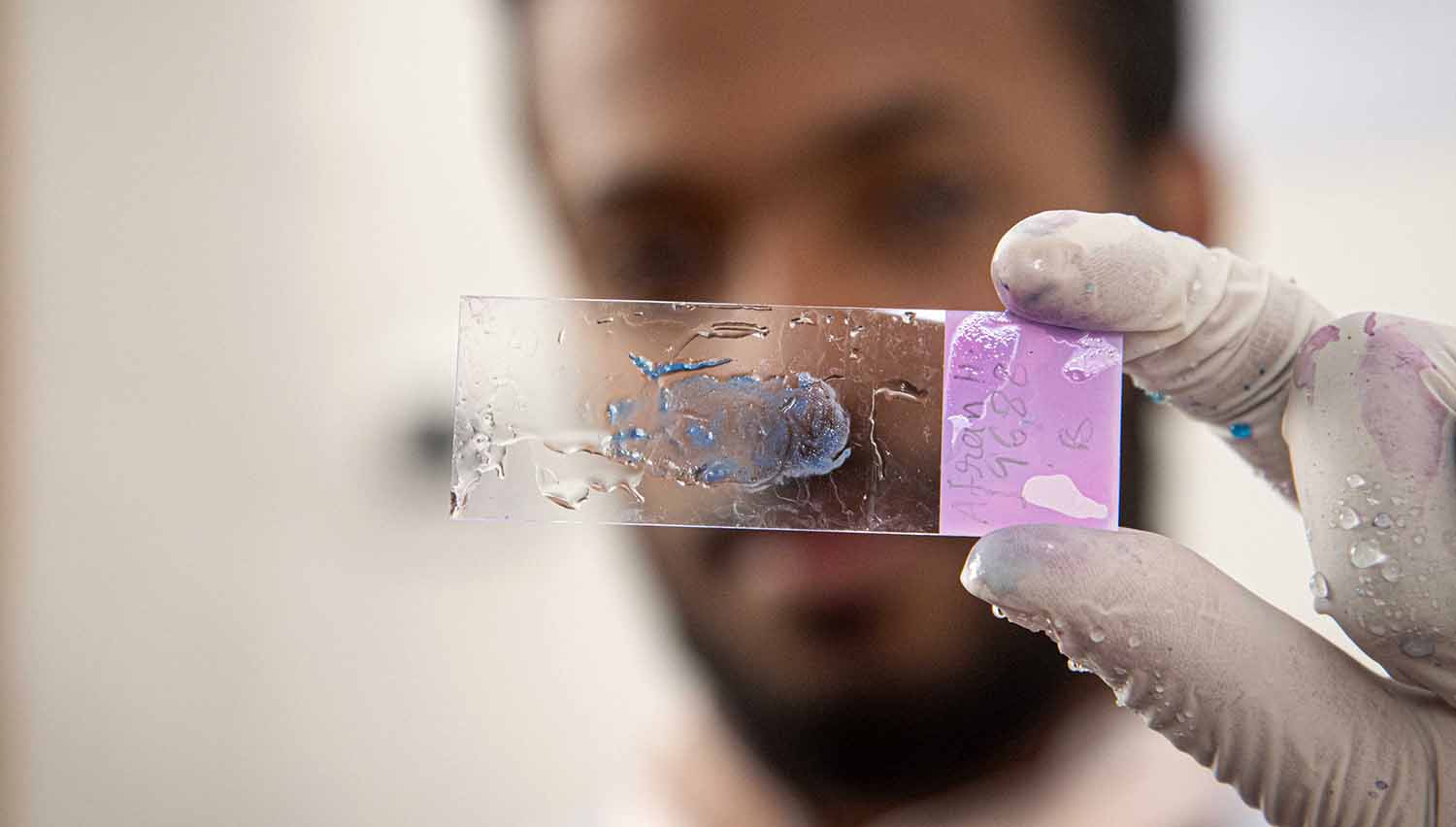
A man wearing a rubber glove holds up a slide containing a saliva sample.
Courtesy of APOPO

A lab technician shows a slide with a saliva sample that is being used in APOPO’s tuberculosis detection program.

Here’s how the rats do their job: a doctor sends patient saliva samples to a laboratory for testing, where human lab technicians perform an initial screening with bacteria-detecting tools. Afterward, the HeroRATs do a sniff test of the samples to “double check” whether any TB-containing samples have been missed. In many cases, the rats can identify samples where the bacterial amounts are too small for conventional laboratory tools to detect.

As a result, the rats have been successful in helping humans identify TB patients who would otherwise be missed. APOPO reported that its HeroRATs increased the TB detection rate by 48 percent in facilities in Tanzania. In other words, the HeroRATs detected an additional 2,176 TB patients, meaning thousands of sick people received treatment for the disease so that they would not spread it to others.

A man smiles and looks at a rat that he is holding up to the camera.
Courtesy of APOPO

An APOPO employee holds one the African giant pouched rats that have been trained to detect signs of danger.

Since APOPO began this work, HeroRATs have detected enough missed cases to prevent more than 300,000 possible TB infections.

“One untreated person can infect 10-15 people, [so] multiply that by 24,000 people correctly treated, who had been missed through regular tests,” Joseph Soka, a manager at APOPO’s laboratory in Dar es Salaam in Tanzania, told The Guardian. “These were not just samples, these were lives saved.”

Experts don’t expect the HeroRATs to fully replace conventional TB detection methods, but the animals are showing promise as a tool to help the human experts identify patients and fight the spread of disease.

Did You Know?

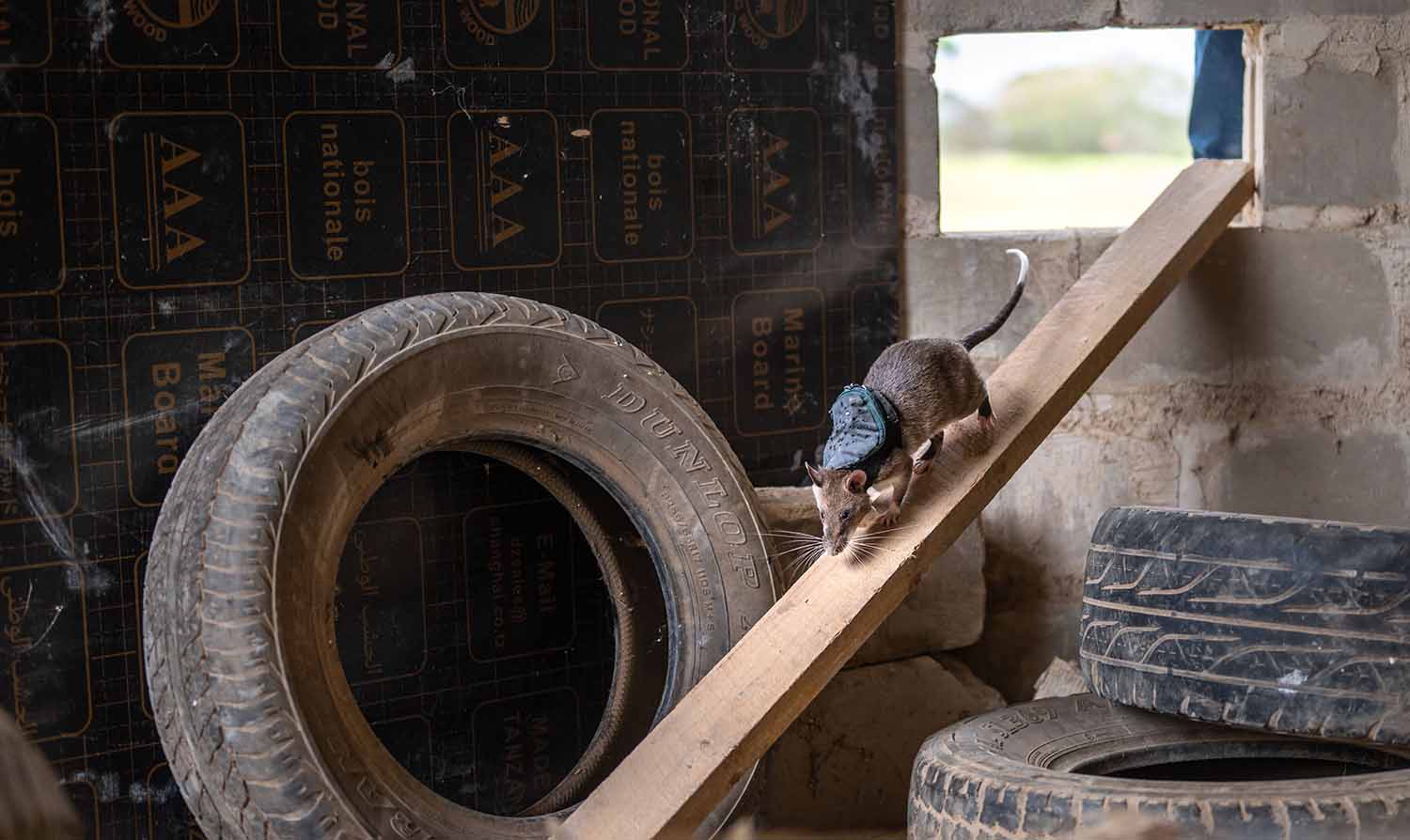
APOPO has also trained African giant pouched rats to sniff out dangerous situations in war zones and help find people trapped in buildings after earthquakes.  

A brown rat wearing a tiny backpack walks down a wood plank that leads from a window to a room with cement brick walls and containing tires.

Courtesy of APOPO

An APOPO rat climbs into a building during a search and rescue training session.

Dogs with Jobs

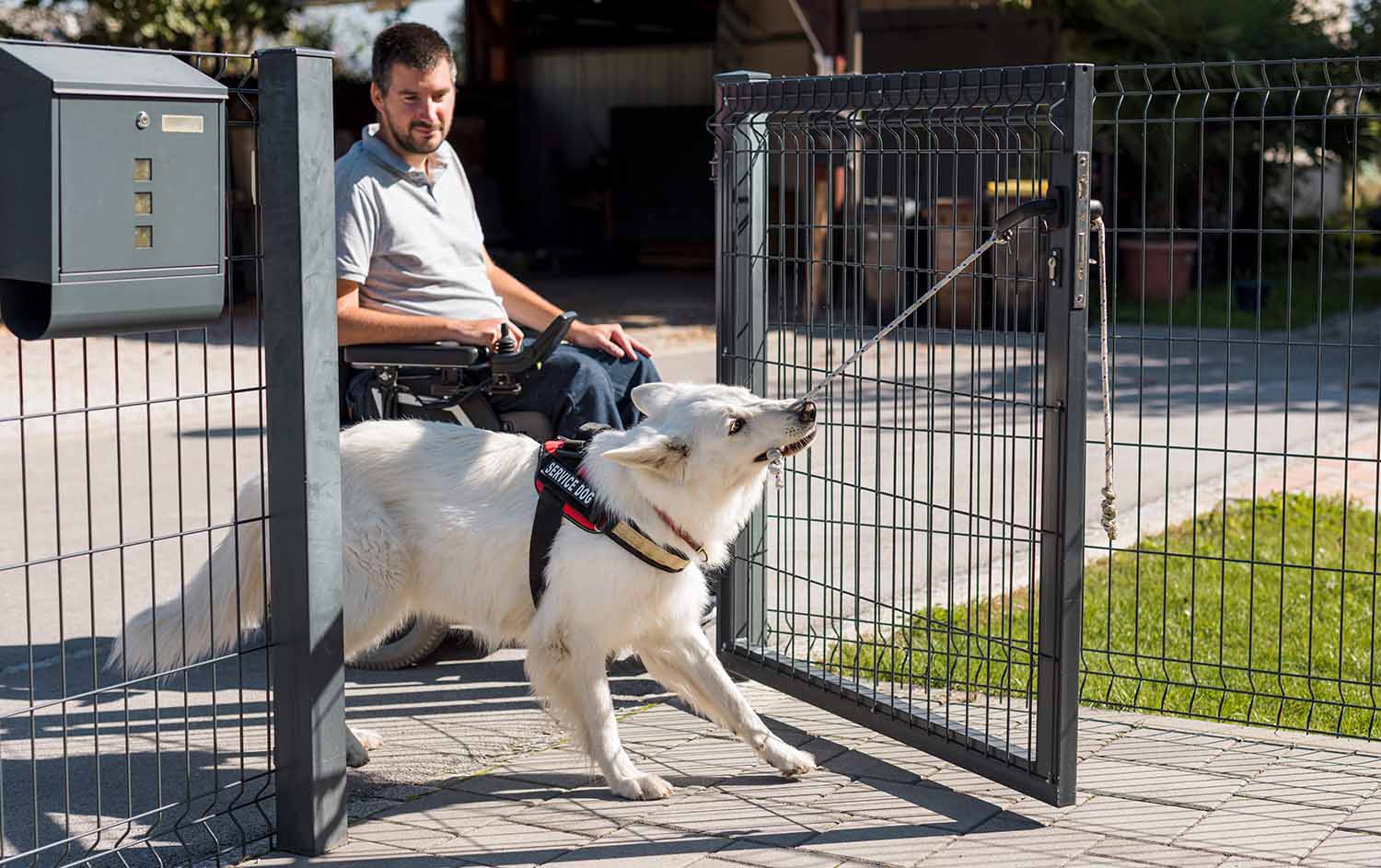
A white dog wearing a service dog harness uses a cord to pull a gate closed as a man in a wheelchair looks on.

© 24K-Production/stock.adobe.com

Dogs make great pets and companions, but some dogs have jobs! Service dogs are trained to perform tasks for people with disabilities or those who need medical support. Here are some types of service dogs you may encounter while in public:

  • Guide dogs: Possibly the most recognized type of service dog, these dogs are trained for people who have visual impairments. Guide dogs help people avoid obstacles as they travel between destinations. They can even look out for traffic!
  • Hearing dogs: Similar to guide dogs, hearing dogs use their sense of hearing to help those who may be deaf or hard of hearing navigate the world. They can alert their owners when they hear sounds like doorbells, knocking, or smoke alarms.
  • Medical alert dogs: Dogs that can perform medical alerts use their sense of smell to sense chemical changes in a person’s body. 
    • Diabetic alert dogs can sense if someone’s blood sugar is too high or too low.
    • Seizure response dogs can assist people with epilepsy, guarding them or finding help if their owner is having an episode. Some dogs are trained to lie next to or on top of their owners to help apply pressure to the person’s body while they are seizing or unconscious.
  • Mobility assistance dogs: These dogs help people with physical disabilities from brain injuries, arthritis, or cerebral palsy. Mobility assistance dogs can open doors, turn on lights, and retrieve a variety of necessary objects to make life easier for their owners. Some are specially trained to help owners who use wheelchairs.

Service dogs often wear special harnesses that indicate their job as an assistance animal. Never pet or interact with a service dog while it’s working. Distractions could be dangerous if they prevent a service dog from providing a medical alert in time or avoiding an obstacle in its owner’s path. 

Even when a service dog doesn’t appear to be doing anything, it’s still working and doing its job! Service dogs get to play when they take breaks.

Why Are Some Animals Pets?

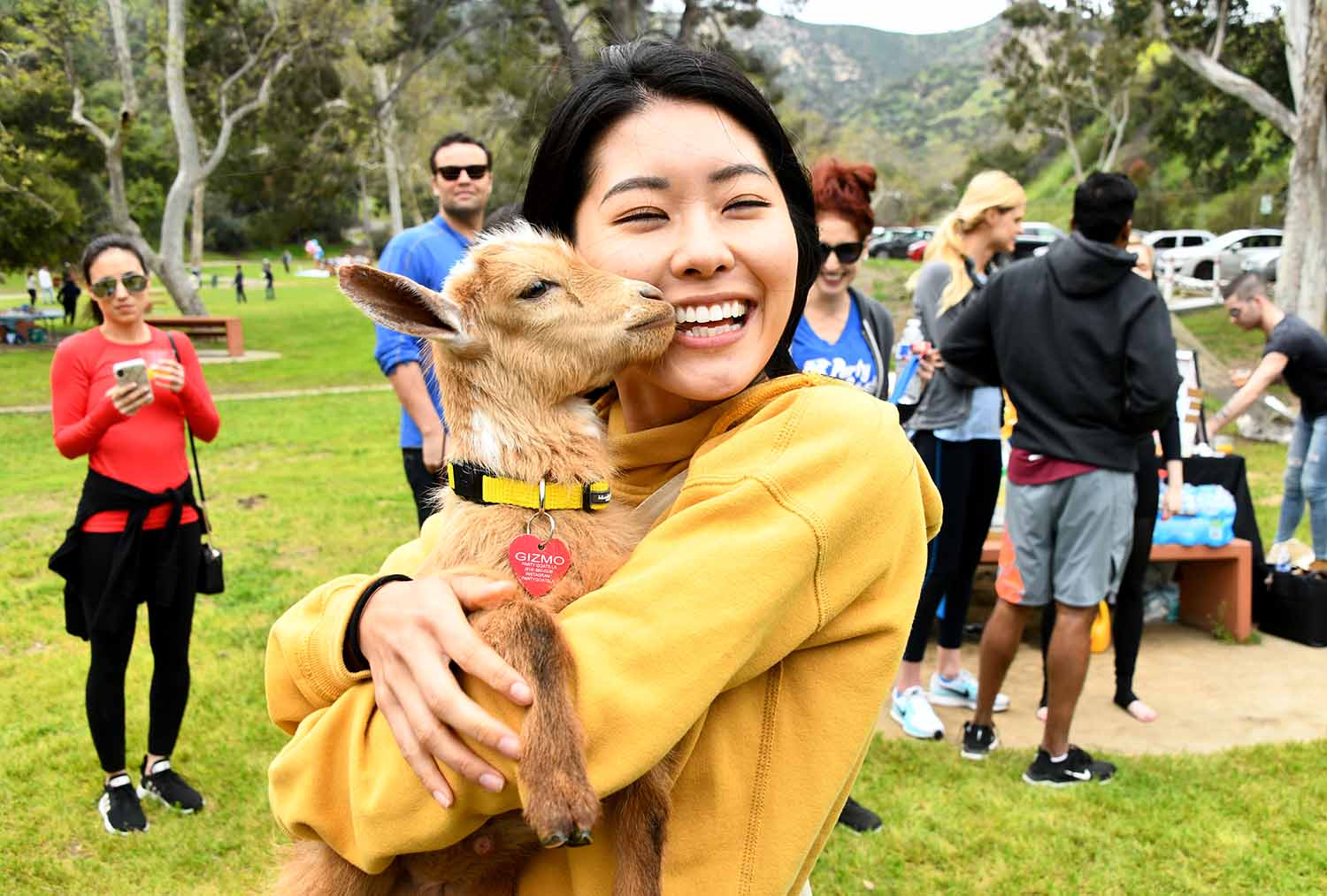
A woman hugs a small goat wearing a tag reading Gizmo in a park setting with a few other people in the background.

© Araya Doheny/Getty Images

Humans have domesticated, or tamed, a variety of animals to provide food or clothing, to perform tasks, and to keep us company as pets. But not all animals can be domesticated, and some can be tamed more than others. Find out why at Britannica!

WORD OF THE DAY

reinforcement

PART OF SPEECH:

noun

Definition:

: the act of strengthening or encouraging something

Definitions provided by
Merriam-Webster Logo

Sudoku

O
O
O
O
O
O

In Case You Missed It

The island of Corsica showed American colonists that a courageous revolution could defeat an empire.
May 7, 2026
Physicist Narinder Singh Kapany developed fiber optic cables, helping to make the Internet possible.
April 30, 2026
How can you tell whether photos and videos are real or made with AI? Here are a few tips.
April 24, 2026
A seemingly strange bank is saving one of Earth’s most valuable resources.
April 9, 2026