Teen Is Making a Run for Records

Gout Gout runs on a track with another runner close behind him and a crowd in the background.

Teen Is Making a Run for Records

Gout Gout runs on a track with another runner close behind him and a crowd in the background.

© Cameron Spencer/Getty Images

Gout Gout (left) competes in a men’s 200-meter race at the 2026 Australian Athletics Championships in Sydney, Australia.

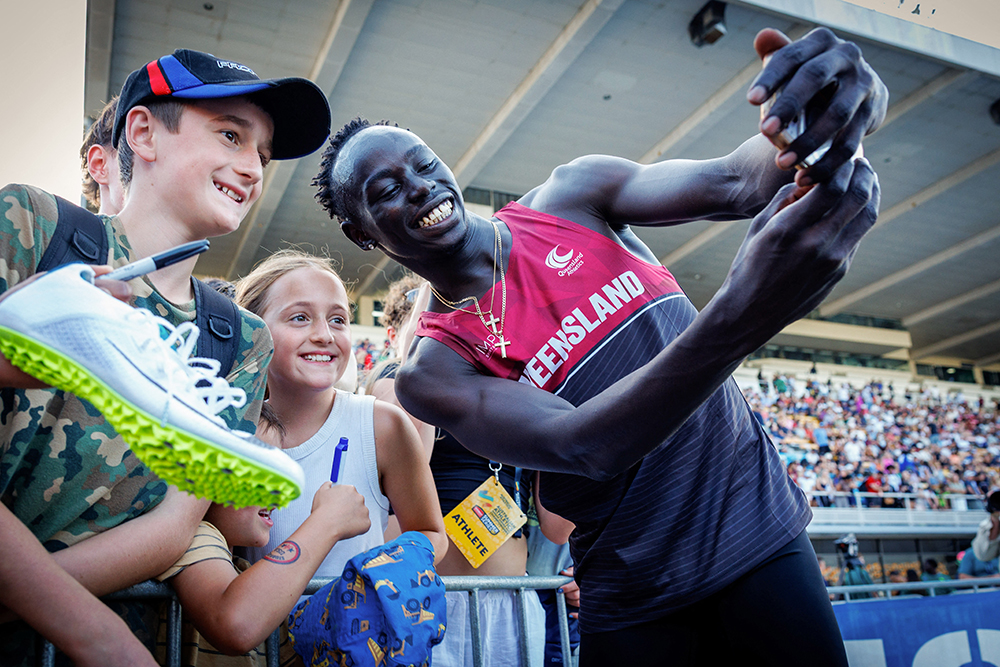
Rising sprint star Gout Gout may be on the fast track to making history. The Australian teen’s professional running career is only just getting started, but he has been turning heads for years with his bursts of acceleration on the track. Now 18 years old, Gout recently won the 200-meter title at the 2026 Australian Athletics Championships in April, running the race in 19.67 seconds.

Gout’s time is remarkable simply for being under 20 seconds, a huge accomplishment in sprinting. He is now the first Australian to break the 20-second barrier in the 200-meter race. But what has caught everyone’s eye is the significance of Gout being this speedy at 18 years old. That’s because Gout ran faster than Usain Bolt—called the fastest man on Earth—did at about the same age. 
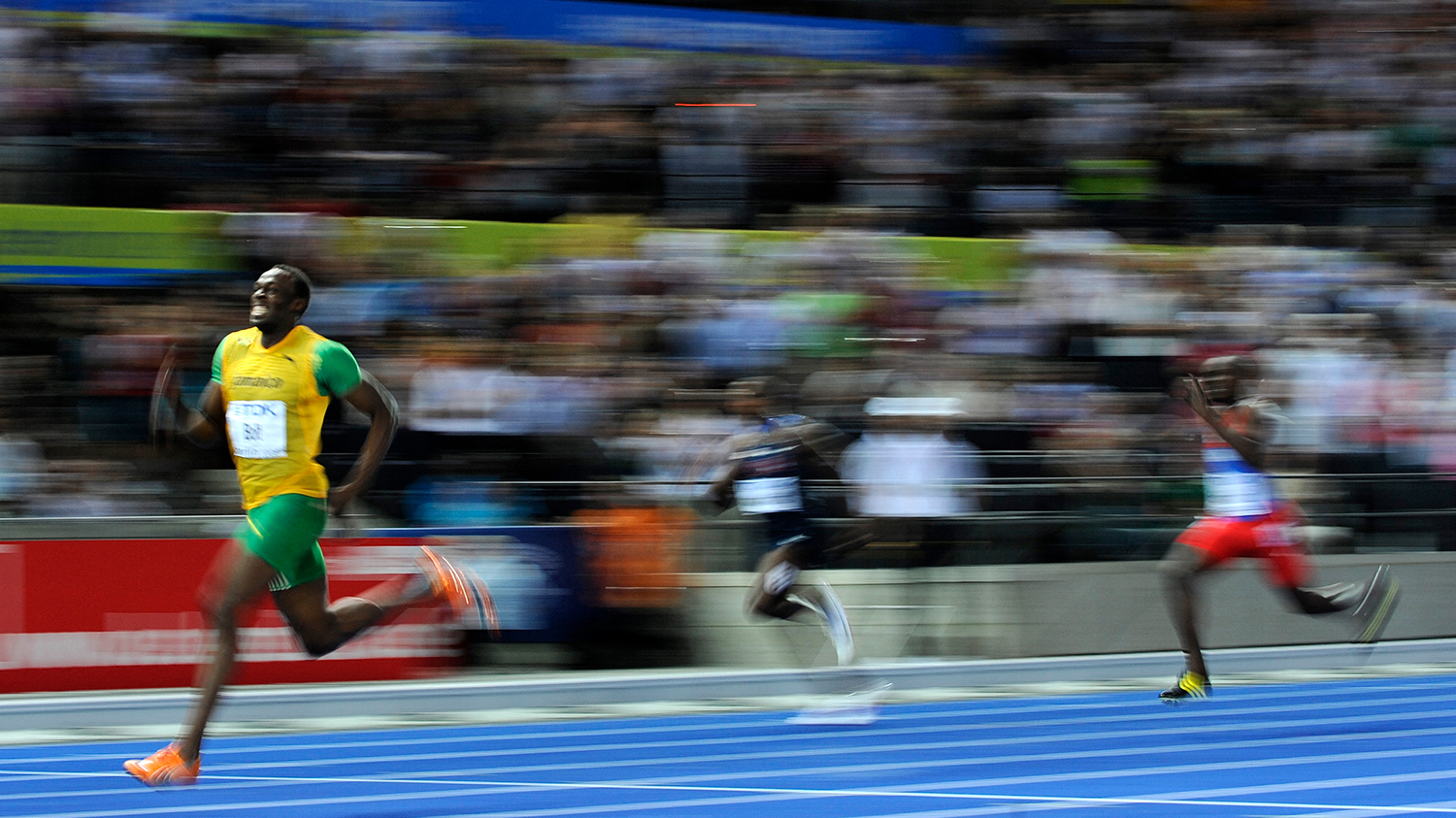
Usain Bolt is ahead of two other runners on a track and the action is blurry due to the speed of the runners.

© Adrian Dennis—AFP/Getty Images

Usain Bolt wins the men’s 200-meter final race at the 2009 IAAF Athletics World Championships in Berlin, Germany.

In 2004, the then-17-year-old Bolt ran his best 200-meter race in 19.93 seconds. Just five years later, the Jamaican superstar went on to set the current 100-meter (9.58 seconds) and 200-meter (19.19 seconds) records at the 2009 World Championships in Berlin. 

No other runner has beaten these times, though a few have come close. Now it seems Gout may also be in the running for taking Bolt’s records. According to Olympics.com, Gout “has gone nearly three-tenths faster over a half-lap of the athletics track than the Jamaican great ever did at age 18 or younger.”


© Bradley Kanaris/Getty Images, © Bradley Kanaris/Getty Images, © Bradley Kanaris/Getty Images, © Patrick Hamilton—AFP/Getty Images

Speaking to CNN Sports, Bolt had both praise and advice for Gout. “He’s a young talent. A massive young talent,” he said. “The pressure that comes with it is not going to be easy, because every time you step on that track, everybody’s always looking for a fast time, always looking for you to do great…Not every time you run, you’re going to win. It’s all about just learning right now at a young age, learning and figuring out, ‘How can I get better? How can I move forward?’”

The excitement has running fans eager to watch Gout’s upcoming international races. The teen is making his debut in the Diamond League, a series of elite track and field competitions, in Oslo, Norway, on June 10, 2026. Making it to the 2028 Olympics would give Gout the chance to race for a gold medal.

NEWS BREAK

Dara Wins Eurovision!

Dara stands on stage with three other people and holds up a glass trophy as confetti falls around her.

© Christian Bruna/Getty Images

Dara holds up her trophy after winning the 70th Eurovision Song Contest.

The votes are in! For the first time ever, Bulgaria has won the 2026 Eurovision Song Contest. Dara, the singer who represented Bulgaria, captured the first-place trophy with her song “Bangaranga.”

Since 1956, countries from Europe and other parts of the world have sent their best singers to Eurovision. For three nights each year, the singers perform live for TV and Internet audiences around the globe. Winners are decided by a group of expert judges as well as home viewers, who call in or text to cast their votes. Although Eurovision is a competition, it’s meant to be an opportunity for nations to come together.

The final round of this year’s Eurovision took place on May 16 in Vienna, Austria. Dara’s “Bangaranga,” won viewers’ hearts with its catchy hook and thumping beat. 

“Having this love from all of the jury and all of the audience tonight, it feels like a dream,” Dara said.

Did You Know?

American sprinter Florence Griffith Joyner (called FloJo) set two world records in 1988 when she ran the 100 meters in 10.49 seconds and the 200 meters in 21.34 seconds. Nearly 40 years later, she’s still considered the fastest woman ever.
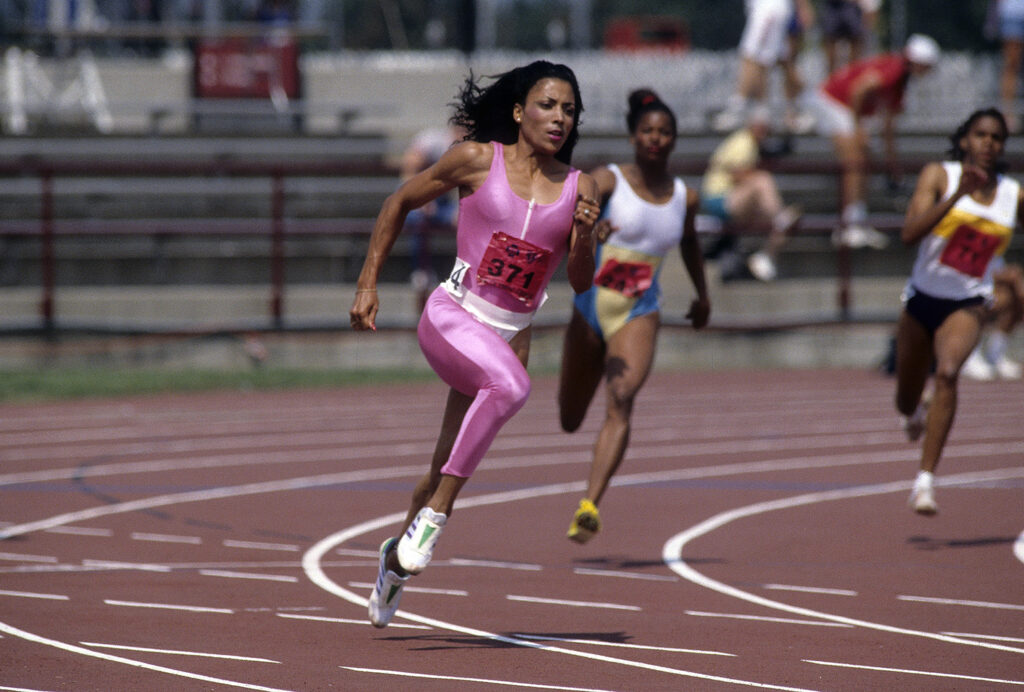
Florence Griffith Joyner runs on a track ahead of two other runners.
© Focus On Sport/Getty Images

Florence Griffith Joyner competes at the 1988 U.S. Track and Field Olympic Trials.

The Man Behind America’s Favorite Cherry
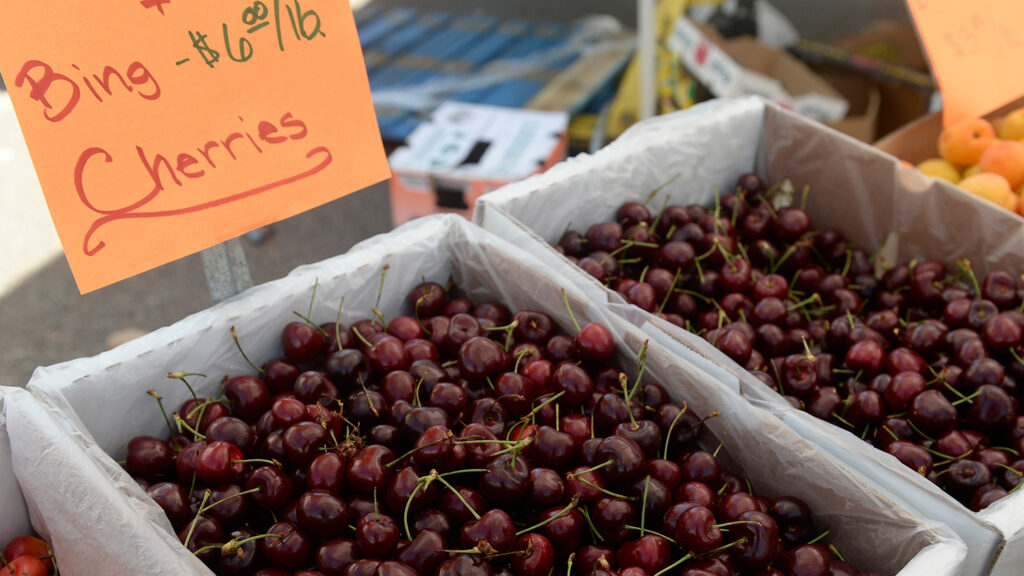
Bing cherries are in lined boxes at a market with a sign that reads Bing cherries along with the price.

© Cyrus McCrimmon—The Denver Post/Getty Images

Bing cherries are popular in the United States, thanks to Ah Bing.

For many people, cherries are a summer staple. In the United States, the most popular is a dark red variety known as the Bing cherry. But the Bing cherry fruit wouldn’t exist if it weren’t for a man named Ah Bing.

Not many details are known about Bing’s life. He was a worker who came to the United States from northeastern China around 1855. He was very tall, towering over 6 feet in height, and liked to sing as he worked. A man named Seth Lewelling hired Bing as a horticulturalist, or someone who cultivates plants for food. Lewelling, an orchard owner, had Bing cultivate new cherry trees and supervise some 30 other Chinese workers.

Over the years, Bing crossbred trees so that they produced larger and sweeter cherries. Lewelling named this delicious new fruit the Bing cherry for its creator. It became a horticultural marvel.
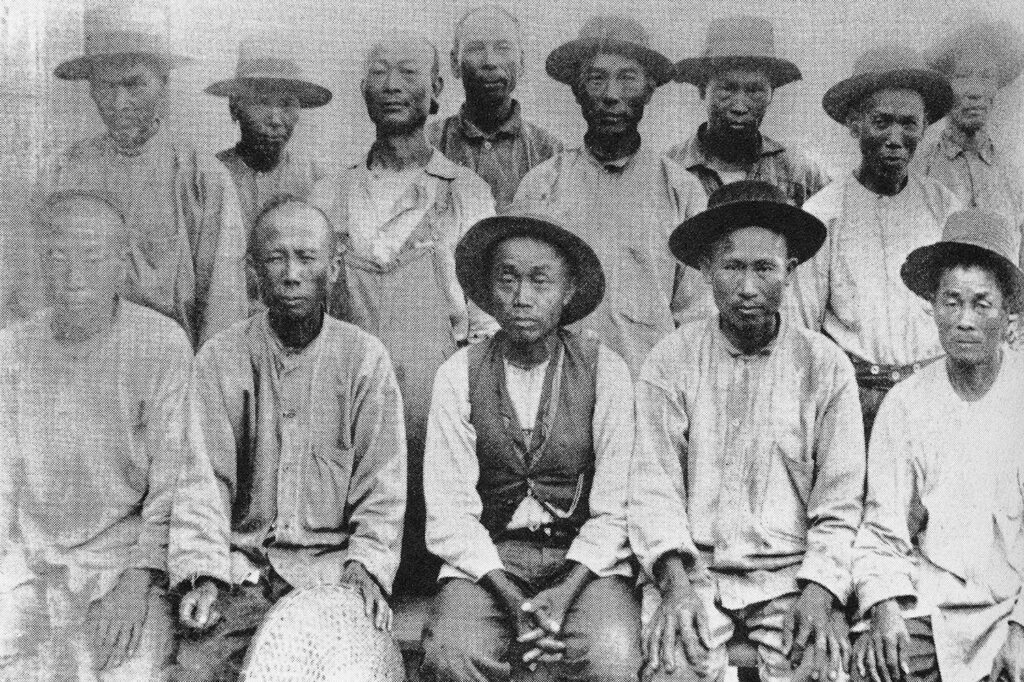
Thirteen men in work clothes pose for a photo.

© Pictures from History—Universal Images Group/Getty Images

Chinese immigrants have made major contributions to the United States. The men in this photo were among thousands who helped build railroad tracks across the country in the 1800s.

But this sweet story takes a sad turn. Bing’s success at the Lewelling orchard lasted 30 years before the rise of anti-Chinese sentiment made working in the U.S. difficult. The political tensions against Chinese workers sometimes broke into violence, and Lewelling had to shelter his staff in his own home. 

It is uncertain what exactly prompted his leaving, but Bing returned to China in 1889 to see his family and possibly escape some of the violence. The Chinese Exclusion Act made it impossible for Bing to return to Lewelling’s orchard. Passed in 1882, the Chinese Exclusion Act was the first law preventing people of a certain ethnic group from immigrating to the United States. It also prevented Chinese people already in the country from seeking citizenship.

Though Ah Bing has faded into history, his namesake cherry has solidified his legacy. The Bing cherry is now one of the most popular cherries in production for its sweet, juicy flavor.

See You on the Track!
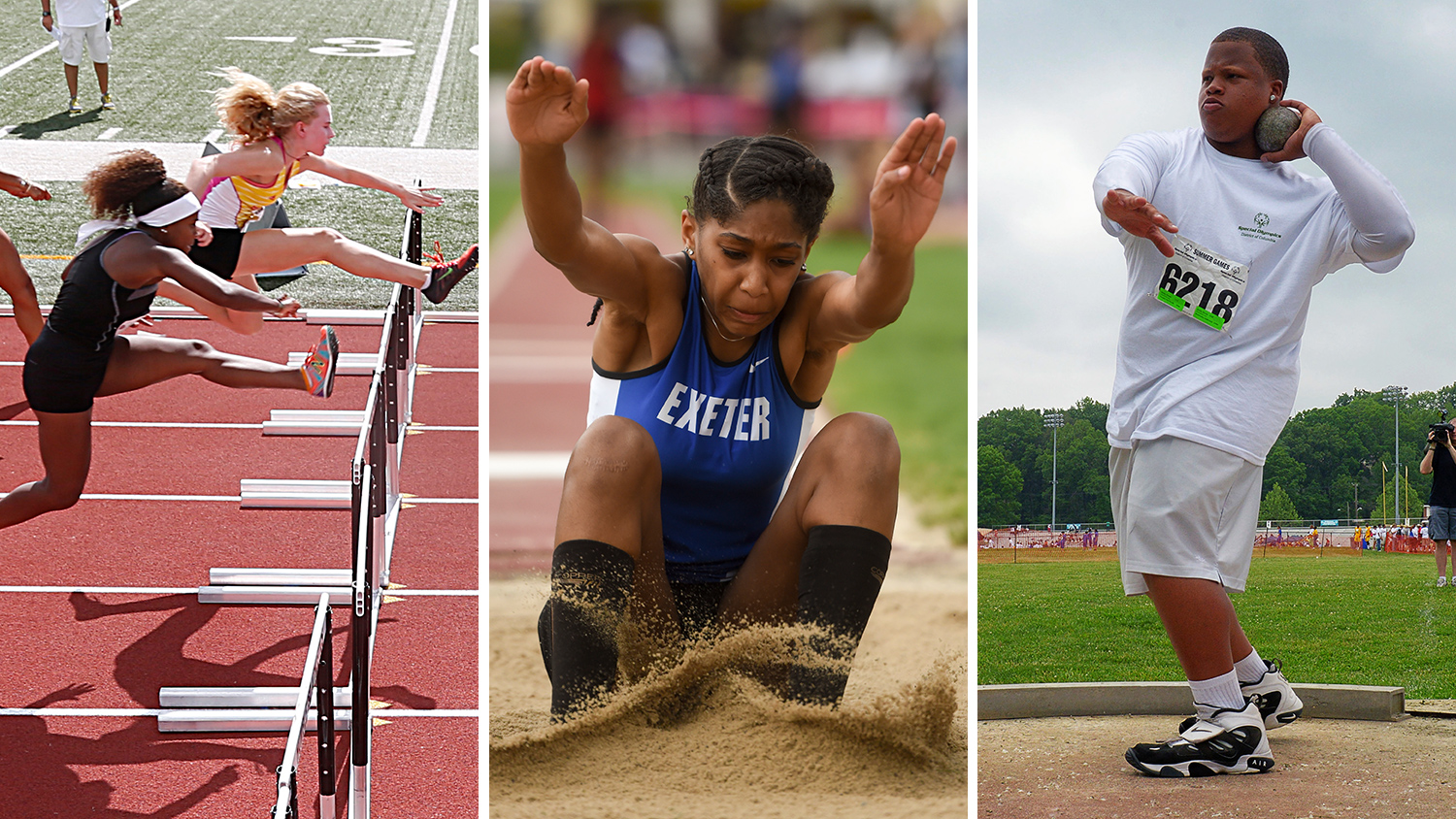
A composite shows young athletes jumping hurdles, landing in sand, and preparing to throw a shot put.

© James Nielsen/Houston Chronicle—Hearst Newspapers/Getty Images, © Ben Hasty/MediaNews Group—Reading Eagle/Getty Images, © Bill O’Leary—The Washington Post/Getty Images; Photo composite Encyclopædia Britannica, Inc.

Track and field skills include (from left) hurdles, the triple jump, and the shot put.

What do the triple jump, the shot put, and hurdles have in common? If you guessed that they are all track and field events, you’re right! Track and field is a sports event that goes beyond running and jumping. 

Learn all about it at Britannica. 

WORD OF THE WEEK

velocity

PART OF SPEECH:

noun

Definition:

: quickness of motion

Definitions provided by
Merriam-Webster Logo

Word Flower

How many words can you make from the letters in the flower? All words must use the center letter.

O
O
O
O
O
O

In Case You Missed It

The island of Corsica showed American colonists that a courageous revolution could defeat an empire.
May 7, 2026
Physicist Narinder Singh Kapany developed fiber optic cables, helping to make the Internet possible.
April 30, 2026
How can you tell whether photos and videos are real or made with AI? Here are a few tips.
April 24, 2026
A seemingly strange bank is saving one of Earth’s most valuable resources.
April 9, 2026

How to Cite This Page

Here is how to cite this page using the MLA style. While every effort has been made to follow citation style rules, there may be some differences. Please refer to the appropriate style manual or other sources if you have any questions.

“In the News: Teen Is Making a Run for Records.” Britannica School, Encyclopaedia Britannica, 17 May 2026. https://news.eb.com/level2/teen-is-making-a-run-for-records Accessed 18 May 2027 [Replace this date with today’s date.]

A Tale of Two Revolutions

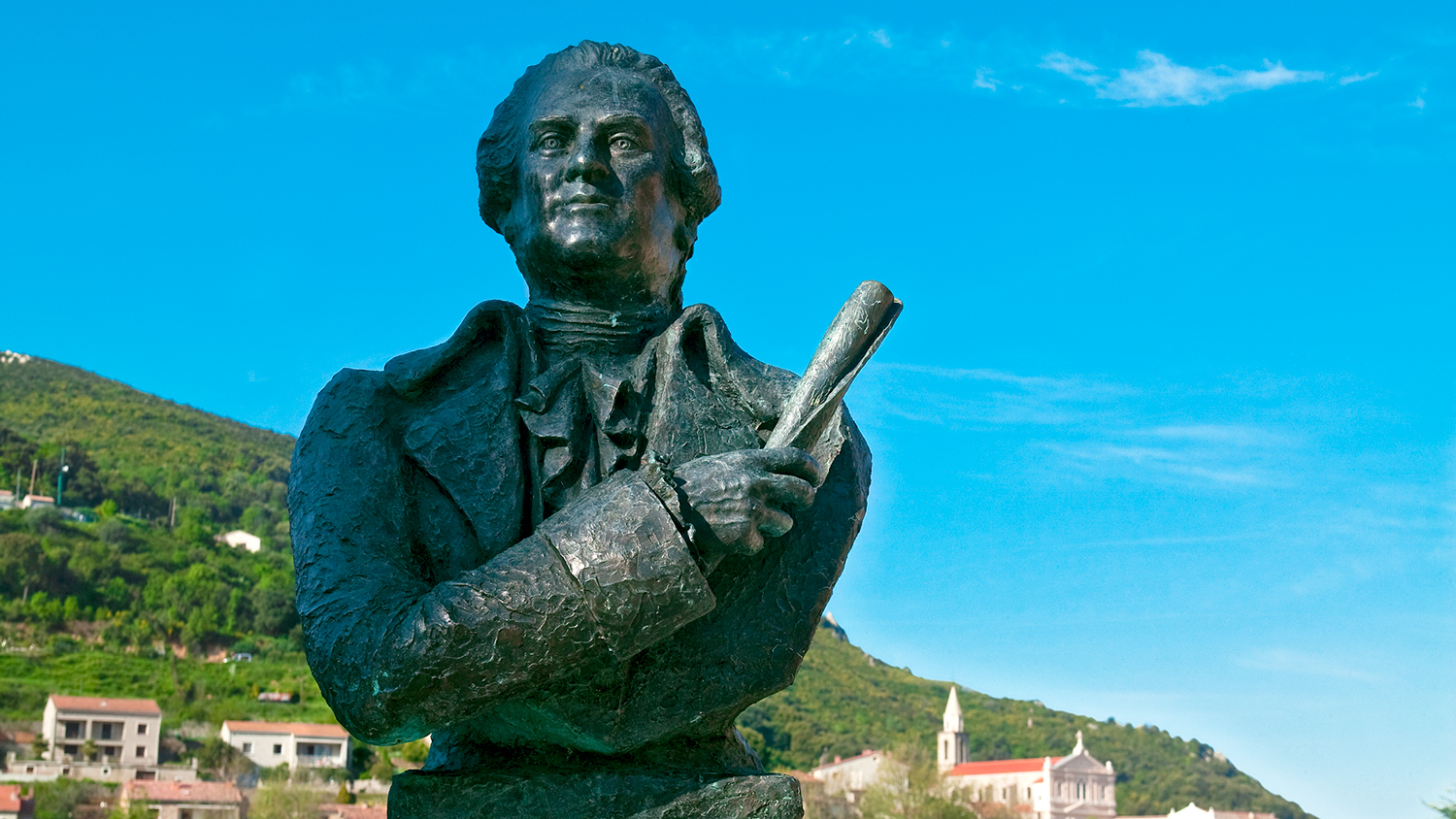
A statue of Pasquale Paoli stands against a backdrop of the hills of Corsica.

A Tale of Two Revolutions

A statue of Pasquale Paoli stands against a backdrop of the hills of Corsica.

© Yann Guichaoua-Photos—Moment/Getty Images

This statue of Pasquale Paoli is in Corsica.

American colonists declared their independence from Great Britain 250 years ago—but the fight wasn’t over. It took a hard-fought revolution before the United States became an independent country. What many people don’t know is that just before the American Revolution, another nation had fought and won its independence against a mighty empire. Corsica’s revolution helped inspire the spirit of independence in colonial America.

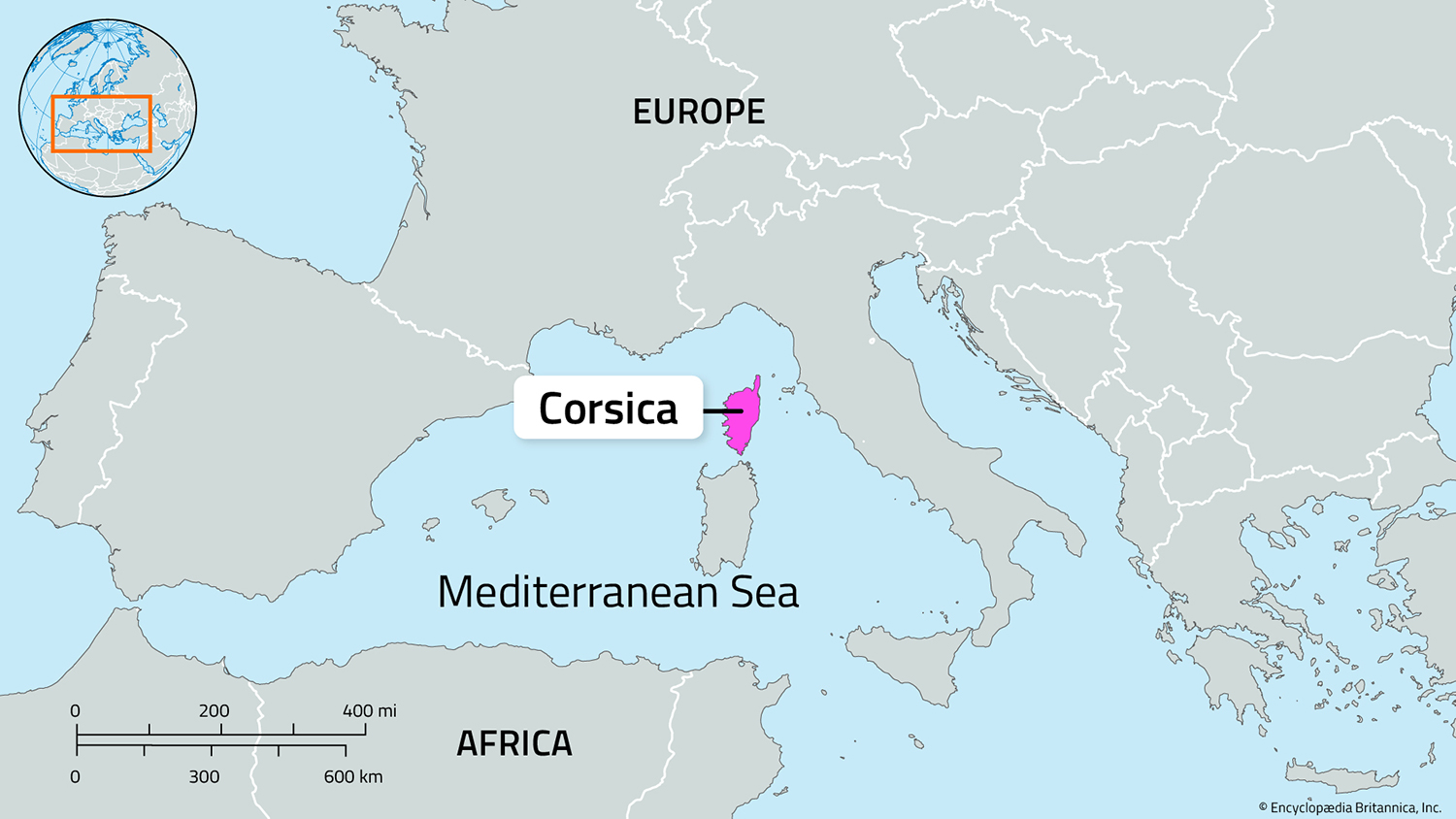
A map shades in the location of Corsica in the Mediterranean Sea and in relation to the locations of Africa and the rest of Europe.

Encyclopædia Britannica, Inc.

Corsica is a small island in the Mediterranean Sea.

Let’s back up a little. Corsica is an island in the Mediterranean Sea that is about the size of Puerto Rico. The people of Corsica have their own culture and national pride, but for 2,000 years different empires had invaded and ruled the island. In about the same period that the British ruled many of the American colonies, Corsica was ruled by the Republic of Genoa (part of modern-day Italy). By 1729, the Corsicans had grown angry about paying unfair taxes to Genoa and began a rebellion to claim independence.

As the rebellion grew, a man named Pasquale Paoli rose up as the island’s revolutionary leader. After many years of fighting the Genoa empire, Corsica successfully won independence from Genoa in 1755. Paoli helped write the Corsican Constitution. This document created a government in which people voted to elect representatives. The people chose Paoli as their new leader.

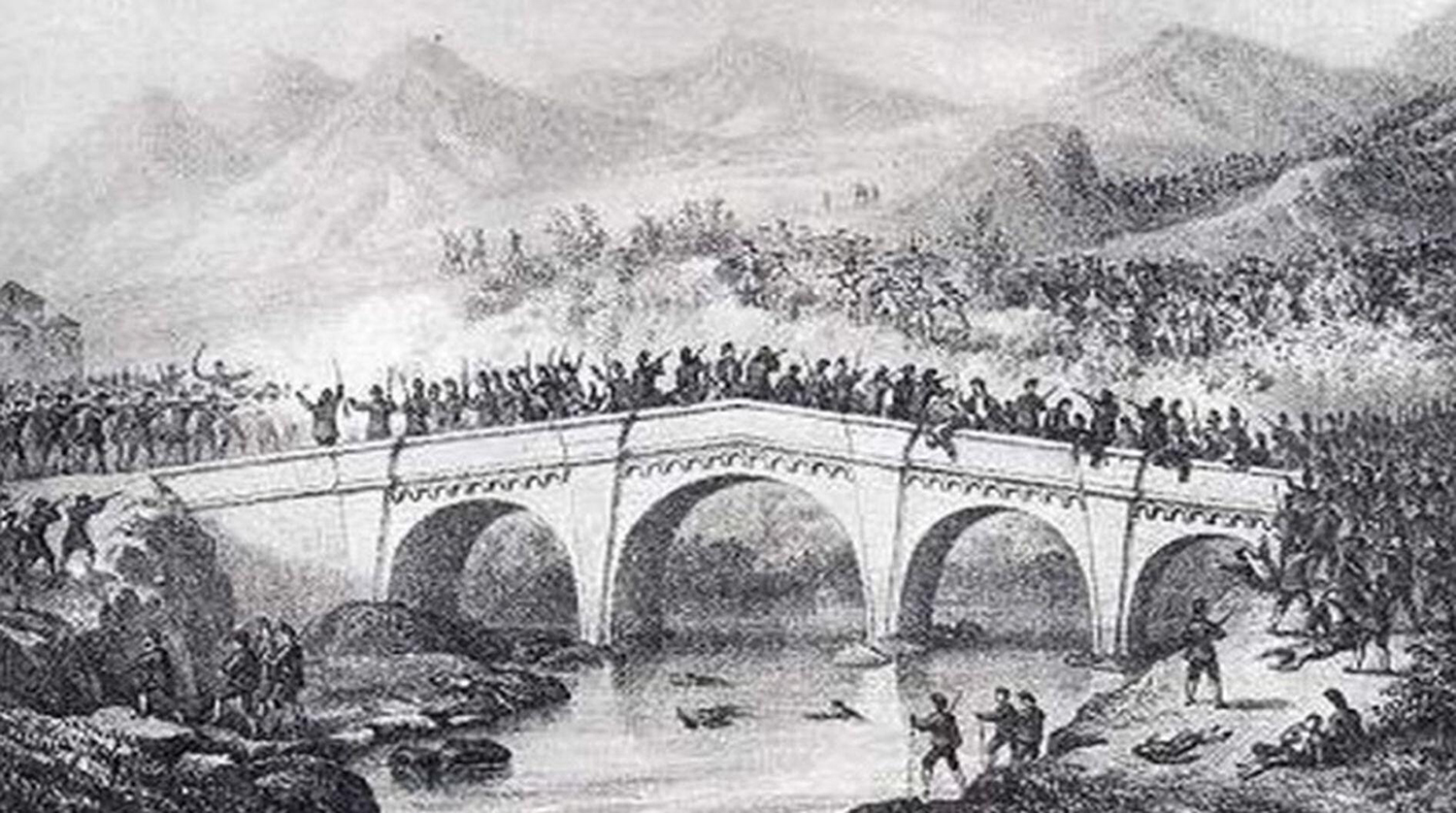
Soldiers do battle on and around a bridge with mountains in the background.

© Zoom Historical/Alamy

This illustration shows the 1769 Battle of Ponte Novu, in which Corsicans fought French soldiers. France won this battle, and Corsica’s fight for independence came to an end.

Across the world in America, many colonists felt a connection to Paoli and the Corsican Revolution. By the 1760s, they too were unhappy having to pay taxes to their ruling country, Great Britain. If Corsica could claim independence from a powerful authority, maybe America could too. A twin flame of revolution grew in the colonies, and in 1767, a New York newspaper called Paoli “the greatest man on earth.” 

Even after Corsica’s inspiring success, its democracy was short-lived. After just 14 years of independence, the country became a French province in 1769 following an invasion. Paoli was forced to escape to England. 

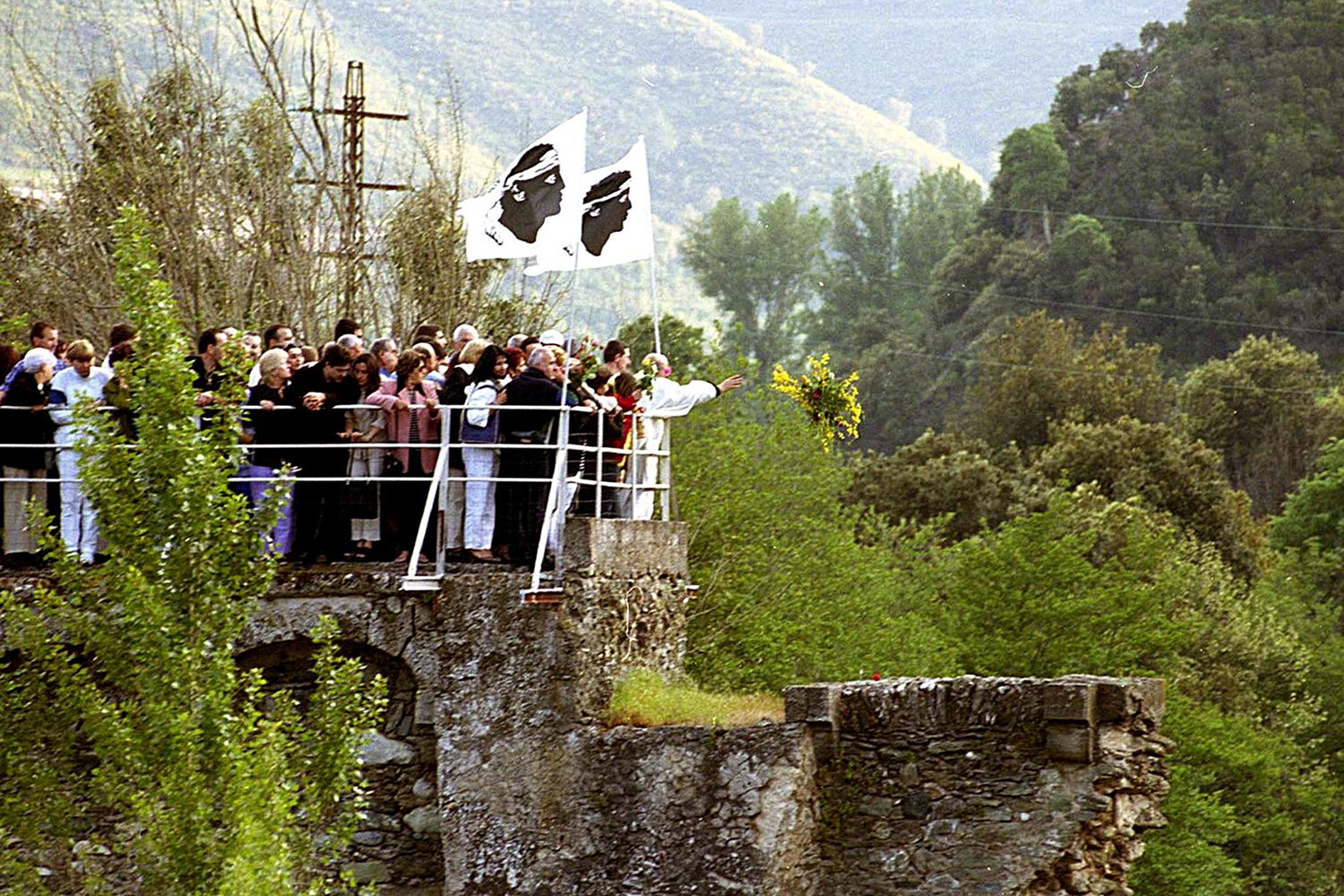
People stand on a stone platform with a railing.

© Francois Gabrielli—AFP/Getty Images

This 2001 photo shows a gathering that was held in memory of the Corsicans who  were killed during a battle against French soldiers.

Just as Corsica’s democracy ended, the American Revolution began. Revolts against unfair taxation eventually grew into war in 1775. In July 1776, America declared its independence from Britain, and in 1783, it officially won the war. Now the longest-running democracy in the world, the United States still has a few towns named Paoli in honor of the Corsican Revolution.

Did You Know?

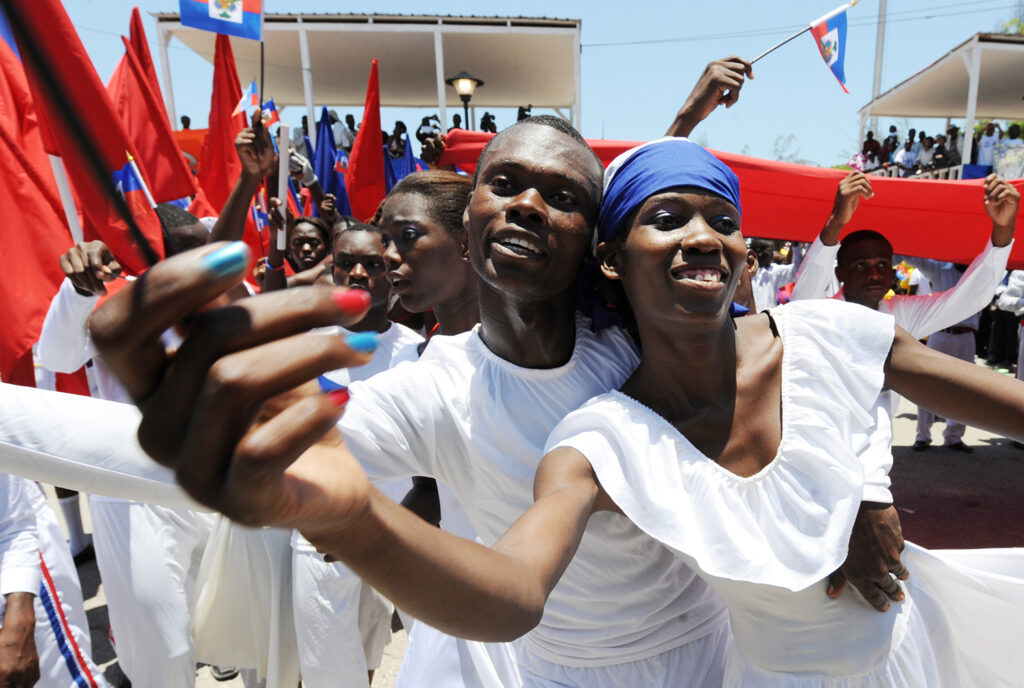
Haiti was the second country to claim independence in the Americas after the United States. The Haitian Revolution began in 1791 when thousands of enslaved people revolted against the French colonists and enslavers. Haiti was declared independent on January 1, 1804.

A group of dancers smile, pose and look into the camera.
© Thony Belizaire—AFP/Getty Images

Performers dance during Haitian Flag Day, which takes place on May 18 and marks the creation of the Haitian flag in 1803.

American Revolution Rewind

The American Revolution lasted for a long eight years. Click through this slideshow to learn about some of the war’s major battles. 

Happy 250th Birthday to the Declaration of Independence

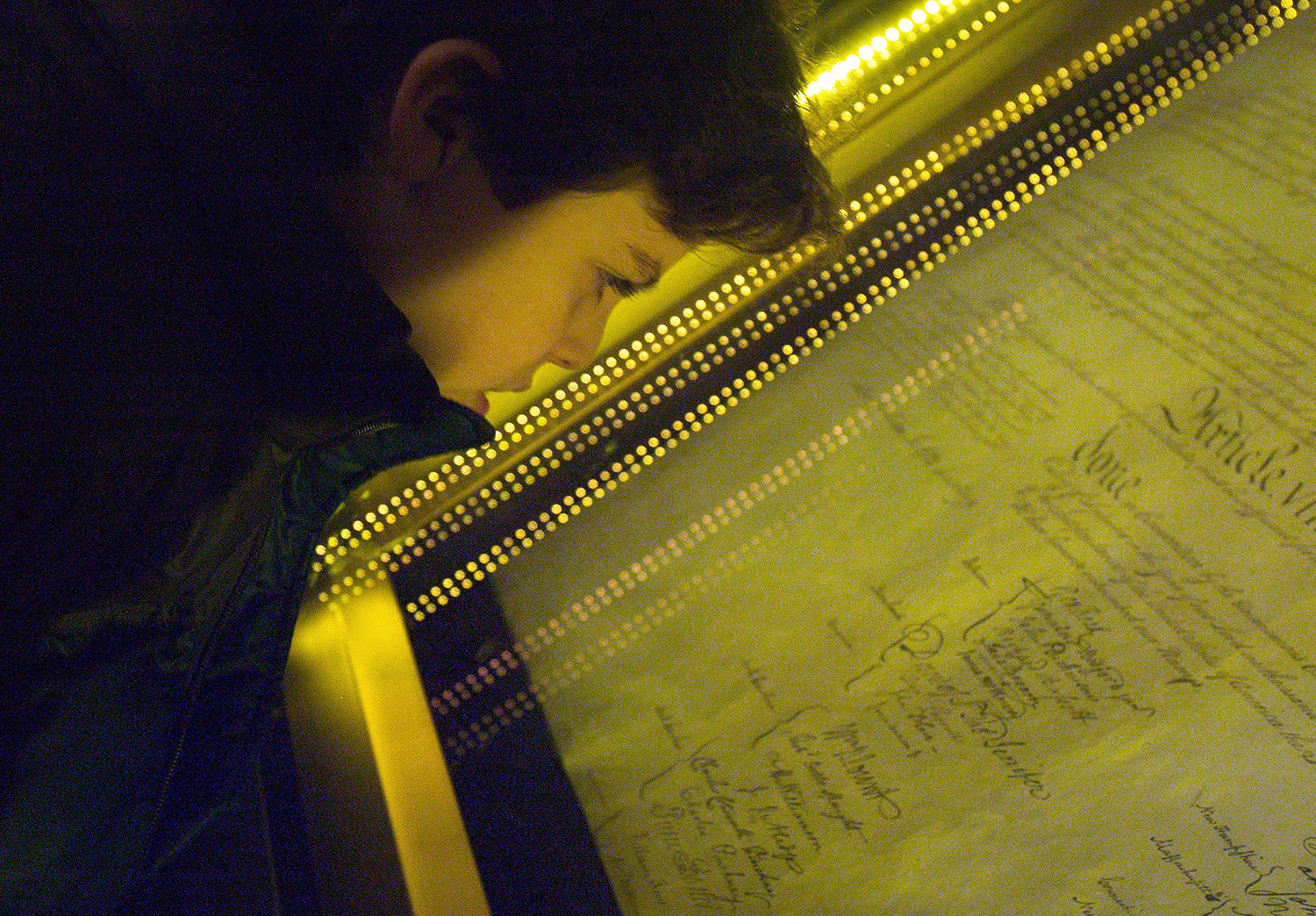
A teen boy looks at a copy of the US Constitution that is displayed under glass.

© Brendan Smialowski/Getty Images

A teenager looks at the U.S. Constitution, which was created a few years after the Declaration of Independence.

On July 4, 2026, the United States will celebrate 250 years since the signing and adoption of the Declaration of Independence. Learn more about why this document was important at Britannica!

WORD OF THE WEEK

galvanize

PART OF SPEECH:

verb

Definition:

: to cause (people) to become so excited or concerned about an issue, idea, etc., that they want to do something about it

Definitions provided by
Merriam-Webster Logo

Sudoku

Fill in the missing digits using the numbers 1 to 9 so that each row, column, and 3 x 3 square contains every number with no repeats.

O
O
O
O
O
O

In Case You Missed It

The island of Corsica showed American colonists that a courageous revolution could defeat an empire.
May 7, 2026
Physicist Narinder Singh Kapany developed fiber optic cables, helping to make the Internet possible.
April 30, 2026
How can you tell whether photos and videos are real or made with AI? Here are a few tips.
April 24, 2026
A seemingly strange bank is saving one of Earth’s most valuable resources.
April 9, 2026

How to Cite This Page

Here is how to cite this page using the MLA style. While every effort has been made to follow citation style rules, there may be some differences. Please refer to the appropriate style manual or other sources if you have any questions.

“In the News: A Tale of Two Revolutions.” Britannica School, Encyclopaedia Britannica, 3 May 2026. https://news.eb.com/level2/a-tale-of-two-revolutions Accessed 4 May 2027 [Replace this date with today’s date.]
The Man Who Connected the World

Narinder Singh Kapany stands in a laboratory setting and adjusts a machine.

The Man Who Connected the World

Narinder Singh Kapany stands in a laboratory setting and adjusts a machine.

© Joseph McKeown/Picture Post—Hulton Archive/Getty Images

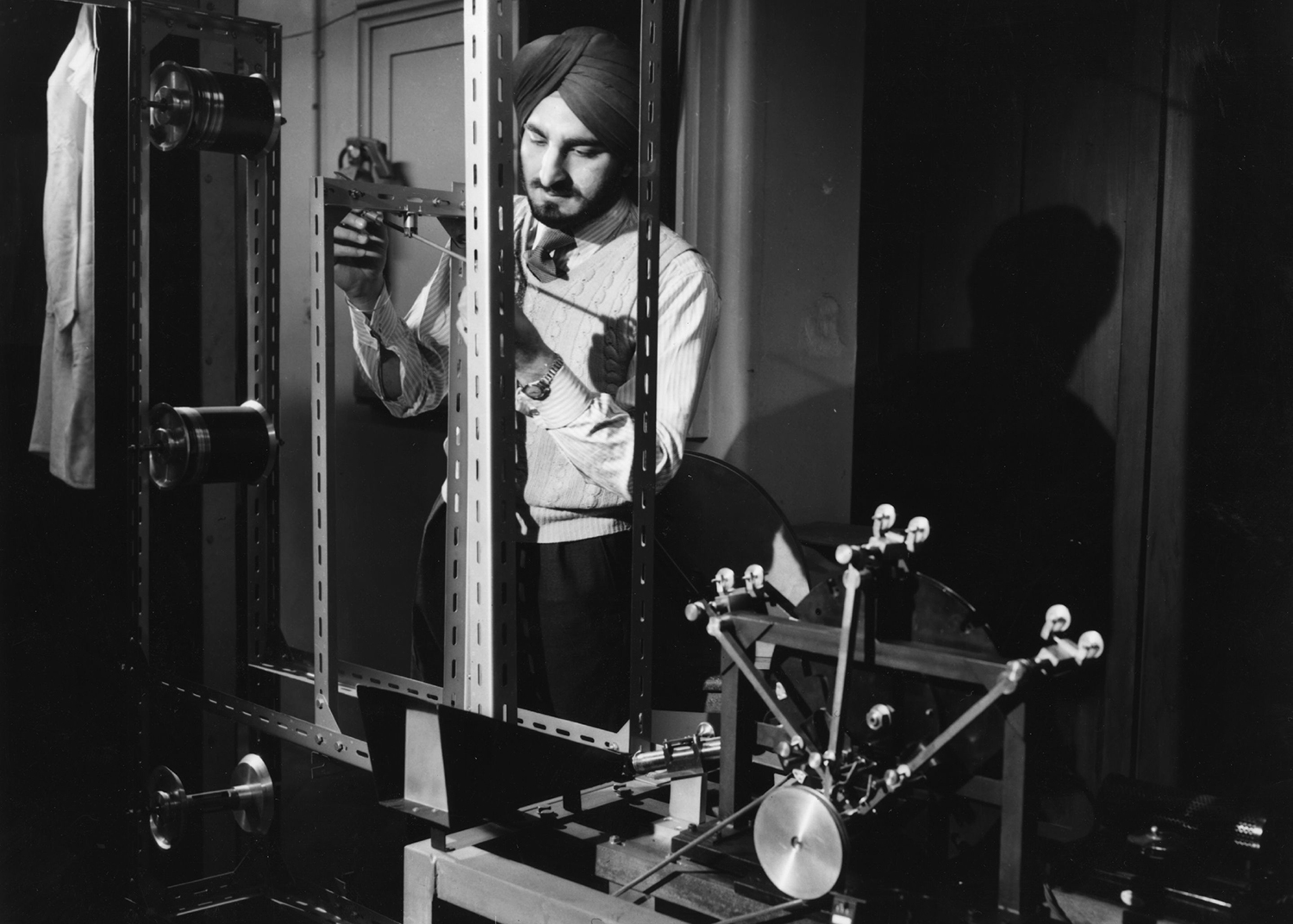
In this 1955 photo, Narinder Singh Kapany adjusts a machine that aligns glass fibers into a fiber-optic cable.

Behind many digital activities—watching TV, using the Internet for a research project, or streaming music on a smartphone—there is a vast, yet unseen network of fiber-optic cables making those activities happen at the speed of light. The person who made it all possible was Narinder Singh Kapany. 

Kapany, an Indian American physicist, is considered the “father of fiber optics.” Without him, it’s likely we would not have the world as we know it. Born in Punjab, India, Kapany completed his graduate studies at Imperial College London in the United Kingdom. It was there, in 1953, that Kapany successfully transmitted light through bent bundles of thin glass fibers.

An illustration shows tiny fibers sticking out from inside a fiber optic cable.
© zentilia/stock.adobe.com

A fiber-optic cable is made up of many thin glass strands called fibers.

Though we take this capability for granted today, it was a breakthrough at the time. Before this, it was impossible to transmit high-quality images over long distances. Kapany figured out how to “bend light” to send these images through thin glass strands called fibers. Bundling many fibers together could make cables that sent images at the speed of light.

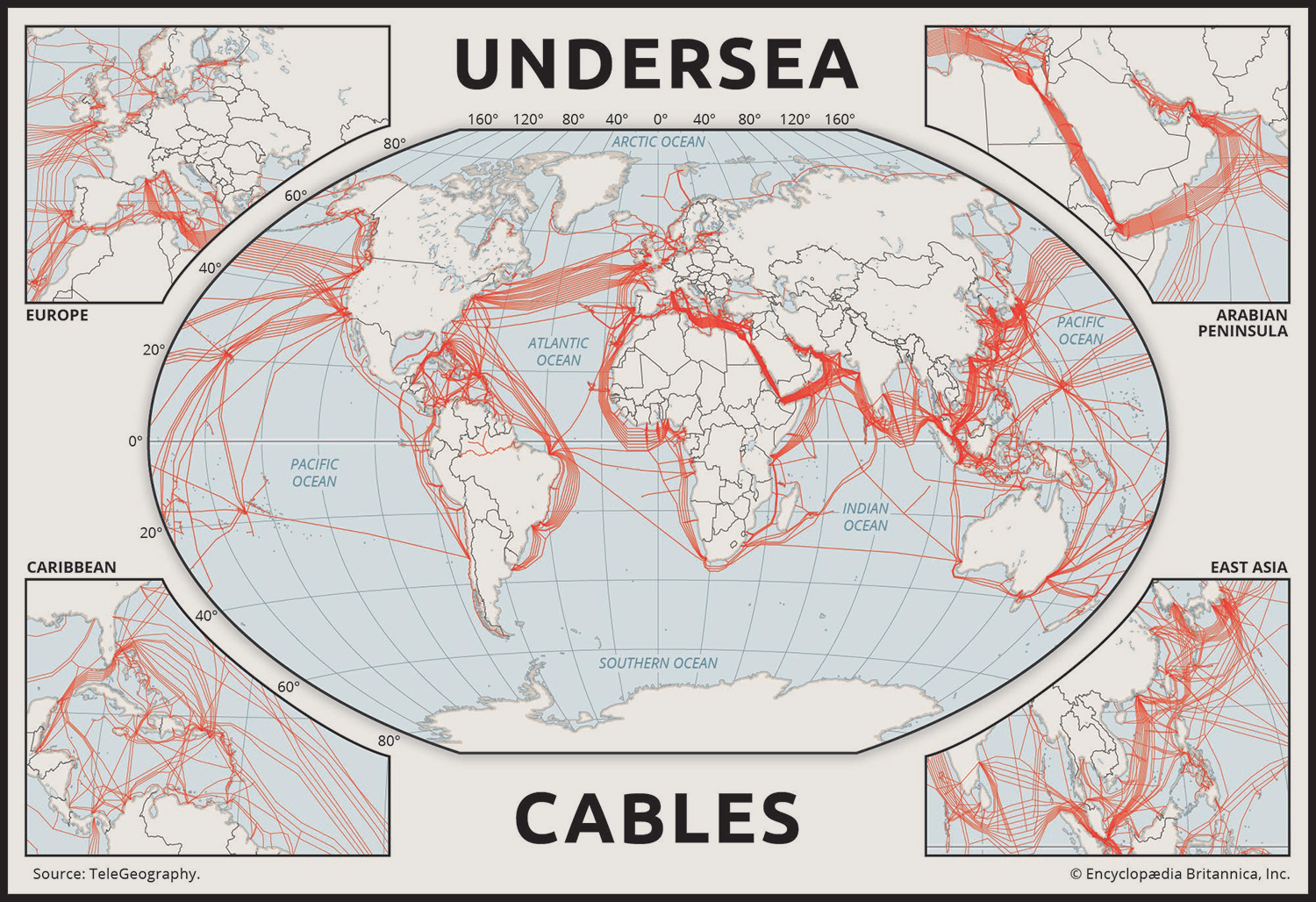
Kapany first coined the term “fiber optics” in a 1960 publication in the magazine Scientific American. It was around this time that he had moved to the United States and founded an optics technology company. Kapany became an expert and champion for the technology as it expanded. Today, fiber-optic cables cross oceans and traverse landscapes to connect the world. Without it, there likely wouldn’t be high-speed Internet for playing online games or doing homework.

A world map shows many undersea cables crossing all oceans and going around the edges of continents.

Encyclopædia Britannica, Inc./Refugio Mariscal

This map shows the cables that help enable the technology we rely on.

Here are some ways fiber-optic cables are used:

  • To share data and information (also called telecommunications)
  • For video streaming and online gaming
  • As medical instruments to help doctors perform surgery
  • To transmit audio and video signals for broadcasting television
  • As safety sensors in factories
  • For lighting and decoration

Kapany’s work earned him many awards, and Fortune magazine named him one of the “Unsung Heroes” of the 20th century. Kapany died in 2020, leaving behind a legacy of sharing light and connecting the world.

Did You Know?

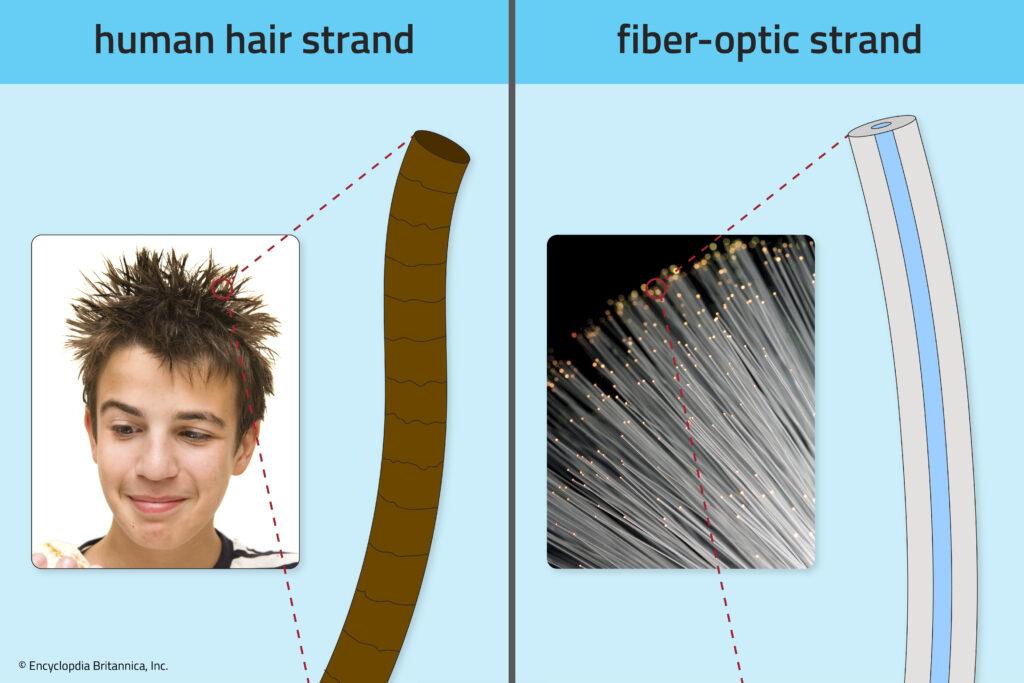
A typical fiber-optic strand is as thin as a strand of human hair! There can be hundreds of strands in a fiber-optic cable. 

A human hair is shown next to a person’s head of hair and a fiber optic cable is shown next to several cables. Both are similar thinness.

© Tamara Kulikova, © Kitch Bain/Shutterstock.com; Photo illustration Encyclopædia Britannica, Inc.

Making History in North America

Asian Americans at a Glance

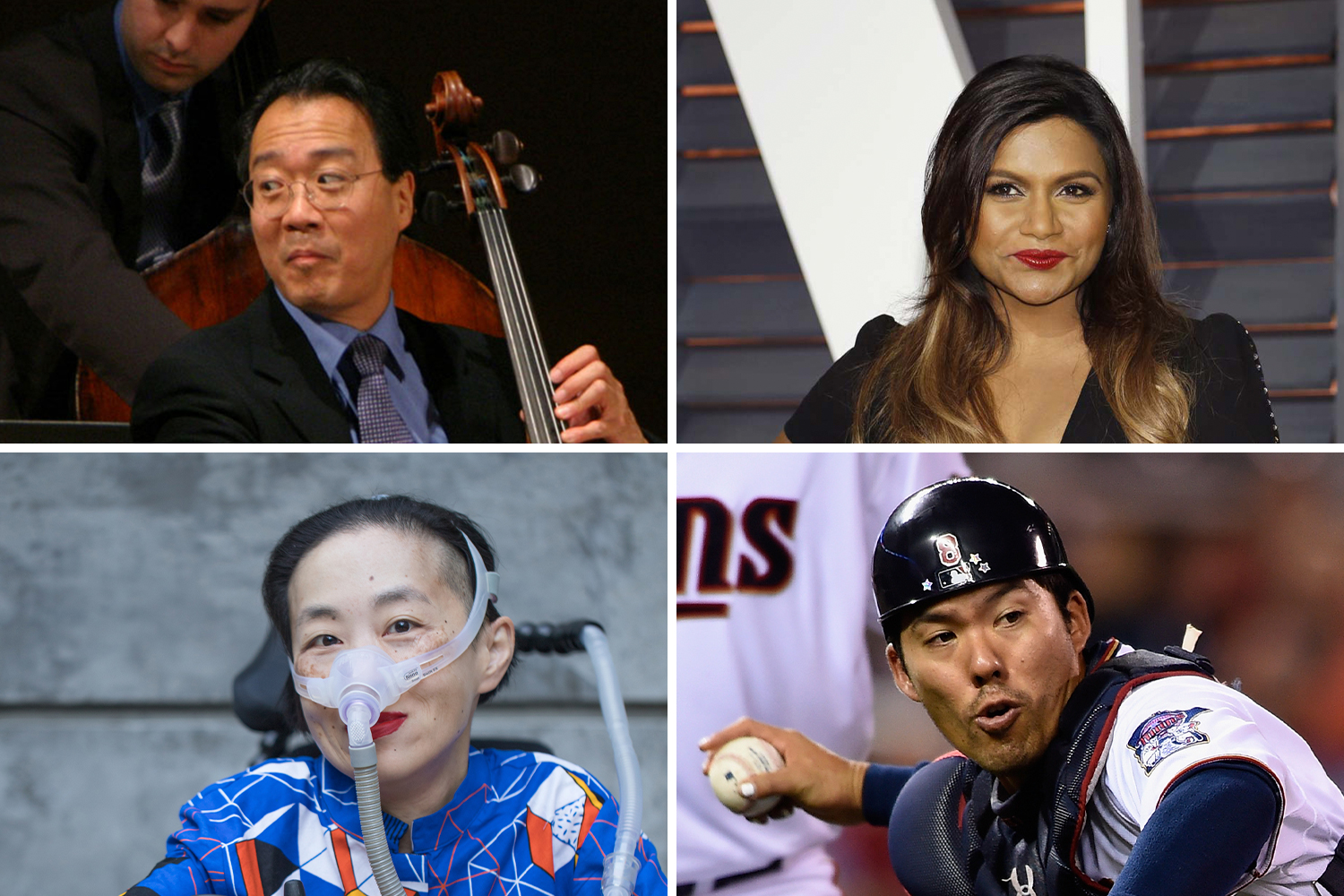
A composite shows Yo-Yo Ma, Mindy Kaling, Alice Wong, and Kurt Suzuki.

© Hiroyuki Ito—Hulton Archive/Getty Images, © Helga Esteb/Shutterstock.com, © Eddie Hernandez, © Hannah Foslien/Getty Images; Photo composite Encyclopædia Britannica, Inc.

(Clockwise from top left) Cello player Yo-Yo Ma, actor and writer Mindy Kaling, baseball player Kurt Suzuki, and disability rights activist Alice Wong.

Asian Americans and Pacific Islanders and their descendants have made impacts in science, sports, culture, and more. From Alice Wong’s advocacy for people with disabilities, to the humorous shows and movies of Mindy Kaling, read all about trailblazing Asian Americans at Britannica.

WORD OF THE WEEK

diaspora

PART OF SPEECH:

noun

Definition:
: a group of people who live outside the area in which they had lived for a long time or in which their ancestors lived — usually singular
Definitions provided by
Merriam-Webster Logo

Crossword

Use the clues to fill in the puzzle.

O
O
O
O
O
O

In Case You Missed It

The island of Corsica showed American colonists that a courageous revolution could defeat an empire.
May 7, 2026
Physicist Narinder Singh Kapany developed fiber optic cables, helping to make the Internet possible.
April 30, 2026
How can you tell whether photos and videos are real or made with AI? Here are a few tips.
April 24, 2026
A seemingly strange bank is saving one of Earth’s most valuable resources.
April 9, 2026

How to Cite This Page

Here is how to cite this page using the MLA style. While every effort has been made to follow citation style rules, there may be some differences. Please refer to the appropriate style manual or other sources if you have any questions.

“In the News: The Man Who Connected the World.” Britannica School, Encyclopaedia Britannica, 3 May 2026. https://news.eb.com/level2/the-man-who-connected-the-world. Accessed 4 May 2027 [Replace this date with today’s date.]
Real or AI?

Zendaya and Tom Holland look at each other and smile as they pose in front of a staircase.

Real or AI?

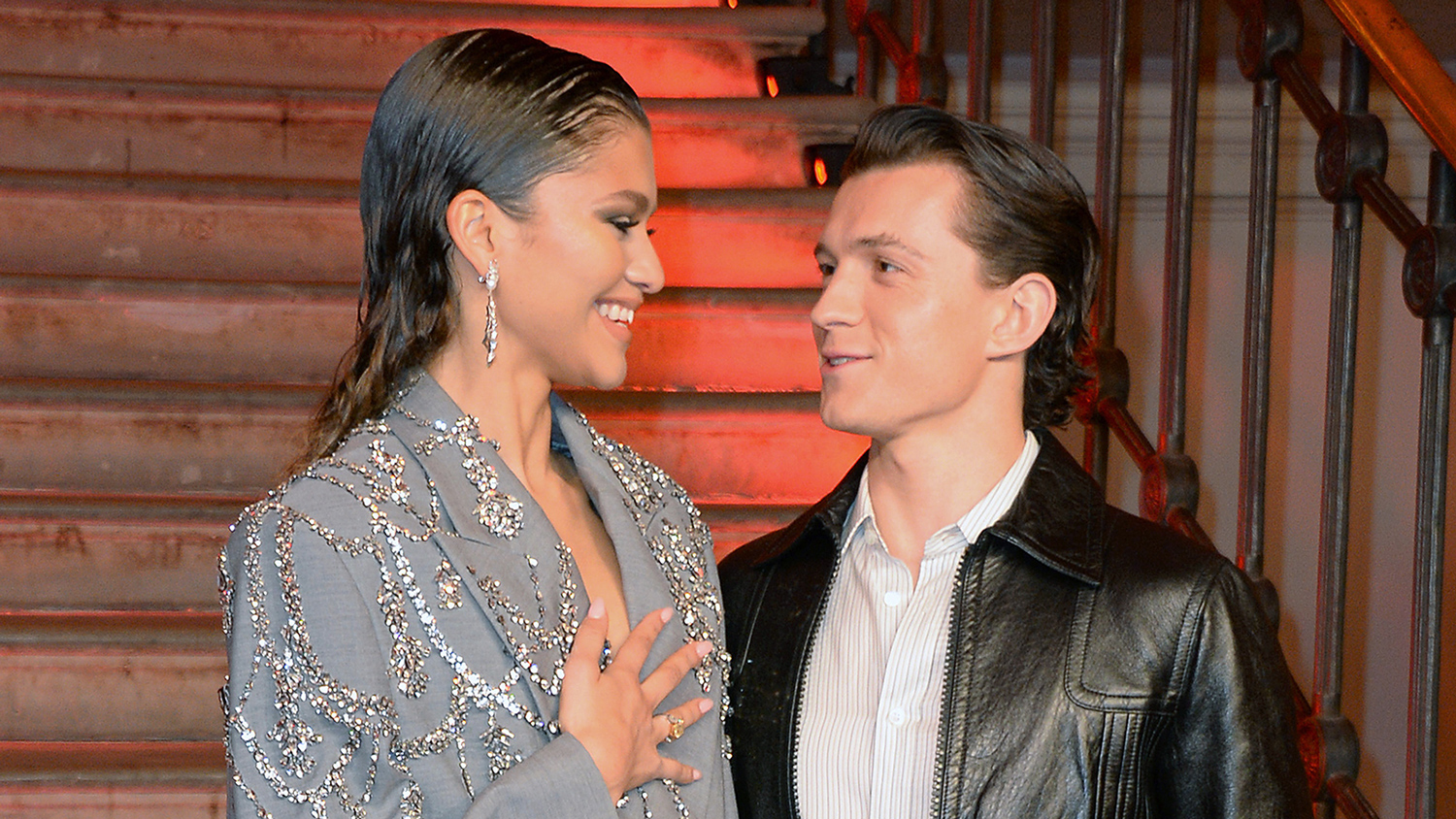
Zendaya and Tom Holland look at each other and smile as they pose in front of a staircase.

© Dave Benett—Dave Benett Collection/Getty Images

This photo of actors Zendaya and Tom Holland is real. But wedding photos of the couple were generated by artificial intelligence.

Actor Zendaya likes to keep her private life private, so it was surprising when photos of her wedding to actor Tom Holland appeared online. The wedding looked beautiful, and Zendaya said her friends complimented her on how the photos came out. There was only one problem—the photos weren’t real. They had been generated by artificial intelligence (AI).

“Many people have been fooled by them,” Zendaya told late-night host Jimmy Kimmel. “People were like, ‘Your wedding photos are gorgeous.’ And I was like, ‘Babe, they’re AI. They’re not real.’”

It’s a common mistake. AI technology is getting better at creating photos and videos, which means we’re more likely to be fooled by them. A few online tools, like WasItAI and Content Credentials, are designed to tell users whether an image was created by AI. But they’re not always correct. 

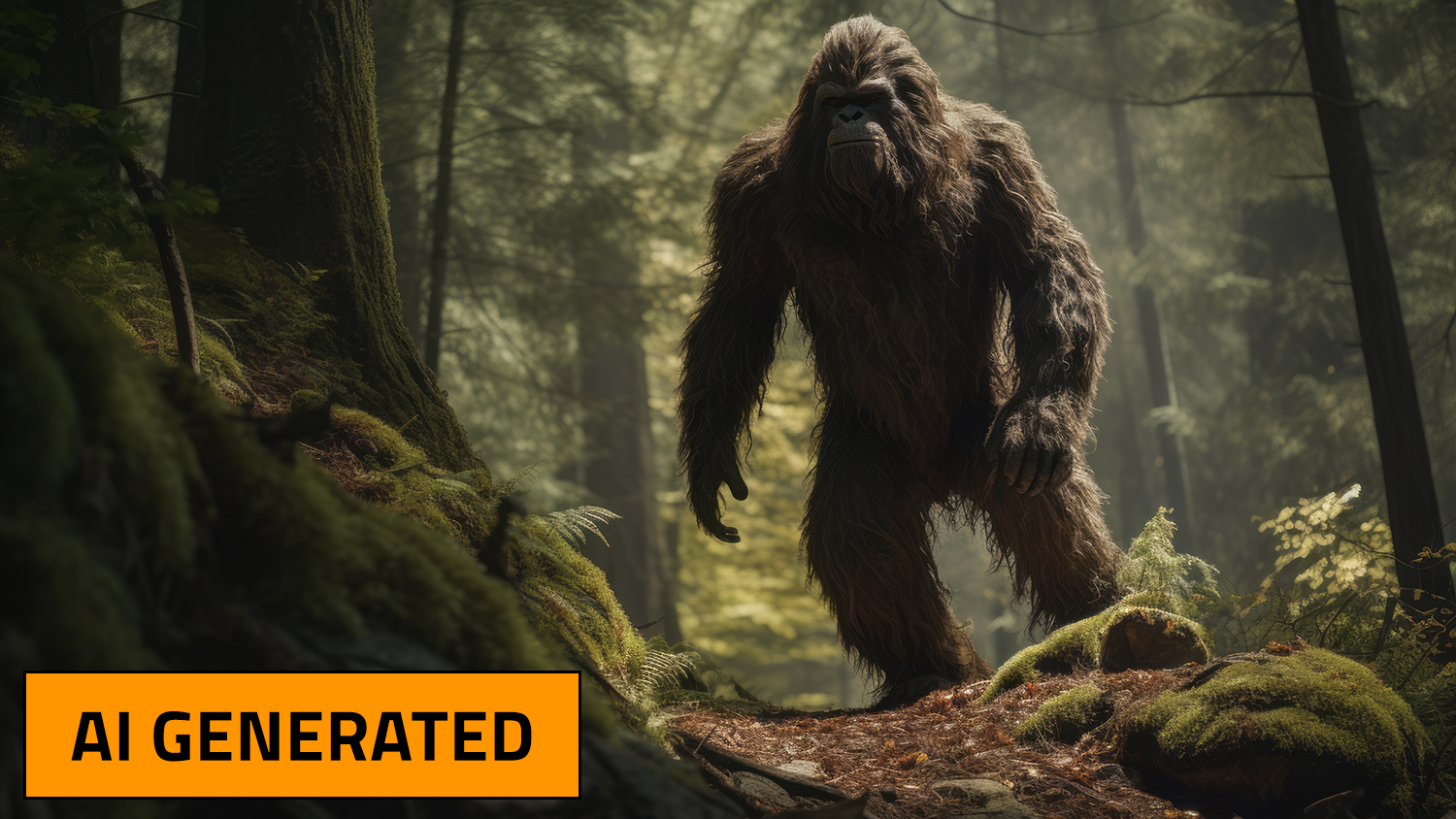
An image showing a sasquatch in a forest has a label that says it is AI generated.

© Brian/stock.adobe.com

It’s not hard to tell that this image is fake, even without the “AI Generated” label. Other images are trickier.

So how can you tell when photos and videos are real? Here are a few tips.

  • Study the details. If the photo shows a person, do their fingers look right? Are their ears the same shape as in other photos? Does the face look like the person, or are a few features different?
  • Study the words. AI isn’t very good at generating words in a photo. Sometimes a street sign or the words on a person’s clothing will be misspelled or won’t make sense.
  • Study the background. If a famous person is shown in a setting that seems unrealistic, the photo may be fake. Did Ariana Grande really pose for a photo with flamingos? 
  • Study the crispness. If a video seems a little blurry, or if the person’s voice and mouth movements don’t match, it may not be real.
  • Read the comments. Sometimes viewers will point out when an image or video is AI, and how they know. These claims aren’t always correct, but if a lot of people have evidence that it’s AI, they may be right.
  • Use reverse image search. Google and other search engines have a “reverse image search” capability. This lets you upload the image to learn who created it and where else it is being used. If the image is being used by trustworthy websites like the Associated Press or Britannica, it’s probably real. But if the image appears only on social media accounts, then its authenticity may be more questionable.

AI is getting cleverer. But so far, there are still ways to keep ahead of it!

Did You Know?

Tilly Norwood is a fresh-faced young Hollywood actor. But Tilly Norwood isn’t a person—she’s a computer-generated character who could star in a movie. Her creation has many human actors concerned about the future of film.

Closeup of a smiling young woman with long brown hair and with a red carpet and photographers in the background.

© Particle6/Xicoia

Tilly Norwood, seen here, was created by a computer.

Is AI A-Okay?

HUMAN

AI

HUMAN

AI

AI

HUMAN

AI

HUMAN

AI

© Tyler Olson/stock.adobe.com, © Leland Bobbe—DigitalVision/Getty Images, © Wavebreakmedia Ltd, Hel080808/Dreamstime.com, Sophie Nightingale

Can you tell what’s real and what’s fake? Guess which of the faces above are real people. Then hover your mouse over each one to find out if you’re correct.

AI can improve our lives in many ways…but it can also cause harm. Here are a few of the pros and cons of AI.

Pro: AI can help us plan trips, keep our homes safe, and more. It can also help companies get some things done faster than human workers can.  

Con: Many companies are replacing their employees with AI. 

Pro: AI can make work easier for students and workers. It can come up with study guides, schedule meetings, and more.

Con: Kids and adults may not develop important thinking skills when they use AI. Plus, AI can be used for cheating. 

Pro: AI presents information on the Internet, which can help people do research.

Con: Some of the information AI presents can be false and harmful.

Movie Makers

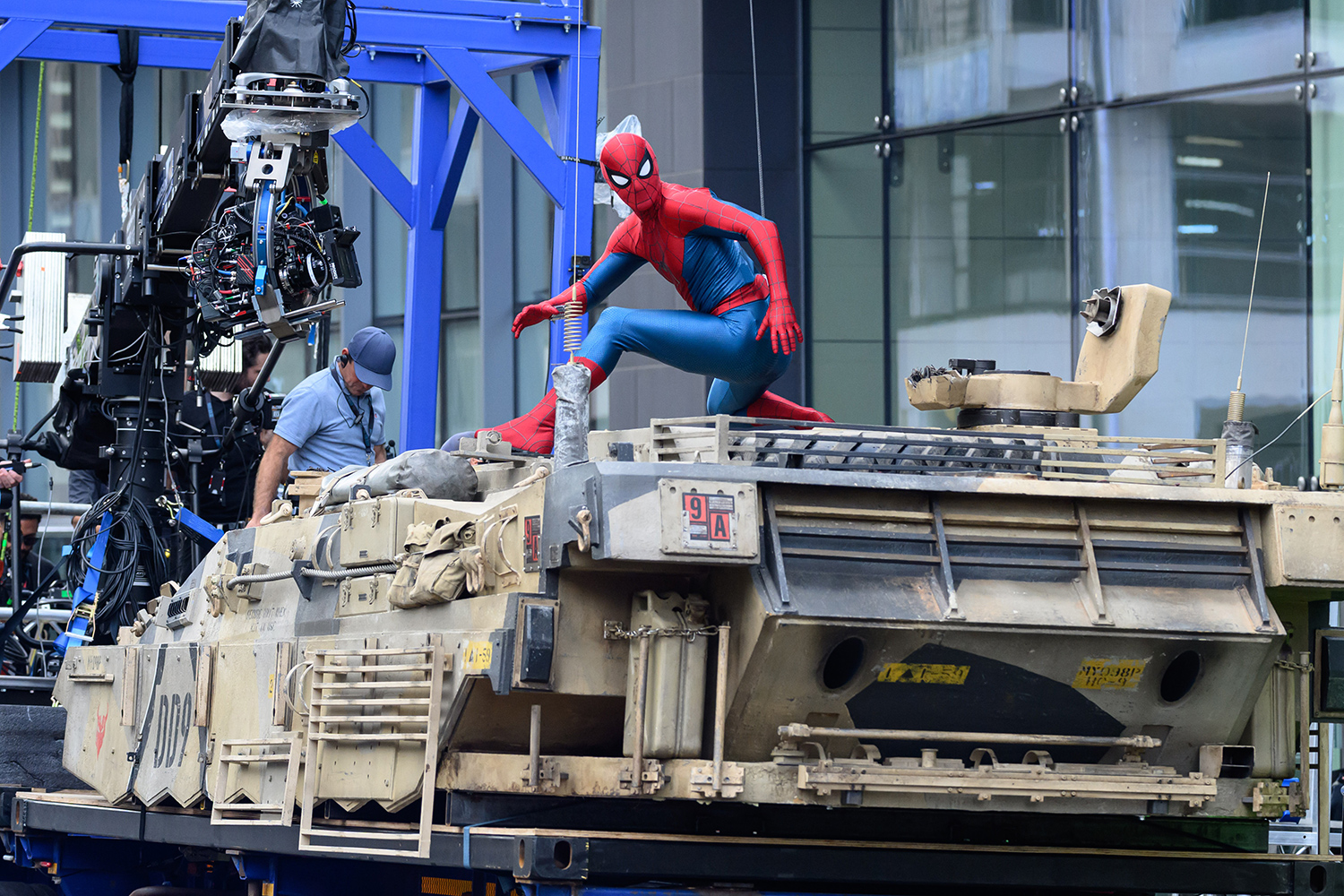
Tom Holland wears a Spiderman costume as he stands on a movie set with equipment and crew members.

© WCGLA/Mega—GC Images/Getty Images

This 2025 photo shows Tom Holland during the making of the movie Spider-Man: Brand New Day.

AI may be widespread, but creative people are still making amazing art, including movies. Making a movie requires a huge team of imaginative people, including directors, actors, costume designers, set decorators, and many more.

You can learn more about how movies are made at Britannica!

WORD OF THE WEEK

bogus

PART OF SPEECH:

adjective

Definition:

: not real or genuine : fake or false

Definitions provided by
Merriam-Webster Logo

Criss Cross

See if you can figure out where each word goes.

O
O
O
O
O
O

In Case You Missed It

The island of Corsica showed American colonists that a courageous revolution could defeat an empire.
May 7, 2026
Physicist Narinder Singh Kapany developed fiber optic cables, helping to make the Internet possible.
April 30, 2026
How can you tell whether photos and videos are real or made with AI? Here are a few tips.
April 24, 2026
A seemingly strange bank is saving one of Earth’s most valuable resources.
April 9, 2026

How to Cite This Page

Here is how to cite this page using the MLA style. While every effort has been made to follow citation style rules, there may be some differences. Please refer to the appropriate style manual or other sources if you have any questions.

“In the News: Real or AI.” Britannica School, Encyclopaedia Britannica, 26 Apr. 2026. https://news.eb.com/level2/real-or-ai. Accessed 13 Apr. 2027 [Replace this date with today’s date.]
Seed Bank Savings

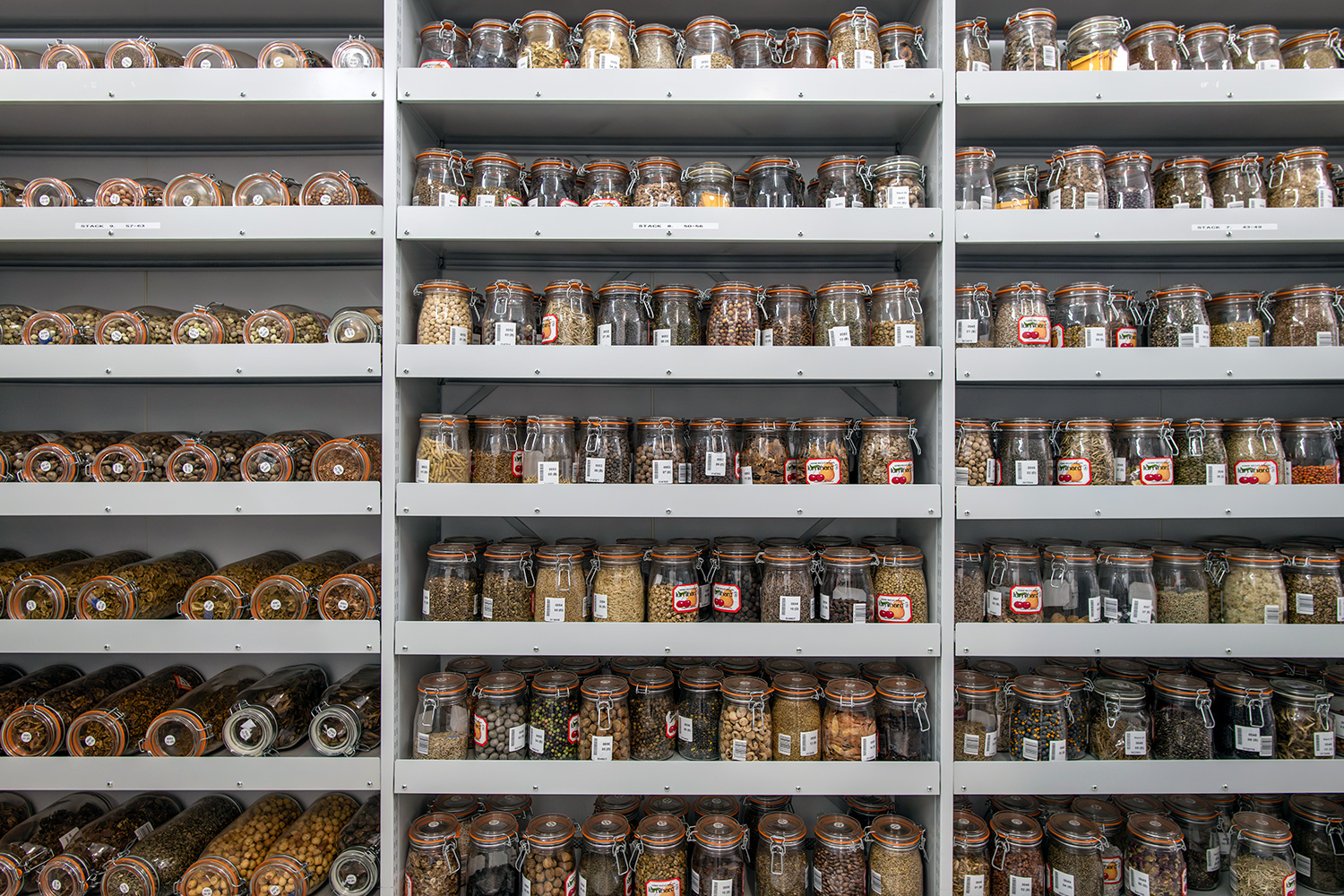
Labeled mason jars with different kinds of seeds sit on metal shelves. A person can be seen working in the background.

Seed Bank Savings

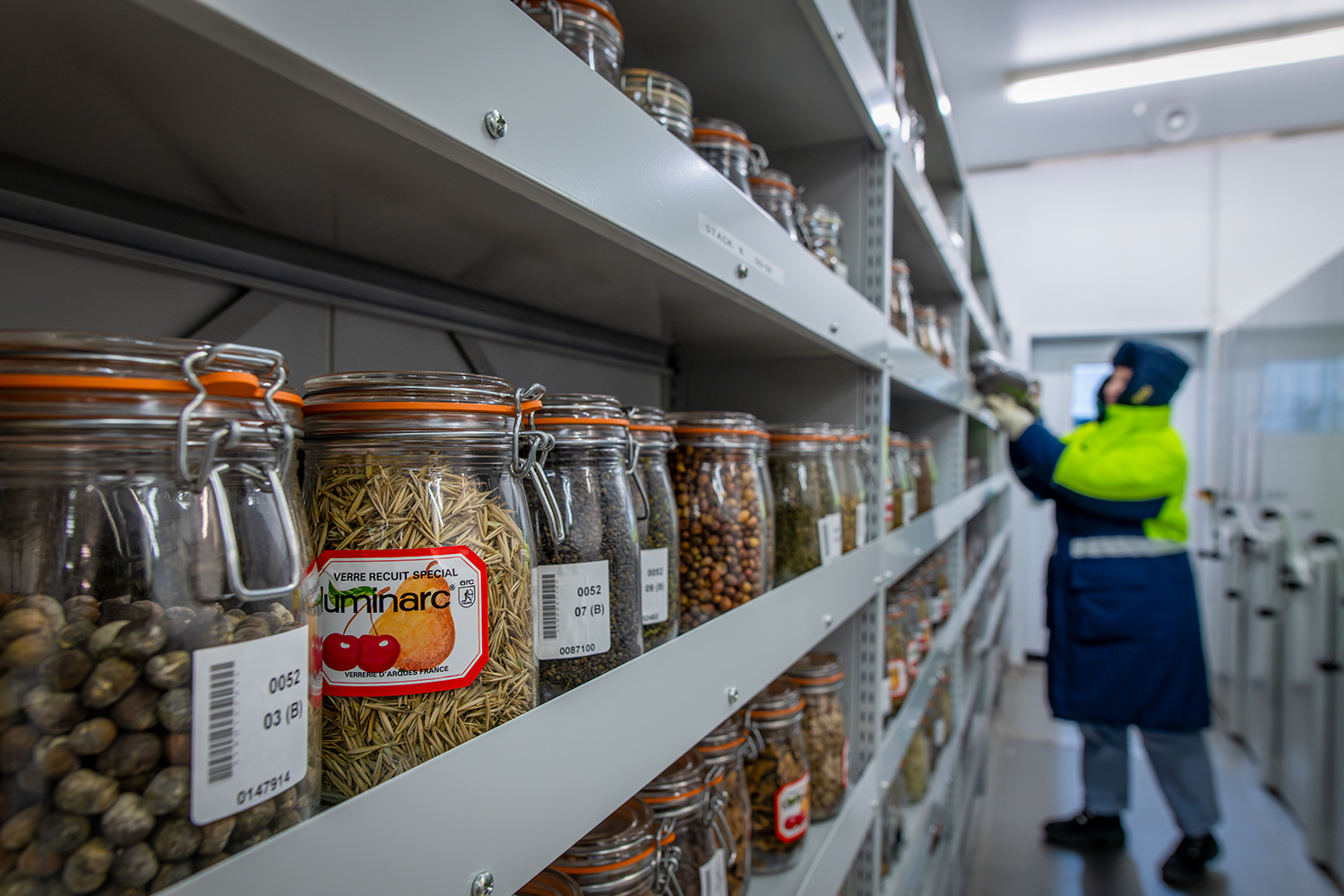
Labeled mason jars with different kinds of seeds sit on metal shelves. A person can be seen working in the background.

Ines Stuart-Davidson © RBG Kew

The Millennium Seed Bank’s vault holds jars of seeds from around the world.

Underneath a quiet botanic garden about an hour from London, England, there’s a fortified bank that holds a great treasure. It isn’t dazzling gold or sparkling jewels but seeds. The Millennium Seed Bank (MSB) is on a mission to safeguard billions of seeds and with them, Earth’s biodiversity.

“It’s invaluable,” the bank’s seed collections manager, Sharon Balding, told National Geographic Kids. “Our future survival depends on these seeds.” Plant biodiversity is the foundation for life on Earth. Plants are sources of food, medicines, building materials, and oxygen for the atmosphere. “Without [seeds], vital resources like food and medicines could be lost to us.”

Rows of labeled mason jars filled with seeds sit on shelves.

Ines Stuart-Davidson © RBG Kew

The jars in the seed bank make it look almost like a home pantry!

In just 25 years, the MSB has gathered more than 2.5 billion seeds from nearly 100 countries. The seeds are stored in giant underground vaults that could protect the seeds from floods or blasts that could potentially harm them. But why go through all this effort for the humble seed?

“People often think that the vault is for a distant, doomsday scenario,” said seed scientist Owen Blake in an interview with National Geographic Kids. “But many of the seeds here are already urgently needed to restore degraded habitat!” The goal for these seeds is to restore destroyed wildlife habitats. If the destruction is big enough, these areas will need seeds to regrow lost plants.

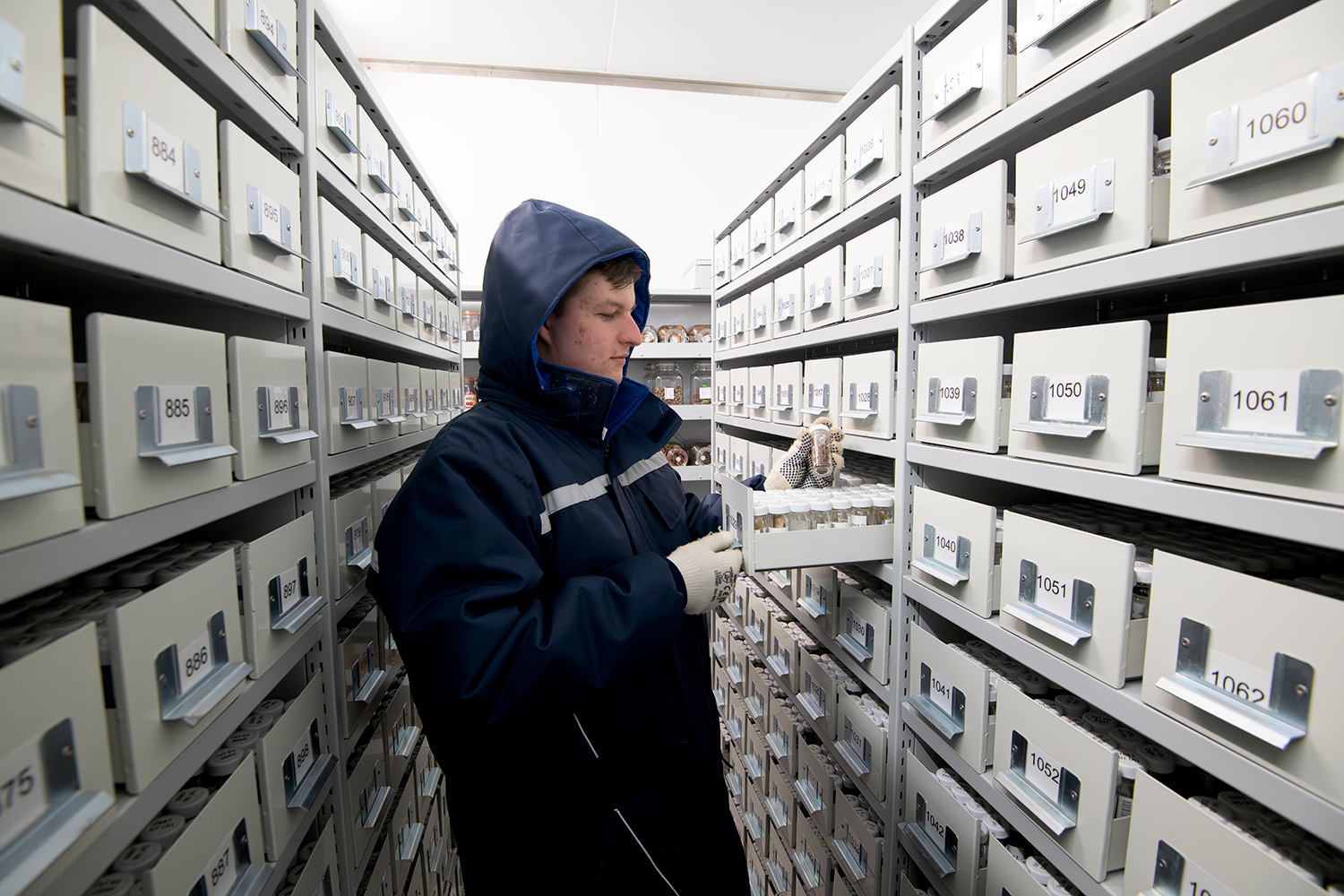
A man wearing a coat is holding a vial of seeds he has pulled from a small drawer that holds many other vials.

Jeff Eden © RBG Kew

The seed vault is kept cold so that the seeds can be stored for a long time.

The MSB already jumped into action when a wildfire in 2020 decimated major habitats in Australia. From the thousands of Australian seeds stored in the bank, the MSB sent back 250 seeds to help Australian scientists regrow some rare plants destroyed in the fire.

Today the MSB houses seeds from about 40,000 different plant species. This may seem like a lot, but it is just a fraction of the estimated 435,000 unique land plant species on Earth. The more seeds that are added to the bank, the more biodiversity is saved to protect life on Earth as we know it.

NEWS EXTRA

Moon Mission Accomplished!

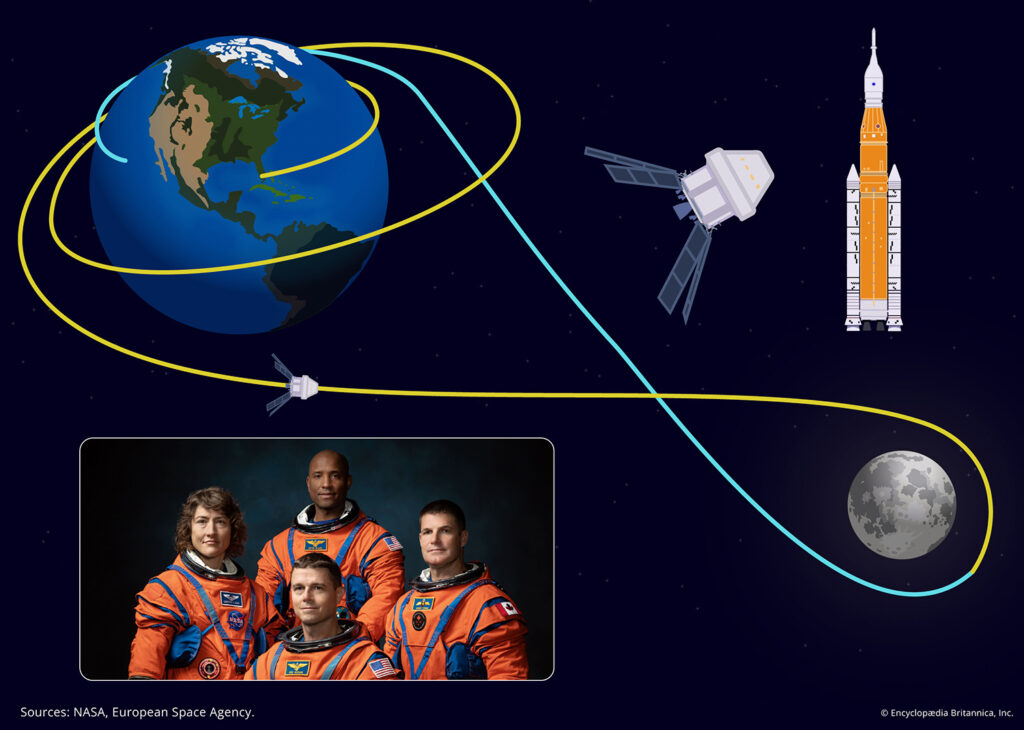
Earth and the Moon are shown with a line drawn to show Orion’s path around Earth and then around to the far side of the Moon and back to Earth, along with a portrait of the crew.

NASA; Photo illustration Encyclopædia Britannica, Inc.

The yellow and blue line traces the path traveled by the crew of Artemis II (shown here).

The crew of NASA’s Artemis II has returned after a mission to the Moon that took them farther from Earth than anyone had ever traveled in space. Commander Reid Wiseman, pilot Victor Glover, and mission specialists Christina Koch and Jeremy Hansen landed in the Pacific Ocean as planned on April 10. U.S. Navy divers were on hand to make sure the four astronauts returned to land safely.

The highlight of the 10-day mission took place on Day 6, when the spacecraft, the Orion, flew by the far side of the Moon, where no human had ever gone. The astronauts reached a distance of more than 250,000 miles (400,000 kilometers) from Earth.

The Artemis II mission is part of a larger project to develop new space travel technology. NASA hopes that humans will one day be able to build a settlement on the Moon and even explore areas far beyond Earth and the Moon.

Did You Know?

If stored properly, seeds can last a really long time! 

According to scientists, the oldest seeds to successfully produce plants were 32,000-year-old seeds from Silene stenophylla, a flowering plant found in Siberia. The seeds survived because an Ice Age squirrel had buried them deep underground in frozen soil. The scientists unearthed the seeds and grew the plants thousands of years later!

A purple flowered plant is growing in the wild.
© piemags—nature/Alamy

Scientists were able to grow Silene stenophylla from extremely old seeds. The photo shows a different S. stenophylla plant growing in the wild.

Sing for Your Health!

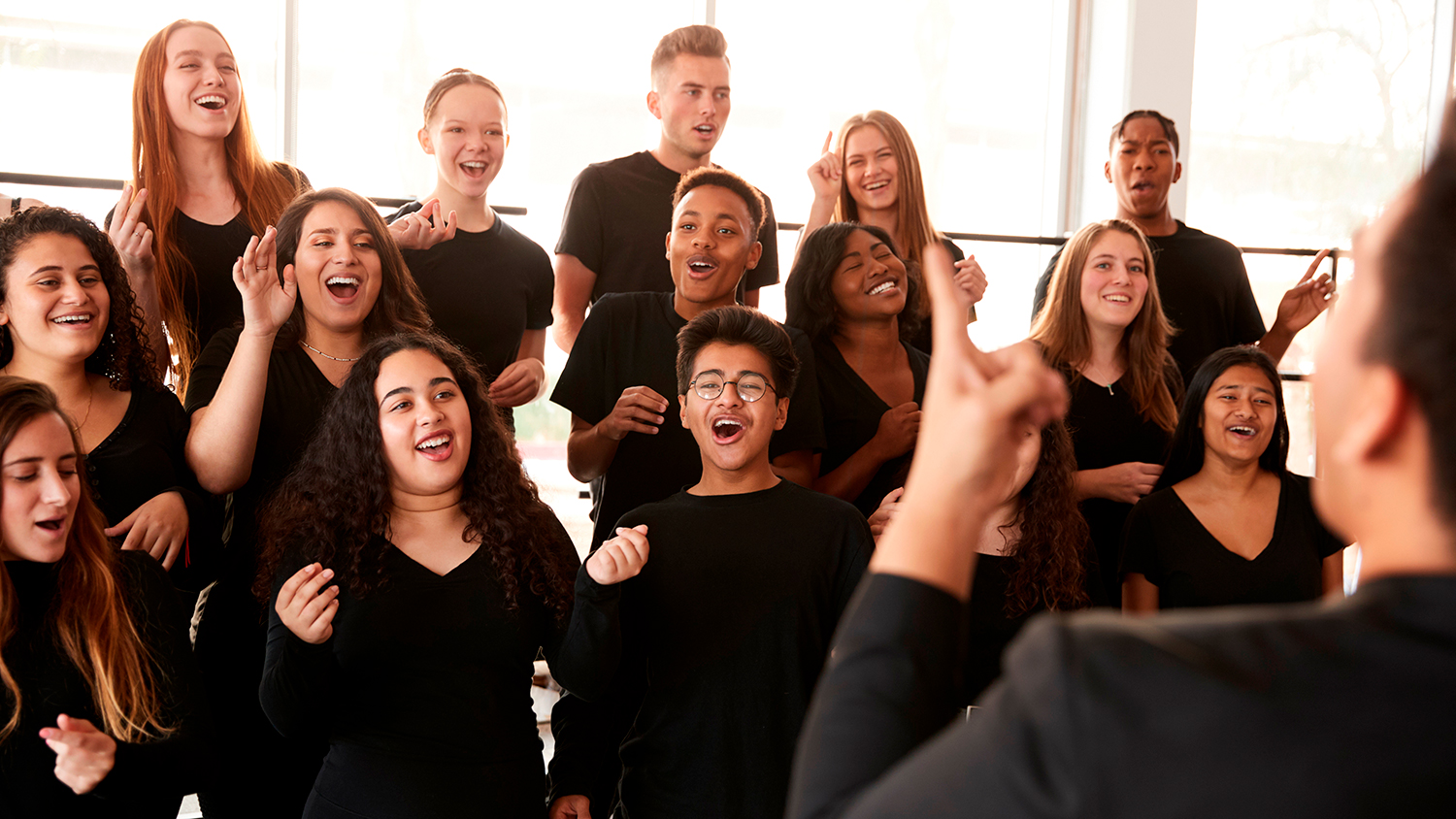
Teens or young adults smile and gesture as they sing in a choir with the help of a director.

© Monkey Business/stock.adobe.com

If you’ve ever enjoyed singing in a choir at school or singing in a group during a holiday, there’s a reason it feels so good. Singing is good for your health!

Research shows that singing can benefit the whole body, from the head to the heart. The biggest boost comes from singing in a group, like a choir. 

Alex Street, a researcher who studies the use of music therapy, told the BBC, “Singing is a cognitive, physical, emotional and social act.” 

Singing calms the mind and body in several ways. First, singing activates the vagus nerve, a part of the body that sends signals to the brain and heart to relax. This helps the heart rate and blood pressure go down. It can also boost immune system responses, which means that singing can help the body fight infections. 

Singing in a group boosts these benefits. People who have survived cancer and strokes have found their health improved after joining a community choir. Group singing appears to help repair damage in the brain and boosts general health. The “feel good” response can even be seen on singers’ faces and heard in their voices, said Street.

So, strike up the tunes the next time you go to choir practice or sing along with your friends. It’s good for you! 

Treasuring Earth Day

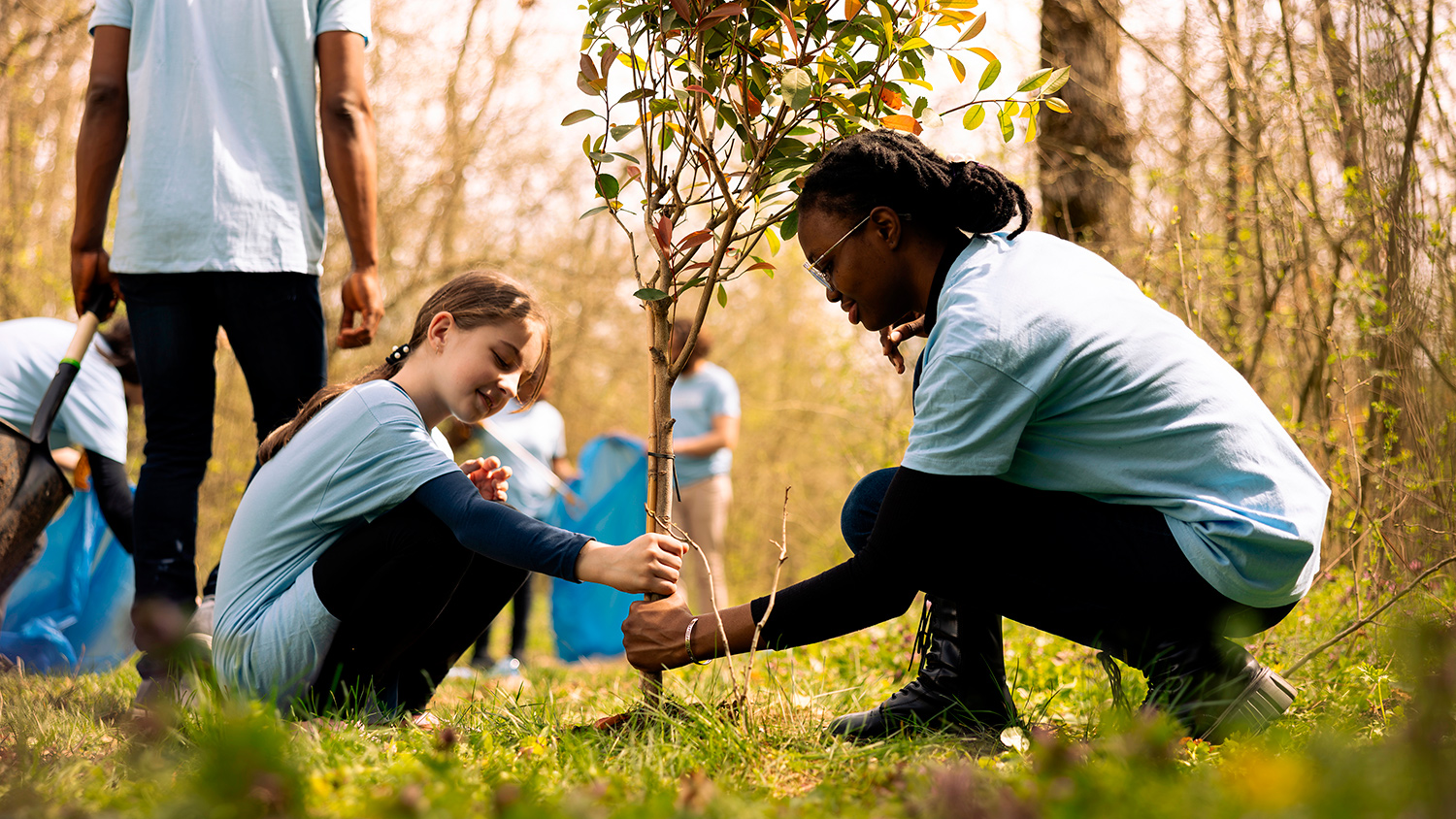
An adult and a child plant a young tree together as other people plant trees and pick up trash in the background.

© DC Studio/stock.adobe.com

April 22 is Earth Day, a global celebration of nature! Instead of organizing parades or parties, people often spend Earth Day doing things that help the environment. People of all ages can help plant trees or pick up trash. 

Read more about Earth Day at Britannica.

WORD OF THE WEEK

inestimable

PART OF SPEECH:

adjective

Definition:

: too great, valuable, or excellent to be measured

Definitions provided by
Merriam-Webster Logo

Word Flower

How many words can you make with these letters? All words must use the letter in the center. At least one word uses all the letters.

O
O
O
O
O
O

In Case You Missed It

The island of Corsica showed American colonists that a courageous revolution could defeat an empire.
May 7, 2026
Physicist Narinder Singh Kapany developed fiber optic cables, helping to make the Internet possible.
April 30, 2026
How can you tell whether photos and videos are real or made with AI? Here are a few tips.
April 24, 2026
A seemingly strange bank is saving one of Earth’s most valuable resources.
April 9, 2026

How to Cite This Page

Here is how to cite this page using the MLA style. While every effort has been made to follow citation style rules, there may be some differences. Please refer to the appropriate style manual or other sources if you have any questions.

“In the News: Seed Bank Savings.” Britannica School, Encyclopaedia Britannica, 12 Apr. 2026. https://news.eb.com/level2/seed-bank-savings. Accessed 13 Apr. 2026 [Replace this date with today’s date.]
Young People Lend a Helping Hand

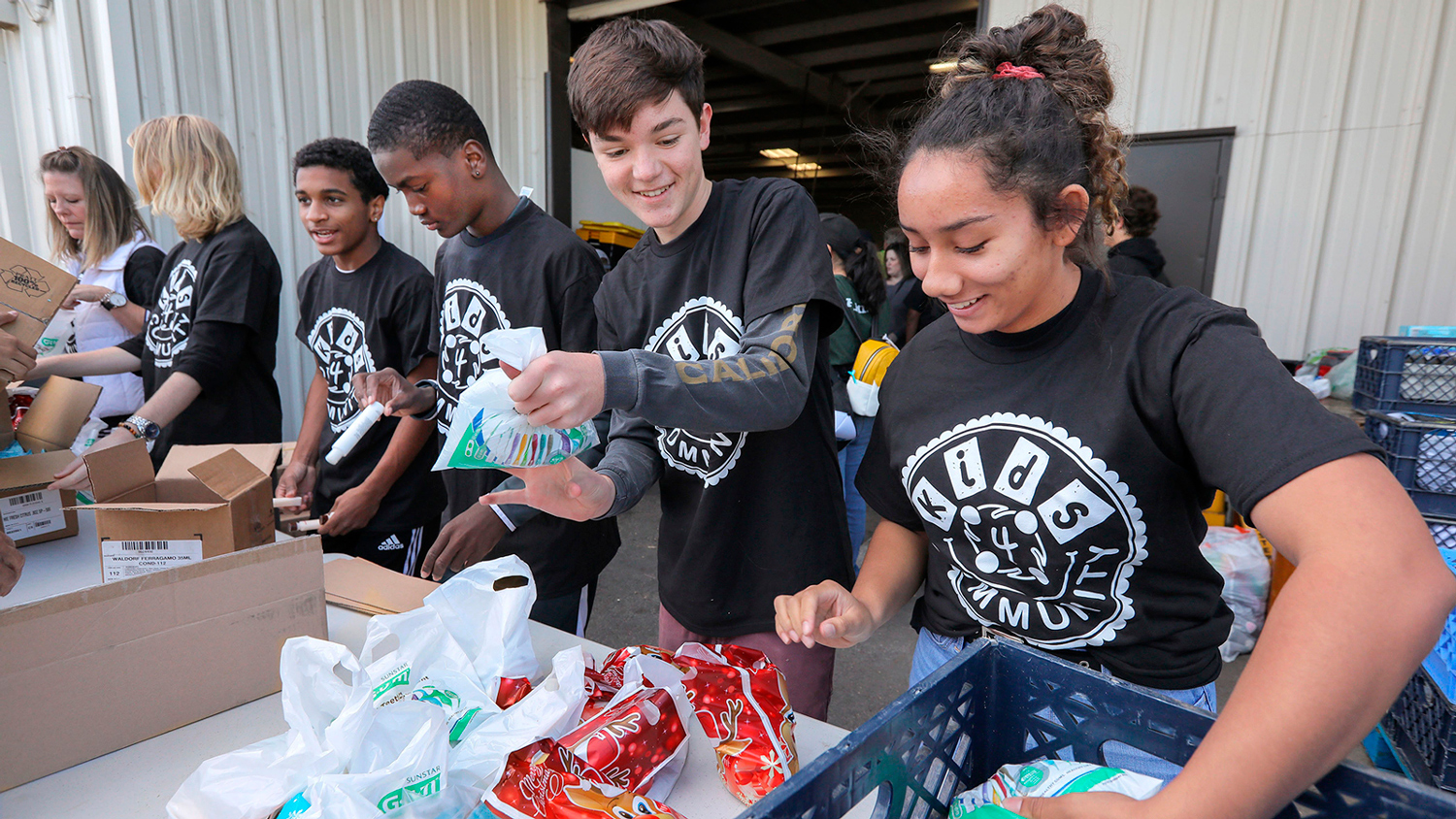
Five young people wearing Kids4Community shirts stand at an outdoor table putting items into plastic bags.

Young People Lend a Helping Hand

Five young people wearing Kids4Community shirts stand at an outdoor table putting items into plastic bags.

© Charlie Neuman/The San Diego Union Tribune—MediaNews Group/Getty Images

Teen volunteers with the U.S. charity Kids4Community fill “Bags of Hope” with toys, clothing, food, and other items for people without homes.

Young people have a regular habit of helping others. A new survey found that many members of Gen Z and Gen Alpha are volunteering their time in ways that make them feel more connected to their communities. 

Polling 3,000 young people ages 12–25 in the United States, The Allstate Foundation and Gallup found that 82 percent of young people have participated in some form of service. The poll results paint an uplifting picture of the way young people are helping others and dedicating time to causes they are passionate about.

Community service is work done without payment to help other people. It can mean extracurricular activities like picking up trash in a neighborhood, volunteering for a food drive, or donating clothes. But it can also be something smaller, like helping a friend study or carrying groceries for a neighbor.

(Clockwise from top left): A child helps a sibling with homework, a group of young people plant and water a young tree, two young people stand on a boardwalk holding paint rollers, and three scouts hold donation boxes.

© Odua Images, AS Photo Family/stock.adobe.com, © Daniel Lai/SOPA Images—LightRocket/Getty Images, © Jeffrey Greenberg—Universal Images Group/Getty Images; Photo composite Encyclopædia Britannica, Inc.

Kids and teens can make a difference in so many ways.

According to the survey, the young people who volunteered felt connected to their communities and more personally resilient, meaning they feel “they can handle whatever comes their way.” 

These survey results come at a time when other research shows that young people are feeling socially disconnected. Young people who volunteer could be trying to make meaningful in-person connections.

“Service is a powerful developmental tool for young people’s career readiness, connection and resilience,” said Greg Weatherford II, who works for the Allstate Foundation. “When youth are trusted to lead and given real opportunities to make an impact, the benefits multiply.”

Did You Know?

The human rights group UNICEF says communities with active youth participation have a stronger democratic culture. This means people are more likely to work together and respect each other’s rights and opinions.

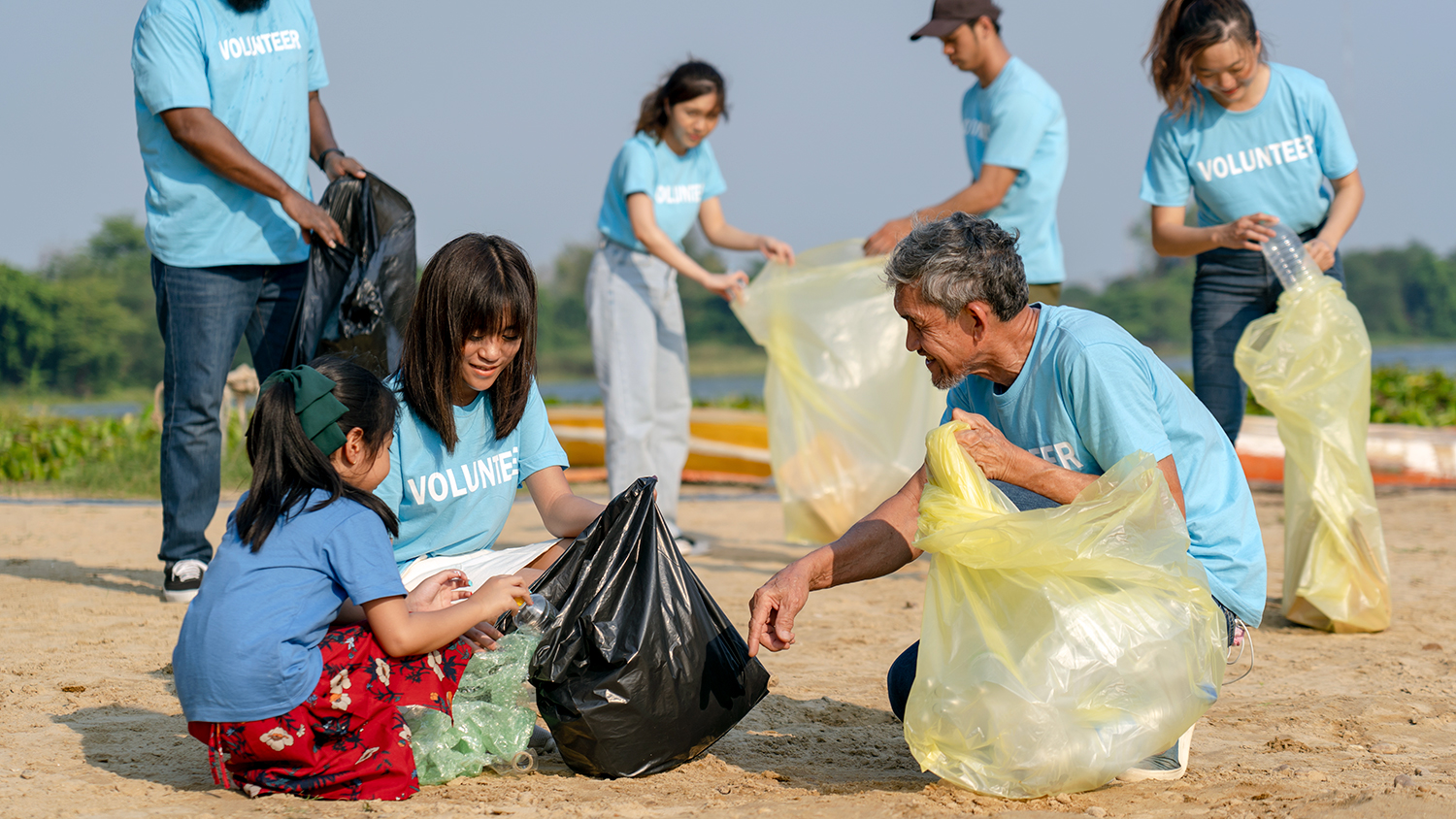
People of different ages are on a sandy beach putting plastic items into bags.

© PINA/stock.adobe.com

Getting Hooked on “Grandma Hobbies”

Some young people are putting away their phones and embracing so-called grandma hobbies. These slower, old-school activities are finding new life in young hands.

Here are some screen-free hobbies kids are taking up in art classes, as after-school activities, or on their own.

Pottery

Three young people sit at a table in an art studio and use their hands and tools to shape clay.

© InfiniteFlow/stock.adobe.com

People who take up pottery can use their hands to make anything they want, including sculptures, vases, and dinnerware. All they need is some clay. Pottery can be sculpted without tools, or using a technique called wheel throwing. Wheel throwing uses a spinning machine to help people shape pottery.

Metalworking

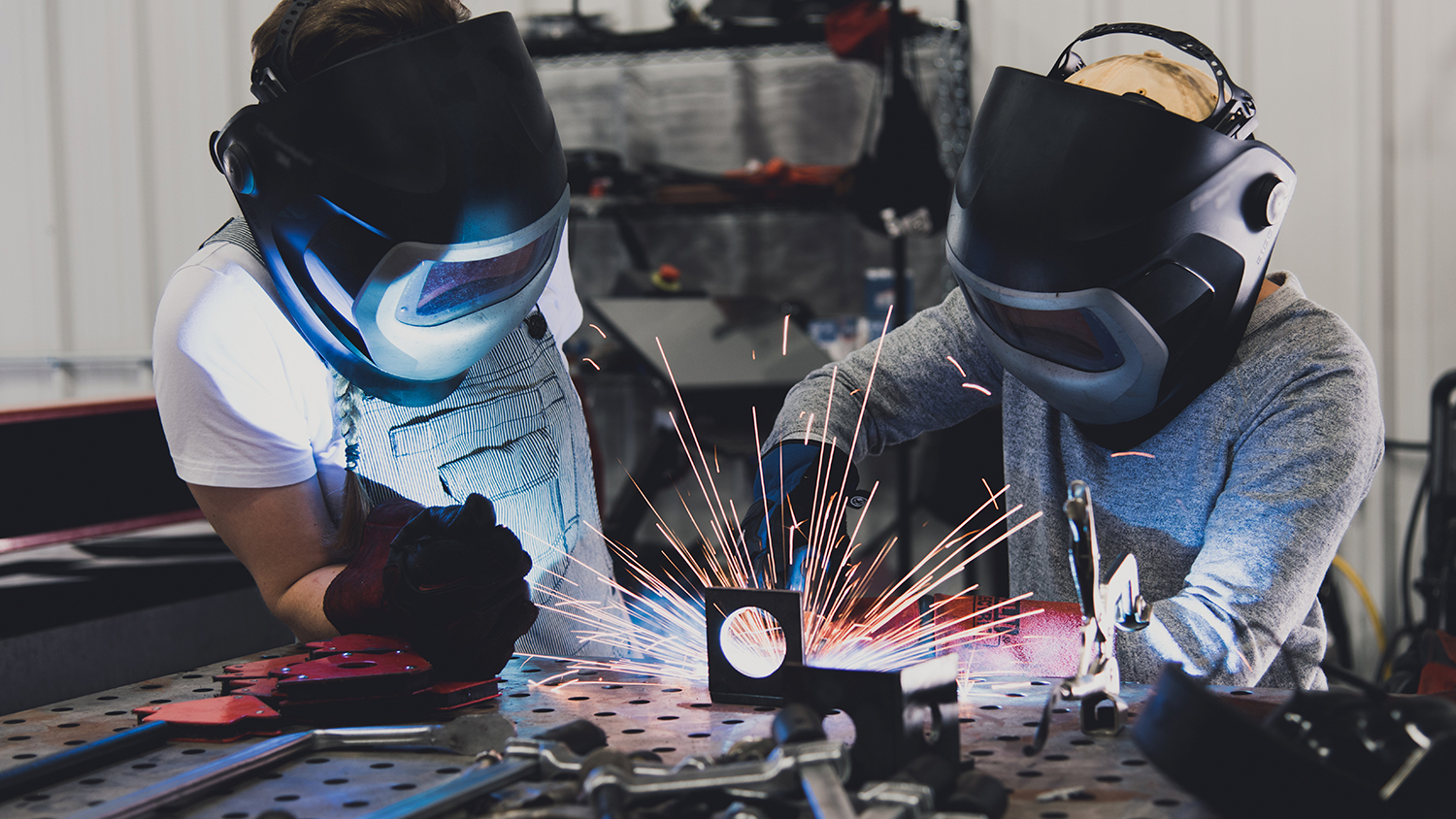
A young person and an adult using welding tools while wearing protective gear.

© Kyta Willets/stock.adobe.com

Metalworking is shaping metal to create objects like tools, decorations, and jewelry. This can be done with simple tools, or it could require more complex processes called welding and casting. Some metalworking techniques were developed hundreds of years ago and are still used today! 

Crocheting

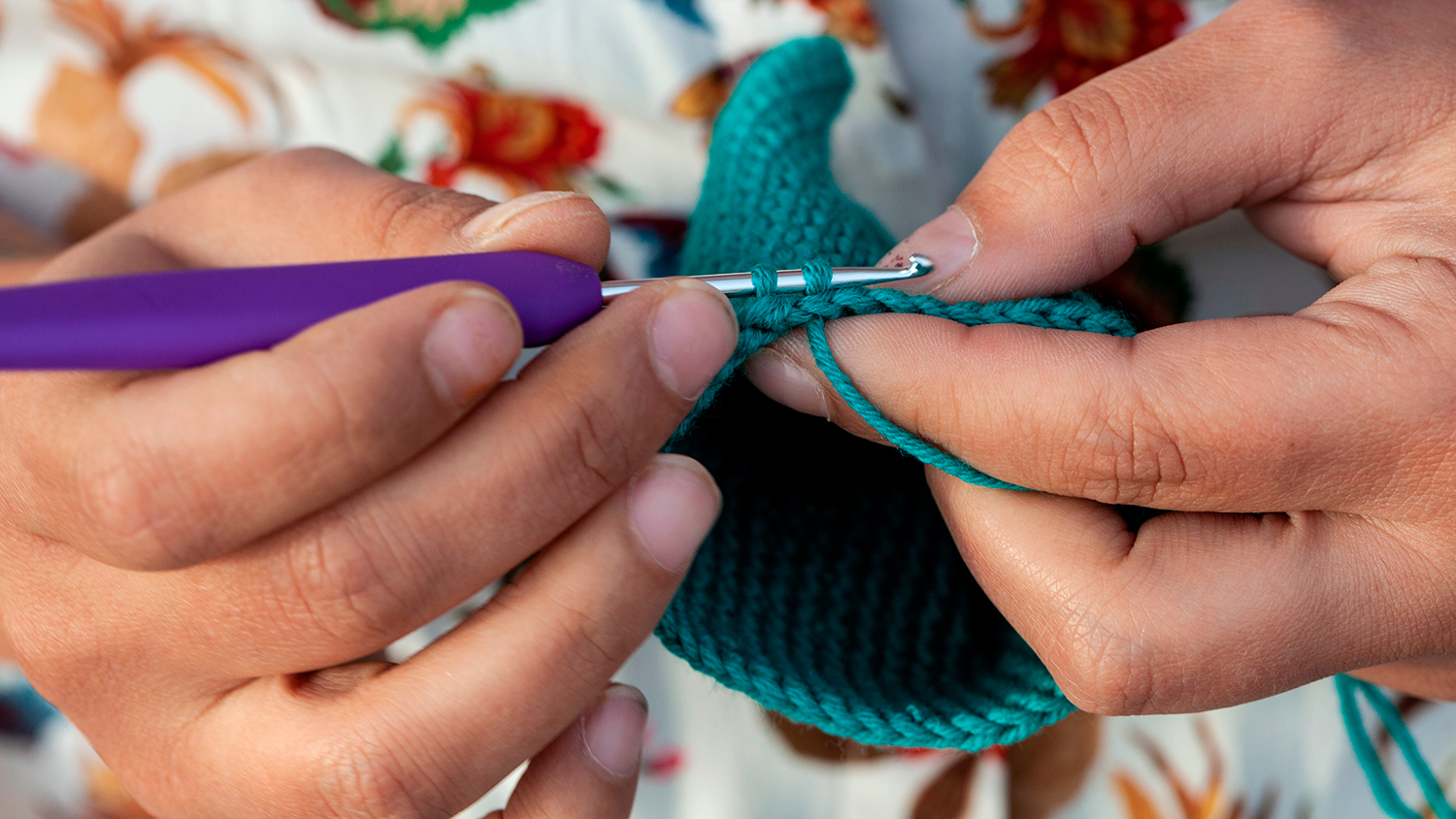
A closeup of two hands using a crochet hook to do crochet stitches.

© Pixel_Studio_8/stock.adobe.com

Crocheting involves using a needle with a small hook on the end to create textiles out of yarn. Crocheters can make clothing, blankets, and amigurumi—the name for a cute, crocheted stuffed doll.

Birdwatching

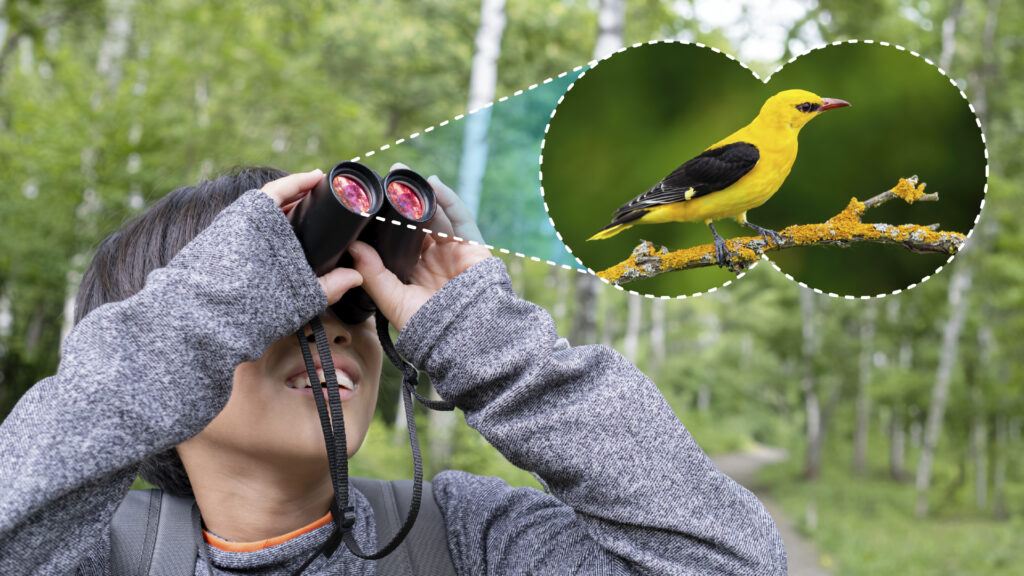
A child looks through binoculars and a yellow and black bird is in an inset showing what the child is viewing.

© AOPI,  WildMedia/stock.adobe.com; Photo illustration Encyclopædia Britannica, Inc.

Birdwatching is like a scavenger hunt. The goal is to spot birds and properly identify them based on their songs or physical features. This hobby is great for people who are into nature, getting outside, and—of course—birds!

Painting and Drawing

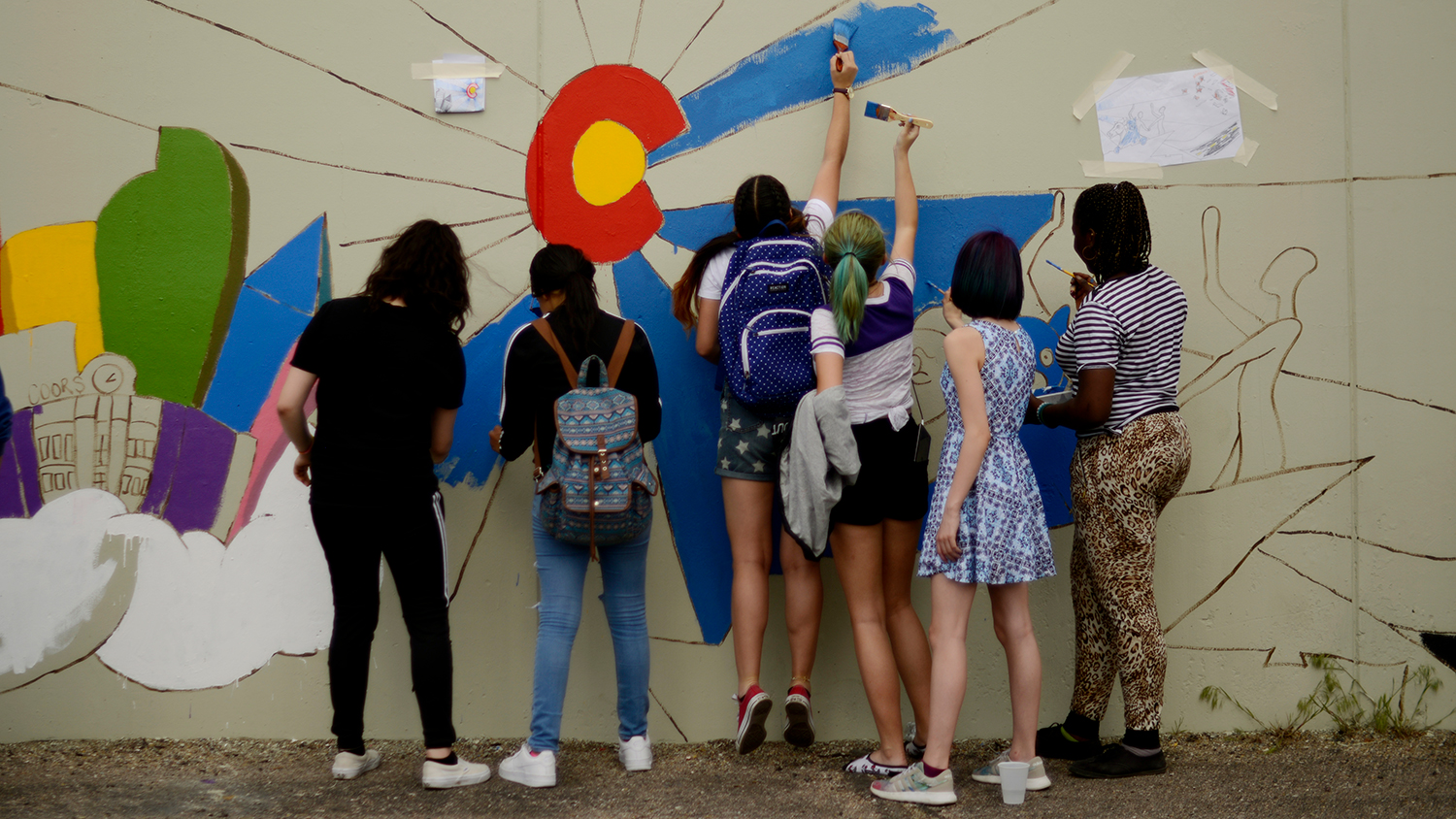
Six teens have their backs to the camera as they paint a wall mural.

© Hyoung Chang—The Denver Post/Getty Images

People enjoy drawing and painting because there is no right or wrong way to do it. They can use pens, colored pencils, oil paints, or watercolors to make art on paper or a canvas. Painting is about expressing yourself in any way you wish.

Not only are hobbies fun, but they’re also shown to boost creativity, improve mental health, and boost confidence. Maybe it’s time to pick up a new hobby!

A Better World for Children

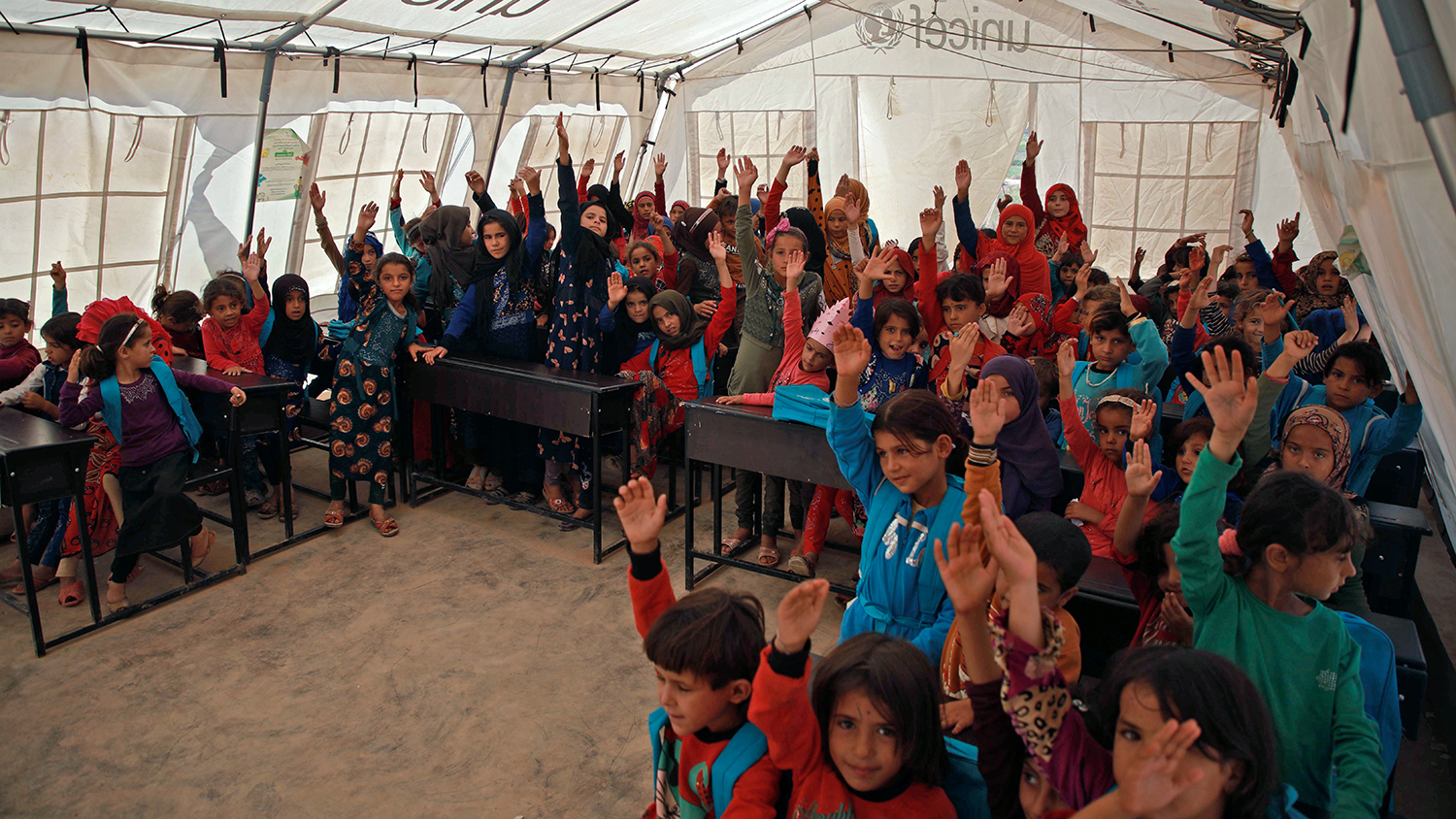
Young children sit at desks inside a UNICEF tent. Each child has a hand raised.

© Aaref Watad—AFP/Getty Images

In this 2019 photo, Syrian children who have been displaced from their homes due to violence attend school in a UNICEF tent.

UNICEF is an international program that makes the world a better place for children. Founded to help children after World War II, the organization now provides aid to young people all over the world. Read more about the history and current impact of UNICEF at Britannica.

WORD OF THE WEEK

spur

PART OF SPEECH:

verb

Definition:

: to encourage (someone) to do or achieve something

Definitions provided by
Merriam-Webster Logo

Crossword

Use the clues to fill in the puzzle.

O
O
O
O
O
O

In Case You Missed It

The island of Corsica showed American colonists that a courageous revolution could defeat an empire.
May 7, 2026
Physicist Narinder Singh Kapany developed fiber optic cables, helping to make the Internet possible.
April 30, 2026
How can you tell whether photos and videos are real or made with AI? Here are a few tips.
April 24, 2026
A seemingly strange bank is saving one of Earth’s most valuable resources.
April 9, 2026

How to Cite This Page

Here is how to cite this page using the MLA style. While every effort has been made to follow citation style rules, there may be some differences. Please refer to the appropriate style manual or other sources if you have any questions.

“In the News: Young People Lend a Helping Hand.” Britannica School, Encyclopaedia Britannica, 5 Apr. 2026. https://news.eb.com/level2/young-people-lend-a-helping-hand. Accessed 6 Apr. 2026 [Replace this date with today’s date.]
The Joy of “Unuseless” Inventions

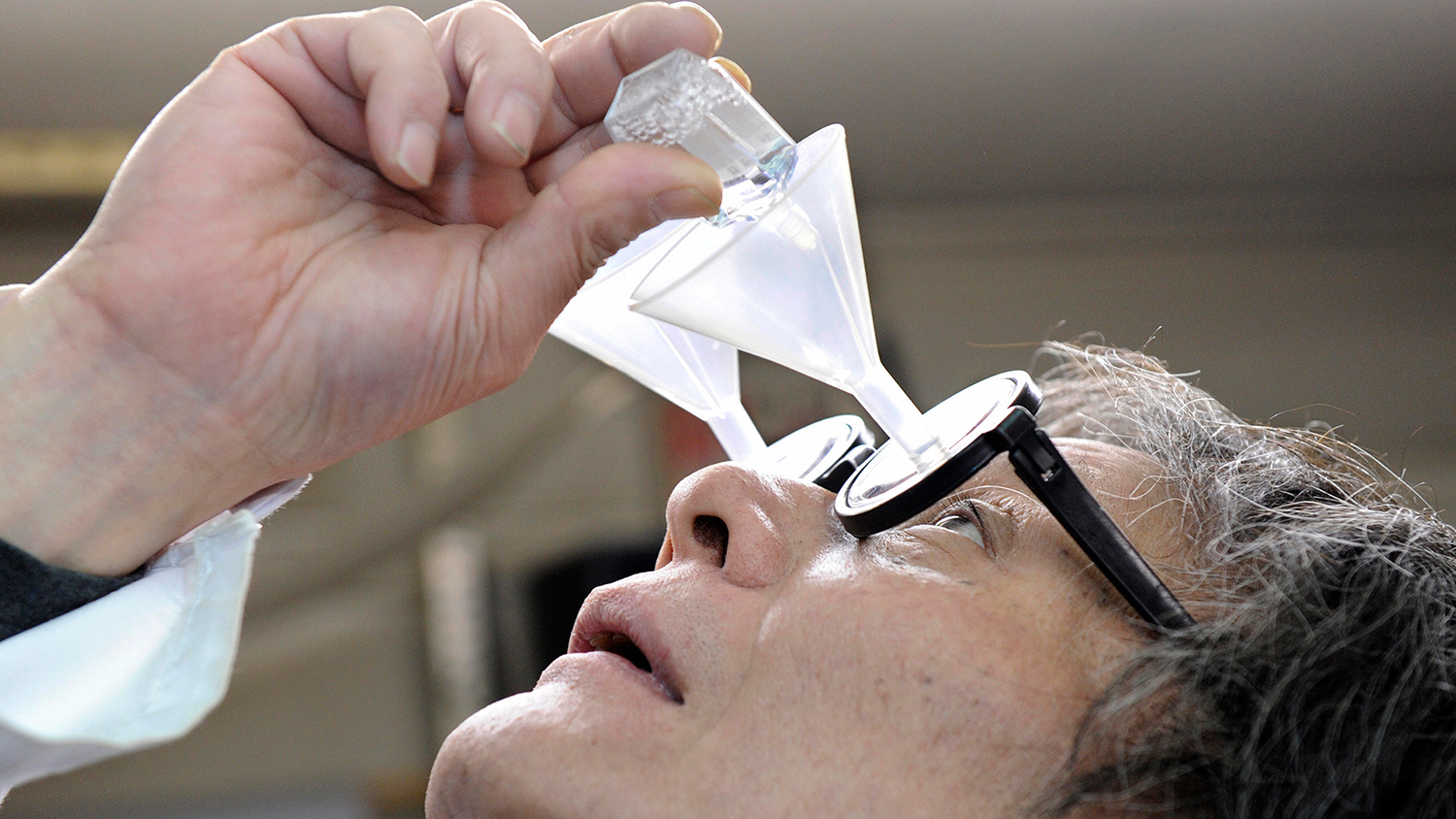
Kenji Kawakami squeezes eyedrops into a funnel on one of the lenses of his glasses.

The Joy of “Unuseless” Inventions

Kenji Kawakami squeezes eyedrops into a funnel on one of the lenses of his glasses.

© Yoshikazu Tsuno—AFP/Getty Images

Kenji Kawakami invented the word chindogu to describe an almost-useful invention. These funnel glasses guide eyedrops right into a person’s eyes.

Have you ever had a fun idea for an invention but realized it isn’t that useful? Congratulations—you may have just come up with a chindogu! Chindogu, which means “strange tools” in Japanese, is the word for silly gadgets that are almost useful, like a solar-powered flashlight or a glue-stick-style butter dispenser. Why would someone want these barely helpful inventions? It turns out that chindogu are not made for necessity, but for the joy of creating something.

Japanese inventor Kenji Kawakami coined the term chindogu. Kawakami has created more than 600 of these gadgets. 

Here are just a few of Kawakami’s inventions:

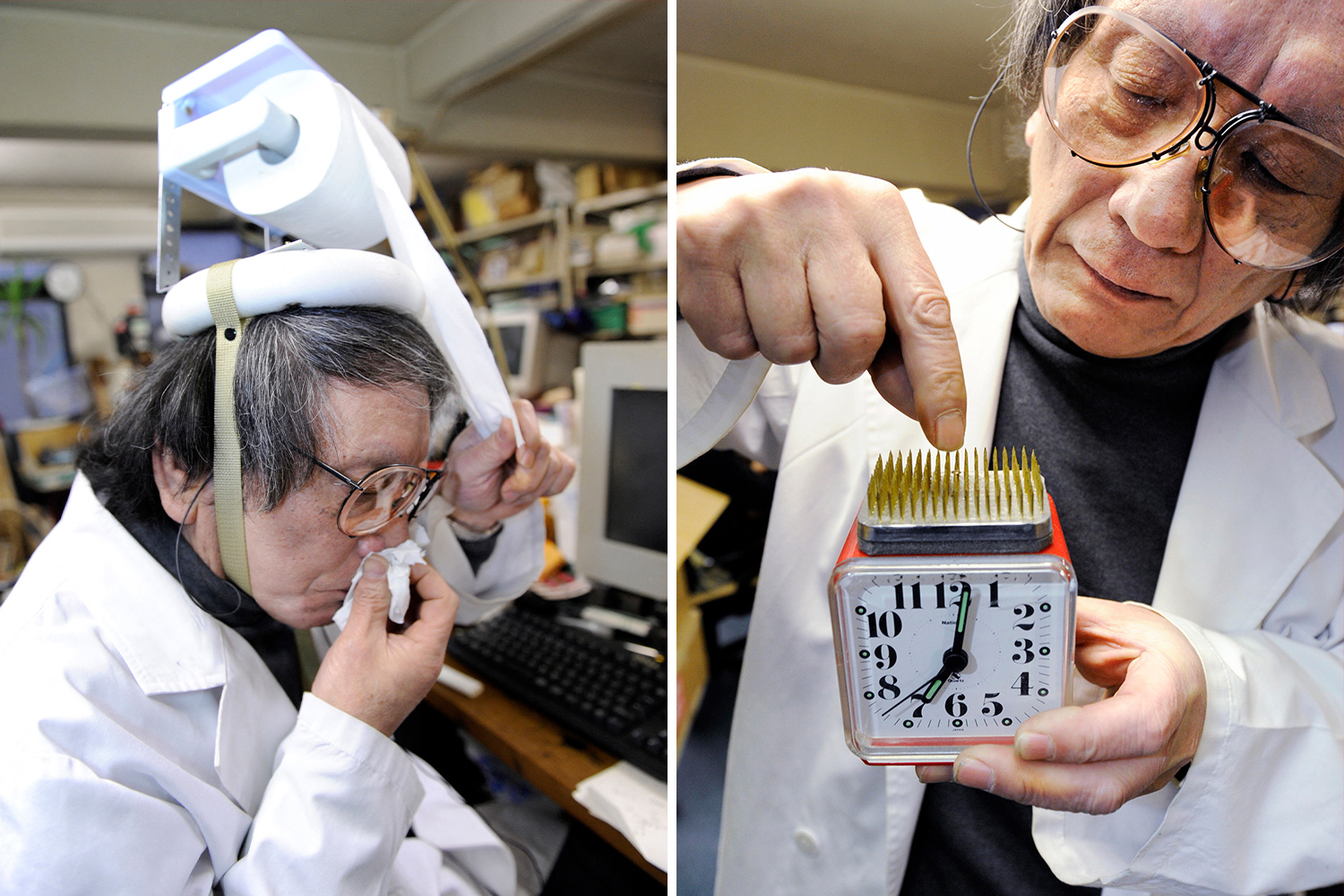
  • Hay fever hat: a hat with a roll of toilet paper on top so that people can quickly reach a tissue before they sneeze
  • Funnel glasses for eye drops: glasses with funnels that help people aim as they apply eye drops 
  • Fan chopsticks: eating utensils with a small, motorized fan attached to the end so that the person eating hot noodles can cool their food as they eat
  • Umbrella shoes: dress shoes with little umbrellas on the end so that the shoes won’t get wet in the rain
Kenji Kawakami wears a hat with a roll of toilet paper at the top and pulls on the toilet paper to blow his nose; Kenji Kawakami holds an analog alarm clock that has a bed of pins along the top.

© Yoshikazu Tsuno—AFP/Getty Images; Photo composite Encyclopædia Britannica, Inc.

Kenji Kawakami demonstrates two of his inventions. At left, the hay fever hat dispenses toilet paper whenever it’s needed. At right, the sharp pins alarm clock’s snooze button is in the middle of a bed of pins, making it hard to press.

Kawakami came up with the concept of chindogu to challenge the idea that all inventions should be things people want to buy. 

“The one big difference is that while most inventions are aimed at making life more convenient, chindogu have greater disadvantages than [existing] products, so people can’t sell them,” said Kawakami in a 2002 interview with magazine J@pan, Inc. “They’re invention dropouts.”

Rather than always driving to be productive, Kawakami believes there should be a creative category for people who just enjoy solving simple problems with absurd solutions. According to Kawakami, creating something that is “unuseless” (neither useful nor useless) is still meaningful.

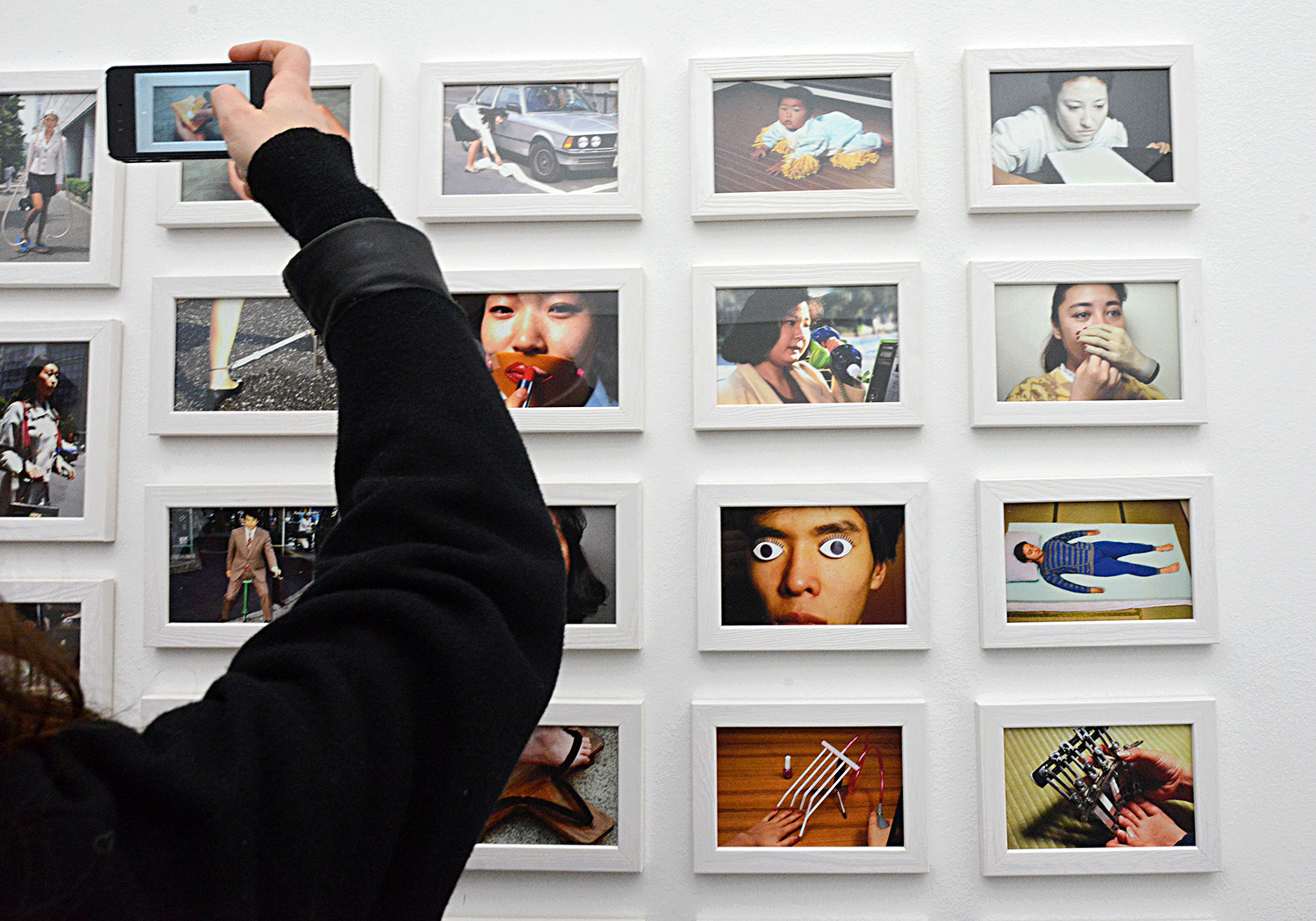
A hand holds up a phone to take a photo of a wall of photos of chindogu that are in use.

© Foc Kan—WireImage/Getty Images

In this 2015 photo, pictures of chindogu are shown at a fashion show in Paris.

So, the next time you come up with a silly gadget idea that doesn’t seem very useful, remember that the invention is still worth making.

“In the modern, digital world, everything is so quick,” said Kawakami. He used a digital versus a print dictionary as an example, adding, “With the electronic one, it only takes two seconds to find a word, but it gives us no mental or spiritual satisfaction. Yet if you use your own hands to find it, you can enjoy the process.”

Did You Know?

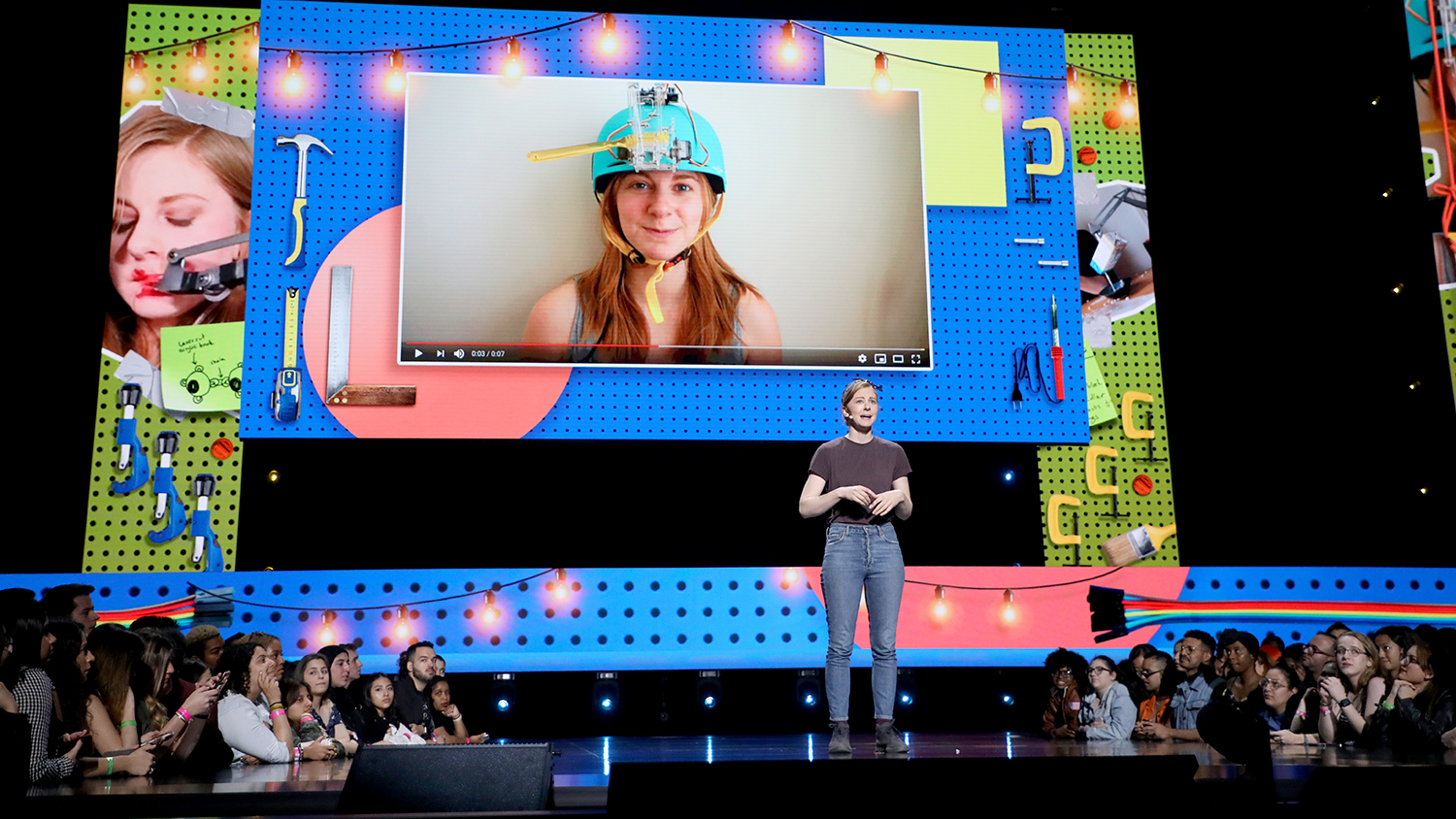
Swedish inventor and YouTube creator Simone Giertz makes both practical and absurd inventions. One that could be considered a chindogu is the Toothbrush Machine, a helmet with a tooth-brushing robot arm. A more practical Giertz invention is the Laundry Chair, for hanging clothes that have been worn but aren’t dirty enough for the washer.

Simone Giertz stands on a stage in front of a screen showing a demonstration of her Toothbrush Machine.
© Taylor Hill/FilmMagic—YouTube/Getty Images

Simone Giertz presents her Toothbrush Machine on stage in New York City in 2019.

How to Be Ridiculously Inefficient

© Ihor/Stock.adobe.com

Here’s a taste of how a Rube Goldberg machine might work.

Imagine the little tasks you do in a day. Maybe you turn on some music to help you study or you get some juice to drink. Instead of doing it yourself, what if you built a ridiculous machine to do it for you?  

A Rube Goldberg machine is designed to do a simple task in the most complicated way possible. Does it make someone’s life easier? Absolutely not. The Rube Goldberg Institute for Innovation & Creativity says a Rube Goldberg machine “solves a simple problem in the most ridiculously inefficient way possible.” But creating a Rube Goldberg machine can be fun and entertaining.

A Rube Goldberg machine that turns on some music might go through these steps: 

Start: A person lights a candle.  

Step 1: The candle’s flame burns a string. 

Step 2: The burned string releases a piece of wood. 

Step 3: The piece of wood bumps a toy car. 

Step 4: The toy car rolls down a ramp into a heavy ball. 

Step 5: The heavy ball bumps a button on a remote. 

Step 6: The remote turns on the music. 

The name of the machine comes from American cartoonist and inventor Rube Goldberg. From 1914 to 1964, Goldberg drew comic strips that joked about overly complicated processes in society. His cartoons depicted intricate machines that accomplished very simple tasks. The cartoons inspired real people to engineer their own Rube Goldberg machines.

Making a Rube Goldberg machine is a creative process, and the machine can be as ridiculous and complex as the designer wishes. People can use everyday objects, including cardboard, dominoes, sports equipment, string, paper clips, shoes, or anything that inspires them! 

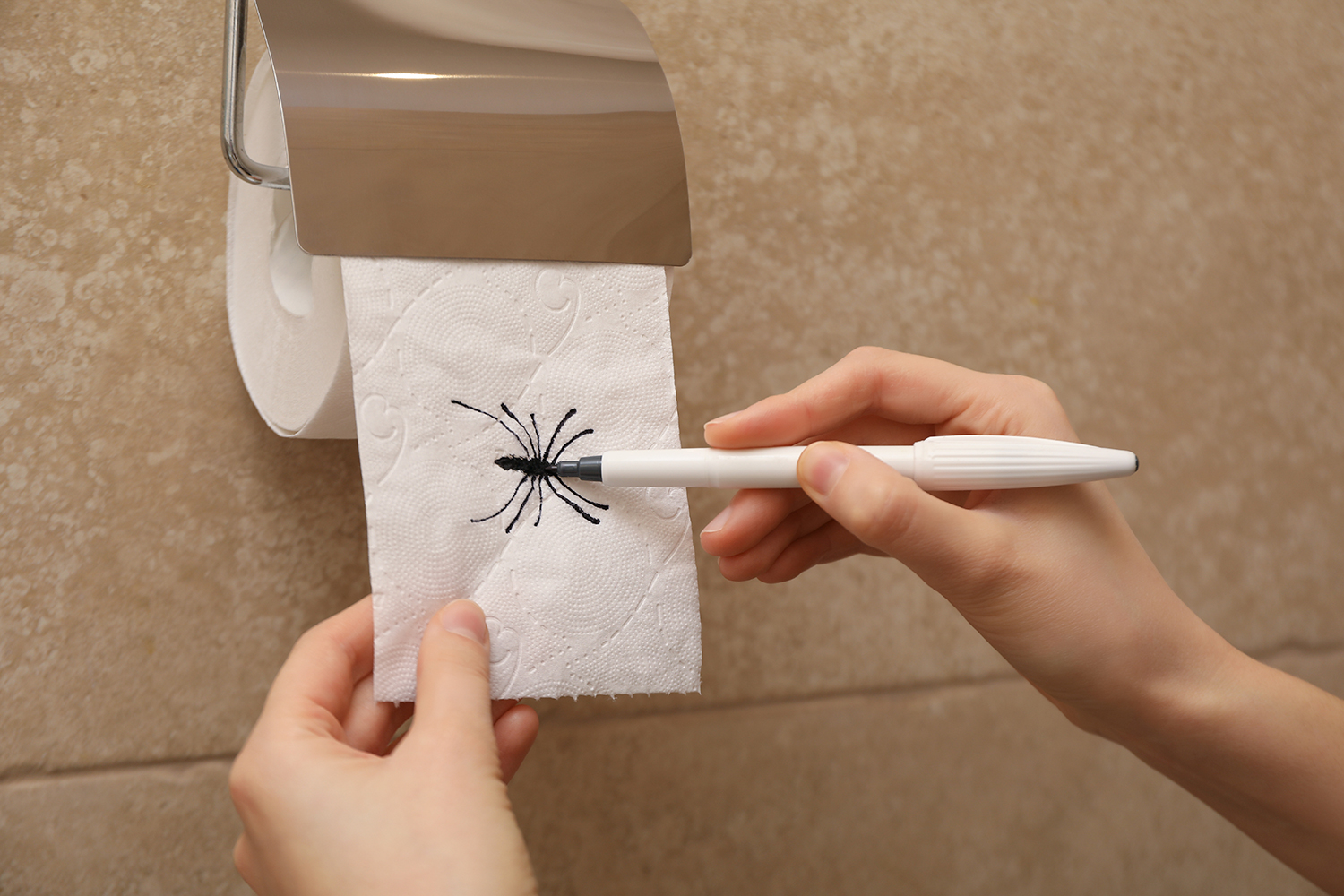
April Fools!

A person draws a spider on a roll of toilet paper.

U.S. National Park Service

The first day of April is April Fools’ Day, a playful holiday for harmless tricks. These little pranks can come in many forms as people try to fool friends or family members. Read more about the silly customs associated with April Fools’ Day at Britannica!

WORD OF THE WEEK

contraption

PART OF SPEECH:

noun

Definition:

: a piece of equipment or machinery that is unusual or strange

Definitions provided by
Merriam-Webster Logo

Sudoku

Fill in the grid so that every row, column, and 3 x 3 box contains the numbers 1 through 9 without any repeats.

O
O
O
O
O
O

In Case You Missed It

The island of Corsica showed American colonists that a courageous revolution could defeat an empire.
May 7, 2026
Physicist Narinder Singh Kapany developed fiber optic cables, helping to make the Internet possible.
April 30, 2026
How can you tell whether photos and videos are real or made with AI? Here are a few tips.
April 24, 2026
A seemingly strange bank is saving one of Earth’s most valuable resources.
April 9, 2026

How to Cite This Page

Here is how to cite this page using the MLA style. While every effort has been made to follow citation style rules, there may be some differences. Please refer to the appropriate style manual or other sources if you have any questions.

“In the News: The Joy of ‘Unuseless’ Inventions.” Britannica School, Encyclopaedia Britannica, 30 Mar. 2026. https://news.eb.com/level2/the-joy-of-unuseless-inventions. Accessed 30 Mar. 2026 [Replace this date with today’s date.]

Solving Chicago’s Rat Hole Mystery

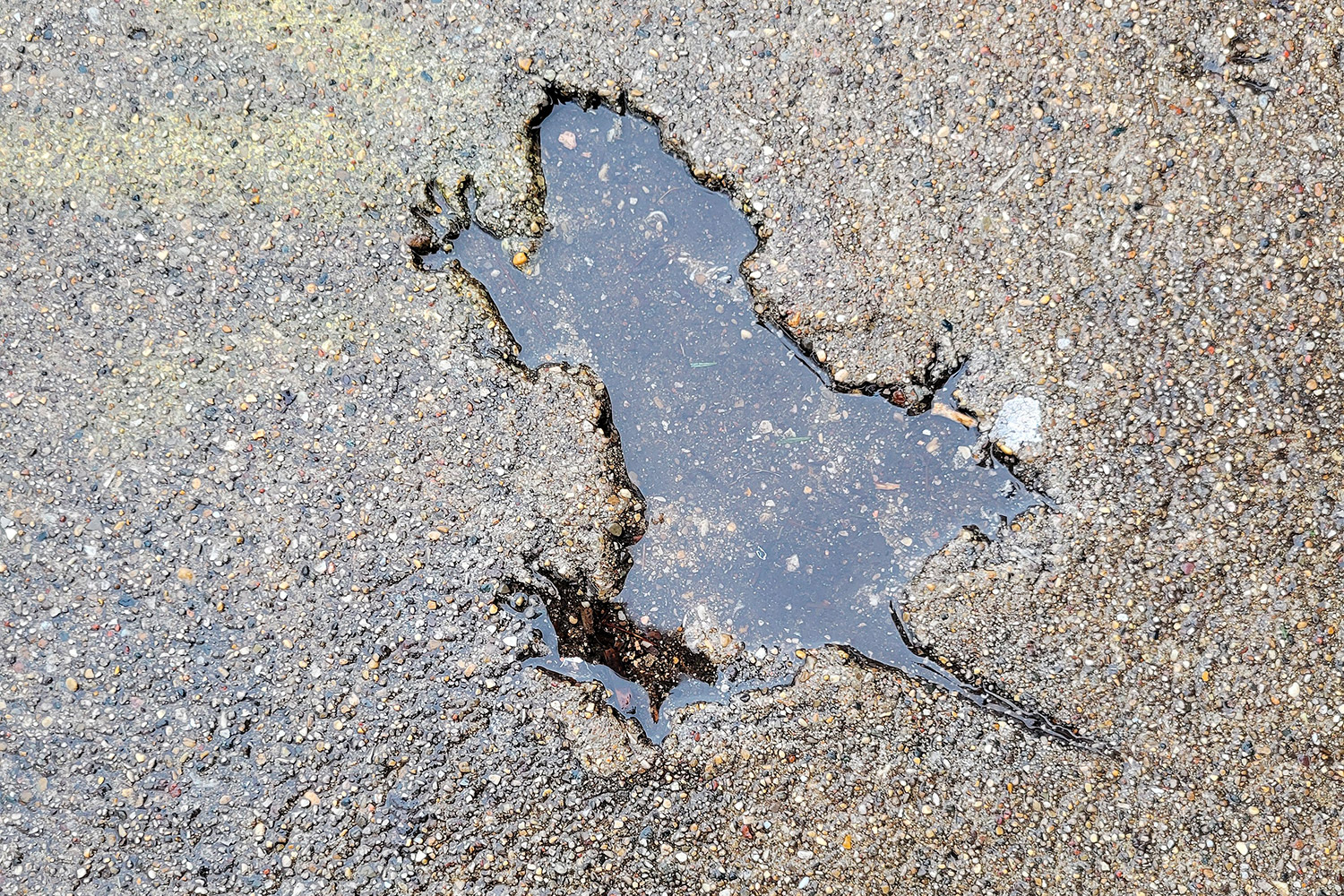
A hole that appears to be shaped like a rat has been made in a city sidewalk.

Solving Chicago’s Rat Hole Mystery

A hole that appears to be shaped like a rat has been made in a city sidewalk.

© Winslow Dumaine (CC SA BY-4.0.)

This photo of the Chicago rat hole went viral online, with more than five million views.

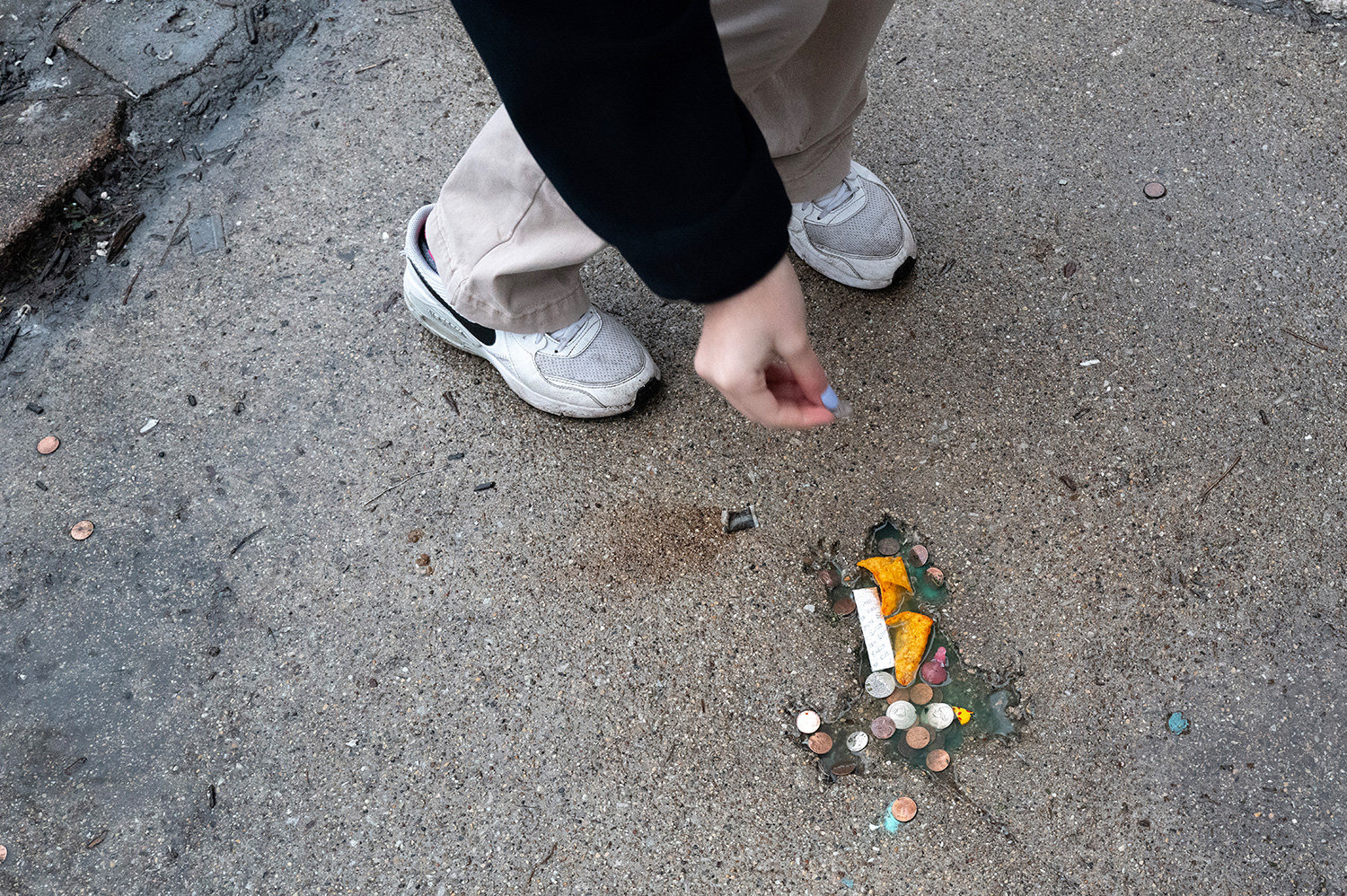
In January 2024, a curious rat-shaped imprint in a Chicago sidewalk went viral online, inspiring tourists to journey to the neighborhood to take pictures and leave coins and cheese as offerings. The hole also drew in scientists who were determined to uncover the origins of the imprint. In a stunning discovery, the researchers say the “Chicago Rat Hole” is a case of mistaken identity.

Let’s rewind a bit. It was Michael Granatosky, a researcher who studies animal evolution, who decided to figure out what caused the sidewalk imprint.

“It seemed like a fun project,” said Granatosky in an interview with Science News Explores.

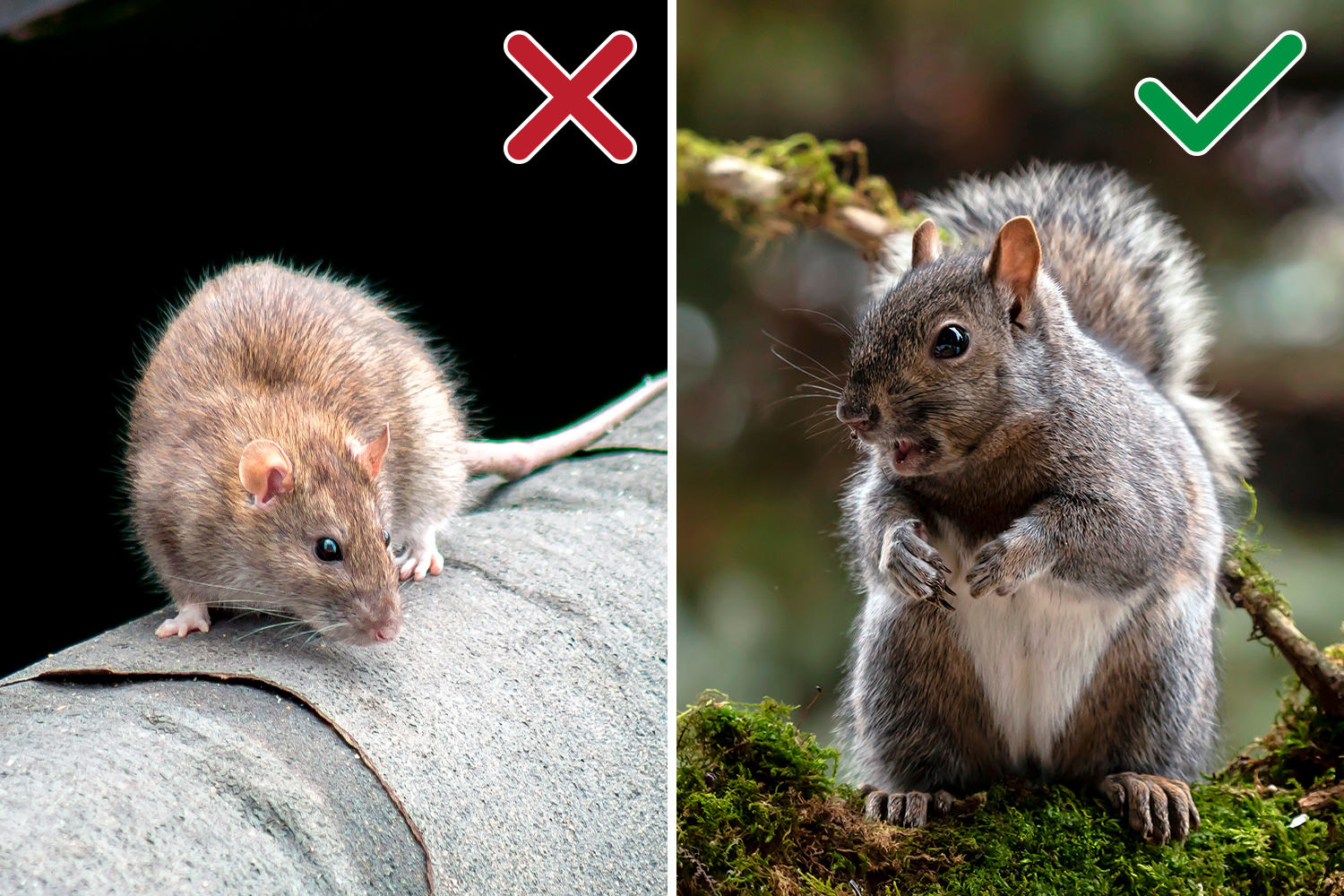
Using the viral photos, Granatosky and his team applied paleontology methods to measure features of the imprint. They analyzed the creature’s paws, the width of its head, and the distance from nose to tail. They then compared these measurements to rodent species that live in Chicago. It turns out the imprint doesn’t match a rat’s body, but it does appear to match that of a tree squirrel. 

Side by side images of a rat and a squirrel with an X by the rat and a checkmark by the squirrel.

© kvdkz, Denny/stock.adobe.com; Photo illustration Encyclopædia Britannica, Inc.

Based on the evidence, the hole was made by a squirrel, not a rat.

Based on the evidence, the research team made some hypotheses. The first is that a squirrel misjudged the jumping distance between trees, so it fell into some freshly poured concrete below. The other explanation is a hawk caught the squirrel and then accidentally dropped it. Either way, once the squirrel’s body landed, it made a lasting imprint when the concrete hardened. However, the cement did not preserve the fine fur of the squirrel’s bushy tail, which is why the imprint looked so rat-like.

A person’s hand can be seen playing a coin in a rat-shaped hole that already contains food and other coins.

© Scott Olson/Getty Images

A visitor leaves a coin in the Chicago rat hole in January 2024.

Granatosky is happy that scientific tools made to study the past can help answer modern mysteries about the natural world. 

“It’s so rare to get such a fun story,” he said. “It really speaks to what we do in my lab—which is take data and package it in a way that is accessible.”

Since the imprint went viral, city officials have moved the rodent-stamped sidewalk slab from its original spot, with a plan to one day proudly display it for tourists again.

NEWS BREAK

WNBA Players Get a Pay Raise

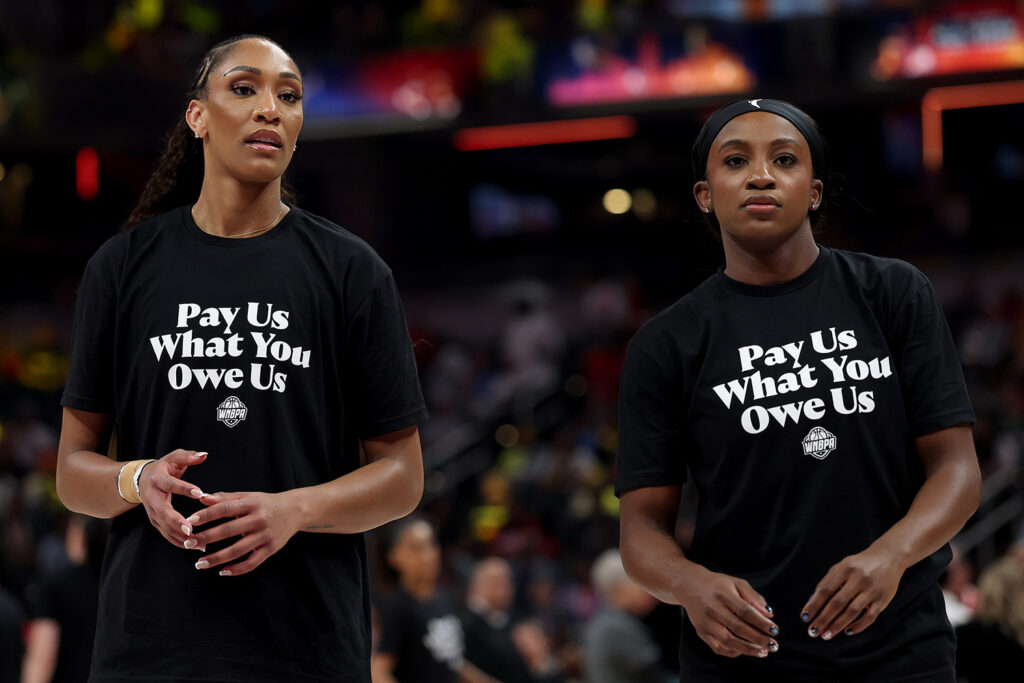
A’ja Wilson and Jackie Young stand on a basketball court wearing shirts that say “Pay us what you owe us.”

© Steph Chambers/Getty Images

In this 2025 photo, A’ja Wilson (left) and Jackie Young of the Las Vegas Aces wear shirts that say “Pay us what you owe us” to send a message to the WNBA.

It’s very likely that WNBA players are about to get a pay bump. After hours of negotiations, the league and the players’ union reached a spoken deal that will increase player salaries.

Basketball fans know that NBA players often sign contracts worth millions of dollars, while salaries paid to the female pros of the WNBA are considerably lower. The average WNBA salary for the 2024–2025 season was $102,000.  Compare that to nearly $12 million for the NBA.

The new deal will raise the average WNBA player salary to about $600,000 per season. Top players are eligible to earn over a million dollars. At press time, in fact, A’ja Wilson of the Las Vegas Aces was expected to sign a new $1.4 million contract.

The players and their union have been fighting for a pay increase for many years. They argued that the WNBA is becoming more popular—and making more money—and that player salaries should reflect that. Although the new deal isn’t final yet, it looks like this will happen.

Did You Know?

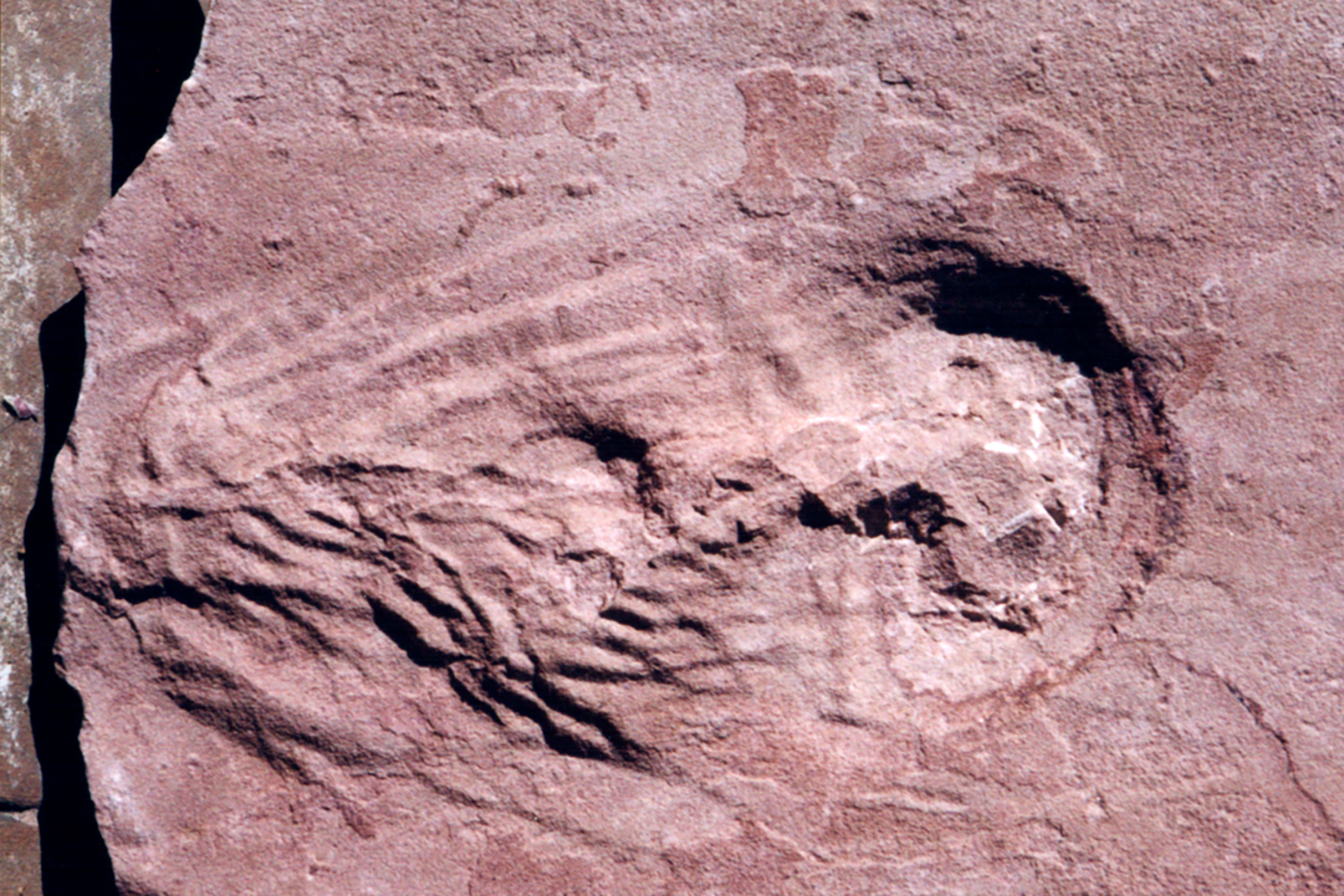
Paleontologists can study dinosaur pee from fossilized imprints! This ancient pee print is called a urolite. Like fossilized footprints, urolites were made when a dinosaur peed in sand and then the sand layer turned to rock.

A fossilized imprint of dinosaur urine is carved into a slab of rock.

Marcelo Adorna Fernandes

Mammoth Memories

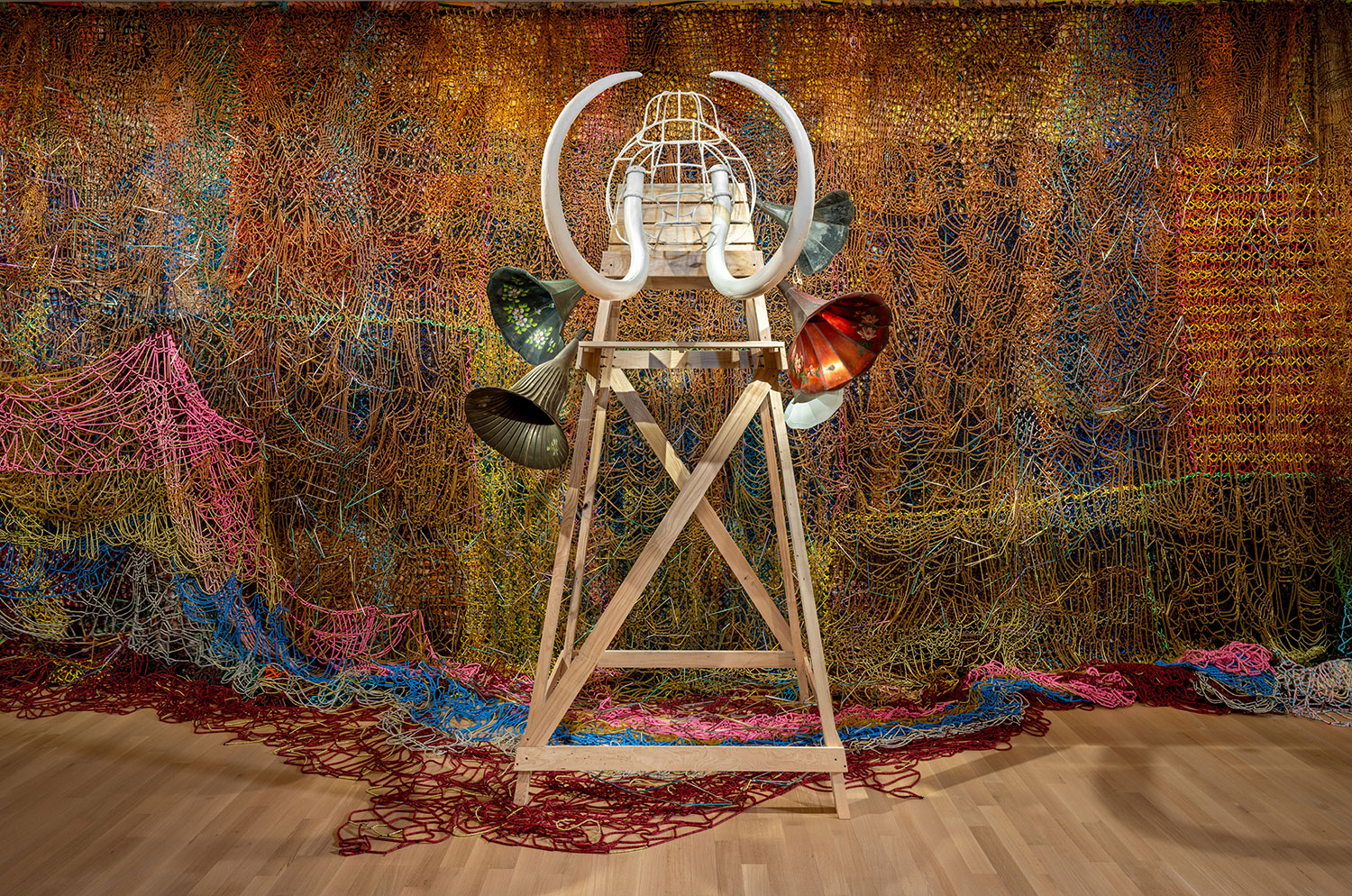
A mammoth made with wood, found objects, and tusks is on display in a museum setting.

© NickCave; Photo by RON BLUNT STUDIO

An example of one of Nick Cave’s mammoths is shown here. (Installation photography of Nick Cave: Mammoth, Smithsonian American Art Museum, 2026.) 

Woolly mammoths have been extinct from Earth for thousands of years. All that is left today are some preserved remains and our own imagination of what these animals were like. Artist Nick Cave is taking this imagination to a monumental level by recreating these prehistoric beasts with collected objects.

“Nick Cave gathers fragments of daily life—toys, tools, keepsakes…and transforms them into a shared space of memory and imagination,” said Sarah Newman, an art curator at the Smithsonian American Art Museum (SAAM), where Cave’s work is displayed.

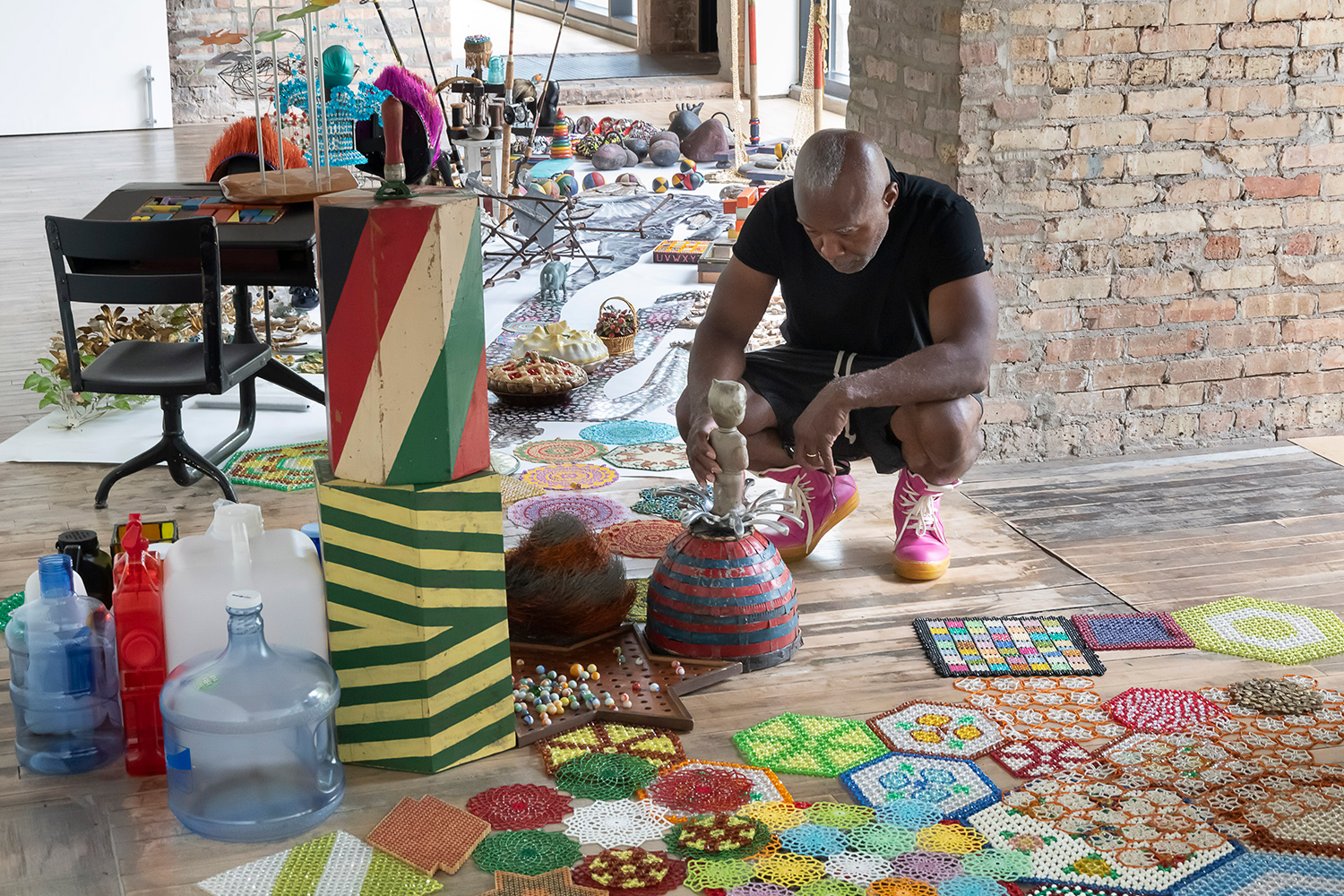
Nick Cave crouches in his studio examining some of his art and surrounded by his other art as well as found objects.

Image courtesy of the artist and Jack Shainman Gallery. Photos by James Prinz.

Nick Cave in his studio with variable objects featured in an exhibit called “A Lit History.” Image courtesy of the artist and Jack Shainman Gallery. 

Cave makes artistic creatures using materials from craft stores and thrift shops. He crafts plastic containers, beads, wigs, used clothing, old telephones, and wooden toys into creatures. The idea behind the exhibit is that these everyday items hold memories and stories of the past. These stories can be buried and rediscovered, like ancient animals. 

“And so when I think about mammoths, I think about that at one point, they existed on the Earth, and then were extinct and buried, and then rediscovered. What is erased becomes revealed. What is removed, reappears,” said Cave in an interview with CNN.

Cave’s artwork is part of a new exhibit called “Nick Cave: Mammoth.” It is featured at the SAAM in the U.S. capital of Washington, D.C., from now through January 3, 2027.

“His work is a powerful reminder that objects are often more than things; they carry our histories, our knowledge and the stories that carry us forward,” said Newman.

Trees That Turned to Stone

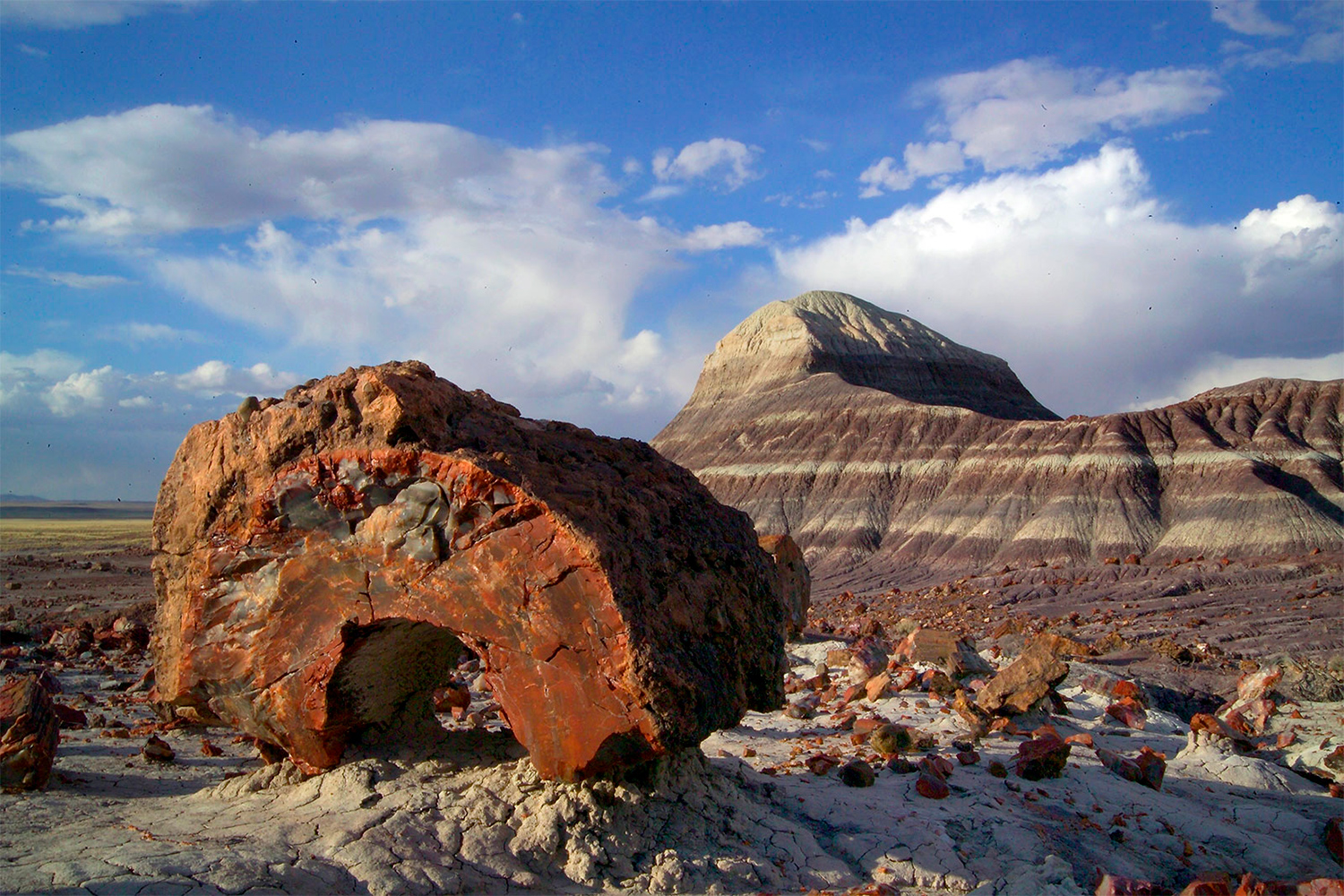
A hollowed out petrified log is in the foreground and a land formation is in the background.

U.S. National Park Service

The petrified log in this photo is in Petrified Forest National Park in Arizona.

Millions of years ago in western North America, trees that once stood tall and green fell to the ground and began to slowly change into rock in a process called petrification. Today people can walk among the remains of these stone trees. 

Read more about this otherworldly place at Britannica!

WORD OF THE WEEK

inference

PART OF SPEECH:

noun

Definition:

: the act or process of reaching a conclusion about something from known facts or evidence

Definitions provided by
Merriam-Webster Logo

Criss Cross

Can you figure out where each word goes?

O
O
O
O
O
O

In Case You Missed It

The island of Corsica showed American colonists that a courageous revolution could defeat an empire.
May 7, 2026
Physicist Narinder Singh Kapany developed fiber optic cables, helping to make the Internet possible.
April 30, 2026
How can you tell whether photos and videos are real or made with AI? Here are a few tips.
April 24, 2026
A seemingly strange bank is saving one of Earth’s most valuable resources.
April 9, 2026

How to Cite This Page

Here is how to cite this page using the MLA style. While every effort has been made to follow citation style rules, there may be some differences. Please refer to the appropriate style manual or other sources if you have any questions.

“In the News: Solving Chicago’s Rat Hole Mystery.” Britannica School, Encyclopaedia Britannica, 20 Mar. 2026. https://news.eb.com/level2/solving-chicagos-rat-hole-mystery. Accessed 23 Mar. 2026 [Replace this date with today’s date.]
The Dogs Are All Ears

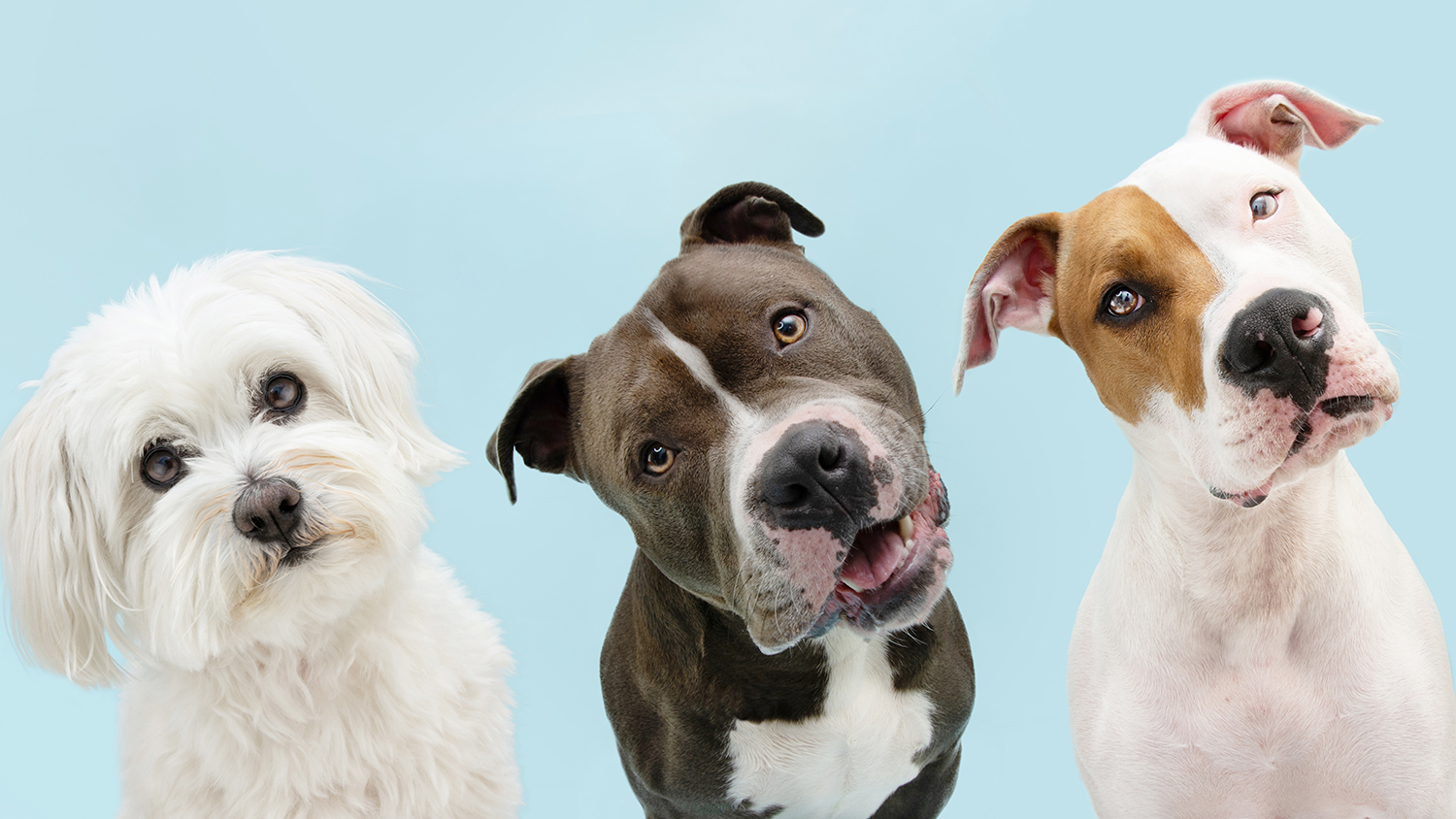
Three dogs of different breeds tilt their heads to the right against a blue background.

The Dogs Are All Ears

Three dogs of different breeds tilt their heads to the right against a blue background.

© Sandra/stock.adobe.com

Attention dog owners: a not-so-secret spy may be eavesdropping on your conversations! And dogs are not only listening to people; they may be learning new words. 

New research shows that certain dogs are able to learn new vocabulary by observing humans talking to each other. This ability is limited to “gifted” dogs, ones that can learn tricks and instructions really quickly. The finding puts the clever pooches on the same learning level as human toddlers who also learn through watching adults and older kids interact.

A baby sits on a rug with toys and reaches out to a dog that is lying nearby.

© Daxiao Productions/stock.adobe.com

Being cute isn’t the only thing toddlers and dogs have in common.

To study this, scientist Shany Dror put 10 family dogs to the test. Dror had the dogs’ owners hold a new dog toy, like a stuffed armadillo, and describe it in detail to another person while their pet watched. The owner also had to use the new toy’s name, “armadillo,” in the conversation. Later, the owner would put the armadillo in a toy-filled room and ask the pup to retrieve it using the name of the toy. Seven out of the 10 dogs in the test were able to return with the armadillo, proving they could learn through eavesdropping and context clues. 

“This is the first time that we see a specific group of dogs that are able to learn labels from overhearing interactions,” said Dror in an interview with the Los Angeles Times. Dror is an animal trainer and a scientist at the University of Veterinary Medicine in Austria.

Parrots and apes are the other animals shown to learn through overhearing social interactions. The latest research highlights that the animals around us may be paying closer attention than we realize. 

Did You Know?

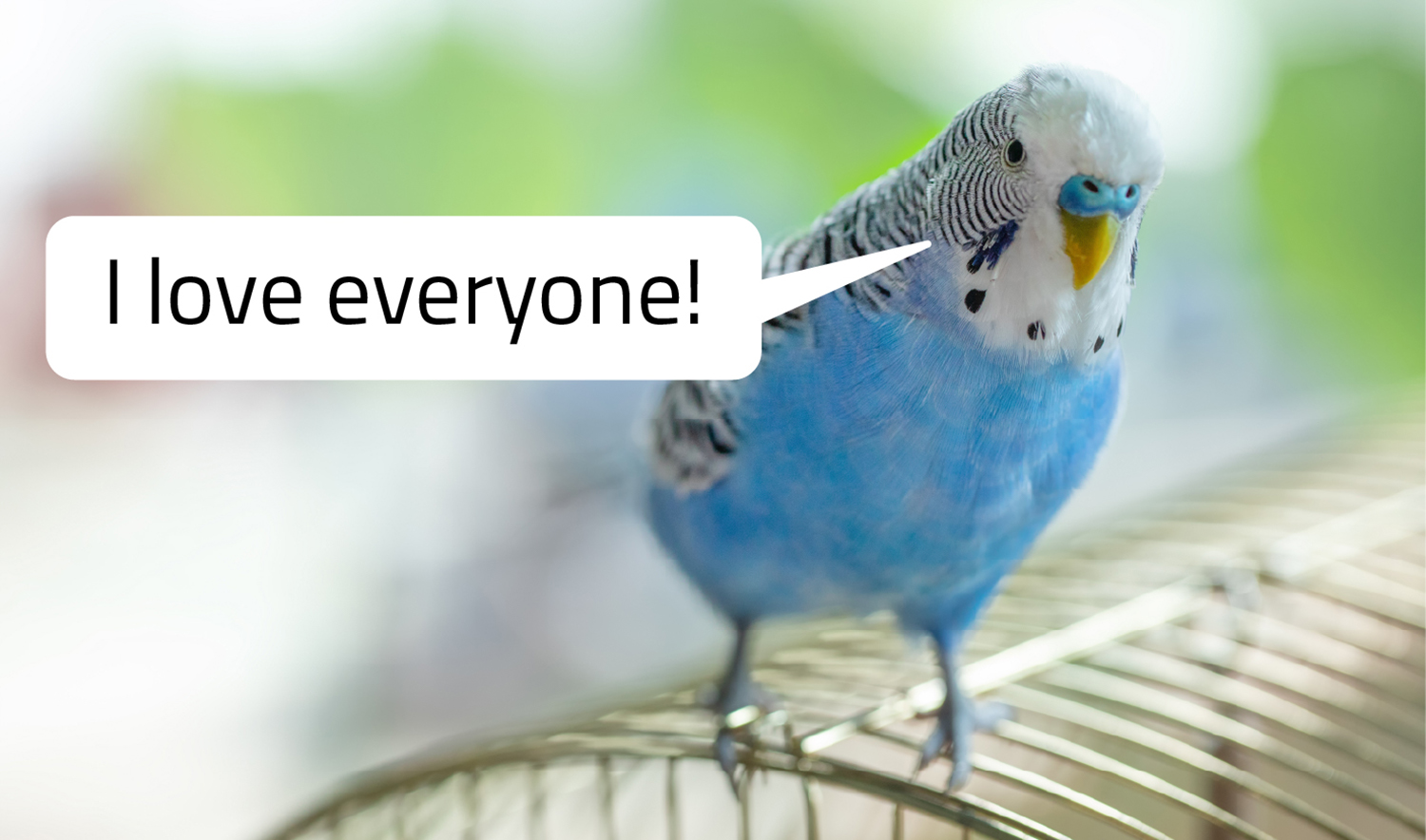
Parrots have an excellent ability to mimic human speech, though they may not understand the meaning. The parrot that set the record for the most words in its vocabulary was a parakeet (also called a budgerigar) named Puck. Puck could say 1,728 words!

A speech bubble shows a blue parakeet or parrot saying “I love everyone.”

© CreativeSuburb/stock.adobe.com; Photo illustration Encyclopædia Britannica, Inc.

Squeaks and “Shoequakes”

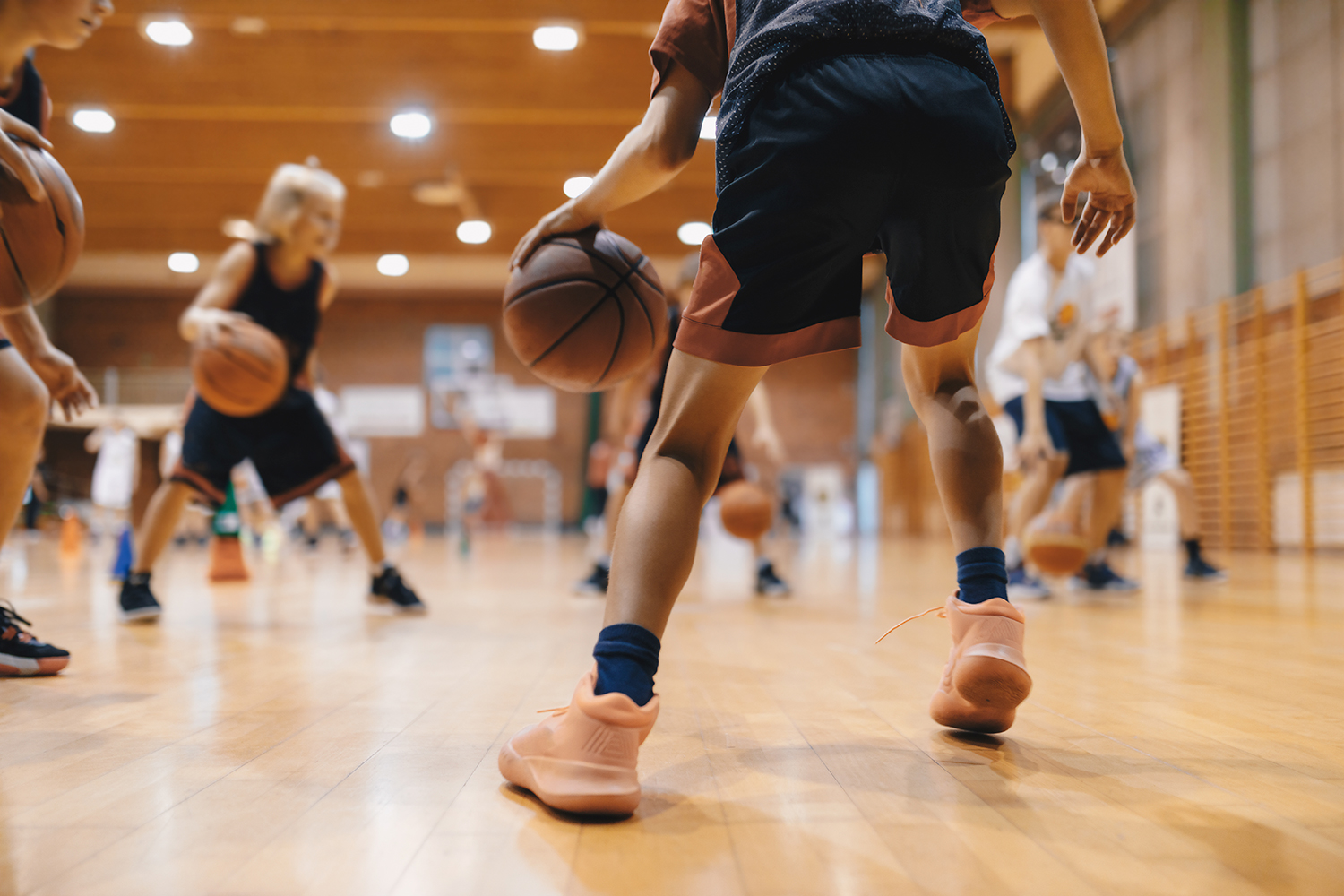
The feet of young basketball players are shown wearing sneakers on a wooden gym floor.

© matimix/stock.adobe.com

Walking into a school gymnasium, you may be greeted with a familiar noise—SQUEAK! This is the sound of rubber-soled sneakers on a hardwood floor, and it’s often heard in PE classes and basketball games. For years, no one knew exactly why this rubber-meets-floor combination created so much squeaking. Finally, we have an answer: shoe earthquakes.

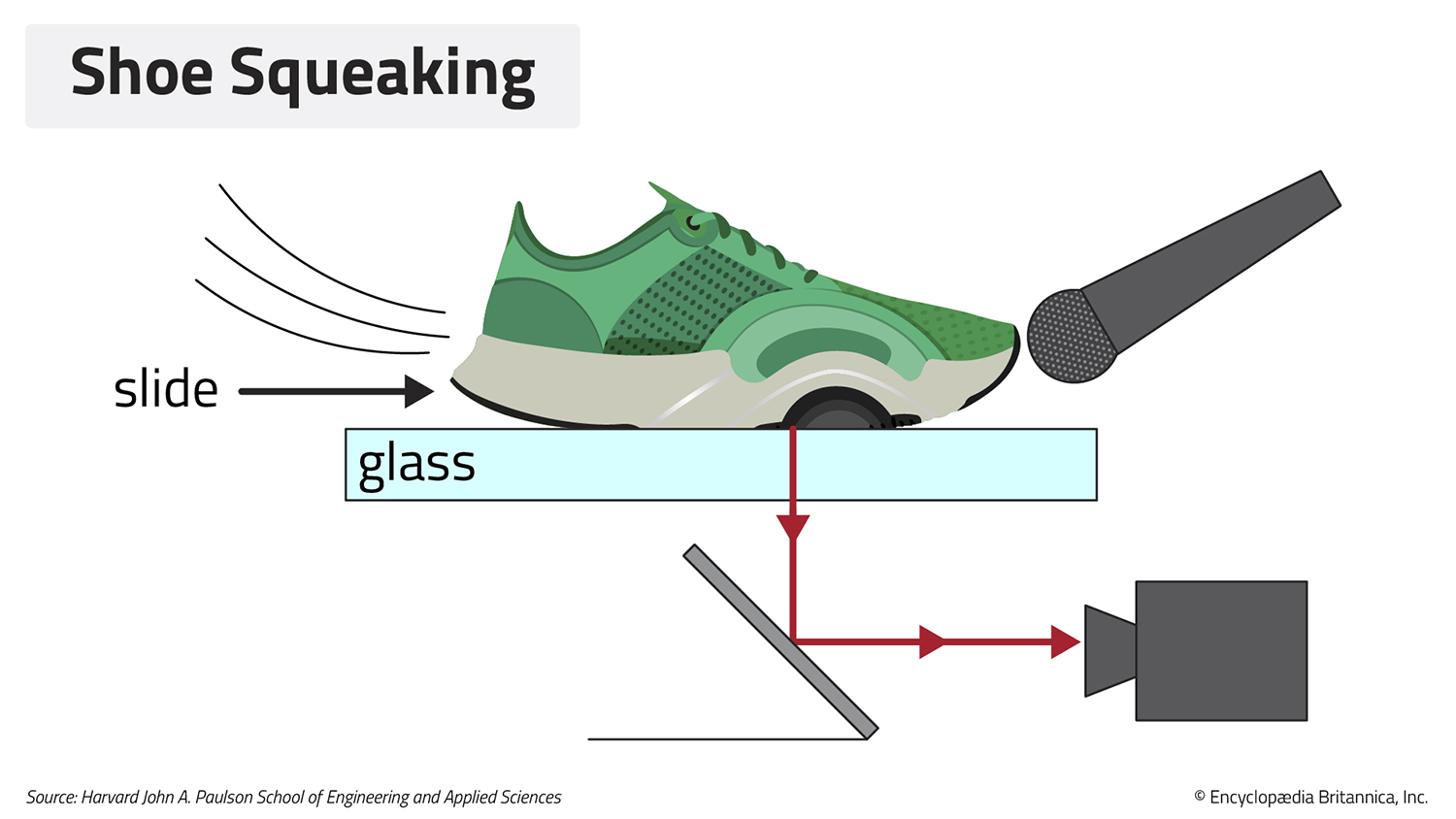
To pinpoint the noisy culprit, Harvard University scientist Adel Djellouli set up a sliding sneaker station equipped with high-speed cameras and microphones. Djellouli and his colleagues slid sneakers back and forth over a smooth glass plate, capturing the motion and sound of the rubber as the shoe moved.

Djellouli discovered that the rubber shoe sole ripples and changes shape as it grips and releases its traction with the floor. This movement happens thousands of times per second at supersonic speed. The result is a high-pitched sound. 

A diagram shows a sneaker sliding on a piece of glass behind a microphone

© AP Stock/stock.adobe.com; Photo illustration Encyclopædia Britannica, Inc.

This diagram shows how scientists used a camera and microphone to record a moving sneaker. A mirror under the glass helps the camera view the bottom of the sneaker.

“That squeaking is basically your shoe rippling, or creating wrinkles that travel super fast. They repeat at a high frequency, and this is why you get that squeaky noise,” Djellouli said in an interview with the Associated Press. 

Though it is hard to detect, the rippling movement in the rubber is like an earthquake, said Djellouli in a separate interview with CBC Radio. “It’s basically ‘shoequakes’ that we discovered—earthquakes at a different scale.”

Signing Through Time

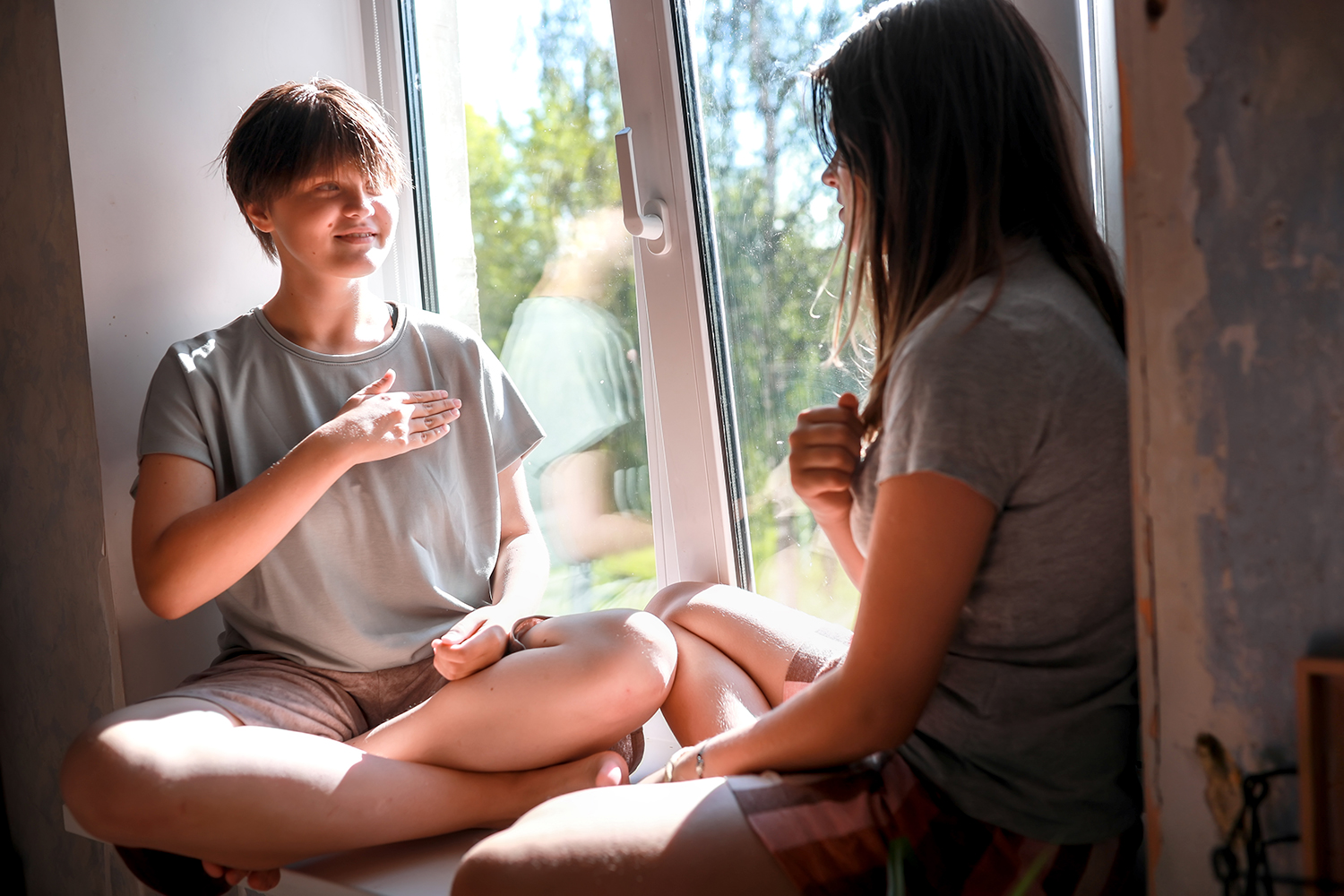
Two teenagers sit on a windowsill and use sign language to communicate.

© Natalia Lebedinskaia—Moment/Getty Images

Humans have been sharing information through signs and expressions for ages, possibly before they developed speech. Sign language is used around the world as a communication tool between people who don’t speak the same language, and for people who are deaf or hearing impaired. 

Read more at Britannica!

WORD OF THE WEEK

phonetic

PART OF SPEECH:

adjective

Definition:

: of or relating to spoken language, speech sounds, or the science of phonetics

Definitions provided by
Merriam-Webster Logo

Word Flower

How many words can you make from the letters in the flower? All words must use the center letter.

O
O
O
O
O
O

In Case You Missed It

The island of Corsica showed American colonists that a courageous revolution could defeat an empire.
May 7, 2026
Physicist Narinder Singh Kapany developed fiber optic cables, helping to make the Internet possible.
April 30, 2026
How can you tell whether photos and videos are real or made with AI? Here are a few tips.
April 24, 2026
A seemingly strange bank is saving one of Earth’s most valuable resources.
April 9, 2026

How to Cite This Page

Here is how to cite this page using the MLA style. While every effort has been made to follow citation style rules, there may be some differences. Please refer to the appropriate style manual or other sources if you have any questions.

“In the News: The Dogs Are All Ears.” Britannica School, Encyclopaedia Britannica, 16 Mar. 2026. https://news.eb.com/level2/the-dogs-are-all-ears. Accessed 16 Mar. 2026 [Replace this date with today’s date.]

The Golden World of Alysa Liu

Alysa Liu stands on the ice and smiles while holding up leg in the air behind her.

The Golden World of Alysa Liu

Alysa Liu stands on the ice and smiles while holding up leg in the air behind her.
© Wang Zhao—AFP/Getty Images

Alysa Liu performs in the free skate at the 2026 Winter Olympics.

Before Alysa Liu took to the ice to perform her gold-medal-winning routine at the 2026 Winter Olympic Games, the American figure skater had already made peace with either winning or losing. She simply came to show her joy of skating to the world. 

“The feelings I had out there were calm, happy and confident,” she said in an interview with NBC. “These titles are huge, but I don’t want them to overshadow who I am…. Winning isn’t all that, and neither is losing.”

Focused on performing for herself and the fans, Liu skated to a joyful disco-themed routine that propelled her to the top of the podium.

Alysa Liu jumps from the gold medalist podium with her arms in the air as the silver and bronze medalists clap and smile.

© Matthew Stockman/Getty Images

Gold medalist Alysa Liu (center) celebrates her Olympic win, along with silver medalist Kaori Sakamoto (left) of Japan and bronze medalist Ami Nakai, also of Japan.

While Liu’s serenity may have helped her win, it also led to an even bigger breakthrough: a change in the conversation around mental health and pressure in elite sports.

Liu skated competitively from a young age and even went to the 2022 Winter Olympics in Beijing at just 16, placing sixth overall. Shortly after this, she unexpectedly announced her retirement, saying she was burned out and yearned to live a normal teenage life. For two years, Liu focused on studying, traveling, new hobbies, and spending time with family and friends. 

Almost as unexpectedly as her retirement, Liu returned to skating in 2024. Now skating on her own terms, Liu said she is focusing on her love for the sport instead of trying to be the best.

“‘[This is] a better version’ of me,” she said in an interview with Olympics.com. “I chose to be here…. When I started when I was five, I had no idea what I was getting into…. I was able to come back and choose my own destiny.”
An overhead view of Alysa Liu skating with her arms up and her eyes closed.

Antonin Thuillier—AFP/Getty Images

Alysa Liu skates the routine that helped earn her the Olympic gold medal.

Liu hopes her story can lead to a positive shift in understanding about athletes, pressure, and mental health.

“I hope that with all this attention, I can at least raise awareness about mental health and sports and mental health in general,” Liu told NBC. “And I think my story is pretty cool, and so I hope that inspires some people as well.”

Did You Know?

Humans have been ice skating for nearly 4,000 years! 

There’s evidence that people in Scandinavian countries made simple skates with animal bones and leather straps. These ancient “skates” didn’t have a sharp edge but could glide across frozen lakes.

Two animal bones with holes bored into the ends are displayed.
© Museum of London/Heritage Images—Hulton Archive/Getty Images

These bones were once used as ice skates. They date back to about the 12th century.

Making Olympic History

March is Women’s History Month! On the heels of the 2026 Winter Olympics, let’s look back at some inspiring athletes who made sports history on the international Olympic stage.

Jumping Over Barriers: Alice Coachman

A composite shows Alice Coachman clearing the high jump bar and standing in the gold medal position on the Olympic podium.

© Bettmann/Getty Images; Photo composite Encyclopædia Britannica, Inc.

(Left) Alice Coachman competes in the high bar at the 1948 Olympics and (right) stands on the podium ready to receive her gold medal.

Track star Alice Coachman became the first Black woman to win Olympic gold when she competed in the 1948 Olympics in London. Coachman grew up during the era of segregation in the United States, meaning she had to train in unfair conditions. Still, she proved race was no barrier to athletic excellence when she won gold in the women’s high jump event. 

A Perfect 10: Nadia Comaneci

A composite shows Nadia Comaneci competing in the uneven bars and standing with her arms up and smiling while wearing her gold medal.

© Alain Dejean—Sygma/Getty Images, © Bettmann/Getty Images; Photo composite Encyclopædia Britannica, Inc.

(Left) Nadia Comaneci does the uneven bar routine that earned her a perfect 10 and (right) celebrates after winning a gold medal at the 1976 Olympics.

Athletes may always dream of earning perfect scores, but Romanian gymnast Nadia Comaneci became the first in her sport to make this dream come true. At the 1976 Olympic Games in Montreal, Comaneci was the first ever to earn a perfect 10 score, after a flawless routine on the uneven bars. The result was so unexpected that the scoreboard showed a “1.0” score because it couldn’t display the number 10! 

Homecoming Win: Cathy Freeman

Cathy Freeman runs on a track wearing a green and white body suit.

© Dimitri Iundt/Corbis Sport—VCG/Getty Images

Cathy Freeman is shown on her way to winning the women’s 400-meter sprint at the 2000 Olympics.

Australia’s Cathy Freeman is known for two Olympic firsts. The sprinter became the first Aboriginal Australian athlete to compete at the Olympic level in 1992. She then won gold for the 400-meter sprint eight years later at the 2000 Olympics in Sydney. This historic win as the first-ever Aboriginal Australian to receive an individual gold medal was extra special because it happened in her home country.

Swimming in Gold: Trischa Zorn-Hudson

Trischa Zorn-Hudson does the breast stroke in a swimming pool lane.

© Scott Barbour—ALLSPORT/Getty Images

Trischa Zorn-Hudson competes in the women’s 100-meter breaststroke at the 2000 Paralympic Games.

The most successful athlete in Paralympic history is swimmer Trisha Zorn-Hudson, who has won a whopping 41 gold medals! Zorn-Hudson, who is a visually impaired swimmer from the United States, competed across seven Paralympic Games between 1980 to 2004. She holds a total of 55 Olympic medals.

The Secrets of Skating

Adam Siao Him Fa is mid-leap on the ice with his arms stretched out behind him.

© Elsa/Getty Images

Adam Siao Him Fa of France competes at the 2026 Olympics in Milan, Italy.

What do the words axel, salchow, and lutz all have in common? They are all figure skating jumps! Figure skating may look effortless, but the athletes need to work hard to pull off such complicated moves. 

Read more about figure skating at Britannica!

WORD OF THE WEEK

sanguine

PART OF SPEECH:

adjective

Definition:

: confident and hopeful

Definitions provided by
Merriam-Webster Logo

Decipher

Unscramble the words to reveal a common saying or expression.

O
O
O
O
O
O

In Case You Missed It

The island of Corsica showed American colonists that a courageous revolution could defeat an empire.
May 7, 2026
Physicist Narinder Singh Kapany developed fiber optic cables, helping to make the Internet possible.
April 30, 2026
How can you tell whether photos and videos are real or made with AI? Here are a few tips.
April 24, 2026
A seemingly strange bank is saving one of Earth’s most valuable resources.
April 9, 2026

How to Cite This Page

Here is how to cite this page using the MLA style. While every effort has been made to follow citation style rules, there may be some differences. Please refer to the appropriate style manual or other sources if you have any questions.

“In the News: The Golden World of Alysa Liu.” Britannica School, Encyclopaedia Britannica, 6 Mar. 2026. https://news.eb.com/level2/the-golden-world-of-alysa-liu. Accessed 9 Mar. 2026 [Replace this date with today’s date.]