Scientists Create Woolly Mice

Two mice with long golden fur sit with a white background.

Scientists Create Woolly Mice

Scientists have created woolly mice in a lab as part of a project that aims to recreate an extinct animal called the woolly mammoth.
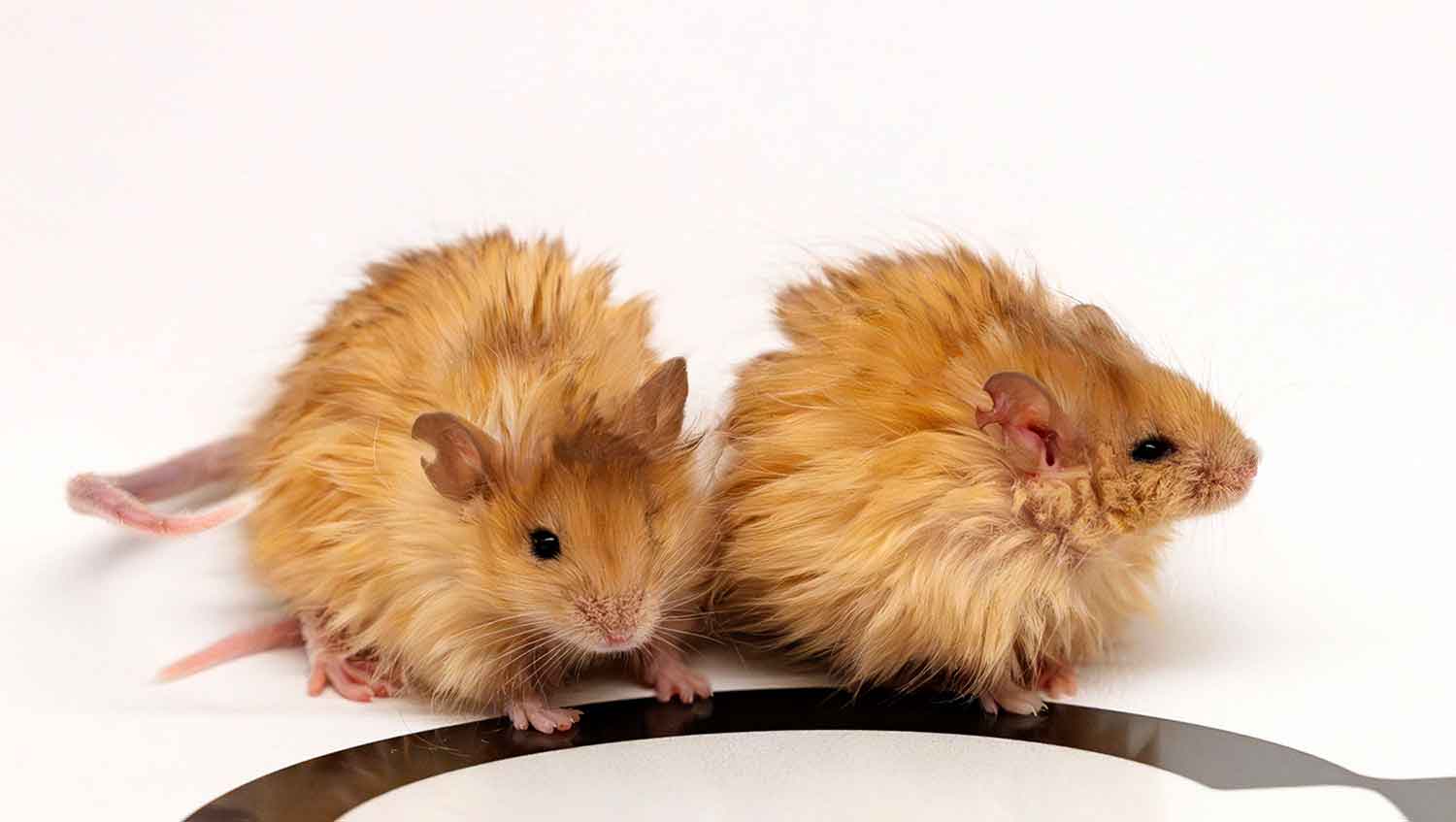
Two mice with long golden fur sit with a white background.

Courtesy of Colossal Biosciences

Genetics company Colossal Biosciences created “woolly mice.”

Hundreds of thousands of years ago, a giant hairy animal roamed the Earth—the woolly mammoth. Though mammoths are now extinct, a genetics company says it is one step closer to bringing them back with the creation of a much smaller animal—the woolly mouse.

Scientists at Colossal Biosciences in the United States have created “woolly mice” with the shaggy, golden-brown hair of mammoths. The scientists altered the genetics of the mice to give them the same woolly trait that mammoths had.

“We ended up with some absolutely adorable mice that have longer, woolly, golden-colored coats,” Beth Shapiro, chief science officer at Colossal, told NPR.

Colossal is a company that hopes to use genetic modification to bring back extinct species like the mammoth. The woolly mice are the first step in this process.

Changing Mouse Genes

Genes dictate all of an organism’s physical and biological traits, like body size and eye color. Altering an organism’s genes can lead to changes in these biological traits, but it is a complicated and difficult process. 

Scientists can alter genes through adding, modifying, or replacing the DNA of an organism. Genetic information collected from mammoths found frozen in ice and permafrost has allowed researchers at laboratories like Colossal to identify which genes cause mammoth traits like shaggy hair. They can then make changes in other organisms, like the mice, to give them mammoth-like traits.

“This is the way that we’re going to create mammoths for the future,” Shapiro told NPR.

Is It a Mammoth?

Colossal aims to eventually alter the genes of Asian elephants, which are the mammoth’s closest living relatives. By starting with lab mice, scientists could first try genetic modification on a much smaller scale.

“The Colossal Woolly Mouse marks a watershed moment in our de-extinction mission. This success brings us a step closer to our goal of bringing back the woolly mammoth,” said Ben Lamm, the cofounder of Colossal.

However, other scientists are skeptical that genetic modification can be used to return the mammoth from extinction. Tori Herridge, a scientist from the University of Sheffield in the United Kingdom, told CNN that it will be much more challenging to make genetic changes in elephants than in mice. Changing these traits to an elephant’s DNA will create something that resembles a mammoth but will not be the real thing, she said.

“You are never going to ‘bring back’ a mammoth,” said Herridge.

The scientists at Colossal are focusing on bringing back not just the mammoth, but other extinct species as well. One of these species is the Australian thylacine—also called the Tasmanian tiger—which humans hunted into extinction in the early 1900s.

Did You Know?

Flutes made from mammoth ivory, or tusks, are some of the oldest musical instruments archaeologists have found. Some mammoth ivory flutes, found in a cave in southern Germany, are nearly 43,000 years old!
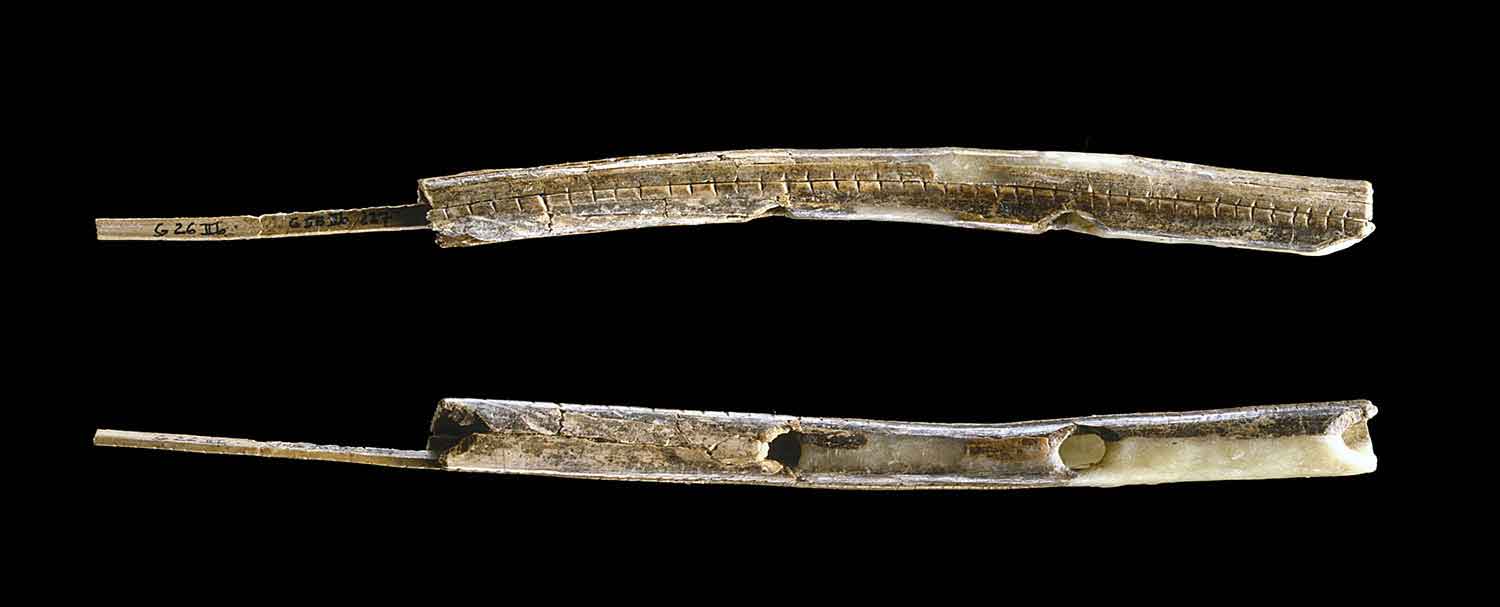
An ivory flute in two pieces is against a black background.

Courtesy of University of Tubingen

This flute, which is tens of thousands of years old, is made of mammoth ivory.

The Mammoths of Wrangel Island
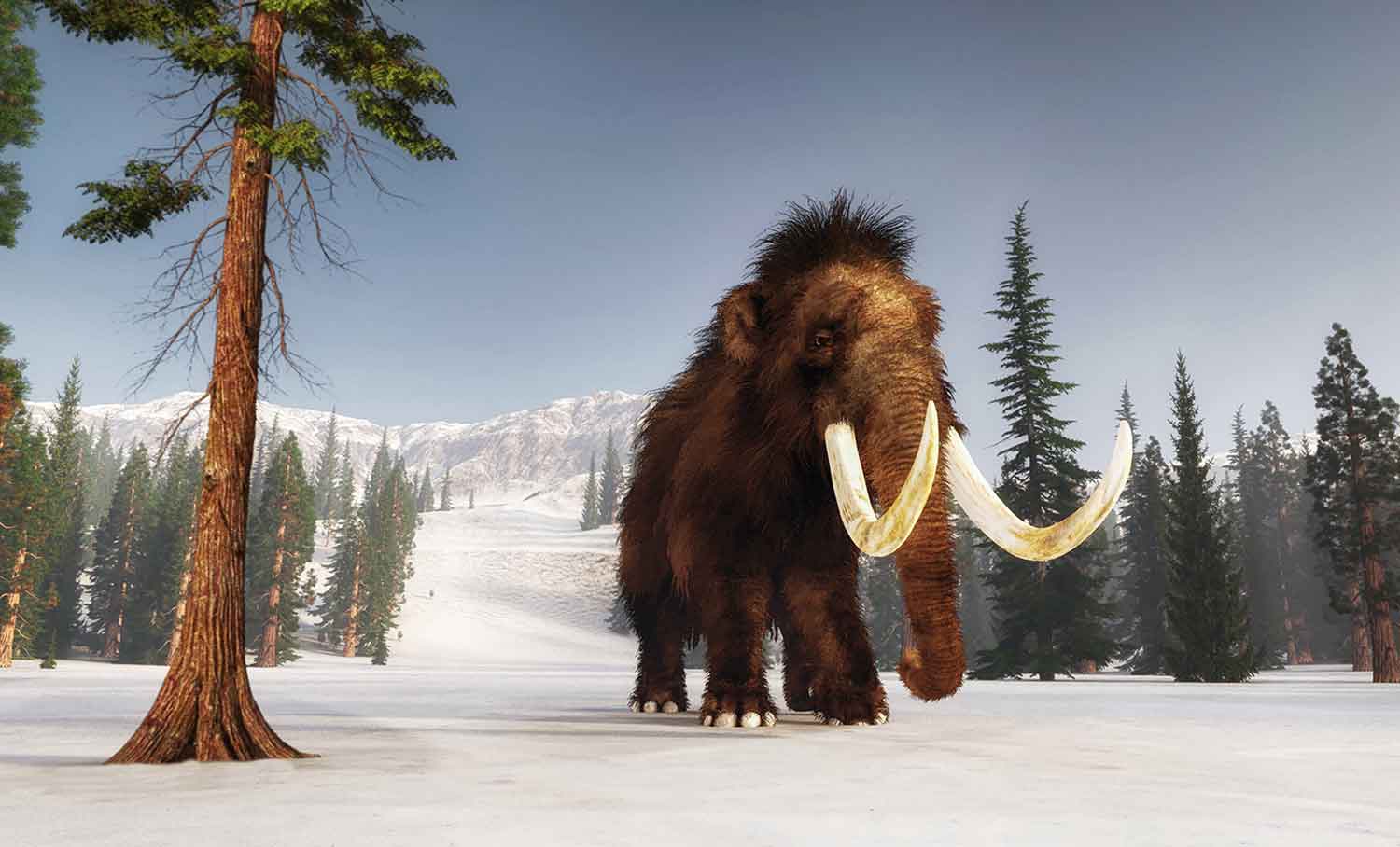
Illustration of a woolly mammoth on a snowy landscape with mountains and trees in the background.

© Orla—iStock/Getty Images

Woolly mammoths went extinct about 10,000 years ago. Or did they?

The discovery of an isolated population of woolly mammoths that existed for another 6,000 years has changed what we know about mammoth extinction. On an island off the coast of Siberia, a region in modern-day Russia, mammoths continued to thrive long after the rest of their kind died off on the continents.

Scientists believe that sea ice connected Wrangel Island to the continental mainland and that mammoths migrated between the island and mainland for some time. When the sea ice melted, a small group of mammoths were stuck on the island. The size of the island is about 2,900 square miles (7,600 square kilometers), which is just a little smaller than Yellowstone National Park in the United States.

The Wrangel Island mammoths survived the rapid climate change that caused their mainland relatives to lose their habitat. The island mammoths maintained a relatively healthy breeding population for another 200 generations. This means that mammoths still existed while humans were building the pyramids in Egypt!

Sadly, extinction eventually came for Wrangel Island mammoths too. Researchers estimate that this population met its demise about 4,000 years ago.

“What happened at the end is a bit of a mystery still—we don’t know why they went extinct after having been more or less fine for 6,000 years, but we think it was something sudden,” said Love Dalén to BBC. Dalén is one of the researchers studying the Wrangel Island mammoth genes.

While researchers like Dalén work to solve this extinction mystery, Wrangel Island’s story is far from over. Today the island has the highest density of polar bear dens, approximately 400 every year. Mother bears give birth and raise cubs there during the summer while they wait for the Arctic Sea ice to freeze.

Wrangel Island, the last refuge for the mammoth, may be helping yet another vulnerable species keep extinction at bay.

Mammoth and Mastodon
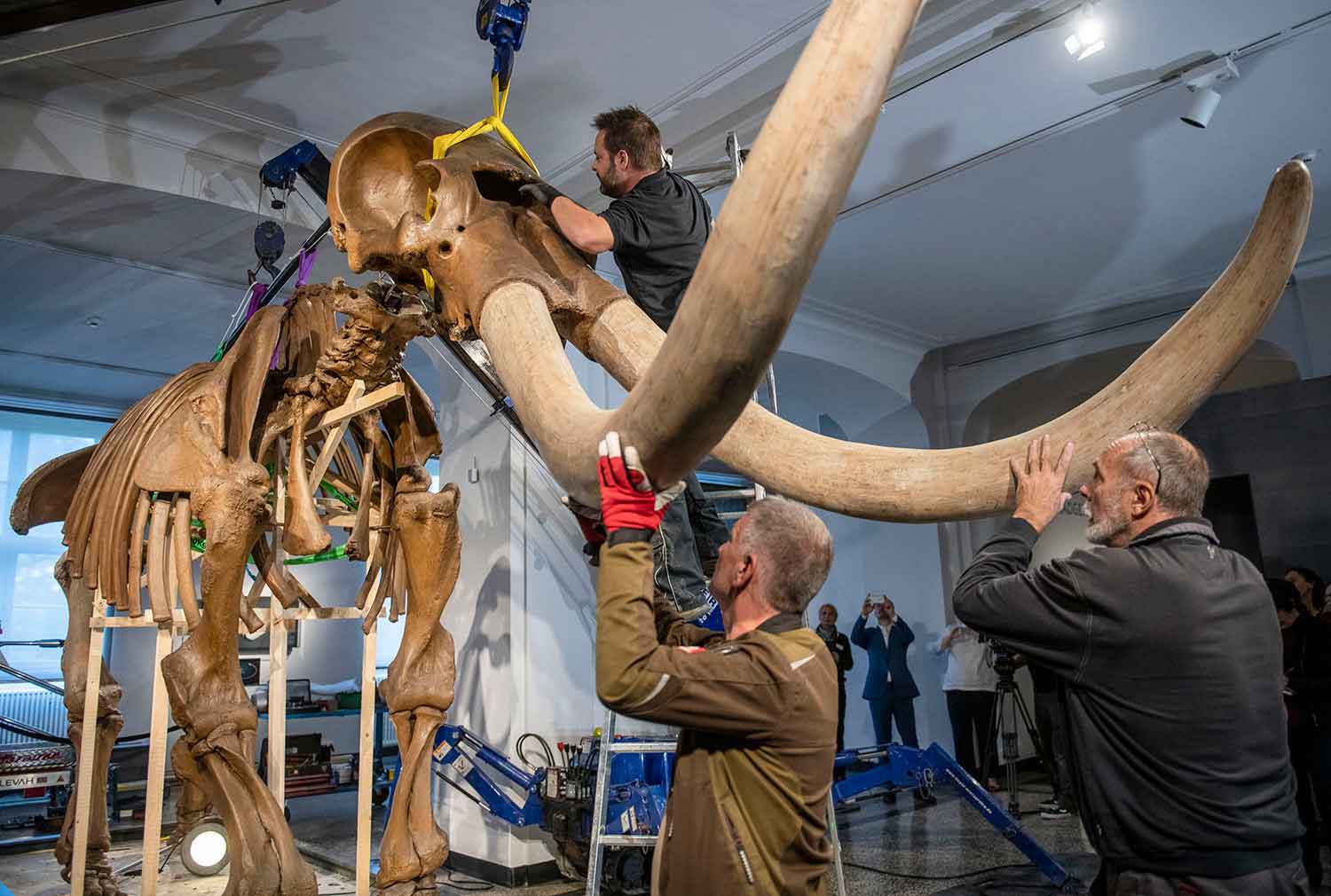
One man stands on a ladder working on a reconstructed mammoth skeleton while two other men stand on the floor holding the mammoth’s tusks.

© Thomas Lohnes/Getty Images

How are today’s elephants related to the extinct woolly mammoth? Learn about this—and another extinct relative, the mastodon—at Britannica!

WORD OF THE DAY

extinct

PART OF SPEECH:

adjective

Definition:

no longer existing

Definitions provided by
Merriam-Webster Logo

Sudoku

O
O
O
O
O
O

In Case You Missed It

The island of Corsica showed American colonists that a courageous revolution could defeat an empire.
May 7, 2026
Physicist Narinder Singh Kapany developed fiber optic cables, helping to make the Internet possible.
April 30, 2026
How can you tell whether photos and videos are real or made with AI? Here are a few tips.
April 24, 2026
A seemingly strange bank is saving one of Earth’s most valuable resources.
April 9, 2026

Wave Whiz

Erin Brooks stands on a surfboard atop a wave.

Wave Whiz

At 17, surfer Erin Brooks is at the top of her sport.

Erin Brooks stands on a surfboard atop a wave.

© Manel Geada—World Surf League/Getty Images

Canada’s Erin Brooks surfs during World Surf League’s MEO Rip Curl Pro Portugal in March 2025.

Erin Brooks doesn’t live the life of a typical 17-year-old. While most kids her age are going to school and maybe looking for a summer job, Brooks travels the world as a competitive surfer. 

Born in Texas in 2007, Brooks didn’t even think about surfing until her family moved to Hawaii, where the huge Pacific waves are ripe for riding. Then 9 years old, Brooks took a surfing lesson and decided she wanted to dedicate her life to the sport. 

“From the first wave, I knew that’s what I wanted to do for the rest of my life,” Brooks told Olympics.com in 2024. “It was in Lahaina, Maui, at a wave called Breakwall. I was like, ‘Wow, this is so cool, and people get to do it every day.’ And that’s what I do now, so it’s cool.”

It took a while for Brooks to develop her skills, but hard work paid off. By the time she was 12, it was clear that she had developed an unusual talent, especially with aerials. An aerial is a difficult surfing trick that involves jumping into the air from atop an ocean wave, surfboard and all. Soon, Brooks was competing in surfing competitions all over the world, accompanied by her parents, who by then had retired from their jobs. 

Erin Brooks smiles and holds her surf board on a beach with the ocean in the background.

© Manel Geada—World Surf League/Getty Images

Erin Brooks smiles after a March 2025 competition.

Today, she’s at the top of her sport, competing against the very best surfers—all of whom are older than she is. Though Brooks was born in the United States, both her parents have Canadian ancestry; this inspired her to represent Canada (she became a Canadian citizen in 2024) in international events. 

Brooks is living her dream, but she has also faced challenges in her personal life. In 2023, her mom, Michelle, was diagnosed with cancer. In 2024, Brooks’s family home on the Hawaiian island of Maui was destroyed by wildfires.

Brooks says life is a little calmer now. Michelle is doing better, and the family has a new house in British Columbia, Canada. Brooks, who was homeschooled, has graduated from high school. When she’s home, she likes to skateboard and hang out with her dog, Jimmy.

At press time, Brooks had made it to the semifinals of the World Surf League’s Championship Tour, an international competition involving a series of events over the course of many months. Although she competed on this elite tour last year, in what’s known as a “wild card” slot, she’s now one of its full-time competitors—another sign that she’s reached a new level in her career. Brooks is also the first Canadian to qualify for full-time status on this tour.

“I love surfing so much, so it’s amazing that I get to do something that I love for my job,” Brooks told World Surf League. “I’m just so grateful to be part of it.”

NEWS EXTRA

Earthquake Shakes Two Asian Nations

Eleven workers in hard hats stand amid the rubble of a collapsed building.

© Lillian Suwanrumpha—AFP/Getty Images

Rescue workers stand near a building in Bangkok, Thailand, that collapsed during the March 28 earthquake.

On Friday, March 28, a powerful earthquake shook parts of the Asian nations of Myanmar and Thailand. The quake, which measured 7.7 on the Richter scale, was followed by several strong aftershocks. Multiple buildings were destroyed, and the total number of casualties is still not known.

Several countries have flown food, medical equipment, and other supplies into both Myanmar and Thailand. But rescue efforts have been especially tough in Myanmar, where the earthquake’s epicenter was located. Damage to the nation’s airports has made it difficult for planes to land. In addition, Myanmar is currently in the middle of a civil war, and its government has lost control of some of its cities. On March 29, both sides of the war agreed to a cease-fire (a temporary period of peace) so that rescuers can work safely.

Did You Know?

Surfing dates to at least the 1700s, when European explorers observed men and women in Hawaii and Polynesia (a group of Pacific islands) enjoying the sport.

Duke Kahanamoku stands on a surfboard atop a wave.

© Underwood Archives —Archive Photos/Getty Images

This 1929 photo shows Duke Kahanamoku, who won five Olympic medals in swimming and helped make the sport of surfing more popular.

What’s Your Sport?

Two teen girls do a karate pose during a karate class.

© Phynart Studio—E+/Getty Images

Karate and other martial arts can help build strength and confidence.

Erin Brooks found her sport. What’s yours? With so many sports to try, and variations for people with disabilities, there’s something for everyone. While some sports require equipment, others need only a willingness to try.

Here’s a short guide to help you find your next sport. If…

You like being part of a team: baseball, basketball, football, soccer, hockey, lacrosse

You like individual sports: track and field, gymnastics, martial arts, tennis, pickleball, swimming

You live near water: swimming, canoeing, kayaking, rowing, water skiing

You love nature: hiking, cycling, rock climbing

You climbed all over the furniture when you were little: gymnastics, rock climbing

The Land of the Maple Leaf

A body of water is seen in front of the Toronto skyline.

© espiegle/stock.adobe.com

Toronto, the capital of Ontario, Canada, is located on Lake Ontario.

Erin Brooks represents Canada in the sport of surfing. Canada is home to a considerable number of comedians, the world’s largest moose population, and a French fry–and–cheese curd dish called poutine.

You can learn more about Canada at Britannica!

WORD OF THE DAY

panache

PART OF SPEECH:

noun

Definition:

: lots of energy and style

Definitions provided by
Merriam-Webster Logo

Crossword

O
O
O
O
O
O

In Case You Missed It

The island of Corsica showed American colonists that a courageous revolution could defeat an empire.
May 7, 2026
Physicist Narinder Singh Kapany developed fiber optic cables, helping to make the Internet possible.
April 30, 2026
How can you tell whether photos and videos are real or made with AI? Here are a few tips.
April 24, 2026
A seemingly strange bank is saving one of Earth’s most valuable resources.
April 9, 2026

Tracking Bees’ Trips

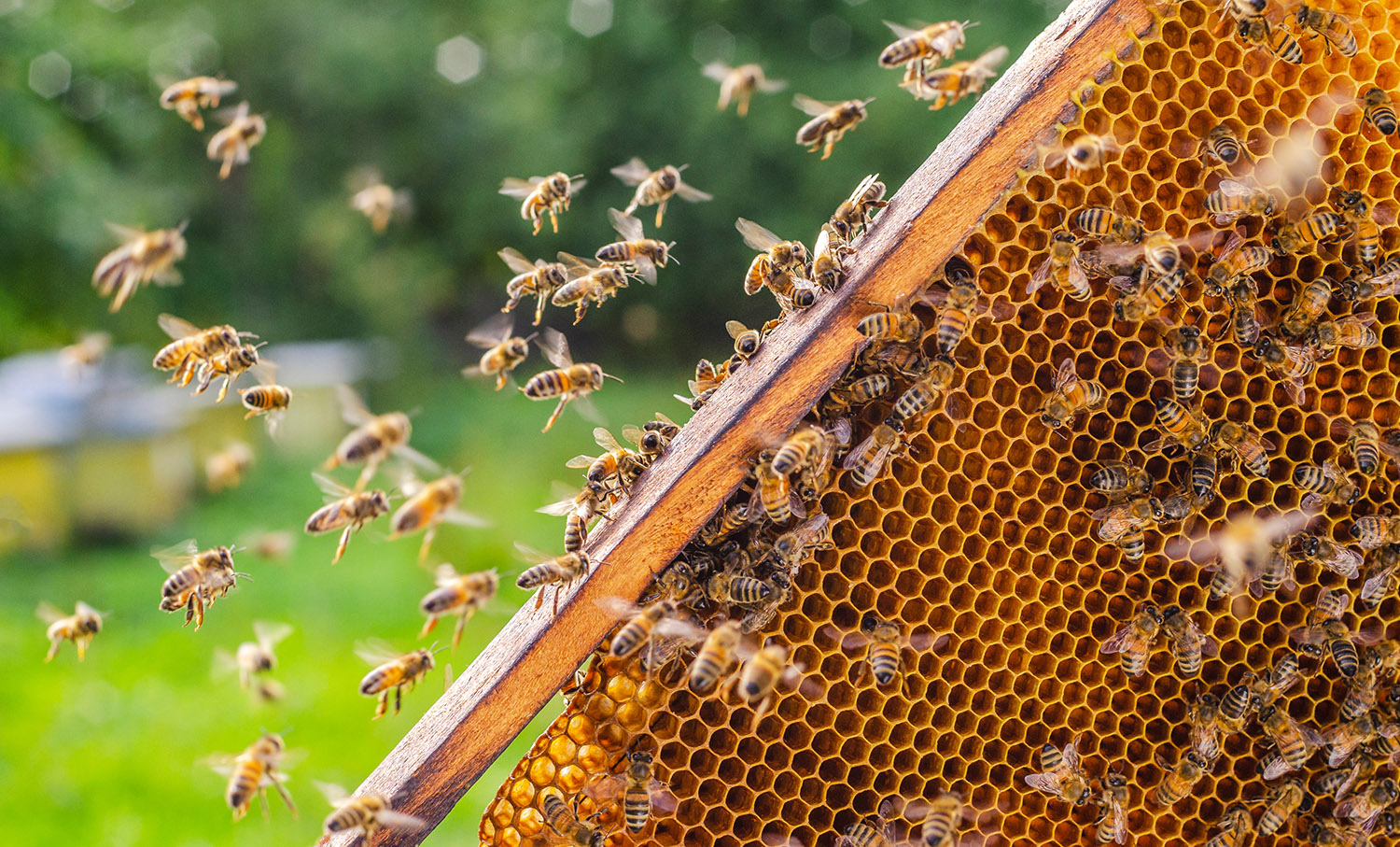
Honeybees fly in and out of a hive with the honeycomb visible.

Tracking Bees’ Trips

Scientists glued QR codes to bees to keep track of them and learned some surprising things.

Honeybees fly in and out of a hive with the honeycomb visible.

© Darios/stock.adobe.com

A honeybee hive (not the one used in the study) is seen here.

What’s life like for a honeybee? Scientists glued QR codes to the backs of more than 32,000 bees and learned a few surprising things.

A QR code stores data that can be accessed when the code is scanned. The bees’ tiny QR codes couldn’t hold much more information than a number indicating each bee’s identity—but that was enough.

Entomologists (insect experts), biologists, and engineers from Pennsylvania State University used the codes to find out how far worker bees would travel to find nectar. As each bee left and then reentered the hive, a camera scanned the code to determine the bee’s identity and record the time.

Scientists learned that, while a few bees leave the hive for up to two hours, most don’t spend much more than about five minutes on each trip.

“For now, what we can see is a lot of the trips are very short,” scientist Robyn Underwood told CBS News. “[The bees are] gone less than five minutes because they’re very efficient. They go to the flowers, they fill up, they come back, they want to empty out right away, go back and forth. That’s how bees work. They are like, you know, busy as a bee.”

This finding also suggests that bees don’t travel very far from the hive.

Researchers say the discovery could help beekeepers. Currently, U.S. law states that organic beekeepers must put their hives in places that are free of pesticides within a 3.1-mile (5-kilometer) radius. Since pesticide use is common, it’s hard to find such places. But if bees don’t travel far, then maybe the law doesn’t need to be so strict.

“Pretty much in the continental U.S., you cannot be certified organic beekeepers. Because the amount of land area that is currently in the suggested regulations is so enormous,” Underwood said.

Scientists know that honeybees do what they call “waggle dances,” which are body movements that tell the other bees where nectar can be found. The scientists plan to compare the data about time spent away from the hive with their observations of waggle dances to see if they match. They also want to track the movements of the other members of the colony—the queen and the drones (the male bees in the hive).

Did You Know?

According to the U.S. Department of Agriculture, or USDA, bees and other pollinators are responsible for one out of every three bites of food we eat.

A honeybee on a yellow flower

© Philippe LEJEANVRE—Moment/Getty Images

After LA Fires, Student Actors Find Joy on Stage

The inside of an old theater taken from the seats shows the stage with the curtains closed.

© Arbaes/Dreamstime.com

When the Pacific Palisades fire destroyed their theater, a group of young performers was devastated but determined to do their upcoming show anyway. The fire, one of several that burned through the Los Angeles area in January, had caused a massive amount of damage, and many of the young cast members, who range in age from 8 to 17, lost their homes. Now the show seemed more important than ever.

“So many of our castmates have lost everything,” Lara Ganz, the director of Theatre Palisades Youth (TPY) at the Pierson Playhouse, wrote to the cast shortly after she herself lost her home. “We will continue with rehearsals. I am confident we will find a stage.”

They needed more than just a venue. All their costumes, musical instruments, lights, and sound equipment were gone. To do their show, a musical called Crazy for You, TPY would need a lot of help.

“For us, TPY is more than just a theater program—it’s a community, a family, and a safe space where kids can express themselves and shine,” Nousha Soofi, who has two kids in the cast, told Circling the News.

Ganz, along with parents of the cast members, posted pleas on social media—and the community responded. On February 28, Crazy for You opened at a local school auditorium for a two-weekend run.

Helpers included parents and friends, but also strangers. Los Angeles is the center of the filmmaking universe, a city full of creative people who answered the call for help. One of them was Tony Award nominee Kerry Butler, who starred in the Broadway show Beetlejuice. Butler gave the young cast a lesson on vocal technique.

Joy Zapata, an Emmy Award–winning hairstylist, was also inspired to help.

“I have done horror films with 100 extras running down the Pacific Coast Highway. But this time, the story was real, and it blew me away,” Zapata told the Associated Press. She was there on opening night, bringing with her with a team of Hollywood hair and makeup artists.

“I wanted these kids to walk away feeling beautiful,” Zapata said.

The show proved to be a brief escape from a difficult situation.

“One of the lines [in the show] is, ‘I’m dancing and I can’t be bothered now,’” 14-year-old Sebastian Florido, who had a leading role, told the Associated Press. “It’s really relatable. All this bad stuff was happening, but I’m tap dancing with my best friends. It was like a getaway to a little paradise.”

Are Wasps Our Friends?

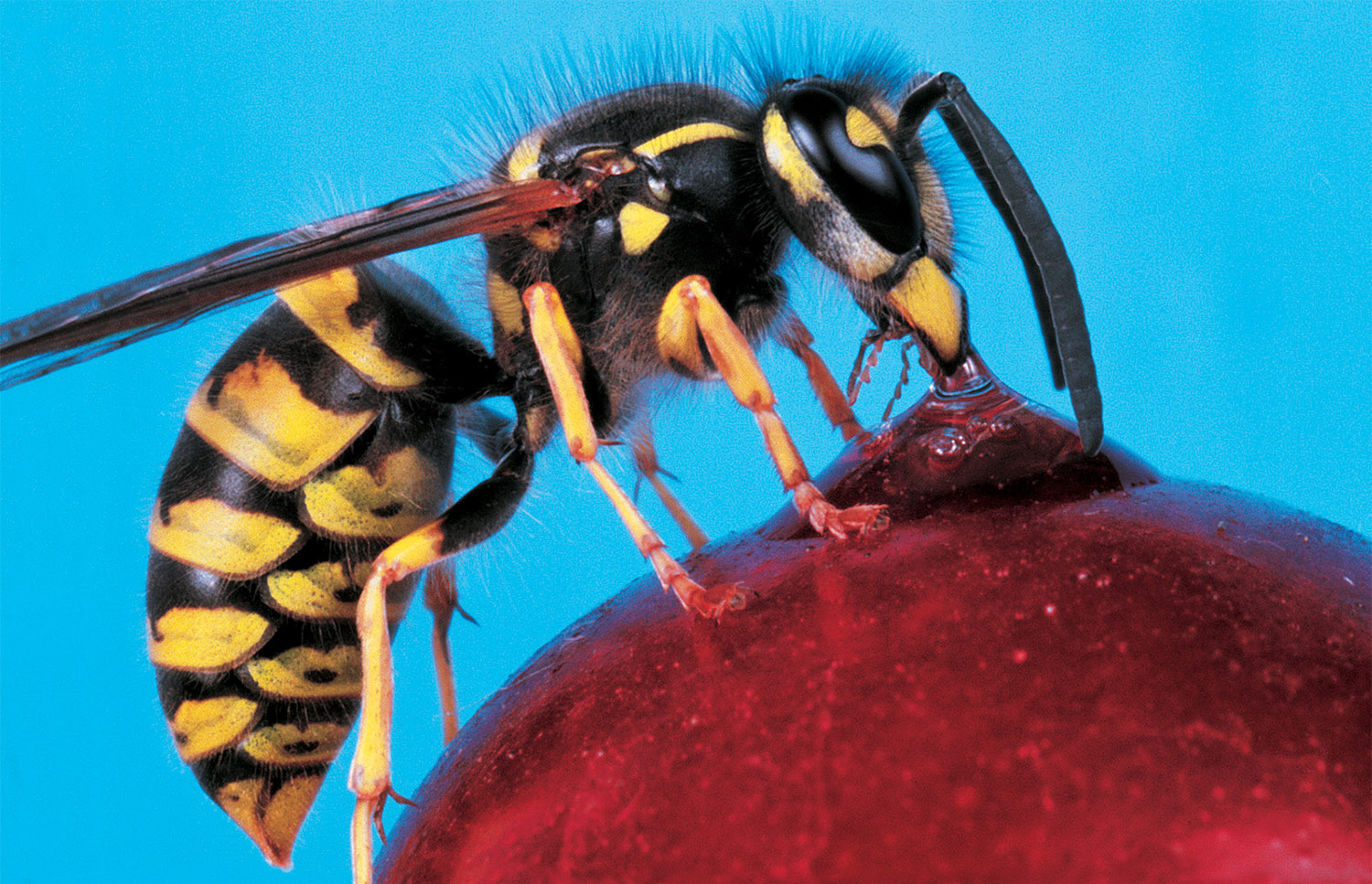
Closeup of a wasp feeding on what appears to be a fruit.

© John Foxx Images/ImageState

We may shy away from honeybees when they hover over our picnic tables, but we couldn’t get by without these little buzzers. Bee pollination, not to mention honey, is so valuable to people that we raise honeybees, placing their hives near farms. 

It’s harder to recognize the benefits of yellowjackets and other wasps. They’re more bothersome and more likely to sting than honeybees.  

So why do we need wasps? You can learn more about bees’ distant cousins at Britannica.

WORD OF THE DAY

minuscule

PART OF SPEECH:

adjective

Definition:

: very small

Definitions provided by
Merriam-Webster Logo

Criss Cross

O
O
O
O
O
O

In Case You Missed It

The island of Corsica showed American colonists that a courageous revolution could defeat an empire.
May 7, 2026
Physicist Narinder Singh Kapany developed fiber optic cables, helping to make the Internet possible.
April 30, 2026
How can you tell whether photos and videos are real or made with AI? Here are a few tips.
April 24, 2026
A seemingly strange bank is saving one of Earth’s most valuable resources.
April 9, 2026

Can’t Picture It?

Illustration of a woman with a thought bubble containing a scribble

Can’t Picture It?

Scientists are trying to find out why some people’s brains don’t make pictures of the objects they’re thinking of.

Illustration of a woman with a thought bubble containing a scribble

© sommersby/stock.adobe.com

Asked to think of an apple, most people will “see” an apple in their minds. They are said to be using their “mind’s eye.” But a small percentage of humans don’t visualize objects or events that they’re thinking of. Scientists are trying to find out why.

The inability to visualize images in the brain is called aphantasia. Scientists estimate that between 1 and 4 percent of people have aphantasia. It’s not clear why some people can use their mind’s eye and others can’t.

The Experiment

To learn more, scientists studied 14 people with aphantasia and 18 people without. During the study, the scientists flashed two striped patterns in front of all the participants’ eyes. One pattern had red horizontal lines, and the other had green vertical lines. As the participants viewed the images, the scientists monitored their brain activity.

The scientists were interested in the primary visual cortex. This is the part of the brain that processes visual information—the things people take in with their eyes. The scientists found that looking at the images caused activity in the primary visual cortex of all the participants, whether they had aphantasia or not. But there was slightly less brain activity in the people with aphantasia.

But what about when the participants were asked to imagine those images? Again, all participants showed activity in their primary visual cortex when they tried to imagine the images. In the people without aphantasia, the brain activity was similar to when they were actually looking at the images. But the brain activity observed in the people with aphantasia was different.

The Results

Scientists say the results of the study suggest that people with aphantasia have different wiring in their brains than people who can imagine images.

There’s still an unanswered question. If people with aphantasia use their primary visual cortex when they try to imagine an image, why doesn’t a picture form in their brains? Scientists hope further study will help them unravel this mystery.

Did You Know?

Scientists say the ability to picture things in our minds is on a spectrum. Some people can visualize crisp mental images, while others cannot. There are also people who visualize faint or blurry images.

Five boxes contain images of an apple that are increasingly less detailed until the last box is blank.

© yvdavid/stock.adobe.com; Photo illustration Encyclopædia Britannica, Inc.

Mind’s Eye

A bearded Chaucer wears a black robe and scarf and points to medieval writing.

The British Library

The “mind’s eye” is the ability to “see” something in your mind. If the phrase seems more poetic than something you’d usually find in a dictionary, that’s because it originated with literature.

English writer Geoffrey Chaucer (seen above) used a version of the phrase in his book The Canterbury Tales. The Canterbury Tales was written between 1387 and 1400, before modern English existed. Can you recognize any of the words in this short excerpt of the book?

That oon of hem was blynd, and myghte nat see,
But it were with thilke eyen of his mynde,
With whiche men seen, after that they ben blynde.

Now let’s put that into modern English.

The one of them was blind and could not see,
Except with the eyes of his mind,
With which men can see, after they are blind.

Brainpower

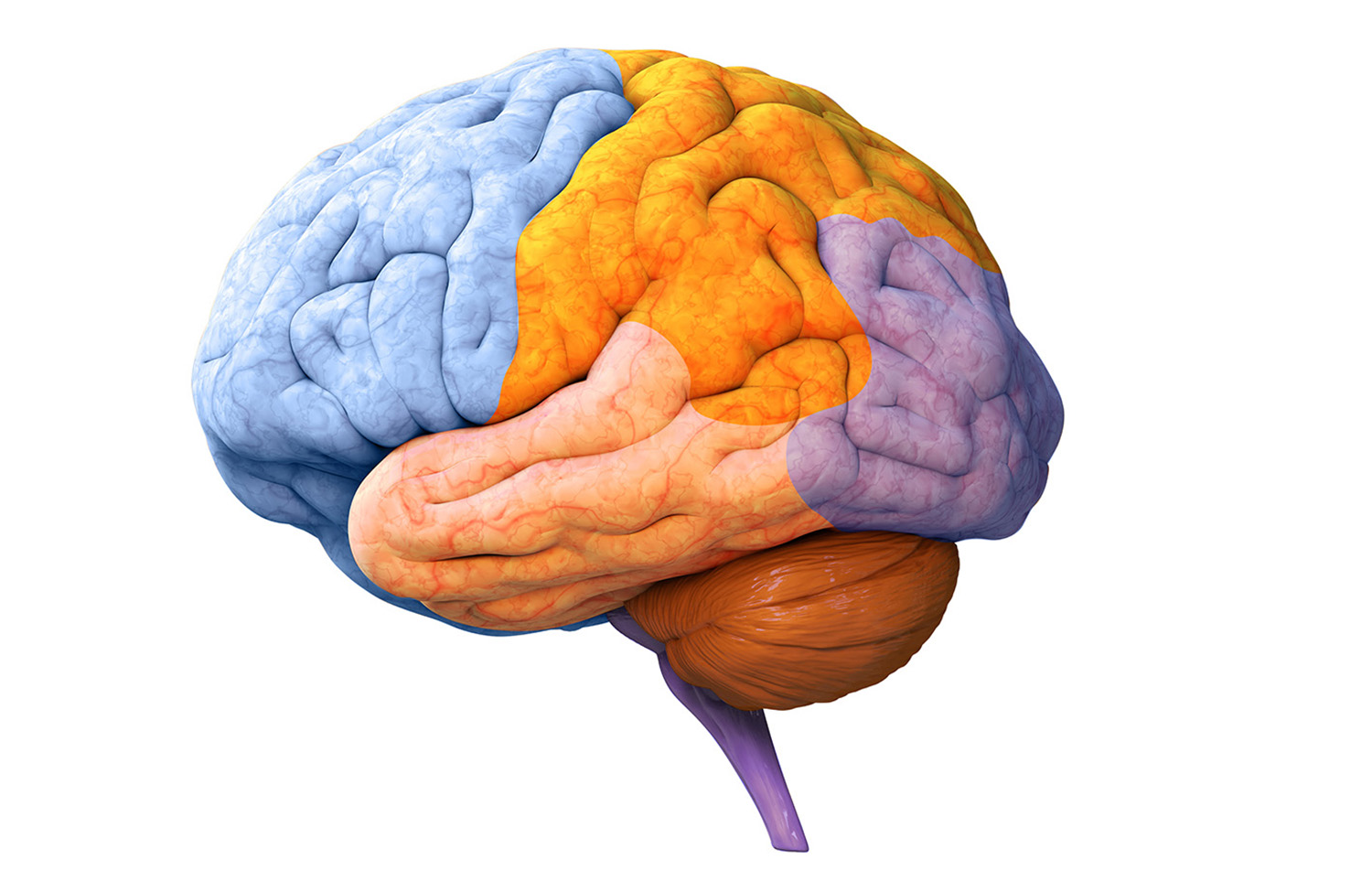
A digital illustration of the human brain shows a different color for each lobe.

© Martin Brož/Dreamstime.com

Our brains are responsible for more than just our thoughts. Find out more about how different parts of the brain work at Britannica!

WORD OF THE DAY

envisage

PART OF SPEECH:

verb

Definition:

: to picture (something) in your mind : envision

Definitions provided by
Merriam-Webster Logo

Sudoku

O
O
O
O
O
O

In Case You Missed It

The island of Corsica showed American colonists that a courageous revolution could defeat an empire.
May 7, 2026
Physicist Narinder Singh Kapany developed fiber optic cables, helping to make the Internet possible.
April 30, 2026
How can you tell whether photos and videos are real or made with AI? Here are a few tips.
April 24, 2026
A seemingly strange bank is saving one of Earth’s most valuable resources.
April 9, 2026

Teen Invents New Water Filter

Tin Jin stands among other teens while wearing a lab coat and showing a document about health equity.

Teen Invents New Water Filter

Fourteen-year-old Tina Jin won a top science prize for inventing a filter that makes water safe to drink.

Tin Jin stands among other teens while wearing a lab coat and showing a document about health equity.


© Courtesy of Lisa Fryklund/Licensed by Society for Science

Tina Jin is the winner of the 2024 Thermo Fisher Scientific Junior Innovators Challenge.

Some inventions use simple solutions to solve big problems. When middle school student Tina Jin learned that billions of people around the world do not have access to clean drinking water, she was inspired to help.

“When I was watching the news after dinner, I was shocked to see children drinking dirty murky brown water,” Jin told the Society for Science, a nonprofit organization that promotes scientific research. “While I was picking which type of water to drink, some people couldn’t even have clean water.”

Drinking contaminated and unfiltered water means risking water-borne illnesses like diarrhea or cholera. However, many people don’t have filtration systems that can clean contaminated water.

This led Jin to wonder, is there a common natural material that could also act as a water filter? That’s when she thought about using animal bones.

Jin says she got the idea while eating with her family. The beef bones in her meal reminded her of a type of human-made filter material called polymer membranes. Since meat is a part of many diets around the world, animal bones are an accessible material nearly everywhere. This inspired her to study the ability of beef bones to filter dirty water.

The bones Jin saw in her meal are called trabecular bones. The inside of a trabecular bone has many small holes, making it look like a sponge. These bones can be found in humans and animals in the spine, at the base of the skull, and at the ends of leg bones like the femur. Jin decided to test whether the trabecular bones could trap impurities when water flows through them.

To make the filter, Jin cleaned trabecular beef bones and sliced them into cross sections. She then tested the bone slices’ ability to filter “dirty” water by pouring black tea, rose tea, water with microplastics, and stream water through the slices. Jin recorded which pore sizes from the bones filtered the water best. Her results showed that the smaller the pore sizes on the bone, the better it was at cleaning water.

A water company in Jin’s hometown of San Jose, California, tested her results and confirmed that her bone-filtered water was drinkable and safe.

“I created this whole method, using 100 percent natural, easily accessible materials and household supplies so that anyone from any part of the world can filter their own dirty water into clean water,” said Jin.

Tina Jin stands in front of a display explaining her invention and talks to a judge.

© Courtesy of Lisa Fryklund/Licensed by Society for Science

Tina Jin (left) discusses her water filter project with a judge during the 2024 Thermo Fisher Scientific Junior Innovators Challenge.

Jin’s successful water filter earned her the top prize at a national science competition!

In October 2024, Jin presented her water filter research at the Thermo Fisher Scientific Junior Innovators Challenge, a national science competition run by the Society for Science. Jin was among 30 competition finalists selected from thousands of middle school participants around the United States. Jin won the competition’s top award and $25,000 for her innovative research.

Jin plans to continue her research. She has also tested the efficacy of pork and sheep bones for water filtration.

“It feels absolutely magical! I’m ecstatic to say the least, and I feel so honored and proud that my project was able to get such recognition; and I’m not stopping here!” Jin told Forbes.

Did You Know?

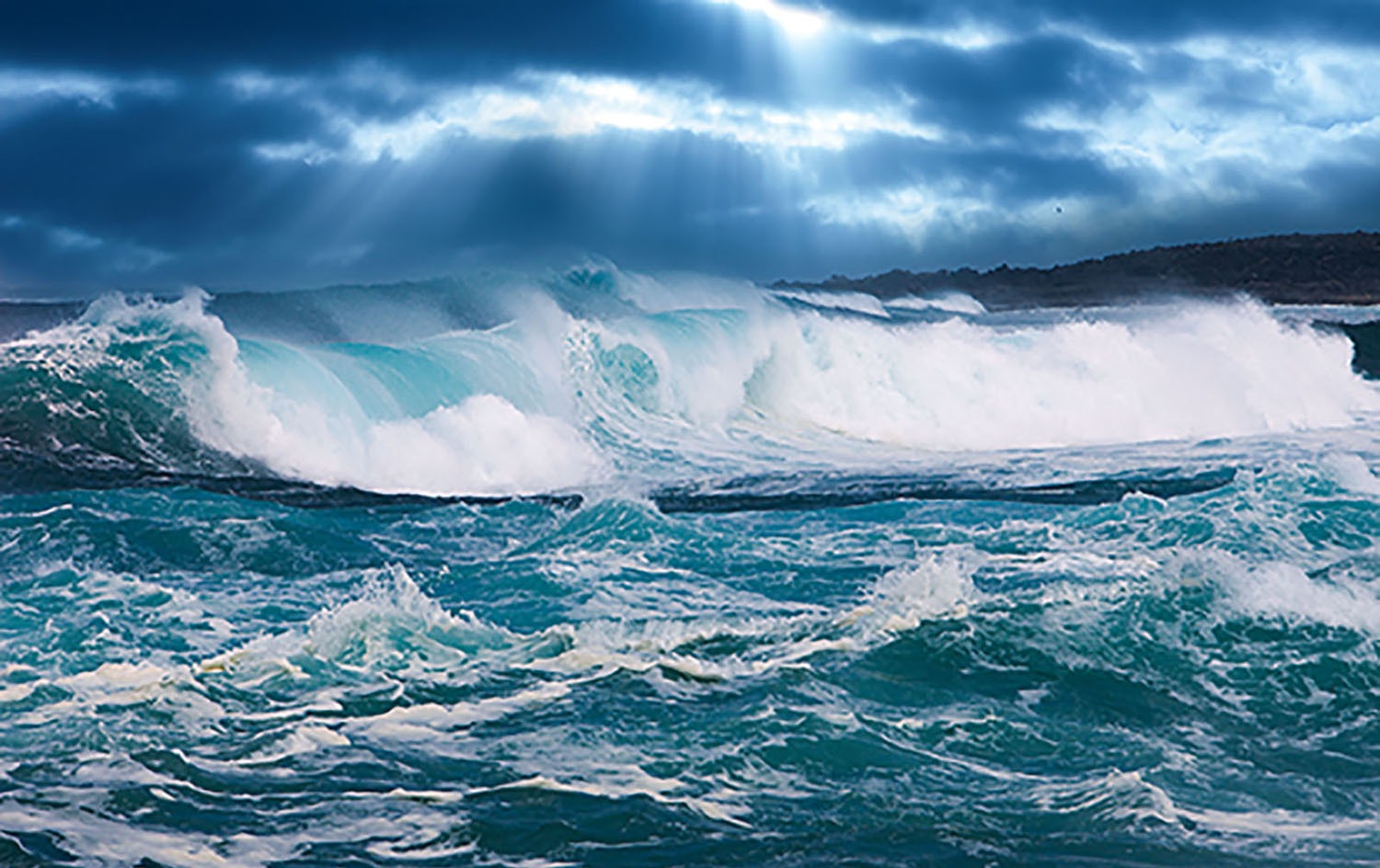
Our planet is covered in water! But of all the water in the world, more than 99 percent of it is salt water or locked away in glaciers as ice. Less than 1 percent is fresh water in lakes and rivers.

Light peeks through the clouds over ocean waves and a rough current.

© irabel8/stock.adobe.com

Problem Solvers!

The top five winners of the Thermo Fisher Scientific Junior Innovators Challenge smile and pose with their awards.

© Jessica Yurinko/Licensed by Society for Science

The top five winners of the Thermo Fisher Scientific Junior Innovators Challenge include (from left to right) Sophie Tong, Gary Montelongo, Tina Jin, Samvith Mahadevan, and Tyler Malkin.

The Thermo Fisher Scientific Junior Innovators Challenge is a national science, technology, engineering, and math competition for middle school students in the United States and its territories. The competition is run by the Society for Science. Among thousands of participants, 30 finalists are selected each year to showcase their research in Washington, D.C., for a chance at one of five top prizes.

These are the 2024 award winners:

  • Tina Jin, 14, from San Jose, California, received the Thermo Fisher Scientific ASCEND (Aspiring Scientists Cultivating Exciting New Discoveries) Award and $25,000. Jin’s research into using animal bones for effective water filter treatment was recognized for its use of scientific ingenuity to address a global problem.

  • Gary Allen Montelongo, 14, from La Joya, Texas, won the Broadcom Coding with Commitment Award and $10,000. Montelongo’s project combined coding and engineering to build train suspension system models that help identify how train vibrations and weight distribution could cause a train to fall off the rails.

  • Sophie Tong, 14, from Palo Alto, California, won the DoD (Department of Defense) STEM Talent Award and $10,000 for developing a way to improve transportation safety. Using algorithms to analyze bad weather conditions and vision, she set out to highlight how dark and foggy conditions can lead to vehicle and aircraft accidents.

  • Samvith Mahadevan, 14, from Austin, Texas, won the Lemelson Foundation Award for Invention and $10,000 for creating an artificial “nose” that uses a chemical sensor and artificial intelligence to detect food allergens like peanuts, tree nuts, and eggs. This invention could help people avoid food that causes an allergic reaction.

  • Tyler Malkin, 14, from Greenwich, Connecticut., received the Robert Wood Johnson Foundation Award for Health Advancement and $10,000. Inspired by his own health disorder, which causes iodine deficiency, Malkin created an at-home saliva test with gold nanoparticles. If someone has low iodine levels, the nanoparticle test turns blue, alerting them to a deficiency and prompting them to seek treatment.

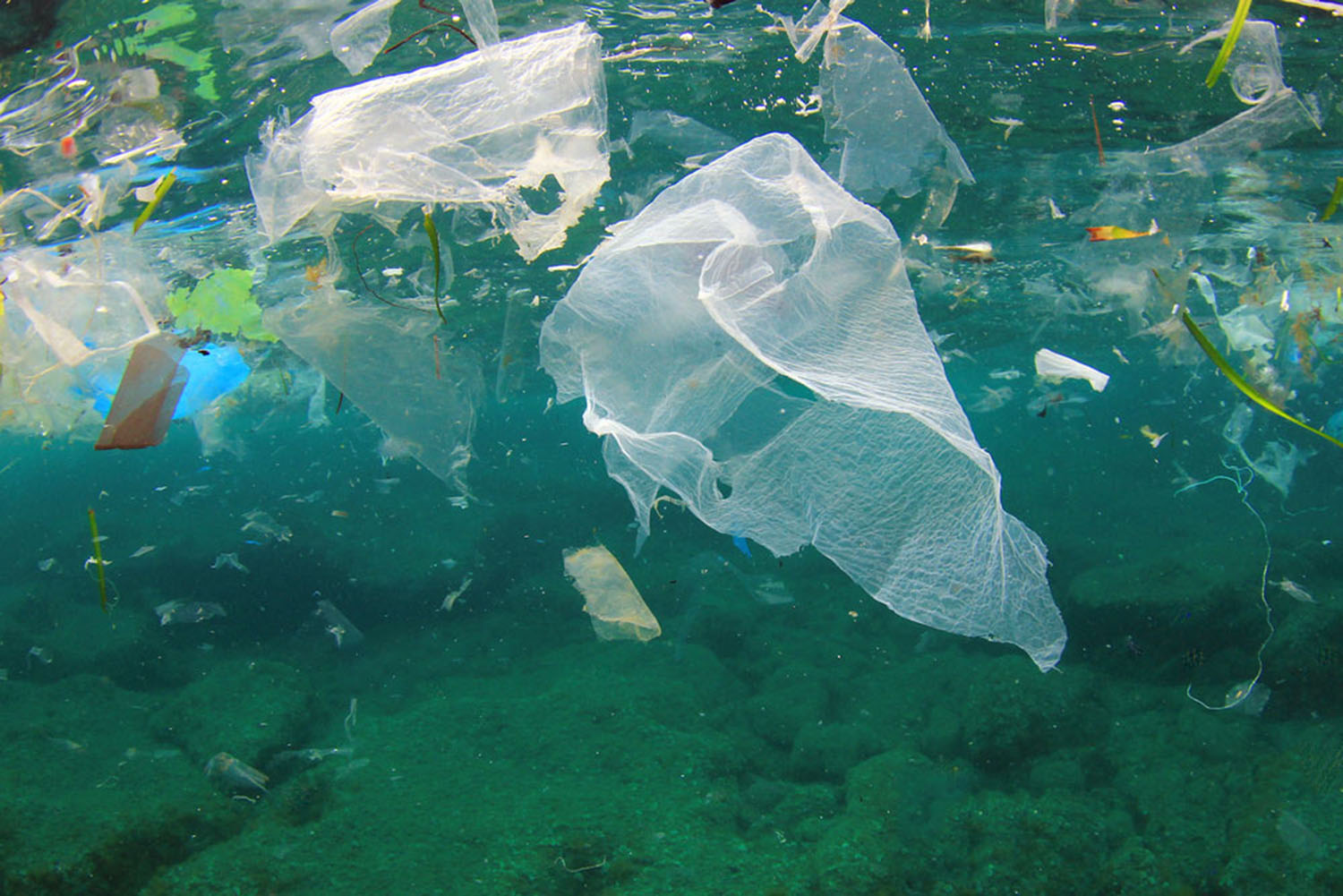
Keeping Water Clean

Pieces of plastic float under the ocean’s surface.

© Rich Carey/Shutterstock.com

Water is an important resource on Earth, but it can be contaminated through pollution, making it dangerous to use. Learn more about water pollution and how to avoid it at Britannica!

WORD OF THE DAY

potable

PART OF SPEECH:

adjective

Definition:

: safe to drink

Definitions provided by
Merriam-Webster Logo

Criss Cross

O
O
O
O
O
O

In Case You Missed It

The island of Corsica showed American colonists that a courageous revolution could defeat an empire.
May 7, 2026
Physicist Narinder Singh Kapany developed fiber optic cables, helping to make the Internet possible.
April 30, 2026
How can you tell whether photos and videos are real or made with AI? Here are a few tips.
April 24, 2026
A seemingly strange bank is saving one of Earth’s most valuable resources.
April 9, 2026

Hello, Aliens?

A spiral galaxy has eight red spikes from a bright core, plus white dots against a black background.

Hello, Aliens?

A new study says intelligent life may be more likely to exist than we realized.

A spiral galaxy has eight red spikes from a bright core, plus white dots against a black background.

NASA, ESA, CSA, and J. Lee (NOIRLab); image processing: A. Pagan (STScI)

Is this photo showing us a place where intelligent life exists?

Do aliens exist? A new study raises the possibility that intelligent life is much more common than scientists previously thought!

Scientists have long thought that the existence of humans (Earth’s intelligent life-forms) came about due to a rare and lucky set of conditions and events. This is based on a 1983 theory by a scientist named Brandon Carter. Carter started with the fact that Earth is about 4.6 billion years old, but humans did not exist until about 200,000 years ago. This led him to believe that humans could develop only after a few key conditions were met. And even after that, Carter believed, it took a long time for humans to appear. 

Carter believed that it takes so long for intelligent life to evolve that on most planets, the host star, which is needed for life, would have burned out before that could happen.  Luckily for us, we evolved while our Sun was still young—only a few billion years old.

But a team of scientists at Penn State University say they don’t believe it takes a long time for intelligent life to evolve once a planet is able to support it. In fact, they believe that if conditions are right, intelligent life will evolve. And that means it’s possible that intelligent life exists on any planet where conditions are right.

Rocky planets that are Earth sized are most likely to be able to support life. Scientists believe there are about 1 billion Earth-sized planets in our galaxy alone, and many of them are likely to be rocky. That doesn’t mean intelligent aliens are living on every one of those planets. But if the Penn State study is correct, it’s possible we’re not alone.

Did You Know?

Even the closest known habitable (livable) planets are still as many as 40 light-years (trillions of miles) from Earth.

White, yellow, orange, and blue lights are against a black background.

NASA/ESA/CSA/Kristen McQuinn (RU)

Pi Day Magic

It’s that time of year again. March 14 is Pi Day, when we honor all things pi.

Though it’s pronounced “pie,” the word pi doesn’t refer to a delicious dessert. Pi is a number that begins 3.1415926535 and has been calculated to 100 trillion digits to the right of that decimal point. But no one will ever calculate all those digits because there are an infinite number of them!

To simplify things, most people shorten pi to 3.14. That’s why March 14 (which is often written as 3/14) is celebrated around the world as Pi Day.

We can celebrate Pi Day by eating pie…or by measuring that pie. Hear us out.

A pie is shaped like a circle. If you measure the length across the widest part of the pie, that’s the diameter. And if you measure the length all the way around the pie, that’s the circumference.

Two pies roll into the frame and then roll out to reveal circles. Dotted lines mark the circumference of one circle and the diameter of the other.

© Stacy/stock.adobe.com; Photo illustration Encyclopædia Britannica, Inc.

If you divide the circumference by the diameter, you’ll get a number that’s very close to 3.14…no matter what size your pie is. This is true for any circle.

A pie is shown with an equation showing that the circumference divided by the diameter equals roughly 3.14.

© Stacy/stock.adobe.com; Photo illustration Encyclopædia Britannica, Inc.

Life on Other Planets

The cover of a magazine called Startling Stories shows giant green aliens on a ship invading Earth.

© Chronicle/Alamy

There’s no proof of intelligent life outside of Earth, but scientists have attempted to contact aliens. Learn more at Britannica!

WORD OF THE DAY

oppidan

PART OF SPEECH:

noun

Definition:

a resident of a town TOWNSMAN

Definitions provided by
Merriam-Webster Logo

Word Flower

O
O
O
O
O
O

In Case You Missed It

The island of Corsica showed American colonists that a courageous revolution could defeat an empire.
May 7, 2026
Physicist Narinder Singh Kapany developed fiber optic cables, helping to make the Internet possible.
April 30, 2026
How can you tell whether photos and videos are real or made with AI? Here are a few tips.
April 24, 2026
A seemingly strange bank is saving one of Earth’s most valuable resources.
April 9, 2026

Marion Pritchard: A Hero’s Story

An older Marion Pritchard stands at a podium and speaks to an audience that is not on camera.

Marion Pritchard: A Hero’s Story

During World War II, Marion Pritchard risked her own safety to rescue and shelter Jewish families

An older Marion Pritchard stands at a podium and speaks to an audience that is not on camera.

© Kevin Winter/Getty Images

In this 2009 photo, Marion Pritchard receives the Medal of Valor Award from the Simon Wiesenthal Center, a human rights organization.

March is Women’s History Month in the United States. Farther down on this page, you can follow a link to learn about hundreds of notable women in science, the arts, government, and more. Some women risked their personal safety to help others. Here is the story of one of those women.

In 1942, Marion Pritchard witnessed Nazi officers putting Jewish children onto a truck bound for concentration camps. Then and there, she decided to become a rescuer. For the rest of World War II, Pritchard would help protect Jewish families from the Nazis.

Born in 1920 in Amsterdam, the Netherlands, Pritchard was a student in 1939, when Germany, led by Adolf Hitler’s Nazi government, invaded Poland. Eventually, much of Europe would surrender to Germany. Once the Nazis gained control of an area, they would force Jewish people and other minorities into concentration camps where they subjected them to forced labor and eventually killed them. More than 6 million people died in this mass murder, which is known as the Holocaust. 

The Nazi invasion of Poland led to World War II, between the Axis powers (Germany, Japan, and Italy) and the Allied powers (led by the United Kingdom, the Soviet Union, and, eventually, the United States). But the start of the war did not stop Germany from invading its neighbors.

The Netherlands, where Pritchard lived, surrendered to Germany in 1940. Even under Nazi control, there were Dutch resisters—people who engaged in secret activities meant to weaken the Nazis and protect people who were under threat. But acting against the German government was dangerous. In 1941, Pritchard was arrested with a group of student resisters who were meeting at a friend’s house, where she was studying. She spent seven months in jail. It wasn’t long after her release that she saw the Nazis taking Jewish children to concentration camps.

“I was shocked and in tears,” Pritchard told the International Raoul Wallenberg Foundation.

Risking her own life, Pritchard began bringing food and clothing to Jewish people who were hiding from the Nazis. In 1942, she was asked to help a 2-year-old who was in danger of being taken to a concentration camp. She first brought the child to her parents’ home and then found a family who lived at a safer location. Throughout the war, she would go on to help save about 150 Jewish children from the Nazis.

Between 1942 and the end of the war in 1945, Pritchard protected a Jewish father and his three young children, hiding them in a home many miles away from Amsterdam. Pritchard moved into the home and helped care for the children. One night, a Dutch police officer who was loyal to the Nazis came to the home to do a search. Pritchard secured the family in a preplanned hiding place. Later, when the officer returned without warning, Pritchard had to act quickly to defend the family. Although it was against her beliefs, she used physical violence to stop the officer. Her action saved four lives, but the events of that night would never leave her mind.

In 1945, Germany surrendered to the Allies, and Pritchard went to work helping people who had been displaced by the war. She eventually married an American soldier and settled in the United States. She died in 2016.

In 1984, Pritchard was interviewed by the United States Holocaust Memorial Museum. Asked if she had advice for her children and grandchildren, she said, “Do the right thing if you can find out what the right thing is.”

Did You Know?

During the Holocaust, many women across Europe were part of the resistance—the secret fight against the Nazis. Women resisters, many of whom were still teenagers, sheltered Jewish people, spied on Nazi soldiers, smuggled food and clothing, and much more.

An older Irena Sendler is presented with an award by a man who holds a microphone.

© Wojtek Laski/Getty Images

Irena Sendler (seen here in 2007) was part of the Polish resistance during World War II. Sendler rescued hundreds of Jewish children.

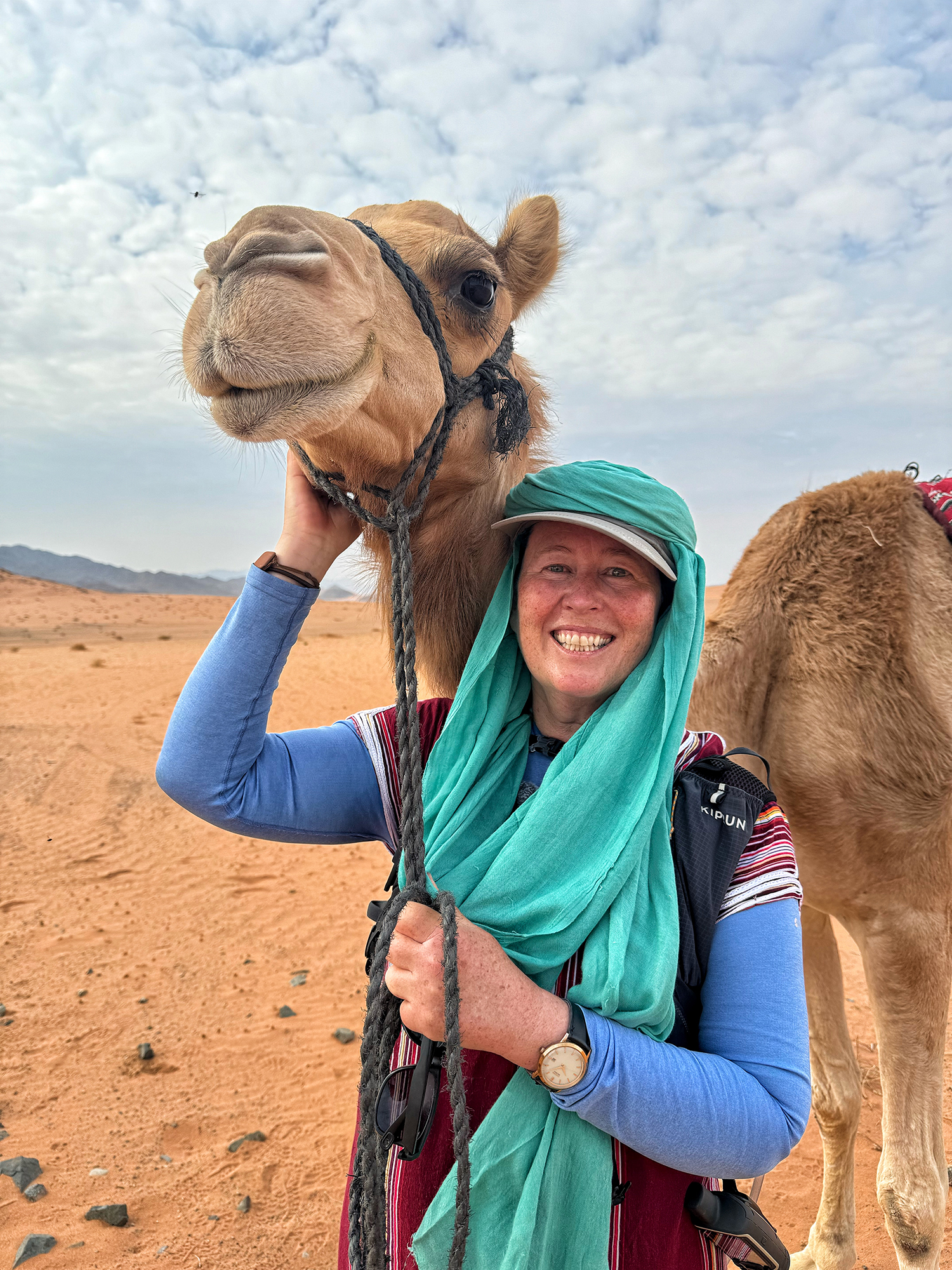
A Journey Across Saudi Arabia

Alice Morrison smiles and poses with a camel in the desert.

Used with permission of © Alice Morrison/www.alicemorrison.co.uk

Alice Morrison poses with Lulu, one of the camels she’s with during her walk across Saudi Arabia.

Alice Morrison loves a good adventure. She’s walked, run, and cycled across numerous landscapes far from the United Kingdom, where she grew up. Morrison’s latest journey is a walk across Saudi Arabia. 

Morrison, who lives in Morocco, began the 1,550-mile (2,500-kilometer) trek across Saudi Arabia in January, accompanied by local guides and two camels. So far, the group has encountered desert palms, a camel stampede, and signs of ancient life, including stone axes and rock carvings called petroglyphs. Saudi Arabia is known to have petroglyphs dating back thousands of years.

Desert palms are in front of reddish hills in a desert climate setting

Used with permission of © Alice Morrison/www.alicemorrison.co.uk

Alice Morrison provided this photo of desert palms and hills in the ancient city of Al-Ula, Saudi Arabia.

The walk is expected to take five months, split into two phases because Saudi Arabia gets extremely hot in the summer. But Morrison is undaunted. She has already completed the Tour d’Afrique, which is a bike race across Africa, and the Marathon Des Sables, a grueling seven-day run across the Sahara Desert. Despite all of this, Morrison says she’s not particularly athletic. She just likes to try new things and see new places.

Morrison says she’s met tons of well-wishers so far. People in villages have gathered to welcome her, while those along the route have offered snacks and water.

“Genuinely, the kindness of people…. The enormous warmth which greets me everywhere I go is so nice,” Morrison told CNN.

Women in History

© ICP— incamerastock/Alamy; © Soe Than Win—AFP/Getty Images; Encyclopædia Britannica, Inc.; © Robert Gauthier—Los Angeles Times/Getty Images; © Dan Mullan/Getty Images

In honor of Women’s History Month, click through the slideshow to learn about more notable women. 

Then check out Britannica’s women’s history feature, where you can read about extraordinary women from all walks of life.

WORD OF THE DAY

mettle

PART OF SPEECH:

noun

Definition:

: strength of spirit : ability to continue despite difficulties

Definitions provided by
Merriam-Webster Logo

Crossword

O
O
O
O
O
O

In Case You Missed It

The island of Corsica showed American colonists that a courageous revolution could defeat an empire.
May 7, 2026
Physicist Narinder Singh Kapany developed fiber optic cables, helping to make the Internet possible.
April 30, 2026
How can you tell whether photos and videos are real or made with AI? Here are a few tips.
April 24, 2026
A seemingly strange bank is saving one of Earth’s most valuable resources.
April 9, 2026

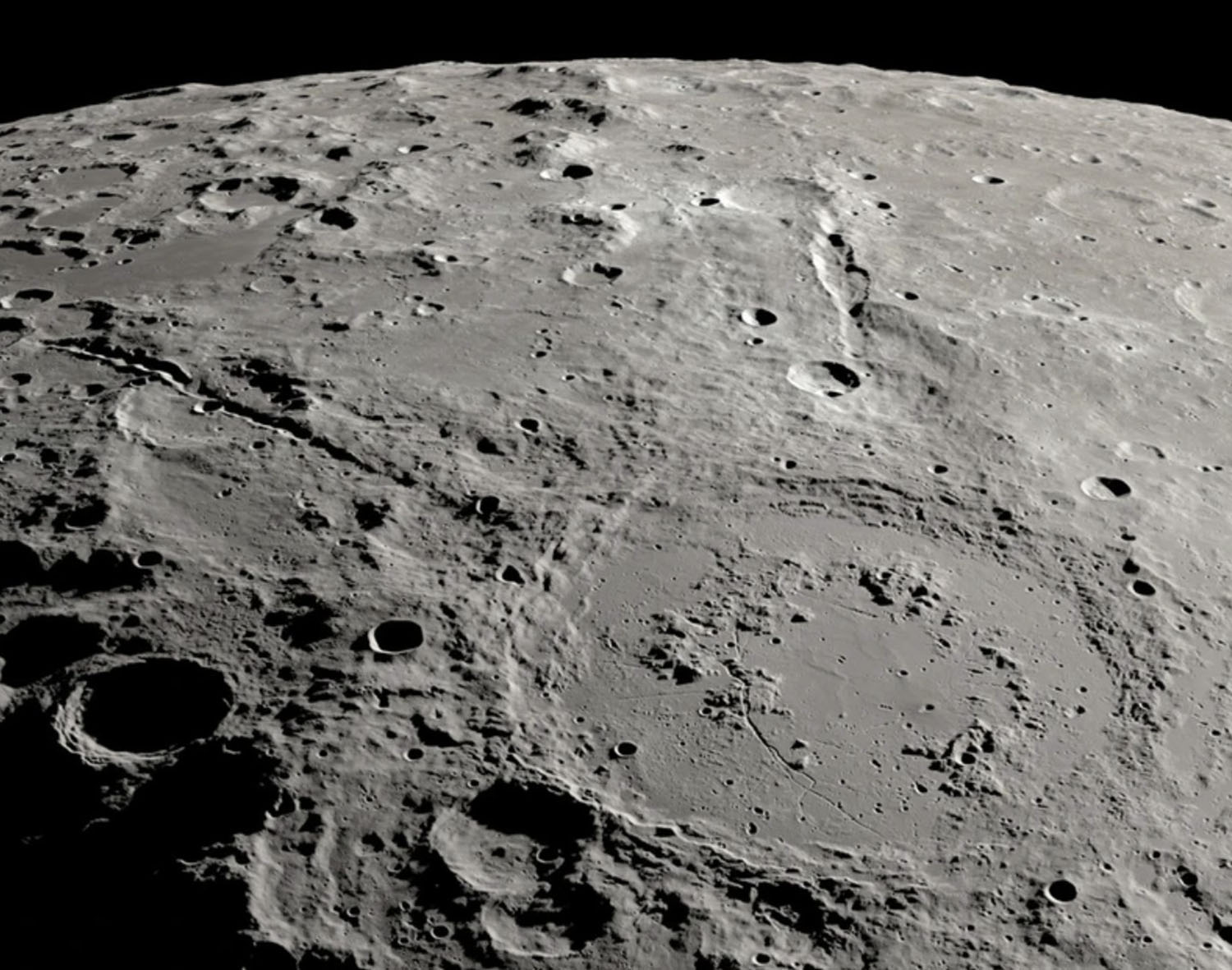
The Moon’s Grand Canyons

Two canyons radiate from a large crater on the Moon with many smaller craters nearby.

The Moon’s Grand Canyons

Scientists say two canyons on the far side of the Moon took about 10 minutes to form.

Two canyons radiate from a large crater on the Moon with many smaller craters nearby.

Ernest T. Wright/NASA/SVS

Two canyons on the far side of the Moon look like trenches stretching out of a large crater.

Two canyons on the far side of the Moon are somewhat similar to the Grand Canyon in Arizona. But while Earth’s Grand Canyon was carved out by water over millions of years, new research shows that the canyons on the Moon formed in about 10 minutes. 

The lunar canyons are long and narrow, extending out from a huge crater in straight lines. Hoping to learn how the canyons formed, scientists mapped them using data from a lunar orbiter. They learned that, about 3.8 billion years ago, an asteroid or comet hit the Moon, creating the crater and sending rocky debris flying at up to 2,200 miles per hour (3,600 kilometers per hour). A curtain of rocks fell back down and hit the Moon several times, creating rows of small craters that lined up to form the two canyons. 

“Those clusters of rock in that curtain hit the lunar surface in just a staccato series of impacts—bang, bang, bang, bang, bang, bang,” David Kring of the Lunar and Planetary Institute of the Universities Space Research Association told National Public Radio.

Researchers calculated that all this took only about 10 minutes. 

The two lunar canyons are smaller than the Grand Canyon but still quite large. One of them, called Vallis Planck, is about 174 miles (280 km) long and 2.2 miles (3.5 km) deep. The other canyon, called Vallis Schrödinger, is about 168 miles (270 km) long and 1.7 miles (2.7 km) deep. The asteroid that started it all was larger than the asteroid that led to the end of the dinosaur age 66 million years ago. 

Since they’re on the Moon’s far side, we can’t see Vallis Planck or Vallis Schrödinger from Earth. But other lunar canyons are visible to us when the sky is clear. They look like white lines radiating out from a crater.

Did You Know?

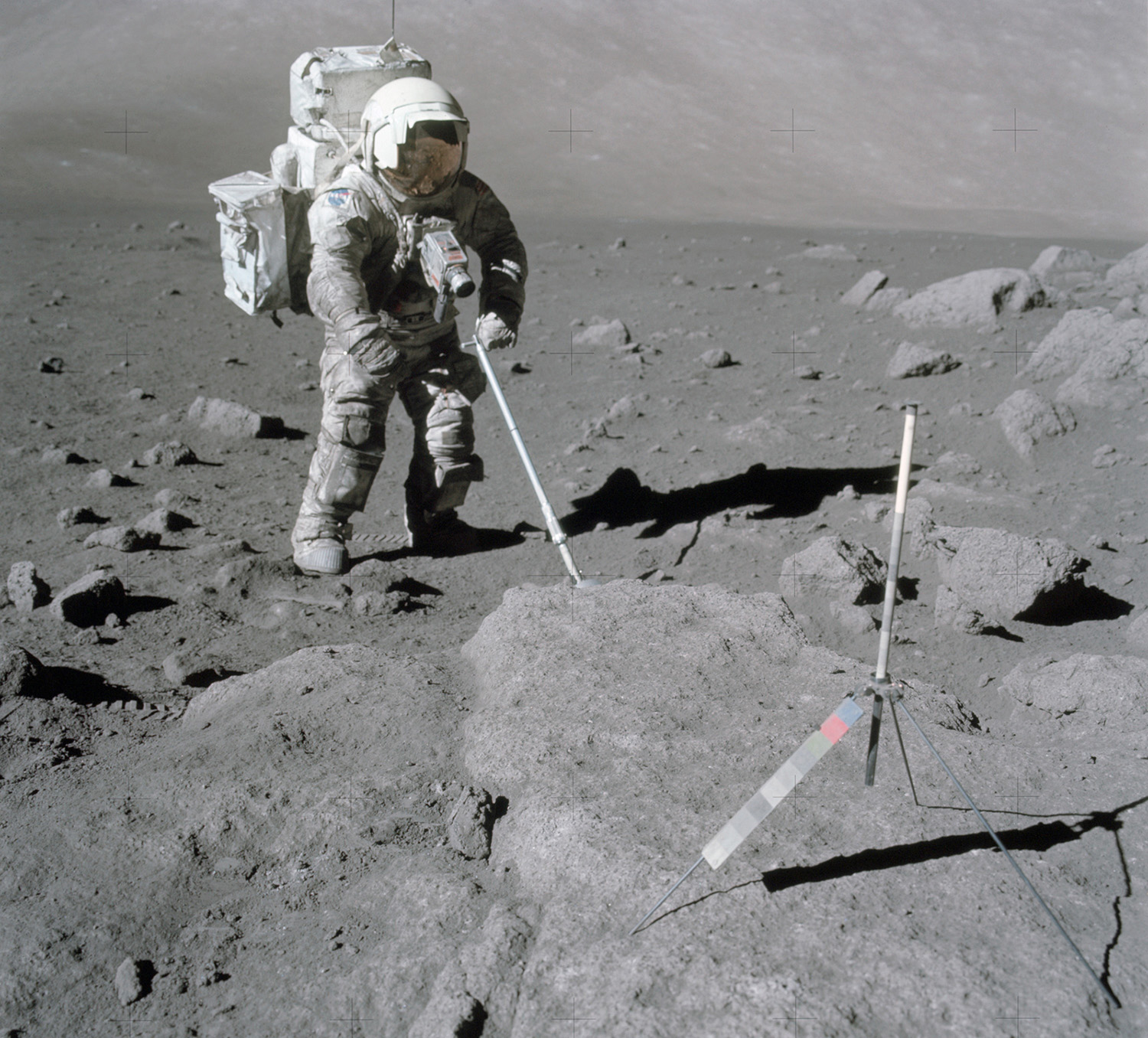
Since the Moon lacks an atmosphere, it experiences almost no erosion, or movement of rocks. As a result, most of the surface of the Moon is more than 3 billion years old! Earth’s surface is changing constantly, so it’s nowhere near as old.

Astronaut Harrison Schmitt stands on the Moon and uses a tool to collect lunar samples.

Courtesy of NASA/Johnson Space Center

Lunar soil is much, much older than the soil on Earth’s surface.

These Holes Aren’t Empty!

An impact crater on Mars looks bright red.

Courtesy of NASA/Jet Propulsion Labs/Caltech

The photo above shows a giant impact crater on the Red Planet (Mars). What’s so interesting about a hole in the ground? 

A hole may seem like an odd subject for a photo, but this particular hole is called an impact crater. Impact craters are holes in celestial bodies (like planets and moons) that were created by asteroids and comets. 

An impact crater reveals valuable information about the history of a planet or moon. When a comet or asteroid hits, rock and other materials come closer to the surface, allowing scientific instruments like probes to reach them. 

On Mars, for example, the rocks that have surfaced after impact were formed back when the Red Planet had liquid water. In fact, these rocks provided important evidence that water ever existed on Mars!

Why Do We Have a Moon?

A full moon rises over snowy Mount Rainier.

A sunbathing sunfish

© Allen/stock.adobe.com

Why does Earth’s moon exist, and how was it formed? Find out what scientists know—and what they’re still investigating—at Britannica!

WORD OF THE DAY

celestial

PART OF SPEECH:

adjective

Definition:

: of or relating to the sky

Definitions provided by
Merriam-Webster Logo

Criss Cross

O
O
O
O
O
O

In Case You Missed It

The island of Corsica showed American colonists that a courageous revolution could defeat an empire.
May 7, 2026
Physicist Narinder Singh Kapany developed fiber optic cables, helping to make the Internet possible.
April 30, 2026
How can you tell whether photos and videos are real or made with AI? Here are a few tips.
April 24, 2026
A seemingly strange bank is saving one of Earth’s most valuable resources.
April 9, 2026

Backpacks Create Their Own Light

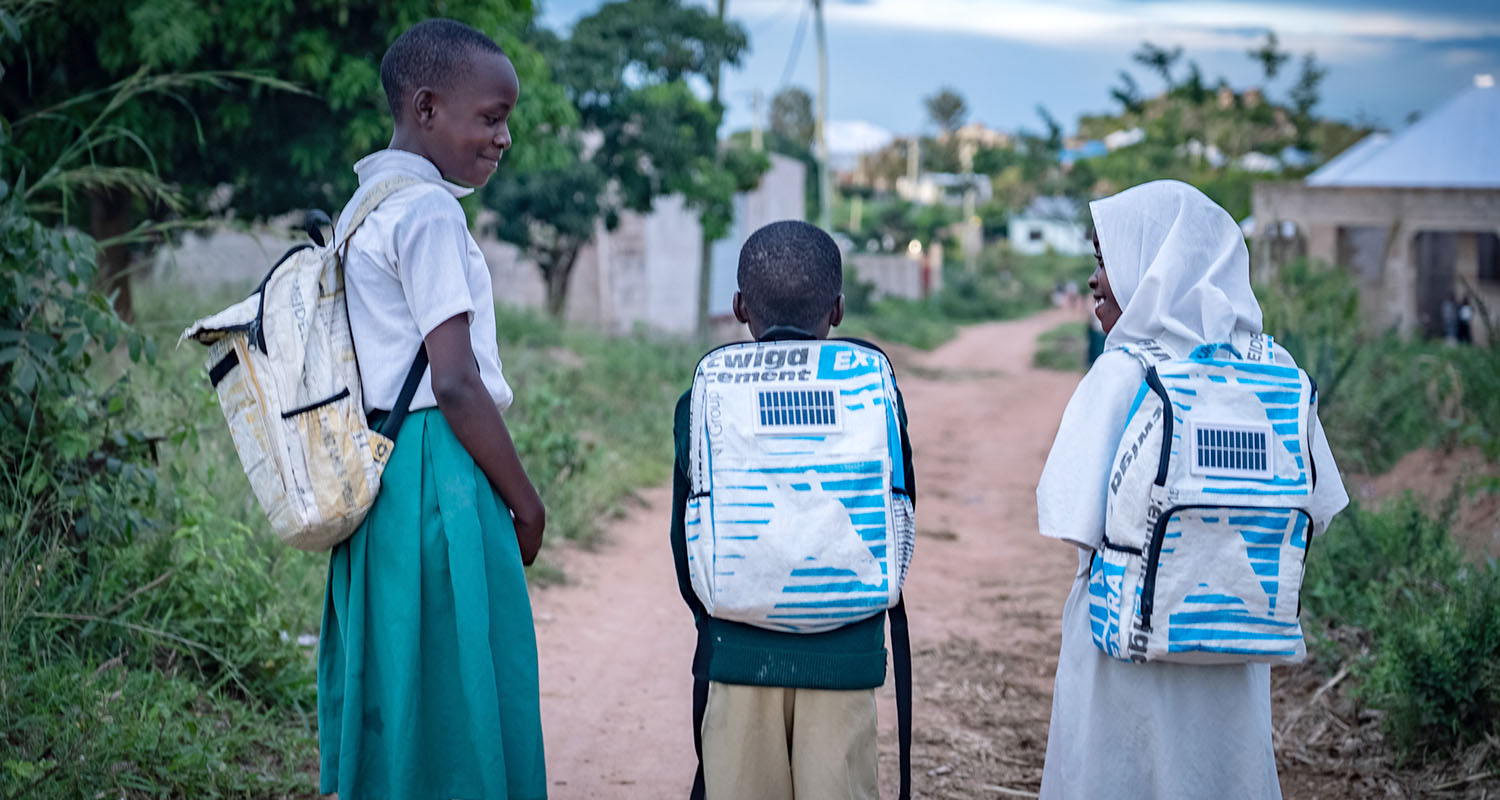
Three children stand on a dirt path wearing Soma backpacks with the solar panels visible.

Backpacks Create Their Own Light

Inventor Innocent James created backpacks that use solar panels to make their own study lights.

Three children stand on a dirt path wearing Soma backpacks with the solar panels visible.

© UNDP Tanzania/Kumi Media

Soma Bags have solar panels that capture enough sunlight to power a nighttime reading light.

When Innocent James was in college, he bought a mobile library cart and began lending books to school-age children in Tanzania, where he lives. He was bothered when he realized that kids were returning the books without having read them because their homes were too dark at night. So James came up with a solution: a solar-powered backpack that can provide the light students need to read and study.

James knew why kids needed more light because he had faced the same problem as a kid. Less than half of Tanzania’s population has access to electricity. Families light their homes with oil-burning kerosene lamps. But the oil is expensive, and many people cannot afford to have their homes lit all evening.

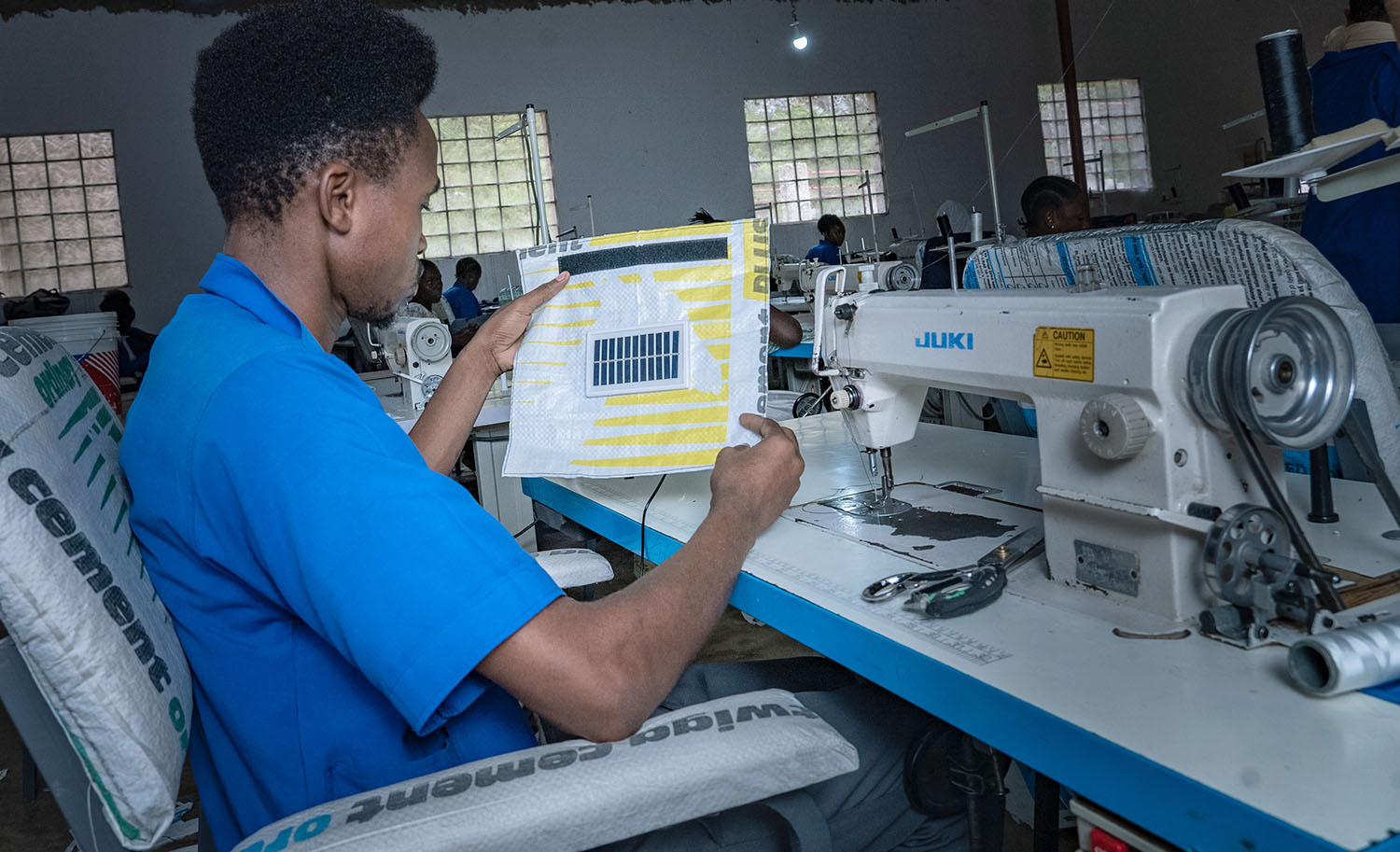
A worker sits at a sewing machine and holds up a small solar panel that has been sewn into material that was once a cement bag.

© UNDP Tanzania/Kumi Media

A worker shows the small solar panel that is sewn into each Soma Bag.

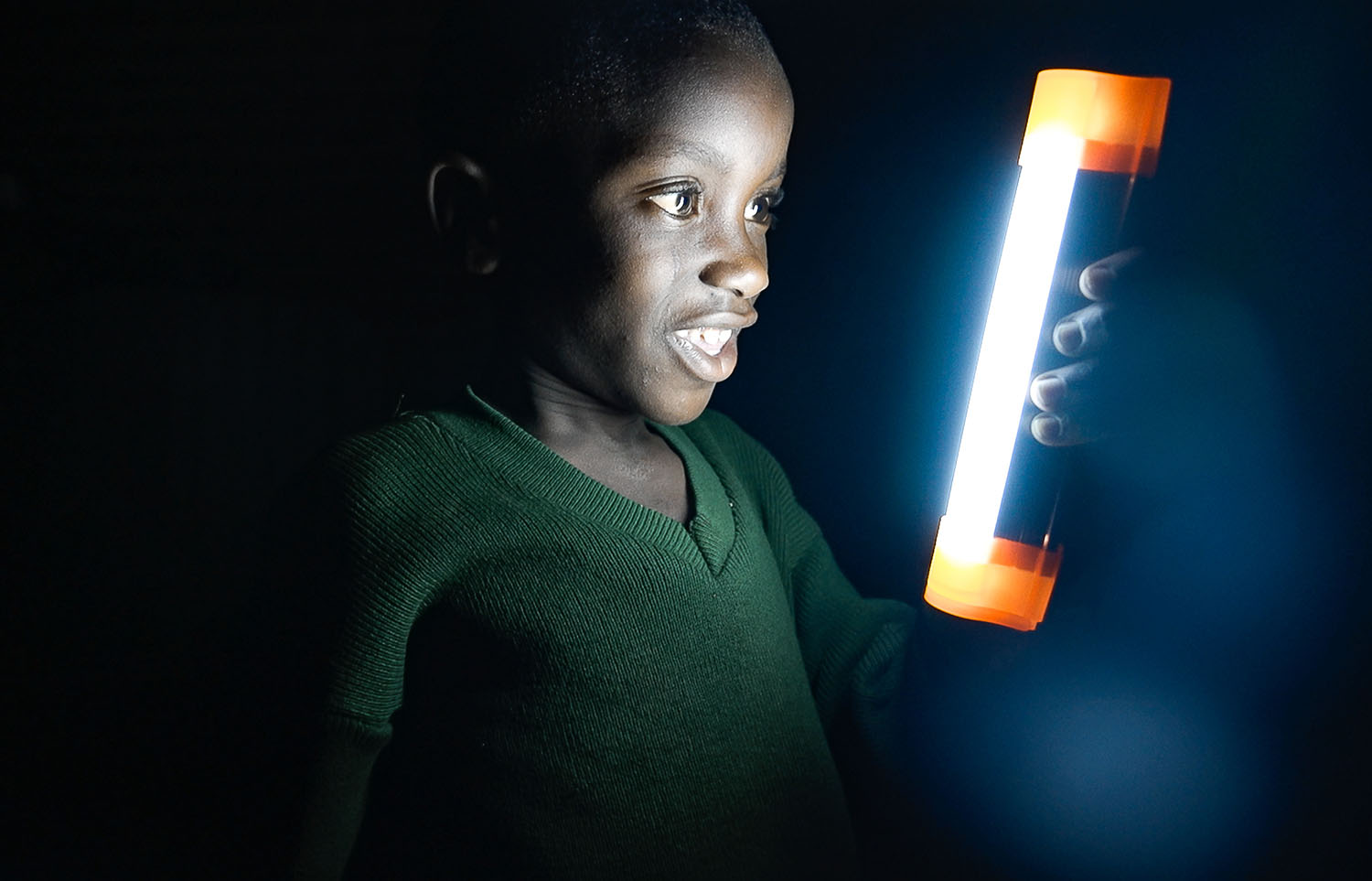
In 2016, James began turning old cement bags into backpacks with attached solar panels and reading lights. James designed the bags for students. During a walk to and from school, the panels collect the Sun’s energy, which can be used to power a reading lamp at night so that kids can spend more time reading or doing homework. A cloudy day is no problem. One panel holds enough power for six to eight hours of light, so it can be used for two or more evenings before it requires more sunlight.

What started with 80 backpacks per month turned into thousands after James started a company called Soma Bags (which means “reading bags” in Swahili) to manufacture them. James still uses old cement bags, which come at no cost to the company. Because of this, James says, it’s cheaper to buy one of his backpacks than to use a kerosene lamp. The company also makes bigger bags that can power other devices like phone chargers.

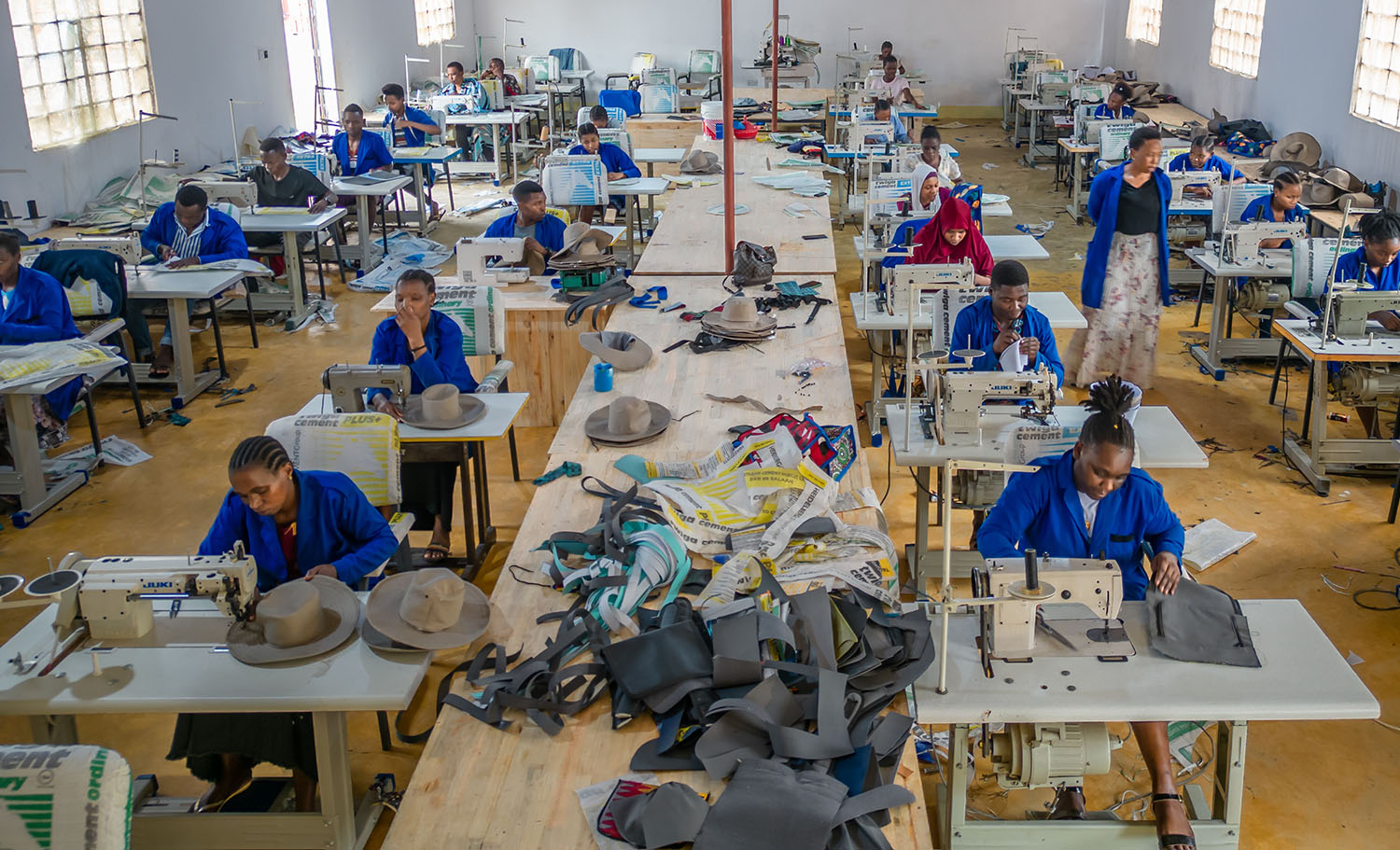
Several workers sit at sewing machines in a large room making Soma bags.

© UNDP Tanzania/Kumi Media

The Soma Bags factory in Bulale, Tanzania, employs 65 people.

Currently, customers are demanding 13,000 backpacks per month, more than what the company is able to make. But more and more kids now have the backpacks, which means that digging into homework—or just a good book—at night is no longer a problem.

Did You Know?

About 11 percent of the world’s population does not have access to reliable electricity.

A child smiles while holding a solar-powered light in an otherwise dark room.

© UNDP Tanzania/Kumi Media

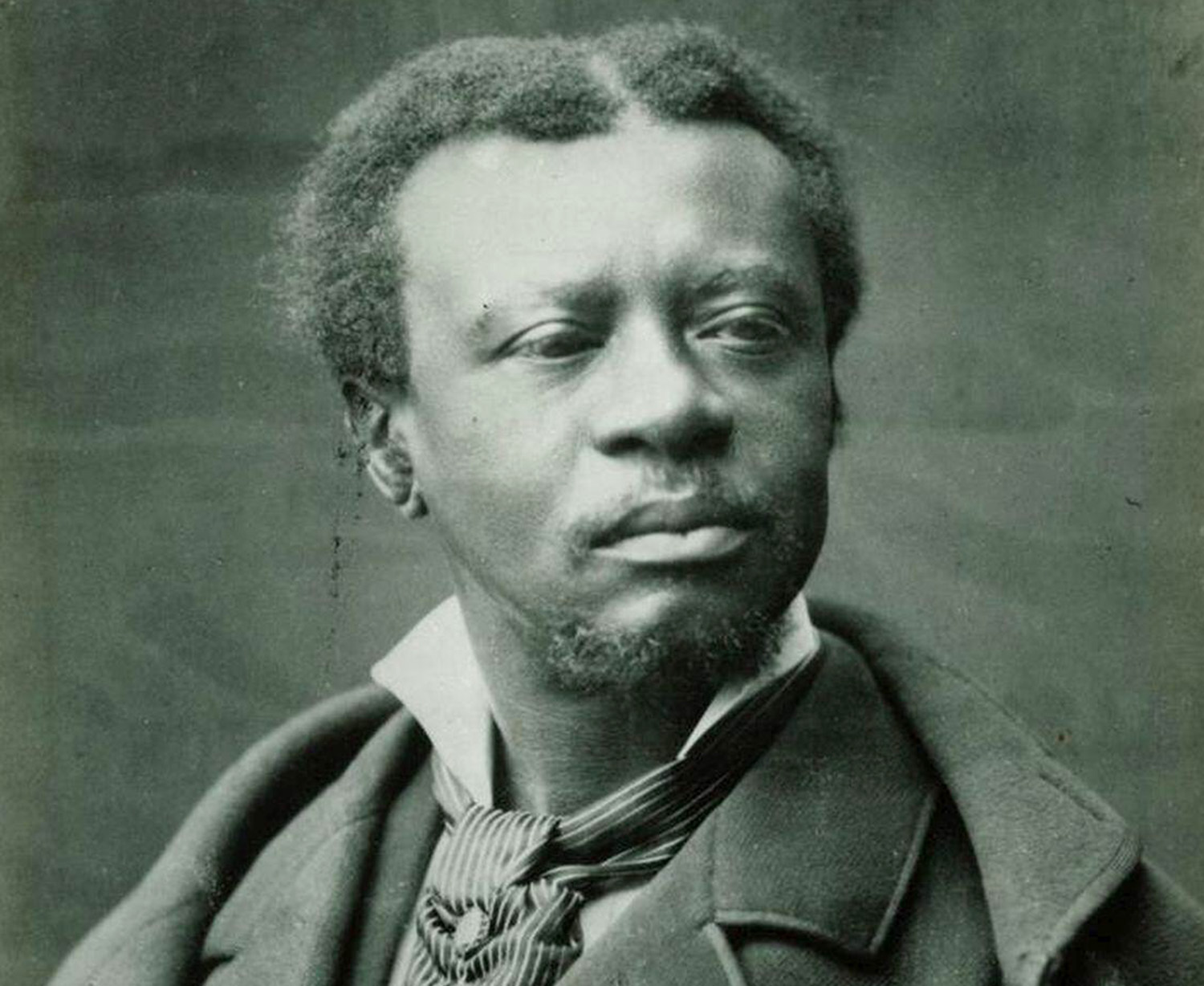
Long-Overdue Recognition

Portrait of Edmond Dédé

© Major Archive/Alamy

Edmond Dédé

You may know about classical composers Mozart and Beethoven, but have you ever heard of Dédé? As a Black American composer, Edmond Dédé struggled to have his work taken seriously, which may be why many people don’t know his name. Now, more than 100 years after his death, Dédé is getting some long-deserved recognition. 

In February, an opera by Dédé had its premiere performance in his hometown of New Orleans, Louisiana. An opera is a story set to music and performed by singers and instrumentalists. Dédé’s opera, called Morgiane, is about a young woman who is kidnapped and her mother’s efforts to rescue her.

Born in 1827 to free Black parents, Dédé grew up in New Orleans. Today the city is known as the birthplace of jazz music. But when Dédé was growing up, it was a center of classical music. Dédé took music lessons from his father and others and became an acclaimed violin and clarinet player. But racism kept Dédé from earning much respect as a composer. Eventually, he moved to Europe, where he wrote music until his death in 1901.

Dédé finished Morgiane in 1887, but his handwritten opera was lost for more than 100 years—until it turned up in a collection of music being stored at Harvard University. In 2025, Morgiane is finally being heard. After premiering in New Orleans, the opera was performed in New York City and Washington, D.C.

Patrick Dupre Quigley, who conducted the New Orleans performance, once called Morgiane “the most important opera never heard.” Quigley says many people don’t realize how many Black Americans have composed classical music because their work wasn’t always as highly appreciated as that of white composers.

“There is this story that we have told that people of color are only now becoming part of the timeline of classical music,” Quigley told CNN. “And the reality is that in the United States…Black people were [already] participating in classical music.”

A handwritten musical score labeled as an overture and signed by Ed. Dédé

Harvard Theatre Collection, Houghton Library, Harvard University

This photo shows Edmond Dédé’s handwritten music for his opera, Morgiane.

Lit By the Sun

Solar panels in a grassy field.

A sunbathing sunfish

 © Diianadimitrova/Dreamstime.com

Homes, office buildings, and even cars and backpacks can be powered by the energy of the Sun. How does solar energy work, and how else can we harness it?

Learn more at Britannica!

WORD OF THE DAY

plaudits

PART OF SPEECH:

noun

Definition:

: strong approval

Definitions provided by
Merriam-Webster Logo

Sudoku

Fill in the rest of the grid using the numbers 1-9. Numbers can’t be repeated within a row, column, or 3×3 square.

O
O
O
O
O
O
!important;" src="https://app.amuselabs.com/app/wordsearch?id=4a732076&set=britannica-education&embed=1" aria-label="Puzzle Me Game">

In Case You Missed It

The island of Corsica showed American colonists that a courageous revolution could defeat an empire.
May 7, 2026
Physicist Narinder Singh Kapany developed fiber optic cables, helping to make the Internet possible.
April 30, 2026
How can you tell whether photos and videos are real or made with AI? Here are a few tips.
April 24, 2026
A seemingly strange bank is saving one of Earth’s most valuable resources.
April 9, 2026

The Lonely Sunfish

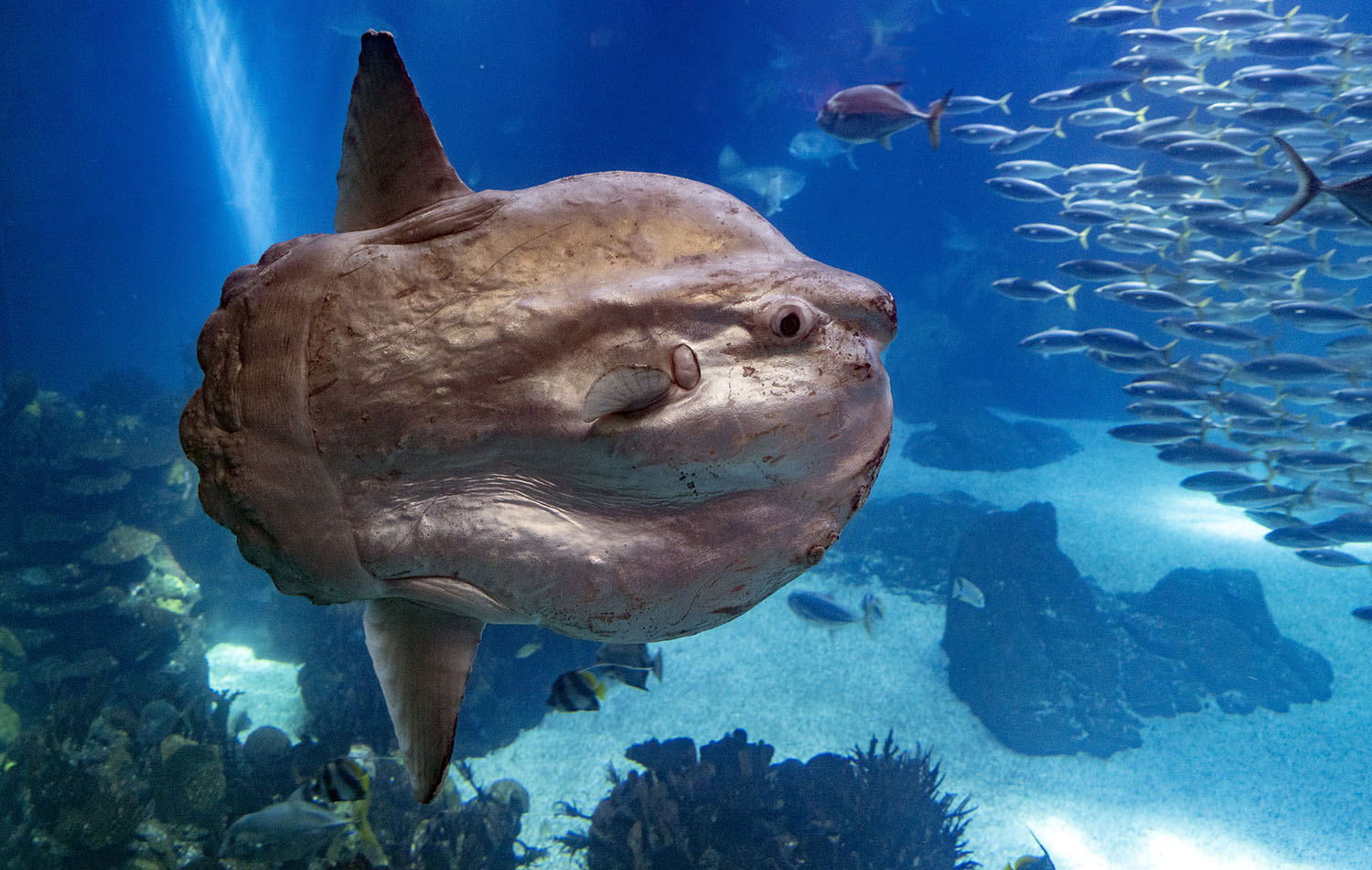
A sunfish swims next to a school of fish.

The Lonely Sunfish

An aquarium sunfish stopped eating, until workers realized what it needed.

A sunfish swims next to a school of fish.

© Andrea Izzotti/stock.adobe.com

Sunfish, like the one seen here in the ocean, normally like to be alone.

Apparently fish can get lonely for the company of…people. An ocean sunfish at an aquarium in Japan was so affected by the absence of human visitors that it stopped eating. Then caretakers came up with a novel solution.

The sunfish has its own enclosure at the Kaikyokan aquarium (the Shimonoseki Marine Science Museum in Shimonoseki, Japan). This makes sense since ocean sunfish live alone in the wild. Still, while its species (also known as mola) is known for being solitary, the Kaikyokan sunfish seemed curious about other living things and often swam to the front of its tank to investigate human visitors.

But when the aquarium closed for renovations, there were no visitors. The sunfish stopped eating.

Caretakers struggled to figure out what was wrong. Thinking the fish had digestive issues, caretakers reduced its food portions. There was also the possibility that the construction sounds were a source of stress, so caretakers stopped by to offer comfort to the sunfish. Nothing worked.

Then one staff member came up with an unusual idea—one that might trick the sunfish into thinking the visitors had returned.

“We were skeptical but decided to do anything we could,” aquarist Moe Miyazawa told the Associated Press. 

Caretakers dressed human-shaped cutouts in their uniforms and placed the cutouts where visitors normally stand. The next morning, the sunfish ate for the first time in a week.

“I knew [the sunfish] was looking at us when we were placing [the cutouts], but I never thought it would start eating the next day,” Miyazawa said.

Staff member Mai Kato says she hopes the sunfish will get plenty of attention when the aquarium reopens.

“When the renovation work is finished, I’d like visitors to wave to it in front of the tank,” Kato told the Mainichi, a newspaper in Japan.

Fun Fact

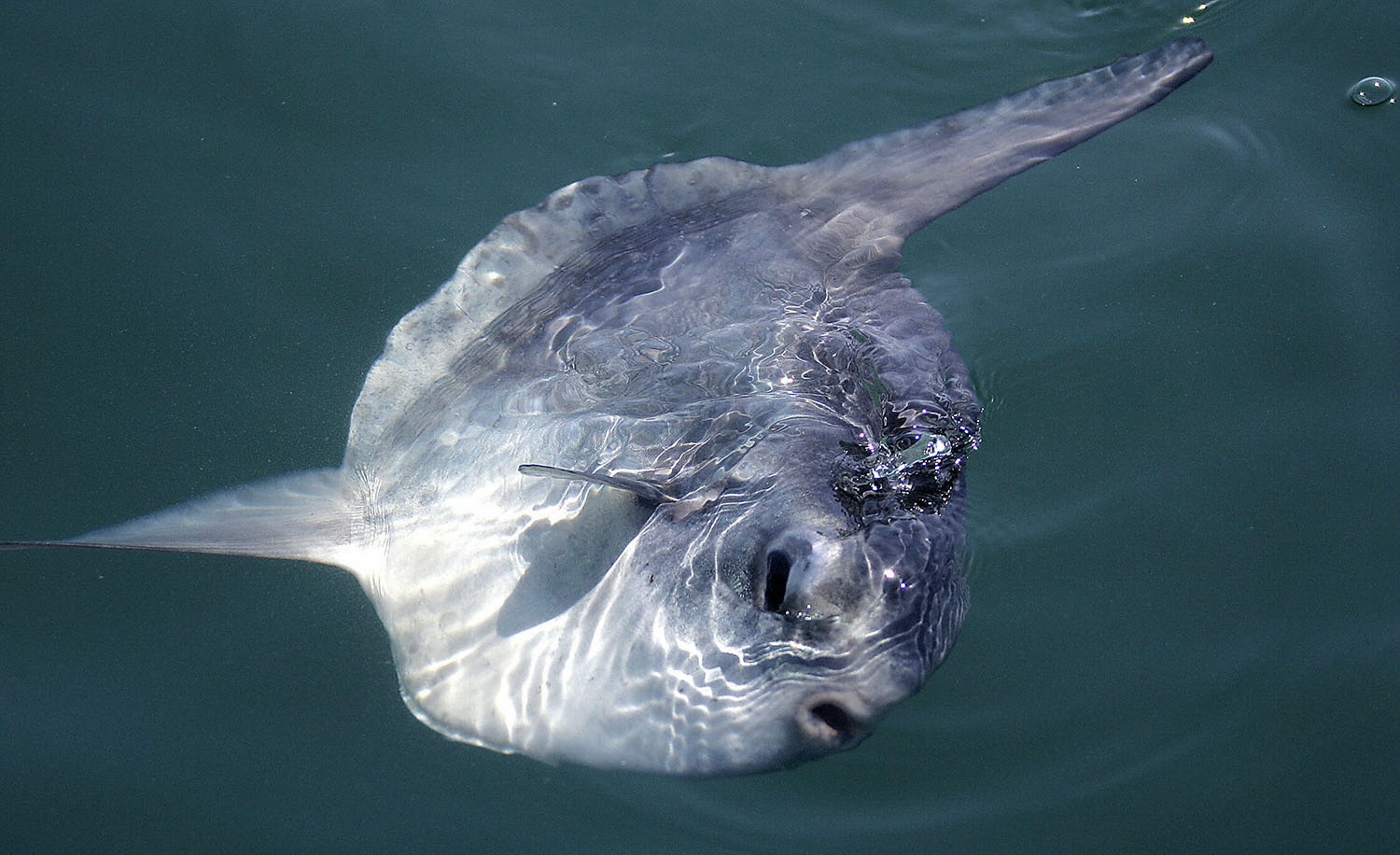
Ocean sunfish get their name because they have a habit of sunbathing—lying motionless in the sun on the surface of the water. Scientists believe this helps warm the fish after they dive down into cold, deep parts of the ocean in search of food.

A sunfish lies on its side on the surface of the water.

© Jose Jordan—AFP/Getty Images

A sunbathing sunfish

Teens Step Up After Wildfires

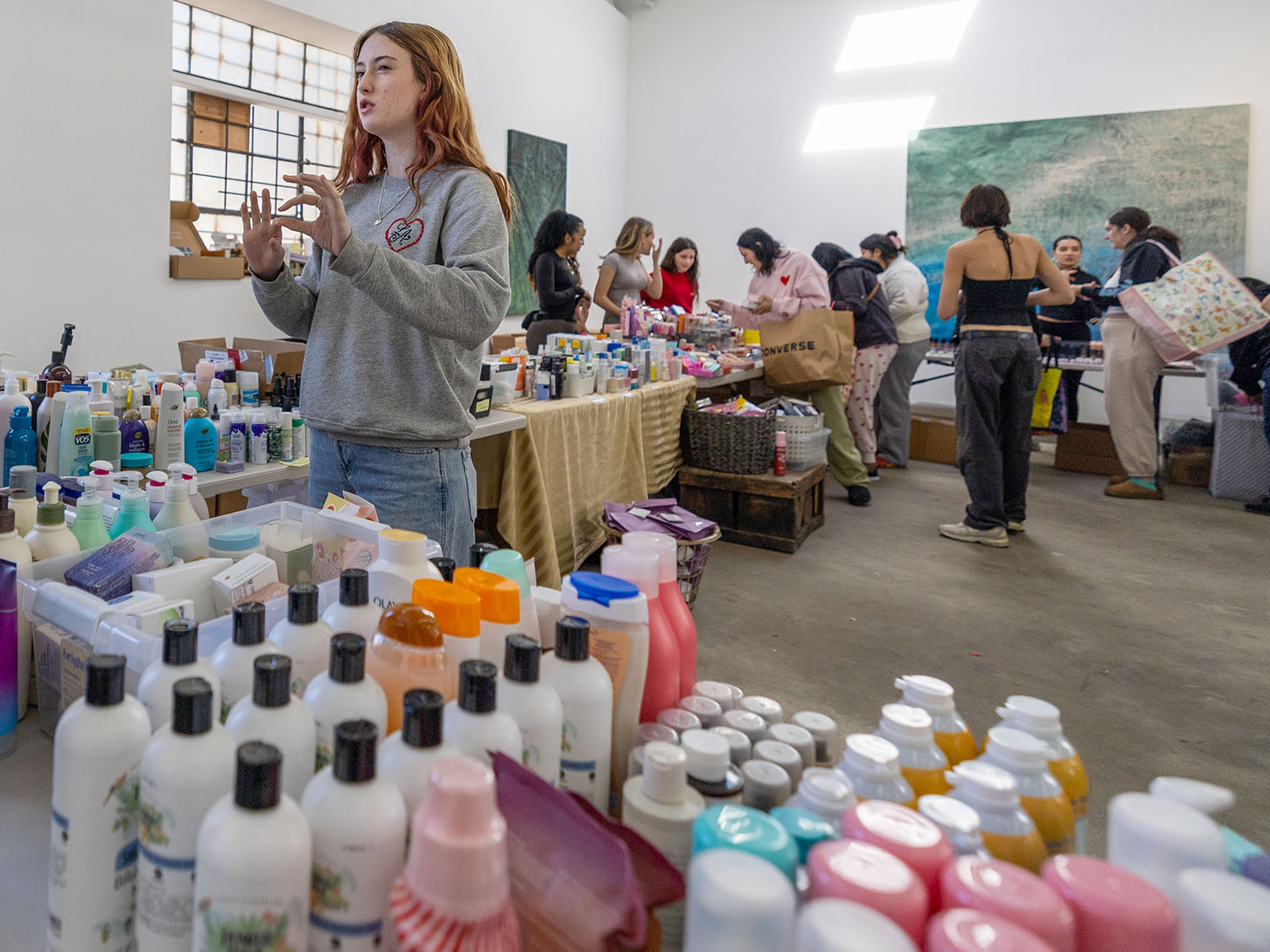
Avery Colvert and other teens in a warehouse where cosmetics have been placed on tables.

© Allen J. Schaben—Los Angeles Times/Getty Images

Avery Colvert, 14, inside the Los Angeles warehouse where she and others are distributing items to teens affected by the fires.

Wildfires have burned through parts of Los Angeles, California, leaving many people without homes or possessions.

But in Los Angeles and across the United States, Americans have stepped up to help—and some of them are teenagers. Here are a few of those helpers.

Avery Colvert, 14

A resident of Altadena, California, which was largely destroyed in the fires, Colvert is leading a volunteer effort to collect and distribute donations of clothing, shoes, cosmetics, and hair products for teens who lost their possessions. A professional stylist helps each teen pick out their new wardrobe.

“I want to be able to give it back, [so teens] have a sense of normalcy in their lives when nothing else is normal,” Colvert told National Public Radio. “And I want them to walk out feeling confident again.”

Mason Cohen, Jake Yoon, and Dylan Fullmer, 16

After one of the fires destroyed much of the Pacific Palisades area of Los Angeles, Palisades residents Cohen, Yoon, and Fullmer started Build Back Pali, an organization that’s raising funds to rebuild the community and help local businesses.

Barrett Deng, 17, and Sebastien Burkhardt, 18

After witnessing wildfires during a 2021 vacation in the eastern United States, California residents and besties Deng and Burkhardt invented Clore, a nontoxic fire retardant. About 50 residents applied Clore to the vegetation around their homes when the fires began—and many of those homes didn’t burn in the fires. 

Ruben Varghese, 16

A California resident, Varghese created a website that connects wildfire victims with people who can help, including state and federal agencies. Varghese doesn’t know anyone who was affected by the fires, but he wanted to help anyway.

“I just want the people who got victimized by these fires to have some sort of home and shelter and some way of living in this hard time,” he told NBC Bay Area.

Beautiful Blobs

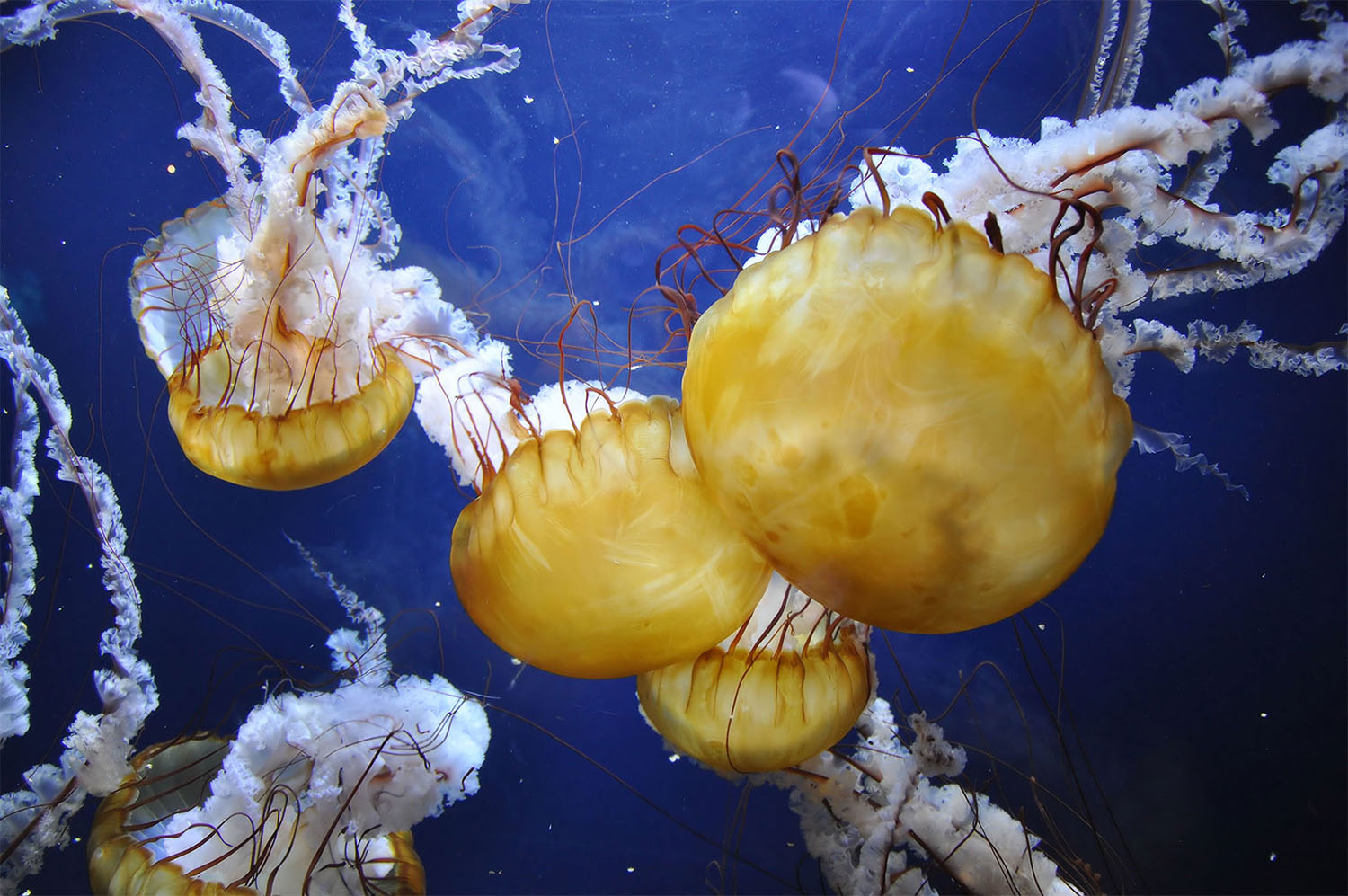
Fire yellowish jellyfish with white tentacles swim.

A sunbathing sunfish

© Enrique Gomez Tamez/Dreamstime.com

Our top story this week was about an ocean sunfish. Weighing up to 4,000 pounds (1,900 kg) and sporting a large dorsal fin, ocean sunfish are often mistaken for sharks when they’re swimming near the water’s surface. Like sharks, ocean sunfish aren’t really interested in eating people. Their preferred food is jellyfish.

Most people know one thing about jellyfish: they sting. But did you know that jellyfish lack a brain and a heart? Learn more about these weird creatures at Britannica.

WORD OF THE DAY

rehabilitate

PART OF SPEECH:

verb

Definition:

: to bring (someone or something) back to a normal, healthy condition after an illness, injury, drug problem, etc.

Definitions provided by
Merriam-Webster Logo

Word Search

See if you can find each word.

O
O
O
O
O
O

In Case You Missed It

The island of Corsica showed American colonists that a courageous revolution could defeat an empire.
May 7, 2026
Physicist Narinder Singh Kapany developed fiber optic cables, helping to make the Internet possible.
April 30, 2026
How can you tell whether photos and videos are real or made with AI? Here are a few tips.
April 24, 2026
A seemingly strange bank is saving one of Earth’s most valuable resources.
April 9, 2026