A Clever Disguise

Side by side photos of a white-necked jacobin chick and a flannel moth caterpillar show the two look similar.

A Clever Disguise

One type of hummingbird chick looks a lot like a caterpillar, for a very good reason.
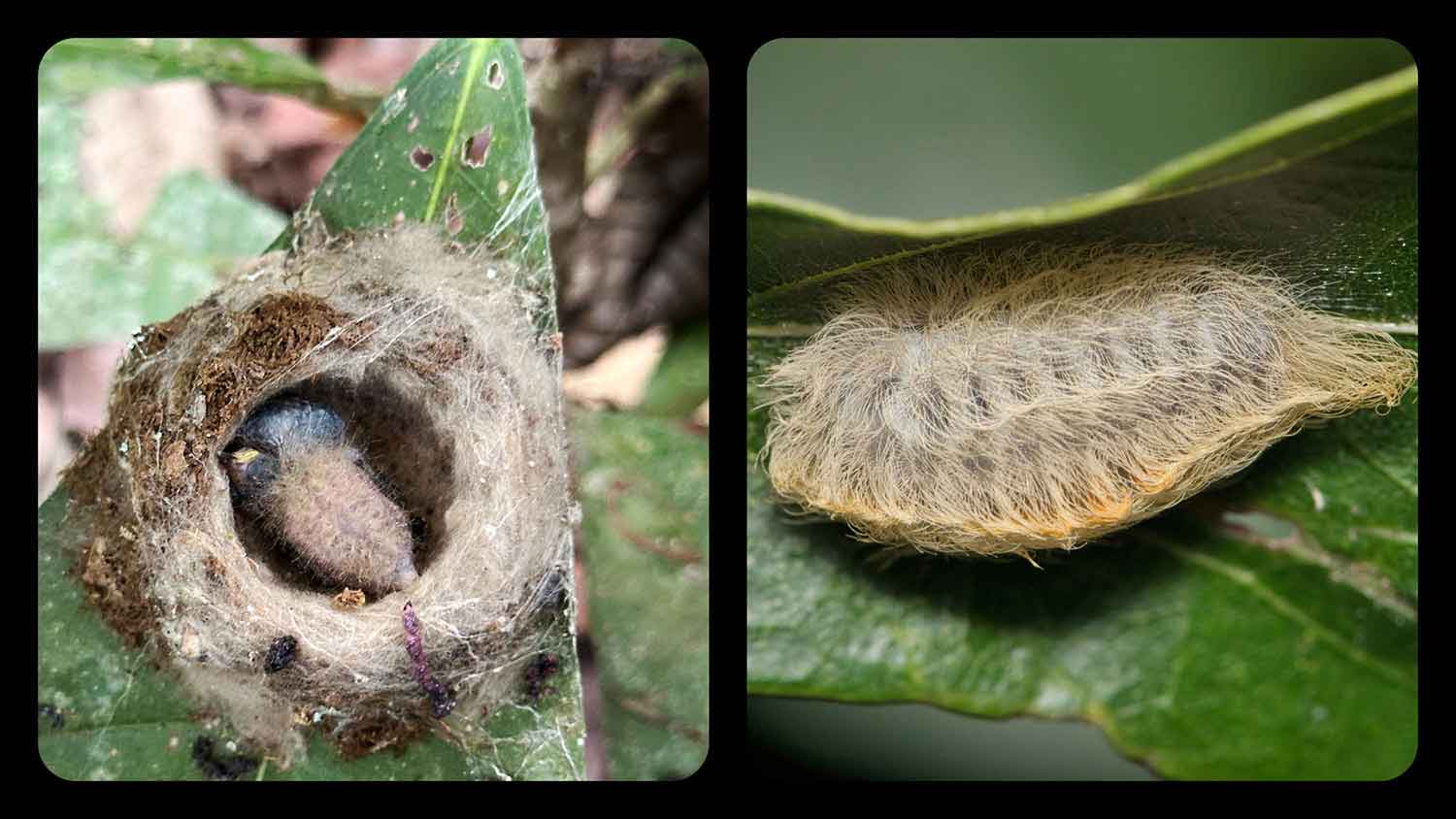
Side by side photos of a white-necked jacobin chick and a flannel moth caterpillar show the two look similar.

Courtesy of Scott A. Taylor/University of Colorado, © Brett/stock.adobe.com; Composite by Encyclopaedia Britannica, Inc.

White-necked jacobin chicks (left) look and act a lot like some species of caterpillar (right)!

It’s not easy to be a baby bird in a rainforest. Monkeys, snakes, and insects all prey on helpless chicks. But scientists believe that one type of hummingbird chick has an amazing way to scare off hungry predators. It pretends to be a caterpillar!

Scientists made this discovery while observing the nest of a hummingbird species called the white-necked jacobin, which lives in the tropical rainforests of Panama. When one of the eggs hatched, the scientists were surprised that the chick was covered in long brown feathers. Most types of hummingbirds are born without their feathers, which grow in as they get older.

The surprises didn’t end there. As scientists watched the tiny chick, they noticed that it was twitching and shaking its head. They had never seen birds move like this. The chick’s appearance and movements reminded the scientists of a caterpillar.

“I started texting a video [of the chick] to people and asking them, ‘What does this look like?’” Scott Taylor, a scientist who specializes in birds, told the University of Colorado Boulder. “And [they all said], ‘That looks like a caterpillar.’ It was very exciting.”

Taylor and the other scientists began researching caterpillars that live in the rainforest. They found some that are covered in brown hairs, similar to the hummingbird chick’s feathers. These rainforest caterpillars fight off predators by stinging them. The venom, or poison, they deliver can be deadly. They also shake their heads when they feel threatened, just like the hummingbird chick.

The day after the chick hatched, a type of wasp that eats chicks approached the nest. It was then that scientists observed something amazing. The mother bird was away, but the chick was able to defend itself. In response to the wasp, the chick began shaking its head, and the wasp flew away. Scientists now believe that white-necked jacobin chicks mimic, or copy, venomous caterpillars in order to scare predators away.

The scientists are excited to learn more.

“We know so little about what nesting birds do in the tropics,” Jay Falk, a bird specialist who was part of the discovery team, said in a statement. “But if we put more effort into observing the natural world, we might discover these kinds of behaviors are very common.”

Face Thinking Icon

Did You Know?

Scientists know that many non-venomous species protect themselves from predators by copying species that have venom. This is called mimicry.

For example, the harmless scarlet kingsnake (the bottom photo below) looks a lot like the venomous Eastern coral snake (the top photo below). Predators think the kingsnake can hurt them, so they leave it alone!
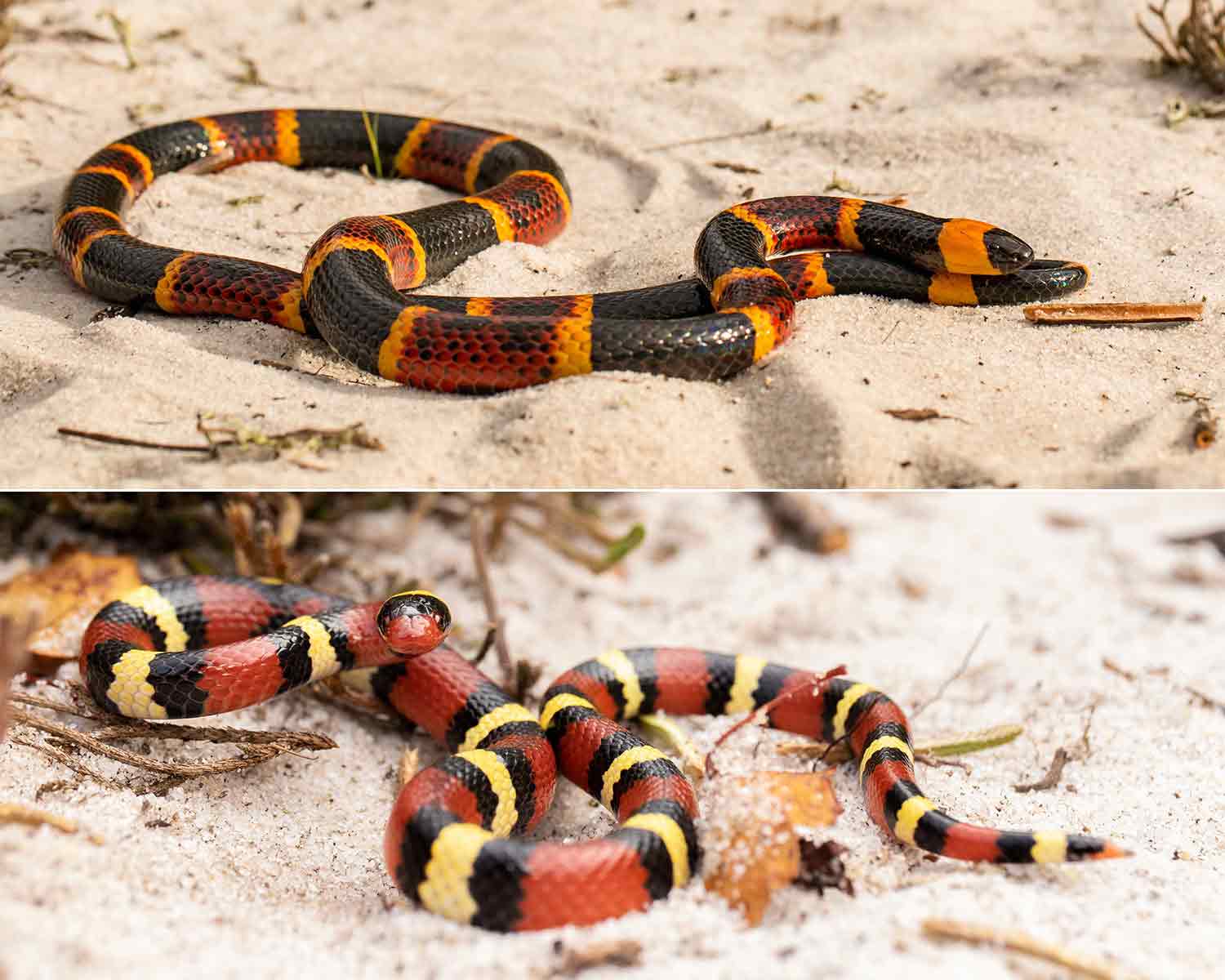
Composite of photos of a scarlet kingsnake and an Eastern coral snake show that the two snakes look similar.

Eastern coral snake: © Hamilton/adobe.stock.com, scarlet kingsnake: © Radiant Reptilia/adobe.stock.com

Figure Skating Champions!

Ilia Malinin is in the middle of a backflip over the ice.

© Tim Clayton/Corbis—Corbis Sport/Getty Images

Ilia Malinin performs a backflip during the 2025 figure skating world championships.

It’s official: Ilia Malinin is now a two-time figure skating world champion. On March 29, the American landed six quadruple jumps and a backflip to win gold at the 2025 world figure skating championships.

“That should not be possible. It’s like he undoes gravity,” NBC’s Tara Lipinski said while watching Malinin land jump after jump. Lipinski herself won Olympic gold in 1998.

Malinin, age 20, is now expected to be a top contender for a gold medal at the 2026 Winter Olympics in Milan, Italy.

Alysa Liu holds one leg behind her and skates on one leg.

© Geoff Robins—AFP/Getty Images

Alysa Liu

Alysa Liu of the United States landed seven triple jumps to win the women’s title. She’s the first American woman to do so in 19 years. Liu, a two-time U.S. national champion, retired after coming in sixth at the 2022 Olympics. Three years later, she’s back on top.

Ryiuchi Kihara holds Riku Miura above his head with one hand.

© Joosep Martinson—International Skating Union/Getty Image

Riku Miura and Ryiuchi Kihara

Riku Miura and Ryuichi Kihara of Japan captured gold in the pairs competition. Miura and Kihara also won the world championships in 2023.

Madison Chock has her ankle on Evan Bates’ ankle as they face each other while skating.

© Joosep Martinson—International Skating Union/Getty Image

Madison Chock and Evan Bates

Americans Madison Chock and Evan Bates took home the gold in the ice dance competition. This is their third world championship victory in a row.

Hummingbirds
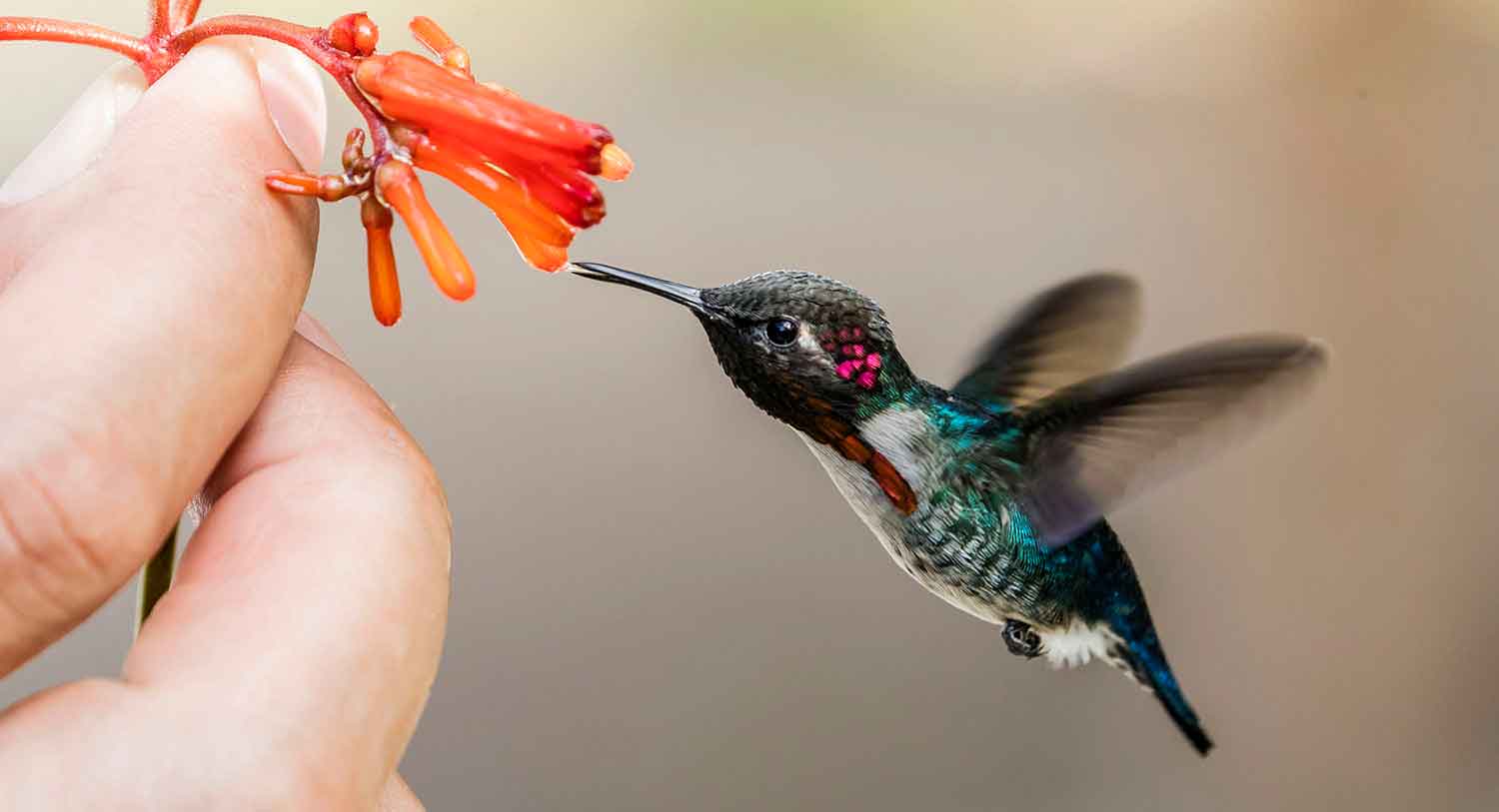
A tiny hummingbird in flight approaches a flower held by a human hand.

© Michael Nolan—Collection Mix:Subjects/Getty Images

The bee hummingbird (shown in the photo above) is the world’s smallest bird. Hummingbirds are tiny but mighty. They can flap their wings up to 70 times per second and can even fly backward!

Learn more about hummingbirds at Britannica!

Word of the Day Icon

Word of the Day

mimic

Part of speech:

verb

Definition:

: to naturally look like (something)

Definitions provided by
Merriam-Webster Logo
Game Icon

Play

Word Flower
.

In Case You Missed It

When 5th graders asked Major League Baseball player Ozzie Albies which pet fish to get, he helped out in a big way.
March 11, 2026
Taryn Smith is the first American woman to row solo across the Atlantic Ocean.
March 5, 2026
A powerful waterfall doesn’t easily freeze, but this winter has been especially cold!
March 3, 2026
For Women’s History Month, we’re honoring two women who inspired many others to take to the skies.
February 26, 2026

The Fish Doorbell

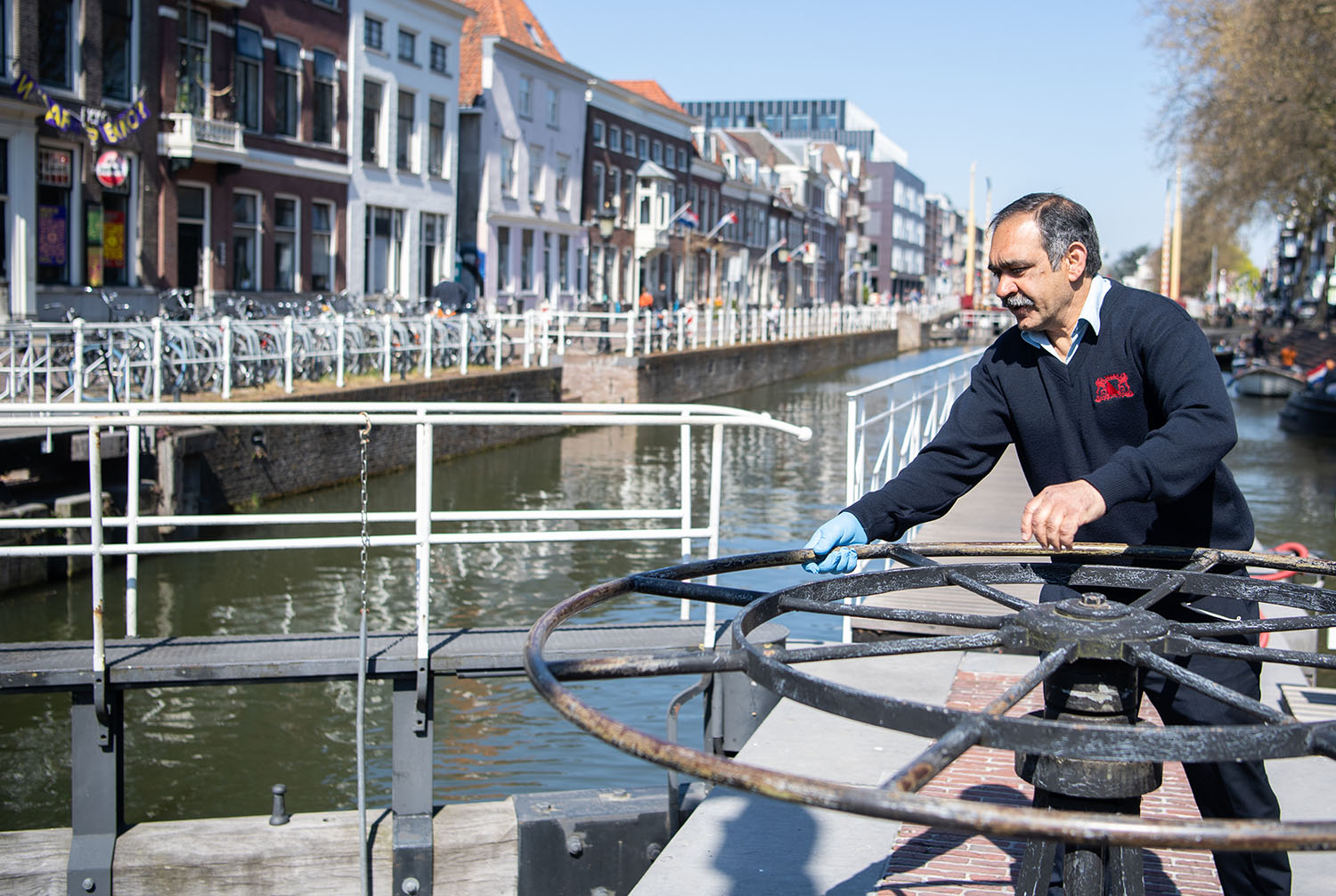
A man stands on a platform above a canal and turns a large wheel.

The Fish Doorbell

People are ringing a doorbell to open an underwater gate and let fish swim through. You can try it!

A man stands on a platform above a canal and turns a large wheel.

Photo courtesy of Visdeurbel

A man opens a canal lock in Utrecht, Netherlands, so fish can swim through. People can ring an online doorbell to ask him to do this.

Ding, dong! Who’s at the door? It’s a fish!

If you’re thinking, “Hold on, fish can’t ring doorbells!” you’re right. Fish can’t ring doorbells without help. But one city has created a clever kind of doorbell to help fish swim safely through a series of waterways called canals.

Utrecht is a city in the Netherlands, a country in Europe that has a lot of canals. People use the canals to ship things between cities. Gates, called locks, run across the canals and help ensure each canal has the same water level for the ships.

The locks are helpful for humans, but they’re a problem for the fish that swim through the canals each spring to reach the places where they lay eggs. When a fish encounters a lock that’s shut, it’s like running into a closed door. Trapped in front of a lock, the fish are in danger. Birds or other fish could eat them. The fish need help opening the door and getting through the lock.

Officials in Utrecht came up with the Fish Doorbell to help the fish get through a lock in the middle of the city.

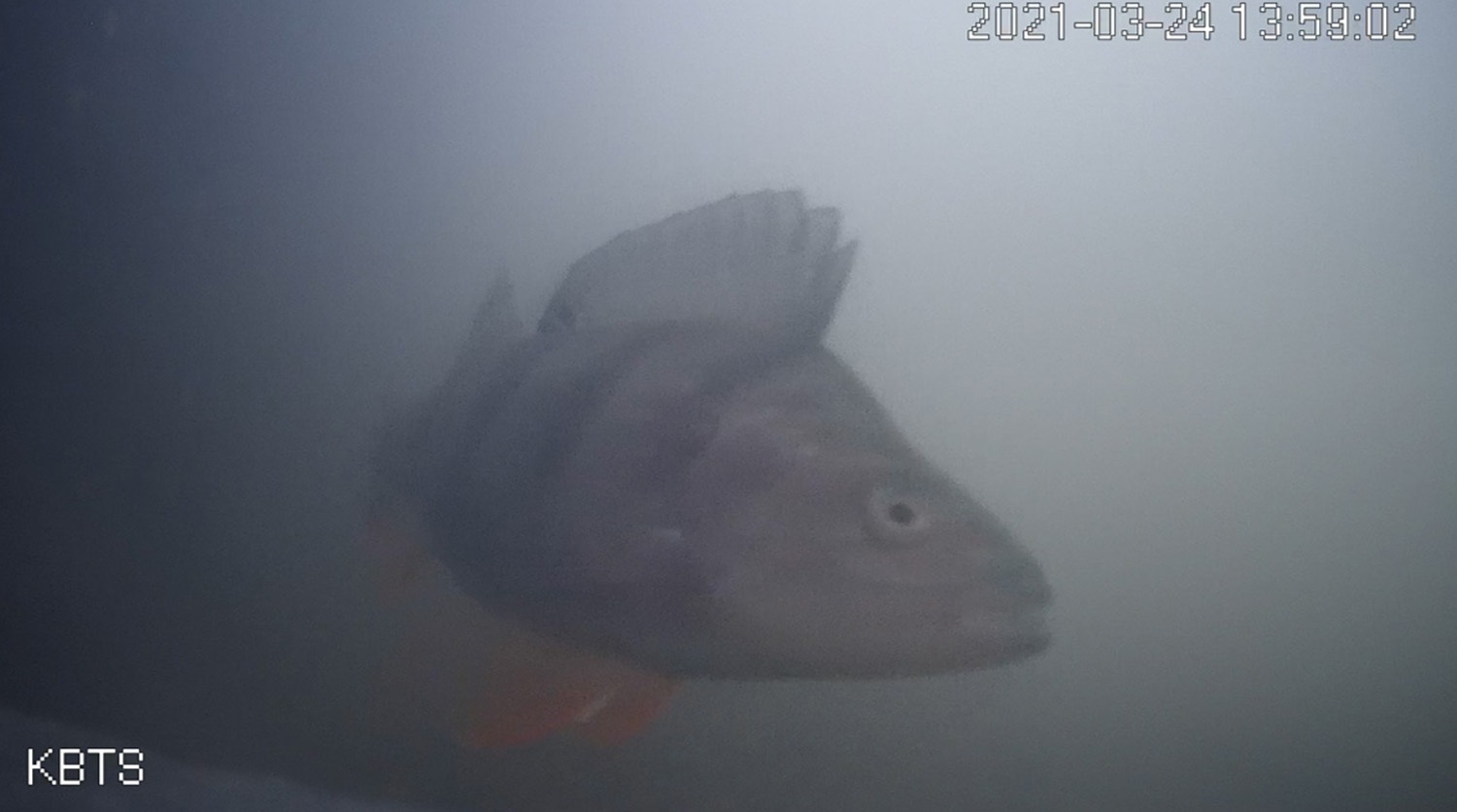
The Fish Doorbell is a website showing an underwater livestream. When a fish swims up to the camera, it shows up on the website. Viewers watching the livestream can ring the Fish Doorbell. Ding, dong! The doorbell will notify the lock keeper to open the lock so that the fish can swim safely through the canal. In Dutch, the language people speak in the Netherlands, the Fish Doorbell is called the Visdeurbel.

A fish is swimming in murky water in an image with a timestamp in the corner.

Photo courtesy of Visdeurbel

The Fish Doorbell website uses an underwater camera to show users whether there’s a fish at the gate.

Anne Nijs is a city environmental worker. She told the NL Times that the fish cannot take other routes through the city. They must use this canal and pass through the lock. “It is actually the only way fish can reach other waters,” she said.

Though the Fish Doorbell is located in the Netherlands, people from all over the world can watch the livestream and ring the doorbell. Last year 2.7 million viewers around the world watched the livestream and used the doorbell to help the fish migrate!

As the water warms up during the spring, more and more fish will start arriving at the lock. Viewers can spot perch, pike, and eels among the fish. The Fish Doorbell will operate throughout the spring fish migration period—from March until the end of May.

You can watch for fish and ring the doorbell at the Visdeurbel website.

Fun Fact Icon

Fun Fact

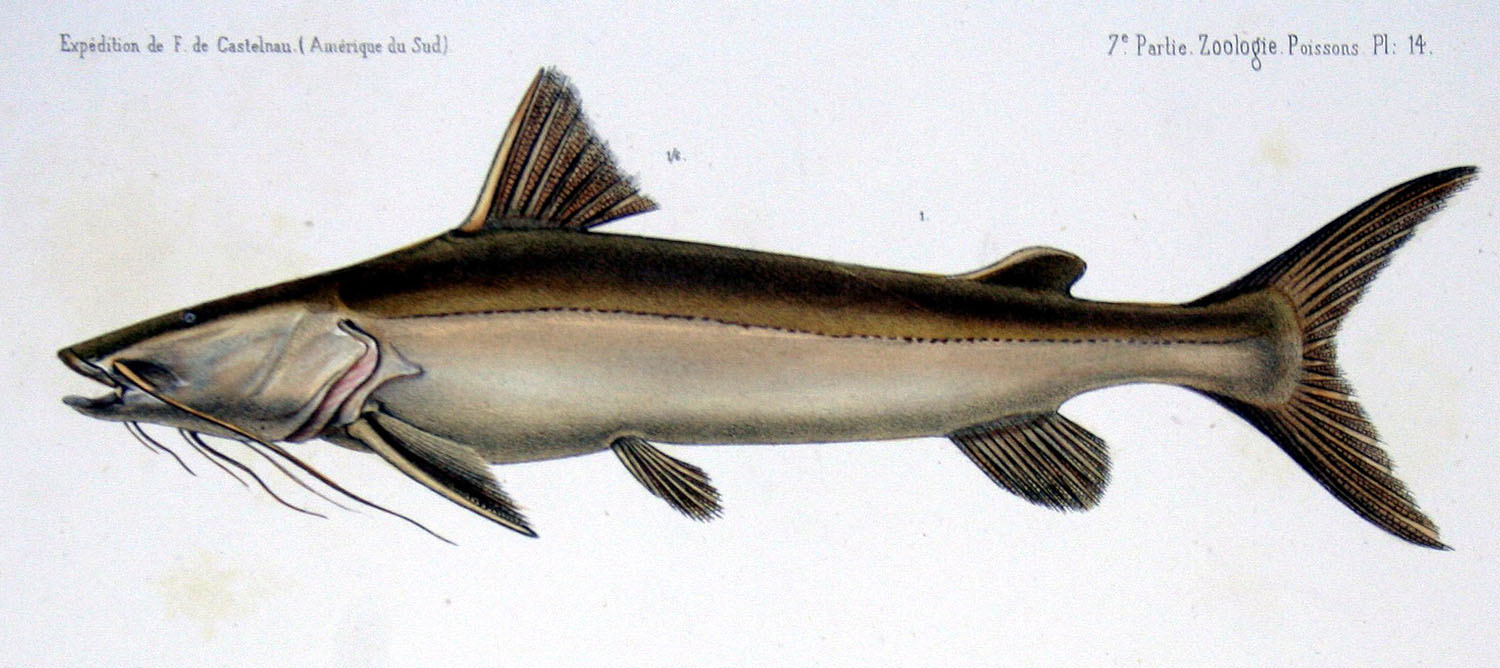
In its lifetime, the Dorado catfish will travel about 7,200 miles (11,600 kilometers) up and down the Amazon River. That’s a longer distance than driving from New York to California and back!

Illustration of the Dorado catfish

© The Picture Art Collection/Alamy

Unexpected Helpers

A beaver stands on its hind legs atop its dam with a river in the background.

© Chase Dekker/Dreamstime.com

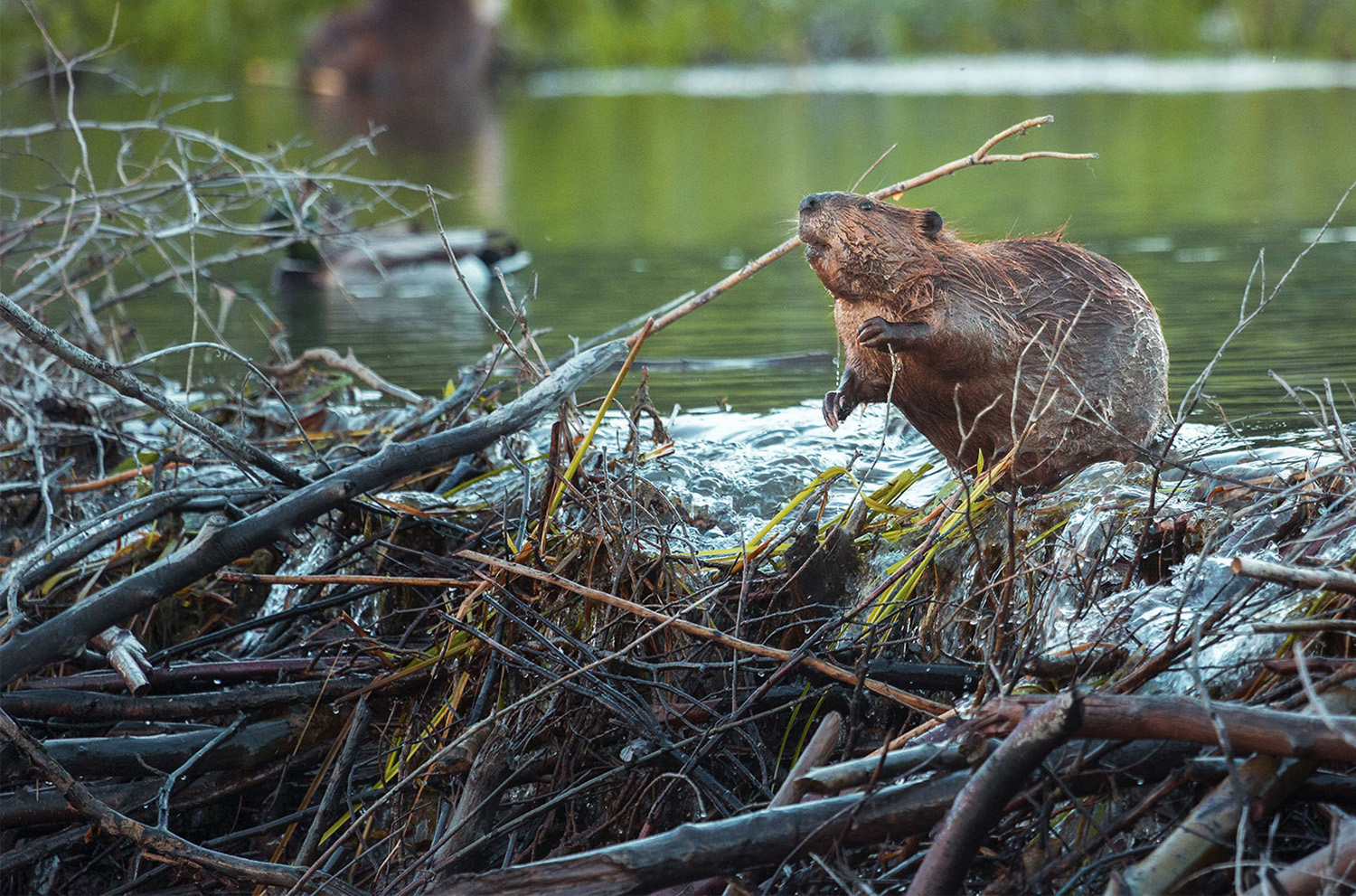
Beavers, like this one in the U.S. state of Wyoming, are expert dam builders.

What would you do if you woke up one morning to find that a big homework assignment you had been working on was magically done?

This is what happened to some environmental officials in the Czech Republic, a country in Europe. The officials had been trying to build a dam to create a natural wetland that would help local wildlife. But because other agencies were slow to approve the dam, construction could not begin. The officials were frustrated.

Suddenly, a dam appeared one day! It wasn’t the kind of dam the officials had planned. It was a beaver dam.

Eight beavers had built a beaver dam exactly where the environmental officials needed one. Officials were surprised because the beavers seemed to build the dam overnight. They were also happy because the beavers built it for free!

Beavers are natural builders. They use wood, mud, and rocks to build dams that slow down streams and help make wetland areas for plants and animals. The eight beavers had likely built the dam over several days, but the officials had not noticed the work until it was finished.

The beaver dam is already helping the environment and people in the Byrd region of the Czech Republic by managing the water flow in the area.

Jaroslav Obermajer works for the Czech Nature and Landscape Protection Agency. He told Radio Prague International that the beavers can do a better job than humans for these kinds of projects.

“Beavers always know best,” he said. “The places where they build dams are always chosen just right—better than when we design it on paper.”

Water Roads

A Dutch canal with terraced houses along the side.

Photo courtesy of Visdeurbel

Canals are human-made waterways that help people travel and move goods. Canals can be found all over the world. Learn more about canals at Britannica!

Word of the Day Icon

Word of the Day

lock

Part of speech:

noun

Definition:

an area in a canal or river with gates at each end that are opened and closed to control the level of the water

Definitions provided by
Merriam-Webster Logo
Game Icon

Play

Word Search

.

In Case You Missed It

When 5th graders asked Major League Baseball player Ozzie Albies which pet fish to get, he helped out in a big way.
March 11, 2026
Taryn Smith is the first American woman to row solo across the Atlantic Ocean.
March 5, 2026
A powerful waterfall doesn’t easily freeze, but this winter has been especially cold!
March 3, 2026
For Women’s History Month, we’re honoring two women who inspired many others to take to the skies.
February 26, 2026

Student Finds a Way to Save Water

Tanvir Mundra and Ann Wang smile while wearing medals and holding certificates showing that they won first and second place in the science fair.

Student Finds a Way to Save Water

A high school student investigated whether laundry water could be reused—and won a science prize for it!

Tanvir Mundra and Ann Wang smile while wearing medals and holding certificates showing that they won first and second place in the science fair.

Courtesy of © Youth Science Canada

Tanvir Mundra (left) and Ann Wang, both from Canada, won the top two prizes at the Taiwan International Science Fair.

Doing laundry keeps our clothes clean, but it also requires a lot of water. A student from Vancouver, Canada, decided to find out whether laundry water could be reused, and what she learned won her an international science prize!

Tanvir Mundra’s investigation was inspired by a conversation with her grandparents, who live in India. Mundra’s grandparents collect their used laundry water, also called gray water, and use it in their flower and vegetable garden.

“I started posing questions [to my grandparents]: How did that gray water influence [affect] the plants?” Mundra remembered, in an interview with CTV News.

Mundra noted that her grandparents don’t use harsh laundry detergent, which contains chemicals. They use soap nuts, which are the fruits of a tree called Sapindus mukorossi

Soap nuts are believed to be effective alternatives to the chemical detergent many people buy in stores. But Mundra wanted to find out what would happen if she used gray water from chemical detergent to water plants.

Mundra did two loads of laundry. She used chemical laundry detergent in the first load. She used soap nuts in the second load. She collected the gray water from each load.

Next, Mundra planted 30 spinach plants in pots and separated them into three groups. The first group received detergent gray water and the second group received soap nut gray water. The third group received tap water (water from the faucet) instead of gray water.

The plants that received detergent water did not grow very well. But the plants that received soap nut water or tap water both grew well. Mundra concluded that soap nut water does not prevent plants from growing healthy and strong.

“There’s zero effect at all [from soap nut water]…in terms of plant height, leaf length, root length,” she told the Canadian Broadcasting Corporation (CBC). She didn’t eat the spinach to see if the water affected its taste—her parents wouldn’t let her, just in case the soap nut water was unsafe.

In January, Mundra won the top prize at the Taiwan International Science Fair. She says her discovery could help people save water in the future.

“If we can actually start reusing our own household water wastage, such as dirty water from the laundry, then we’re actually saving and conserving a lot of water,” she told the CBC.

NEWS EXTRA

Earthquake Shakes Two Asian Nations

Eleven workers in hard hats stand amid the rubble of a collapsed building.

 © Lillian Suwanrumpha—AFP/Getty Images

Rescue workers stand near a building in Bangkok, Thailand, that collapsed during the March 28 earthquake.

On Friday, March 28, a powerful earthquake shook parts of the Asian nations of Myanmar and Thailand. The quake measured 7.7 on the Richter scale. Many buildings were destroyed, and the total number of deaths and injuries is still not known.

Several countries have flown food, medical equipment, and other supplies into both Myanmar and Thailand. But rescue efforts have been especially tough in Myanmar. Damage to the nation’s airports has made it difficult for planes to land. Myanmar is also in the middle of a civil war. On March 29, both sides of the war agreed to a cease-fire (a temporary period of peace) so that rescuers can work safely.

Face Thinking Icon

Did You Know?

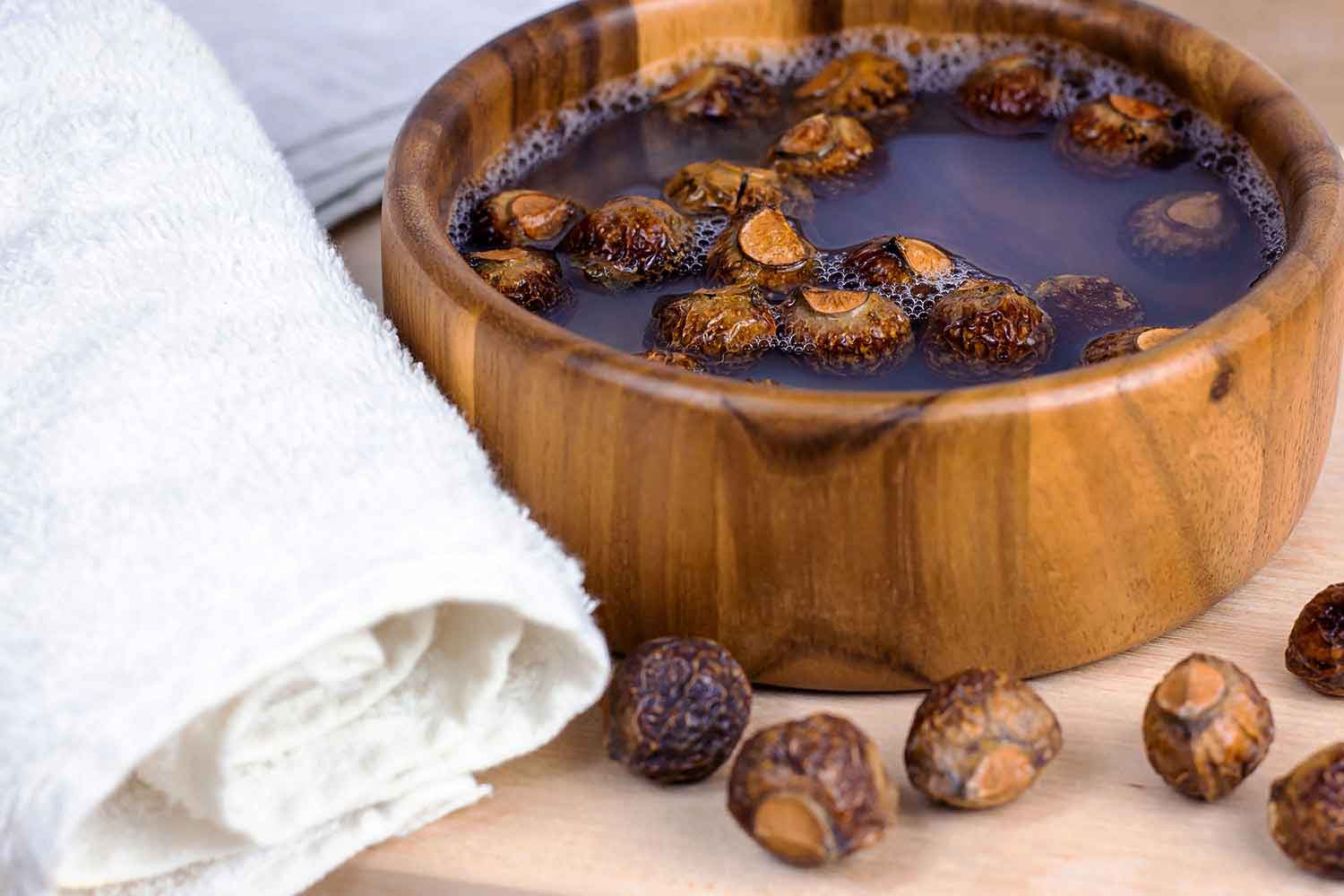
Soap nuts contain compounds called saponins that make lather when they get wet. Saponins are also thought to be able to remove dirt and even viruses and other microorganisms that cause infections.

Soap nuts in water that has some lather, next to a rolled up towel.

© KatMoy/stock.adobe.com

Reusing Water

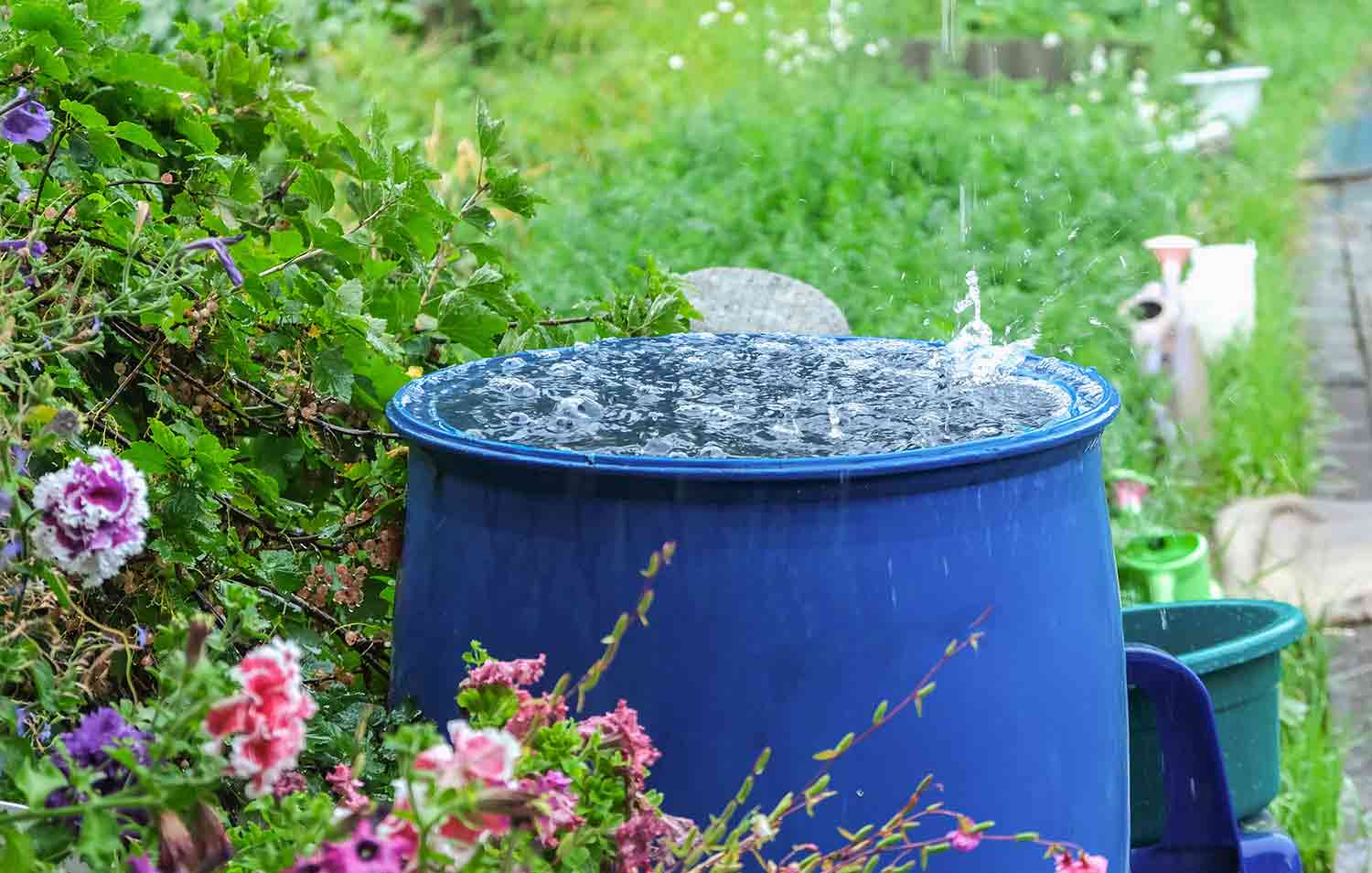
Rain collects in a blue barrel next to flowers and other plants.

© detry26/stock.adobe.com

The world has a limited supply of fresh water, so it’s important to use it with care—or even reuse it when we can. Here are some ways you can collect water that’s already been used.

For watering plants:

  • When you take a shower, use a bucket to catch some of the water.
  • Place a barrel or bucket outside to collect rain.
  • Collect the water that’s left over from washing fruits and vegetables.
  • Save bottled water that has become too old to drink (such as open bottles that still contain water).

For cooking:

  • Save water that was used to boil pasta or potatoes. The water can be kept in the refrigerator for up to a few days and then used to make soups and sauces.

Some U.S. states limit the amount of water you can collect, so check with your parents before you try any of the methods above.

Be a Scientist!

A woman wearing safety goggles sits at a table and pours a liquid into a beaker as four children watch and smile.

© kali9—E+/Getty Images

Today’s main article described an experiment that Tanvir Mundra did to find out how leftover laundry water affected plant growth. When scientists want to learn something, they use a process called the scientific method. And you can, too!

Learn more about the scientific method at Britannica!

Word of the Day Icon

Word of the Day

conserve

Part of speech:

verb

Definition:

: to use (something) carefully in order to prevent loss or waste

Definitions provided by
Merriam-Webster Logo
Game Icon

Play

Crossword

.

In Case You Missed It

When 5th graders asked Major League Baseball player Ozzie Albies which pet fish to get, he helped out in a big way.
March 11, 2026
Taryn Smith is the first American woman to row solo across the Atlantic Ocean.
March 5, 2026
A powerful waterfall doesn’t easily freeze, but this winter has been especially cold!
March 3, 2026
For Women’s History Month, we’re honoring two women who inspired many others to take to the skies.
February 26, 2026

Hundreds of New Species Found!

A flat fish with fins on its back is shaped like a guitar.

Hundreds of New Species Found!

From a toothy snail to a guitar-shaped fish, here are some of the species scientists recently discovered.

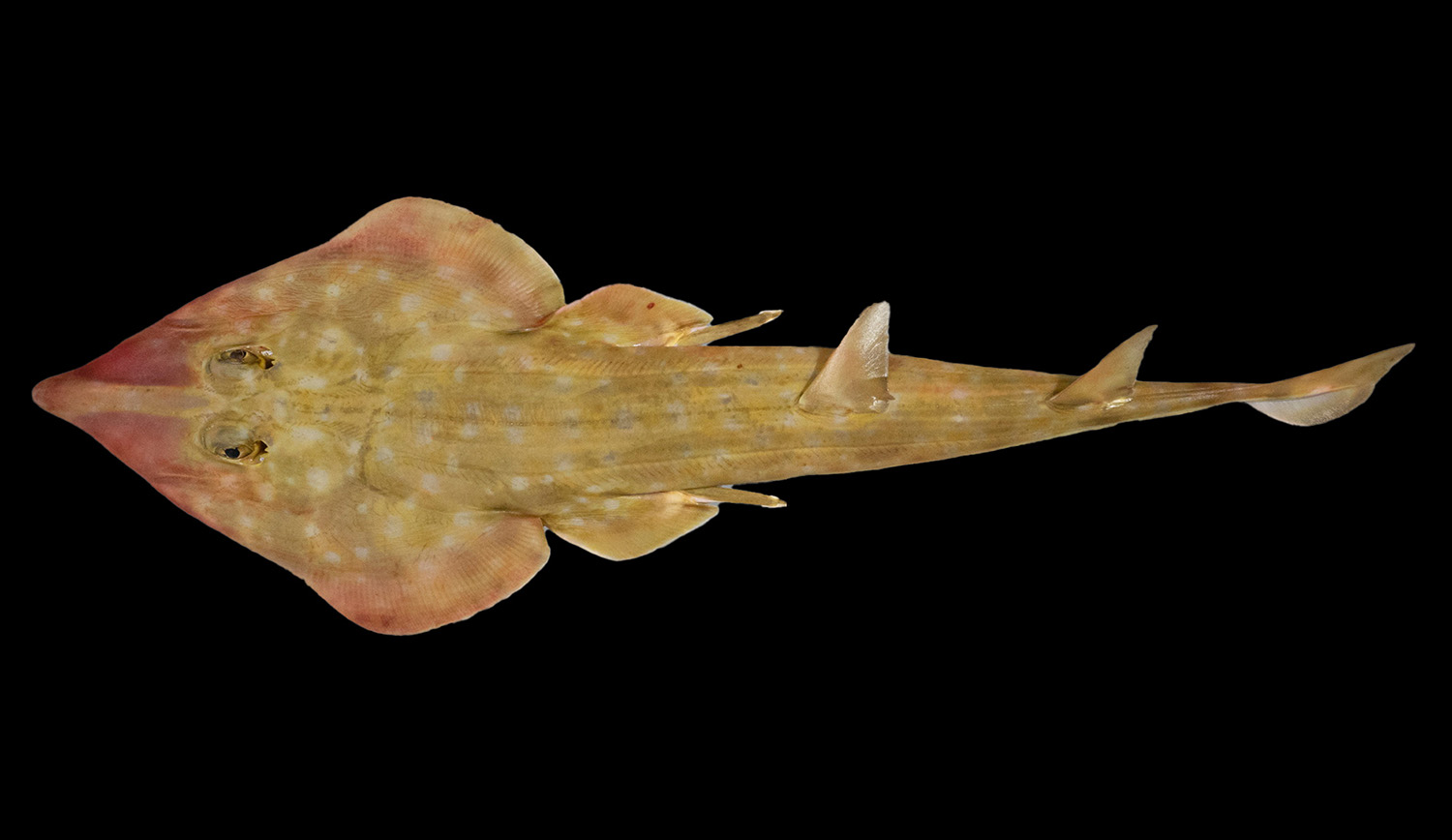
A flat fish with fins on its back is shaped like a guitar.

© 2025 Sergey Bogorodsky/The Nippon Foundation-Nekton Ocean Census

Scientists recently discovered this guitar shark species. It shares some traits with sharks and others with rays.

In the Pacific Ocean, there’s a snail that uses its pointy teeth to inject venom into its prey. A year or so ago, no one knew this snail species existed. It’s one of 866 species that were recently discovered as part of a project called the Ocean Census.

More than 800 scientists from around the world are working together on the Ocean Census, which began in 2023 and is scheduled to last for 10 years. With help from divers, piloted underwater vehicles, and remote (unpiloted) underwater vehicles, they’re looking for what’s never been found before.

The goal of the census is to help scientists understand more about the world’s oceans. Although we know more than ever about the world and even the universe, the oceans are largely unexplored.

“Probably only 10 percent of marine species have been discovered,” coral expert Michelle Taylor told CNN. Taylor is one of the lead scientists with the Ocean Census. 

Scientists believe that between one and two million marine species are still undiscovered.

Here are just a few of the species that Ocean Census scientists have unearthed so far. 


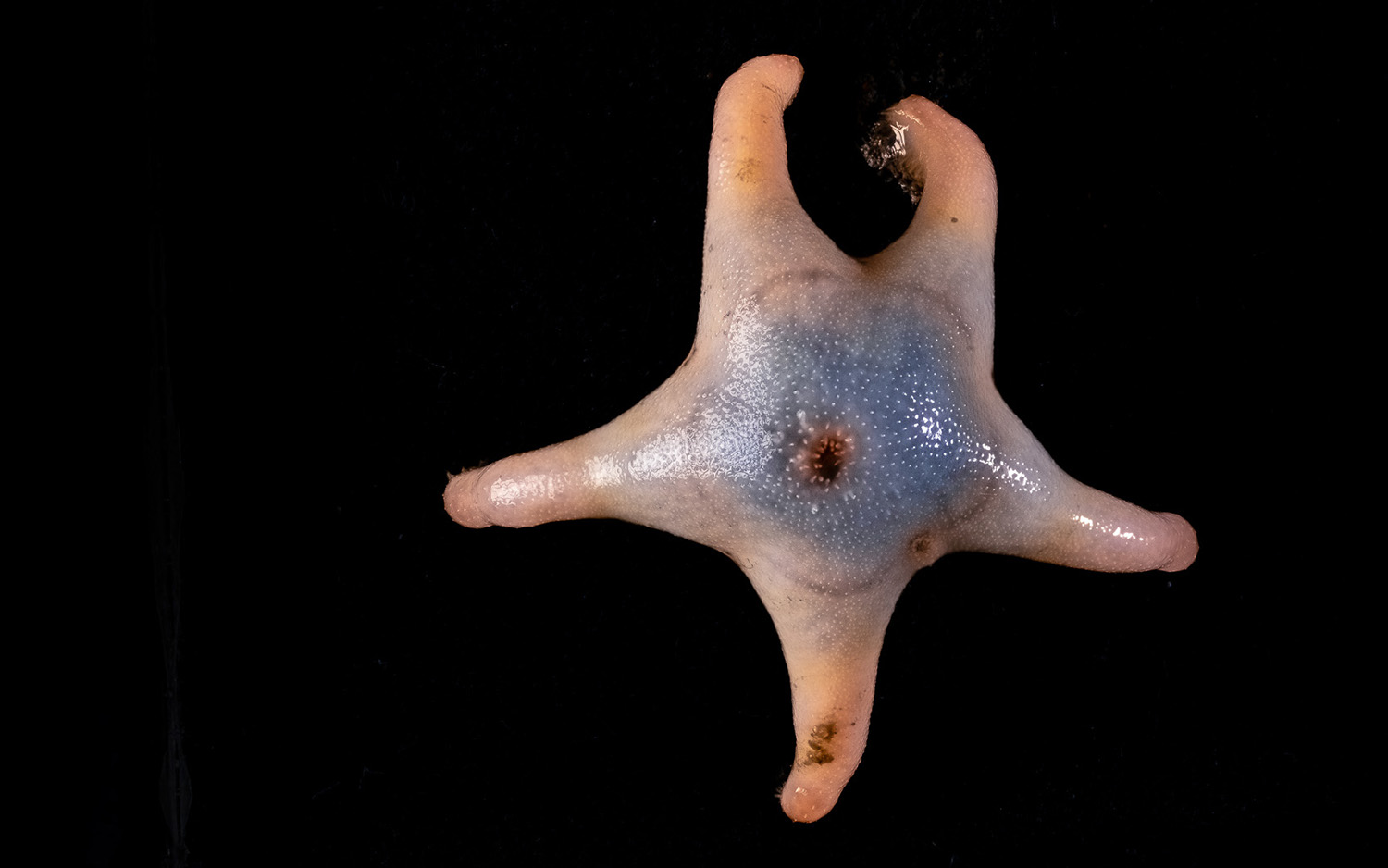
A seastar against a black background.

© 2025 Sergey Bogorodsky/The Nippon Foundation-Nekton Ocean Census

What: A new species of sea star

Where: Near the Jotul Hydrothermal Vent Field in the Arctic Ocean

About: Sea stars are scavengers that eat dead plants, animals, and other organic materials (materials that were once living).

A flat fish with fins on its back is shaped like a guitar.

© 2025 Sergey Bogorodsky/The Nippon Foundation-Nekton Ocean Census

What: A new species of guitar shark (also called guitarfish)

Where: Near Tanzania and Mozambique, Africa

About: Named for its flat, elongated body (which is a bit like a guitar), the newly discovered guitar shark is one of 38 known species. Guitar sharks are critically endangered.

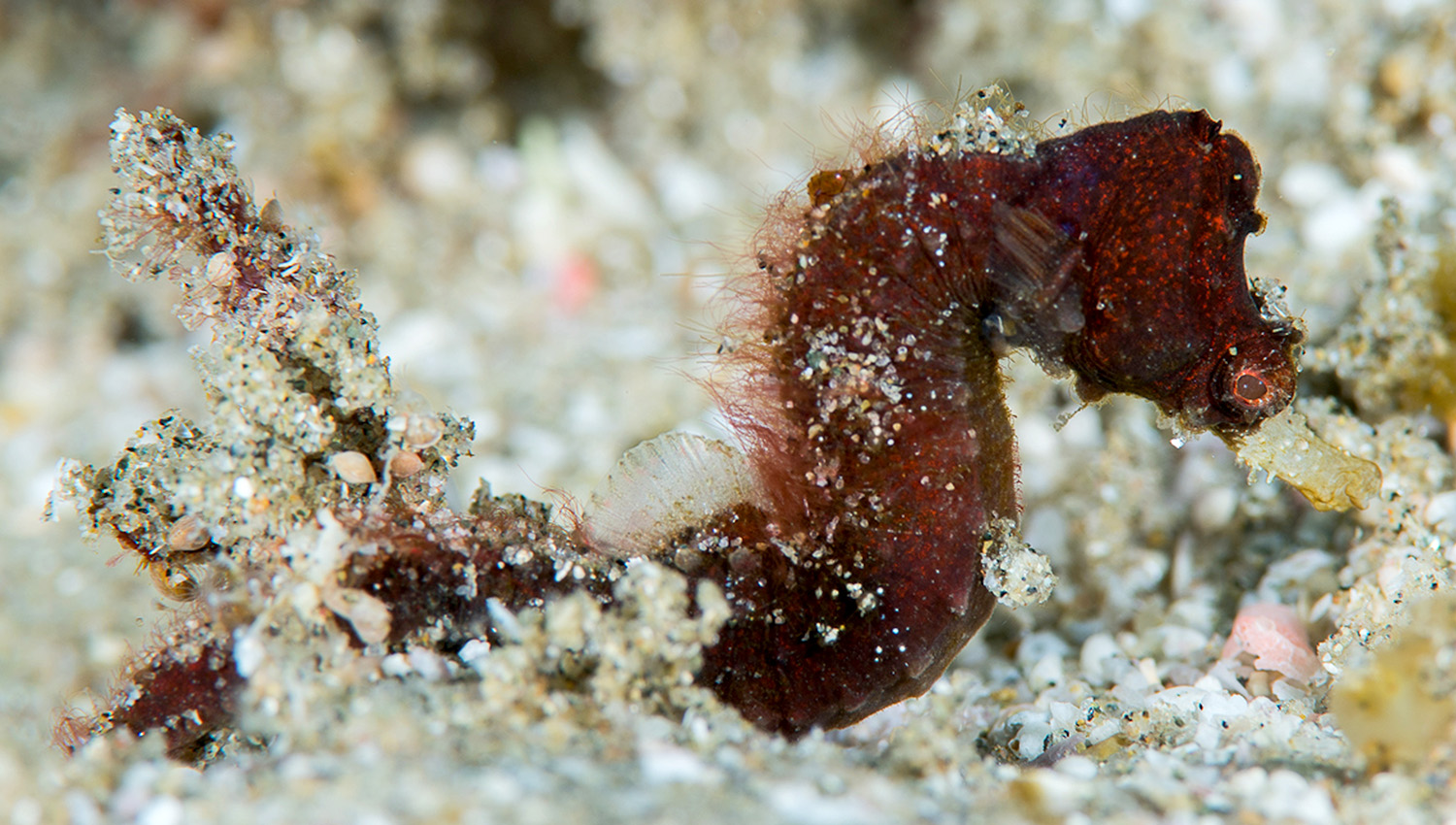
A reddish pipehorse rests in sand.

© 2024 Richard Smith/The Nippon Foundation-Nekton Ocean Census

What: A new species of pygmy pipehorse

Where: Off the coast of South Africa

About: These tiny animals, which are related to seahorses, can blend into coral reefs to hide from predators.

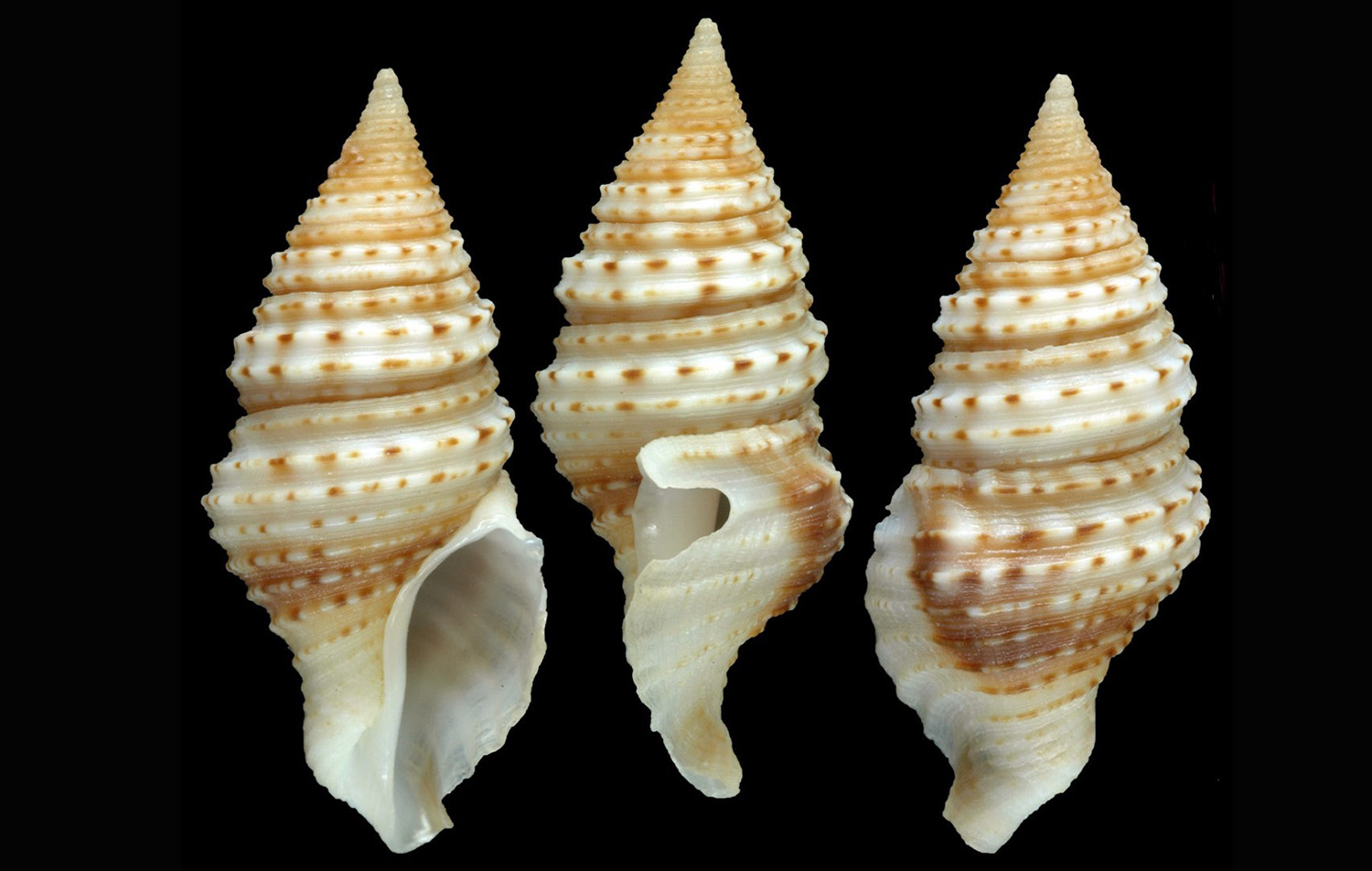
Three snail shells against a black background.

© 2024 Peter Stahlschmidt/The Nippon Foundation-Nekton Ocean Census

What: A predatory gastropod (a meat-eating snail)

Where: Near the islands of New Caledonia and Vanuatu, off the eastern coast of Australia

About: This venomous snail bites its prey with “harpoon-like teeth,” according to the Ocean Census. Certain compounds in the shells and bodies of related gastropods have been used in experimental medical treatments.

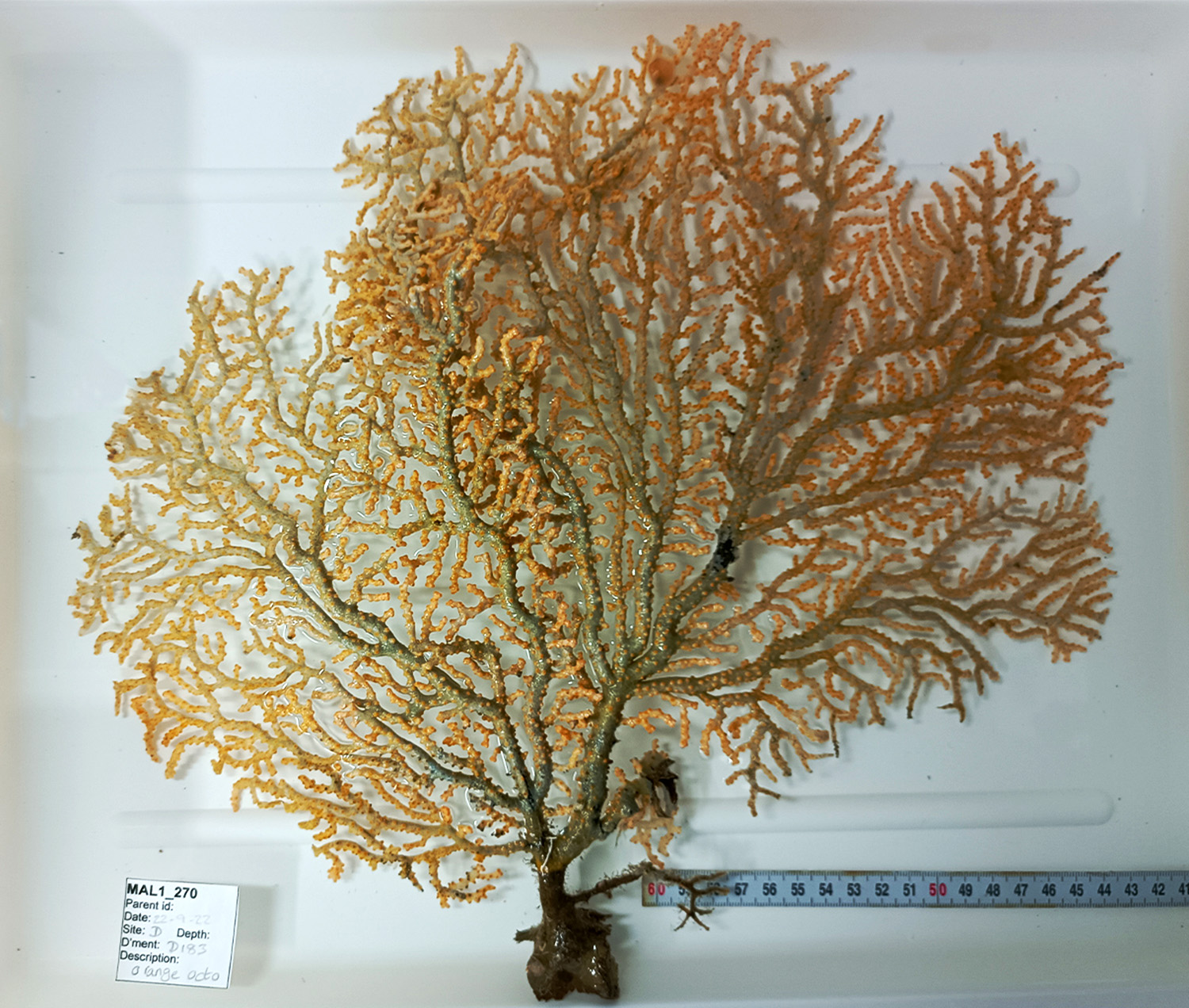
Coral that has branches like a tiny tree is next to a measuring tape.

© 2024 Asako K. Matsumoto/The Nippon Foundation-Nekton Ocean Census

What: A new species of octocoral

Where: In the Maldives, a group of islands in the Indian Ocean

About: An octocoral is a type of coral that gets its name from the fact that each of its polyps (the individual animals that make up the coral reef) has eight tentacles. Octocorals look a bit like fans.

Face Thinking Icon

Did You Know?

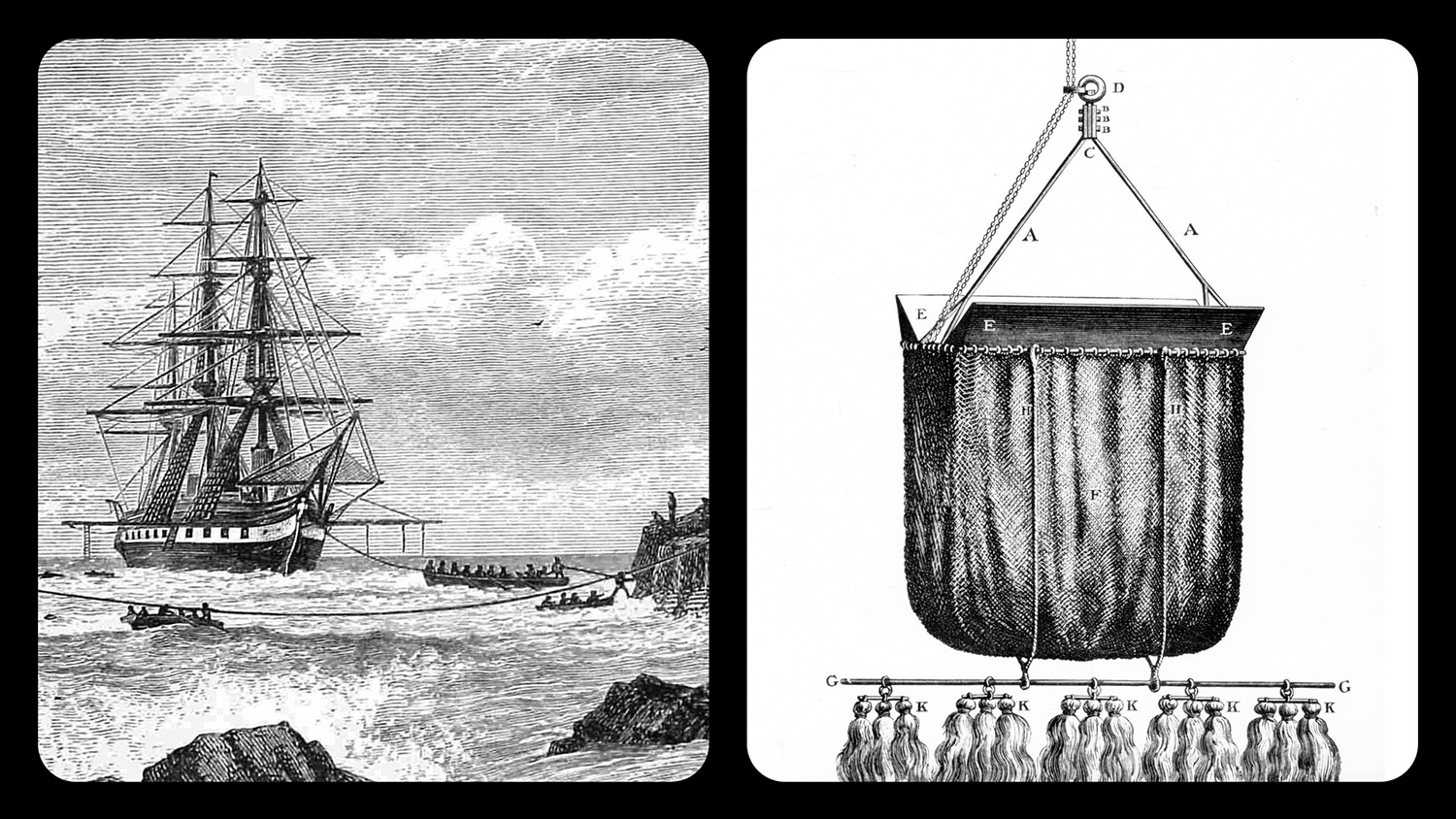
In the 1870s, a ship named HMS Challenger traveled around the world to explore the deeper parts of the oceans for the first time. 

Back then, there were no underwater vehicles. Scientists and crew members aboard Challenger dropped “dredges,” which were like huge bags, far under the water’s surface and then brought them back up to see what living things they had collected. They ended up discovering thousands of new species.

Side by side illustrations of HMS Challenger being tugged by rowing boats and the dredge that was used on the Challenger expedition

© Science History Images/Alamy, © Smith Archive/Alamy; Photo Composite Encyclopaedia Britannica, Inc.

The ship called HMS Challenger (left) and a dredge (right) that was used to collect species from the deep sea.

Who Am I?

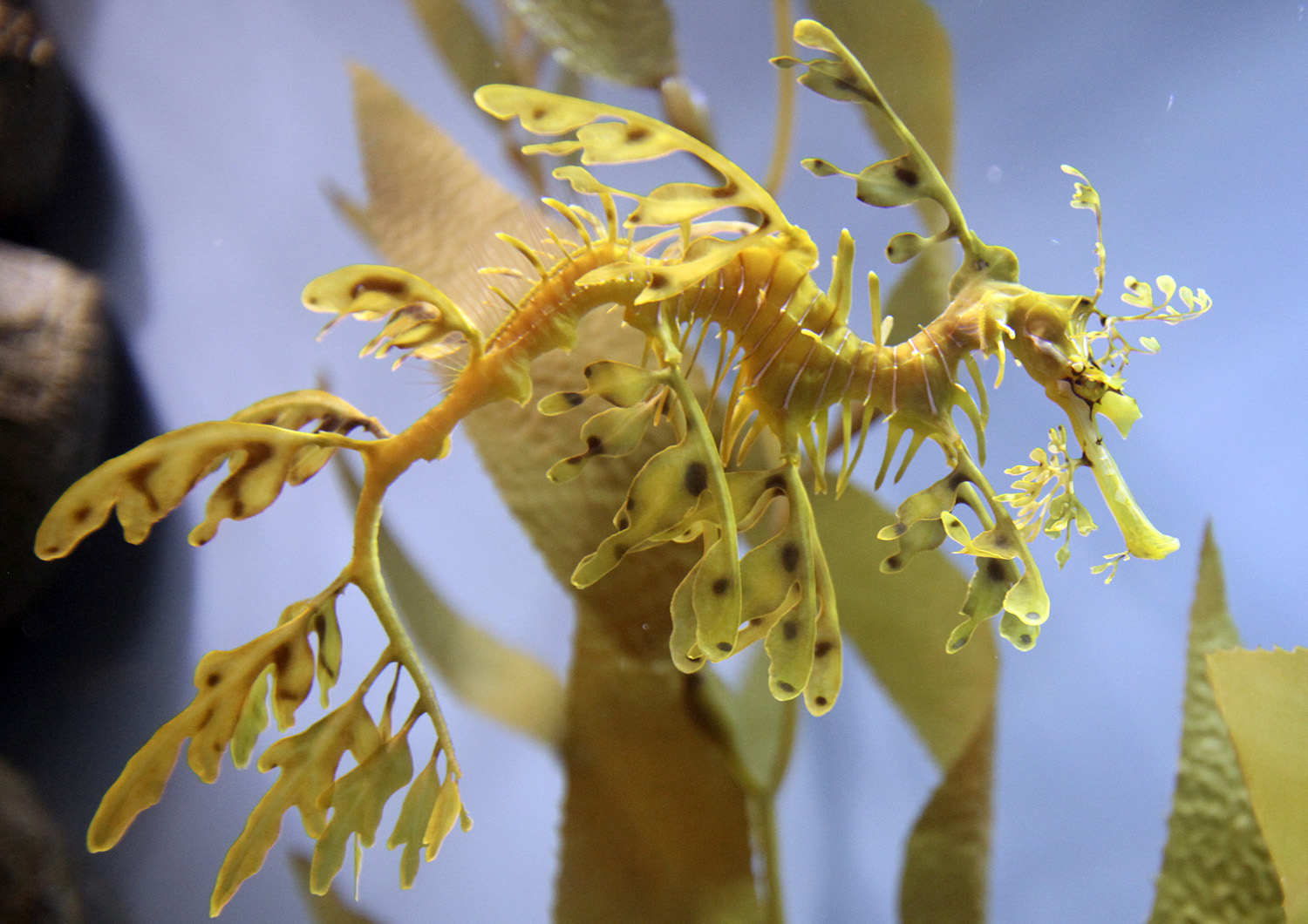
A leafy sea dragon, which looks like a seahorse with leaf-like limbs, swims among kelp.

© Djschreiber/Dreamstime.com

Is that a plant or an animal in the photo?  

The leafy sea dragon is most definitely an animal. Its leaf-like limbs, along with an ability to change color, come in handy when it’s hiding from predators like large fish or waiting for prey like tiny plankton. The leafy sea dragon in the photo is swimming in a type of seaweed called kelp.

In spite of its name, the leafy sea dragon is no sea monster. It may suck up its food like a vacuum cleaner, but it’s only about 12 inches (30 centimeters) long.

Creatures of the Deep Sea

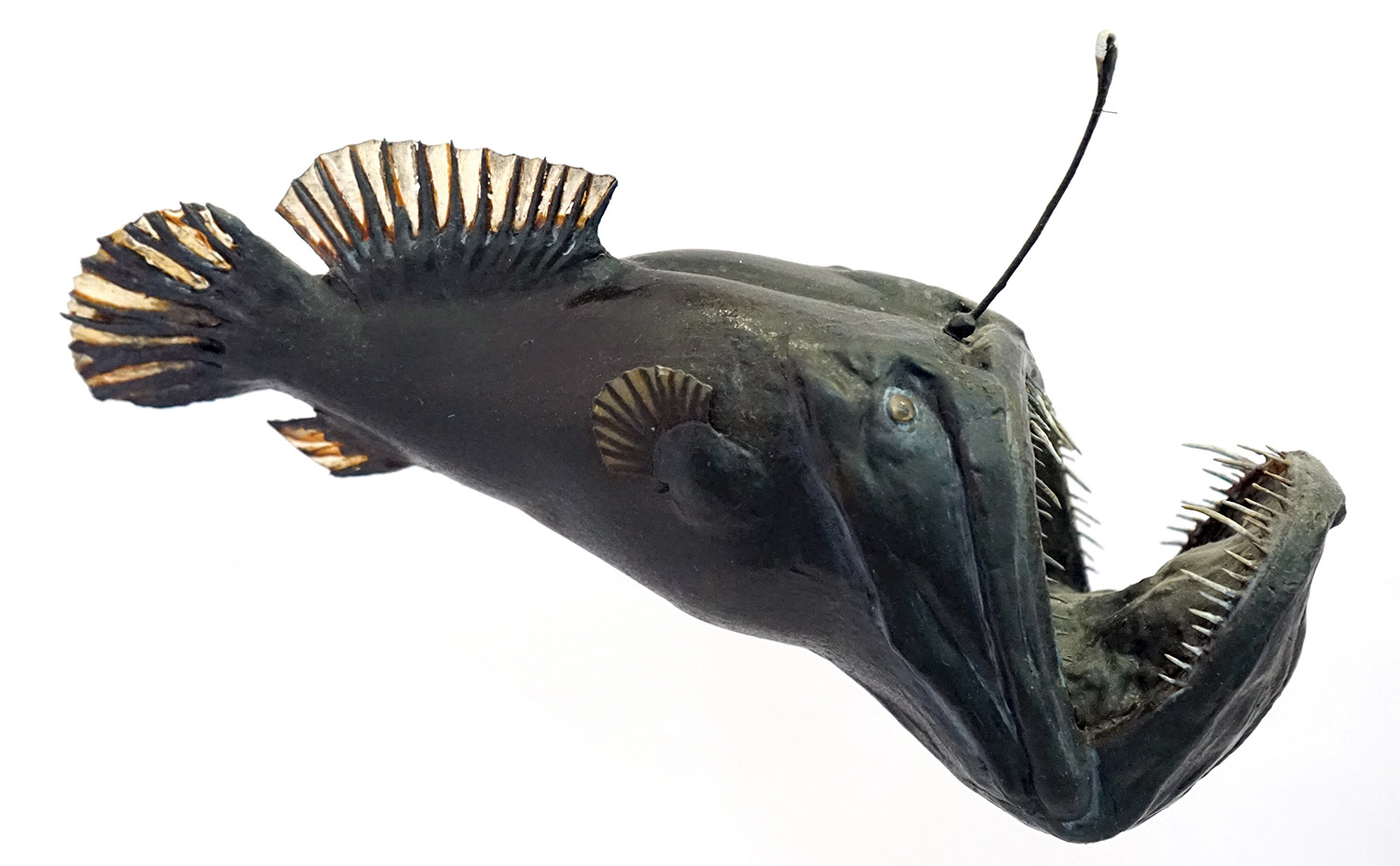
A model of an anglerfish has a lure and an open mouth with sharp teeth.

© Universal History Archive—Universal Images Group/Getty Images

This is a model of an anglerfish, which lives in the deep sea.

The deepest parts of the ocean are so dark and cold that it’s hard to believe anything can live there. Yet scientists have discovered many strange-looking species in these ocean zones. 

The anglerfish has a lure that sticks out from its head. The lure lights up in the dark water, attracting prey. Anglerfish live in such deep waters that they’re extremely hard to catch. The one in the photo is a model—not a real fish.

Learn more at Britannica!

Word of the Day Icon

Word of the Day

abyss

Part of speech:

noun

Definition:

: a hole so deep or a space so great that it cannot be measured

Definitions provided by
Merriam-Webster Logo
Game Icon

Play

Word Search

.

In Case You Missed It

When 5th graders asked Major League Baseball player Ozzie Albies which pet fish to get, he helped out in a big way.
March 11, 2026
Taryn Smith is the first American woman to row solo across the Atlantic Ocean.
March 5, 2026
A powerful waterfall doesn’t easily freeze, but this winter has been especially cold!
March 3, 2026
For Women’s History Month, we’re honoring two women who inspired many others to take to the skies.
February 26, 2026

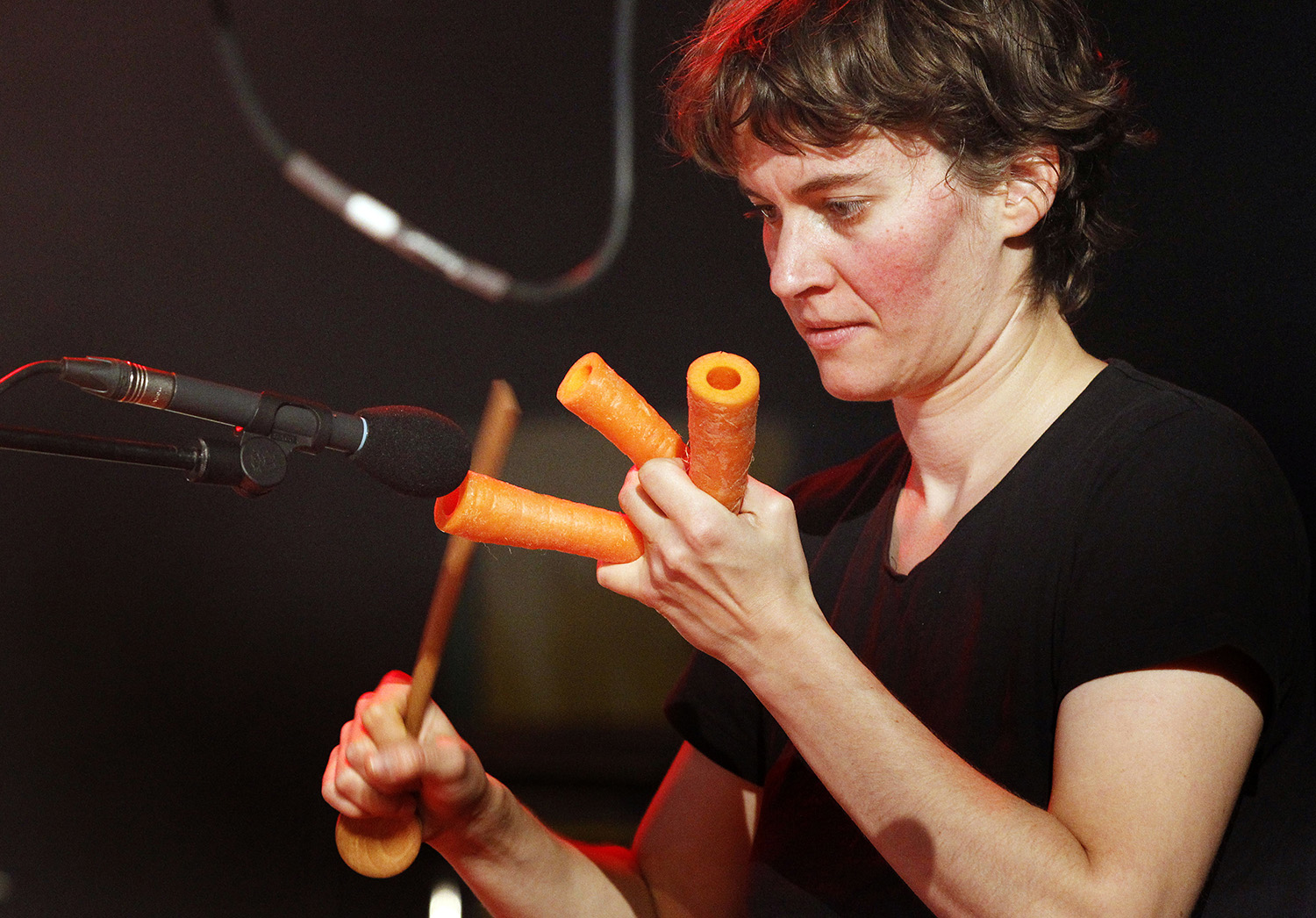
Playing with Food

A woman holds three hollowed-out carrots between her fingers and hits them with a drum stick.

Playing with Food

The Vegetable Orchestra is a musical group in which vegetables are used as instruments.

A woman holds three hollowed-out carrots between her fingers and hits them with a drum stick.

© Patrick Bernard—AFP/Getty Images

A musician from the Vienna Vegetable Orchestra performs on stage during a 2010 concert.

If anyone ever tells you not to play with your food, tell them about the Vegetable Orchestra. For more than 25 years, audiences around the world have been watching this musical group play instruments made of vegetables.

The Vegetable Orchestra was formed in 1999 in Vienna, Austria, by a group of musicians who were looking for a new sound after signing up to play at a festival.

“It all started as a joke,” musician Matthias Meinharter told the BBC. “We thought, ‘What is the most difficult thing to play music on?’ We were making soup together at the time, and one idea led to another.”

Pretty soon the musicians were carving flutes out of carrots and violins out of leeks. The veggie instruments are used in different ways. Some make percussive (drum-like) sounds, and others make a tone, like a musical note. Working together, and in the hands of the musicians, they produce wonderful music.

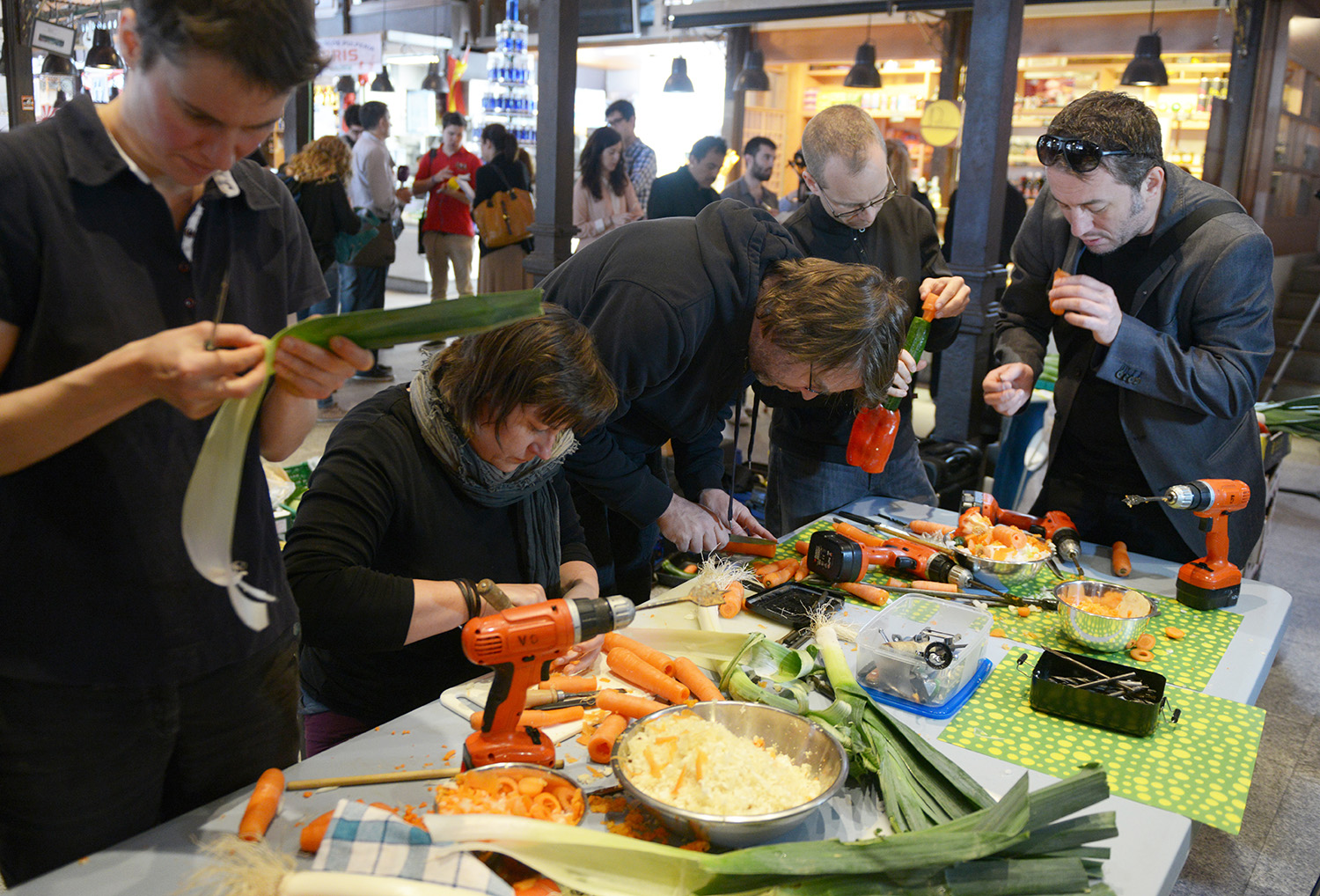
Traditional musical instruments are made to last a long time. Musicians treasure them. That’s not possible with vegetables. The members of the Vegetable Orchestra must carve new instruments before every concert because each one rots or softens after about six hours. Unused vegetables don’t go to waste. The musicians add them to soup that is served at that night’s concert.

Five men and women stand and sit at a table of different vegetables and use drills and other tools to make the vegetables into instruments.

© Dominique Faget—AFP/Getty Images

The musicians of the Vienna Vegetable Orchestra must carve new instruments regularly because vegetables don’t last long.

Meanwhile, the musicians need to get used to new instruments every day.

“Vegetables are unpredictable,” said Susanna Gartmayer, who plays several veggie instruments, including the carrot marimba. “No two pieces of produce are the same. It’s a challenge.”

That hasn’t slowed them down, though. In March, in fact, the Vegetable Orchestra earned a Guinness World Record for the most performances by a vegetable orchestra. At the time, the group had played 344 concerts.

Face Thinking Icon

Did You Know?

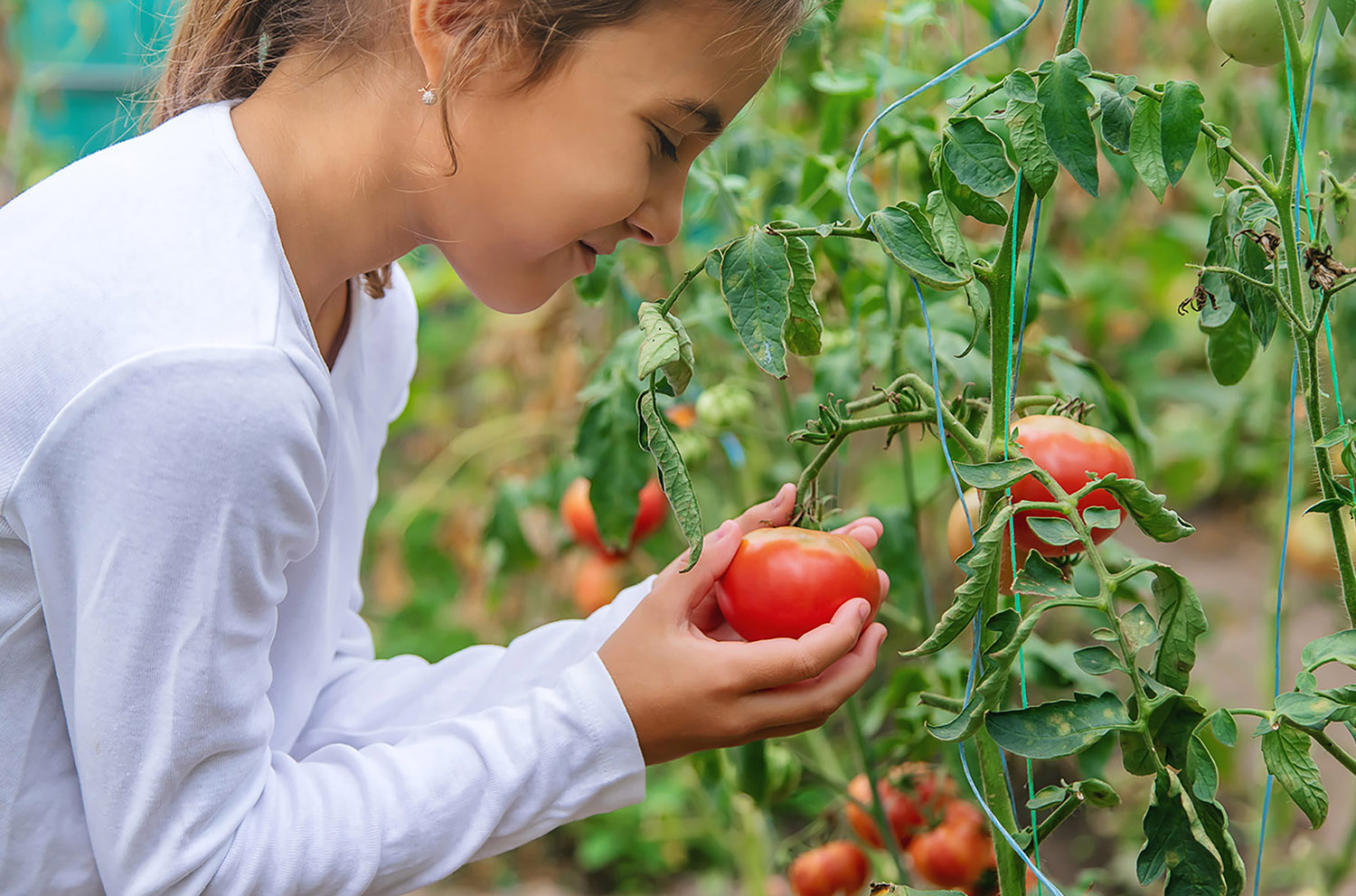
According to the Global Alliance for Improved Nutrition, the tomato is the most popular vegetable in the world.

A child kneels among tomato plants in a garden and holds a large tomato in her hands.

© Milena/stock.adobe.com

Dogs of Distinction

Four mixed-breed dogs, their owners, and judges pose on a green carpet and against a background that includes the Scruffts logo.

© BeatMedia/The Royal Kennel Club

The finalists in the 2025 Scruffts mixed-breed competition include (from left) Chester, Marnie, Miley, and the winner, Lola.

A 1-year-old whippet/Saluki/collie mix named Lola won the top prize at Scruffts, an annual competition in the United Kingdom for mixed-breed, or crossbreed, dogs. According to the Scruffts website, Lola won because of her “charm, character, and incredible bond with her owner.”

Lola’s owner, Bex Hall, says Lola helped her a lot right after her child was born, providing a comforting presence for the new mom. 

In addition to crowning a winner, judges chose three finalists, listed below.

Most Handsome Crossbreed Dog: Chester

Judges complimented this cocker spaniel/border terrier mix for his charm, scruffiness, and “dashing good looks.”

Good Citizen Dog: Marnie

Shaggy-haired Marnie was singled out for good behavior, which judges believe is a sign that she has “impeccable [perfect] manners.”

Golden Oldie Crossbreed: Miley

Judges said Miley, a 10-year-old Labrador/miniature poodle mix “has spent a decade spreading joy and love.”

Four-Legged Friends

A border collie jumps over an obstacle in an agility course.

© Eva Krizmanic/Dreamstime.com

Can you guess how many different dog breeds there are? You can learn all about dogs at Britannica!

Word of the Day Icon

Word of the Day

ensemble

Part of speech:

noun

Definition:

: a group of people or things that make up a complete unit (such as a musical group, a group of actors or dancers, or a set of clothes)

Definitions provided by
Merriam-Webster Logo
Game Icon

Play

Criss Cross

.

In Case You Missed It

When 5th graders asked Major League Baseball player Ozzie Albies which pet fish to get, he helped out in a big way.
March 11, 2026
Taryn Smith is the first American woman to row solo across the Atlantic Ocean.
March 5, 2026
A powerful waterfall doesn’t easily freeze, but this winter has been especially cold!
March 3, 2026
For Women’s History Month, we’re honoring two women who inspired many others to take to the skies.
February 26, 2026

Pieces of Ancient History

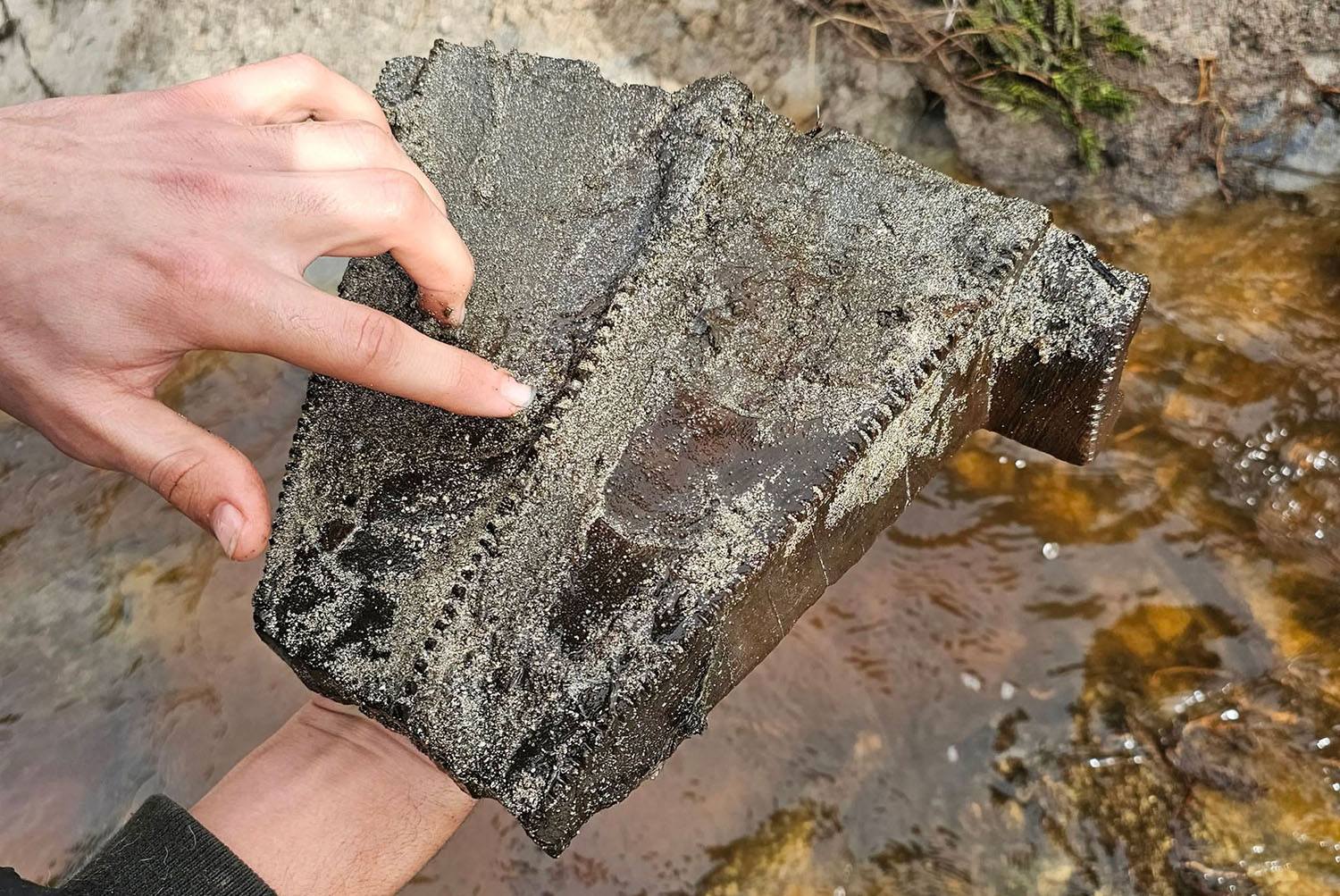
Two hands hold a piece of carved wood that is partially coated in sand and sediment.

Pieces of Ancient History

A fisherman and his son found the remains of a canoe once used by ancient Polynesian people.

Two hands hold a piece of carved wood that is partially coated in sand and sediment.

Courtesy of © Vincent Dix/Manatu Taonga Ministry for Culture and Heritage

This carved piece of an ancient Polynesian canoe was found in a creek on the Chatham Islands.

When a fisherman and his son on an island in the Pacific Ocean found some pieces of wood in a creek, they thought they might be able to build something out of them. But when they started holding the pieces together, a shape began to form—the shape of a boat. It turned out the wood had once been part of a canoe that may have brought the islands some of their very first residents.

The father and son, Vincent and Nikau Dix, live in the Chatham Islands. The islands are about 500 miles (800 kilometers) east of the nation of New Zealand in a part of the world called Polynesia. Beginning thousands of years ago, people set out in large canoes called waka and settled on many Polynesian islands. These include the Chatham Islands, which the Moriori people settled a little over 500 years ago. Pieces of waka have been found in other parts of Polynesia, but the Chatham Islands discovery is turning out to be bigger and more important than the others.

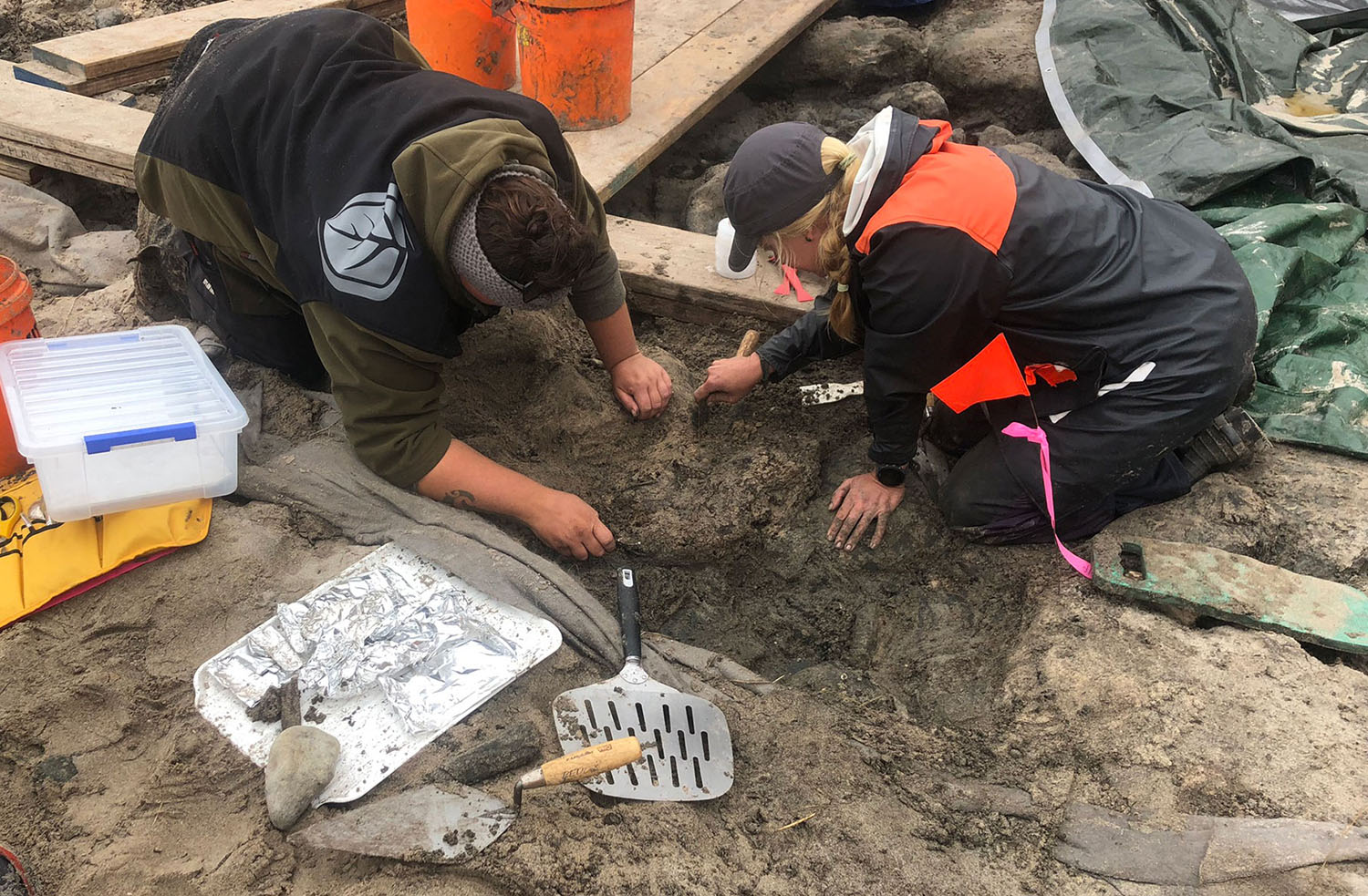
Two people use tools to excavate a site.

©Courtesy of Manatu Taonga Ministry for Culture and Heritage

Conservators search for pieces of the Polynesian waka that was first discovered by Vincent and Nikau Dix.

After they’d found several pieces of the waka, Vincent and Nikau contacted researchers, who eventually unearthed 450 pieces in total. Archaeologist Justin Maxwell says no one has ever found so many parts of a single waka before. Some of the wood is beautifully carved and decorated with bits of shells and a type of black rock called obsidian. The discovery also includes strings from rope and some material that may have once been part of a sail.

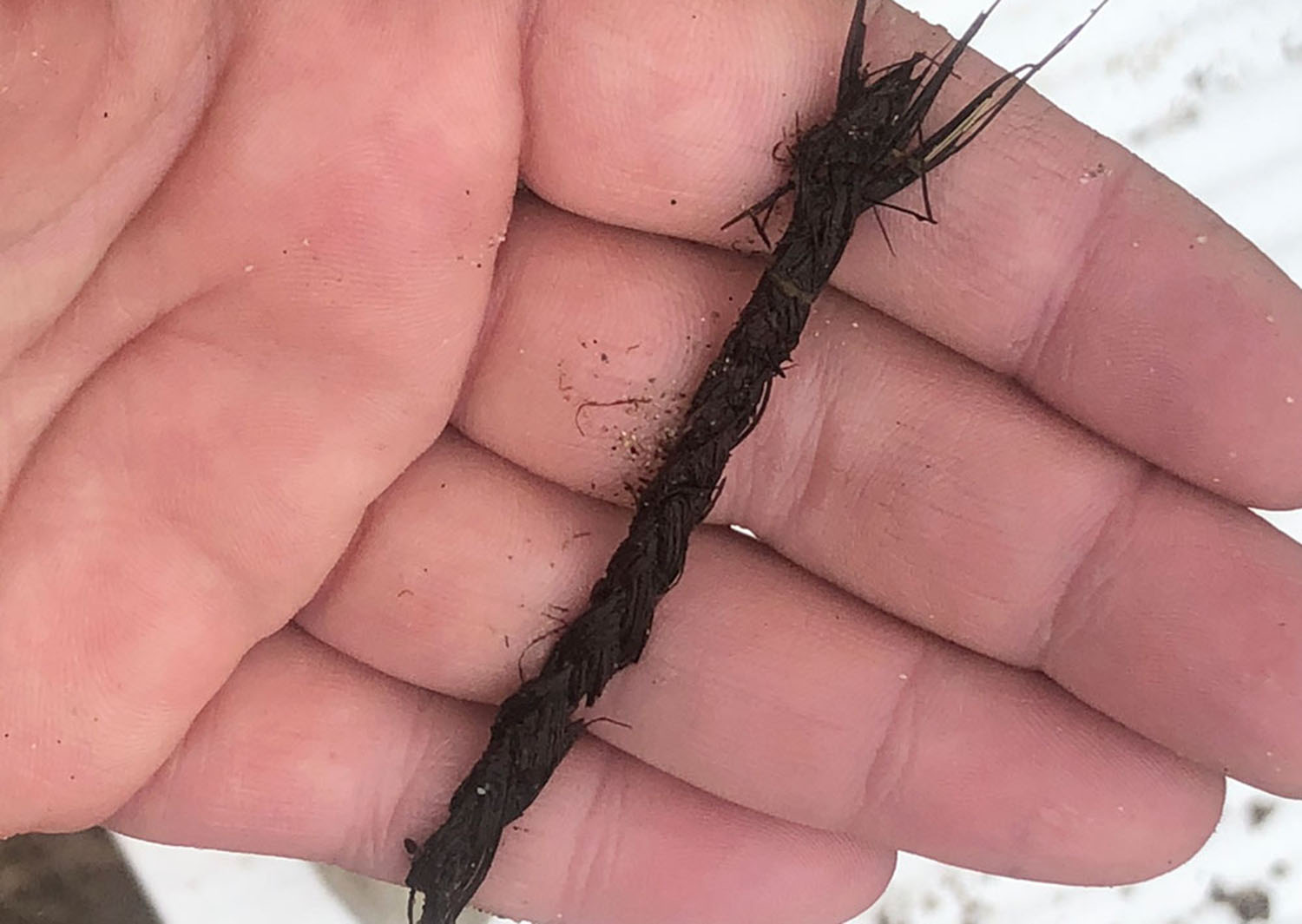
A piece of braided fiber is held in the palm of a hand.

Courtesy of Manatu Taonga Ministry for Culture and Heritage

This fiber may have been part of a rope that was attached to the waka.

Experts haven’t confirmed details about the origin of the waka. They’ve received permission from Moriori and Māori people who live on the islands to send material from the waka to New Zealand. There, the age of the wood and the rope will be determined using a technique called carbon dating.

“No matter how old it is, we can’t overstate how incredible [this discovery] is,” Maxwell told the Guardian. “It is by far the most important discovery in New Zealand, possibly Polynesia, and it will go down as one of the most important finds of all time in Polynesia.”

Face Thinking Icon

Did You Know?

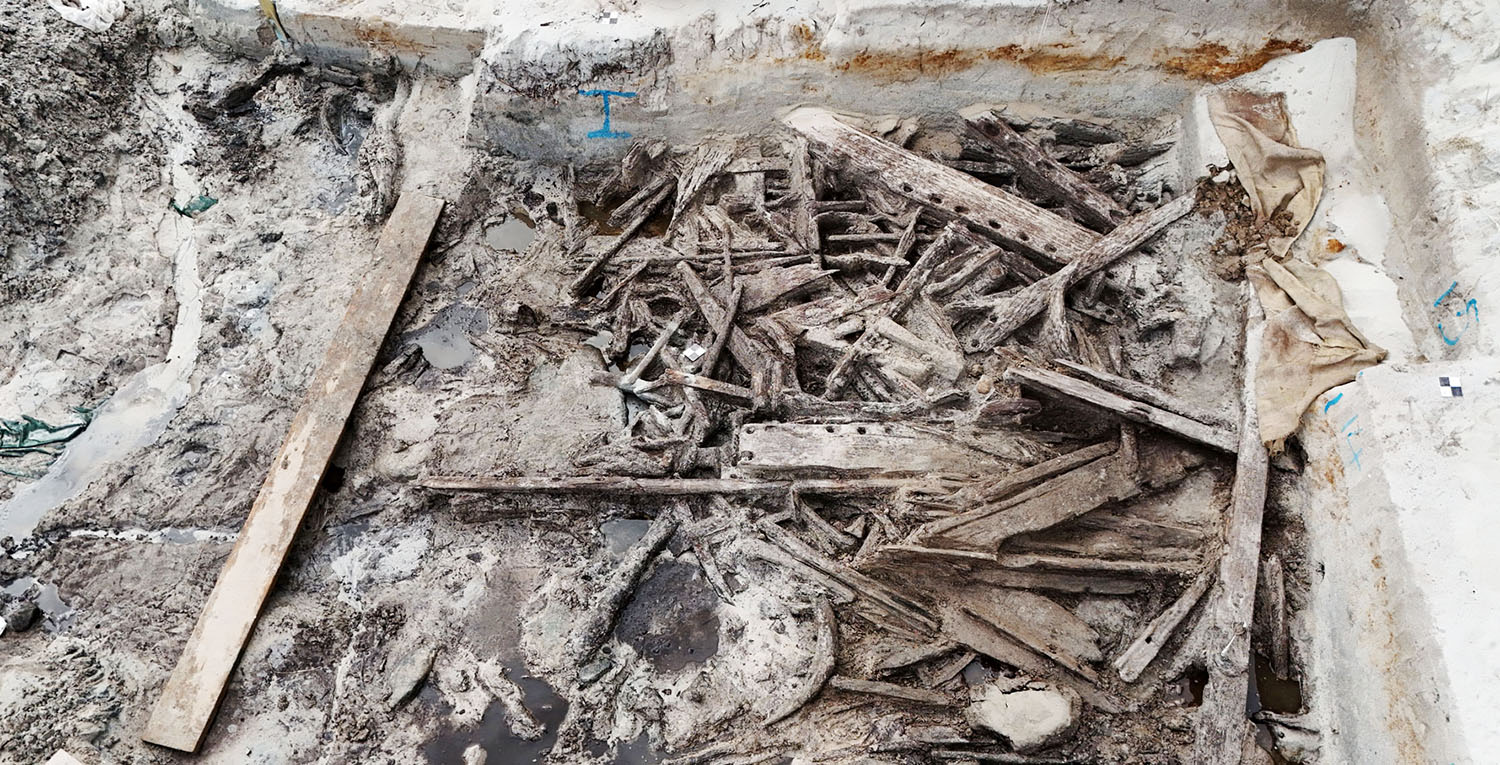
Since waka were carved from tree trunks, experts can figure out where each waka they find was most likely built. Experts have already determined that at least some of the wood on the recently discovered waka (shown in the photo) came from New Zealand trees.

A pile of ancient wood pieces at an excavation site.

Courtesy of Justin Maxwell/Manatu Taonga Ministry for Culture and Heritage

Guided By the Stars

A starry sky

© Jon G. Fuller/VW PICS—Universal Images Group/Getty Images

The ancient Polynesians traveled long distances on the Pacific Ocean without knowing what they would find. They didn’t have maps, compasses, or GPS. So how did they locate islands?

The Polynesians relied on the positions of the Sun and other stars to help them find their way. Different stars can be seen in different parts of the sky, depending on where you are. By tracking the locations of stars, Polynesians could tell which way their boat was headed.

Polynesians used other clues to figure out if there was land nearby. The ocean’s waves and swells change near land. Also, seabirds are more likely to be near land than far out to sea.

Home of the Kiwi

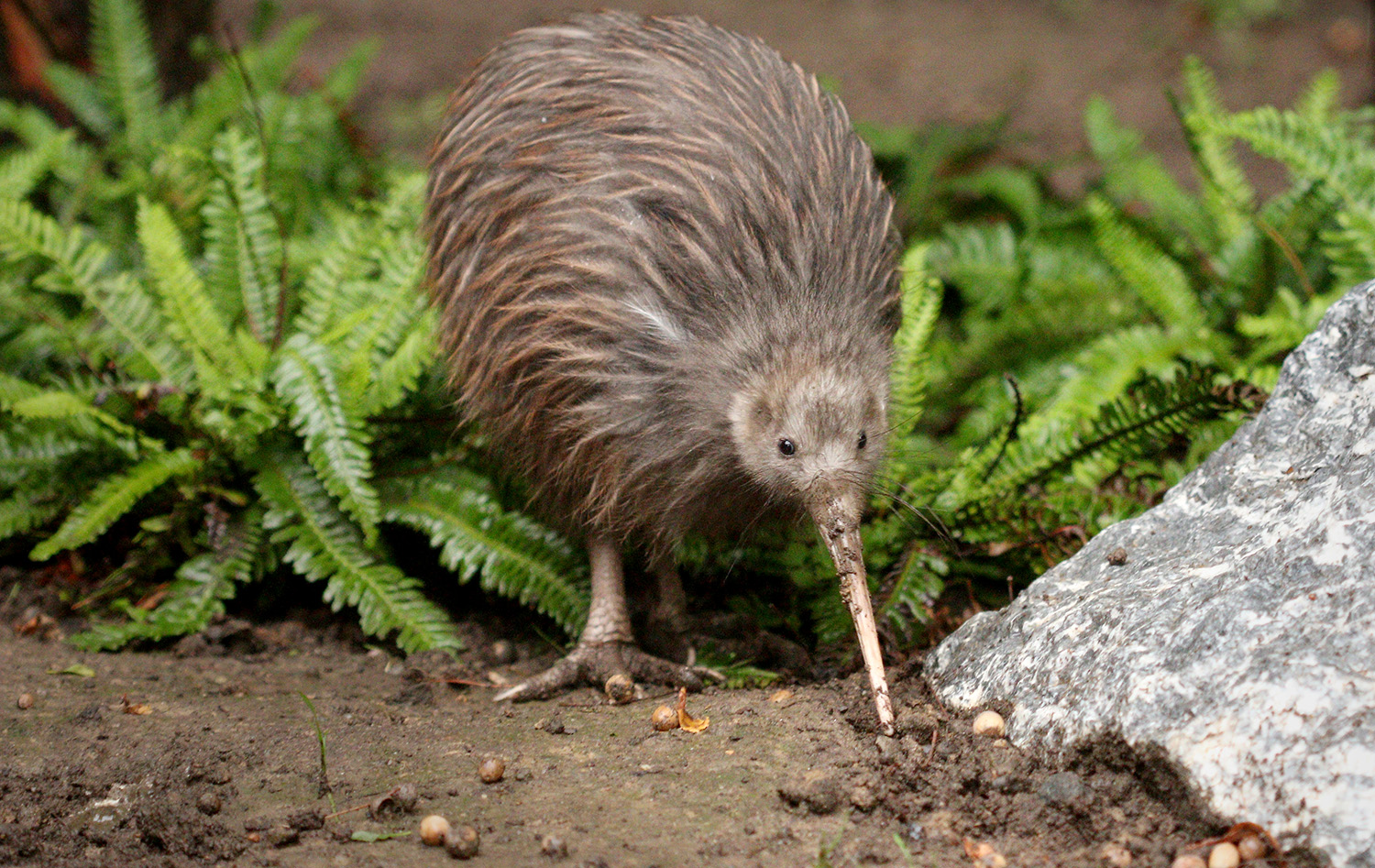
A kiwi has its long beak close to the ground as it looks at the camera.

© Jiri Prochazka/stock.adobe.com

The kiwi may not be able to fly, but it has whiskers.

Experts believe that the Moriori people were originally from New Zealand. New Zealand is home to glaciers, mountains, and a flightless bird with whiskers called the kiwi.

You can learn more about New Zealand at Britannica!

Word of the Day Icon

Word of the Day

serendipity

Part of speech:

noun

Definition:

: luck that takes the form of finding valuable or pleasant things that are not looked for

Definitions provided by
Merriam-Webster Logo
Game Icon

Play

Word Search

.

In Case You Missed It

When 5th graders asked Major League Baseball player Ozzie Albies which pet fish to get, he helped out in a big way.
March 11, 2026
Taryn Smith is the first American woman to row solo across the Atlantic Ocean.
March 5, 2026
A powerful waterfall doesn’t easily freeze, but this winter has been especially cold!
March 3, 2026
For Women’s History Month, we’re honoring two women who inspired many others to take to the skies.
February 26, 2026

Ocean Crossing Complete!

Zara Lachlan stands in her rowing boat near a shoreline with other boats docked and holds up the flag of the United Kingdom.

Ocean Crossing Complete!

Zara Lachlan is the first woman to row solo from Europe to South America.

Zara Lachlan stands in her rowing boat near a shoreline with other boats docked and holds up the flag of the United Kingdom.

© Team Forces—Cover Images//Reuters

Zara Lachlan holds up the flag of the United Kingdom after completing her voyage across the Atlantic Ocean.

It’s special to be the first to do something. Zara Lachlan should know. Lachlan just became the first woman (and the second person) to row solo on a 4,100-mile (6,600-kilometer) voyage across the Atlantic Ocean, from Europe to South America. At 21 years old, she’s also the youngest person ever to do this.

Lachlan, who is from the United Kingdom, set out from the European nation of Portugal in October in a rowboat with only a tiny indoor area for sleeping. She arrived in French Guiana, a country in South America, on February 1 after 97 days alone at sea.

“[It] feels very strange to be back on land,” she told the BBC.

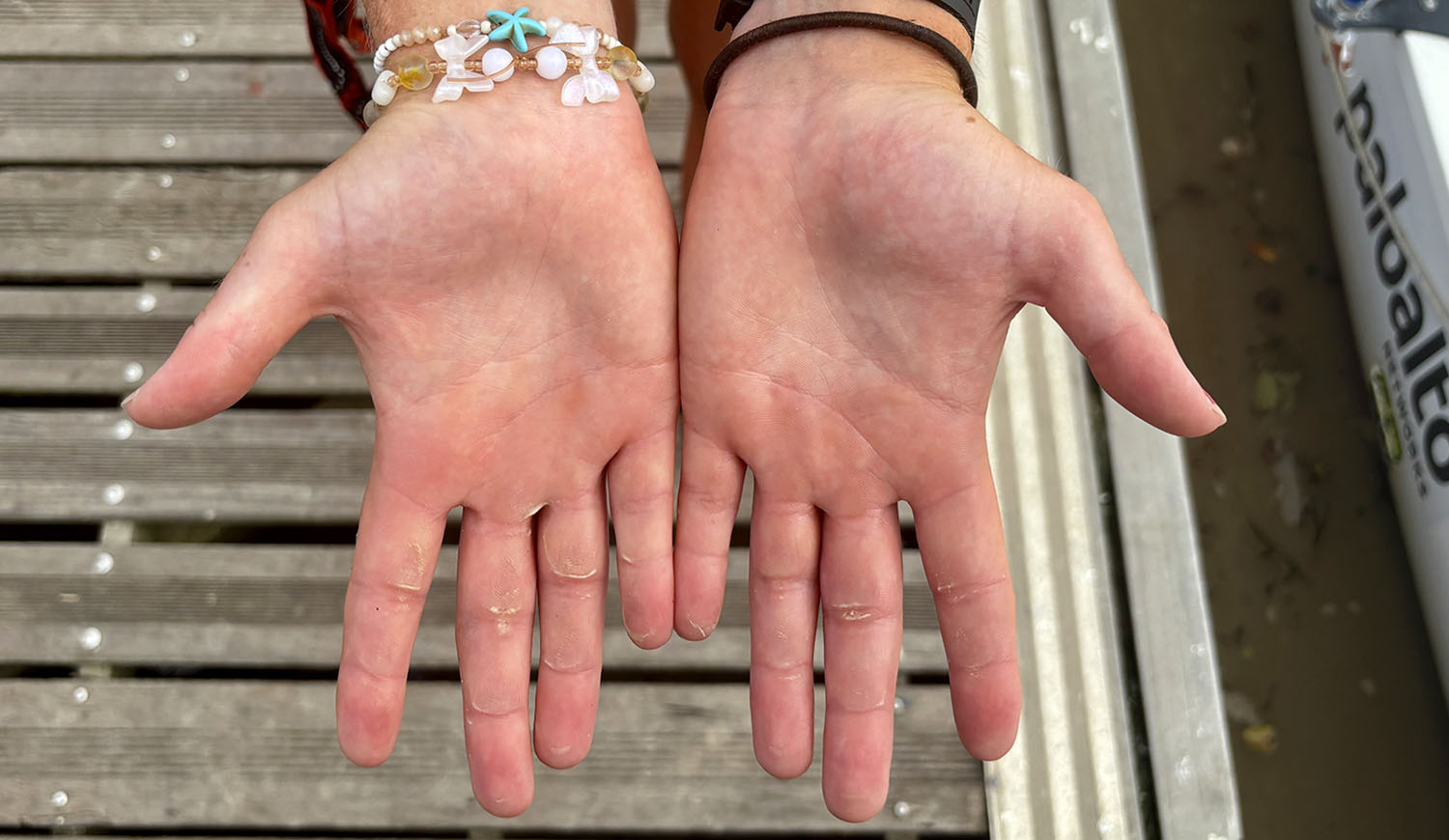
An ocean isn’t an easy thing to cross, especially in a rowboat. Lachlan had to row for up to 21 hours a day, which was especially hard when she was rowing the boat against the wind. During her journey, she encountered unforgiving weather that caused her boat to roll upside down. She also broke her finger, as well as some of her equipment.

“Every day for the first month I wanted to go home, and I thought this was a silly idea and it was so hard,” Lachlan told the BBC. “But I know for a fact that if someone came up to me on a boat and said they would tow me in and I could fly home, I would tell them to go away.”

A closeup of Zara Lachlan’s hands with the palms up shows multiple blisters on her fingers.

© Team Forces—Cover Images//Reuters

Lachlan developed blisters on her hands after months of rowing.

Being at sea brought plenty of magical moments for Lachlan.

“The first time I ever saw a fish in the ocean was on day six of my expedition,” Lachlan told Women in Sport. “Then on day seven I was visited by orcas. Later on, I even got hit by a flying fish. It was quite a learning curve!”

Lachlan had a big welcome in French Guiana, where her family was waiting for her with smiles and hugs. Once on land, she finally had time to think about what she had accomplished.

“I took on a massive challenge and won—nothing beats that feeling.”

Face Thinking Icon

Did You Know?

It takes months to row across the ocean. How do solo rowers get any sleep?

Rowing boats have equipment that helps rowers to navigate, or follow a route to where they are going. The rower relies on the wind and the currents to keep carrying the boat in the right direction while they sleep.

When the wind is moving in the wrong direction, a rower uses a parachute-shaped anchor to keep the boat from drifting off course. This type of anchor doesn’t reach the bottom of the ocean, which is very deep. Instead, it drags through the water, pulling on the boat so that it stays in place.

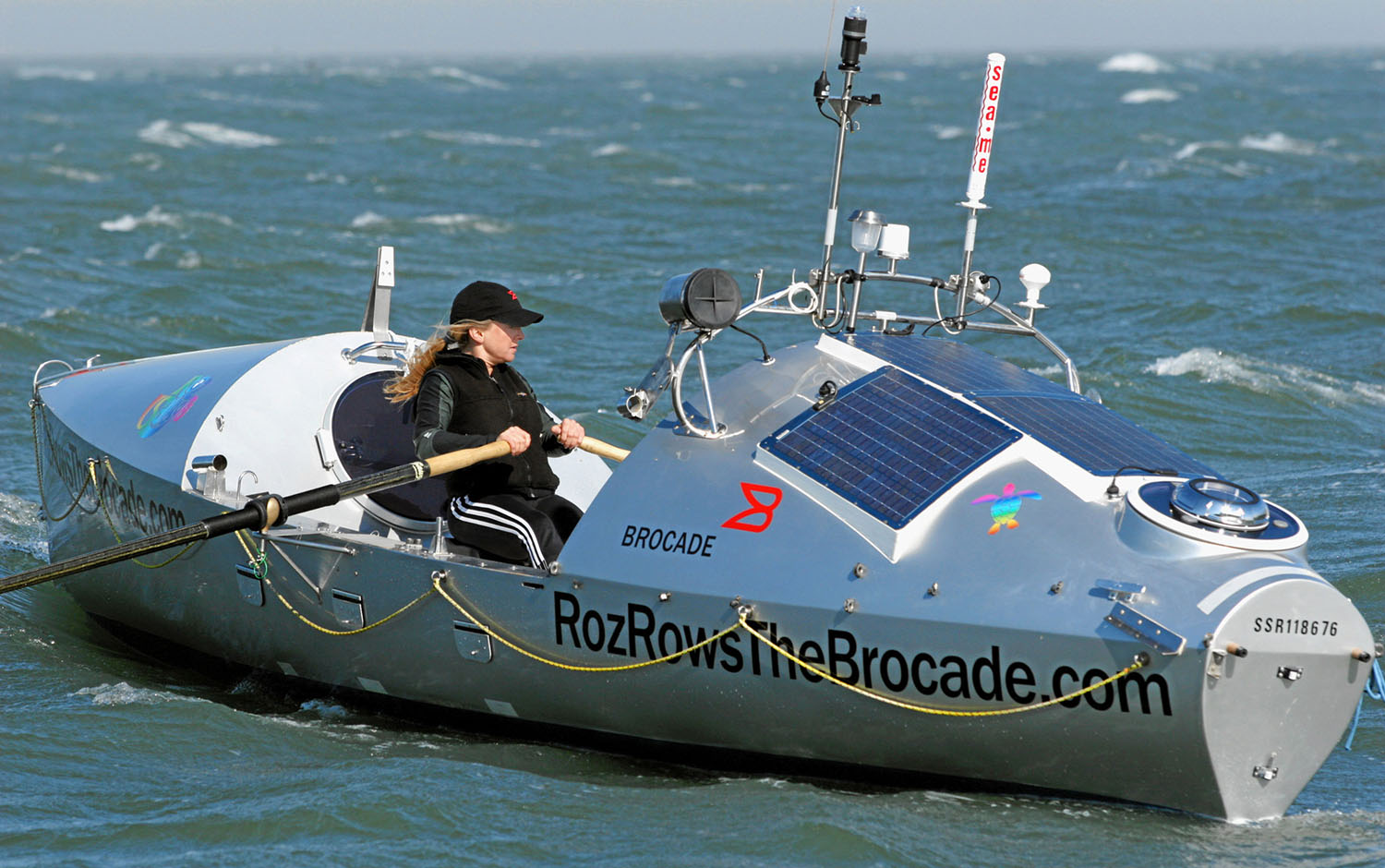
Roz Savage uses the oars while sitting in her rowing boat on the sea.

© Court Mast/Reuters

Roz Savage, seen here, rowed solo across the Atlantic, Pacific, and Indian oceans.

LeBron Hits 50K!

LeBron James seems to float above the floor as he is poised to take a shot with another player trying to steal.

© Ronald Martinez/Getty Images

LeBron James (number 23) shoots the three-point basket that resulted in a career total of more than 50,000 points.

LeBron James has become the first basketball player ever to score 50,000 combined points over the course of his career. The legendary Los Angeles Lakers forward, age 40, achieved this incredible accomplishment on March 4, during a game against the New Orleans Pelicans.

“Ladies and gentlemen, we all have just witnessed history,” Lakers announcer Lawrence Tanter told the crowd.

Asked why he continues to play after 22 years, James said he still loves the game.

Legendary LeBron

LeBron James is in tears as he holds the championship trophy and wears a hat that says 2016 NBA Champs while surrounded by teammates.

© Marcio Jose Sanchez/AP Images

LeBron James has won four championships with three different teams. He’s been named Most Valuable Player (MVP) four times. Is he the greatest basketball player of all time? 

Read about James’s life and career at the link below. Then decide for yourself!

Word of the Day Icon

Word of the Day

turbulence

Part of speech:

noun

Definition:

: sudden, violent movements of air or water

Definitions provided by
Merriam-Webster Logo
Game Icon

Play

Word Flower
.

In Case You Missed It

When 5th graders asked Major League Baseball player Ozzie Albies which pet fish to get, he helped out in a big way.
March 11, 2026
Taryn Smith is the first American woman to row solo across the Atlantic Ocean.
March 5, 2026
A powerful waterfall doesn’t easily freeze, but this winter has been especially cold!
March 3, 2026
For Women’s History Month, we’re honoring two women who inspired many others to take to the skies.
February 26, 2026

A Giant Snowball Fight

A man wearing eye protection and a hat on top of a helmet is poised to throw a snowball as spectators watch.

A Giant Snowball Fight

Hundreds of people took part in a snowball fight in Uonuma, Japan.

A man wearing eye protection and a hat on top of a helmet is poised to throw a snowball as spectators watch.

© Tom Bateman/Reuters

A man throws a snowball at the 35th annual Koide International Snowball Fight on February 9, 2025

In February, hundreds of people gathered in Uonuma, Japan, to take part in one of the world’s biggest snowball fights. The annual Koide International Snowball Fight is an epic battle, and the last team standing wins.

The rules of the event are simple. Two teams of five people throw snowballs at each other for two minutes. Whenever someone is hit, points are awarded to the opposing team. Then the next pair of teams has their fight, and so on. In the end, the team with the most points wins. The prize is a bag of rice, a specialty in Uonuma.

“Put simply, you make snowballs, throw them, score hits and the (team with the) most points wins,” head judge Takuya Kitsu told Reuters.

Participants take their snowballs seriously, but the event is mostly just fun. In fact, teams must dress in matching colors or even costumes—and according to the rules, the sillier or more original, the better. 

In Japan, snowball fighting is a sport that’s regularly played in the country’s colder regions. There’s even a movement to add the sport to the Winter Olympics. Kitsu says snowball fighting is a great way to get through a time of year that can get gloomy, especially for adults.

“The snow can be a nuisance. It’s a hassle,” Kitsu told Reuters. “So we hoped we could turn it into something fun by starting these snowball fights.”

Face Thinking Icon

Did You Know?

Parts of Japan get a lot of snow. In February, 4.2 feet (129 centimeters) of snow fell in the city of Obihiro in 12 hours!

A heavily snow covered street with a snowplow, pedestrians, and buried cars.

© JIJI Press—AFP/Getty Images

It’s a Spring Thing

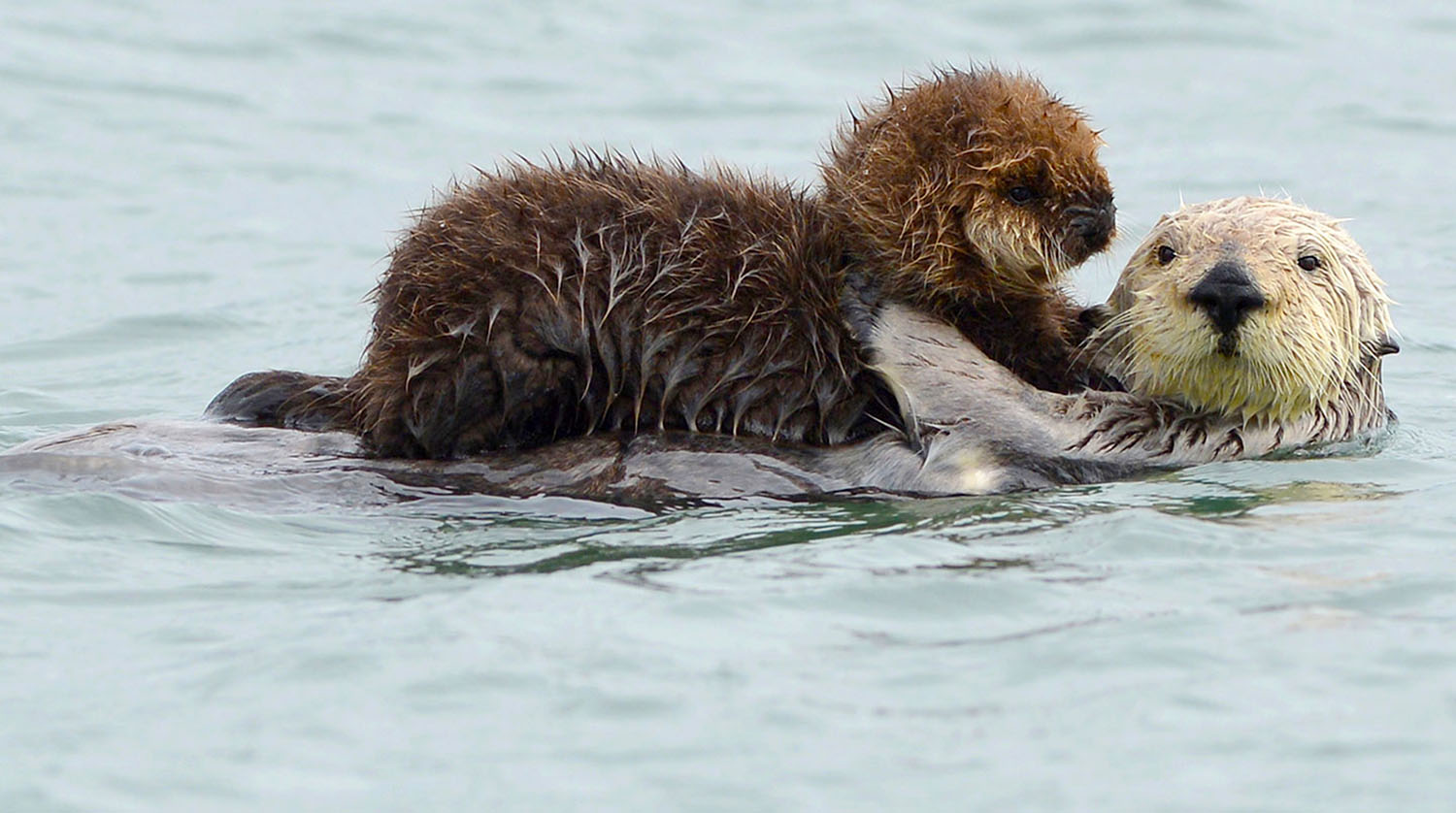
A sea otter pup rides on its mother’s belly in the water.

© Hotshotsworldwide/Dreamstime.com

Sea otter mothers carry their pups in the water to keep them warm and dry.

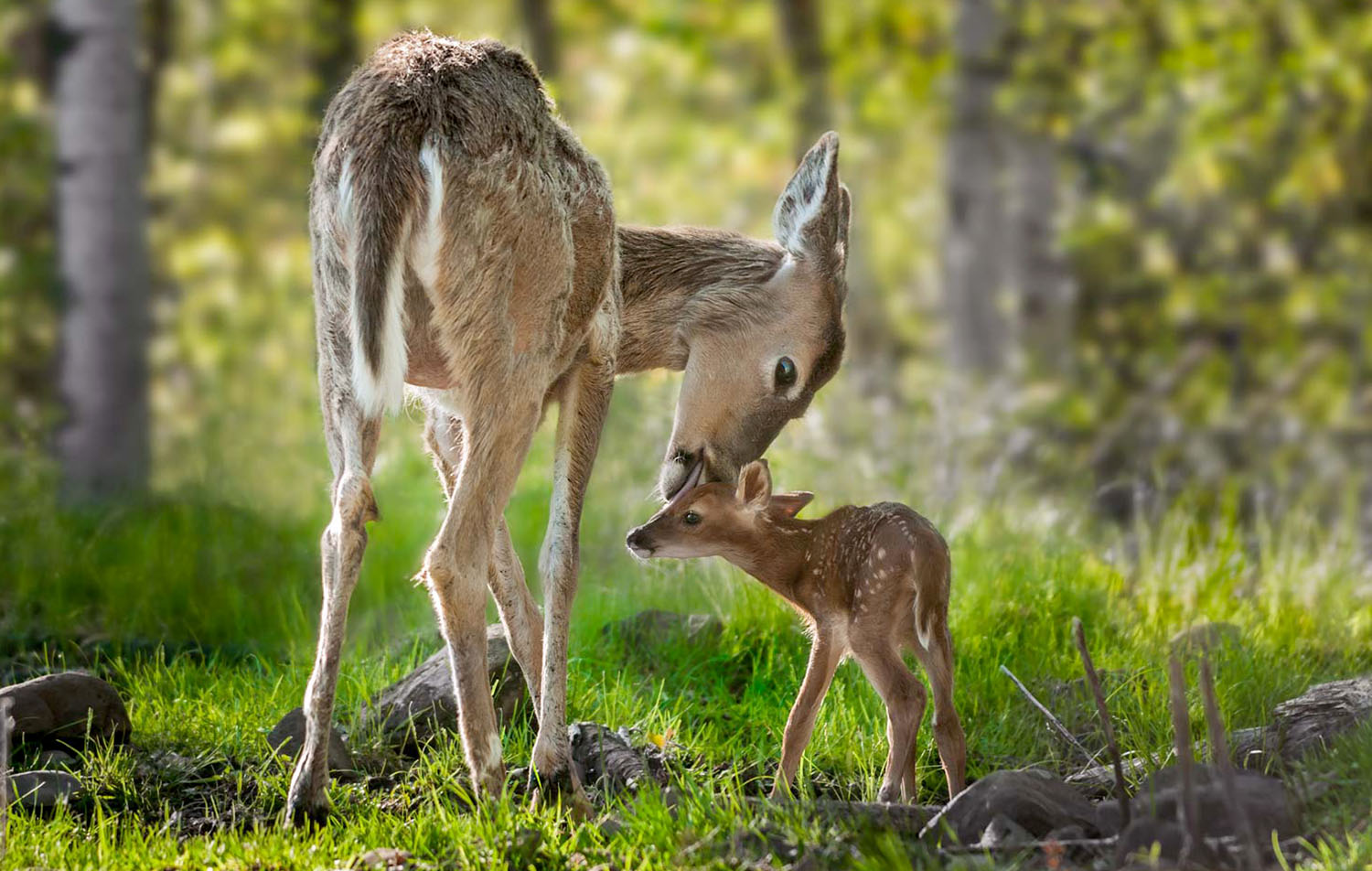
Have you ever wondered why so many animal species have their young in the spring? It’s because the weather is warmer and the days are longer than in the winter months.

While freezing temperatures can be dangerous for newly born animals, warmer air gives them a better chance of survival. The warmth also allows for the growth of new vegetation, which many animal moms eat or feed to their young. Plus, longer days give animal parents more hours in which to find food for their families.

A mother deer nuzzles its fawn as both stand on grass in a wooded area.

© hkuchera/stock.adobe.com

When this fawn stops nursing, there will be plenty of green leaves for it to eat.

The Shape of Winter

Closeup view of a snowflake sitting on wool shows the shape of the snowflake.

© Yaroslav/Shutterstock.com

The photo shows a closeup view of a snowflake sitting on a wool coat. 

What is snow, and why do snowflakes form in amazing shapes? Find out at Britannica!

Word of the Day Icon

Word of the Day

tournament

Part of speech:

noun

Definition:

: a sports competition or series of contests that involves many players or teams

Definitions provided by
Merriam-Webster Logo
Game Icon

Play

Word Search

.

In Case You Missed It

When 5th graders asked Major League Baseball player Ozzie Albies which pet fish to get, he helped out in a big way.
March 11, 2026
Taryn Smith is the first American woman to row solo across the Atlantic Ocean.
March 5, 2026
A powerful waterfall doesn’t easily freeze, but this winter has been especially cold!
March 3, 2026
For Women’s History Month, we’re honoring two women who inspired many others to take to the skies.
February 26, 2026

Grow-in-the-Dark Plants

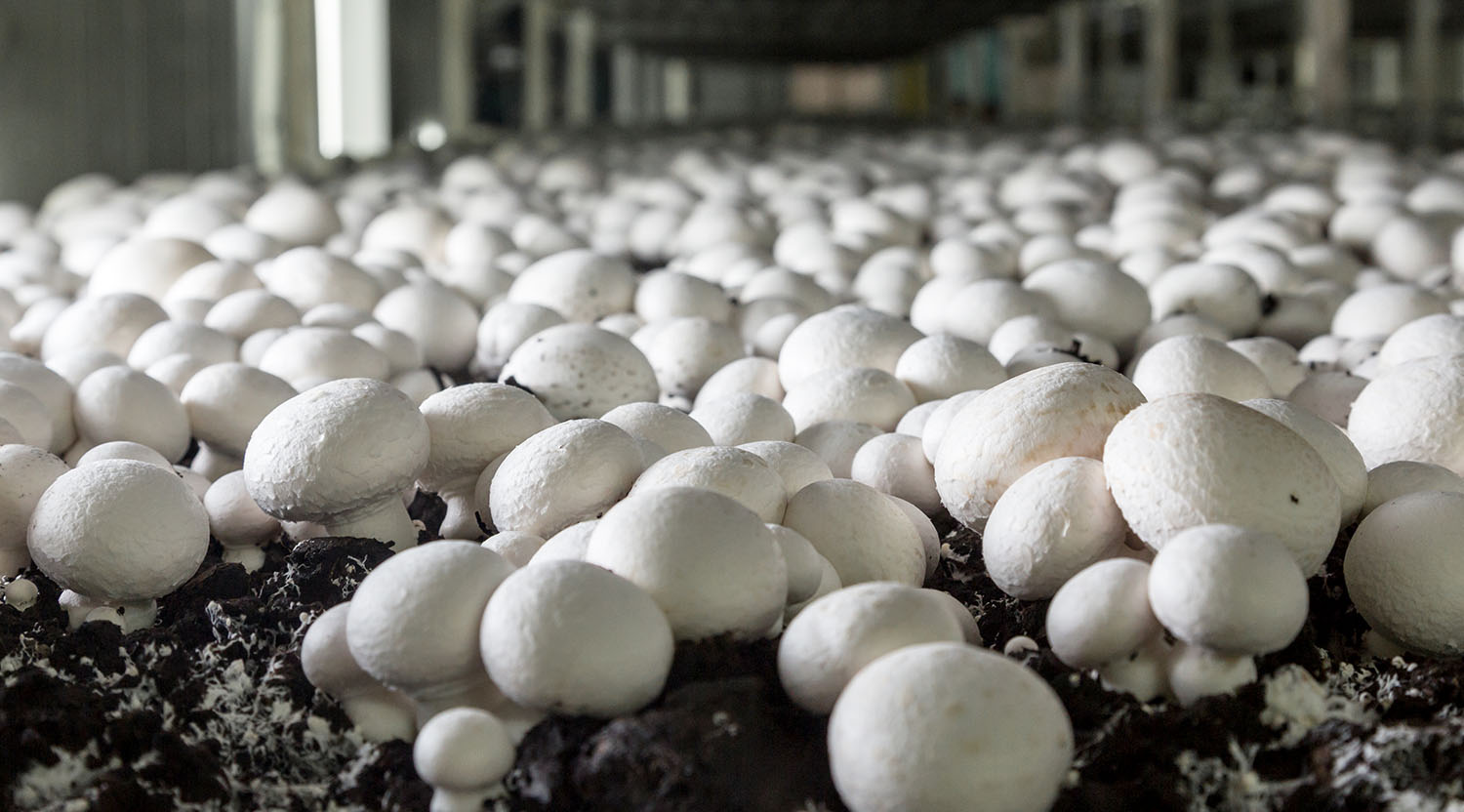
Button mushrooms growing in a dark indoor environment

Grow-in-the-Dark Plants

Plants normally make their own food. But scientists are using electricity to make the energy plants need to grow.

Button mushrooms growing in a dark indoor environment

© VladimirGerasimov—iStock/Getty Images

Mushrooms can grow in the dark. But what if other plants could also grow without sunlight?

Plants need sunlight to grow—or do they? Scientists say they’re working on a way to grow plants in the dark, using electricity!

Most plants normally use a process called photosynthesis to make the nutrients they need to grow. In photosynthesis, the plant absorbs energy from sunlight. It then uses that energy to change water and a gas called carbon dioxide into nutrients called sugars.

Photosynthesis allows us to grow much of the food we need through farming. But farming uses a lot of land and requires a reliable climate. As climate change makes it more difficult to grow food, scientists are trying to find new farming methods.

That’s where the new plant-growing method, called electro-agriculture, comes in. Electro-agriculture doesn’t require land or direct sunlight. The method makes it possible to grow plants inside a building.

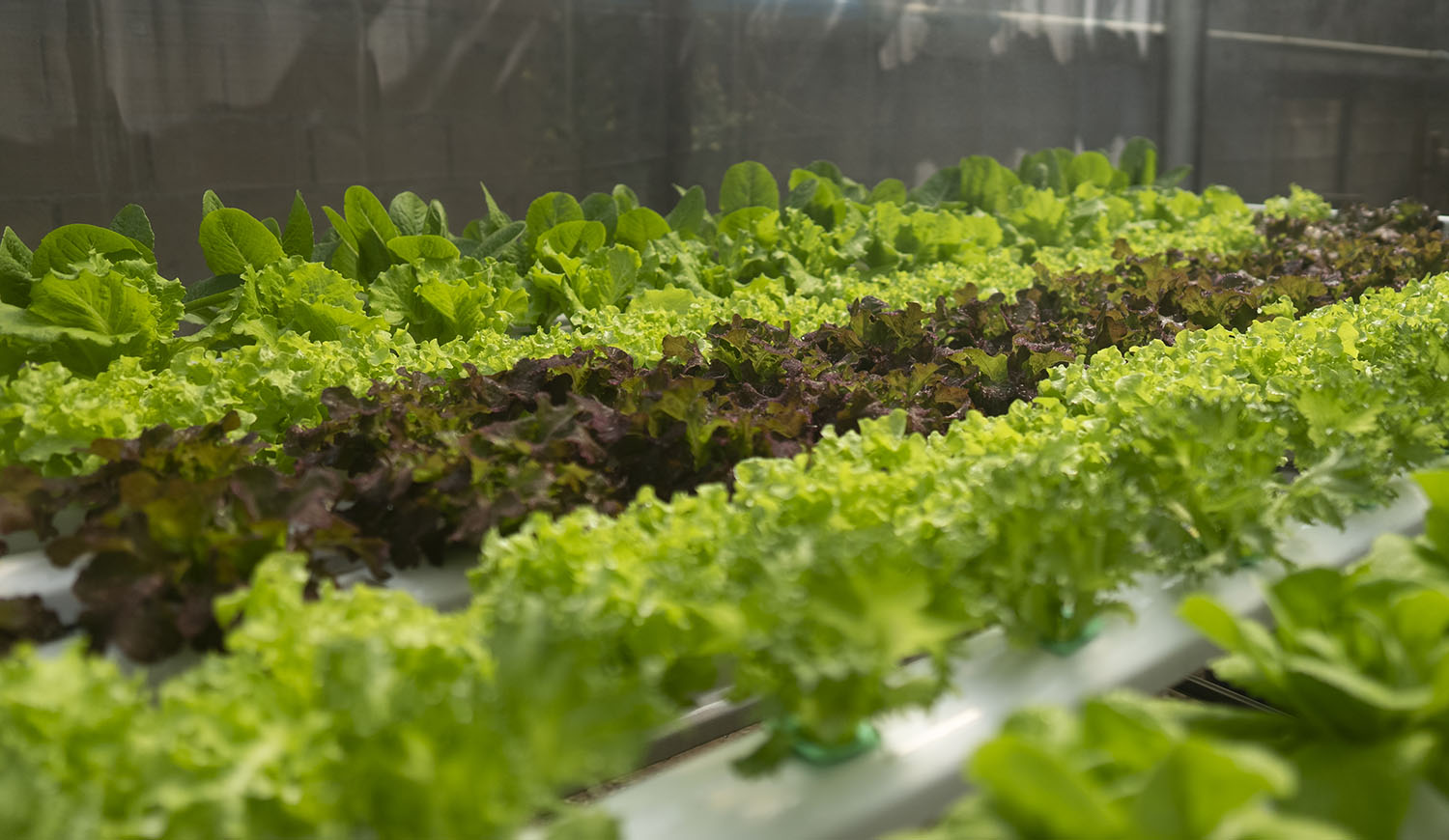
Rows of lettuce growing indoors

skaman306—Moment/Getty Images

Here’s how electro-agriculture works. An electric current is applied to carbon dioxide. This changes the carbon dioxide into another gas called carbon monoxide. More electricity is used to convert the carbon monoxide into a chemical compound called acetate, which is fed to the plants, giving them the energy they need to grow.

The Sun still helps the plants grow, but not directly. The building has solar panels, which absorb the Sun’s energy to produce electricity.

Scientists say electro-agriculture is still being developed. They hope that, someday, it will mean crops can be grown without the need for a lot of land or a reliable climate. Electro-agriculture may even allow plants to be grown in space!

Fun Fact Icon

Fun Fact!

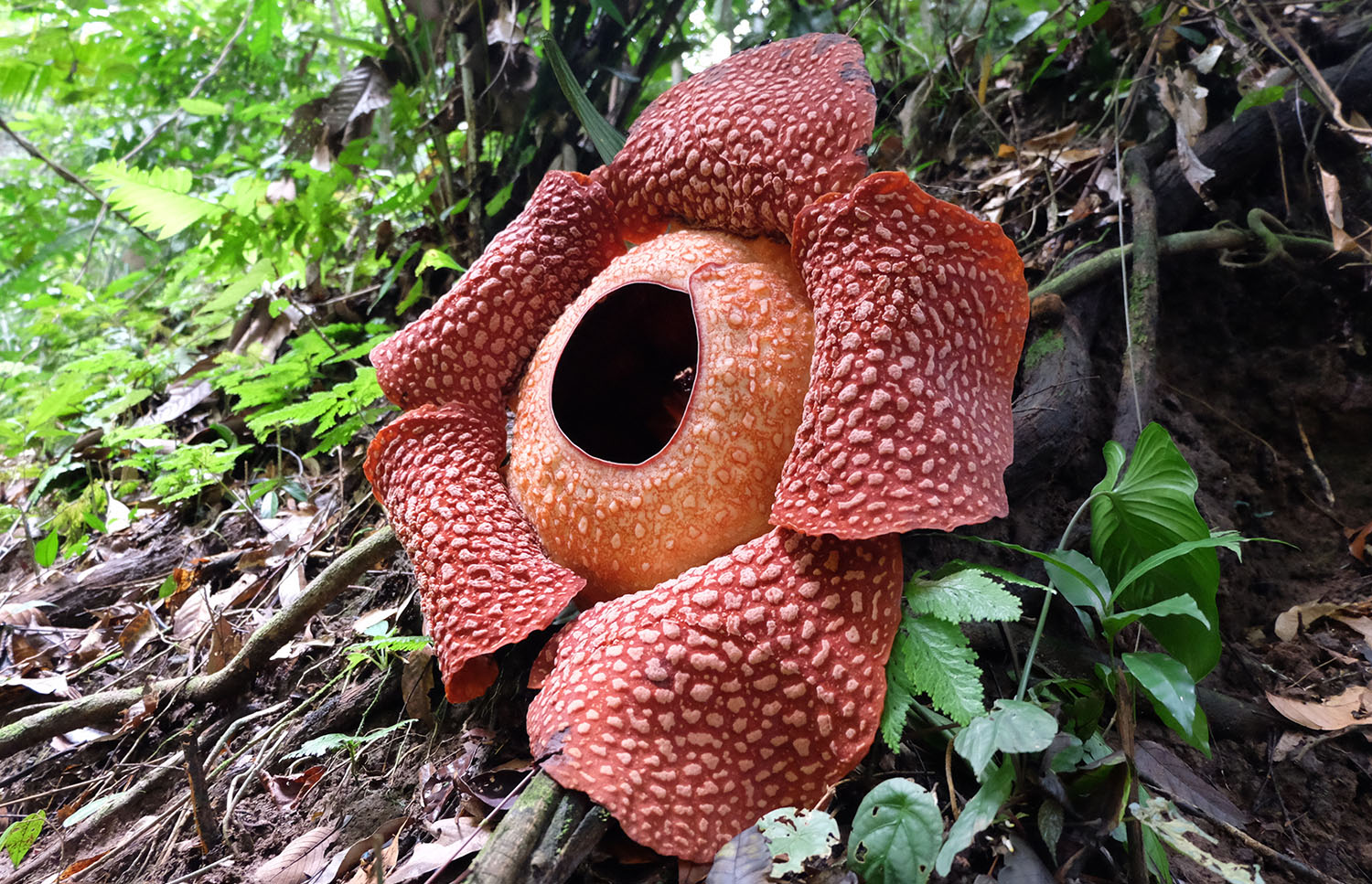
Not all plants get their energy through photosynthesis. Some plants, called parasitic plants, steal nutrients from nearby plants and fungi!

The photo below shows a rafflesia arnoldii flower, which can grow to 3 feet (0.9 meters) across and gets its nutrients from a “host” plant.

A huge red flower is in the ground among roots and leaves.
© Darren/stock.adobe.com

Math Teacher Creates a Solar Car

A red car with solar panels on its roof and side rear windows sits in a driveway with its doors open.

Courtesy of © 2025 Crayola, LLC

A math teacher from Kashmir has designed a solar-powered car. Bilal Ahmad Mir spent 16 years designing and then improving the vehicle, which he calls RAY.

RAY uses solar panels to capture the Sun’s energy, which it converts into power to operate the car. It also has a rechargeable battery. Mir says he designed RAY to offer an alternative to gas-powered cars.
“I read an article in a newspaper stating that in the future, there would be a shortage of fossil fuels, ultimately leading to a fuel crisis and rising prices,” Mir told India Today. “That’s when I decided to explore free energy sources like solar and hydrogen.”
If all goes as planned, RAY will hit the roads in June 2025. Other companies also have solar-powered cars in the works, including Vayve Mobility’s Eva (India) and Aptera (United States).

Feed Me!

© helivideo—Creatas Video+/Getty Images

Many animals eat plants. Did you know that some plants eat animals?

The video shows a meat-eating type of plant called the pitcher plant catching its dinner. You can learn more about pitcher plants at Britannica.

Word of the Day Icon

Word of the Day

convert

Part of speech:

verb

Definition:

: to change (something) into a different form or so that it can be used in a different way

Definitions provided by
Merriam-Webster Logo
Game Icon

Play

Criss Cross

.

In Case You Missed It

When 5th graders asked Major League Baseball player Ozzie Albies which pet fish to get, he helped out in a big way.
March 11, 2026
Taryn Smith is the first American woman to row solo across the Atlantic Ocean.
March 5, 2026
A powerful waterfall doesn’t easily freeze, but this winter has been especially cold!
March 3, 2026
For Women’s History Month, we’re honoring two women who inspired many others to take to the skies.
February 26, 2026

Best Friends

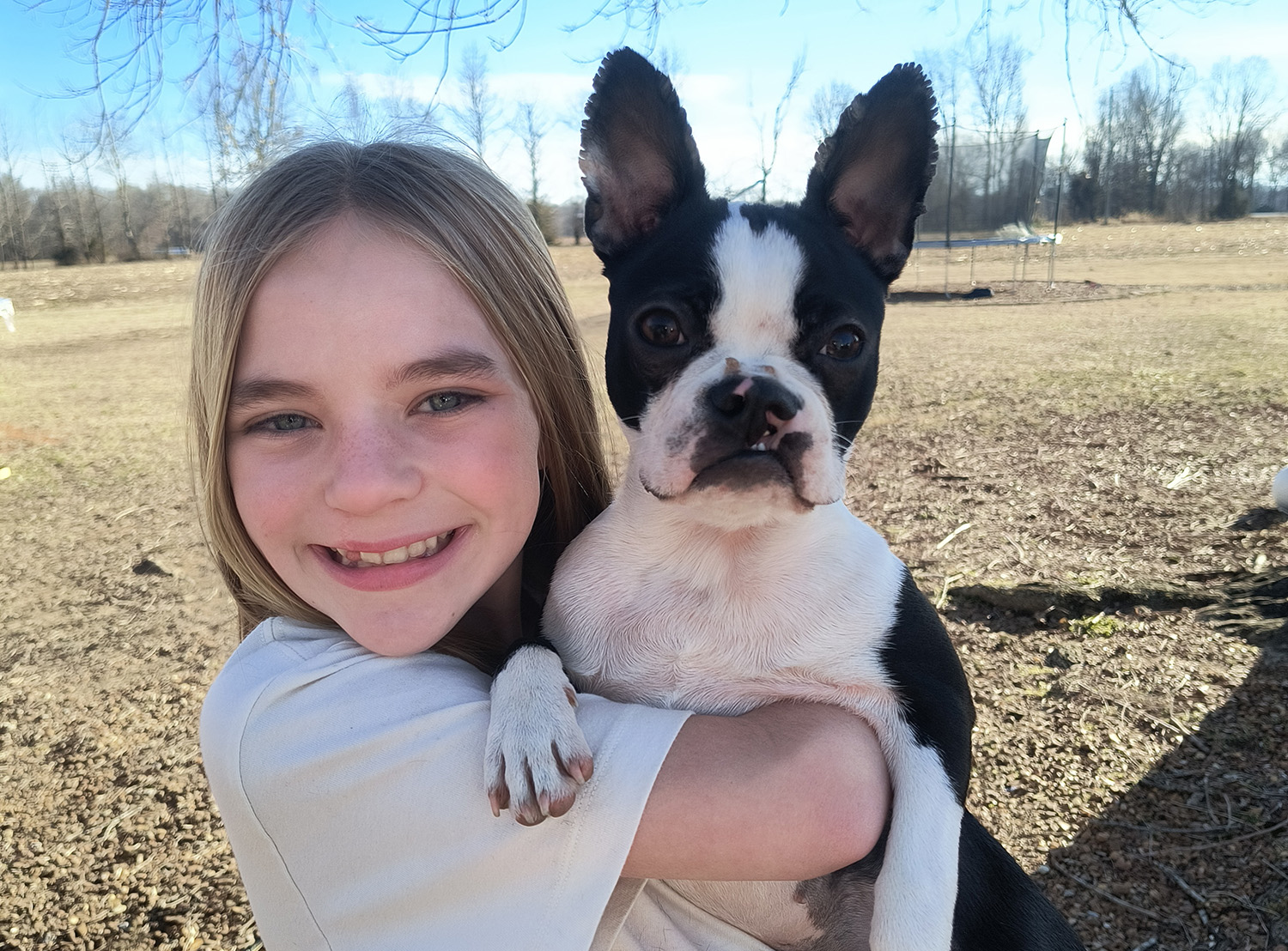
Kynlee Rogers holds a Boston terrier named Tennee and smiles.

Best Friends

Kynlee Rogers and her dog, Tennessee, have a lot in common.

Kynlee Rogers holds a Boston terrier named Tennee and smiles.

Courtesy of © the Rogers Family

Kynlee Rogers, 10, and her dog, Tennessee.

Kynlee Rogers and her dog, Tennessee (“Tennee” for short), have a lot in common. They’re both sweet, they have the same birthday, and they were both born with a cleft lip. And now, they’re each other’s best friend.

Before Tennee came into Kynlee’s life, Kynlee used to ask her mom, Kimberly, why she was different from other kids. A cleft lip is an opening in the upper lip that some people are born with. Kimberly wanted to help Kynlee feel better about her difference. When Kynlee asked if some dogs have cleft lips, her mom told her they do—and then got an idea.

Kimberly found an organization called Cleft Rescue Unit, which places dogs with cleft lips in homes where a family member also has a cleft lip.

“Our mission is to combine the two different cleft communities: the human community and the canine community,” Cleft Rescue Unit founder Lindsay Weisman told the Washington Post.

Cleft Rescue Unit doesn’t just adopt dogs out—it also rescues them by making sure they grow healthy and strong. A puppy with a cleft lip cannot nurse, so it can’t get the milk it needs unless it’s fed with special veterinary equipment. Once a puppy is old enough to eat solid food, Cleft Rescue Unit works on matching it with a home.

In March 2024, Kynlee and her mom attended a Cleft Rescue Unit Event at the Nashville Zoo in Nashville, Tennessee. There, Kynlee met 5-week-old Tennee.

Kynlee’s family adopted Tennee in September. Kynlee has a new pal to love, and being different no longer bothers her.

“Since we have gotten Tennee, [Kynlee] has not asked one question about why she’s different,” Kimberly told the Washington Post. “There’s a bond. Tennee is her comforter.”

Face Thinking Icon

Did You Know?

According to the ASPCA, about 4,192,000 cats and dogs were adopted in the United States in 2024.

A boy lies in a bed and kisses an orange cat.

© Natalia Wagner/stock.adobe.com

Colors Make a Comeback

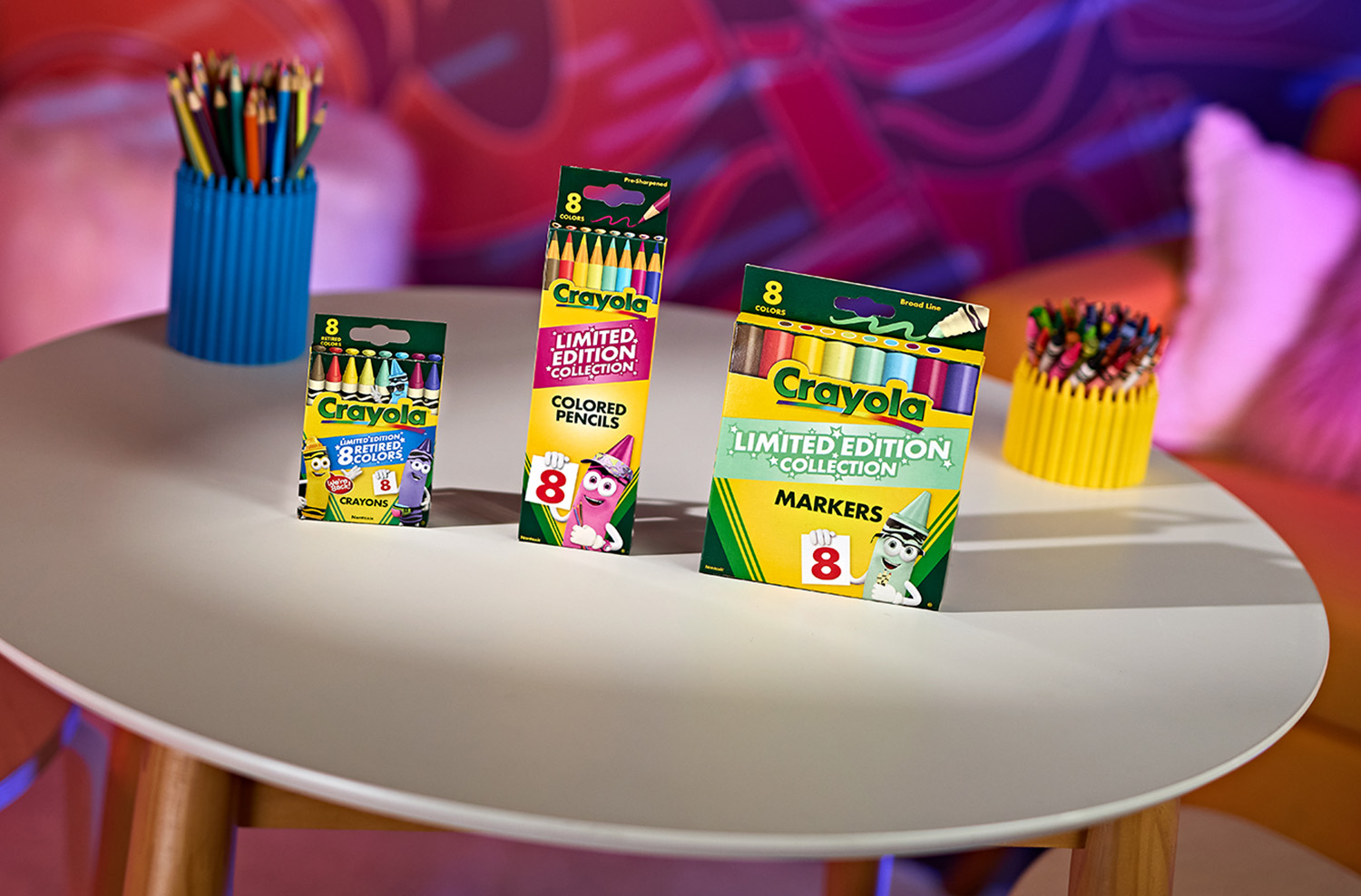
One box each of Crayola crayons, colored pencils, and markers marked Limited Edition sit on a table.

Courtesy of © 2025 Crayola, LLC

Nothing lasts forever. Every so often, the crayon company Crayola retires some of its colors to make room for new ones. But in early 2025, Crayola announced a plan to bring eight of its colors out of retirement for a limited time. One of those colors is Dandelion, a shade of yellow that fans have wanted back ever since it disappeared from crayon boxes in 2017.

The rest of the list includes a few colors that haven’t been available in 35 years!

  • Dandelion (retired in 2017)
  • Blizzard Blue, Magic Mint, and Mulberry (retired in 2003)
  • Orange Red, Violet Blue, Lemon Yellow, and Raw Umber (retired in 1990)

These colors are available in a limited edition pack all through 2025.

The Art of Art

A girl uses a charcoal pencil to draw at a table where there is a container holding many other pencils and other drawing tools.

© dplett/stock.adobe.com

Do you like to draw? You can learn more about drawing tools and techniques at Britannica!

Word of the Day Icon

Word of the Day

confidant

Part of speech:

noun

Definition:

: a trusted friend you can talk to about personal and private things

Definitions provided by
Merriam-Webster Logo
Game Icon

Play

Word Search

.

In Case You Missed It

When 5th graders asked Major League Baseball player Ozzie Albies which pet fish to get, he helped out in a big way.
March 11, 2026
Taryn Smith is the first American woman to row solo across the Atlantic Ocean.
March 5, 2026
A powerful waterfall doesn’t easily freeze, but this winter has been especially cold!
March 3, 2026
For Women’s History Month, we’re honoring two women who inspired many others to take to the skies.
February 26, 2026