Same Schools for All
In 1848, a Black man sued the city of Boston, Massachusetts, to let his daughter attend a whites-only school. What happened next?
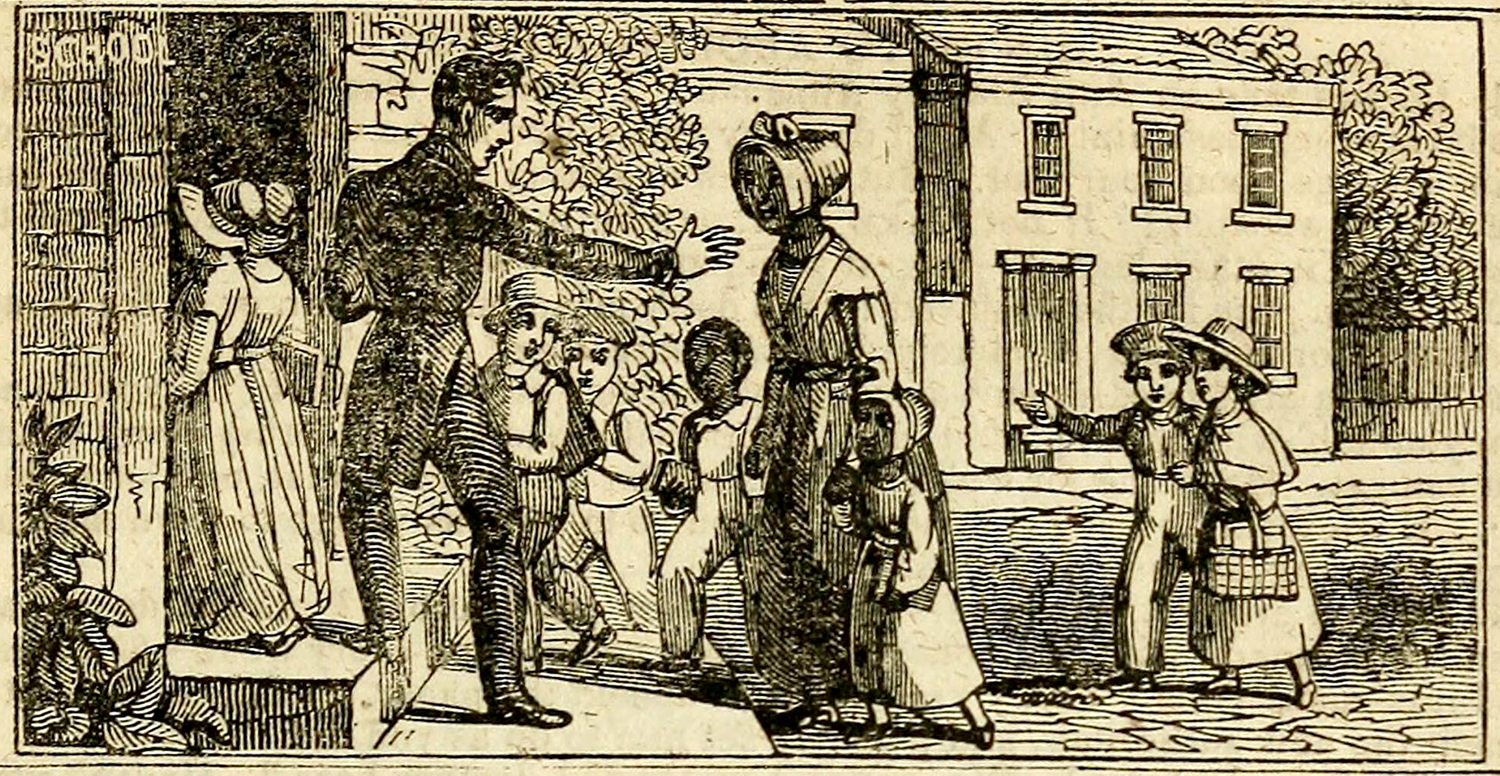
© Reading Room 2020/Alamy
This illustration was published by the Anti-Slavery Society in 1838. It shows a man telling Black students they cannot enter a school.
History books tell the story of Brown v. Board of Education, the court case that made school segregation illegal. But the fight to end school segregation is a lot older than that. For Black History Month, we’re telling a story that isn’t always included in the history books.
In 1850, the Massachusetts Supreme Court ruled on a school segregation case called Sarah C. Roberts v. The City of Boston. This decision would affect the lives of Americans for decades to come.
Massachusetts Schools
Let’s set the scene. In the 1840s, slavery was still legal in the southern United States. Like other northern states, Massachusetts no longer permitted slavery. But the state’s public schools were racially segregated. And the schools set aside for Black students were often not as well funded as the “white” schools.
In Boston, Massachusetts, many Black parents noted that the schools for Black children were in disrepair. They filed several petitions (formal complaints) with the Boston Primary School Committee. In 1846, they wrote to the committee that “the establishment of exclusive schools for our children…deprives us of those equal privileges and advantages in the public schools to which we are entitled as citizens. These separate schools cost more and do less for the children than other schools.”
Benjamin Roberts Goes to Court
In 1848, Boston resident Benjamin Roberts tried to send his 5-year-old daughter, Sarah, to the school closest to his home. But since this school was exclusively for white students, Roberts’s request was denied. He decided to sue the city of Boston.
Roberts hired Robert Morris, the first Black attorney in Massachusetts, who teamed up with abolitionist (anti-slavery activist) Charles Sumner. The pair argued the case before the Massachusetts Supreme Court on November 1, 1849. During the hearing, Sumner pointed out that the Massachusetts state constitution says that “all men, without distinction of color or race, are equal before the law.” In other words, school segregation was unconstitutional, meaning that it went against what the constitution says.
The court ruled against Roberts anyway.
After the Case
Roberts lost Sarah C. Roberts v. The City of Boston, but the story isn’t over. Black and white activists in Boston continued the battle together for years. Working with Sumner, Roberts took his anti-segregation argument to the Massachusetts legislature. In 1855, lawmakers banned segregation statewide.
But Sarah C. Roberts v. The City of Boston had another long-lasting effect—and not a good one. In the future, other courts would use the Sarah C. Roberts v. The City of Boston decision as proof that segregation was constitutional.
In 1896, the U.S. Supreme Court heard a case called Plessy v. Ferguson. The court ruled that it was legal and acceptable for schools, restrooms, and other facilities to be “separate but equal.” In other words, segregation was okay as long as facilities for Black and white Americans were the same. In reality, facilities for Black Americans were often much worse.
Did You Know?
Boston’s public schools were still racially segregated as late as the 1970s because of segregated neighborhoods.
In the fall of 1974, after a court ruled that the schools had to integrate, the city began using buses to take students to schools outside their neighborhoods. The photo below shows a Boston classroom on the first day busing took effect.
Sadly, many residents opposed integration, and some reacted with violent demonstrations. Today, experts say the effort to integrate the Boston public schools was only partly successful.
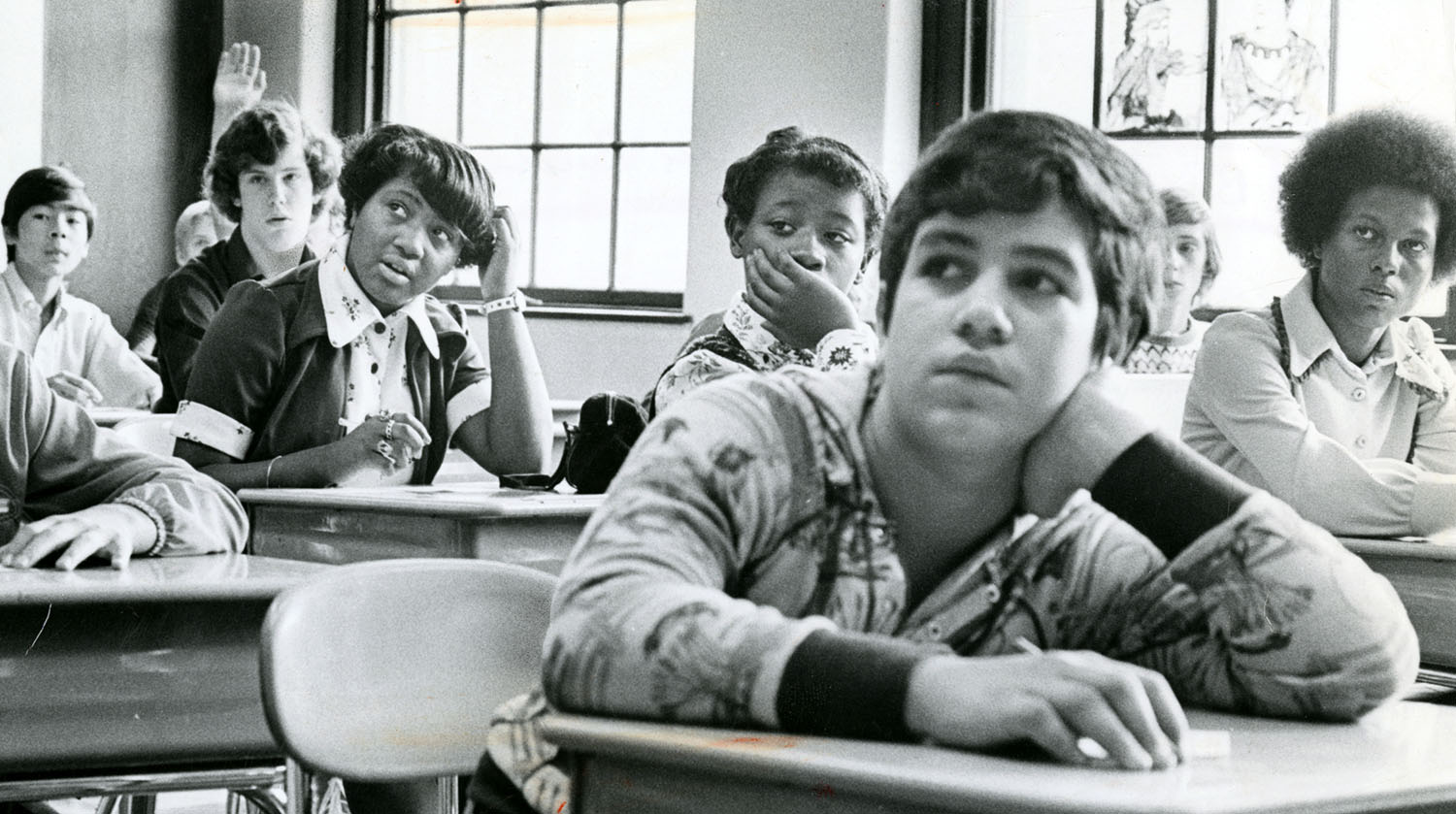
© Ulrike Welsch—The Boston Globe/Getty Images
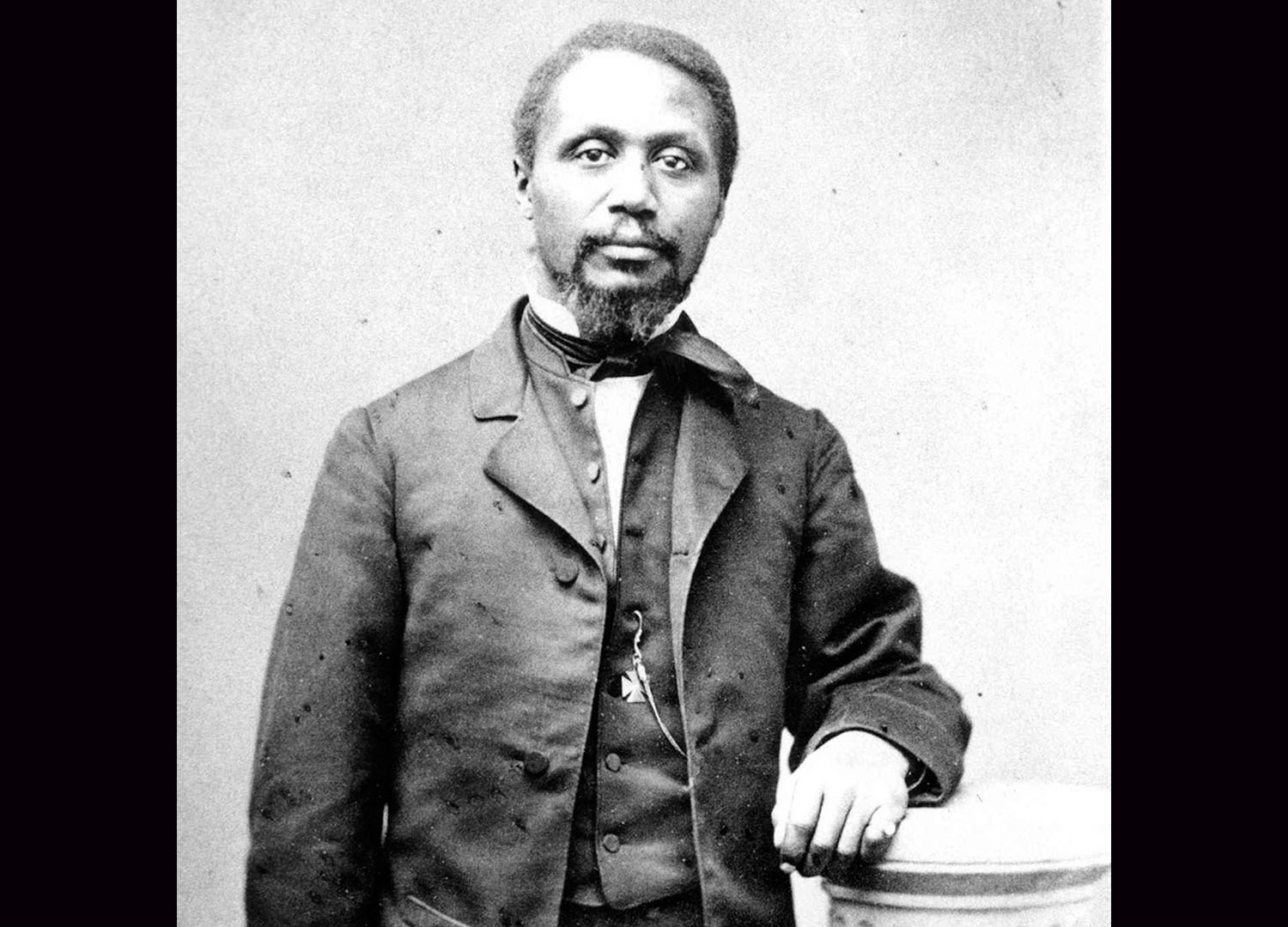
Robert Morris
© History and Art Collection/Alamy
Who was Robert Morris, the lawyer who fought to end segregation in Boston?
Born in Salem, Massachusetts, in 1823, Morris was the grandson of an enslaved man who later became a community leader. When Morris was 13, he began working for Ellis Gray Loring, a white lawyer and abolitionist. Eventually, Morris became Loring’s secretary, and Loring encouraged him to study law. By 1847, Morris was a practicing lawyer—only the second Black lawyer in the United States.
Morris took cases that were meant to advance civil rights. He was just 26 years old when he argued for ending school segregation in the case Sarah C. Roberts v. The City of Boston. (You can read more about this case in the main article on this page.)
In 1850, the U.S. government passed a law called the Fugitive Slave Act. This law gravely affected enslaved people who made their way to the North in search of freedom. It required Americans to return freedom seekers to their enslavers.
Morris responded to the Fugitive Slave Act by forming the Boston Vigilance Committee. This organization’s purpose was to hide and protect freedom seekers. Morris also formed a militia group to protect Boston’s Black communities.
Morris continued to fight for civil rights after 1865, when slavery was outlawed. In particular, he championed Black Americans’ voting rights and housing rights (the right to live anywhere white people could live). Morris died in 1882.
Black History Month




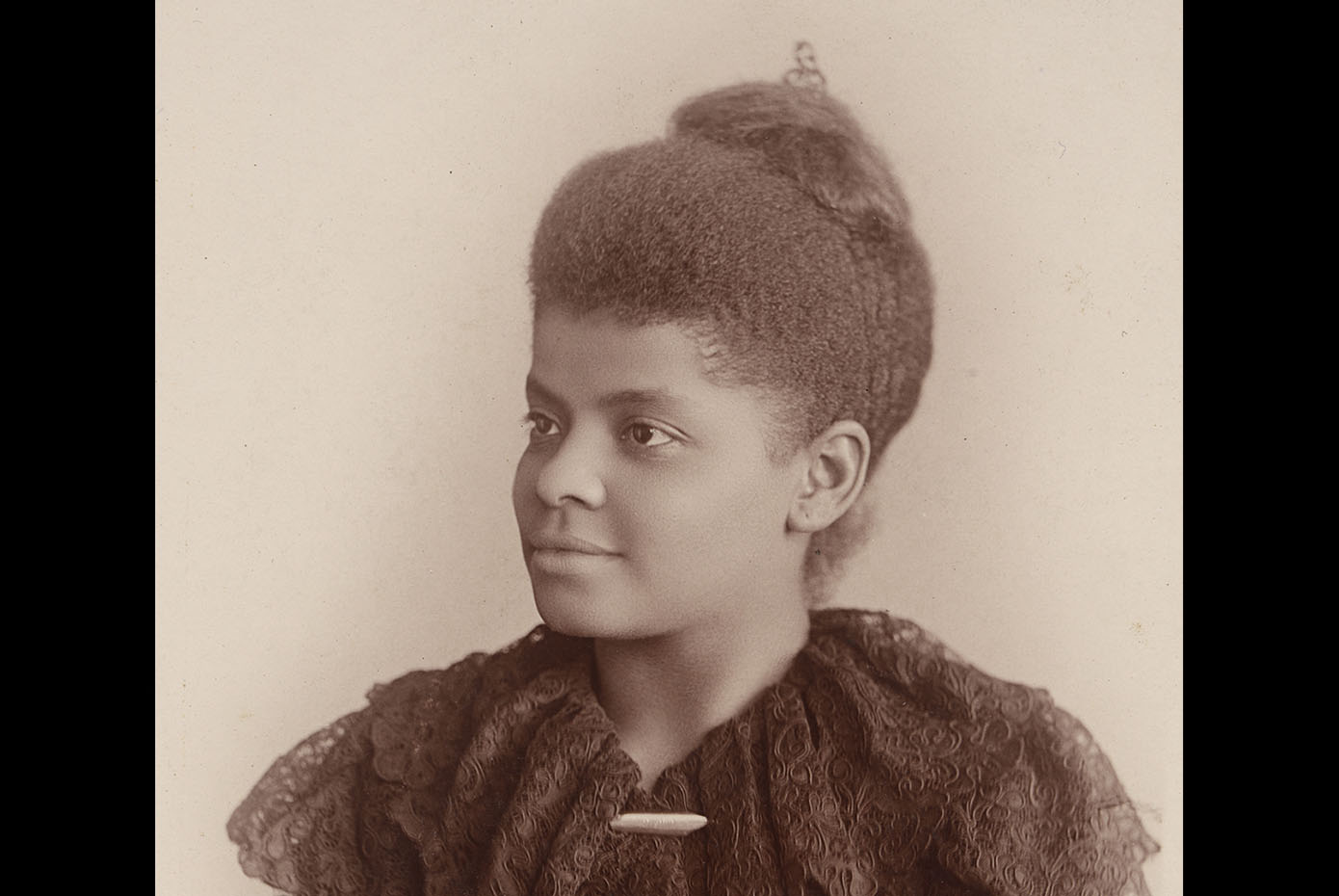
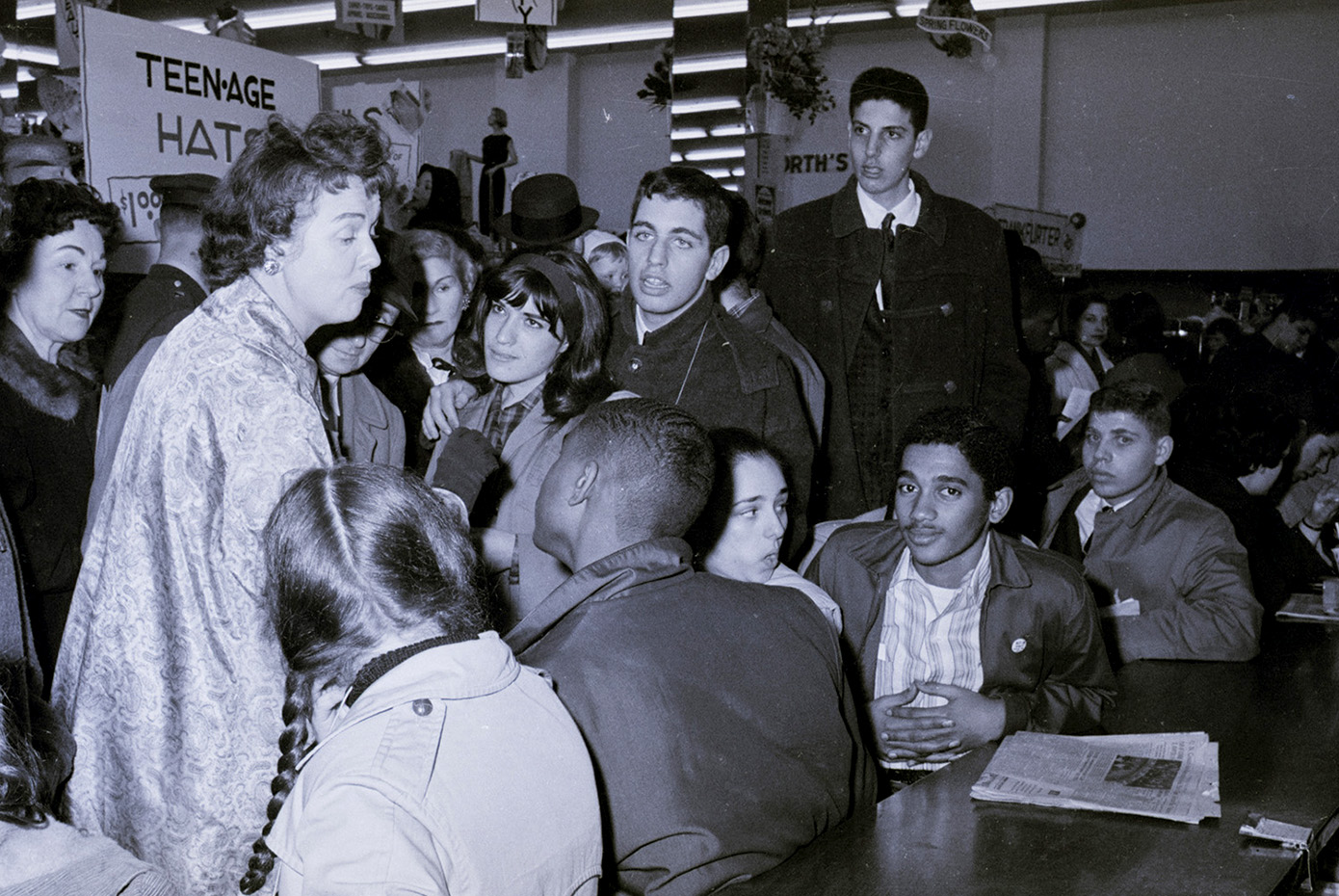
OBAMA—Samantha Appleton/The White House. ALVIN AILEY— © Earl Gibson III/Getty Images Entertainment. MAE JEMISON— NASA Marshall Space Flight Center. SIMONE BILES—© Jamie Squire/Getty Images. IDA B. WELLS—National Portrait Gallery, Smithsonian Institution LUNCH COUNTER SIT-INS—© Bettmann/Getty Images
February is Black History Month. Interested in learning more about Black history and Black Americans’ contributions to science, the arts, and more?
Click through the slideshow above, which features just a few of the people and events that have shaped Black history. Then check out Britannica to learn more!
WORD OF THE DAY
equitable
adjective
: just or fair : dealing fairly and equally with everyone

Sudoku
Fill in the rest of the grid using the numbers 1-9. Numbers can’t be repeated within a row, column, or 3×3 square.