Teen Takes on Climate Change
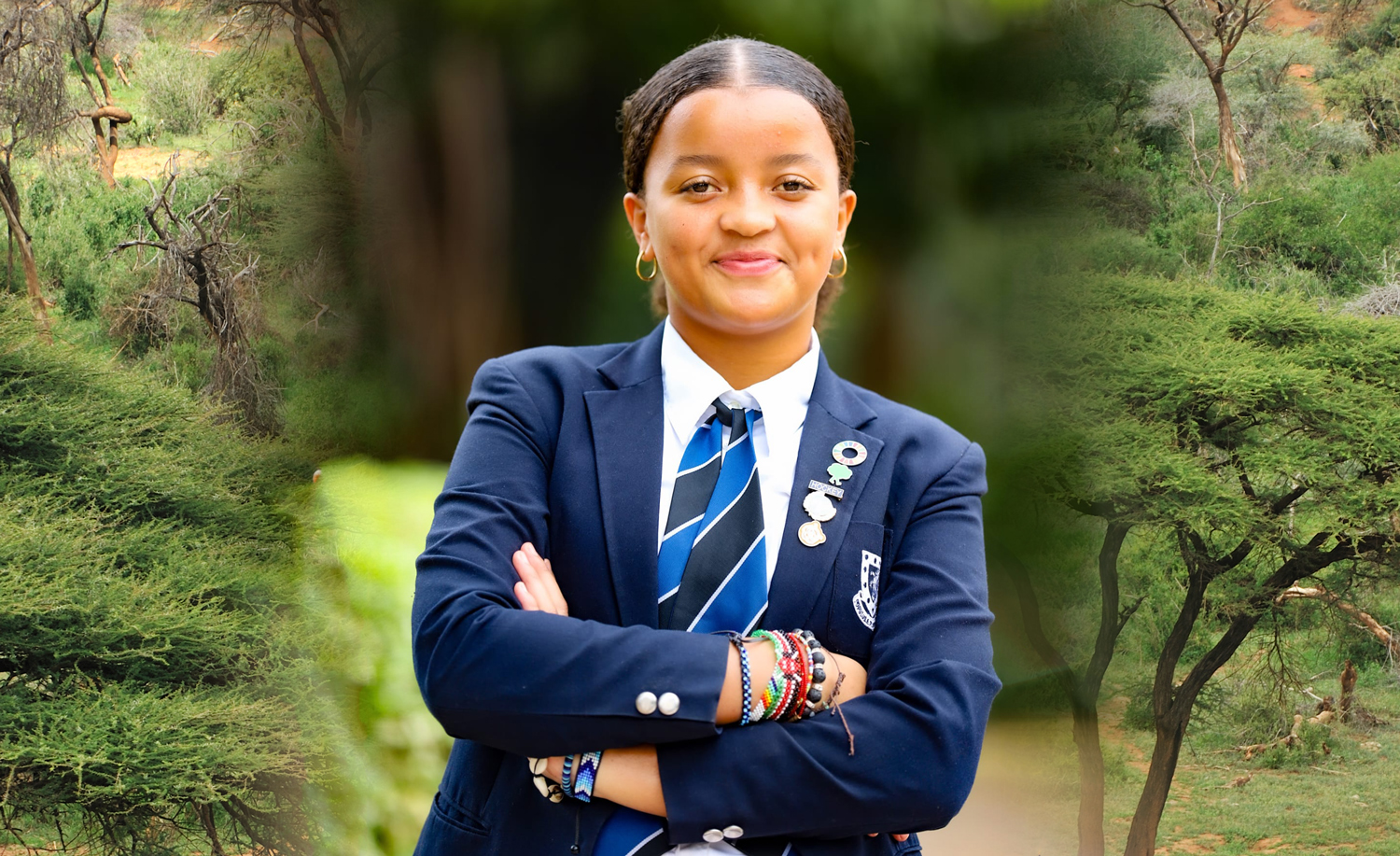
Ellyanne Wanjiku Chlystun has helped plant more than a million trees, and she’s just getting started.
Courtesy of Ellyanne Wanjiku Chlystun, Africa’s Youngest Climate Change Ambassador, © christophe_cerisier—E+/Getty Images; Photo composite Encyclopædia Britannica, Inc.
At 14, Ellyanne Wanjiku Chlystun is doing everything she can for the climate.
Fourteen-year-old Ellyanne Wanjiku Chlystun remembers the first time she planted a tree.
“I remember at the time eating either an orange or lemon and I took the seed…and put it in the soil and then it started growing and sprouting,” Ellyanne told the BBC. “I fell in love with what I was doing, so I planted more.” Since then, Ellyanne estimates, she has helped get 1.3 million trees planted in her home country of Kenya and beyond. Trees not only absorb excess carbon dioxide but also help reduce the flow of floodwater.
“I feel so sad when it rains and nobody thinks of planting a tree,” Ellyanne told Nation. “When I see water going down the drain in residential areas, thereby causing flooding simply because there is no tree cover, it hurts me to the core,” she explained. Her newest goal is to get one trillion trees planted before she turns 18.
“I was brought up to believe that everything is possible, especially for me as a young person,” Ellyanne told the BBC.
Ellyanne’s tree-planting campaign has grown into a larger effort to take on climate change and its effects. She has attended several climate change conferences around the globe, giving speeches and meeting world leaders. In a speech at the 2023 United Nations Climate Change Conference in Dubai, she pointed out that climate change brings on weather patterns that increase the spread of diseases such as malaria.
Ellyanne has also appeared in documentaries, including Save Our Wildlife, which features children from all over the world talking about how climate change affects wildlife. Ellyanne speaks about how droughts are threatening the survival of elephants.
Ellyanne says climate change affects everyone—and everyone can be part of the solution.
“[Environmental matters] are universal,” Ellyanne told Nation. “It doesn’t matter where you come from. We can all come together and make this planet a better place to live in than what we found.”
Did You Know?
© Huhulin, Evgenii Naumov/Dreamstime.com; Illustration composite Encyclopædia Britannica, Inc.
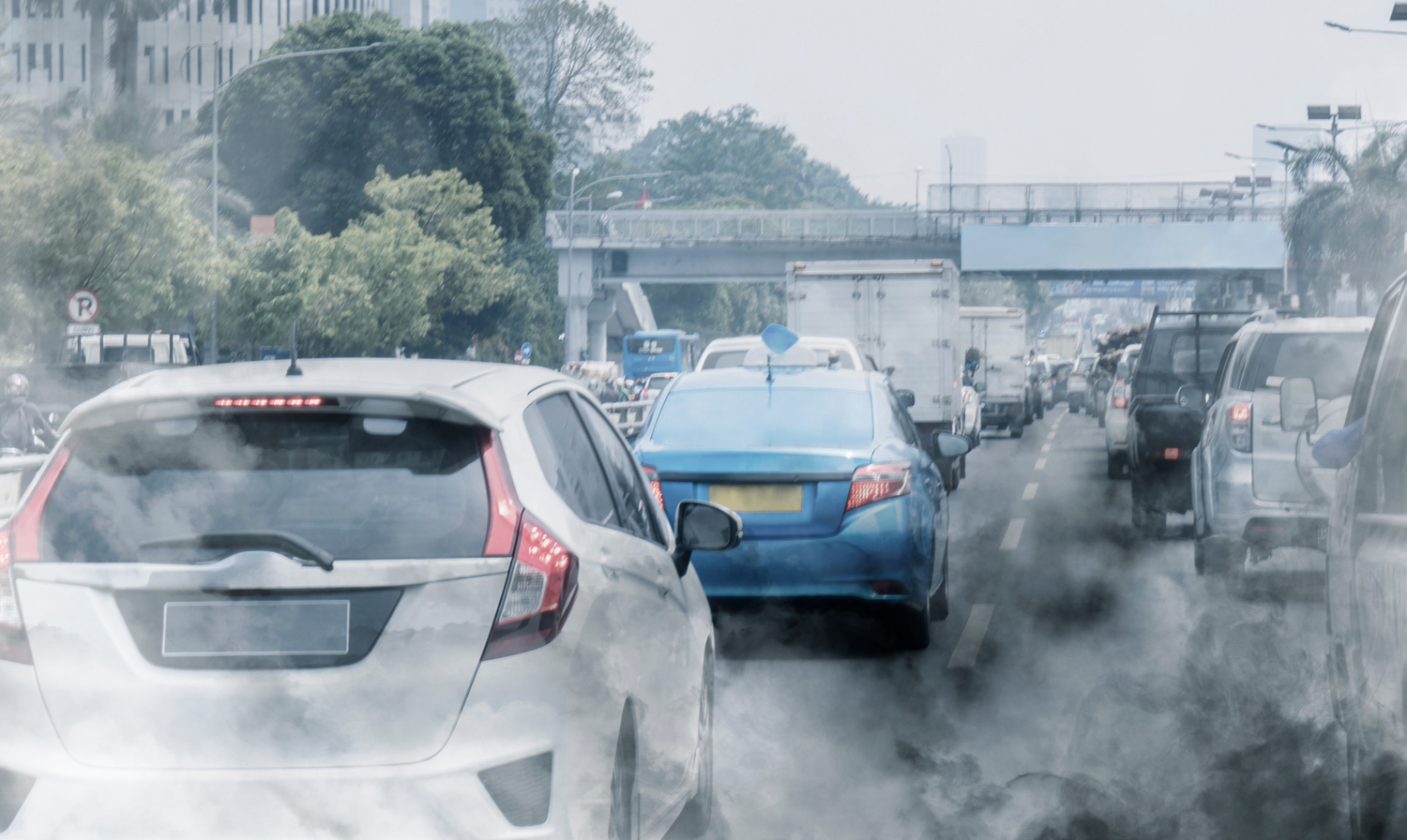
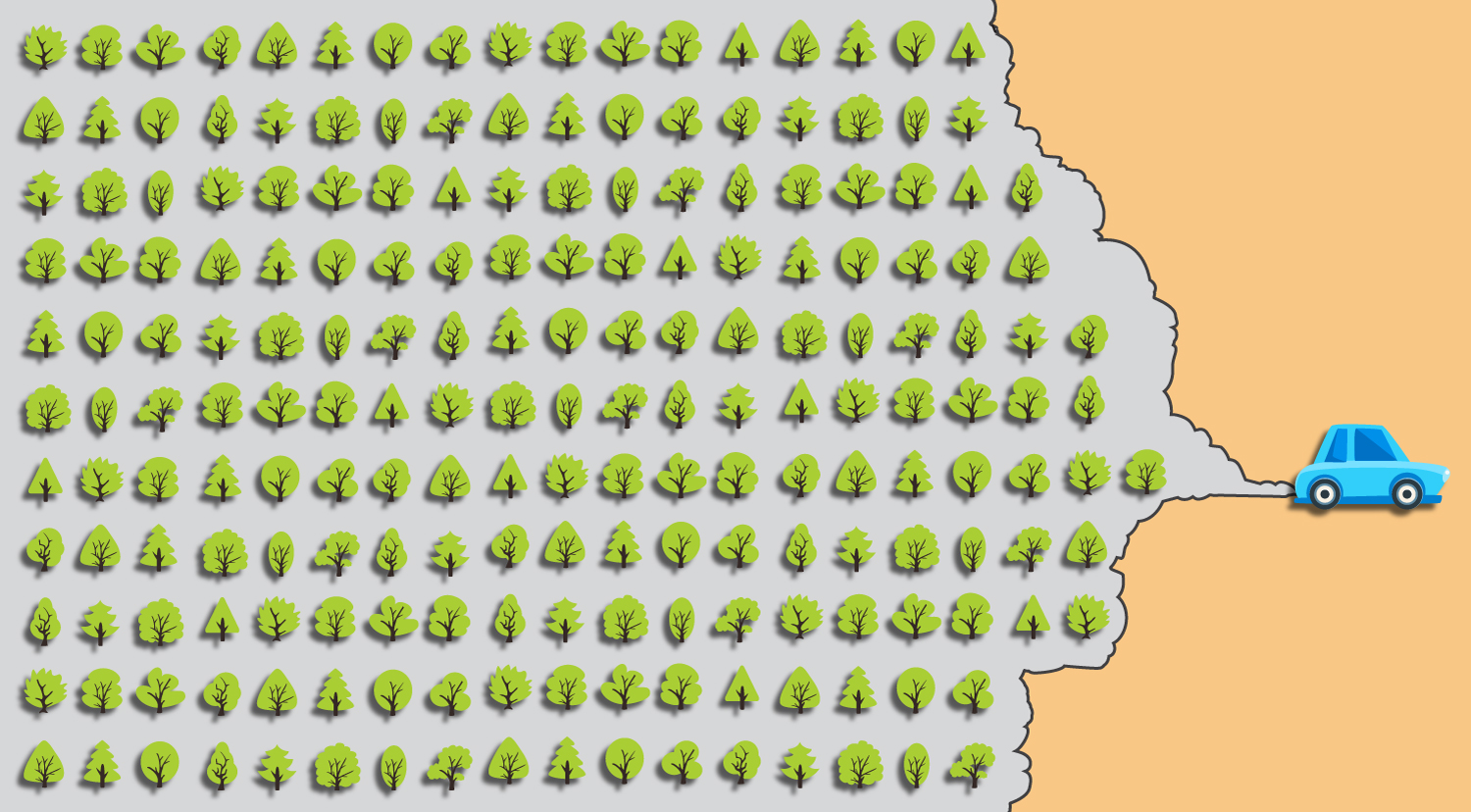
In one year, a tree can absorb about 48 pounds (22 kilograms) of carbon dioxide. By contrast, a typical passenger vehicle emits about 10,140 pounds (4,600 kilograms) of carbon dioxide per year.
The Cost of Climate Change
Bob Nichols/USDA
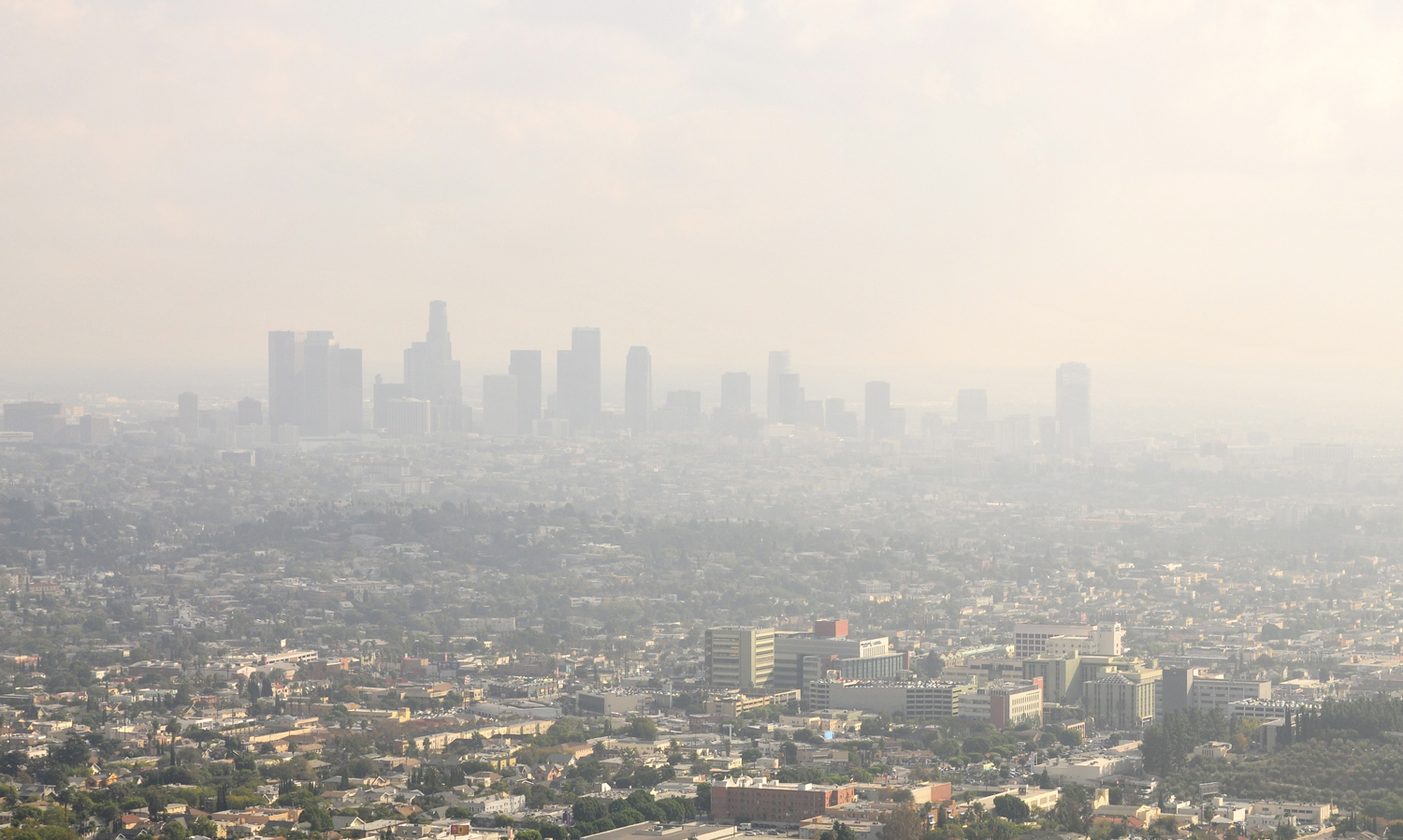
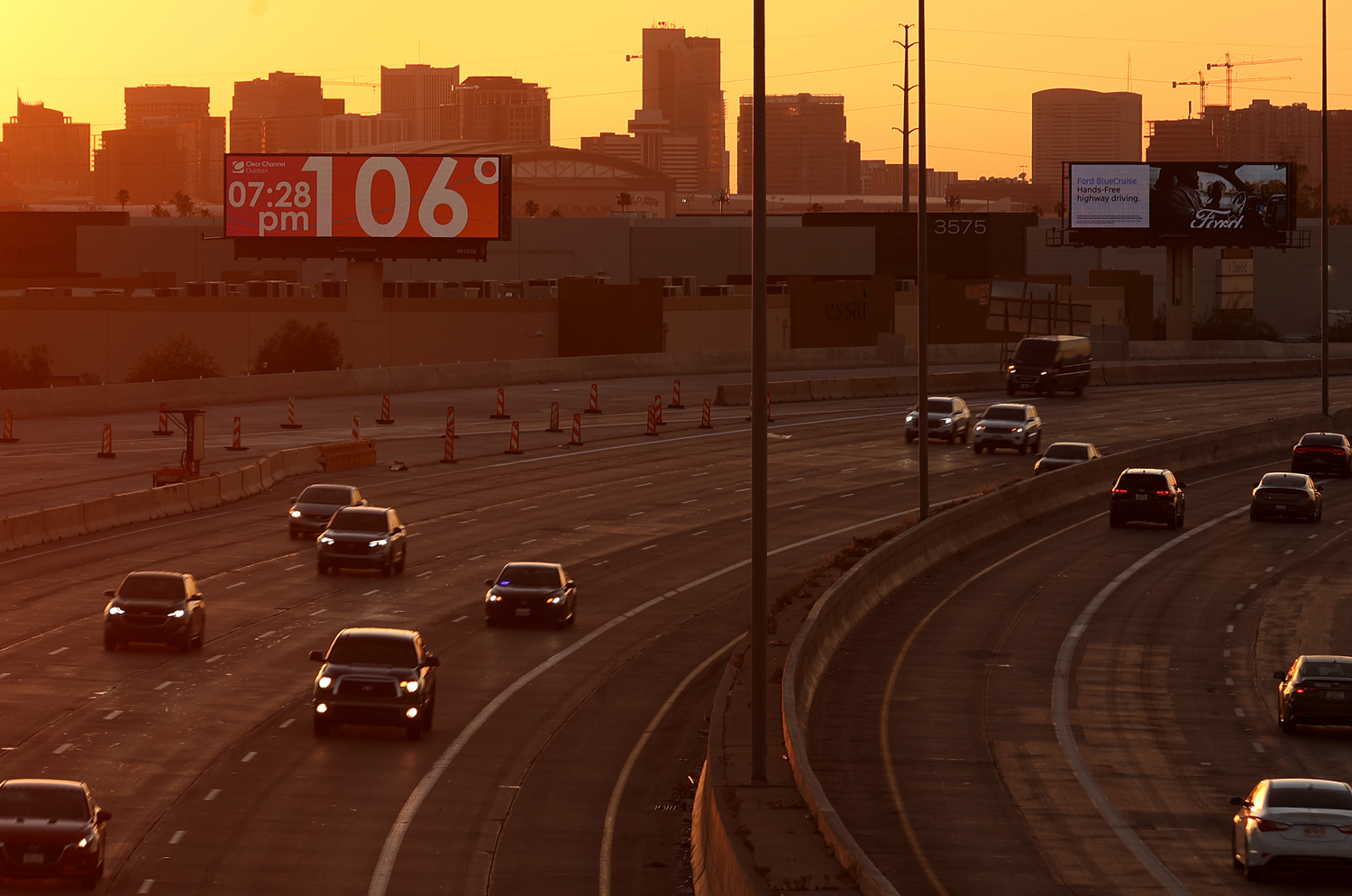
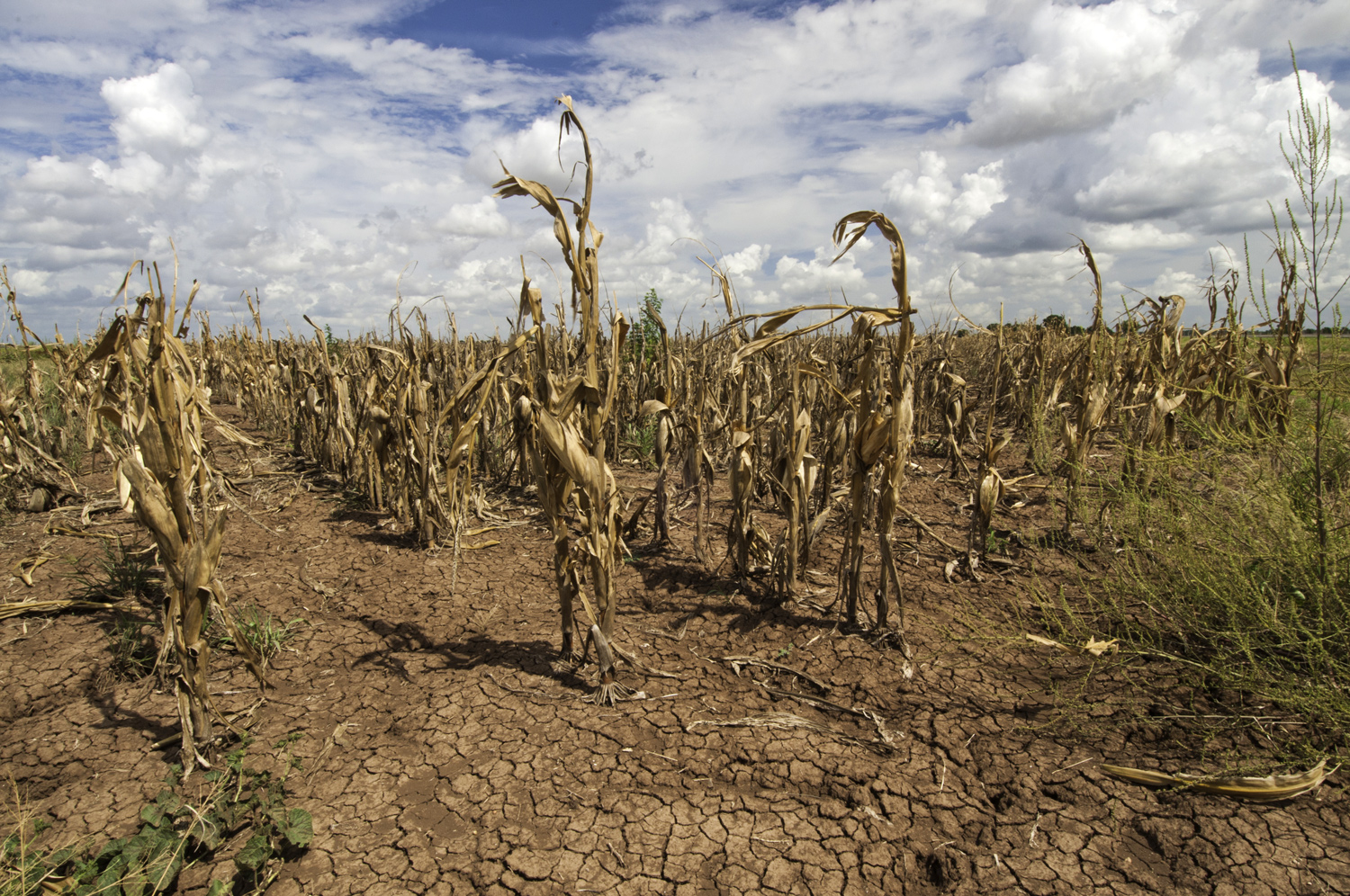
Climate change comes with consequences, including higher temperatures and more extreme weather. But did you know that climate change has also been linked to higher food prices?
A 2024 study looked at weather conditions and food prices in 121 nations between 1996 and 2021 and found a connection between higher temperatures and higher food prices.
This does not mean that climate change is the only cause of higher prices. Many factors can cause the things we buy to become more or less expensive. But extreme weather, such as heat, can affect farmers’ ability to produce crops. When supplies are lower, prices go up.
Ellyanne’s Hero
Mark Garten/UN Photo, © Siarhei Nosyreu/Dreamstime.com; Photo illustration Encyclopædia Britannica, Inc.
Gen Z and Gen Alpha—today’s kids, teens, and 20-somethings—are on the front lines of the fight to curb climate change. But environmental activism got its start decades ago.
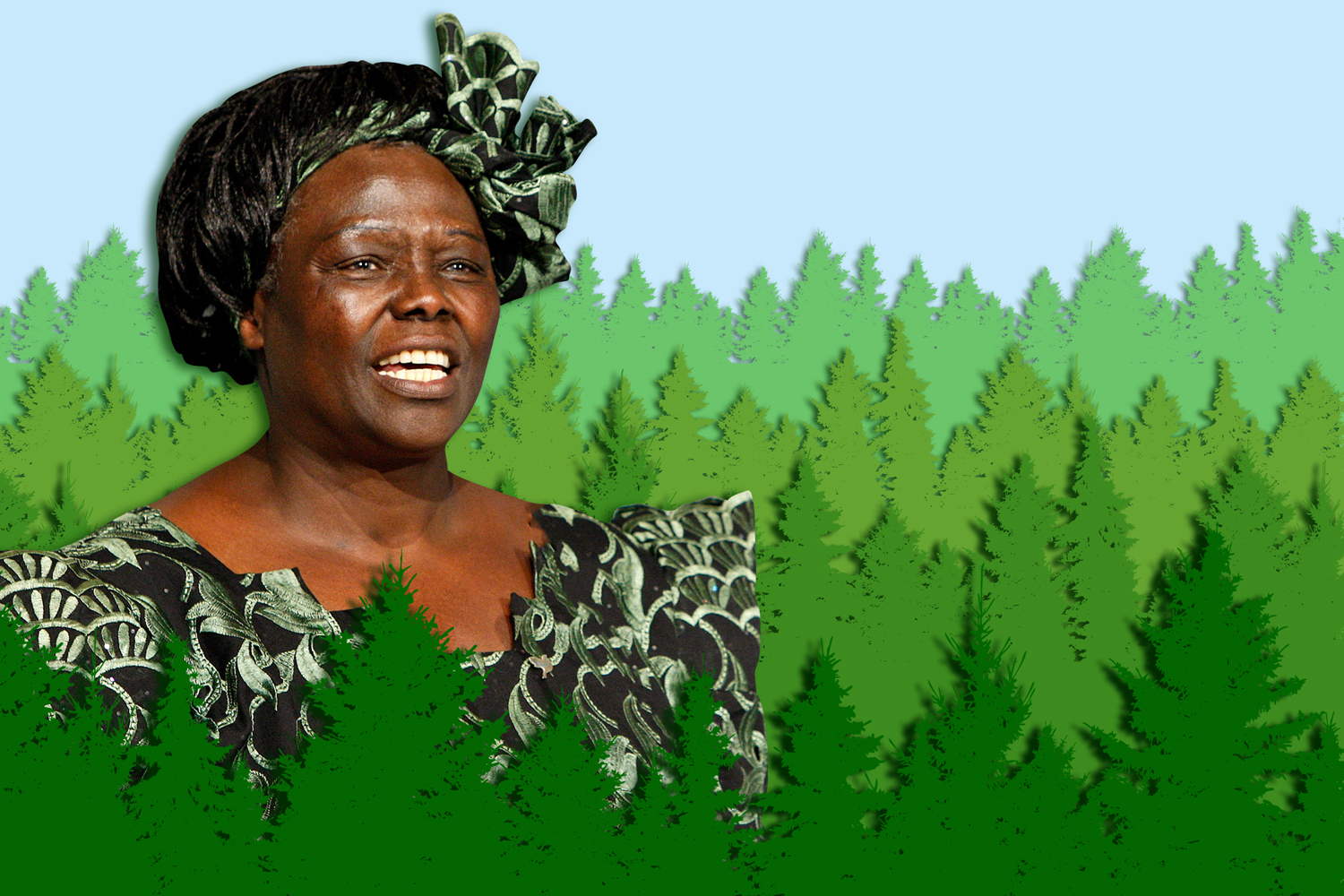
Wangari Muta Maathai was dedicated to a range of causes, but she’s best known for her tree-planting efforts. The Kenyan environmentalist led a movement that resulted in the planting of 50 million trees and inspired countless activists, including 14-year-old Ellyanne Wanjiku Chlystun.
You can read more about the life and work of Wangari Maathai at Britannica.
WORD OF THE DAY
initiative
noun
: a plan or program that is intended to solve a problem

Word Search
See if you can find 10 of Earth’s natural features in this puzzle.