Going for Gold
We’re highlighting eight athletes who could make this year’s Olympics one to remember.
© Zhukovsky/Dreamstime.com
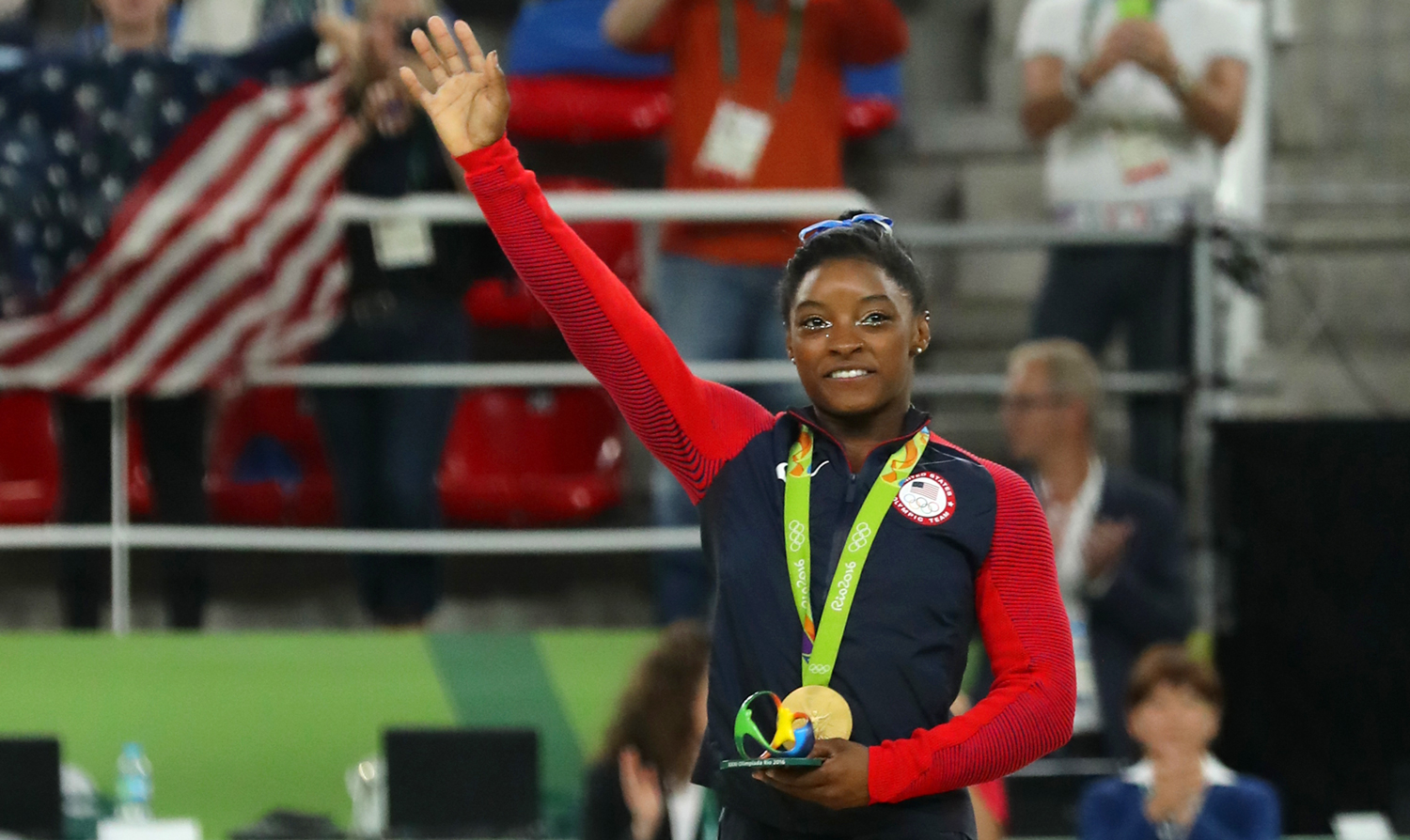
Gymnast Simone Biles earned medals at the 2016 and 2020 Olympics. Will it be a three-peat?
The world’s best athletes will gather in Paris, France, this year to compete in the 2024 Summer Olympics. Opening on July 26, the Olympics will include everything from gymnastics to basketball to breakdancing.
More than 10,000 athletes are scheduled to compete during the two-week event. We’re highlighting a few who experts say have a good chance at striking gold.
© Zhukovsky/Dreamstime.com
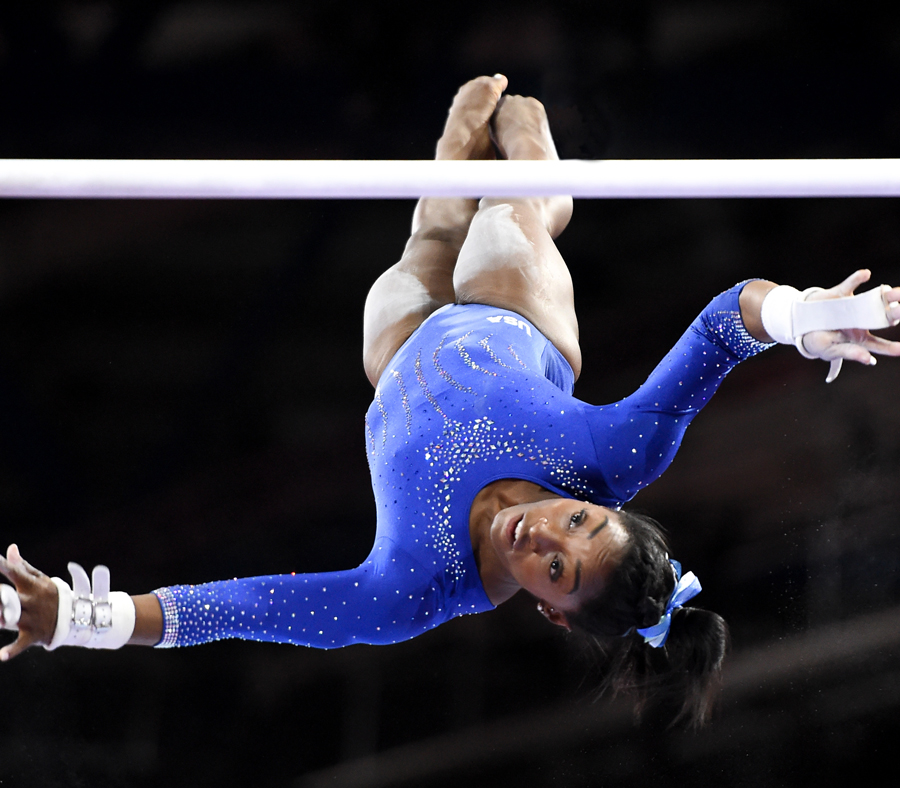
Simone Biles, gymnast
USA
The best gymnast in the world—maybe ever—continues to set herself apart with ultra-difficult moves on the vault, uneven bars, balance beam, and floor. At her third Olympics, Biles hopes to add to her collection of Olympic medals, which includes four gold, one silver, and two bronze.
© Lintao Zhang/Getty Images Sport
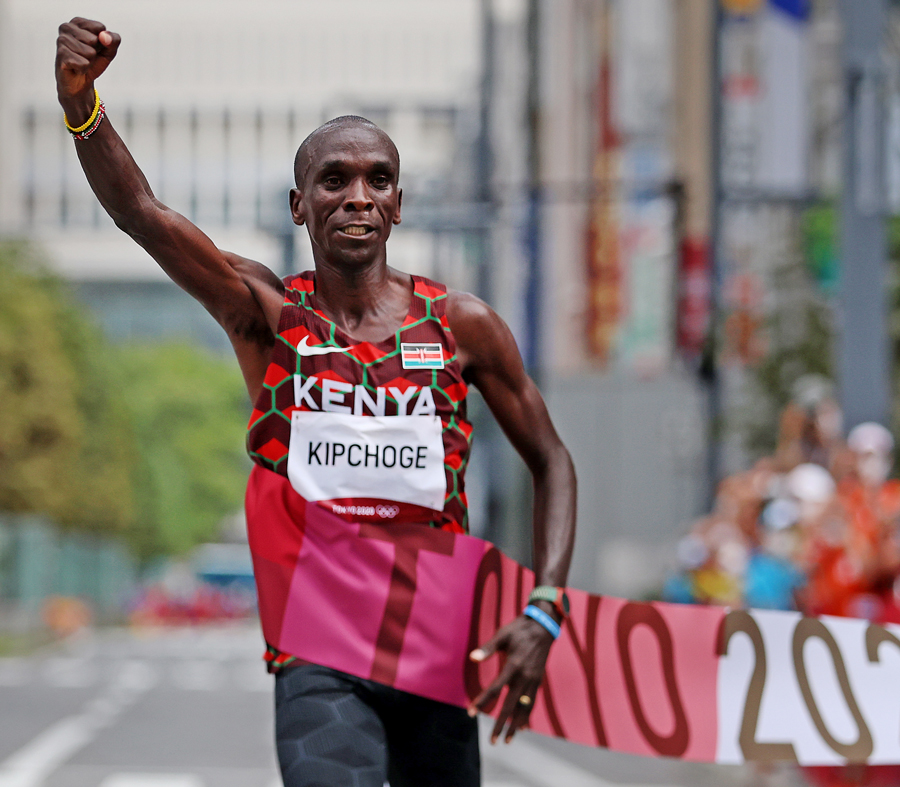
Eliud Kipchoge, marathon runner
Kenya
Another contender for a GOAT (greatest of all time) title, Kipchoge has won 15 of the 18 marathons in which he has raced. In addition to two Olympic gold medals, he has won multiple Chicago (2014), Berlin (2015, 2017, 2018, 2022, and 2023), and London (2015, 2016, 2018, and 2019) marathons.
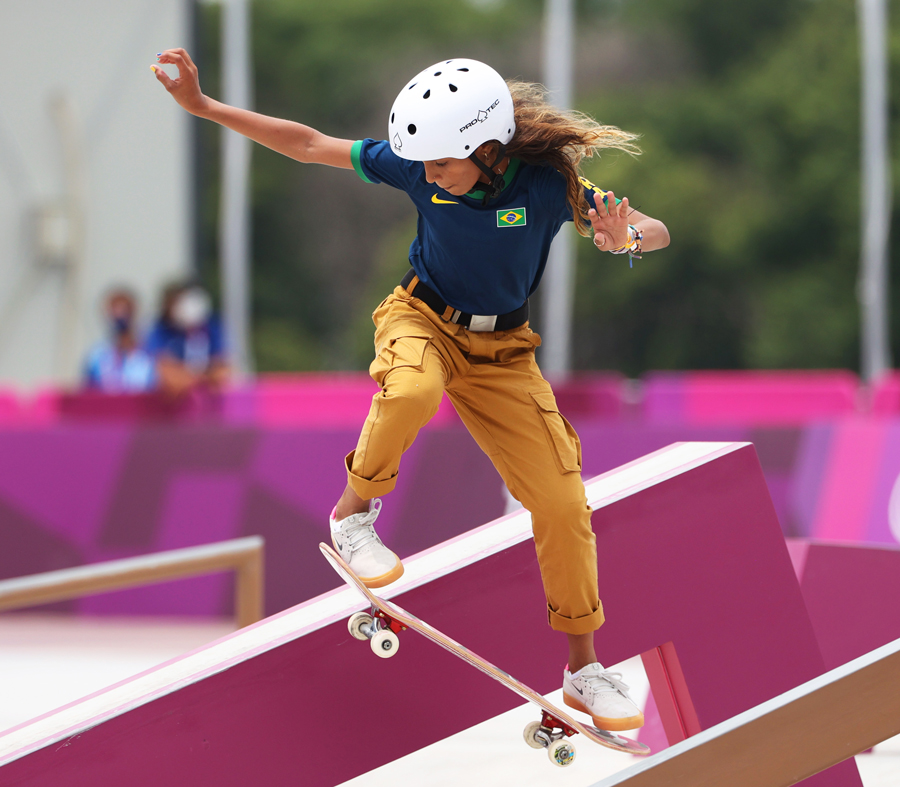
Rayssa Leal, skateboarder
Brazil
Leal has been winning international competitions since she was 11. She won the silver medal in street skateboarding at the 2020 Tokyo Olympics at age 13, making her one of the youngest medalists in the history of the games.
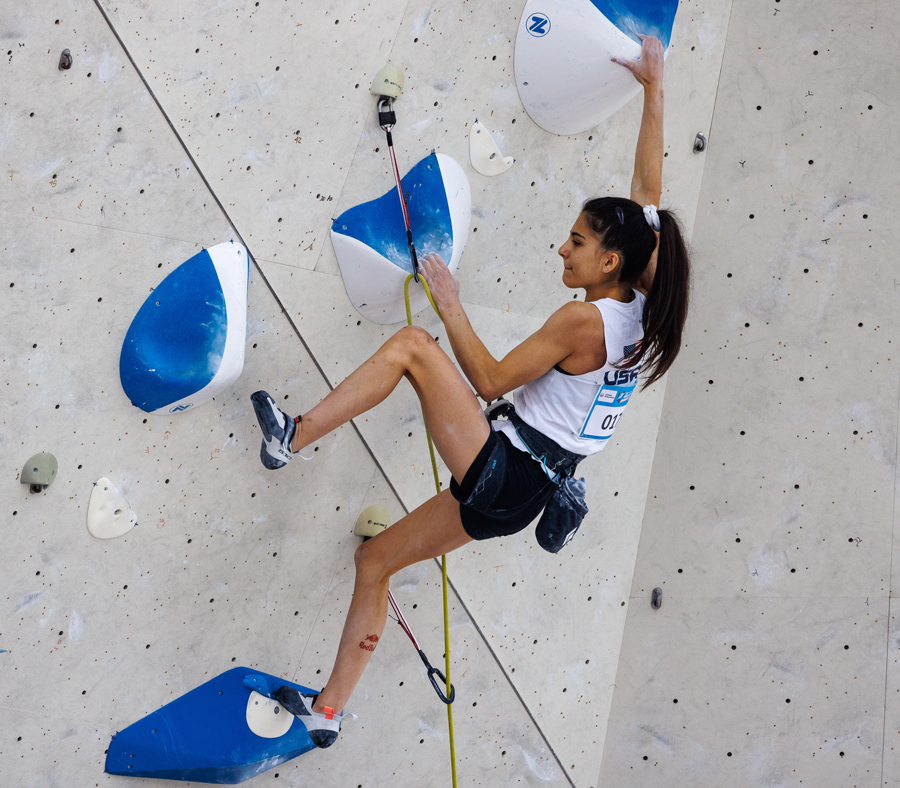
Natalia Grossman, sport climber
USA
Grossman, who competes in several types of climbing events, is a world-class contender in bouldering (a sport that involves climbing a short wall without ropes). She’s already won several international competitions and will make her Olympics debut in 2024.
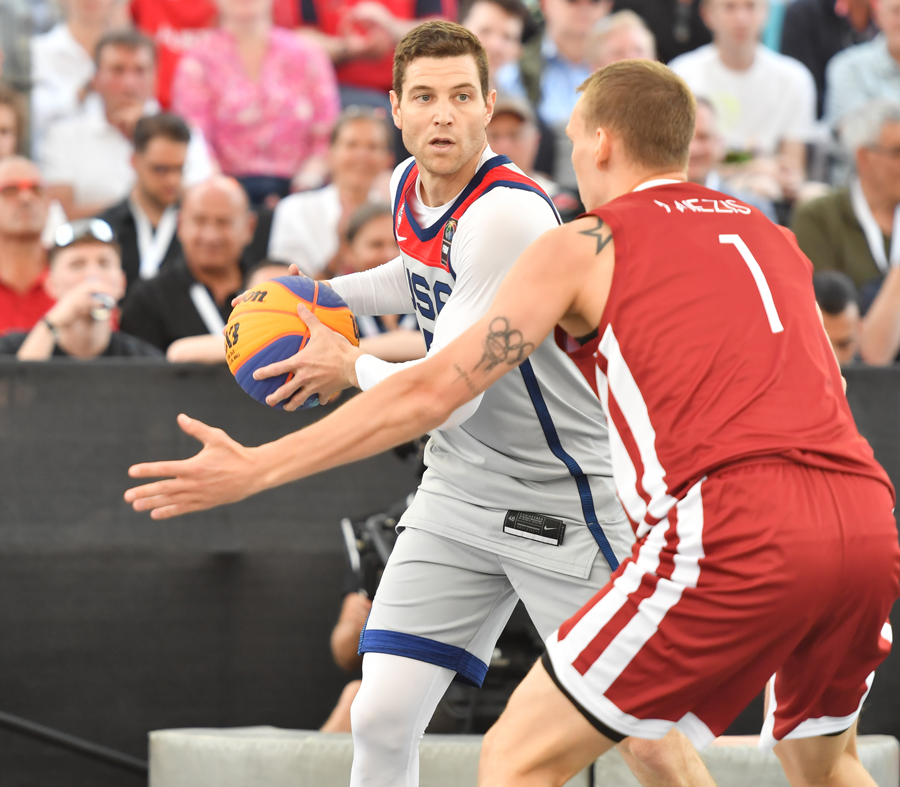
Jimmer Fredette, basketball player
USA
Fredette was a scoring sensation when he played college basketball and played for several teams in the National Basketball Association, or NBA. In 2022, he began playing 3×3 basketball (which is played on a half-court with three players on each side). He’s expected to be a standout at the Paris games.
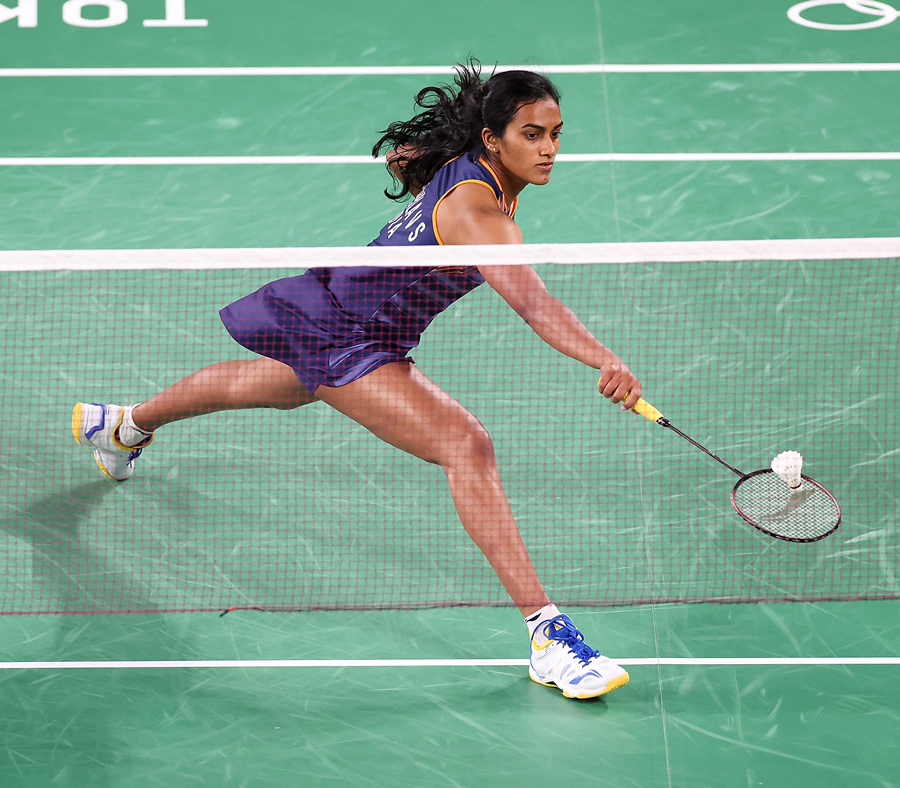
P.V. Sindhu, badminton player
India
Sindu is the first Indian woman to win two Olympic medals—a silver medal at the 2016 games and a bronze at the 2020 games. A gold medal winner at the 2019 Badminton World Federation Championships, she’s hoping to add an Olympic gold medal to her trophy case.
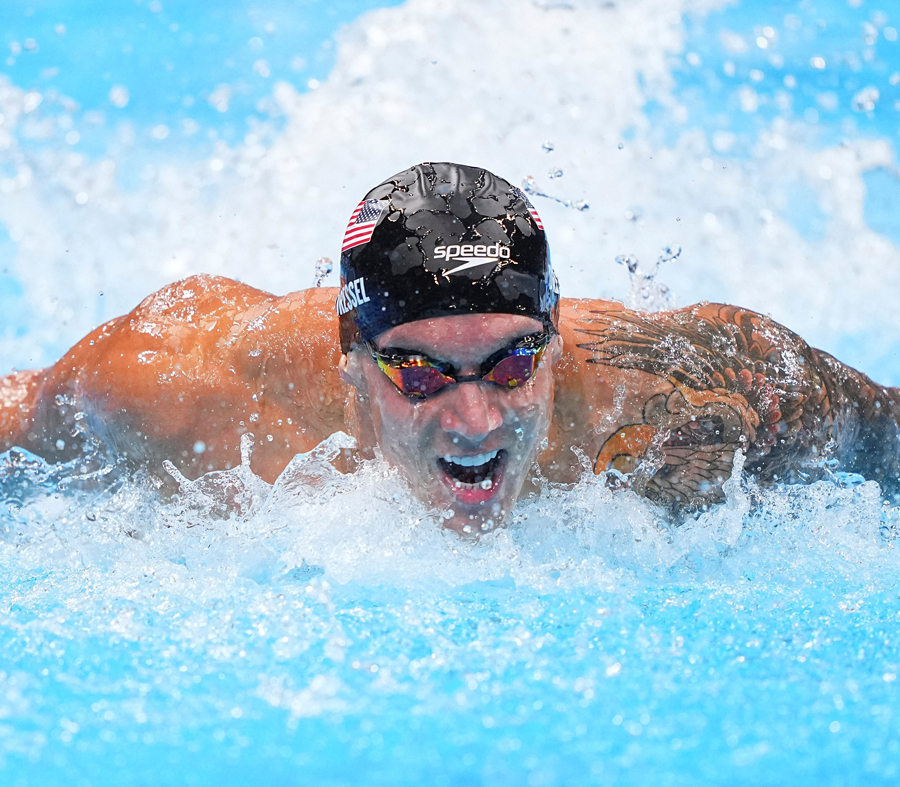
Caeleb Dressel, swimmer
USA
Dressel is a talented sprinter, known for his performances in 50-meter and 100-meter races. At the 2020 Tokyo Games, he became just the fifth swimmer to win five gold medals at a single Olympics, leading to comparisons with swimming legend Michael Phelps, who has 23 gold medals. Dressel had already captured gold twice at the 2016 Olympics.
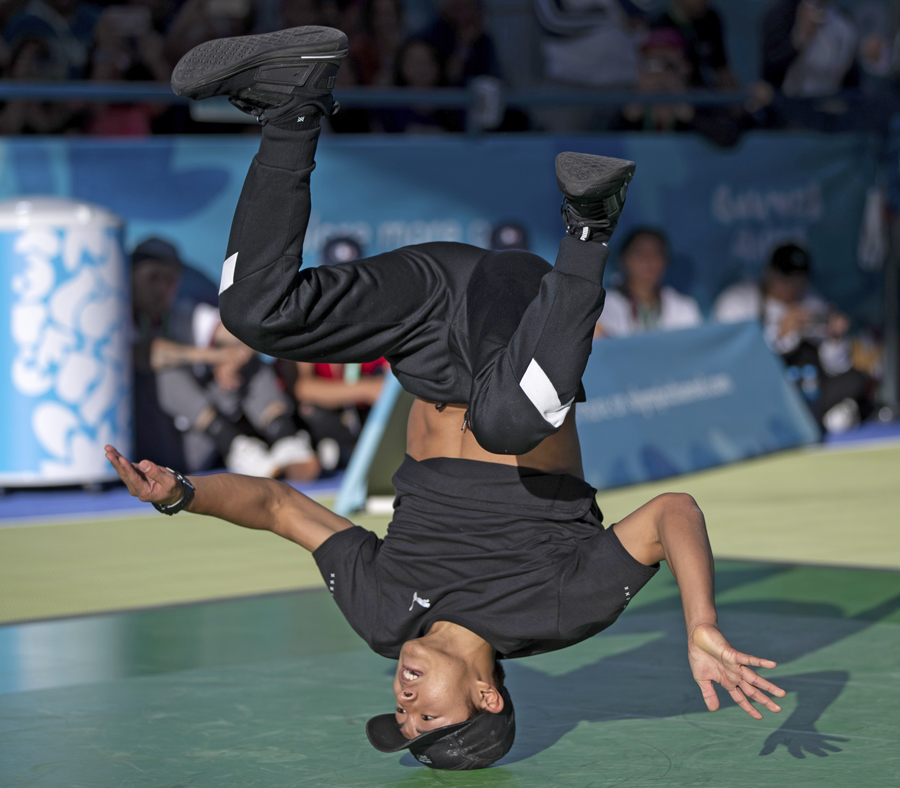
Shigeyuki Nakarai, breakdancer
Japan
Breakdancing, or breaking, is making its Olympic debut in 2024, and so is Shigeyuki Nakarai. Known as Shigekix, Nakarai won a bronze medal at the World Games in 2022 and a gold medal at the 2023 Asian Games, making him a strong contender for an Olympic gold.
NEWS EXTRA
Fifty-Five Years Ago: Moon Walk
On July 16, 1969, 55 years ago, the Apollo 11 spacecraft took off from Kennedy Space Center in Cape Canaveral, Florida, for a mission to the Moon. Days later, Neil Armstrong became the first person to walk on the lunar surface.
Back on Earth, hundreds of millions of TV viewers watched in amazement. The video shows just a bit of what they saw.
NASA
Did You Know?
Hosting the Olympics is costly, but it also attracts millions of visitors and a lot of attention. Some cities have even hosted the games more than once. The map shows where the Olympics have been held.
Croquet, Anyone?

Hulton Archive/Getty Images
This photo was taken at the 1896 Olympics.
If you could travel back in time to some early Olympic games, you might not recognize all the sports. In fact, it’s likely you wouldn’t! The Olympics have changed a lot, from their roots in ancient Greece about 3,000 years ago, to the birth of the modern games in 1896.
Recent additions to the Summer Olympics include breakdancing, surfing, skateboarding, sport climbing, and 3×3 basketball. Check out some Olympic events from the past and see if you agree with the decision to remove them from the games.
Croquet
Year it was last part of the Olympics: 1900
How it’s played: Use a mallet—a kind of stick with a head on it—to hit balls through a series of hoops that are stuck into the ground.
High Jump and Long Jump for Horses
Year it was last part of the Olympics: 1900
How it’s done: Ride a horse as it jumps over hurdles, achieving the greatest height or longest distance possible (depending on the event). The highest jump on record was 2.47 meters, or just over 8 feet.

La Vie au Grand Air, 1900
Swimming Obstacle Course
Year it was last part of the Olympics: 1900
How it’s done: Swim down a river while trying to get through or over obstacles—including a row of boats.
Plunge for Distance
Year it was last part of the Olympics: 1904
How it’s done: Dive into water and glide as far as possible without using any part of your body to push yourself forward.
Tug-of-War
Year it was last part of the Olympics: 1920
How it’s played: With a team, pull on one end of a rope as another team pulls on the other end. See if you can pull the other team toward you until a marker on the rope crosses a center line.

Meeting of Frontiers/Library of Congress, Washington, D.C., “The Olympic Games, 1904” (06003479)
Second Stop, Mars
NASA
This animated video shows NASA’s vision of what Artemis could accomplish.
More than 50 years after humans first walked on the Moon, there are plans to repeat the feat. If the National Aeronautics and Space Administration’s Artemis program goes as scheduled, people will once again set foot on the Moon in 2026. They’ll also conduct experiments that NASA hopes will lead to the establishment of a base camp that could one day serve as a “rest stop” on a human mission to Mars.
You can read more about Artemis at Britannica!
WORD OF THE DAY
feat
noun
: an act or achievement that shows courage, strength, or skill

Crossword
See how much of the puzzle you can complete.