Goodbye, Cheese?

Is it curtains for Camembert? A recent report seemed to suggest that a type of gooey, pungent cheese called Camembert could be headed for extinction. But what does that even mean?
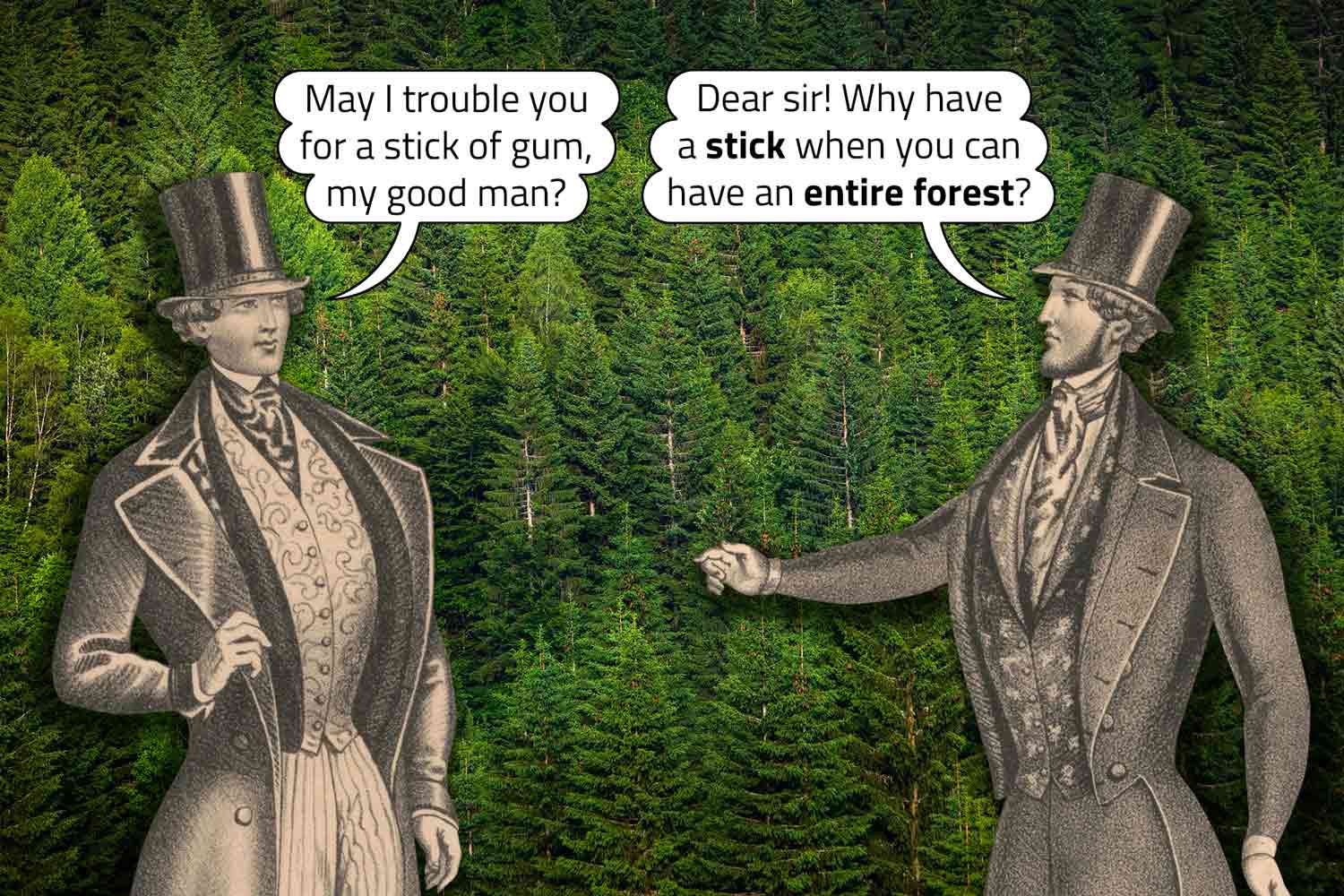
To understand what’s going on, let’s start with fungus. Fungus is a part of many cheeses, such as the soft, stinky ones. Along with bacteria, fungi break down the molecules in ripening cheese, giving it a strong flavor and creamy texture.
The problem with Camembert, Brie, and some other kinds of cheese is that they’re made with a type of fungus called Penicillium camemberti. P. camemberti gives Camembert the white rind that helps make it recognizable to buyers. Scientists say this fungus doesn’t reproduce well, a situation that could lead to problems down the road.
P. camemberti wasn’t always used in the production of Camembert. Until about 1900, cheesemakers in France, the birthplace of Camembert, would place newly made Camembert in caves, where it would grow fungus naturally. But it takes a while for fungus to grow. To speed up production, cheesemakers began adding P. camemberti instead.
But P. camemberti can reproduce only through cloning—making exact copies. And over time, this has caused it to lose its genetic diversity. Now the fungus needs to be cloned, which makes its long-term survival less certain.
Many people responded to this news with a possible solution. Why not add a different type of fungus to Camembert—one that can reproduce? So far, that hasn’t happened.
But scientists say it will be a while before Camembert is in any real danger of disappearing.
“We always make it clear to journalists that there is no short-term danger to Camembert production,” researcher Tatiana Giraud told CNN. “What our articles say is that there is a great homogenization of [fungi] and that this reduces their ability to adapt, nothing more.”
Fun Fact
When Good Foods Go Away

It may seem weird to think about a cheese going extinct, but many of the foods humans once enjoyed have disappeared.
In 1917, the Ansault pear was described as “buttery” with a “rich [and] sweet flavor.” It was said to be “better than any other pear.” Sounds amazing, right? But sadly, no one will ever get to eat another Ansault pear. Like the Kalimantan mango or the Taliaferro apple (Thomas Jefferson’s favorite), this species is now extinct.
Why would we let a delicious food item vanish?
When humans started shipping varieties of fruits and vegetables around the world, they made certain decisions about which ones to sell. They chose only the foods that could grow in large quantities and survive the long journey over hundreds or thousands of miles. The Ansault pear didn’t make the list. Its trees didn’t always bear fruit, so it wasn’t the moneymaker farmers wanted.
Experts say many plants have gone extinct because humans destroyed their habitat or didn’t maintain their populations.
Spreading Fungus Facts
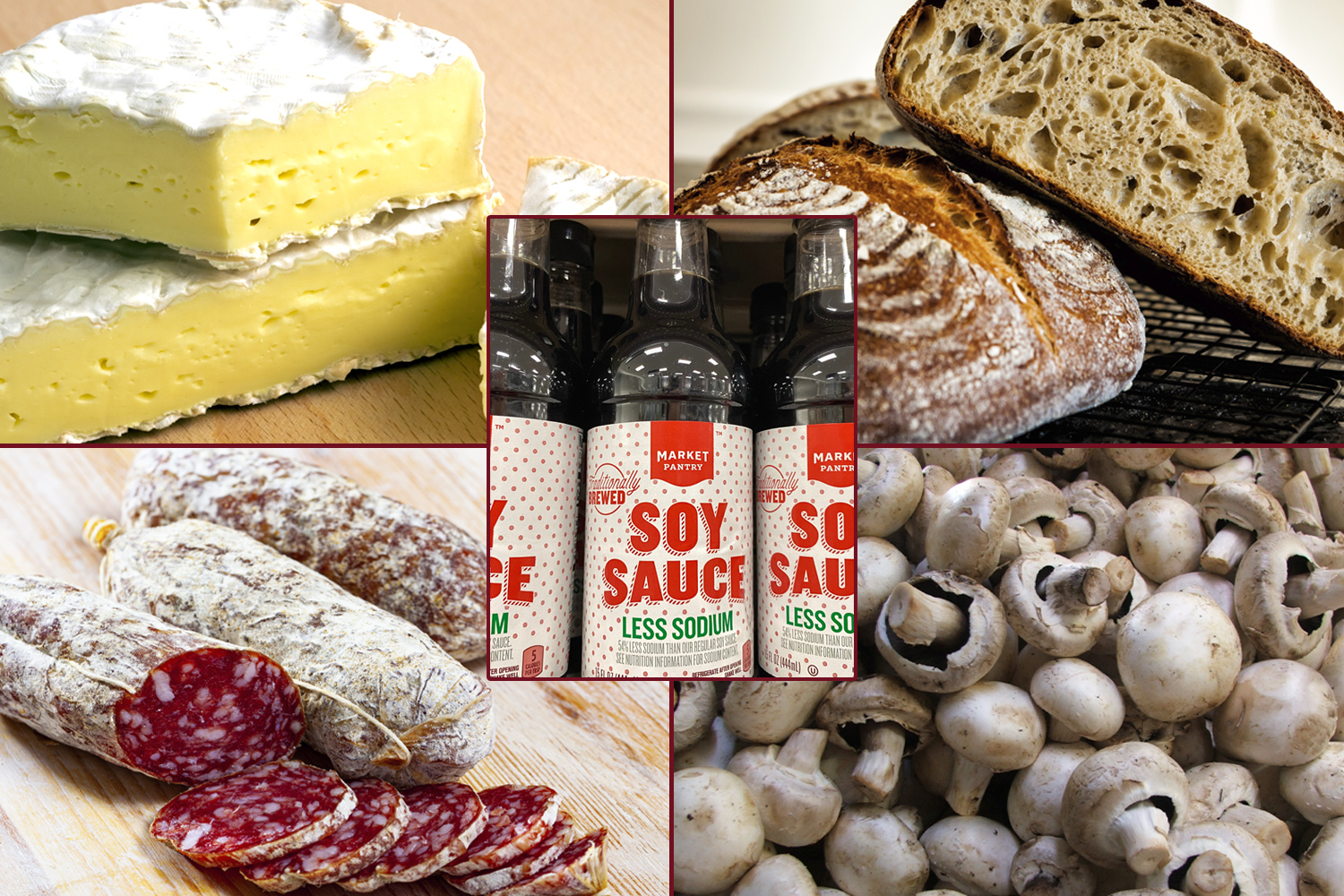
Some people think fungus is gross. The truth is, we wouldn’t be where we are without it. Fungus is used to make some antibiotics and natural pesticides. It’s also responsible for the existence of all the foods in the photo above. You can learn more about fungus at Britannica.
WORD OF THE DAY
vitiate
verb
: to make (something) less effective : to ruin or spoil (something)