Recreating History
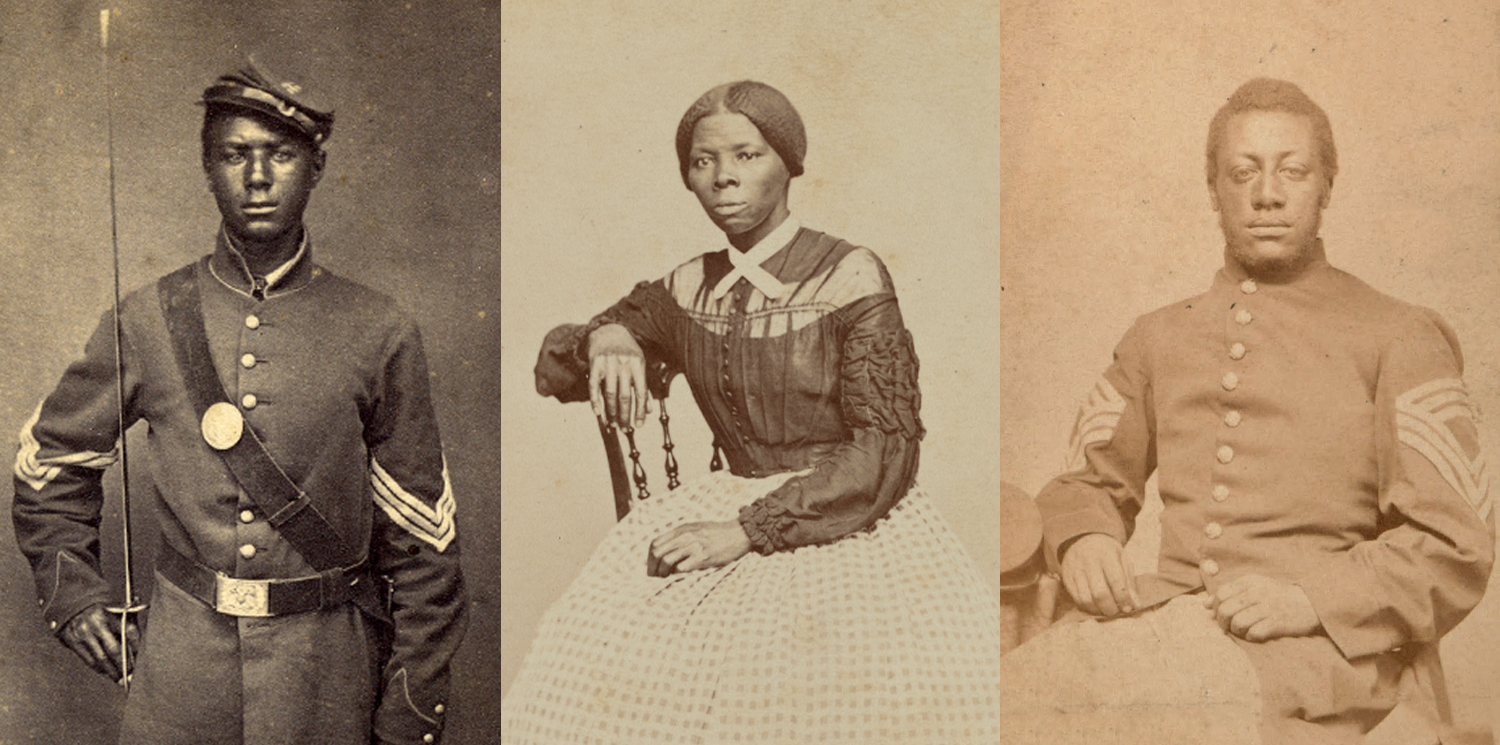
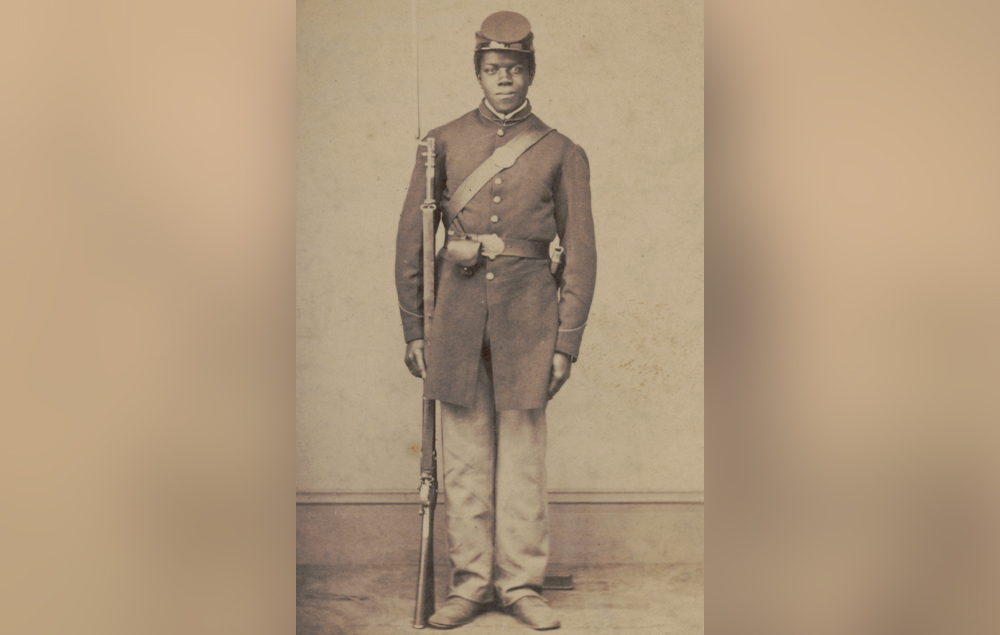
Kwesi Bowman was 21 when he posed for a photo wearing a blue Civil War Union army uniform. Bowman didn’t fight in the Civil War. In fact, he was born in the 21st century. But his great-great grandfather, Andrew Jackson Smith, was a war hero who risked his life to carry his regiment’s battle flag through enemy fire during the Battle of Honey Hill in 1864. Bowman’s photo shoot was part of a project in which descendants of Black Civil War soldiers recreate portraits of their ancestors.
The project is the brainchild of British photographer Drew Gardner. Gardner began taking photos of the descendants of famed historical figures many years ago, but he recently turned his attention to people who changed history but may never have been recognized for it. From there, he decided to try to track down descendants of enslaved people, including Black men who fought in the Civil War.
In 2023, Bowman and many other descendants gathered at a studio in New York City, where Gardner took portraits of them using a 19th-century camera. Each descendant reproduced the pose from their ancestor’s portrait and wore a near-copy of his uniform.
Most of these soldiers are not as well known as Andrew Jackson Smith, whose grandson, Andrew Bowman, Sr. (Kwesi’s grandfather), successfully campaigned to get him a Medal of Honor—the U.S. government’s highest military decoration—in 2001, decades after his death. And it wasn’t easy to link most of the soldiers with their descendants. While Americans whose families immigrated to the United States can often trace their family histories, descendants of enslaved people were included in fewer of the historical documents that researchers often rely on. For example, when enslaved people were listed in records, they were often unnamed. So Garner and a team of researchers had a lot of work to do.
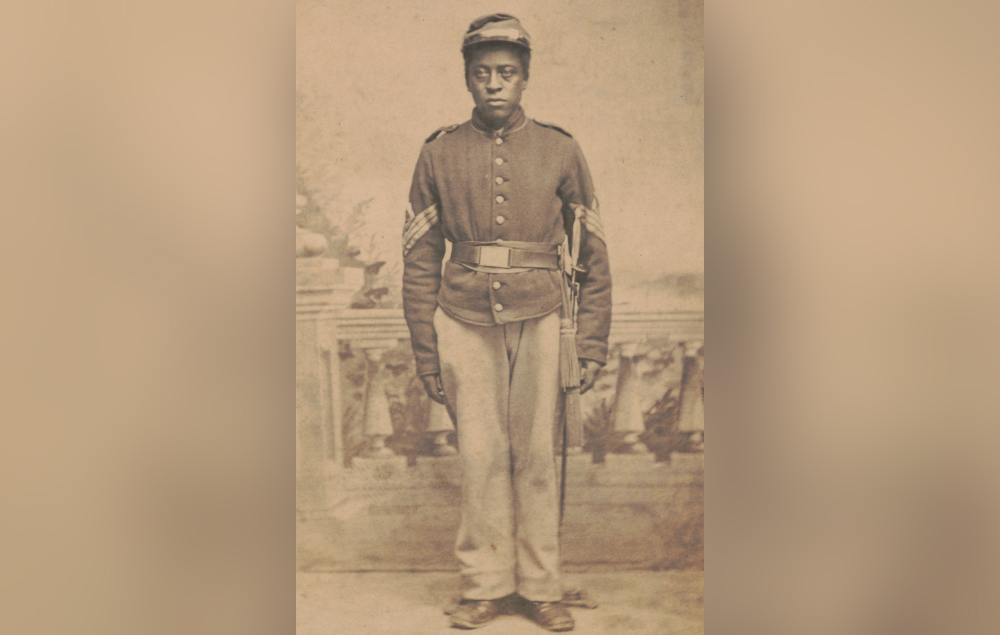
In one case, the team set out to research a Civil War soldier named David Miles Moore, Jr., who was only a teenager when he enlisted in the Union army in 1863. Moore served in the 54th Massachusetts Volunteer Infantry, the unit of Black soldiers later depicted in the 1989 movie Glory. The researchers unearthed a record showing that Moore had filed for a military pension in 1897 and then found his name in the 1900 U.S. Census. From there, they traced Moore’s family to his living descendants, the Flowers family. It was 9-year-old Neikoye Flowers who recreated a portrait of Moore, holding a drum like the one his ancestor held.
Austin Morris recreated a portrait of his ancestor, Lewis Douglass, a Civil War soldier and the son of famous abolitionist Frederick Douglass. Morris, who is 20, has always known that Frederick Douglass was in his family tree. But dressing up like Lewis made him feel a special connection to the Douglasses.
“I was looking at his picture, thinking: I’m 20. He was in his 20s when the picture was taken. He fought in the war, and he was one of the first Blacks to sign up for it,” Morris told Smithsonian Magazine.
Neikoye Flowers’ mom, Janisse, says this portrait project is giving her son and his twin sister a similar sense of pride.
“They’re going to remember everything about this trip,” Janisse told Smithsonian. “And hopefully it turns that page in history where they can brag about this to their kids and grandkids.”
Did You Know?
The United States first allowed Black men to enlist in the Union army in 1863, when the Emancipation Proclamation was issued. By the end of the Civil War, in 1865, about 198,000 Black soldiers had served in the U.S. Army and Navy.
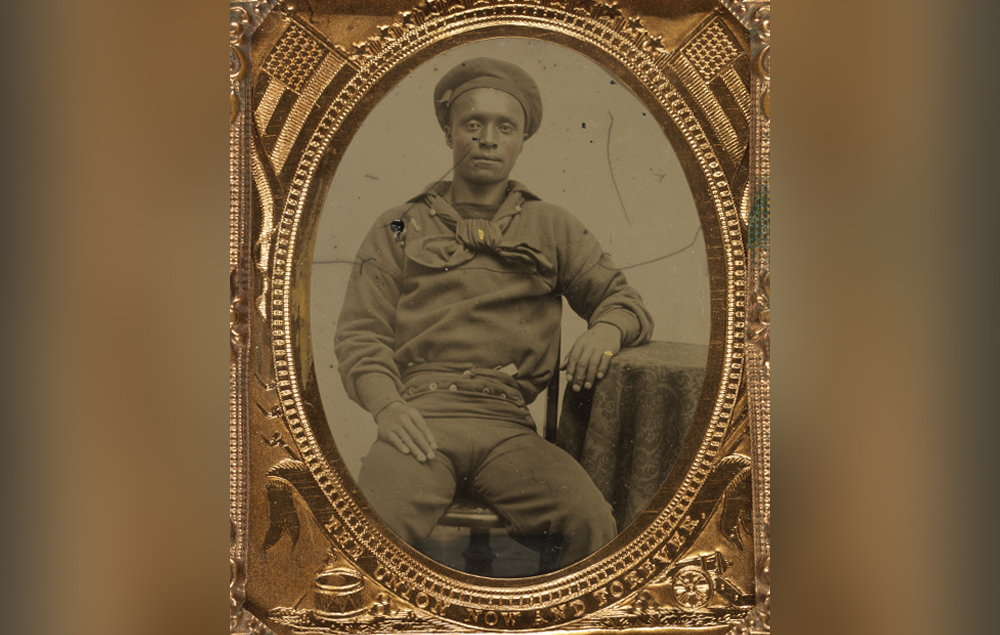
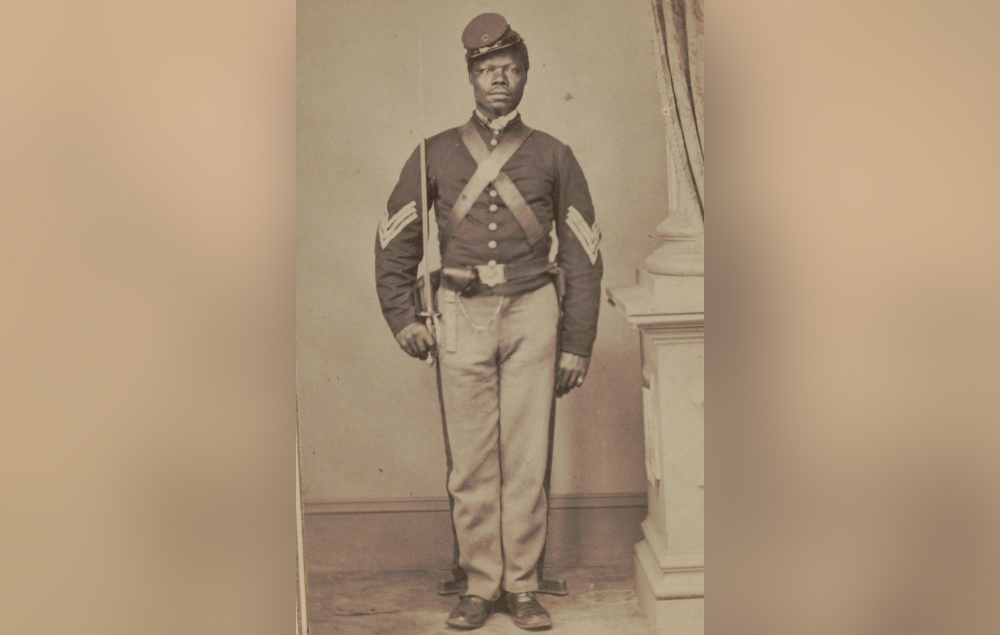
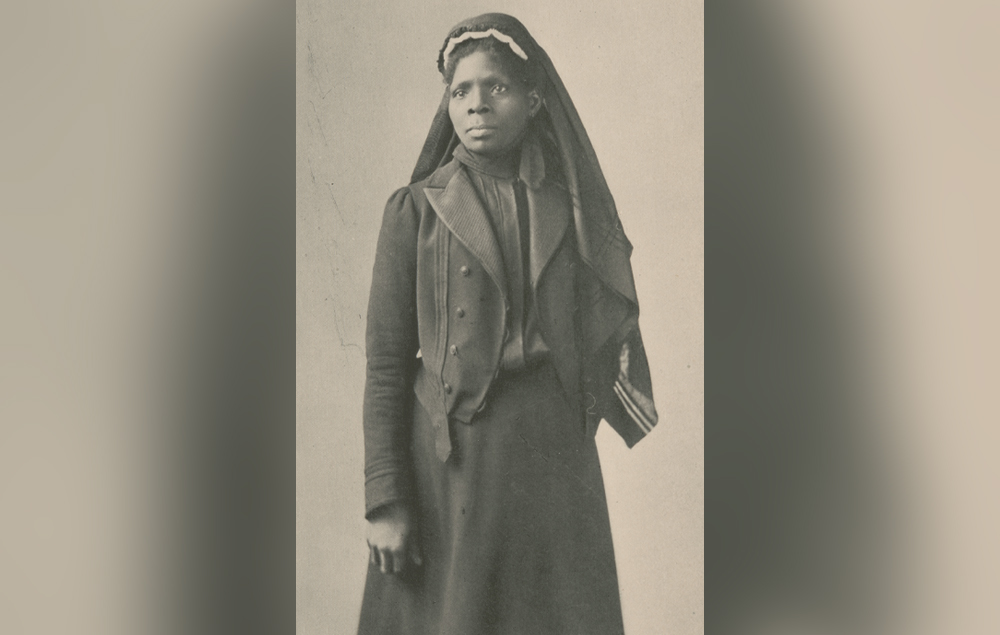
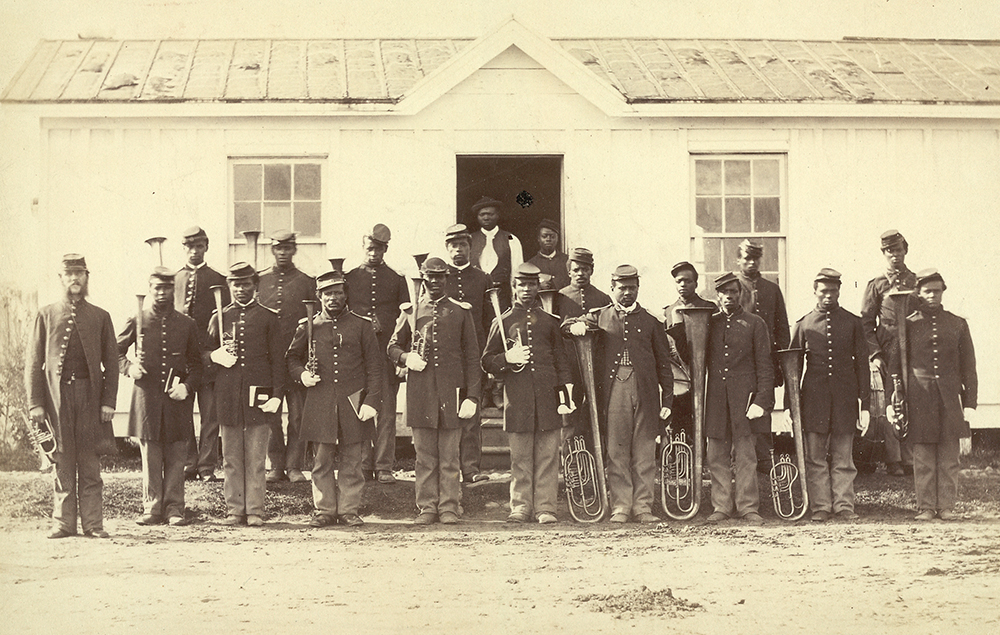
Click through the slideshow, which shows some faces of the Civil War.
Celebrate Black History Month
In honor of Black History Month, we’ve put together a list of some prominent and accomplished Black Americans. Check out Britannica to learn more.
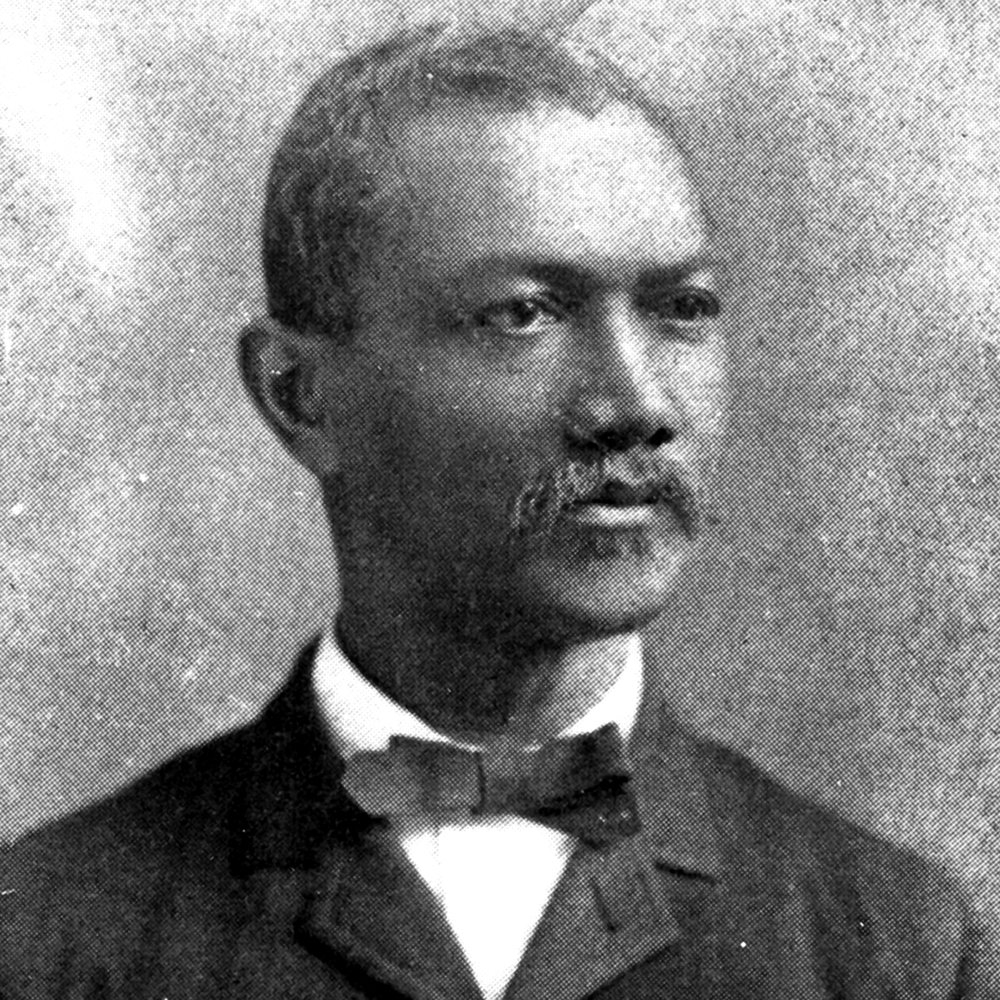
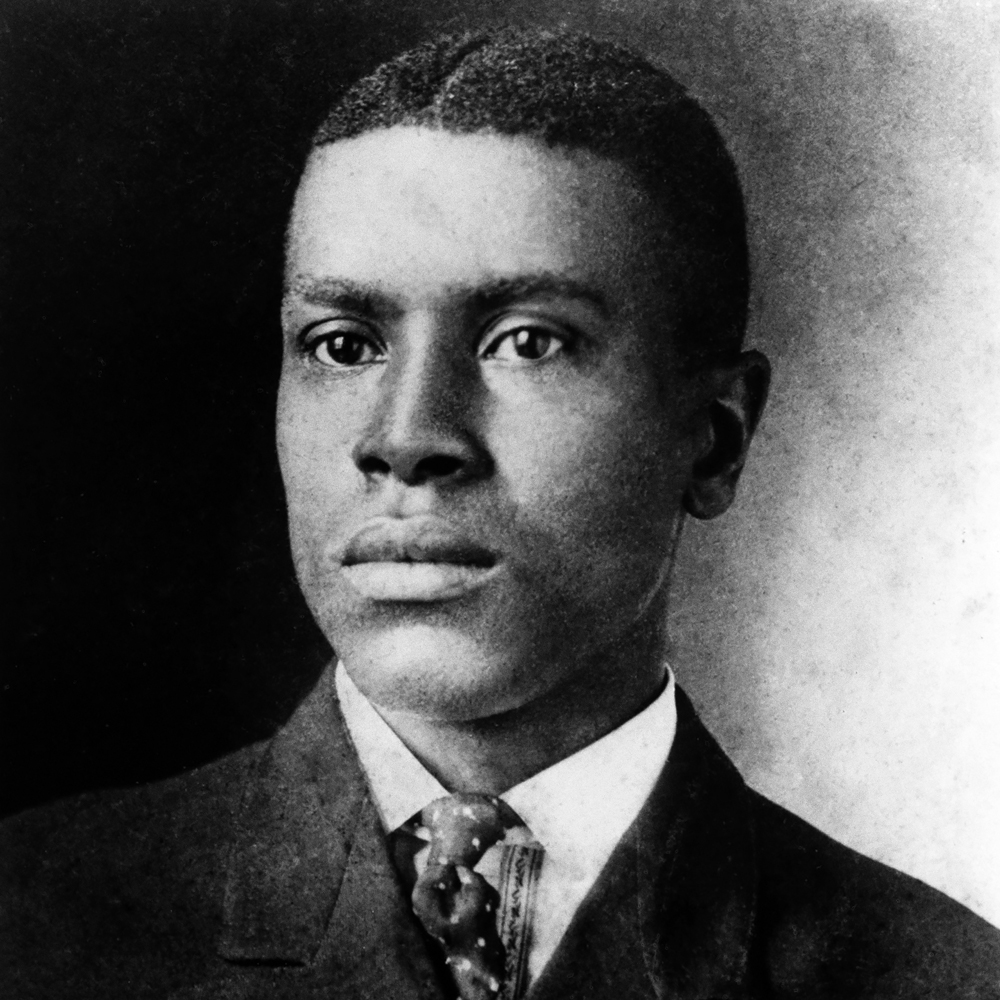
Oscar Micheaux (1884–1951). The first major Black filmmaker in American history, Oscar Micheaux produced and directed more than 45 movies. Micheaux’s film career began in 1919 with The Homesteader, which was adapted from a novel he’d written about his experiences operating a farm on the American frontier. All of his films featured all-Black casts at a time when major movie studios often cast Black actors in minor or stereotypical roles. Micheaux made many types of films, and some of them directly addressed racism in America.
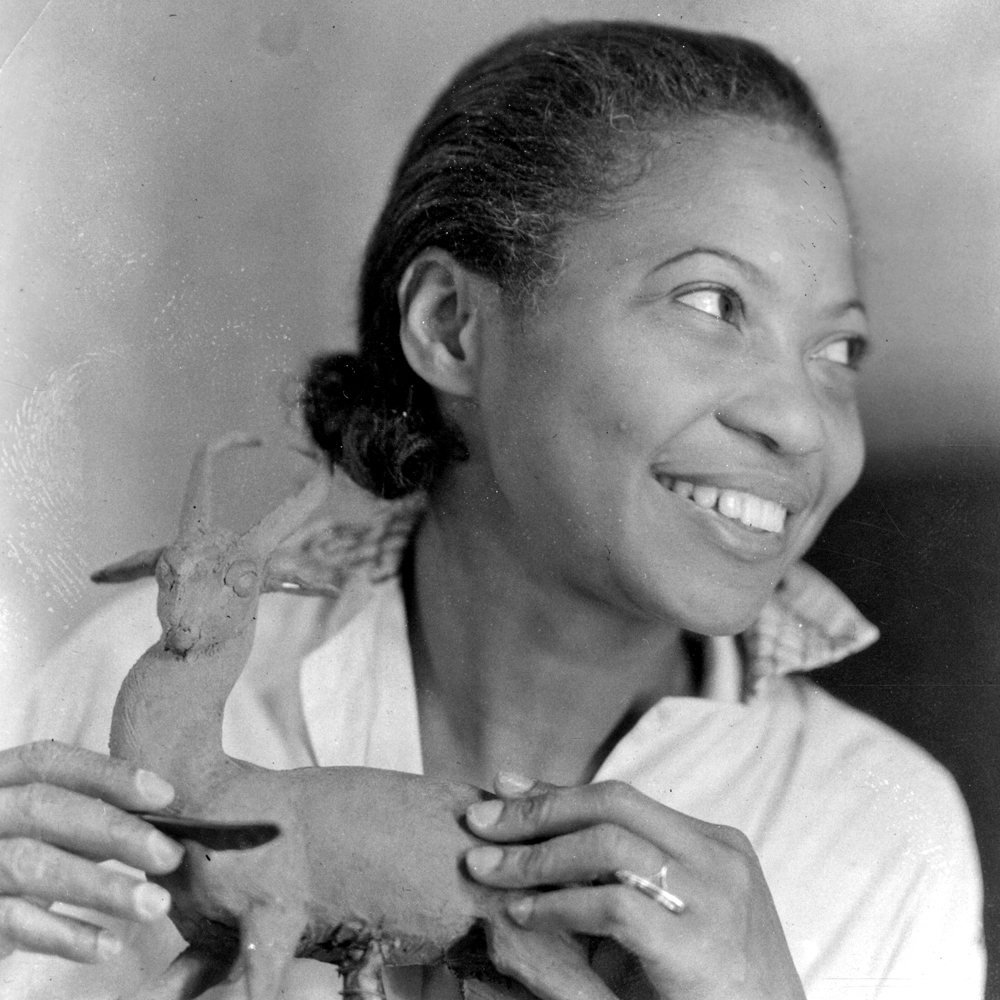
Augusta Savage (1892–1962). Augusta Savage first began making sculptures out of the red clay soil in her home state of Florida. In the early 1920s, she studied sculpture at the Cooper Union School of Art in New York City. During this time, the New York neighborhood of Harlem was home to many Black writers and artists who generated an explosion of creativity called the Harlem Renaissance. Savage moved to Harlem and gained recognition as part of this movement. Her sculptures depicted both well-known and unknown Black Americans.
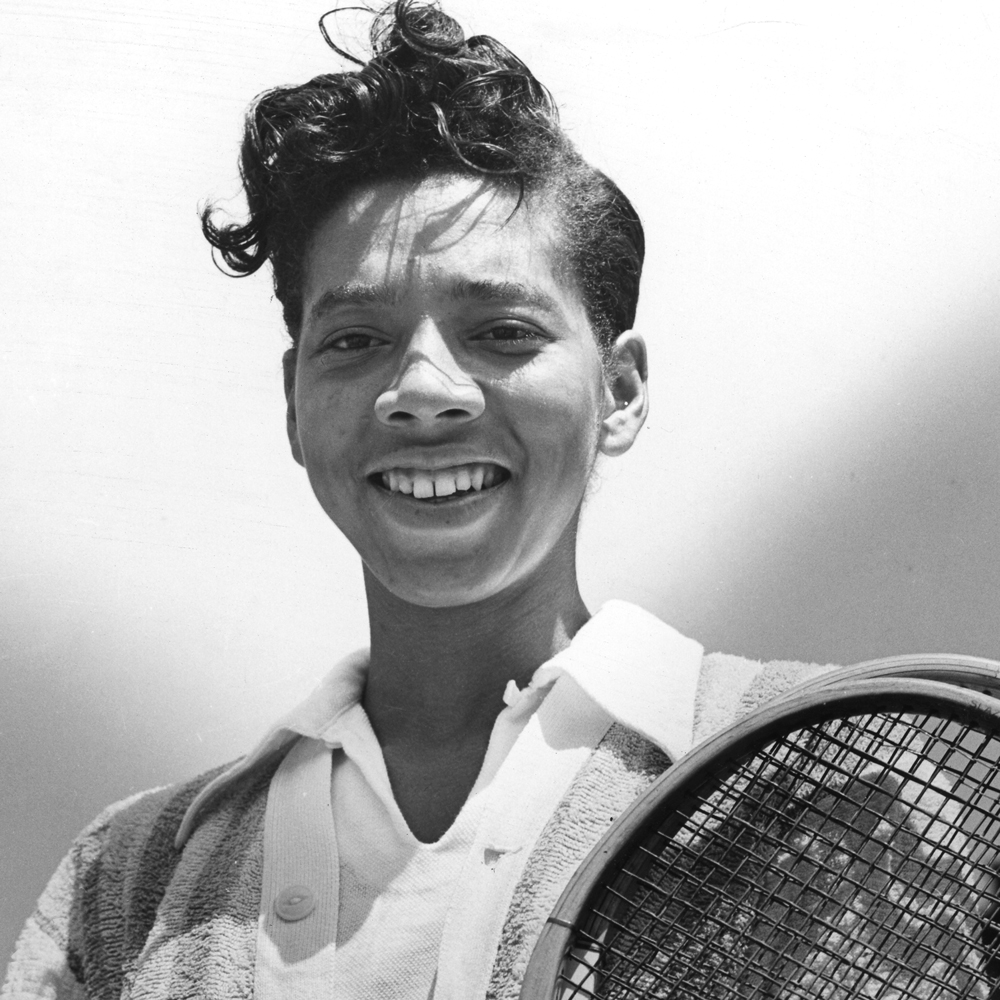
Althea Gibson (1927–2003). Althea Gibson was the top women’s tennis player in the mid to late 1950s, becoming the first Black player to win the French Open (1956), Wimbledon (1957 and 1958), and the U.S. Open (1957 and 1958). Raised in New York City, Gibson won her first singles championship in 1942, while still a teenager. For 10 years, beginning in 1947, she won the American Tennis Association’s women’s singles championship, as well as several matches in Europe and Asia. In 1964, Gibson began playing professional golf, becoming the first Black member of the Ladies Professional Golf Association (LPGA).
More About Black History

WORD OF THE DAY
mettle
noun