Why do monarch butterflies have white spots on their wings?
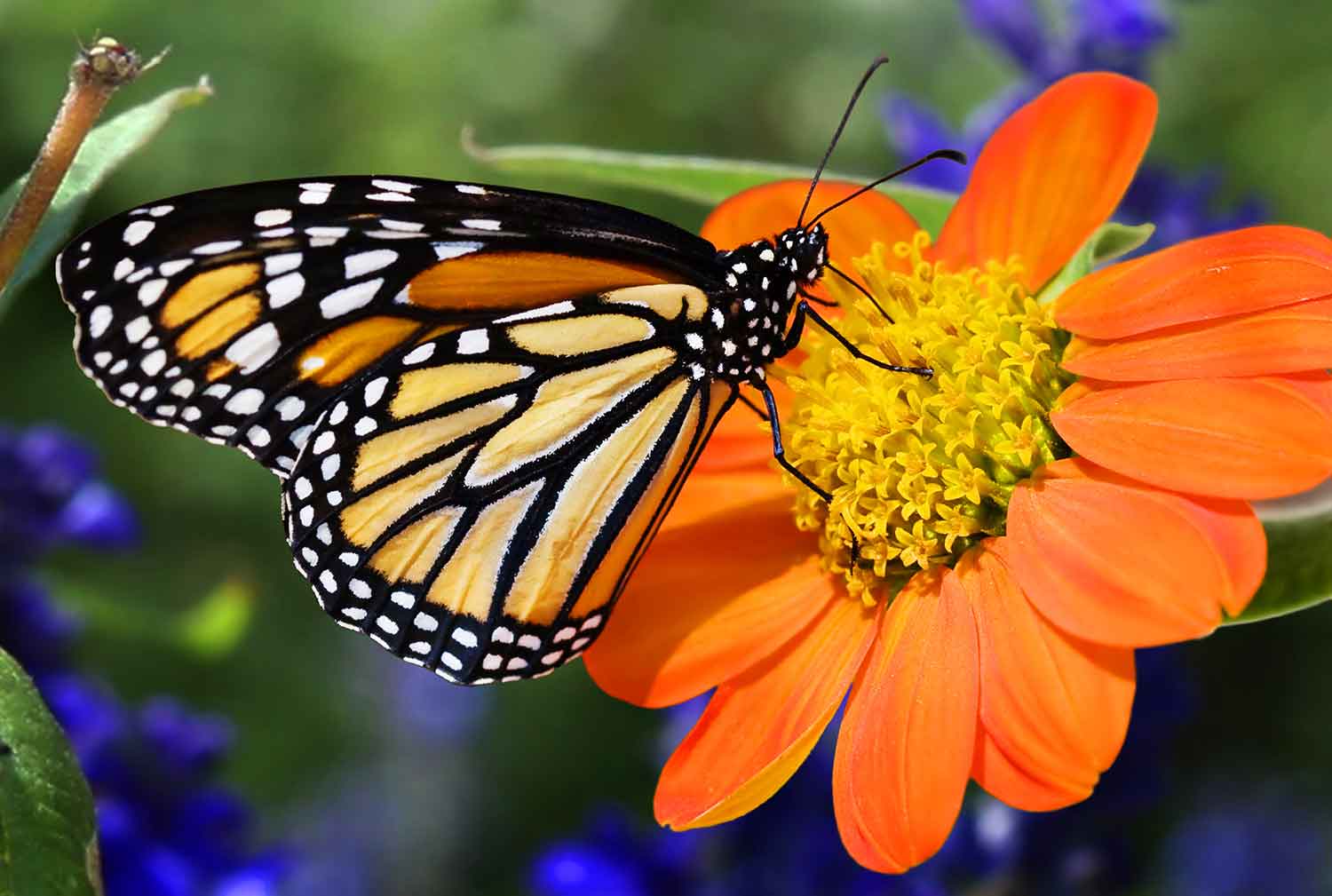
Monarch butterflies are beautiful! Their orange, black, and white wings look like they were painted by a talented artist. But scientists say the white spots on a monarch’s wings aren’t just pretty. They may help the monarch fly.
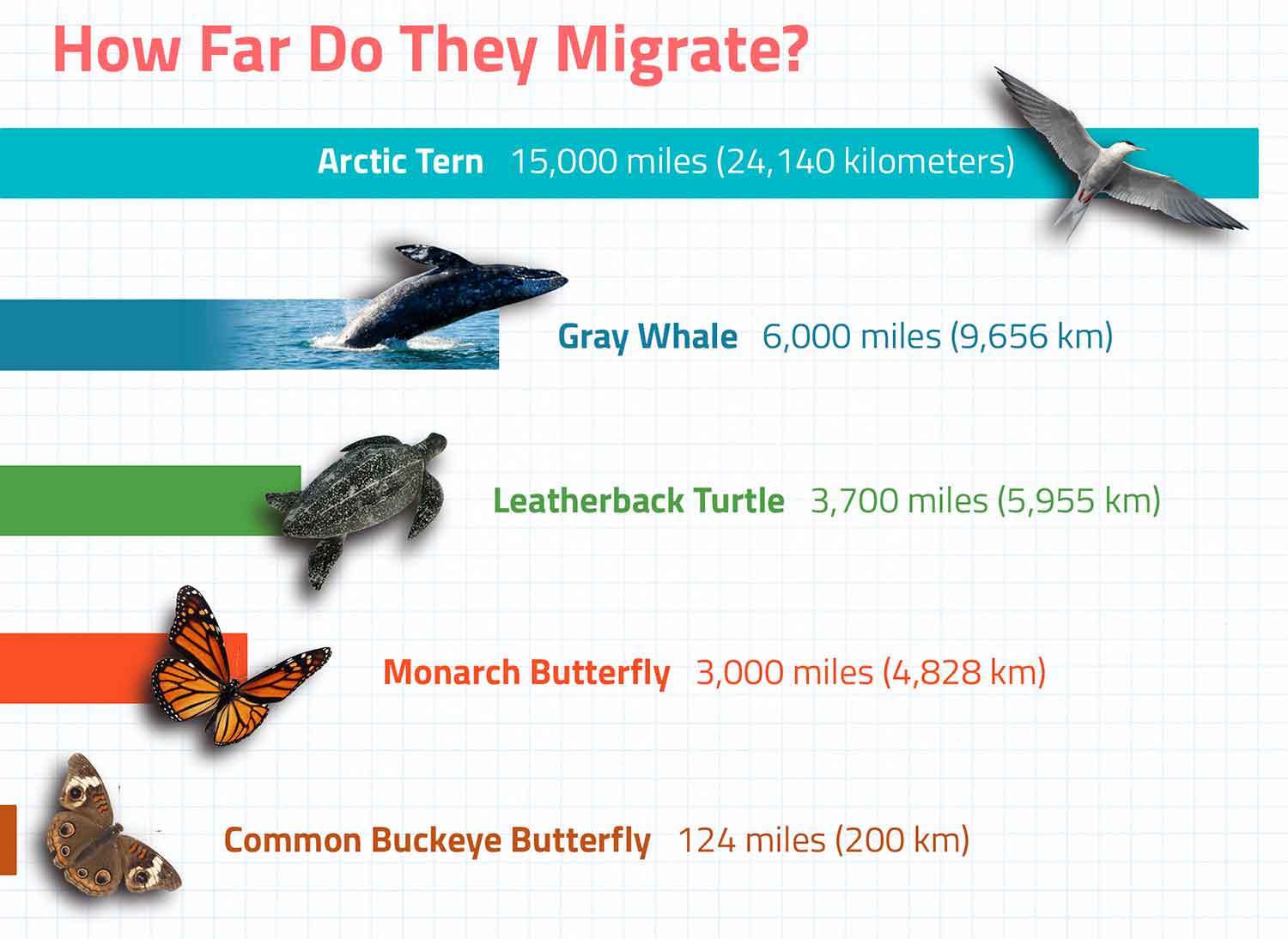
Each fall, some monarch butterflies migrate (travel) from Canada and the United States to Mexico. They spend the winter in the warmer climate. In the spring, they fly north again. The trip is about 2,000 miles (3,200 kilometers) each way. That’s a lot of distance to cover, especially for a tiny butterfly. Scientists wanted to know how monarch butterflies are able to fly all that way.
Scientists studied the monarch butterflies that were able to make it all the way to Mexico and those that were not. They found that the successful flyers had more white spots on their wings. Scientists also studied types of butterflies that do not migrate. These insects had smaller white spots than migrating monarchs.
The scientists think the white spots help monarchs because they cause sunlight to heat the wings differently in different places. This changes the airflow around the wings, making it easier to fly.
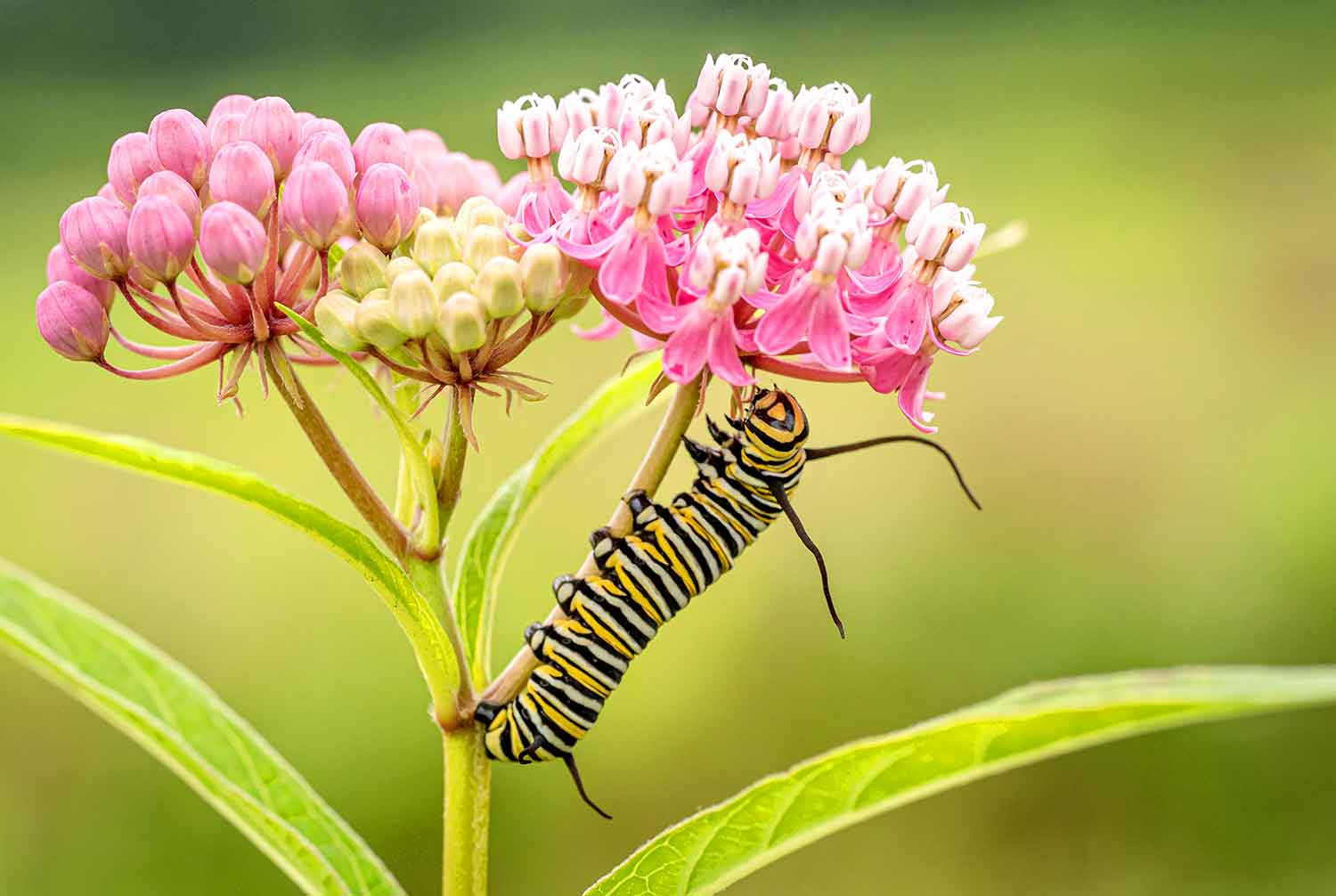
Monarch butterflies start out as caterpillars, which eat only one thing: the leaves of the milkweed plant. In the U.S., people can help monarch butterflies by planting milkweed in their yards!
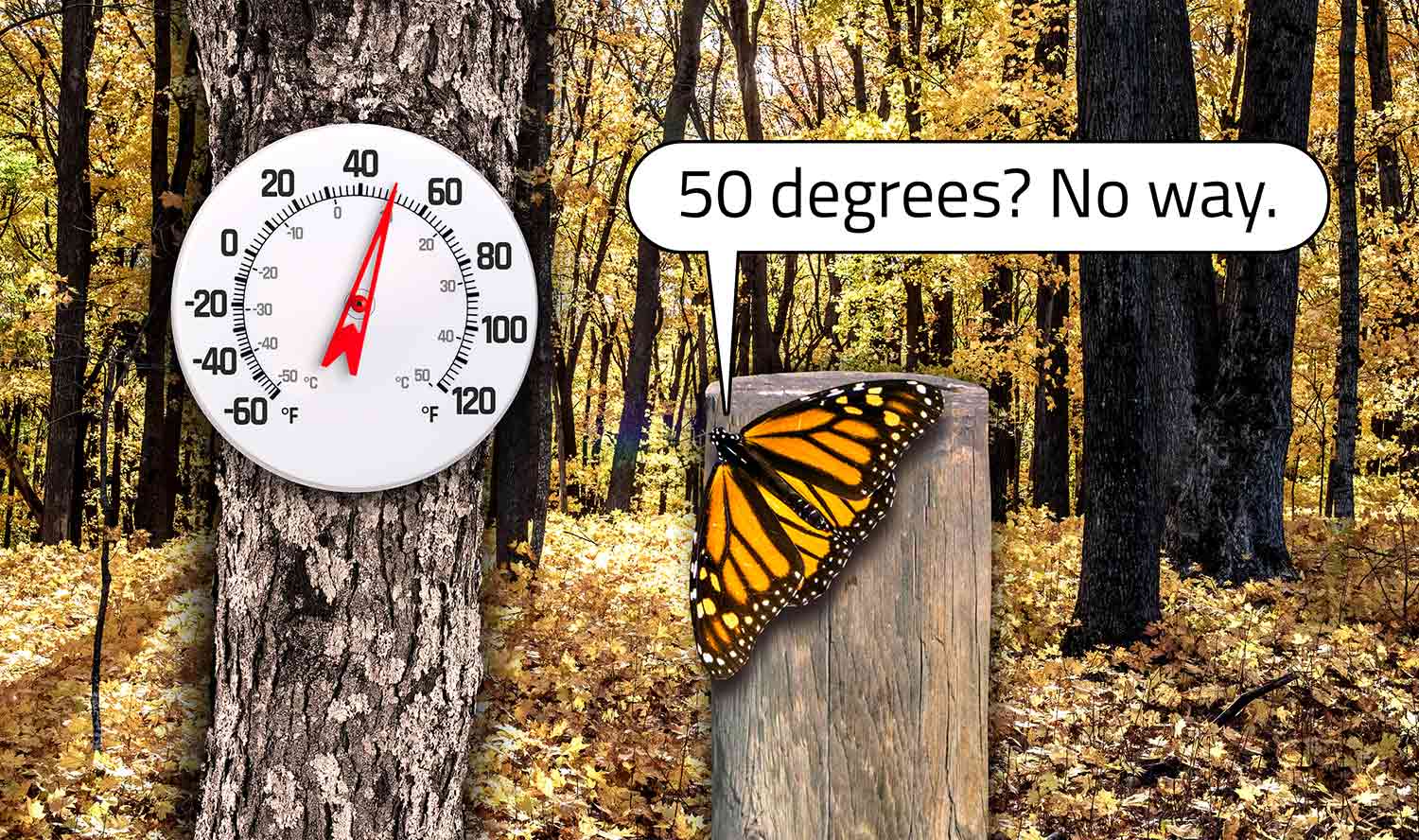
But be sure to plant the right kind of milkweed. Experts say it’s best not to plant tropical milkweed. Tropical milkweed continues to bloom in the fall, so monarchs want to be around it when they’re supposed to be flying to Mexico for the winter. Many monarch butterflies need to fly south for the winter because they will not survive in the cold weather.
A grandmother and her grandson set out to visit all the national parks in the United States!
Brad and Joy Ryan (Instagram: @grandmajoysroadtrip)
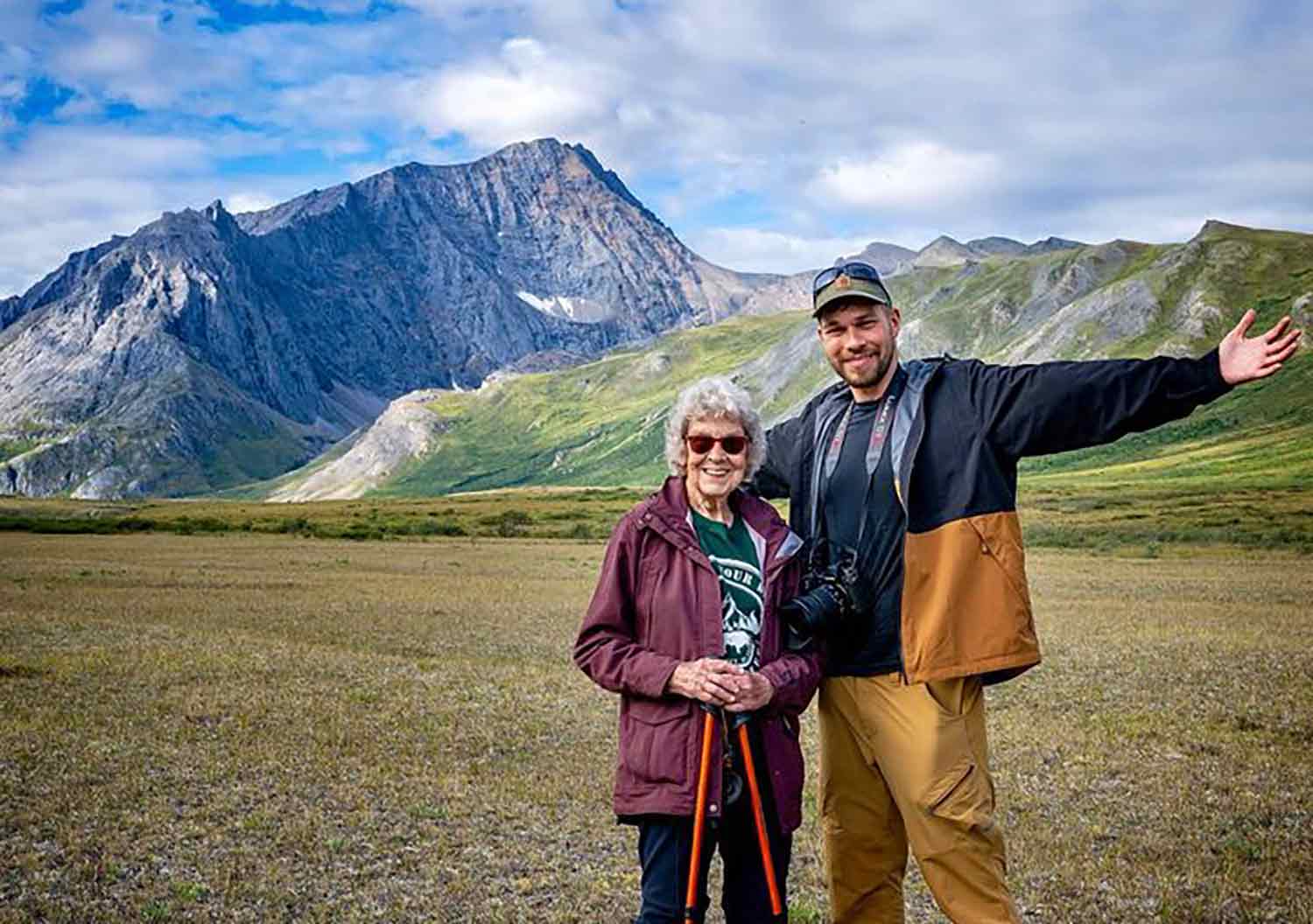
Joy and Brad Ryan at the Gates of the Arctic National Park and Preserve in Alaska.
There are 63 national parks in the United States. A 93-year-old woman named Joy Ryan has been to every single one of them!
Joy wasn’t always such an adventurer. When she was 85, she told her grandson Brad that she hadn’t traveled very far from her home in Ohio. She had never seen a mountain. So Brad asked his grandma if she’d like to go to Great Smoky Mountains National Park in Tennessee.
“[He] wanted to know if I wanted to go down to the Smoky Mountains and stay in a tent,” Joy told National Public Radio. “And I said, ‘Yes, I’ll try it.’ I’d never been in one before.”
Grandma Joy surprised Brad by climbing with him to the top of a mountain!
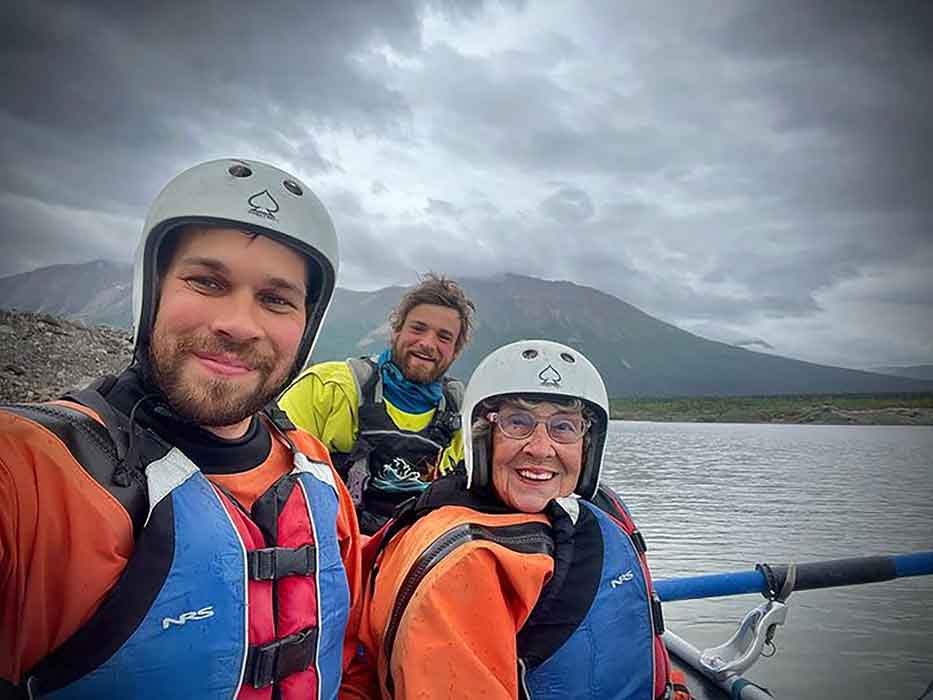
The pair had so much fun that they decided to keep visiting national parks. Grandma Joy and Brad went zip-lining at New River Gorge National Park & Preserve in West Virginia and white-water rafting at Wrangell-St. Elias National Park & Preserve in Alaska. They stood under giant trees at Redwood National Park in California and explored caves at Mammoth Cave National Park in Kentucky. Grandma Joy even rolled down a sand dune at Great Sand Dunes National Park & Preserve in Colorado!
In May 2023, Brad and Joy visited the 63rd national park on their list. It’s called the National Park of American Samoa. (American Samoa is a U.S. territory in the south-central Pacific Ocean.) When Brad and Joy arrived, park rangers gave them certificates celebrating their special achievement.
Brad says the pair is looking for more adventures. Next, they’re thinking about visiting all seven continents!
“[Grandma Joy is] a spitfire and very, very full of life [and] adventure,” Brad told Travel + Leisure magazine.
Brad and Grandma Joy visited Hawai’i Volcanoes National Park in Hawai’i.
With help from an expert, Brad and Grandma Joy went white-water rafting at Wrangell-St. Elias National Park & Preserve in Alaska.
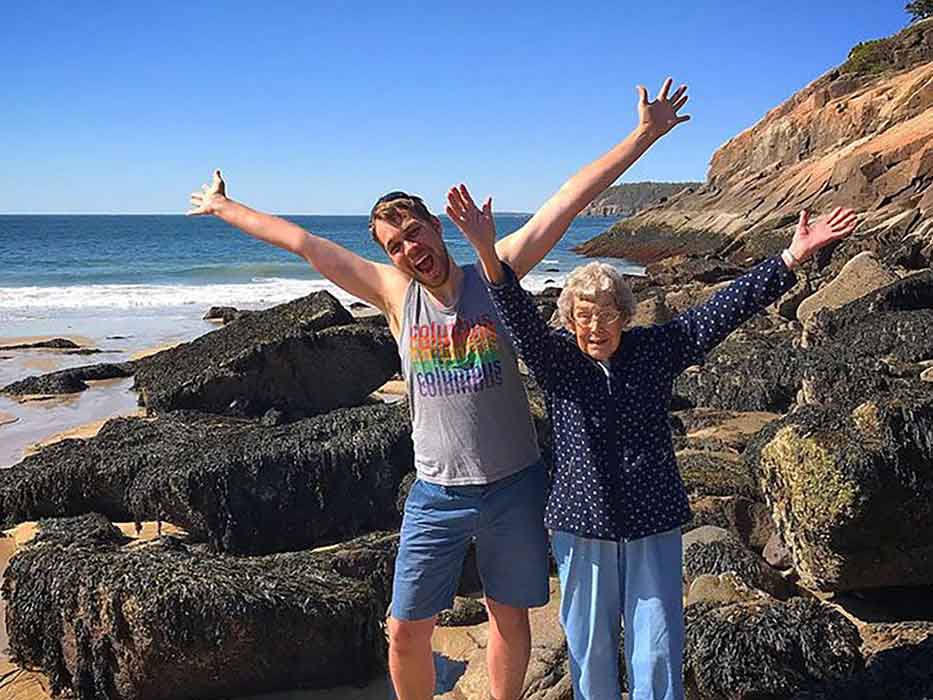
Brad and Grandma Joy had some fun at Acadia National Park in Maine!
Brad and Grandma Joy celebrated when they reached the National Park of American Samoa. It was the last national park on the list!
Brad and Joy Ryan (Instagram: @grandmajoysroadtrip)
Fun Fact
U.S. National Park Service
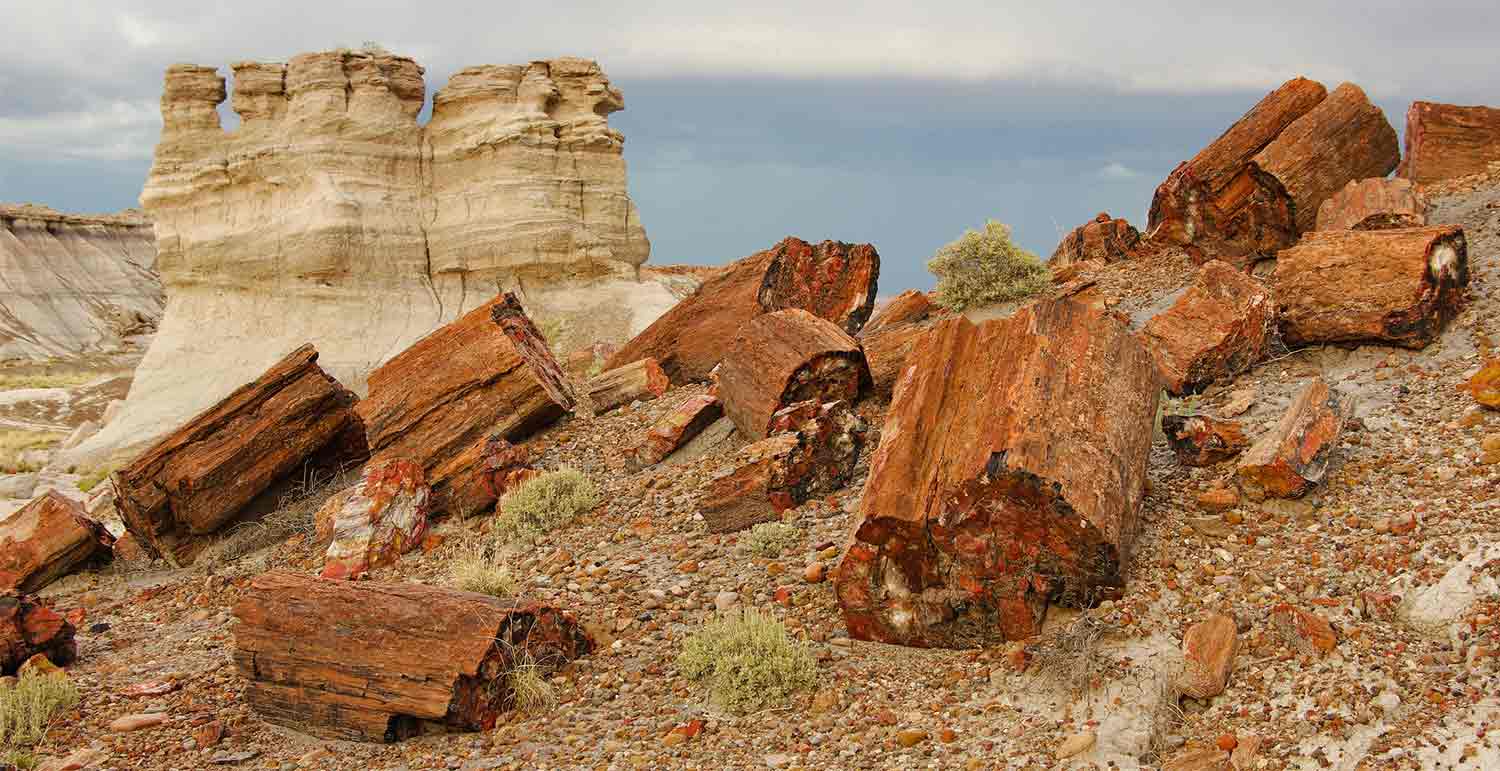
Petrified Forest National Park in Arizona is home to tons of petrified wood—wood that has turned to stone!
The wood came from trees that grew more than 200 million years ago—when dinosaurs roamed Earth and humans didn’t yet exist.
National Parks Around the World
Did you know that there are thousands of national parks in about 100 countries worldwide?
Governments set aside national parks to protect the land and all of its natural resources (like animals and plants). Visitors are welcome. And many parks offer online tours for people who can’t make it in person!
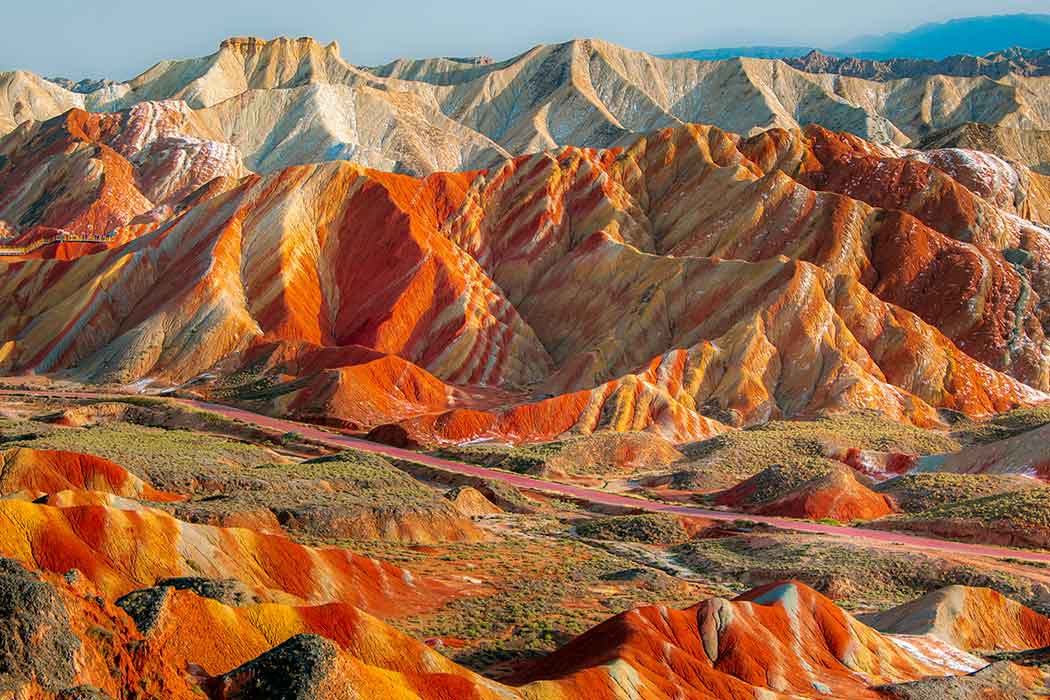
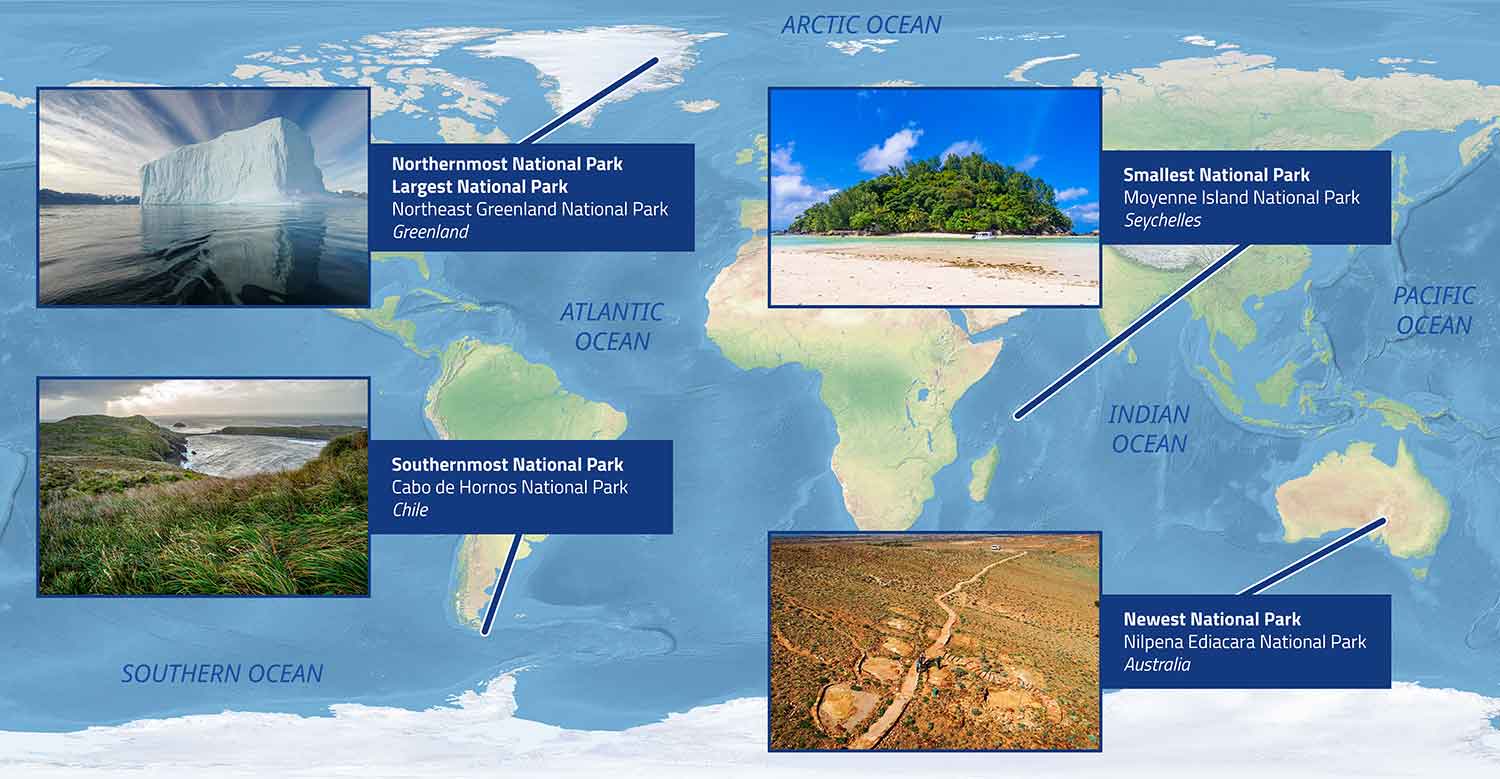
National parks have amazingly cool features. And since they’re all over the place, every park is a little bit different. Check out the slideshow for some of the world’s coolest national parks!
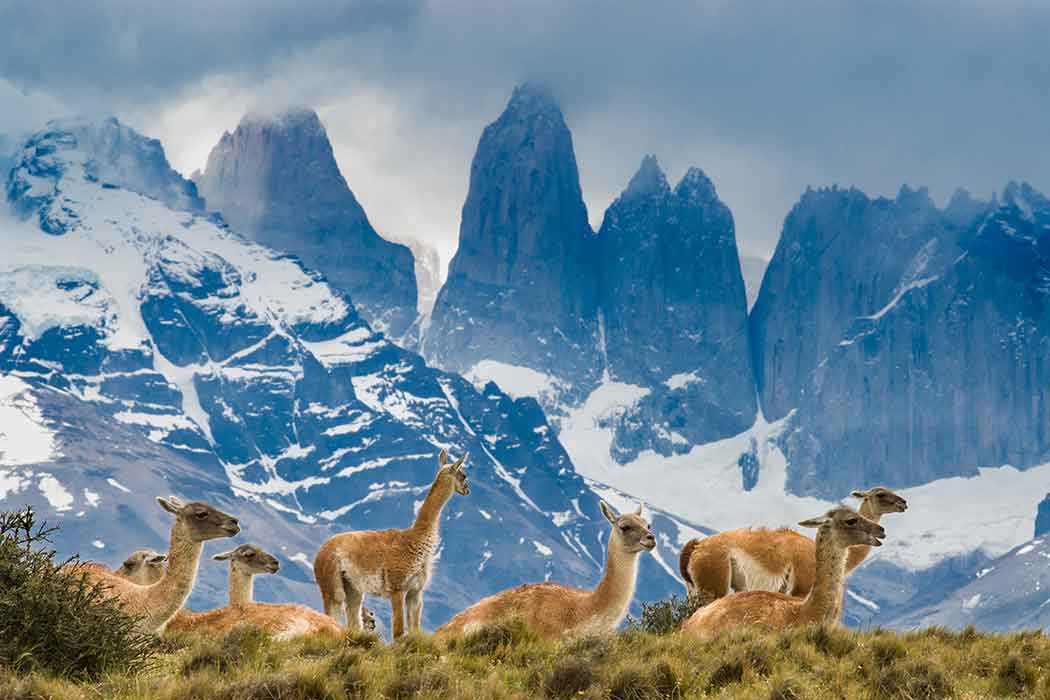
Torres del Paine National Park is in a region of Chile called Patagonia.
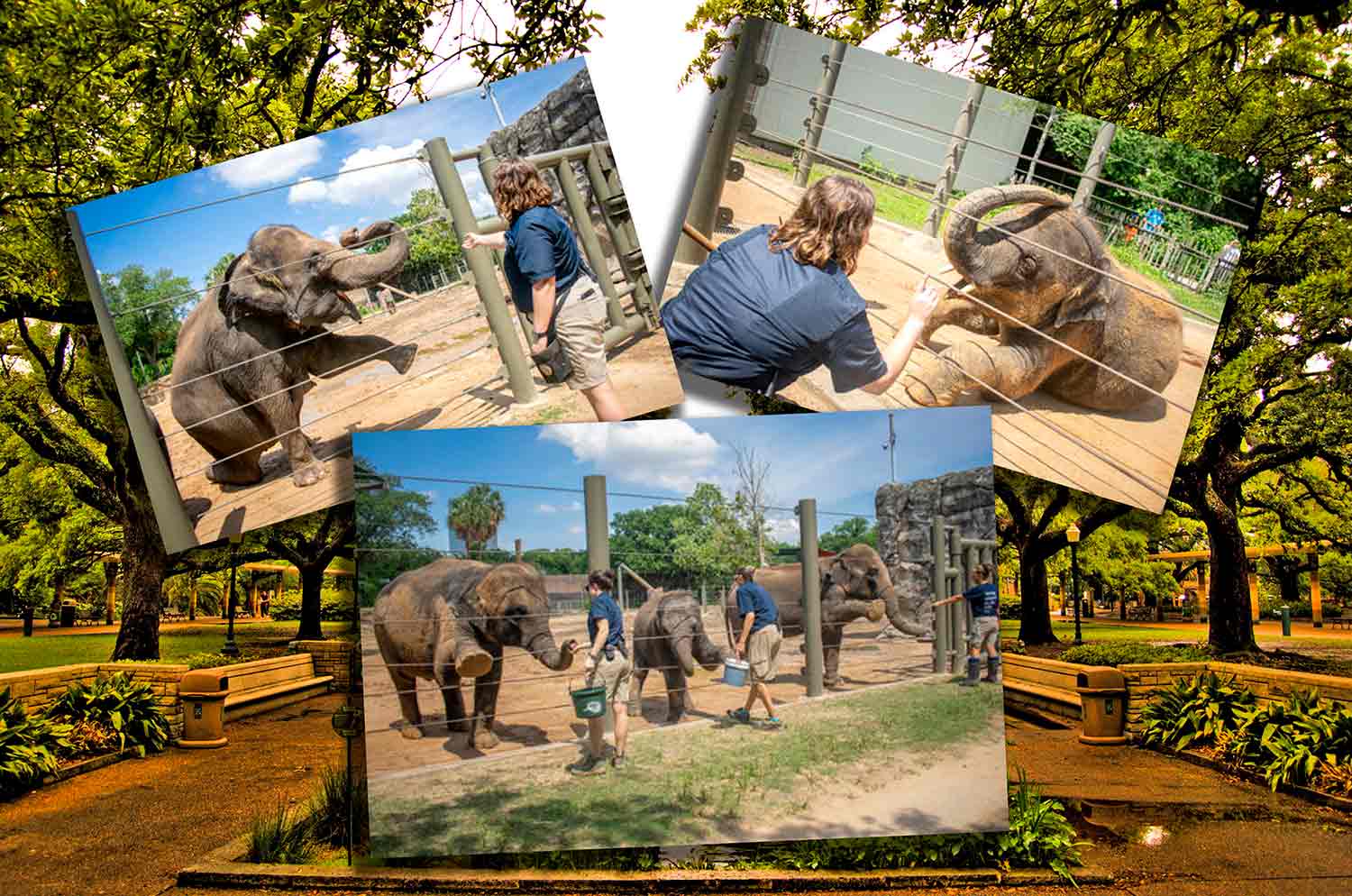
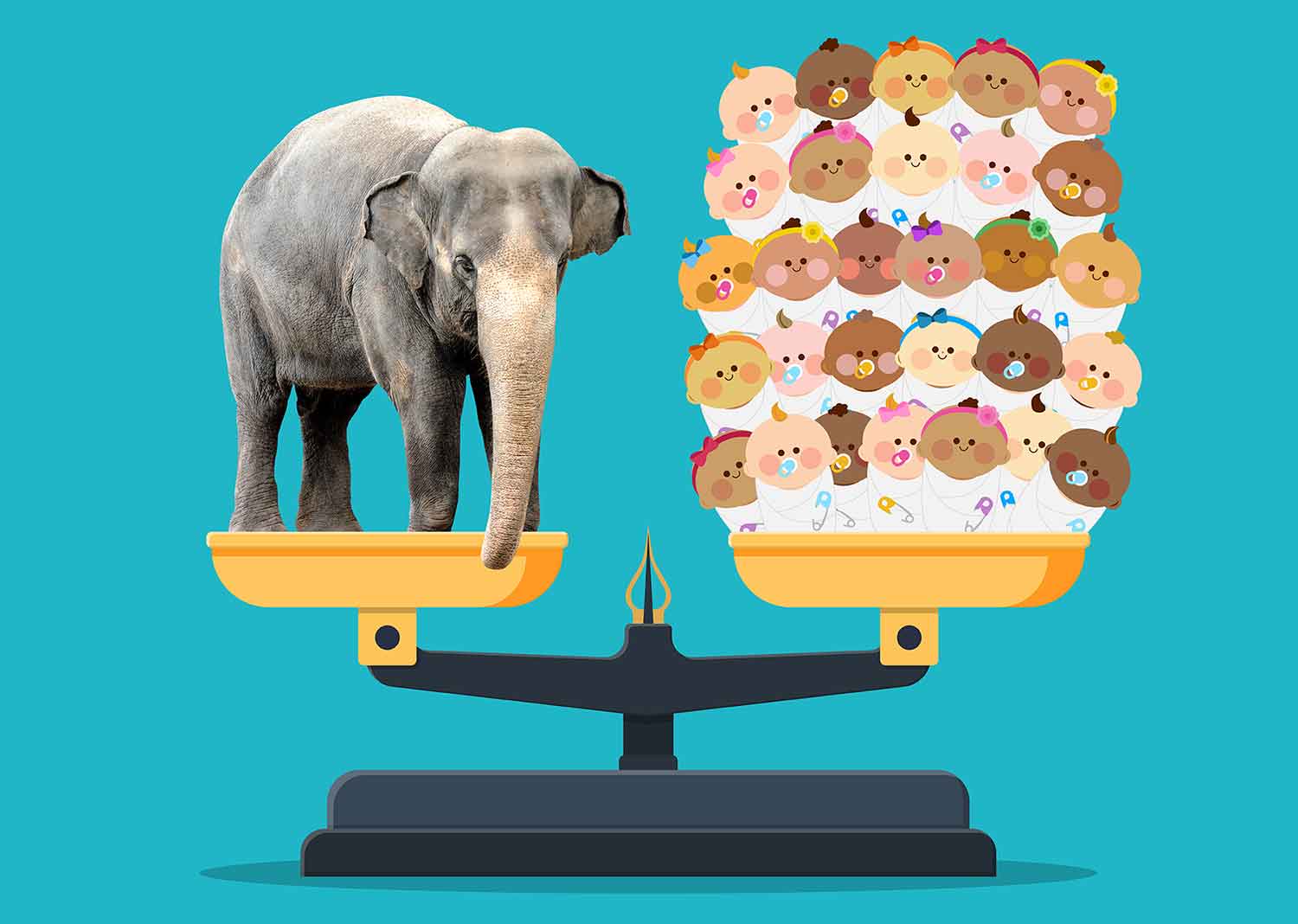
The elephants at the Houston Zoo do a type of exercise called yoga.
Jackelin Reyna/Houston Zoo, Tyler Thompson (CC BY 2.0); Photo composite Encyclopædia Britannica, Inc.
Yoga is good exercise—even for elephants!
The elephants at the Houston Zoo in Texas have a special way of exercising. They do yoga!
When humans do yoga, it includes breathing, stretching, and holding poses. Yoga is thought to be healthy for the body and the brain because it can help a person relax. The Houston Zoo trains its 12 Asian elephants to stretch and hold poses because it’s good exercise. It helps the elephants stay flexible.
How do you train such a big animal? Zookeepers start when the elephants are only a few months old. They touch the elephants’ bodies with a stick to teach them to move a certain way. Once the elephants learn all the moves and poses, the stick is not needed anymore. The elephants have learned to do things like stretching to one side while raising a leg or balancing on two feet. One elephant, named Tess, can even do a handstand! The herd likes to do the poses because they get treats like bananas and bread.
While the elephants are doing their poses, zookeepers check their health. They look at the elephants’ skin to make sure it’s healthy. They also look for any signs that the elephants are getting aches and pains.
“This is the time where we see everything about them,” said Kristin Windle, who is in charge of the zoo’s elephants. “We’ll get a good look at their skin, we’ll check their feet, we’ll check their mouth. But we’re also looking at…how they’re moving so we can know exactly what they’re feeling.”
Yoga can help people stay healthy. The Houston Zoo wants the same thing for its elephants!
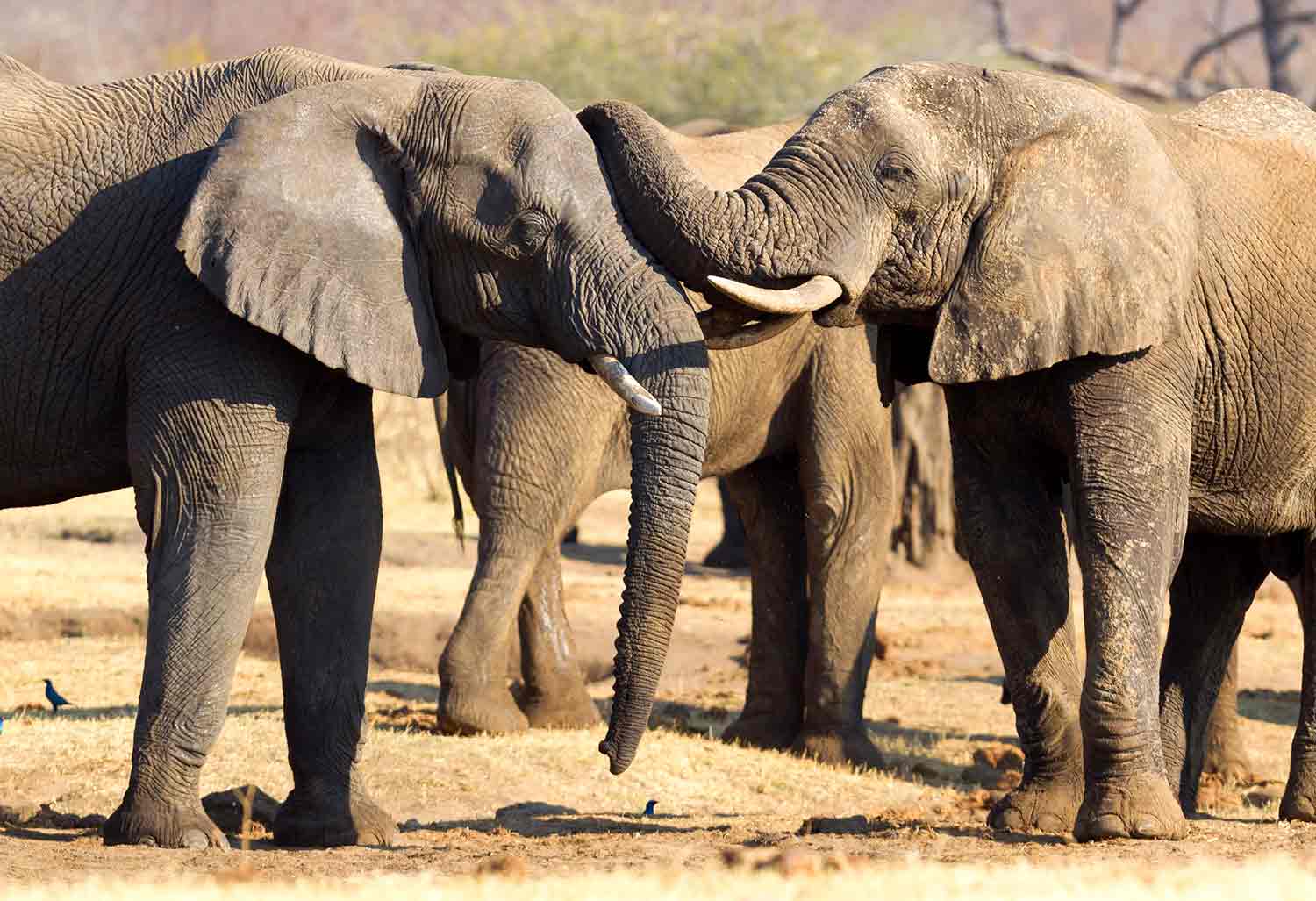
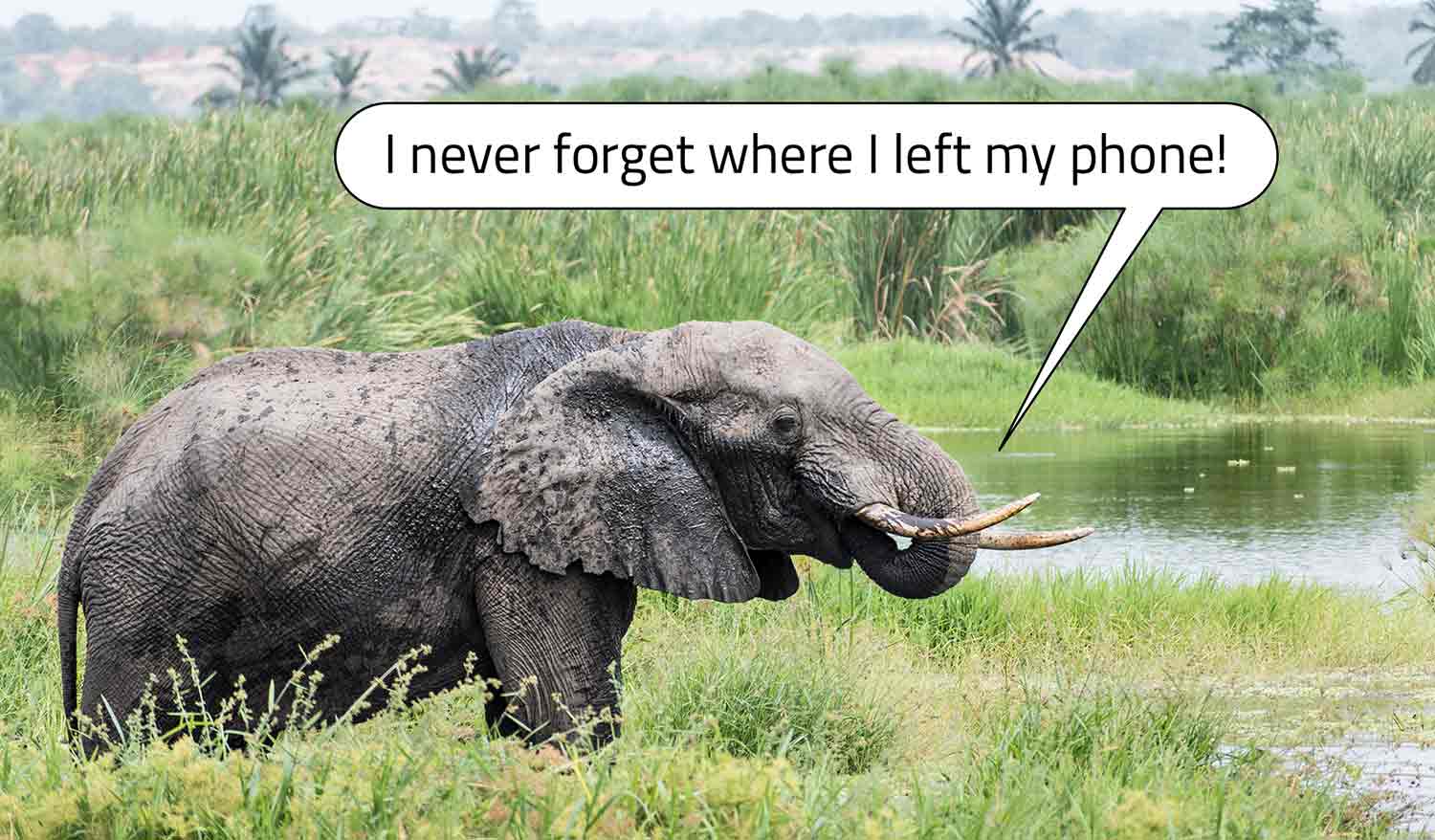
Scientists say that elephants are full of empathy. Empathy is the ability to understand what others are feeling.
When an elephant is upset or sad, other elephants make chirping sounds and stroke the sad elephant to provide comfort. It’s as if the elephants are saying, “It’s okay. We’re here for you.”
When Grace Mariani graduated from college, she got a diploma. And so did her service dog, Justin!
Courtesy Seton Hall University/Kristine Foley
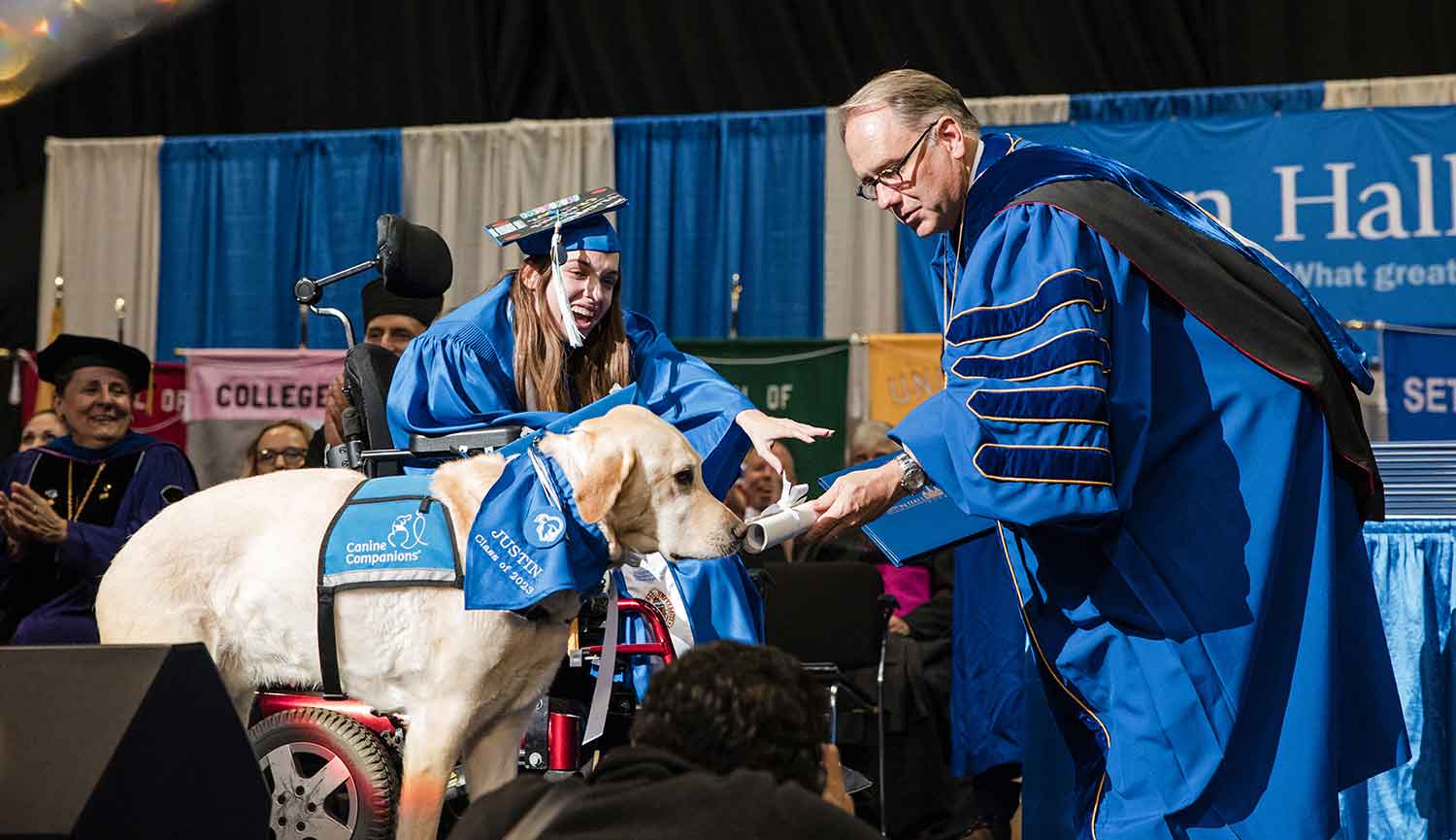
Grace Mariani and her service dog, Justin, both received diplomas from Seton Hall University president Joseph Nyre.
When Grace Mariani went to college, her service dog, Justin, was by her side all the way. So when Mariani graduated from college and got a diploma, Justin got one, too!
Service dogs are trained to help people who have disabilities. Justin helps Mariani, who uses a wheelchair, with certain tasks. The 6-year-old Labrador and golden retriever mix went with Mariani to all of her classes at Seton Hall University in New Jersey.
Mariani graduated from Seton Hall in May 2023. The ceremony took place in a large arena in front of a huge crowd. When Mariani’s name was called, she and Justin went to the stage, where college president Joseph Nyre was waiting with Mariani’s diploma—the certificate saying that she had finished college. Nyre gave Mariani her certificate, but he didn’t stop there. He then held out a diploma to Justin.
Justin looked like he wasn’t too sure what to do at first. He sniffed the diploma and then looked at Mariani. When she signaled to him, he took the rolled-up paper in his mouth. The crowd cheered. Mariani smiled, and Nyre raised his arms in celebration. Hearing the cheers, Justin wagged his tail.
Mariani is planning to become a teacher. Justin will keep on being a service dog—a service dog with a college diploma!
Seton Hall University
When Justin took his diploma, the whole crowd cheered!
Did You Know?
Marvin Joseph—The Washington Post/Getty Images
Every year, students gather for the Scripps National Spelling Bee, the biggest spelling contest in the United States. The last day of this year’s spelling bee was June 1, 2023. The winner was 14-year-old Dev Shah of Florida. Dev won after spelling the word psammophile. A psammophile is a living thing that likes to live in sandy soil.
Service dogs are specially trained to help people.
You may know a dog that can follow commands like “sit” and “stay.” Dogs can be trained to sit and stay on command because most of them love to make people happy.
Some dogs have jobs helping people. For example, service dogs are specially trained to help people who have disabilities. Each service dog is matched with one person and trained to help that person with their needs. Here are just a few of the things service dogs might be trained to do.
Pick up, carry, and retrieve (get) objects
Turn lights on and off
Open and close doors
Warn the person when they are about to have a seizure
Calm the person if they get anxious or have nightmares
Bark or dial 911 to get help when there is an emergency
Walk the person around obstacles or help to find objects (if the person is blind)
Alert the person to certain sounds (if the person is deaf)
Every dog is different, and not every dog would make a good service dog. Service dogs must be calm, intelligent, friendly with strangers, able to follow orders, and able to pay attention to what is happening.
Justin, Grace Mariani’s dog, is part Labrador (or Lab). Labs often make great service dogs because they are friendly and they like to please people!
Juneteenth is celebrated all over the United States.
On June 19, people in the United States mark a holiday called Juneteenth. What’s the story behind Juneteenth?
You might know that in 1863 President Abraham Lincoln freed most people who were enslaved. But it took a long time for the news to reach some parts of the country. On June 19, 1865, U.S. soldiers arrived in Galveston, Texas. They told the enslaved people there that they were free.
Kami Rita has climbed to the top of the world’s tallest mountain more than anyone else on the planet.
Prakash Mathema—AFP/Getty Images
In this 2021 photo, Kami Rita poses at a Mount Everest base camp, one of the places where climbers stop when they try to reach the top of the mountain.
A man named Kami Rita has climbed the world’s highest mountain more times than anyone else in the world. On May 23, 2023, Kami Rita reached the top of Mount Everest for the 28th time!
Climbing a mountain that’s more than 29,000 feet (8,800 meters) high can be very dangerous. Kami Rita, who is part of an ethnic group called the Sherpas, grew up in the mountains and learned how to climb by doing so with experienced guides. He first reached the summit (top) of Mount Everest in 1994. Today, he’s a guide who climbs Everest with people who rely on his knowledge and experience to keep them safe. Helping them is how he earns his living.
There are many Sherpa guides who help visiting climbers—but none is as accomplished as Kami Rita. Still, he might not hold the climbing record for long. He’d set a record of 27 climbs the week before, only to see another guide, Pasang Dawa, match that record a few days later. It may not be long before Pasang Dawa climbs Everest for the 28th time.
But that’s okay with Kami Rita. He’s planning to retire soon. While Kami Rita became a climbing guide like his father, he says his kids are planning other careers.
Limestone rocks near the top of Mount Everest contain fossilized seashells. This is proof that this part of the world was once under a sea that separated two continents!
Tough Stuff
Pemba Dorje Sherpa—AFP/STR/Getty Images
It can be hard to breathe near the top of Mount Everest. Most climbers need to carry tanks of oxygen.
Have you ever wondered how hard it would be to climb Mount Everest? Here’s why reaching the top of the world is never easy.
You need to be very strong. Even with rope and other equipment, it’s tough to climb a steep mountain.
It’s cold! The higher you climb, the colder it gets. In fact, temperatures at the top of Mount Everest are always below freezing, even in the summer. The wind makes it even colder. This also means there’s snow and ice, which makes climbing even tougher.
Speaking of wind… At the top of Mount Everest, winds can be as strong as a hurricane in the winter.
It’s a very tall mountain. Mount Everest has a high elevation (height). When you get that far above Earth’s surface, the air has less oxygen and it’s harder to breathe.
Ice pops are the perfect summer treat. But who invented them?
Bettmann/Getty Images
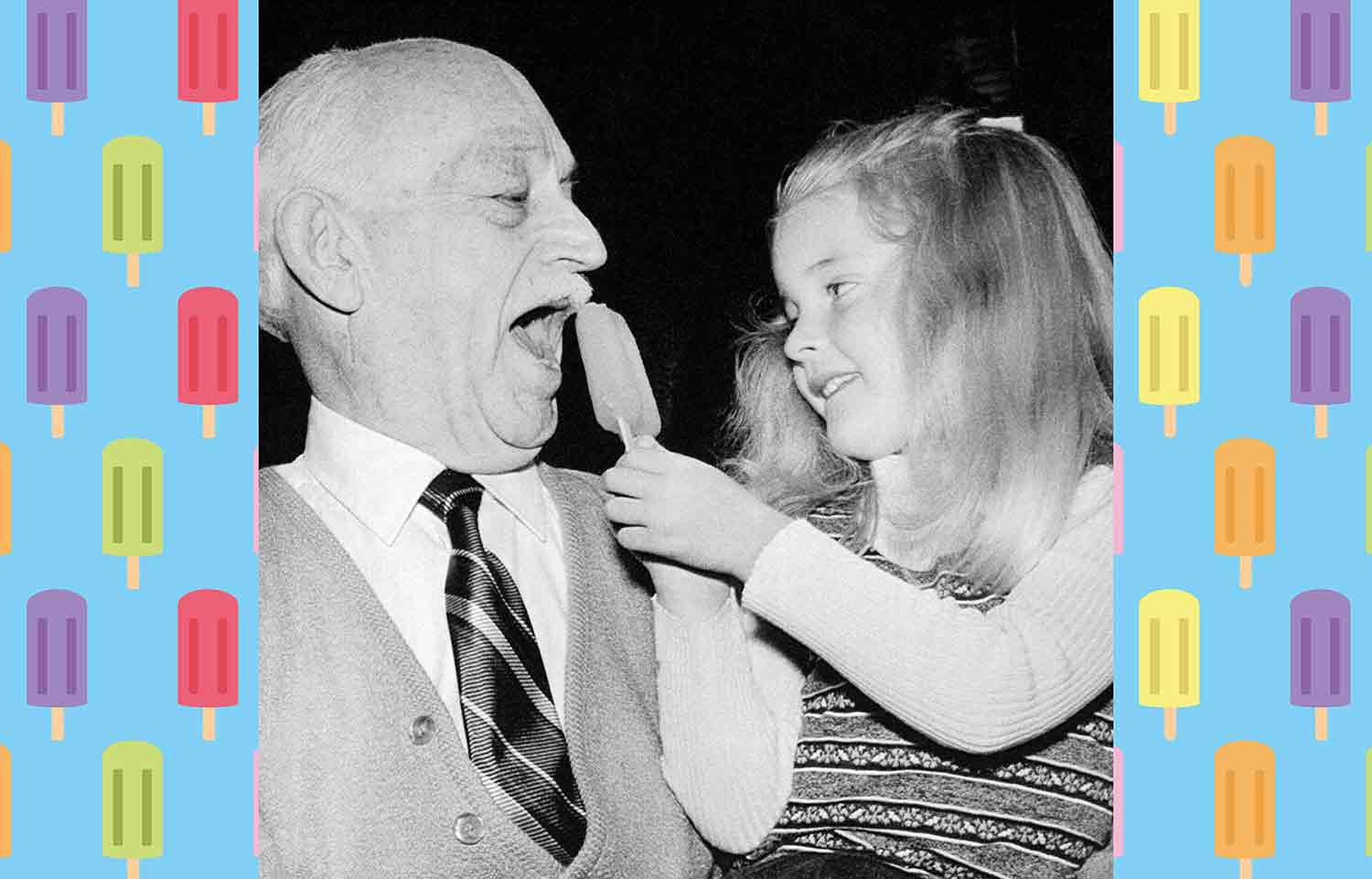
Frank Epperson and his granddaughter, Nancy, both loved Popsicles. Frank invented them!
What’s the perfect summer treat? It may just be the ice pop, or Popsicle. An ice pop is cold, refreshing, and a lot easier to make than ice cream. In fact, the very first ice pop was made by accident. And its inventor was 11 years old!
In 1905, a kid from San Francisco, California, named Frank Epperson decided to make himself a soft drink. Back then, soft drinks could be made by mixing a sugary powder with water. Epperson made the drink in a cup, mixing the ingredients together with a wooden stirring stick. At some point, he forgot about it and left it on his porch overnight.
The next morning, Epperson discovered that the liquid had frozen with the stirring stick inside. Using the stick as a handle, Epperson pulled the whole thing out of the cup and began to lick it. It was a delicious treat! Epperson named his invention the Epsicle. The name was a combination of his last name and the word icicle.
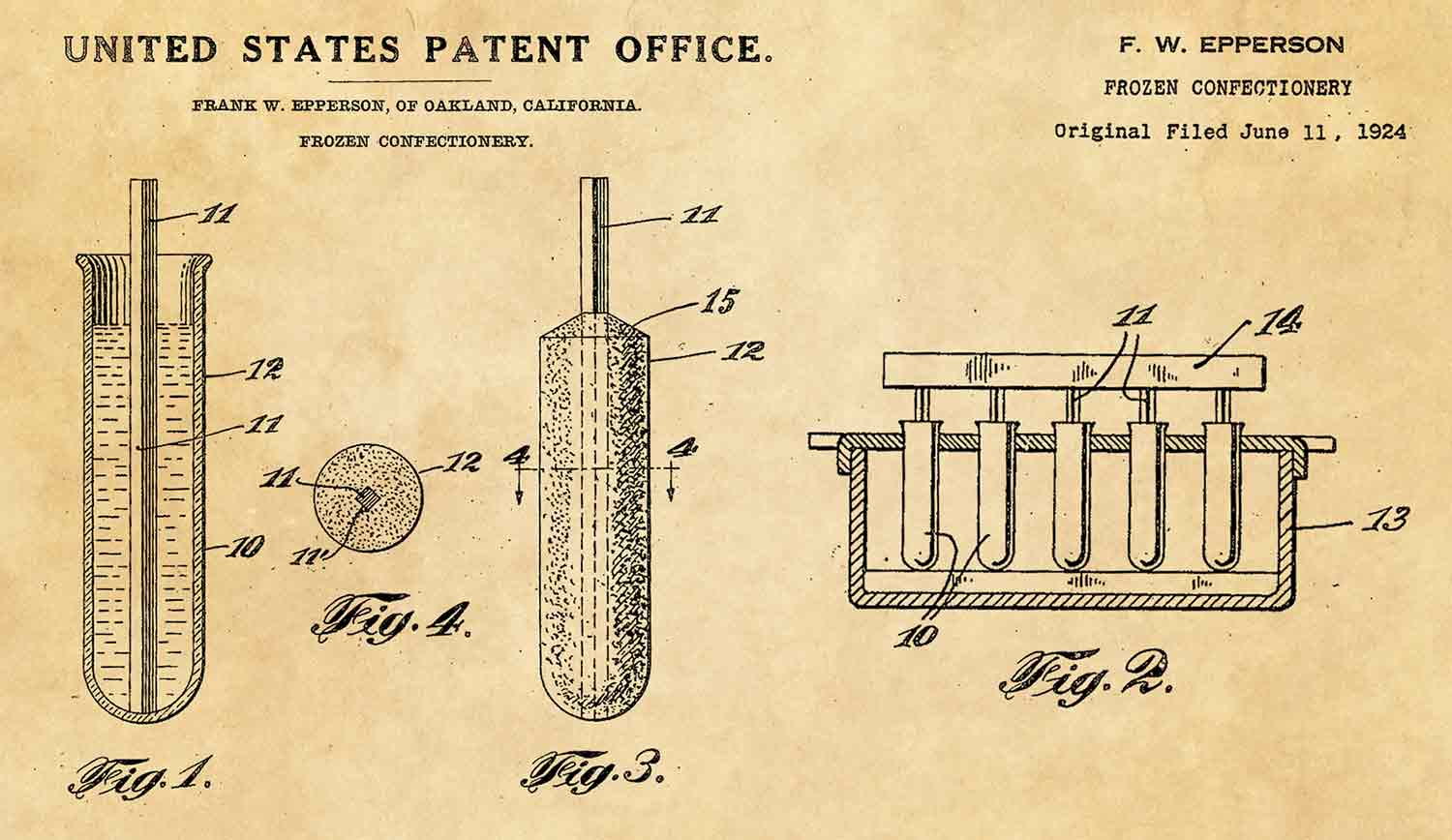
U.S. Patent and Trademark Office
This drawing was part of Frank Epperson’s patent for his frozen treat.
In 1923, Epperson decided to get a patent for the Epsicle. (A patent is a paper from the government that say no one else is allowed to sell a product.) He started making the frozen treats in many different flavors, and his kids loved them. What they didn’t like was the name. Since they called their dad Pop, they called the treats “Popsicles.” And that’s the name we know today!
In 1925, Epperson sold his idea to a company that started selling Popsicles at outdoor amusement parks. Today, Popsicles are sold all over the place—even in grocery stores. People also make their own ice pops, just like Frank Epperson did, back in 1905.
What was the first roller coaster like? What is a hot dog eating contest? How can you make ice cream at home? You can read about all of this in In the News!
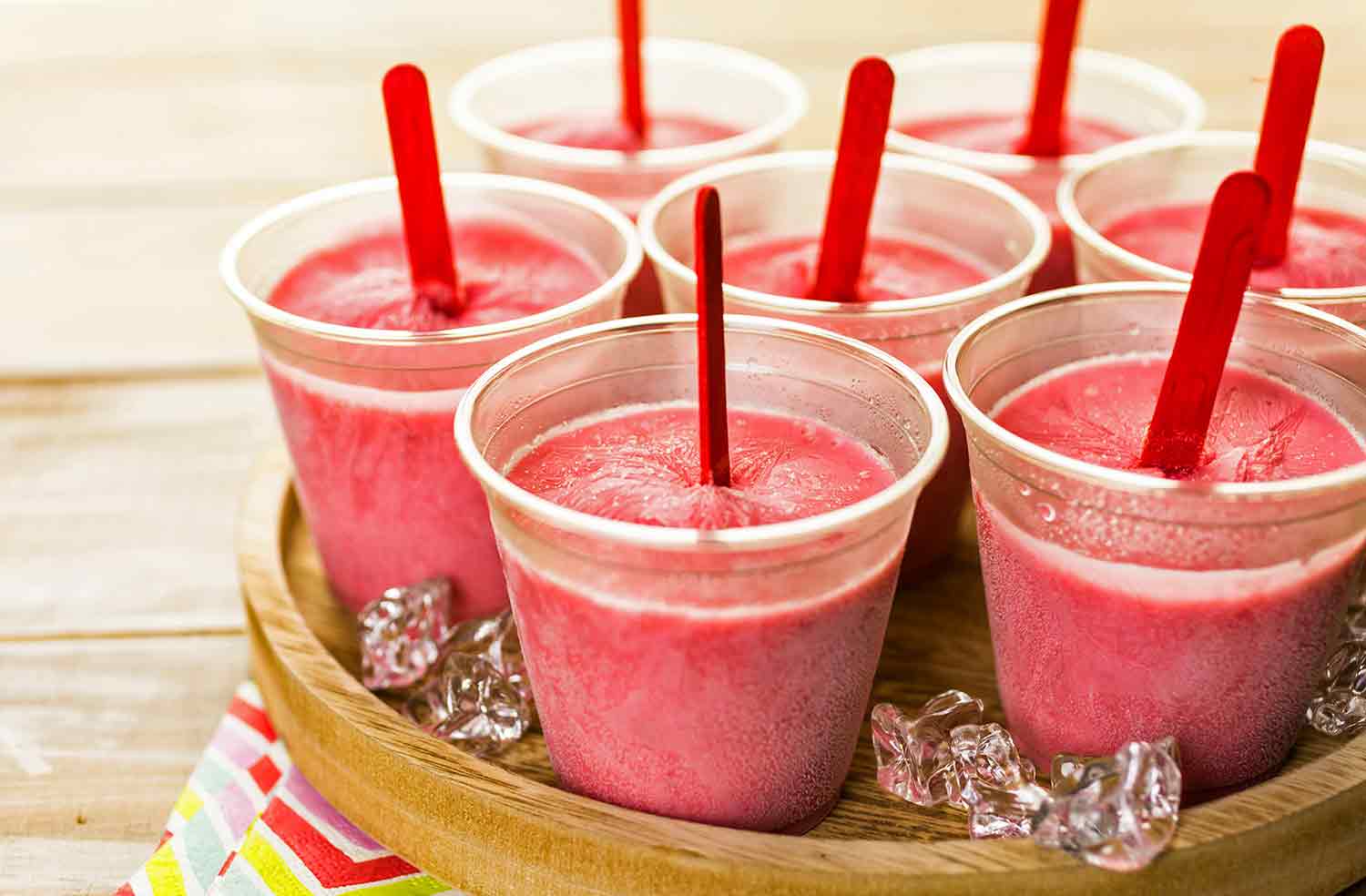
Many people make popsicles in their own freezers using juice. If you don’t have popsicle molds, you can put the juice in any of these containers. Don’t forget the popsicle sticks!
plastic or paper cups
a muffin tin
an ice cube tray
yogurt containers
Summer Fun!
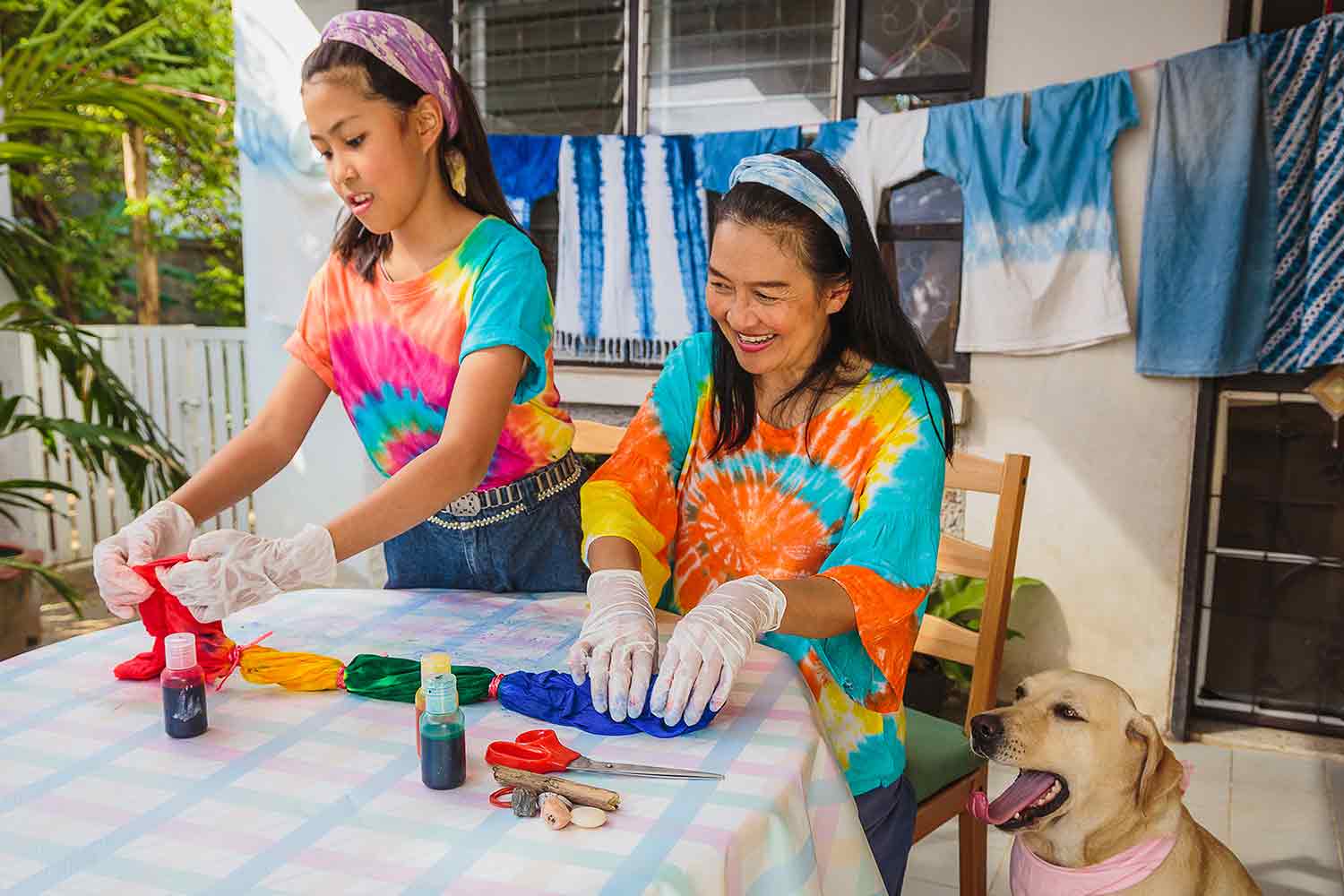
Check out these easy activities you can do on your own or with friends! Be sure to check with an adult before you try any of these.
If you do this indoors, cover your table with newspapers to protect it.
You will need:
something you can safely dye (like a white T-shirt)
a large bowl
water
white vinegar
food coloring (different colors)
plastic water bottles (one for each color)
a plastic bag
a pair of plastic gloves, if you have them
Instructions:
Put equal amounts of vinegar and water in the bowl. There should be enough liquid to soak your T-shirt.
Soak the T-shirt in the liquid for about an hour. This will keep the dye from washing out of the fabric.
While the shirt is soaking, add ½ cup of water to each plastic bottle. Add 8 drops of food coloring to each bottle. Ask an adult to punch a hole in each bottle cap. Put the caps on the bottles, cover up the holes, and shake the bottles to mix the dye.
Squeeze out the T-shirt until it is damp.
Crumple up the T-shirt and wrap a rubber band around it. Then wrap another rubber band going another way. You can add as many rubber bands as you want. (Between 5 and 8 rubber bands should be enough.)
Put the shirt on a tray. Then squeeze different-colored dyes onto the shirt.
Put the shirt in the plastic bag, and squeeze the air out of the bag before you close it. (If it’s not a ziplock bag, you can twist or fold the top of the bag to close it.) The dye should be set in about 12 hours.
When the dye is set, take the shirt out of the bag and remove the rubber bands.
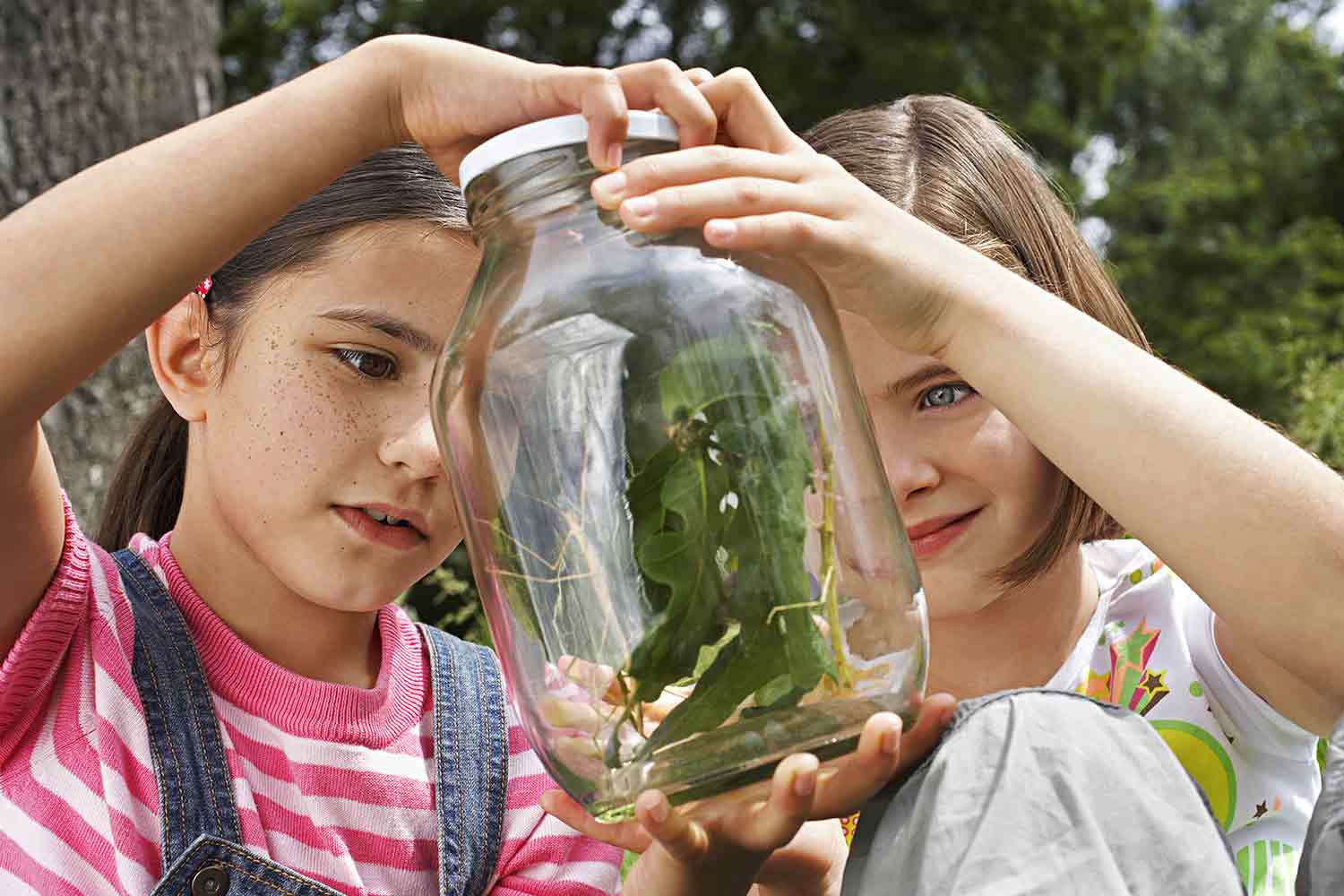
Making a bug jar is a fun way to learn more about the bugs in your backyard or a local park.
You will need:
a clean, empty bottle or jar (You can use a large juice bottle with a wide lid or a spaghetti sauce jar. Ask an adult to punch holes in the lid so that the bugs will have plenty of air to breathe.)
grass, leaves, or both
one or two small sticks
a wet paper towel
Instructions:
Gently put the wet paper towel into the jar. Add the leaves, grass, and sticks.
Go outside and look for a bug or two that you can catch and put into the jar. Look under rocks and on trees. Be sure not to catch a bug that bites or stings.
Place the lid on the jar.
Spend some time watching your bugs. If you have a computer or phone, see if you can look up the bug and find out what it is. This will help you learn what the bug eats and where it lives.
After a while, take the jar outside and let your bugs go back to their homes!
Did you know that some types of fireflies (also called lightning bugs) have lanterns in their bodies? Well, not really. But the bodies of male fireflies actually light up to attract mates! This can be seen on summer nights in the eastern half of the United States.
Vernon Jackson gives free haircuts to children with special needs at his barber shop, Noble Barber and Beauty. The Cincinnati, Ohio, barber says it’s his way of giving back to the community.
Jackson started giving the free haircuts in 2021, through what he calls the Gifted program. He had learned that some kids struggle with the loud sounds in a barber shop, making it hard for them to get haircuts. So he decided to open his shop on his day off, when the shop is calm and quiet. This would allow kids to get used to the shop environment.
“There [are] no other barbers or stylists in the shop, and I [can] give them the full attention they need,” Jackson told CBS News.
Jackson collects donations online so that he can afford to give the haircuts for free. It turns out, many people want to help. Jackson has collected thousands of dollars on a website that he set up. When parents try to pay for the free haircuts, Jackson tells them there’s no need.
“I say, “No, trust me, this is part of the Gifted program,” Jackson said. “This is a gift from the community [and] myself—please receive it.”
Many people give money to help others. This money is called a donation. But donations aren’t always in the form of money. It’s also possible to donate talents. Vernon Jackson is an example of this. He is a barber who gives his time and talent so kids can have free haircuts.
Here are ways people can donate their talents to people in need.
Hairdressers and barbers can give free haircuts.
Knitters can make sweaters and blankets and give them to homeless shelters.
Law experts and money experts can give free advice.
Technology experts can help people fix their computers.
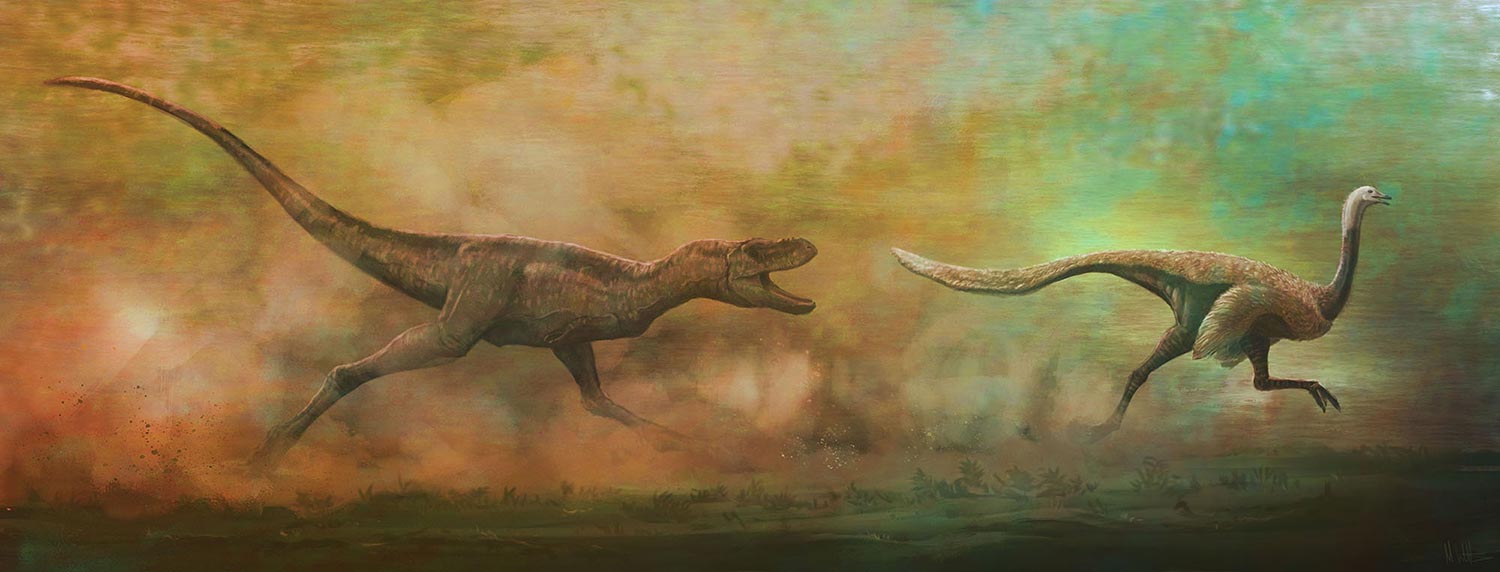
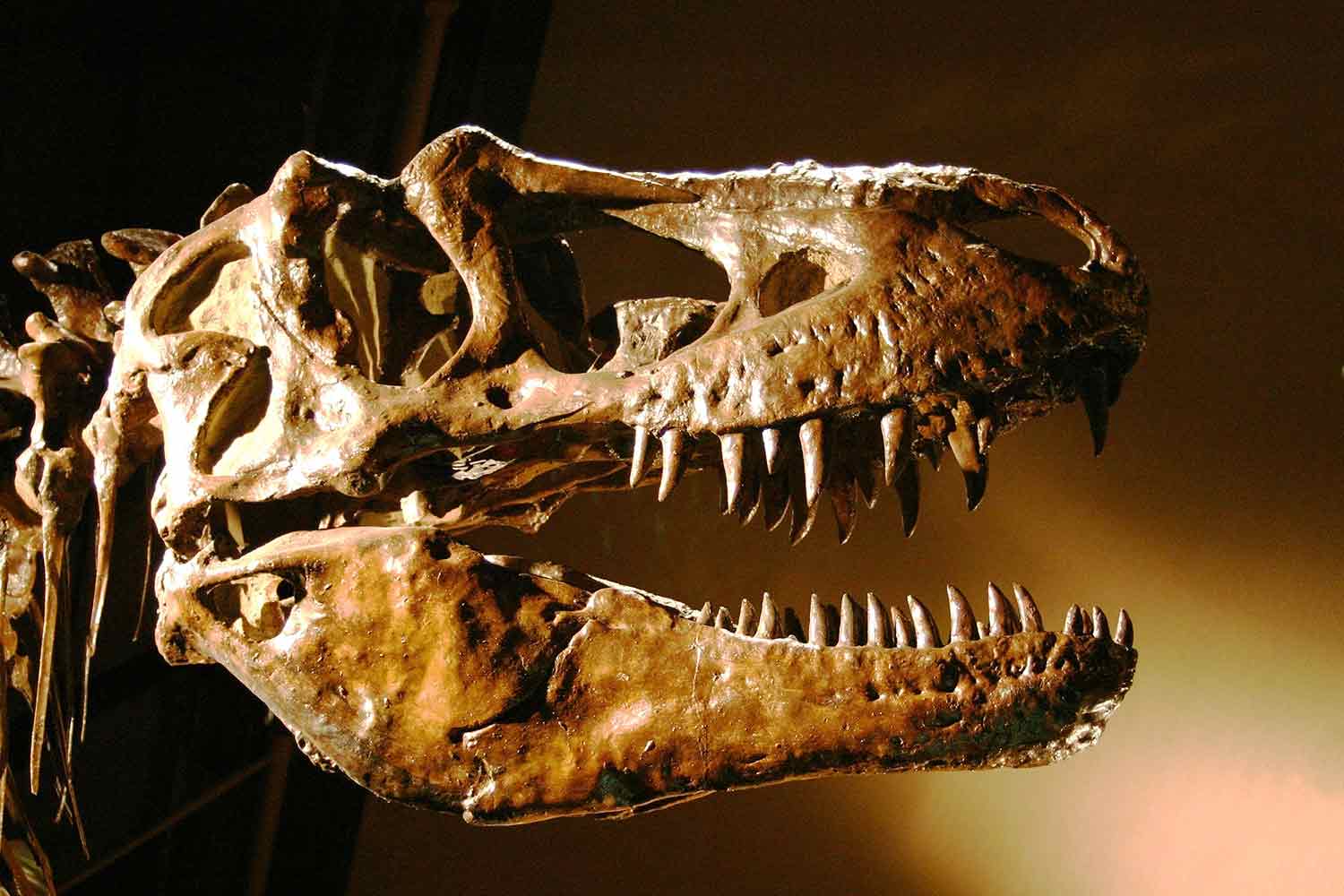
What’s the scariest thing about a Tyrannosaurus rex? Probably its gigantic teeth! But a group of scientists say they don’t think the T. rex’s teeth could always be seen. They found evidence that the T. rex had lips that covered its teeth.
Scientists studied the teeth of a Daspletosaurus, a dinosaur that was related to the T. rex. They found that the teeth were in pretty good shape. They hadn’t rotted very much. This suggests that the Daspletosaurus was able to cover its teeth when its mouth was closed, keeping the teeth from dry air that can damage them. Since Daspletosaurus and T. rex were similar in many ways, scientists now believe that both types of dinosaurs had lips.
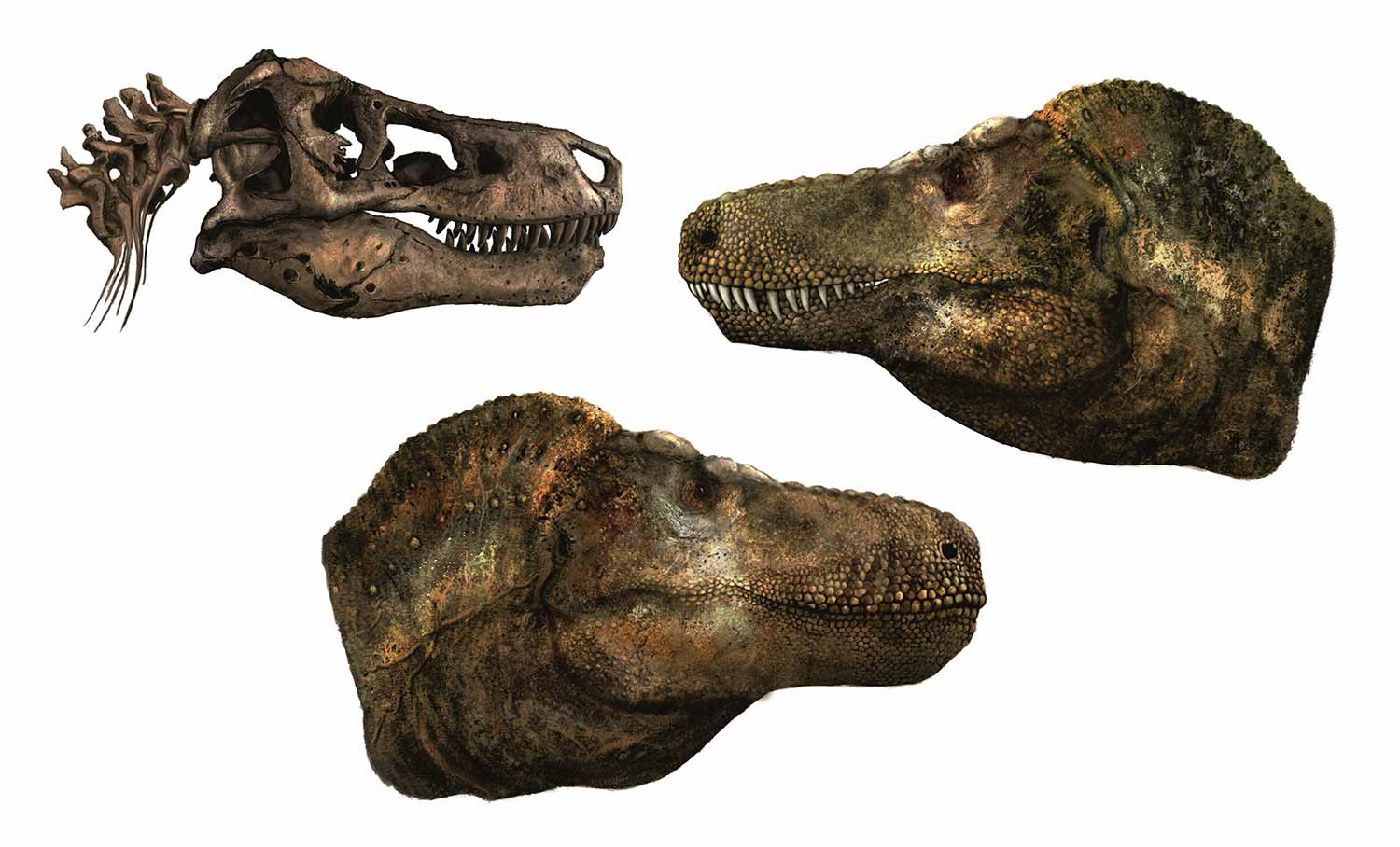
Scientists used to think that the T. rex’s teeth could always be seen. Now, they think the T. rex had lips that covered its teeth, as shown in the bottom picture.
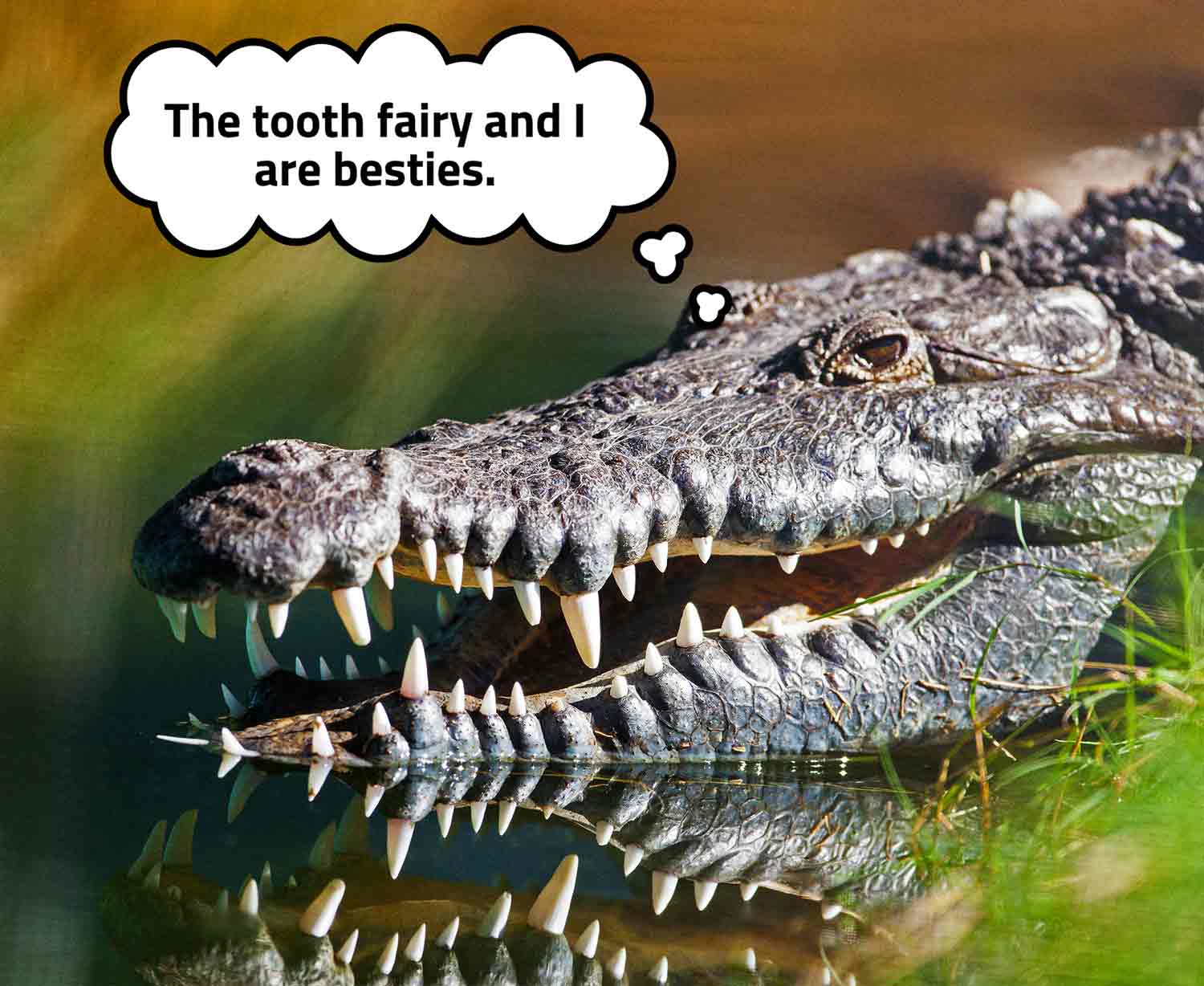
Before this study, scientists thought that T. rex teeth could be seen all the time, like a crocodile’s teeth. This is how T. rex is shown in many illustrations and movies. Why did scientists believe this? T. rex teeth could be up to 6 inches (15 centimeters) long. It was hard to believe that an animal with such big teeth could close its mouth. But now, scientists think the lips were necessary because they allowed the T. rex to keep its teeth healthy. And it needed its teeth to kill its prey!
Over time, crocodile teeth wear down and eventually fall out. Luckily, crocodiles can always grow new teeth. A crocodile can go through thousands of teeth in its lifetime!
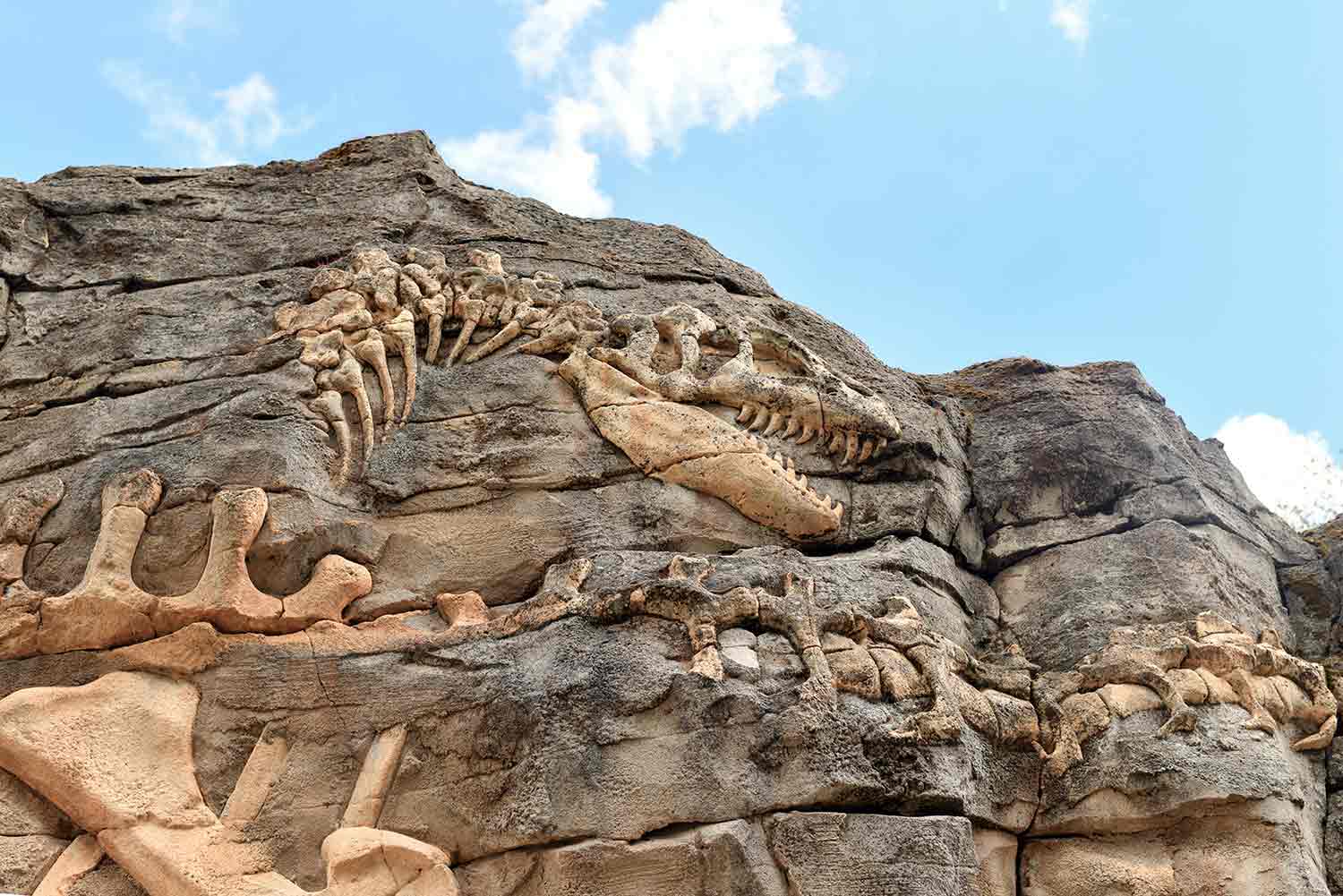
The dinosaurs died out long before humans evolved. We know dinosaurs existed because of the fossils they left behind. Fossils are the remains or molds of life that have been preserved in rock. They’re usually the hard body parts, such as bone, teeth, or shells. Plants can also be fossilized.
How are fossils of animal bones made?
An animal, such as a dinosaur, dies and is buried in mud. Sometimes the animal sinks into the mud. Other times, it is covered slowly by bits of material brought over by wind or water.
The bones of the animal are protected by the mud. Over time, the bones sink deeper and deeper, and more material covers them. Minerals fill the empty spaces in the bones.
Over millions of years, the mud turns to rock, holding the fossils inside. When the rock is broken, the fossils are revealed.
Zaila Avant-garde is a spelling champ and a record-holding dribbler. Now, she’s also an author!
Alberto E. Rodriguez/Getty Images Entertainment
In 2022,Zaila Avant-garde won the Rising Star Award at the Bounce Trumpet Awards, which recognize excellence in Black Americans.
Zaila Avant-garde has done some incredible things. She’s a world-record basketball dribbler She’s a spelling champ. And now, she’s an author! Avant-garde’s new book is called It’s Not Bragging If It’s True: How to Be Awesome at Life.
The book’s title comes from Avant-garde’s mom, Alma, who told her to be proud of the things she’s done. “It’s not bragging if it’s true!” Alma reminded her. Avant-garde holds three world records related to basketball, including a tie for dribbling the most basketballs at the same time. In 2021, she won the Scripps National Spelling Bee, a spelling contest for kids from all over the United States and a few other countries.
In the book, Avant-garde shares stories about her life and offers advice for kids. She writes that she sets goals for herself and then works to reach those goals.
“It’s a lot of hard work,” she told CBS Mornings. “But it’s easy to do the hard work because it’s fun.”
One of Avant-garde’s tips for kids is to help others. Another is, “Don’t be afraid to ask for help.”
Mark Brown/Getty Images Entertainment
In 2021, Zaila Avante-garde won the Sports Illustrated Sports Kid of the Year Award.
Avant-garde has many goals for the future. She’s planning to go to college, where she wants to study science and play basketball. Someday, she hopes to study the human brain.
“I’m super interested in the inner workings of the human mind,” she told People magazine. “I want to at least help solve the almost unsolvable puzzle of how the human mind works, or maybe solve it all together.”
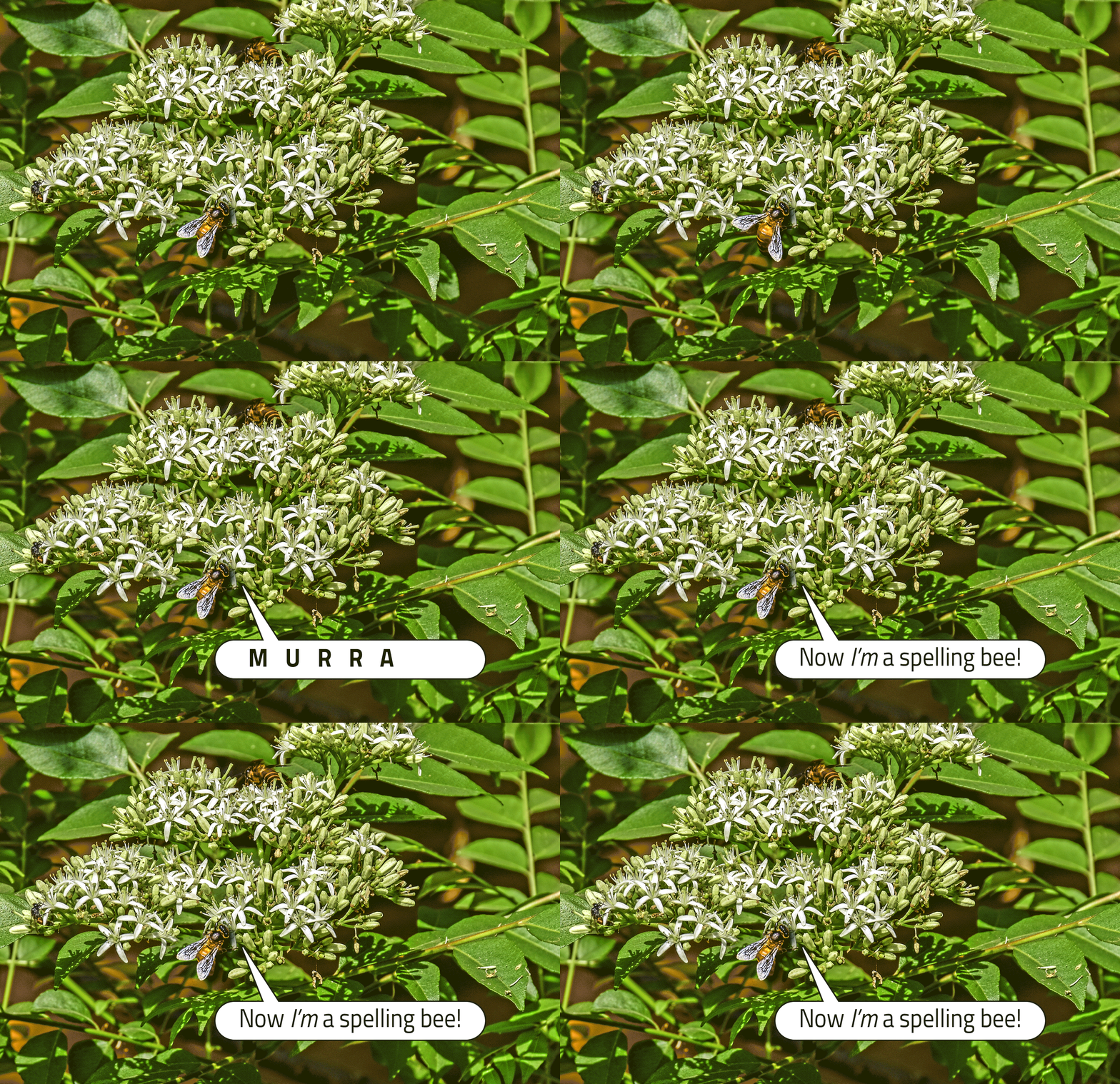
Zaila Avant-garde won the Scripps National Spelling Bee in 2021 by spelling the word Murraya. Murraya is a word used to describe a type of tropical tree.
: someone who knows a lot about many different things
Definitions provided by
Play
How many words can you make from these letters? Each word must be at least three letters long. Each word must use the word in the center of the flower.
Are you right-handed or left-handed? Most people are better at using one hand than the other. Experts say dogs are the same. Some are right-pawed, and others are left-pawed.
Scientists learned this by doing tests on dogs. They had dogs do things like stop a rolling toy, get a treat out of a container, or give a paw to shake hands with a human. Scientists also watched dogs as they began walking to see which paw the dogs put forward first. The tests showed that most dogs used the same paw every time—either the right paw or the left paw.
Scientists also found that about half the dogs were right-pawed and half were left-pawed. That’s different from humans. Only about one out of every 10 people is left-handed. For reasons scientists still don’t understand, most people are right-handed.
Scientists have found that many animals have a hand, foot, or paw they’re more likely to use. Here are a few ways to find out if your pet is a righty or a lefty.
Watch your pet walk. See if it uses its right foot or left foot first.
Wave a toy in front of your pet. See if it bats the toy with its right or left paw. (This works best with cats.)
Before your dog lies down, it may turn in a circle a few times. If it turns to the left, it may be left pawed.
Seeing your pet use one paw one time isn’t enough to figure out which paw they prefer. You’ll need to see them use that paw many times before you know it’s their favorite.
Many U.S. presidents have had pets, but President Theodore Roosevelt had LOTS of pets. Roosevelt, who was president from 1901 to 1909, had a bear, a lizard, guinea pigs, a pig, a badger, a hen, a rooster, a hyena, a barn owl, a pony, and a macaw (a type of bird)!
All the people shown in these photos are left-handed!
Most people are right-handed. In fact, scientists have found that even millions of years ago, early humans used their right hands to do things like pick berries. Scientists aren’t sure why so few people are left-handed.
Why do most people find one hand easier to use than the other? It may be because switching hands all the time would be too complicated for our brains. Instead, our brains tell us to use just one of our hands to do things like write, hold a fork, or throw a ball. And using just one hand to do those tasks helps us learn them faster.
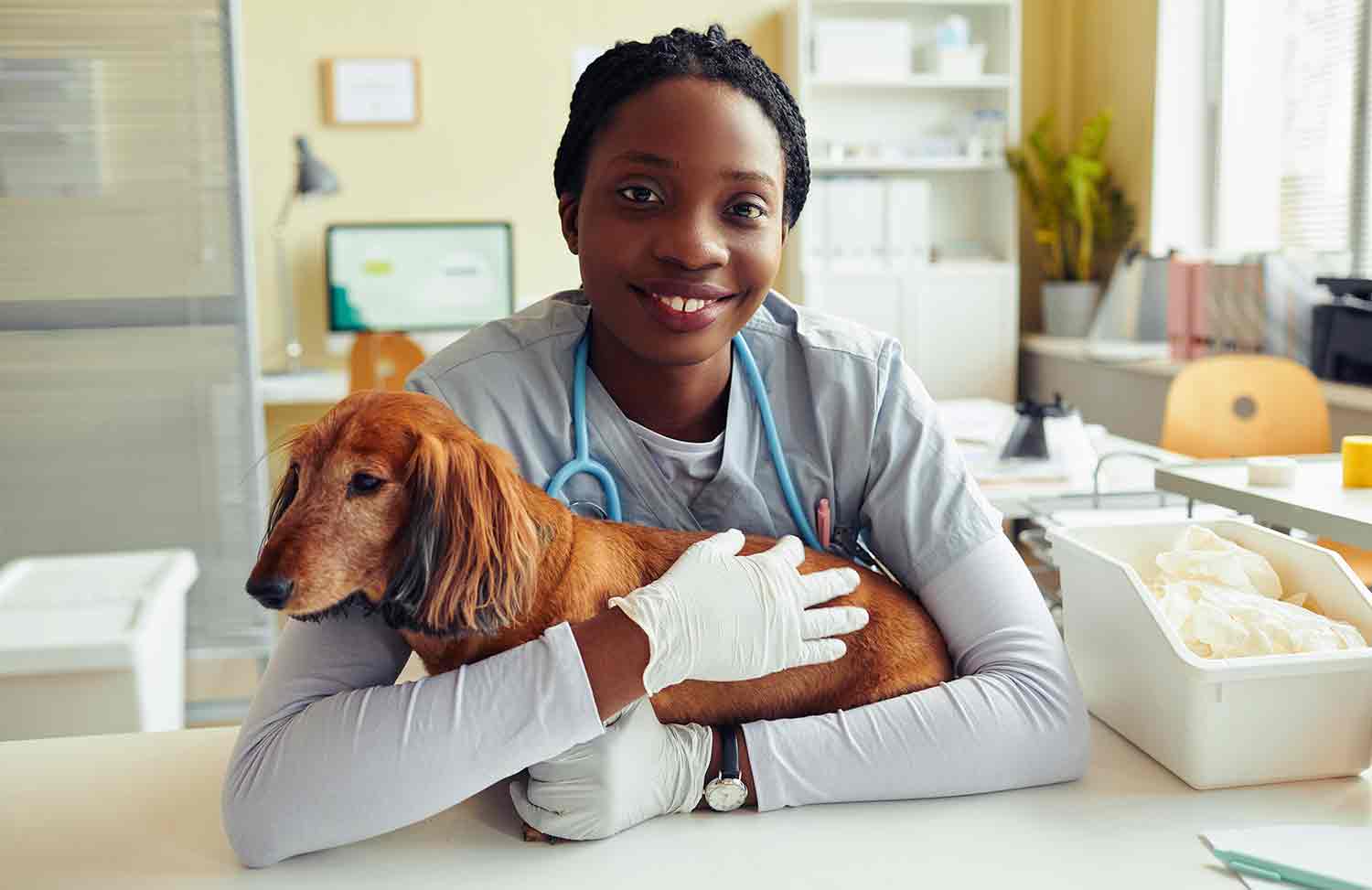
Do you love animals? Maybe you’d like to be a veterinarian—a doctor who takes care of animals. You can read more about being a veterinarian at Britannica School!