Schools Like No Others

Students kick a ball on a playground next to a school building.

Schools Like No Others

What if your school was on a boat or built out of bottles? Some kids are learning in some very unusual places!

It’s back-to-school time! Did you know that there are millions of schools in the world?

Every school is special, but some are VERY different from all the rest. Check these out!

Oldest School

Shishi High School in Chengdu, China, opened in 141 BCE, making it the oldest school in the world. The school’s buildings have been rebuilt a few times, but Shishi has operated in the same location for more than 2,100 years!

Students kick a ball on a playground next to a school building.

HOUYIMIN (CC BY-SA 4.0)

Shishi High School is the oldest school in the world. It has been in the same location for more than 2,100 years!

Bottle School

A school in the Philippines is made out of used glass and plastic bottles! The bottles are filled with a sand and clay mixture. This mixture also holds the bottle walls together, making them nice and strong. Why build with bottles? Recycling used materials into something new is better for the planet than throwing those materials away. It means less waste!

Boat Schools

Flooding is common in Bangladesh, making it hard for kids to get to their schools. That’s why some kids go to school on boats! Every morning, the 23 floating schools move along rivers, picking up the students. Once the whole class is on board, the boats dock on riverbanks and school begins. 

Ziplining to School

In Colombia, one village is about a two-hour walk from the nearest school. That’s because going to school on foot means climbing down the side of a mountain and trekking across a canyon. Luckily, the kids from this village don’t walk to school. Instead, they take a zipline across the canyon! (The younger kids are always accompanied by a teen or an adult.) A person on a zipline can travel about as fast as a car.
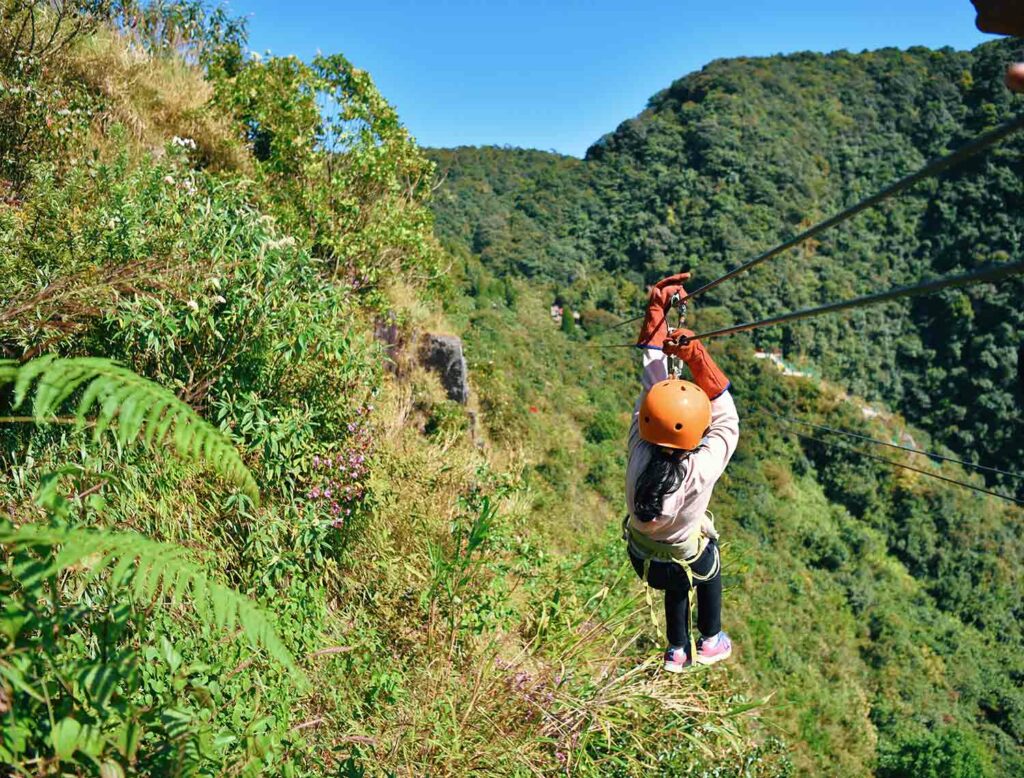
© Mayur Kakade—Moment/Getty Images

A zipline can be a fast way to cross a valley.

Fun Fact Icon
Fun Fact

© Hey Darlin—DigitalVision Vectors/Getty Images; Animation Encyclopædia Britannica, Inc.

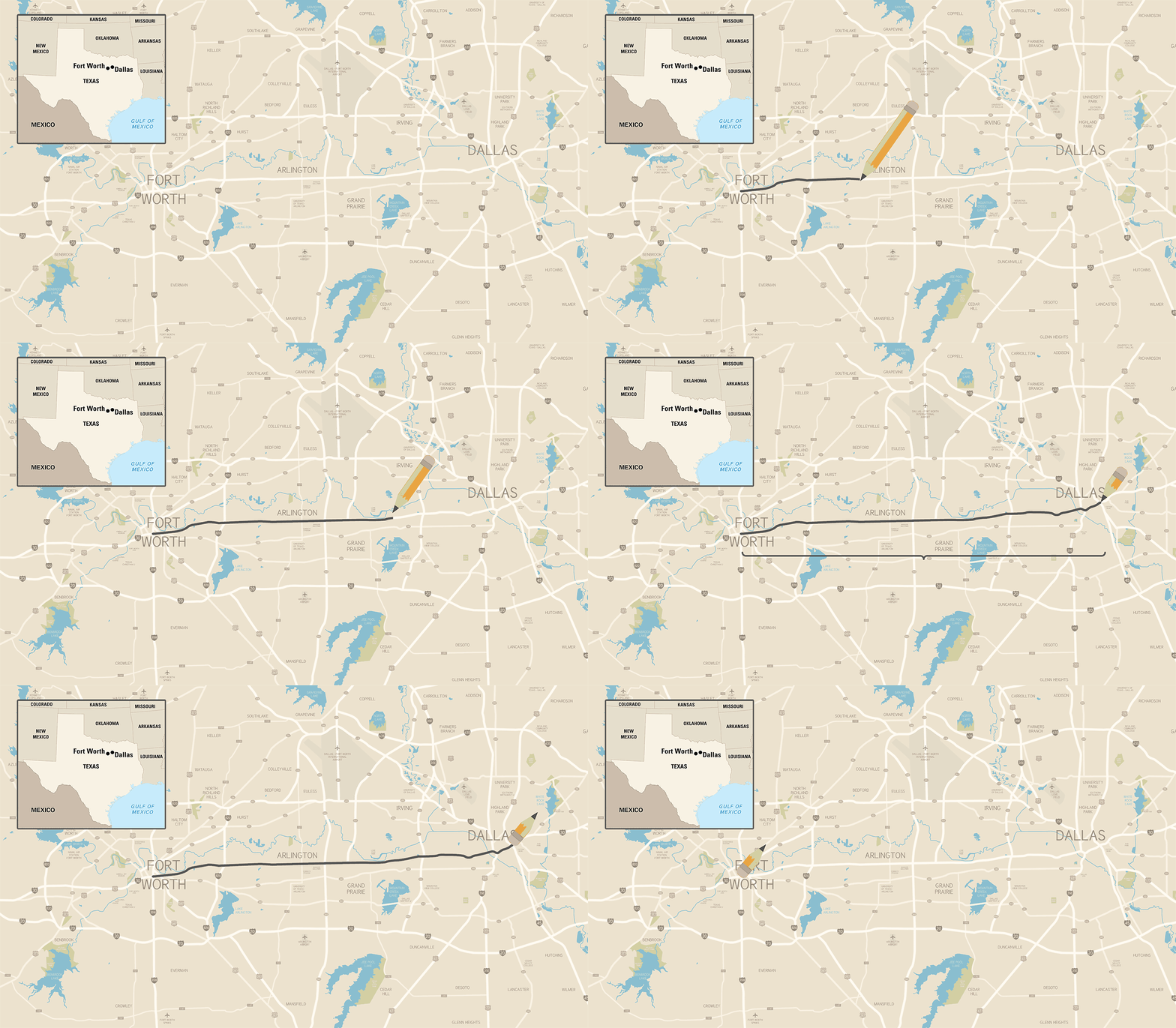
If you have a new pencil, it will last a long time before it gets too short to use. The average pencil can write 45,000 words. It can draw a line that is 35 miles (56.3 kilometers) long! That’s longer than the distance between Fort Worth and Dallas, Texas.

Way Back to School
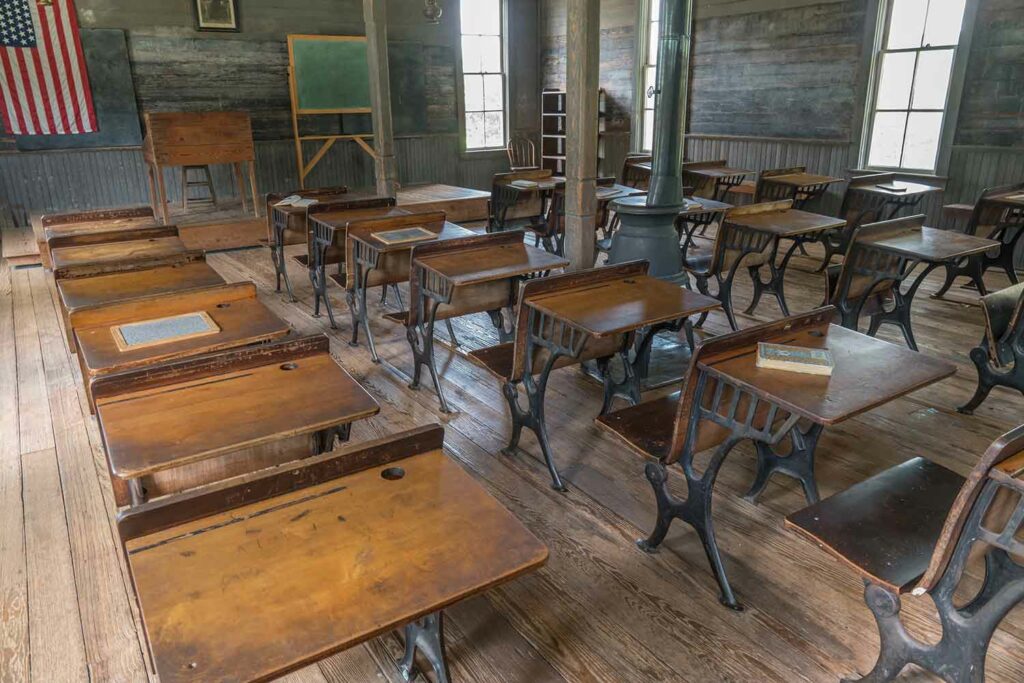
Modern photo of the interior of a one-room schoolhouse with desks, a blackboard, and a wood burning stove.
© pabradyphoto—iStock/Getty Images Plus

In the 1800s, many American kids went to school in a one-room schoolhouse like this one.

What’s your school like? Back in the 1800s, many American kids, especially kids who didn’t live in cities, attended school in a one-room schoolhouse. One teacher taught all the kids in the school.

Schoolhouses

In some ways, classrooms in the 1800s were similar to today’s classrooms. Students sat at desks, and there was usually a larger desk for the teacher. But schoolrooms were different in many ways, too. There was no electricity and no central heating. In the middle or back of the room, there was a stove that burned wood to keep everyone warm. Someone had to chop the wood for the stove. That person was often the teacher!

In the 1800s, schools did not have indoor bathrooms. Instead, they had a privy or outhouse. This was a small building located somewhere near the schoolhouse. There was no plumbing, so you couldn’t flush anything!

The School Year

Today, most U.S. schools are open between August or September and May or June. But in the 1800s, the school year was different. For example, Wisconsin schools had two “terms.” The winter term lasted from November to April. The summer term lasted from May to August. Outside of cities, many families had farms. Boys from farming families often did not attend school for months at a time. They had to help their parents prepare fields for planting and then harvest, or pick, the crops.

Teachers

In the early 1800s, most teachers were men. By the 1860s, though, more women became teachers. Women teachers were not allowed to be married. If they got married, they had to quit their jobs. In many towns, the teacher lived with a local family.

 School Supplies

In the 1800s, paper was expensive, so many students used it only when they took tests. Most of the time, they wrote on slates, which were small chalkboards. Slates could be wiped clean and used again and again. Books were also expensive, so students often shared them instead of having their own.

School Days

Animation showing classrooms in different countries.
David Mutua—AU/UN IST Photo, © Samrat35, Olga Buiacova/Dreamstime.com, © GCIS/South African Government (CC BY-ND 2.0), © monkeybusinessimages—iStock, SolStock—E+, Chris Jackson—Chris Jackson Collection, skynesher—E+/Getty Images, © Agarianna76/Shutterstock.com; Animation Encyclopædia Britannica, Inc.

What are schools like in different countries?

Learn more at Britannica School!

Word of the Day Icon

Word of the Day

scholar

Part of speech:

noun

Definition:

: a person who has studied a subject for a long time and knows a lot about it : an intelligent and well-educated person who knows a particular subject very well

Definitions provided by
Merriam-Webster Logo
Game Icon

Play

Can you find all the school words?

O
O
O
O
O

In Case You Missed It

Carson Pickett became the first athlete with a limb difference to play on the U.S. women’s national soccer team.

08.16.22

Someone spotted footprints outside a restaurant in China. It turns out, the footprints were made by dinosaurs!

08.09.22

Scientists say that migrating monarch butterflies are endangered, but we can act to help them.

08.02.22

A powerful space telescope captured some amazing images of space!

07.26.22

Kick It Like Pickett!

Two women in different uniforms run toward a soccer ball on a field.

Kick It Like Pickett!

Carson Pickett became the first athlete with a limb difference to play on the U.S. women’s national soccer team.

Two women in different uniforms run toward a soccer ball on a field.

Carson Pickett (in the white uniform) recently played on the U.S. women’s national soccer team.

SPP Sport Press Photo/Alamy

Keep chasing your dreams. That’s what Carson Pickett’s dad has always told her. So Pickett never stopped doing what she loved—playing soccer. And in June 2022, she became the first person with a limb difference to play on the U.S. women’s national soccer team (USWNT). (When someone has a limb difference, it means that one of their arms or legs is not shaped in the usual way.) 

Pickett usually plays for a team called the North Carolina Courage, but she was chosen to fill in for Emily Fox for the USWNT game that took place on June 28, 2022. Pickett played for all 90 minutes of the game. She helped the U.S. team win a 2-0 victory against Colombia.

Pickett, who was born without a left hand or forearm, started playing soccer when she was 5. She loved the sport, and by the time she got to college, experts were calling her one of the best young players in the United States. Eventually, Pickett became a professional soccer player. She has played for many teams, but playing for the USWNT was an especially big moment in a big-deal career.

“I saw the crowd and everyone chanting ‘USA’ and I just knew that my biggest dream just came true,” she told Good Morning America. “I think it was so cool to see my parents in the stands and just all the little kids screaming your name and things like that. And honestly, it’s the best feeling I’ve ever had in my entire life.” 

But soccer isn’t the only thing that’s important to Pickett. In 2019, a photo of Pickett with a young fan went viral on social media. Like Pickett, the boy, Joseph Tidd, had been born without a left hand and forearm. Pickett wants to encourage people—especially kids—to be proud of what makes them different.

“Different people are my kind of people,” she told CBS News. “The world needs more of that.” 

Fun Fact Icon

Fun Fact

© selected-takes—Creatas Video/Getty Images, Ofer Koren/Artlist

On average, soccer players run 7 miles (11 kilometers) per game. This is more than athletes in any other sport. World Cup soccer players run as many as 9.5 miles (15 kilometers) in one game.

A Paralympic Legend

A woman in a wheelchair on a tennis court holds up her arms and smiles as a crowd cheers behind her.

Esther Vergeer may be the best tennis player ever.

Julian Finney/Getty Images Sport

The Paralympic Games is an international sporting event for athletes with disabilities. The event takes place just after the Olympics, in the same city.  Athletes from countries around the world compete in the Paralympics. 

One of the most famous athletes to compete at the Paralympics was wheelchair tennis player Esther Vergeer of the Netherlands. Between 2003 and 2012, Vergeer won 470 matches in a row. 

Her accomplishments also include eight Paralympic medals (including four gold medals) and 44 Grand Slam titles. (An athlete with a Grand Slam title has won all four of the world’s major tennis competitions that year.) 

Tennis players who are far more famous, like Roger Federer, haven’t been able to match all of Vergeer’s accomplishments! For this reason, many people believe that Vergeer was the best tennis player in the history of the sport.

Learn more about the Paralympics at Britannica School!

The World’s Most Popular Sport!

Esther Vergeer may be the best tennis player ever.

Meg Oliphant/Getty Images Sport

You can learn more about Carson Pickett’s sport—soccer—at Britannica School!

Read more at Britannica School!

Word of the Day Icon

Word of the Day

confidence

Part of speech:

noun

Definition:

: a feeling or belief that you can do something well or succeed at something

Definitions provided by
Merriam-Webster Logo
Game Icon

Play

See if you can find all the soccer words.

O
O
O
O
O

In Case You Missed It

Someone spotted footprints outside a restaurant in China. It turns out, the footprints were made by dinosaurs!

08.09.22

Scientists say that migrating monarch butterflies are endangered, but we can act to help them.

08.02.22

A powerful space telescope captured some amazing images of space!

07.26.22

Does this spider look like the face on a can of Pringles potato chips? The people at Pringles think so!

07.19.22

Dinosaur Tracking

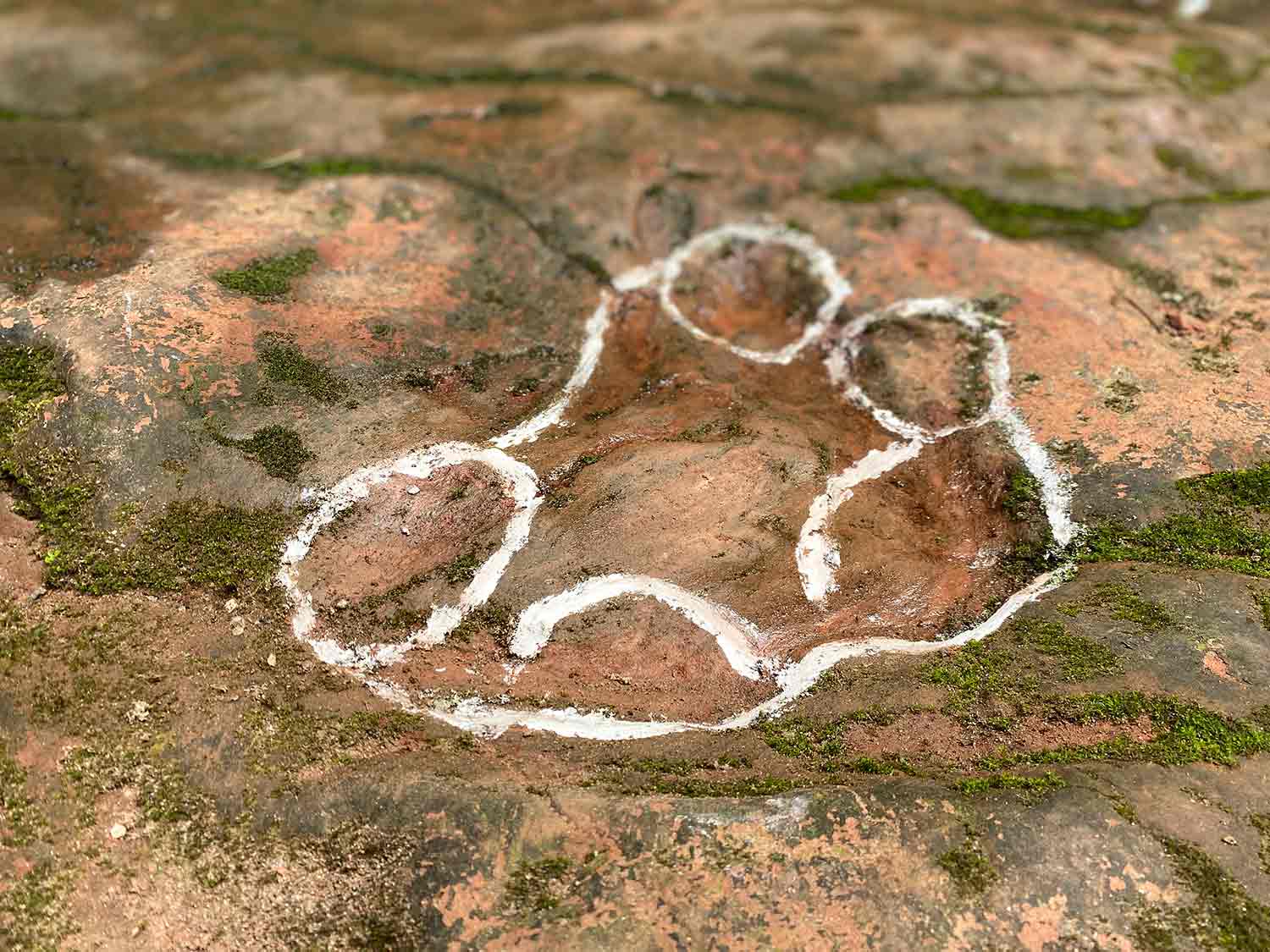
A closeup of a footprint in the ground that has been outlined in white

Dinosaur Tracking

Someone spotted footprints outside a restaurant in China. It turns out, the footprints were made by dinosaurs!

Lida Xing

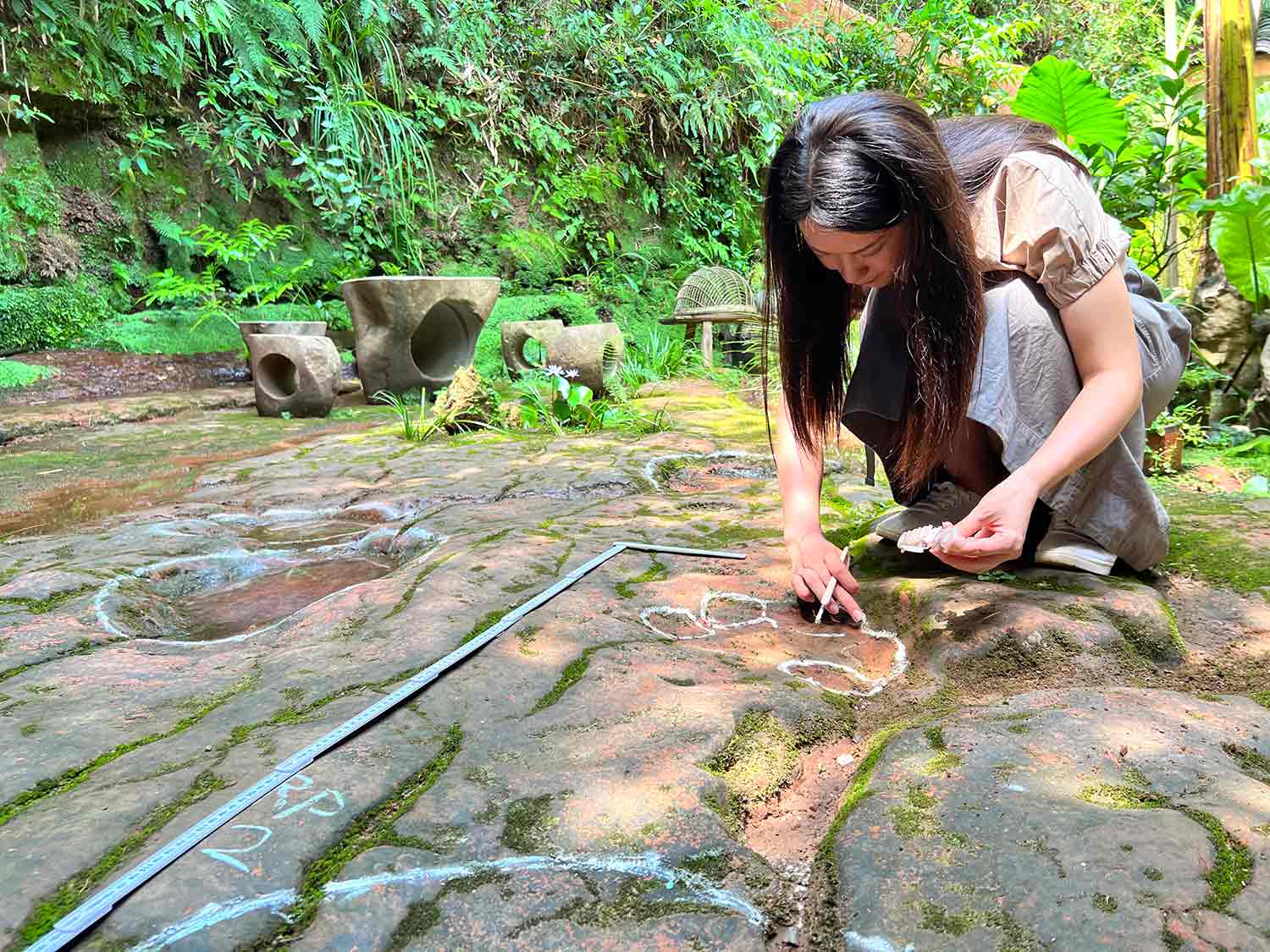
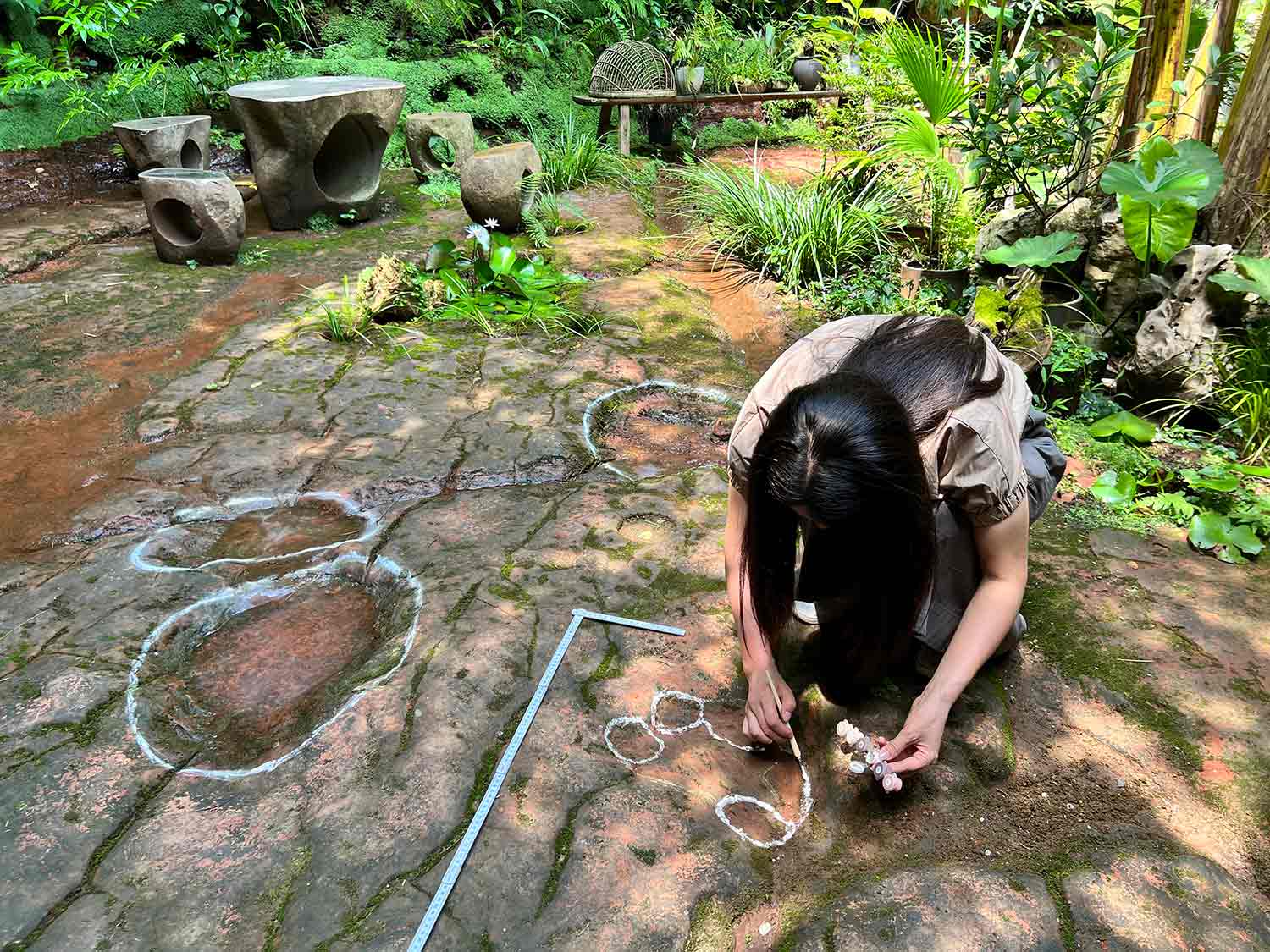
A diner was eating outside at a restaurant in China when they spotted some footprints—very large footprints. These were no ordinary animal tracks. It turns out they were made millions of years ago…by dinosaurs!

Paleontologists (scientists who study fossils from long ago) used special instruments called 3D scanners to study the fossilized footprints and determine their origin. According to paleontologist Dr. Lida Xing, the prints date back about 100 million years, to a time called the Cretaceous period. They were made by two sauropods. 

A sauropod was a type of dinosaur that had a small head and a long neck and tail. Dr. Xing said the sauropods that made the footprints probably measured about 26 feet (8 meters) in length. They were actually on the small side. Some sauropods could reach almost 100 feet (30 meters). That’s the length of three school buses! Sauropods were so heavy that the ground probably shook when they walked. 

But while they were big enough to take down a lot of other dinosaurs, sauropods were vegetarians. They didn’t eat meat. Because they were so big, sauropods had to look for endless amounts of vegetation to eat. Paleontologists say that could be what the pair of sauropods were doing when they made the footprints that have survived for so long.

Footprints don’t always last for millions of years, even when they’re fossilized. Many footprints and other fossils may have been lost when they were built on or paved over before they could be discovered. But the sauropod footprints were discovered in a location that was once a farm, and the prints were buried in dirt and sand. Covered over like this, the prints were protected from damage. The dirt and sand were removed when the property was turned into a restaurant.

The restaurant owner has fenced off the area where the footprints are in order to protect them. It’s as if there’s a treasure on his property.

“The footprints were very deep and quite obvious,” Dr. Xing told CNN. “But [for a long time] nobody had thought about [the possibility that they were made by dinosaurs].”

Fun Fact Icon

Fun Fact

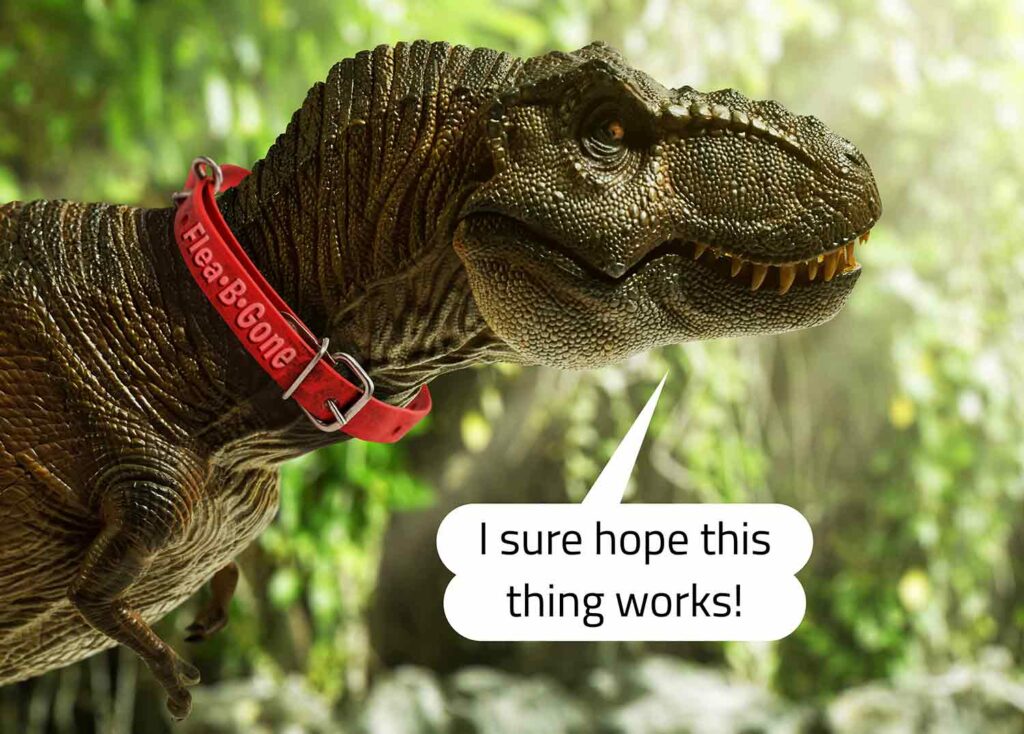
Dinosaurs didn’t actually have flea collars, but they did have fleas!

© fotokitas/stock.adobe.com, © Ksena2009/Dreamstime.com; Photo illustration Encyclopædia Britannica, Inc.

Dinosaurs were sometimes bothered by fleas! Scientists know this because they’ve found fossils of prehistoric fleas preserved in ancient tree sap called amber. The fleas that bugged dinosaurs were different from tiny fleas that can make dogs and cats itch in at least one way—they were much bigger!

Dino Detectives

Scientists learn about dinosaurs by studying their fossilized bones. But bones aren’t the only things dinosaurs left behind. Here are five other examples of fossils that help scientists piece together what dinosaurs were like.

1

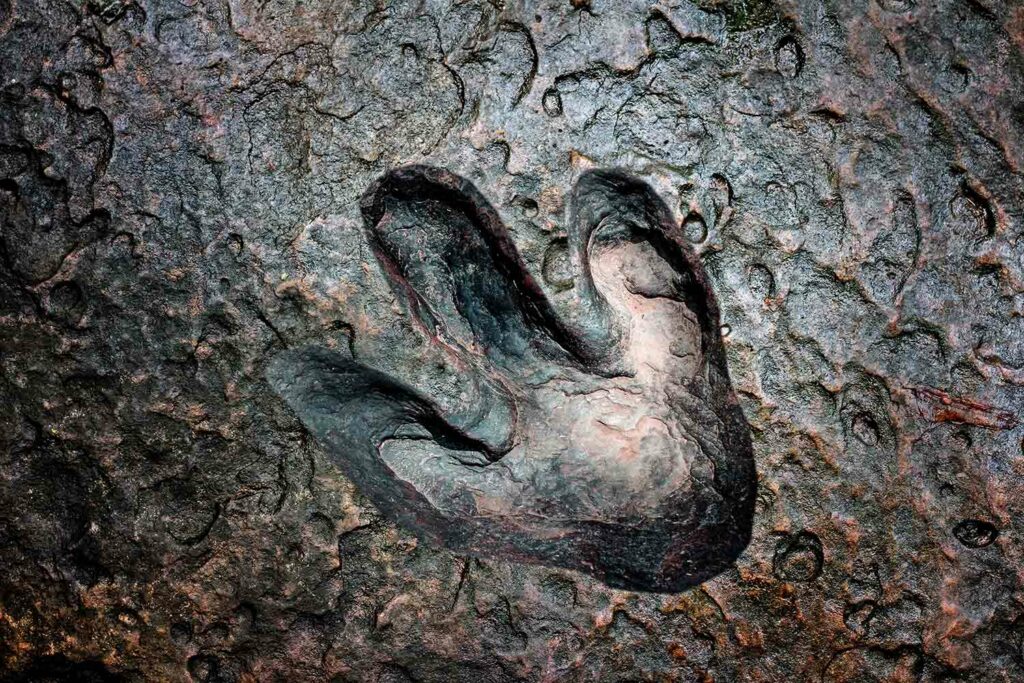
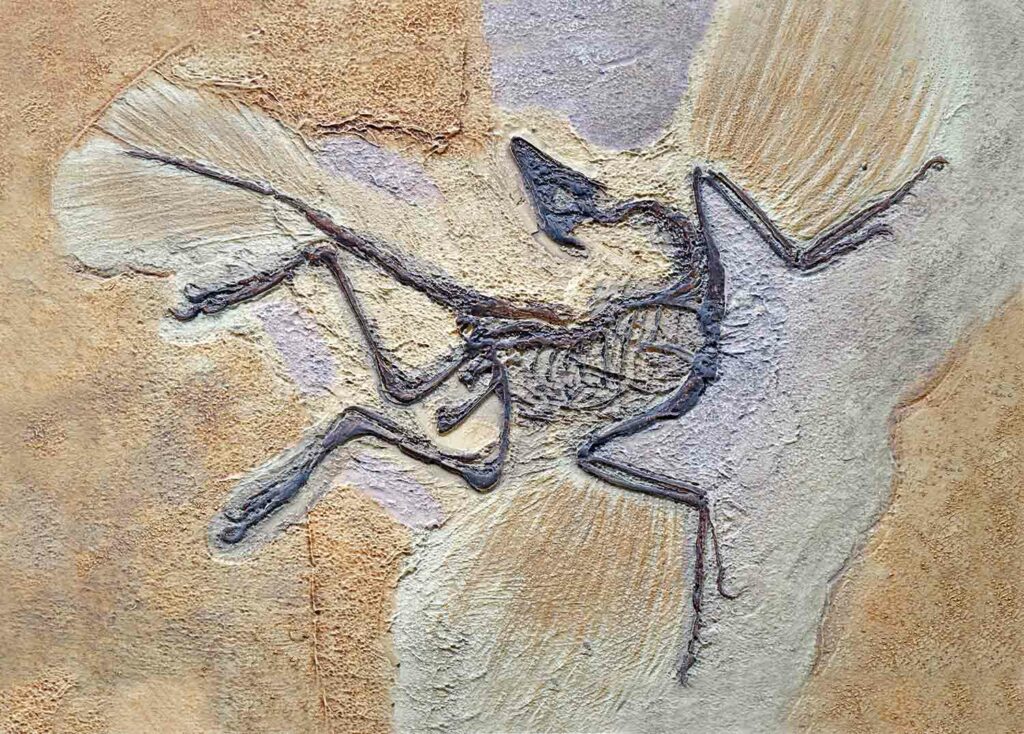
Footprints. Preserved dinosaur footprints, also called ichnites, were left behind when a dinosaur walked on soft ground. By studying the shape of a fossilized footprint, scientists can estimate how heavy a dinosaur was, whether it walked on two legs or four, and even how quickly it was moving.

A fossilized footprint with three toes

© releon8211/stock.adobe.com

2

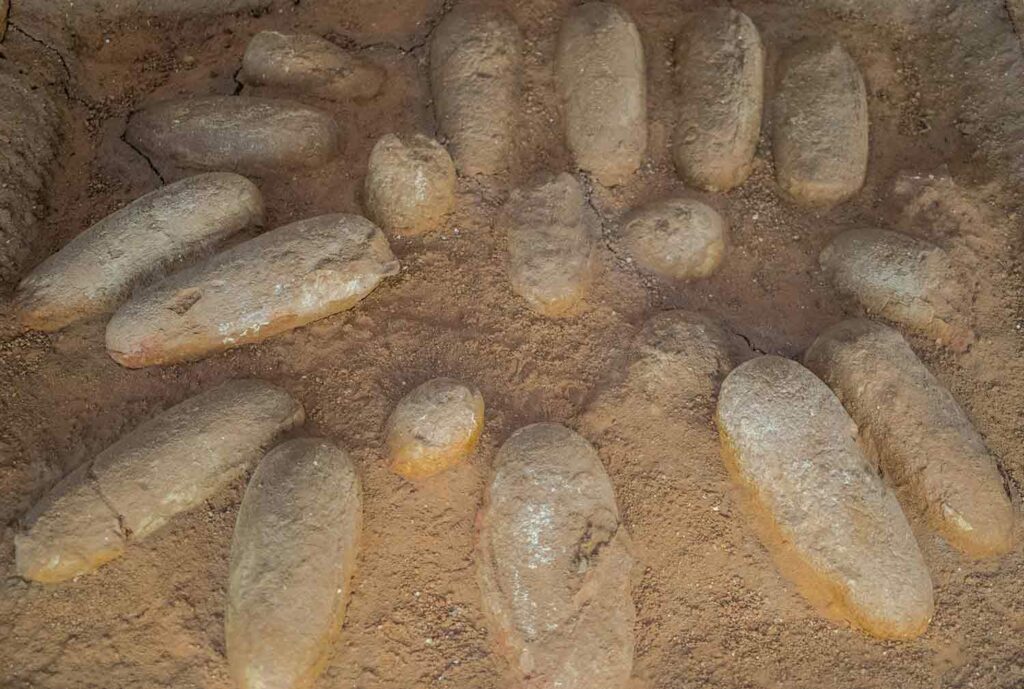
Eggs and nests. Did you know that dinosaurs hatched from eggs? Fossilized dinosaur eggs can tell scientists the approximate size of the baby dinosaur inside. The number of eggs and whether the eggs are found in a nest or an underground burrow can reveal how different dinosaurs cared for and protected their young.

A group of white, oblong eggs that have been fossilized

© Martin Leber/Dreamstime.com

3

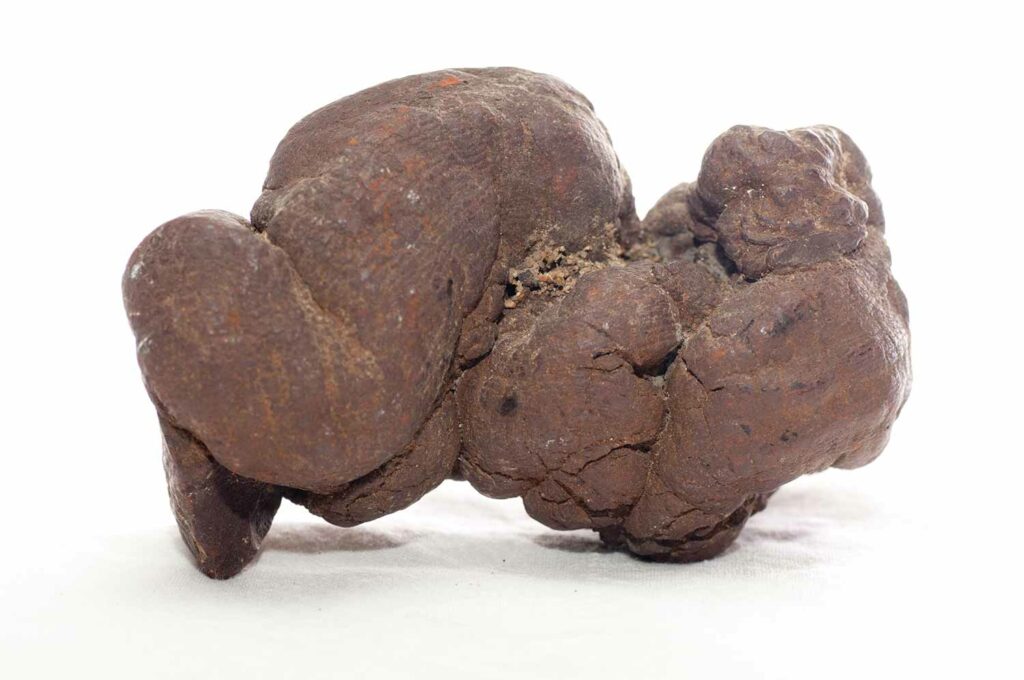
Poop. Fossilized dinosaur poop, or coprolites, can provide scientists with a lot of information. By studying coprolites, scientists can learn what kind of dinosaur made them and what the dinosaur ate.

© Wirestock/stock.adobe.com

4

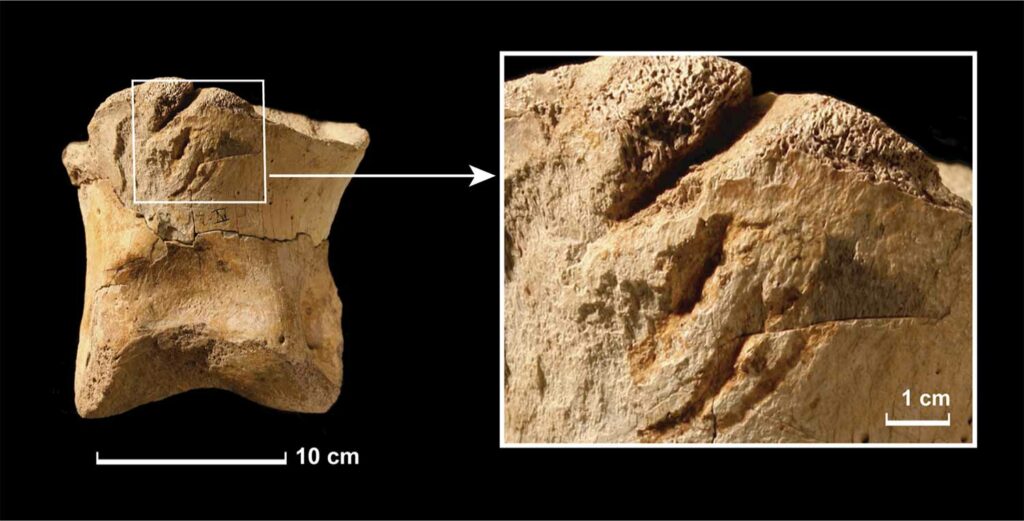
Bite marks. Dinosaurs sometimes fought each other, and they weren’t gentle. Scientists can study bite marks on fossilized bones to learn the ways in which dinosaurs fought and how strong they were. By studying bite marks, scientists learned that dinosaurs sometimes attacked and killed members of their own species.

A piece of a T. rex bone with bite marks from another T. rex and an inset showing a closeup of the bite marks.

© 2010 Longrich et al. PLoS ONE 5(10): e13419

5

Feathers. Fossilized dinosaur feathers can reveal what feathered dinosaurs looked like. Scientists can even study melanosomes, tiny structures inside the feathers that can be seen only through a microscope. Melanosomes can give scientists information about the color of a feather.

© Cheattha/stock.adobe.com

Want to know more about fossils?

Terrible Lizards!

© Mark Garlick—Science Photo Library/Getty Images

Did you know that some dinosaurs were smaller than chickens?

There’s a lot more to learn at Britannica School!

Word of the Day Icon

Word of the Day

fossil

Part of speech:

noun

Definition:

: something (such as a leaf, skeleton, or footprint) that is from a plant or animal which lived in ancient times and that you can see in some rocks

Definitions provided by
Merriam-Webster Logo
Game Icon

Play

Can you find all the dinosaurs and dinosaur-related words?

O
O
O
O
O

In Case You Missed It

Scientists say that migrating monarch butterflies are endangered, but we can act to help them.

08.02.22

A powerful space telescope captured some amazing images of space!

07.26.22

Does this spider look like the face on a can of Pringles potato chips? The people at Pringles think so!

07.19.22

Scientists at NASA hope to find out more about the strange stuff people have seen in the sky.

07.12.22

Butterflies Need Our Help

Cluster of monarch butterflies

Butterflies Need Our Help

Scientists say that migrating monarch butterflies are endangered, but we can act to help them.

© Jose Carlos Macouzet Espinosa—Creatas Video+/Getty Images Plus

Have you ever seen a monarch butterfly? Monarchs, which are found mostly in North America and Central America, are famous for their beautiful orange, black, and white wings. But in the past several years, it’s been harder to find some monarchs—because there aren’t as many as there used to be. Scientists say that migrating monarch butterflies are endangered, which means they’re in danger of dying out.

The International Union for Conservation of Nature (IUCN), a group that keeps track of species populations, has added the migrating monarch butterfly to its “red list” for the first time. The red list is a list of species whose populations have fallen to the point where they are “threatened.” When something is threatened, it means that its future is not certain. There are more than 41,000 species on the red list.

According to the IUCN, the number of monarchs in North America has fallen by at least 22 percent in the past 10 years. That’s almost one-quarter of the monarch butterfly population. Scientists believe there are a few reasons for this. The butterflies have lost much of their habitat, including parts of forests where they stay during the winter. They’ve also been harmed by pesticides, which are poisons that farmers use to kill pests that eat crops. And, like many species, monarch butterflies are affected by climate change.

Not all monarch butterflies are in trouble. The problem is affecting only the monarch butterflies that migrate, or fly from one place to another each year. Every autumn, millions of these monarchs fly south, from colder parts of North America to California and Mexico, where they spend the winter. They fly north again as the weather warms up in the spring. 

The migration of the monarch butterfly is thousands of miles—the longest in the insect world. The sight of the butterflies is so beautiful that crowds sometimes gather to see thousands of the orange insects sleeping in the trees.

But scientists say there are reasons to hope monarch butterflies will be around for a long time. Putting a species on the red list can make people aware that it needs help. And there are ways to help, including by protecting forests and using fewer pesticides. 

Ordinary people can help too. Monarch butterflies lay their eggs on a plant called milkweed, and caterpillars (young butterflies) feed on the milkweed. People who have backyards can help monarchs by planting milkweed.

“There is still time to act,” Scott Hoffman Black, a scientist who works to help save species, told CNN.

Fun Fact Icon

Fun Fact

How Far Do They Migrate?

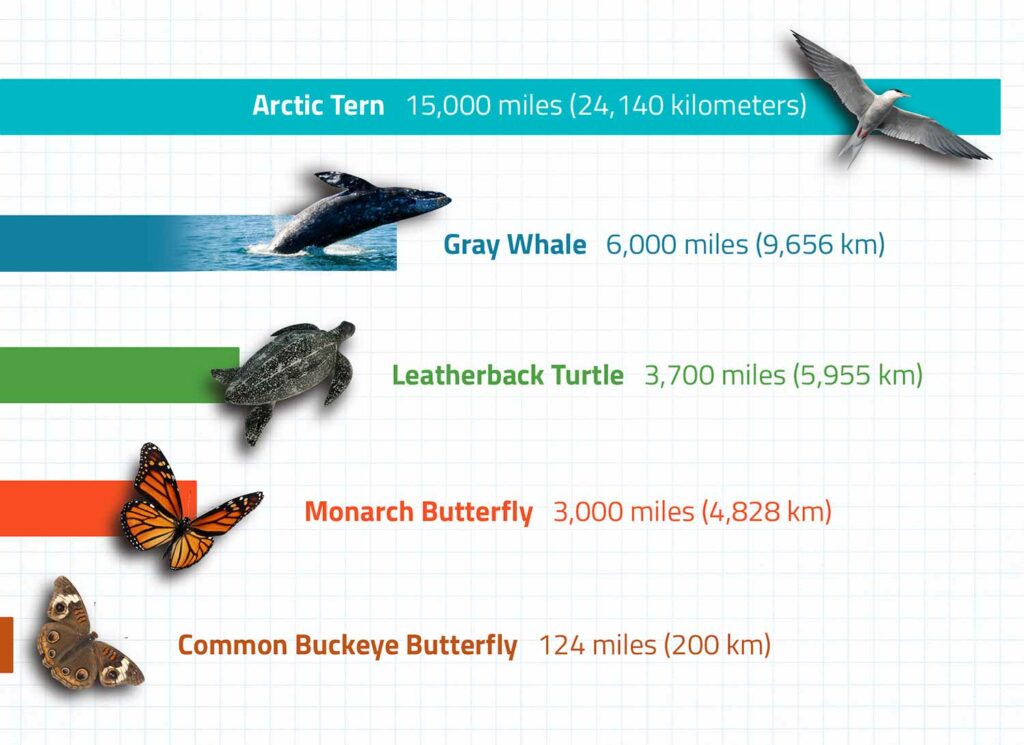
Infographic showing migration distances for the Arctic tern, gray whale, leatherback turtle, monarch butterfly, and common buckeye butterfly.
© Uryadnikov Sergey, thawats/stock.adobe.com, © Buddhapong Wongsanont, Brian Magnier/Dreamstime.com, © doescher—iStock/Getty Images Plus; Photo illustration Encyclopædia Britannica, Inc.

Some monarch butterflies fly as many as 3,000 miles (4,828 kilometers) to reach their winter home. If you were in a car going at top speed, it would take you about 50 hours (more than two full days) to travel that far!

Butterfly or Moth?

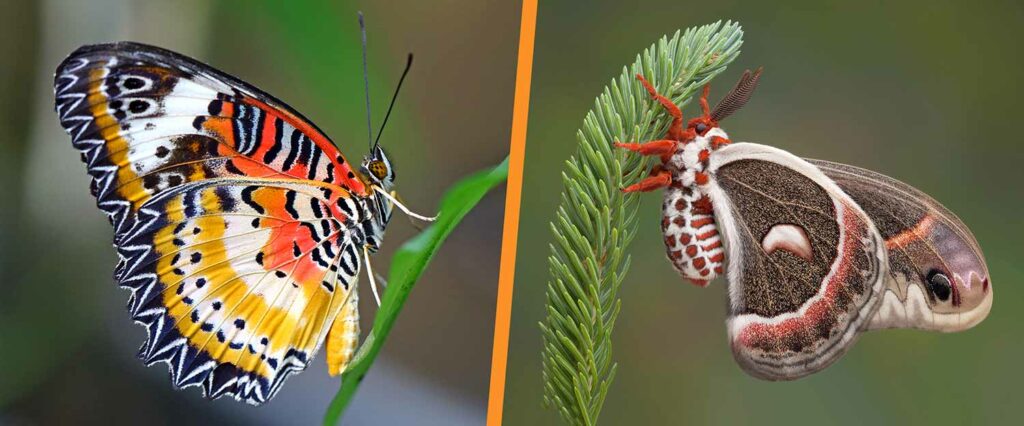
The leopard lacewing butterfly (left) and the cecropia moth (right) look similar, but there are differences!

© Susan Walker—Moment/Getty Images, © CathyKeifer—iStock/Getty Images Plus; Photo composite Encyclopædia Britannica, Inc.

Moths are a lot like butterflies. Both have large wings. And both start out as eggs, change into caterpillars, and then become adults. But moths and butterflies aren’t the same. Here are some differences.

1

Butterflies are usually more colorful than moths. Moth wings may have different colors, but they’re not as bright as butterfly wings.

2

Butterflies fold their wings upright over their backs. Moths hold their wings open, hiding their abdomens (bellies).

3

Butterfly antennas are thin, and the ends are shaped like balls. Moth antennas are feathery, sort of like soft combs.

4

Most butterflies are active during the day, while most moths are active at night.

5

You might think that both moth and butterfly caterpillars make cocoons, but that’s not quite true. Moth caterpillars make cocoons, which are wrapped in silk. Butterfly caterpillars make a chrysalis, which is hard and smooth.

More About Moths…
and Butterflies!

© Bornin54, Steve Byland, Candyspics, Thatree Charoenpornpimongul, Victoria Martin, Rosemarie Kappler, Valeriy Kirsanov/Dreamstime.com, © nanoya—iStock/Getty Images, © Christian Musat/stock.adobe.com; Animation Encyclopædia Britannica, Inc.

Do you want to learn more about butterflies and moths? Read about them at Britannica School!

Word of the Day Icon

Word of the Day

monarch

Part of speech:

noun

Definition:

: a person (such as a king or queen) who rules a kingdom or empire

Definitions provided by
Merriam-Webster Logo
Game Icon

Play

Can you find all the words?

O
O
O
O
O

In Case You Missed It

A powerful space telescope captured some amazing images of space!

07.26.22
Does this spider look like the face on a can of Pringles potato chips? The people at Pringles think so!

07.19.22
Scientists at NASA hope to find out more about the strange stuff people have seen in the sky.

07.12.22
A man walked high above a crowd–on a tightrope!

06.28.22

Wonderful Webb

Wonderful Webb

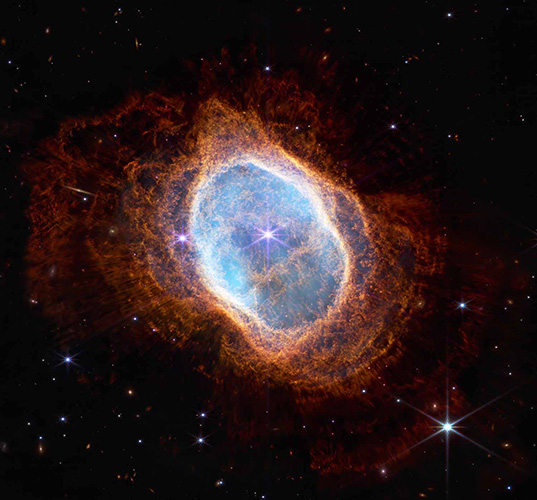
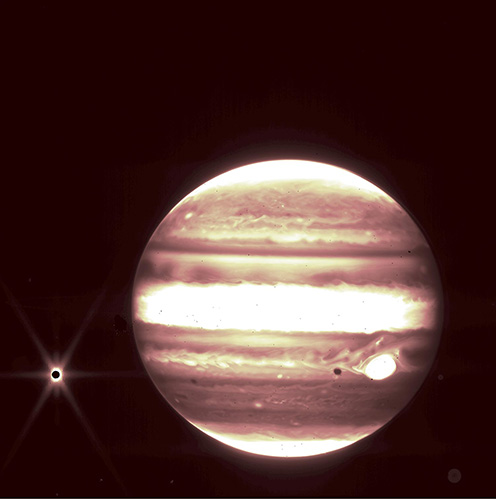
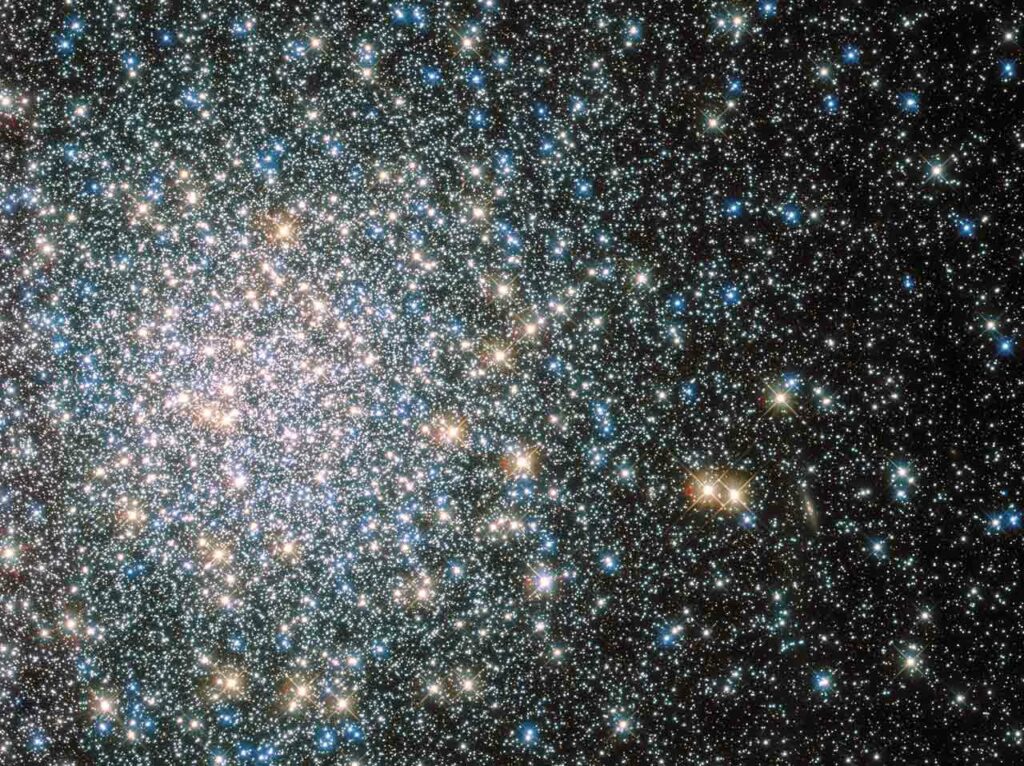
A powerful space telescope captured some amazing images of space!

NASA, ESA, CSA, STScl, and B. Holler and J. Stansberry (STScl)

What do you get when you build the most powerful space telescope ever? Some pretty amazing images! The James Webb Space Telescope was launched into space in December 2021. And now, it’s showing us space like we’ve never seen it before.

The Webb telescope orbits around our Sun, so it’s close to Earth. Yet it can capture images of space objects that are millions of miles away. And those images are really clear. What’s the secret? Webb has infrared cameras. These cameras can detect (see) light that the human eye—and many other telescopes—cannot. Webb can receive images through space dust, which is where stars and planets form!

Some of the most beautiful images show nebulae, which are clouds made up of swirling dust and gases. Sometimes this dust and gas has been ejected, or released, by a dying star. 

Webb captured an image of the Southern Ring Nebula. The image shows the dying star in the center of the nebula. The image also includes a brighter star. That star is not dying, but it will one day. When that happens, scientists say, it will probably eject a nebula of its own.

New stars also form from the dust of nebulae. One of Webb’s images shows the Carina Nebula, where many stars are forming. The image shows stars in and around a cloud of dust that looks like mountains.

Webb is just getting started. It could continue to capture images for another 20 years! Scientists hope to get images of exoplanets—planets that are outside our solar system. Some of these planets may have what it takes to support life! Scientists want to peer far into the universe to learn more about how it began. 

What else will they find? They’re not sure, but they can’t wait to find out!

Face Thinking Icon

Did You Know?

Encyclopaedia Britannica, Inc.

Stars are different colors. The hottest ones are blue, and the coolest ones are red. Our Sun is a yellow star, which means its temperature is somewhere in the middle.

A Time Machine

NASA Goddard

When we look at stars, we’re looking back in time. Why?

Light travels at the speed of light. That’s very fast, but stars are really far away, so their light takes time to reach us. It can take millions or billions of years for light from parts of the universe to reach Earth! So when we look at an image of a very distant place in the universe, what we see is what the universe looked like a very long time ago.

Let’s look at an example.

Suppose a star is five light-years from Earth. That means the light from that star takes five years to reach Earth. When we look up at that star, we’re actually seeing it as it looked five years ago! When a powerful telescope captures an image of a galaxy that is millions of light-years away, that image is showing the galaxy as it looked millions of years ago!  

Webb of Wonders

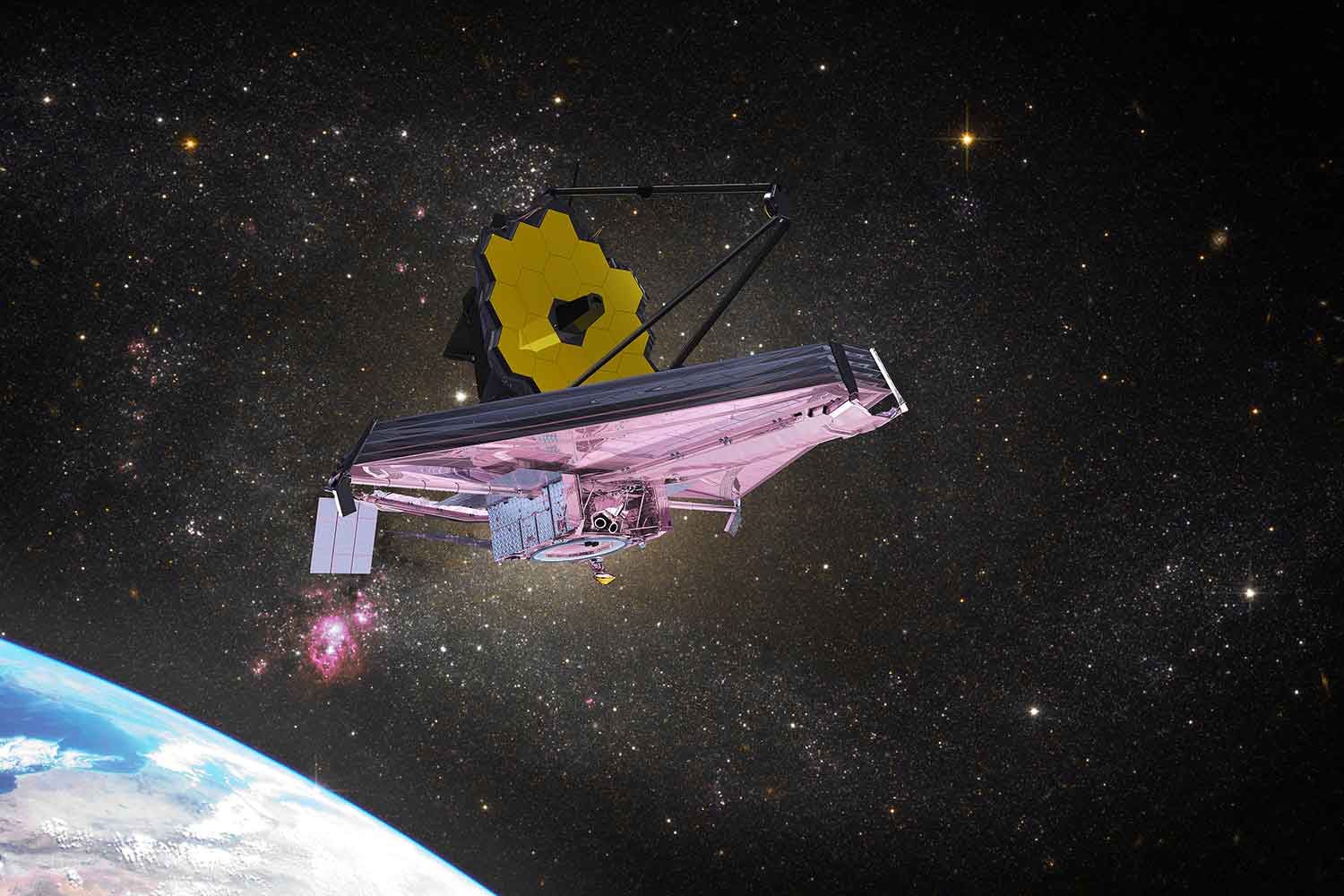
Illustration of the James Webb Space Telescope in orbit above Earth

© Grejak/Dreamstime.com

The James Webb Space Telescope is just getting started. What else can it show us?

Word of the Day Icon

Word of the Day

stellar

Part of speech:

adjective

Definition:

: of or relating to the stars

Definitions provided by
Merriam-Webster Logo
Game Icon

Play

Can you find all the words?

O
O
O
O
O

In Case You Missed It

Does this spider look like the face on a can of Pringles potato chips? The people at Pringles think so!

07.19.22

Scientists at NASA hope to find out more about the strange stuff people have seen in the sky.

07.12.22

A man walked high above a crowd–on a tightrope!

06.28.22

Hyundai’s new cars are called UMVs, and they don’t need roads to get where they’re going!

06.21.22

Spider, You Look Familiar…

A kidney garden spider sits next to cans of Pringles potato chips

Spider, You Look Familiar…

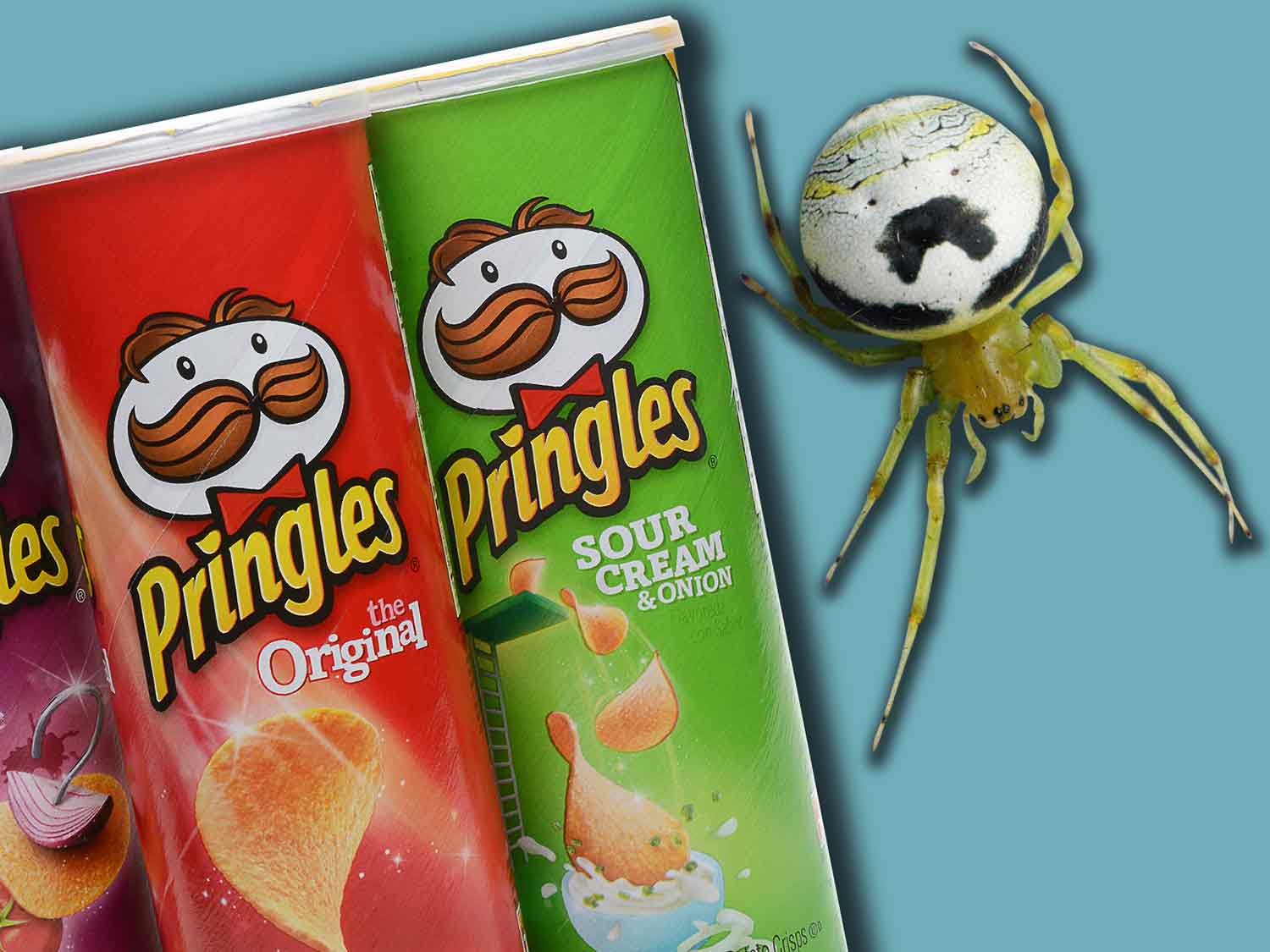
Does this spider look like the face on a can of Pringles potato chips? The people at Pringles think so!

A kidney garden spider sits next to cans of Pringles potato chips

© ePhotocorp/Dreamstime.com, © Steve Cukrov/stock.adobe.com; Photo illustration Encyclopædia Britannica, Inc.

Which one is which??

There’s something funny about the kidney garden spider. The markings on its back look like a face with a thick mustache! It’s not just any face, though. It appears to be the face of the man on cans of Pringles brand potato chips. Now, the people at Pringles want the spider species to have a new name: the Pringles Spider. 

Pringles has posted an online petition to try to get the kidney garden spider renamed. A petition is a form that people can sign to show they want something to happen. The Pringles petition says, “We’re [asking] the arachnid community to do what’s right and recognize this very real spider as the Pringles Spider.” (An arachnid is an eight-legged animal with a body in two parts.)

It’s not likely the kidney garden spider cares what it’s called. After all, it would rather eat a bug than a potato chip. The spider, which is found in South, East, and Southeast Asia, catches its meals by building a circle-shaped web called an orb web. It places a curled-up leaf at one end of the web and builds a silky “roof” for the leaf. Then, it creeps under the roof and hides. When prey lands on the web and tries to get untangled, it makes the web vibrate. Feeling the vibrations, the spider rushes out to get its meal. 

And why is it called the kidney garden spider? It often lives in gardens, and its two large markings are shaped like kidneys.

Still, there are plenty of people who think the spider should be named for Pringles instead. Thousands of people signed the Pringles petition in the first week after it was first posted.

The public doesn’t get to make the final decision, though. Scientists give animals their names. So far, “the arachnid community” hasn’t commented.

Face Thinking Icon

Did You Know?

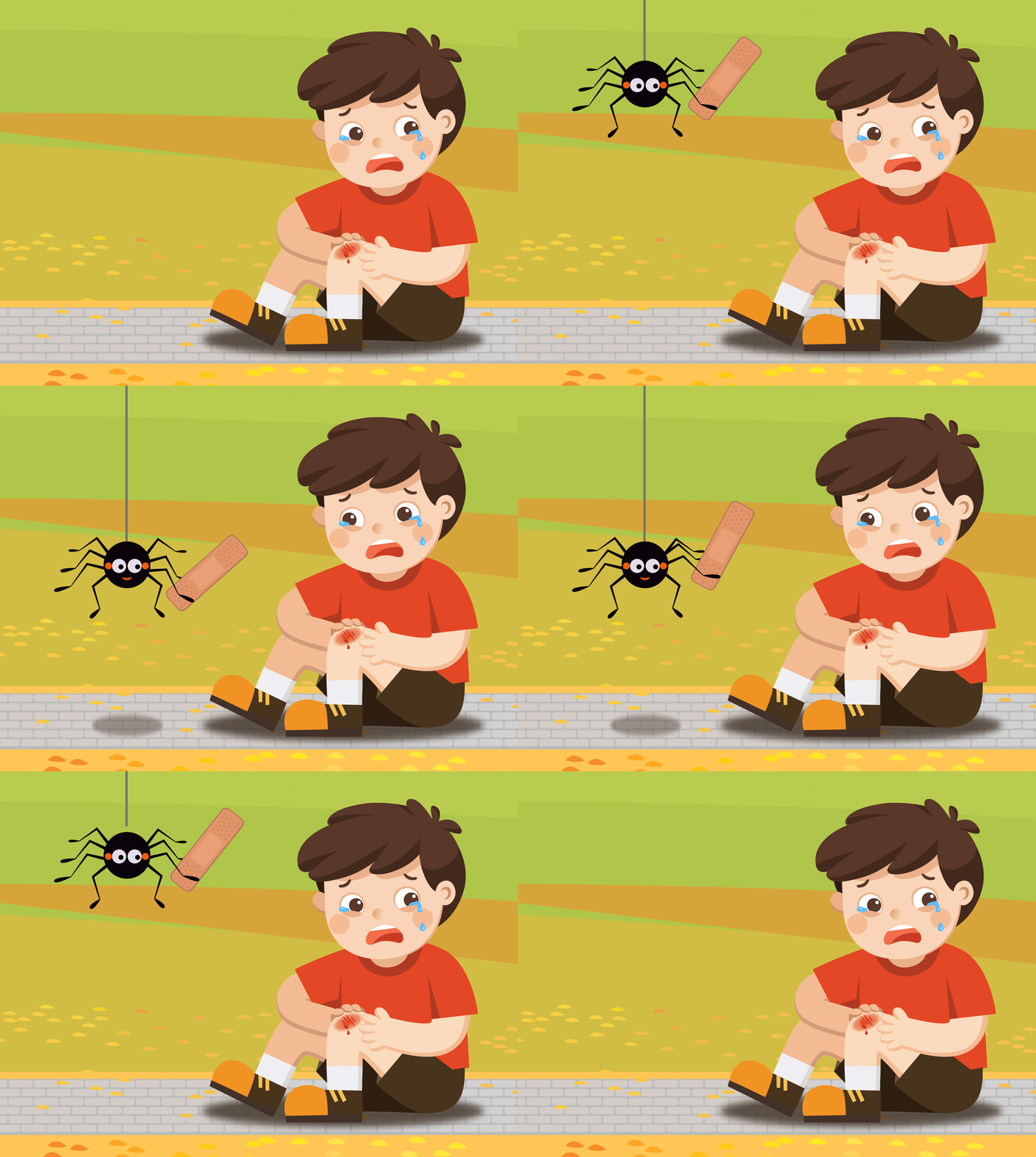
Animation of a spider coming down from its web and offering a bandage to a boy with a scraped knee

© Yanisa Deeratanasrikul/Dreamstime.com, © Gstudioimagen/Dreamstime.com, © Iryna Naskova—iStock/Getty Images Plus, © Topgeek/Dreamstime.com; Animation Encyclopædia Britannica, Inc.

For thousands of years, people used spider webs to treat cuts and wounds! They might have done this because they believed that spiders brought good luck. Today, scientists know that spider webs are coated with a chemical that fights bacteria, so the webs might keep wounds from becoming infected.

Home Sweet Home

Kidney garden spiders build orb webs. These are the circular webs that are most familiar to us—the kind you might have seen in the movie Charlotte’s Web. But not every spider builds an orb web. 

Check out what some spiders like to call home.


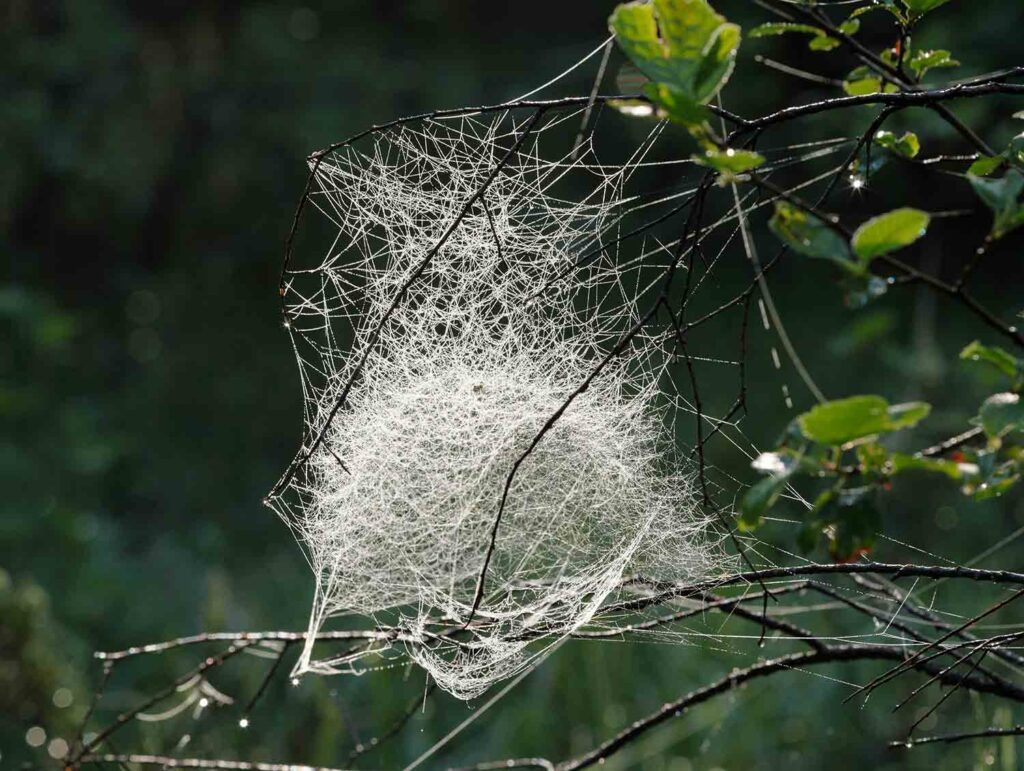
Sheet-Web Spiders

These small spiders build webs that look like sheets and are attached to grasses or tree leaves. Unlike orb webs, sheet webs aren’t sticky. Instead, prey gets tangled in these webs!

© Martin Siepmann—imageBROKER/Getty Image

Sheet-web spiders build webs that are easy to get tangled in!

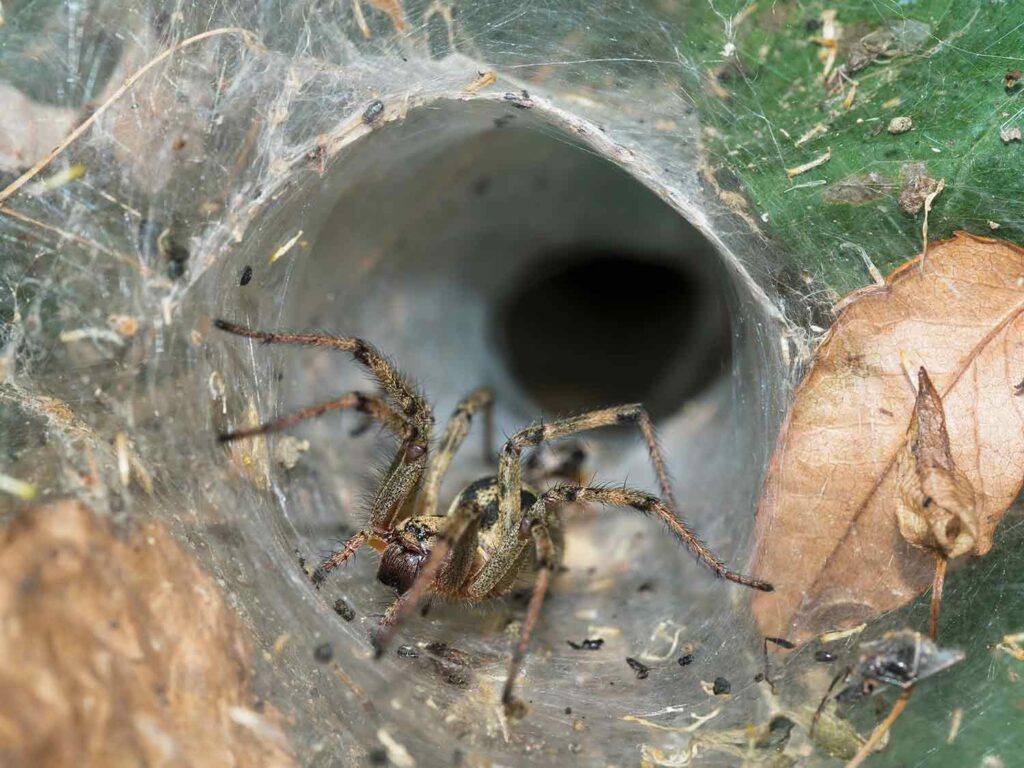
Funnel-Web Spiders

Many spider species build funnel webs, which are shaped like tunnels but with a wide opening. These spiders wait inside the funnel for prey to wander onto the webbing. Then, they rush to the prey and grab it!

A spider sits at the opening of a funnel web with leaves and other vegetation around.

© Mushy/stock.adobe.com

This spider will go to the back of its funnel web to wait for prey.

Trap-Door Spiders

These spiders don’t build webs at all. Instead, they dig narrow tunnels that they line with silk. Often, they put a “trap door” at the opening of the tunnel. The door looks a lot like the surrounding leaves and dirt, so it’s hard for passing prey to notice it. The spider hides in the tunnel and waits for the silk lining to vibrate, because that means there’s something crawling around outside. Is it a meal? The spider darts out the door to catch its prey and carries it inside, where it’s trapped.

Gwen Pearson, Purdue Entomology

The prey doesn’t know the trap-door spider is near until it’s too late!

Creepy Cuties

© Mauro Rodrigues/stock.adobe.com

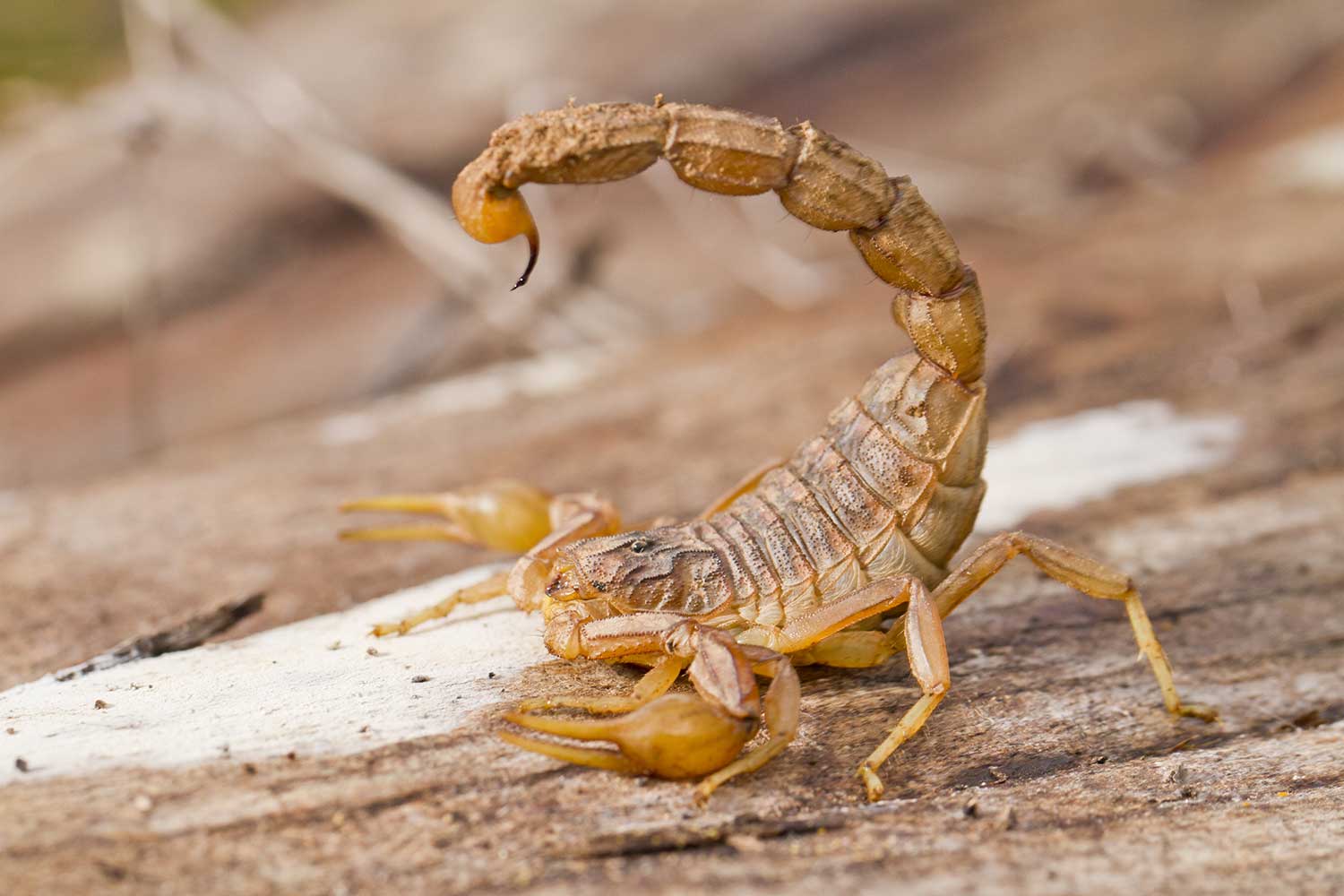
A scorpion has a stinger at the end of its tail.

What do spiders, scorpions, and ticks have in common? They’re all arachnids! Check out this lovable group of creepy-crawlies.

Word of the Day Icon

Word of the Day

octopod

Part of speech:

adjective

Definition:

: having eight feet, limbs, or arms

Definitions provided by
Merriam-Webster Logo
Game Icon

Play

Can you find all the words?

O
O
O
O
O

In Case You Missed It

Scientists at NASA hope to find out more about the strange stuff people have seen in the sky.

07.11.22

A man walked high above a crowd–on a tightrope!

06.28.22

Hyundai’s new cars are called UMVs, and they don’t need roads to get where they’re going!

06.21.22

A 14-year-old named Harini Logan won the 2022 Scripps National Spelling Bee.

06.14.22

NASA to Study UFOs!

Two pilots sit in a cockpit and see a UFO fly in front of them.

NASA to Study UFOs!

Scientists at NASA hope to find out more about the strange stuff people have seen in the sky.

Two pilots sit in a cockpit and see a UFO fly in front of them.

© Onyxprj/Dreamstime.com,  © Alvin Cadiz/Dreamstime.com; Animation Encyclopædia Britannica, Inc.

Have you ever seen something flying high in the sky and thought, “What IS that?” If so, you’re not alone. Many people have spotted what are called unidentified aerial phenomena (also called UAPs or UFOs). Now, scientists from NASA (the National Aeronautics and Space Administration) are going to investigate. 

In the fall of 2022, NASA will begin a study to learn more about UAPs. The goal of the study is to look at what we know about UAPs and figure out how to learn more. Why study UAPs? Hundreds of pilots have reported seeing flying objects that haven’t been identified or explained! 

Does that mean hundreds of alien spaceships have visited Earth? It’s not likely, scientists say.

When something is called a UAP or a UFO, it simply means that there’s something in the sky and there’s no explanation for what it is. Yet many people read reports about UAPs and believe that they came from outer space. Some people assume UAPs must belong to aliens. NASA scientists say they don’t share that assumption. They say there are many possible explanations for what people have been seeing. 

Scientists say there’s a lot they still don’t know about events that happen in the universe—even in our own sky. NASA scientists hope to learn more.

“We have the tools and team who can help us improve our understanding of the unknown,” said Thomas Zurbuchen of NASA. “That’s the very definition of what science is. That’s what we do.”

United States Navy

Many pilots have reported seeing strange objects in the sky. Here is just one UAP sighting!

Face Thinking Icon

Did You Know?

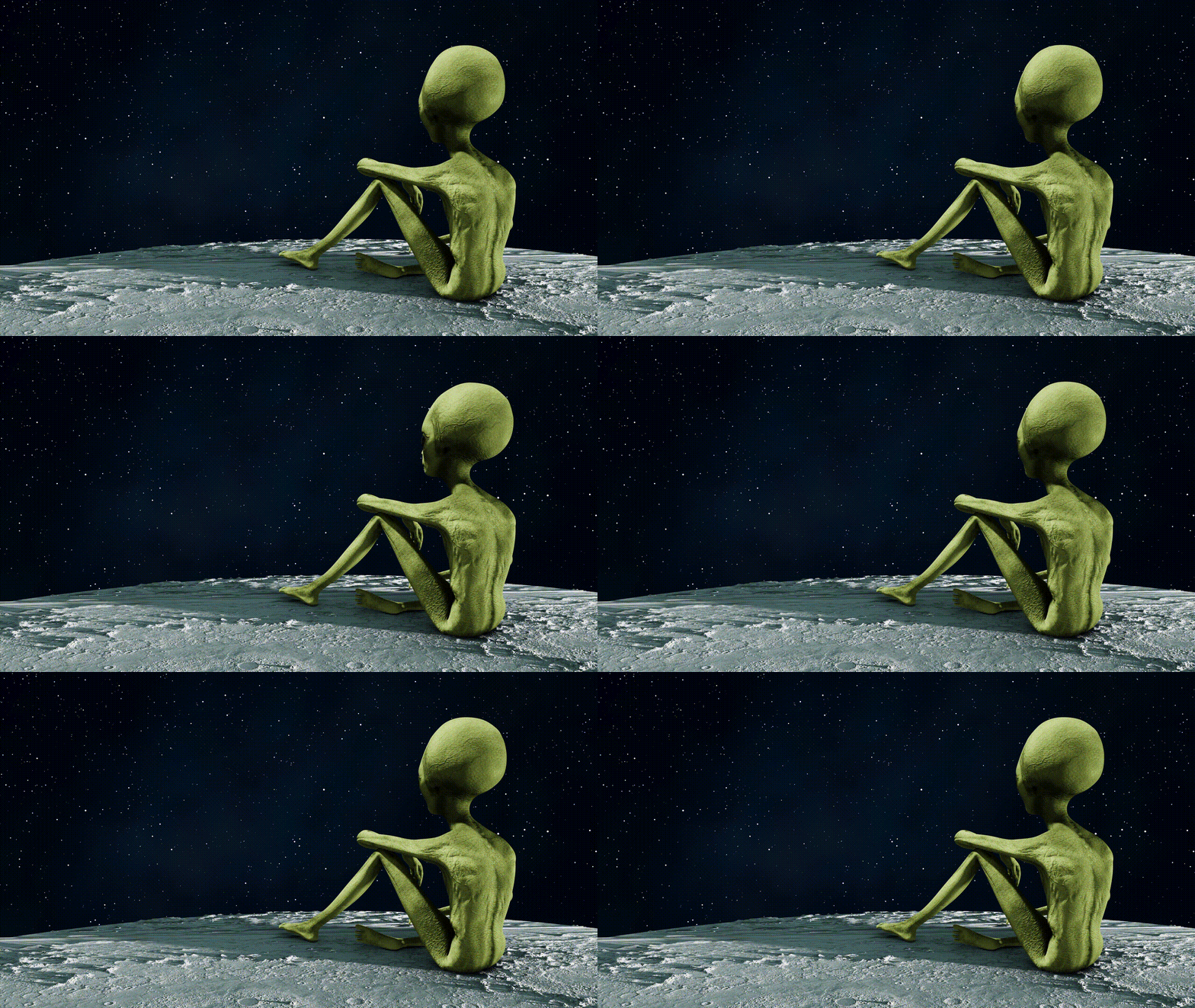
Green alien with a large head sitting on the surface of a planet and looking out at space.

© MediaProduction—Creatas Video/Getty Images

Is there life on other planets? It’s possible! Scientists have found many stars that have planets revolving around them, just like our Sun. Scientists are looking for planets that have what it takes to support life as we know it. A livable planet needs water, and it can’t be too hot or too cold. If such a planet is out there, something may be living on it!

Is Anyone Out There?

© Topgeek/Dreamstime.com, © Seamartini/Dreamstime.com, © MicrovOne—iStock/Getty Images Plus; Animation Encyclopædia Britannica, Inc.

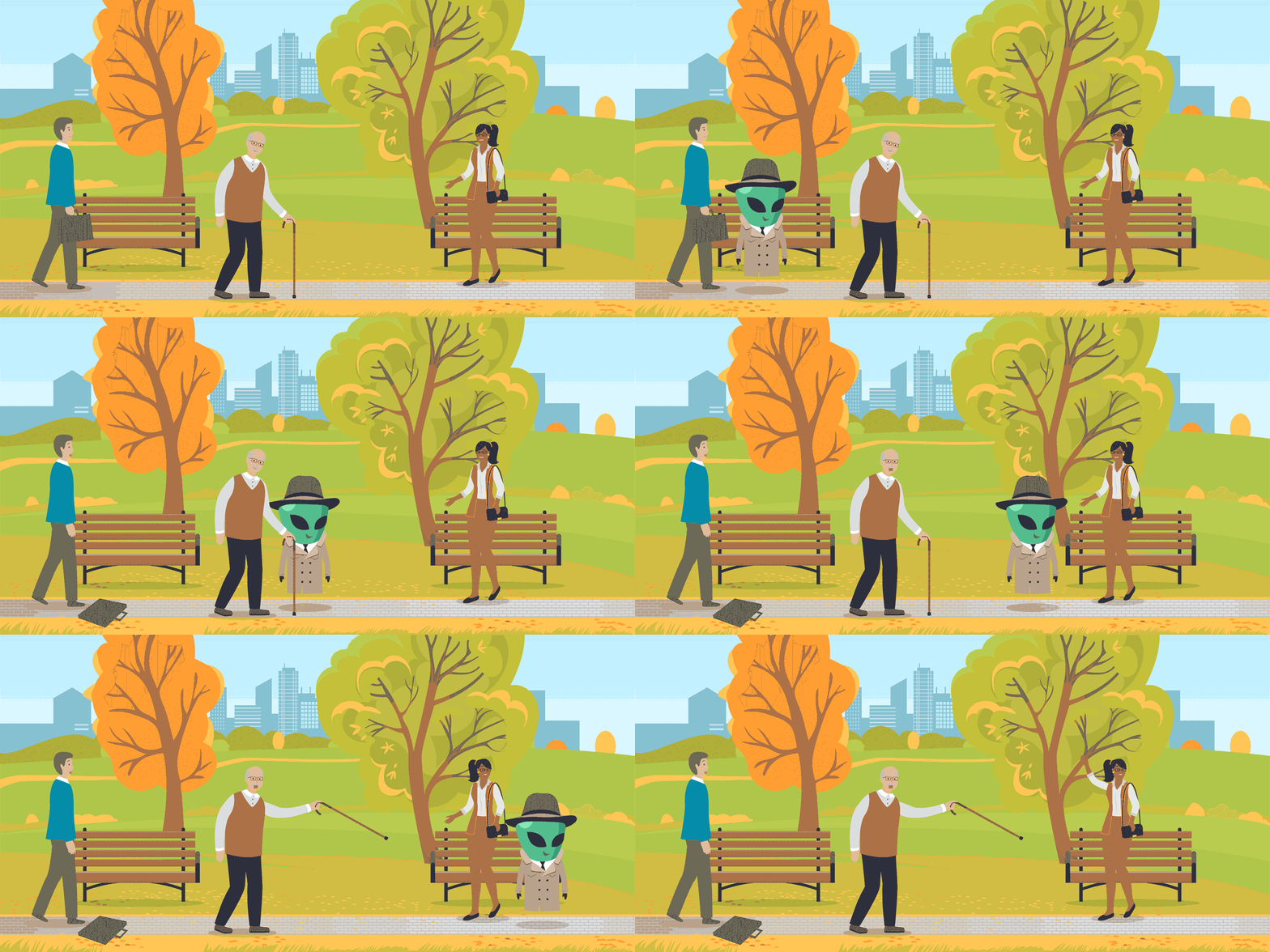
If there are aliens somewhere in the universe, why haven’t we met them yet? There are a lot of possible explanations. Here are just a few.

  • Maybe life on other planets isn’t intelligent. For example, another planet may be home to tiny, microscopic creatures that are hard for us to find and not intelligent enough to contact us.
  • Maybe intelligent aliens live really far away. The universe is huge. Maybe aliens have sent signals to Earth, but they haven’t reached us yet.
  • Maybe aliens are more advanced than we are. They could be trying to contact us, but we just don’t understand the form of technology they’re using.
  • Maybe aliens know about us but aren’t interested in contacting us. They could be a little afraid of us. Or maybe they just don’t want to disturb our way of life.
  • Maybe life once existed on another planet, but it got wiped out by an asteroid or climate changes.
  • Maybe we just haven’t been searching long enough. The technology needed to help humans look for signs of life in space has been around for only about 60 years.

It’s possible that Earth has the only life in the universe. But considering how big the universe is, scientists say we’re probably not alone.

What Did I Just See?

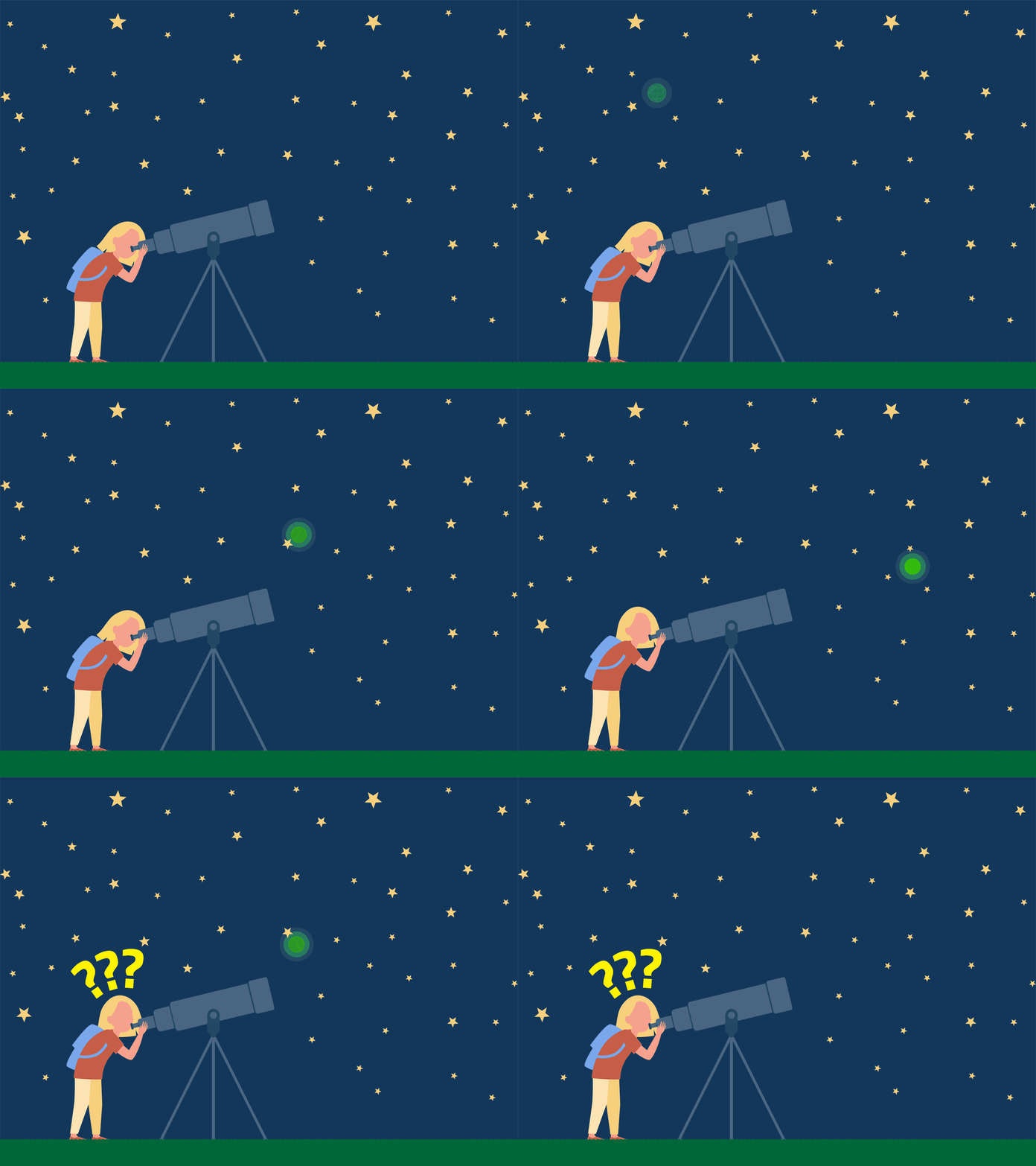
Animated GIF of a girl with a backpack looking through a telescope as a glowing green orb floats in the sky

© PCH-Vector—iStock/Getty Images Plus; Animation Encyclopædia Britannica, Inc.

Whether you call them UAPs or UFOs, some weird stuff has been seen in the sky!

Word of the Day Icon

Word of the Day

mysterious

Part of speech:

adjective

Definition:

: strange, unknown, or difficult to understand

Definitions provided by
Merriam-Webster Logo
Game Icon

Play

Can you find all the words?

O
O
O
O
O

In Case You Missed It

A man walked high above a crowd–on a tightrope!

06.28.22

Hyundai’s new cars are called UMVs, and they don’t need roads to get where they’re going!

06.21.22

A 14-year-old named Harini Logan won the 2022 Scripps National Spelling Bee.

06.14.22

What was the very first roller coaster like?

06.07.22

Walking In The Sky

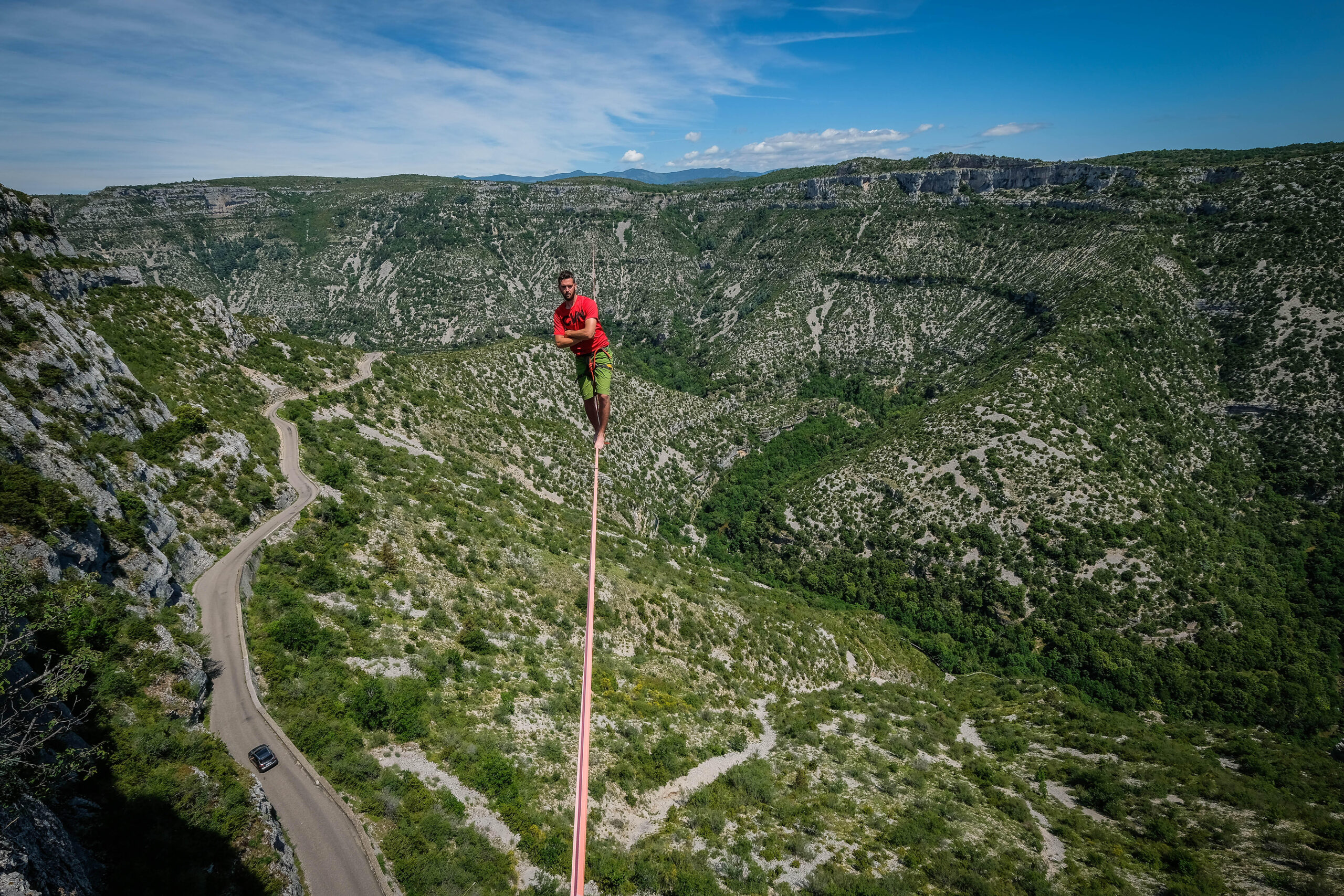
A barefoot man crosses his arms as he walks across a tightrope over road and a green valley.

Walking in the Sky

A man walked high above a crowd–on a tightrope!
A barefoot man crosses his arms as he walks across a tightrope over road and a green valley.
Frédéric Marie/Alamy
This photo of Nathan Paulin walking on a very high tightrope was taken in 2017.

On May 24, a crowd gathered on the French island of Mont-Saint-Michel to witness a strange sight. High above them, a man was walking on a very long tightrope! The man, Nathan Paulin, walked—and sometimes wobbled—his way across the 0.8-inch (2-centimeter) wide slackline for 1.4 miles (2.2 kilometers). It was the longest tightrope walk ever!

The record-breaking walk took place on a slackline that was tied to a crane at one end and a very old building called the Mont-Saint-Michel Abbey at the other. The line was more than 300 feet (100 meters) off the ground, and it swayed back and forth in the wind as Paulin made his way across. Paulin, who was attached to a harness for safety reasons, took his time, carefully placing his foot with each step. The walk took two hours to complete! 

Just before he reached the end, Paulin lost his balance and slipped off the line. (He caught the line with his hands.) By the time he slipped, Paulin had already broken the record. 

Paulin, 28, is a pro at this sort of thing. According to his website, he’s been making his way across tightropes since he was a teenager, and he has done many attention-grabbing walks high above famous places. In 2017, Paulin and two others walked across a 1.0-mile (1.7-kilometer) tightrope above a valley in a French mountain range. And in 2021, he walked 1,969 feet (600 meters) on a line that stretched above the city of Paris from the Eiffel Tower to the Chaillot theater.

Paulin hopes to set more records in the future.

“My next dream—I hope to be able to do it—would be to walk between the Eiffel Tower and Montparnasse Tower,” he told Euro News. That’s a distance of 1.7 miles (2.7 kilometers).

Fun Fact Icon

Fun Fact

© Cirque du Soleil
Cirque du Soleil is one of the most famous circus companies in the world.
Have you ever seen a tightrope walker, or an acrobat who does flips, twists, and amazing balancing acts, often high in the air? Where do people learn this stuff? Some of them go to circus school! Circus schools are places where people learn to do incredible acrobatic feats.

Far-Out Stunts

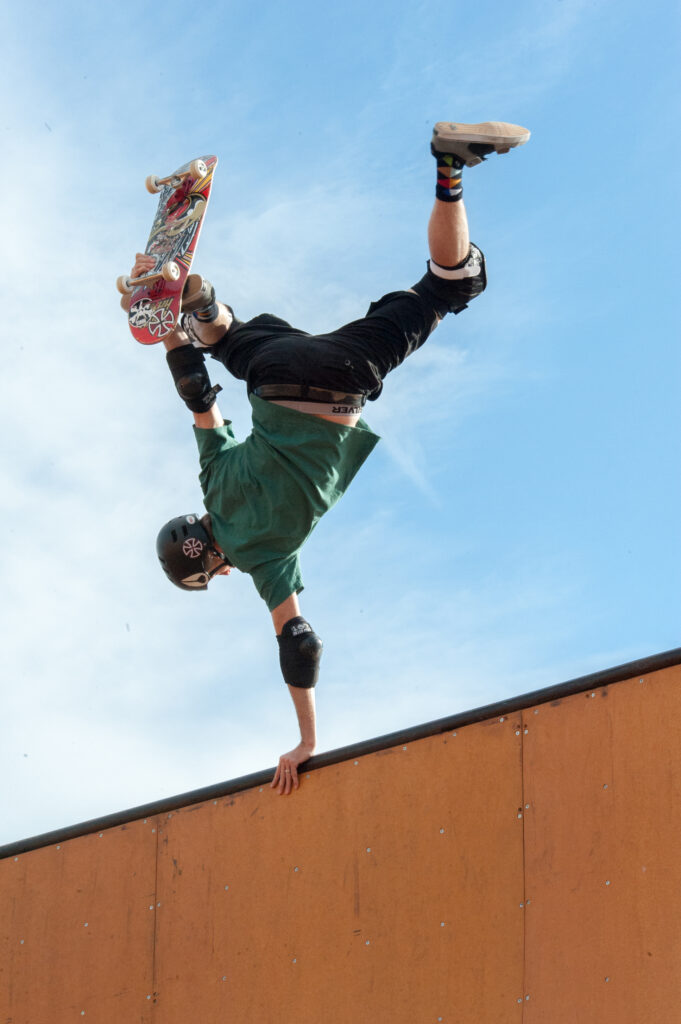
A skateboarder balances upside down holding onto a wall with one hand and his skateboard with the other
Tony Hawk

© Carlos Carvalho/Dreamstime.com

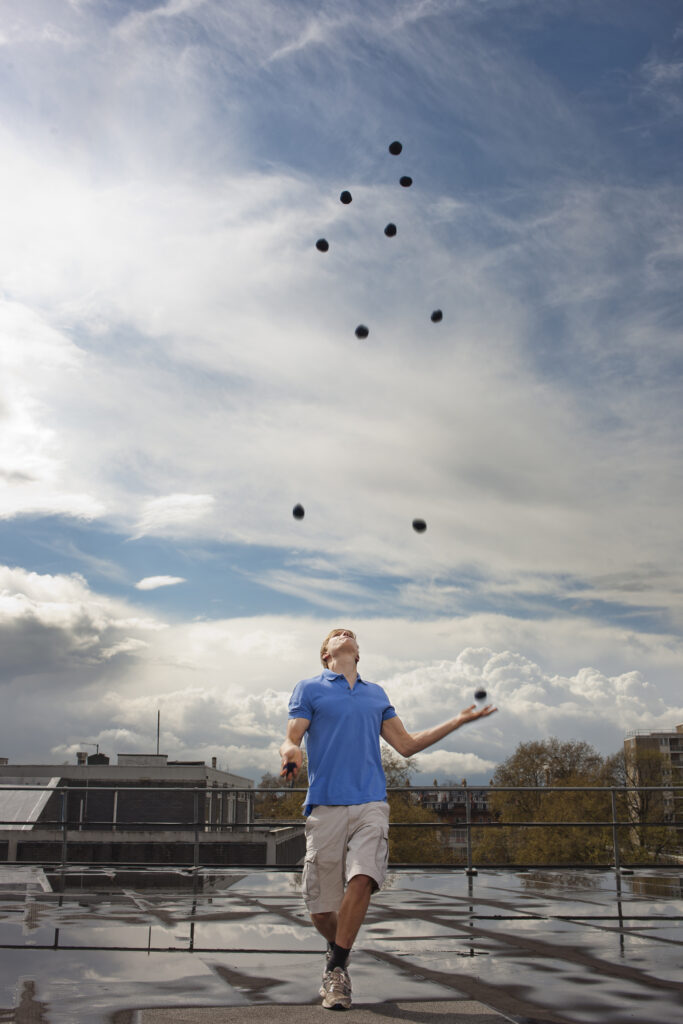
A young man stands outside and juggles 11 balls.
Alex Barron
Guinness World Records
A man on a soccer field with cleats and a ball at his feet holds a framed certificate from Guinness World Records.
Mark Jordan
Guinness World Records

Check out some amazing stunts that people have achieved with their bodies!

In 1999, Tony Hawk of the United States spun 900 degrees in midair on a skateboard—that’s two and a half complete turns. Hawk was the first person ever to do this.

In 2010, Shemika Campbell of the United States danced under a limbo bar that was only 8.5 inches (21.6 centimeters) high!

In 2012, Alex Barron of the United Kingdom juggled 11 balls at one time!

In 2018, Mark Jordan of the United States juggled a soccer ball with his feet for more than 10 hours, never letting the ball touch the ground.

In 2019, Paolo Ballesteros of the Philippines took a challenge on TV to see how long he could go without blinking. Ballesteros didn’t blink for 77 minutes!

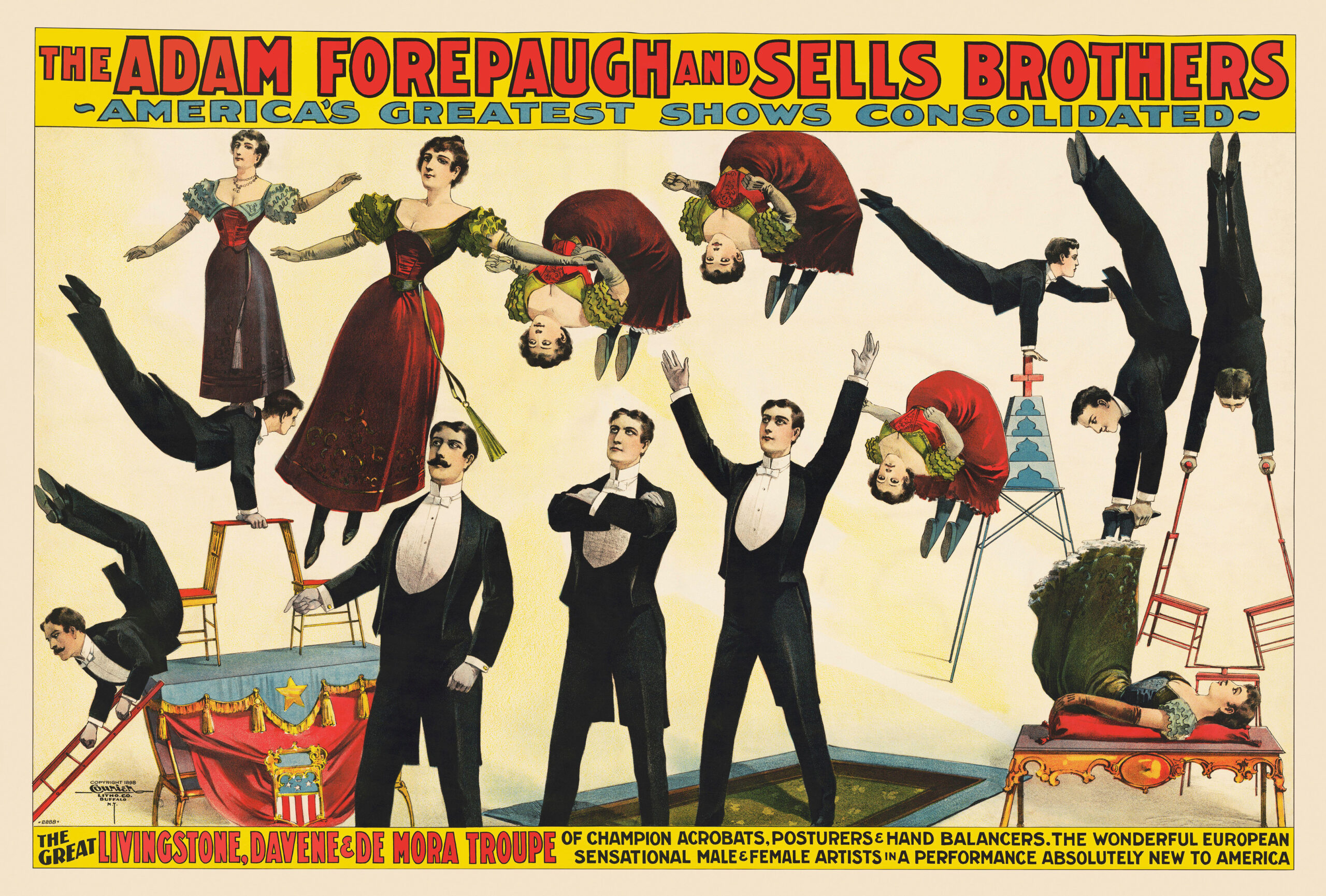
Circus Story!

A poster advertising a circus showing male and female performers in 19th century clothing carrying out flips, handstands, and other tricks.
Stocktrek Images, Inc./Alamy
Did you know that circuses have been entertaining people for hundreds of years?
Word of the Day Icon

Word of the Day

funambulism

Part of speech:
noun
Definition:
: tightrope walking
Definitions provided by
Merriam-Webster Logo
Game Icon

Play

Can you find all the words about a circus?
O
O
O
O
O

In Case You Missed It

Hyundai’s new cars are called UMVs, and they don’t need roads to get where they’re going!

06.21.22

A 14-year-old named Harini Logan won the 2022 Scripps National Spelling Bee.

06.14.22

What was the very first roller coaster like?

06.07.22

A scientist says a tree in Chile may be the oldest tree in the world!

06.03.22

Cars With Legs

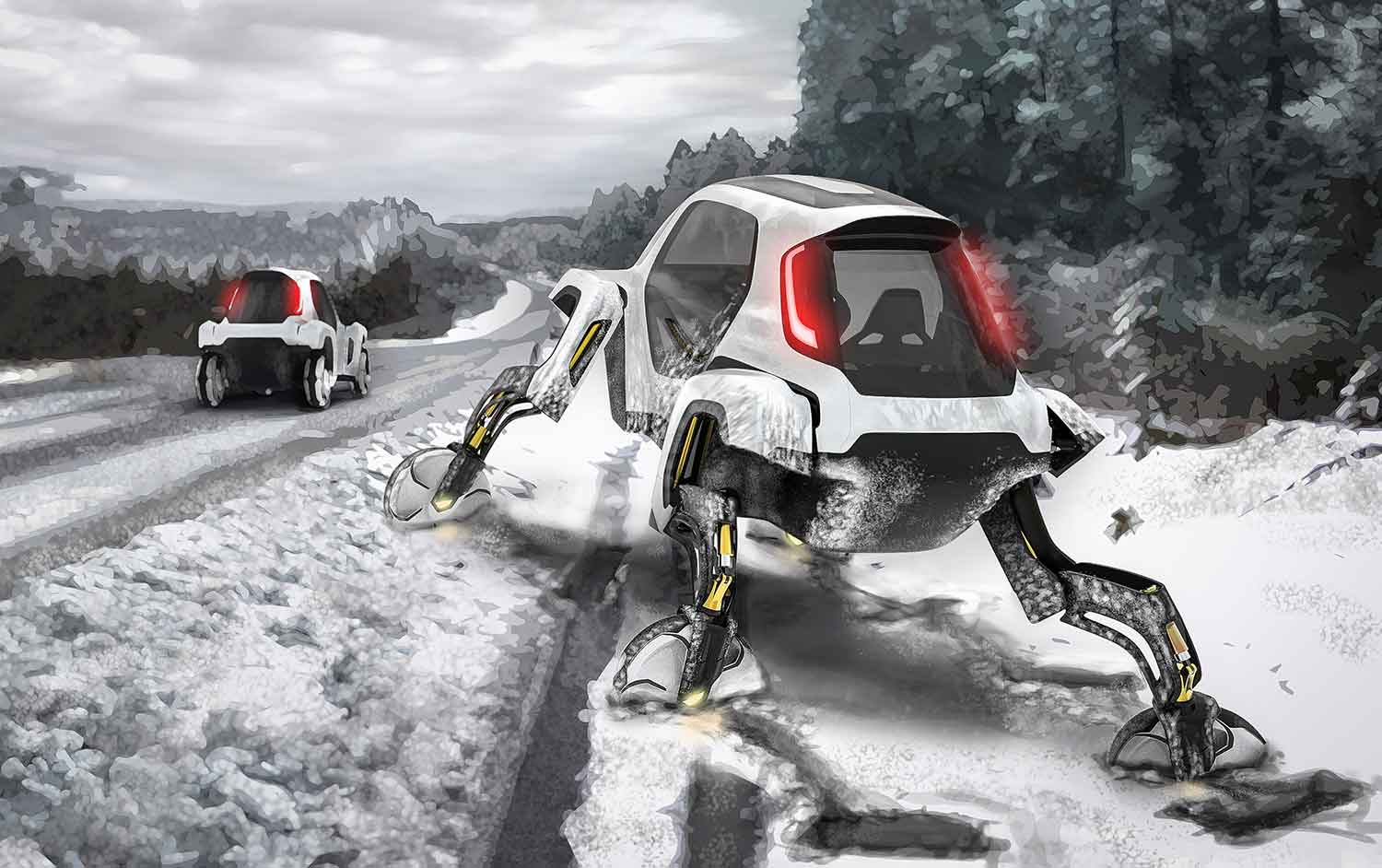
A car uses robotic legs to get over a snowbank onto a road while an identical car drives on that road.

Cars With Legs

Hyundai’s new cars are called UMVs, and they don’t need roads to get where they’re going!
A car uses robotic legs to get over a snowbank onto a road while an identical car drives on that road.
© Hyundai New Horizons Studio

This art shows how the Hyundai Elevate might work on and off the road.

Cars are cool when they drive, but what if they could also walk? Hyundai, a company that has been making cars for many years, plans to build two types of vehicles that are half car, half walking robot! 

Hyundai calls these cars Ultimate Mobility Vehicles, or UMVs. When they’re on smooth roads, UMVs ride on their wheels, like any other car. But when they reach someplace most cars can’t go—like steps or a pile of rocks—they grow legs! Picture a four-legged robot with a wheel at the end of each leg. The legs can bend and stretch, while the wheels can turn all the way around, allowing the vehicle to go forward, backward, side to side, and even up. 

Hyundai introduced the first of these vehicles, called the Elevate, in 2019. According to the company, the Elevate can climb a 5-foot (1.5-meter) wall or step across a 5-foot gap. Hyundai says the Elevate could be used to rescue people after natural disasters, like earthquakes. It could also help people with disabilities. For example, if someone can’t get down their front steps, the Elevate could go right to the top of the staircase to meet the person where they are! 

The other vehicle, called the Tiger X-1, was introduced in 2021. It’s similar to the Elevate, but it doesn’t carry people. Hyundai says the Tiger could take supplies to people who are waiting to be rescued after earthquakes. It could also be used on construction sites, or even to explore other planets!

So far, both the Elevate and the Tiger are concept cars. That means they’re still being developed. But in 2022, Hyundai opened a facility in Montana where it will build and test versions of these UMVs. The company hopes to someday put them on the road—and beyond.

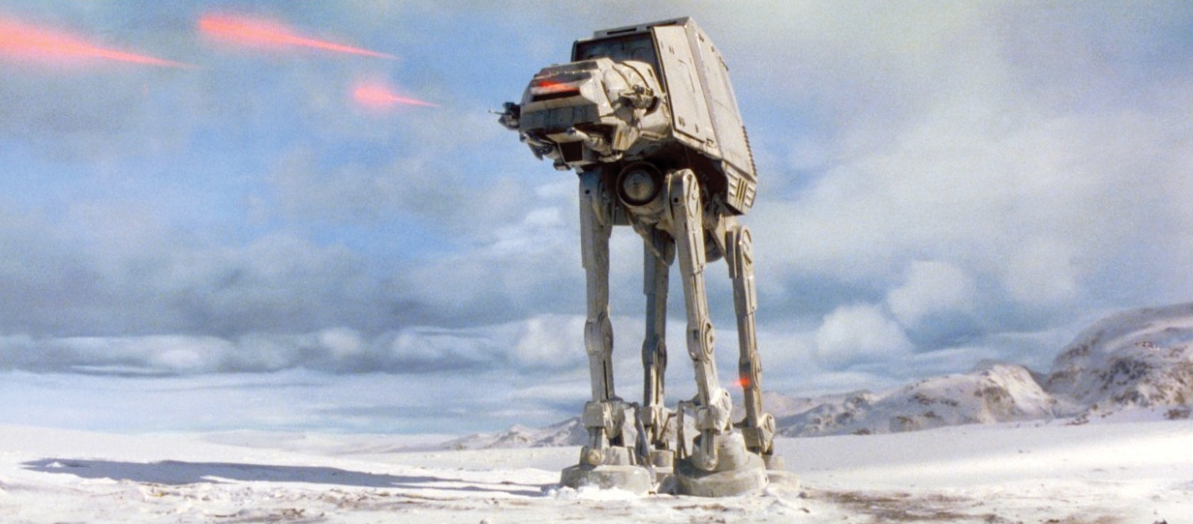
If you’re a Star Wars fan, you may remember a walking vehicle called the AT-AT!

A robotic vehicle with four legs on a barren landscape, shooting lasers.

© Twentieth Century Fox

Fun Fact Icon

Fun Fact

A vehicle with three wheels and a large device for burning fuel sits on display
Joe deSousa (Public Domain)

This automobile was invented by Nicolas-Joseph Cugnot in 1770.

The first true automobile was invented by Nicolas-Joseph Cugnot in 1770. It could travel at about 2 miles per hour (3.22 kilometers per hour). Instead of running on gasoline, the car burned wood for fuel. The driver had to refuel every 15 minutes!

Why Drive When You Can Fly?

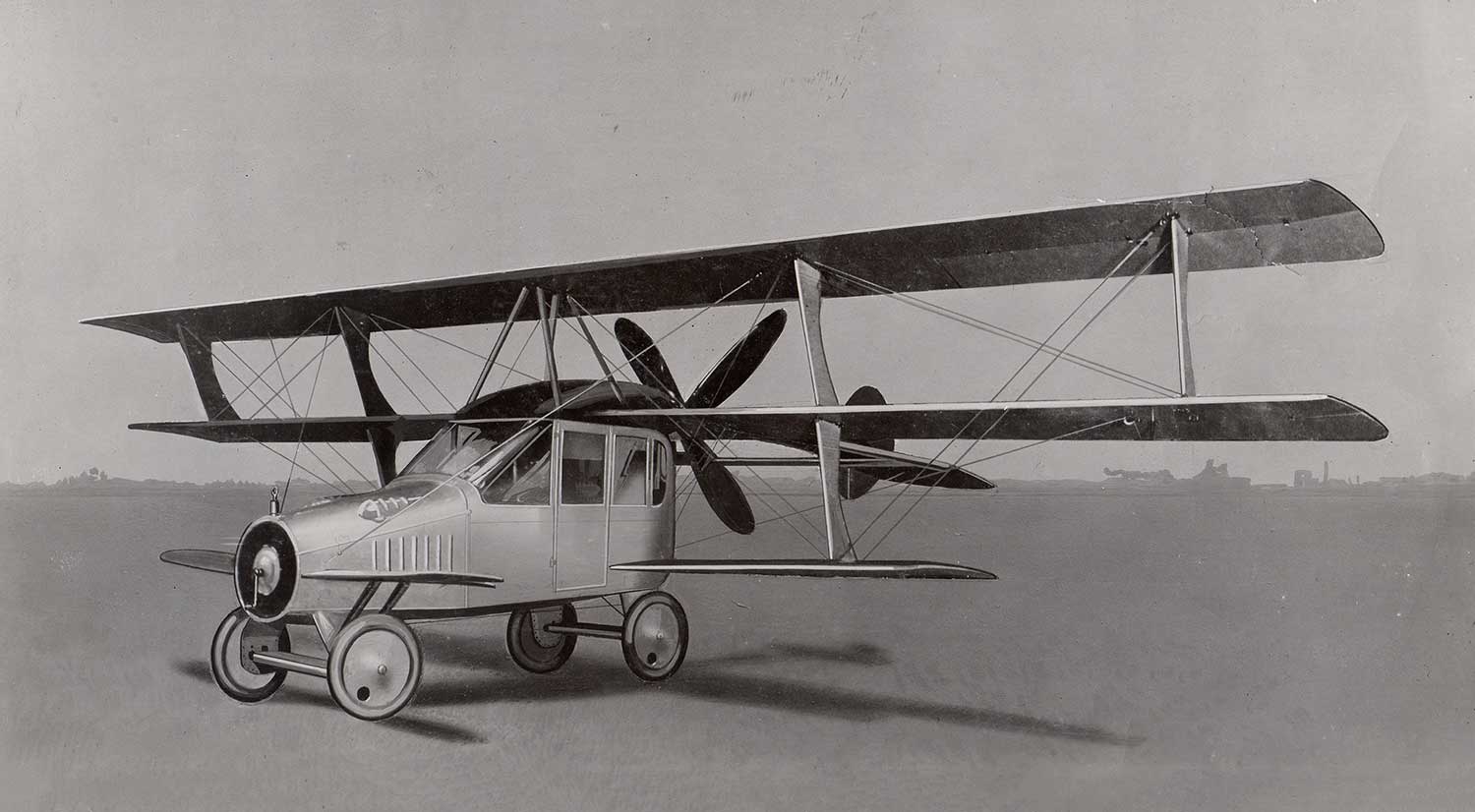
Black and white photo of a vehicle with both wings and four wheels
Glenn H. Curtiss Museum, Hammondsport, NY

The Curtiss Autoplane was invented in 1917.

Wouldn’t it be great if cars could fly? Well, some cars can!

People have been trying to invent flying cars for more than 100 years. In 1917, Glenn Curtiss tried to invent a vehicle that could travel on the road and in the air. He called it the Autoplane. Curtiss got the Autoplane off the ground, but it was never able to fly high in the air.

After Curtiss, other people invented their own flying cars. All these vehicles had wheels for the road. Some had removable wings, while others had propellers, like helicopters. None of these early flying cars was used widely, though.

Today, several flying cars are available to buy. So why aren’t the skies filled with flying cars? Well, for one thing, flying cars are very expensive. Also, think about what it takes to make our roads safe. We have speed limits, stop signs, red lights, and more. Before leaders can allow everyone to start driving through the sky, they’ll need to figure out how to manage all that new air traffic safely.

Cars of All Kinds

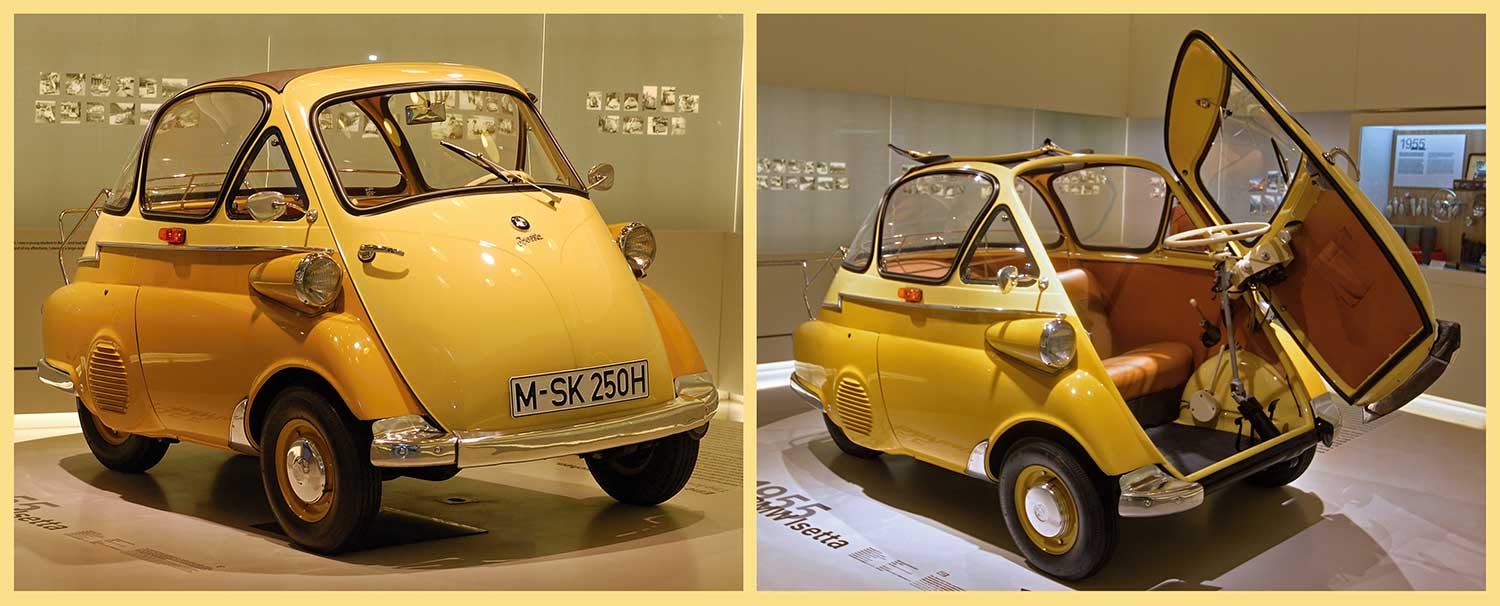
Side by side images of a small yellow car with the door in the front, both open and closed
© Marko583/Dreamstime.com; Photo composite Encyclopædia Britannica, Inc.

The BMW Isetta, also known as the “bubble car,” was made during the 1950s and 60s.

Can you believe this is an actual car?

Word of the Day Icon

Word of the Day

traverse

Part of speech:

verb

Definition:

: to move across (an area)

Definitions provided by
Merriam-Webster Logo
Game Icon

Play

How many answers do you know?

O
O
O

In Case You Missed It

A 14-year-old named Harini Logan won the 2022 Scripps National Spelling Bee.

06.14.22

What was the very first roller coaster like?

06.07.22

A scientist says a tree in Chile may be the oldest tree in the world!

06.03.22

Zeus is the world’s tallest living dog, and his family loves him for it!

05.27.22

Super Speller

A teen girl smiles as she accepts a trophy from a man and gets a hug from a boy as her family surrounds her.

Super Speller

A 14-year-old named Harini Logan won the 2022 Scripps National Spelling Bee.

A teen girl smiles as she accepts a trophy from a man and gets a hug from a boy as her family surrounds her.

Drew Angerer/Getty Images News

If you don’t know how to spell a word, you could look it up in a dictionary. Or maybe you could ask Harini Logan! The 14-year-old from San Antonio, Texas, correctly spelled a series of seriously hard words in the 2022 Scripps National Spelling Bee to capture the top prize.

“This is such a dream,” Harini said after the bee, according to CNN. “This is my fourth bee, and I’m just so overwhelmed.”

In spelling bees, contestants are given words to try to spell. If they spell the word correctly, they stay in the bee. If not, they are out of the contest. As the bee continues, there are fewer and fewer spellers. The last speller left wins! 

This year’s Scripps Spelling Bee was a tough contest. The last two contestants, Harini and Vikram Raju, 12, were tied during the final round, so the judges decided to have a tiebreaker round called a “spell-off.” In a spell-off, each contestant tries to spell as many words as possible in 90 seconds. Vikram spelled 15 words correctly, while Harini spelled 22 words correctly, making her the winner. Harini’s words included “kniphofia” (a kind of plant) and “moorhen” (a kind of bird).

For her prize, Harini received a trophy and $50,000. As for Vikram, he says he’s going to try again next year!

Fun Fact Icon

Fun Fact

The British Library (Public domain)

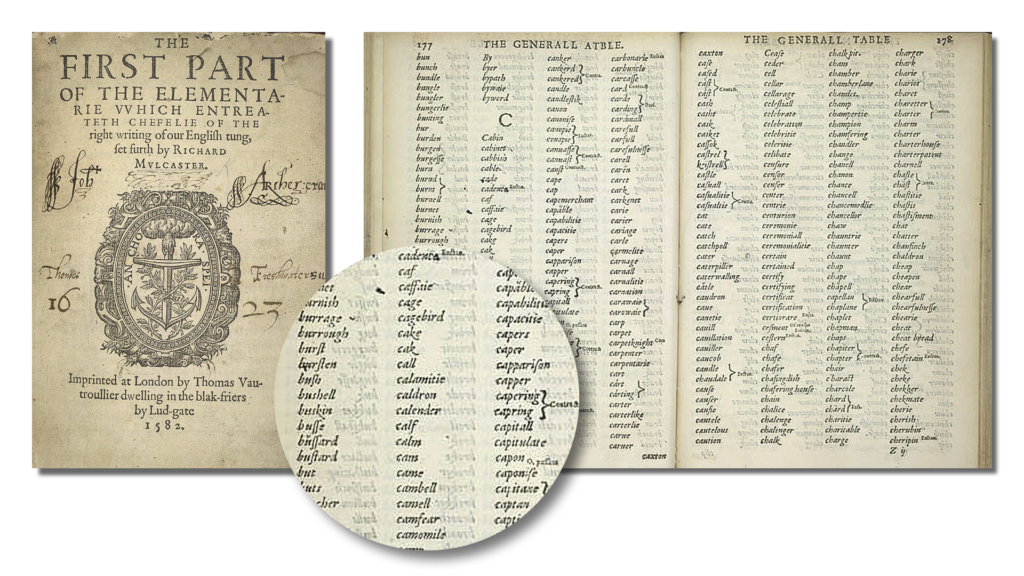
Before the 1500s, there were no right or wrong ways to spell words in English. Everyone just took a guess. In 1582, a teacher named Richard Mulcaster wrote a spelling book. The title was The first part of the elementarie vvhich entreateth chefelie of the right writing of our English tung, set furth by Richard Mulcaster.

Today, we’d spell it like this:

“The first part of the Elementary, which entreats chiefly of the right writing of our English tongue, set forth by Richard Mulcaster.”

How Do You Spell That?

Animation showing “definitely” being misspelled on a piece of paper twice before being correctly spelled
© denis08131/stock.adobe.com; Animation Encyclopædia Britannica, Inc.

Many words are hard to spell—even words we use a lot! Here are some examples:

accommodate
to provide room for (someone) 

definitely
in a way that is certain or clear

maintenance 
the act of keeping property or equipment in good condition 

miscellaneous
including many things of different kinds

pursue
to follow and try to catch or capture (someone or something) 

rapport
a friendly relationship

tomorrow
the day after today

Old School Spelling

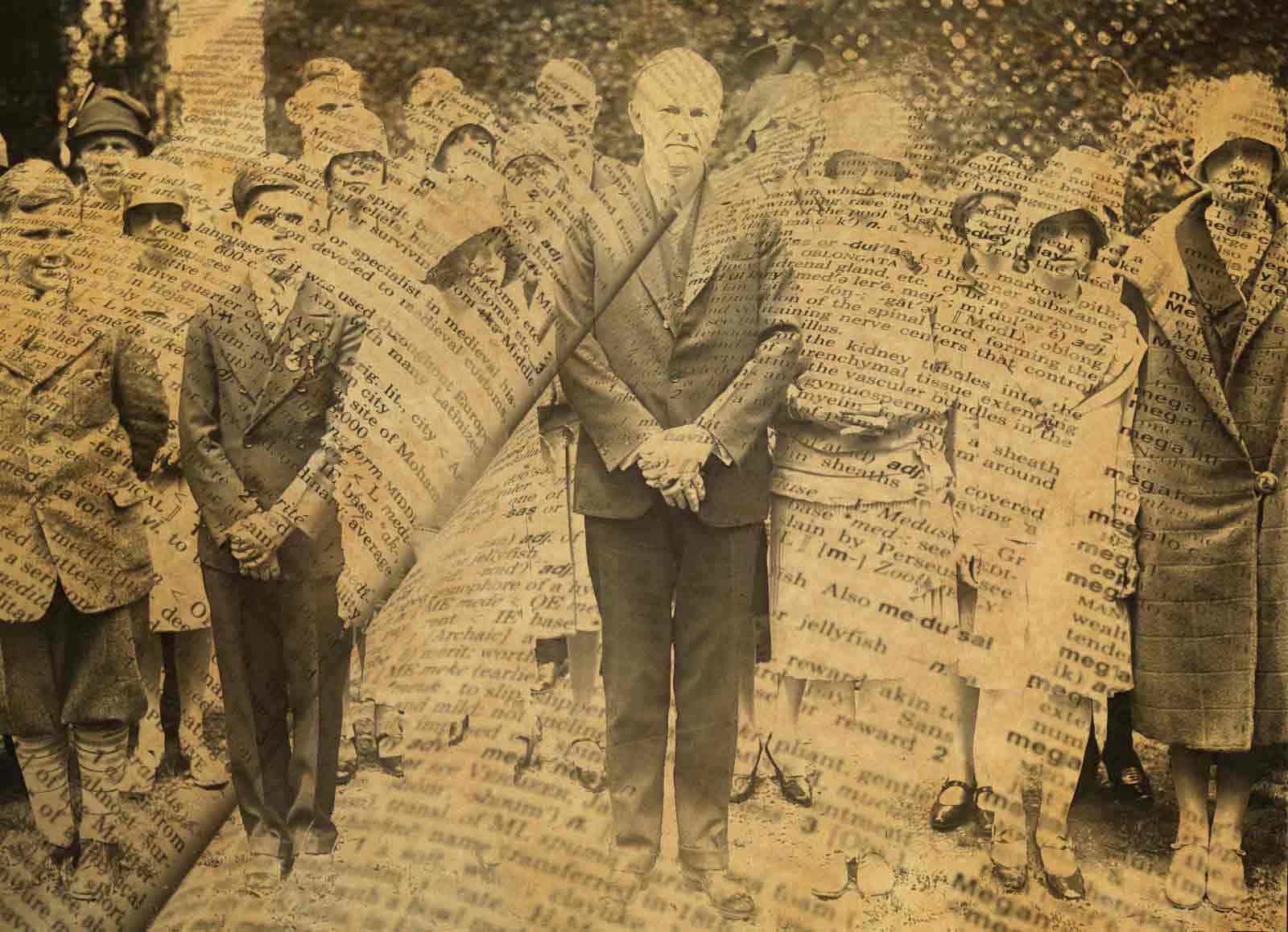
Black and white photo of Calvin Coolidge and some students with overlay of dictionary pages.
© Denis Dryashkin/stock.adobe.com, © Ke77kz/Dreamstime.com, Harris & Ewing Collection/Library of Congress, Washington, D.C. (LC-DIG-hec-34893); Photo illustration Encyclopædia Britannica, Inc.

U.S. President Calvin Coolidge poses with winners of the 1927 National Spelling Bee.

What was the winning word in a 1925 spelling bee?

Word of the Day Icon

Word of the Day

logophile

Part of speech:

noun

Definition:

: a person having an affinity for words: a lover of words

Definitions provided by
Merriam-Webster Logo
Game Icon

Play

How many words about summer can you find?

O
O
O

In Case You Missed It

What was the very first roller coaster like?

06.07.22

A scientist says a tree in Chile may be the oldest tree in the world!

06.03.22

Zeus is the world’s tallest living dog, and his family loves him for it!

05.27.22

Scientists taught a robot how to peel a banana. They’re excited to find out what else robots can learn to do.

05.24.22