Should Schools Allow Phones?

In a classroom, one student looks at his phone while the other students are writing.

Should Schools Allow Phones?

More and more schools are banning cell phones. Should school be a phone-free zone?
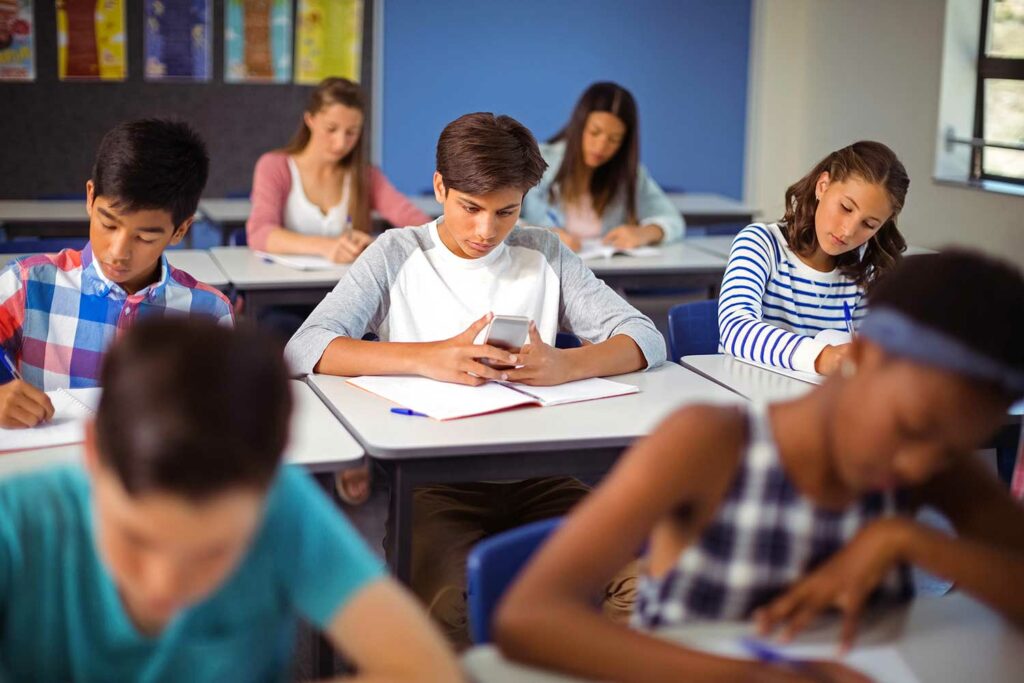
In a classroom, one student looks at his phone while the other students are writing.

© WavebreakMediaMicro/stock.adobe.com

More U.S. schools are banning students from using cell phones at school. And while some people agree that phones and classrooms don’t mix, others say kids should be allowed access to their phones. 

School officials who have limited or banned cell phone use say phones distract students. Many schools have reported that students use their phones not only in hallways and lunchrooms but also in classrooms. And their concerns have only grown in recent years. School officials who are banning phones point out that students lost a lot of time in the classroom because of the COVID-19 pandemic. Now, more than ever, officials say, it’s important to focus and aim to get back on track. And many parents agree with them.

Among the parents who support a ban on cell phones in classrooms is Julia Wilburn, of Nashville, Tennessee. Wilburn is the mom of a seventh grader whose school doesn’t let him carry his phone during school hours. “I definitely feel like that’s taking the right approach,” Wilburn said.

But other parents say they want their kids to be able to reach them if necessary. And that means carrying a cell phone all day. 

“We used to get in touch with our kids when we wanted to,” Louise Boll told the Associated Press. Boll is president of the parent-teacher association at Forest Meadow Junior High in Dallas, Texas. Forest Meadow requires students to put their phones away during the day.

At the Brush School District in Colorado, parents spoke out against a ban on taking cell phones to school. After a community meeting, a compromise was reached. Now, students can take their phones to school, but the phones must be turned off and not in sight. 

“There’s not an intention to say cell phones are evil,” Bill Wilson, the district superintendent, told the Associated Press. “It’s a reset to say, ‘How do we manage this in a way that makes sense for everybody?’”

News Extra

World Cup 2022

Are you ready for some soccer? The 2022 FIFA World Cup will take place from November 20 to December 18! This year’s host country will be Qatar. 

At the World Cup, the 32 best soccer teams on the planet compete to find out which nation’s team will be the world champion. Check out the graph to see the winners of every World Cup since the first one.

Who are you rooting for?

Did You Know?
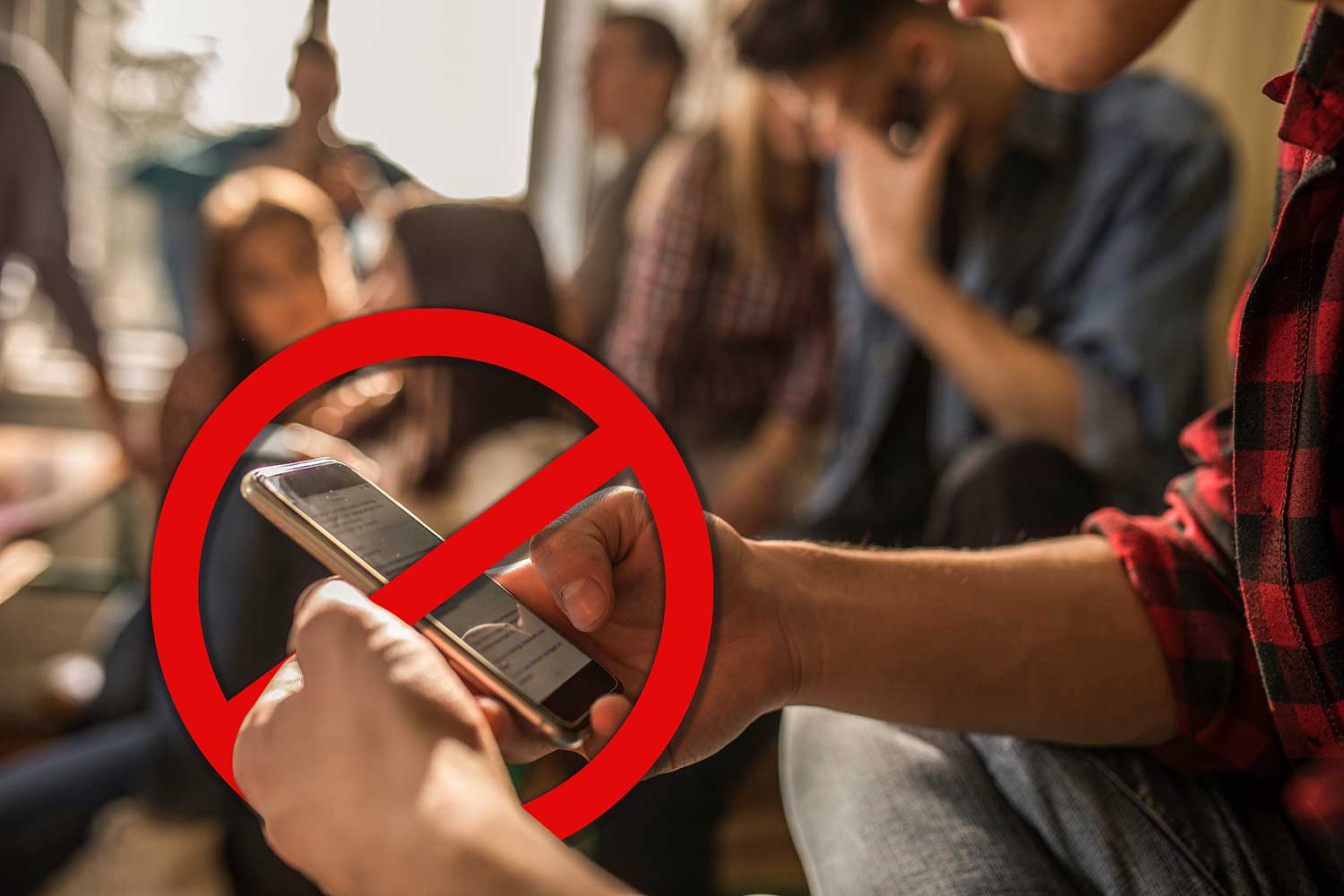
Teen’s hands holding a cell phone with a “no” symbol over it and other teens in background.

© skynesher—E+/Getty Images; Photo illustration Encyclopædia Britannica, Inc.

Ten years ago, about 90 percent of public schools banned cell phone use. 

By the 2015–2016 school year, only 65 percent of schools had bans in place. 

COVID-19 reversed the trend. During the 2019–2020 school year, 76 percent of public schools banned cell phones, according to the Associated Press.

Which Sites Do Teens Like?
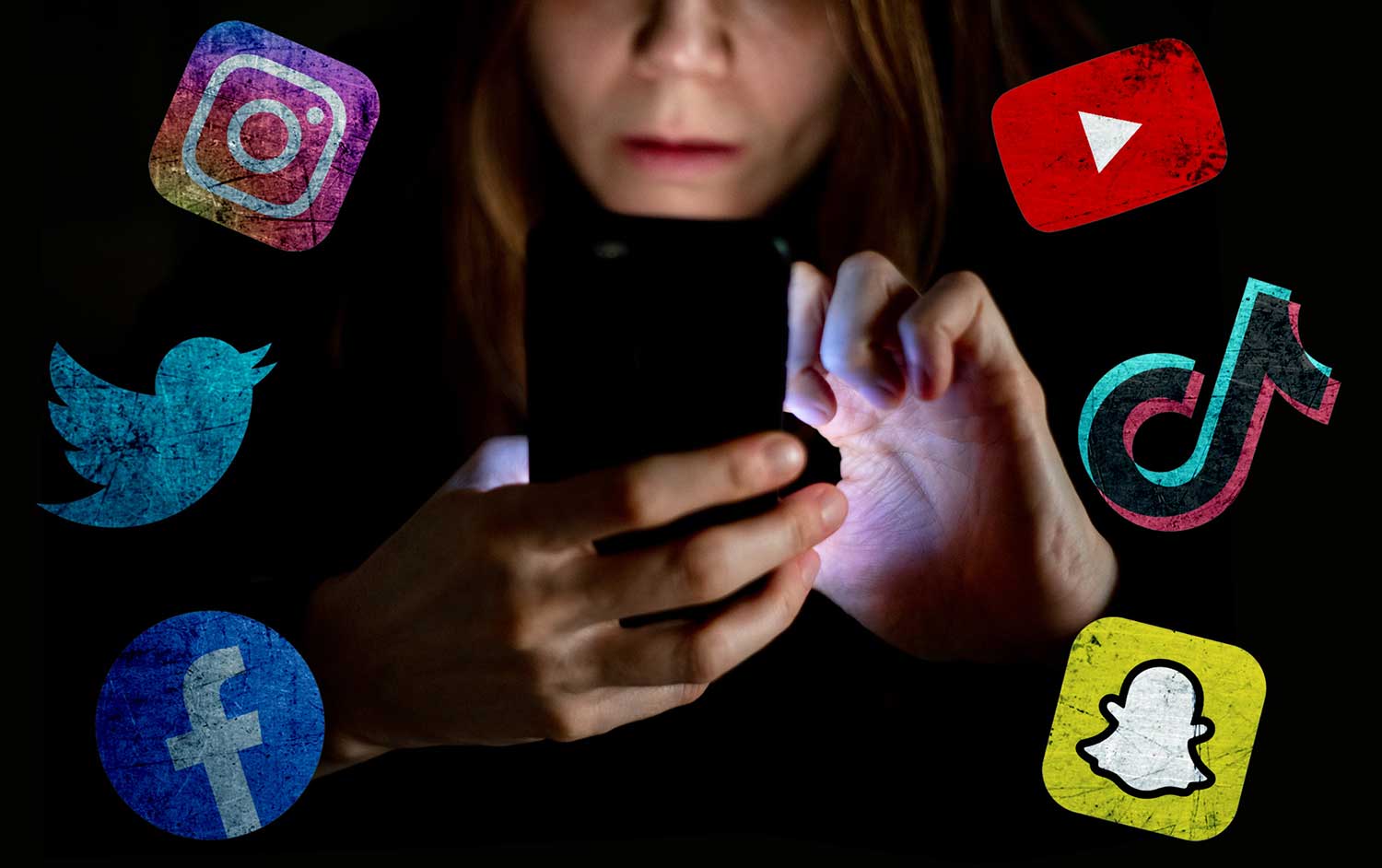
A woman uses her phone in a darkened space with the logos of various platforms on either side of her.

© Basak Gurbuz Derman—Moment/Getty Images; Photo illustration Encyclopædia Britannica, Inc.

What are students doing on their phones? In a 2022 survey by the Pew Research Center, teens were asked if they ever use certain apps and websites. Ninety-five percent said they used YouTube. TikTok was second-most popular, at 67 percent.

Texting Trouble?
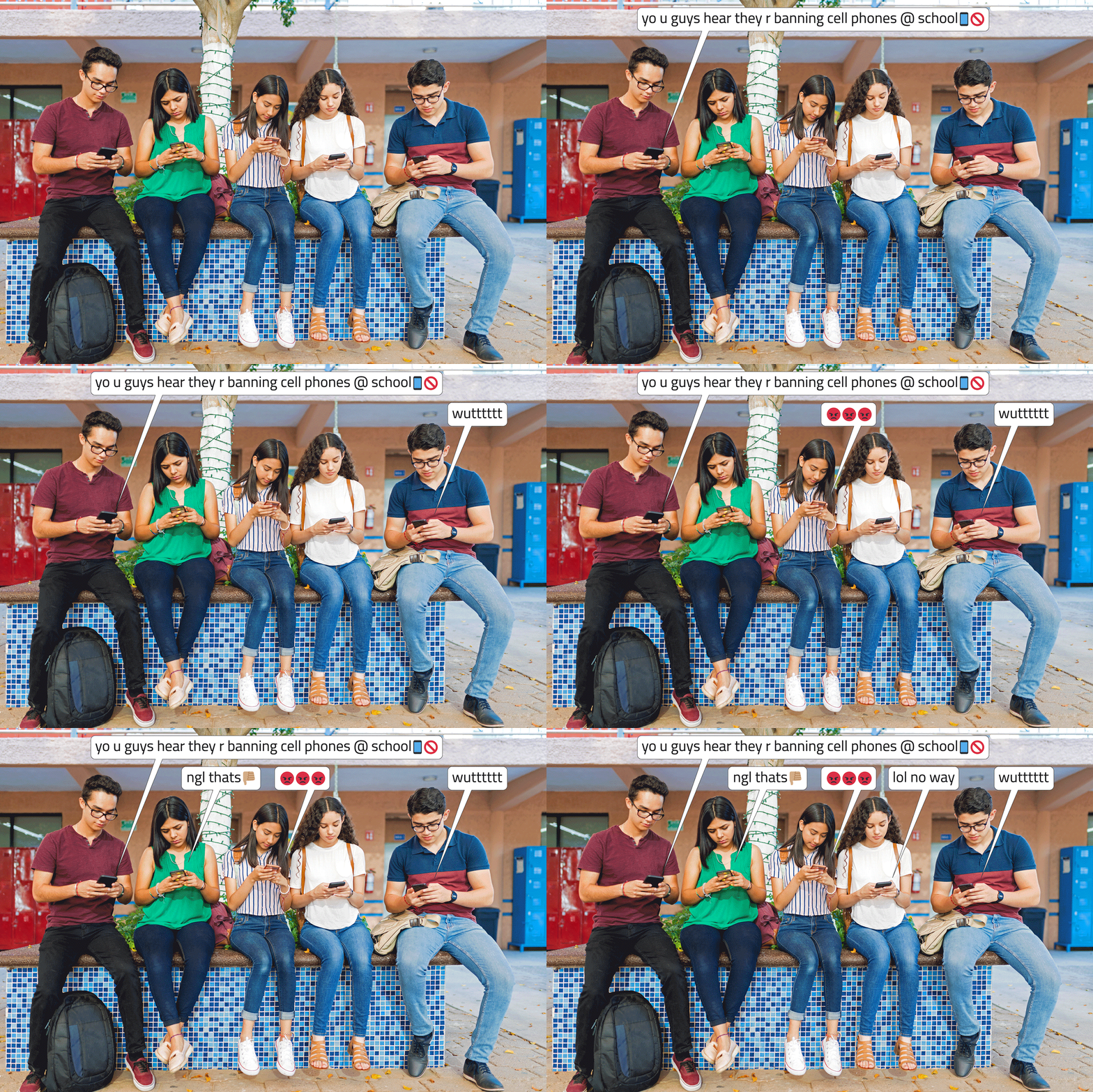
Animation of five students sitting on a ledge on their phones with text bubbles of their conversation appearing.

© AntonioDiaz, streptococcus/stock.adobe.com; Animation Encyclopædia Britannica, Inc.

Did you know that texting is considered controversial? Find out why at Britannica School.

Learn more at Britannica School!

WORD OF THE DAY

proscribe

PART OF SPEECH:

verb

Definition:

: to make (something) illegal : to not allow (something)

Definitions provided by
Merriam-Webster Logo

Crossword

See how many words you can fill in.

O
O
O
O
O
O

In Case You Missed It

Bella Rasmussen is the first female high school football player in her state to score two touchdowns in a varsity game.

11.15.22

In a village in India, people take a 90-minute break from their screens every night—for a good reason.

11.11.22

November 8 is Election Day in the United States. Here’s what midterm elections are all about.

11.08.22

A new U.S. quarter honors Anna May Wong, the first Asian American movie star.

11.04.22

Football Phenom

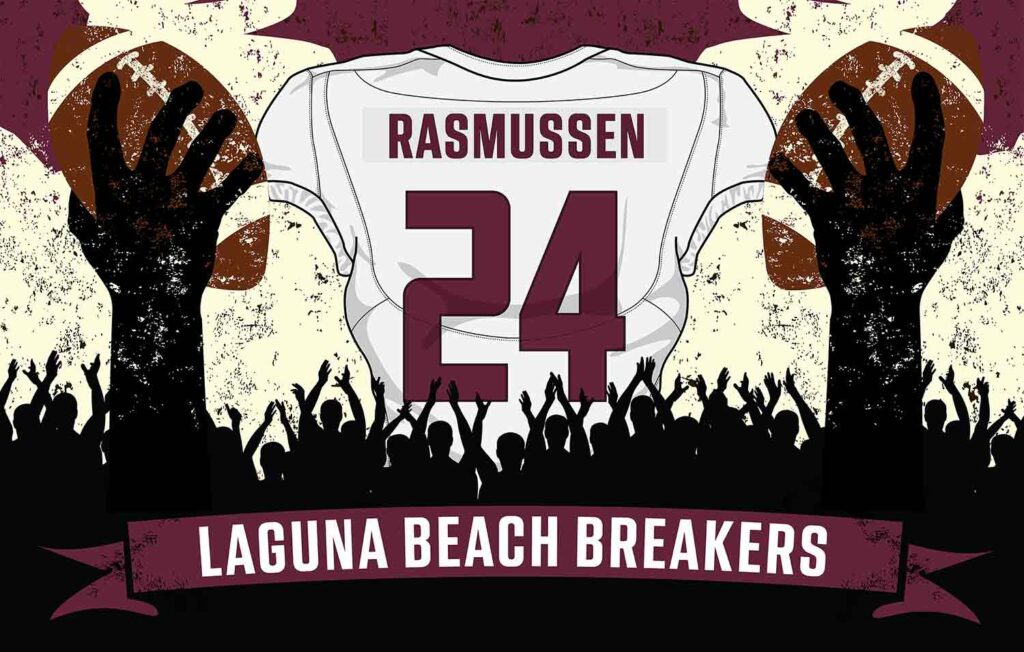
Illustration showing the number 24 Rasmussen jersey with two hands holding footballs on either side and a banner that says Laguna Beach

Football Phenom

Bella Rasmussen is the first female high school football player in her state to score two touchdowns in a varsity game.

Illustration showing the number 24 Rasmussen jersey with two hands holding footballs on either side and a banner that says Laguna Beach

© retrostare, Ronillo/stock.adobe.com, © Siarhei Nosyreu/Dreamstime.com; Photo illustration Encyclopædia Britannica, Inc.

Bella Rasmussen has loved football since she was 3 years old. And for nearly as long, the senior at Laguna Beach High School in Laguna Beach, California, has dreamed of scoring a touchdown. On October 14, Rasmussen made her dream come true—twice. 

That night, Rasmussen became the first female high school football player in the state of California to score two touchdowns in a varsity game. Her touchdowns contributed to a 48–0 victory against the Godinez Grizzlies of Santa Ana, California.

“I’m looking at coach, I’m like, Nah, man, I got it. I can do it,” Rasmussen said in an interview with Today. “I’m saying this to myself over and over and over again. [Then] I’m in the end zone [where a player runs to score a touchdown]. And I remember I just stood up and I was like, “Did anybody see? This actually happened?”

That was the first touchdown. To be able to score a second one—in the same game—was unexpected, she said.

“I was in disbelief. [I thought] there’s no way that just happened,” Rasmussen told the Los Angeles Times

Rasmussen has been playing football at her high school for four years as a running back and defensive end. At 5 feet, 9 inches (175.3 centimeters) tall and 135 pounds (61.2 kilograms), she’s smaller than most of her teammates, who are all boys. Her opponents are bigger than she is, too. But she said her teammates had been encouraging her before the game, telling her they were sure she’d score a touchdown.

They knew she could reach the end zone, and so did she.

“To be able to do it was something I had been dreaming about since I was 6 years old,” Rasmussen told the Los Angeles Times. “I ran to my mom [and said], ‘I did it.’”

Did You Know?

Jonathan Daniel/Getty Images Sport

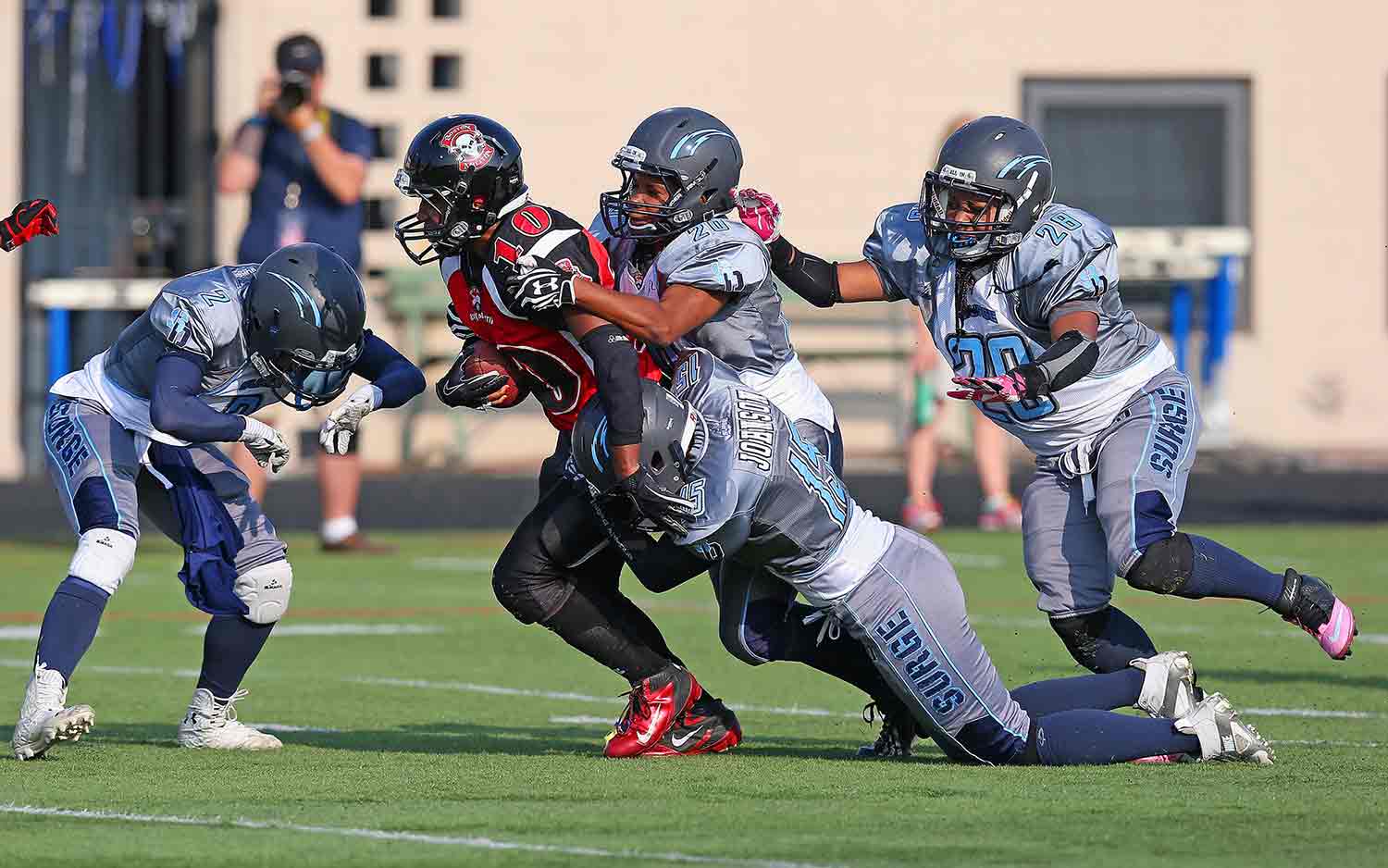
Adrienne Smith (10) of the Boston Militia is tackled by Sonfre Roberson (2), Alicia Freeman (20), Natasha Joanson (15), and Tiffany Humphrey (29) of the San Diego Surge during the Women’s Football Alliance National Championship game in 2014.

In the U.S., about 4,000 women play tackle football in organized leagues. 

Football First

F.J. Higgins—New York World-Telegram and the Sun Newspaper Photograph Collection/Library of Congress (LC-DIG-ds-03688)

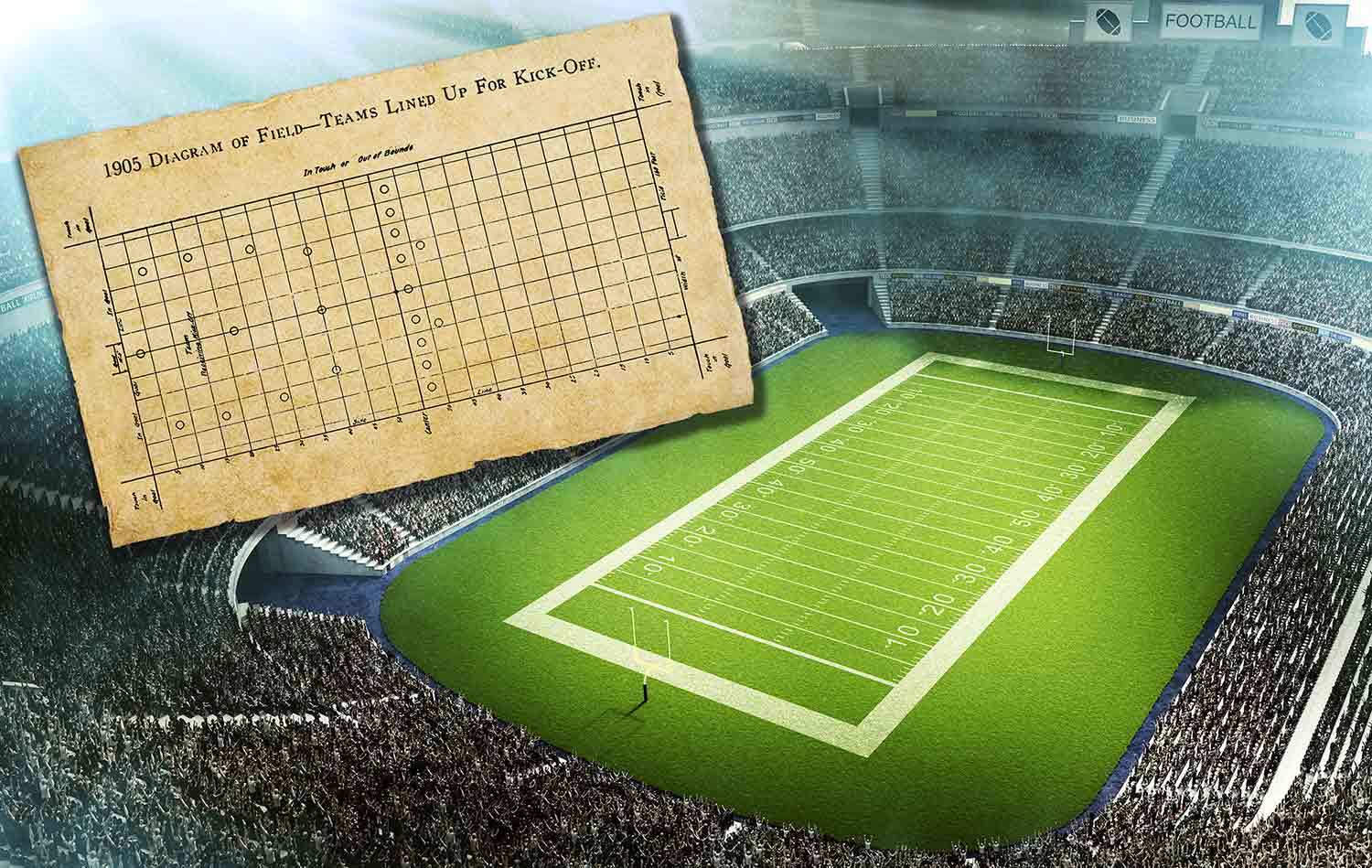
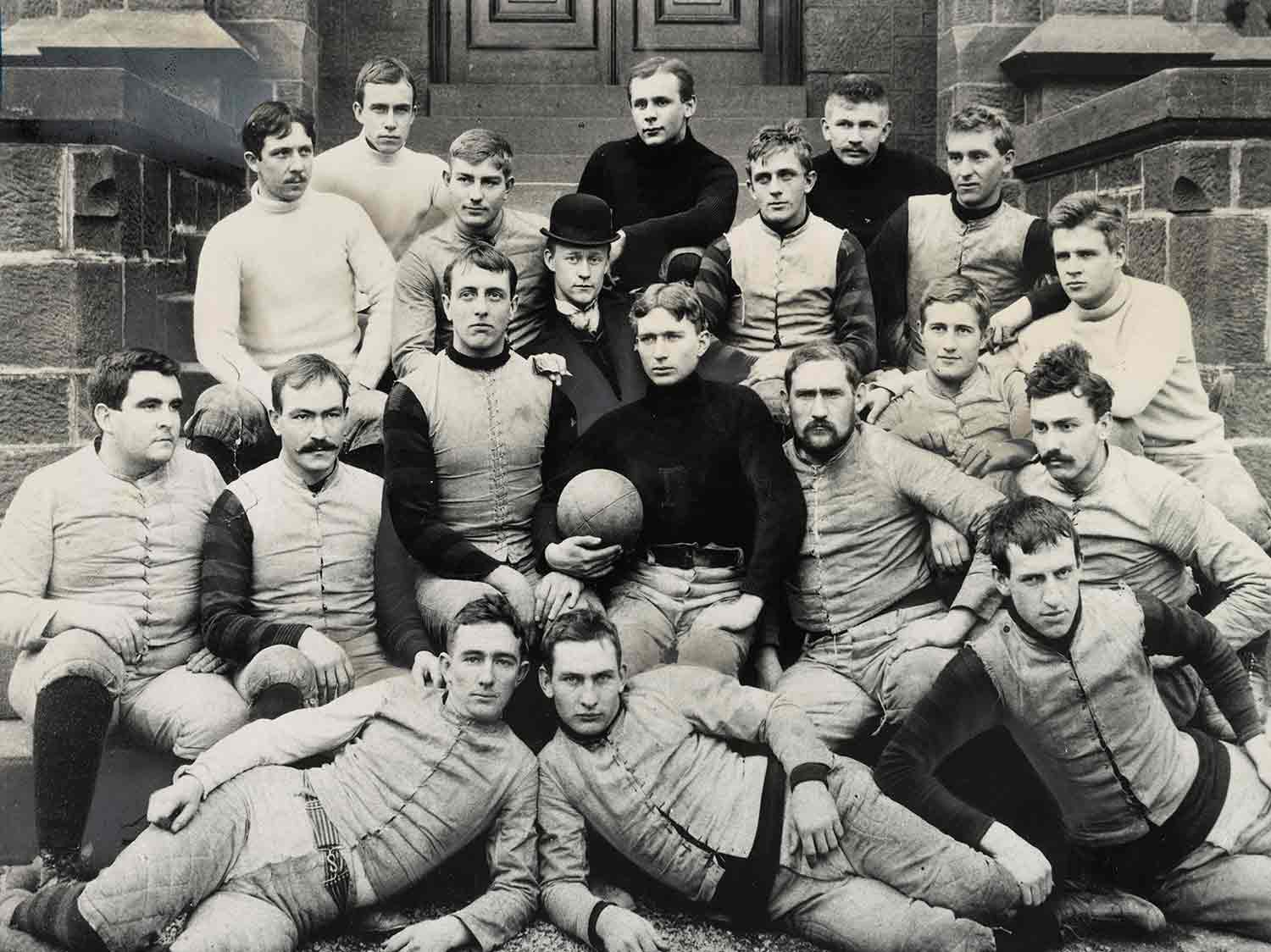
This photo of the Rutgers University football team was taken in 1891, 22 years after the first college football game.

The first-ever American college football game took place between Rutgers University and Princeton University on November 6, 1869. But if you could go back in time to watch that game, you might not recognize it as the sport that’s played during the Super Bowl. 

The game between Rutgers and Princeton closely resembled a very old sport from England. The English call that sport football. Americans call it soccer.

For the Rutgers and Princeton players, the object of the game was to kick the ball into the opponent’s goal. They could also move the ball with any part of their bodies, including their hands. Players were not allowed to throw the ball. Rutgers won the game, 6 to 4.

Over the next few decades, the sport evolved quite a bit, borrowing some rules from another English game called rugby. In both sports, players can score points by carrying the ball across the goal line of the opposing team. 

Today, football is the most popular sport in the U.S. In 2022, about 112 million people watched the Super Bowl. That’s more than one-third of the U.S. population.

America’s Game

© Dmytro Aksonov—E+/Getty Images; Photo illustration Encyclopædia Britannica, Inc.

Why is American football called gridiron football? You can learn more about the sport—and your favorite players—at Britannica School!

Learn more at Britannica School!

WORD OF THE DAY

gumption

PART OF SPEECH:

noun

Definition:

: courage and confidence

Definitions provided by
Merriam-Webster Logo

Word Search

See if you can find all the football terms.

O
O
O
O
O
O

In Case You Missed It

In a village in India, people take a 90-minute break from their screens every night—for a good reason.

11.11.22

November 8 is Election Day in the United States. Here’s what midterm elections are all about.

11.08.22

A new U.S. quarter honors Anna May Wong, the first Asian American movie star.

11.04.22
The prime minister of the United Kingdom resigned after just 45 days in office. Will the new prime minister be successful?

11.01.22

Step Away From the Screen

A symbol with screened devices crossed out points to Mohityanche Vadgaon on a map of India.

Step Away From the Screen

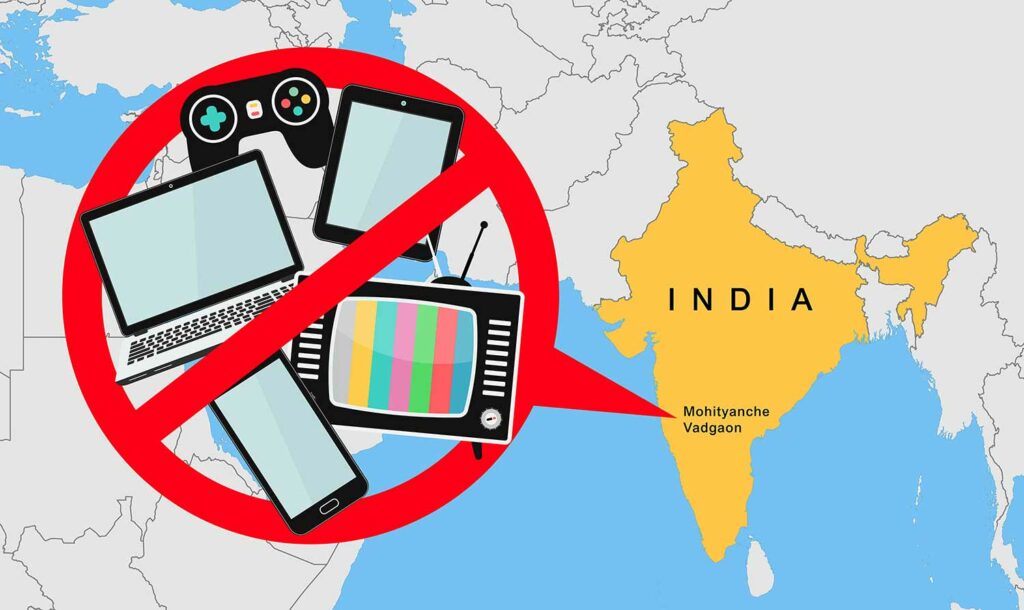
In a village in India, people take a 90-minute break from their screens every night—for a good reason.

A symbol with screened devices crossed out points to Mohityanche Vadgaon on a map of India.

© fad1986—iStock/Getty Images Plus, Encyclopædia Britannica, Inc.; Illustration Encyclopædia Britannica, Inc.

Every night at 7 p.m., a siren goes off in a village in India. The siren signals the start of the village’s nightly “digital detox,” a 90-minute period when residents are strongly encouraged to turn off their phones and TVs. 

Officials in the village of Mohityanche Vadgaon say they decided on the digital detox initiative because of concerns that people were too attached to their screens. Like almost everywhere, people in the village spend a lot of time watching TV and looking at their phones. During the COVID-19 lockdowns in 2020, the problem got worse among kids and teens. No longer able to attend school, students started attending classes online and spending more time on their phones. Adults got worried. 

“Surfing on the Internet—that is, multi-tasking—deprives students of their ability to concentrate for longer periods when they need to study,” Dr. J.R. Ram, a clinical psychiatrist, told Voice of America. “They get used to scrolling on social media, watching videos, and exchanging text messages during classes. Such a situation can have negative consequences on one’s cognition or thinking ability.”

Sure enough, teachers noticed that all that screen time was affecting students’ ability to concentrate. They took their concerns to Vijay Mohite, the sarpanch, or head of the village government. Mohite came up with the idea for the nightly digital detox period. 

It’s not only kids who are encouraged to stay off their phones for 90 minutes a night. Adults are supposed to follow the rules as well. Residents are encouraged to read, study, or just talk to each other, instead of scrolling. The period lasts until 8:30 p.m., when another siren signals that phones and TVs can be used again.

The idea has gone over so well that five other villages in India are taking similar steps.

Did You Know?

© Pixel-Shot/stock.adobe.com; Photo illustration Encyclopædia Britannica, Inc.

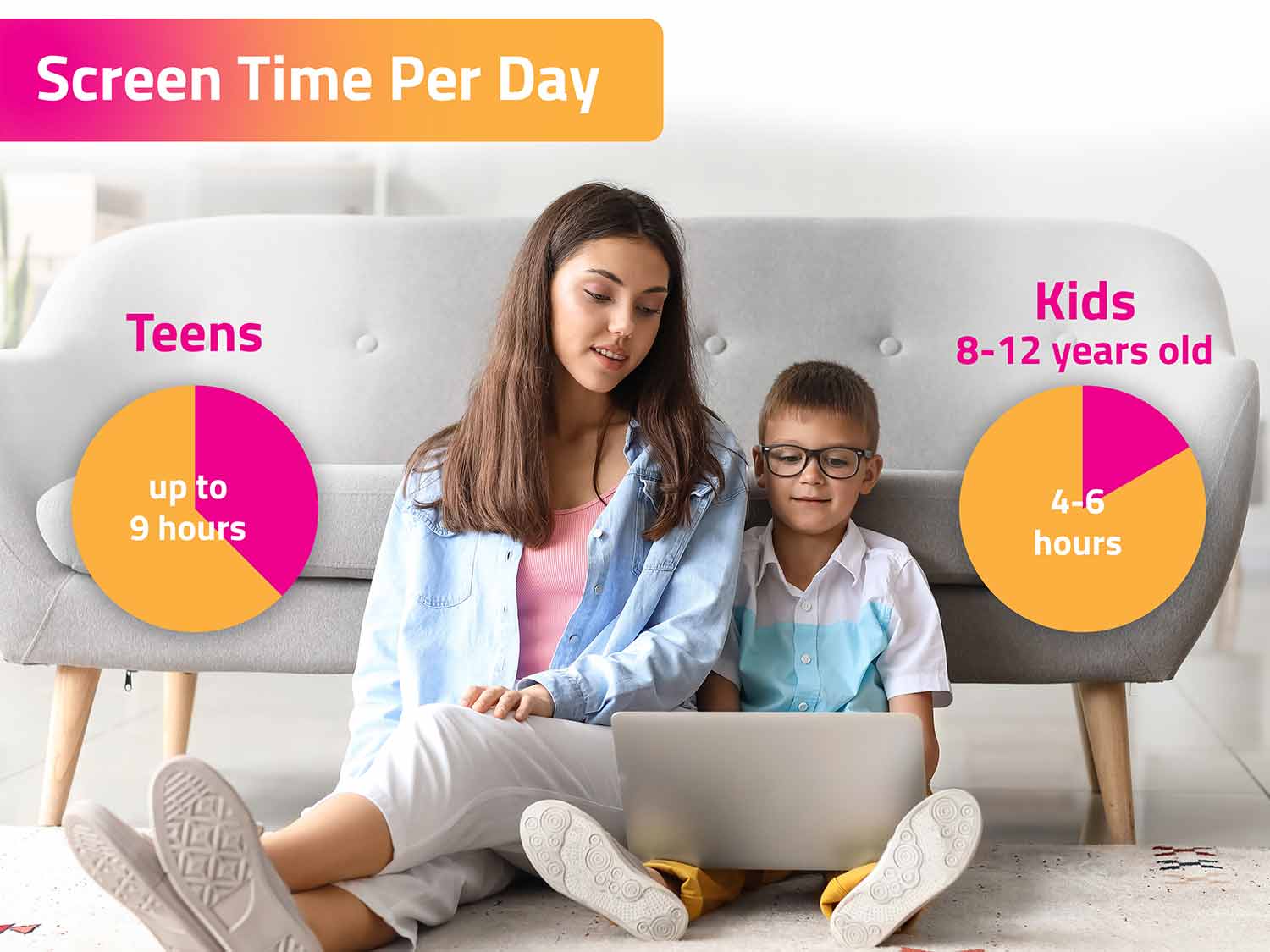
Kids aged eight to 12 in the U.S. spend four to six hours a day looking at screens. Teens spend up to nine hours. That’s according to the American Academy of Child & Adolescent Psychiatry.

Take a Break…From Your Phone

Animation of a girl lying on her couch with a book and ignoring her phone

© Anna Bezrukova—iStock/Getty Images Plus; Animation Encyclopædia Britannica, Inc.

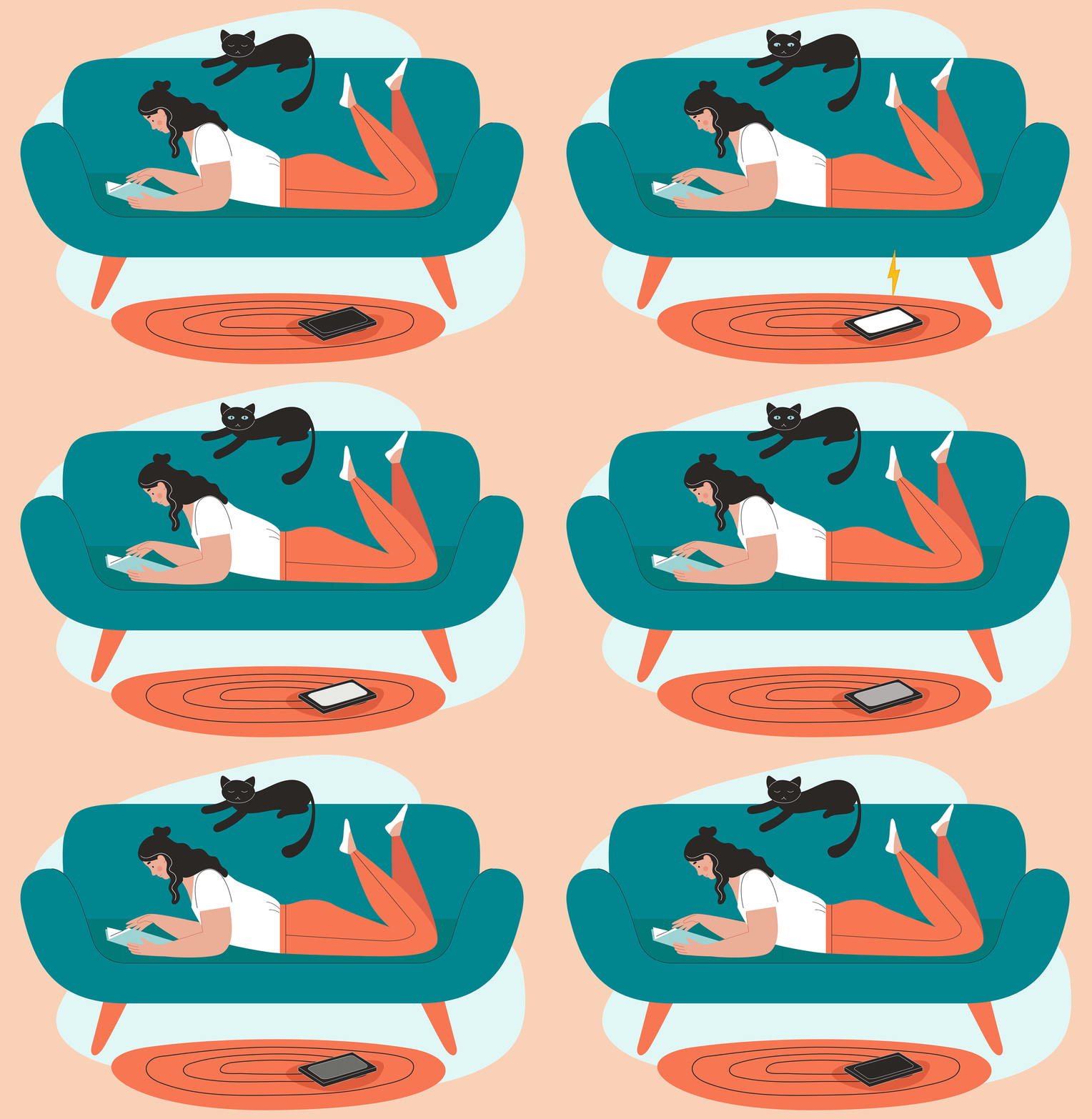
If you have a phone, you may have noticed that it’s easy to spend way too much time looking at it. So, what are some ways to reduce your screen time? 

  1. Set aside a time each day when you won’t allow yourself to use your phone. Mealtimes are a good start, since it can be considered rude to stare at your phone at the dinner table!

  2. Turn off notifications that aren’t essential. From your phone’s Settings, you can go through your apps to see which ones you really don’t need to hear from.

  3. Turn on reminders to step away from your phone. Both Apple and Android have features that let you do this. On iPhones, a feature called Screen Time lets you schedule time away from your favorite apps.

  4. Turn your phone display to gray. Your phone’s bright colors make looking at it more tempting. Look for a setting that lets you turn off those colors.

Get Inspired!

Animation with illustrations of people doing different hobbies flashing on and off the screen

© MicroOne/stock.adobe.com; Animation Encyclopædia Britannica, Inc.

What did people do before smartphones existed? Lots of things! Read about hobbies, and see if you’re inspired to try something new.


Learn more at Britannica School!

WORD OF THE DAY

distraction

PART OF SPEECH:

noun

Definition:

: something that makes it difficult to think or pay attention

Definitions provided by
Merriam-Webster Logo

Word Search

Try to find all the forms of communication—the ones we still use and the ones we don’t.

O
O
O
O
O
O

In Case You Missed It

November 8 is Election Day in the United States. Here’s what midterm elections are all about.

11.08.22

A new U.S. quarter honors Anna May Wong, the first Asian American movie star.

11.04.22
The prime minister of the United Kingdom resigned after just 45 days in office. Will the new prime minister be successful?

11.01.22

A robot called Cassie set a speed record after running on two feet. Why is that a big deal?

10.28.22

Why Elections Matter

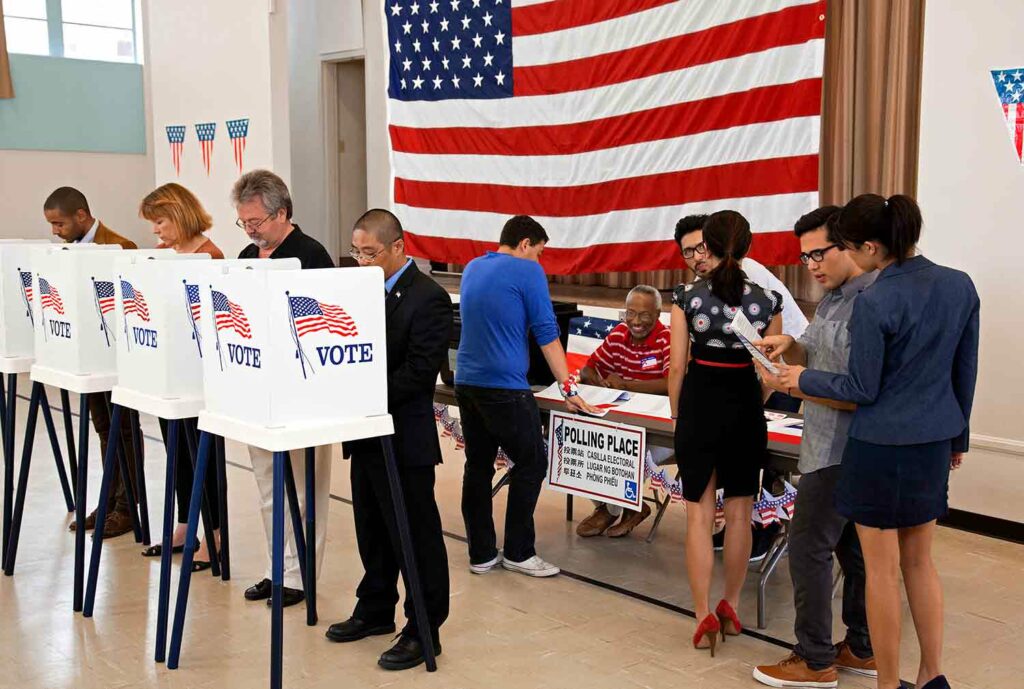
At a voting location, four people stand and cast their votes while others speak to election workers.

Why Elections Matter

November 8 is Election Day in the United States. Here’s what midterm elections are all about.

At a voting location, four people stand and cast their votes while others speak to election workers.

© Hill Street Studios—DigitalVision/Getty Images

In the United States, some people vote in person, while others vote by mail.

It’s election time again! On November 8, U.S. voters will head to the polls to cast their votes in the midterm elections. If you’re wondering why these elections are important, we’ve got some answers for you.

What are midterm elections?

You may be thinking, Wait, didn’t Americans just elect a new president in 2020? That’s true, and we won’t have another presidential election until 2024. Midterm elections take place midway through the president’s term in office. At this time, voters select members of Congress, which is made up of the House of Representatives and the Senate. All 435 seats in the House are up for grabs because House members’ terms last only two years. Senate terms last six years. In 2022, 35 of the 100 Senate seats are in play. 

Why should we care?

The president is only one part of the U.S. government. It’s Congress, not the president, that introduces (proposes) and passes the nation’s laws. So, if you think certain laws should or should not be passed, it’s important to pay attention to who is being elected to Congress and what their views are. The president may support certain laws, but it’s up to Congress to decide whether to vote yes or no on them.

Who is in Congress now?

Most members of Congress belong to one of the two major political parties—the Republicans or the Democrats. Since both houses of Congress vote on laws, whichever party has the most seats holds control.

Currently, Democrats control both houses. That could change, depending on the results of the November 8 election. The Democratic majority is slim, so it wouldn’t take much for the Republicans to take control. 

What happens if Republicans take control?

President Biden is a Democrat. With a Democratic majority in both houses of Congress, he has support from more than half of U.S. lawmakers. Some of the legislation he supports has been passed. If Republicans take control of either or both houses, that is likely to change. 

For both Democrats and Republicans, the midterm elections are a real nail-biter. The results can dramatically change the course of the country! We’ll know more about how this election turned out very soon.

Did You Know?

Encyclopædia Britannica, Inc.

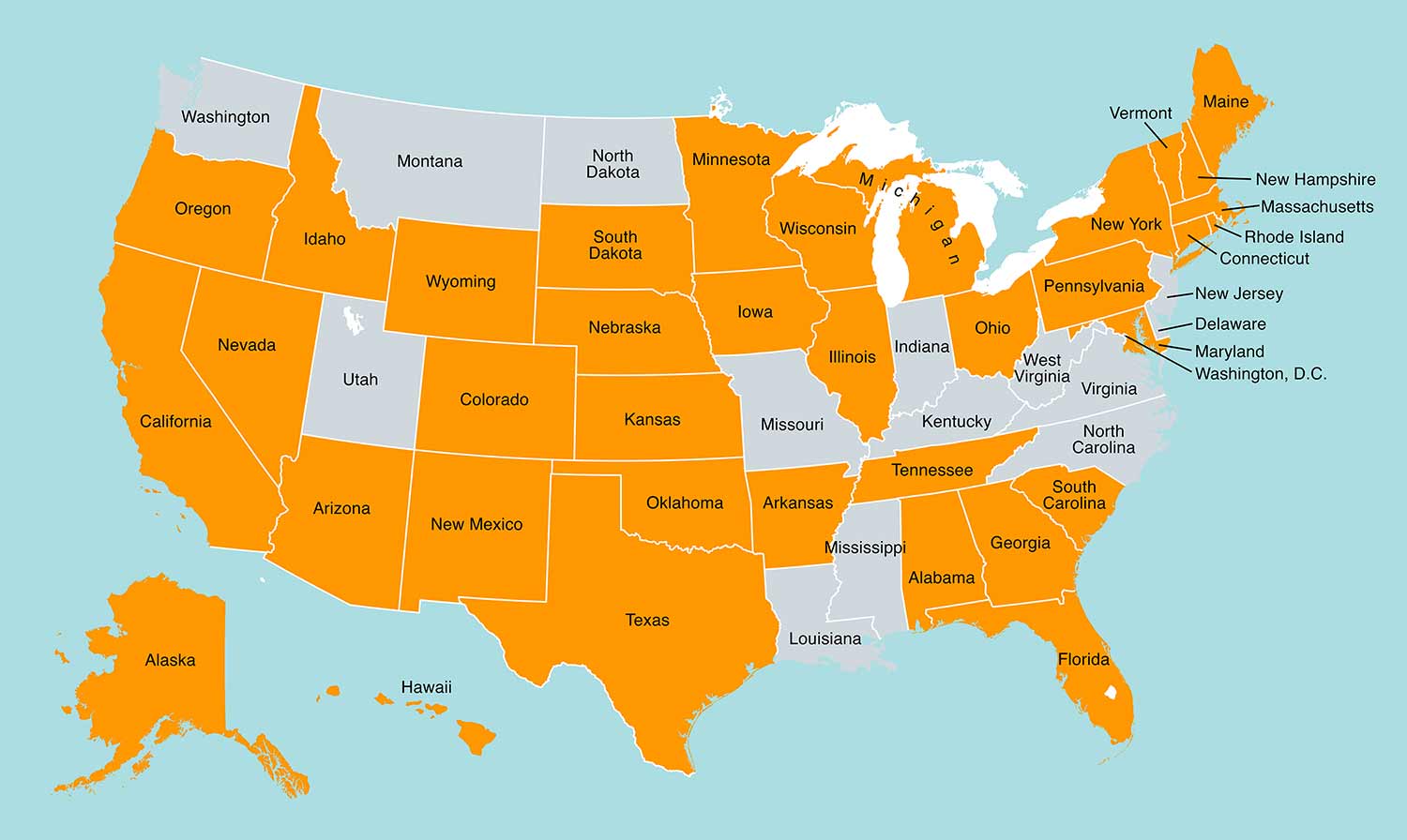
November 8 isn’t just a day for congressional elections. Thirty-six of the 50 states are holding gubernatorial elections (elections for governor) this year. Those states are colored orange on this map. Is your state one of them?

How Abe Lincoln Became a Star

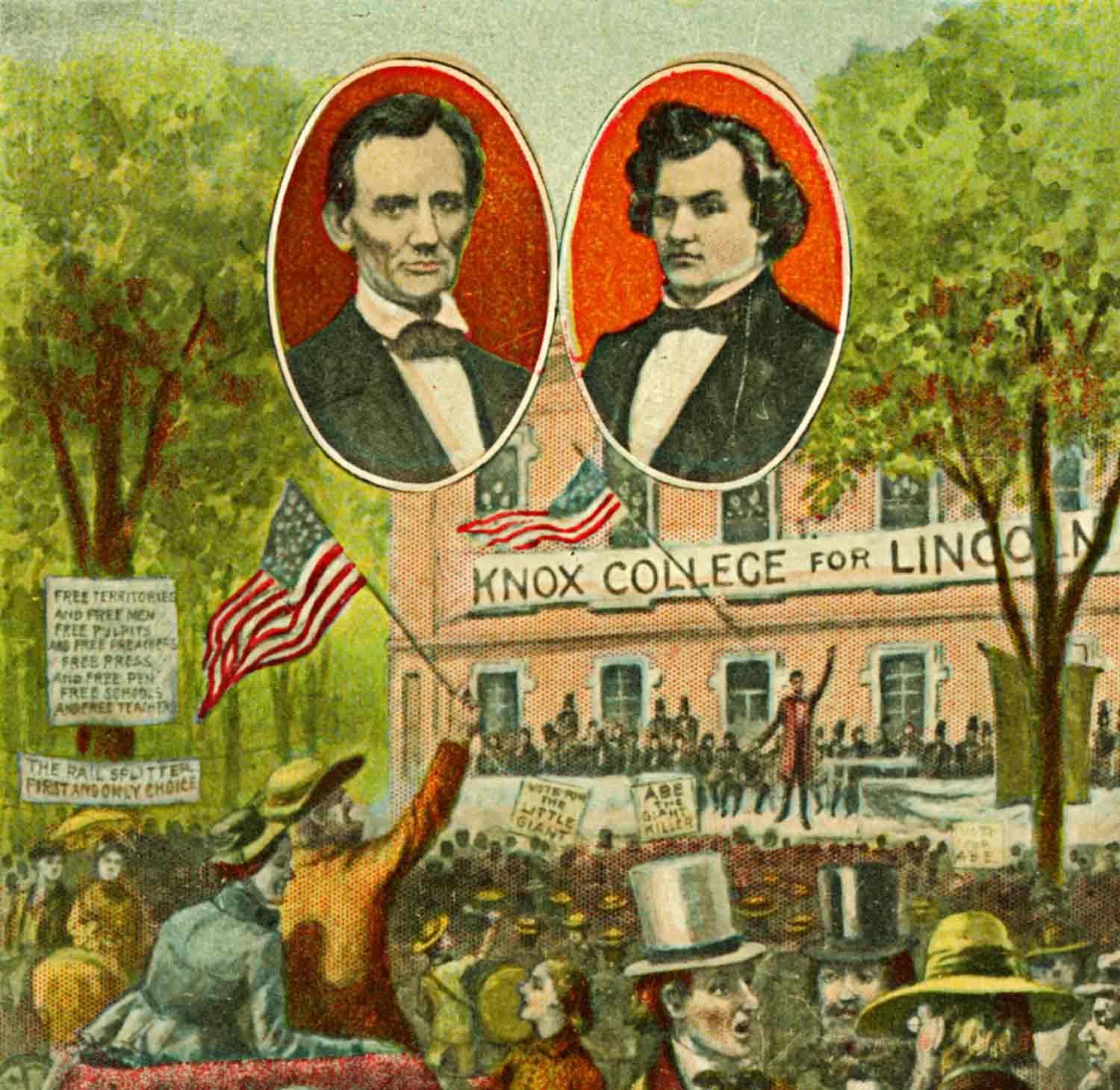
Illustration showing Abraham Lincoln standing on a stage before a crowd and in front of a banner that reads Knox College for Lincoln. Lincoln and Douglas portraits are also featured.

Old Paper Studios/Alamy

This postcard was made in 1908, in memory of the famous Lincoln-Douglas debates. Its existence shows just how important those debates were.

Some people who run for Congress turn out to be a pretty big deal. In 1858, Abraham Lincoln ran to represent Illinois in the U.S. Senate. Lincoln hoped to unseat Senator Stephen A. Douglas, who was running for reelection.

At that time, there were some incredibly important issues at stake. The biggest issue was slavery. During the mid-19th century, the United States was growing. Areas of land called territories were applying to become states. Leaders in some of these states applied to be “slave states”—states where slavery would be legal. Others applied to be “free states,” where slavery would be illegal. Lincoln believed the expansion of slavery should be prevented. Douglas, whose wife was an enslaver, said he believed that states should decide for themselves whether to allow slavery. 

Lincoln recognized that this issue was tearing the nation apart. During this time, Lincoln gave a speech where he famously said, “A house divided against itself cannot stand.” What he meant was that the American people were so divided over slavery that the future of the country was threatened.

Before the Senate election, Lincoln and Douglas held a series of debates (public discussions between people who have different views). Lincoln argued that slavery was wrong and should not be allowed to expand as the nation grew. Douglas argued that Lincoln’s views were too extreme and would only divide the country more. Even though there was no TV or Internet back then, the debates were reported in newspapers all over the country. 

Kean Collection/Hulton Archive/Getty Images

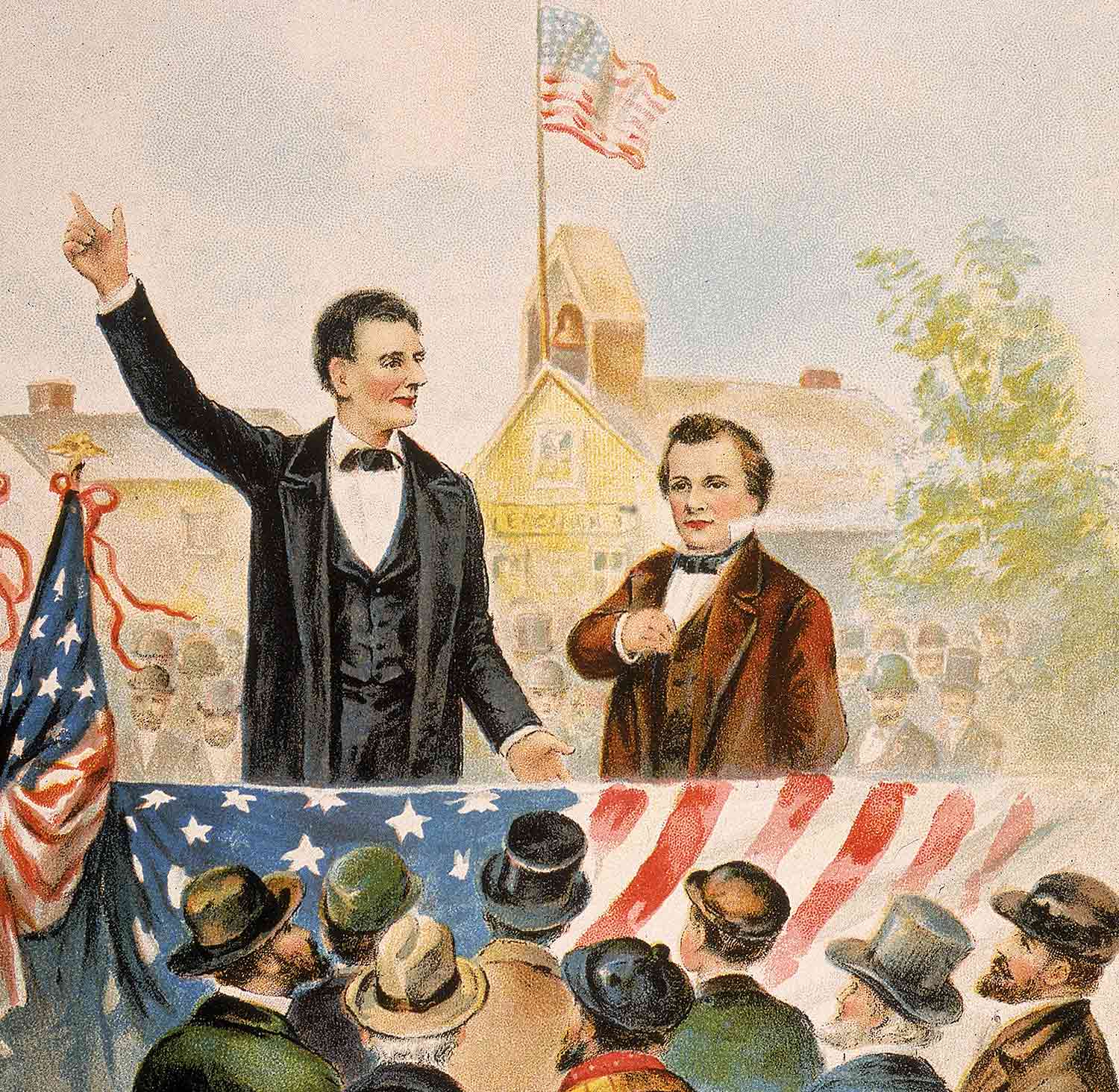
Abraham Lincoln (left) debated Stephen A. Douglas in front of audiences in 1858. There was no TV, but newspapers reported on the debates.

Who won the election? 

When all the votes were counted, Douglas was the winner. But the Lincoln-Douglas debates became famous—and Lincoln became a bit of a celebrity. In 1860, Lincoln decided to run for president. You’ll never guess who was running against him. That’s right—Stephen A. Douglas. This time, Lincoln won.

He would have a tough job to do. The question of slavery continued to tear the nation apart. Eventually, in 1861, it led to the Civil War.

You’ve probably read a lot about Abraham Lincoln. Did he really grow up in a log cabin? Was he really a wrestler? Find out at Britannica School!

Checking Up On Each Other

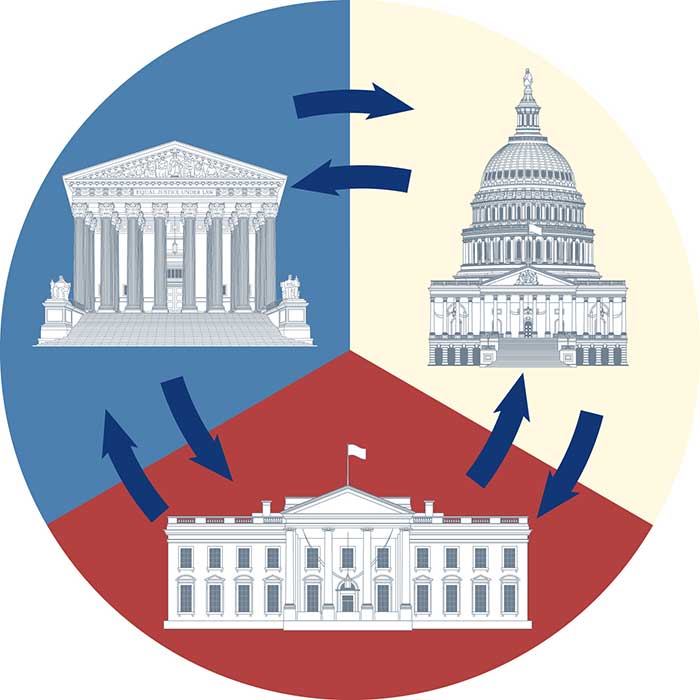
Circular illustration showing the buildings of the Supreme Court, the Capitol, and the White House. Between the buildings there are arrows in both directions.

Encyclopædia Britannica, Inc.

The Supreme Court checks the powers of Congress, which checks the powers of the president, and so on.

Congress has the power to make laws, but those laws can be vetoed by the president or struck down by the Supreme Court. This is part of a system of checks and balances that’s baked into the U.S. government. With the system in place, each branch can put checks, or controls, on the powers of the other two.

What’s the point of checks and balances? 

Find out at Britannica School!

WORD OF THE DAY

contentious

PART OF SPEECH:

adjective

Definition:

: likely to cause people to argue or disagree

Definitions provided by
Merriam-Webster Logo

Wordrow

O
O
O
O

In Case You Missed It

A new U.S. quarter honors Anna May Wong, the first Asian American movie star.

11.04.22
The prime minister of the United Kingdom resigned after just 45 days in office. Will the new prime minister be successful?

11.01.22

A robot called Cassie set a speed record after running on two feet. Why is that a big deal?

10.28.22

A fire swept through the island of Rapa Nui, damaging the island’s famous ancient statues.

10.25.22

More Than a Movie Star

Quarter with Anna May Wong’s face against a backdrop of other U.S. coins.

More Than a Movie Star

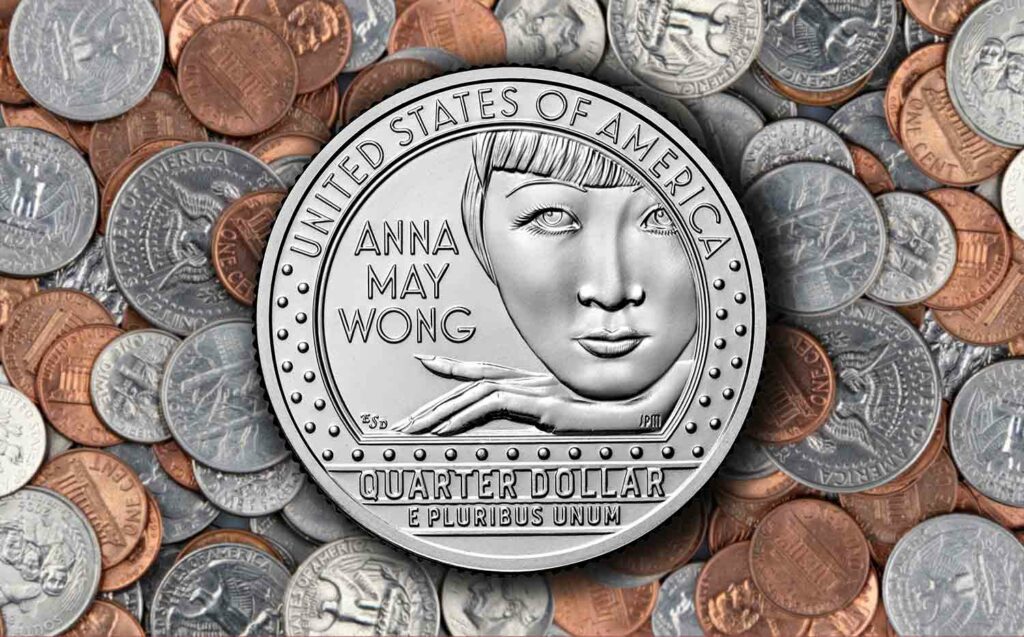
A new U.S. quarter honors Anna May Wong, the first Asian American movie star.

Quarter with Anna May Wong’s face against a backdrop of other U.S. coins.

United States Mint Image, © Stillfx/stock.adobe.com; Photo illustration Encyclopædia Britannica, Inc.

A new quarter features Anna May Wong’s face.

The U.S. Mint has just issued a new quarter honoring film legend Anna May Wong, who became the first Asian American movie star despite the constant racism she faced. The quarter, which features Wong’s face resting on her hand, was issued on October 24. It’s the fifth in a series of special quarters honoring women’s achievements.

Wong was chosen because she was “a courageous advocate who championed for increased representation and more multi-dimensional [film] roles for Asian American actors,” according to a statement from Ventris Gibson, director of the U.S. Mint.

Born in 1905 in Los Angeles, California, Wong began acting in movies at age 14, at a time when movies were still silent. Wong was repeatedly cast in roles that reinforced stereotypes. She was also paid less than her white costars. Her frustration led her to move to Europe, where she found success in German, French, and British movies. Wong returned to the U.S. in the 1930s and tried to land the lead role in the 1937 movie The Good Earth, about a Chinese American family. Wong, who was Chinese American, lost the part to Luise Rainer, a white actor.

Sasha—Hulton Archive/Getty Images

With some persistence, Wong was able to work out a deal with the movie studio Paramount Pictures. The agreement gave her more control over the parts she would play. According to Arthur Dong, a filmmaker who wrote a book about Asian Americans in Hollywood, this type of deal was extremely rare at the time, particularly for a woman of color. 

In addition to movies, Wong made several appearances in TV dramas. She died in 1961.

Wong received a star on the Hollywood Walk of Fame in 1960, but Dong says the new quarter has another level of significance.

“What it means is that people all across the nation—and my guess is around the world—will see her face and see her name,” Dong told the Associated Press. “If they don’t know anything about her, they will…be curious and want to learn something about her.”

Did You Know?

Smithsonian National Museum of African American History and Culture, Washington, D.C. (object no. 2009.50.2), © Donald Swartz/Dreamstime.com, United States Department of the Treasury Bureau of Engraving and Printing; Photo illustration Encyclopædia Britannica, Inc.

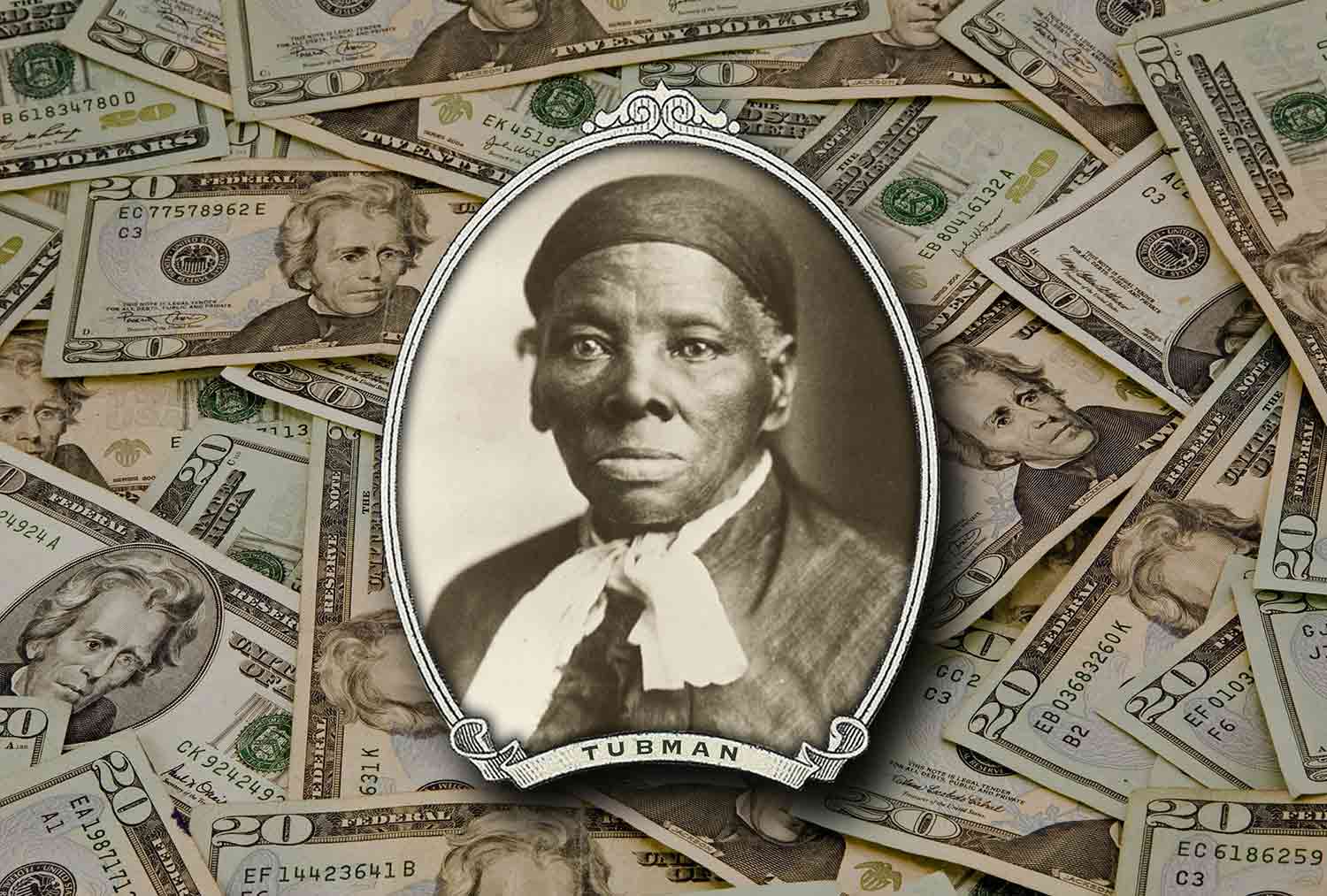
By 2030, Harriet Tubman will replace Andrew Jackson as the face of the 20 dollar bill.

Aside from commemorative coins like the one that features Anna May Wong, all U.S. currency to date has featured white men. However, that’s set to change when abolitionist and activist Harriet Tubman becomes the face of the 20 dollar bill. U.S. government officials say the first Harriet Tubman bills will be printed by 2030.

Trailblazers

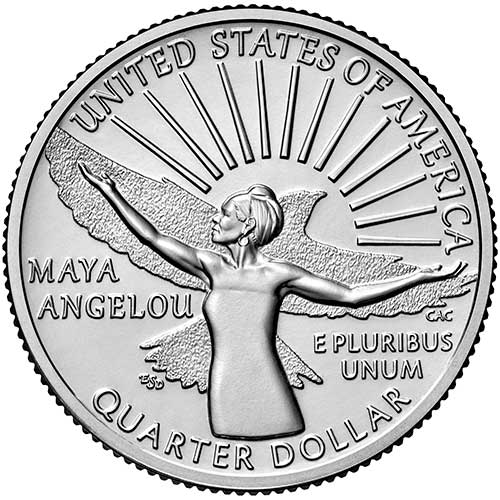
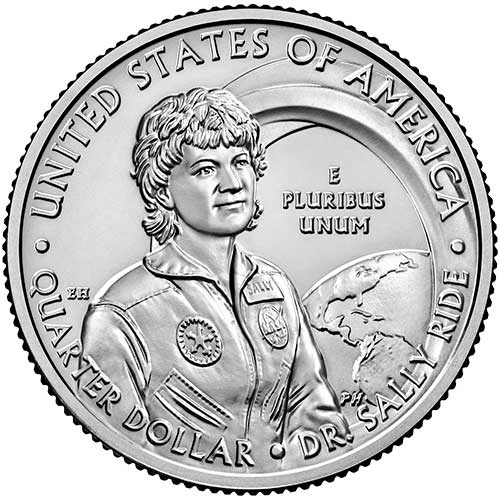
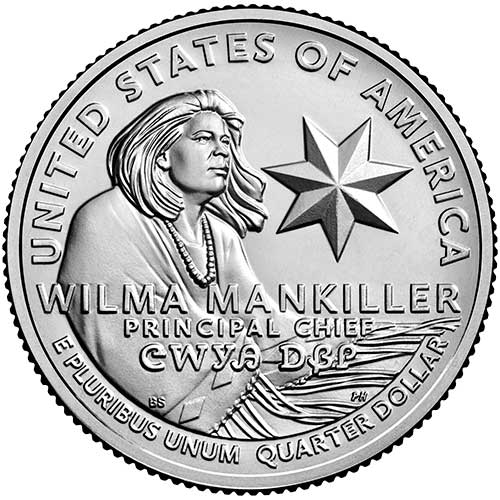
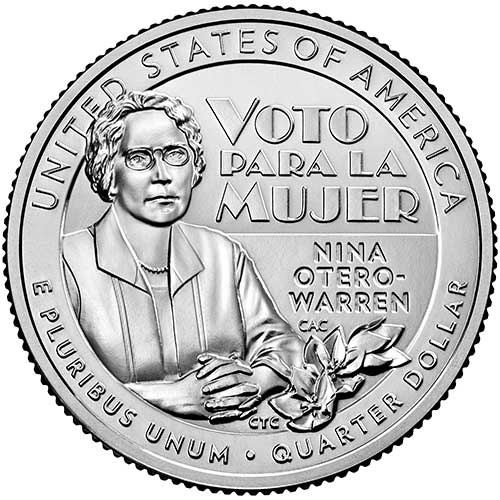
Anna May Wong is the fifth woman to be featured in a series of U.S. quarters honoring women’s achievements. Here’s a little bit about the other women being honored in 2022.

U.S. quarter featuring Maya Angelou with her arms outstretched and in front of a bird and a rising sun

United States Mint Image

Maya Angelou

Maya Angelou was a celebrated author, poet, and dancer, as well as a civil rights activist. Her autobiography I Know Why the Caged Bird Sings made her world famous. She went on to write more than 30 other books. In 2000, Angelou received the National Medal of Arts for her contributions to literature.

United States Mint Image

Sally Ride

Sally Ride was a scientist, an astronaut, and an educator. In 1983, Ride became the first American woman to travel into space. She later wrote books and began an education program to inspire girls to pursue careers in science and engineering.

U.S. quarter featuring Wilma Mankiller in profile wrapped in a shawl and next to the star of the Cherokee Nation

United States Mint Image

Wilma Mankiller

Wilma Mankiller was an activist for American Indian rights. Born in the Cherokee Nation, Mankiller became the first woman to be elected as its chief in 1987. She worked to improve housing, health care, and educational opportunities for the nation. After she left office, she worked to improve rights for women, American Indians, and people from disadvantaged communities.

U.S. quarter featuring Nina Otero-Warren sitting with her hands clasped

United States Mint Image

Nina Otero-Warren

Nina Otero-Warren was an activist who worked for political and social causes. Born in 1881 in New Mexico, Otero-Warren was part of the women’s suffrage movement—the effort to win women the right to vote in the United States that led to the passage of 19th Amendment in 1920. A descendant of a Latino family, Otero-Warren stressed the importance of using the Spanish language to reach Latina women in the fight for suffrage.

More to Her Story

© Serg64/Shutterstock.com, Carl Van Vechten Collection/Library of Congress, Washington, D.C. (LC-USZ62-42509, LC-USZ62-135274), Sasha—Hulton Archive/Getty Images; Photo illustration Encyclopædia Britannica, Inc.

Interested in learning more about Anna May Wong? 

Check out Britannica School!

WORD OF THE DAY

trailblazer

PART OF SPEECH:

noun

Definition:

: a person who makes, does, or discovers something new and makes it acceptable or popular

Definitions provided by
Merriam-Webster Logo

Word Search

How many words can you find?

O
O
O
O
O
O

In Case You Missed It

The prime minister of the United Kingdom resigned after just 45 days in office. Will the new prime minister be successful?

11.01.22

A robot called Cassie set a speed record after running on two feet. Why is that a big deal?

10.28.22

A fire swept through the island of Rapa Nui, damaging the island’s famous ancient statues.

10.25.22

“Best by” dates on food labels are contributing to a big problem: Food waste.

10.21.22

In With the New

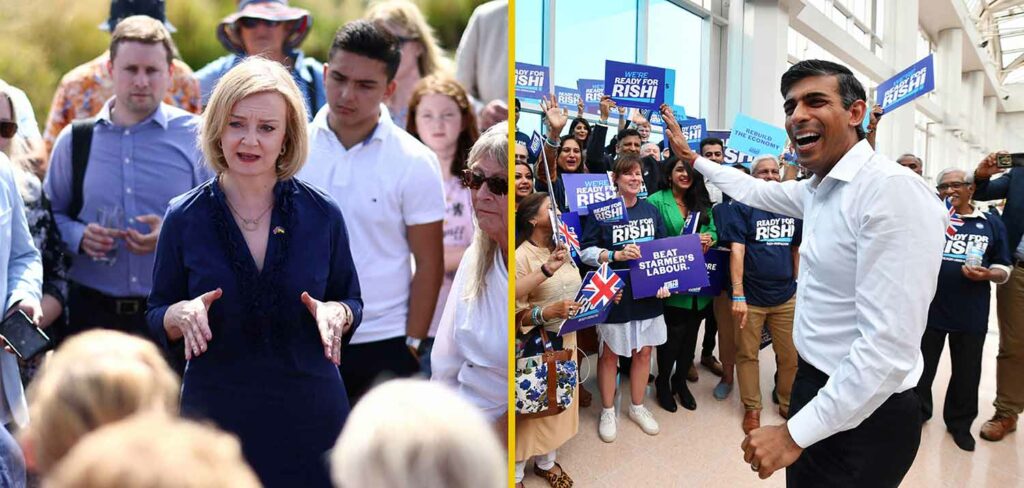
Side by side photos of Liz Truss talking to supporters and Rishi Sunak talking to supporters holding campaign signs.

In With the New

The prime minister of the United Kingdom resigned after just 45 days in office. Will the new prime minister be successful?

Side by side photos of Liz Truss talking to supporters and Rishi Sunak talking to supporters holding campaign signs.

Henry Nicholls—Reuters/Alamy, Anthony Devlin/Getty Images; Photo composite Encyclopædia Britannica, Inc.

Liz Truss (left) has left her post as prime minister of the United Kingdom (U.K.). Rishi Sunak (right) is the nation’s new prime minister.

Britain made history twice in four days. On October 20, British Prime Minister Liz Truss resigned from her position after just 45 days in office, becoming the shortest serving prime minister in the history of the United Kingdom (U.K.). On October 24, Rishi Sunak was chosen as the nation’s new leader. Sunak will be the first person of color to serve as Britain’s prime minister.

What Is a Prime Minister?

In the U.K., the prime minister is the head of the government. The role is similar to that of the United States president.

Liz Truss Steps Down

Truss took office with a promise to address the U.K.’s economic problems. Like many other countries, Britain is dealing with issues like high prices for fuel and food. Truss lost support, including from some people in her own political party, when she presented a plan to cut taxes without saying how the government would make up for the loss in income to the government. 

When it comes to the economy, it’s important for companies and the public to be confident in the future. This is what keeps them hiring and spending money, both of which keep the economy going. Experts say that Truss didn’t inspire confidence. When she unveiled her tax plan with no plan to pay for it, she caused a feeling of uneasiness that made Britain’s economic problems worse.

Rishi Sunak Steps Up

Selecting a new prime minister doesn’t require an election. Leaders are chosen by members of whichever political party holds power in Parliament, Britain’s lawmaking body. Currently, that’s the Conservative Party. On October 24, the Conservatives announced that they had selected Rishi Sunak. 

Many people had predicted that Sunak would be chosen because his background suggests he will be able to improve Britain’s economy. A former banker, he served as Britain’s finance minister, a role that required him to make important economic decisions. 

Sunak, whose grandparents were from India, will be the first person of color to be prime minister. At age 42, he will also be the youngest prime minister Britain has had in 200 years.

The new leader has a difficult job ahead of him. He’ll need to come up with an economic plan that is effective and that gets support from others in the Conservative Party. And he’ll need to unite the Conservatives, whose leaders have disagreements over several important issues.

Did You Know?

NIKLAS HALLE’N—AFP/Getty Images

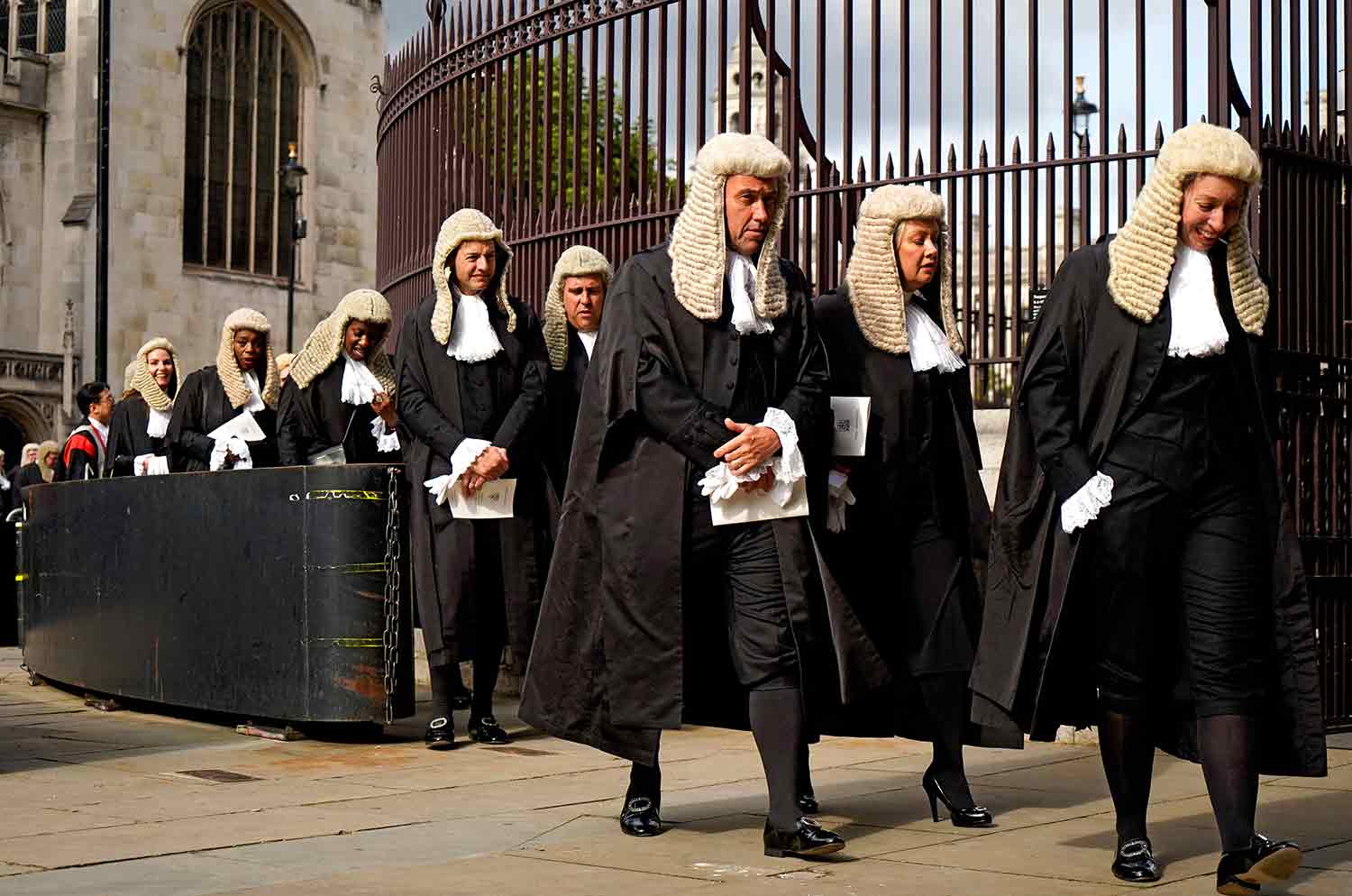
Judges in the United Kingdom wear gray wigs and black robes.

The United Kingdom is an old nation with long-standing traditions. For centuries, the British Parliament’s three clerks wore wigs. This began back in the 17th century, when wigs were in fashion for the general public. Parliamentary clerks stopped wearing wigs in 2021 because of the expense.

However, wigs are still worn in many U.K. courtrooms. Both lawyers and judges wear them during criminal trials. Experts say the highfalutin hairpieces are just part of the uniform, similar to how judges in the United States wear black robes. (Lawyers and judges in the U.K. also wear robes.) And the uniforms are required. If you’re a lawyer in the U.K. and you don’t wear a wig, it’s considered an insult to the court!

Picking MPs and PMs

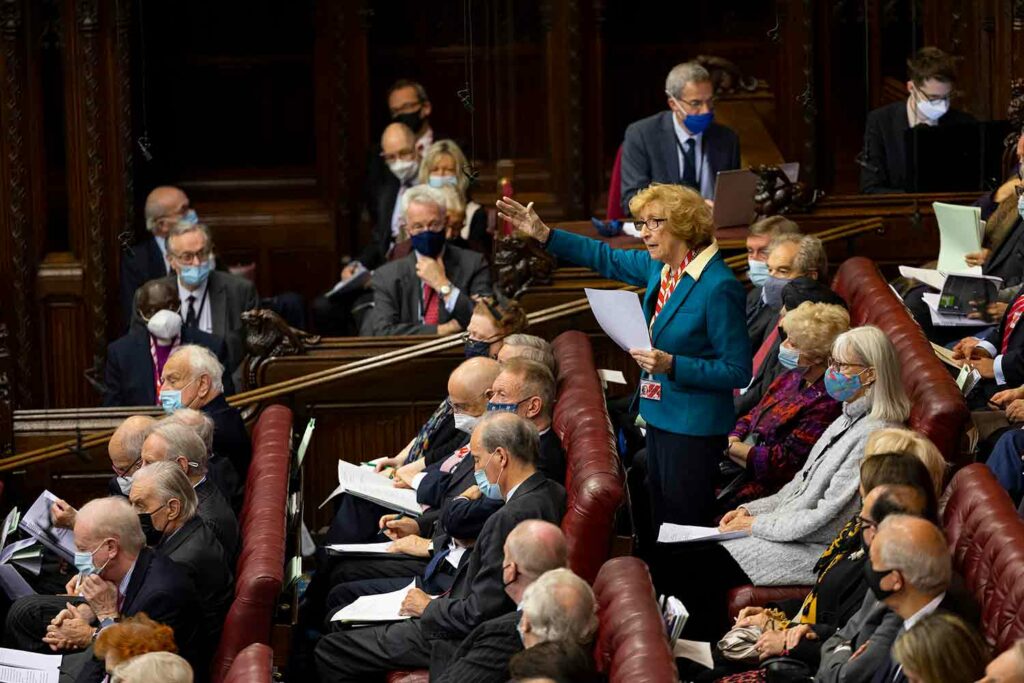
A woman stands and speaks in a chamber as other men and women are seated around her.

© Roger Harris/House of Lords 2021

Baroness Molly Meacher speaks during a session of the House of Lords.

Wondering how prime ministers and members of the British Parliament get their jobs? Here’s a crash course.

In the United Kingdom, Parliament is the lawmaking body. Parliament has two houses: the House of Lords and the House of Commons. 

Members of the House of Lords are called lords or peers. Until recently, most of them inherited their seats from a parent and kept their seats for life. Now, people may be appointed to the House of Lords by other people in power or by a committee.

Members of the House of Commons are elected by the public. Its members are often called MPs. Each MP represents a different constituency, or district, and looks out for the interests of the people in that constituency.  

There are many political parties in the U.K., but most MPs belong to either the Conservative Party or the Labour Party. The party that has the majority in the House of Commons selects the prime minister (PM) to lead the country. The prime minister is always a member of Parliament.

A Parliament can be in power for up to five years until there is a national election to select new members. However, the prime minister can request that the current Parliament be dissolved before that time, which would lead to an early national election. The king has the power to dissolve Parliament at the request of the prime minister.

Calling for an early election is risky. It could add to the number of MPs who belong to the majority party. But that party might end up with fewer members of Parliament.  Even worse, the party might lose its majority, which means the new majority party would select a new prime minister. 

By law, the next general election has to take place by January 23, 2025.

(Political) Parties at the Palace

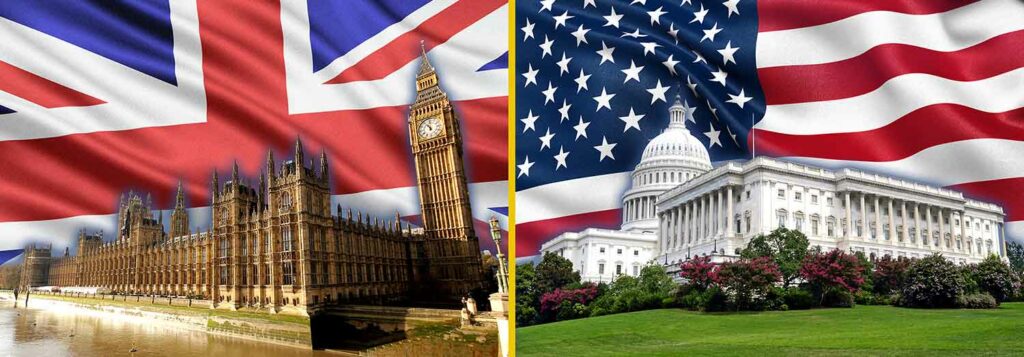
© Pumppump, Anluni/Dreamstime.com, © Carsten Reisinger, Indiloo/stock.adobe.com; Photo illustration Encyclopædia Britannica, Inc.

In the U.K., lawmakers meet at the Palace of Westminster (left). In the U.S., lawmakers meet at the Capitol Building (right). 

In the U.K., the prime minister and the majority in Parliament always belong to the same political party. That’s very different from how the U.S. government works. Which way do you think might work better?

Learn more at Britannica School!

WORD OF THE DAY

mandate

PART OF SPEECH:

noun

Definition:

: : the power to act that voters give to their elected leaders

Definitions provided by
Merriam-Webster Logo

Word Row

See if you can guess the word in six tries.

O
O
O
O
O
O

In Case You Missed It

A robot called Cassie set a speed record after running on two feet. Why is that a big deal?

10.28.22

A fire swept through the island of Rapa Nui, damaging the island’s famous ancient statues.

10.25.22

“Best by” dates on food labels are contributing to a big problem: Food waste.

10.21.22

Scientists believe they know the origin of Saturn’s famous rings.

10.18.22

This Robot Can Run!

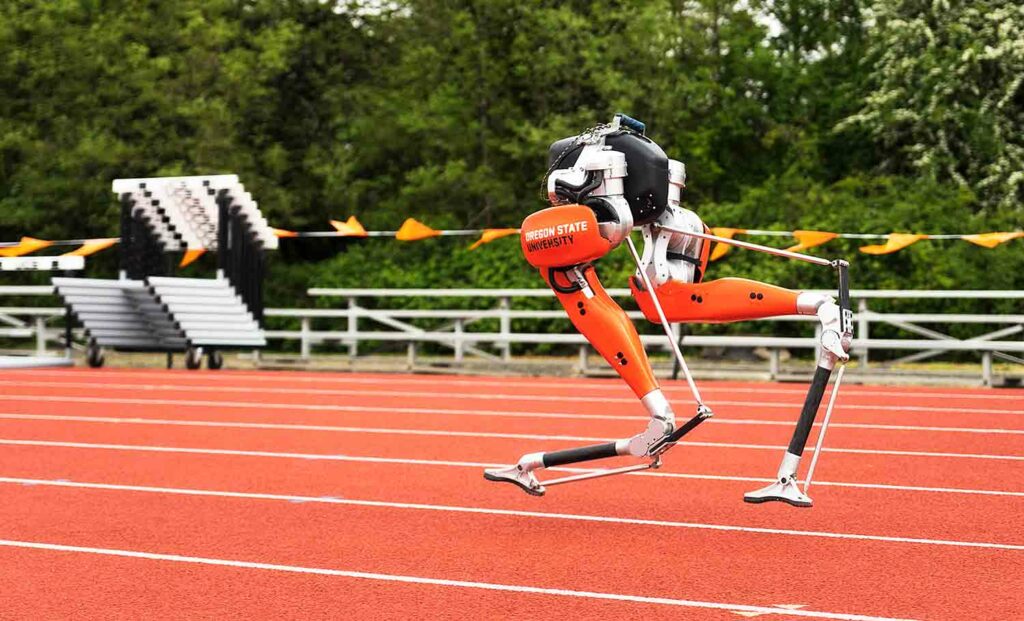
A robot consisting of two legs runs on an outdoor track.

This Robot Can Run!

A robot called Cassie set a speed record after running on two feet. Why is that a big deal?

A robot consisting of two legs runs on an outdoor track.

Agility Robotics

Cassie is the first bipedal robot to use machine learning to control its running movements.

Running 100 meters in 24.73 seconds isn’t especially impressive for a human who’s in good shape. But for a bipedal (two-footed) robot, it’s extraordinary. In September, a robot called Cassie achieved this running time, establishing a Guinness World Record.

Cassie, which was developed at the Oregon State University (OSU) College of Engineering, set the record on an outdoor running track. During the run, the robot ran an average speed of a little over 13 feet (4 meters) per second. More significantly, it started and ended the run in a standing position. Project collaborator Alan Fern says this poses a challenge to a running bipedal robot.

“Starting and stopping in a standing position are more difficult than the running part, similar to how taking off and landing are harder than actually flying a plane,” Fern, an OSU artificial intelligence professor, told The Robot Report

Cassie is the first bipedal robot to use machine learning to control a running pace outdoors. In 2021, the robot ran 3.1 miles (5 kilometers) outdoors in just over 53 minutes. The robot is designed for running. Its “legs” bend like the legs of an ostrich, a non-flying bird that can run at speeds of up to 43 miles (69.2 kilometers) per hour. 

OSU robotics professor Jonathan Hurst, who is directing Cassie’s development, said making robots more agile opens many possibilities for what these machines might be able to do in the future.

“This may be the first bipedal robot to learn to run, but it won’t be the last,” he said. “I believe control approaches like this are going to be a huge part of the future of robotics. The exciting part of this race is the potential…. I think progress is going to accelerate from here.”

Did You Know?

Agility Robotics, © Alexandre Paes Leme/Dreamstime.com, © dickcraft—iStock/Getty Images Plus; Photo illustration Encyclopædia Britannica, Inc.

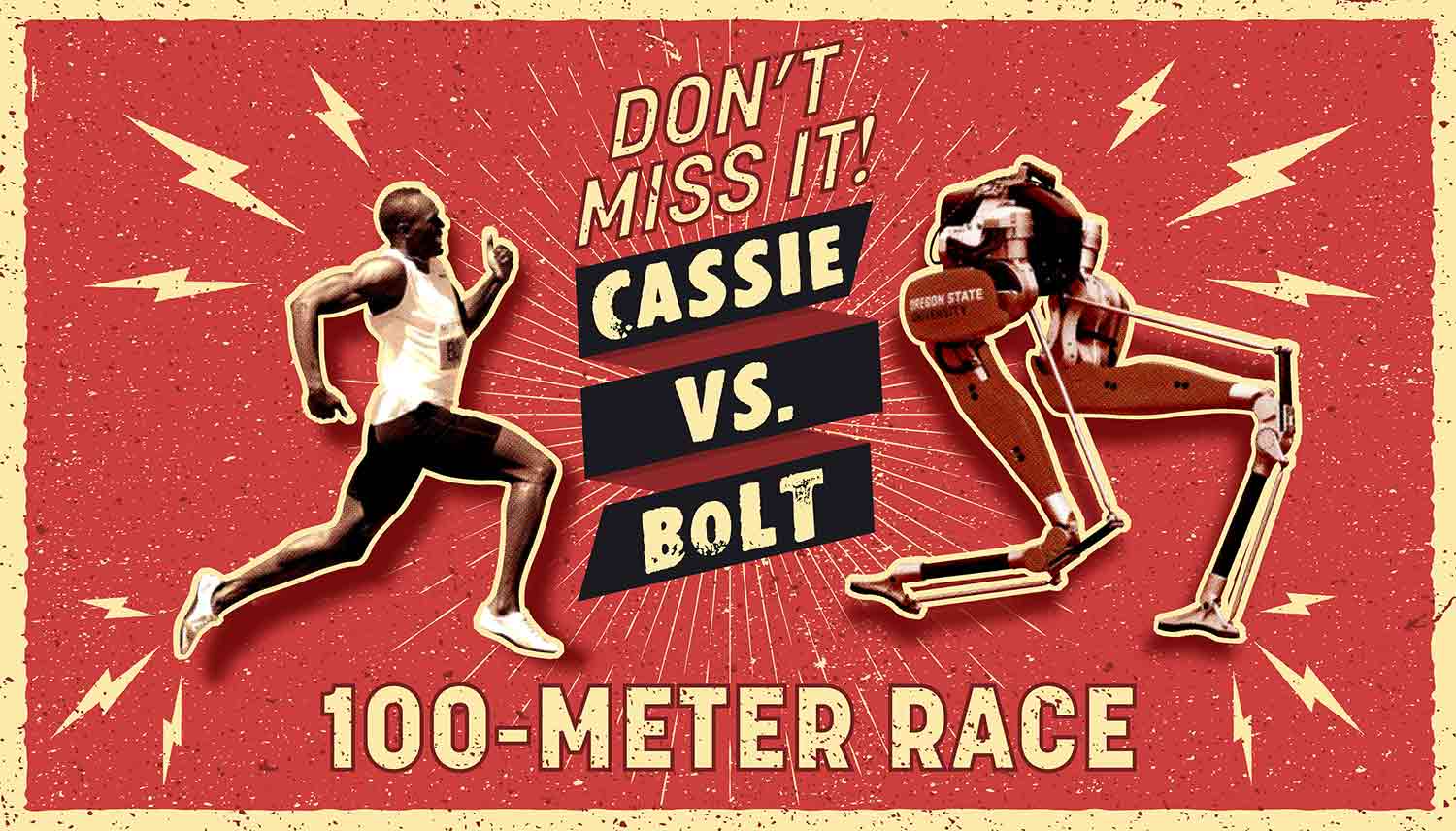
Cassie ran 100 meters in 24.73 seconds. How would Cassie do in a race against a human? Here are the stats.

The average athlete can run 100 meters in about 14 seconds.
An Olympic sprinter can run 100 meters in under 11 seconds.
The fastest person on record, Jamaican sprinter Usain Bolt, ran the 100-meter race in 9.58 seconds at the 2009 World Athletics Championships.

Here Come the Bots

Comic Book Plus, © Pinghung Chen—EyeEm/Getty Images; Photo composite Encyclopædia Britannica, Inc.

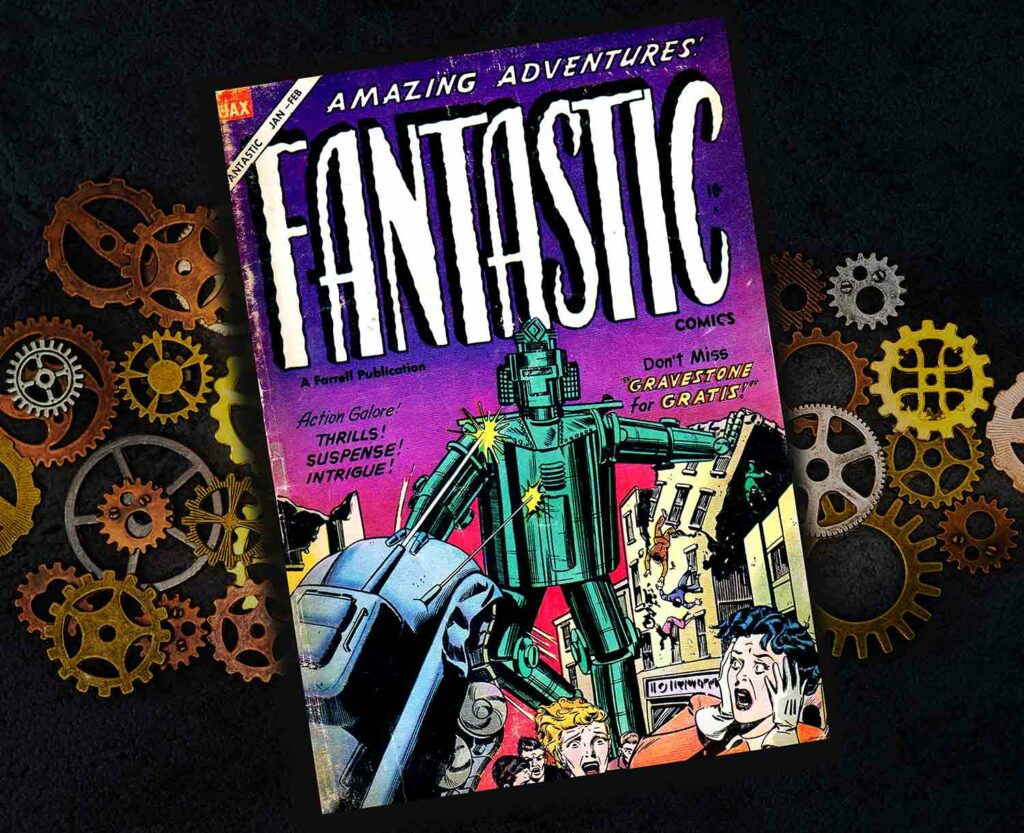
This 1955 comic book envisioned a scary, robot-dominated world.

In the 1950s, people predicted that, by the year 2000, we’d have intelligent, humanoid robots helping us with all kinds of things. Less optimistic people worried about robots becoming too smart and taking over the planet. Fears of a robot-dominated world played out on movie screens and on the pages of comic books.

Neither of these predictions has come true…but robots are creeping into our lives. Robot vacuum cleaners and robot lawn mowers are available to buy. And robotic devices are helping humans to build cars, perform surgeries, and much more.

Experts say robots will be an even bigger part of our future, doing tasks that are somewhat repetitive or predictable. In the future, a robot might schedule your doctor appointments and even take your vital signs during a checkup. A robotic truck could transport cargo over long distances. (Self-driving cars already exist.) Robots might be able to do an increasing amount of housework, as well. 

Far from a robot takeover, experts believe that future robots will be beneficial to humans as a whole. As they do more for us, robots will free up our time to be more innovative and creative.

A World of Bots?

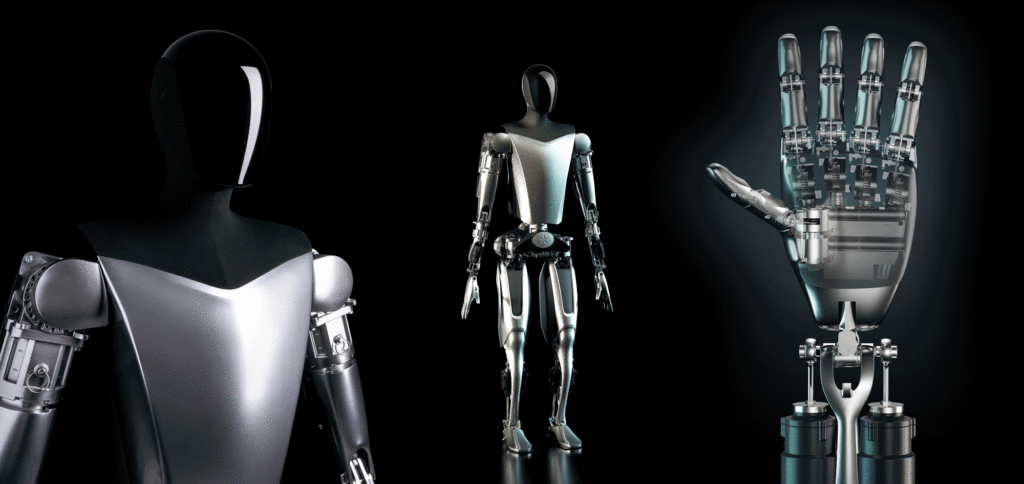
Image showing the Teslabot, with an animation revealing the robot's interior circuitry

Courtesy of Tesla, Inc.; Animation Encyclopædia Britannica, Inc.

Tesla’s new robot, Tesla Bot

Tesla and other companies are working on robots that move around like people do. What’s the future of robots?

Learn more at Britannica School!

WORD OF THE DAY

automaton

PART OF SPEECH:

noun

Definition:

: a machine that can move by itself

Definitions provided by
Merriam-Webster Logo

Word find

Can you find the robots and robot-related words?

O
O
O
O
O
O

In Case You Missed It

A fire swept through the island of Rapa Nui, damaging the island’s famous ancient statues.

10.25.22

“Best by” dates on food labels are contributing to a big problem: Food waste.

10.21.22

Scientists believe they know the origin of Saturn’s famous rings.

10.18.22

Aaron Judge and Albert Pujols brought baseball fans to their feet this past season with home run after home run.

10.14.22

Damage That Can’t Be Undone

Large statues of heads stand on a green hillside.

Damage That Can’t Be Undone

A fire swept through the island of Rapa Nui, damaging the island’s famous ancient statues.

Large statues of heads stand on a green hillside.

Martin Bernetti—AFP/Getty Images

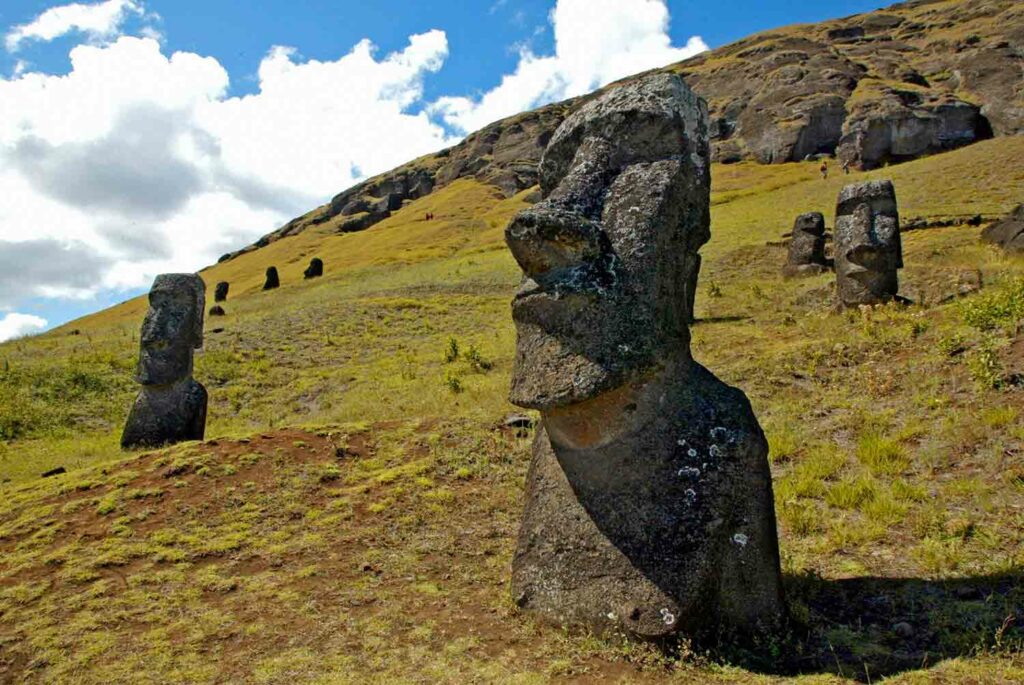
This photo of some of Rapa Nui’s statues was taken before the fire.

In October, a fire swept through the Pacific island of Rapa Nui (also called Easter Island). The blaze caused permanent damage to the moai—the massive, iconic statues that have been fixtures on the island for hundreds of years. 

The flames spread across 250 acres of the island, which is located about 2,200 miles (3,540 kilometers) west of Chile. Some of the moai were left charred and cracked, and a few toppled over.

There are around 1,000 statues on Rapa Nui. The statues, most of which look like giant heads, range from 6 to 30 feet (1.8 to 9.1 meters) tall. The statues were carved out of volcanic rock, mostly between about 1050 and 1680 CE. The sculptors were Polynesian people whose ancestors first arrived on the island in about 400 CE and whose descendants live on the island today. Archaeologists believe that the statues had a religious purpose.

The statues are culturally important, and they’re also important to the economy of Rapa Nui. Each year, about 160,000 tourists visit the island to see them. After the fire, officials stopped allowing visitors so that they could measure the damage. One thing they do know is that at least some of the statues will never look the same.

The damage caused by the fire can’t be undone,” Pedro Edmunds Paoa, the island’s mayor, told Smithsonian magazine. “The cracking of an original and emblematic stone cannot be recovered.”

Did You Know?

Fact or fiction: The statues on Rapa Nui are “just giant heads.”

FICTION.

Excavations, including one that was completed in 2012, revealed that the statues’ torsos are lurking under the ground! They were covered up by centuries of erosion.

Courtesy of Thor Heyerdahl; photograph, Walter Leonardi

How Did They Get There?

A boat with two sails and many people aboard sails toward a green, mountainous piece of land.
Courtesy of Polynesian Voyaging Society, © Nāʻālehu Anthony—ʻŌiwi TV

This canoe, originally launched in 1975, was designed to resemble the canoes built by Polynesian people nearly 2,000 years ago.

Rapa Nui is the easternmost island in Polynesia. Located 1,200 miles (1,900 kilometers) from any other inhabited land, it’s extremely remote. Archaeologists aren’t sure where the people who first settled Rapa Nui in about 400 CE came from. They may have traveled from a different island in Polynesia, but one that would have been thousands of miles away from Rapa Nui. 

How did ancient people undertake such a long ocean voyage with no modern navigation equipment? The Indigenous people of the Pacific Ocean islands were skilled navigators. Traveling in large wooden canoes, the Polynesians used their knowledge of the stars to find their way. 

In the 1970s, the Polynesian Voyaging Society built a traditional Polynesian canoe and sailed it for thousands of miles, from Maui to Tahiti, using only the wind, sea, and stars. They proved that a long sea voyage is possible, even with primitive tools.

A Long Way From Anywhere

Large statues stand on green terrain with hills in the background against a sunset sky.

© Marko Stavric Photography—Moment/Getty Images

The statues on Rapa Nui were made from volcanic rock—and Rapa Nui itself is the result of volcanic eruption. 

Learn more about this island at Britannica School!

WORD OF THE DAY

relic

PART OF SPEECH:

noun

Definition:

:  something that is from a past time, place, culture, etc. 

Definitions provided by
Merriam-Webster Logo

Word find

There’s candy hidden in this puzzle. See if you can find it!

O
O
O
O
O
O

In Case You Missed It

“Best by” dates on food labels are contributing to a big problem: Food waste.

10.21.22

Scientists believe they know the origin of Saturn’s famous rings.

10.18.22

Aaron Judge and Albert Pujols brought baseball fans to their feet this past season with home run after home run.

10.14.22

NASA says a collision between a spacecraft and an asteroid went according to plan.

10.11.22

Fresh or Funky?

A teen girl has a worried expression on her face as she looks at a jar of sauce.

Fresh or Funky?

“Best by” dates on food labels are contributing to a big problem: Food waste.

A teen girl has a worried expression on her face as she looks at a jar of sauce.

© YinYang—E+/Getty Images

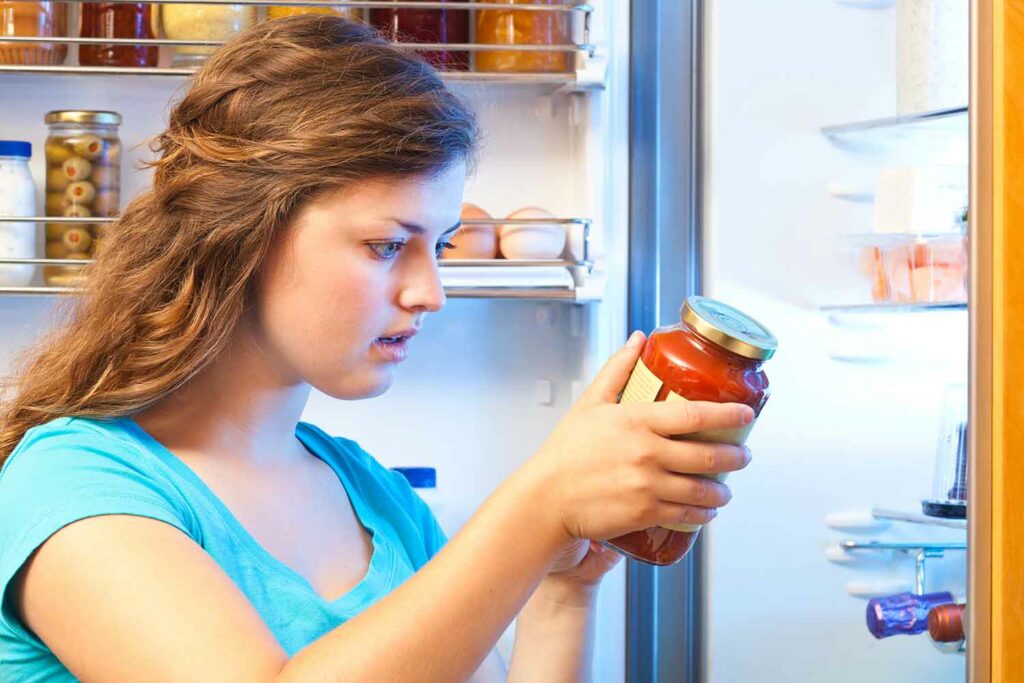
What’s the best way to tell whether food is still fresh enough to eat? Experts say the “best by” date on prepackaged foods isn’t it. In fact, these labels are contributing to a big problem: food waste. 

“Best by” or “Best before” dates are different from “Use by” dates because they have nothing to do with safety. If a food is past its “Best by” date, it might still be perfectly safe—and tasty. 

“Date labels usually indicate when food will be at its optimal freshness,” Nina Sevilla of the Natural Resources Defense Council told USA Today. “If you have food a couple of days past that date, it likely means it’s still OK to consume.”

In the U.S., there are no federal rules about how a “Best by” date should be set. Instead, food manufacturers decide when they think their products will be freshest. The dates lead a lot of people to think that the food in their fridge has gone bad—and they throw it away. 

Between 30 and 40 percent of the food supply in the United States is wasted, according to the U.S. Department of Agriculture. It’s not just the food that’s wasted. The resources it takes to produce the food—like water and land—also go to waste. And when food ends up in landfills, it produces greenhouse gas emissions that contribute to climate change.

In the U.S. and Europe, there’s a push to do away with “Best by” dates. The U.S. Food and Drug Administration recommends that food makers switch to a “Best if used by” label. They say this makes it clearer that food can be eaten past the recommended date. But this label is not required by federal law. Currently, the U.S. Congress is considering a law to require all food makers to use the same language so that it’s clear when a date on a food package is just a suggestion.

Did You Know?

A bear-shaped container of honey superimposed on a carving of an ancient Egyptian pharoah and another person.

© Bert Folsom/Dreamstime.com, © Amanda Lewis/Dreamstime.com; Photo illustration Encyclopædia Britannica, Inc.

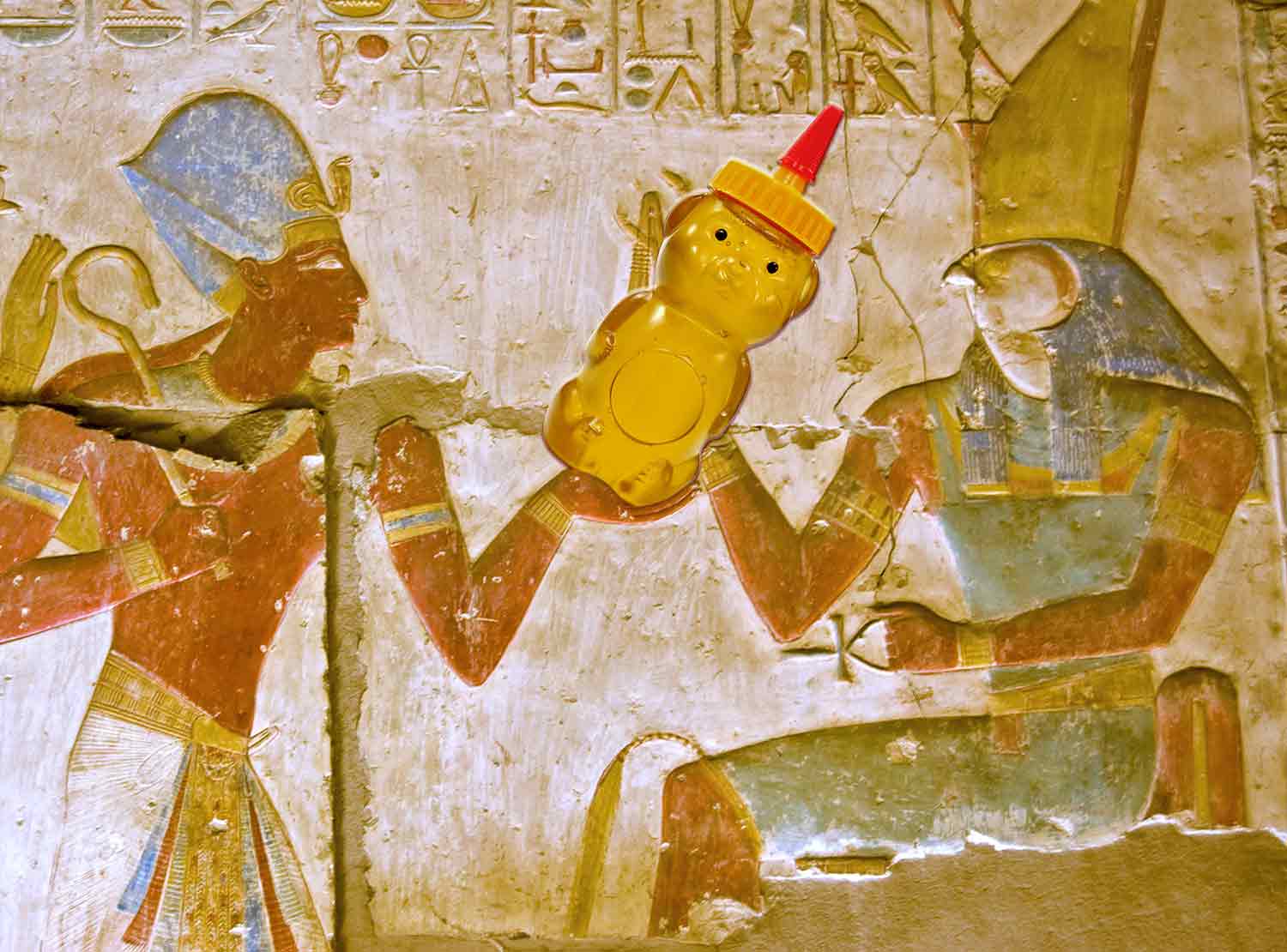
When it’s raw, honey has a very long shelf life. Archaeologists have found pots of honey in ancient Egyptian tombs that appear to be well preserved, even though they’re thousands of years old!

Way Too Good To Be True

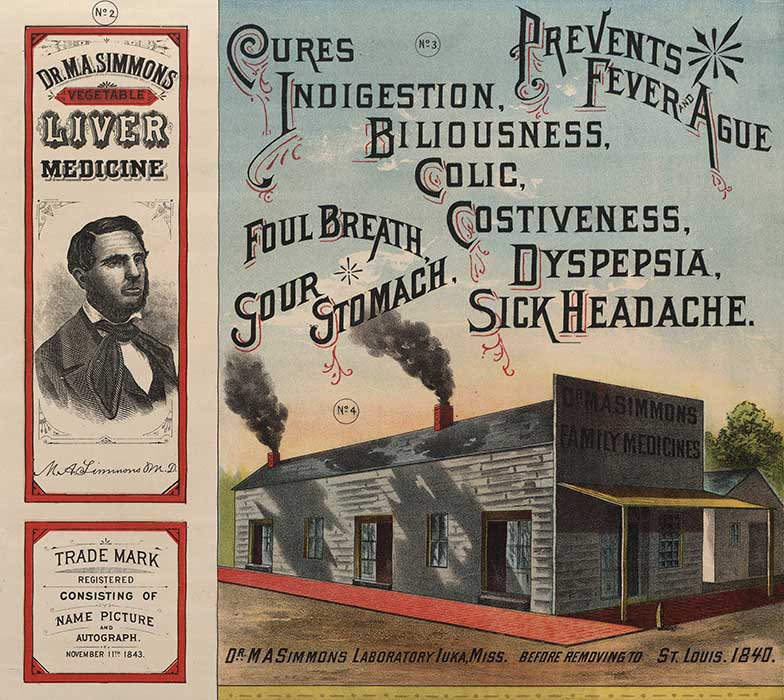
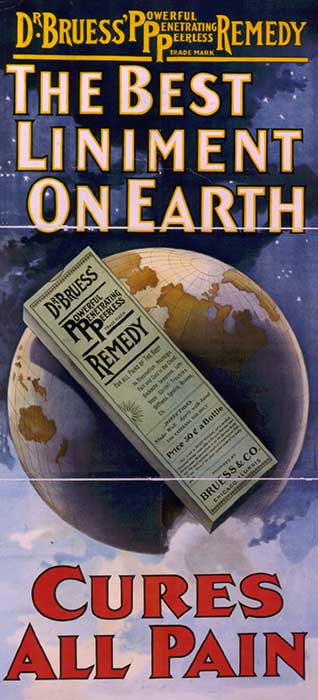
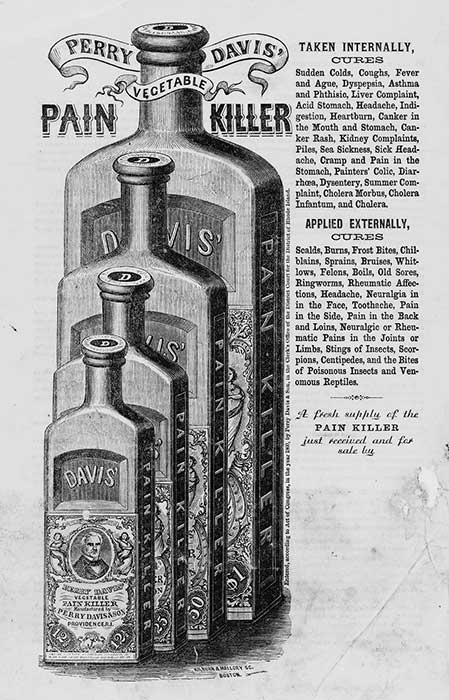
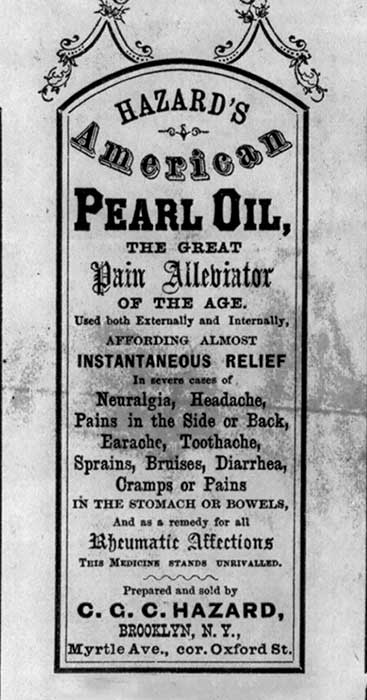
In the U.S., the Food and Drug Administration (FDA) makes rules to ensure the safety of food, medicine, and other products that have to do with food preparation and health. But in the 19th century, there was no FDA. Manufacturers were much freer to sell products that weren’t necessarily safe. 

Before the FDA, some products that claimed to help cure illnesses weren’t always effective. Companies could use phrases like “Restores health!” and “Guaranteed cure!” in their advertisements, whether this was true or not. Not only that, but some of these products were actually dangerous, containing ingredients that have since been made illegal due to safety concerns. Consumers wouldn’t have known what was in their medicine because manufacturers weren’t required to put the ingredients on the label. 

Packaged food products were also a bit of a mystery to buyers. Rotten meat, for example, could be covered in spices to cover a foul odor and then canned and shipped to stores.

Over time, reports spread about the unsanitary conditions under which many packaged foods were being produced. In 1906, author Upton Sinclair wrote about these conditions in a novel called The Jungle

In response to the resulting outcry, the U.S. Congress passed the 1906 Pure Food and Drug Act. This law led to the creation of what’s now called the FDA. The FDA is the reason why food ingredients are listed on labels, why certain products or ingredients are outlawed, and why there are limits on the claims companies can make when they advertise their food and health products. 

If you want to see the types of claims companies used to make, check out the slide show!

Prints and Photographs Division/Library of Congress, Washington, D.C. (LC-USZ62-51234, LC-DIG-ppmsca-07841, LC-USZC4-3803, LC-USZ62-105504)

Muckrakers!

North Wind Picture Archives/Alamy

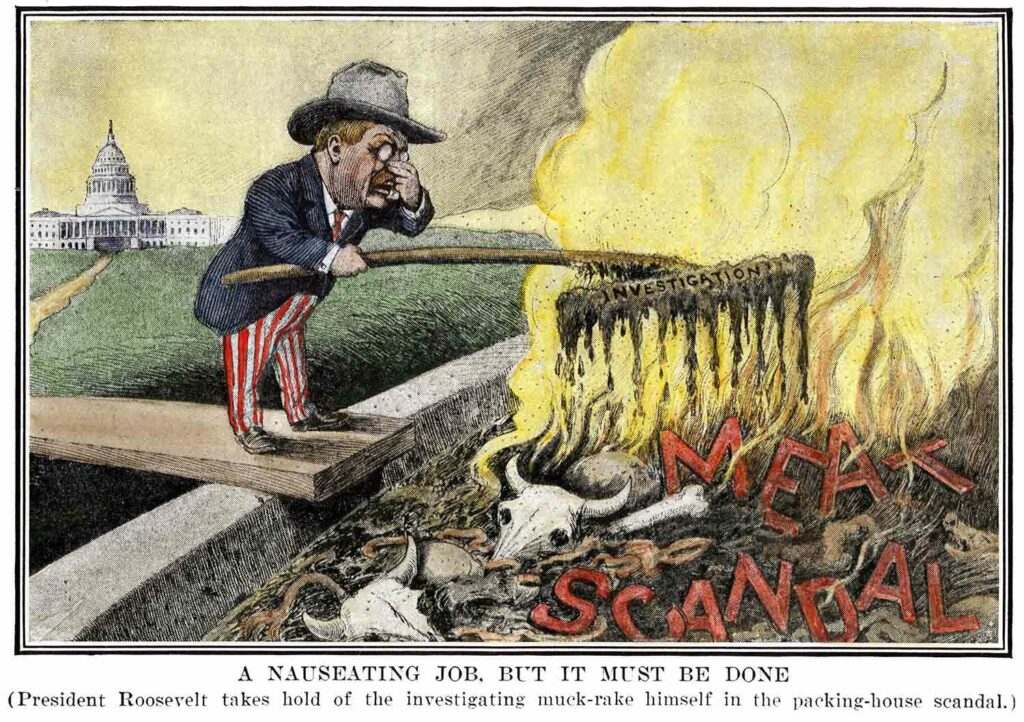
This political cartoon featured Theodore Roosevelt, who was U.S. president from 1901 to 1909.

In the early 20th century, U.S. activists and some writers worked to expose companies that abused their power. These activists were called “muckrakers.” Did U.S. President Theodore Roosevelt agree with the muckrakers? Find out at Britannica School!

Check out Britannica School.

WORD OF THE DAY

salubrious

PART OF SPEECH:

adjective

Definition:

: making good health possible or likely

Definitions provided by
Merriam-Webster Logo

Word find

Hidden in this puzzle are words that companies love to use in their ads. See if you can find all of them.

O
O
O
O
O
O

In Case You Missed It

Scientists believe they know the origin of Saturn’s famous rings.

10.18.22

Aaron Judge and Albert Pujols brought baseball fans to their feet this past season with home run after home run.

10.14.22

NASA says a collision between a spacecraft and an asteroid went according to plan.

10.11.22

October 10 is Indigenous Peoples’ Day in the United States. 

10.04.22
How Saturn Got Its Rings

Image of Saturn with bright rings

How Saturn Got Its Rings

Scientists believe they know the origin of Saturn’s famous rings.

Image of Saturn with bright rings

Image – NASA, ESA, A. Simon (Goddard Space Flight Center), M.H. Wong (University of California, Berkeley), and the OPAL Team

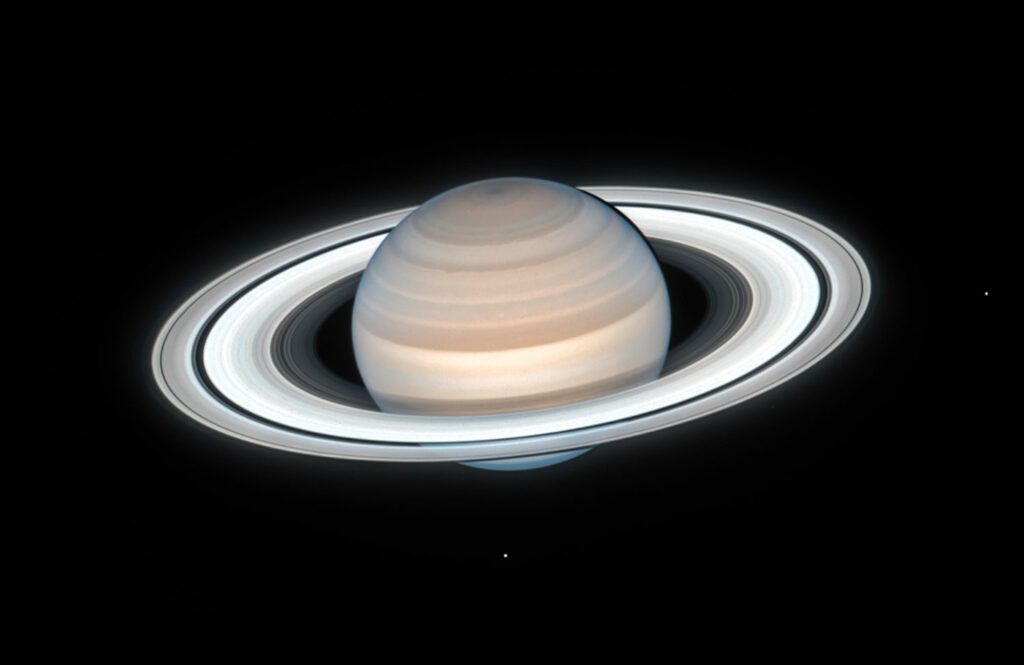
The Hubble Space Telescope took this image of Saturn in 2020.

The universe is full of mysteries. Is there life on other planets? Is there more than one universe? And why does Saturn have those rings? Scientists have found a possible answer to that last question. The rings may be what’s left of a satellite that was destroyed by Saturn’s gravity.

Saturn is more than 4.5 billion years old, and for most of that time, it probably didn’t have rings. In a recent study, scientists theorized that about 160 million years ago, one of Saturn’s moons got too close to the giant planet and was ripped apart by Saturn’s gravitational pull. Most pieces of the shattered moon got sucked into Saturn’s atmosphere. But about 1 percent of them remained in orbit, eventually forming the beautiful rings that still surround the planet.

Scientists named this theoretical moon Chrysalis.

“As a butterfly emerges from a chrysalis, the rings of Saturn emerged from the primordial satellite Chrysalis,” Jack Wisdom, a professor of planetary science at the Massachusetts Institute of Technology (MIT) and lead author of the study, told Reuters.

Saturn isn’t the only planet in our solar system that has rings. Rings surround Jupiter, Uranus, and Neptune, though they’re not as large and bright as Saturn’s. Saturn’s rings are made up mostly of particles of water ice, which suggests that Chrysalis would have been composed mainly of water ice.

Saturn is slowly losing its rings. The particles, which range from the size of a grain of sand to the size of a mountain, are being sucked in by Saturn’s gravity. But they won’t all go away in our lifetime. Scientists estimate that Saturn will be a ringless planet about 300 million years from now.

Fun Fact

Animation of a head of lettuce and a cherry orbiting the Sun

© Valentina Razumova/Dreamstime.com, © Dmitry Vinogradov/Dreamstime.com, © lukszczepanski/stock.adobe.com; Animation Encyclopædia Britannica, Inc.

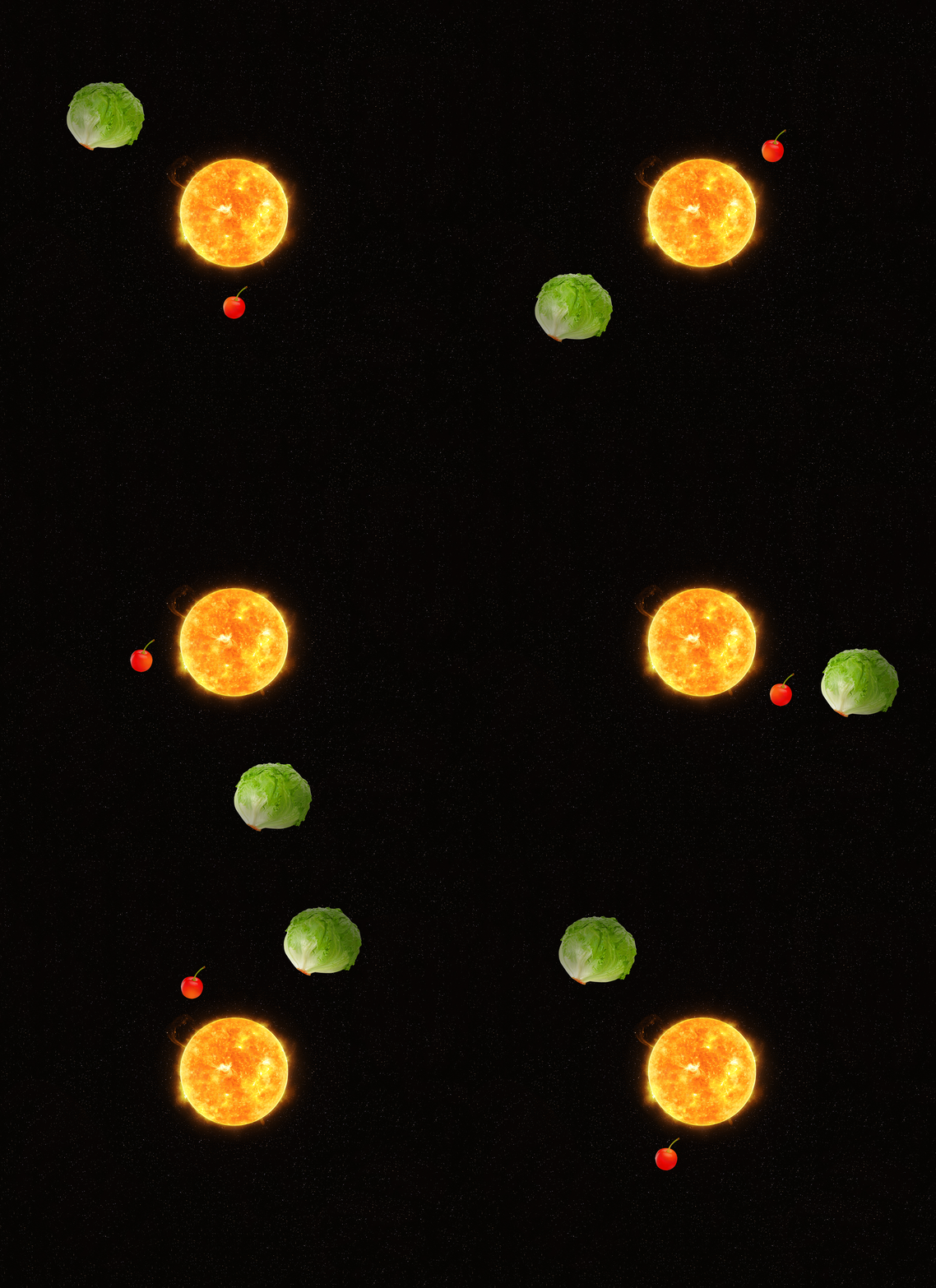
Note: The Sun is MUCH bigger than we’re showing in this image. In fact, it’s 12 times larger than Saturn.

Saturn is known as a “gas giant.” How huge is it? If Earth was the size of a cherry, Saturn would be the size of a head of iceberg lettuce.

A Home Far From Home

A composite of six images of Titan

NASA/JPL-Caltech/University of Nantes/University of Arizona

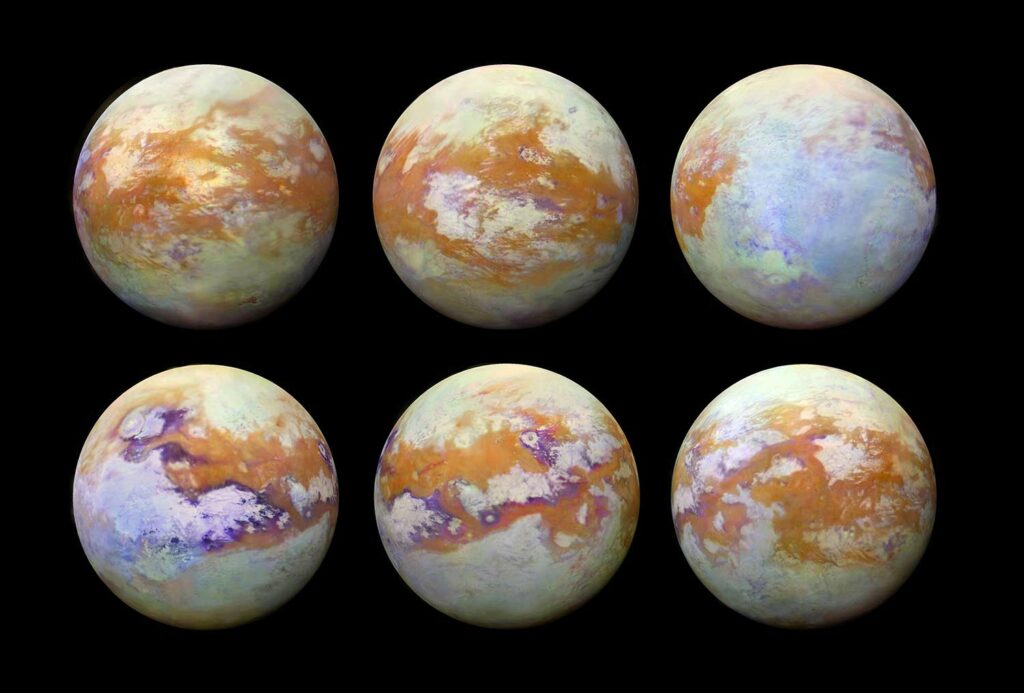
These six infrared images of Titan, one of Saturn’s moons, were taken in 2018.

Scientists have sent spacecraft to study Saturn, but humans haven’t gone to the ringed planet—not yet, anyway. Even if we could journey the roughly 746 million miles (1.2 billion kilometers) to Saturn, we couldn’t land on the planet, which is made up mostly of gases and liquids. (Also, we’d get crushed by the pressure of Saturn’s atmosphere.)

However, scientists say that, theoretically, we could land on Titan, one of Saturn’s 83 moons. While Titan is not exactly a comfortable rest stop (there are no bathrooms, let alone a McDonald’s), we could make it work, if we had the proper equipment. Unlike Saturn, Titan has a solid surface—it’s covered in water ice.

“If you were in the outer solar system and you had to make an emergency landing, go to Titan,” NASA astrobiologist Chris McKay told Space.com.

Humans wouldn’t need a pressurized suit to survive on Titan because Titan’s atmosphere is only about 60 percent denser than Earth’s. Being on Titan would feel like being about 50 feet (15.2 meters) under water. 

Humans would need oxygen masks in order to breathe, though. They’d also need really, really warm clothing. On Titan, the temperature is about -290 degrees Fahrenheit (-179 degrees Celsius).

Cold, Cold Planet

© whitewish—iStock/Getty Images, © KPG_Payless/Shutterstock.com; Photo illustration Encyclopædia Britannica, Inc.

Saturn has seasons, like Earth. But because of Saturn’s long trip around the Sun, each of its seasons lasts seven years! That’s a long winter.

Want some more Saturn scoop?

Check out Britannica School.

WORD OF THE DAY

primordial

PART OF SPEECH:

adjective

Definition:

: existing from the beginning of time : very ancient

Definitions provided by
Merriam-Webster Logo

Word find

Some of Saturn’s moons are hidden in the puzzle. See if you can find them.

O
O
O
O
O
O

In Case You Missed It

Aaron Judge and Albert Pujols brought baseball fans to their feet this past season with home run after home run.

10.14.22

NASA says a collision between a spacecraft and an asteroid went according to plan.

10.11.22

October 10 is Indigenous Peoples’ Day in the United States. 

10.04.22
The Merriam-Webster dictionary added some new—and somewhat surprising—words to its pages.

09.30.22