Road to Equal Rights

Composite image showing portraits of Stanton and Mott, a map of the Seneca Falls area, and the signatures to the Declaration of Sentiments

The Road to Equal Rights

July 19 is the anniversary of the first day of the Seneca Falls Convention, a two-day meeting where attendees spoke out for women’s rights.
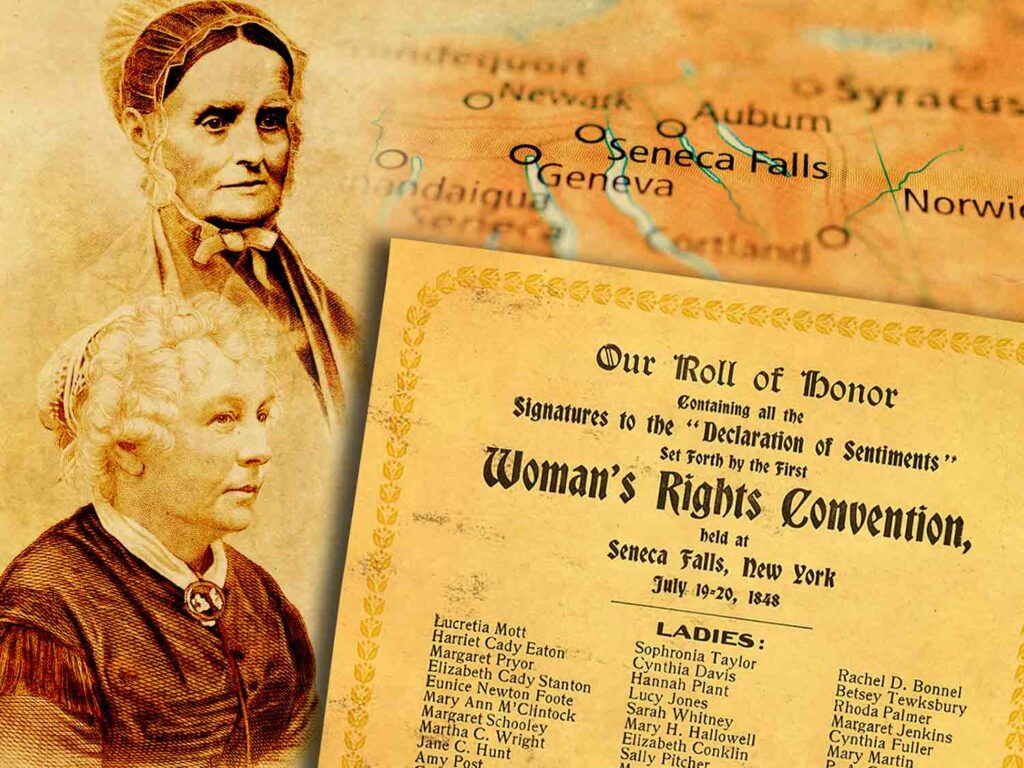
Composite image showing portraits of Stanton and Mott, a map of the Seneca Falls area, and the signatures to the Declaration of Sentiments

© Kean Collection—Archive Photos/Getty Images, © Hulton Archive—Archive Photos/Getty Images, Library of Congress, Washington, D.C., © atdr/stock.adobe.com; Photo illustration Encyclopædia Britannica, Inc.

Lucretia Mott (top) and Elizabeth Cady Stanton organized the Seneca Falls Convention.

July 19 is the anniversary of the first day of the Seneca Falls Convention, which took place in 1848 in Seneca Falls, New York. The event, organized by activists Elizabeth Cady Stanton and Lucretia Mott, aimed to expand women’s rights in the United States.

Although the United States was founded under the ideal that “all men are created equal,” Stanton, Mott, and other activists knew this wasn’t the reality. Only white men had guaranteed rights. Other Americans did not. This was especially true for enslaved Black Americans. The law did not even consider enslaved people to be people. White women were far better off, but they didn’t have the same rights as white men. In most states, they weren’t allowed to sign contracts or own property, and their educational opportunities were limited. And since women weren’t allowed to vote, they were unable to participate in elections for leaders who would champion their cause. The purpose of the Seneca Falls Convention was to draw attention to these inequalities and challenge the nation to live up to its ideals.

The two-day event drew more than 300 women and men. The attendees discussed whether to adopt a document called the Declaration of Sentiments. Written by Stanton and modeled after the Declaration of Independence, the document began, “We hold these truths to be self-evident: that all men and women are created equal.” It resolved that, under the ideals of the United States, women were entitled to certain rights, including property ownership, equal education, and suffrage (the right to vote). 

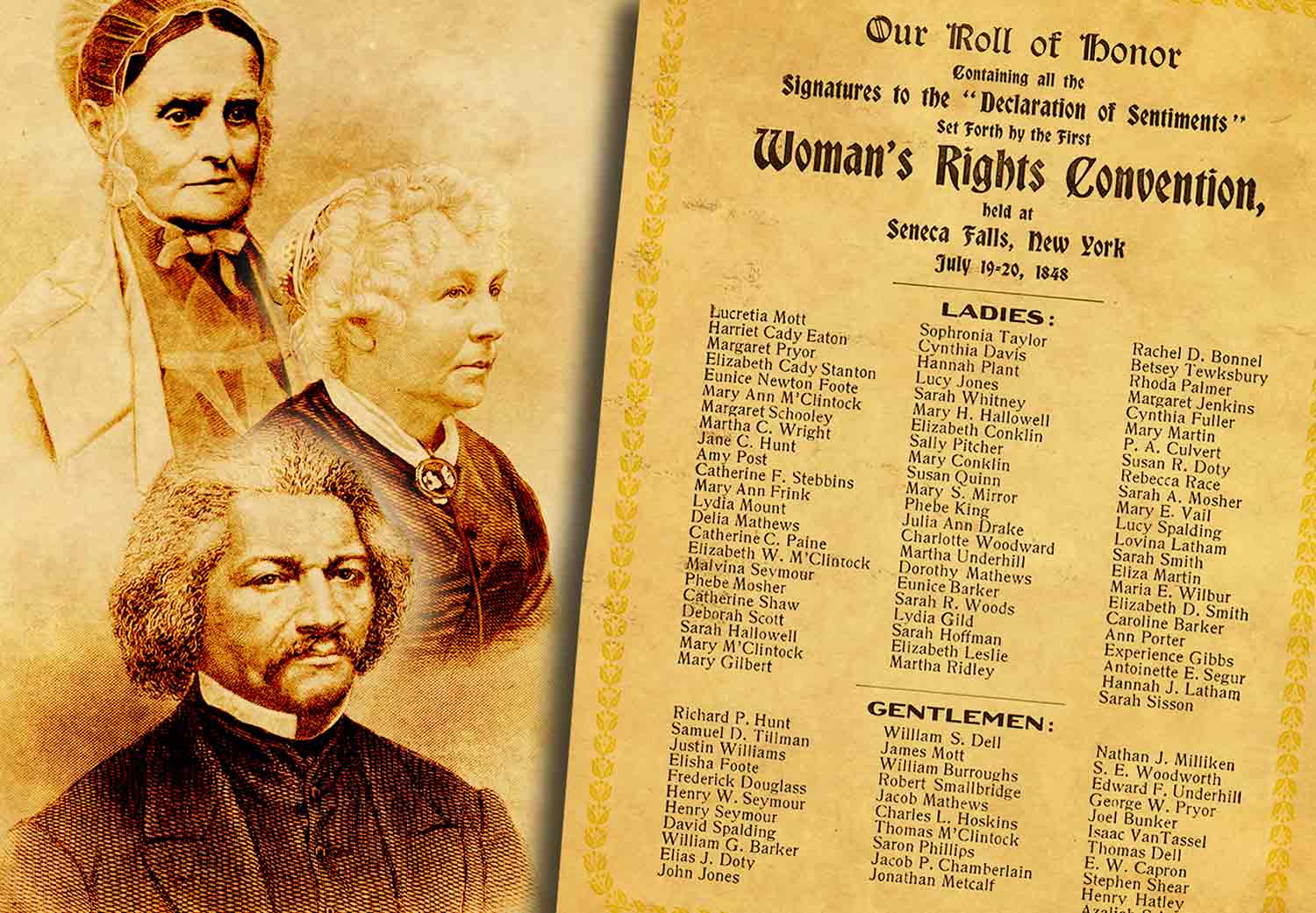
Only one of the resolutions in the Declaration of Sentiments turned out to be controversial—women’s suffrage. But Stanton, along with abolitionist Frederick Douglass, were eventually able to convince enough attendees to support voting rights for women. The document was ratified on July 20.

Seneca Falls was only one milestone in a long fight for women’s rights. In the decades that followed, many states would pass laws that expanded certain rights for women. In 1869, Wyoming (which wasn’t yet a state) granted women full voting rights. Some other states and territories followed. More than 50 years later, in 1920, Congress ratified the 19th Amendment, which guaranteed women in the United States the right to vote. 

You can read the Declaration of Sentiments at Britannica School.

Did You Know?
© Twoellis/Dreamstime.com, Encyclopædia Britannica, Inc.; Photo illustration Encyclopædia Britannica, Inc.

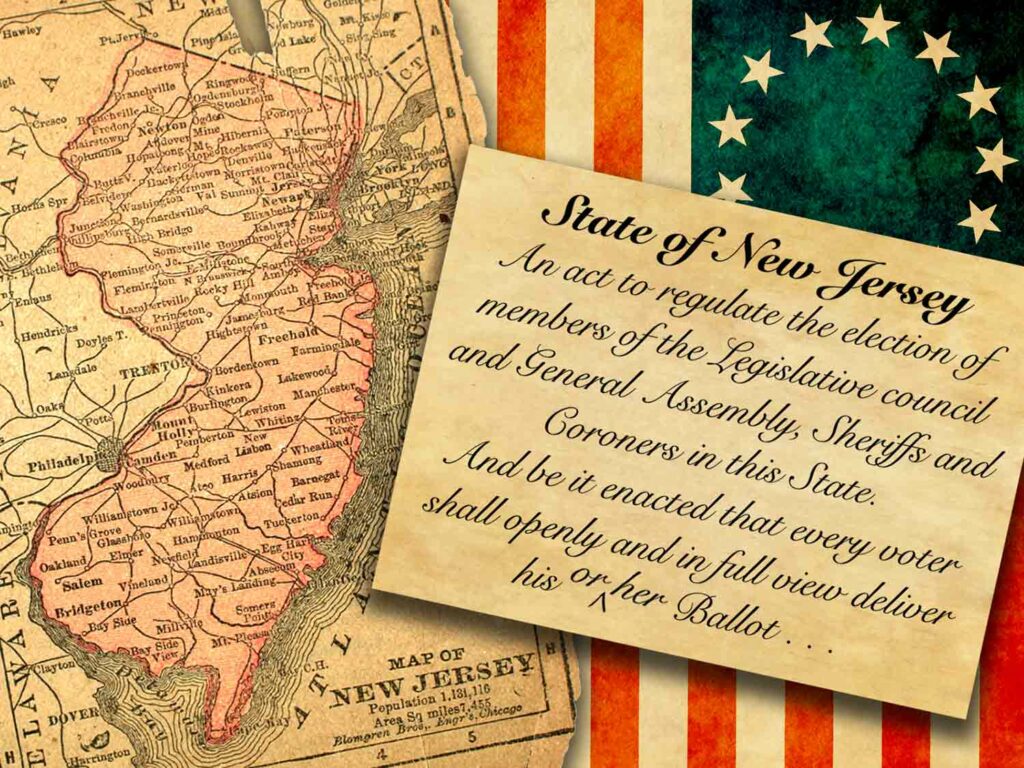
In New Jersey, some women could vote as early as 1776. The state’s first constitution granted voting rights to everyone who was old enough and had a certain amount of money. Married women (who couldn’t own property) weren’t permitted to vote. Historians are not certain whether Black New Jerseyans were allowed to vote.

In 1807, the New Jersey legislature restricted voting rights to tax-paying, white male citizens. New Jersey women would not be allowed to vote again until the passage of the 19th Amendment in 1920.

Righting Some Wrongs

Many Black women were involved in the fight for women’s suffrage (right to vote) in the United States. Here are some of their stories.

Library and Archives Canada

Mary Ann Shadd Cary

Mary Ann Shadd Cary was born in Delaware in 1823. Although slavery was legal in Delaware, Cary’s parents were free. When Cary was 10 years old, the family moved to the free state of Pennsylvania, where they helped people escape enslavement as part of a network known as the Underground Railroad.

Cary became a teacher and then a lawyer. After the Civil War, she spoke out in favor of amending the U.S. Constitution to give Black Americans citizenship and the right to vote. When the 15th Amendment granted the vote to Black men but not women, Cary got more heavily involved in the women’s suffrage movement.

Library of Congress, Washington, D.C.
(reproduction no. LC-USZ62-75978)

Frances Ellen Watkins Harper

Born to free Black parents in 1825, Frances Ellen Watkins Harper was working as a teacher when she became involved in the anti-slavery movement. Eventually, she went on a lecture tour, giving speeches around the country in favor of abolition. Harper also published poems and essays about slavery and discrimination.

Harper believed strongly in the power of the vote. She was a supporter of the 15th Amendment and a founding member of the American Woman Suffrage Association. Harper pointed out that many white suffragists were concerned mainly with securing the vote for white women. At one suffrage convention, she said, “You white women speak here of rights. I speak of wrongs.”

Library of Congress, Washington, D.C.

Mary Church Terrell 

Mary Church Terrell was born in 1863 to parents who were formerly enslaved. After attending Oberlin College in Ohio, she became a civil rights activist. U.S. lawmakers had expanded rights for Black Americans after the Civil War (1861-1865), but by the 1890s, new laws restricted some of those rights. Terrell worked to get anti-discrimination laws passed. Her work extended into the 1950s, when she protested segregation laws in the southern United States.

Terrell came of age in an era when the Constitution had been amended to grant voting rights to Black men, but not Black women. Terrell challenged white suffragists to include Black women in their cause. In 1913, she and other Black suffragists picketed the White House in support of women’s suffrage.

A Landmark Event

Want to know more about the Seneca Falls Convention?
© Kean Collection—Archive Photos/Getty Images, © Hulton Archive—Archive Photos/Getty Images, Library of Congress, Washington, D.C., traveler1116—DigitalVision Vectors/Getty Images; Photo illustration Encyclopædia Britannica, Inc.

Lucretia Mott, Elizabeth Cady Stanton, and Frederick Douglass worked to get the Declaration of Sentiments ratified.

WORD OF THE DAY

enfranchise

PART OF SPEECH:

verb

Definition:

: to give (someone) the legal right to vote

Definitions provided by
Merriam-Webster Logo

Play

See if you can find all the words.
O
O
O
O
O
O
O

In Case You Missed It

Instagram is testing a form of technology that’s designed to tell which users are younger than 18.

07.11.22

Kelsie Whitmore is the highest ranked female baseball player in decades.

06.28.22

Elizabeth Bonker found her voice, and she wants to help others do the same.
06.21.22
A giant ancient shark called megalodon may have faced some serious competition for food.

06.14.22

Can AI Tell How Old You Are?

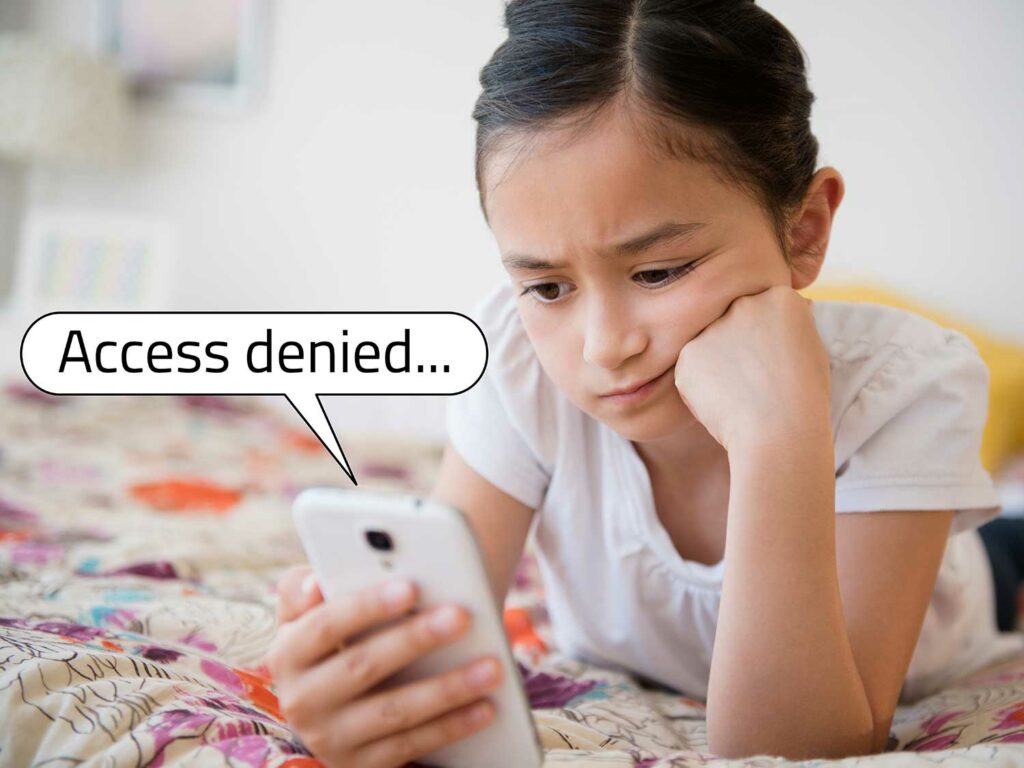
Young girl sadly staring at her phone, being denied access to an app

Can AI Tell How Old You Are?

Instagram is testing a form of technology that’s designed to tell which users are younger than 18.

Young girl sadly staring at her phone, being denied access to an app

© JGI/Jamie Grill—Tetra Images/Getty Images

Is it possible to tell how old someone is based on their selfie? Instagram is betting that it is.

Instagram is testing out a form of technology designed to determine someone’s age by scanning their face. Certain users will be required to take a video selfie, and then Instagram will send a still image from the video to a company called Yoti. Yoti will use an artificial intelligence (AI) tool to study the person’s facial features. 

“When a new face comes along, [the technology] does a pixel-level analysis of that face and then spits out a number—the age estimation,” Julie Dawson of Yoti told CNN.

According to Yoti, the technology “learned” to estimate ages by scanning millions of images of faces. This increased its ability to recognize what makes a person look younger or older. 

Instagram decided to use the technology to help ensure that its teen users aren’t seeing inappropriate content. The company has been criticized in the past for not doing enough to protect its young users.

Instagram (which requires users to be at least 13) does ask for users’ birthdates when they register. And it blocks certain content for users who have indicated they are under 18. Now, users will be required to use Instagram’s new age verification system if the birthdate on their account shows they are under 18 and they change it to indicate they are older than 18.

Yoti’s technology won’t always be accurate, though. According to Yoti’s own data, its age estimate was off by an average of 1.91 years for female users under 18 whose skin tone is darker. Its average error for female users under 18 with lighter skin was 1.41 years. 

Privacy may be another concern, but Yoti says the videos and still images will be deleted once they are used.

Instagram is working on other ways to verify users’ ages. One of them is a language analysis tool. It’s designed to figure out how old a user is based on how they write.

Did You Know?

A young woman with computerized lines and calculations on and around her face

© america_stock/stock.adobe.com

Face recognition technology identifies a person from a photo or video by looking at patterns in the person’s face and making a map of them.

AI on the Big Screen

We use artificial intelligence every day. But in the movies, AI invades peoples’ lives even more than in real life. Check out some classic movies about the adventures of AI.

The Matrix

Imagine a world where everything we think is real is actually being controlled by machines. That’s the world of The Matrix.

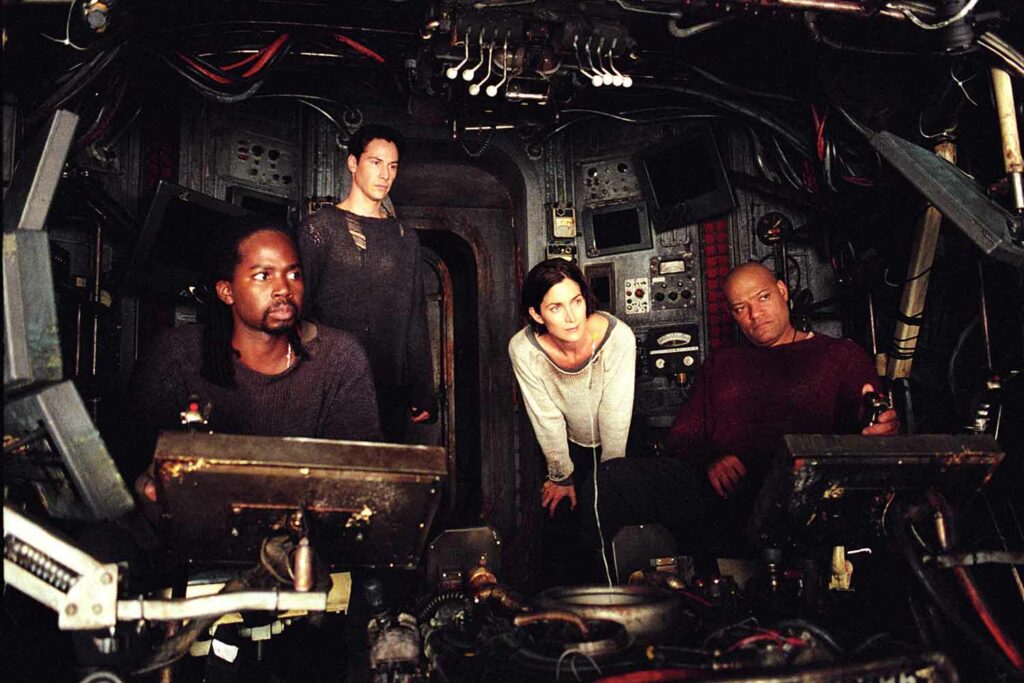
Characters from The Matrix in a still from the movie

© Warner Bros.

The Matrix stars (from left to right) Harold Perrineau, Keanu Reeves, Carrie-Anne Moss, and Laurence Fishburne.

WALL-E

In this animated movie, all the humans have abandoned Earth in search of a new world. WALL-E, a robot that has been left behind, spends his days cleaning up the planet. How much can a robot learn? WALL-E develops emotions—and when he meets another robot, he falls in love. 

Two robots in a vehicle traveling past electronic billboards

© Disney/PIXAR

The robots WALL-E (right) and EVE go on an adventure.

2001: A Space Odyssey

Made in 1968, this film was set partly in the year 2001, which was “the future” back then! A crew of astronauts are flying on a spacecraft controlled by a computer named HAL 9000. After a while, HAL starts doing things that the astronauts don’t understand. Has the computer taken over?

A man appears to be inside a circular lens with a red light framing him

© 1968 Warner Bros. Entertainment/Metro-Goldwyn-Mayer Inc.

A computer called HAL (the light in this photo) starts doing things the astronauts don’t understand.

Is Truth Stranger Than Fiction?

Where can you explore computers, robots, space travel, alien encounters, and all the other ways—real and imagined—that science can affect us? Check out science fiction!

© Twentieth Century Fox

The Star Wars movies are a good example of science fiction in film.

WORD OF THE DAY

futuristic

PART OF SPEECH:
adjective
Definition:

: relating to or telling about events in the future

Definitions provided by
Merriam-Webster Logo

Play

See if you can find all the words.
O
O
O
O
O
O
O

In Case You Missed It

Kelsie Whitmore is the highest ranked female baseball player in decades.

06.28.22

Elizabeth Bonker found her voice, and she wants to help others do the same.
06.21.22
A giant ancient shark called megalodon may have faced some serious competition for food.

06.14.22

Tired of messy mealtimes, a group of students invented tape that prevents burritos, tacos, and other foods from busting apart.

06.07.22

Big League Talent

Big League Talent

Kelsie Whitmore is the highest ranked female baseball player in decades.
Kelsie Whitmore pitches for the Staten Island FerryHawks.
Staten Island FerryHawks

Kelsie Whitmore is going places. In May, the pitcher and left fielder made her debut with the Atlantic League of Professional Baseball. She’s now the highest ranked female baseball player in decades—and many believe that her best is yet to come. 

Whitmore is used to leading the way. She was the only girl on her high school varsity baseball team, and when she was 17, she and two other women signed to play for the Sonoma Stompers, a team that’s part of the Pacific Association of Professional Baseball. Their teammates and opponents were all men. 

Now Whitmore, who also played on the U.S. Women’s National Team at the Pan American Games for several years, is closer than ever to Major League Baseball (MLB). Experts say the Atlantic League is one step below MLB. Many of the league’s players work on honing their skills in the hopes that a major league team will invite them to join its minor league partner team. Whitmore is no exception.

Whitmore is smaller than the men she’s trying to strike out, so she’s gotten creative when it comes to her pitching. The 24 year old has a secret weapon—a pitch that has become known as “The Thing.” She developed The Thing by changing her grip on the ball and the motion of her arm to change the way the ball moved. Such hard work, plus a whole lot of talent, has baseball experts believing that Whitmore has a bright future in the sport. Whitmore herself is aiming to get to the next level.

“Of course. That’s the big dream,” Whitmore told MLB.com. “I wouldn’t be playing this game if I didn’t have the mindset and the drive to want to hopefully, potentially, get there one day. It’s definitely going to be hard; it’s not going to be easy. But it’s definitely something that I…dream about.”

Fun Fact

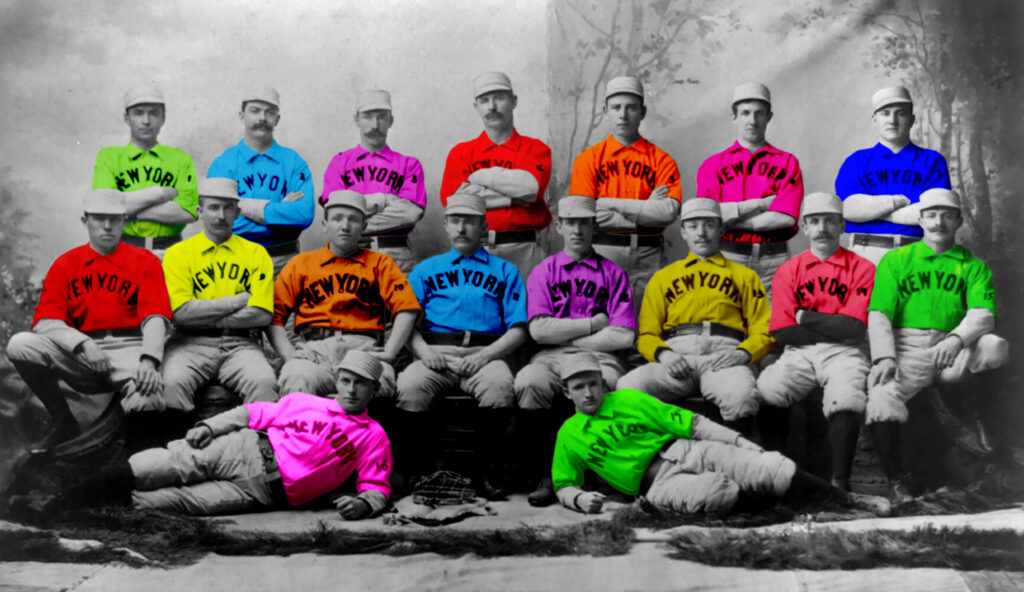
Photo of 19th century baseball team with different color uniform shirts that say New York
Imagine trying to keep track of a baseball team where the uniforms are all different colors.
Prints and Photographs Division/Library of Congress, Washington D.C. (LC-USZ62-1012); Photo illustration Encyclopædia Britannica, Inc.

For a few months in 1882, baseball teams tried something new with their uniforms. The colors of the uniforms weren’t different for each team. Instead, they depended on players’ positions on the field. For example, all first basemen on every team wore red-and-white striped shirts. The only way to tell who was on which team was to look at the players’ legs. Each team’s stockings were a different color!

No one liked these uniforms, and they were changed before the season was over.

Weiss the Wonder

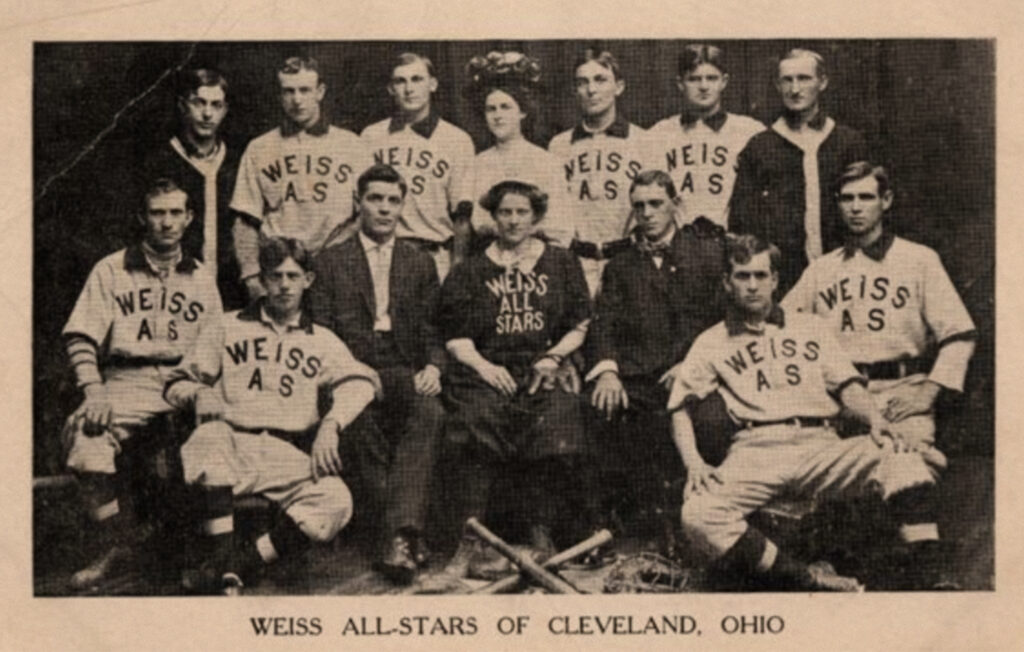
Black and white photo of a baseball team in uniforms reading Weiss AS. All players are male except Alta Weiss, in the center.
Alta Weiss (center) played with a team called the Weiss All-Stars in the early 20th century. The team was named after her!
Special Collections—Michael Schwartz Library, Cleveland State University

As a kid, Alta Weiss discovered two things: She loved baseball, and she was a talented pitcher. She went on to play semi-professional baseball.

Here’s the amazing thing about Weiss’s story. She grew up in the early 1900s, a time when girls had few opportunities to play on sports teams. But Weiss found ways to play anyway. As a teenager, she joined pickup games in her hometown of Vermilion, Ohio, playing with and against boys and men.

In 1907, when Weiss was 17, the mayor of Vermilion saw one of these games and told the manager of the Vermilion Independents, a semi-pro baseball team, that he needed to see her play. But the manager refused. Weiss was a young woman, and he didn’t want any female ball players.

Eventually, though, the manager had a change of heart. He arranged a special game and asked Weiss to pitch for one of the two teams. Then he watched as Weiss struck out player after player for a total of 15 strikeouts. Weiss wasn’t just good; she was great. The manager asked her to join the Independents.

That season, Weiss pitched eight games for the Independents, receiving as much pay as her male teammates. Fans flocked to see Weiss—who they called “Girl Wonder”—in action. She went on to play semi-pro baseball for two more years.

Weiss used her earnings to go to medical school—another unusual path for a woman to take in the early 1900s. In 1914, she was the only woman to graduate from what later became The Ohio State University Medical College.

Weiss had a long career as a doctor—but she remained a baseball fan for life.

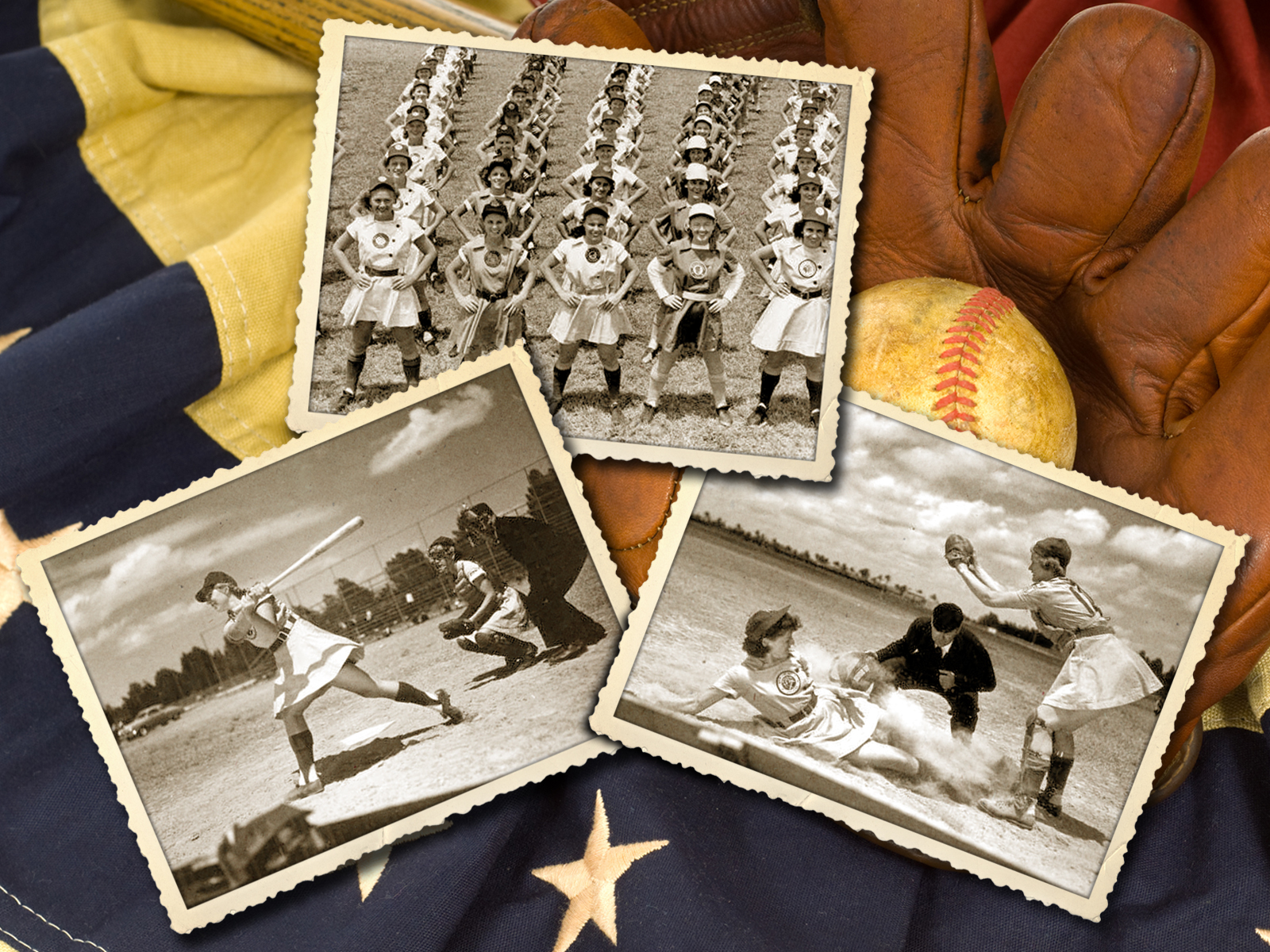
Did you know that women in the U.S. had a professional baseball league in the 1940s and 1950s?

Collage of three black and white photos of members of the All American Girls Baseball League.
State Archives of Florida (C009825, C009833, C009828), © Michael Flippo/stock.adobe.com, © Robyn Mackenzie/Dreamstime.com; Photo illustration Encyclopædia Britannica, Inc.

WORD OF THE DAY

formidable

PART OF SPEECH:
adjective
Definition:
: very powerful or strong : deserving serious attention and respect
Definitions provided by
Merriam-Webster Logo

Play

See if you can find all the words.
O
O
O
O
O

In Case You Missed It

Elizabeth Bonker found her voice, and she wants to help others do the same.
06.21.22
A giant ancient shark called megalodon may have faced some serious competition for food.

06.14.22
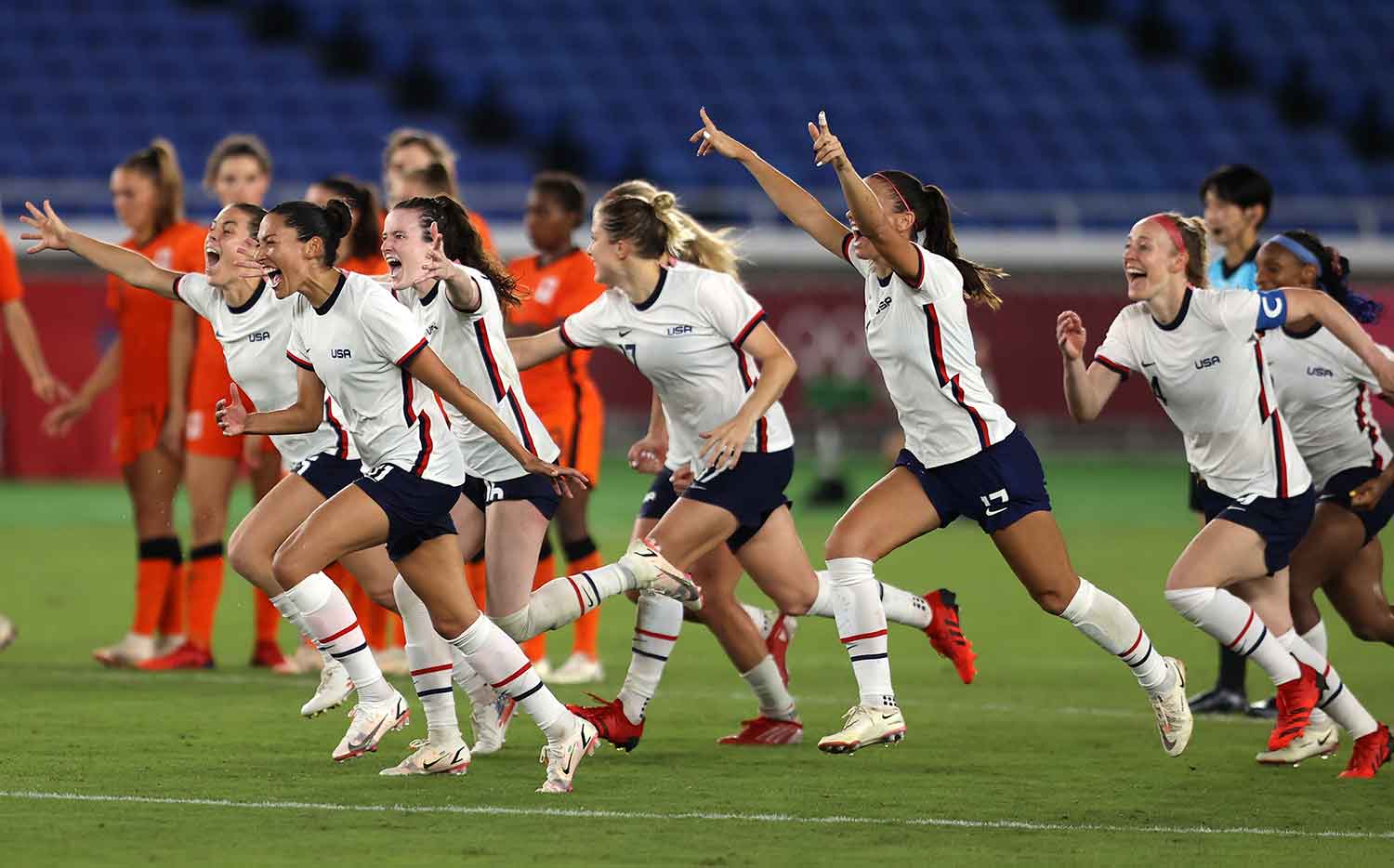
Tired of messy mealtimes, a group of students invented tape that prevents burritos, tacos, and other foods from busting apart.

06.07.22

Scientists have been able to grow plants in soil from the Moon!

06.03.22

Top of the Class

Top of the Class

Elizabeth Bonker found her voice, and she wants to help others do the same.

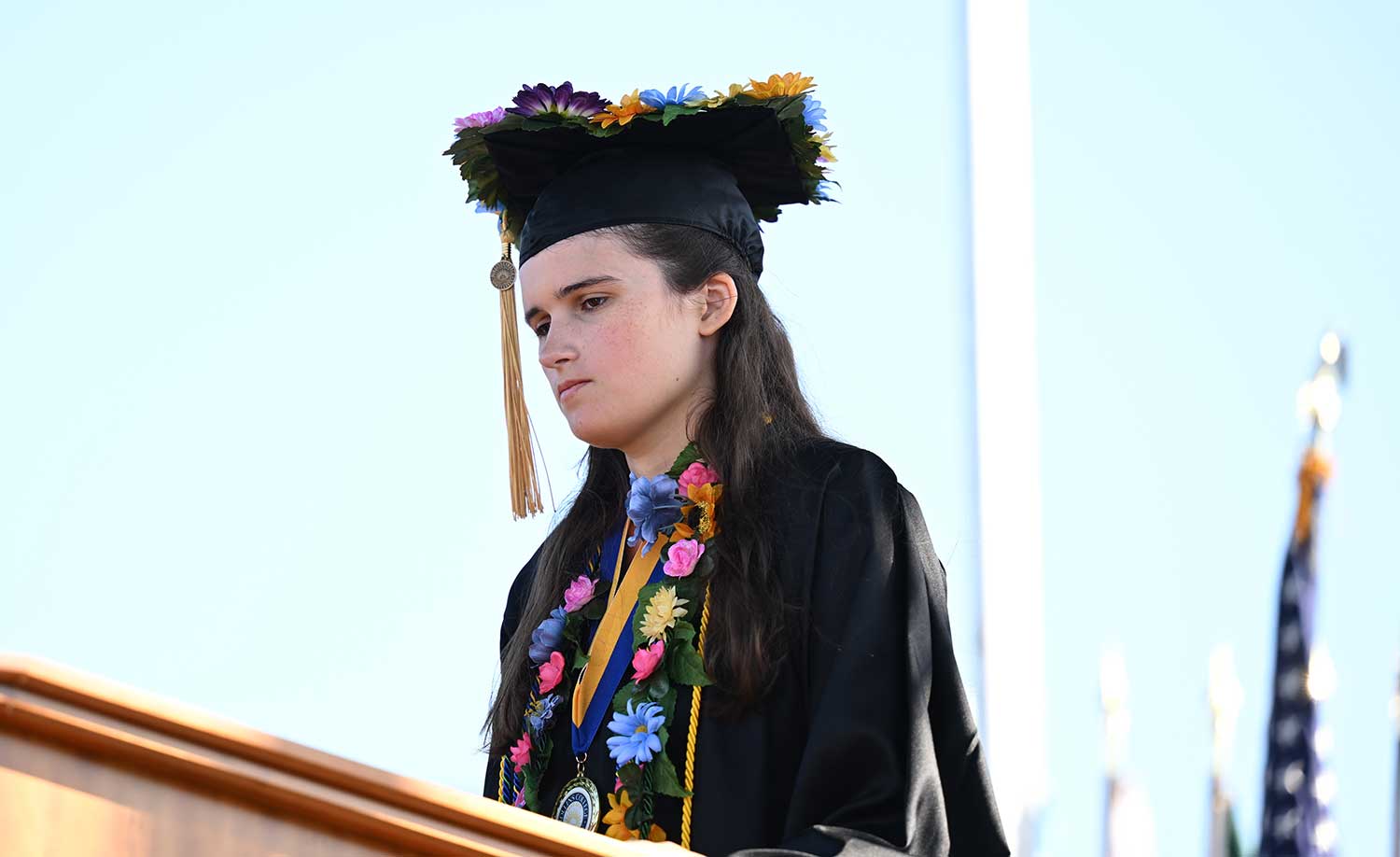
Photo by Scott Cook, courtesy of Rollins College

When Elizabeth Bonker gave the commencement (graduation) speech to her classmates at Rollins College in May 2022, she didn’t say a word. But her message came through loud and clear: Use your voice to help others. 

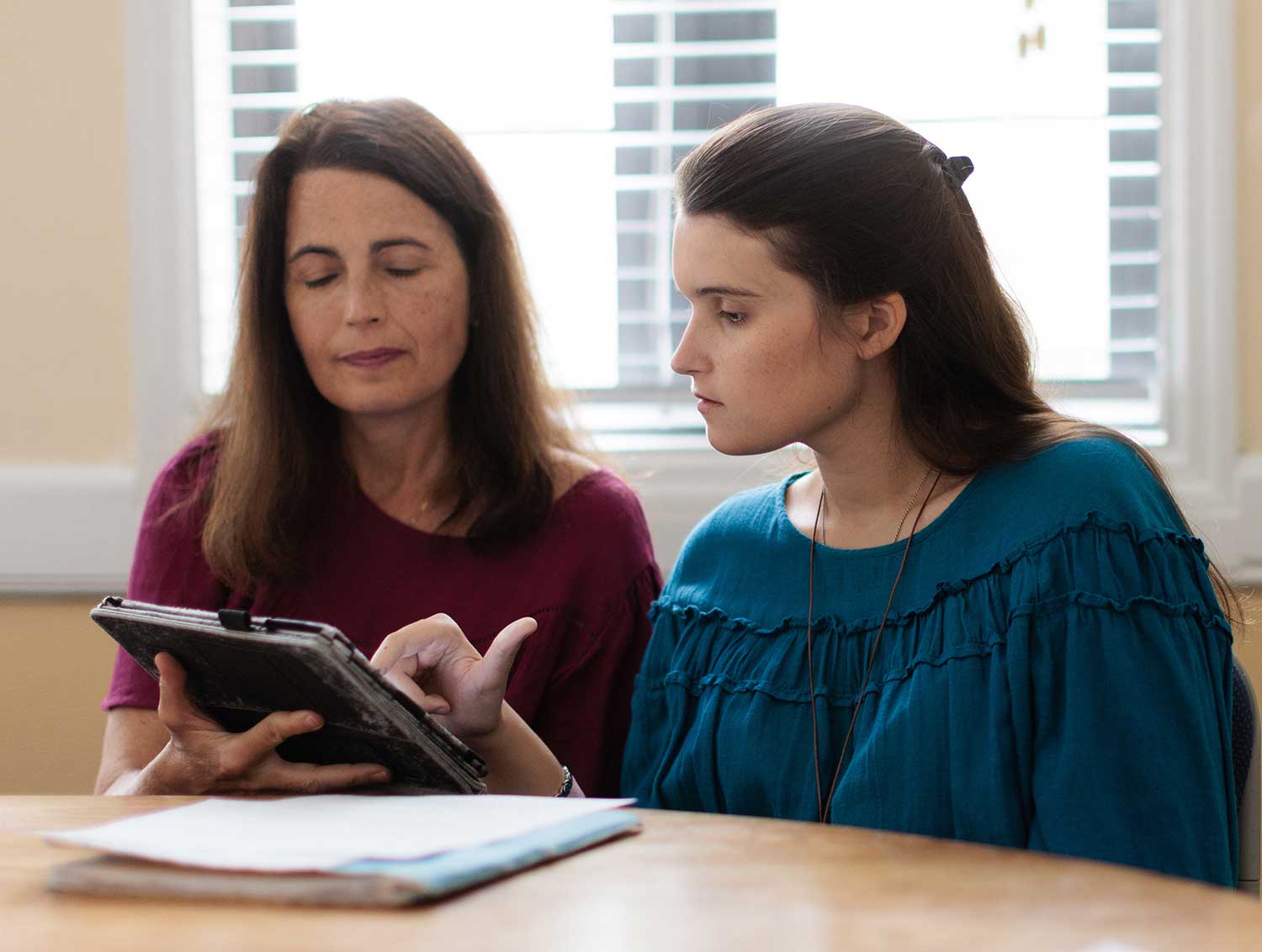
Bonker, who is nonspeaking, delivered her speech using text-to-speech software. That is, she typed the words into a device and a computerized voice conveyed them into the microphone. Bonker used the technology in her college classes as well. She said it had opened a whole world to her.

“I am one of the lucky few nonspeaking autistics who have been taught to type,” she told her classmates. “That one critical intervention unlocked my mind from its silent cage, enabling me to communicate and to be educated.”

Bonker is affected by autism, a term used to describe a range of conditions that can include repetitive behaviors, trouble reading social cues, and communication challenges. About 25 to 35 percent of people on what’s called the autism spectrum are nonspeaking, meaning they don’t speak or they use only a few words.

Two women sit at a table. One of the women holds a keyboard while the other types on it.
Photo by Scott Cook, courtesy of Rollins College

Elizabeth Bonker (right) uses text-to-speech technology to communicate.

Bonker is passionate about helping others who are affected by nonspeaking autism. While in college, she founded Communication 4 All, an organization that provides communication resources to schools and other facilities. She’ll continue with this type of work now that she has her college degree.

“I have a dream. Communication for all,” she said in her speech. “My life will be dedicated to relieving [nonspeaking people] from suffering in silence.”

Bonker told her classmates that she hoped they would be inspired by Fred Rogers, as she was. Rogers was known to millions of children as Mister Rogers through his TV show, Mister Rogers’ Neighborhood. He often talked about helping others. In fact, his show aimed to help kids be comfortable with who they are. 

“When he died, a handwritten note was found in his wallet,” Bonker said. “It said, ‘Life is for service.’”

Bonker intends to keep putting that lesson into action.

Did You Know?

GIF showing a speech bubble reading an article from a laptop screen with text appearing in the bubble word by word
© Africa Studio/stock.adobe.com; Animation Encyclopædia Britannica, Inc.
Text to speech (TTS) is a form of technology that turns written text into audio form. TTS can be used by nonspeaking people, such as people who are affected by autism, to help them communicate. It can also be used as a read-aloud tool for people who have difficulty reading words. TTS has opened new doors for millions of people.

Justice for All

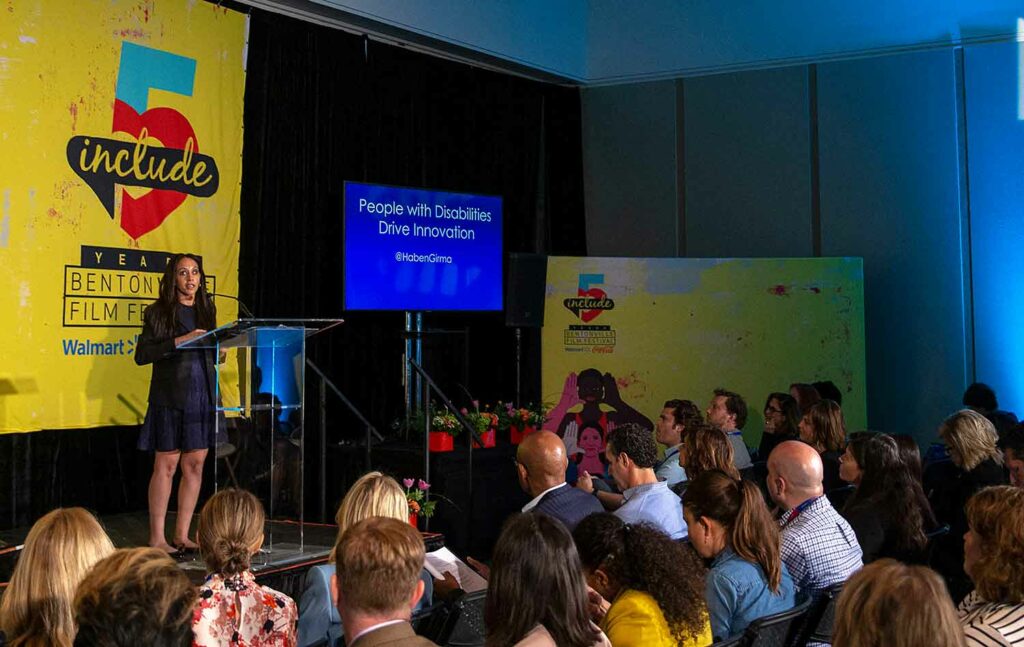
A woman stands at a podium and speaks before an audience.
Tasos Katopodis/Getty Images Entertainment
Haben Girma speaks at a diversity and inclusion summit in Bentonville, Arkansas, in 2019.

When Haben Girma was in college, she had a problem with the dining hall. The problem wasn’t the food; it was the menu, which was printed and posted on the wall. When Girma, who is Deafblind (meaning she is both Deaf and blind), asked for a Braille menu, she was told one wasn’t available. So Girma did some research and found out that denying people with disabilities access to the same resources as everyone else is against the law. She spoke out, and the menus were changed.

It was the beginning of a larger fight. In 2013, Girma became the first Deafblind person to graduate from Harvard Law School. Today, she is a disability rights lawyer, dedicated to expanding rights and opportunities for people with disabilities.

Girma travels around the world, talking to people who have powerful jobs about the importance of inclusion. She reminds them that inclusion means giving people with disabilities access—to jobs, the Internet, and other things that many people take for granted. 

“It’s people and communities that create freedom,” Girma told MSNBC. “All of us face a choice to accept unfairness or advocate for justice.”

Temple Grandin

Scientist Temple Grandin’s work is inspired by her experience with autism. Find out how.

© Helga Esteb/Shutterstock.com

WORD OF THE DAY

neurodiversity

PART OF SPEECH:

noun

Definition:

: the inclusion in a group, organization, etc. of people with different types of brain functioning

Definitions provided by
Merriam-Webster Logo

Play

See if you can solve the puzzle!
O
O
O
O
O
O

In Case You Missed It

A giant ancient shark called megalodon may have faced some serious competition for food.

06.14.22
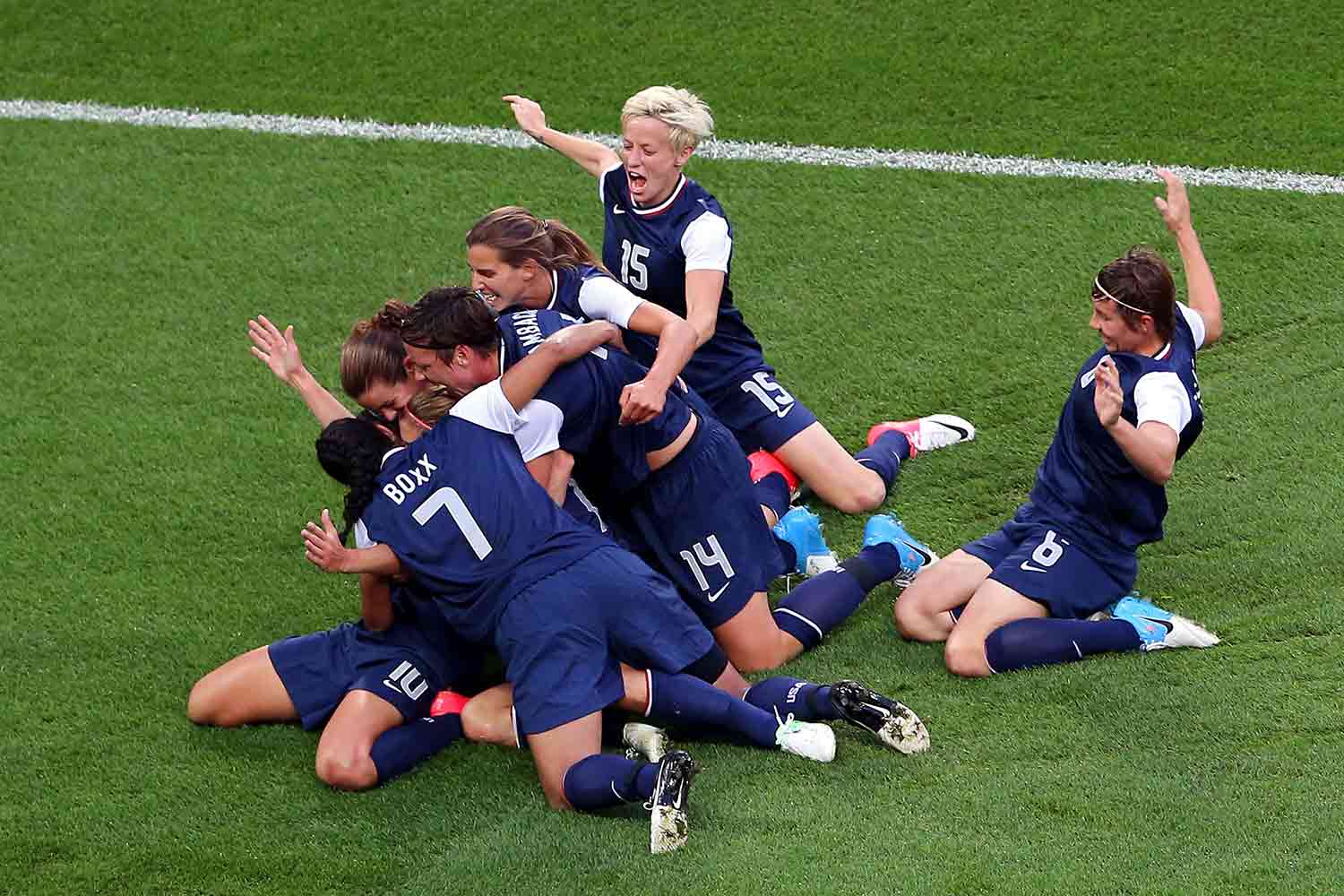
Tired of messy mealtimes, a group of students invented tape that prevents burritos, tacos, and other foods from busting apart.

06.07.22

Scientists have been able to grow plants in soil from the Moon!

06.03.22

U.S. women’s soccer players will now be paid the same amount as the men’s players.

05.27.22

Shark Vs. Megalodon

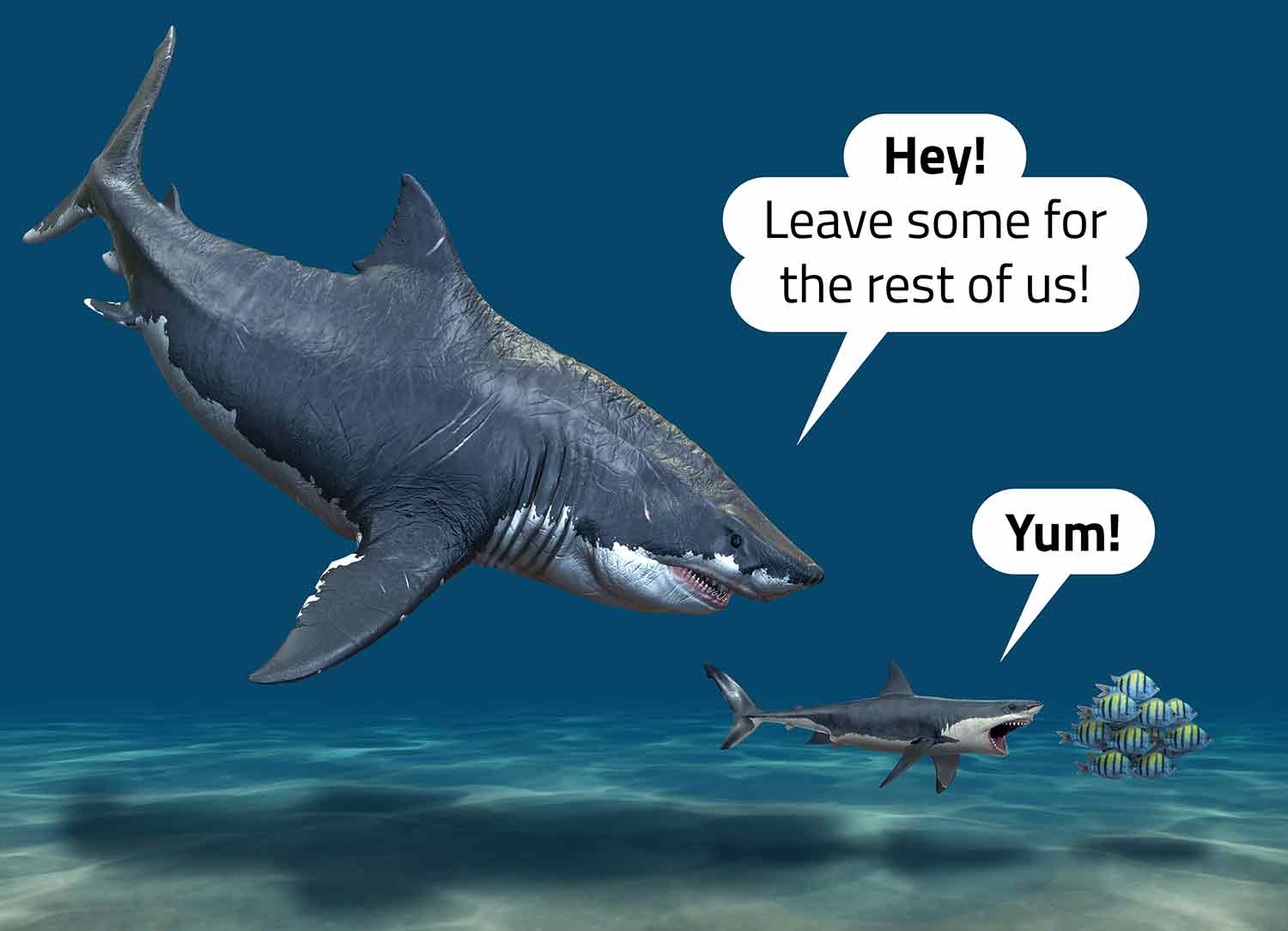
A great white shark pursues a school of fish and says yum while a megalodon says, “Hey, leave some for the rest of us.”

Shark Vs. Megalodon

A giant ancient shark called megalodon may have faced some serious competition for food.

A great white shark pursues a school of fish and says yum while a megalodon says, “Hey, leave some for the rest of us.”
© Herschel Hoffmeyer, zozulinskyi, triduza, sam/stock.adobe.com; Photo illustration Encyclopædia Britannica, Inc.

Bigger isn’t always better. Scientists say they believe that a massive prehistoric shark called megalodon may have been wiped out by the presence of a smaller shark: the great white shark.

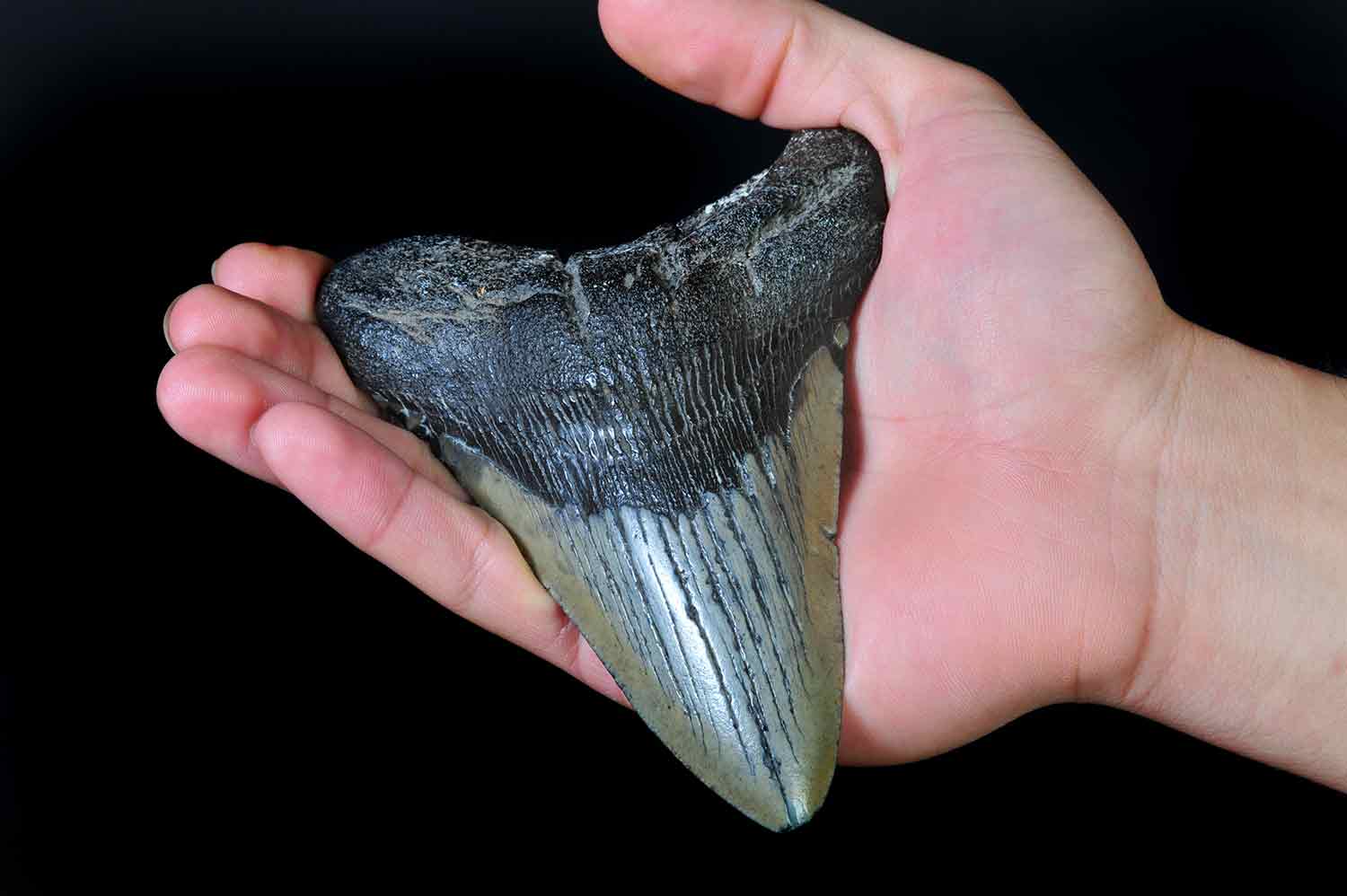
Megalodon was a beast. At 60 feet (18.3 meters) long, it was more than three times the length of the great white shark. Megalodon’s teeth were as big as an adult’s palm. It was probably at the top of the food chain. 

Knowing this, scientists have long wondered why this ancient sea monster went extinct about three million years ago. They think it’s possible that some environmental factors, like sea level changes, helped lead to megalodon’s demise. But they wondered about megalodon’s relationship with the great white shark. After all, the two species co-existed for a while, and the great white shark is still dominating the world’s oceans today.

Researchers examined zinc isotopes (variants) in the teeth of sharks that are both extinct and in existence. Zinc is an element. Zinc in tooth enamel can provide clues about an animal’s diet. Scientists found evidence that ancient megalodons and ancient great white sharks ate many of the same large fish. That means they may have been competing for food. Megalodons could have hunted great white sharks, but so far scientists haven’t found any evidence of that.

But why would the smaller great white shark win a competition against a giant megalodon? The answer may be that megalodons just couldn’t get enough to eat.

“The smaller sized great whites likely did not require as much food as megalodon did, so they would have had the competitive advantage if they were feeding on similar prey items,” geochemist Michael Griffiths told CNN.

Did You Know?

© hudiemm—E+, Leonello Calvetti—Science Photo Library, Nerthuz—iStock, GlobalP—iStock, Racksuz—iStock/Getty Images, © demonique/stock.adobe.com; Photo illustration Encyclopædia Britannica, Inc.

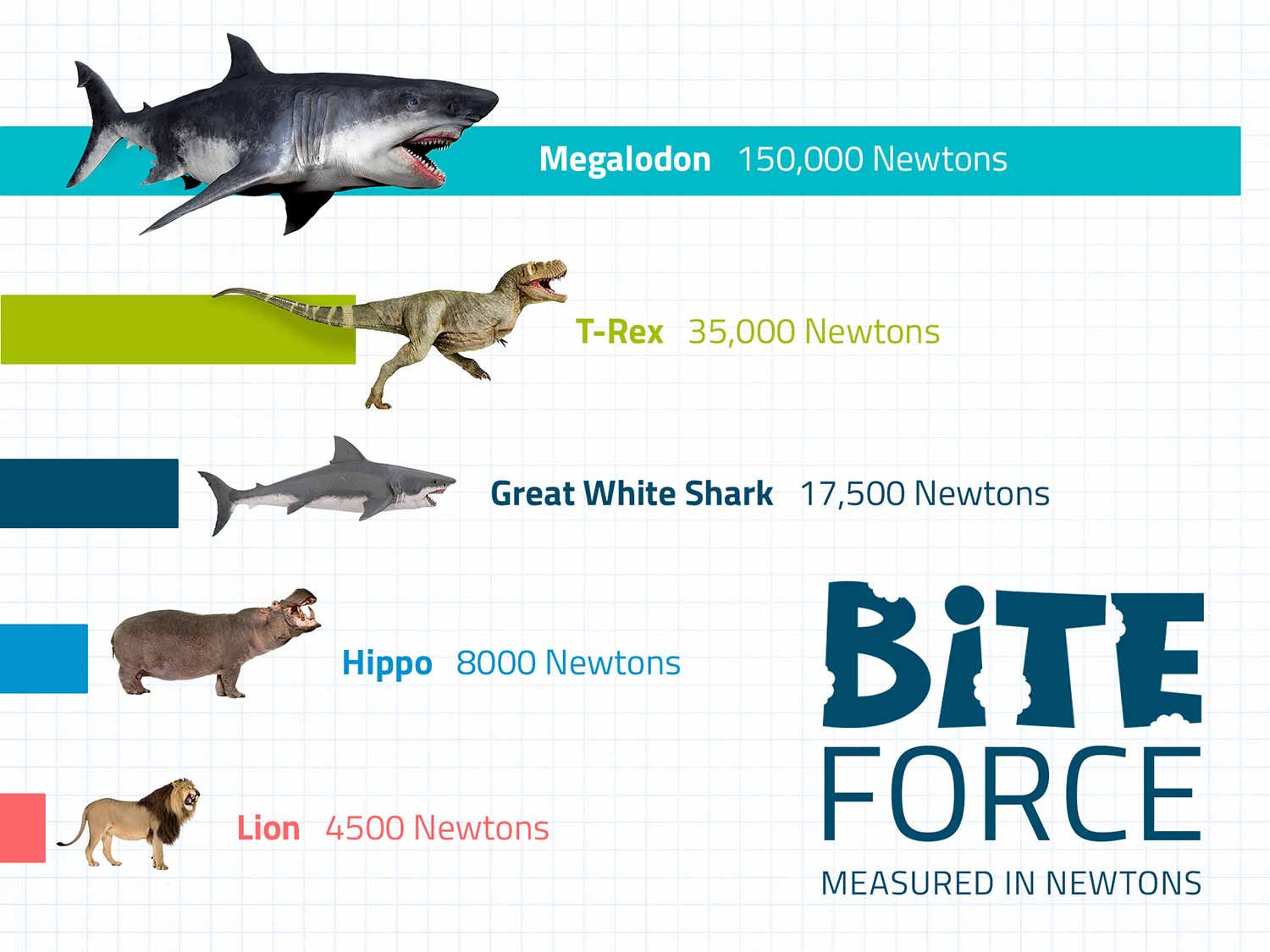
Bite force is measured in Newtons. Scientists believe megalodon’s bite force was 150,000 Newtons. Check out how that compares to some other animals.

Do Sharks Really Die If They Stop Swimming?

© VIDEODIVE—Creatas Video+/Getty Images Plus

It’s a widespread belief: If sharks stop swimming, they die. But is that actually true?

It’s true for some shark species but not others. For example, the nurse shark and the tiger shark can stop swimming whenever they want. They breathe by way of buccal pumping, actively “inhaling” water by using cheek muscles to draw it into the mouth and over the gills. This allows sharks to stop moving but continue breathing. 

But some shark species don’t have the luxury of buccal pumping. For example, the great white shark, the whale shark, and the mako shark don’t have buccal muscles at all. Instead, these sharks rely on obligate ram ventilation. This is a way of breathing that requires sharks to swim with their mouths open. The faster they swim, the more water is pushed through their gills. If they stop swimming, they stop receiving oxygen. They move or die.

All Bite

Megalodon’s teeth were up to 6.9 inches (17.8 centimeters) in length. Find out what made this apex predator tick.
A fossilized tooth in a human hand. The tooth is as large as the hand.
© W.scott Mcgill/Dreamstime.com

A fossilized megalodon tooth.

WORD OF THE DAY

smithereens

PART OF SPEECH:

plural noun

Definition:

: small broken pieces: tiny bits

Definitions provided by
Merriam-Webster Logo

Play

See how many shark and shark-like words you can find.

O
O
O
O
O

In Case You Missed It

Tired of messy mealtimes, a group of students invented tape that prevents burritos, tacos, and other foods from busting apart.

06.07.22

Scientists have been able to grow plants in soil from the Moon!

06.03.22

U.S. women’s soccer players will now be paid the same amount as the men’s players.

05.27.22

A 12-year-old woodworker from England found a creative way to help children in Ukraine.

05.24.22

Burritos Get An Upgrade

Three young women holding burritos that are fastened with tape

Burritos Get An Upgrade

Tired of messy mealtimes, a group of students invented tape that prevents burritos, tacos, and other foods from busting apart.
Three young women holding burritos that are fastened with tape
Johns Hopkins University
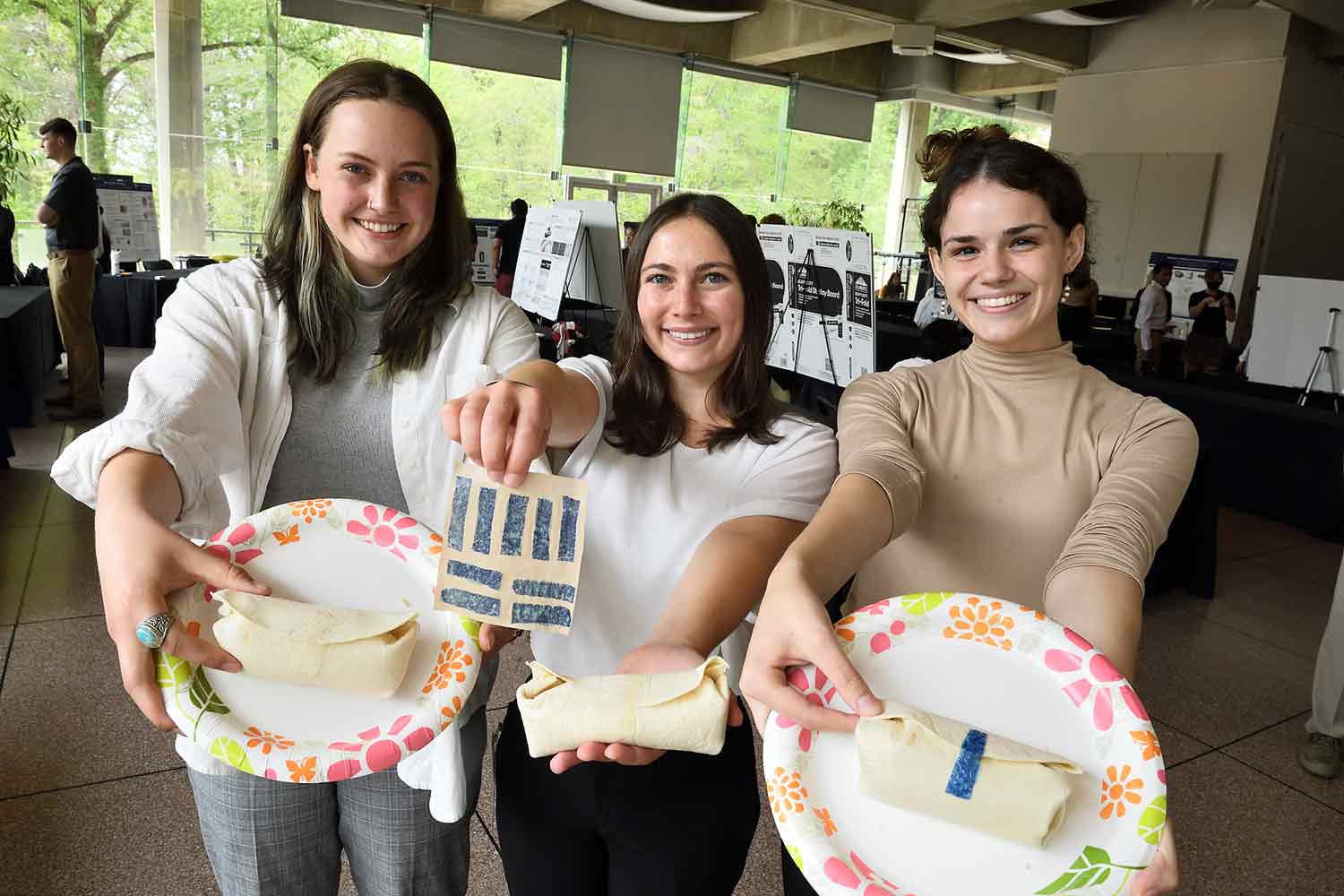
Three members of the Tastee Tape team show off their invention.

Picture it: You bite into a scrumptious burrito and—splat—its contents land all over your lap. This scenario is all too common for fans of folded food. But fear not, fastidious foodies. Engineering students at Johns Hopkins University have come up with a solution to busted burritos. They’ve created edible tape!

The adhesive strips are the creation of Tyler Guarino, Marie Eric, Rachel Nie, and Erin Walsh. The students set out to make an adhesive product with certain qualities. First, it had to be totally safe to eat. Beyond that, the students wanted it to be clear and colorless, with no noticeable taste or texture. It took months to come up with a winning formula.

The team began by studying regular tape—the kind that’s used to hold objects together. They wanted to find out what keeps the tape structure together and what sort of adhesive makes it stick. The next step was to find edible materials that had the same capabilities.

“We tested about 50 different formulations,” Guarino told CNN. Finally, the team came up with the winning formula, which they call Tastee Tape. It can be used on burritos, tacos, gyros, and any other food.

The team can’t reveal the ingredients of Tastee Tape because they’re applying for a patent.

“What I can say is that all its ingredients are safe to consume, are food grade, and are common food and dietary additives,” Guarino told Good News Network. The tape is also vegan and gluten-free.

Currently, the team has a prototype of the tape. It consists of rectangular strips of tape that measure 0.5 inches by 2 inches (1.3 centimeters by 5.1 centimeters) on a wax paper backing. All users need to do is peel a piece of tape from the paper, wet it, and stick it on a piece of food. The team hopes eventually to package Tastee Tape in rolls, like other forms of tape.

Guarino says the team members put their creation to the test on lots of burritos. They’re confident that the tape will hold together even the sloppiest foods. 

“Tastee Tape allows you to put full faith in your tortilla, and enjoy your meal, mess-free,” Guarino told Good News Network.

Did You Know?

© Dave Nelson/Dreamstime.com, © Amanda Lewis/Dreamstime.com; Photo illustration Encyclopædia Britannica, Inc.

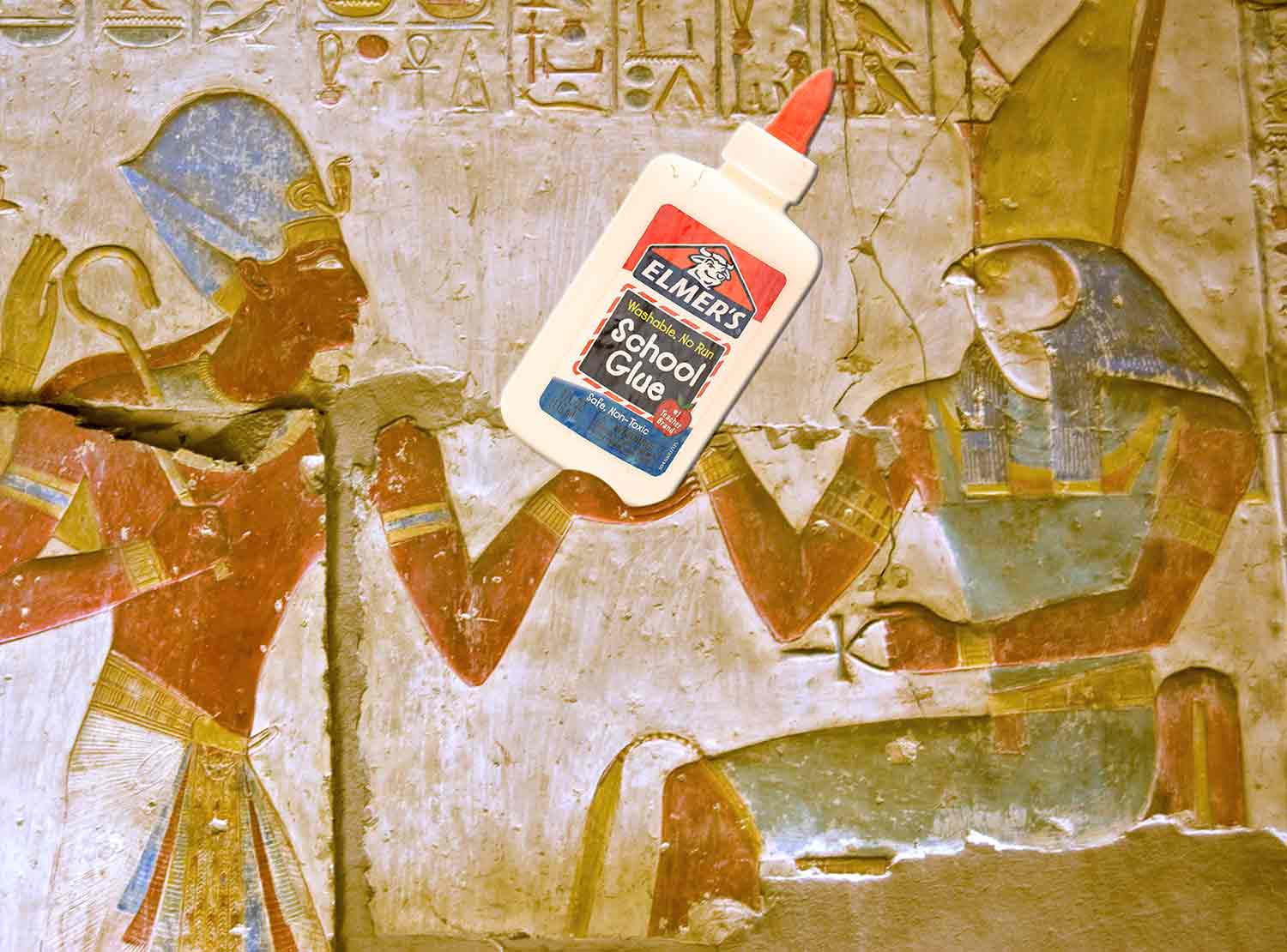
The earliest adhesives were glues. Scientists have found evidence that people in ancient Israel and ancient Egypt used glue made from animal parts thousands of years ago.

Chew On This

blake
A 1928 newspaper ad tells readers that sliced bread has arrived.

Could burrito tape be the greatest thing since sliced bread? Judge for yourself.

People have been baking bread for about 30,000 years, but it seems that no one thought to sell loaves of sliced bread until the 20th century. In 1928, Bench’s Bakery, in Chillicothe, Missouri, began using a machine to slice its freshly baked bread. The machine, which had been invented by Davenport, Iowa, native Otto Frederick Rohwedder, was a marvel. It didn’t just save people the effort of slicing bread themselves. It also created slices that were all the same size: just under half an inch (1.3 centimeters) thick.

Rohwedder’s invention caught on, and so did a new expression: “The best thing since sliced bread” came to refer to a great and useful invention.

‘Tater Tribulations

A complaint about poorly prepared fried potatoes led to the invention of a snack food that we can’t live without.

© Linda Williams/Dreamstime.com; Animation Encyclopædia Britannica, Inc.

WORD OF THE DAY

comestible

PART OF SPEECH:

adjective

Definition:

: suitable to be eaten

Definitions provided by
Merriam-Webster Logo

Play

See if you can find all the folded foods.

O
O
O
O
O

In Case You Missed It

Scientists have been able to grow plants in soil from the Moon!

06.03.22
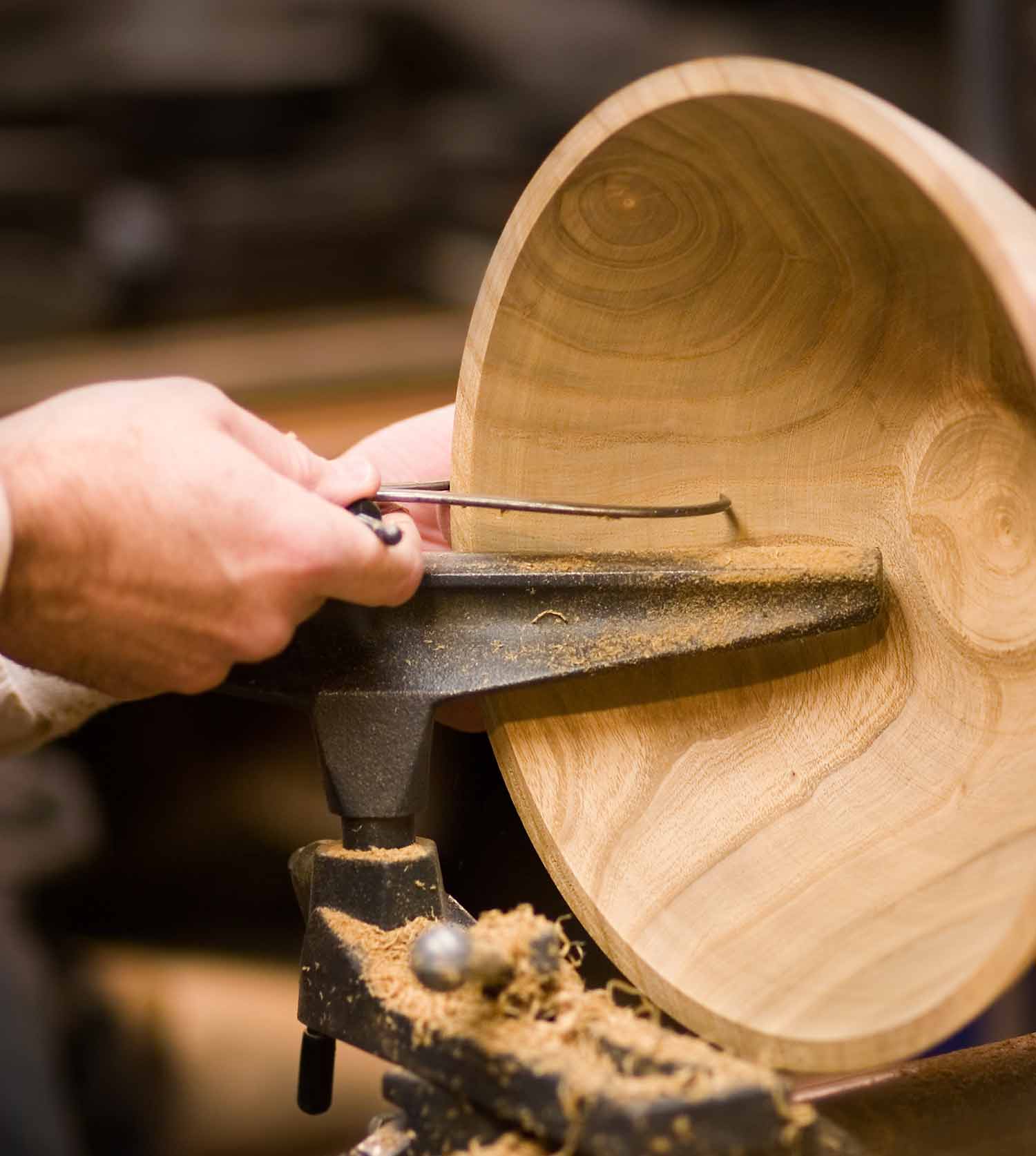
U.S. women’s soccer players will now be paid the same amount as the men’s players.

05.27.22
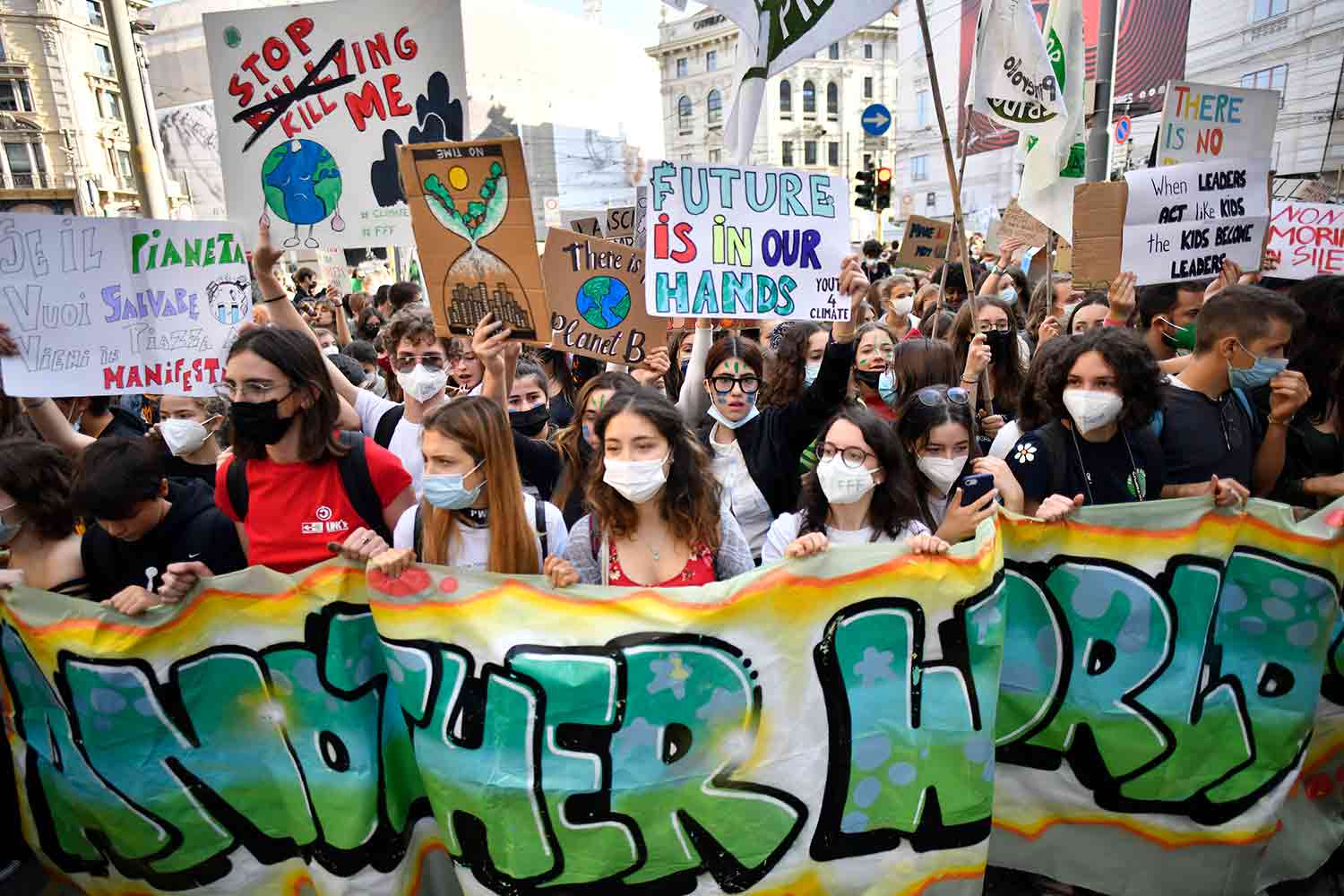
A 12-year-old woodworker from England found a creative way to help children in Ukraine.

05.24.22
Scientists expect that the James Webb Space Telescope will allow them to see space like never before.

05.20.22

One Small Step

One Small Step

Scientists have been able to grow plants in soil from the Moon!

Tyler Jones, UF/IFAS

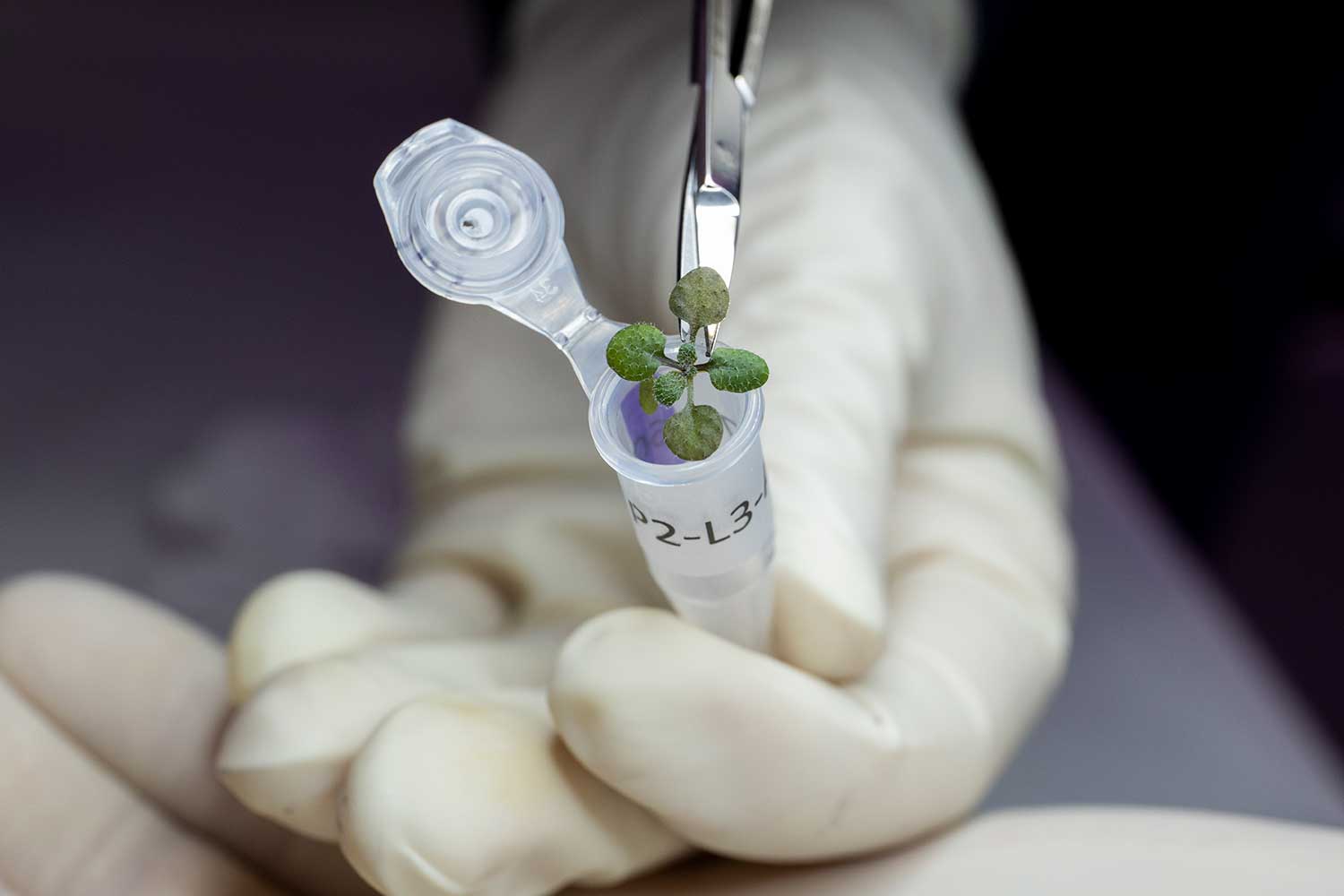
Scientists have successfully grown plants in soil collected from the Moon. They say this suggests that it may one day be possible to cultivate crops on the lunar surface and beyond.

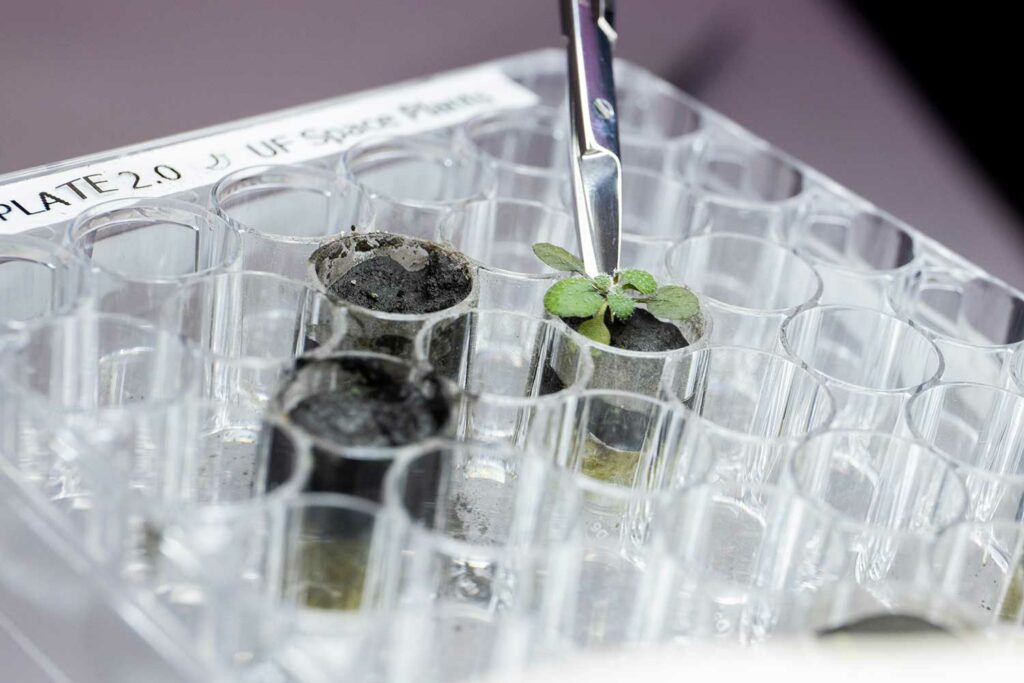
Scientists received samples of material that had been collected from the lunar surface during the Apollo missions to the Moon that took place in the 1960s and 1970s. They planted seeds from a plant called thale cress in the lunar material and added water and nutrients. They planted thale cress seeds in some Earth materials as well, some from extreme environments, including volcanic ash. They put all the plantings under an LED light to encourage growth. The result? Nearly all the seeds sprouted, including the seeds that had been planted in the lunar material.

Scientists reported that the seedlings didn’t thrive in the lunar soil the way they did in some other materials. They were smaller and grew more slowly. Their green leaves had some reddish black pigment, which is a sign of stress. 

Tray of small containers, three with lunar soil and one with a small green plant
Tyler Jones, UF/IFAS

The experiment is part of scientists’ investigation into space agriculture. Long space missions would require the ability to cultivate food in space. So far, scientists have been able to grow food on the International Space Station. But they aren’t sure whether it’s possible to do so on celestial bodies other than Earth. 

“To explore further and to learn about the solar system we live in, we need to take advantage of what’s on the Moon, so we don’t have to take all of it with us,” said NASA scientist Jacob Bleacher. 

There are still plenty of questions to be answered. Scientists want to find out if there are ways to reduce stress for plants that grow in lunar soil. They also don’t know how well plants would do on the Moon, where the soil is regularly exposed to cosmic rays and solar wind. They’re not sure how the lunar soil would affect the nutritional value of crops, if at all. And they have more questions about how well the soil on the Moon would tolerate having to support crops. Lunar soil is very dry, so crops would need to be watered heavily.

Scientists will keep investigating. Their hope is that, someday, crops on the Moon—and maybe even on Mars—will be a reality.

Did You Know?

Plants growing hydroponically on a wall inside a building
© pixzzle—E+/Getty Images

Here on Earth, you don’t need soil to grow food. Hydroponics is the practice of growing plants in water that has nutrients added to it.

Scientists say there are plenty of advantages to raising crops hydroponically. For one thing, plants can be grown in areas where the soil is poor. Without the need for fertile land, crops can be cultivated anywhere—even inside abandoned city buildings. And growing food in urban areas means using less fuel to transport crops to city dwellers. Meanwhile, forests don’t need to be cut down to create farmland.

Martian Meals

© Rudzhan Nagiev—iStock/Getty Images Plus

This concept illustration shows what a Mars colony might look like.

Some people believe humans might build a settlement on Mars before the year 2050. But for Earthlings to settle on the Red Planet, we’ll have to overcome a long list of logistical challenges.

Among the biggest challenges is the need for a self-sustaining food supply. After all, it takes about seven months to travel to Mars, so trips to the supermarket are not going to happen. Transporting and then supporting large livestock for meat and dairy production probably isn’t practical either. 

Producing a food supply on Mars will require outside-the-box thinking. For example, scientists have been able to grow meat and fish products in a lab, and they’re working on creating lab-based milk and egg products too. Some people believe this could happen on Mars. Another possibility is to build insect farms, where food could be produced quickly with little water and support a potentially large population. Chowing down on bugs wouldn’t be difficult to get used to. People in many regions of Earth already incorporate insects into their diet.

And crops? Scientists say it’s not reasonable to expect a plant to grow on Mars without some serious help. The Sun is so far away from Mars that its light and heat would not be strong enough to support crops. Instead, scientists say, growing crops would probably require the use of LED lights.

As for whether plants will grow in Martian soil, scientists have yet to determine that.

No Earth Needed

Who needs soil when you have hydroponics?

© Olga Iumanova—Creatas Video+/Getty Images Plus

WORD OF THE DAY

arable

PART OF SPEECH:

adjective

Definition:

: suitable for farming : able to produce crops

Definitions provided by
Merriam-Webster Logo

Play

See how many answers you can get.

O
O
O
O
O

In Case You Missed It

U.S. women’s soccer players will now be paid the same amount as the men’s players.

05.27.22

A 12-year-old woodworker from England found a creative way to help children in Ukraine.

05.24.22

Scientists have made a reconstruction of a woman who lived in what’s now Sweden 4,000 years ago.

05.19.22

Jacky Hunt-Broersma ran 104 marathons in 104 days, breaking a record.

05.13.22

Equal Play, Equal Pay

The U.S. women’s soccer team running and celebrating on a soccer field while another team looks on

Equal Play, Equal Pay

U.S. women’s soccer players will now be paid the same amount as the men’s players.
The U.S. women’s soccer team running and celebrating on a soccer field while another team looks on
© Francois Nel/Getty Images Sport

Goooaaal! The United States Soccer Federation (U.S. Soccer) announced that it has reached an agreement with the U.S. men’s and women’s soccer teams to pay both teams’ players equally. The deal closes a longtime pay gap in which the female players received less pay than the male players.

“This is a truly historic moment,” U.S. Soccer President Cindy Parlow Cone said in a statement. “These agreements have changed the game forever here in the United States and have the potential to change the game around the world.”

The men’s and women’s teams will be paid equally for all matches, including in the International Federation of Association Football (FIFA) World Cup, the biggest international soccer competition. The two teams will pool their prize money from playing in the World Cup, and the money will be split evenly among the men, the women, and the U.S. federation. 

The prize for the men’s World Cup teams is significantly larger than the prize for the women’s teams. For example, FIFA awarded a total of $400 million in prize money to the 32 teams at the 2018 Men’s World Cup, but the 24 teams at the 2019 Women’s World Cup received just $30 million in prize money. U.S. Soccer is the first national soccer federation to agree to split the prize money evenly between the men’s and women’s teams.

The teams will also receive equal shares of the players’ portion of the revenue (income) from sponsorship and broadcasts of games.

The deal ends a dispute that dates back to 2019, when the U.S. Women’s National Team filed a gender discrimination lawsuit against U.S. Soccer. The lawsuit claimed that the federation’s pay policy wasn’t fair to the women’s team. In February 2022, the two sides came to a settlement. The federation agreed to pay the players involved in the case $22 million. The settlement also stated that the teams would receive equal pay in the next players’ contract. Now, those contract terms are set. 

Walker Zimmerman, a leader of the union representing the men’s team, believes the U.S. agreement may pave the way for other national federations to make changes.

“We hope this will awaken others to the need for this type of change, and will inspire FIFA and others around the world to move in the same direction,” said Zimmerman.

For now, U.S. women’s players are thrilled that they will be paid fairly for their hard work.

“I am feeling extreme pride,” U.S. Women’s National Team member Becky Sauerbrunn said on the Today show. “To be able to say finally, ‘Equal pay for equal work’ feels very, very good.”

Fun Fact

© selected-takes—Creatas Video/Getty Images, Ofer Koren/Artlist

On average, soccer players run 7 miles (11 km) per game. This is more than athletes in any other sport. World Cup soccer players run as many as 9.5 miles (15 km) in one game.

They Are the Champions

Soccer players cheering and hugging each other on a soccer field.
© Ronald Martinez/Getty Images Sport
The U.S. team celebrates a goal during a gold-medal match at the 2012 Summer Olympic Games.

The U.S. Women’s National Team is the number-one-ranked women’s soccer team in the world. The team has won four FIFA Women’s World Cup titles (including the last two, in 2015 and 2019) and four Olympic gold medals.

Soccer Superstar

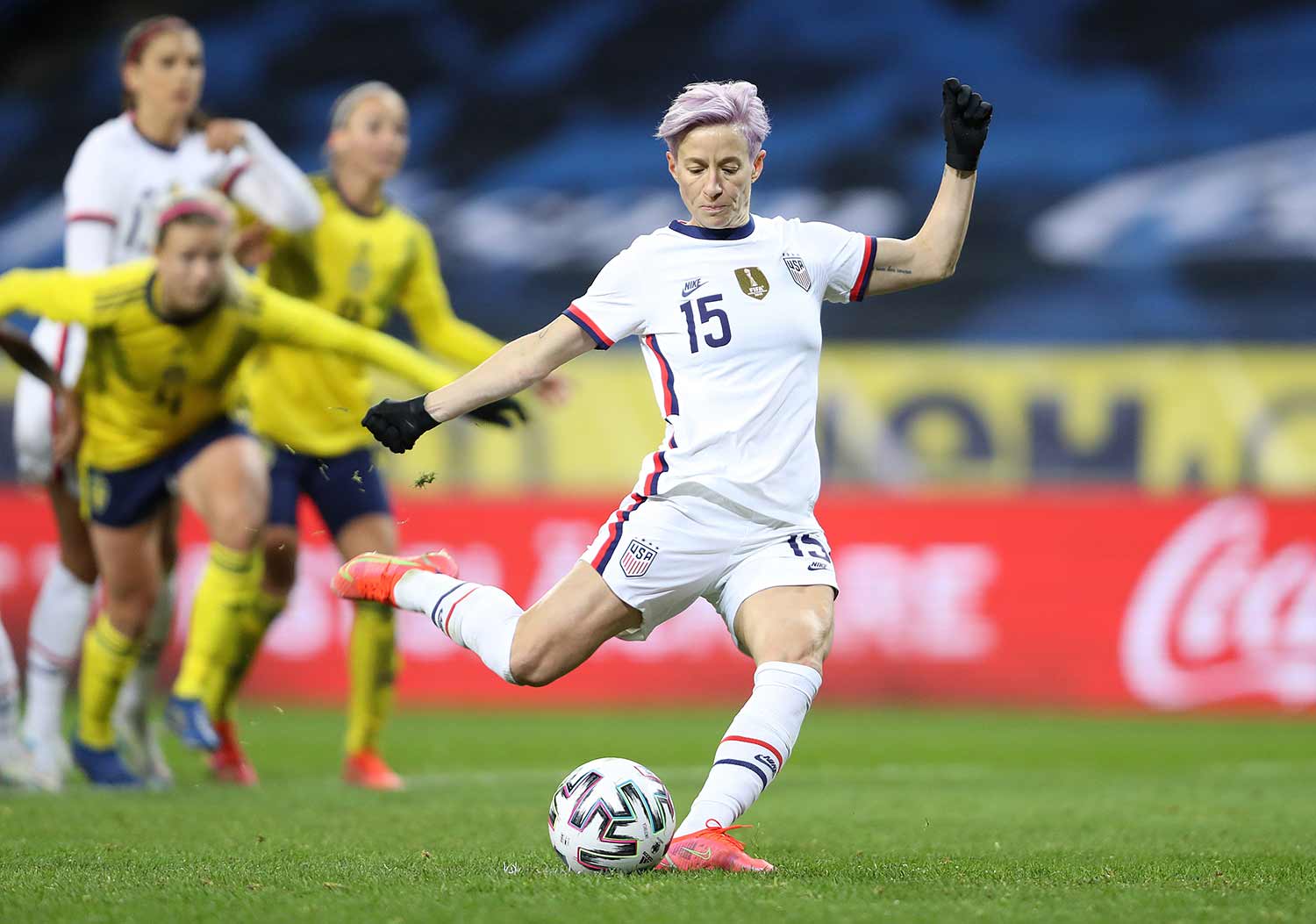
U.S. women’s soccer has produced more than its share of legends. Megan Rapinoe is one of them. Rapinoe helped lead the U.S. to two World Cup championships and was named the world’s top women’s soccer player of the year in 2019.
Megan Rapinoe kicking a ball on a soccer field with teammates and members of the opposing team in the background
© Linnea Rheborg /Getty Images Sport
Megan Rapinoe scores a goal during a game in 2021.

WORD OF THE DAY

parity

PART OF SPEECH:

noun

Definition:

: the state of being equal

Definitions provided by
Merriam-Webster Logo

Play

How many words can you make from these letters? Each word must use the middle letter. Words must be four letters or more.
O
O
O
O
O

In Case You Missed It

A 12-year-old woodworker from England found a creative way to help children in Ukraine.

05.24.22

Scientists have made a reconstruction of a woman who lived in what’s now Sweden 4,000 years ago.

05.19.22

Jacky Hunt-Broersma ran 104 marathons in 104 days, breaking a record.

05.13.22

A man who lost the power to speak can now use a computer to communicate.

05.10.22

Gabriel’s Gift

A tool is used to carve a wooden bowl.

Gabriel’s Gift

A 12-year-old woodworker from England found a creative way to help children in Ukraine.
A tool is used to carve a wooden bowl.
© cgering—E+/Getty Images

Gabriel Clark loves woodworking. The 12 year old from Cumbria, England, has been making things out of wood ever since he was given his grandfather’s hammer about eight years ago. Recently, Gabriel found a way to use his talent to help children in Ukraine.

Gabriel hatched his idea after his work gained newfound popularity, thanks to a shoutout from his dad. Gabriel was selling handmade bowls and cutting boards and planned to use the money to buy a new mountain bike. To help, his dad posted on Twitter, suggesting his followers might check out Gabriel’s products on Instagram. The post went viral, and Gabriel soon had more than 200,000 Instagram followers. He also had thousands of orders for wooden bowls. Gabriel realized he could use his platform for good.

On April 2, Gabriel announced that he would hold a raffle. The prize would be one of his homemade bowls, and the money would be given to Save the Children’s Children’s Emergency Fund. The fund is currently being used to help children in Ukraine, which was invaded by Russia in February. The bowl Gabriel made, which he named “My Bowl For Ukraine,” is etched with blue and yellow rings, in honor of the Ukrainian flag.

On April 17, Gabriel made an announcement on Instagram.

“We have a winner!!” he wrote. “My Bowl For Ukraine has a new home. Even though the raffle is finished, we’ve kept the [donation] page open until next weekend as donations are still flooding in.”

Gabriel had initially set a fundraising goal of 5,000 British pounds (about 6,155 U.S. dollars). As of April 25, he had raised 255,000 pounds (about 313,950 U.S. dollars). “I want to know that I can make other children’s lives better by doing a little bit of something in my own life,” Gabriel told People magazine.

Did You Know?

© Stefano Guidi/Getty Images Europe

Generation Z (born in 1997 or later) has already demonstrated an impressive willingness to help others. According to a recent report, millennials (born in the 1980s or early 1990s) have had the highest rate of giving since the beginning of the COVID-19 pandemic. Generation Z is right behind, with the second-highest rate of giving. 

Gen Z Cares

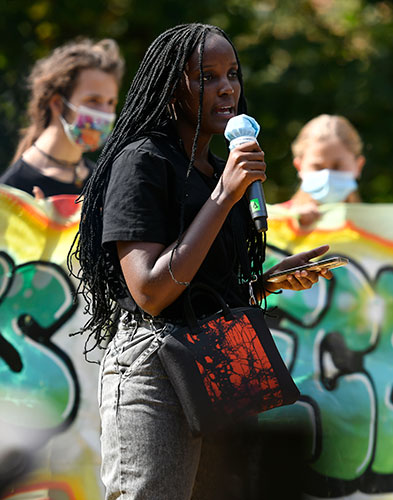
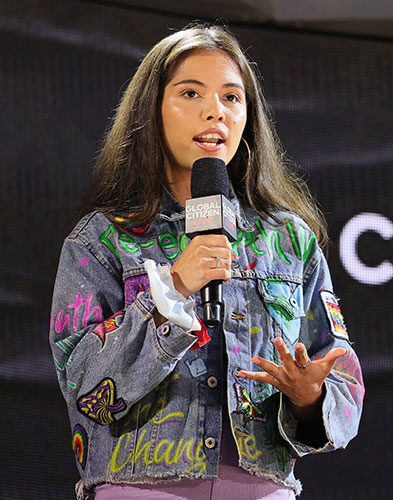
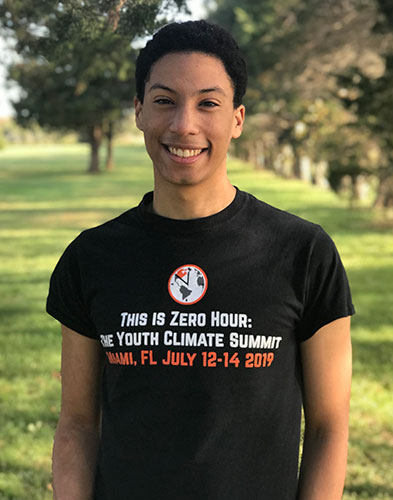
Copeny – © Loui Brezzell. Courtesy of Mari Copeny; Nakate – © Stefano Guidi/Getty Images News; Malala – © JStone/Shutterstock.com; Bastida – Theo Wargo/Getty Images for Global Citizen; Artis: Zanagee Artis

Members of Generation Z, which includes today’s teenagers, care deeply about a wide range of issues. Here are some of them.

Climate Change

Generation Z has been at the forefront of the fight to solve the climate crisis. A recent survey by Pew Research showed that Gen Zers and millennials are discussing climate change more than older adults are. They’re also more likely to participate in rallies and protests.

Racial Inequality

Research shows that members of Generation Z may be more concerned about racial inequality than older generations. In 2020, the organization DoSomething.org surveyed its Gen Z members and found that 72 percent had started reading, listening to, or watching content to gain a better understanding of racism in the United States. Fifty-eight percent said they had had a conversation with friends about what they could do to take action against racism.

Poverty and Hunger

Members of Generation Z want poverty and hunger to be addressed. Research by media company Cone Communications found that nearly 30 percent of Gen Zers are concerned about these issues. Not only that, but they say that fighting poverty and hunger is more important than economic development—the growth of businesses.

What’s Happening in Ukraine?

Learn more about Ukraine and the war there.
© Encyclopædia Britannica, Inc.

WORD OF THE DAY

champion

PART OF SPEECH:
noun
Definition:
: someone who fights or speaks publicly in support of a person, belief, cause, etc.
Definitions provided by
Merriam-Webster Logo

Play

See if you can find all the words.

O
O
O
O
O

In Case You Missed It

Scientists expect that the James Webb Space Telescope will allow them to see space like never before.

05.20.22

Scientists have made a reconstruction of a woman who lived in what’s now Sweden 4,000 years ago.

05.19.22

Jacky Hunt-Broersma ran 104 marathons in 104 days, breaking a record.

05.13.22

A man who lost the power to speak can now use a computer to communicate.

05.10.22

See All In Case You Missed It

In Case You Missed It

New research shows dogs can learn new words by listening in on human conversations.
March 12, 2026
Figure skater Alysa Liu felt happy and confident at the 2026 Olympics. She skated off with a gold medal!
March 5, 2026
An all-women ranger team protects endangered animals on the Indonesian island of Sumatra.
February 26, 2026
Nima Rinji is showing the world the powerful spirit of the Sherpa people as he climbs the world’s tallest mountains.
February 19, 2026
Life wouldn’t be as fun without the work of these three inventors.
February 12, 2026
Once part of the Winter Olympics, these sports are now iced out.
February 5, 2026
Heavyweight boxing champion and civil rights icon Muhammad Ali is being commemorated on a U.S. postage stamp.
January 29, 2026
People are racing to save a beloved winter wonder on Japan’s Mount Zao.
January 22, 2026
Quilen Blackwell plants seeds of hope by turning abandoned city lots into urban flower gardens.
January 15, 2026
Divers are working with archaeologists to help pull ancient Egyptian artifacts from the bottom of the Mediterranean Sea.
January 8, 2026
Shorter snouts on city raccoons show they’re becoming tamer than forest raccoons.
January 4, 2026
Thanks to three-wheeled electric vehicles, women in Zimbabwe have the independence they need to make a living.
December 10, 2025
Syrian teen Bana Alabed has won an international peace award for her work helping children in war zones.
December 4, 2025
Archaeologists found valuable medieval artifacts in an unlikely place—vultures’ nests.
November 26, 2025
Do you think you know what your dog is thinking or feeling? New research says many dog owners misread their pets’ behavior.
November 20, 2025