Kind Kid Starts a Food Bank

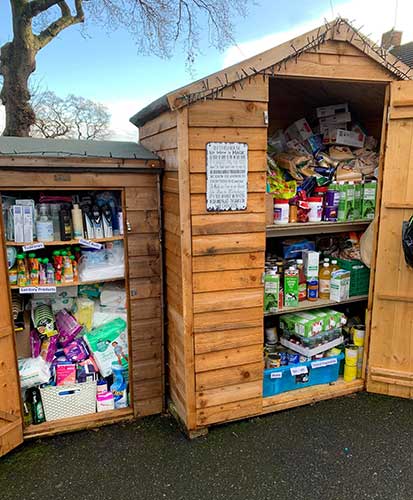
A boy poses in front of a shed that is filled with food. At his feet, a box is filled with supplies.

Kind Kid Starts a Food Bank

Eleven-year-old Isaac Winfield collects food in his driveway so people can take what they need.

Courtesy of Friends of Isaac’s Food Bank

When Isaac Winfield got some money for his birthday, he knew just how he wanted to spend it. Isaac, who is now 11, decided to put the money toward the food bank he had started.

A food bank is a place that collects food from donors (people who give) and hands out the food to people who are hungry. Isaac, who lives in the United Kingdom (U.K.), started his food bank two years ago, in 2020. He got the idea for it when he started at a new school. Unlike his old school, this new school didn’t have a program to donate food that students brought in. Isaac had always brought food to school. How could he help now, he wondered? Isaac asked his parents if he could give out food from the family’s driveway. 

Isaac’s food bank grew quickly. Soon, someone made a post on Facebook about Isaac’s food bank, and people began to donate food. The family started a Facebook page called Friends of Isaac’s Food Bank so more people could give. Isaac got so many donations that his parents had to buy a shed to store all of the food! Eventually, a supporter bought the family a van. Now, Isaac and his parents can take food to people who need it. People can also go to the shed in front of the family’s home and help themselves.

When Isaac turned 11, he didn’t ask his friends for gifts. He wanted donations instead.

“For his 11th birthday he just wanted food bank donations and [he got a lot of them],” Isaac’s mom, Claire, told SWNS in the U.K. “He just wanted to get as many donations in as possible to help as many people as he can.”

Isaac is planning to do even more. He hopes to open a food bank in his town.

“Isaac’s always been very kind-hearted,” said his mom. “Anything he comes across, he always wants to stop and help.”

Face Thinking Icon

Did You Know?

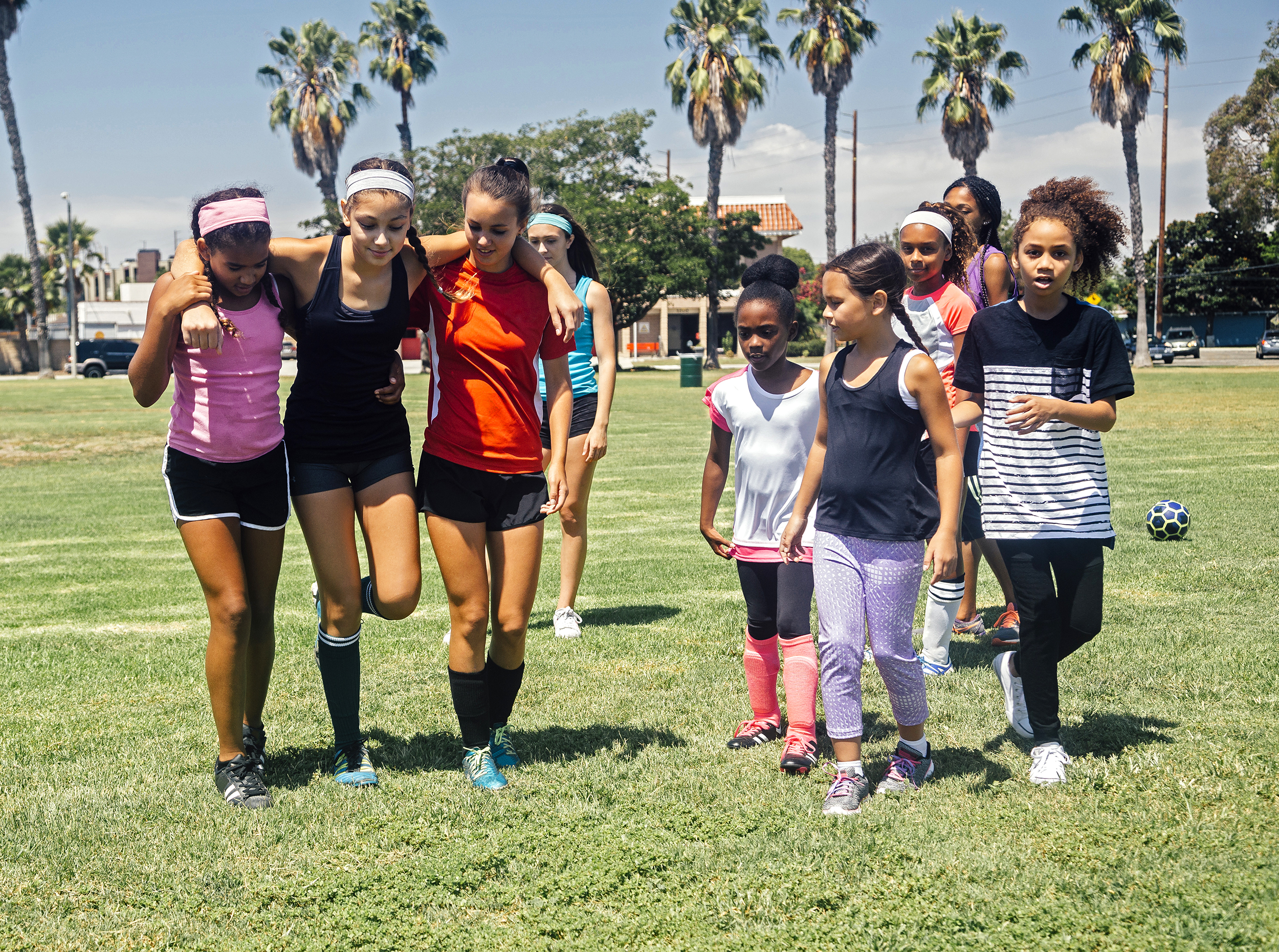
© Ashley Corbin-Teich—Image Source/Getty Images.

A study showed that people are more likely to be kind when they see others being kind!

It’s Cool To Be Kind!

It’s easy to show how much you care about others. Here are some ways to be kind.

Illustration of shirts and shoes and two boxes with arrows indicating the clothing is going into the boxes.

Collect clothes and toys you’ve outgrown and donate them so another kid can use them.

Illustration of a stick figure child holding a card with a heart toward and stick figure adult.

Make birthday cards for parents and grandparents when they have their special day.

Illustration of two stick figures with their arms around each other and a handshake above them.

Be nice to new kids at your school.

Illustration of two adults and a child stick figure holding hands and standing in front of a house.

Offer to help adults in your family make dinner or clean up the house.

Share your toys with siblings and friends.

Help another kid learn what you know, like playing a sport or a musical instrument.

Say hello, goodbye, please, and thank you.

Fuel For Our Bodies

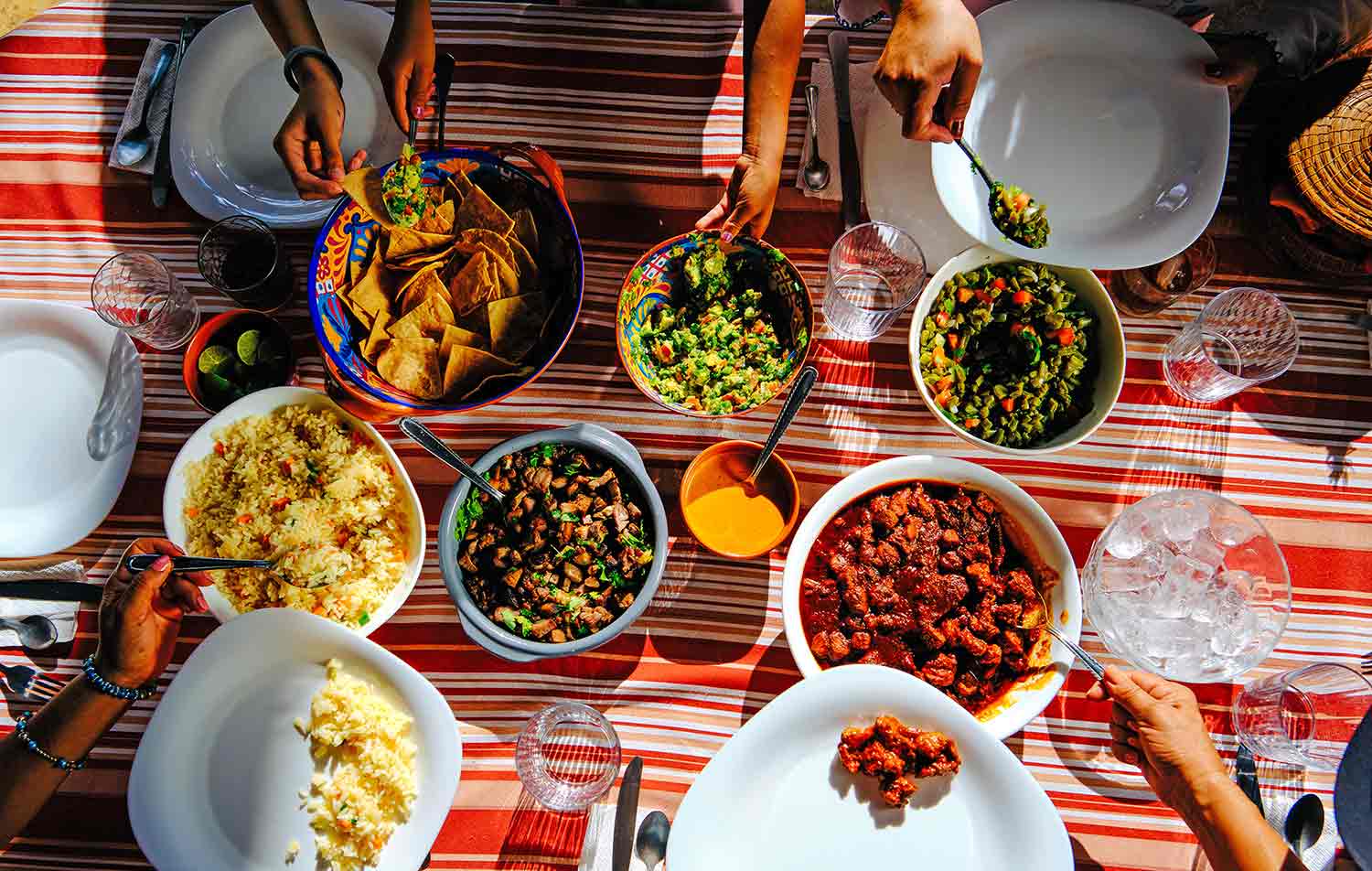
Overhead view of a table with several bowls of food and hands and arms dishing food onto plates.

© Carlos David/stock.adobe.com

Everyone needs to have enough food to eat. It’s an important part of our health.

Learn more at Britannica School!

Word of the Day Icon

Word of the Day

generous

Part of speech:

adjective

Definition:

: freely giving or sharing money and other valuable things

Definitions provided by
Merriam-Webster Logo
Game Icon

Play

O
O
O
O

In Case You Missed It

Some people are mosquito magnets. They get bitten a lot! Scientists think they know why.

11.04.22

Four women just got jobs working in Antarctica, which is the coldest place in the world.

11.01.22

You won’t believe how much the world’s largest pumpkin weighs!

10.28.22

Fenrir is the world’s tallest cat…and he’s still growing!

10.25.22

Who Do Mosquitoes Love?

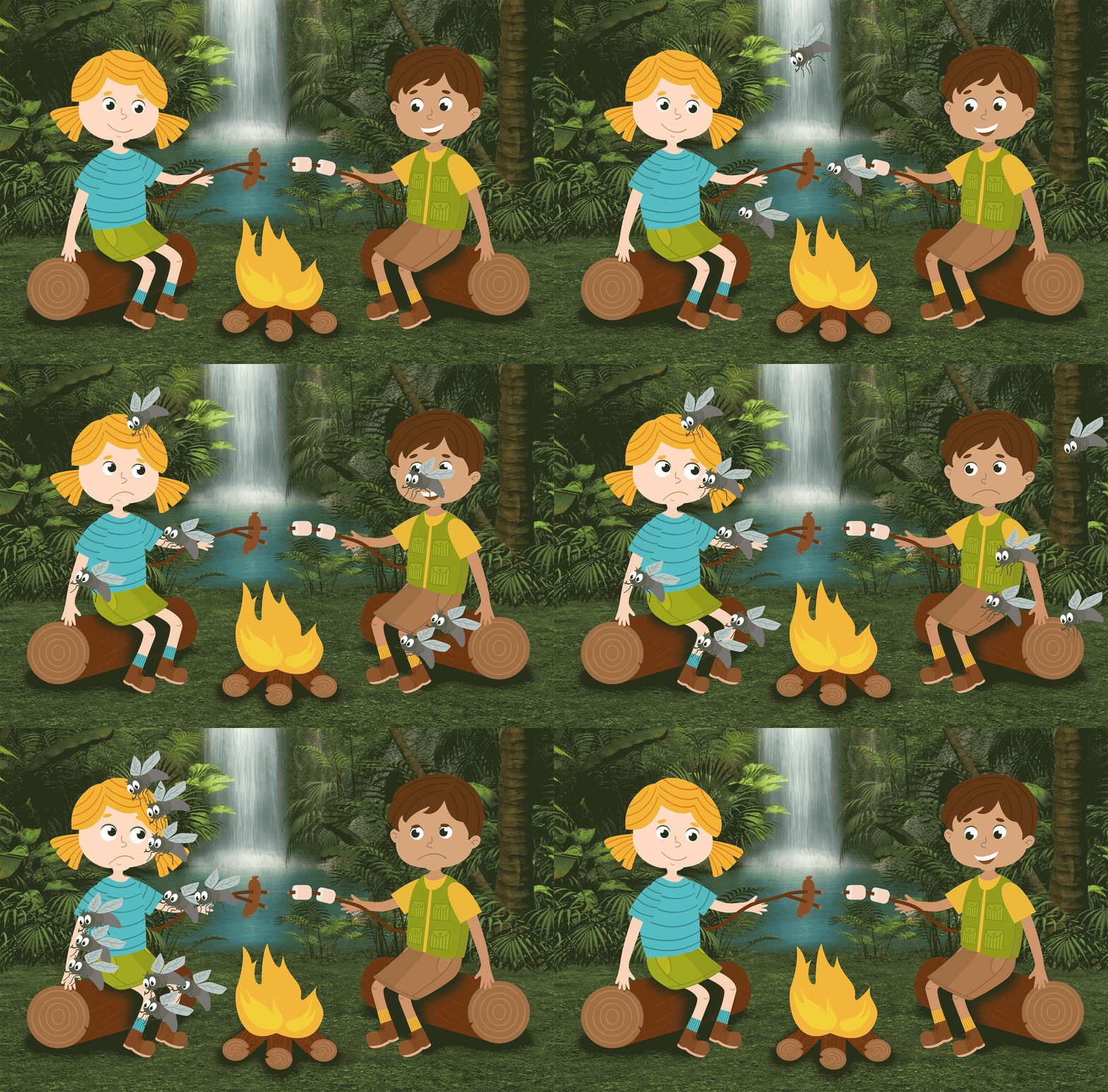
Two kids sit at a campfire and mosquitoes fly to only one of the kids as the other kid reacts.

Who Do Mosquitoes Love?

Some people are mosquito magnets. They get bitten a lot! Scientists think they know why.

Two kids sit at a campfire and mosquitoes fly to only one of the kids as the other kid reacts.

© nataka—iStock/Getty Images Plus, © Nelieta/Dreamstime.com; Animation Encyclopædia Britannica, Inc.

Have you ever wondered why some people get lots of mosquito bites, and other people barely get bitten? Scientists think they may have found the answer.

Scientists believe that some people produce more of a certain chemical than others. This chemical produces an odor that humans might not smell—but mosquitos do. 

“If you have high levels of this [chemical] on your skin, you’re going to be the one at the picnic getting all the bites,” scientist Leslie Vosshall told the Guardian. Vosshall was one of the scientists who did an experiment that suggested this was true.  

Scientists asked 64 people to wear nylon stockings over their arms for six hours a day over several days. During this time, each stocking picked up the scent of the person wearing it. Each stocking was then placed at the end of a long tube. Then scientists released mosquitoes to see if the insects would be more attracted to some of the stockings than others. Sure enough, the mosquitoes swarmed some of the stockings and basically ignored others.

Next, scientists looked at the chemicals that each person’s body was producing. They learned that the people whose scent the mosquitoes liked produced more of a certain chemical. Scientists call these people “mosquito magnets.” 

People can’t change how much of a chemical their bodies make. But scientists say it’s helpful to know what mosquitoes are attracted to. It could lead to the development of more products that are meant to keep mosquitoes away.

Fun Fact Icon

Fun Fact

© Refluo, Design201001/Dreamstime.com; Animation Encyclopædia Britannica, Inc.

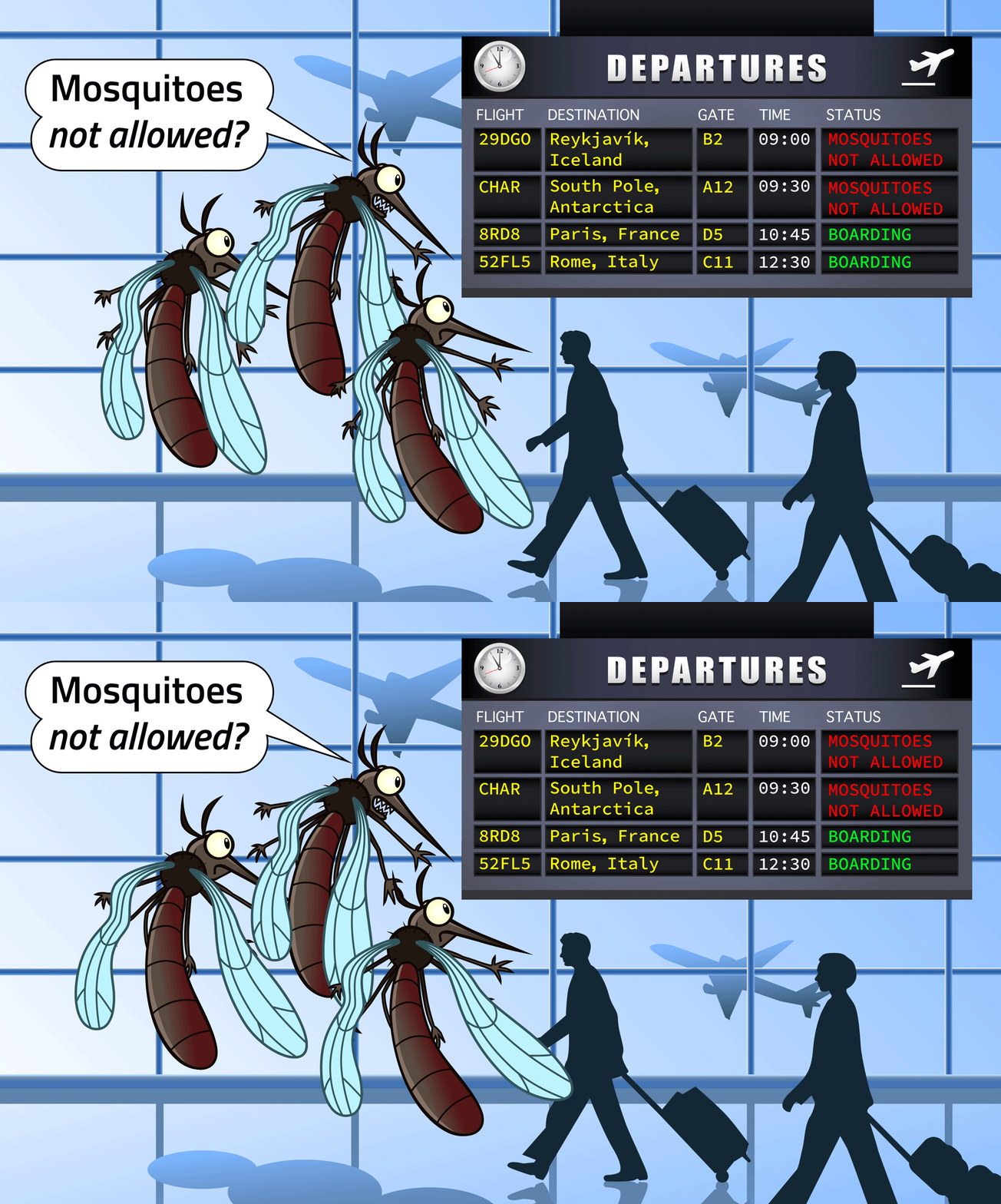
Antarctica and Iceland are the only two places in the world without mosquitoes!

Can’t Catch Me!

Side by side photos of Biston robustum blending in with a plant. One photo is a closeup of the other.

© Stig Karlsson/Dreamstime.com; Photo composite Encyclopædia Britannica, Inc.

Where is the caterpillar in these photos?

Humans can’t always hide their scent from hungry mosquitoes. But some animals can hide their odors! Scientists call this “scent camouflage.”

One type of caterpillar, called Biston robustum, is a favorite meal for some types of ants. But the caterpillar has two clever ways to hide from its enemy. First, it looks a bit like a twig, making a real twig its perfect hiding spot. It blends right in! 

Second, this caterpillar’s body can match the scent of the type of twig where the caterpillar rests. Ants use their sense of smell when they hunt. But they don’t seem to smell the caterpillar. In fact, scientists have seen ants step right over a tasty caterpillar! But when scientists move the caterpillar to a different plant, the ants attack it because they can smell it.

Getting Some Air

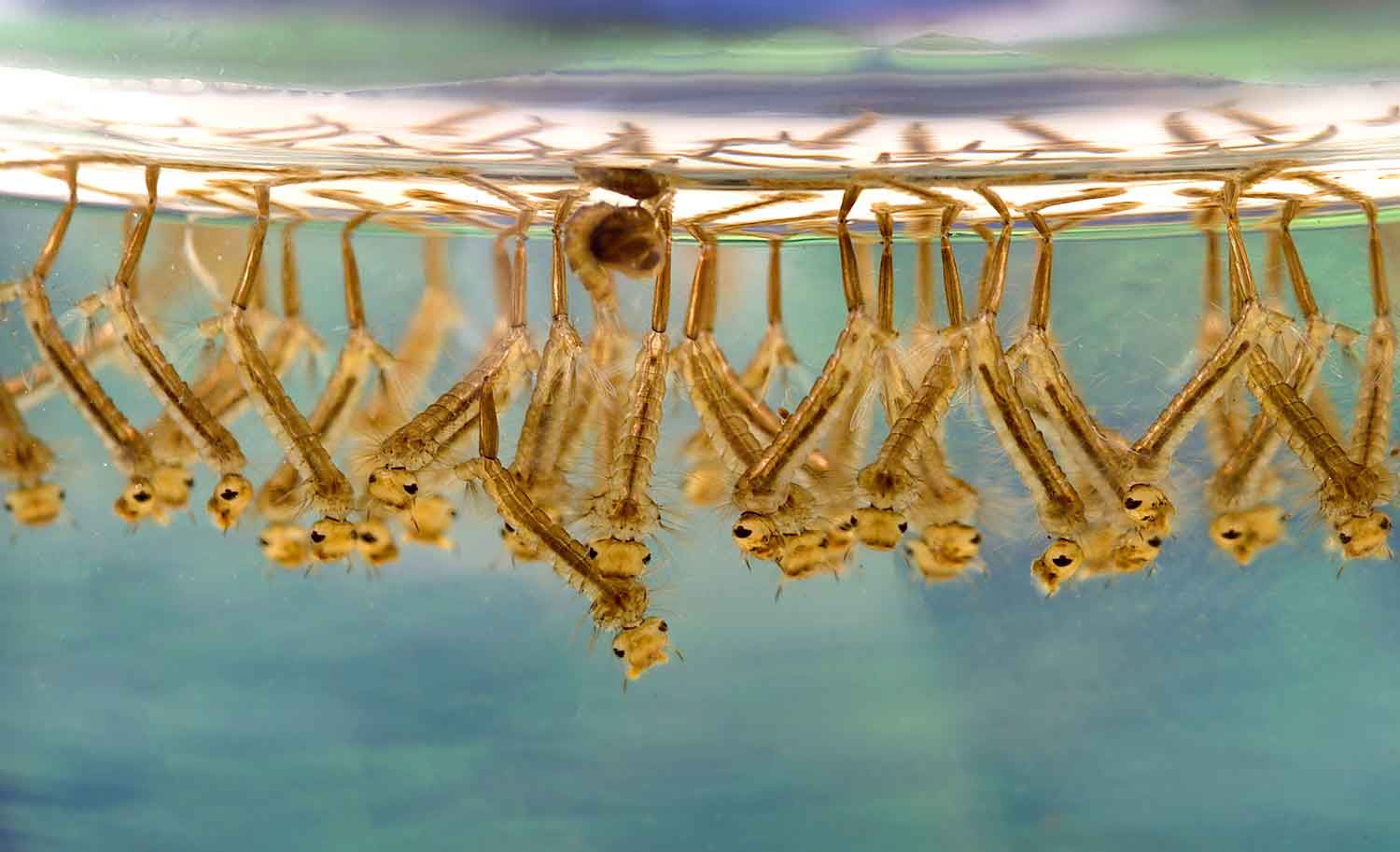
Several mosquito larvae underwater using air tubes to get oxygen at the surface.

James Gathany—Centers for Disease Control and Prevention

Did you know that young mosquitoes (called larvae) live underwater? They breathe through a tube that’s like a snorkel!

Learn more about mosquitoes at Britannica School!

Word of the Day Icon

Word of the Day

olfactory

Part of speech:

adjective

Definition:

: of, relating to, or connected with the sense of smell

Definitions provided by
Merriam-Webster Logo
Game Icon

Play

Can you find all the flying insects?

O
O
O
O
O

In Case You Missed It

Four women just got jobs working in Antarctica, which is the coldest place in the world.

11.01.22

You won’t believe how much the world’s largest pumpkin weighs!

10.28.22

Fenrir is the world’s tallest cat…and he’s still growing!

10.25.22

Nicole Mann is the first American Indian woman to travel to space!

10.21.22

A Cool Place To Work!

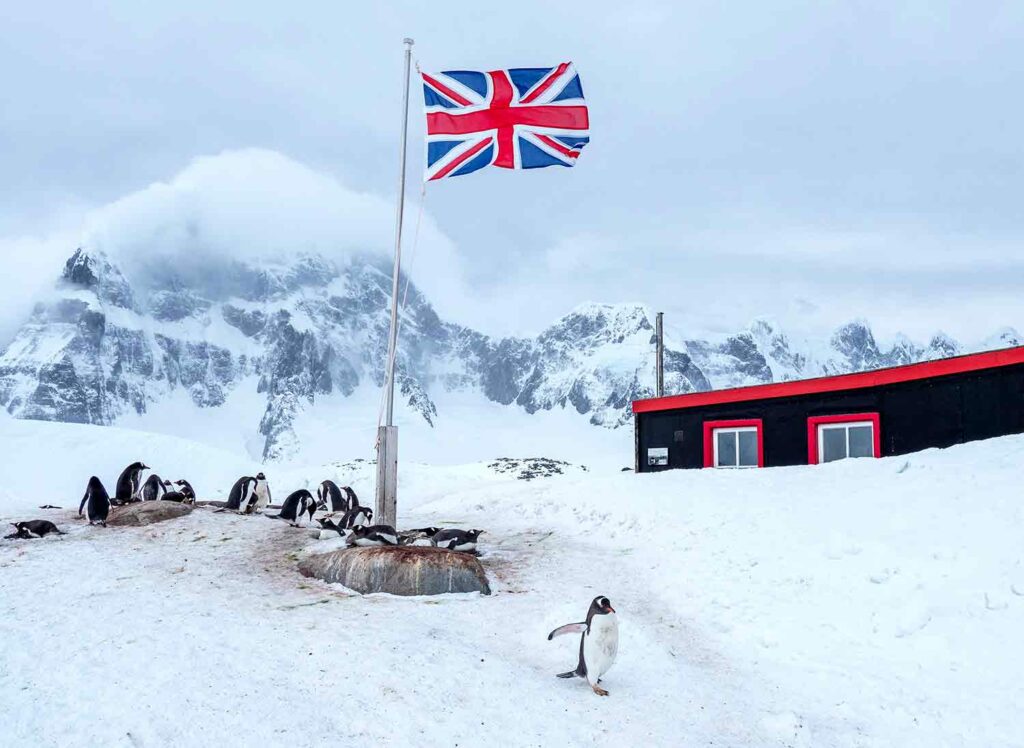
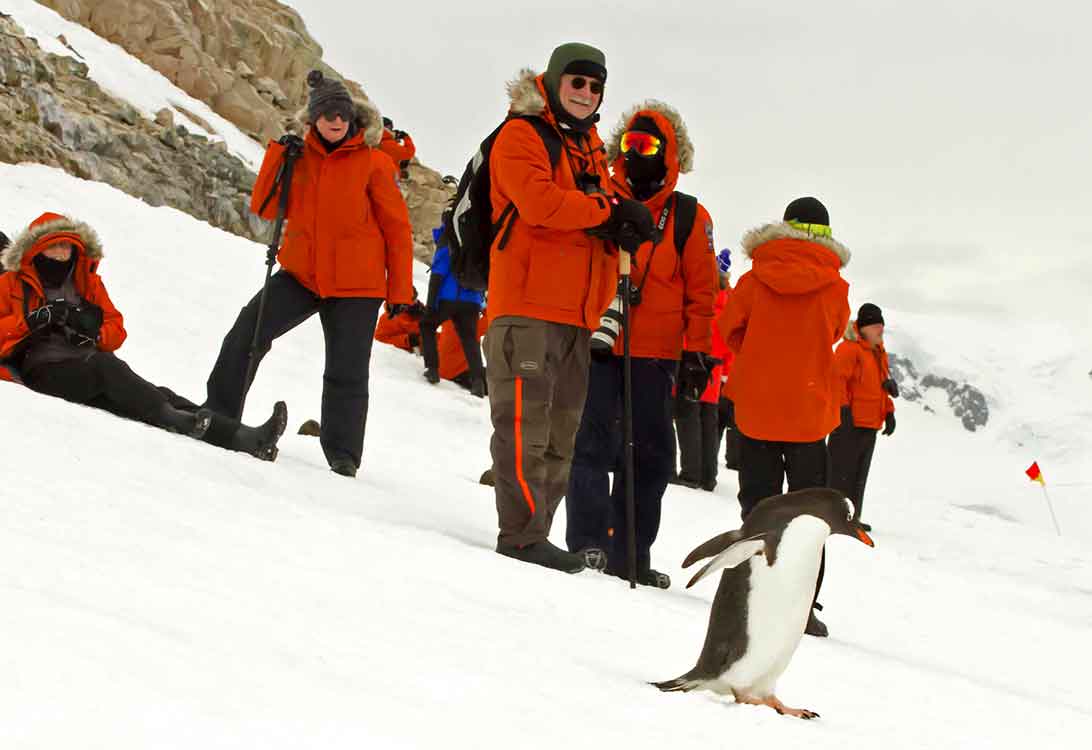
A group of penguins sit or lie around a British flag on an icy landscape with a small building and a mountain in the background.

A Cool Place To Work!

Four women just got jobs working in Antarctica, which is the coldest place in the world.

A group of penguins sit or lie around a British flag on an icy landscape with a small building and a mountain in the background.

© Michael Nolan/robertharding/Getty Images

There aren’t a lot of people at Port Lockroy. But there are a lot of penguins!

What is it like to live in Antarctica? Four people are about to find out! Clare Ballantyne, Mairi Hilton, Natalie Corbett, and Lucy Bruzzone will spend the next five months working on the cold, remote continent. 

The women will work at Port Lockroy, a part of Antarctica that is controlled by the United Kingdom (U.K.). Their jobs will last through Antarctica’s summer, which is between November and March. 

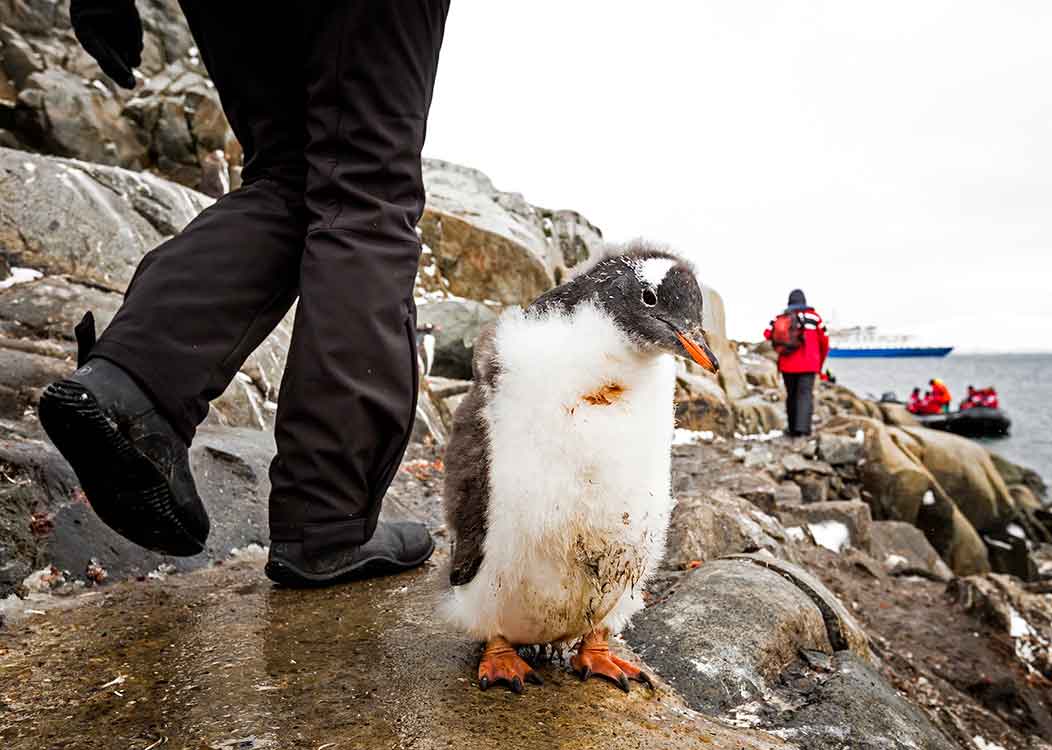
Hilton, who is a scientist, will be the wildlife monitor. Her job will be to count the area’s population of gentoo penguins and look out for the penguins’ nests and hatchlings (babies). 

Ballantyne will work as the postmaster. She will run Port Lockroy’s post office, which has been nicknamed the “penguin post office.” 

Corbett will manage the gift shop, which is in the same building as the post office. 

Bruzzone will be the base leader. She will be in charge of the group, and she’ll also manage the arrival of the ships that bring summer visitors to Port Lockroy.

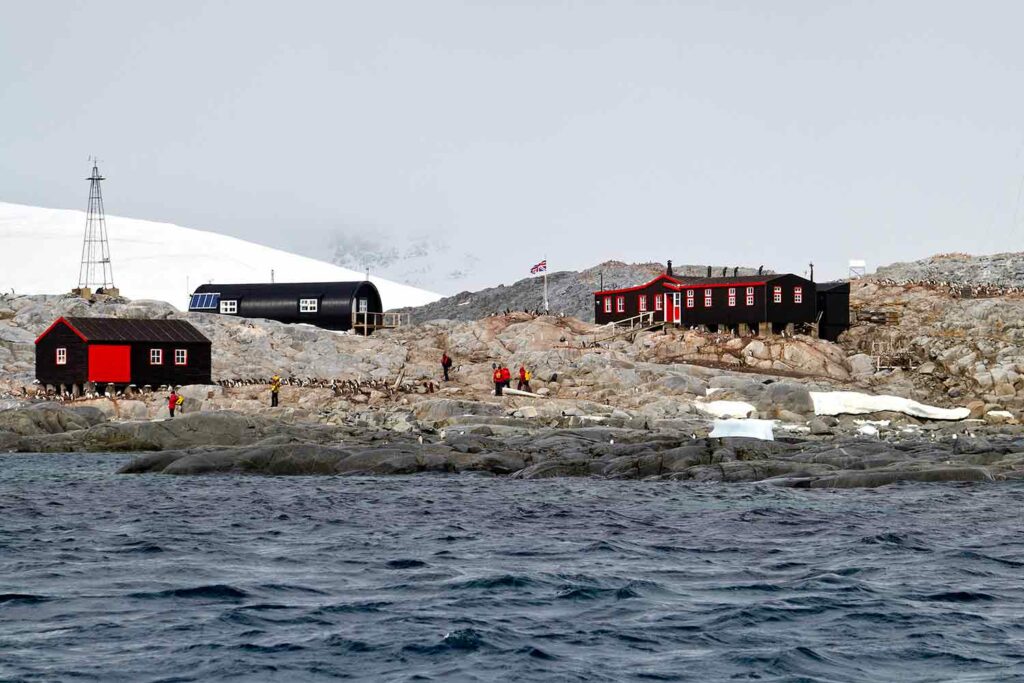
A rocky landscape with three buildings, people, and penguins and a body of water in the foreground.

© suraark—Moment Open/Getty Images

Port Lockroy has only a few buildings.

Like the rest of Antarctica, Port Lockroy has no permanent residents because it is so cold. Most of the people who spend time in Antarctica are researchers and tourists (travelers). Others, like Hilton, Ballantyne, Corbett, and Bruzzone, take temporary jobs there.

Living on Antarctica isn’t easy, even for just a few months. Port Lockroy is one of the warmer parts of the continent, but its summers are cold by any measure. High temperatures are usually around 35 to 40 degrees Fahrenheit (about 1.7 to 4.4 degrees Celsius)—and the wind makes the air feel colder. There’s no service to allow for Internet or cell phone use. (There is a “satellite phone,” but it’s very expensive to use.) Port Lockroy has no running water, either, which means no flushing toilets. The workers will be able to take showers only on visiting ships. 

But the workers are looking forward to the adventure. After all, not many people can say they’ve been to Antarctica!

Fun Fact Icon

Fun Fact

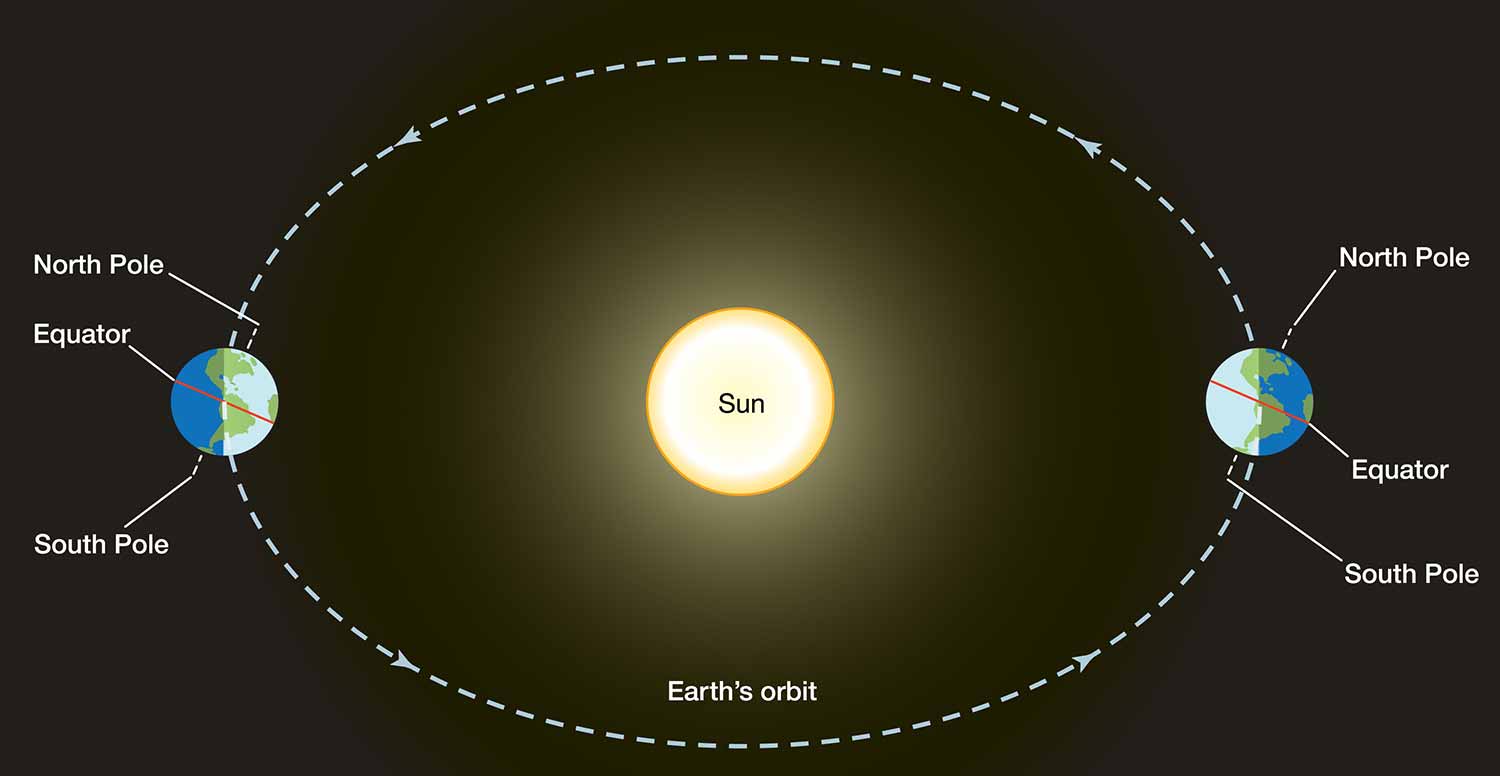
A diagram shows Earth’s orbit and the way the Sun’s light hits the poles and different times of the year.

Encyclopædia Britannica, Inc.

In the winter, the South Pole is tilted away from the Sun. In the summer, the South Pole is tilted toward the Sun.

At Port Lockroy, summer days can last almost 22 hours! That’s because Antarctica is on the part of the planet that’s tilted toward the Sun during the summer. 

During the winter, Antarctica’s part of the planet is tilted away from the Sun, and Port Lockroy gets only about four hours of daylight. 

Closer to the South Pole, the Sun never sets in the summer and never rises in the winter!

Penguin Party!

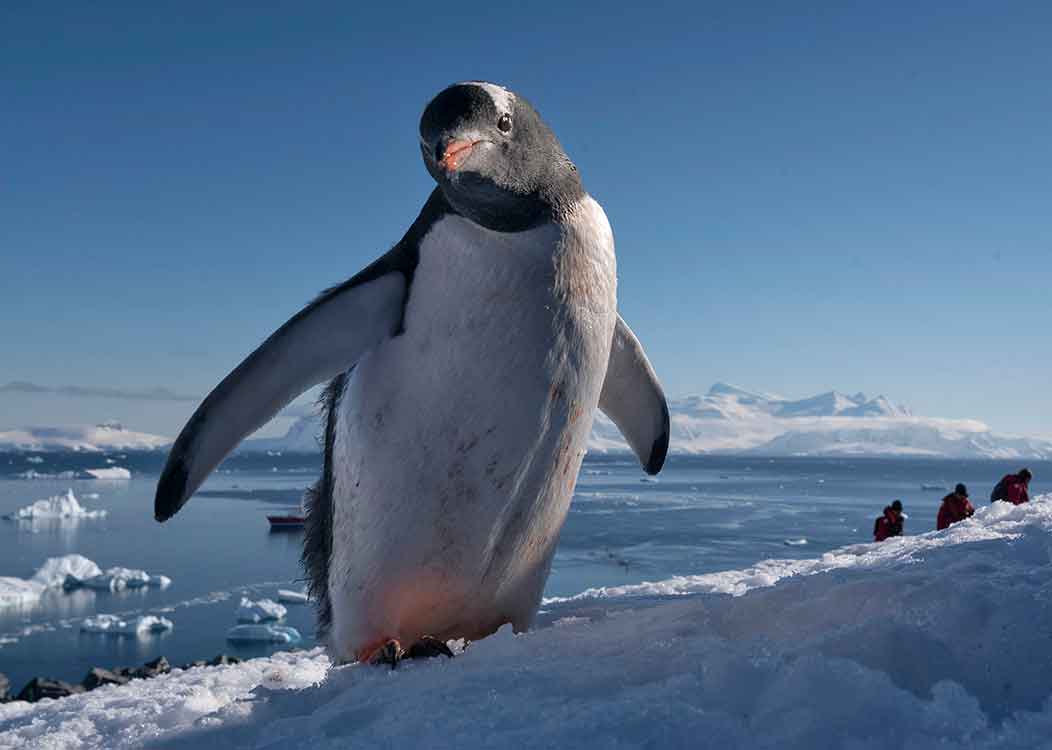
Thousands of gentoo penguins live around Port Lockroy during the summer months. These birds can’t fly, but they sure can swim—very fast. And gentoo penguins can dive as deep as 650 feet (200 meters) under the water to hunt for fish and other marine life. 

The penguins don’t seem to mind all the humans who visit Port Lockroy. In fact, they seem to like having their pictures taken!

Check out the slideshow to see some pretty penguin poses.

© Andrew Peacock—Stone/Getty Images; © Karen Foley/Dreamstime.com; © FatCamera—iStock/Getty Images Plus

Land of Ice

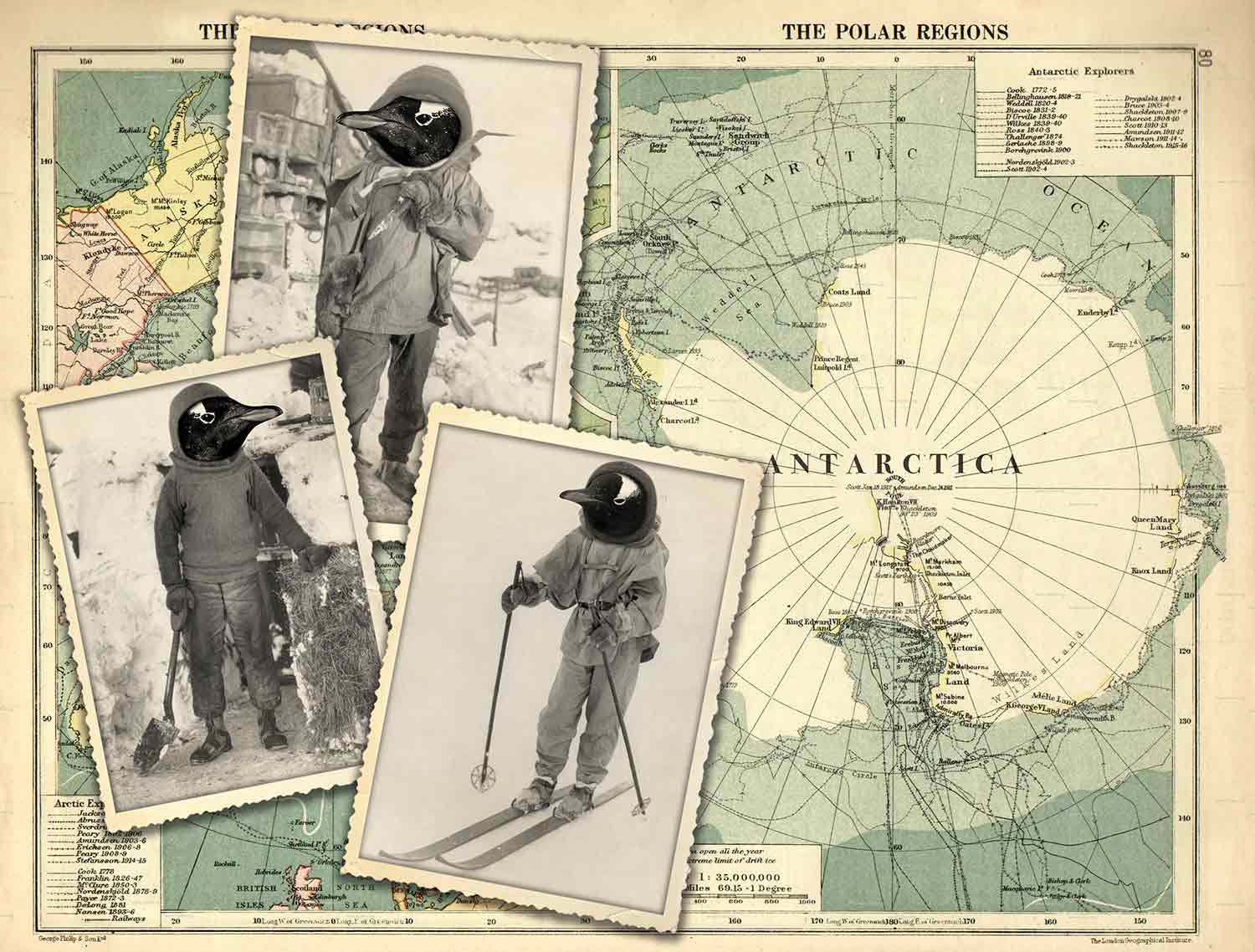
Three black and white photos of Antarctic explorers with penguin heads superimposed and a map of Antarctica in the background.

© Sergey Kamshylin/stock.adobe.com, © Robyn Mackenzie/Dreamstime.com, Prints and Photographs Division/Library of Congress, Washington D.C. (LC-USZ62-42183, LC-USZ62-5993, LC-USZ62-42184); Photo illustration Encyclopædia Britannica, Inc.

Antarctica is a very cold place for people to visit. Penguins don’t think it’s that cold at all!

Antarctica is the coldest continent on Earth. If you were to travel across Antarctica, you would notice that it got colder as you got closer to the South Pole. During the winter, the average temperature at the South Pole is about –70 degrees Fahrenheit (–56.7 degrees Celsius)!

Learn more at Britannica School!

Word of the Day Icon

Word of the Day

frigid

Part of speech:

adjective

Definition:

: very cold

Definitions provided by
Merriam-Webster Logo
Game Icon

Play

Let’s take a trip to the South Pole! How many words can you find?

O
O
O
O
O

In Case You Missed It

You won’t believe how much the world’s largest pumpkin weighs!

10.28.22

Fenrir is the world’s tallest cat…and he’s still growing!

10.25.22

Nicole Mann is the first American Indian woman to travel to space!

10.21.22

Ilia Malinin is the first figure skater to land a quadruple axel during a competition.

10.18.22

That’s One Big Pumpkin!

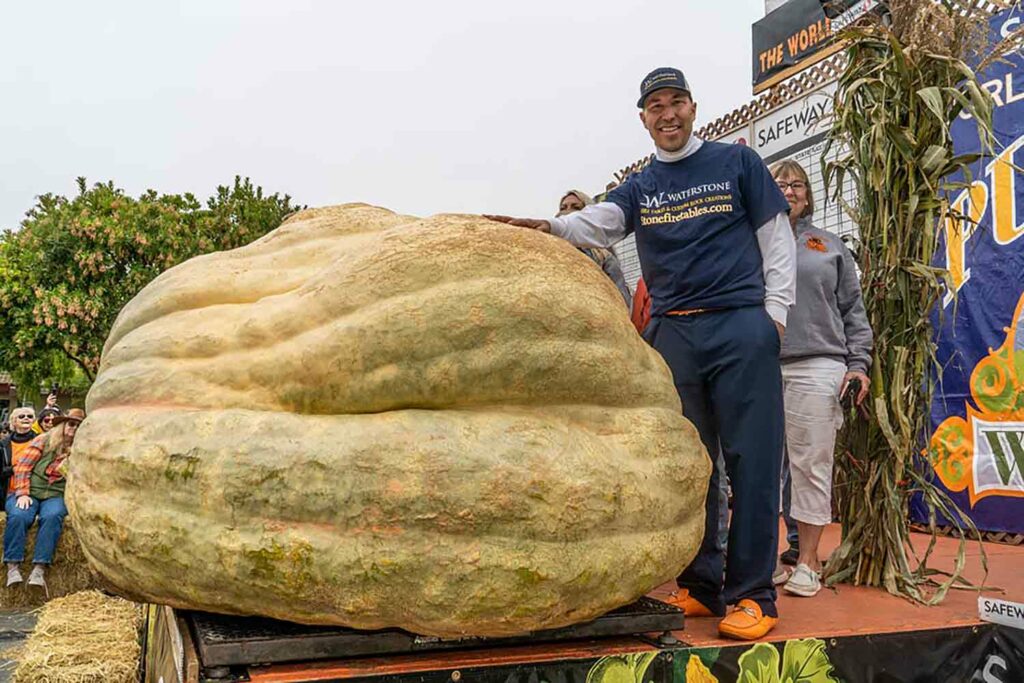
A man stands next to a pumpkin that is almost as large as he is and smiles.

That’s One Big Pumpkin!

You won’t believe how much the world’s largest pumpkin weighs!

A man stands next to a pumpkin that is almost as large as he is and smiles.

Igor Porton—Miramar Events/2022 Safeway World Championship Pumpkin Weigh-Off

Travis Gienger proudly poses with the world’s largest pumpkin.

This pumpkin weighs a ton! No, really. A pumpkin that was grown this year is one of the heaviest ever. The pumpkin weighs 2,560 pounds (1,161 kilograms). That’s actually more than a ton.

The pumpkin was grown by Travis Gienger, who teaches horticulture. Horticulture is the art of growing a garden. Clearly, Gienger is good at his job! 

Gienger’s pumpkin won the top prize at the Safeway World Championship Pumpkin Weigh-Off. The contest took place in October, in Half Moon Bay, California. About 30 growers took part. Each grower had planted their pumpkin back in April, knowing that pumpkins can take months to reach their full size. 

At the contest, officials used forklifts and harnesses to place and hold each pumpkin on a huge scale for weighing. Gienger’s pumpkin didn’t just win first prize. It also set a record for the heaviest-ever pumpkin in North America. 

What was the heaviest pumpkin ever? According to Guinness World Records, a pumpkin grown in Italy in 2021 weighed over 2,702 pounds (1,226 kilograms).

Fun Fact Icon

Fun Fact

Guinness World Records

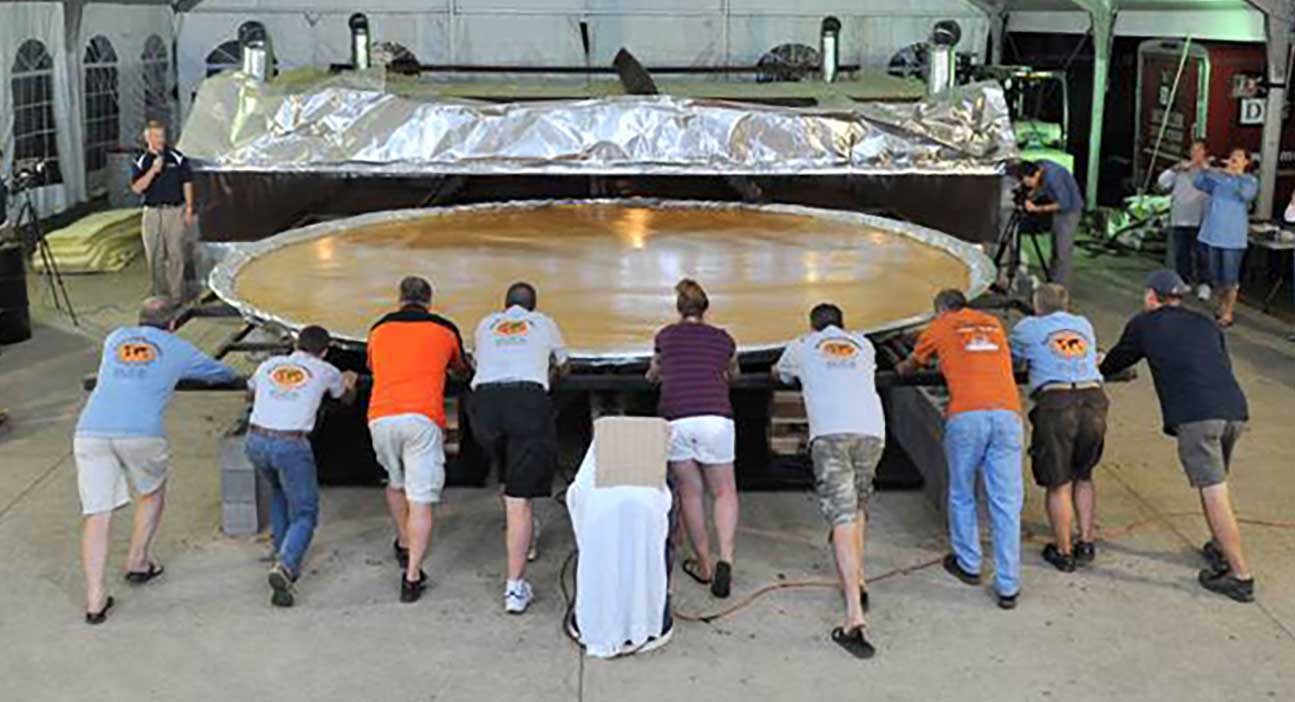
The largest pumpkin pie ever could only be baked in a giant oven!

The largest pumpkin pie ever weighed 3,699 pounds (1,678 kilograms). The round pie, which was baked in 2010 in Ohio, was 20 feet (6 meters) across!

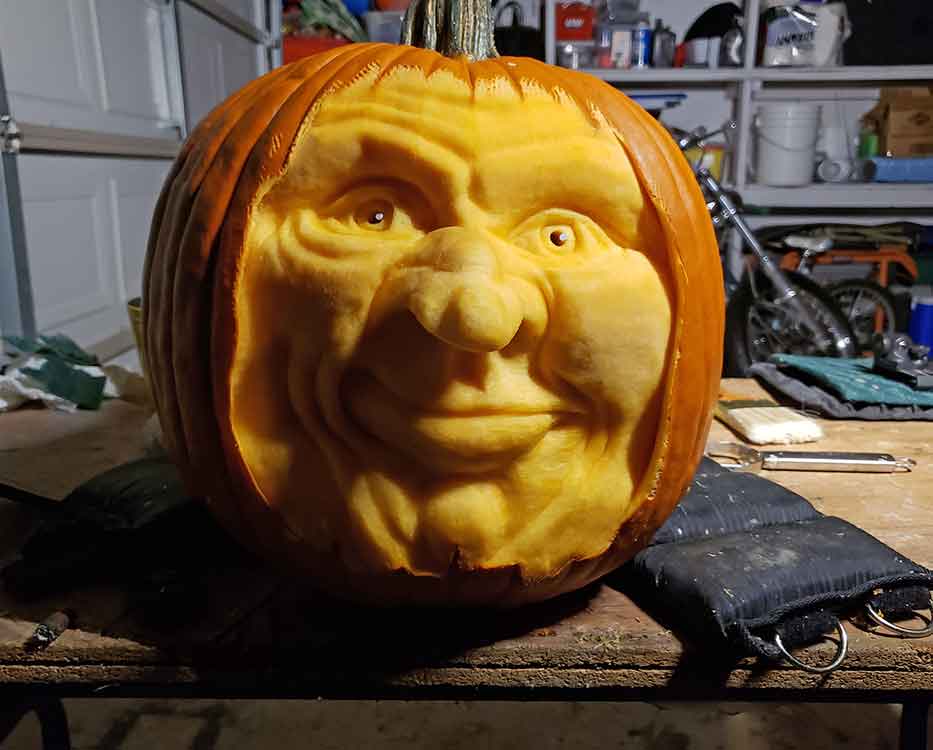
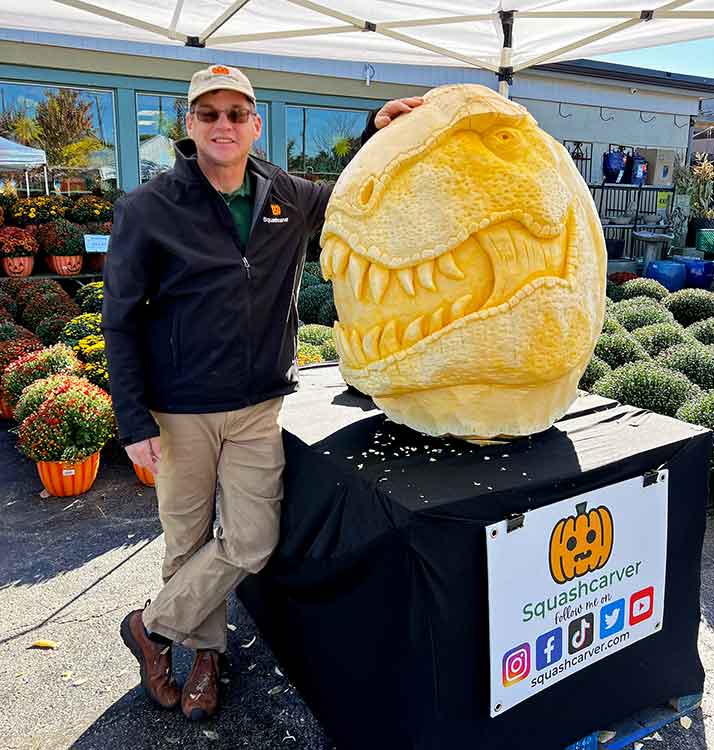
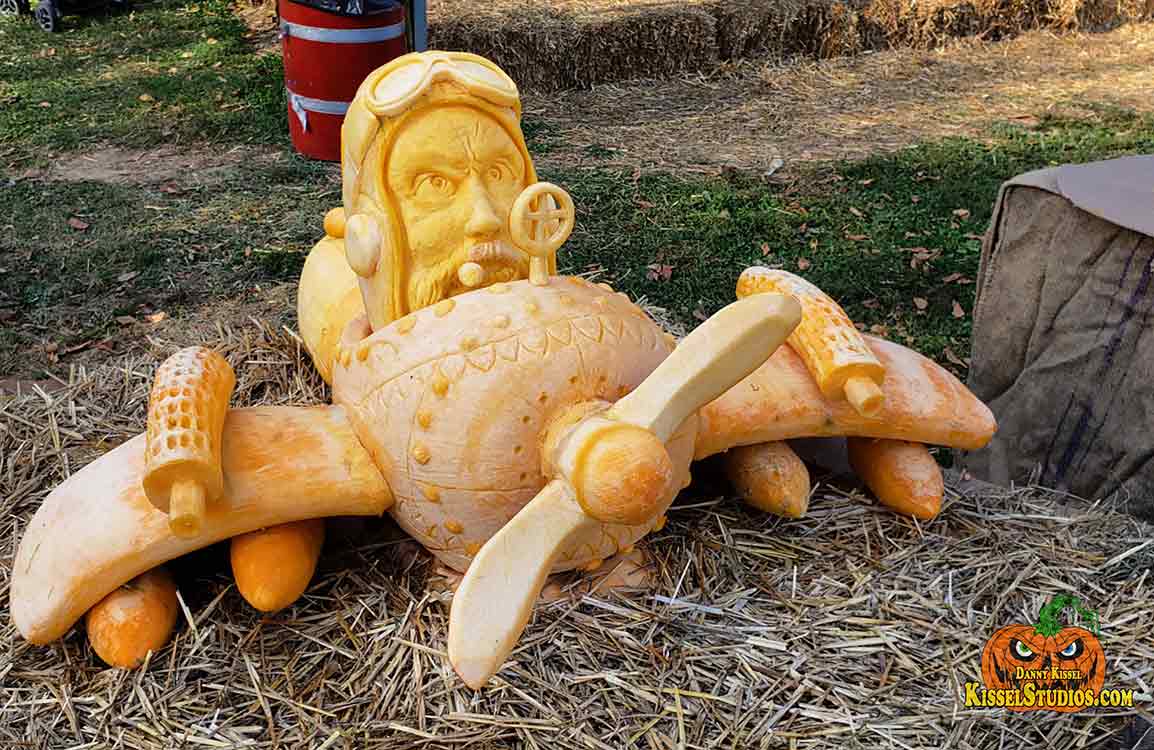
The Art of Pumpkin Carving

Some artists carve things out of wood. Others use…pumpkins! Pumpkin carvers shape the sides of pumpkins into all sorts of images, including scary or silly faces. 

Check out these amazing pumpkin creations.

Always a Place for Pumpkins!

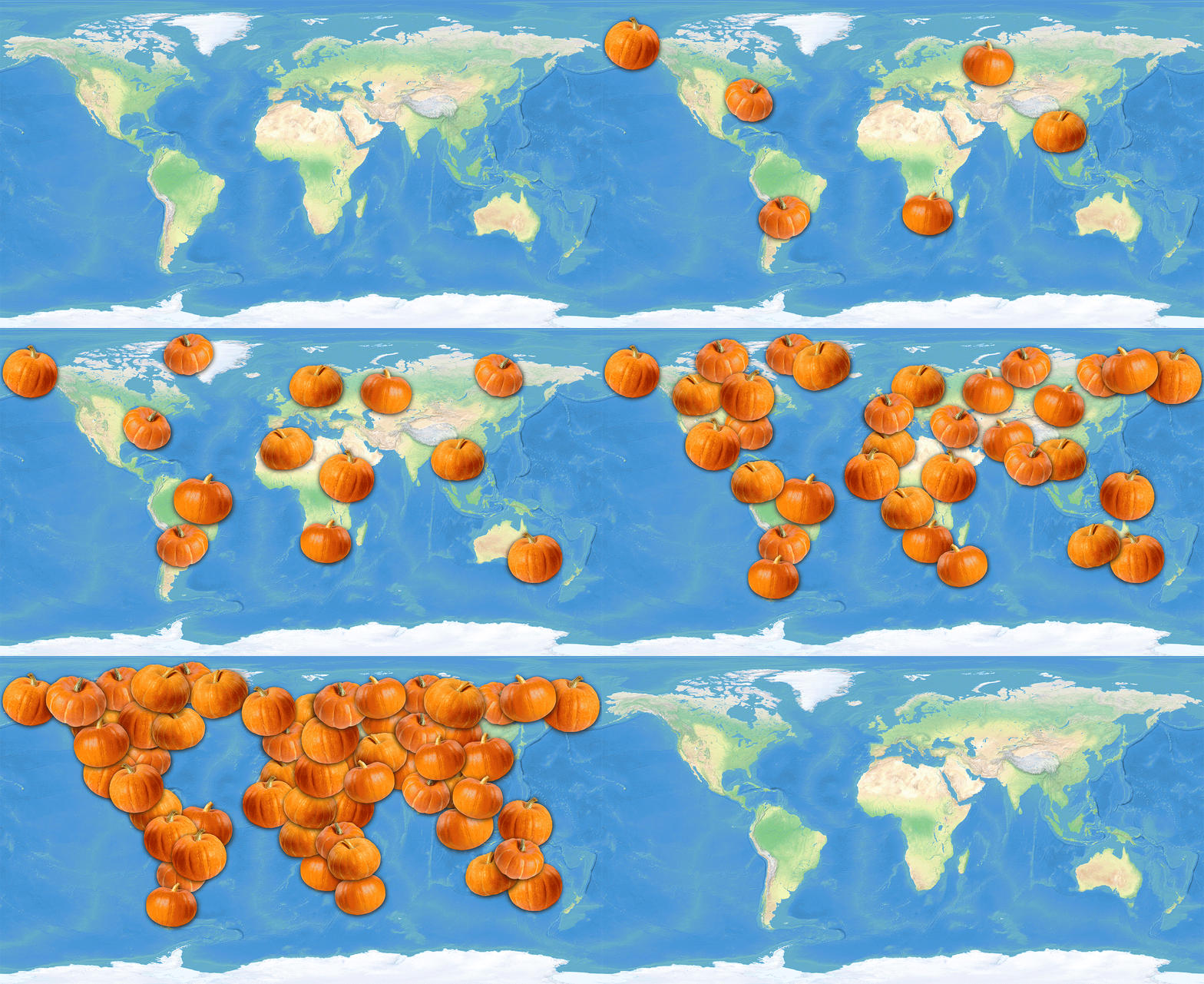
Pumpkins pop up in every place on a world map except Antarctica.

© happy_author/stock.adobe.com, Encyclopædia Britannica, Inc.; Animation Encyclopædia Britannica, Inc.

Pumpkins pop up in every place on a world map except Antarctica.

Where in the world do pumpkins grow? Find out at Britannica School!

Word of the Day Icon

Word of the Day

record

Part of speech:

noun

Definition:

: a performance or achievement that is the best of its kind

Definitions provided by
Merriam-Webster Logo
Game Icon

Play

Can you find all the fall words?

O
O
O
O
O

In Case You Missed It

Fenrir is the world’s tallest cat…and he’s still growing!

10.25.22

Nicole Mann is the first American Indian woman to travel to space!

10.21.22

Ilia Malinin is the first figure skater to land a quadruple axel during a competition.

10.18.22

Which toys will be chosen for the National Toy Hall of Fame?

10.14.22

A Cat Above the Rest

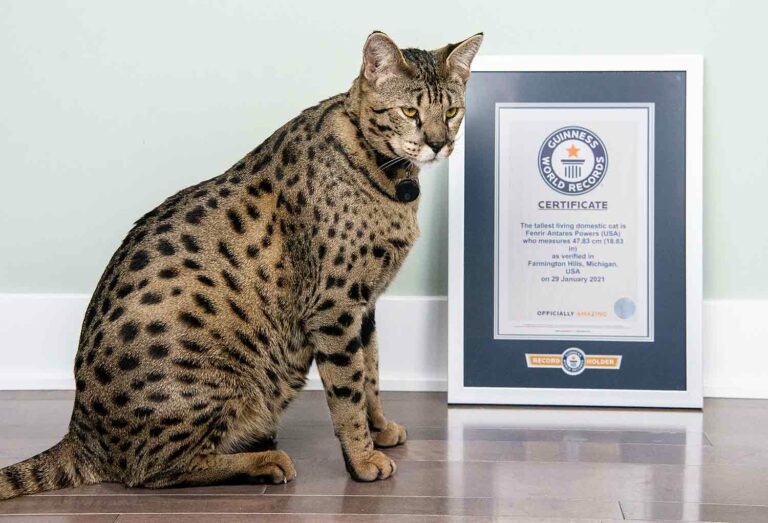
A large, spotted cat sits next to a certificate from Guinness World Records naming Fenrir as the tallest cat.

A Cat Above the Rest

Fenrir is the world’s tallest cat…and he’s still growing!

Guinness World Records

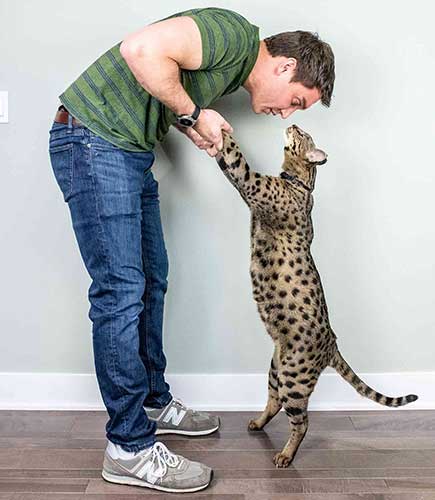
If you think your cat is big, check out Fenrir. This fantastic feline has just been named the tallest cat in the world! 

Fenrir is 18.83 inches (47.83 centimeters) tall from his paw to his shoulder when he’s standing on all four legs, according to Guinness World Records. Compare that to the average house cat, which is 10 inches (25.4 centimeters) tall from paw to shoulder! 

Fenrir is a Savannah cat. A Savannah cat is a cross between a domestic (totally tame) house cat and a serval, which is a kind of wild cat. Savannah cats are usually larger than other house cats, but Fenrir is large even for a Savannah! 

And he might get taller. Savannah cats sometimes keep growing until they’re about 3 years old. Fenrir was measured for the Guinness world record before he reached his third birthday.

Being tall comes with certain advantages. Like some dogs, Fenrir can reach kitchen countertops by standing on his hind legs. On top of that, he LOVES to eat—so his human dad, William Powers, knows not to leave any human food sitting out. 

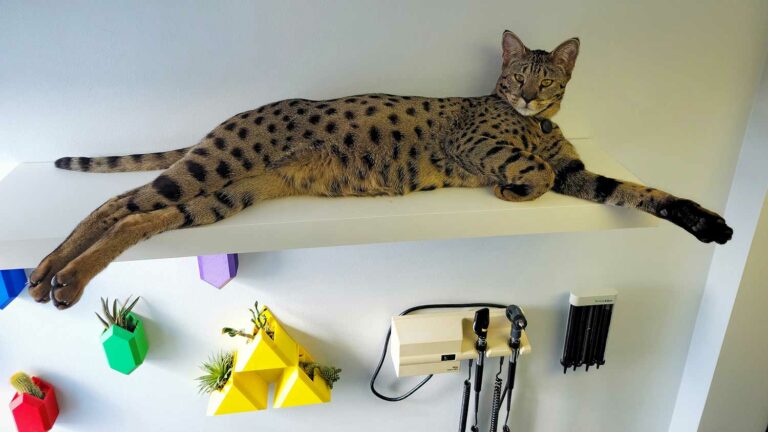
But while Fenrir may be naughty sometimes, Powers describes his cat as “friendly and outgoing.” Powers, who is a doctor, takes Fenrir to his office sometimes. The giant cat loves to be petted, and he has a calming effect on patients who may be a little bit nervous about being at the doctor’s office.  

Fenrir spends most of his time at home, where he knows how to relax and have fun.

“Fen is a big lovable goofus,” Powers told Guinness. “He’s a very silly cat, and loves to play and run around.”  

Fun Fact Icon

Fun Fact

© Sports Images/Dreamstime.com, © Slowmotiongli/Dreamstime.com; Animation Encyclopædia Britannica, Inc.

A cat can jump up to nine times its own height from a sitting position!

Say “Meow” To This Cat!

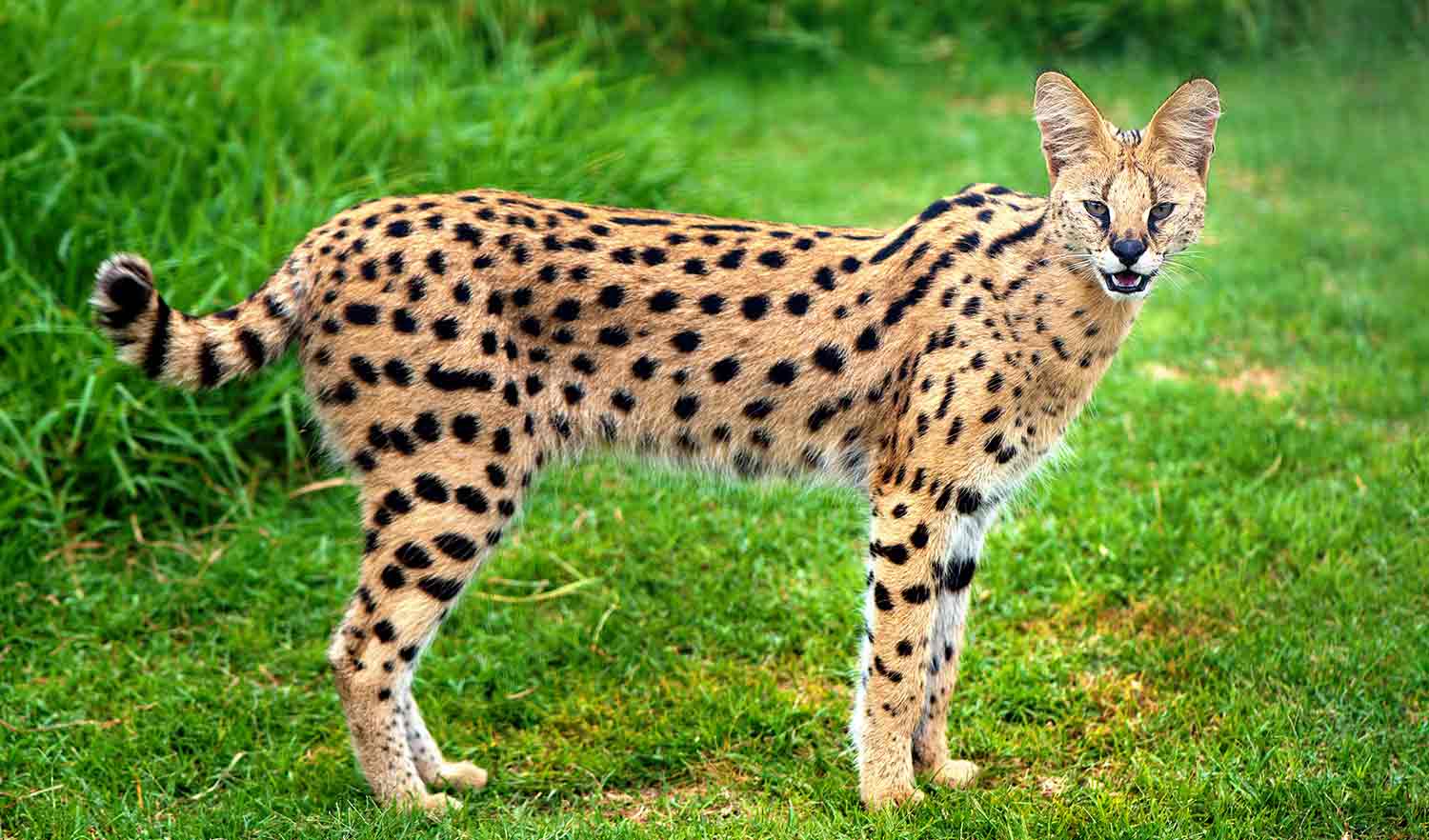
A spotted cat called a serval stands in a grassy area and looks at the camera.

© HowardKlaaste—iStock/Getty Images Plus

No, the cat in the photo is not a house cat. It’s a serval!

A serval is a species of wild cat that lives in the savannas (grasslands) of Africa. Servals have long legs, very long necks, and the largest ears of any cat. Servals aren’t nearly as large as big cats like lions or tigers, but they’re much larger than house cats. They weigh about 40 pounds (18.1 kilograms).

Servals love the water, which is handy, because water animals make up part of their diets. These cats hunt reptiles, frogs, and crabs. They also like to eat birds. How does a cat hunt a bird? A serval can jump into the air and take down a flying bird with its paws! Servals also feast on rodents and insects.

If you read the article about Fenrir the Savannah cat, you’ll remember that a Savannah cat is a cross between a domestic cat and a serval. Does Fenrir look anything like the serval in the photo? Judge for yourself!

Cats of All Kinds

© MirasWonderland—iStock/Getty Images Plus

There are many dog breeds. Did you know that there are a lot of cat breeds, too? Learn more at Britannica School!

Word of the Day Icon

Word of the Day

stealthy

Part of speech:

adjective

Definition:

: quiet and secret in order to avoid being noticed

Definitions provided by
Merriam-Webster Logo
Game Icon

Play

Can you find all the cats that are hidden in this puzzle?

O
O
O
O
O

In Case You Missed It

Nicole Mann is the first American Indian woman to travel to space!

10.21.22

Ilia Malinin is the first figure skater to land a quadruple axel during a competition.

10.18.22

Which toys will be chosen for the National Toy Hall of Fame?

10.14.22

Students at a school in Georgia found a way to make their playground less hot.

10.11.22

On Top of the World

Nicole Mann smiles and gives a thumbs up while wearing a flight suit and standing in front of an American flag.

On Top of the World

Nicole Mann is the first American Indian woman to travel to space!

Nicole Mann smiles and gives a thumbs up while wearing a flight suit and standing in front of an American flag.

NASA/Bill Ingalls

What does it take to become an astronaut? Some people fly airplanes before they train to fly on spacecraft. That’s exactly what Nicole Mann did. Mann, a NASA astronaut, is a member of the Wailacki of the Round Valley Indian Tribes. She’s the first American Indian woman in space.

On October 5, Mann and three other astronauts (one from the United States, one from Japan, and one from Russia) blasted into space. Mann was the commander on the flight from Earth to space. 

The crew traveled to the International Space Station (ISS), where Mann will live for five months. The ISS is a spacecraft that orbits Earth. Astronauts from many countries live on the ISS for months at a time. While there, they do experiments and learn more about space and how to live in space.

“It’s incredible to be in space! Mom, look! I’m finally in space!” Mann said when the ISS crew had a live stream to say hello to people on Earth.

Closeup of Nicole Mann wearing flight gear and sitting in the cockpit of a training jet

James Blair—Johnson Space Center/NASA

Mann said she didn’t dream of being an astronaut when she was a kid. She knew she liked math and science, and she studied a related area called engineering after college. Then she became a colonel in the U.S. Marine Corps. There, she flew many different aircraft. During this time, she started to get excited about the idea of joining NASA.

Now Mann is on top of the world—really! And this might not be her only trip to space. She’s on the list of astronauts who might go on a trip to the Moon that NASA is planning!

Face Thinking Icon

Did You Know?

NASA/Johnson Space Center

Astronaut Jack Fischer shows how humans stay strong while they’re living in space.

Did you know that astronauts get weaker when they live in space? On Earth, we use our muscles to support ourselves against the force of gravity. But there’s very little gravity in space, so astronauts don’t really use those muscles, and they can get weaker. So what do astronauts do? They exercise for more than two hours every day while they’re in space!

A Walk…In Space?!

Lauren Harnett—Johnson Space Center/NASA

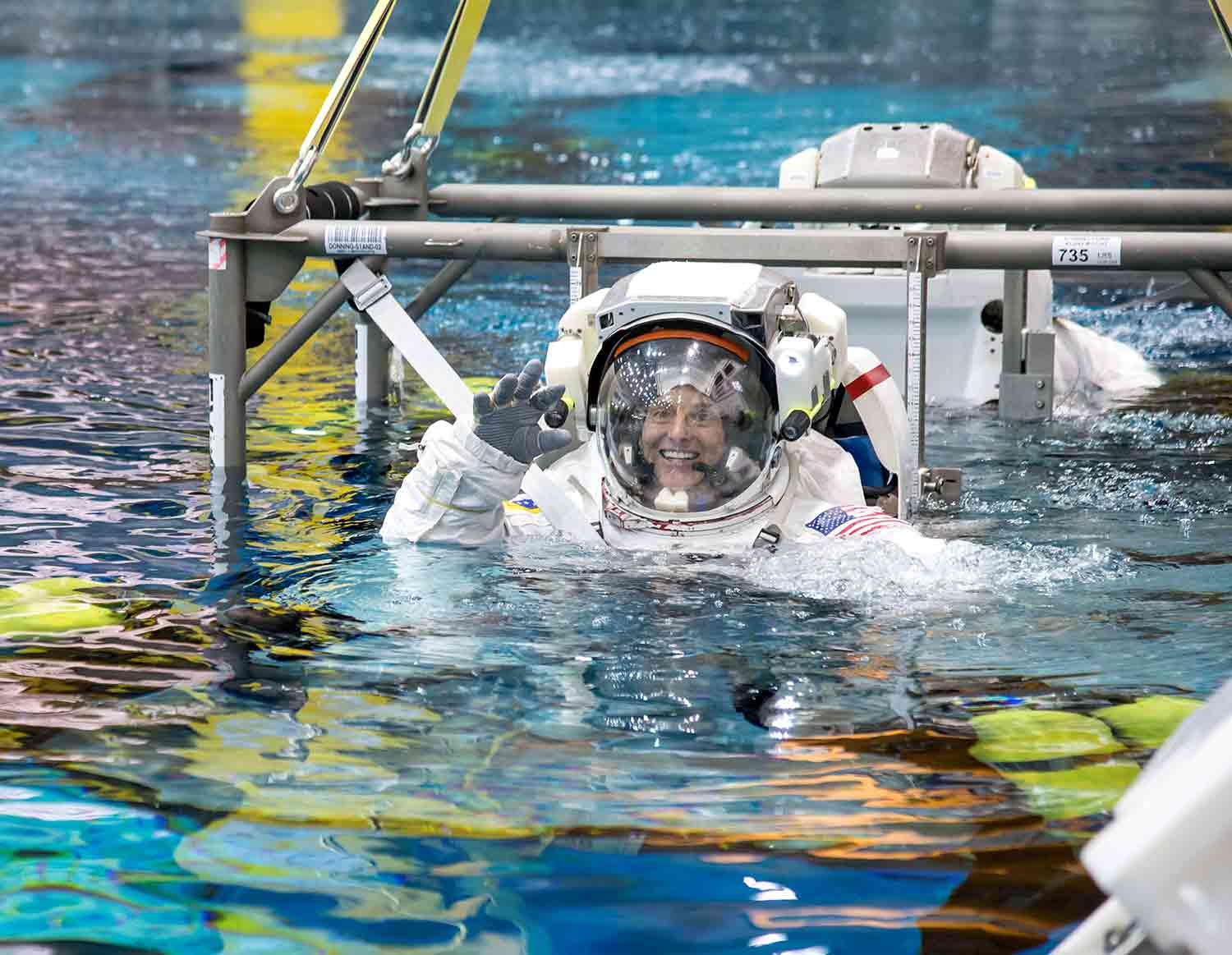
Nicole Mann learned what a spacewalk would feel like at NASA’s Neutral Buoyancy Laboratory.

Nicole Mann plans to do some spacewalks while she’s living on the International Space Station (ISS). Any time an astronaut leaves the ISS during the mission, that’s called a spacewalk. It’s like taking a walk outside, except astronauts wear spacesuits, which provide the oxygen they need. Astronauts are attached to the space station, and instead of walking, they kind of float around. 

Astronauts go on spacewalks for many reasons. Sometimes they do science experiments. They want to find out how being in space affects different things. Astronauts might also test or repair equipment on a spacewalk. Sometimes the ISS itself needs a repair. In some ways, the ISS is like any other home, and all homes need repairs sometimes. But the ISS also has a lot more equipment that can break down.

Before they go to space, astronauts train to go on spacewalks. Can you guess the best way to prepare to be almost weightless? If you thought of a swimming pool, you’re right! NASA has a pool called the Neutral Buoyancy Laboratory. Astronauts practice moving around in it. But they don’t wear bathing suits. They wear spacesuits!

To the Moon…and Beyond!

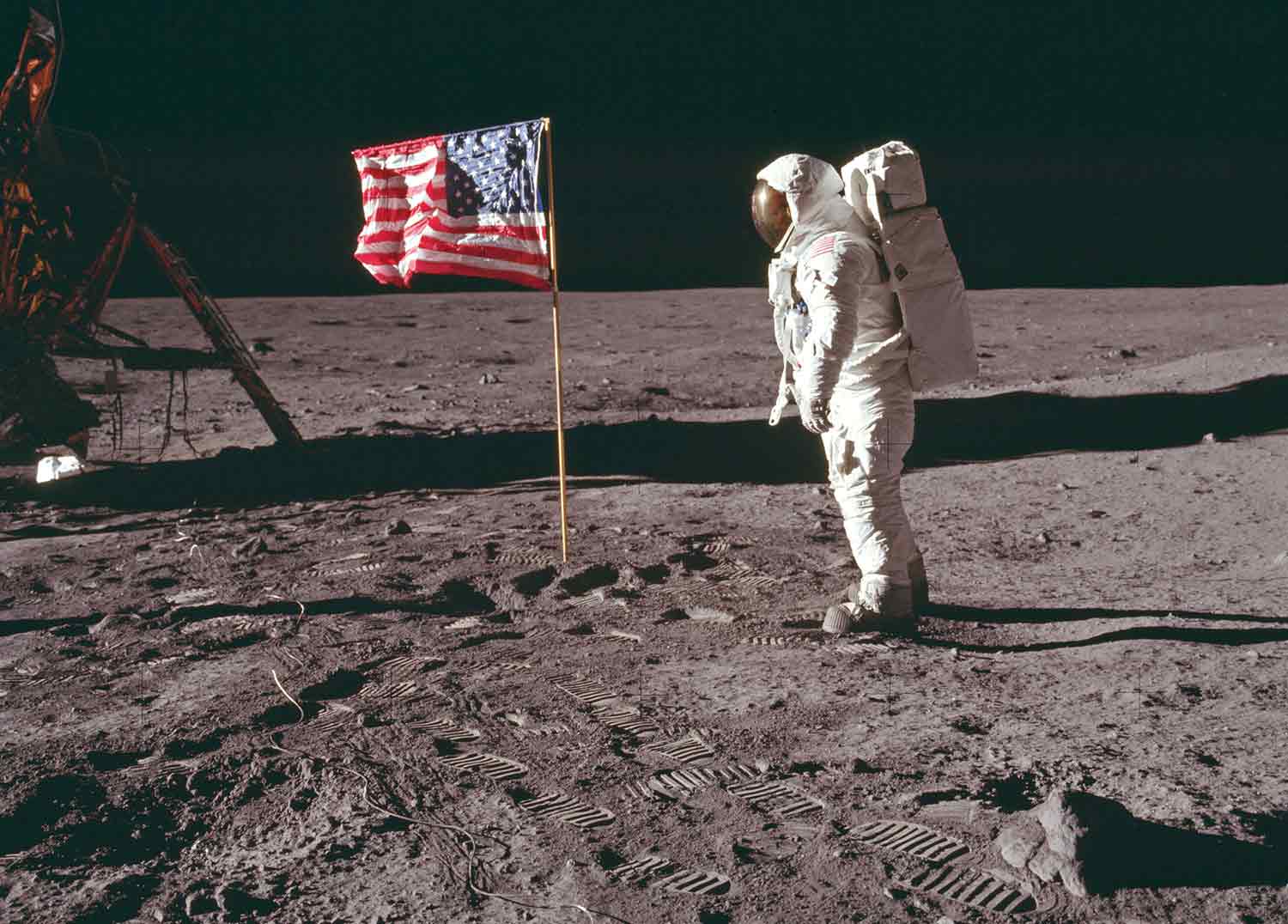
A person in a spacesuit stands on the surface of the Moon next to a U.S. flag, which stands upright in the soil.

Project Apollo Archive/NASA

U.S. astronaut Buzz Aldrin went to the Moon as part of the Apollo 11 mission in 1969.

The first person went to space in 1961. By 1969, people were walking on the Moon!

That was more than 50 years ago. Where in space do you think we’ll go in the next 50 years? Learn more about space exploration at Britannica School!

Word of the Day Icon

Word of the Day

buoyant

Part of speech:

adjective

Definition:

: able to float

Definitions provided by
Merriam-Webster Logo
Game Icon

Play

Can you find all the words related to space exploration?

O
O
O
O
O

In Case You Missed It

Ilia Malinin is the first figure skater to land a quadruple axel during a competition.

10.18.22

Which toys will be chosen for the National Toy Hall of Fame?

10.14.22

Students at a school in Georgia found a way to make their playground less hot.

10.11.22

October 10 is Indigenous Peoples’ Day in the United States. 

10.04.22

Magic on Ice

A male figure skater in a black costume and black skates poses on the ice with his arms outstretched.

Magic on Ice

Ilia Malinin is the first figure skater to land a quadruple axel during a competition.

A male figure skater in a black costume and black skates poses on the ice with his arms outstretched.

Sylvain Thomas—AFP/Getty Images

Ilia Malinin doesn’t just ice skate. He flies! Malinin can jump off the ice, rotate (turn) his body four and a half times, and land on one foot. This type of jump is called the quadruple (quad) axel. In September, 17-year-old Malinin became the first figure skater ever to land a quad axel in a competition. 

Malinin, who is American, landed the jump at a skating competition called the U.S. International Classic. He said he had done the quad axle many times during practice. But he wasn’t sure if he’d be able to do it during a competition, with so many people watching. 

“When I’m practicing [the quad axel], it’s pretty easy for me to figure out how to get the right timing and everything…,” Malinin told reporters. “To do it in competition is a different story because you have nerves and pressure…. So I have to treat it like I’m at home, and it feels pretty good.”

Figure skaters have been landing quadruple jumps for many years. But the quad axel is the most difficult of all the jumps. Why? Most kinds of quad jumps require the skater to rotate their body four times. With the quad axel, the skater takes off moving forward and lands moving backward. That means the skater has to rotate their body four and a half times!

At the 2022 Winter Olympics in February, Japanese skater Yuzuru Hanyu tried a quad axel. Hanyu had been able to complete the jump in practice, but he fell when he tried it in the competition. Malinin was impressed that Hanyu tried the jump. It made him want to try it, too. 

Skating fans are excited about Malinin. He won the silver medal at the U.S. National Championships last season. He’s also a junior world champion. Could the 2026 Olympics be next?

Fun Fact Icon

Fun Fact

© Red Bull

Watch speed skater Kjeld Nuis set a world record!

Speed skaters don’t do fancy jumps and other tricks, but they do skate very fast! Most speed skaters reach about 25 to 30 miles per hour (40 to 48 kilometers per hour) when they race each other. In 2022, Norwegian speed skater Kjeld Nuis reached 64 miles per hour (103 kilometers per hour) on a frozen lake. It was a world record.

Better Skating, Better Game

© Evgenii Naumov/Dreamstime.com; Animation Encyclopædia Britannica, Inc.

Figure skating and ice hockey are two very different sports. Yet some hockey players take skating lessons from figure skaters! 

Why?

Figure skating requires strength, balance, and grace. Figure skaters have to learn how to skate in a certain way so that they can do jumps, spins, and other difficult moves. They need to know just how much to tilt the blades on their skates when they’re gliding across the ice. They try to keep their bodies in just the right positions, or they could fall. And, like dancers, figure skaters need to have great posture.

Hockey players don’t do jumps and spins. Their job is to make sure that the puck gets to the goal post. But athletes always benefit when they gain more control over the way they move. And many hockey players have found that by improving their skating, they improve their game!

It’s All in the Skates

© Igor Dolgov, Hkratky/Dreamstime.com, © Iurii Osadchi/Shutterstock.com; Photo composite Encyclopædia Britannica, Inc.

Hockey players, figure skaters, and speed skaters all wear different kinds of skates. Why?

Learn more at Britannica School!

Word of the Day Icon

Word of the Day

agile

Part of speech:

adjective

Definition:

: able to move quickly and easily

Definitions provided by
Merriam-Webster Logo
Game Icon

Play

All of the words hidden in this puzzle are related to winter sports. How many can you find?

O
O
O
O
O

In Case You Missed It

Which toys will be chosen for the National Toy Hall of Fame?

10.14.22

Students at a school in Georgia found a way to make their playground less hot.

10.11.22

October 10 is Indigenous Peoples’ Day in the United States. 

10.04.22

Scientists say that cockroaches might someday be able to help humans in a big way!

09.30.22

Toys For All Time

Toys For All Time

Which toys will be chosen for the National Toy Hall of Fame?

Courtesy, The Strong

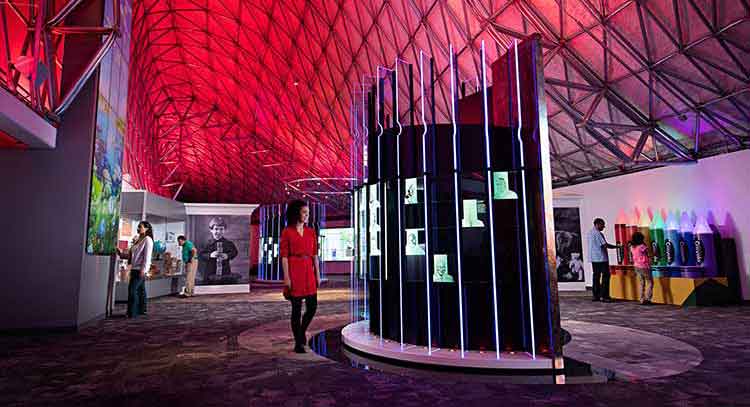
November 10 will be a big day for people who love toys. That’s when the Strong National Museum of Play will choose which toys to put in its National Toy Hall of Fame!

The museum, which is located in Rochester, New York, is all about play! There’s a giant game board, a pinball machine room, a butterfly garden, and a ropes course. 

The museum is also home to the National Toy Hall of Fame. Toys that are selected to go into the Hall of Fame must be among the best of all time. Some were first sold many years ago and are more likely to be familiar to parents or grandparents. Others are newer. You might recognize some of them!

Seventy-seven toys are already in the Hall of Fame. Here are a few:

  • LEGO
  • American Girl dolls
  • Monopoly
  • The Atari 2600 video game system
  • Sand
  • The teddy bear

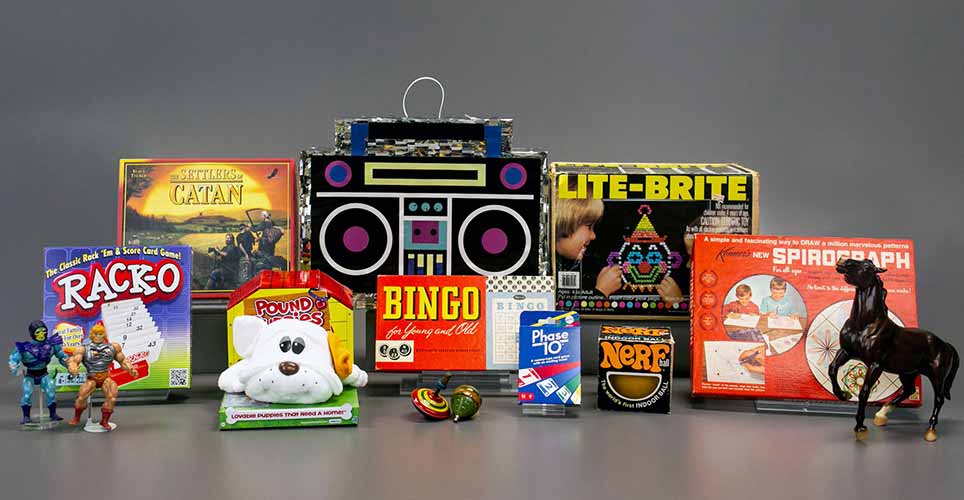
So far this year, the Hall of Fame has chosen 12 toys as finalists for the Hall. The games on the list include bingo, Catan, Phase 10, and Rack-O. The toys include Lite-Brite, Breyer Horses, Masters of the Universe action figures, piñatas, Nerf toys, Pound Puppies, Spirograph, and the spinning toy known as “the top.” 

Out of these 12 toys, only three will be chosen for the Toy Hall of Fame. The public voted for their favorites. (Voting ended on September 21.) A special committee (group of people) will make the final choices, which will be announced on November 10.

Which toys should win?

Fun Fact Icon

Fun Fact

Animation of a girl in a loincloth holding a stick and looking disappointed with trees in the background

© Cory Thoman, Nelieta/Dreamstime.com; Animation Encyclopædia Britannica, Inc.

The Strong Museum of Play says the stick might be the oldest toy of all time. Kids can use their imaginations and turn sticks into lots of things. They’ve probably been doing so for thousands or even hundreds of thousands of years!

Best Ever?

What are the best-selling toys of all time? Check out the list from Money Inc. and see if your favorites are on it!

© Suradeach Seatang/Dreamstime.com

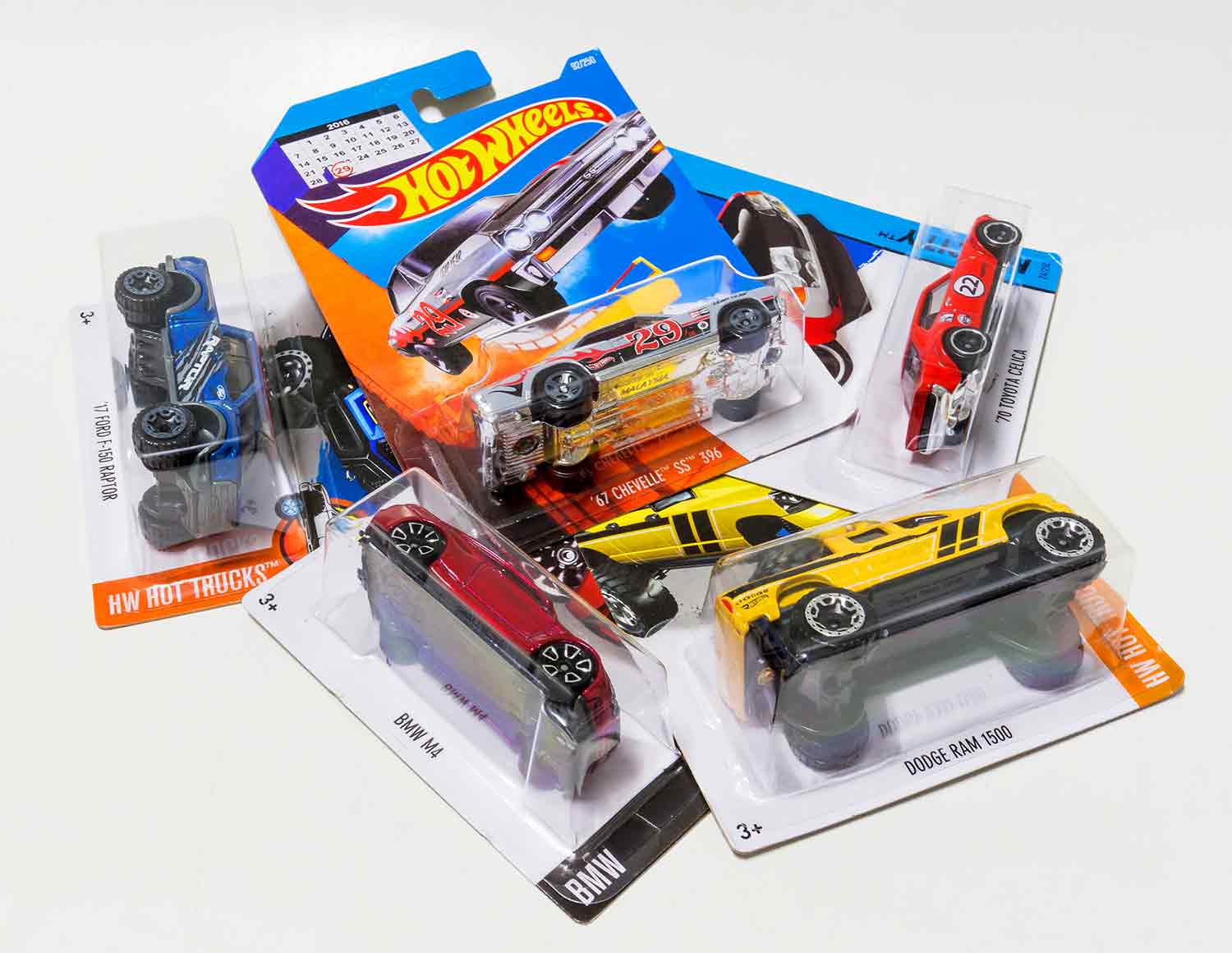
5. Hot Wheels. These little toy cars have been around since 1968. So far, more than four billion Hot Wheels have been sold!


© Wirestock/stock.adobe.com

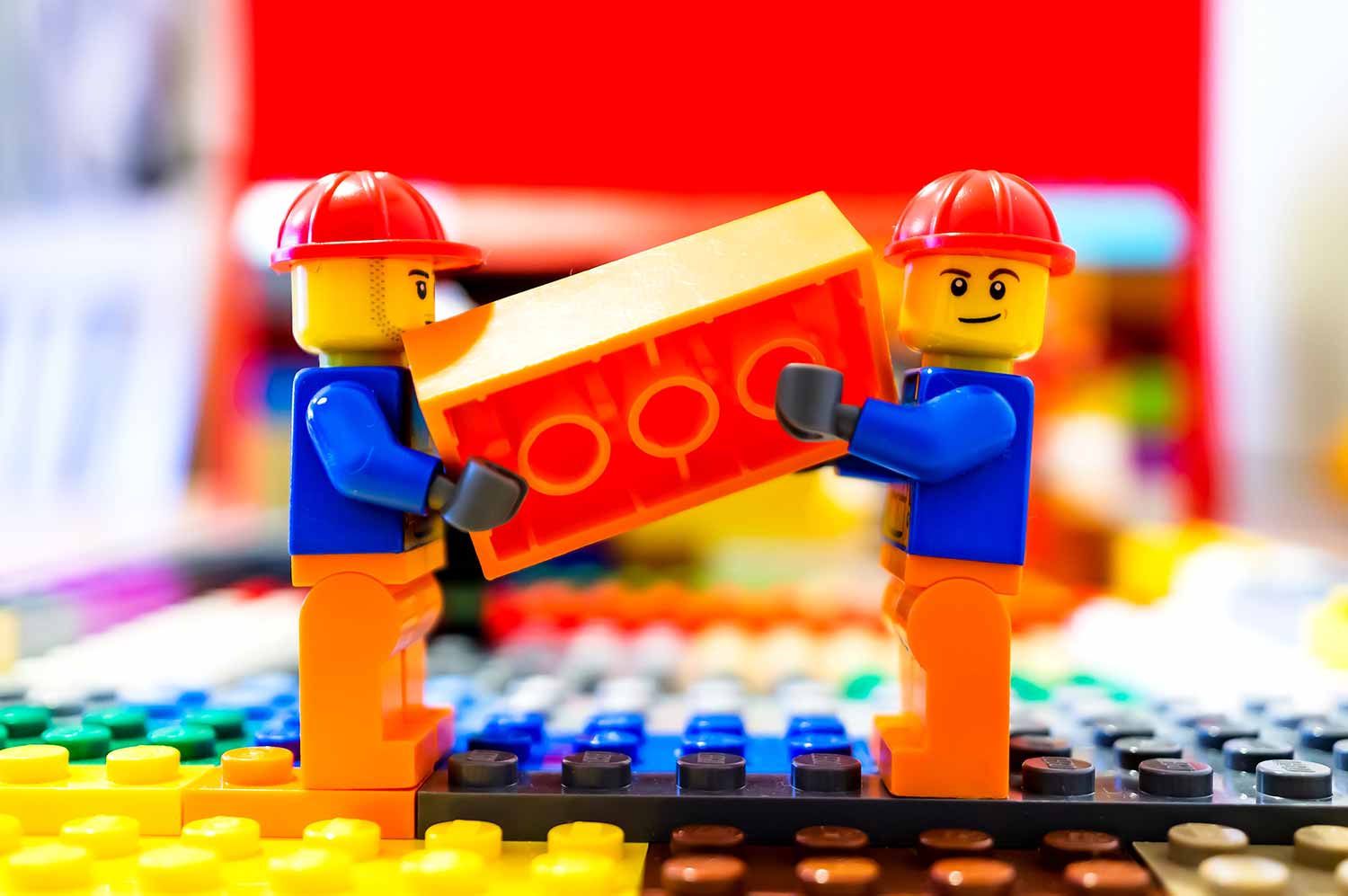
4. LEGO. Kids and grown-ups love to build things with the little plastic blocks called LEGO. LEGO is so popular that there are LEGO movies and even a LEGO amusement park!


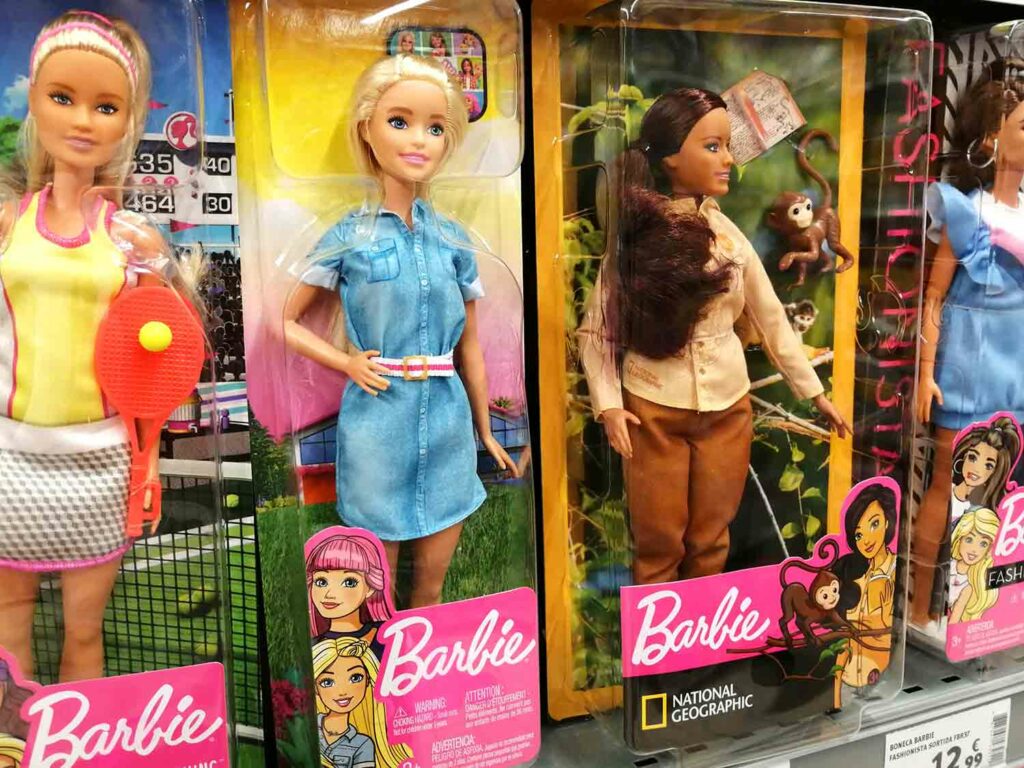
Closeup of four Barbie dolls in packages on display at a store

© Murdock2013/Dreamstime.com

3. Barbie dolls. The first Barbie doll came out in 1959, which means that Barbies have been around for 63 years! Kids love Barbies so much that more than three billion of them have been sold!


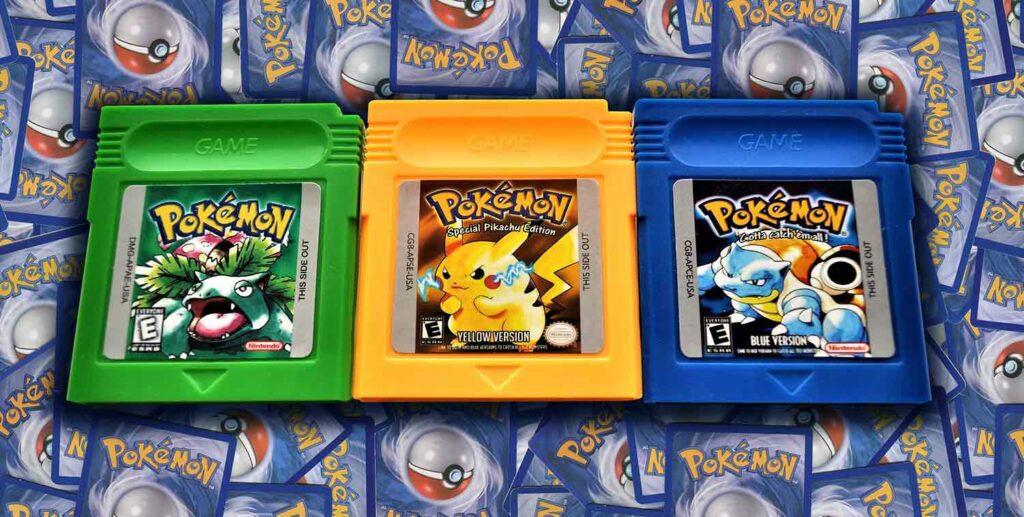
Three Pokemon game cartridges sit on a pile of Pokemon cards

 © HollyHarry/stock.adobe.com, © Russell Savage/Dreamstime.com; Photo illustration Encyclopædia Britannica, Inc.

2. Pokémon. The name Pokémon may mean “pocket monsters,” but people love to be in the world of these creatures. There’s a Pokémon TV series as well as video games and a trading card game. More than 440 million Pokémon video games have been sold. That’s a lot of little monsters!


© leungchopa/Shutterstock.com

1. Video games. Video games are the best-selling toys ever. About 93 billion dollars in video games have been sold so far! That’s $93,000,000,000.


Gaming Rocks!

© Andersen Ross—DigitalVision/Getty Images

Video games are the biggest selling toys of all time. Do you know a lot about them?

See what Britannica School has to say!

Word of the Day Icon

Word of the Day

whimsical

Part of speech:

adjective

Definition:

: : unusual in a playful or amusing way : not serious

Definitions provided by
Merriam-Webster Logo
Game Icon

Play

Let’s play! How many toys and games can you find?

O
O
O
O
O

In Case You Missed It

Students at a school in Georgia found a way to make their playground less hot.

10.11.22

October 10 is Indigenous Peoples’ Day in the United States. 

10.04.22

Scientists say that cockroaches might someday be able to help humans in a big way!

09.30.22

What are the most popular emojis? We’ve got the answer.

09.27.22

Cooler Playground? Yes, Please!

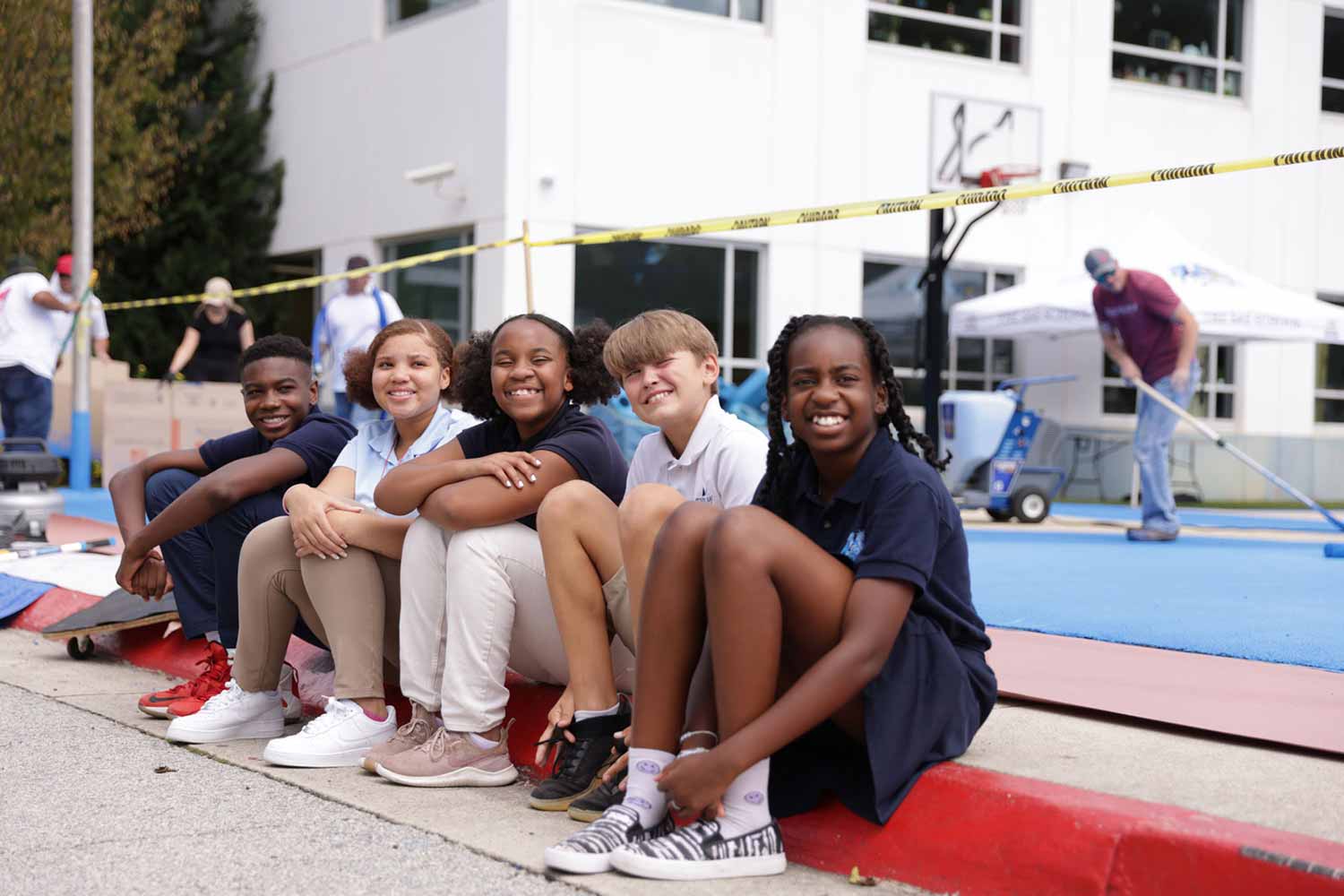
Five students sit on a curb and smile at the camera as men behind them use tools to add a coating to a playing surface.

Cooler Playground? Yes, Please!

Students at a school in Georgia found a way to make their playground less hot.

Five students sit on a curb and smile at the camera as men behind them use tools to add a coating to a playing surface.

Courtesy, GAF (StreetBond ® pavement coatings, a GAF product and part of Standard Industries)

Students at a school called SAE did an experiment to see if a special coating would make their playground less hot.

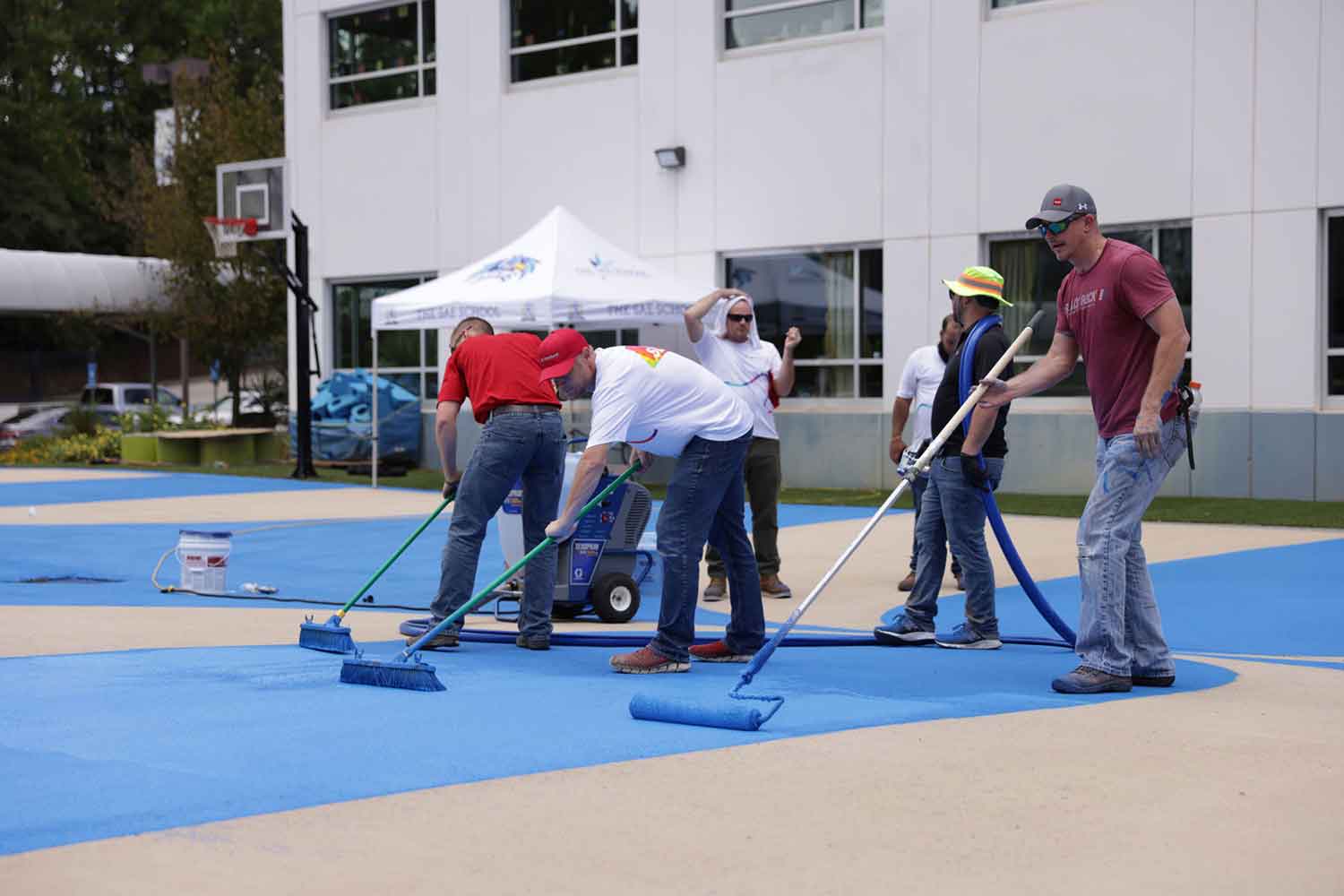
A school in Georgia coated its playground with a type of coating that reflects sunlight. Now, the playground doesn’t get as hot—making it much more fun to use!

The idea to paint the playground came from an experiment. Students at a school called SAE knew that their school’s playground and parking lot were covered in black asphalt. Asphalt gets very hot because it absorbs (takes in) the Sun’s heat. The students wanted to see if the special coating would make a difference. So they covered one spot in the parking lot with the coating. Then, they measured the ground temperature of that parking spot. They compared it with the temperature of the rest of the parking lot. The parking spot was 12 degrees (Fahrenheit) cooler! 

What made the coated parking spot cooler? The coating the students used reflects sunlight. That means the Sun’s heat bounces off the paint instead of soaking into it. This gave the students the idea to put the coating on their playground. 

“It’s been really cool to find out…the different temperatures you see different days,” eighth grader Paris Howard told the Atlanta Journal-Constitution. “It’s definitely made me think more…of how our climate is changing.”

Courtesy, GAF (StreetBond ® pavement coatings, a GAF product and part of Standard Industries)

Workers put a special coating on a play area at SAE School.

Now that the playground has the special coating, it doesn’t just look cool. It IS cool. It’s a much more comfortable place to run around and play. That’s important, especially since climate change is causing the air to get warmer.

The coating just might be a fun way to make outdoor play a little more awesome.

Face Thinking Icon

Did You Know?

© Bonnie/stock.adobe.com

Have you ever seen a green roof? It’s a roof that’s partly or totally covered in plants. The plants absorb carbon dioxide, which is a cause of climate change. They can also help keep the building cooler because they absorb the Sun’s heat!

The Power of Play

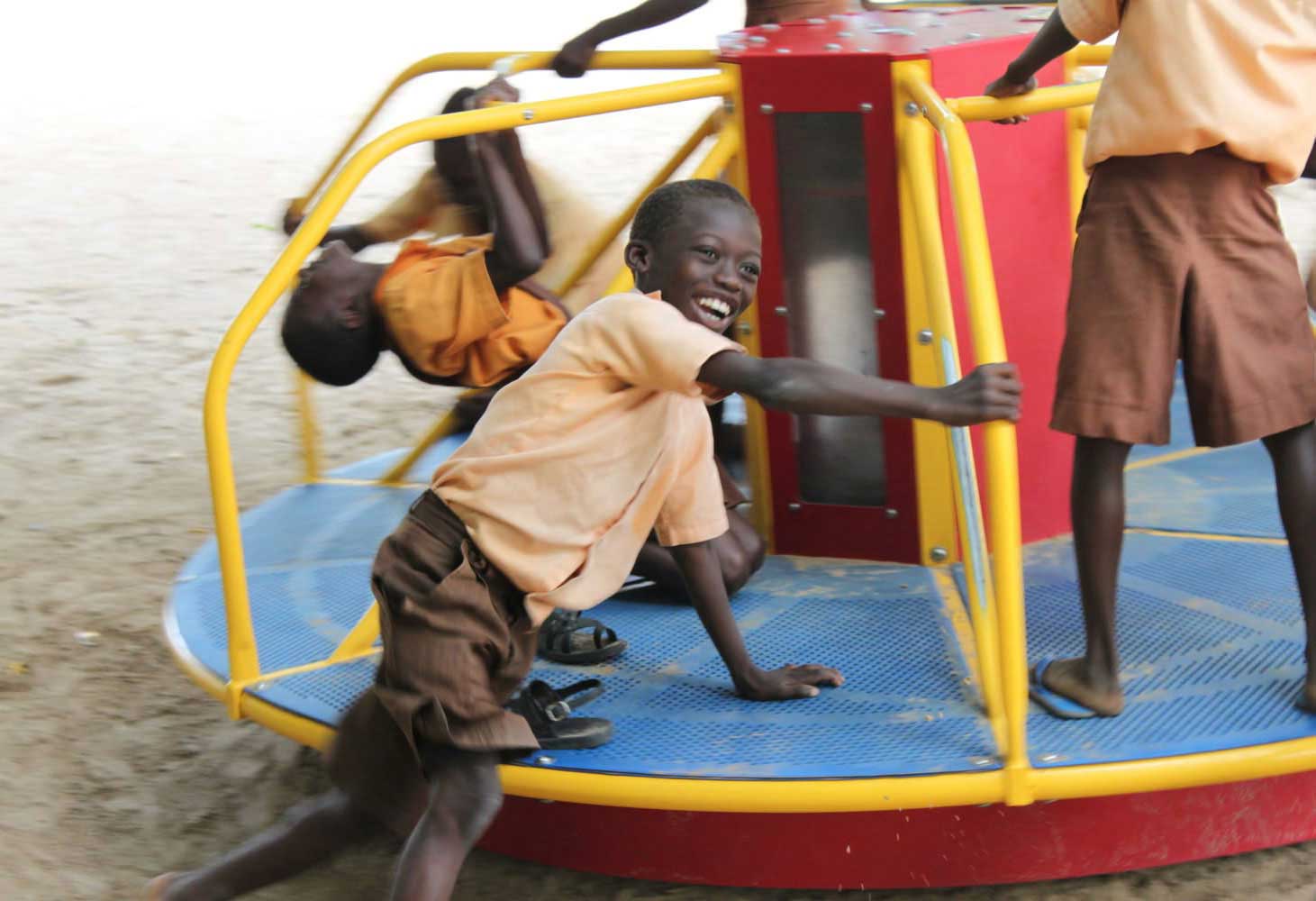
A boy smiles on a merry-go-round as he plays on it with other kids.

Courtesy, Empower Playgrounds Inc.

As kids play on this merry-go-round, they make energy!

Playing can take a lot of energy! Did you know that playing—or any kind of physical activity—can also make energy? When anything moves, it makes kinetic energy. That’s true of people or things.

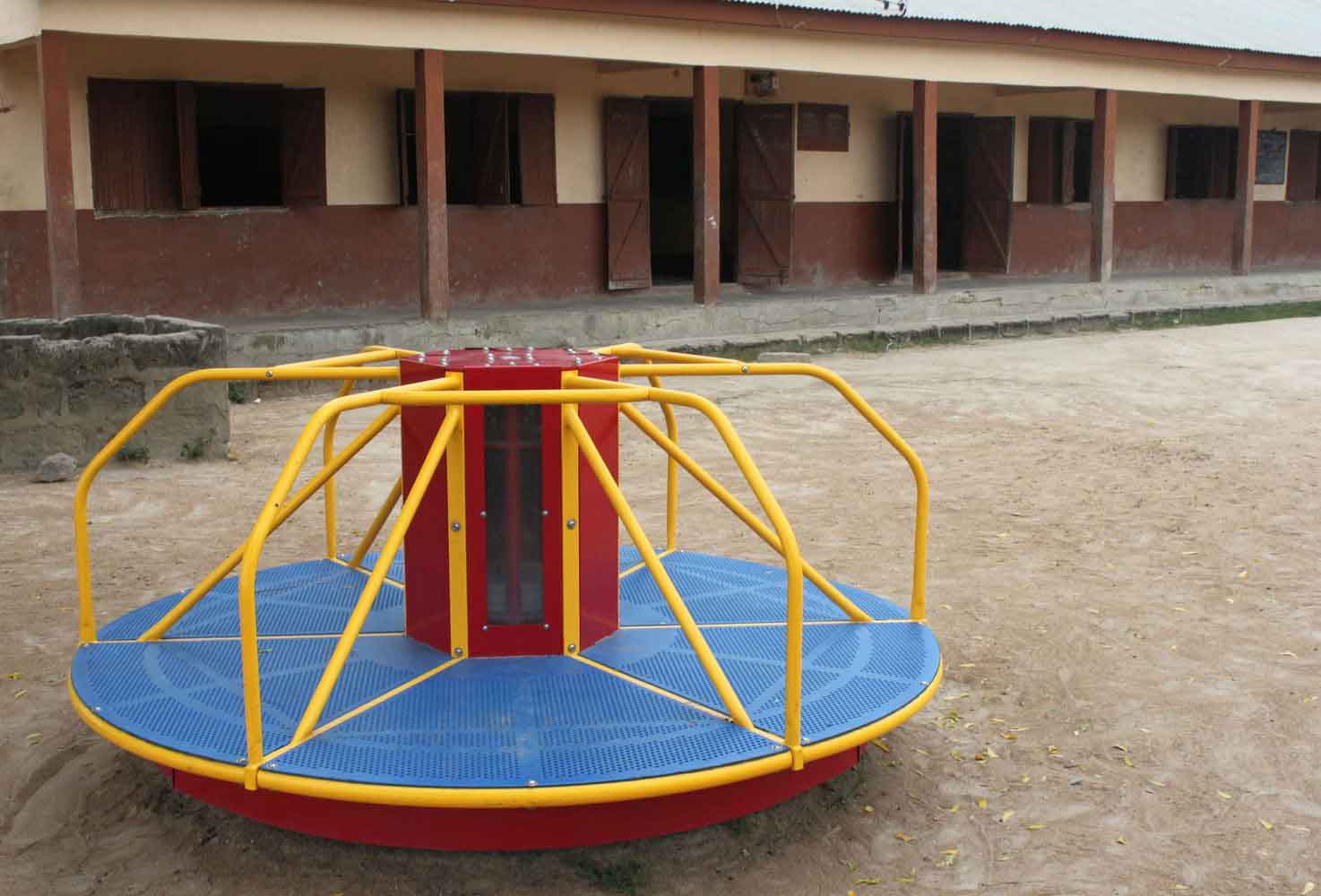
A company decided to use kinetic energy to make electricity. And where did it decide to make that kinetic energy? On playgrounds! The company is called Empower Playgrounds. It has put merry-go-rounds in several locations in the West African country of Ghana. A merry-go-round is a piece of playground equipment that can be spun. Kids stand on it for a fun ride. Empower Playgrounds’ merry-go-rounds are able to capture the kinetic energy that’s produced when they are spun. 

Courtesy, Empower Playgrounds Inc.

When this merry-go-round moves, it makes energy!

Empower Playgrounds uses the energy to power batteries for lanterns. These lanterns can be used in homes that don’t have electricity. Kids can take the lanterns home from school so they can do their homework at night, when it’s dark. 

Think of all the energy we make each day, just by moving. Imagine what it could be used for.

Run By the Sun

A single-family home with solar panels on the roof

© Andreas Weber/Dreamstime.com

This home has solar panels on its roof. The panels capture the Sun’s energy.

The Sun’s energy, called solar energy, can be used to make electricity.

Learn more at Britannica School!

Word of the Day Icon

Word of the Day

impetus

Part of speech:

noun

Definition:

: a force that causes something (such as a process or activity) to be done or to become more active

Definitions provided by
Merriam-Webster Logo
Game Icon

Play

See how many answers you know!

O
O
O
O
O

In Case You Missed It

October 10 is Indigenous Peoples’ Day in the United States. 

10.04.22

Scientists say that cockroaches might someday be able to help humans in a big way!

09.30.22

What are the most popular emojis? We’ve got the answer.

09.27.22

Sonia Sotomayor, whose parents were from Puerto Rico, is the first Hispanic justice on the U.S. Supreme Court.

09.23.22

Saving Their Stories

People in the clothing of an American Indian nation perform a dance outdoors

Saving Their Stories

October 10 is Indigenous Peoples’ Day in the United States. Here’s how the Muscogee Nation is making sure their stories are told.

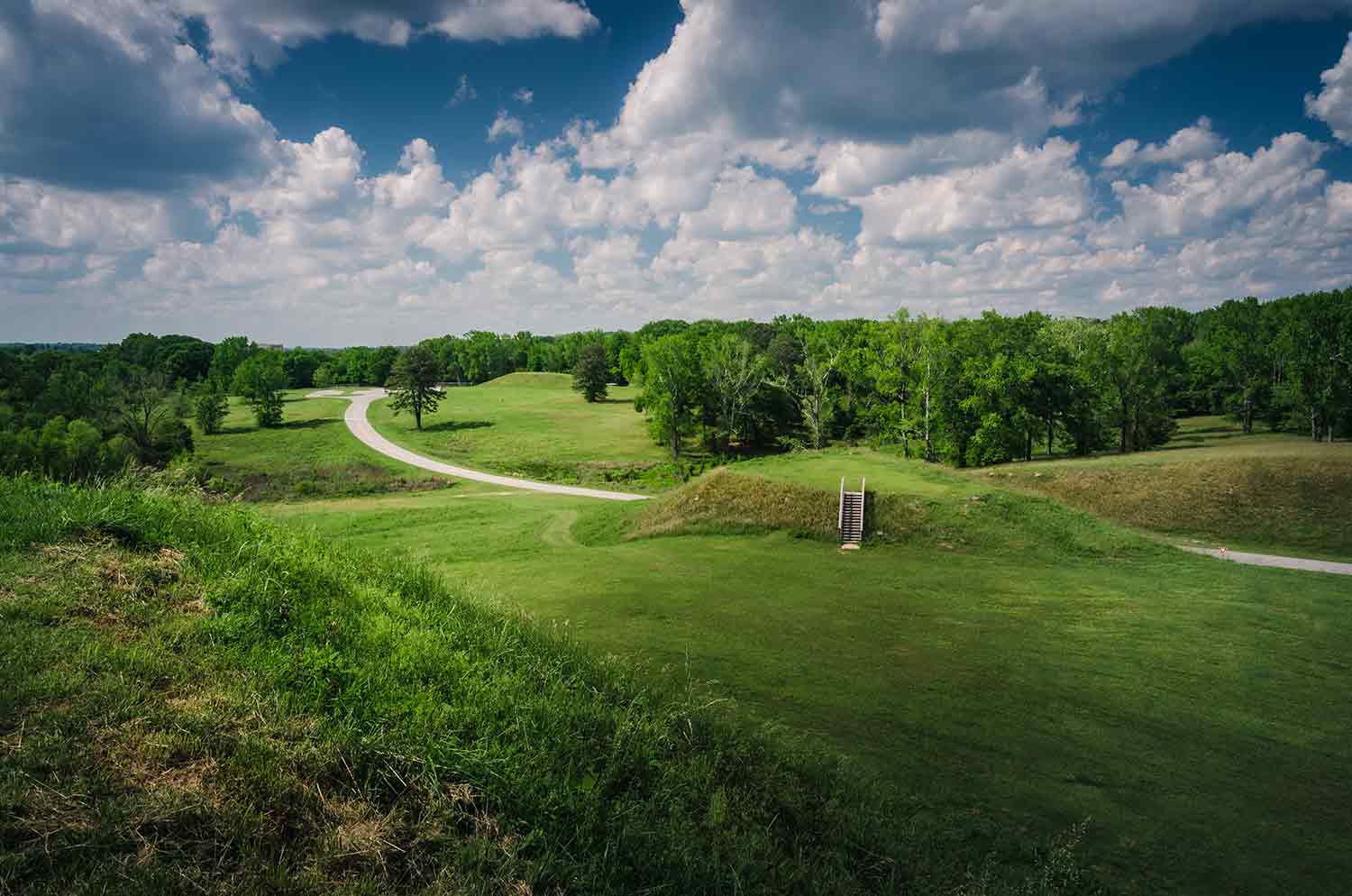
A landscape has a grassy mound in the foreground and distance with trees in the background.
© Viktor Posnov/stock.adobe.com

This land was once home to the people of the Muscogee Nation.

The people of the Muscogee Nation once called Georgia home. Now, a piece of land in central Georgia, with lush forests and green plains, may become a national park. 

Leaders from the Muscogee Nation are working with the U.S. government on a plan to set aside this land as Ocmulgee National Park and Preserve. Creating the park isn’t just a way to protect the forest and wildlife. It’s also a way to help keep Muscogee culture alive.

People have lived around the Ocmulgee River, which runs through the parcel of land, for 17,000 years. The Muscogee people lived in the area for hundreds of years. Then, in the 1820s and 1830s, the U.S. government drove them out. The government forced the Muscogee people to settle in Oklahoma (which was not yet a U.S. state). Today, the Ocmulgee is still a very important part of Muscogee history and culture.

“Our history is here,” David Hill, principal chief of the Muscogee Nation, told Voice of America. “Our ancestors are here. Our stories started here.”

Part of the area has been a national monument since 1936, but if the U.S. government approves the plan for a national park, more of the land will be protected. That means it won’t be built on. 

A national park would also attract visitors. They can go hiking, boating, and fishing, or just enjoy the land and wildlife. They can also learn about the history of the area—how American Indians, including the Muscogee people, lived on the land for thousands of years.

“This is lush, gorgeous land. The rivers are gorgeous here,” said Tracie Revis, whose Muscogee ancestors once lived here. “We believe that [our] ancestors are still here, their songs are still here, their words are still here, their tears are still here.”


Face Thinking Icon

Did You Know?

An animation shows flags from different American Indian nations flashing on and off.
yfpro/Shutterstock.com; Animation Encyclopædia Britannica, Inc.

Today, the U.S. government recognizes 574 American Indian nations. Among the nations, there is a huge range of traditions, languages, and cultural beliefs.

Indigenous Peoples’ Day

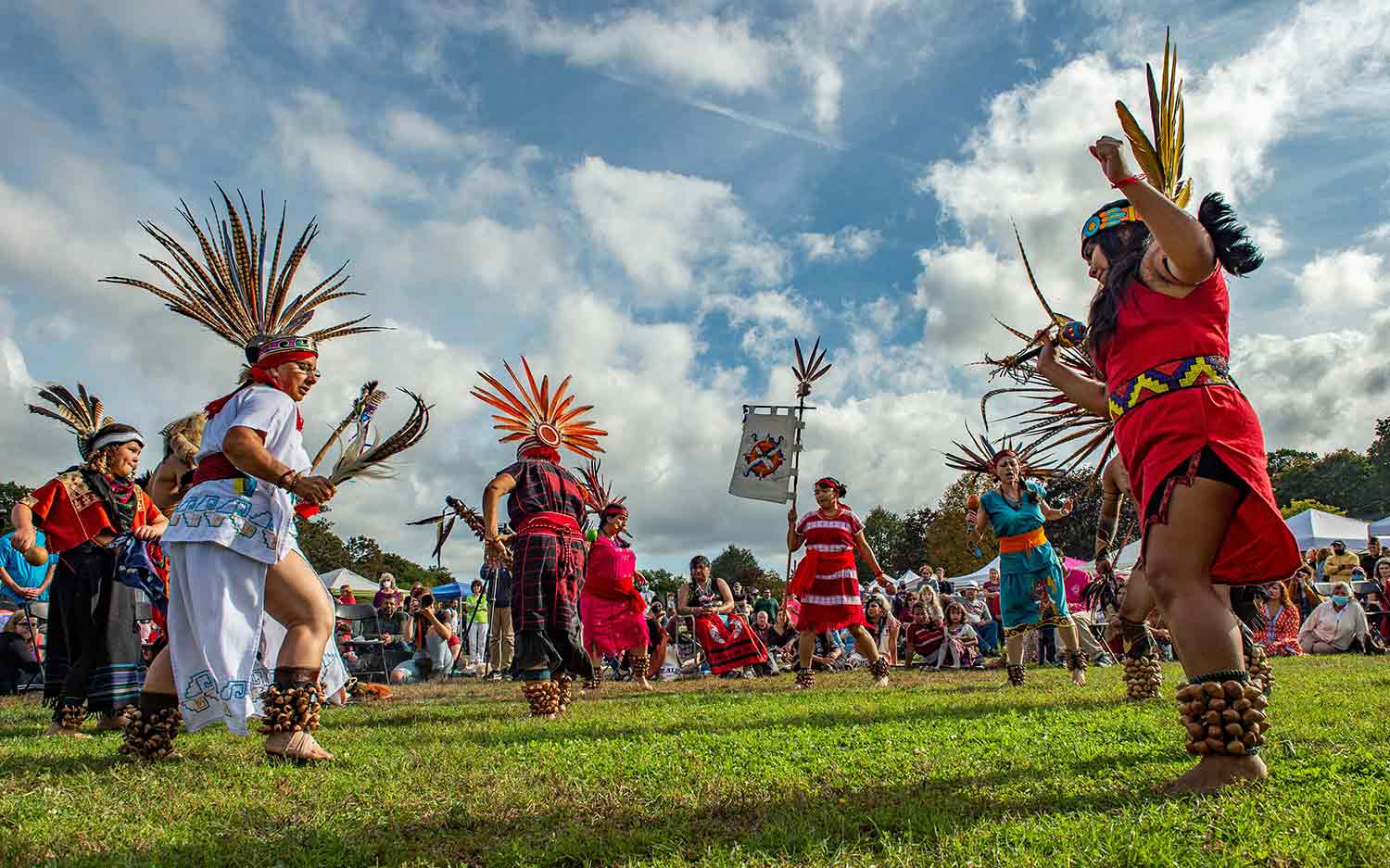
People in the clothing of an American Indian nation perform a dance outdoors
Joseph Prezioso—AFP/Getty Images

Members of a dance group called Cetiliztli Nauhcampa perform at a celebration of Indigenous Peoples’ Day in 2021. The group is made up of Indigenous people.

The second Monday in October is Indigenous Peoples’ Day. It’s a day when Americans recognize the history and the many cultures of American Indian and Alaska Native nations. These nations include the Muscogee, the Wampanoag, the Massachusett, the Sioux, the Navajo, the Yup’ik, and hundreds of others.

American Indian and Alaska Native people have been in North America for thousands of years—much longer than Europeans, who first started settling in North America about 500 years ago. Among American Indians, many nations developed. Each had its own culture, language, and beliefs.

Europeans started claiming land in what is now the United States in the 1500s. They began to build settlements there, which turned into towns and cities. Over time, they took more and more land. They took the land, even though the people of the Wampanoag, the Massachusett, and other nations were already living there. Sometimes, the U.S. government used violence to force the people off their land so that white people could settle there.

Today, there are nearly 10 million American Indians and Alaska Natives in the United States. Indigenous Peoples’ Day is a time to celebrate their cultures. It’s also a time to think about our shared history—the story of America, how we treat each other, and how we can be kinder and more respectful to one another.


Learn More!

A composite of three faces of young, modern Indigenous people
© Tony Anderson—DigitalVision, Justin Lewis—Stone, RichLegg—E+/Getty Images; Photo composite Encyclopædia Britannica, Inc.

There is so much to learn about American Indians, or Indigenous peoples.

Learn more at Britannica School!

Word of the Day Icon

Word of the Day

nation

Part of speech:

noun

Definition:

: a tribe of American Indians or a group of American Indian tribes that share the same history, traditions, or language

Definitions provided by
Merriam-Webster Logo
Game Icon

Play

Can you find all the bodies of water and waterways?

O
O
O
O
O

In Case You Missed It

Scientists say that cockroaches might someday be able to help humans in a big way!

09.30.22

What are the most popular emojis? We’ve got the answer.

09.27.22

Sonia Sotomayor, whose parents were from Puerto Rico, is the first Hispanic justice on the U.S. Supreme Court.

09.23.22

A scientist found that some dogs might cry tears of joy when their owners come home

09.20.22